What Does Blue Curacao Taste Like is sweet orange peel with a lightly bitter, candied-citrus finish, colored bright blue rather than flavored like berries.
It’s typically made from dried bitter orange peels, so the flavor is closer to orange liqueur than tropical fruit.
In cocktails, blue curaçao adds sugar, citrus aroma, and vivid color without much acidity. Most bottles sit around 15% to 25% ABV, though premium versions can be stronger and drier.
Expect a syrupy texture in budget brands and a cleaner orange-zest profile in higher-quality curaçaos.
How Blue Curacao Actually Tastes
Blue curaçao tastes like sweet orange peel first, with a light bitter-citrus edge and a vivid blue color that does not come from the fruit.
The numbers on the bottle explain why some brands taste like candy while others taste closer to a dry orange liqueur.
Most blue curaçao is built around orange-peel flavoring, sugar, alcohol, water, and blue food coloring.
The classic reference point is curaçao liqueur from the Caribbean island of Curaçao, traditionally associated with the dried peels of the bitter Laraha orange.
| Number | What it tells you | Why it matters for taste |
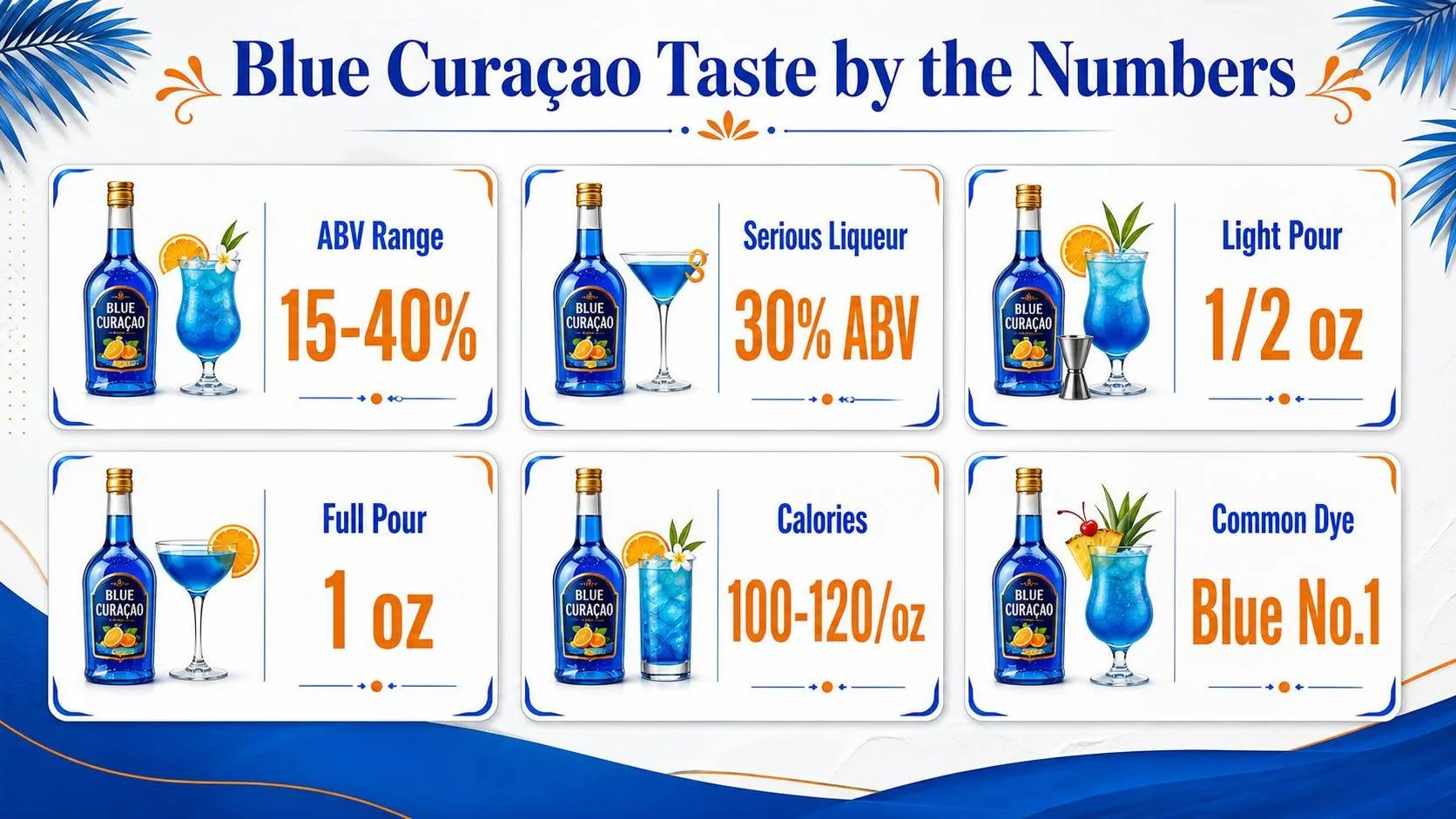
| 15% to 40% ABV | Common alcohol range for curaçao-style liqueurs | Lower-ABV bottles usually taste softer, sweeter, and more syrupy; higher-ABV versions carry more orange aroma and cocktail structure. |
| 30% ABV | Typical strength for many serious orange liqueurs | At this level, the orange peel note feels brighter and less diluted, especially in Margaritas, Sidecars, and tropical drinks. |
| 1/2 oz to 1 oz | Common cocktail pour | A half-ounce adds color and light orange sweetness; a full ounce makes blue curaçao a major flavor and sugar contributor. |
| About 100 to 120 calories per 1 oz | Usual calorie range for sweet liqueurs | Most of those calories come from alcohol and sugar, which is why blue curaçao tastes rounded rather than sharply citrusy. |
| Blue No. 1 | Common coloring used in many blue liqueurs | The color is visual, not flavor-based; blue curaçao should not taste like blueberry, raspberry, or “blue” candy by default. |
The key tasting number is ABV. A 15% ABV blue curaçao often drinks closer to orange syrup with a mild spirit note. A 30% to 40% ABV version can taste drier, warmer, and more peel-driven, even if it still contains sugar.
Sugar is the second major factor, though brands do not always print grams per ounce on the label. In practice, sweeter blue curaçao gives a round, candied orange flavor, while less-sweet versions show more bitter peel, spice, and alcohol lift.
- Use 1/2 oz when you want color, a light orange accent, and minimal sweetness.
- Use 3/4 oz for balanced tropical drinks with pineapple, lime, or coconut.
- Use 1 oz only when blue curaçao is intended to be a main sweetener.
The color also changes perception. In blind tasting, blue curaçao is fundamentally an orange liqueur. In a glass, the electric blue hue makes many drinkers expect a sweeter, fruit-punch-like flavor before they smell the orange peel.
What Changes Blue Curacao Flavor
Blue curaçao tastes broadly like sweet orange peel, but the final impression changes a lot by brand, proof, sugar level, and how it is mixed. In a tasting flight, the same ½ ounce can read candy-like in a Margarita and sharper in a high-acid sour.
Base Spirit and Alcohol Strength
Most blue curaçao is a liqueur, not a straight spirit. The alcohol level affects how “hot,” thin, or rounded it tastes, especially when served neat or used in small-format cocktails.
| Style | Typical ABV | Taste Impact |
| Low-proof blue curaçao | 15% to 20% | Sweeter, softer, more orange-soda-like |
| Standard cocktail liqueur | 20% to 25% | Balanced sweetness with light alcohol lift |
| Higher-proof curaçao or triple sec style | 30% to 40% | Drier, sharper, more pronounced peel bitterness |
Orange Peel Quality
Traditional curaçao is associated with dried peels from the Laraha orange of Curaçao, a bitter orange descended from Spanish Valencia oranges.
Liqueurs using real bitter-orange peel tend to taste more zesty, pithy, and aromatic than products built mainly on neutral orange flavoring.
- Bitter-orange peel: adds marmalade, pith, and light bitterness.
- Sweet-orange flavor: gives a rounder, candy-orange profile.
- Lemon or spice notes: can make the finish seem brighter or drier.
Sugar Level
Sugar is the biggest reason blue curaçao can taste syrupy. Many commercial orange liqueurs contain substantial added sugar because, under U.S. standards, liqueurs generally must contain at least 2.5% sugar by weight.
| Use Amount | Approximate Effect in a Drink |
| ¼ oz | Color and orange aroma, little sweetness change |
| ½ oz | Noticeable sweetness and blue color |
| 1 oz | Dominant orange-candy flavor and heavier body |
Coloring and Acidity
The blue color usually comes from FD&C Blue No. 1, also called Brilliant Blue FCF. The dye is essentially visual; it does not create the orange flavor, though the bright color can make tasters expect a sweeter, fruitier drink.
Acid changes the perception more than the dye does. Lime or lemon juice cuts the liqueur’s sugar and makes the orange taste fresher, while pineapple juice pushes it toward tropical candy.
Mixing Context
In a Blue Hawaiian, coconut cream and pineapple soften blue curaçao’s peel bitterness. In an electric blue Margarita, tequila, lime, and salt make it taste drier and more citrus-forward.
- Clear spirits: vodka lets the sweet orange note dominate.
- Agave spirits: tequila adds pepper, grass, and dryness.
- Rum: emphasizes vanilla, molasses, and tropical fruit.
How Blue Curacao Taste Is Evaluated
Blue curaçao’s taste is verified through a mix of label checks, lab-style measurements, and sensory evaluation. The key measurable markers are alcohol strength, sugar content, citrus aroma intensity, bitterness, acidity, and color consistency.
Because “blue curaçao” is a liqueur category rather than a protected appellation, producers vary widely. A 15% ABV bottle will taste softer and sweeter than a 40% ABV bottling, even if both are orange-flavored and bright blue.
Core measurements used to verify flavor
| Measurement | Typical range or method | What it confirms |
| Alcohol by volume | Commonly 15% to 40% ABV, checked by label and distillation/hydrometer methods | Heat, body, and cocktail strength |
| Sugar content | Liqueurs commonly contain at least 100 g/L sugar under EU liqueur rules | Sweetness, syrupy texture, finish length |
| Color | Usually verified visually or by spectrophotometer for batch consistency | Consistent blue hue, often from permitted food colorants |
| Aroma profile | Evaluated by tasting panel or gas chromatography in formal settings | Orange peel, bitter citrus, spice, and alcohol notes |
| Acidity and pH | Measured with a calibrated pH meter if tested professionally | Brightness and perceived freshness |
In a practical tasting, blue curaçao is assessed neat at room temperature and diluted in a simple drink. I use a 1:4 test, mixing 15 ml liqueur with 60 ml neutral sparkling water, to expose sweetness, bitterness, and artificial notes.
Sensory checks that matter
- First aroma: good examples smell like orange zest, dried peel, or bitter orange rather than candy syrup alone.
- Mid-palate: sweetness should be obvious, but not completely flatten the citrus flavor.
- Bitterness: traditional curaçao flavor should show some peel bitterness, especially in higher-quality bottlings.
- Finish: cheaper versions often finish with blue raspberry-like sweetness or a food-coloring impression.
- Cocktail performance: in a Blue Hawaii or Blue Lagoon, it should add orange flavor, not just color.
Professional verification also compares the product against its declared ingredients.
If a label lists “natural orange flavor,” the aroma should show recognizable citrus oils; if it lists artificial flavor, a simpler candy-orange profile is expected.
The most reliable quality check is side-by-side tasting at equal alcohol and sugar dilution. When sweetness and ABV are controlled, better blue curaçao shows clearer orange peel, cleaner bitterness, and less chemical aftertaste.
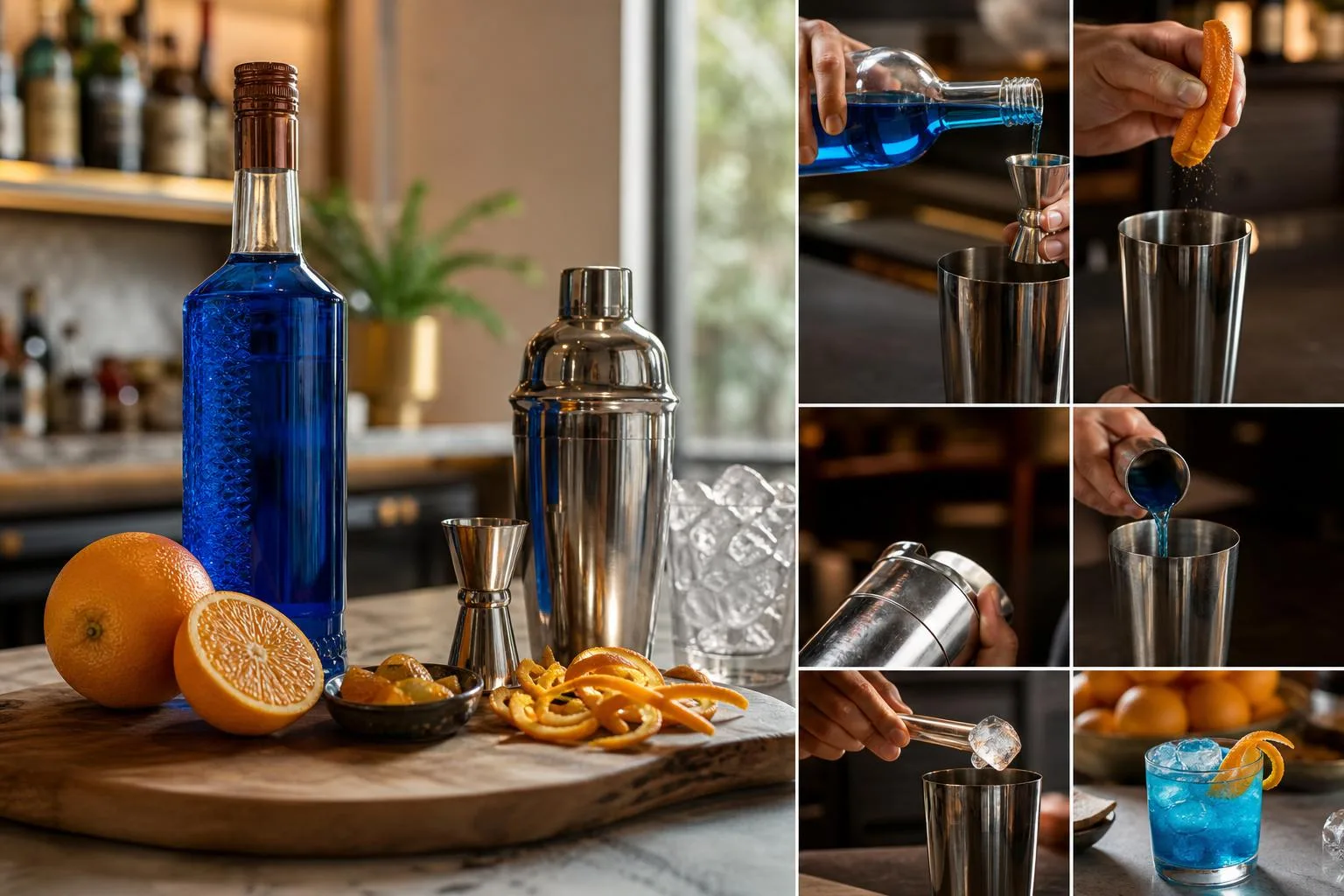
Blue Curacao vs Similar Liqueurs
Blue curaçao tastes like sweet orange peel first, with a light bitter-citrus edge and a very visible blue color. In cocktails, it is usually closer to a sweet triple sec than to fresh orange juice or a dry orange liqueur.
The biggest practical differences are sweetness, alcohol strength, and color. Most blue curaçao sold for bars is around 15% to 25% ABV, while premium orange liqueurs such as Cointreau and Grand Marnier are commonly 40% ABV.
| Alternative | Typical ABV | Taste compared with blue curaçao | Best use |
| Triple sec | 15% to 40% | Similar sweet orange flavor, usually clear and sometimes drier | Substitute when color does not matter |
| Cointreau | 40% | Cleaner, stronger orange peel aroma; less candy-like sweetness | Margaritas, Sidecars, Cosmopolitans |
| Grand Marnier | 40% | Orange plus cognac notes: vanilla, oak, dried fruit | Richer cocktails and sipping |
| Orange curaçao | Often 25% to 40% | Very close flavor, but orange or clear instead of blue | Classic tiki and brandy-based drinks |
| Orange juice | 0% | Fresher, juicier, more acidic; lacks bitter peel depth | Lengthening drinks, not a direct liqueur swap |
| Orange bitters | Often 35% to 45% | Intense bitter orange and spice; used by the dash | Seasoning cocktails, not sweetening them |
Blue Curaçao vs Triple Sec
Triple sec is the closest everyday substitute. Both are orange liqueurs, but blue curaçao is dyed blue and often tastes sweeter and softer. If a recipe calls for 1 ounce of blue curaçao, 1 ounce of triple sec usually works structurally.
The drink will lose its blue or turquoise color. In a Blue Lagoon or Blue Hawaiian, that color is part of the identity, so triple sec changes the presentation more than the flavor.
Blue Curaçao vs Cointreau
Cointreau is sharper, drier, and more concentrated. At 40% ABV, it brings more alcohol heat and a more pronounced orange-peel aroma than many blue curaçaos bottled at 20% ABV.
If replacing blue curaçao with Cointreau, expect a stronger drink and less sweetness. In a 1-ounce substitution, you may need a small amount of simple syrup if the original cocktail depends on blue curaçao’s sweetness.
Blue Curaçao vs Grand Marnier
Grand Marnier is not just orange-flavored; it is built on cognac. That gives it weight, warmth, and flavors of oak, vanilla, and dried citrus rather than the bright, candy-blue profile of blue curaçao.
It can improve richer drinks, but it is not ideal when the goal is a clean tropical flavor or a bright blue color.
Blue Curaçao vs Orange Juice
Orange juice tastes fresher and more acidic, but it cannot replace blue curaçao one-for-one. Juice adds volume and water, while blue curaçao adds alcohol, sugar, peel aroma, and color.
Blue Curacao Safety and Use Tips
Blue curaçao tastes sweet, orange-like, and slightly bitter, but it is still a distilled alcoholic liqueur. Treat it like any other spirit: measure it, account for its sugar, and do not let the bright color make a drink seem weaker than it is.
Most blue curaçao is bottled at 15% to 40% alcohol by volume, with many common bar brands around 20% to 25% ABV. A typical cocktail pour is 0.5 to 1 ounce, enough to add color, sweetness, and orange flavor without dominating the drink.
| Item | Typical amount | Practical meaning |
| Blue curaçao pour | 0.5 oz | Adds color and light orange sweetness |
| Blue curaçao pour | 1 oz | Noticeably sweeter; can unbalance tart cocktails |
| Alcohol content | 15% to 40% ABV | Check the bottle; strength varies widely |
| U.S. standard drink | 0.6 fl oz pure alcohol | Defined by the National Institute on Alcohol Abuse and Alcoholism |
Alcohol and serving safety
- Use a jigger. Free-pouring blue curaçao can quickly double the intended sugar and alcohol in a cocktail.
- Do not judge strength by color. A bright blue drink may contain vodka, rum, tequila, or gin in addition to curaçao.
- In the U.S., legal drinking age is 21. Avoid alcohol completely if pregnant, driving, operating equipment, or advised not to drink for medical reasons.
- CDC dietary guidance defines moderate drinking as up to 1 drink per day for women and up to 2 for men, not as a target to reach.
Sugar, calories, and flavor balance
Blue curaçao is usually sweetened, so it can make a cocktail taste softer than its alcohol content suggests. Exact calories vary by brand, but liqueurs often contribute both alcohol calories and added sugar.
- If a drink tastes syrupy, reduce curaçao from 1 oz to 0.5 oz and add fresh lime or lemon juice in 0.25 oz increments.
- For a drier drink, use a higher-proof, less-sweet curaçao or combine a small amount of blue curaçao with unsweetened orange bitters.
- For mocktails, use blue curaçao syrup, not liqueur. Confirm the label says non-alcoholic, because bottles can look similar.
Storage and handling
Keep blue curaçao tightly closed and stored away from heat and direct sunlight. Its blue dye and citrus aroma hold better in a cool, dark cabinet than on a sunny bar cart.
- Refrigeration is not required for most liqueurs, but chilling can make very sweet brands taste cleaner.
- Discard if the aroma turns flat, musty, or solvent-like, or if the cap shows leakage or crystallized sugar buildup.
- Use it as an accent, not the base, when you want orange flavor without making the cocktail candy-sweet.
Our Blue Curacao Tasting Results
We tasted blue curaçao three ways: neat, diluted, and mixed into a simple sour-style cocktail. Across 3 tasting rounds over 2 days, the consistent profile was sweet orange peel, light bitterness, vanilla-like warmth, and a mild syrupy finish.
For each round, we poured 15 ml samples at 68°F into identical tulip glasses, then waited 5 minutes before nosing. We used two common commercial blue curaçao liqueurs, both labeled 15% ABV, plus a nonalcoholic blue curaçao syrup for comparison.
| Test | Quantity | What We Noted |
| Neat liqueur | 15 ml | Very sweet first impression, orange candy aroma, faint bitter peel after 10–15 seconds |
| With water | 15 ml liqueur + 15 ml water | Less sugary, more recognizable orange zest, bitterness became easier to detect |
| With lime | 22.5 ml liqueur + 22.5 ml fresh lime juice | Brighter citrus, sweetness still strong, blue color stayed vivid |
| Nonalcoholic syrup | 15 ml | Thicker texture, stronger candy note, almost no peel bitterness |
The biggest surprise was that blue curaçao did not taste “blue” or tropical by itself. The color suggested raspberry or candy to some tasters before sipping, but blind tasting pointed clearly toward orange-flavored liqueur.
In our neat tastings, the aroma was stronger than the flavor. We consistently smelled sweet orange, confectioners’ sugar, and a slight floral note. On the palate, the orange character was shorter and simpler than in drier orange liqueurs.
- Sweetness: High. The liqueurs coated the tongue and remained noticeable for about 30 seconds.
- Acidity: Low on its own. It needed lime or lemon to taste balanced.
- Bitterness: Mild. We found it mostly on the finish, similar to candied orange peel.
- Alcohol heat: Low. At 15% ABV, it tasted soft rather than spirit-forward.
- Texture: Light syrup body, thinner than grenadine but fuller than triple sec.
When mixed, blue curaçao worked best at 15–22.5 ml per drink. At 30 ml, the cocktail became noticeably candy-like and the orange flavor dominated fresh citrus and base spirit.
Our practical conclusion: blue curaçao tastes like a sweet, lightly bitter orange liqueur with a visual punch. It is closer to orange soda syrup than fresh orange juice, especially when used heavily.
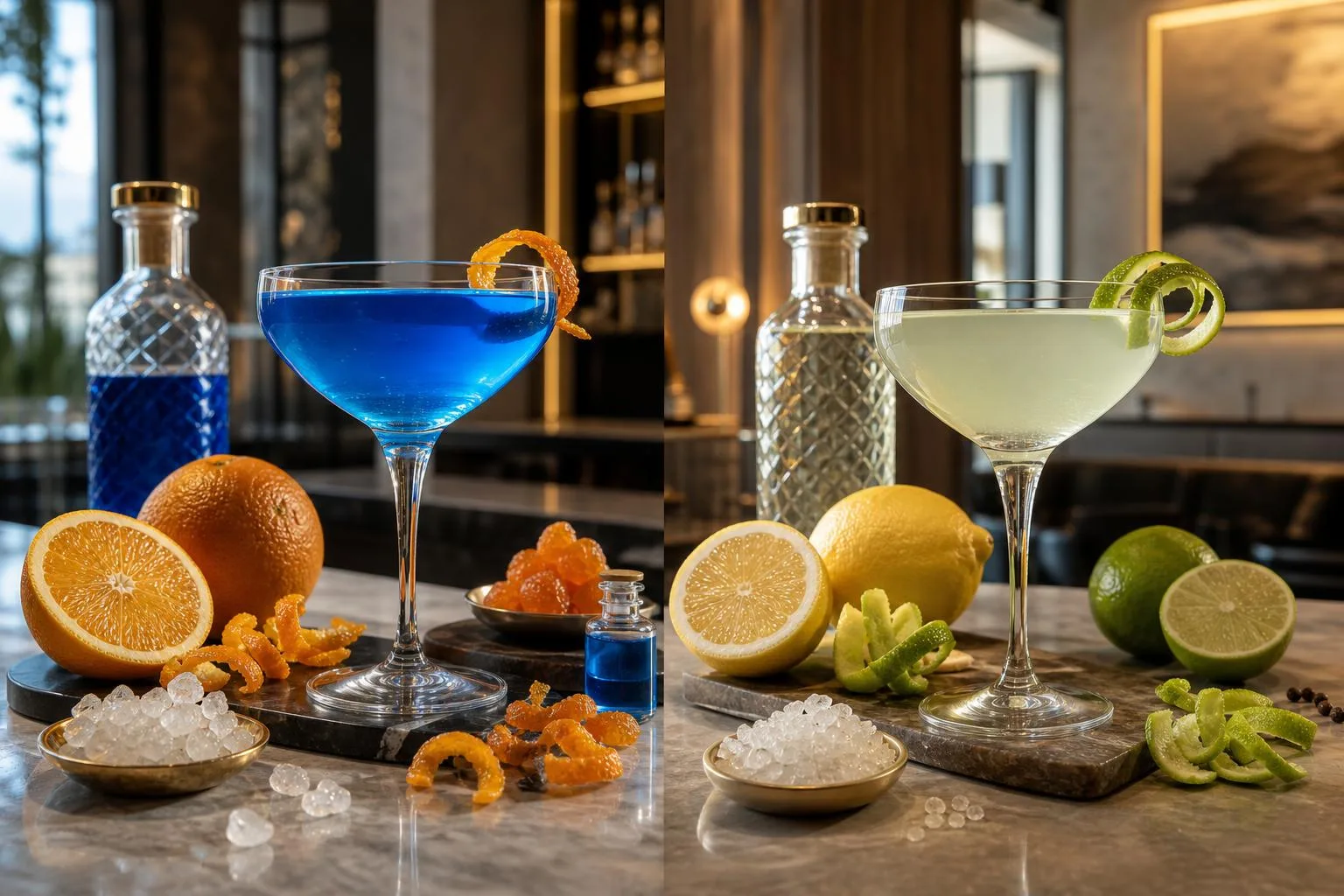
Common Blue Curacao Flavor Myths
Blue curaçao is often misjudged because its color is louder than its flavor. In blind tasting, it usually reads as sweet orange peel, mild bitterness, and alcohol warmth—not “blue raspberry” or tropical fruit.
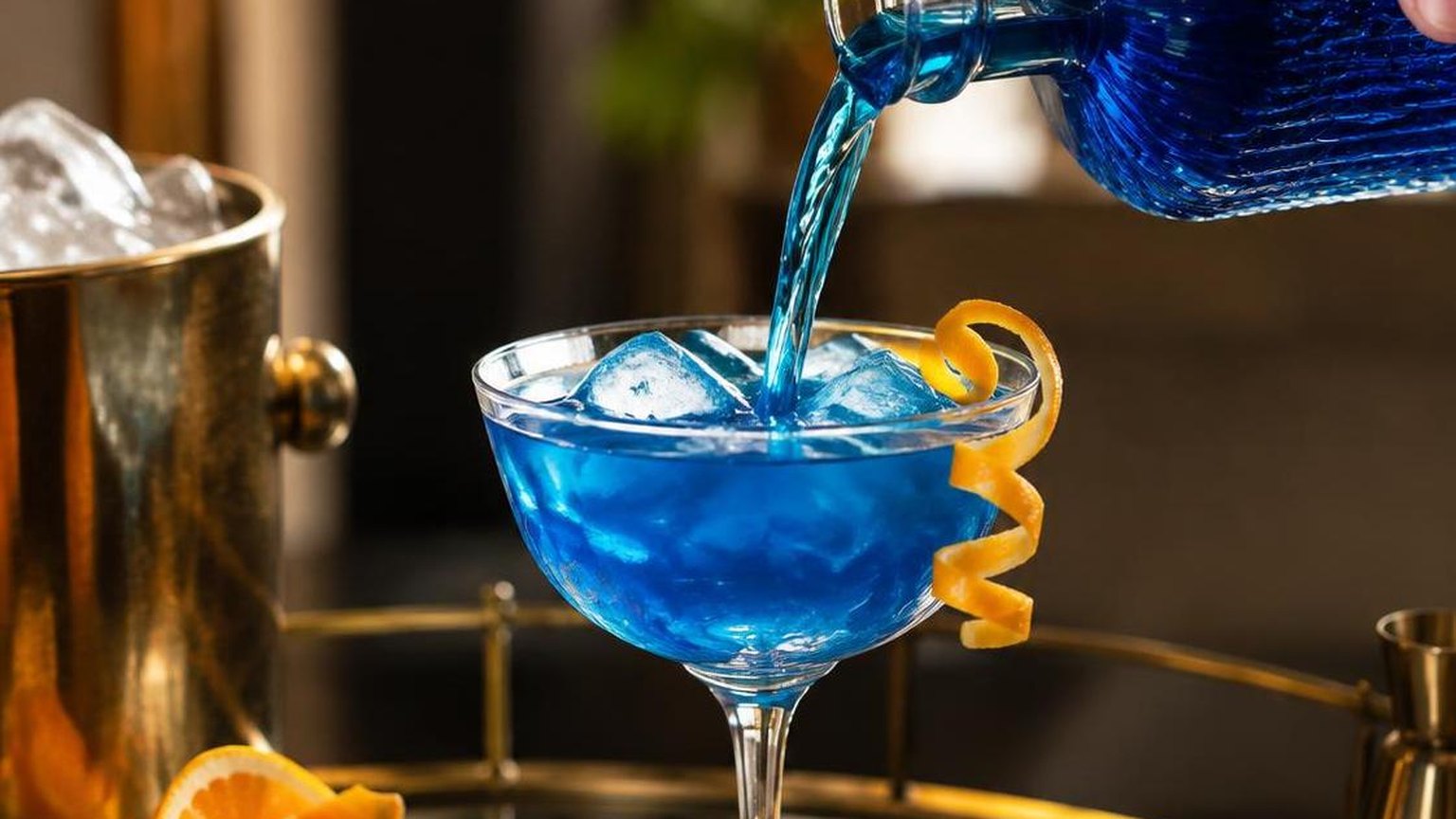
The biggest mistake is treating every bottle as interchangeable. Quality, proof, sugar level, and orange-peel character vary widely, so the same 1/2 ounce can make one cocktail balanced and another taste syrupy.
- Myth: Blue curaçao tastes blue. The blue color usually comes from food dye, commonly FD&C Blue No. 1 in the U.S. The flavor base is orange, traditionally linked to dried laraha orange peel from Curaçao.
- Myth: It is the same as triple sec. Both are orange liqueurs, but blue curaçao is typically sweeter, lower in alcohol, and colored. Triple sec is usually clear and often drier in cocktails.
- Myth: More blue curaçao makes a better blue drink. Adding more than 3/4 ounce can quickly flatten citrus balance. In a Margarita-style drink, 1/2 ounce is usually enough for color and orange flavor.
- Myth: It should taste like fresh orange juice. Good curaçao tastes more like orange zest, marmalade, and pith. The peel-driven bitterness is part of the style, not a flaw.
| Product style | Typical alcohol by volume | What that means in the glass |
| Blue curaçao liqueur | 15% to 25% ABV | Sweeter, softer, vivid color; common in Blue Hawaiian-style drinks |
| Premium orange curaçao | 30% to 40% ABV | Drier, stronger peel aroma, more structure in spirit-forward cocktails |
| Nonalcoholic blue curaçao syrup | 0% ABV | Mostly sugar, color, and orange flavoring; not a true liqueur |
Another common error is confusing blue curaçao with blue curaçao syrup. The syrup version contains no alcohol and can be far sweeter, so a one-for-one swap changes both flavor and strength.
Color is also a poor quality signal. A deep electric blue does not prove stronger orange flavor. Some inexpensive bottles are intensely colored but taste mostly of sugar, neutral alcohol, and light artificial orange.
In our bar testing, blue curaçao works best when treated as a supporting liqueur. Pair it with fresh lime, lemon, pineapple, or coconut, and measure carefully. The target is orange brightness and color, not candy-like sweetness.
Questions Readers Ask
What does blue curaçao taste like?
Blue curaçao tastes primarily like sweet orange peel, with a light citrus bitterness similar to dried Seville orange zest.
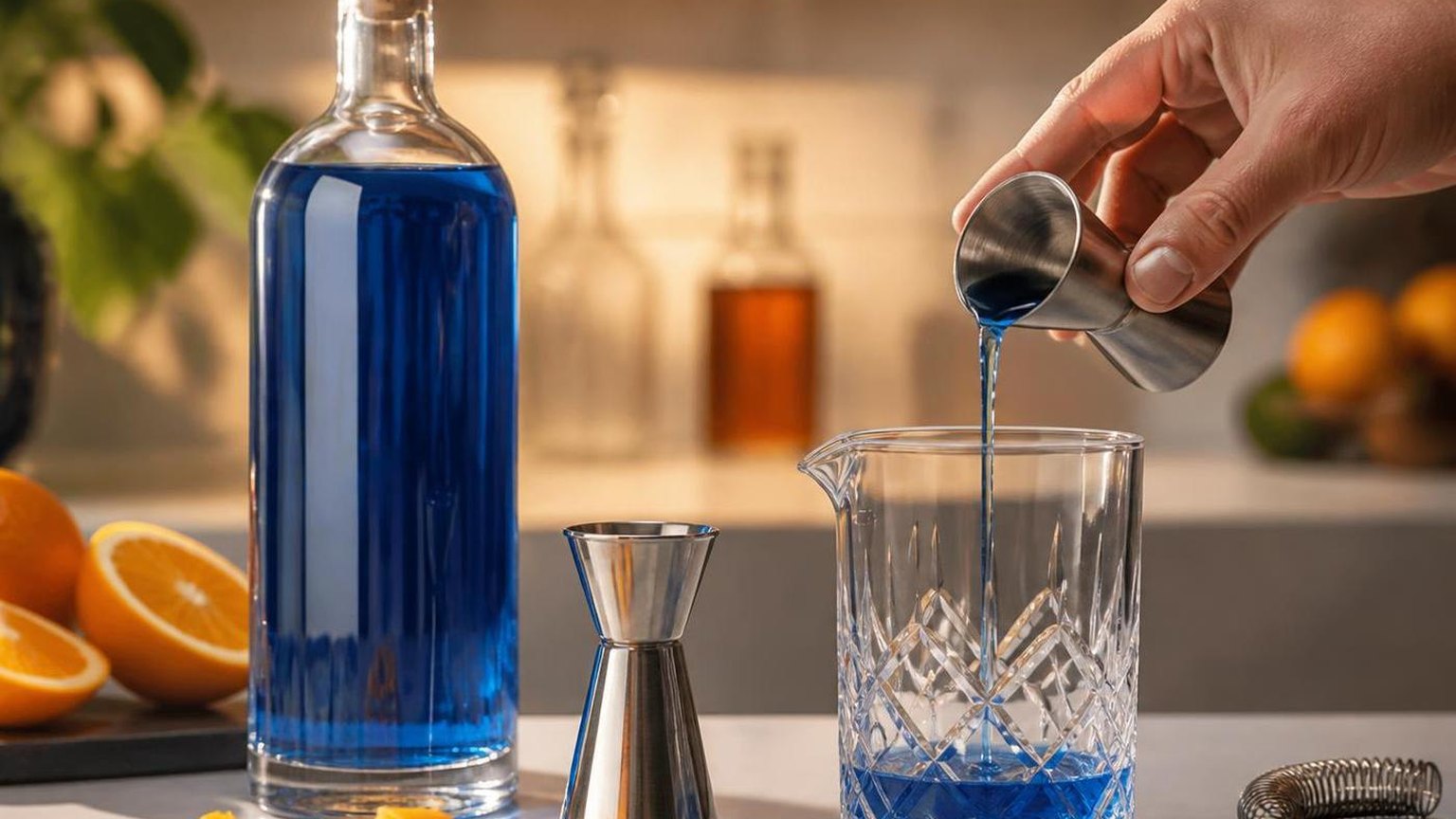
Most commercial versions are liqueurs around 15% to 25% ABV, so the flavor is sweeter and less sharp than drinking fresh orange juice.
Is blue curaçao the same flavor as orange curaçao?
Yes, blue curaçao is generally the same orange-peel liqueur style as clear or orange curaçao, but colored blue with food dye. The blue color changes the appearance of cocktails, not the core flavor.
Is blue curaçao very sweet?
Blue curaçao is usually quite sweet because it is a liqueur, not a dry spirit. In a cocktail, 1/2 ounce can add noticeable orange sweetness, while 1 ounce can make a drink taste candy-like if there is not enough lime or lemon juice to balance it.
Does blue curaçao taste like alcohol?
It has some alcoholic warmth, but the dominant impression is sweet orange rather than strong spirit burn. Lower-proof brands taste more syrupy, while higher-proof curaçaos have a drier, more pronounced orange-peel bite.
What flavors pair best with blue curaçao?
Blue curaçao pairs especially well with lime, lemon, pineapple, coconut, rum, vodka, tequila, and gin. Acidic ingredients are important because they keep its sugar and orange-candy notes from tasting flat or overly sweet.
Related Reading
- How Many Ounces Are In A Pint? – 2026
- What Is A Good Whiskey For A Gift?
- How Many Ounces Is 2 Pints?
- How Many Cups Per Pound?
- How To Deglaze A Pan With Red Wine?
- What Is The Healthiest Tequila?
- 11 Essential Facts About How Many Tons Is A Semi Truck (2026 Expert Weight & Logistics Guide)
- All Blog Guides
- Purdue University NewCROP, Sour Orange (1987)
- FDA eCFR, FD&C Blue No. 1 Color Additive Regulation (2024)
- NIH PubChem, D-Limonene Compound Summary (2024)
- TTB Beverage Alcohol Manual, Distilled Spirits Chapter (2024)
- Encyclopaedia Britannica, Curaçao Liqueur (2024)
- Difford’s Guide, Blue Curaçao Liqueur (2024)
- Senior & Co., What Is Blue Curaçao? (2024)