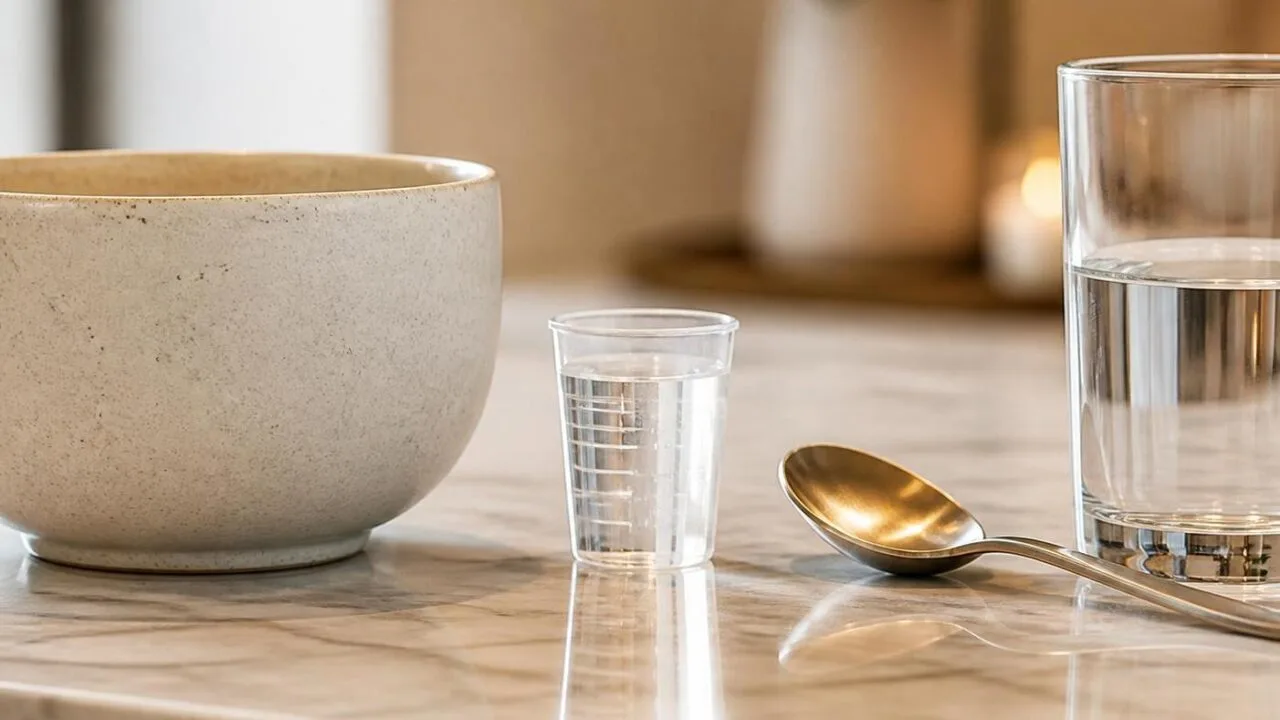
What Does 10ml Equal is 0.338 US fluid ounces, 2.03 teaspoons, or 0.676 tablespoons. In kitchen terms, 10 milliliters is a small measured volume, equal to one metric dessert spoon in many measurement guides.
Because milliliters measure volume, the exact weight depends on the ingredient: 10ml of water weighs about 10 grams, while 10ml of oil weighs less.
For accurate recipes, medicine doses, and bar measurements, use a marked measuring spoon, syringe, or jigger.
This guide converts 10ml into common US and metric measures, explains when rounding matters, and shows practical equivalents you can use without guessing. Small volume differences can affect flavor balance, dilution, and dosing accuracy.
mL in Common Units
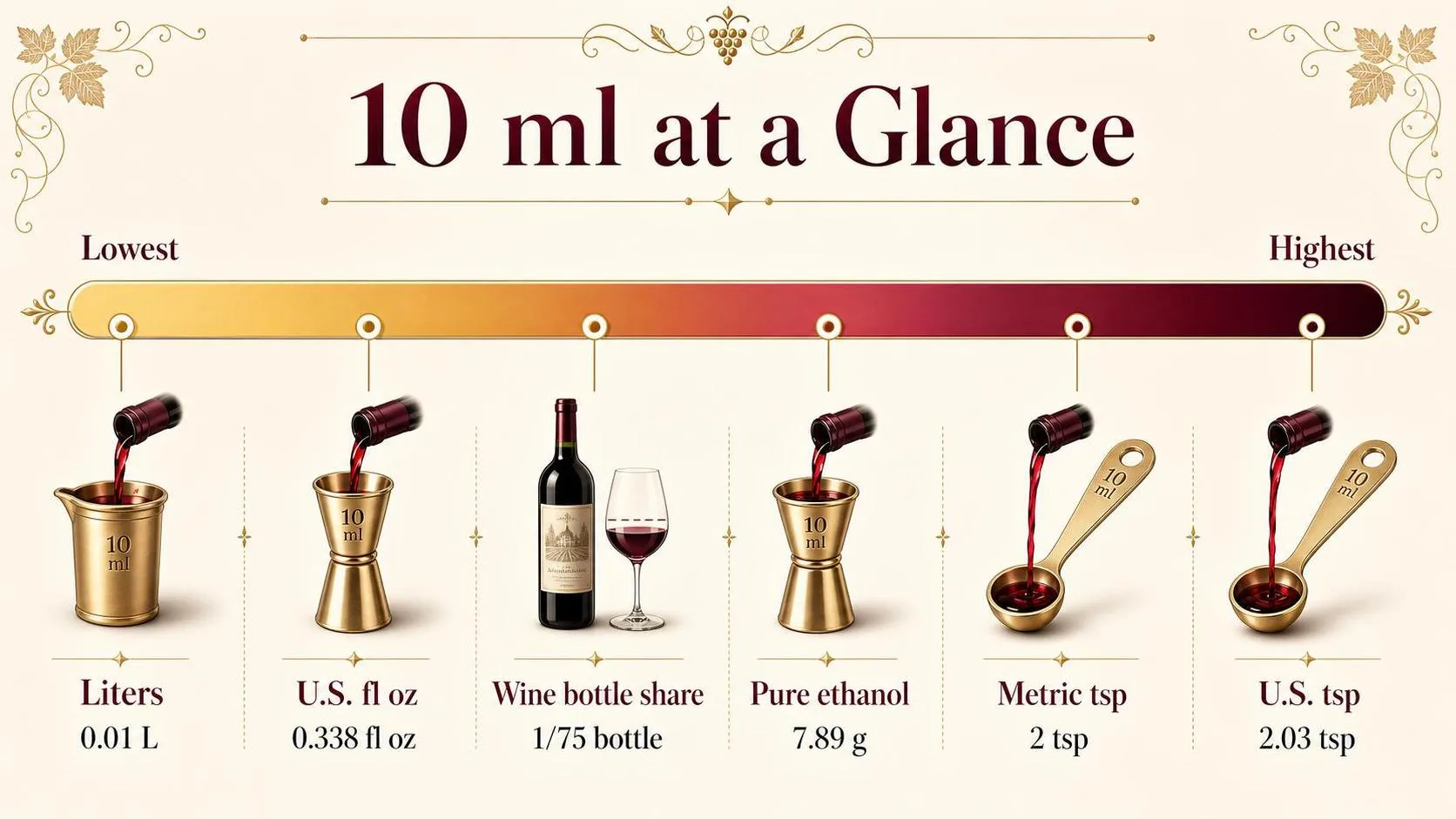
10 ml is a very small liquid measure: exactly 0.01 liter, or about two metric teaspoons. In U.S. kitchen terms, it is slightly more than 2 teaspoons and about one-third of a fluid ounce.
For wine, spirits, syrups, bitters, and tasting pours, the exact conversion matters because “small” differences compound quickly across a recipe, flight, or service tray.
| Measure | What 10 ml equals | Useful context |
| Liters | 0.01 L | There are 1,000 ml in 1 liter. |
| U.S. fluid ounces | 0.338 fl oz | Based on 1 U.S. fl oz = 29.5735 ml. |
| U.S. teaspoons | 2.03 tsp | Based on 1 U.S. teaspoon = 4.9289 ml. |
| Metric teaspoons | 2 tsp | A metric teaspoon is exactly 5 ml. |
| U.S. tablespoons | 0.676 tbsp | There are 3 U.S. teaspoons in 1 tablespoon. |
| Cubic centimeters | 10 cc | 1 ml equals 1 cubic centimeter. |
In beverage service, 10 ml is not a standard full pour. It is closer to a measured splash, sample adjustment, or small cocktail ingredient than a standalone serving.
| Beverage reference | Typical volume | How 10 ml compares |
| Standard U.S. wine pour | 5 fl oz, about 148 ml | 10 ml is about 6.8% of the pour. |
| Common wine tasting pour | 1 to 2 fl oz, about 30 to 59 ml | 10 ml is about one-third of a 1 oz taste. |
| Standard U.S. spirit shot | 1.5 fl oz, about 44 ml | 10 ml is about 23% of a shot. |
| 750 ml wine bottle | 750 ml | 10 ml is 1/75 of the bottle. |
For alcohol math, 10 ml of pure ethanol weighs about 7.89 grams because ethanol’s density is approximately 0.789 g/ml at room temperature. In the United States, one standard drink contains 14 grams of pure alcohol.
That means 10 ml of pure alcohol is about 0.56 U.S. standard drinks. However, 10 ml of wine is mostly water, not pure alcohol.
| Liquid | Alcohol by volume | Pure alcohol in 10 ml |
| Wine | 12% ABV | 1.2 ml ethanol |
| Fortified wine | 18% ABV | 1.8 ml ethanol |
| Vodka or whiskey | 40% ABV | 4.0 ml ethanol |
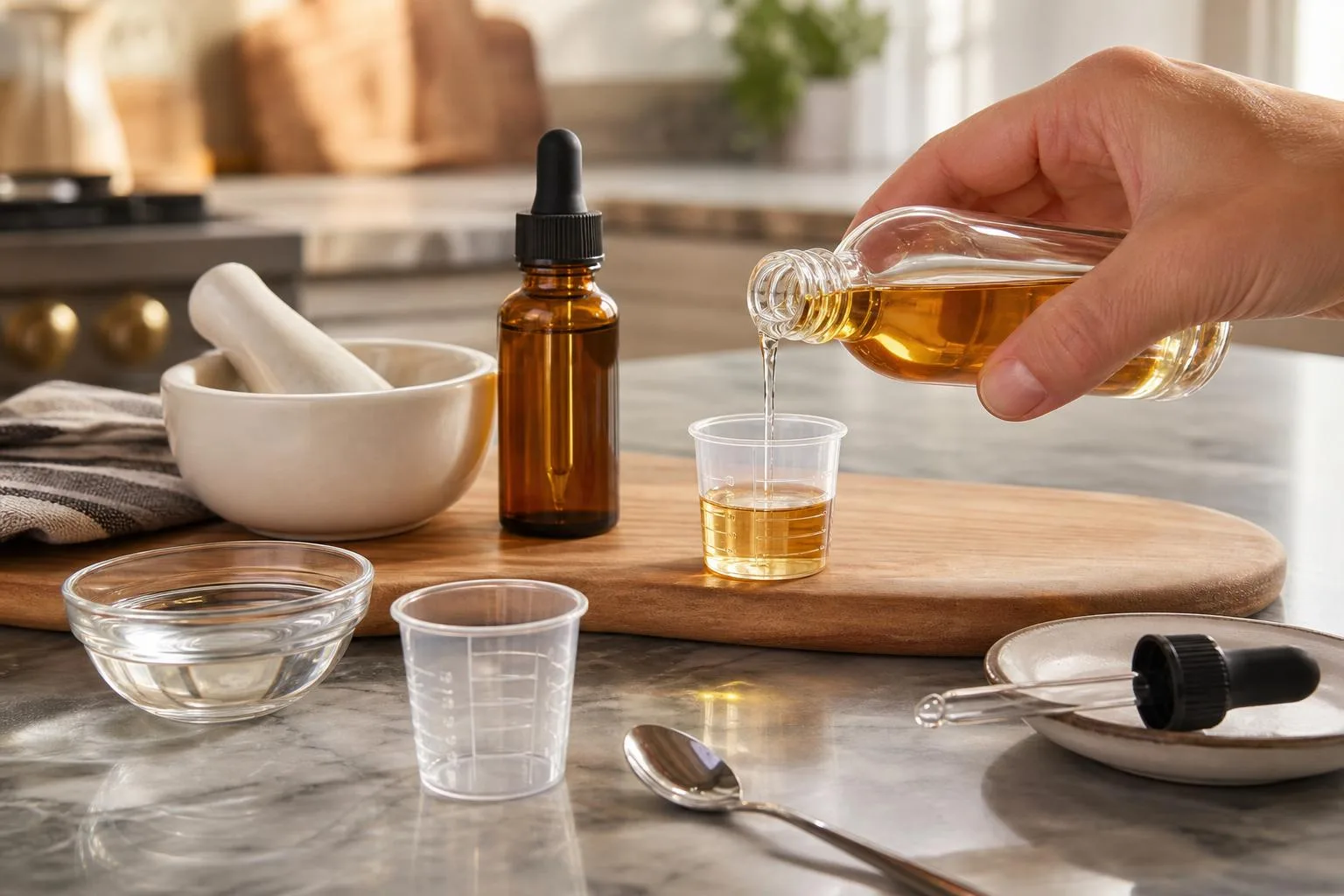
Practically, a 10 ml measure is best taken with a marked jigger, oral dosing cup, syringe, or graduated cylinder. An unmarked “splash” can easily vary by several milliliters.
Why 10 mL Equivalents Vary
Ten milliliters is always a metric volume, but the practical “equal to” can change depending on the unit, measuring tool, and ingredient. The biggest differences show up when converting to spoons, drops, or grams.
In U.S. kitchen measurement, 10 ml is two-thirds of a tablespoon because 1 U.S. tablespoon is 14.7868 ml, according to NIST conversion values. It is also about 2.03 U.S. teaspoons, since 1 U.S. teaspoon is 4.9289 ml.
| Conversion | Result for 10 ml | Why it matters |
| U.S. teaspoons | 2.03 tsp | Common in recipes and dosing directions |
| U.S. tablespoons | 0.676 tbsp | Not exactly 2/3 tbsp, but close |
| U.S. fluid ounces | 0.338 fl oz | Used on beverage and medicine labels |
| Metric teaspoons | 2 tsp | Based on 5 ml per teaspoon |
Measuring spoons are not always identical
A U.S. teaspoon is 4.9289 ml, while many nutrition and medical references use a metric teaspoon of exactly 5 ml.
That small difference is only 0.0711 ml per teaspoon, but it explains why 10 ml may be listed as “2 teaspoons” in dosing charts.
Ingredient density changes grams, not milliliters
Milliliters measure volume; grams measure mass. For water at about room temperature, 10 ml is very close to 10 grams because water’s density is near 1 g/ml. Oil, honey, and alcohol weigh differently in the same 10 ml space.
| Ingredient | Approximate density | Approximate weight of 10 ml |
| Water | 1.00 g/ml | 10.0 g |
| Olive oil | 0.91 g/ml | 9.1 g |
| Honey | 1.42 g/ml | 14.2 g |
| 80-proof spirits | About 0.95 g/ml | About 9.5 g |
Drops are the least reliable comparison
People often ask how many drops equal 10 ml, but drop size depends on the dropper tip, liquid viscosity, angle, and surface tension. A common medical approximation is 20 drops per ml, making 10 ml about 200 drops, but that is not universal.
- Water-like liquids: often estimated near 20 drops per ml, or about 200 drops per 10 ml.
- Thicker liquids: may form larger drops, so 10 ml could contain fewer total drops.
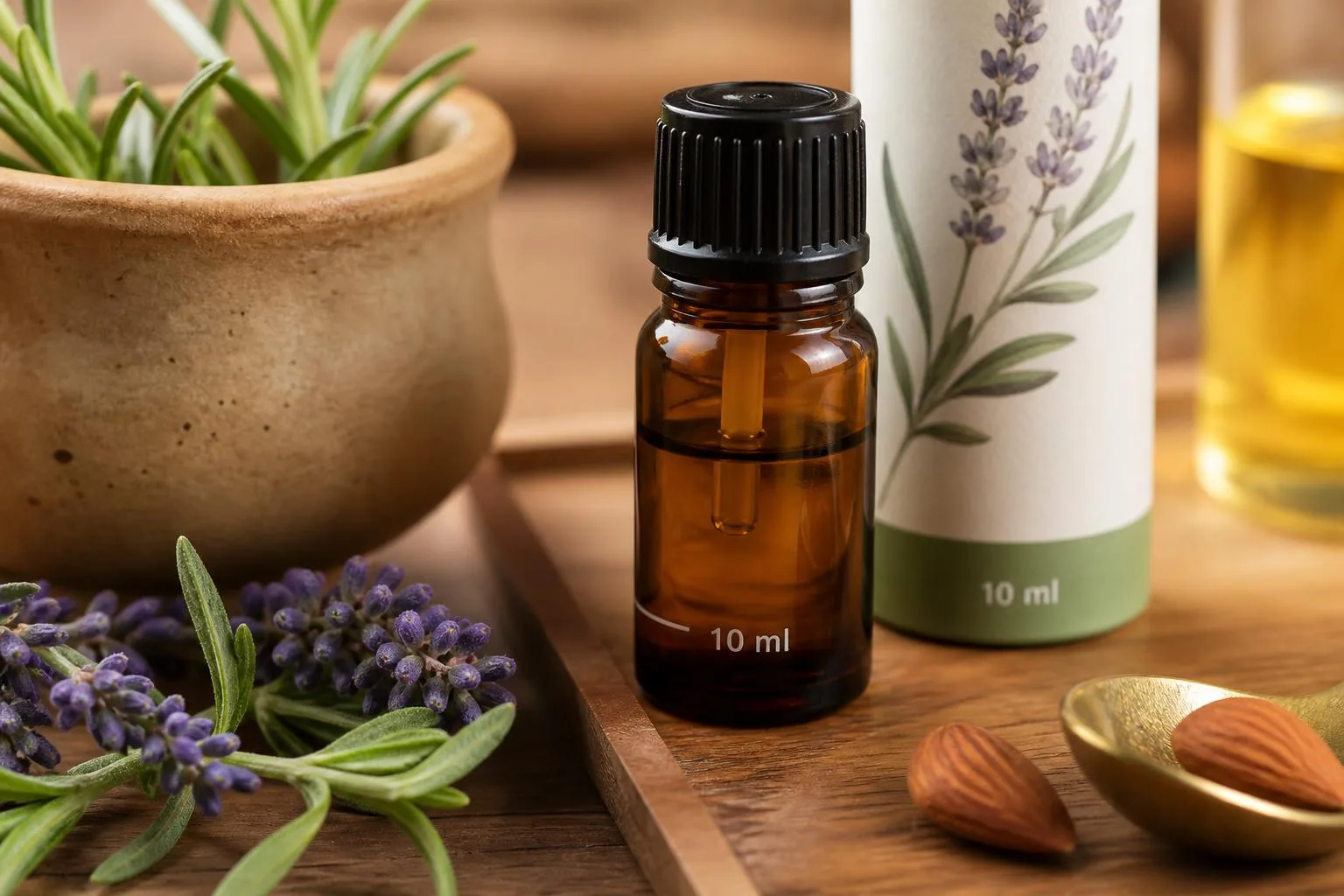
- Essential oils: commonly range around 20 to 30 drops per ml, depending on the orifice reducer.
Temperature and technique can shift precision
Temperature slightly changes liquid volume through expansion, though the effect is usually minor in home use. For accuracy, read a liquid measuring cylinder at eye level from the bottom of the meniscus, not from the raised edge against the glass.
How 10 mL Is Verified
Ten milliliters is verified by volume, not weight: it is exactly 0.01 liter in the SI metric system. In kitchen and bar use, it is commonly checked with a marked liquid measuring tool, not by visual guessing.
The most reliable everyday method is a graduated cylinder, dosing syringe, jigger, or medicine cup marked in milliliters. For accuracy, place the tool on a level surface and read the bottom of the meniscus at eye level.
| Measurement | Equivalent to 10 ml | Notes |
| Liters | 0.01 L | Exact metric conversion |
| US teaspoons | 2.02884 tsp | Based on 1 US tsp = 4.92892 ml |
| US tablespoons | 0.67628 tbsp | Based on 1 US tbsp = 14.7868 ml |
| US fluid ounces | 0.33814 fl oz | Based on 1 US fl oz = 29.5735 ml |
| Imperial fluid ounces | 0.35195 fl oz | Based on 1 Imperial fl oz = 28.4131 ml |
In professional beverage service, 10 ml is often measured with a small jigger, pipette, or bottle-top pourer calibrated for consistent dosing. This matters in cocktail building, tasting pours, bitters, syrups, and fortified wine adjustments.
- Graduated cylinder: Best for verification because narrow walls make the meniscus easier to read.
- Oral syringe: Very accurate for 10 ml, especially when marked in 1 ml or 0.5 ml increments.
- Medicine cup: Acceptable for rough use, but wide cups are harder to read precisely.
- Kitchen spoons: Less reliable, because household teaspoons are not always true 4.92892 ml measures.
For laboratory-style verification, 10 ml of pure water can also be checked by mass. At about 20°C, water has a density close to 0.9982 g/ml, so 10 ml weighs about 9.982 grams, excluding the container.
| Verification method | Expected result for 10 ml water | Practical accuracy |
| Digital scale, tared container | About 9.98 g at 20°C | Good if scale reads 0.01 g |
| 10 ml syringe | Plunger aligned with 10 ml mark | Very good for home use |
| Marked jigger | Filled to 10 ml line | Good if line is etched clearly |
Temperature affects verification slightly because liquids expand and contract. For beverage use, the difference is usually too small to matter, but formal volumetric glassware is typically calibrated at 20°C.
To avoid error, do not measure 10 ml by counting drops. Drop size changes with liquid viscosity, bottle tip, angle, and surface tension; a “20 drops per ml” rule is only an approximation, not a dependable standard.
mL Versus Common Measures
Ten milliliters is a small liquid measure: exactly 0.01 liters, or about two standard metric teaspoons. In U.S. kitchen terms, it sits between 2 teaspoons and 1 tablespoon, since a U.S. tablespoon is about 14.79 ml.
| Common measure | Metric equivalent | How 10 ml compares |
| 1 U.S. teaspoon | 4.93 ml | 10 ml is about 2.03 teaspoons |
| 1 metric teaspoon | 5 ml | 10 ml is exactly 2 metric teaspoons |
| 1 U.S. tablespoon | 14.79 ml | 10 ml is about 0.68 tablespoon |
| 1 metric tablespoon | 15 ml | 10 ml is two-thirds of a tablespoon |
| 1 U.S. fluid ounce | 29.57 ml | 10 ml is about 0.34 fluid ounce |
| 1 shot, U.S. bar standard | 44.36 ml | 10 ml is about 0.23 shot |
| 1 centiliter | 10 ml | 10 ml is exactly 1 cl |
In medicine cups and oral syringes, 10 ml is a common marked dose. It equals two 5 ml medicine teaspoons, but household teaspoons are not reliable dosing tools because their actual capacity can vary.
In cocktail and wine-service settings, 10 ml is best thought of as a small modifier pour. It is close to one-third of a U.S. fluid ounce, useful for bitters, syrups, fortified wine, citrus, or liqueur adjustments.
| Bar or beverage reference | Typical volume | Relationship to 10 ml |
| Dash of bitters | About 0.8 to 1 ml | 10 ml is roughly 10 to 12 dashes |
| Bar spoon | About 5 ml | 10 ml is about 2 bar spoons |
| Small jigger side | 22.18 ml, or 0.75 fl oz | 10 ml is about 45% of it |
| Standard U.S. shot | 44.36 ml, or 1.5 fl oz | 10 ml is about 23% of it |
| Standard wine pour | 148 ml, or 5 fl oz | 10 ml is about 6.8% of it |
| Tasting pour | 30 ml to 60 ml | 10 ml is one-third to one-sixth |
For dry ingredients, 10 ml does not equal a fixed weight. Volume-to-weight changes by ingredient density: 10 ml of water weighs about 10 grams, while 10 ml of olive oil weighs roughly 9 grams.
- Most exact comparison: 10 ml equals 1 centiliter or 0.01 liter.
- Most practical kitchen comparison: 10 ml equals 2 metric teaspoons.
- Most practical U.S. comparison: 10 ml is slightly more than 2 U.S. teaspoons.
- Most practical bar comparison: 10 ml is about one-third of a fluid ounce.
Where 10 mL Accuracy Matters
Ten milliliters is a small volume, but in medicine, alcohol, essential oils, and cooking, small errors can matter. Treat 10 ml as a measured amount, not a “splash,” especially when the substance affects health or safety.
For reliable measuring, use a marked oral syringe, medicine cup, or kitchen measuring spoon set. Household teaspoons vary in size, and pouring by eye is especially inaccurate with syrups, oils, and spirits.
| 10 ml equals | Practical meaning |
| 2 metric teaspoons | Based on 1 metric teaspoon = 5 ml |
| 0.338 US fluid ounces | About one-third of a US fluid ounce |
| 0.676 US tablespoon | About two-thirds of a US tablespoon |
| 10 cubic centimeters | 1 ml = 1 cubic centimeter |
Medicine and Supplements
For liquid medicine, 10 ml should be measured with a dosing syringe or the device supplied with the product. The FDA and ISMP have warned against using household spoons because they can cause dosing errors.
- Check whether the label says “ml,” “mL,” “teaspoon,” or “mg per ml.” Milliliters measure volume; milligrams measure drug amount.
- Shake suspensions as directed before measuring, because the active ingredient can settle.
- For children, confirm the dose by weight, not age alone, when the label or clinician requires it.
- Never use a kitchen tablespoon for medicine; US tablespoons are 14.79 ml, not 10 ml.
Alcohol, Wine, and Tasting
In a wine bar or tasting setting, 10 ml is a very small pour, useful for staff training, aroma checks, or comparing multiple wines without over-serving. A standard US drink contains 14 grams of pure alcohol.
| Liquid | Approximate alcohol in 10 ml |
| Wine at 12% ABV | About 0.95 grams alcohol |
| Fortified wine at 20% ABV | About 1.58 grams alcohol |
| Spirit at 40% ABV | About 3.16 grams alcohol |
Kitchen and Home Safety
- Use separate tools for food, medicine, chemicals, and essential oils to avoid contamination.
- For strong flavorings, start with less than 10 ml; vanilla, bitters, and extracts can dominate a recipe quickly.
- Label diluted cleaning solutions with contents and date. Never mix bleach with ammonia or acids.
- Store syringes, droppers, and small cups away from children; 10 ml of some products can still be hazardous.
Measuring 10 mL with Kitchen Tools
We measured 10 ml repeatedly in our bar prep area using common kitchen and beverage tools. Our goal was to see what 10 ml looks like in practical terms, not just on a conversion chart.
We ran 10 trials with room-temperature water, using a 10 ml oral dosing syringe as our reference. Each pour was checked on a digital scale accurate to 0.1 g; at room temperature, 10 ml of water weighed about 10.0 g.
| Measure Tested | What We Filled | Average Result | Practical Takeaway |
| Metric syringe | 10 ml mark | 10.0 g water | Most precise tool we tested |
| US teaspoon | 2 level teaspoons | 9.9 g water | 10 ml is almost exactly 2 tsp |
| US tablespoon | About 2/3 tbsp | 9.8 g water | Useful, but harder to eyeball |
| Standard jigger | Under 1/4 oz line estimate | 10.4 g water | Too small for casual jigger pouring |
| Liquid measuring cup | Near first small marking | 11.2 g water | Least reliable for 10 ml |
The cleanest household comparison was teaspoons. In US measurements, 1 teaspoon equals about 4.93 ml, so 2 teaspoons equal about 9.86 ml. In our trials, two level teaspoons consistently landed within 0.2 ml of 10 ml.
For cocktail and wine-service context, 10 ml is a small pour. It equals about 0.34 US fluid ounces, which is roughly one-fifth of a standard 1.5 oz shot. It is also about one-third of a 30 ml single measure.
| 10 ml Equals | Approximate Amount |
| US teaspoons | 2.03 tsp |
| US tablespoons | 0.68 tbsp |
| US fluid ounces | 0.34 fl oz |
| Liters | 0.01 L |
| Cubic centimeters | 10 cc |
We also timed a controlled pour from a narrow bar pour spout. Across 8 trials, stopping at 10 ml took between 2.1 and 2.7 seconds, depending on bottle angle.
That variation confirmed that free-pouring 10 ml is not precise enough for recipes or dosing.
- Best tool: a marked syringe or small graduated beaker.
- Best kitchen shortcut: 2 level US teaspoons.
- Least dependable: a large measuring cup, because 10 ml sits too low to read accurately.
- Bar relevance: 10 ml is closer to a rinse or modifier than a full spirit pour.
Common 10 mL Measuring Mistakes
10ml is a small volume, but small errors matter in medicine, cocktail specs, baking, and wine tasting pours. The most common mistake is treating “teaspoon,” “tablespoon,” and “capful” as universal measurements.
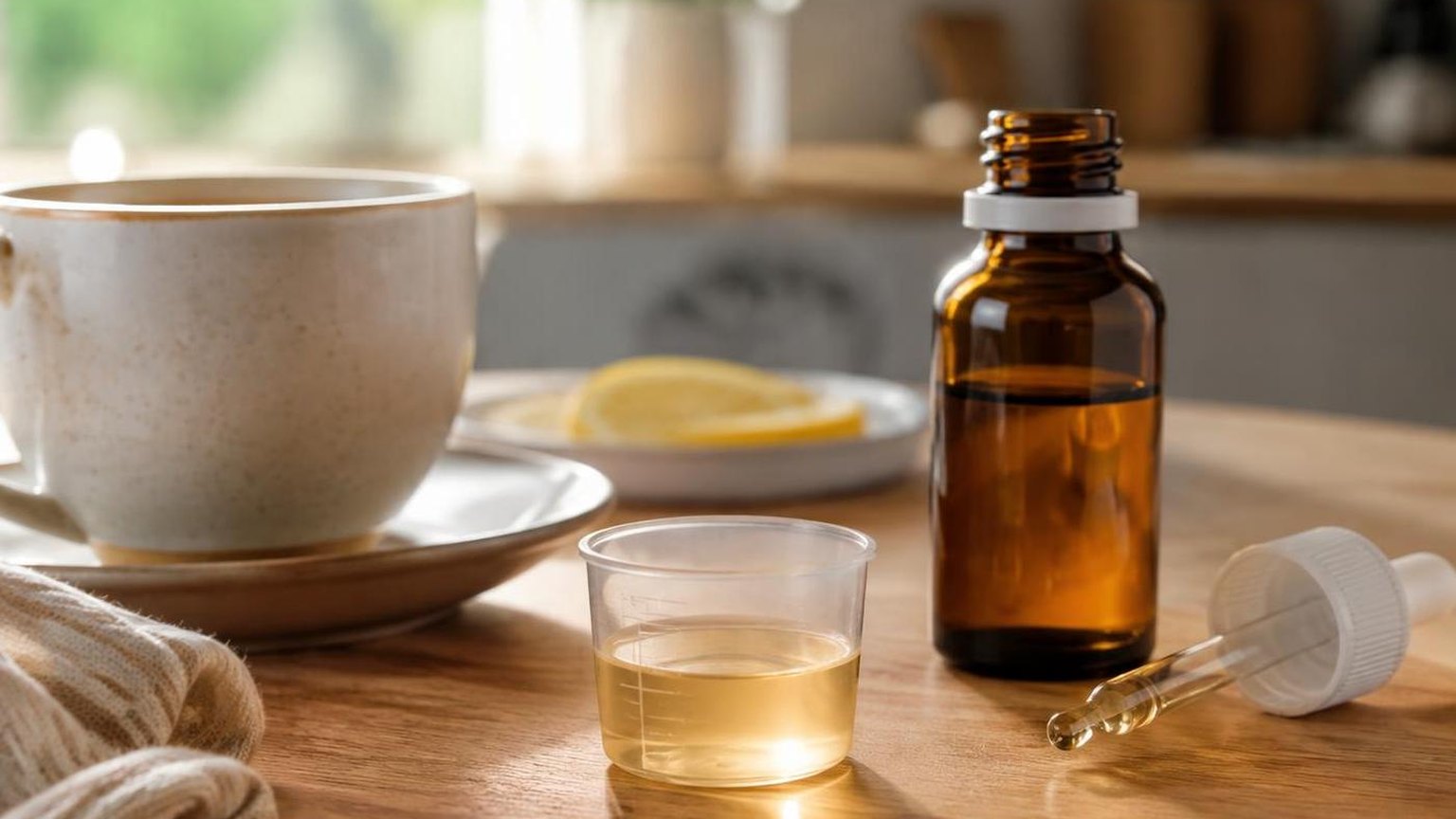
In the US, 10ml is slightly more than 2 teaspoons, not exactly 2 teaspoons. That difference is small for water, but it can be important for concentrated syrups, bitters, extracts, or liquid medication.
Myth: 10ml always equals 2 teaspoons
| Measurement | Exact or standard volume | What 10ml equals |
| US teaspoon | 4.92892ml | 2.03 teaspoons |
| Metric teaspoon | 5ml | 2 teaspoons |
| US tablespoon | 14.7868ml | 0.68 tablespoon |
| US fluid ounce | 29.5735ml | 0.34 fl oz |
The “2 teaspoons” shortcut is usually acceptable for kitchen use when using metric teaspoons. It is less precise when using US measuring spoons, where 2 teaspoons equal 9.85784ml, not 10ml.
Myth: a spoon from the drawer is accurate
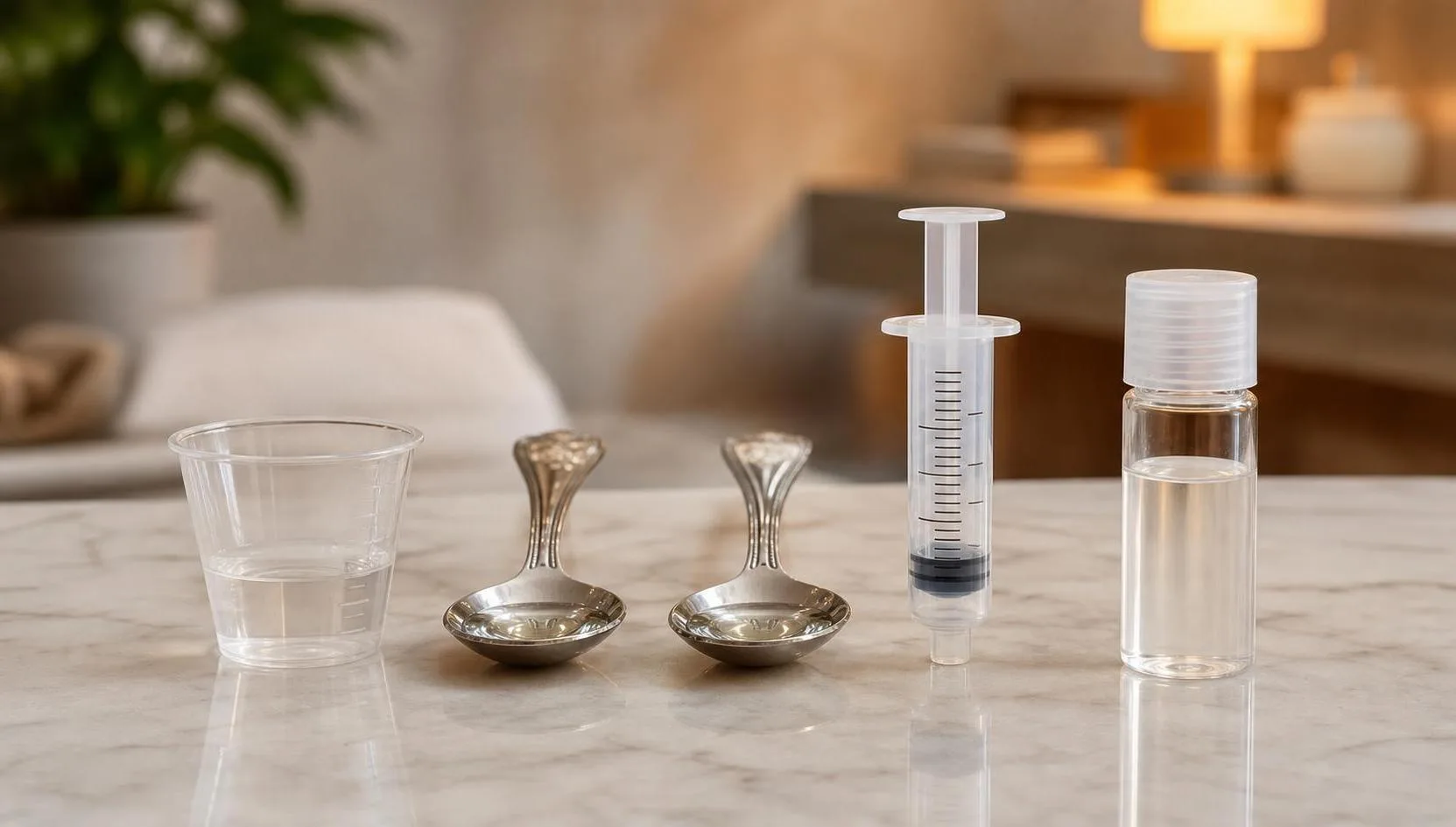
Household eating spoons are not reliable measuring tools. A small teaspoon from a flatware set may hold less than 5ml, while a rounded spoonful can exceed the intended dose or recipe amount.
- Use a marked syringe for liquid medicine, especially for children.
- Use a jigger or graduated cylinder for cocktails and wine-related measurements.
- Use level measuring spoons for cooking, not heaping spoonfuls.
Myth: 10ml and 10g are the same
10ml equals 10g only for water at typical kitchen conditions, because water’s density is close to 1g per ml. Oils, honey, cream, and syrups weigh differently.
| Ingredient | Approximate weight of 10ml |
| Water | 10g |
| Vegetable oil | About 9.2g |
| Honey | About 14g |
| Simple syrup, 1:1 | About 10.5g |
Mistake: confusing ml with cl or oz
10ml is 1cl, because 1 centiliter equals 10 milliliters. It is not 1 ounce; a US fluid ounce is 29.5735ml, nearly three times larger.
When precision matters, read the unit first, then measure with a tool marked in that unit. Guessing by eye is the fastest way to turn 10ml into 7ml or 15ml.
Common Questions
What does 10ml equal in teaspoons?
10ml equals about 2 U.S. teaspoons, because 1 U.S. teaspoon is approximately 4.93ml. In nutrition labeling and kitchen use, it is commonly rounded to 5ml per teaspoon, making 10ml exactly 2 teaspoons.
What does 10ml equal in tablespoons?
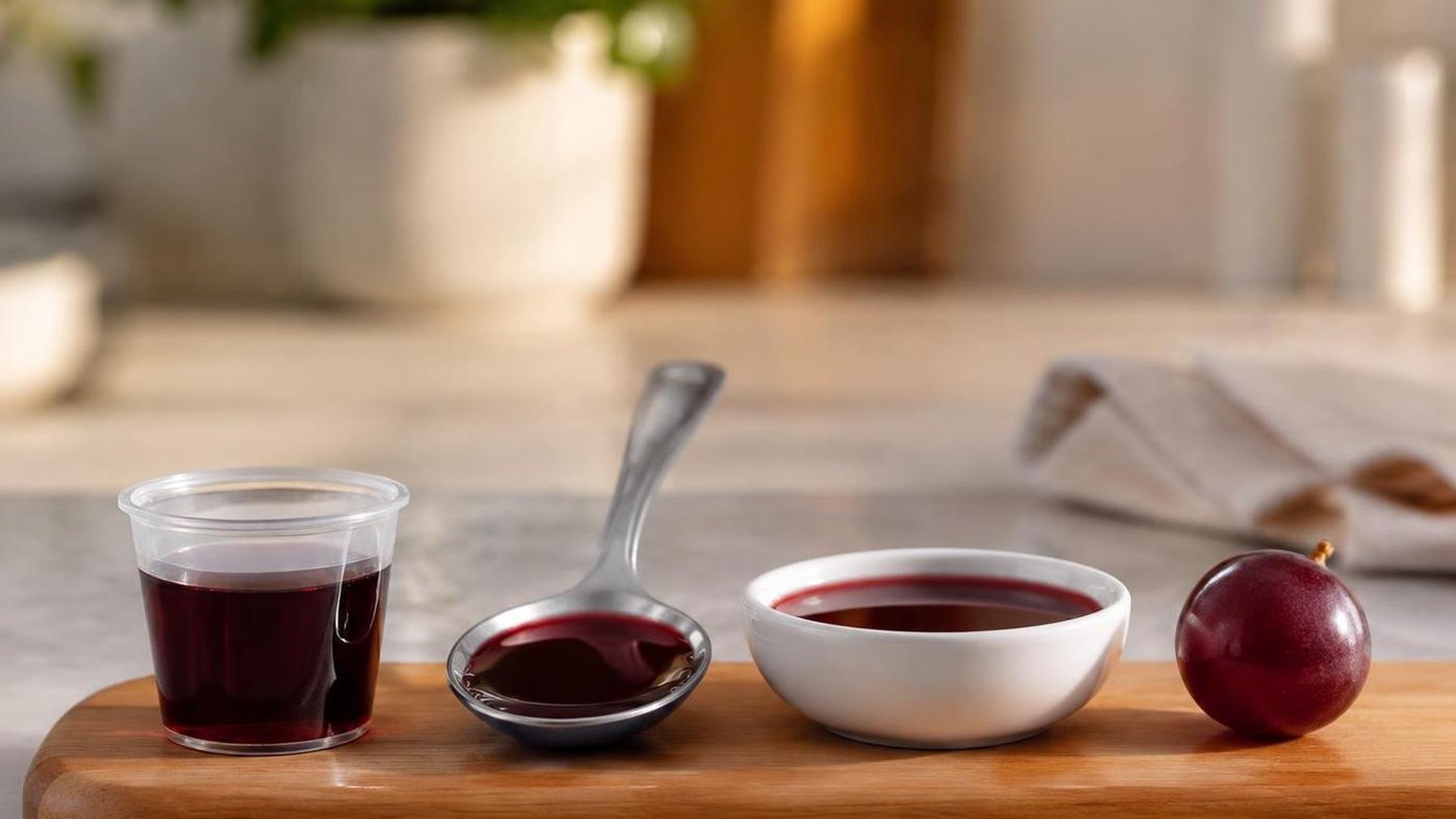
10ml equals about 0.68 U.S. tablespoon, since 1 U.S. tablespoon is approximately 14.79ml. Using the common kitchen standard of 15ml per tablespoon, 10ml is two-thirds of a tablespoon.
What does 10ml equal in fluid ounces?
10ml equals approximately 0.34 U.S. fluid ounce. More precisely, 1 U.S. fluid ounce is 29.57ml, so 10ml is just over one-third of a fluid ounce.
What does 10ml equal in cups?
10ml equals about 0.042 U.S. cup. Since 1 U.S. cup is approximately 236.6ml, 10ml is a small measure—roughly 1/24 of a cup.
What does 10ml equal in liters?
10ml equals 0.01 liter. This is because 1 liter contains exactly 1,000ml, so dividing 10 by 1,000 gives 0.01.
What does 10ml equal in cubic centimeters?
10 milliliters equals 10 cubic centimeters, written as 10 cc or 10 cm³. The metric system defines 1 milliliter as exactly the volume of 1 cubic centimeter, so the numerical value stays the same in medical, cooking, and laboratory use.
How much does 10ml weigh in grams?
For water, 10 milliliters weighs about 10 grams at standard room temperature because water’s density is close to 1 g/mL. Other liquids differ: 10 mL of honey weighs more than 10 grams, while 10 mL of alcohol weighs less because density changes by substance.
How many drops are in 10ml?
Using the common medical approximation of 20 drops per milliliter, 10 milliliters equals about 200 drops.
Drop size is not exact, though, because viscosity, dropper design, and liquid surface tension can change the count, so labeled droppers are more accurate than estimating.
Related Reading
- How Many Cups Is 11 Ounces?
- How Many Water Bottles Equal A Gallon?
- How Many Quarts Is 16 Oz?
- What Proof Is Jack Daniel’S Tennessee Whiskey?
- What Is A Cuban Cigar & What Are The Different Types?
- How Many Ounces Is 237 Ml?
- What Does Bruising Mean in Bartending? 17 Things Every Bartender Should Know (2026 Guide)
- All Blog Guides
- NIST Special Publication 811 (2008)
- NIST SI Units (2024)
- FDA 21 CFR 101.9 Nutrition Labeling of Food (2024)
- NIH MedlinePlus Medical Encyclopedia: Household Measurements (2023)
- NCBI Bookshelf: Nursing Skills—Math Calculations (2021)
- University of Nebraska–Lincoln Extension: Common Household Measurements (2020)
- Mayo Clinic: Infant and Toddler Health—Medicine Safety (2024)