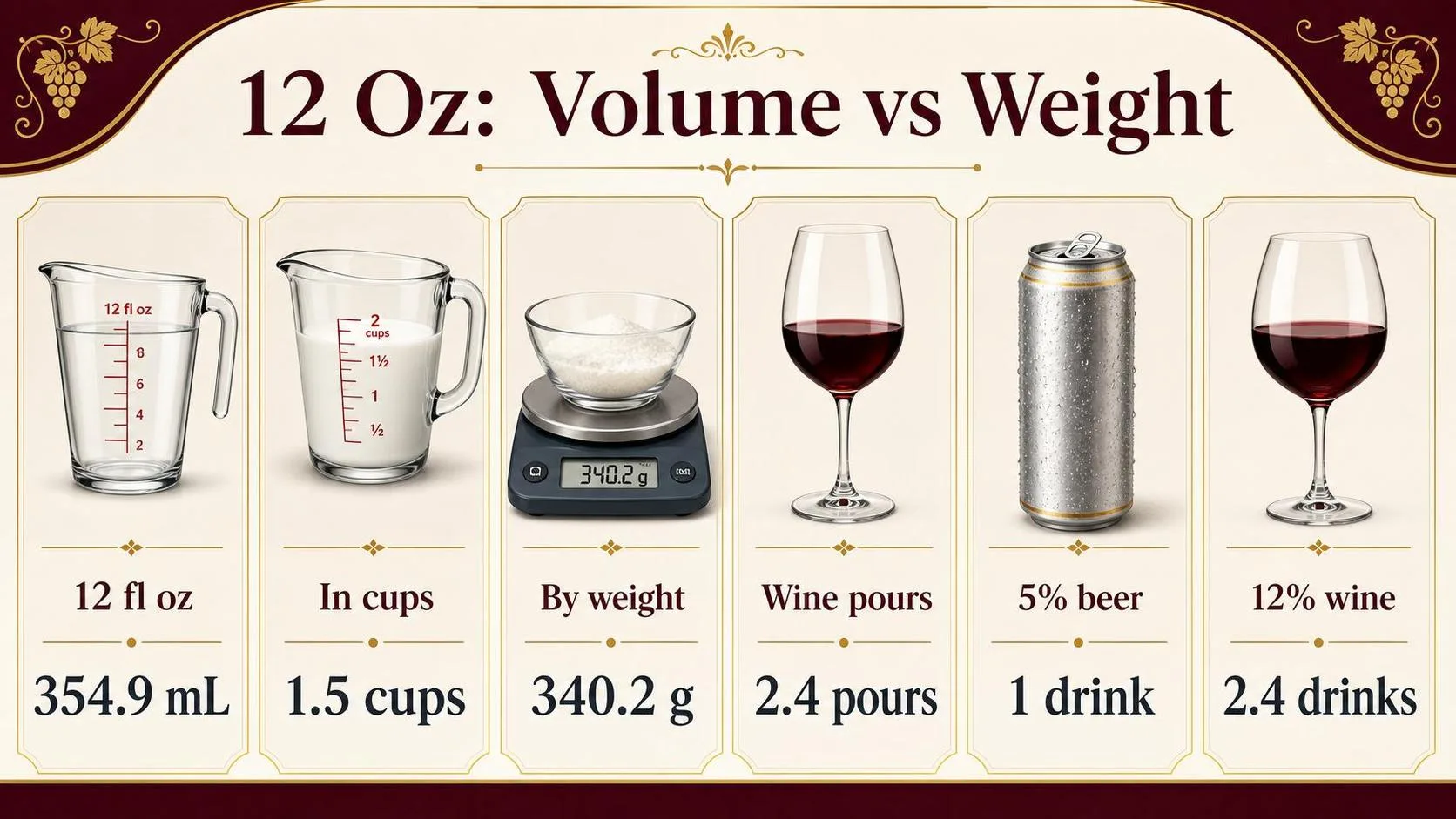
How Much Is 12Oz is 12 fluid ounces, equal to 1.5 US cups, 355 milliliters, or 0.75 pint when measuring volume. For dry weight, 12 oz equals 0.75 pound or about 340 grams, but the actual cup amount changes by ingredient density.
This guide separates fluid ounces from weight ounces, then gives practical kitchen conversions for cups, milliliters, pints, pounds, and grams.
Use it when reading labels, scaling recipes, portioning ingredients, or checking serving sizes where “12 oz” can mean volume or weight depending on context.
Ounces by Volume or Weight
“12 oz” can mean two different things: 12 fluid ounces for volume or 12 ounces by weight. In drinks, menus, cans, and cocktail recipes, it usually means 12 U.S. fluid ounces.
That distinction matters because 12 fluid ounces of wine, beer, water, and syrup all occupy the same volume, but they do not all weigh exactly 12 ounces.
| Measurement | Equals | Best everyday reference |
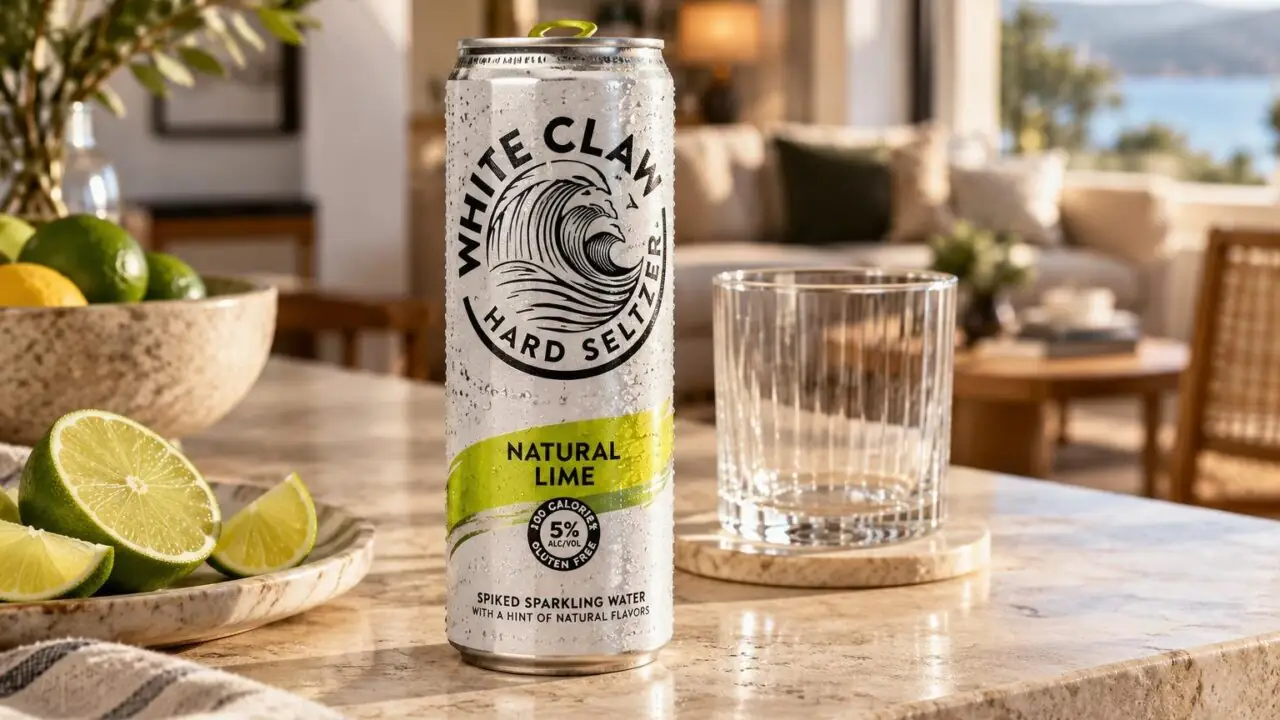
| 12 U.S. fluid ounces | 354.88 milliliters | One standard U.S. beer or seltzer can |
| 12 U.S. fluid ounces | 1.5 U.S. cups | A cup and a half |
| 12 U.S. fluid ounces | 0.375 U.S. quart | Three-eighths of a quart |
| 12 U.S. fluid ounces | 0.09375 U.S. gallon | About 9.4% of a gallon |
| 12 ounces by weight | 340.19 grams | Three-quarters of a pound |
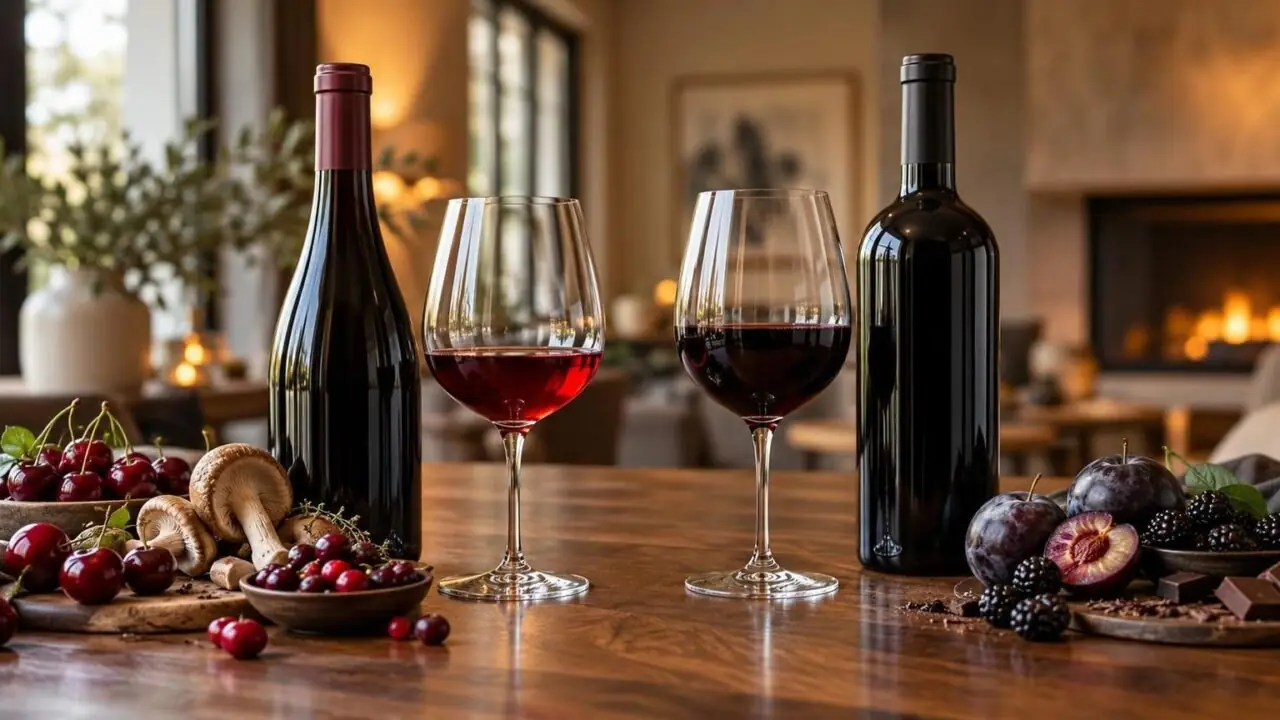
For wine service, the most useful comparison is the standard 5-ounce pour. A 12-ounce portion equals 2.4 standard wine pours, since 12 divided by 5 is 2.4.
| Drink serving | Volume | How 12 oz compares |
| Standard wine pour | 5 fl oz | 12 oz equals 2.4 pours |
| Tasting pour | 2 fl oz | 12 oz equals 6 tasting pours |
| Half glass of wine | 3 fl oz | 12 oz equals 4 half-glass pours |
| Beer can | 12 fl oz | Same volume |
Alcohol content depends on ABV, not just ounces. In the United States, one standard drink contains 0.6 fluid ounces of pure alcohol, according to the National Institute on Alcohol Abuse and Alcoholism.
| 12 oz drink | ABV | Pure alcohol | Standard drinks |
| Light beer | 4.2% | 0.50 fl oz | 0.84 |
| Regular beer | 5.0% | 0.60 fl oz | 1.00 |
| Wine | 12.0% | 1.44 fl oz | 2.40 |
| Strong wine | 14.5% | 1.74 fl oz | 2.90 |
- Use fluid ounces when measuring beverages, cocktails, sauces, and liquid ingredients.
- Use weight ounces when measuring solids such as cheese, meat, chocolate, or flour.
- Do not assume 12 fl oz weighs 12 oz unless the liquid is close to water in density.
Why 12 Oz Means Different Things
“12 oz” changes meaning depending on whether the label refers to fluid ounces or ounces by weight. In U.S. food and drink use, 12 fluid ounces measures volume, while 12 avoirdupois ounces measures mass.
The biggest factor is the product being measured. A 12 fl oz glass of water, wine, oil, or honey does not weigh the same because each liquid has a different density.
Fluid ounces versus weight ounces
In the United States, 1 U.S. fluid ounce equals about 29.5735 milliliters. So 12 U.S. fluid ounces equals about 354.882 milliliters, commonly rounded to 355 mL on beverage containers.
| Measurement | What 12 oz means | Approximate metric equivalent |
| 12 U.S. fluid ounces | Volume | 354.9 mL |
| 12 avoirdupois ounces | Weight or mass | 340.2 g |
| 12 imperial fluid ounces | Volume, used in the UK system | 341.0 mL |
This distinction matters in recipes, nutrition labels, bar pours, and packaging. A 12 oz beer can is usually 12 fluid ounces, not 12 ounces by weight.
Density of the ingredient
If 12 oz means volume, the weight depends on density. Water is the baseline: 12 U.S. fl oz of water weighs about 12.52 oz by weight at typical room temperature.
| Liquid | 12 U.S. fl oz volume | Approximate weight |
| Water | 354.9 mL | 355 g / 12.5 oz |
| Whole milk | 354.9 mL | 366 g / 12.9 oz |
| Olive oil | 354.9 mL | 324 g / 11.4 oz |
| Honey | 354.9 mL | 504 g / 17.8 oz |
| Table wine | 354.9 mL | 350–356 g / 12.3–12.6 oz |
For dry ingredients, volume is even less predictable. Twelve fluid ounces of flour by volume will weigh far less than 12 ounces of flour on a scale, because flour traps air and compacts easily.
Country and labeling rules
U.S. customary fluid ounces and imperial fluid ounces are not identical. One imperial fluid ounce is about 28.413 mL, so 12 imperial fl oz is about 14 mL smaller than 12 U.S. fl oz.
- U.S. beverage cans: a standard can is 12 U.S. fl oz, about 355 mL.
- Wine bottles: the standard bottle is 750 mL, equal to about 25.4 U.S. fl oz.
- Food labels: liquids often list fluid ounces and milliliters; solid foods usually list ounces and grams.
- Recipes: “oz” can mean weight unless “fl oz” is clearly written.
Temperature can also shift exact volume slightly because liquids expand or contract. For everyday kitchen and beverage use, the difference is small, but for lab work or commercial filling, measurements are standardized at controlled temperatures.
How to Verify 12 Oz Labels
“12 oz” is verified by first identifying whether the label means fluid ounces for volume or ounces by weight.
In U.S. food, beverage, and bar service, this distinction matters because 12 fl oz of water weighs about 12.5 oz by mass at room temperature.
For drinks, 12 oz usually means 12 U.S. fluid ounces, equal to 354.882 mL. For packaged foods or dry ingredients, 12 oz usually means 12 avoirdupois ounces, equal to 340.194 g.
| Measurement | Exact U.S. equivalent | Metric equivalent |
| 12 U.S. fluid ounces | 1.5 cups or 0.09375 U.S. gallons | 354.882 mL |
| 12 ounces by weight | 0.75 lb | 340.194 g |
| 12 imperial fluid ounces | Not a U.S. standard serving | 341.0 mL |
In the United States, volume claims on packaged beverages are based on the U.S. fluid ounce, defined through the gallon system.
NIST Handbook 44 and Handbook 130 are commonly used references for commercial measuring devices, net contents, and inspection practices.
At a bar or in a kitchen, the most reliable way to verify 12 fl oz is with a calibrated liquid measuring cup, graduated cylinder, or certified measuring vessel.
A typical pint glass is not reliable because many “pint” glasses hold 14 to 16 fl oz depending on style and fill line.
- Use a level surface: place the cup or cylinder flat before reading.
- Read the meniscus: check the lowest point of the liquid curve at eye level.
- Avoid foam: beer, soda, and shaken cocktails must settle before measuring liquid volume.
- Check units: confirm the marking says “fl oz,” not dry ounces or imperial ounces.
For 12 oz by weight, use a digital scale that reads in 0.1 oz or 1 g increments. Tare the container first, then add the product until the scale reads 12.0 oz or approximately 340 g.
| Verification tool | Best use | Common accuracy issue |
| Digital scale | 12 oz by weight | Container not tared |
| Liquid measuring cup | 12 fl oz in home kitchens | Viewed above or below eye level |
| Graduated cylinder | More precise liquid checks | Foam or bubbles included |
| Bar jigger | Small pours, usually 0.5 to 2 fl oz | Not practical for full 12 fl oz verification |
Commercially, inspectors verify net contents by sampling packages, weighing or measuring them, and comparing results with allowed tolerances.
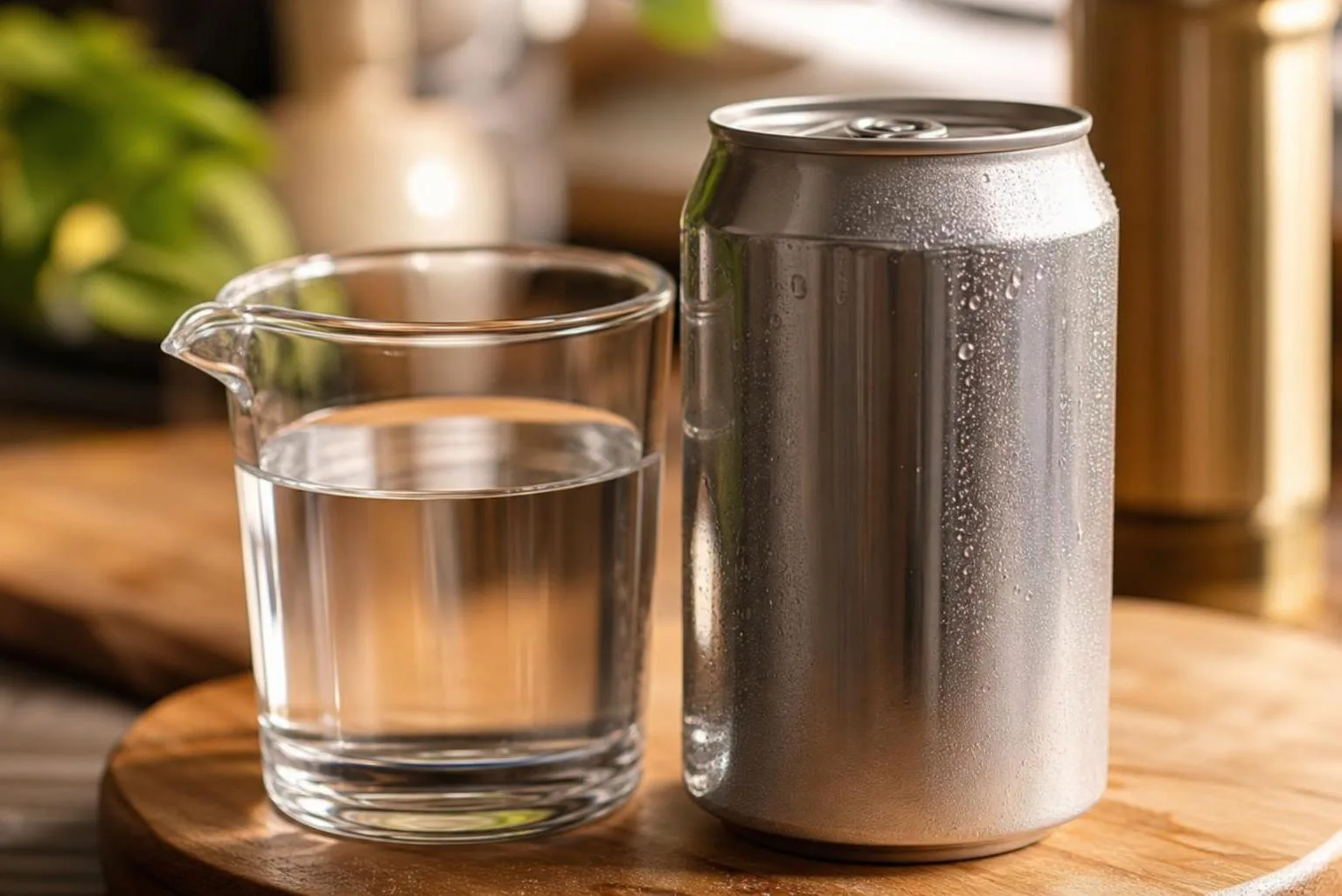
For a 12 fl oz beverage can, the stated quantity refers to the liquid contents, not the can’s outside capacity or the space above the liquid.
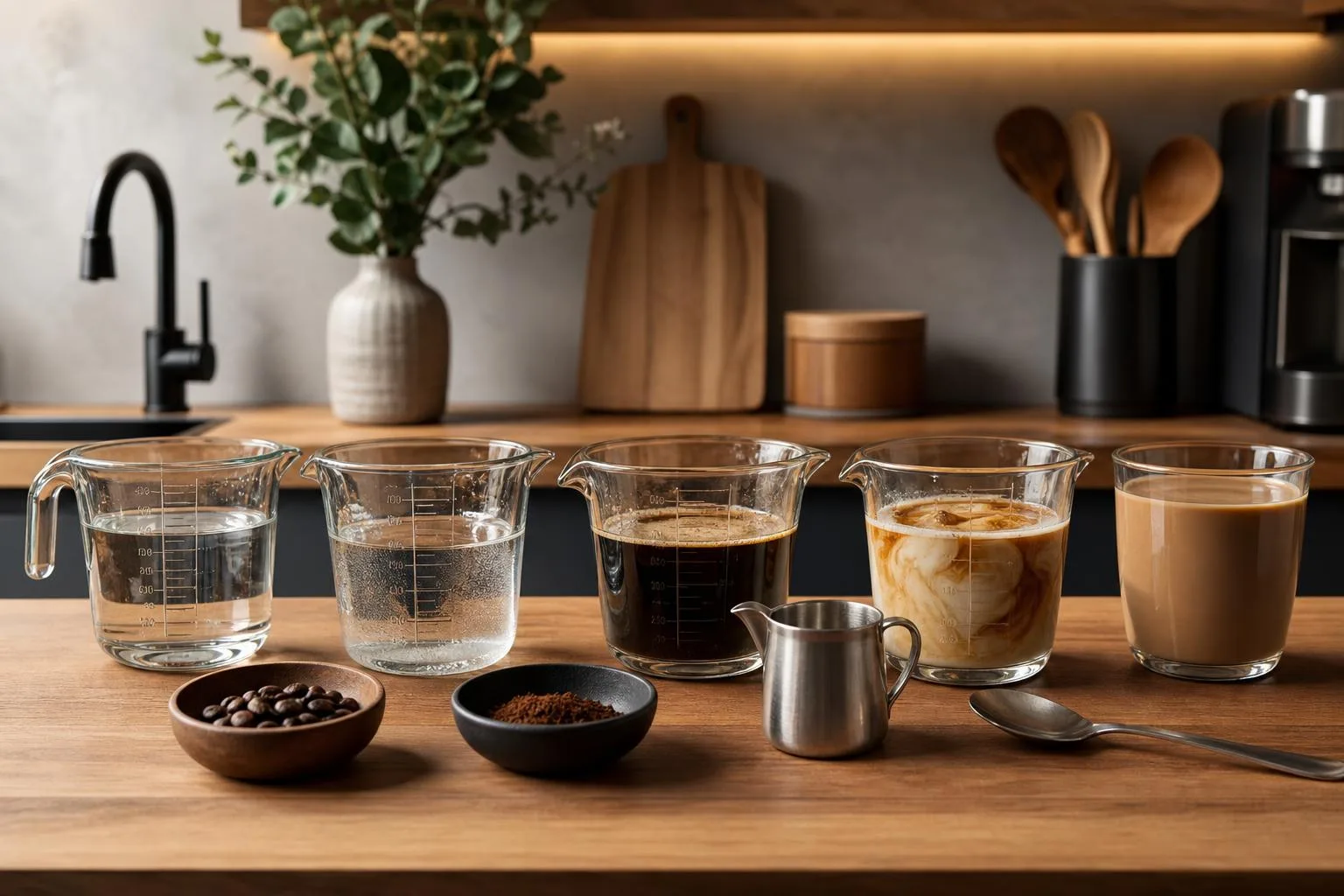
Everyday Comparisons for 12 Oz
A 12 oz amount is easiest to understand by comparing it with everyday drink and food measures.
In U.S. beverage service, 12 fluid ounces equals 1.5 cups, 24 tablespoons, or 355 milliliters, using the NIST-recognized U.S. customary conversion of 1 fl oz = 29.5735 mL.
For weight, 12 ounces equals 3/4 pound or about 340 grams. That comparison only works for mass, not liquid volume, because 12 fl oz of honey, oil, wine, and water do not weigh the same.
| Common alternative | Equivalent to 12 fl oz | Practical meaning |
| U.S. cups | 1.5 cups | One full cup plus one half cup |
| Tablespoons | 24 tbsp | Useful for recipes and syrups |
| Teaspoons | 72 tsp | Less practical, but exact for U.S. kitchen measures |
| Milliliters | 354.9 mL | Usually rounded to 355 mL on labels |
| Liters | 0.355 L | Just over one-third of a liter |
| Pints | 0.75 U.S. pint | Three-quarters of a 16 oz pint |
| Quarts | 0.375 U.S. quart | Three-eighths of a quart |
Compared with standard drink sizes
In beverage settings, 12 oz is a familiar serving size, but its meaning changes by drink type. A 12 oz beer, a 12 oz soda, and a 12 oz pour of wine are very different in alcohol, sugar, and service norms.
| Drink or container | Typical size | How 12 oz compares |
| Standard beer bottle or can | 12 fl oz | Exactly one regular U.S. beer serving |
| Wine pour in restaurants | 5 fl oz | 12 oz equals 2.4 standard wine pours |
| Wine bottle | 750 mL / 25.4 fl oz | 12 oz is about 47% of a bottle |
| Standard liquor shot | 1.5 fl oz | 12 oz equals 8 shots by volume |
| Soda can | 12 fl oz | Exactly one common U.S. can |
| Water bottle | 16.9 fl oz / 500 mL | 12 oz is about 71% of the bottle |
Compared by weight
If the label says 12 oz net weight, think of it as 0.75 lb. In grocery terms, that is smaller than a 1 lb pasta box, larger than an 8 oz cheese block, and close to a 340 g package.
- 8 oz: 12 oz is 50% more.
- 10 oz: 12 oz is 20% more.
- 16 oz: 12 oz is 75% of a pound.
- 24 oz: 12 oz is exactly half.
Why 12 Oz Mix-Ups Matter
“12 oz” can mean 12 fluid ounces by volume or 12 ounces by weight, and mixing them up matters for alcohol, caffeine, medications, and recipes.
In U.S. labeling, beverages usually use fluid ounces, while packaged foods often use weight ounces.
For health decisions, treat 12 fl oz as a serving size, not automatically a “safe” amount. The CDC, FDA, and NIAAA all define risk by what is in the 12 ounces, not just the container size.
| Item | What 12 oz Means | Practical Health Note |
| Regular beer | 12 fl oz at about 5% ABV | Counts as 1 U.S. standard drink, per NIAAA |
| Craft IPA | 12 fl oz at 7% ABV | About 1.4 standard drinks, not 1 |
| Cola | 12 fl oz can | Often about 39 g added sugar |
| Brewed coffee | 12 fl oz “tall” size | Commonly 150–250 mg caffeine, depending on brew |
| Water | 12 fl oz | About 355 mL, useful for tracking hydration |
- Alcohol: A 12 oz beer is only “one drink” when it is close to 5% ABV. To estimate standard drinks, multiply ounces by ABV, then divide by 0.6. Example: 12 × 0.07 ÷ 0.6 = 1.4 drinks.
- Caffeine: The FDA notes that up to 400 mg caffeine per day is not generally associated with dangerous effects for most healthy adults. A 12 oz strong coffee may use more than half that limit.
- Sugar: The American Heart Association recommends no more than 36 g added sugar daily for most men and 25 g for most women. One 12 oz soda can exceed the women’s daily limit.
- Medication safety: Never use a 12 oz kitchen glass to measure liquid medicine. Use an oral syringe, dosing cup, or pharmacy-labeled device marked in mL.
- Food prep: If a recipe says 12 oz flour, weigh it. Twelve fluid ounces of flour is not the same as 12 ounces by weight.
| Conversion | Amount | Best Use |
| 12 U.S. fl oz | 354.9 mL | Beverages, soups, liquid measuring cups |
| 12 weight oz | 340.2 g | Meat, cheese, flour, dry packaged foods |
| 12 fl oz water | About 355 g | Only close because water density is near 1 g/mL |
For travel, remember that TSA’s carry-on liquid rule is 3.4 fl oz, or 100 mL, per container. A 12 oz bottle is too large for the standard liquids bag unless it is empty when screened.
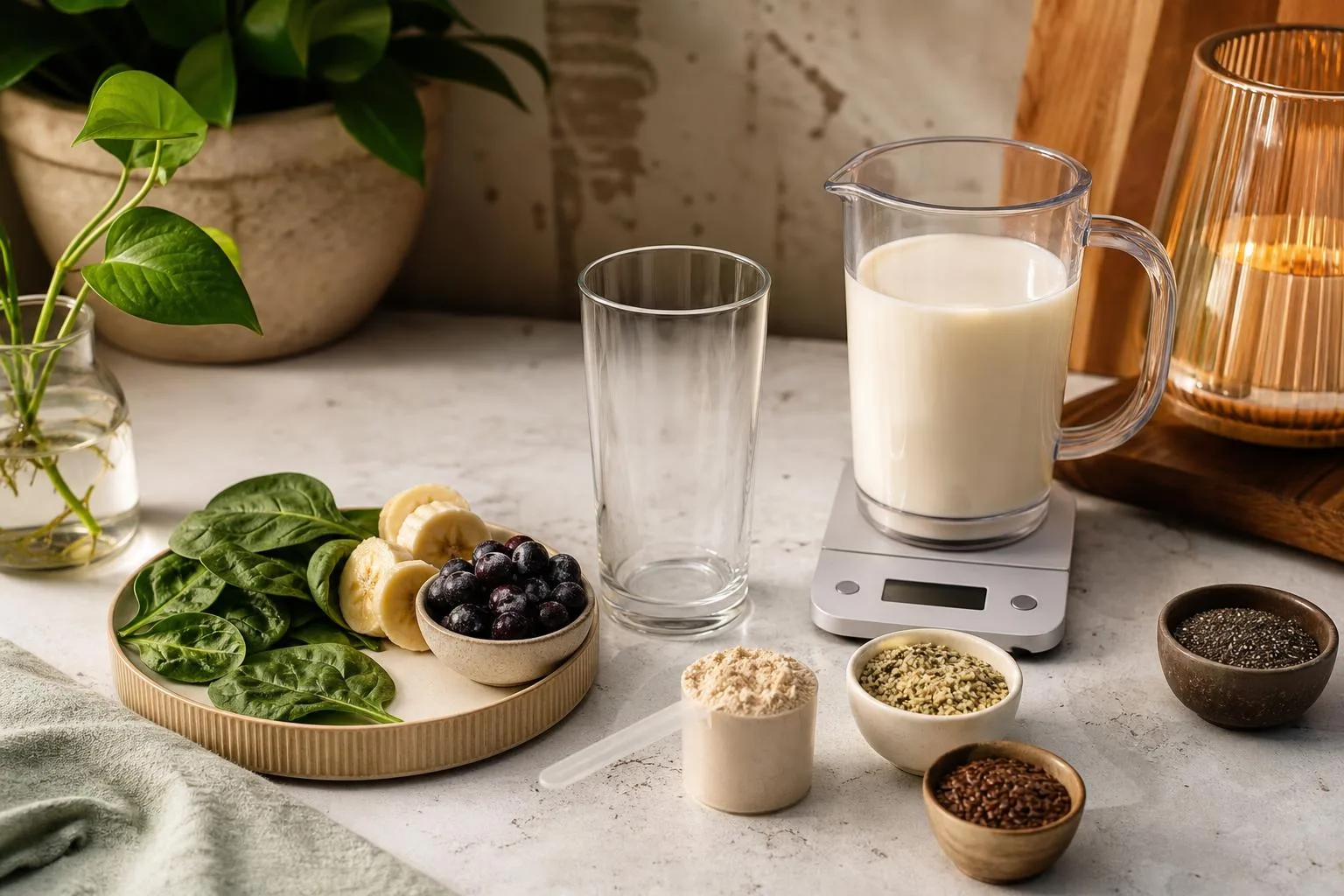
Measuring 12 Ounces Three Ways
We measured 12 ounces three ways in our bar prep area: by liquid volume, by scale weight, and by common drinking vessels. The biggest takeaway was simple: 12 fluid ounces is not always the same as 12 ounces by weight.
For the volume test, we used a 2-cup glass liquid measuring cup, a digital scale reading to 0.1 gram, and room-temperature filtered water. We repeated each pour five times, leveling the meniscus at the 12-fluid-ounce mark each time.
| Test | Measured amount | What we found |
| 12 US fluid ounces of water | 354.9 milliliters | Filled 1.5 US cups exactly |
| 12 fluid ounces on scale | About 355 grams | Matched water closely because water is near 1 g/ml |
| 12 ounces by weight | 340.2 grams | Less than 12 fluid ounces of water |
In our repeated water pours, the scale readings ranged from 354.2 grams to 356.1 grams. That small spread came from tiny differences in the meniscus and droplets left on the inside wall of the measuring cup.
We also tested common bar and kitchen containers to see what 12 fluid ounces looks like in real use. We filled each vessel with exactly 12 fluid ounces of water, then checked the fill level visually.
| Container | 12 fl oz reached | Practical note |
| 16-ounce pint glass | About three-quarters full | Leaves roughly 4 fluid ounces of headroom |
| Standard 12-ounce can | Full to its labeled volume | Typical soda or beer can size in the US |
| 8-ounce measuring cup | 1 full cup plus 1/2 cup | Equals 1.5 cups |
| 5-ounce wine pour | 2.4 pours | More than two standard wine servings |
For wine context, we poured 12 fluid ounces into a 20-ounce universal wine glass. It sat far above a proper tasting pour and limited swirling. In our service tests, 5 fluid ounces gave far better aroma release and spill control.
We also weighed 12 fluid ounces of granulated sugar and olive oil to confirm why “ounces” can confuse recipes. The same 12-fluid-ounce volume did not weigh the same across ingredients.
| Ingredient | Volume measured | Weight we recorded |
| Water | 12 fl oz | About 355 g |
| Olive oil | 12 fl oz | About 326 g |
| Granulated sugar | 12 fl oz | About 300 g |
Our practical rule after testing: if a label says 12 fl oz, read it as volume, equal to 1.5 cups or 354.9 ml. If a recipe says 12 oz by weight, use a scale, because the volume can change dramatically by ingredient.
Common Misreadings of 12 Oz
“12 oz” sounds simple, but it is one of the easiest measurements to misread in food, wine, beer, and kitchen use.
The biggest mistake is assuming every 12 ounces means the same thing, when fluid ounces and weight ounces measure different properties.
In U.S. labeling, 12 fluid ounces measures volume, while 12 ounces by weight measures mass. That distinction matters when comparing water, wine, flour, sugar, canned goods, or a standard beverage pour.
Myth: 12 oz Always Equals 1.5 Cups
This is only true for U.S. fluid ounces. Since 1 U.S. cup is 8 U.S. fluid ounces, 12 U.S. fluid ounces equals 1.5 cups. It does not mean 12 ounces by weight equals 1.5 cups.
| Measurement | Correct U.S. Equivalent |
| 12 U.S. fluid oz | 1.5 U.S. cups |
| 12 U.S. fluid oz | 355 mL, rounded from 354.88 mL |
| 12 weight oz | 340.2 g, rounded from 340.19 g |
| 1 U.S. cup | 8 U.S. fluid oz, or 236.59 mL |
Myth: A 12 oz Drink Is One Alcohol Serving
In U.S. public-health guidance, a standard drink contains 0.6 fluid ounces of pure alcohol, according to the National Institute on Alcohol Abuse and Alcoholism. A 12 oz beer is one standard drink only when it is about 5% ABV.
| Beverage | Typical Standard-Drink Match |
| Beer | 12 fl oz at 5% ABV |
| Wine | 5 fl oz at 12% ABV |
| Distilled spirits | 1.5 fl oz at 40% ABV |
| Strong beer | 12 fl oz at 8% ABV is about 1.6 standard drinks |
Myth: 12 oz of Any Ingredient Takes the Same Space
Weight ounces depend on density. Twelve ounces of water is about 1.5 cups because water is close to 1 gram per milliliter. Twelve ounces of all-purpose flour can be roughly 2.7 cups, depending on how it is scooped.
- Do not use a liquid measuring cup for dry weight. A cup measures volume, not mass.
- Do not assume can size means drained weight. A 12 oz can may include liquid, syrup, brine, or sauce.
- Do not mix U.S. and imperial ounces. A U.S. fluid ounce is 29.57 mL; an imperial fluid ounce is 28.41 mL.
- Do not confuse bottle size with pour size. A 12 oz bottle of beer is one container; a wine pour is commonly 5 oz in U.S. service.
The safest rule is to identify the unit first: fluid ounces for volume, ounces for weight, and ABV for alcohol. That prevents the most common 12 oz mistakes in recipes, bar service, nutrition labels, and drink comparisons.
Questions Readers Ask
How much is 12 oz in cups?
For U.S. fluid ounces, 12 fl oz equals 1.5 cups because 1 cup is 8 fl oz. This is a volume measurement, commonly used for drinks, broth, milk, and other liquids.
How much is 12 oz in milliliters?
12 U.S. fluid ounces equals about 355 milliliters, using 1 U.S. fl oz = 29.5735 mL. That is why a standard U.S. beer or soda can is usually labeled 12 fl oz / 355 mL.
How much is 12 oz in pounds?
For weight, 12 oz equals 0.75 lb because 16 ounces make 1 pound. This applies to ounces by weight, such as 12 oz of steak, coffee beans, cheese, or pasta.
Is 12 oz the same as 12 fluid ounces?
No, “oz” can mean weight ounces, while “fl oz” means fluid ounces, a measure of volume. For example, 12 fl oz of wine is about 355 mL, but 12 oz of grapes means three-quarters of a pound by weight.
How much wine is 12 oz?
12 fl oz of wine is about 355 mL, which is roughly 2.4 standard 5-ounce wine pours. Since a standard 750 mL wine bottle holds about 25.4 fl oz, 12 fl oz is just under half a bottle.
Related Reading
- How Many 8 Ounces Of Water Are In A Liter? A Complete, Real-Life Guide You Can Actually Use
- How Many Cups Is 32 Fluid Ounces? A Surprisingly Simple Measurement Explained (With Real-Life Experience)
- Does Vodka Have Calories? The Truth You Didn't Know
- How Many Cups Is 16 Ounces?
- How Many Gallons Is 50 Liters?
- Drinks And Cigars: The Ultimate Cigar Pairing Guide
- Why Is It Called Moonshine? The Surprising Origins, Legends & Evolution (2026 Guide)
- All Blog Guides
- National Institute on Alcohol Abuse and Alcoholism (2024)
- Centers for Disease Control and Prevention (2024)
- National Institute of Standards and Technology SP 811 (2008)
- U.S. Food and Drug Administration, 21 CFR 101.9 (2024)
- U.S. Department of Agriculture and U.S. Department of Health and Human Services, Dietary Guidelines for Americans 2020–2025 (2020)
- Encyclopaedia Britannica, Fluid Ounce (2024)
- Merriam-Webster, Ounce Definition (2024)