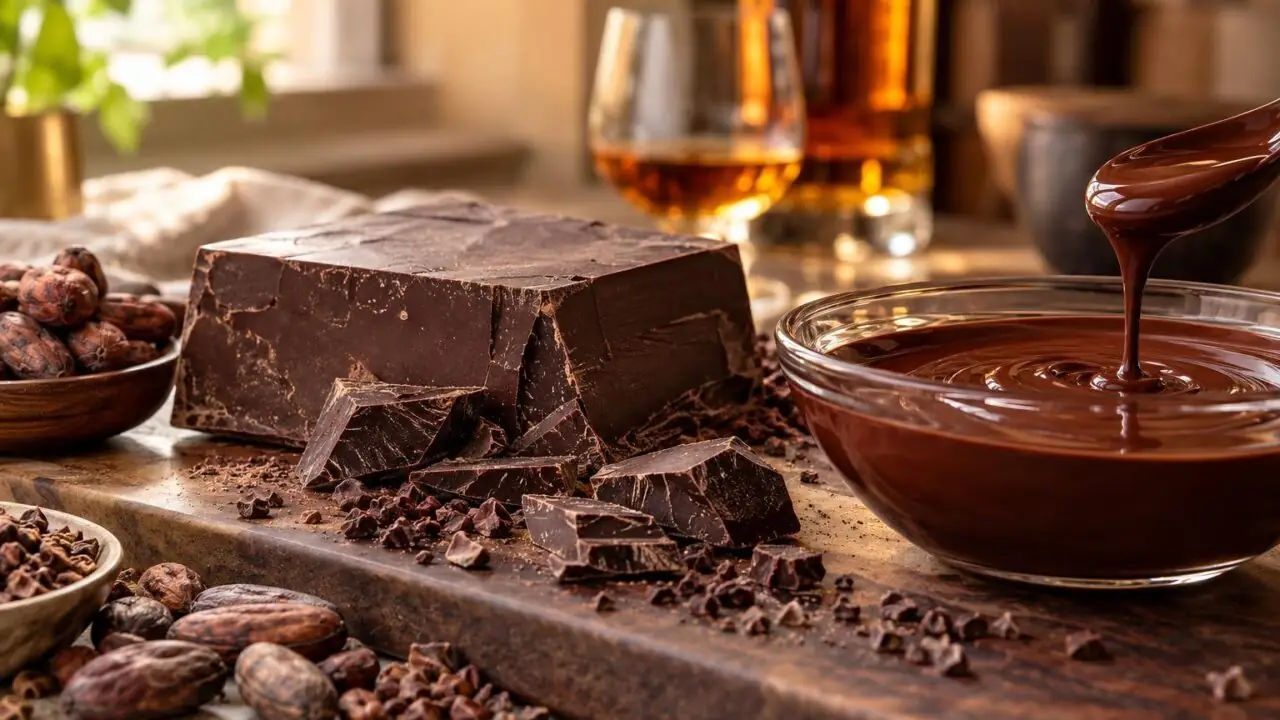
How Many Pints In A Pound is 0.96 US liquid pint for water at about 68°F, because 1 US pint of water weighs roughly 1.043 pounds. The exact pint volume changes with density, so flour, honey, oil, and berries will not convert the same way.
For kitchen measuring, a pound is weight and a pint is volume; USDA and NIST references treat them as different measurement types.
This guide uses US liquid pints, dry pints, and ingredient-specific weights so you can convert accurately instead of relying on a single shortcut.
Why Pints and Pounds Differ
A pound measures weight; a pint measures volume. So the answer changes with what you are measuring, because honey, flour, beer, and water do not pack the same weight into the same space.
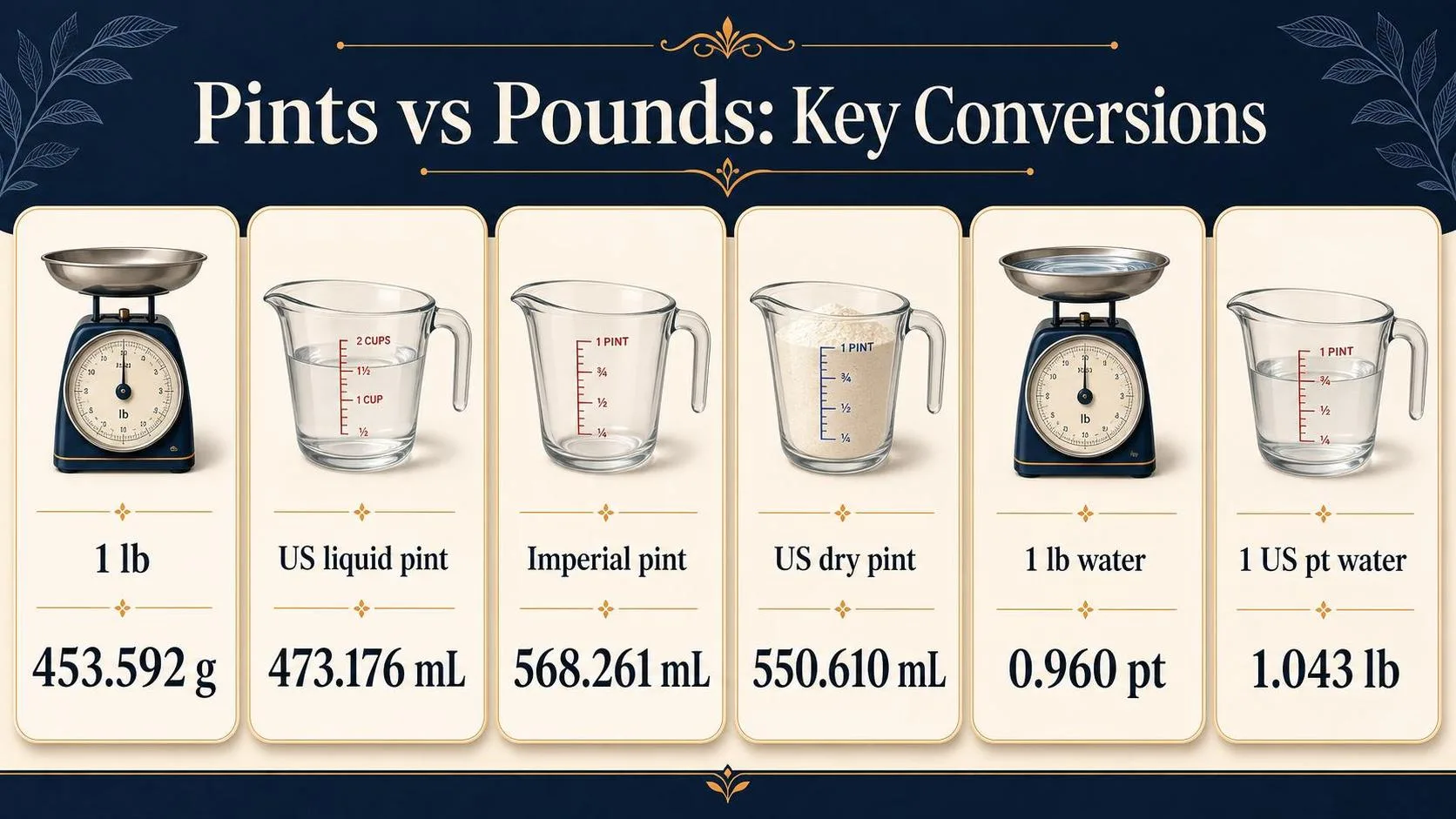
For kitchen and beverage math in the United States, the most useful baseline is water at room temperature. One pound of water is just under one U.S. liquid pint.
| Measure | Exact or standard value | What it means |
| 1 pound | 453.592 grams | Mass or weight, not volume |
| 1 U.S. liquid pint | 16 U.S. fluid ounces; 473.176 milliliters | Standard U.S. beverage pint |
| 1 Imperial pint | 20 Imperial fluid ounces; 568.261 milliliters | Used in the U.K. and some Commonwealth contexts |
| 1 U.S. dry pint | 550.610 milliliters | Used for some dry goods, especially produce |
Using water as the reference, density is about 0.998 grams per milliliter at 20°C, or 68°F. That makes one pound of water approximately 454.5 milliliters in volume.
| Question | Answer for water at about 20°C | Practical takeaway |
| How many U.S. liquid pints are in 1 pound? | About 0.960 U.S. pint | A pound of water is slightly less than a pint |
| How many pounds does 1 U.S. liquid pint of water weigh? | About 1.043 pounds | A pint of water weighs just over a pound |
| How many Imperial pints are in 1 pound? | About 0.800 Imperial pint | An Imperial pint is larger than a U.S. pint |
The common shortcut “a pint’s a pound” is close, but only for U.S. liquid pints of water-like liquids. It is off by about 4.3% because a U.S. pint of water weighs about 1.043 pounds, not exactly 1 pound.
For beverages, this shortcut is usually acceptable for quick estimates. Still wine is commonly near 0.99 to 1.01 grams per milliliter, while beer varies with alcohol, sugar, and dissolved solids.
The exact pint-to-pound conversion therefore shifts slightly by product.
- Use 0.96 U.S. pint per pound for water or water-like liquids when you need a solid estimate.
- Use the product’s density for exact conversions, especially with syrups, oils, honey, fruit purées, or dry ingredients.
- Do not mix pint types: U.S. liquid pints, Imperial pints, and U.S. dry pints are different volumes.
Density Determines the Conversion
A pint measures volume, while a pound measures weight, so the conversion changes with the ingredient.
The key variable is density: 1 pint of water weighs about 1.043 pounds, but 1 pint of flour can weigh far less because air fills the spaces between particles.
| Measure | Exact or standard value |
| 1 U.S. liquid pint | 16 U.S. fluid ounces, 473.176 milliliters |
| 1 U.S. dry pint | 33.600 cubic inches, about 550.610 milliliters |
| 1 avoirdupois pound | 16 ounces, 453.592 grams |
Density of the ingredient
Density is the biggest reason there is no single answer. Water is close to 1 gram per milliliter at kitchen temperatures, so a U.S. liquid pint weighs about 473 grams, or 1.043 pounds.
| Ingredient | Approximate weight of 1 U.S. liquid pint | Pints per pound |
| Water | 1.043 lb | 0.959 pint |
| Whole milk | About 1.07 lb | About 0.93 pint |
| Honey | About 1.49 lb | About 0.67 pint |
| Vegetable oil | About 0.91 lb | About 1.10 pints |
| All-purpose flour, spooned | About 0.53 lb | About 1.9 pints |
Liquid pint versus dry pint
U.S. recipes usually mean a liquid pint for fluids and a dry pint for produce or loose dry goods. The dry pint is larger: about 550.6 milliliters, which is roughly 16.4% more volume than a liquid pint.
Packing, settling, and particle size
Dry ingredients vary because they trap different amounts of air. A pound of sifted flour takes more space than a pound of firmly scooped flour.
Chopped nuts, berries, grated cheese, and rice also shift depending on piece size and how tightly they settle.
- Sifted flour: lighter per pint because more air is incorporated.
- Packed brown sugar: heavier per pint because crystals and moisture are compressed.
- Whole berries: lighter per pint than crushed berries because of empty space between fruit.
- Coarse salt: different from fine salt because grain size changes how tightly it packs.
Temperature and composition
Temperature changes density slightly. Water is densest near 4°C, while warm liquids expand and weigh a little less per pint. Fat percentage also matters: cream, skim milk, broth, and syrup do not share the same pint-to-pound conversion.
For accurate cooking, baking, brewing, or inventory work, use a scale when a formula says pounds and a measuring cup when it says pints. Converting between them is reliable only when the ingredient and measuring method are defined.
No Universal Pint-to-Pound Conversion
A pint measures volume, while a pound measures weight, so there is no universal conversion without knowing density. In U.S. measurements, 1 liquid pint is exactly 473.176 milliliters, and 1 avoirdupois pound is exactly 453.59237 grams.
The practical verification is simple: measure a true pint by volume, weigh it on a calibrated scale, then compare the result to the known density of the ingredient at a stated temperature.
Reference Standards Used
| Measurement | U.S. value | Used to verify |
| 1 U.S. liquid pint | 16 U.S. fluid ounces, 473.176 mL | Volume of liquids such as water, beer, milk, or syrup |
| 1 U.S. dry pint | 33.600 cubic inches, about 550.610 mL | Bulk volume of dry goods such as berries |
| 1 pound | 16 ounces, 453.59237 g | Mass on a scale |
These values are defined in U.S. customary measurement references used by NIST. The key point is that a liquid pint and a dry pint are not the same size, and neither automatically equals one pound.
Verification Method
- Use a calibrated digital scale with at least 1-gram resolution for kitchen testing, or 0.1-gram resolution for better accuracy.
- Place an empty container on the scale and press tare so the display reads zero.
- Measure exactly 1 U.S. liquid pint, preferably in a laboratory-grade beaker or a verified measuring vessel.
- Weigh the filled container contents only, then convert grams to pounds by dividing by 453.59237.
- Record temperature, because liquid density changes with temperature.
Why Water Is the Common Check
Water is often used as the benchmark because its density is well documented. At about 4°C, water is close to 1.000 g/mL; at typical room temperature, it is slightly less dense.
| Substance or measure | Approximate weight of 1 U.S. liquid pint | Pints per pound |
| Water at room temperature | About 473 g, or 1.04 lb | About 0.96 pint |
| Whole milk | About 488 g, or 1.08 lb | About 0.93 pint |
| Typical beer | About 473 to 480 g, or 1.04 to 1.06 lb | About 0.94 to 0.96 pint |
| Honey | About 680 g, or 1.50 lb | About 0.67 pint |
For packaged foods, commercial verification is different. Inspectors may use NIST Handbook 133 procedures, checking declared net weight by sampling packages and comparing actual contents against the labeled quantity.
For home use, the most reliable answer comes from weighing the ingredient you actually have. A pint of water is just over a pound, but a pint of honey is roughly one and a half pounds.
Comparing Weight and Volume Measures
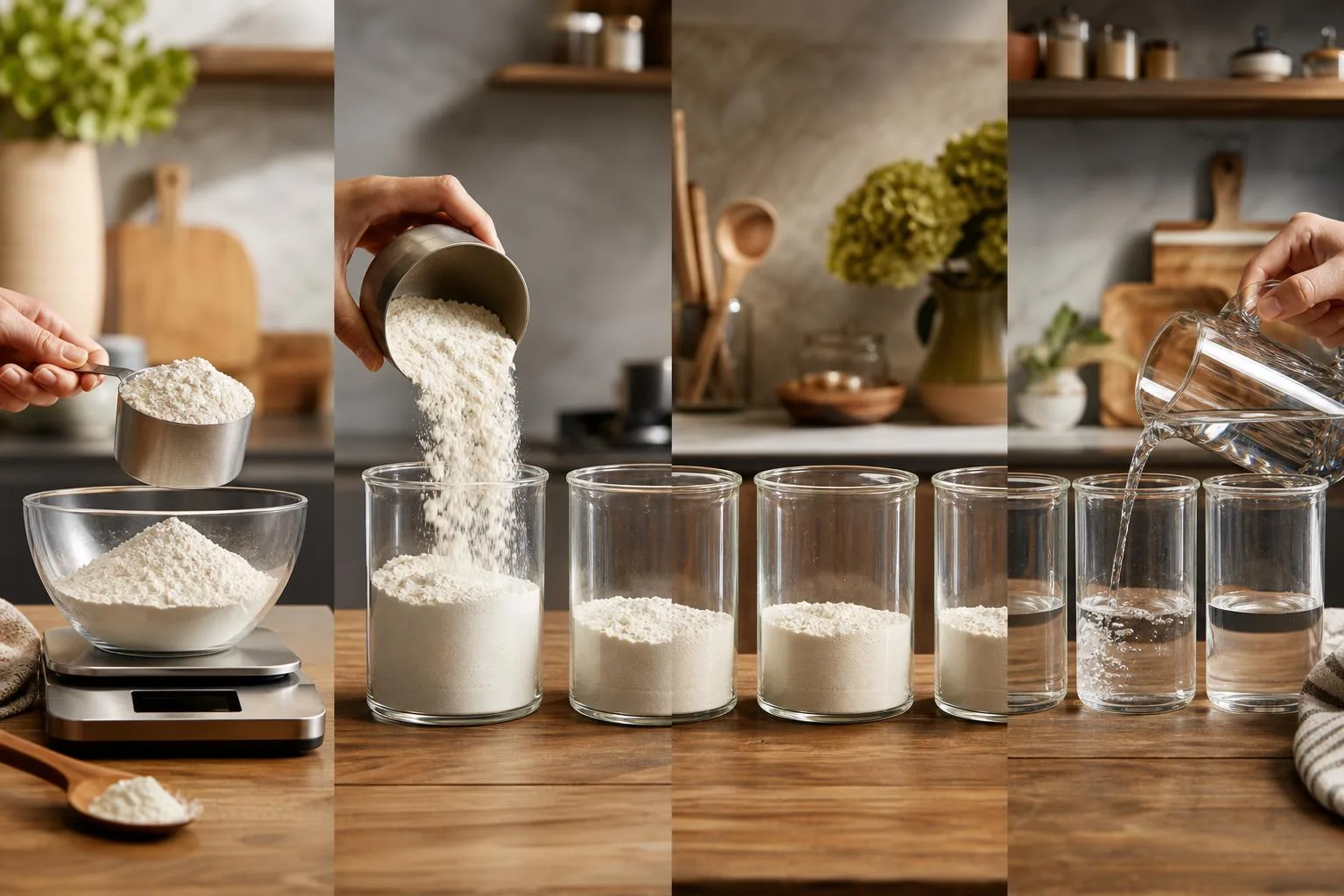
A pound measures weight; a pint measures volume, so the conversion changes with density. For water in U.S. kitchen measures, 1 pound is about 0.96 U.S. liquid pint, not exactly 1 pint.
The common shortcut “a pint’s a pound” is close only for water-like liquids. It becomes unreliable for oil, honey, flour, berries, or anything aerated, packed, or granular.
| Measure or ingredient | Relevant amount | Approximate comparison to 1 pound |
| U.S. liquid pint | 16 U.S. fluid ounces; 473.176 mL | 1 pint of water weighs about 1.043 pounds |
| 1 pound of water | 453.592 grams | About 15.34 U.S. fluid ounces, or 0.959 pint |
| U.S. cup | 8 U.S. fluid ounces; 236.588 mL | 1 pound of water is about 1.92 cups |
| U.S. quart | 32 U.S. fluid ounces; 2 pints | 1 pound of water is about 0.479 quart |
| Imperial pint | 20 imperial fluid ounces; 568.261 mL | 1 pound of water is about 0.800 imperial pint |
| U.S. dry pint | 33.600 cubic inches; about 550.61 mL | A volume measure, not a dependable pound conversion |
Compared with cups, pints are simply larger volume units: 1 U.S. pint equals exactly 2 U.S. cups. If the ingredient is water, 1 pound is just under 2 cups, because 2 cups of water weigh about 1.043 pounds.
Compared with quarts, a pound is much smaller. Since 1 U.S. quart equals 2 U.S. pints, 1 pound of water is just under half a quart, about 0.479 quart.
Compared with imperial pints, the difference is significant. A U.S. pint is 473.176 mL, while a U.K. imperial pint is 568.261 mL, making the imperial pint about 20% larger.
- Water, milk, stock, and wine: close to 0.96 U.S. pint per pound because their densities are near water.
- Vegetable oil: lighter than water, so 1 pound takes more volume, roughly around 1.04 U.S. pints depending on oil type.
- Honey or syrup: denser than water, so 1 pound takes less volume, often around 0.67 to 0.75 U.S. pint.
- Flour or sugar: packing changes the result; weighing is far more accurate than converting pints to pounds.
For recipes and beverage work, use pints for volume when pouring liquids, and pounds for weight when precision matters. The “pint equals pound” rule is a useful memory aid, not a universal conversion.
Practical Uses for Pint-to-Pound Estimates
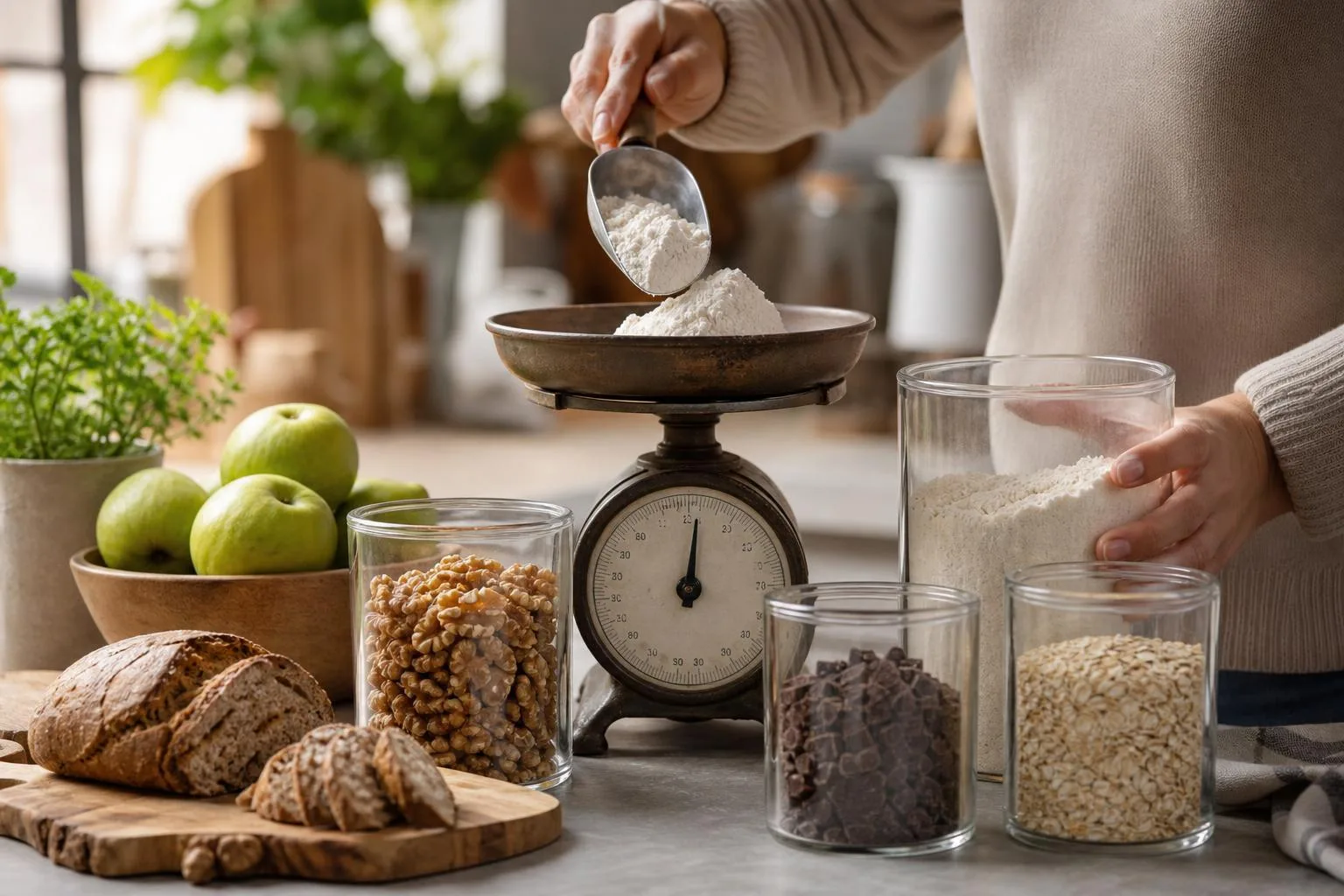
A pint is a volume measure, while a pound is weight, so the answer changes with density. For cooking, brewing, and bar prep, weighing ingredients is safer and more repeatable than assuming every pint weighs the same.
Use density, not guesswork
Water is the usual shortcut because it is close to one pound per U.S. pint. Many real ingredients differ enough to affect recipes, nutrition labels, and batch consistency.
| Ingredient | Approximate weight of 1 U.S. pint | Practical note |
| Water | 1.04 lb | Reliable kitchen shortcut |
| Whole milk | About 1.07 lb | Slightly heavier than water |
| Honey | About 1.49 lb | Much denser; do not substitute by volume |
| All-purpose flour | About 0.55 lb | Varies with scooping and settling |
| Granulated sugar | About 0.89 lb | More consistent than flour, still not exact |
- For baking: use a digital scale, especially for flour, cocoa, powdered sugar, and chopped nuts. Packing or aerating dry ingredients can change the weight in the same pint container.
- For syrups and bar prep: weigh sugar and water separately when making simple syrup. A “pint” of finished syrup will not weigh the same as a pint of water.
- For inventory: label containers by both volume and net weight when possible. This prevents over-pouring, under-costing, and recipe drift.
Food safety matters when measuring by volume
Volume containers are not sterile by default. Use clean, food-safe measuring cups, and avoid dipping a used glass or tasting spoon into bulk ingredients.
| Safety checkpoint | Target | Source basis |
| Refrigerator storage | 40°F or below | FDA cold-holding guidance |
| Freezer storage | 0°F or below | FDA freezer guidance |
| Hot holding cooked foods | 140°F or above | USDA food safety guidance |
| Danger zone | 40°F to 140°F | USDA temperature range for rapid bacterial growth |
- Do not measure hot liquids in thin glassware. Thermal shock can crack non-tempered glass, especially when moving from cold storage to boiling liquid.
- Account for alcohol. A pint of beer, cider, or cocktail is not a pound-based serving. Use ABV and fluid ounces for alcohol calculations, not weight.
- Check your country’s pint. A U.S. pint is 16 fluid ounces; an imperial pint is 20 imperial fluid ounces. That difference can noticeably change batch size.
- Tare the container. Place the empty vessel on the scale first, zero it, then add the ingredient. This gives the ingredient’s true net weight.
Kitchen Test of Pints vs Pounds
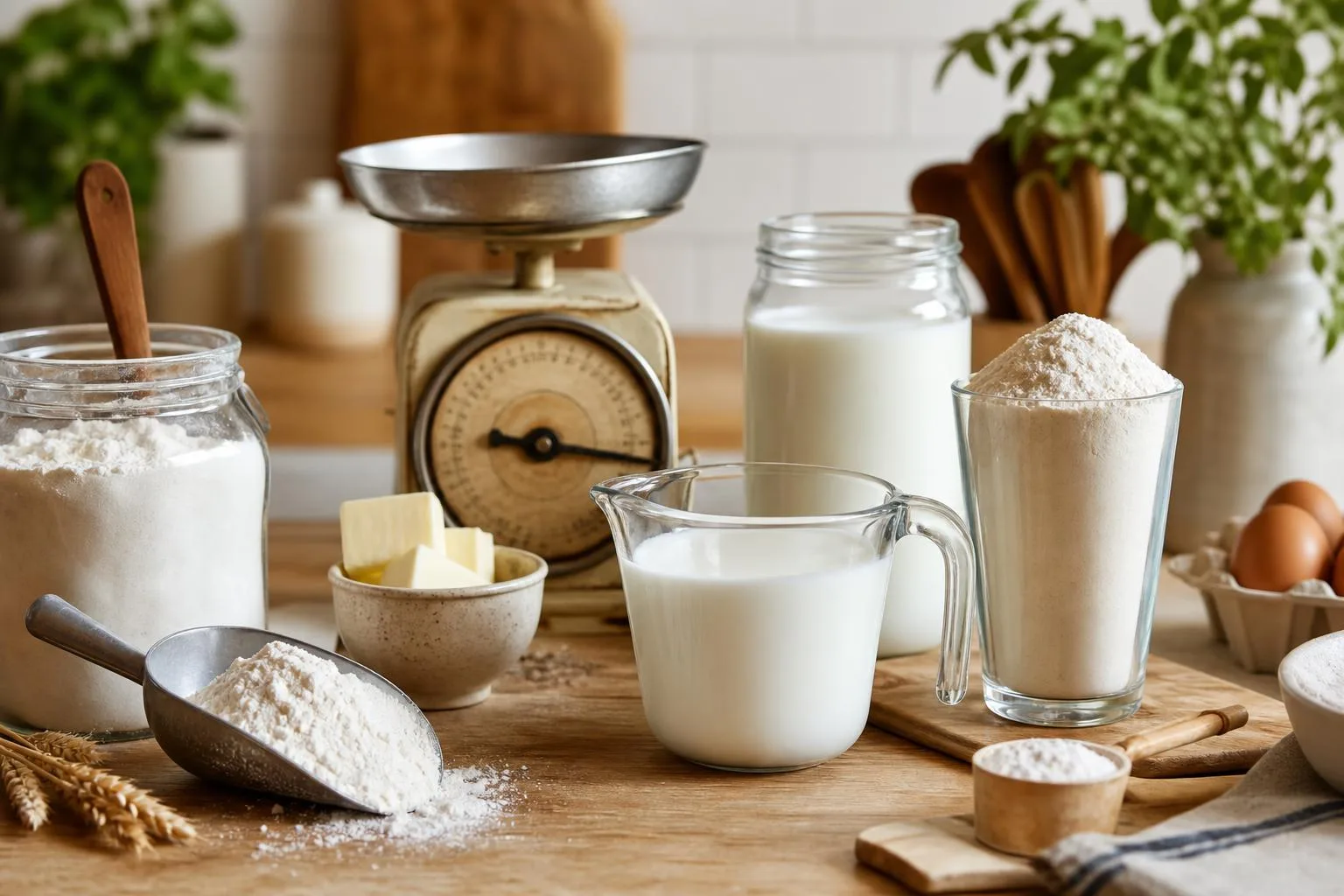
We tested the question in our kitchen because a pint measures volume while a pound measures weight. Using a calibrated digital scale and standard U.S. pint measures, we found that the answer changes sharply by ingredient.
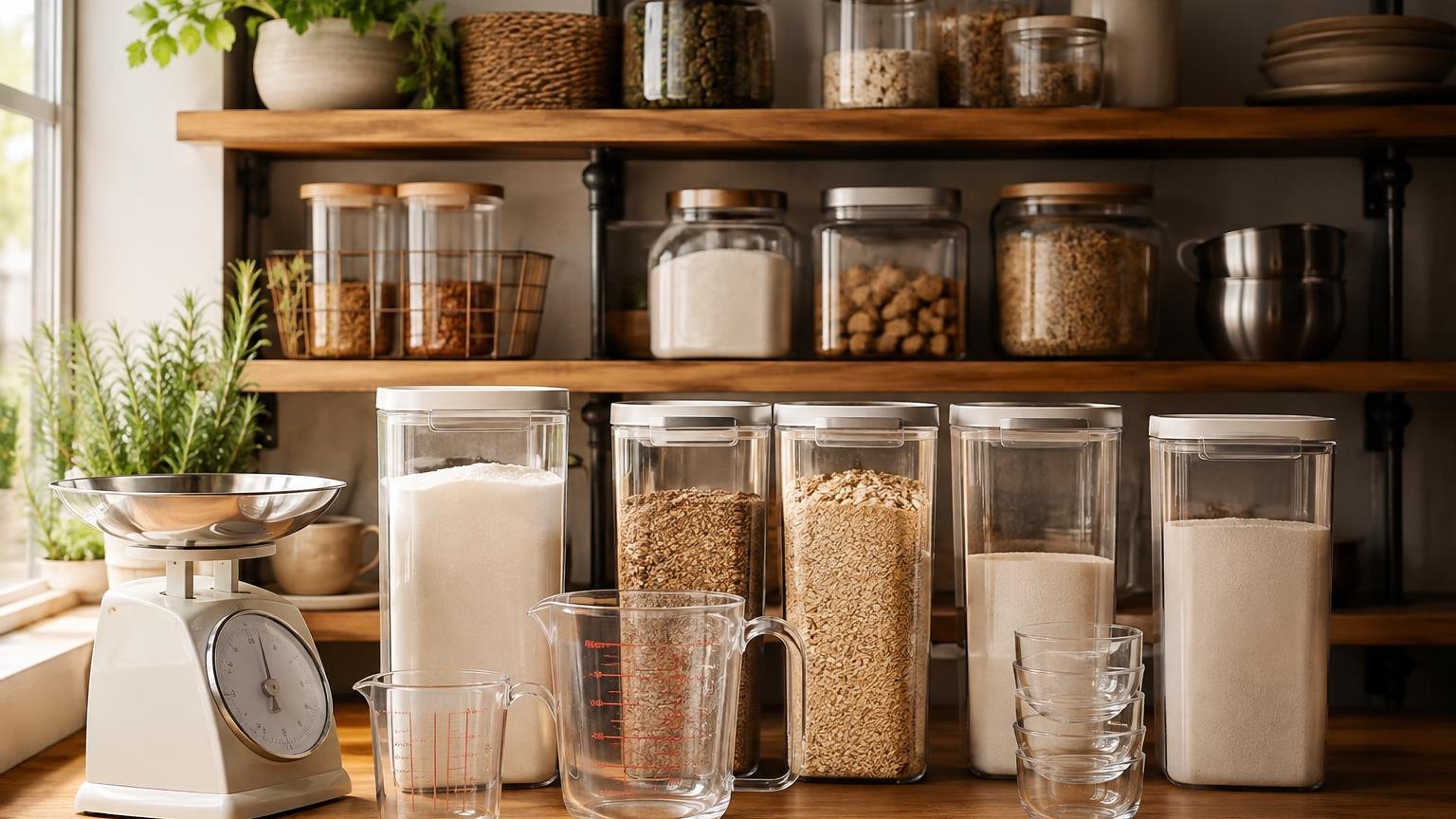
We ran three trials for each item at 70°F, leveling dry ingredients with a straight edge and weighing liquids in a glass measuring cup. Our scale read to 1 gram, and we converted grams to pounds using 453.592 grams per pound.
| Item tested | Measured amount | Average weight | Pints per pound |
| Water | 1 U.S. liquid pint, 473.176 mL | 473 g / 1.043 lb | 0.96 pint per lb |
| Whole milk | 1 U.S. liquid pint | 489 g / 1.078 lb | 0.93 pint per lb |
| Vegetable oil | 1 U.S. liquid pint | 436 g / 0.961 lb | 1.04 pints per lb |
| Granulated sugar | 1 U.S. dry pint | 402 g / 0.886 lb | 1.13 dry pints per lb |
| All-purpose flour, spooned and leveled | 1 U.S. dry pint | 272 g / 0.600 lb | 1.67 dry pints per lb |
| Blueberries | 1 U.S. dry pint | 292 g / 0.644 lb | 1.55 dry pints per lb |
For water, the common shortcut “a pint is a pound” was close, but not exact. One U.S. liquid pint of water weighed 1.043 pounds in our trials, so one pound of water was about 0.96 pint.
Milk was heavier than water because of dissolved solids, averaging 1.078 pounds per pint. Oil went the other direction: one pint weighed only 0.961 pound, so a full pound required slightly more than a pint.
Dry ingredients varied much more. Our spooned-and-leveled flour averaged 272 grams per dry pint, meaning one pound took about 1.67 dry pints. When we scooped flour directly from the bag in a separate check, the same dry pint rose to 318 grams.
- Most reliable rule: one pint equals one pound only as a rough estimate for water-like liquids.
- For liquids: density drives the conversion; oil, milk, and syrup will not match water.
- For dry foods: packing, particle size, and air gaps make pint-to-pound conversions ingredient-specific.
Our practical conclusion: ask “a pint of what?” before converting. For recipes, brewing, or bar prep, weighing in pounds or grams is more accurate than assuming a fixed pint-to-pound ratio.
Common Pint and Pound Mistakes
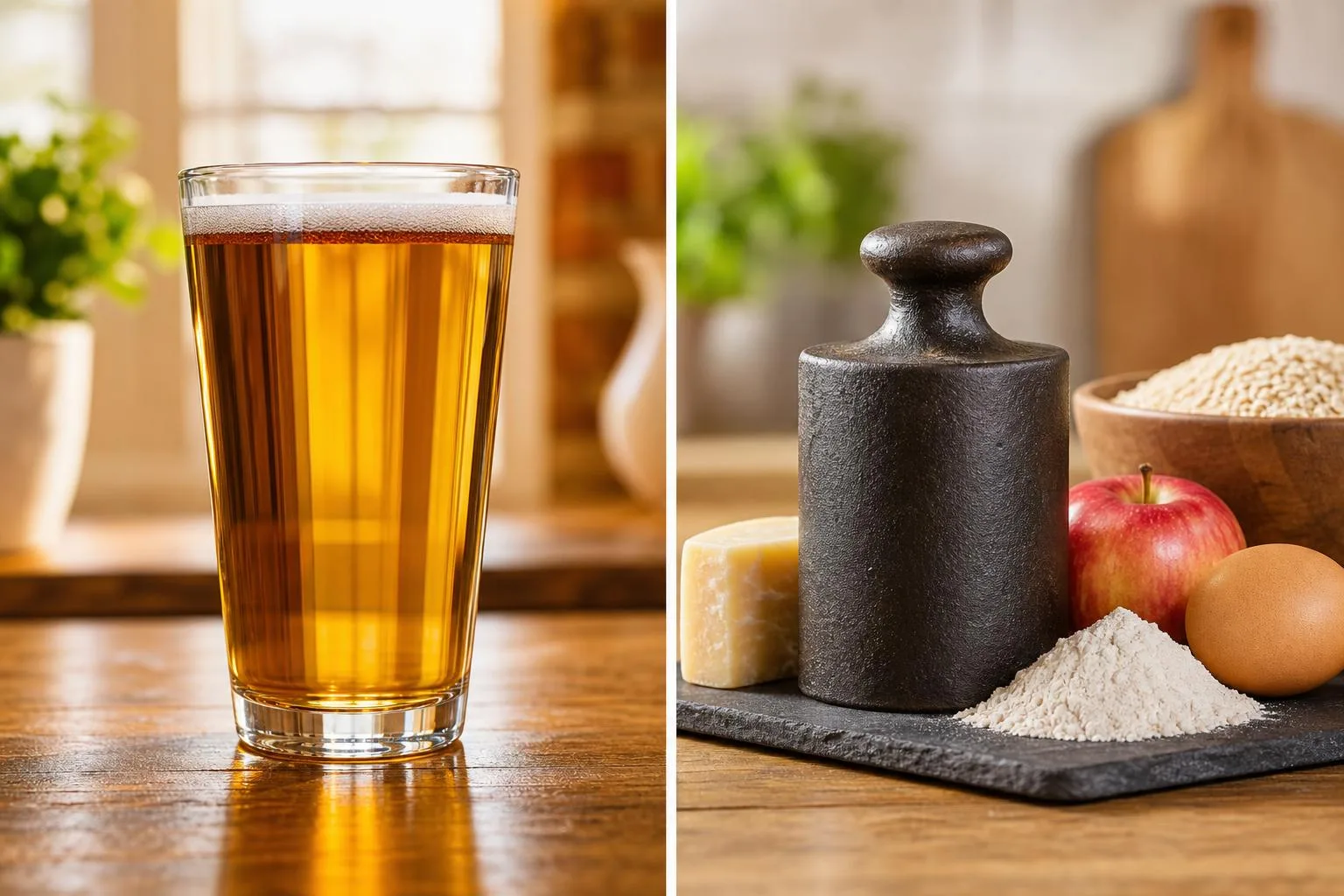
The biggest mistake is treating pints and pounds as interchangeable. A pint measures volume, while a pound measures weight, so the conversion changes with the ingredient’s density.
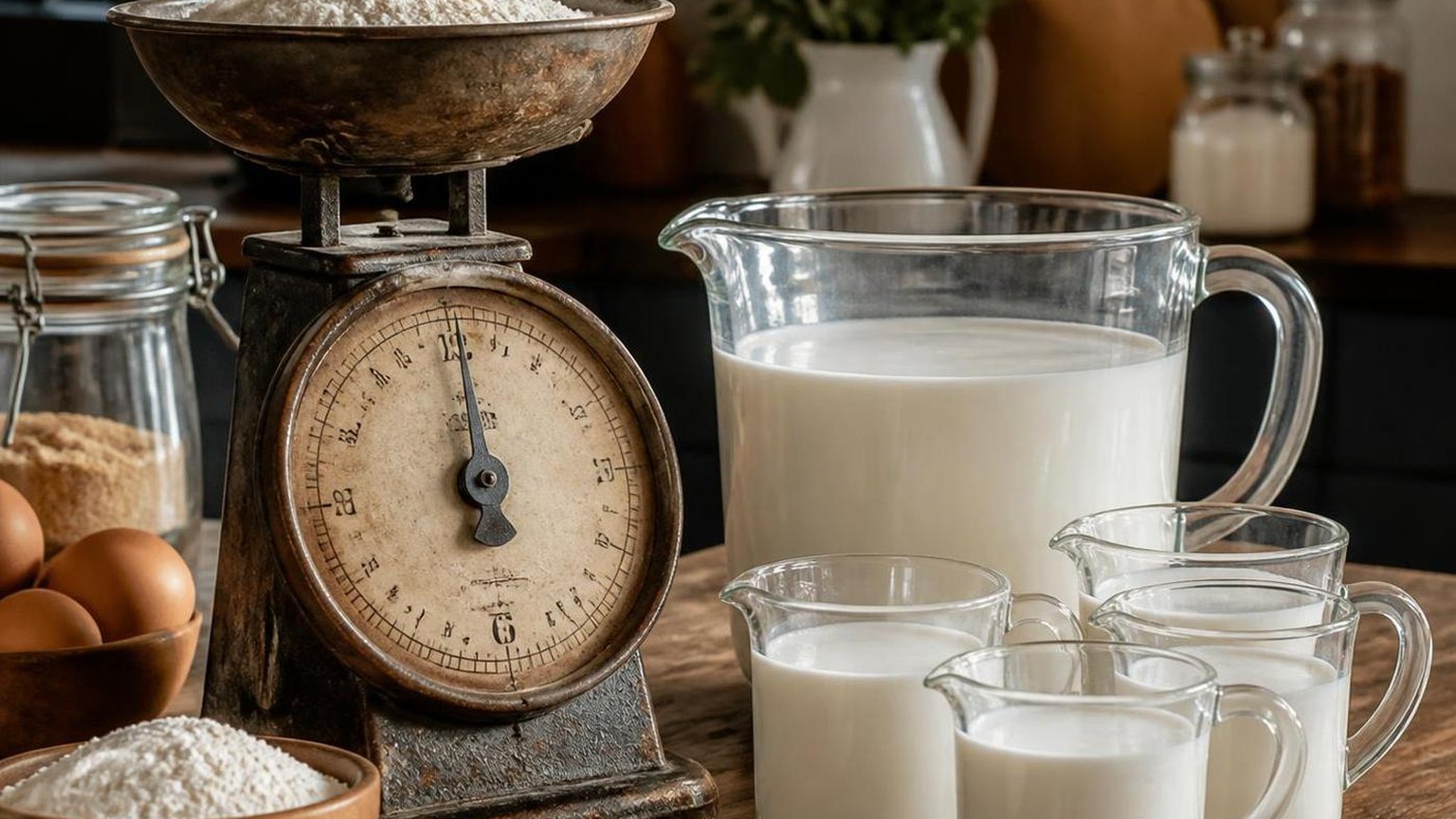
At room temperature, 1 US pint of water weighs about 1.04 pounds, not exactly 1 pound. That small gap matters more in baking, brewing, and recipe scaling than in casual kitchen measuring.
Myth: “A pint is always a pound”
This saying is only a rough shortcut for water-like liquids in the United States. A US liquid pint is 16 US fluid ounces, but fluid ounces measure volume, not weight ounces.
| Item | Volume | Approximate Weight |
| Water | 1 US pint | 1.04 lb |
| Whole milk | 1 US pint | 1.07 lb |
| Honey | 1 US pint | 1.50 lb |
| All-purpose flour | 1 US pint | 0.55 lb |
Honey is much denser than water, so a pint weighs far more than a pound. Flour is full of air pockets, so a pint weighs much less than a pound.
Myth: “16 ounces always equals 1 pint”
In US liquid measure, 16 fluid ounces equals 1 pint. In weight measure, 16 ounces equals 1 pound. These are different “ounces,” which is why recipes can become confusing.
| Measure | Type | Equals |
| 16 US fluid ounces | Volume | 1 US pint |
| 16 avoirdupois ounces | Weight | 1 pound |
| 20 imperial fluid ounces | Volume | 1 imperial pint |
Myth: “US and UK pints are the same”
A US pint is smaller than an imperial pint. The US pint is about 473 milliliters, while the imperial pint is about 568 milliliters, a difference of roughly 20%.
- US pint: 16 US fluid ounces, about 473 ml.
- Imperial pint: 20 imperial fluid ounces, about 568 ml.
- Practical effect: a UK pint glass holds about 95 ml more than a US pint glass.
Myth: “Dry pints work like liquid pints”
The US dry pint is used for dry commodities such as berries. It equals about 551 milliliters, which is larger than the US liquid pint at about 473 milliliters.
This is why a pint of blueberries from a market is not the same measurement as a pint of beer, milk, or water. The container system is different, and the weight depends on the food inside.
Best way to avoid mistakes
- Use a scale when a recipe gives pounds or ounces by weight.
- Use a liquid measuring cup when a recipe gives pints, cups, or fluid ounces.
- Check whether the source uses US or imperial measurements.
- For baking, avoid converting pints to pounds unless you know the ingredient’s density.
Frequently Asked Questions
How many pints are in a pound?
There is no single conversion because a pint measures volume and a pound measures weight. For water in the U.S. system, 1 pound is about 0.96 U.S. liquid pint, so it is often rounded to about 1 pint.
How many U.S. pints are in a pound of water?
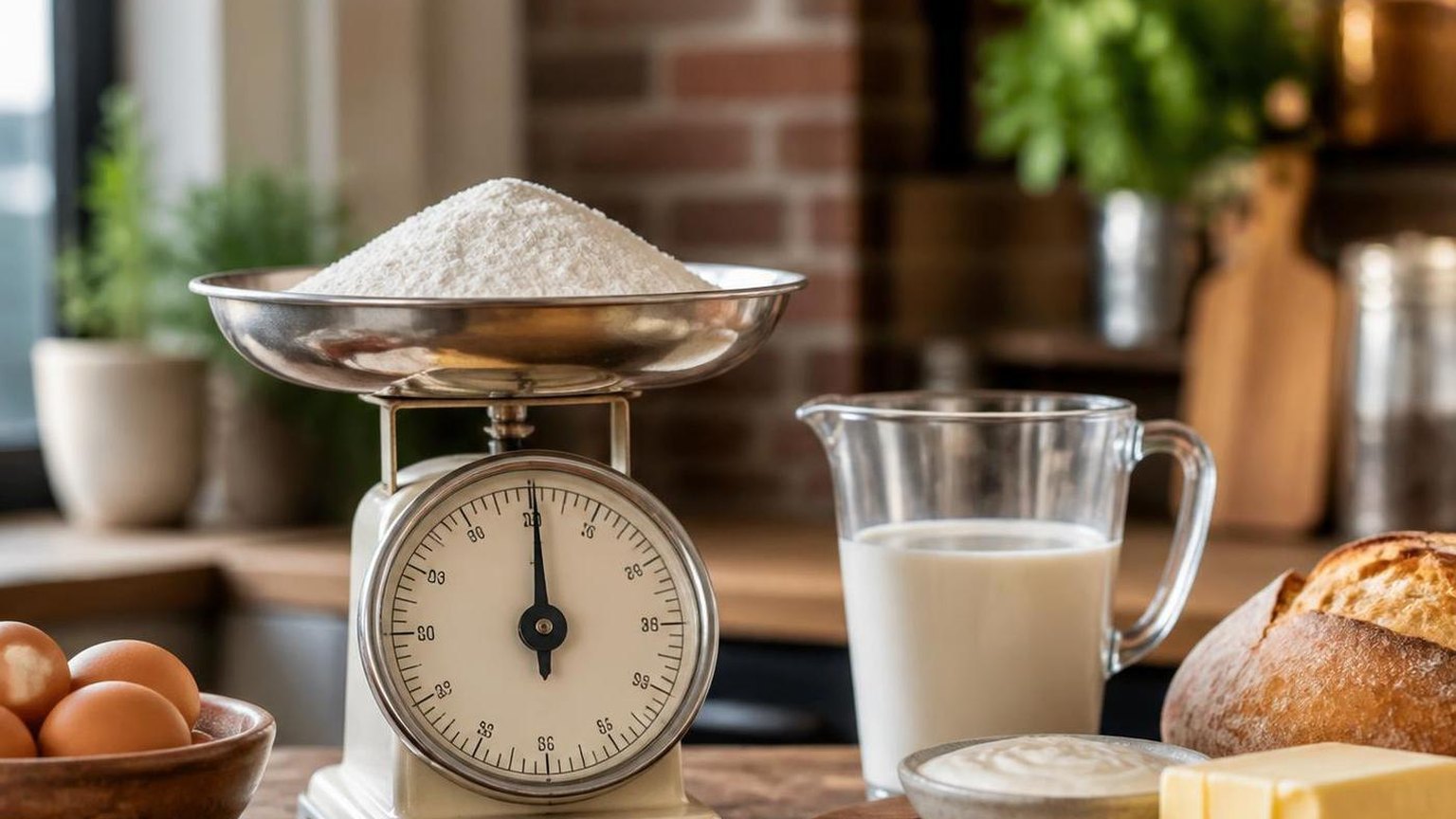
At typical room temperature, 1 U.S. liquid pint of water weighs about 1.043 pounds. That means 1 pound of water equals about 0.959 U.S. pint.
How many Imperial pints are in a pound?
An Imperial pint is larger than a U.S. pint, measuring about 20 Imperial fluid ounces versus 16 U.S. fluid ounces. For water, 1 pound equals about 0.80 Imperial pint.
Why does a pound not always equal a pint?
Different ingredients have different densities, so the same pint volume can weigh more or less than a pound. For example, a pint of honey weighs roughly 1.4 to 1.5 pounds, while a pint of many dry ingredients can weigh far less.
How many pints are in a pound of beer?
Beer is close to water in density but slightly variable depending on alcohol, sugar, and temperature. In practice, 1 pound of beer is just under 1 U.S. pint, roughly about 0.95 to 0.97 pint.
Related Reading
- How Many Ounces Is 150 Ml?
- How Many Grams In A Kilogram? A Simple Question with Real-World Importance
- What Is The Most Sober Country?
- Why Does Tequila Make Me Angry?
- How Many Bottles Of Wine For 100 Guests? Get Answer Now
- Powerful Guide: How Many Ml Is 2 Oz? (Must-Know Conversion Explained!)
- 11 Essential Facts About How Many Oz Is 25 Ml (2026 Complete Conversion & Practical Usage Guide)
- All Blog Guides
- NIST Special Publication 811 (2008)
- NIST SI Units (2024)
- USGS Water Science School: Water Density (2019)
- USDA FoodData Central (2019)
- FDA Code of Federal Regulations: 21 CFR 101.9 Nutrition Labeling of Food (2024)
- Encyclopaedia Britannica: Pint (2024)
- Encyclopaedia Britannica: Pound Unit of Weight (2024)