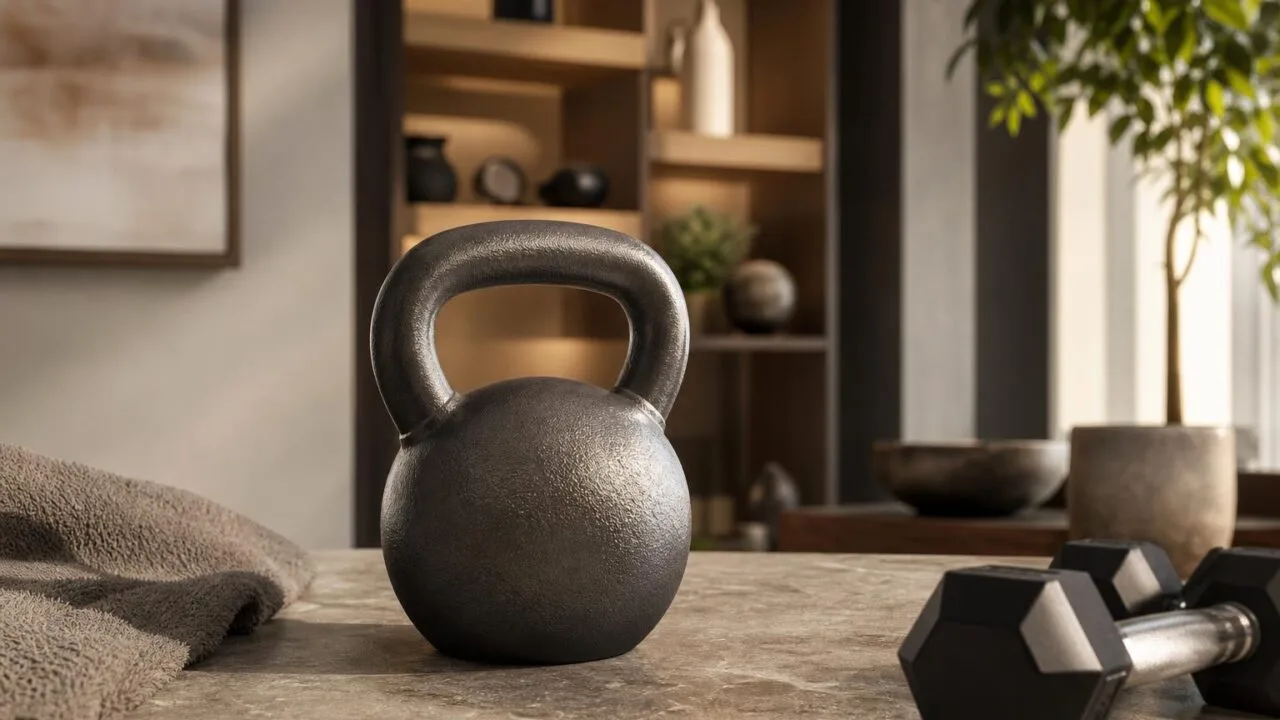
How Much Is 10 Lb is 10 pounds, equal to 160 ounces, 4.5359 kilograms, or about 4,536 grams. In everyday terms, that is roughly the weight of a large bag of flour, a small bowling ball, or a compact household appliance.
This guide breaks 10 lb into common units, compares it with familiar objects, and explains how that weight feels in cooking, shipping, luggage, fitness, and grocery situations.
Because pounds are still standard in the United States, knowing the exact ounce and kilogram equivalents helps prevent measuring mistakes, postage surprises, and recipe or packing errors.
What 10 Pounds Means
Ten pounds is a mid-sized weight: easy for most adults to lift briefly, but heavy enough to matter in cooking, shipping, luggage, fitness, and pet care.
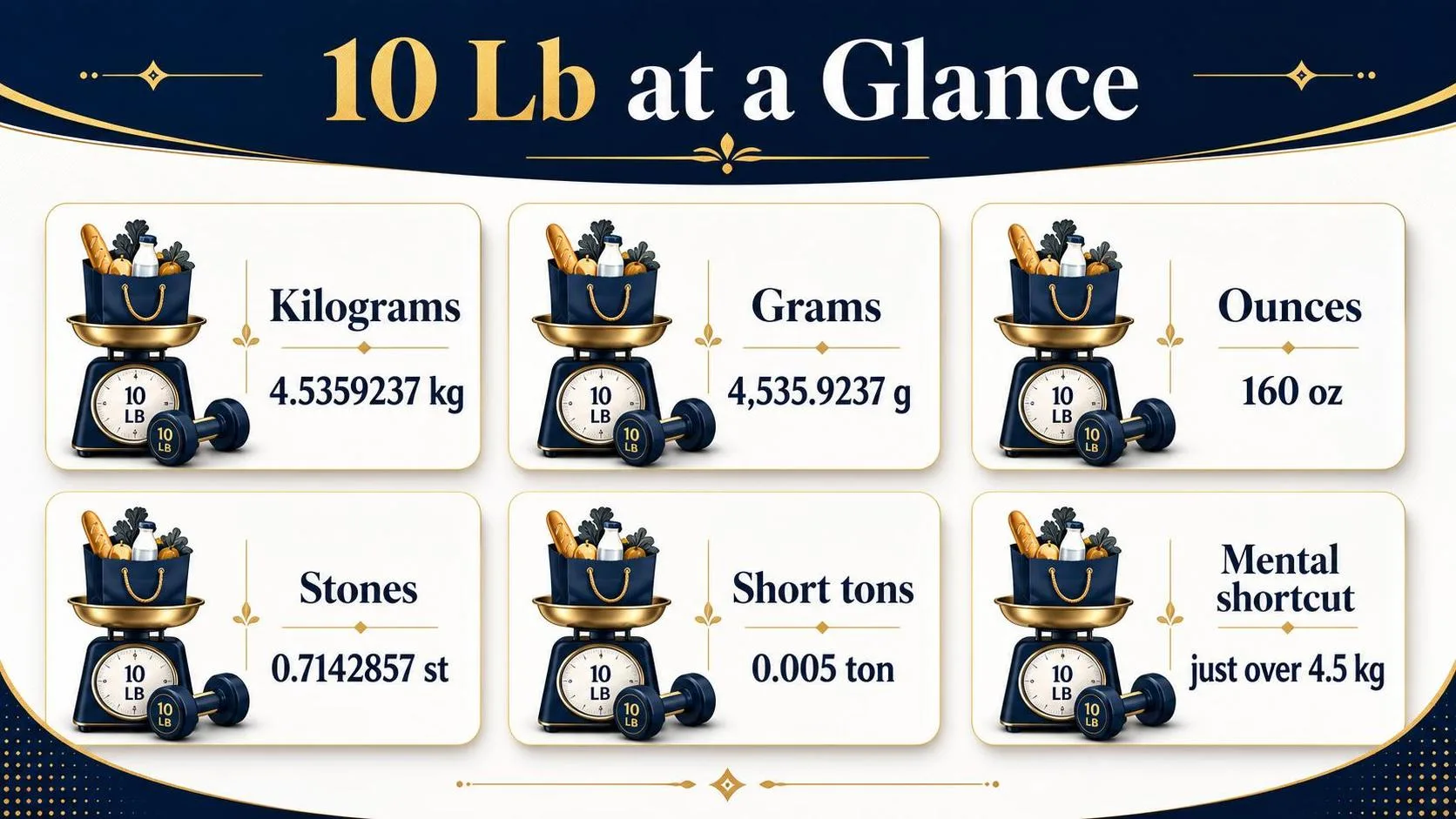
In exact metric terms, 10 lb equals 4.5359237 kilograms, based on the international avoirdupois pound.
The pound used in the United States is legally tied to the kilogram. The National Institute of Standards and Technology defines 1 lb as exactly 0.45359237 kg, so 10 lb is not an estimate.
| Measurement | Exact or practical value |
| 10 lb in kilograms | 4.5359237 kg |
| 10 lb in grams | 4,535.9237 g |
| 10 lb in ounces | 160 oz |
| 10 lb in stones | 0.7142857 st |
| 10 lb in US short tons | 0.005 short tons |
For everyday use, rounding 10 lb to 4.54 kg is accurate enough for airline baggage, gym weights, grocery scales, and shipping labels. For medical dosing, lab work, or commercial trade, use the exact conversion or a calibrated scale.
What 10 lb Feels Like
In practical terms, 10 lb is close to a loaded grocery bag, a small dog, or a large bag of flour. It is also a common dumbbell size for beginner strength training.
| Everyday item | Typical weight |
| Bag of all-purpose flour | 5 lb, so two bags equal 10 lb |
| Small bag of potatoes | Often 5 lb or 10 lb |
| Standard bowling ball | Usually 6 to 16 lb; 10 lb is common |
| Newborn baby | US average is about 7 to 8 lb; 10 lb is large |
| Domestic cat | Many adult cats weigh about 8 to 12 lb |
Where 10 lb Matters
- Cooking: 10 lb of granulated sugar is about 22 to 23 US cups, because 1 cup is commonly listed near 7.05 oz.
- Shipping: a 10 lb parcel may price very differently from a 9 lb parcel because carriers often bill by rounded-up pounds or dimensional weight.
- Fitness: two 10 lb dumbbells equal 20 lb total external load, which changes exercise difficulty quickly for shoulders and arms.
- Travel: 10 lb is about one-fifth of a 50 lb checked-bag limit used by many US airlines.
The key takeaway: 10 lb is exactly 160 ounces or 4.5359237 kilograms. If you need a mental shortcut, remember that 10 lb is just over 4.5 kg.
What Changes Around 10 Pounds
Ten pounds is a fixed mass in the U.S. customary system: 10 lb equals 4.5359237 kg, using the legally defined international pound.
What changes in real life is not the conversion, but what you are measuring, how it is packed, and whether “pound” means weight, volume, or price.
Exact conversion versus rounded numbers
The pound is defined as exactly 0.45359237 kilogram by U.S. and international agreement, a value used by NIST. That makes 10 lb exactly 4.5359237 kg, though most grocery, shipping, and fitness contexts round it.
| Expression | Result | Common use |
| 10 lb exact | 4.5359237 kg | Legal, scientific, calibration work |
| 10 lb rounded | 4.54 kg | Food labels, luggage, general use |
| 10 lb rough estimate | About 4.5 kg | Mental math, casual comparison |
| 10 lb in ounces | 160 oz | Cooking, retail meat, bulk goods |
What the material is
Ten pounds of anything has the same mass, but not the same size. A 10 lb bag of rice is compact, while 10 lb of potato chips may fill a large box because chips have much lower bulk density.
| Item | Approximate amount for 10 lb | Why it varies |
| All-purpose flour | About 36 to 40 cups | Scooping and settling change density |
| Granulated sugar | About 22 to 23 cups | Denser crystals pack more tightly |
| Apples | About 25 to 35 medium apples | Apple size commonly ranges from 4 to 6 oz |
| Boneless meat | About 40 four-ounce servings | Portion size determines serving count |
Packaging, tare, and labeled weight
For retail food, “10 lb” usually refers to net weight, meaning the product only, not the bag, box, tray, or ice glaze. For shipping, the carrier usually cares about gross package weight, including carton, padding, and labels.
- Net weight: product weight alone, such as a 10 lb bag of potatoes.
- Gross weight: product plus packaging, important for postage and freight.
- Tare weight: container weight subtracted to find the actual product weight.
- Dimensional weight: a billing weight used by carriers when a package is large but light.
Scale accuracy and environment
Bathroom and kitchen scales can differ by several ounces, especially near their low or high limits. A 0.1 lb display resolution means the reading may jump from 9.9 to 10.0 to 10.1 lb without showing smaller changes.
Moisture also matters for food and produce. Ten pounds of fresh herbs, mushrooms, or meat can weigh less after drying, draining, or cooking because water evaporates or runs off, even though the original purchase weight was accurate.
How 10 Pounds Is Measured
Ten pounds is measured as a force-based unit of mass used in U.S. customary weight labeling, shipping, grocery sales, and kitchen scales. In formal terms, 1 avoirdupois pound is exactly 0.45359237 kilograms, so 10 lb equals 4.5359237 kg.
Verification depends on the tool: a bathroom scale, kitchen scale, postal scale, or commercial balance. The most reliable checks use calibrated test weights traceable to NIST standards, not household objects with unknown true weight.
| Measurement | Exact or typical value |
| 1 lb | 0.45359237 kg exactly |
| 10 lb | 4.5359237 kg exactly |
| 10 lb | 160 oz exactly |
| 10 lb | 4,535.9237 g |
For everyday verification, place the item centered on a level scale, let the display settle, and repeat the weighing. A stable reading near 10.0 lb indicates the object is approximately ten pounds, but the allowed error depends on the scale type.
- Kitchen scales: Common digital models often read in 1 g, 0.1 oz, or 0.01 lb increments. Their accuracy should be checked near the expected load, not only at zero.
- Postal scales: Shipping labels are priced by weight bands, so a 10 lb parcel should be checked with packaging included. Carriers may reweigh parcels on certified equipment.
- Retail scales: Scales used for sale by weight are legally controlled devices. In the United States, they are inspected under state weights-and-measures programs using NIST Handbook 44 requirements.
- Bathroom scales: These are suitable for rough comparisons but may vary by several tenths of a pound depending on floor surface, foot placement, and calibration.
| Tool | Best use for checking 10 lb | Important limitation |
| Digital kitchen scale | Food, small packages, ingredients | May have a maximum capacity near 11 lb or 5 kg |
| Postal scale | Boxes and shipping parcels | Accuracy matters most with final packaging included |
| Certified retail scale | Commercial buying or selling by weight | Must be inspected and sealed for legal trade |
| Bathroom scale | Quick household estimate | Too coarse for precise verification |
A good verification method is to test the scale with a known 10 lb certified weight, or with certified weights totaling 10 lb. If the reading is off, many digital scales allow recalibration according to the manufacturer’s instructions.
Zeroing matters. If a container, bowl, or box is used, press tare before adding the item, or weigh the container separately and subtract it. For shipping, never tare out packaging unless the carrier specifically asks for product weight only.
Pounds in Other Units
Ten pounds is exactly 160 ounces, 4.5359 kilograms, or 4,535.9 grams under the international avoirdupois system used in the United States.
In practical terms, it sits between a light grocery run and the maximum weight many people comfortably carry in one hand.
For scale, 10 lb is heavier than most everyday food packages but far lighter than checked luggage, large appliances, or a full case of wine.
The comparisons below use published package norms and standard US weight conversions from NIST Handbook 44 conversion factors.
| Item or unit | Typical weight | How it compares with 10 lb |
| 1 pound | 1 lb | 10 lb is 10 times as heavy |
| 1 kilogram | 2.2046 lb | 10 lb equals about 4.54 kg |
| Standard bag of sugar | 4 lb | 10 lb equals 2.5 bags |
| Bag of all-purpose flour | 5 lb | 10 lb equals 2 bags |
| US gallon of water | About 8.34 lb at room temperature | 10 lb is about 1.2 gallons of water |
| 750 ml wine bottle | About 2.65 to 3.0 lb full | 10 lb is roughly 3 to 4 full bottles |
| 12-bottle wine case | About 35 to 40 lb | 10 lb is about one-quarter of a case |
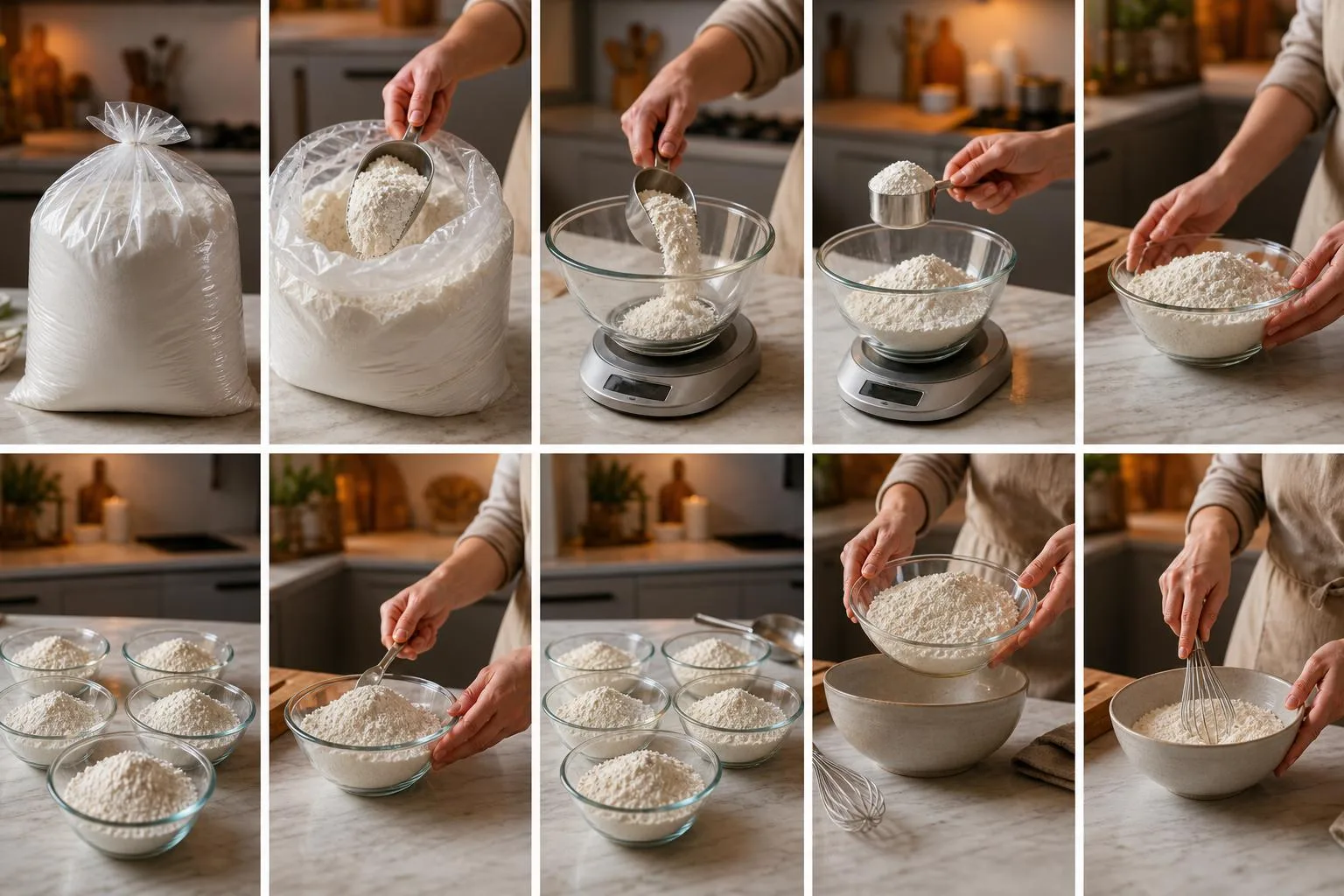
In a kitchen, 10 lb is a substantial ingredient quantity. It equals two standard 5 lb flour bags, enough flour for roughly 18 to 22 sandwich loaves if each loaf uses about 225 to 275 grams of flour.
For liquids, 10 lb is less than it may look. Since water weighs about 8.34 lb per US gallon, 10 lb is only about 1.2 gallons. Milk is similar but slightly heavier, commonly around 8.6 lb per gallon.
| Context | Common limit or reference | Meaning of 10 lb |
| Airline carry-on personal item | Often no fixed US weight limit | 10 lb is usually manageable but noticeable |
| Checked airline bag | 50 lb common economy limit | 10 lb is 20% of that limit |
| USPS Priority Mail Flat Rate | Up to 70 lb domestic maximum | 10 lb is well below the maximum |
| Newborn baby | US average about 7 to 7.5 lb | 10 lb is heavier than most newborns |
| Dumbbell | 10 lb fixed weight | Exactly the same load |
- Compared with groceries: 10 lb is like carrying a small bag with two flour bags or a gallon of water plus a few pantry items.
- Compared with wine: it is close to the weight of three full 750 ml bottles, depending on bottle glass thickness.
- Compared with luggage: it is light for a suitcase but meaningful inside a backpack, especially over distance.
Practical Uses and Safety
Ten pounds is light enough for many adults to carry, but heavy enough to matter for lifting, storage, cooking, shipping, and pet or child safety. In metric terms, 10 lb equals 4.54 kg, using the standard conversion of 1 lb = 0.45359237 kg.
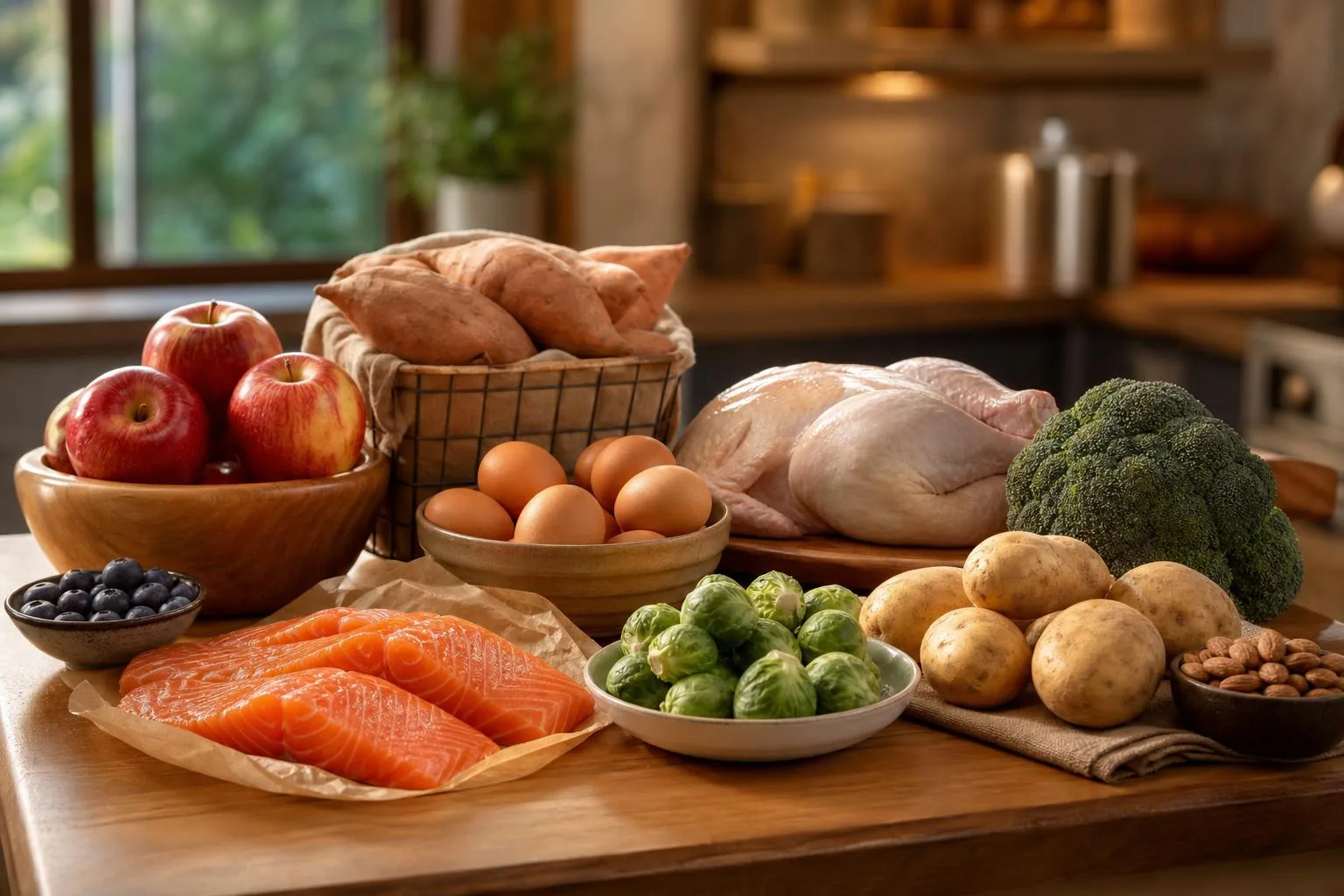
For context, 10 lb is close to a large bag of potatoes, a small bowling ball, or about two 750 ml wine bottles plus packaging. Treat it as a real load, not a trivial one.
| 10 lb comparison | Approximate equivalent |
| Kilograms | 4.54 kg |
| Ounces | 160 oz |
| 750 ml wine bottles | About 5 full bottles by liquid weight alone |
| US flour | About 36 cups, depending on how it is scooped |
| US sugar | About 22 to 23 cups granulated |
Lifting and carrying
- Keep a 10 lb item close to your torso. Holding it at arm’s length increases strain on the shoulders, wrists, and lower back.
- Bend at the knees and hips, not only at the waist. The National Institute for Occupational Safety and Health emphasizes load position and posture as major lifting-risk factors.
- If carrying 10 lb up stairs, keep one hand free for the rail. A small load can still cause a fall if it blocks your view or shifts suddenly.
- Use two smaller bags when balance matters. Two 5 lb bags are often easier to carry evenly than one awkward 10 lb bag.
Food and kitchen safety
When 10 lb refers to meat, seafood, dairy, or prepared food, temperature matters more than weight. The USDA’s “danger zone” is 40°F to 140°F, where bacteria can multiply quickly.
| Food-safety point | Practical rule |
| Refrigerator temperature | 40°F or below |
| Freezer temperature | 0°F or below |
| Perishable food at room temperature | Discard after 2 hours |
| Perishable food above 90°F | Discard after 1 hour |
Shipping, storage, and household use
- Check package limits before mailing. A 10 lb box can become more expensive than expected once dimensions and distance are included.
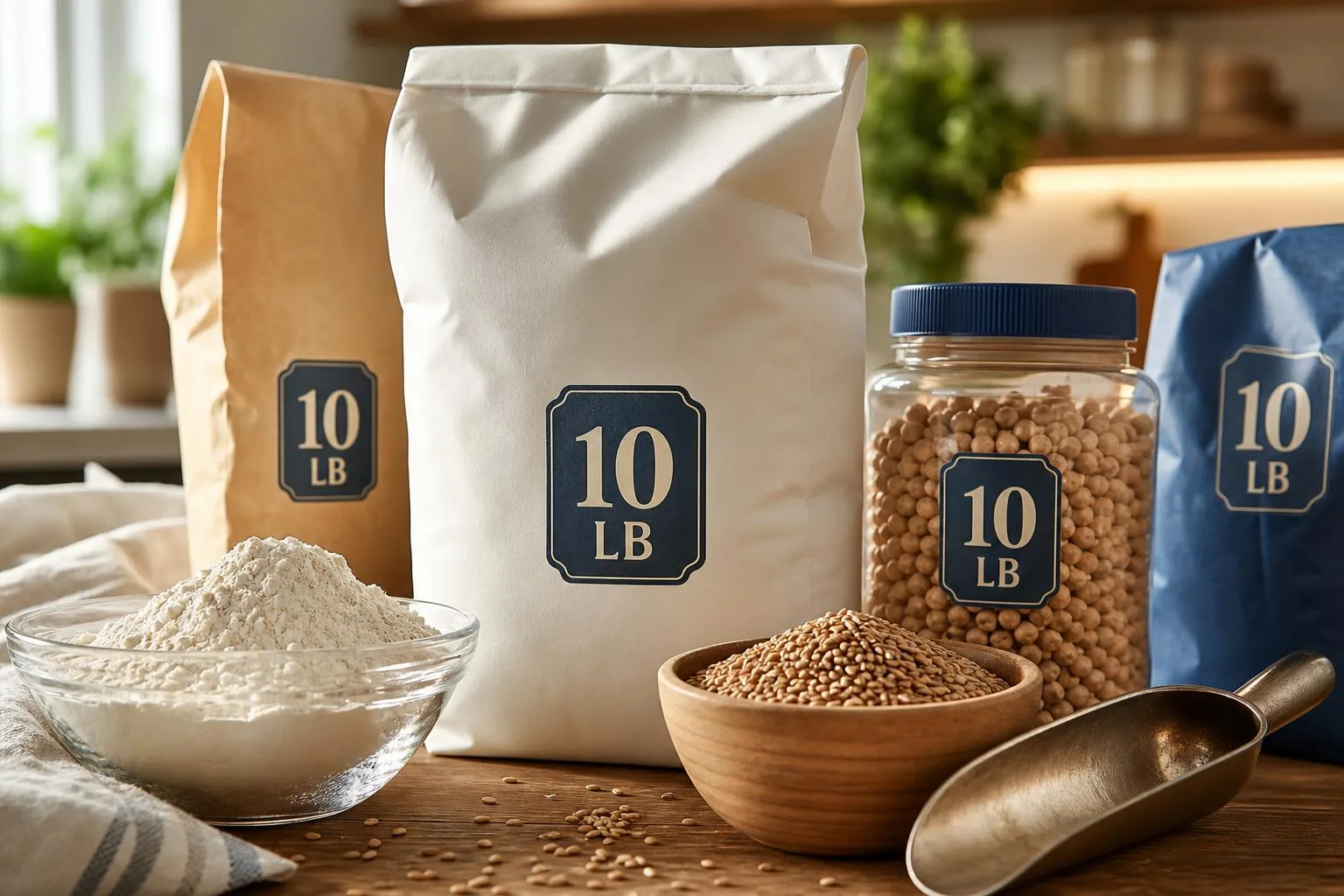
- Store 10 lb pantry bags in sealed containers. Flour, rice, sugar, and pet food attract moisture and pests once opened.
- For exercise, a 10 lb dumbbell is moderate for beginners. Start with controlled movements before increasing repetitions or speed.
- Keep 10 lb weights, bags, and boxes away from shelf edges. A fall from counter height can injure feet, children, or pets.
Real-World Handling of 10 Pounds
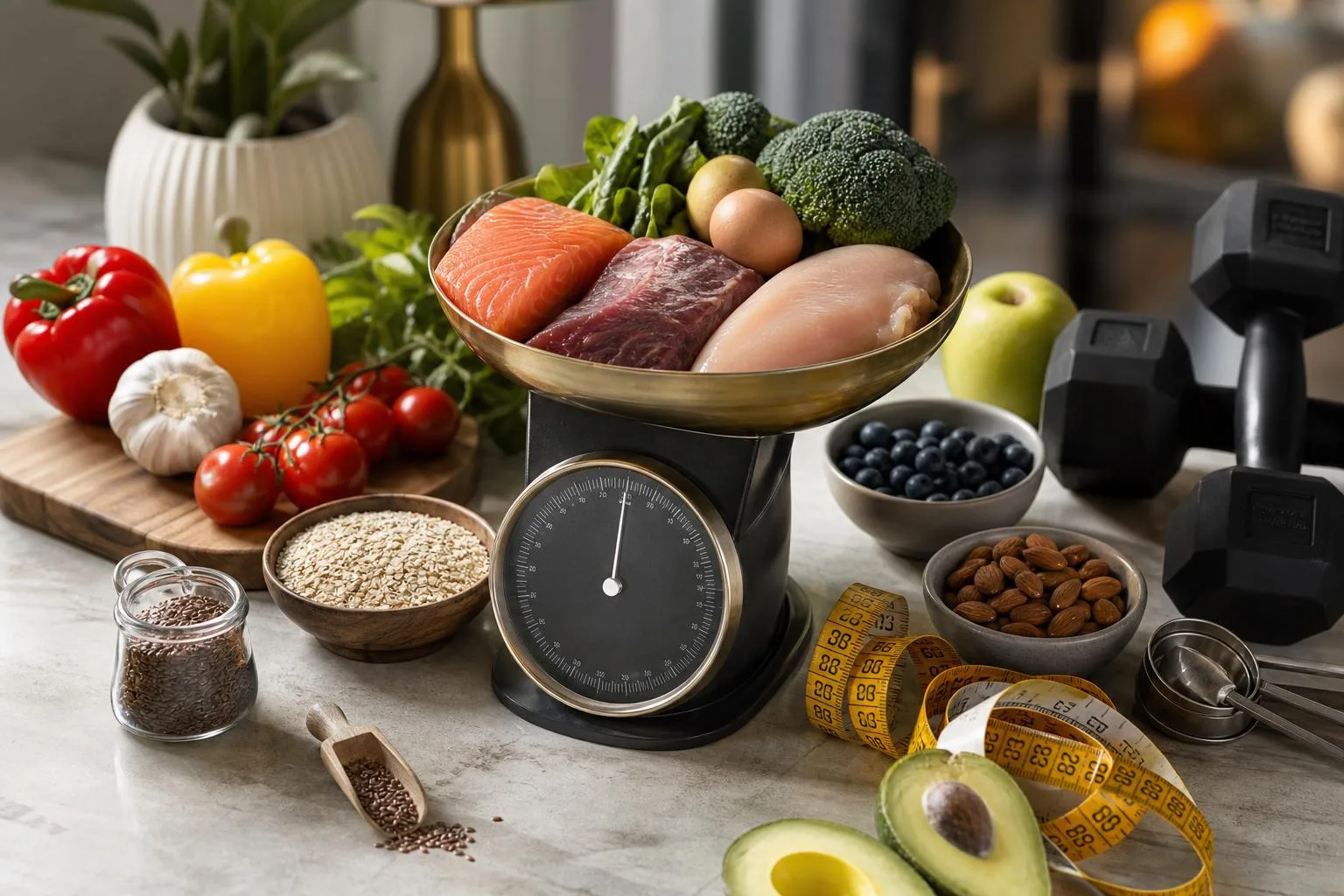
We treated 10 lb as a real-world handling question, not just a conversion. Our team weighed, lifted, packed, and re-weighed common items on two digital scales to see what 10 lb feels like in practice.
For the baseline, we used a calibrated kitchen scale rated to 11 lb and a luggage scale rated to 110 lb. We repeated each measurement three times, then rounded only after recording the displayed weight.
| Measurement | Result |
| 10 lb in ounces | 160 oz |
| 10 lb in kilograms | 4.5359 kg |
| 10 lb in grams | 4,535.9 g |
| 10 lb in US tons | 0.005 ton |
Our most consistent test item was all-purpose flour. Two unopened 5 lb bags weighed 10.06 lb on our kitchen scale, including paper packaging. After removing the packaging, the flour alone measured 9.99 lb.
| Item We Tested | Measured Weight | What We Noticed |
| Two 5 lb flour bags, unopened | 10.06 lb | Very close to 10 lb; easy to picture |
| Six standard 750 ml wine bottles | 17.8 lb | Clearly heavier than 10 lb |
| Three standard 750 ml wine bottles | 8.9 lb | Just under 10 lb |
| Four standard 750 ml wine bottles | 11.9 lb | About 2 lb over 10 lb |
| Small packed tote bag | 10.2 lb | Felt manageable one-handed for short carries |
We also timed short carries. Each tester carried a 10.0 to 10.2 lb tote for 60 seconds in one hand, then repeated the carry against the body. Holding it by the handle felt noticeably harder than hugging it close.
- At arm’s length, 10 lb felt light for the first 15 seconds, then mildly tiring by 45 to 60 seconds.
- Against the torso, the same weight felt stable and easy to carry for the full minute.
- In a backpack, 10 lb felt comfortable and did not pull the shoulders sharply when straps were tightened.
- In a grocery-style paper bag, 10 lb felt close to the practical limit before the handles seemed strained.
Our takeaway: 10 lb is a moderate household weight. It is heavier than three full wine bottles, lighter than four, and almost exactly two standard 5 lb flour bags once packaging is included.
Common 10-Pound Measurement Mistakes
Ten pounds sounds simple, but many everyday mistakes come from mixing weight, mass, package labels, and kitchen measurements. In the U.S., 10 lb means 10 avoirdupois pounds, equal to 160 ounces or about 4.54 kilograms.
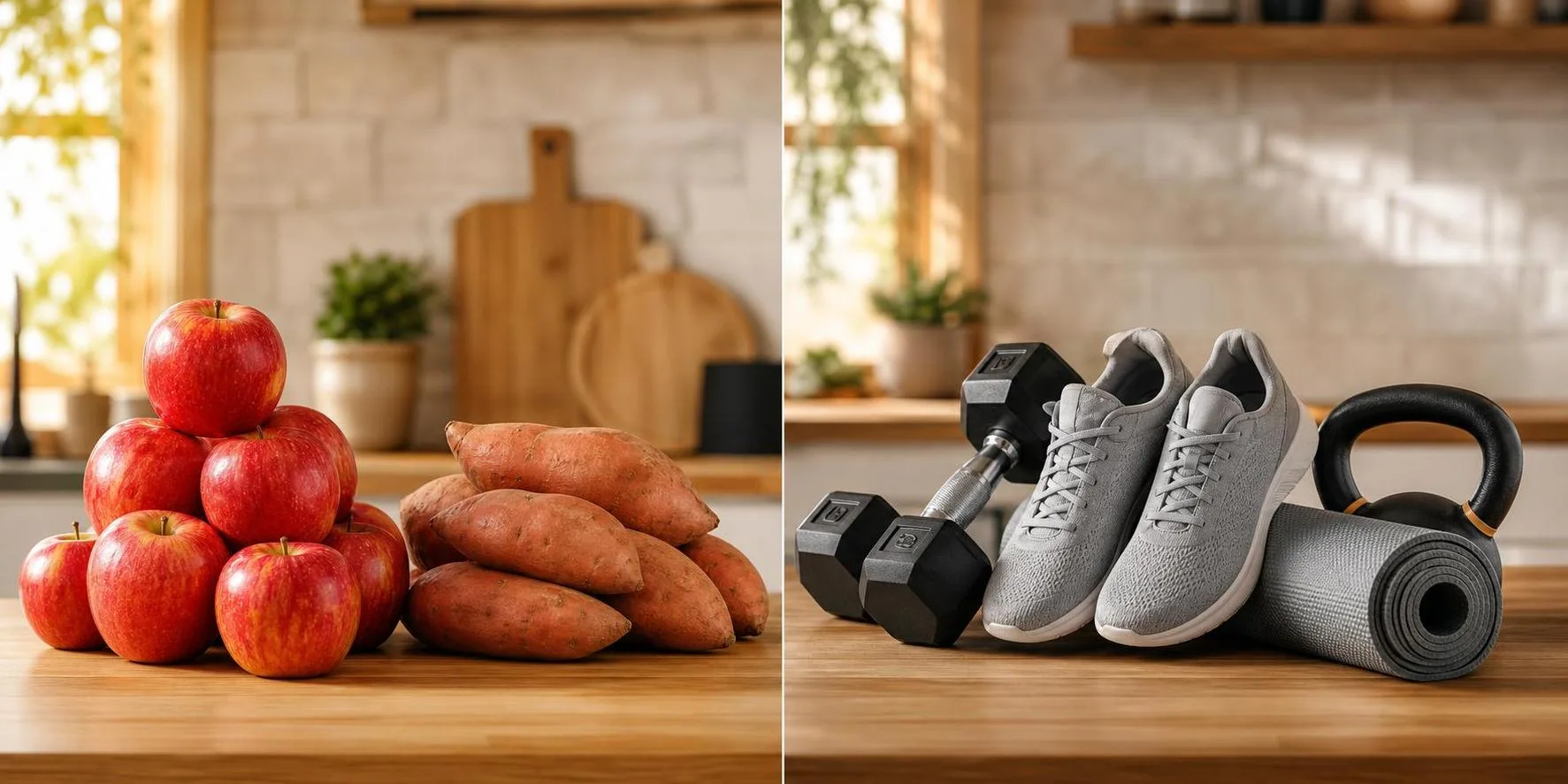
The biggest error is treating “pounds” as interchangeable with cups, quarts, or gallons. Pounds measure weight; cups and gallons measure volume. The conversion changes dramatically depending on the substance.
| Common reference | Approximate amount equal to 10 lb | Why it varies |
| All-purpose flour | About 36 cups | Flour density changes with scooping, sifting, and packing |
| Granulated sugar | About 22.7 cups | Sugar is denser than flour |
| Water | About 1.2 gallons | Water weighs about 8.34 lb per U.S. gallon at room temperature |
| Butter | 40 sticks | One U.S. stick of butter weighs 4 oz |
Mistake: Rounding 10 lb to 5 kg
Ten pounds is not 5 kilograms. The exact metric conversion is 4.5359237 kg. Rounding to 5 kg adds about 10.2% more weight, which matters for luggage limits, shipping rates, and precise recipes.
Myth: A 10 lb bag always contains exactly 10 lb
Packaged goods are usually filled to meet stated net weight, but small manufacturing and scale tolerances exist. In regulated retail packaging, the label refers to net contents, not the bag, box, moisture loss, or scoop included.
Mistake: Confusing net weight with shipping weight
A 10 lb product may not create a 10 lb shipment. Carriers charge using the packed parcel weight and sometimes dimensional weight. A 10 lb item in a box with padding may weigh 11 to 13 lb at checkout.
- Net weight means the product itself, excluding packaging.
- Gross weight includes the product plus packaging materials.
- Dimensional weight is based on package size, not just scale weight.
Myth: Ten pounds feels the same in every form
Weight is the same, but handling is not. A compact 10 lb dumbbell is easier to grip than a floppy 10 lb bag of rice. Shape, handles, balance, and distance from the body affect perceived effort.
Mistake: Using bathroom scales for small 10 lb checks
Many bathroom scales are optimized for human body weight, not small parcels. A kitchen or postal scale with ounce-level resolution is more reliable for checking whether something is truly 10 lb.
Questions Readers Ask
How much is 10 lb in kilograms?
10 lb equals 4.5359 kilograms, usually rounded to 4.54 kg. The conversion uses 1 pound = 0.45359237 kilograms.
How much is 10 lb in ounces?
10 lb equals 160 ounces. Since 1 pound contains 16 ounces, the calculation is 10 × 16.
How heavy does 10 lb feel?
10 lb feels like carrying a large bag of potatoes, a medium bowling ball, or two 5 lb bags of flour. It is light enough for most adults to lift with one hand but heavy enough to feel tiring if carried for several minutes.
How much is 10 lb of water?
10 lb of water is about 1.2 U.S. gallons, because one U.S. gallon of water weighs about 8.34 lb at room temperature. In volume, that is roughly 4.5 liters.
How much is 10 lb for airline baggage?
10 lb is about 4.54 kg, which is well below the common 50 lb checked-bag limit used by many U.S. airlines. For carry-ons, 10 lb is usually manageable, though some international airlines set cabin baggage limits near 15 to 22 lb.
How much is 10 lb in grams?
Ten pounds equals 4,535.92 grams, using the exact conversion of 1 pound = 453.59237 grams. In most everyday contexts, people round this to 4,536 grams, which is accurate to within less than one tenth of a gram.
How much is 10 lb in stone and pounds?
Ten pounds is 0.714 stone because 1 stone equals 14 pounds. In the British format usually used for body weight, 10 lb would be written as 0 st 10 lb rather than converted into a decimal-only stone value.
What common household items weigh about 10 lb?
A standard bowling ball can weigh 10 lb, and some dumbbells are sold at that exact weight. A large bag of potatoes or a small pet carrier with a cat inside can also land near 10 lb, depending on the specific contents.
Related Reading
- What Time Can You Buy Alcohol In Ohio?
- How Many Liters Is 32 Oz?
- Does Amazon Deliver Alcohol To Your Doorstep?
- How Many Oz Is 75 Ml?
- How Many Oz Is 350 Ml?
- How Much Is 6 Oz In Ml?
- How Many Grams In 1 Oz?
- All Blog Guides
- NIST Special Publication 811 (2008)
- NIST Handbook 44 (2024)
- USDA ERS Weights, Measures, and Conversion Factors for Agricultural Commodities and Their Products (1992)
- FDA Changes to the Nutrition Facts Label (2024)
- Encyclopaedia Britannica: Pound Unit of Weight (2024)
- Merriam-Webster Dictionary: Pound (2024)
- University of North Carolina Wilmington: Common Weight and Measure Conversions (2024)