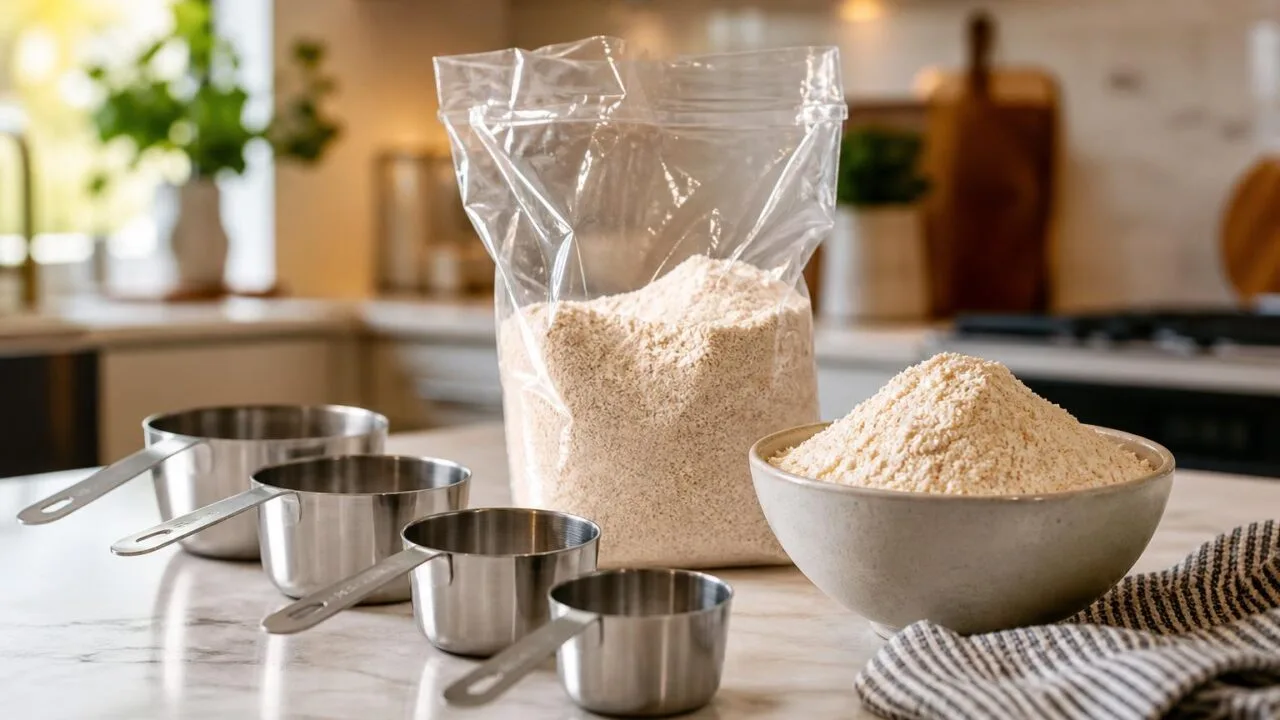
How Many Cups Per Pound is 1.9 to 3.8 cups per pound for most common dry ingredients, depending on density and measuring method.
A pound equals 16 ounces by weight, but cups measure volume, so flour, sugar, rice, butter, and chopped produce all convert differently.
This guide uses standard U.S. cup measures, practical kitchen equivalents, and ingredient-specific weights so you can scale recipes accurately.
Expect clear conversion ranges, notes on packed versus loose measuring, and quick references for pantry staples where a “one pound” package does not equal the same number of cups.
Why Cups Per Pound Varies
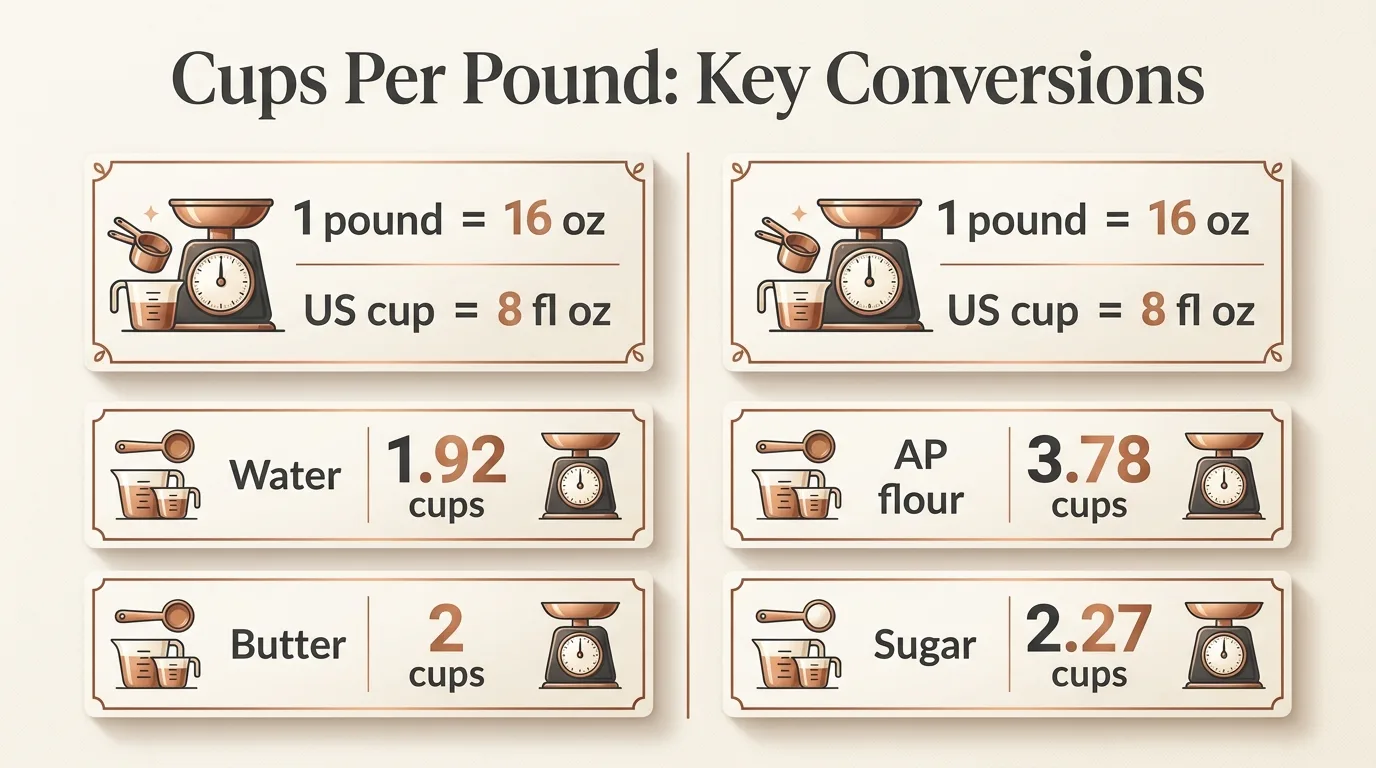
“Cups per pound” changes because a pound measures weight, while a cup measures volume. The fixed anchors are simple: 1 pound equals 16 ounces by weight, and 1 US customary cup equals 8 fluid ounces, or about 236.588 milliliters.
For water-like liquids, the conversion is close to 2 cups per pound, but not exactly. At kitchen temperatures, 1 US cup of water weighs about 8.345 ounces, so 1 pound of water equals about 1.92 cups.
| Measure | Exact or Standard Value | Kitchen Meaning |
| 1 pound | 16 ounces weight; 453.592 grams | The weight side of the conversion |
| 1 US cup | 8 fluid ounces; 236.588 milliliters | The volume side of the conversion |
| 1 cup water | About 8.345 ounces weight | A pound of water is about 1.92 cups |
| 1 pound water | About 1.917 cups | Often rounded to 2 cups in recipes |
Dry ingredients vary much more because they pack differently. Flour can be spooned lightly or scooped firmly, brown sugar may be packed, and chopped nuts leave air gaps. That is why a pound of one ingredient can be 2 cups, 3 cups, or nearly 4 cups.
| Ingredient | Typical Weight per US Cup | Approximate Cups per Pound |
| All-purpose flour | 120 grams | About 3.78 cups |
| Granulated sugar | 200 grams | About 2.27 cups |
| Packed brown sugar | 220 grams | About 2.06 cups |
| Powdered sugar | 120 grams | About 3.78 cups |
| Butter | 227 grams per cup | 2 cups |
| Honey | About 340 grams | About 1.33 cups |
| Uncooked long-grain rice | About 185 grams | About 2.45 cups |
The most reliable approach is to use grams when accuracy matters, especially for baking. A digital kitchen scale removes the biggest uncertainty: how tightly an ingredient settles into the measuring cup.
- Use 2 cups per pound only for butter and as a rough liquid shortcut, not as a universal rule.
- Use about 3.75 cups per pound for spooned all-purpose flour, based on 120 grams per cup.
- Use about 2.25 cups per pound for granulated sugar, based on 200 grams per cup.
- Check the recipe source when possible, because brands and measuring methods can shift cup weights by 10% or more.
Volume Makes Cups Per Pound Change
A pound is always 16 ounces by weight, but “cups per pound” changes because a cup measures volume. The result depends on density, grind or cut size, settling, moisture, and whether the ingredient is scooped or spooned.
This is why 1 pound of granulated sugar is about 2 1/4 cups, while 1 pound of all-purpose flour is closer to 3 1/3 to 3 2/3 cups. USDA FoodData Central and major baking references show large differences even among everyday pantry staples.
Ingredient density
Density is the biggest factor. Heavy, compact ingredients fit more weight into one cup, so they yield fewer cups per pound. Light or airy ingredients take up more space, so a pound fills more cups.
| Ingredient | Typical weight per cup | Approx. cups per pound |
| Granulated sugar | 200 g | 3.6 cups |
| All-purpose flour, spooned | 120 g | 3.8 cups |
| Brown sugar, packed | 220 g | 2.1 cups |
| Butter | 227 g | 2 cups |
| Chopped walnuts | 117 g | 3.9 cups |
How the ingredient is prepared
Whole, chopped, grated, sifted, and powdered forms do not measure the same. A pound of whole almonds takes fewer cups than a pound of sliced almonds because the sliced pieces trap more air between them.
| Same food, different form | Approx. weight per cup | Effect |
| Whole almonds | 143 g | About 3.2 cups per pound |
| Sliced almonds | 92 g | About 4.9 cups per pound |
| Grated Parmesan | 100 g | About 4.5 cups per pound |
| Shredded Parmesan | 85 g | About 5.3 cups per pound |
Packing, scooping, and settling
Measuring technique can change flour by 20% or more. King Arthur Baking lists all-purpose flour at 120 g per cup when gently spooned, while a dipped cup can reach roughly 145 g.
- Spooned flour: lighter cup, more cups per pound.
- Dipped flour: compressed cup, fewer cups per pound.
- Packed brown sugar: intentionally compressed, about 220 g per cup.
- Sifted powdered sugar: aerated, often near 113 g per cup before settling.
Moisture and storage
Water adds weight without adding much volume. Dried beans, nuts, flour, and sugar can gain or lose moisture depending on humidity, packaging, and storage time.
For the most reliable conversion, weigh the ingredient in grams. Use cups only when the recipe gives a tested cup weight or the exact ingredient form and measuring method.
A Pound Is Verified by Weight
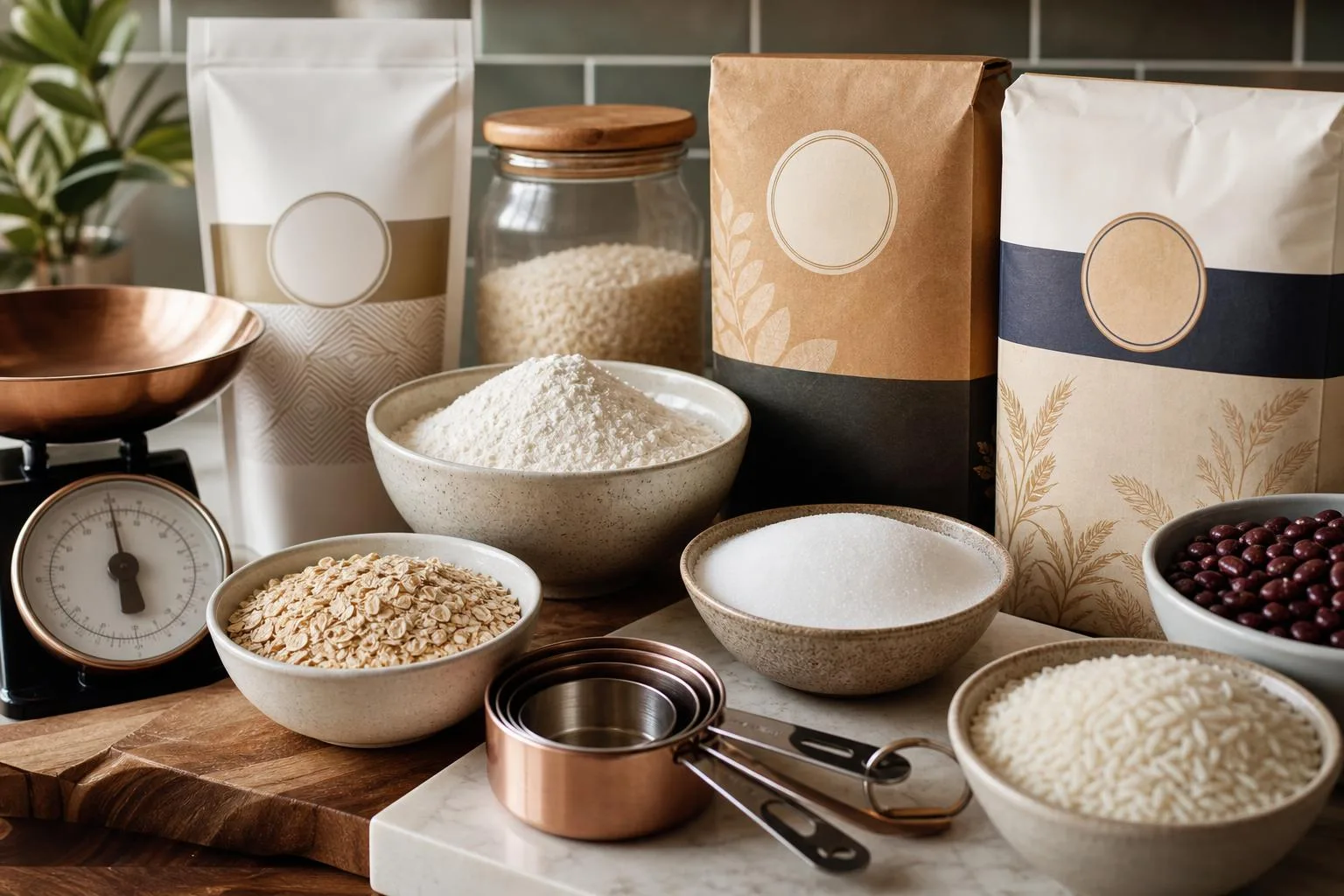
A pound is verified by weight, not by volume: 1 pound equals exactly 16 ounces, or 453.592 grams. Cups per pound are then calculated by measuring how many level U.S. cups a weighed pound of an ingredient fills.
The U.S. legal cup used in nutrition labeling is 240 milliliters, while a customary measuring cup is commonly treated as 236.588 milliliters.
For kitchen conversions, the difference is small, but it matters when comparing official labels with recipe testing.
Standard verification method
- Use a calibrated digital scale: A kitchen scale should read in 1-gram increments or finer. For better repeatability, test it with a known calibration weight, such as 100 g or 500 g.
- Tare the container: Place the bowl or measuring cup on the scale and reset to zero before adding the ingredient.
- Weigh exactly 1 pound: Add the ingredient until the scale reads 453.6 g, or 16.00 oz if using ounce mode.
- Measure volume consistently: Spoon dry ingredients into a dry measuring cup, then level with a straight edge. Do not shake, tap, or pack unless the ingredient’s standard calls for packing.
- Repeat and average: For ingredients such as flour, sugar, oats, and chopped nuts, three measurements are usually enough to show normal variation.
Why results differ by ingredient
Cups per pound depend on bulk density, which is how much an ingredient weighs for a given volume. Granulated sugar is dense and flows tightly, while sifted flour traps air and occupies more space.
| Ingredient | Typical weight per U.S. cup | Approximate cups per pound |
| All-purpose flour, spooned and leveled | 120 g | 3.78 cups |
| Granulated sugar | 200 g | 2.27 cups |
| Packed brown sugar | 220 g | 2.06 cups |
| Butter | 227 g | 2.00 cups |
| Water | 236.6 g per customary cup | 1.92 cups |
Flour shows the largest kitchen variation. King Arthur Baking lists 1 cup of all-purpose flour at 120 g, while many U.S. nutrition labels use 30 g for 1/4 cup, also equal to 120 g per cup.
Verification is strongest when the source gives both weight and volume. USDA FoodData Central, nutrition labels, and manufacturer baking charts are useful because they tie serving sizes to grams, not just household measures.
For reliable conversions, treat “cups per pound” as an ingredient-specific estimate. When accuracy affects texture, fermentation, or yield, weigh the ingredient directly instead of relying on volume alone.
Cups Versus Weighing Ingredients
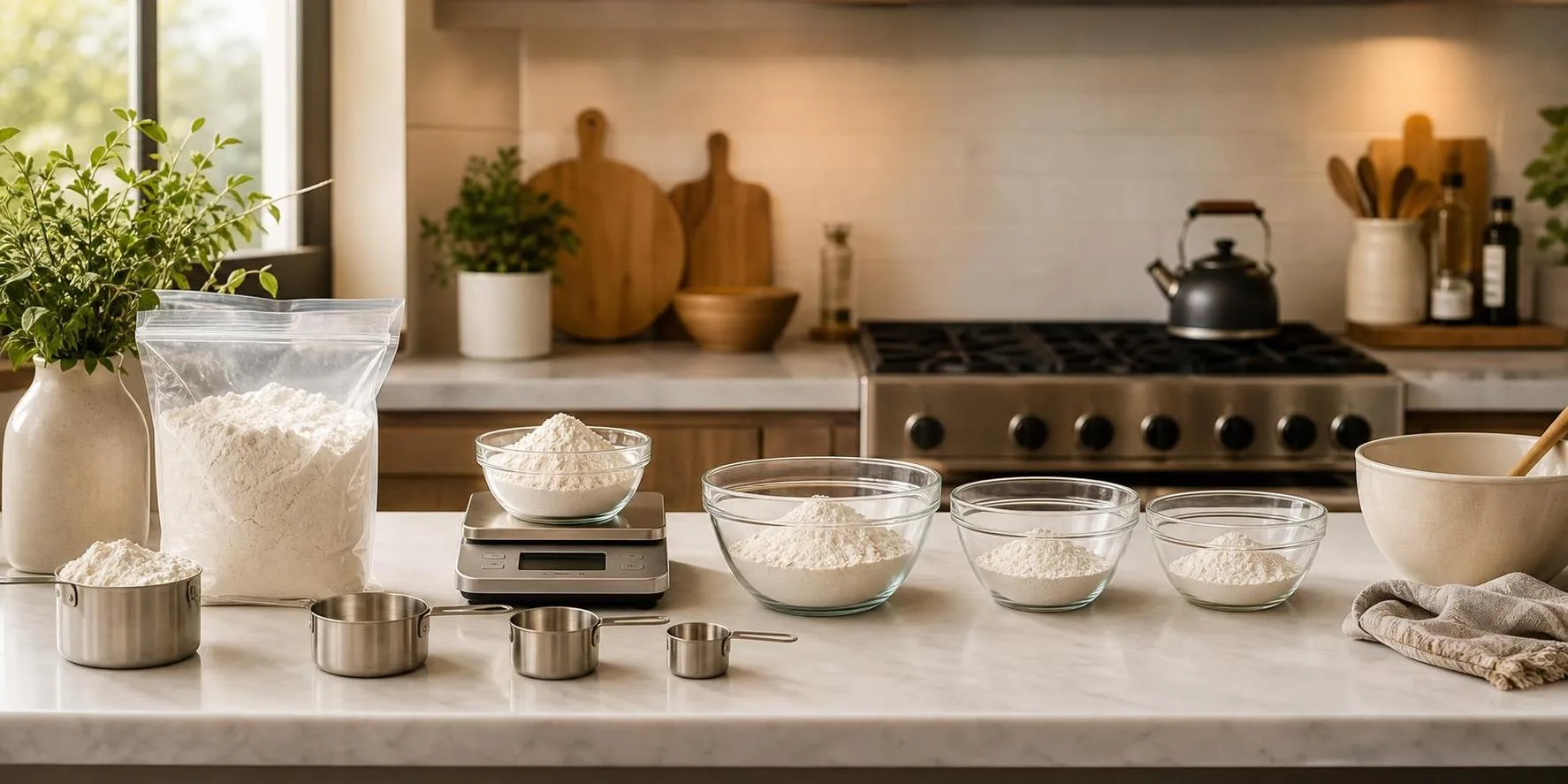
“Cups per pound” is convenient, but it is less precise than weighing because a cup measures volume while a pound measures mass.
In practice, the answer changes by ingredient: 1 pound of butter is 2 cups, while 1 pound of all-purpose flour is about 3.6 cups.
| Measurement approach | What it measures | Best use | Key number |
| Cups per pound | Volume estimated from weight | Fast kitchen conversions | Varies by ingredient density |
| Ounces per pound | Weight | Accurate scaling | 1 pound = 16 ounces |
| Grams per pound | Metric weight | Baking, nutrition labels | 1 pound = 453.592 grams |
| Fluid ounces per cup | Liquid volume | Water, milk, broth | 1 US cup = 8 US fl oz |
| Milliliters per cup | Metric liquid volume | International recipes | 1 US legal cup = 240 mL for nutrition labeling; 1 customary cup = 236.588 mL |
For dry ingredients, weight is usually the safer alternative. The USDA and ingredient manufacturers commonly list nutrition data by grams because packing, sifting, granule size, and moisture can change how much fits in a cup.
| Ingredient | Approximate cups in 1 pound | Common weight per cup | Why it differs |
| All-purpose flour | About 3.6 cups | About 125 grams per cup | Scooped flour can be compacted; spooned flour is lighter |
| Granulated sugar | About 2.25 cups | About 200 grams per cup | Small crystals pack more densely than flour |
| Brown sugar, packed | About 2.25 cups | About 200 grams per cup | Packing removes air space |
| Butter | 2 cups | 227 grams per cup | Very consistent because sticks are standardized |
| Uncooked long-grain white rice | About 2.4 to 2.5 cups | About 185 to 190 grams per cup | Grain size and brand affect cup weight |
Compared with measuring cups, a digital scale gives repeatable results. If a recipe calls for 1 pound of flour, weighing 453.6 grams avoids the difference between a lightly spooned cup and a firmly scooped cup.
- Use cups for forgiving foods such as rice, oats, chopped vegetables, and casual cooking.
- Use pounds or grams for baking, large-batch recipes, candy, bread, and nutrition tracking.
- Use fluid ounces or milliliters only for liquids; they should not be treated as weight ounces unless the ingredient density is known.
The main comparison is simple: pounds, ounces, and grams are fixed weight units; cups are not. Cups per pound is helpful for quick planning, but weight remains the more accurate standard.
Using Cups Per Pound Practically
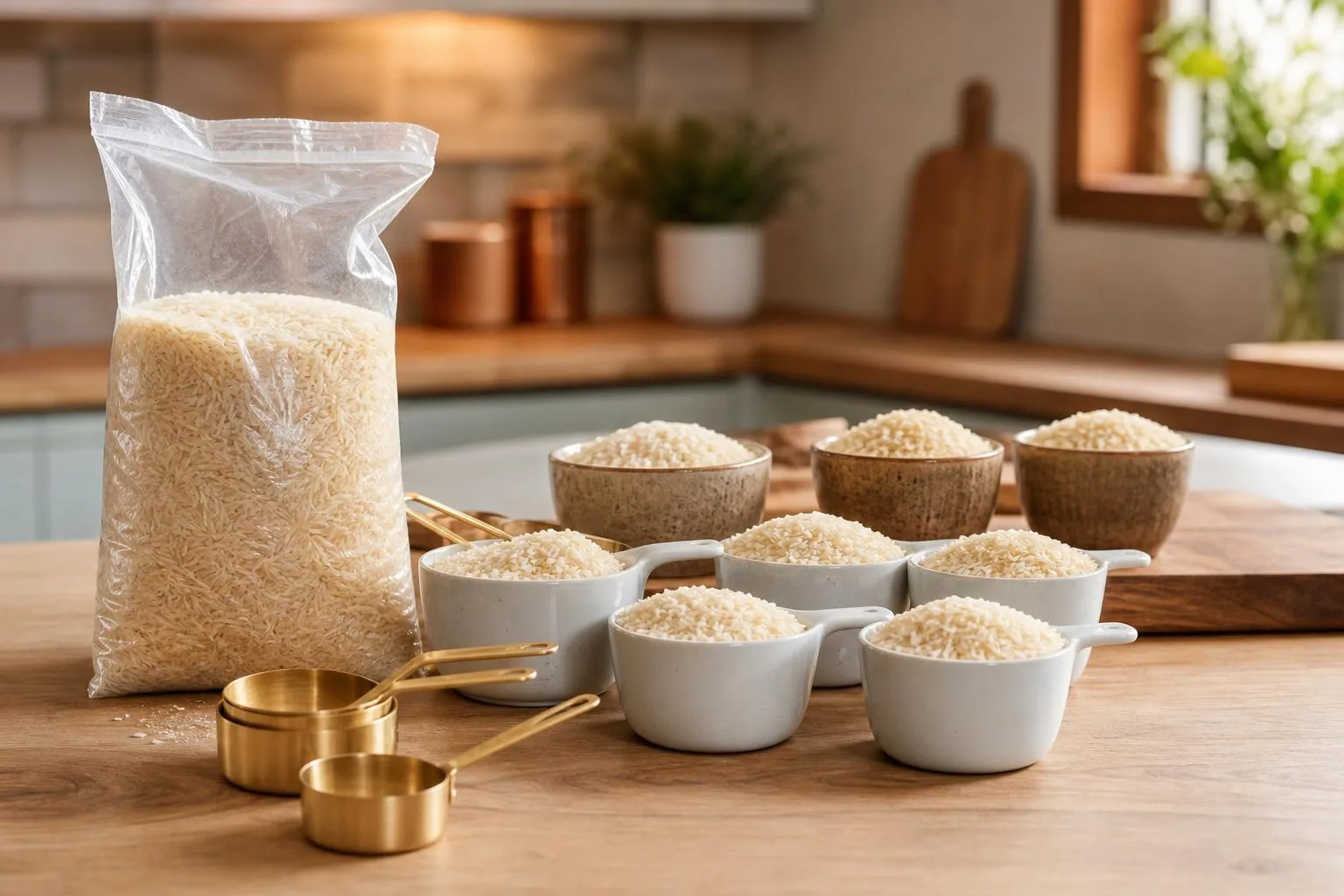
Cups per pound is useful in the kitchen, but it is an estimate because cup measurements depend on density, grind size, moisture, and how firmly an ingredient is packed.
For nutrition, baking accuracy, and food safety, weighing ingredients in ounces or grams is more reliable.
Use Weight When Accuracy Affects Results
A pound always equals 16 ounces or about 454 grams. The number of cups in that pound changes widely: flour, sugar, butter, chopped fruit, and shredded cheese all fill a cup differently.
| Ingredient | Approximate cups per pound | Practical note |
| All-purpose flour | About 3.6 cups | Spoon and level; scooping can add 20% or more. |
| Granulated sugar | About 2.25 cups | More consistent than flour because crystals settle evenly. |
| Butter | 2 cups | 1 pound equals 4 standard U.S. sticks. |
| Brown sugar, packed | About 2.25 cups | “Packed” means pressed firmly into the measuring cup. |
| Shredded cheddar | About 4 cups | Varies by shred size and brand. |
Food Safety Matters More Than Cup Counts
For meat, poultry, seafood, and cooked foods, do not rely on cups to judge doneness or safety. Use an instant-read thermometer and follow USDA minimum internal temperatures.
| Food | Minimum internal temperature | Rest time |
| Ground beef, pork, lamb | 160°F | No required rest |
| Poultry, including ground poultry | 165°F | No required rest |
| Fish and shellfish | 145°F | No required rest |
| Whole cuts of beef, pork, lamb, veal | 145°F | 3 minutes |
- Label conversions on containers. If you regularly use a bulk ingredient, weigh 1 level cup once, then write the gram weight on the storage bin.
- Avoid compressing dry ingredients unless directed. Flour, cocoa powder, powdered sugar, and bread crumbs can become much heavier per cup when packed.
- For calorie tracking, use grams. A “cup” of nuts, rice, cereal, or cheese can vary enough to change calories by 50 to 150 per serving.
- Keep allergen ingredients separate. Shared scoops for flour, nut meal, powdered milk, or gluten-free mixes can cause cross-contact.
- Store by weight, not volume, for inventory. A 5-pound bag of flour is about 18 cups, but humidity and settling can shift that estimate.
- Use clean, dry measuring cups. Moisture can make sugar, salt, flour, and leaveners clump, changing both measurement and performance.
For everyday cooking, cup-per-pound estimates are usually fine. For baking, nutrition labels, preserving, baby food preparation, and medically restricted diets, a digital scale accurate to 1 gram is the safer choice.
Our Ingredient Measurement Tests
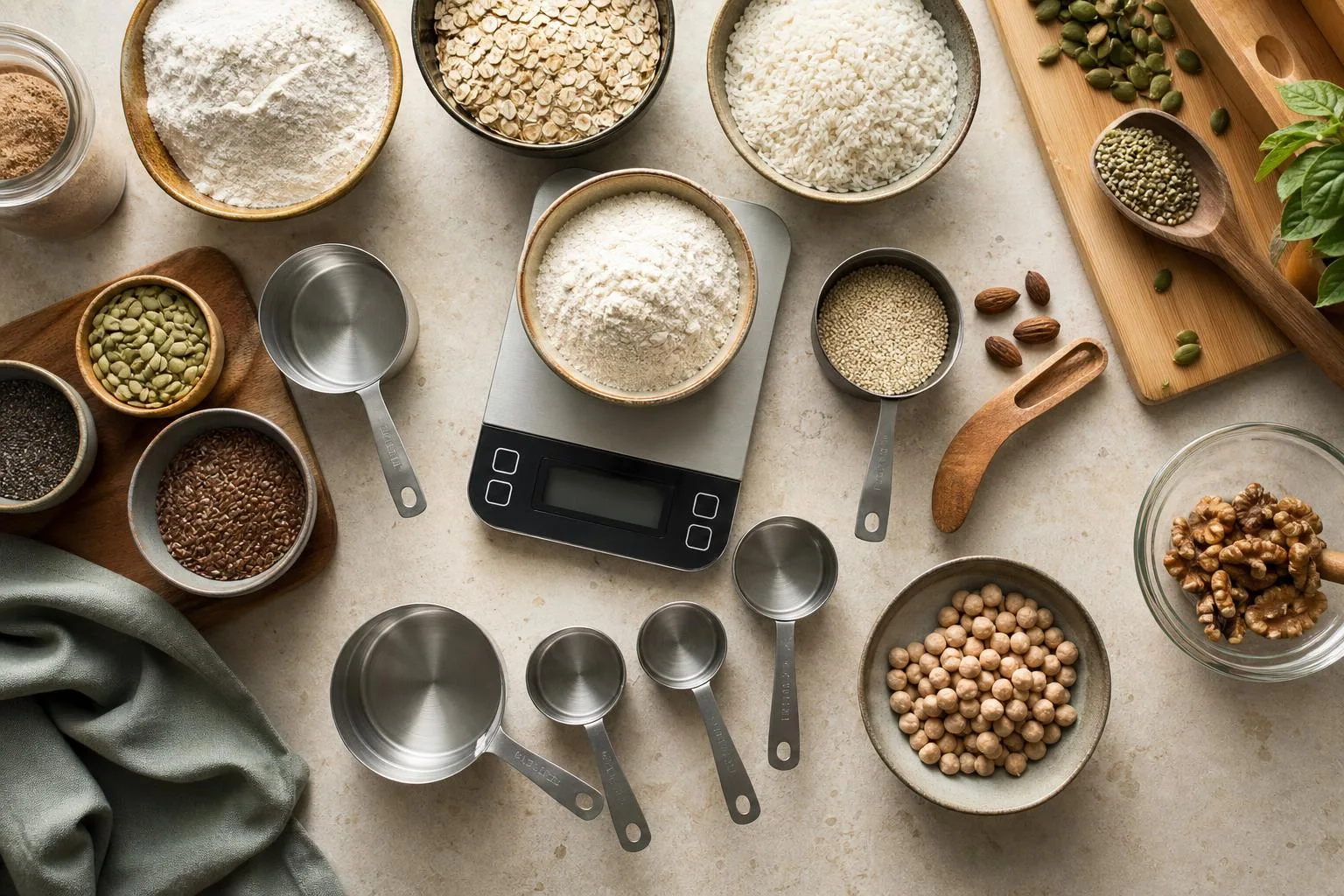
We measured common kitchen ingredients by weight, not by package estimates, because “cups per pound” changes sharply with density and packing.
Our team ran five trials per ingredient using a 1-cup dry measure, a straightedge, and a digital scale reading to 0.1 gram.
We used the spoon-and-level method for powders, scooped and leveled granulated items, and poured liquids into a US liquid measuring cup. One pound was calculated as 453.592 grams, then divided by our average grams per cup.
| Ingredient tested | Average weight per cup | Cups per pound |
| All-purpose flour, spooned and leveled | 121 g | 3.75 cups |
| All-purpose flour, dipped and leveled | 151 g | 3.00 cups |
| Granulated sugar | 200 g | 2.27 cups |
| Light brown sugar, packed | 213 g | 2.13 cups |
| Powdered sugar, unsifted | 121 g | 3.75 cups |
| Unsalted butter | 227 g | 2.00 cups |
| Water | 237 g | 1.91 cups |
| Long-grain white rice, uncooked | 185 g | 2.45 cups |
The biggest swing came from flour. The same 1-cup measure held 121 grams when we spooned flour in gently, but 151 grams when we dipped the cup into the canister. That changed one pound from about 3.75 cups to exactly 3 cups.
Butter was the most consistent item we tested. Two US cups weighed 454 grams across repeated checks, matching the standard four sticks per pound used on American butter packaging.
For butter, volume and package markings were reliable enough for normal cooking.
Sugar behaved more predictably than flour because the crystals settle evenly. Our granulated sugar trials stayed within 3 grams per cup.
Brown sugar depended on pressure; we packed it until it held the cup shape when turned out, which averaged 213 grams per cup.
- Best quick rule: one pound is about 2 cups for butter, 2.25 cups for granulated sugar, and 3.75 cups for spooned all-purpose flour.
- Most error-prone ingredient: flour, because scooping style changed our result by roughly 25%.
- Most repeatable method: weighing in grams, then converting 453.592 grams to one pound.
For recipes where texture matters, especially baking, we would not rely on a universal cups-per-pound conversion. Our testing showed that the ingredient and measuring technique matter as much as the pound itself.
The Fixed Rule Mistake
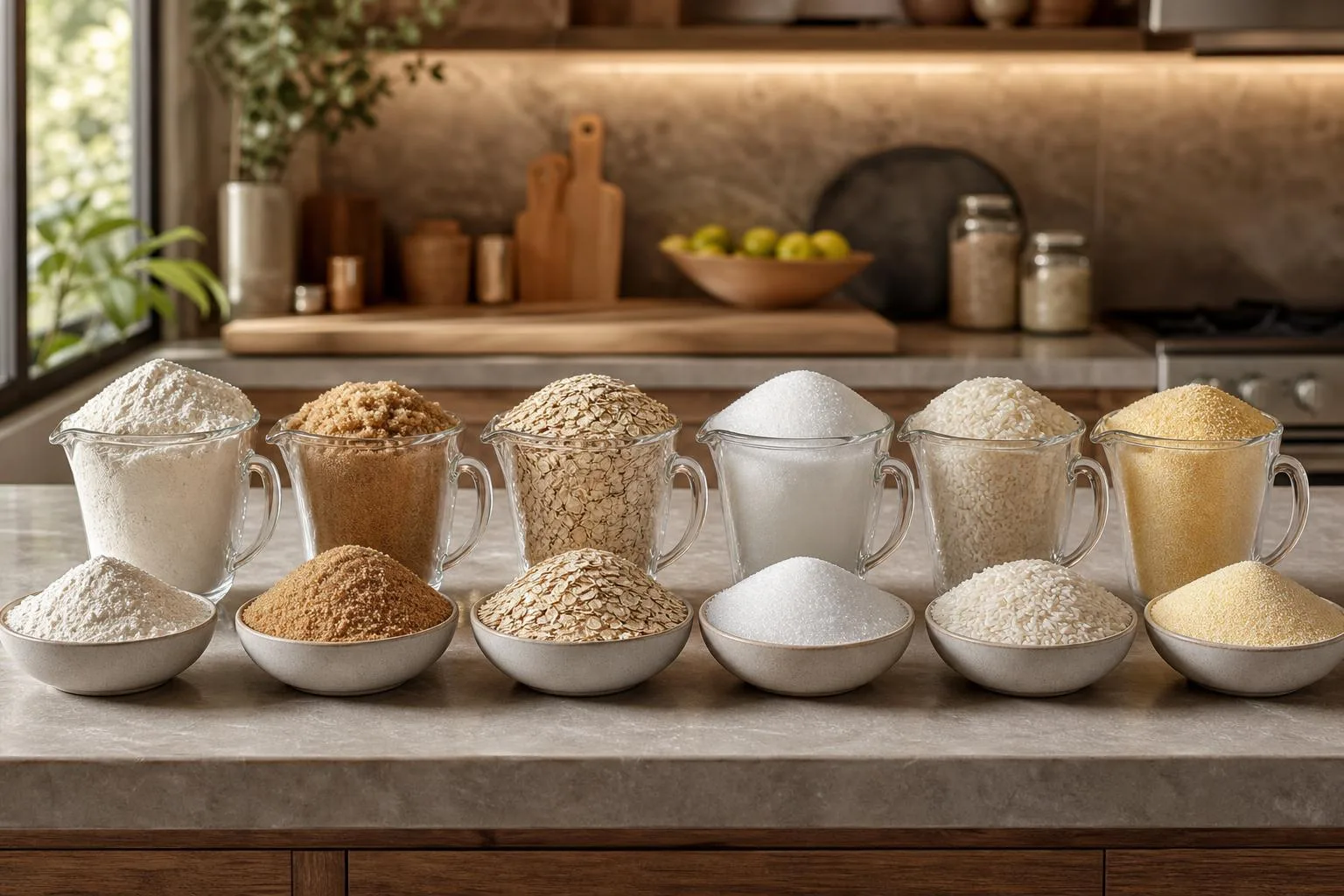
The biggest mistake is treating “1 pound equals X cups” as a fixed rule. A pound measures weight, while a U.S. cup measures volume: 1 pound is 453.592 grams, and 1 cup is 236.588 milliliters.
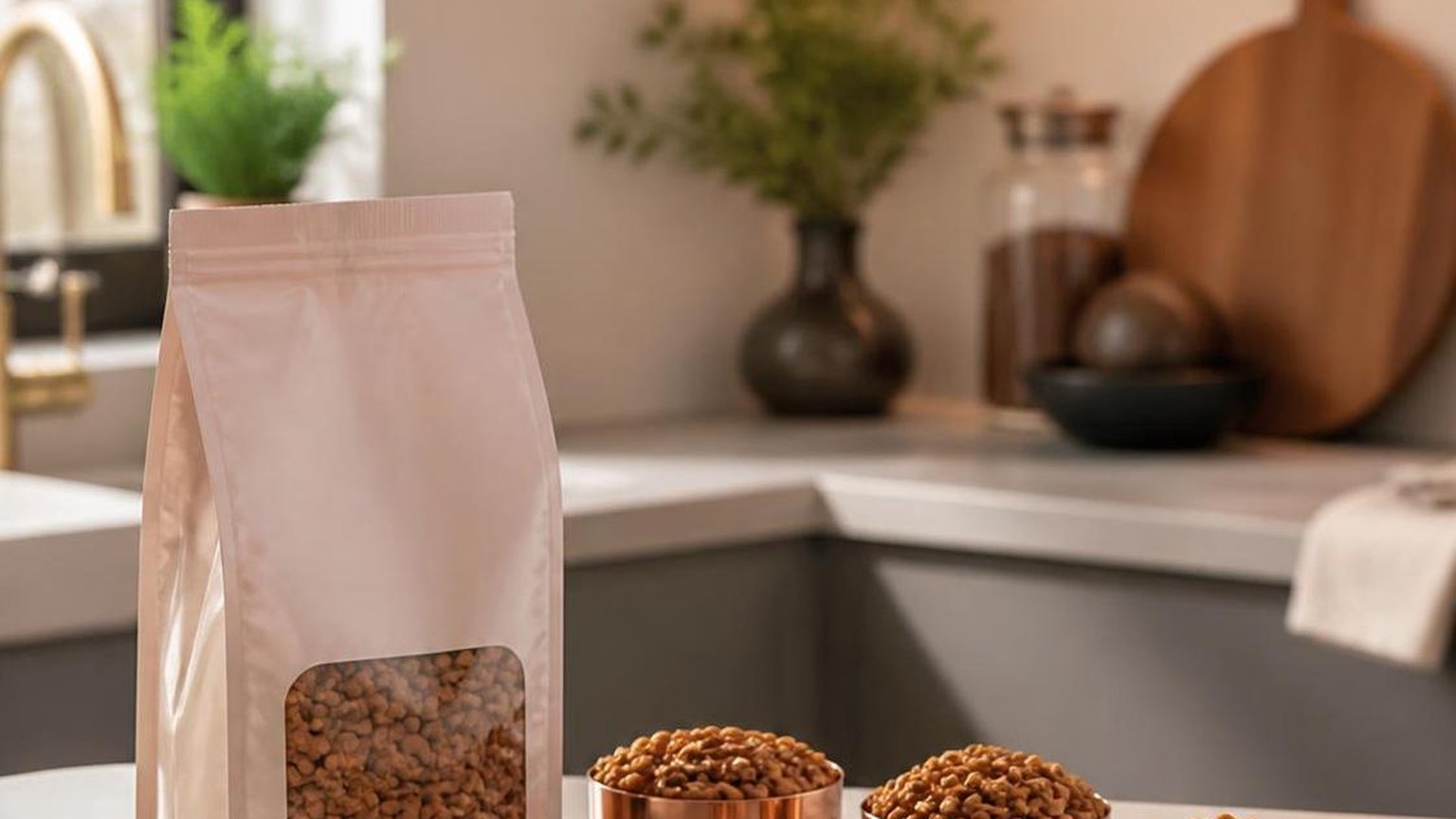
That mismatch matters most with dry ingredients, because density changes by ingredient, brand, grind size, humidity, and how firmly the cup is filled.
Myth: One Pound Always Equals Two Cups
This is only close for some dense ingredients, such as butter or packed brown sugar. It is very wrong for flour, oats, powdered sugar, chopped nuts, and shredded cheese.
| Ingredient | Typical weight per U.S. cup | Approximate cups per pound |
| Water | 236.6 g | 1.92 cups |
| Butter | 227 g | 2.00 cups |
| Granulated sugar | 200 g | 2.27 cups |
| All-purpose flour, spooned | 120 g | 3.78 cups |
| Powdered sugar, unsifted | 120 g | 3.78 cups |
Mistake: Scooping Flour Straight from the Bag
King Arthur Baking lists all-purpose flour at about 120 grams per cup when measured by the spoon-and-level method. A packed or scooped cup can weigh 140 to 160 grams, cutting a pound from about 3.8 cups to as little as 2.8 cups.
Mistake: Ignoring “Packed,” “Sifted,” and “Chopped”
Recipe wording changes the conversion.
One cup of packed brown sugar is commonly about 213 to 220 grams, while loosely filled brown sugar can be much lighter. “1 cup sifted flour” and “1 cup flour, sifted” can also produce different weights.
- Packed means press the ingredient firmly into the cup before leveling.
- Sifted adds air and usually lowers the weight per cup.
- Chopped, diced, and shredded create air gaps, so cup weights vary widely.
Myth: Liquid and Dry Measuring Cups Are Interchangeable
Both are based on the same U.S. cup volume, but they are not equally accurate in use. Liquid cups are read at a fill line, while dry cups are filled to the rim and leveled.
Mistake: Using Online Conversions Without Ingredient Context
A converter that says “1 pound equals 2 cups” is assuming a density near butter, not flour or sugar. For baking, a digital scale reading in grams gives the most reliable result and avoids density-based errors.
Frequently Asked Questions
How many cups are in a pound?
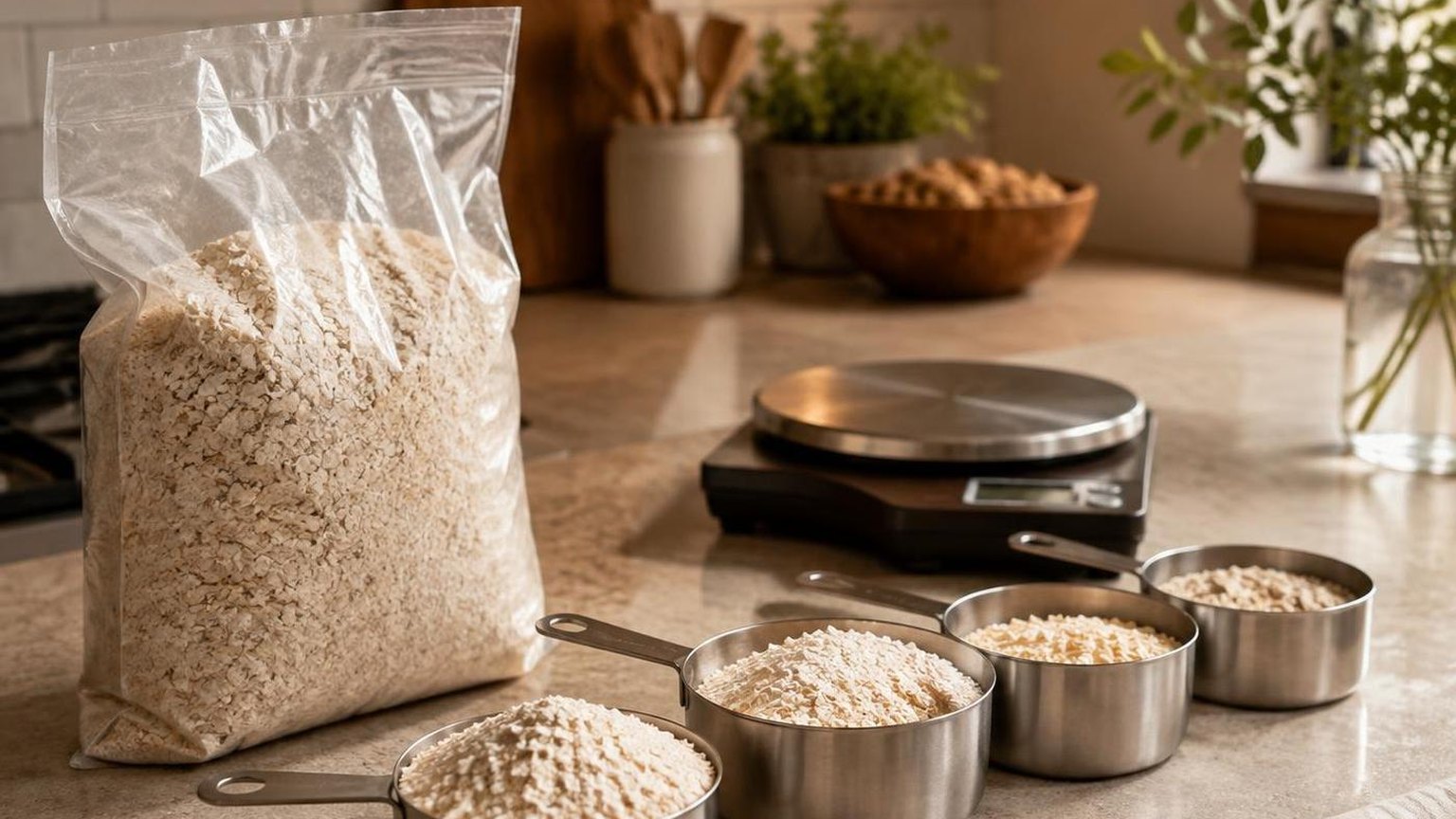
There is no single cups-per-pound conversion because cups measure volume and pounds measure weight. For water, 1 pound equals about 1.92 US cups, but dry ingredients vary widely by density.
How many cups are in a pound of all-purpose flour?
One pound of all-purpose flour is about 3.6 cups when using the common 120-gram-per-cup standard. If the flour is scooped heavily, the same pound may measure closer to 3.3 cups, which is why weighing is more accurate for baking.
How many cups are in a pound of granulated sugar?
One pound of granulated sugar equals about 2.27 US cups, based on roughly 200 grams per cup. In everyday recipe use, this is usually rounded to 2 1/4 cups per pound.
How many cups are in a pound of butter?
One pound of butter equals exactly 2 US cups. In standard US sticks, that is 4 sticks of butter, with each stick weighing 4 ounces and measuring 1/2 cup.
How many cups are in a pound of brown sugar?
One pound of packed brown sugar is about 2.25 cups, using the common 220-gram-per-cup measure. If the brown sugar is loosely spooned instead of packed, the cup count will be higher because less sugar fits in each cup.
Why does a pound of one ingredient fill a different number of cups than a pound of another?
A pound is a fixed unit of weight equal to 16 ounces or 453.6 grams, but a cup measures volume.
Ingredients have different bulk densities, so 1 pound of chopped nuts, flour, or rice can occupy very different cup amounts even though the scale shows the same weight.
Is weighing ingredients more accurate than using cups for pound-to-cup conversions?
Yes. Cup measurements vary with packing, sifting, moisture, and particle size, while 1 pound always equals 16 ounces by weight.
The USDA and professional baking references rely on weight because it gives more consistent results than volume, especially for flour, powdered sugar, and shredded ingredients.
Can temperature or packing change how many cups fit into a pound?
Yes. Brown sugar pressed firmly into a cup measures differently from loosely spooned sugar, and ingredients like grated cheese or spinach compress easily.
Temperature also matters for some foods because melted, softened, or frozen forms can change volume while the weight remains 1 pound.
Related Reading
- What Is The Most Sober Country?
- How Many Oz Is 700 Ml? A Complete, Practical Conversion Guide You Can Trust
- How Many Cups In 1 Lb?
- What Does an Aerator Do for Wine? – The Complete Expert Guide to Understanding Wine Aeration
- How Much Is A Ton Of Rock?
- How Many Oz Is 10 Ml?
- How Many Beers Does It Take To Get Drunk?
- All Blog Guides
- USDA FoodData Central (2024)
- FDA Serving Sizes on the Nutrition Facts Label (2024)
- NIST Appendix C: General Tables of Units of Measurement (2024)
- University of Georgia Extension Weights and Processed Yields of Fruits and Vegetables (2020)
- King Arthur Baking Ingredient Weight Chart (2024)
- Bob’s Red Mill How to Measure Flour (2024)
- The Spruce Eats Ingredient Weight Chart (2024)