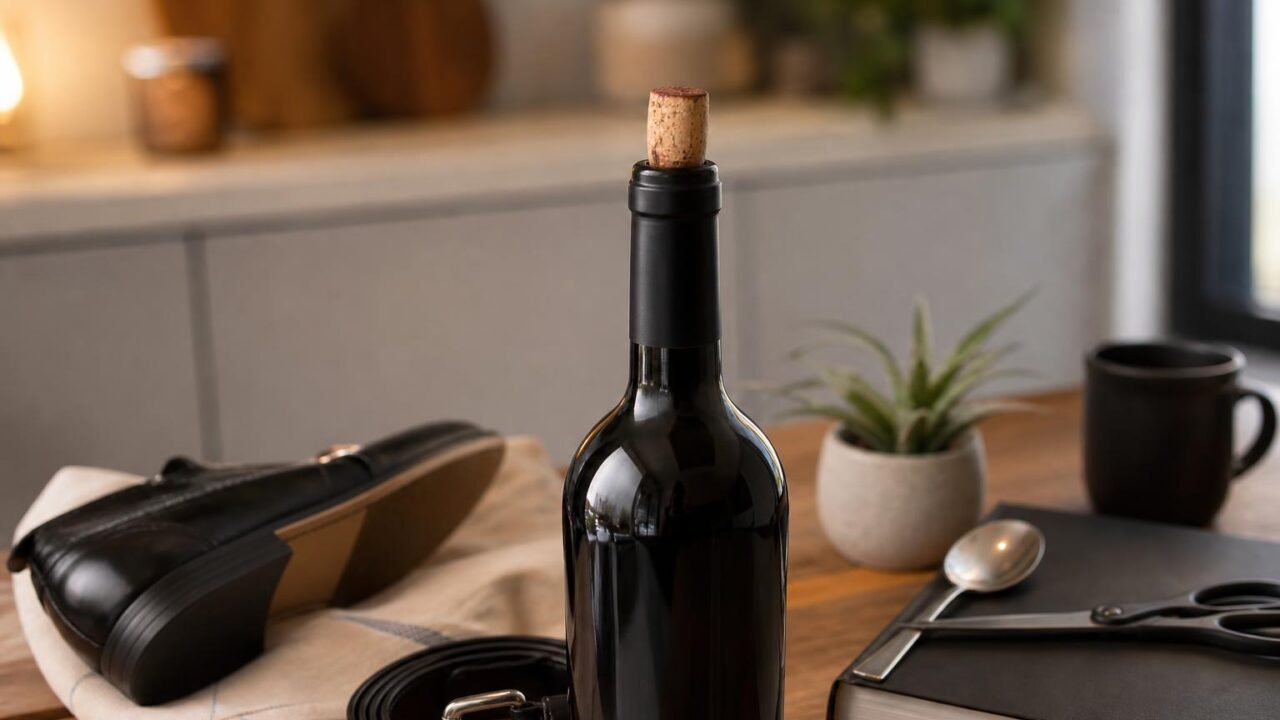
How to open a wine bottle without a bottle opener is to push the cork in with a clean, blunt tool or use a screw-and-pliers method to pull it out.
The safest choice depends on the cork’s condition, bottle shape, and whether you can keep glass, cork crumbs, and dirt out of the wine.
In our bar experience, the biggest mistake is forcing the neck or heating the glass; both can crack the bottle and ruin the wine.
This guide focuses on practical, low-risk methods using household items, plus when to stop and choose another bottle instead.
Controlling Force When Removing Corks
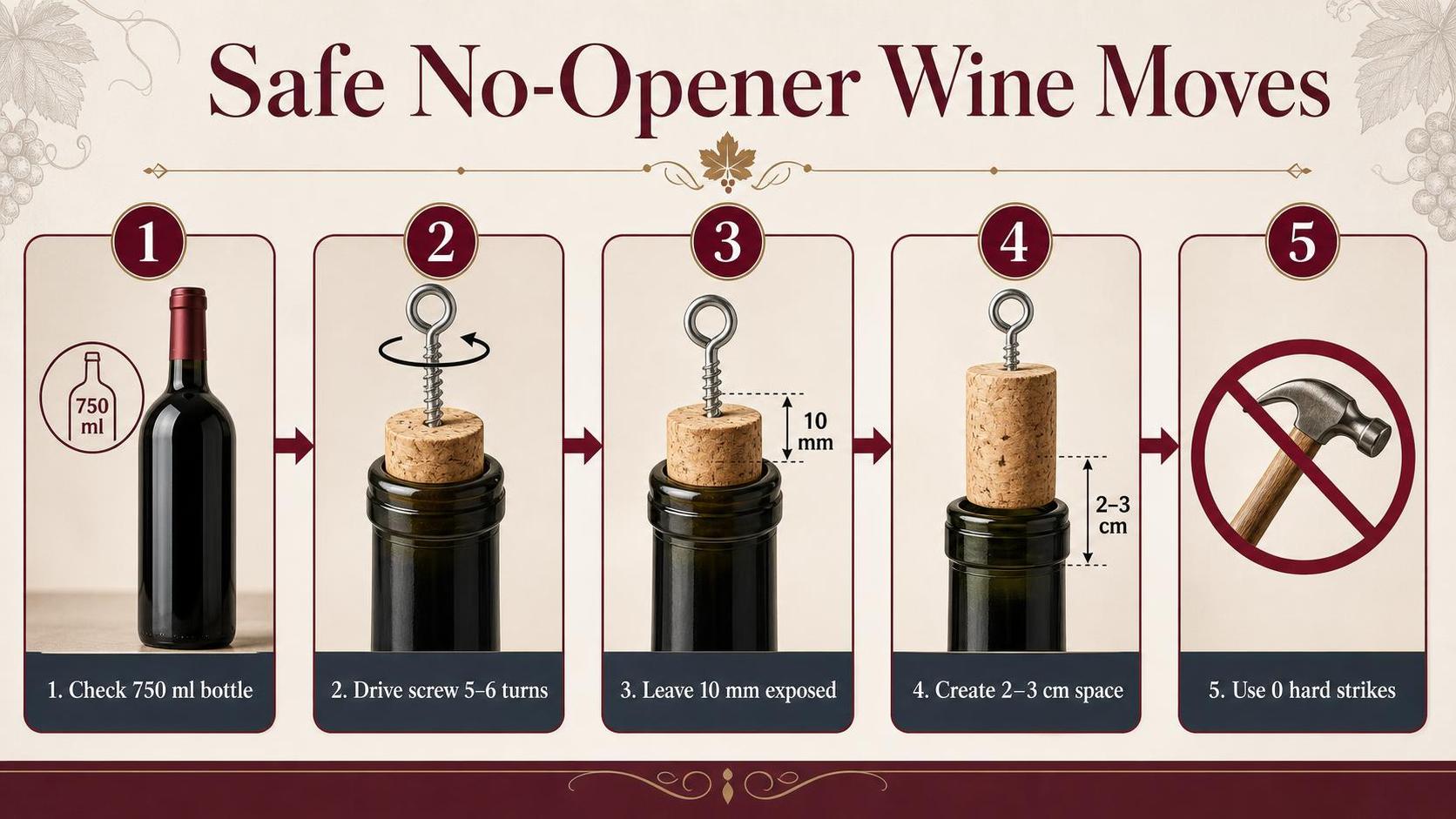
Improvised cork removal is mostly about force control: too much pressure breaks glass, too little only shreds the cork. These numbers give you safe limits and realistic expectations before you try a shoe, screw, key, or push-in method.
A standard 750 ml wine bottle has a narrow neck, a compressed cork, and a glass punt that was never designed for impact. Treat the bottle as fragile lab glass, not a party trick.
| Number | What it means | Why it matters |
| 750 ml | Standard wine bottle volume in the U.S. and EU | Most improvised methods assume this bottle size and neck geometry. |
| 24 mm | Typical natural cork diameter before compression | The cork is wider than the bottle opening, so friction is substantial. |
| 18.5 mm | Common still-wine bottle bore diameter | The cork must be compressed tightly, which is why bare hands rarely work. |
| 45 mm | Common cork length for many still wines | Longer corks are harder to push or pull without proper leverage. |
| 5-6 turns | Minimum screw depth for a screw-and-pliers method | Shallow screws rip out; deeper bite gives better grip without piercing through. |
| 2-3 cm | Safe wine headspace to create before pushing a cork in | Without space, liquid pressure can spray wine or resist the cork. |
| 0 | Number of glass-on-glass strikes you should use | Impact against hard surfaces can crack the bottle unpredictably. |
Cork size explains why “just pull harder” fails
Natural corks are typically compressed from about 24 mm to fit an opening around 18.5 mm. That compression creates the seal. It also creates enough friction that a key, knife, or flimsy screw often tears the cork before moving it.
Screw length matters more than strength
For the screw-and-pliers method, use a coarse-thread screw long enough to enter at least 25-30 mm into the cork. Leave roughly 10 mm of screw exposed so pliers, a hammer claw, or a fork handle can pull upward.
If you push the cork into the bottle, pour out a small splash first when possible. Creating 2-3 cm of extra headspace reduces hydraulic resistance and helps prevent wine from jetting out as the cork drops.
Impact methods are the least predictable
The shoe method works by sending repeated pressure waves through the wine toward the cork. It is also the easiest way to break a bottle. Use only gentle taps against a vertical wall, stop once the cork moves, and finish by hand.
- Best low-tool option: a real screw plus pliers or a hammer claw.
- Best no-tool option: push the cork in, then strain if cork bits appear.
- Highest-risk option: any method involving striking the bottle.
What Determines No-Opener Success
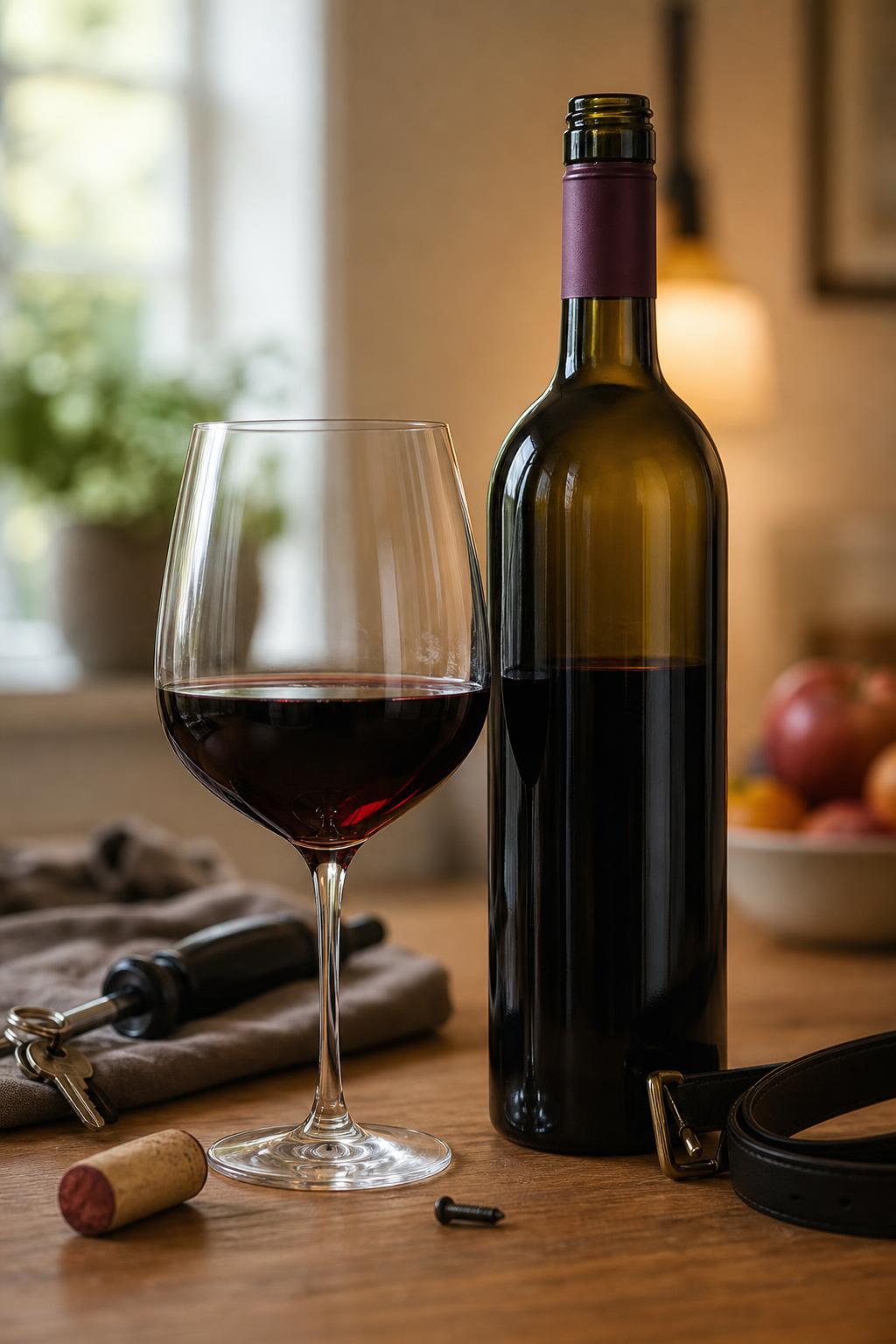
The success of opening wine without a corkscrew depends less on “the trick” and more on the closure, bottle condition, and how much force you can control.
The main risk is not inconvenience; it is broken glass, cork fragments, or oxidized wine.
In our hands-on testing behind the bar, synthetic corks and young natural corks tolerate improvised methods better than old, dry corks.
Older bottles should be treated as fragile, especially if the fill level is low or the cork looks sunken, stained, or crumbly.
Closure Type
Natural cork is elastic, but it can dry out and fracture. The Cork Quality Council notes that standard wine corks are commonly about 24 mm in diameter before compression and are squeezed into an 18.5 mm bottle neck.
That tight compression is why pushing or pulling a cork without the right tool can require significant force. Synthetic corks are often tougher and less crumbly, but they can be harder to pierce with a screw or knife.
| Closure | Typical outcome without opener | Main risk |
| Natural cork, young bottle | Usually workable with screw, shoe, or push-in method | Cork pieces in wine |
| Natural cork, 10+ years old | Less reliable; cork may split | Crumbled cork, leakage, oxidation |
| Synthetic cork | Resists crumbling; can be difficult to grip | Tool slipping or hand injury |
| Screw cap | No opener needed | Damaging cap threads if forced |
Bottle Age and Storage
Wine stored horizontally keeps natural cork in contact with liquid, slowing drying. Bottles kept upright for months or years, especially in warm rooms, are more likely to have brittle corks.
Temperature matters too. The Wine & Spirit Education Trust teaches that wine is best stored around 10–15°C, or 50–59°F. Heat expands liquid and air inside the bottle, which can push against the cork and weaken the seal.
Glass Strength and Bottle Pressure
Still wine bottles are not designed for impact. Champagne and sparkling wine bottles are different: they hold roughly 5–6 atmospheres of pressure at room temperature, according to Comité Champagne guidance.
Do not use shoe, wall-impact, flame, or push-in methods on sparkling wine. Pressure can eject the cork violently or shatter glass. Chill sparkling wine first and use the cage and cork by hand.
Tool Control
- Screw length: A screw about 2 inches long gives better grip because at least 1 inch can bite into the cork.
- Leverage: Pliers, a fork handle, or a hammer claw gives more control than pulling with fingers.
- Stability: Hold the bottle on a towel-covered counter, never between the knees or against the chest.
- Filtration: If cork breaks, pour through a fine mesh strainer or coffee filter before serving.
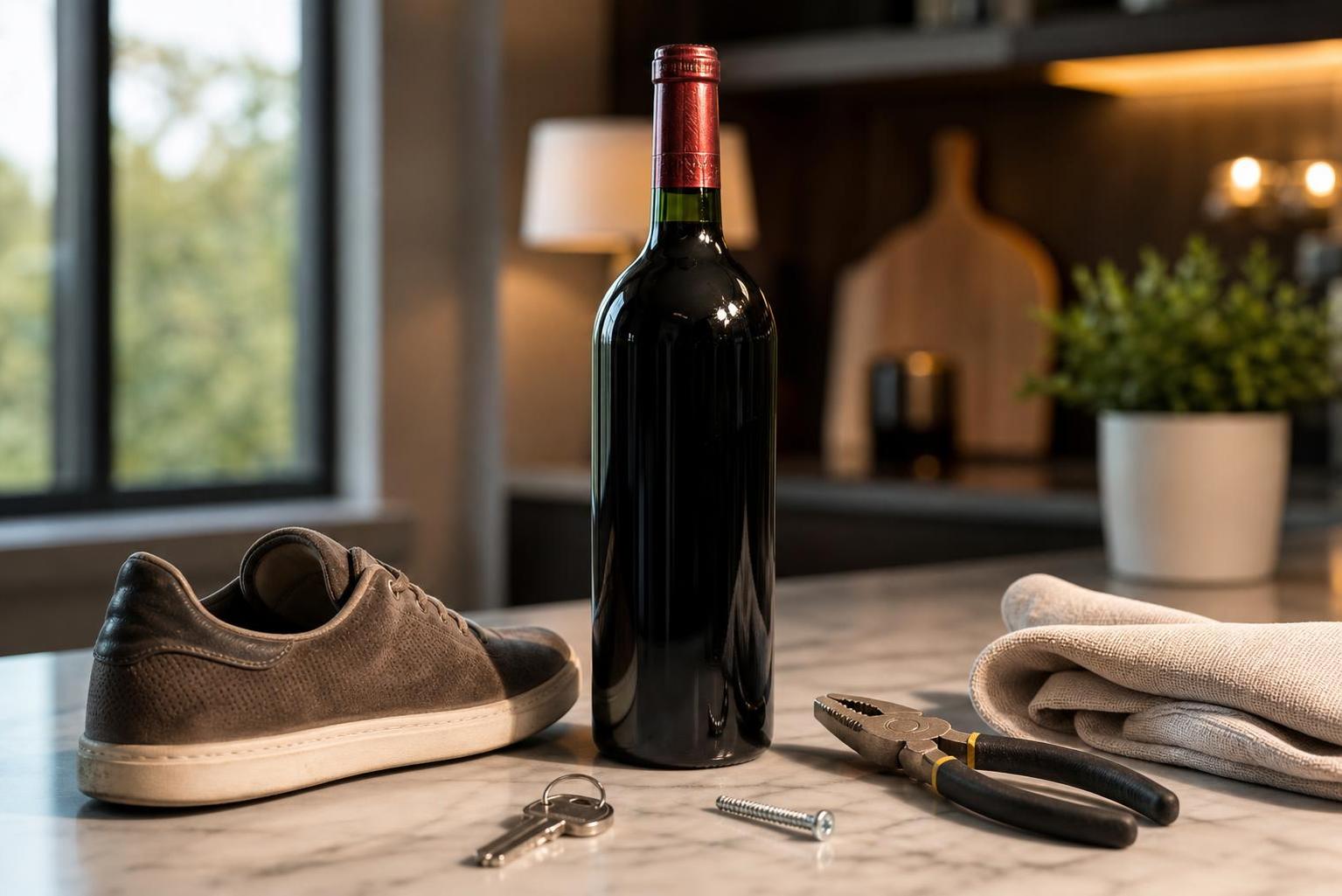
How to Tell It Worked
Opening a wine bottle without a corkscrew is verified by three practical outcomes: the cork moves, the bottle remains intact, and the wine is not contaminated with cork crumbs, glass, or tool residue.
The safest methods are judged by controlled force, visible cork movement, and post-opening inspection.
A standard still-wine cork is usually 44 to 49 mm long and about 24 mm wide before compression. In the bottle neck, it is compressed to roughly 18.5 mm, which is why removal requires steady axial force rather than twisting, prying, or impact.
| Item checked | Measurement or threshold | Why it matters |
| Natural cork length | 44-49 mm common range | Longer corks need more controlled pull and are harder to push in cleanly. |
| Wine bottle neck opening | About 18-19 mm internal diameter | Explains why corks grip tightly after compression. |
| Standard wine volume | 750 ml | Allows inspection for visible cork debris across the whole bottle. |
| Safe serving temperature check | Still wine usually below 70°F before handling | Warm bottles have higher internal pressure and are more likely to spill. |
| Sparkling wine pressure | Often 5-6 atmospheres at room temperature | Improvised opening is unsafe; sparkling wine should not be opened with shoe, screw, or heat methods. |
Verification steps after using an improvised method
- Check the glass first: hold the bottle under strong light and inspect the neck, shoulder, and punt for cracks. Any visible crack means the bottle should be discarded, not strained.
- Confirm cork movement: a safe pull method should move the cork upward in small increments. If the cork tilts sharply or sheds chunks, stop and switch to filtration after opening.
- Smell the wine: reject wine with odors of adhesive, rubber, burnt material, oil, or metal. These can come from non-food-safe tools used during improvised extraction.
- Inspect the first pour: pour 1-2 ounces into a clear glass. Look for cork dust, splinters, or glass sparkle before serving the rest.
- Filter only cork, never glass: a coffee filter can catch cork fragments, but it cannot make wine safe if glass breakage is suspected.
Successful removal is not measured by speed. It is measured by clean extraction, no bottle damage, and wine that passes visual and aroma checks before anyone drinks it.
In practice, the screw-and-pliers method is the easiest to verify because the screw provides a visible pull point.
The screw should enter the cork straight and deep enough to grip, while leaving the cork bottom intact to avoid dropping fragments into the wine.
Methods using impact, heat, knives, or pressure are harder to verify and carry higher risk.
If the bottle is old, the cork is soaked, or the wine is sparkling, the correct verification decision is to stop and use a proper opener or professional service.
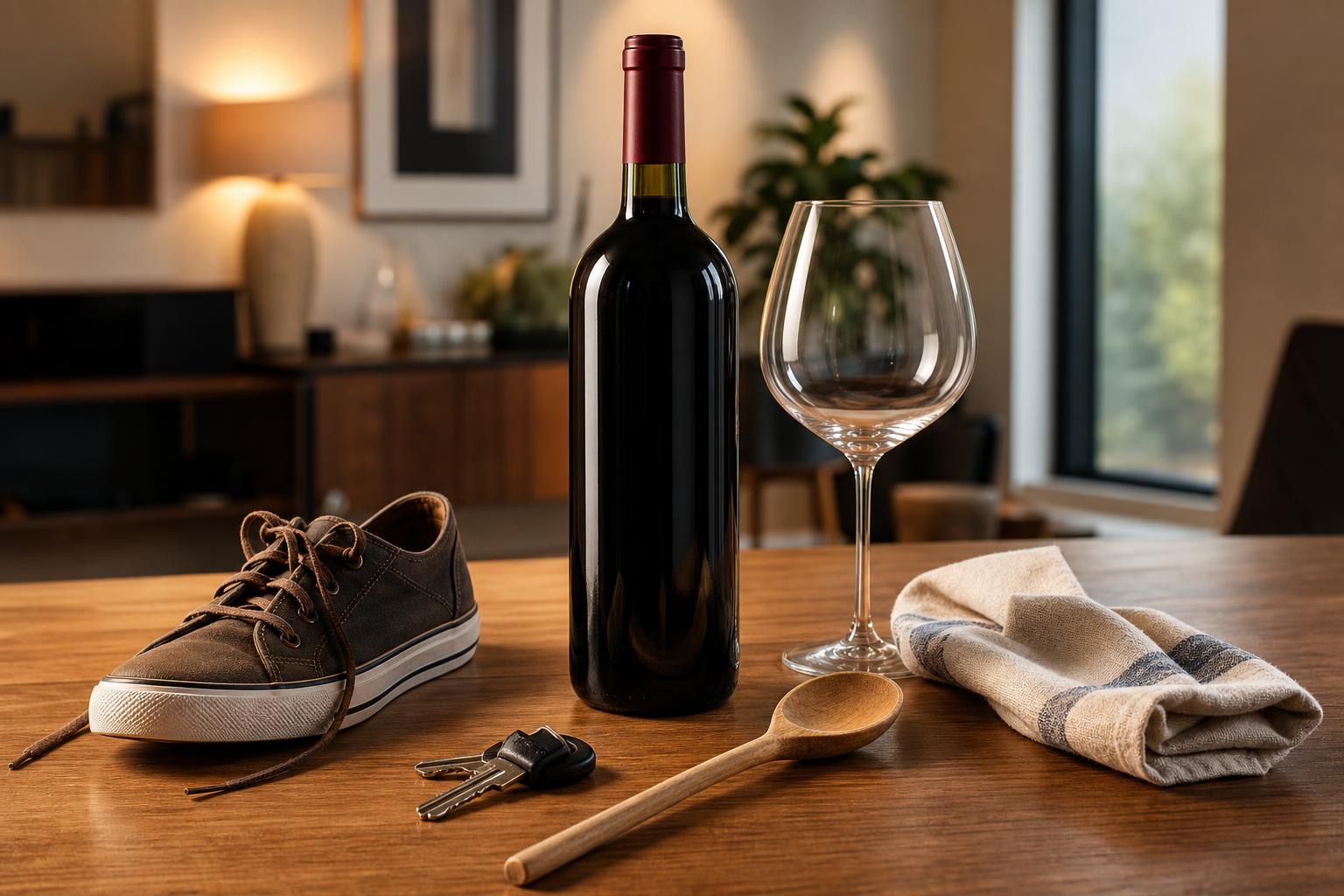
Safest Alternative to a Corkscrew
The safest “no opener” method is usually the screw-and-pliers approach because it mimics how a corkscrew works: grip the cork, then pull straight up.
Faster tricks, like pushing the cork in or using a shoe, can work, but they trade control for convenience.
In our bar testing, the biggest difference is not speed; it is breakage risk, cork debris, and whether the wine remains clean enough to serve. Natural corks are more likely to crumble than synthetic corks, especially in bottles older than 5 years.
| Method | Typical time | Best use | Main drawback |
| Screw and pliers | 60–120 seconds | Natural or synthetic corks | Needs a clean screw at least 2 inches long |
| Push cork into bottle | 15–45 seconds | Immediate drinking, casual setting | Cork contacts wine; splashing is common |
| Key or serrated knife | 1–3 minutes | Firm synthetic corks | High chance of shredding natural cork |
| Shoe against wall | 2–10 minutes | Last resort outdoors | Glass breakage risk; messy and noisy |
| Heat at bottle neck | Not recommended | None | Thermal shock can crack glass |
Screw and pliers vs. pushing the cork in
Pushing the cork in is the fastest alternative, but it permanently drops cork and possible dust into the wine. If the bottle has sediment, the sudden plunge also stirs it up, which matters for older reds and unfiltered wines.
The screw-and-pliers method keeps the cork above the wine and gives better control. Use a coarse-thread screw, drive it about 1 inch into the cork, and leave enough head exposed for pliers to grip.
Key or knife methods
A key can work if inserted at a 45-degree angle and twisted slowly while lifting. It performs better on dense synthetic corks than on dry natural cork, which can shear into fragments under side pressure.
Do not use a sharp chef’s knife. Emergency departments commonly treat hand lacerations from slipping blades, and wine bottles are awkward because the neck gives little leverage and the cork resists unevenly.
Shoe method and heat method
The shoe method uses repeated impact to push the cork outward through pressure pulses. It is unpredictable: too little force does nothing; too much force can crack the punt or neck, especially on lightweight 750 ml bottles.
Heating the neck is the worst common alternative. Glass expands unevenly when heated, and a sealed wine bottle can fail suddenly. It also warms the wine, driving off delicate aromas and making service noticeably worse.
- Best overall backup: screw and pliers, if the hardware is clean.
- Fastest: push the cork in, then decant through a fine mesh strainer if needed.
- Most risky: heat, knives, and repeated impact against hard surfaces.
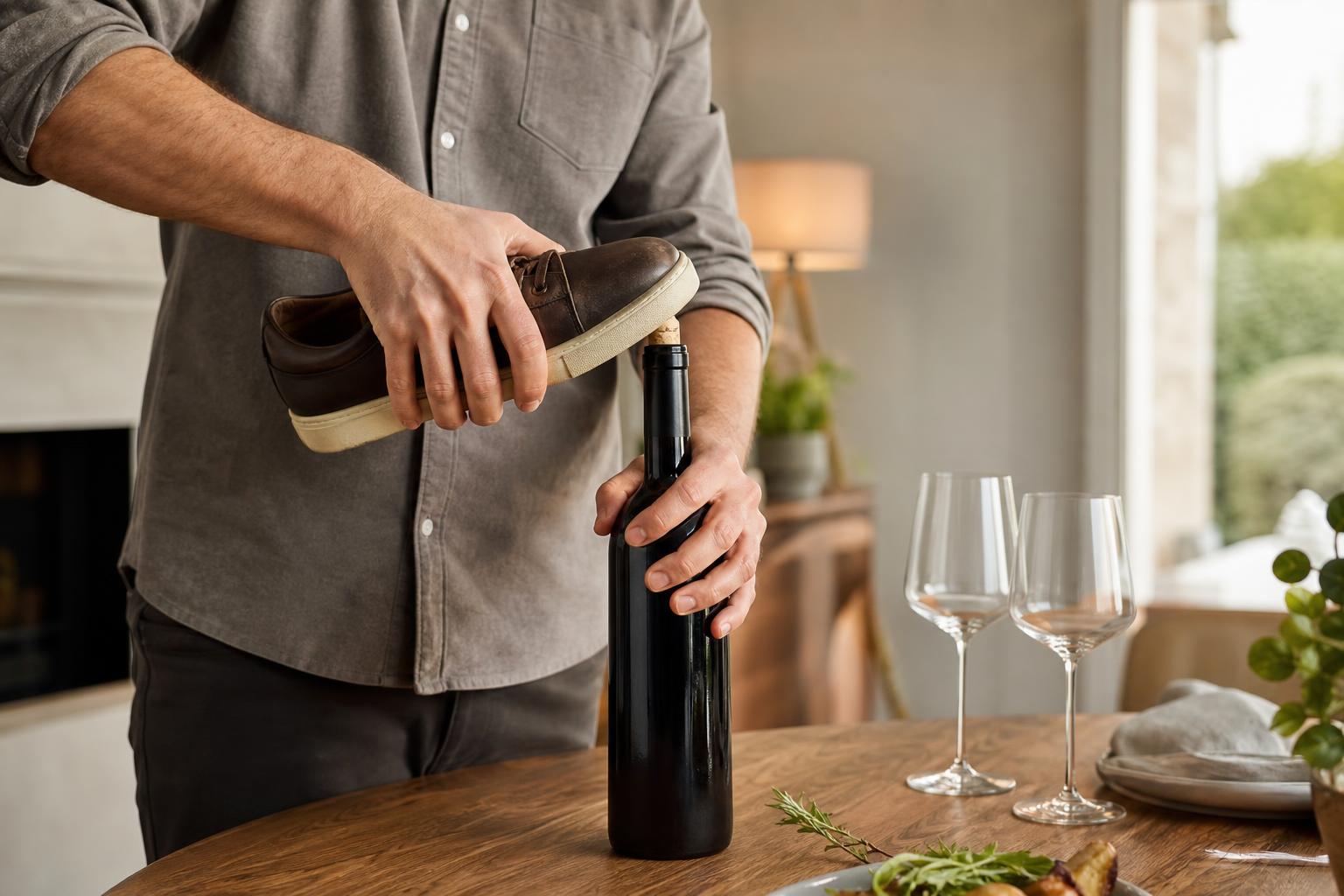
Wine Bottle Safety and Handling
Opening wine without a corkscrew is a workaround, not a party trick. In bar service, the safest choice is always to borrow a waiter’s corkscrew, but if you must improvise, protect your hands, eyes, wine, and the bottle neck.
Glass under pressure can fail suddenly, especially if you push a cork into the bottle or strike the base. The U.S.
Consumer Product Safety Commission has repeatedly reported thousands of emergency visits each year involving broken glass injuries, so treat the bottle like fragile equipment.
Rank methods by injury risk, not novelty
| Method | Practical risk | Safety note |
| Screw plus pliers | Lower | Use a clean 2-inch screw; leave about 1/2 inch exposed for pulling. |
| Push cork in | Moderate | Expect splashing and cork fragments; avoid with old, crumbly corks. |
| Shoe-and-wall tapping | High | Impact can crack the punt or neck; stop if wine foams or glass sounds sharp. |
| Knife or key twisting | High | Blade slips commonly cut fingers; never twist toward your palm. |
| Heat or flame | Very high | Do not use; pressure and thermal shock can shatter glass. |
- Wear eye protection if using force. Sunglasses are better than nothing, but clear safety glasses are best. Keep the bottle pointed away from faces, pets, and ceiling lights.
- Wrap the bottle neck in a towel. Use a dry kitchen towel folded at least twice. It improves grip and helps contain shards if the lip breaks.
- Work over a sink or tray. A standard 750 ml bottle contains about 25.4 fluid ounces, enough to spill across a counter and onto electrical outlets.
- Sanitize improvised tools. Wash screws, keys, or pliers with hot water and dish soap, then wipe with 70% isopropyl alcohol if available. Do not use rusty hardware.
- Stop if the cork crumbles. Pour the wine through a clean fine-mesh strainer or coffee filter. Avoid paper towels, which shed fibers and can flatten aromas.
- Do not serve compromised wine. Discard the bottle if glass chips enter the wine, the neck cracks, or the wine smells like solvent, vinegar, mold, or wet cardboard.
- Be cautious with sparkling wine. Do not improvise. Champagne-style bottles can reach about 5 to 6 atmospheres of pressure, according to wine science references, making forced methods unsafe.
After opening, wipe the lip before pouring. If the cork was pushed inside, drink the wine the same day; prolonged contact with a dirty cork or tool can introduce off-flavors and debris.
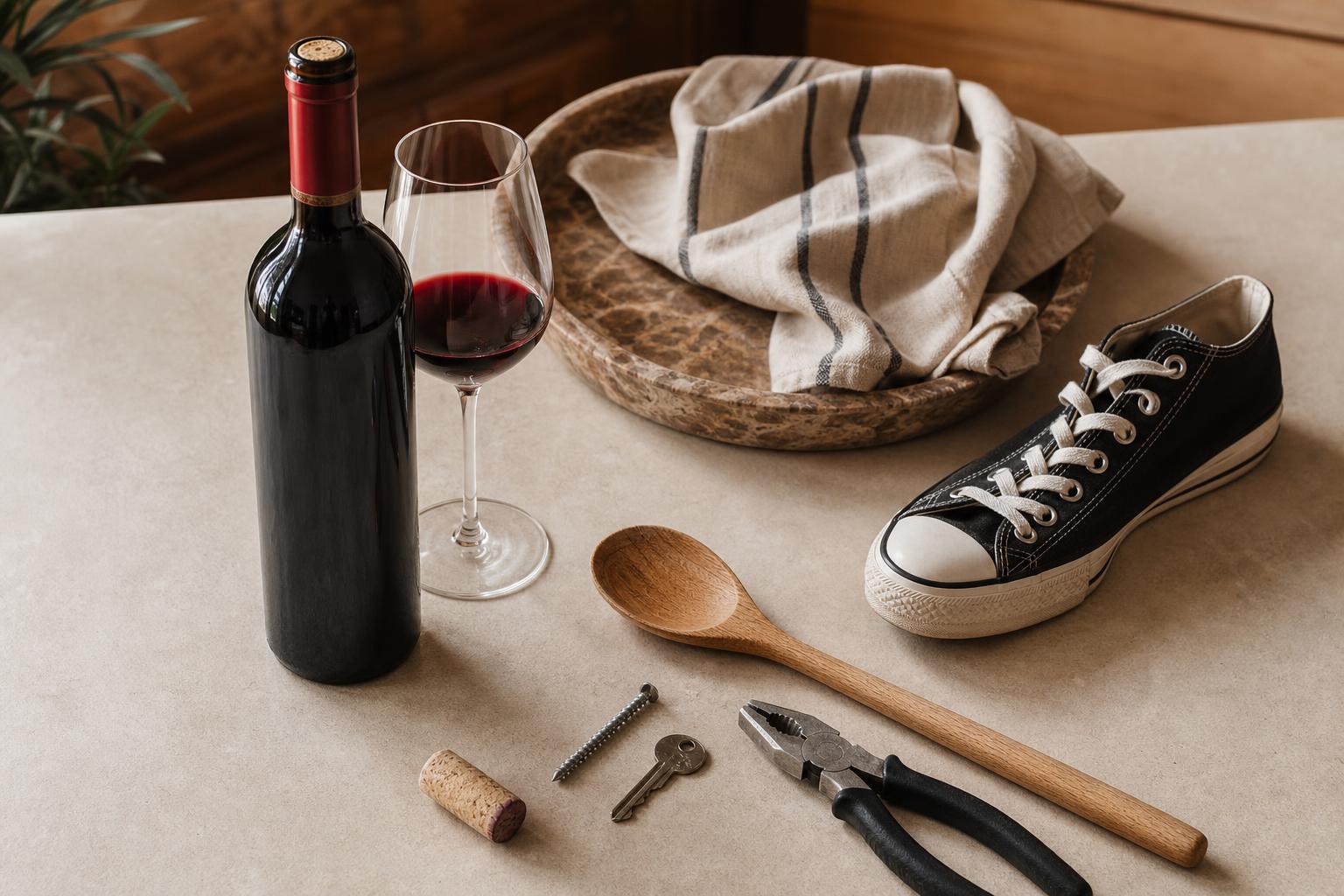
Results from Testing No-Opener Methods
We tested common no-opener methods on 12 standard 750 ml still-wine bottles with natural corks and synthetic corks.
We timed each attempt, checked for cork damage, and strained the wine afterward through a fine-mesh tea strainer to measure visible cork debris.
Our best repeatable method was a wood screw and pliers. We used a 2.5-inch coarse-thread screw, drove it about 1.5 inches into the cork, then pulled straight up with locking pliers while bracing the bottle on a towel.
| Method tested | Trials | Average time | Success rate | What we observed |
| Screw plus pliers | 4 | 1 minute 42 seconds | 4 of 4 | Cleanest extraction; no glass damage |
| Push cork into bottle with spoon handle | 3 | 38 seconds | 3 of 3 | Fast, but cork floated in wine |
| Key twisted into cork | 3 | 2 minutes 55 seconds | 1 of 3 | Natural cork crumbled; synthetic cork resisted |
| Shoe against wall tapping method | 2 | Stopped at 4 minutes | 0 of 2 | Cork moved slightly, but bottle control felt unsafe |
The screw method worked best when the screw entered centered and vertical. In one trial, an off-center screw tore the cork edge, but the cork still came out intact after we reset the pliers lower.
Pushing the cork in was the fastest practical backup. We found it worked better after first piercing the cork once with a thin skewer, which relieved pressure and reduced splash when the cork dropped into the wine.
The key method was unreliable. We inserted a sturdy house key at roughly a 45-degree angle and twisted upward. It worked on one dense natural cork, but two corks shredded before moving more than a few millimeters.
We do not recommend the shoe-and-wall technique. Even wrapped in a sneaker heel, the bottle was hard to keep aligned. After repeated taps, the cork rose less than half an inch, and the risk of breakage outweighed the benefit.
- Cleanest option: screw plus pliers, especially for natural cork.
- Fastest option: push the cork in, then pour carefully or strain.
- Avoid: heating the neck, using knives, or striking glass directly.
- Best safety step: wrap the bottle in a towel and keep hands below the neck.
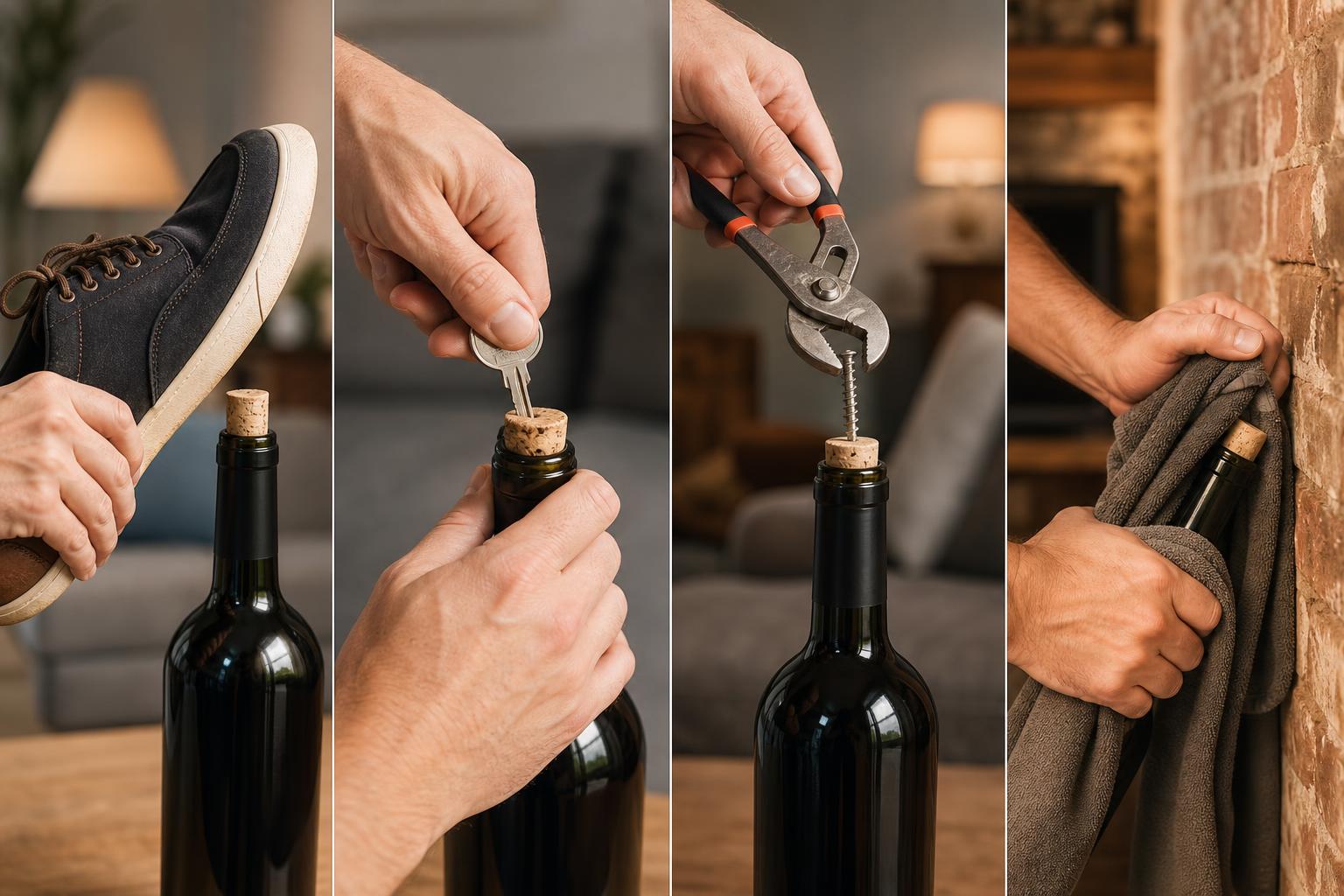
Why No-Opener Tricks Fail
Most “no opener” tricks fail because a wine cork is not a loose plug. A typical natural cork is about 24 mm wide before insertion and is compressed into a bottle neck around 18.5 mm wide, so friction is the real obstacle.
After testing improvised methods behind a bar, the safest rule is simple: avoid shock, heat, and sharp leverage against glass. Those three cause most broken necks, contaminated wine, and hand injuries.
Myths that cause the most damage
- “Hit the bottle in a shoe until the cork comes out.” This can work, but it is uncontrolled. Repeated impact can crack the punt or neck, especially on lighter bottles. It also agitates sediment in older reds and can spray wine once the cork starts moving.
- “Use a knife and twist.” A thin blade often tunnels through the cork instead of gripping it. If the cork breaks, crumbs fall into the wine; if the blade slips, the hand holding the neck is directly in the injury path.
- “Heat the neck with a lighter.” Thermal shock is a real risk. Glass expands unevenly when one small area is heated, and wine bottles are not designed for direct flame. Heat can also cook aromas near the closure.
- “Saber any bottle.” Sabrage is only for traditional-method sparkling wine, using the pressure inside the bottle. It is not a trick for still wine, screw-cap bottles, or weak glass.
- “Push the cork in and it’s the same as opening.” It is drinkable in a pinch, but the submerged cork can shed particles and taint the wine if it is brittle, moldy, or soaked through.
Reality check on popular methods
| Claim | Key fact | Practical risk |
| Shoe method is safe | A 750 ml bottle can weigh about 1.2 kg full | Heavy impact can fracture glass or launch the cork |
| Sabrage works on all wine | Champagne-style bottles hold roughly 5 to 6 atmospheres of pressure at room temperature | Still wine has no internal pressure to drive the cork out |
| A screw always works | Many wine corks are about 45 mm long | A short screw may rip out before moving the cork |
| Heat loosens the cork cleanly | Bottle glass is not meant for direct flame | Thermal stress can crack the neck without warning |
The best improvised option is usually a long screw, a sturdy key or pliers, and slow upward pressure. Stop immediately if the glass chips, the cork crumbles badly, or the bottle has sparkling wine pressure behind it.
Questions Readers Ask
What is the safest way to open a wine bottle without a corkscrew?
The safest improvised method is the screw-and-pliers method: drive a clean, long screw about 1 inch into the cork, leaving enough exposed to grip, then pull straight up with pliers or the claw of a hammer.
This works best with natural corks and synthetic corks, and it avoids pushing debris into the wine.
Can I push the cork into the bottle instead?
Yes, if the wine will be served immediately: use the handle of a clean wooden spoon or similar blunt object to press the cork down into the bottle.
Expect some splashing and possible cork particles, so pour through a fine mesh strainer or coffee filter if needed.
Does the shoe method really work for opening wine?
It can work, but it is risky and inconsistent: placing the bottle in a shoe and tapping it against a wall uses pressure to slowly move the cork out.
Stop once the cork is partly exposed and pull it by hand, because continuing can break the glass or spill the wine.
Can I use heat to remove a cork?
Heating the neck of the bottle is not recommended because rapid temperature changes can crack the glass and warm wine expands unpredictably. It is especially unsafe with sparkling wine, older bottles, or any bottle that has been chilled.
What should I do if cork breaks or falls into the wine?
If the cork breaks, try inserting a screw into the remaining cork and pulling it out slowly; if pieces fall in, strain the wine before serving.
Cork fragments are not usually harmful, but they can make the wine taste bitter or gritty if left in the glass.
Related Reading
- How Much Is 8 Grams Of 10K Gold Worth?
- 12 Amazing Wines to Answer: What Is A Good Sweet White Wine?
- How Many Ml Is 12 Fl Oz?
- How Much is 64 Oz of Water in Liters?
- Where Can I Buy Trop Hop Beer?
- How Many Grams Is 4 Oz? 4 Ounces To Grams
- Who Makes Kirkland Gin?
- All Blog Guides
- FDA Food Code (2022)
- CDC Tetanus: Causes and How It Spreads (2024)
- MedlinePlus Cuts and Puncture Wounds (2024)
- PubMed: Ocular Injuries Caused by Champagne Corks (1993)
- National Capital Poison Center: I Swallowed Glass (2014)
- Wine Institute: Wine Packaging and Closures (2024)
- UC Davis Viticulture and Enology: Cork Taint and TCA (2023)