How Many Beers Are in a 40? A 40-ounce bottle equals 3.33 standard 12-ounce beers in total volume.
In U.S. beer terms, “a 40” usually means one 40 fl oz malt liquor or beer bottle, often stronger than regular lager. This article breaks down servings, alcohol content, standard drinks, and why ABV matters more than bottle size.
What Exactly Is a 40 Oz Bottle
A 40 oz bottle — commonly called a “forty” — holds exactly 40 fluid ounces (1,182 ml) of malt liquor or beer.
It became an iconic American packaging format in the 1980s, marketed primarily as an affordable single-serving option.
In standard beer terms, one 40 oz bottle equals 3.33 standard 12 oz cans or bottles. The NIAAA defines one standard drink as 12 oz of 5% ABV beer, making a typical forty roughly 3.3 standard drinks.
40 Oz vs. Other Common Beer Formats
| Container | Volume (fl oz) | Volume (ml) | Standard Drinks (at 5% ABV) |
| Standard can/bottle | 12 | 355 | 1.0 |
| Tallboy can | 16 | 473 | 1.3 |
| Bomber bottle | 22 | 650 | 1.8 |
| 40 oz bottle | 40 | 1,182 | 3.3 |
| Growler | 64 | 1,893 | 5.3 |
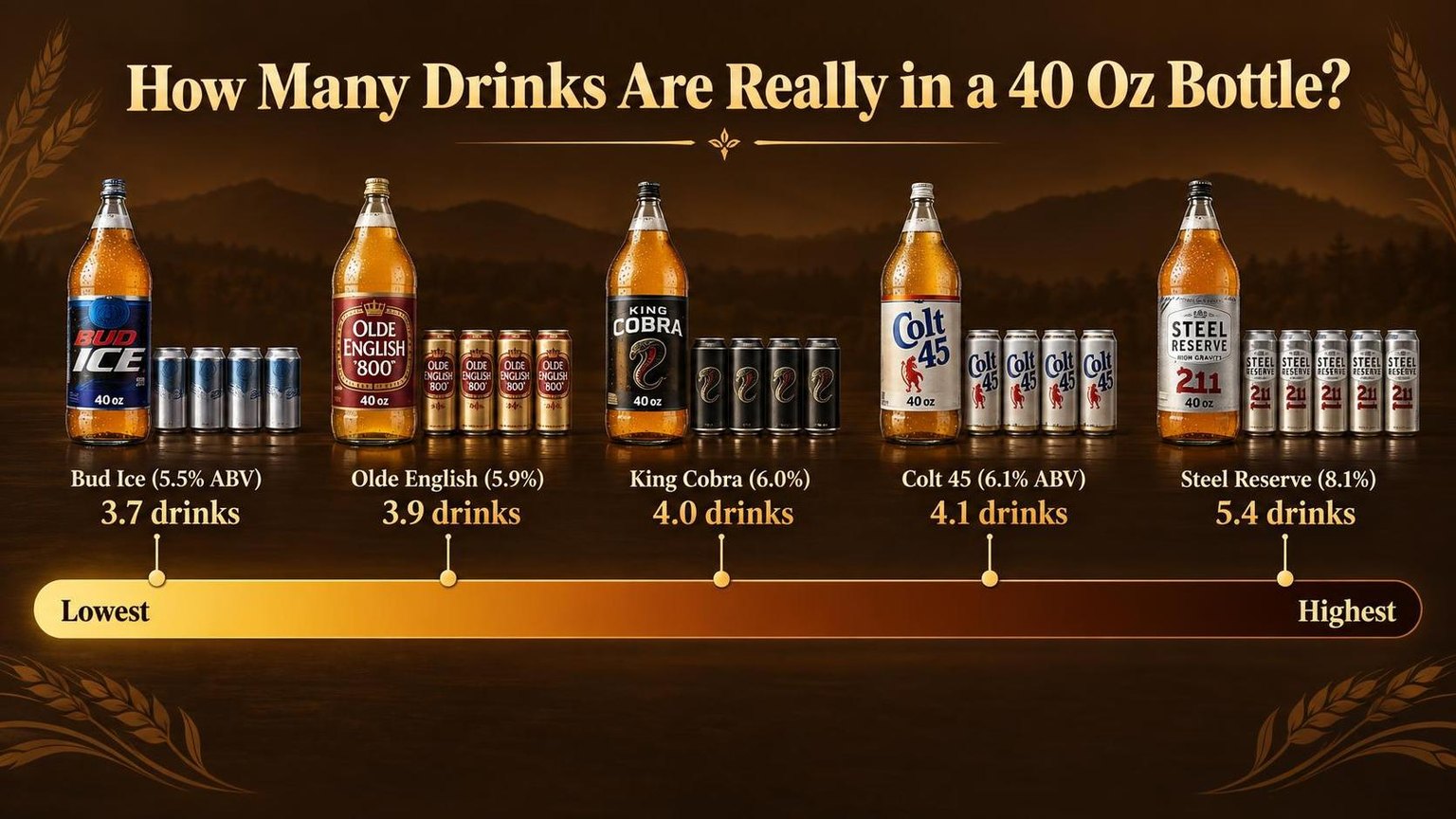
That 3.3-drink figure assumes 5% ABV. Many malt liquors sold in forties — Olde English 800, Colt 45, Steel Reserve — run between 5.9% and 8.1% ABV, pushing actual alcohol content significantly higher.
Alcohol Content Varies Widely
Steel Reserve at 8.1% ABV in a 40 oz bottle delivers 3.24 oz of pure alcohol. A 5% ABV forty contains only 2.0 oz. That difference equals roughly 1.6 extra standard drinks in the same bottle size.
| Brand | ABV | Pure Alcohol (oz) | Equivalent Standard Drinks |
| Bud Ice | 5.5% | 2.20 | 3.7 |
| Olde English 800 | 5.9% | 2.36 | 3.9 |
| Colt 45 | 6.1% | 2.44 | 4.1 |
| King Cobra | 6.0% | 2.40 | 4.0 |
| Steel Reserve | 8.1% | 3.24 | 5.4 |
Physical Characteristics
- Material: Clear or green glass; plastic PET versions exist in some states
- Height: Approximately 11.5 to 12 inches tall
- Weight (full): Around 3.2 lbs (1.45 kg)
- Closure: Twist-off metal cap, occasionally with a secondary tamper seal
- Price range: Typically $2.50–$4.50 at retail, depending on brand and region
Several states and municipalities have restricted or banned 40 oz malt liquor sales. Florida banned sales of containers between 32 oz and 128 oz until 2001.
Some local jurisdictions in California and other states still limit single-serve malt liquor packaging.
Standard Beer Equivalents in a 40
A “40” is a bottle containing 40 U.S. fluid ounces of beer or malt liquor. By liquid volume, it holds the same amount as three full 12-ounce beers plus one-third of another.
Volume alone does not determine alcohol exposure. The alcohol by volume, or ABV, determines how many U.S. standard drinks the bottle contains.
Equivalent Beer Containers by Volume
| Container size | Equivalent amount in one 40-ounce bottle |
| 12-ounce bottle or can | 3.33 containers |
| 16-ounce pint can | 2.5 containers |
| 22-ounce bottle | 1.82 containers |
| 24-ounce can | 1.67 containers |
| 32-ounce growler | 1.25 containers |
Calling a 40 “about three beers” understates its volume. It exceeds three 12-ounce servings by 4 ounces, equal to one-third of a standard 12-ounce bottle or can.
Standard Drinks Based on ABV
In the United States, one standard drink contains 0.6 fluid ounces, or approximately 14 grams, of pure alcohol. The National Institute on Alcohol Abuse and Alcoholism uses a 12-ounce beer at 5% ABV as one standard drink.
To calculate standard drinks, multiply 40 ounces by the decimal ABV, then divide by 0.6. A stronger malt liquor therefore represents more standard drinks even though the bottle size remains unchanged.
| ABV of the 40 | Pure alcohol | U.S. standard drinks | Equivalent 12-ounce beers at 5% ABV |
| 4% | 1.6 fluid ounces | 2.67 | 2.67 |
| 5% | 2.0 fluid ounces | 3.33 | 3.33 |
| 6% | 2.4 fluid ounces | 4.00 | 4.00 |
| 7% | 2.8 fluid ounces | 4.67 | 4.67 |
| 8% | 3.2 fluid ounces | 5.33 | 5.33 |
| 10% | 4.0 fluid ounces | 6.67 | 6.67 |
A 40-ounce bottle at ordinary 5% beer strength equals roughly three and one-third standard drinks. At 8% ABV, common among stronger malt liquors, the same bottle contains more than five standard drinks.
- For serving estimates: divide the bottle’s 40-ounce volume by the intended pour size.
- For alcohol estimates: use the labeled ABV rather than assuming every 40 has the same strength.
- For responsible pacing: count standard drinks, not bottles, because one bottle may contain several servings.
Check the package label before calculating. Products sold in identical 40-ounce bottles can differ substantially in ABV, making bottle count an unreliable measure of alcohol consumed.
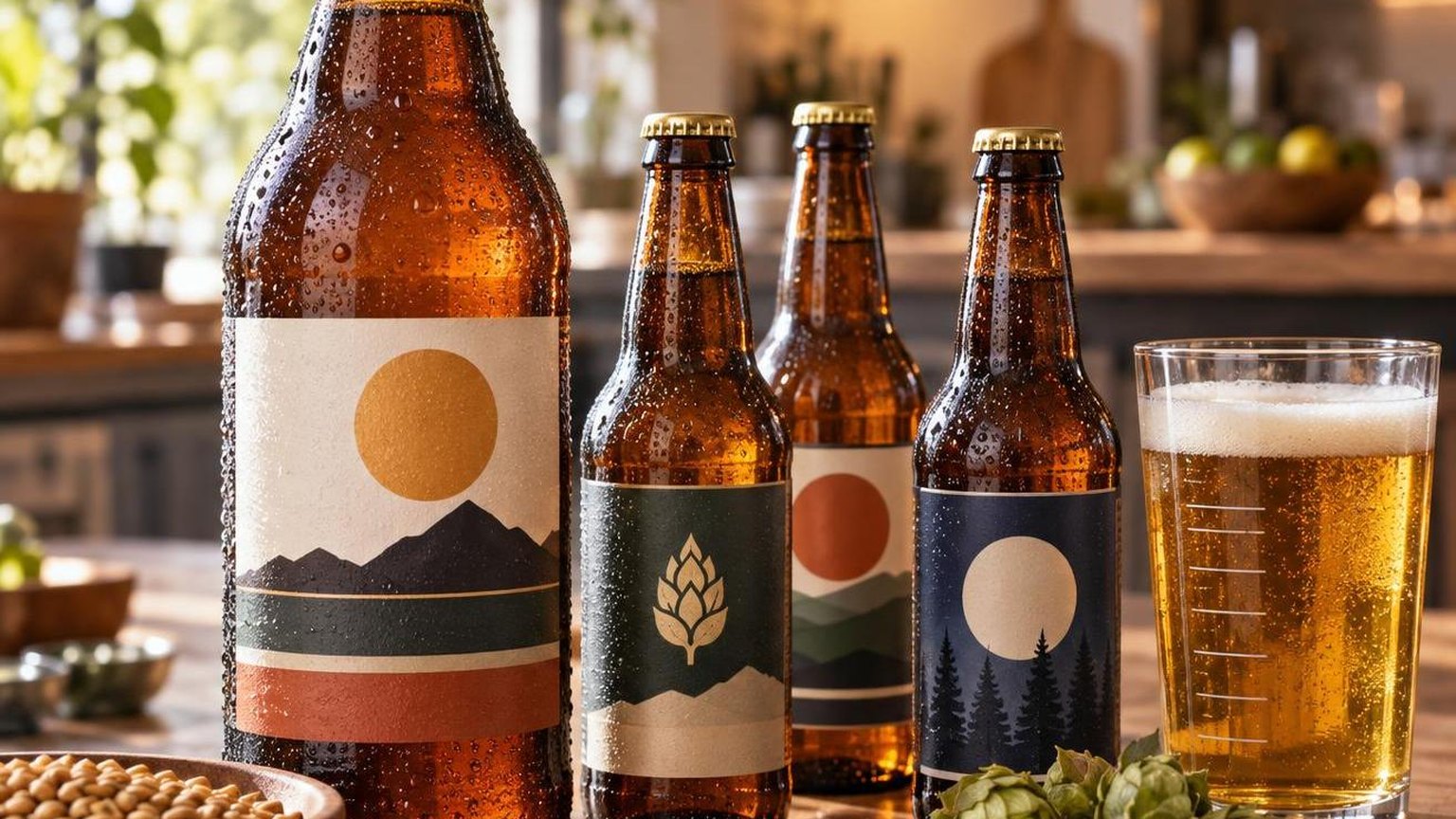
ABV Differences Change the Math
A “standard drink” assumes 5% ABV, but most 40 oz malt liquors clock in between 6% and 12% ABV. That higher alcohol content means a single 40 can deliver far more than 3.3 standard drinks—sometimes double that number.
The formula is straightforward: (volume in ounces × ABV × 0.01) ÷ 0.6 = standard drinks. The 0.6 represents the ounces of pure alcohol in one standard drink (0.6 oz or ~14 grams).
Standard Drinks per 40 oz by ABV
| Brand Example | ABV | Pure Alcohol (oz) | Standard Drinks |
| Bud Ice | 5.5% | 2.20 | 3.7 |
| Olde English 800 | 5.9% | 2.36 | 3.9 |
| Colt 45 | 6.1% | 2.44 | 4.1 |
| Steel Reserve 211 | 8.1% | 3.24 | 5.4 |
| Hurricane High Gravity | 8.1% | 3.24 | 5.4 |
| King Cobra | 6.0% | 2.40 | 4.0 |
| St. Ides | 8.2% | 3.28 | 5.5 |
Steel Reserve and St. Ides pack over 5 standard drinks into a single bottle. That’s equivalent to drinking more than five 12 oz cans of regular Budweiser (5% ABV).
Why This Matters for Consumption
The CDC defines binge drinking as 4 or more standard drinks for women and 5 or more for men within about 2 hours. A single high-gravity 40 crosses that threshold for nearly everyone.
- At 5% ABV: a 40 delivers 3.3 standard drinks—below the binge threshold if consumed slowly
- At 6% ABV: a 40 hits 4.0 standard drinks—meets the female binge threshold
- At 8.1% ABV: a 40 reaches 5.4 standard drinks—exceeds the male binge threshold in a single container
Malt liquor 40s are disproportionately sold in high-gravity formulations. A 2019 Journal of Studies on Alcohol and Drugs analysis found malt liquor averaged 6.8% ABV nationally, well above the 5% standard beer baseline.
Always check the label. State regulations vary—some states cap malt liquor ABV at 6%, while others permit 12% or higher. The same brand may have different ABV depending on where you buy it.
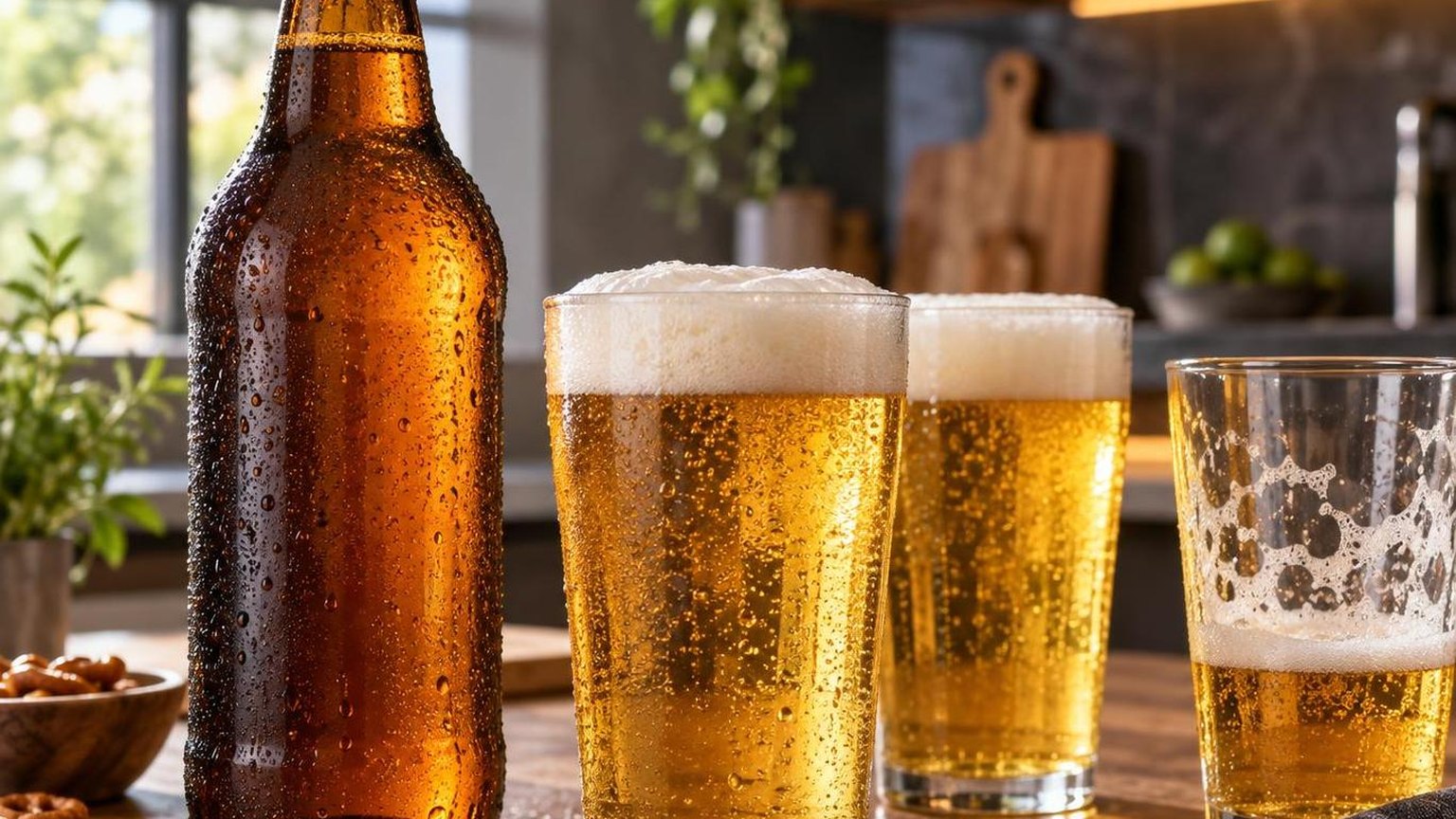
Comparing 40s to Cans and Pints
A 40-oz bottle holds exactly 3⅓ standard 12-oz cans of beer. That ratio changes when you compare it to pints, drafts, and tallboys — each serving size shifts the equivalent count in ways worth knowing before your next purchase.
Volume Equivalents at a Glance
| Container | Size (oz) | Number Equal to One 40 |
| Standard can/bottle | 12 | 3.33 |
| Tallboy can | 16 | 2.50 |
| US pint (draft) | 16 | 2.50 |
| Imperial pint | 19.2 | 2.08 |
| Bomber bottle | 22 | 1.82 |
| Crowler | 32 | 1.25 |
One 40-oz bottle delivers the same liquid volume as a 2.5 US pints poured at a bar. Most draft pours in American taprooms use the 16-oz US pint glass as the standard serving.
Alcohol Content Comparison
Volume alone doesn’t tell the full story. Malt liquors commonly sold in 40s — Olde English 800, Colt 45, Steel Reserve — typically range from 5.9% to 8.1% ABV, above the 5% ABV of a mainstream domestic lager.
| Scenario | ABV | Total Alcohol (oz) | Standard Drinks |
| 40 oz of Bud Light | 4.2% | 1.68 | 2.8 |
| 40 oz of Colt 45 | 5.6% | 2.24 | 3.7 |
| 40 oz of Olde English 800 | 5.9% | 2.36 | 3.9 |
| 40 oz of Steel Reserve | 8.1% | 3.24 | 5.4 |
| Three 12-oz Budweiser cans | 5.0% | 1.80 | 3.0 |
A standard drink in the US equals 0.6 oz of pure alcohol, per the NIAAA definition. One Steel Reserve 40 delivers 5.4 standard drinks — nearly double the alcohol of three regular Budweisers.
Cost and Practical Differences
- Price per ounce: A 40-oz malt liquor typically retails for $2.50–$4.00, translating to roughly $0.06–$0.10 per ounce. A 12-pack of 12-oz domestic cans at $15 runs about $0.10 per ounce.
- Carbonation loss: A 40 has no resealable cap once opened, so the final third often goes flat. Individual cans maintain carbonation until each is opened.
- Portability: Three 12-oz cans weigh about 36 oz of liquid in separate containers. A single 40-oz glass bottle weighs more total due to thick glass, typically 3+ lbs filled.
Choosing between a 40 and a multi-pack depends on your priorities: per-ounce economy favors the 40, while freshness and portion control favor individual cans or pints.
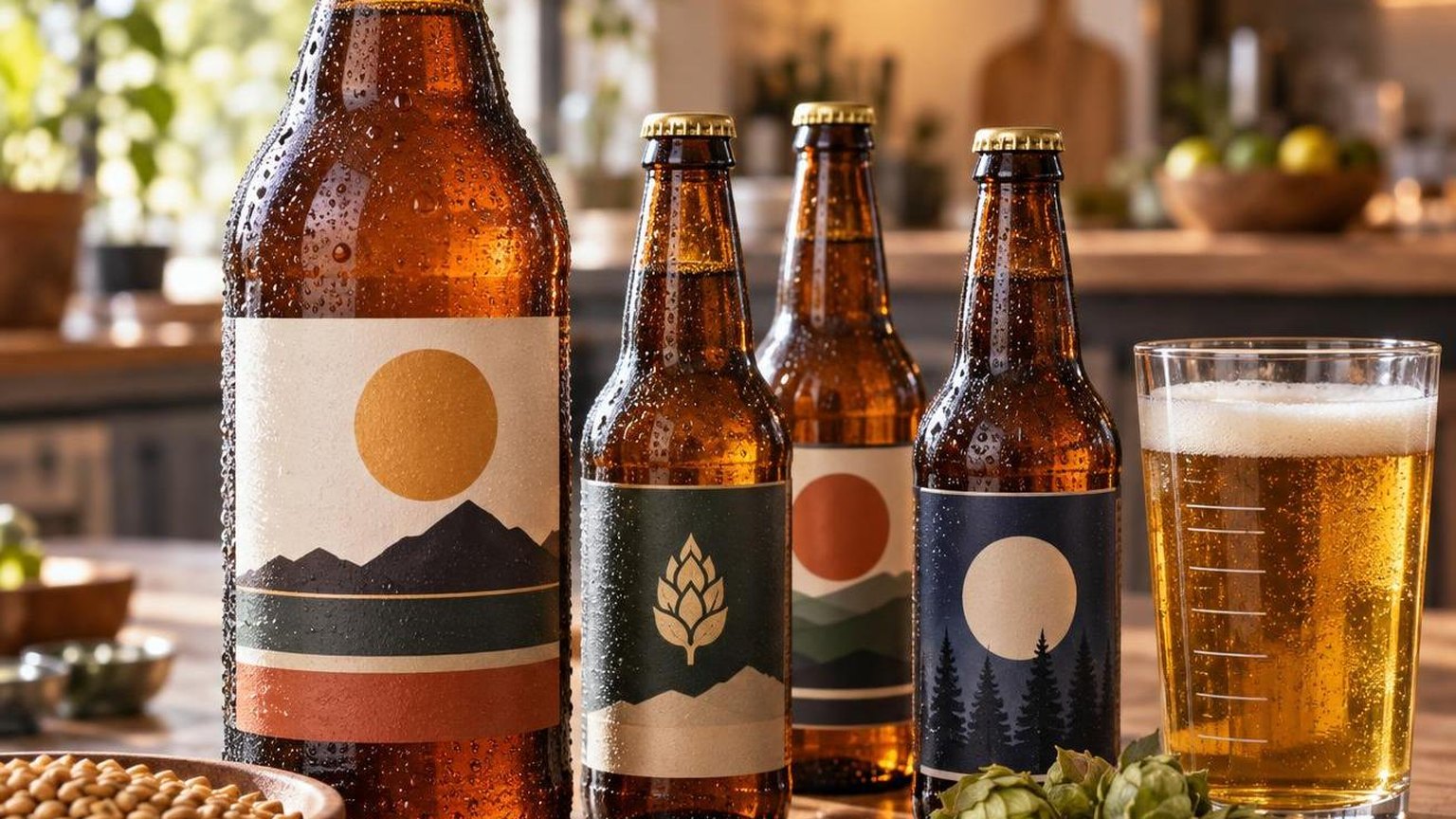
Popular 40 Oz Beer Brands and Styles
The 40 oz bottle has been a staple of American beer culture since the 1950s, dominated by affordable malt liquors and lagers. Several iconic brands have built their identity almost entirely around this format.
Top-Selling 40 Oz Brands Compared
| Brand | Style | ABV | Approx. Price | Calories (full bottle) |
| Olde English 800 | Malt Liquor | 5.9% | $2.50–$3.50 | ~530 |
| Colt 45 | Malt Liquor | 5.6% | $2.50–$3.50 | ~500 |
| St. Ides | Malt Liquor | 8.2% | $3.00–$4.00 | ~730 |
| King Cobra | Malt Liquor | 6.0% | $2.50–$3.50 | ~540 |
| Mickey’s | Malt Liquor | 5.6% | $2.50–$3.50 | ~500 |
| Hurricane High Gravity | High-Gravity Lager | 8.1% | $2.50–$3.50 | ~720 |
| Bud Ice | Ice Lager | 5.5% | $3.00–$4.00 | ~480 |
| Steel Reserve 211 | High-Gravity Lager | 8.1% | $2.50–$3.50 | ~720 |
Malt Liquor Dominance
Malt liquors account for the vast majority of 40 oz sales. They use adjuncts like corn and rice plus added sugars, producing higher alcohol content at lower production cost than all-barley beers.
Olde English 800, brewed by Miller Brewing Company (now Molson Coors), has held the top market share in the 40 oz segment for decades. Colt 45, introduced by National Brewing Company in 1963, remains its closest competitor.
High-Gravity Options
Brands like St. Ides, Steel Reserve 211, and Hurricane push ABV above 8%. A single 40 oz bottle of St. Ides at 8.2% ABV delivers roughly 3.9 standard drinks — nearly double a typical 5% beer’s equivalent.
Styles Beyond Malt Liquor
Not every 40 is a malt liquor. Some brands available in 40 oz format include:
- Budweiser — American adjunct lager at 5.0% ABV
- Miller High Life — American lager at 4.6% ABV
- Modelo Especial — Mexican pilsner-style lager at 4.4% ABV
- Coors Original (Banquet) — American lager at 5.0% ABV
These mainstream lagers offer a lower-ABV alternative in the 40 oz format, containing approximately 2.2–2.4 standard drinks per bottle instead of the 2.8–3.9 range of malt liquors.
Regional Availability
Florida, California, and Texas represent the largest markets for 40 oz bottles. Some states restrict sales: Oregon banned 40 oz malt liquor containers from 1995 to 2015, and several municipalities still limit single-serve container sizes above 32 oz.
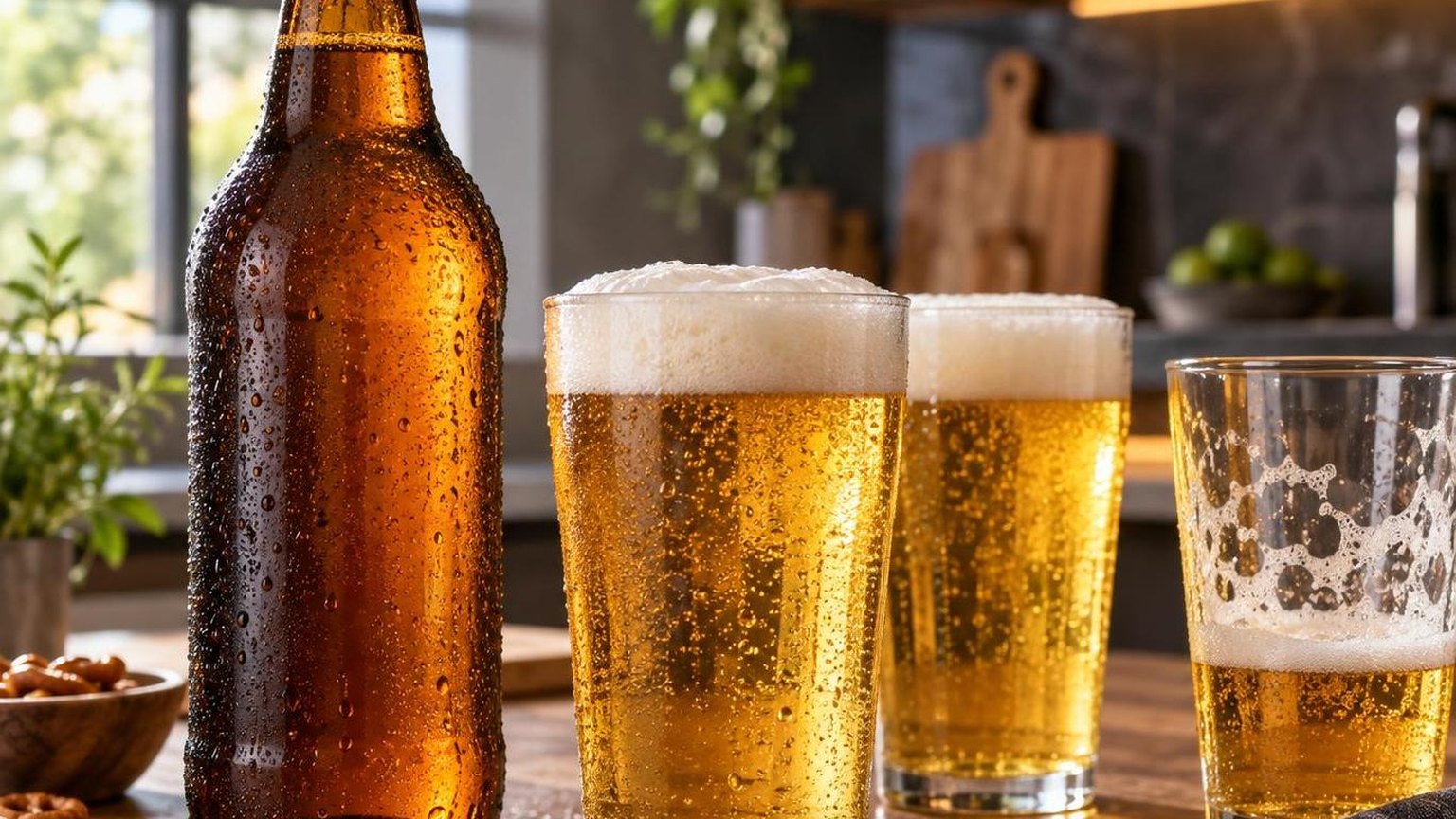
Responsible Pacing for a 40 Oz
A 40 oz malt liquor contains 3.3 standard drinks on average, delivering roughly the same alcohol as a half-bottle of wine in a single container.
Drinking it too fast overwhelms the liver’s fixed processing rate and spikes blood alcohol concentration (BAC) dangerously.
How Fast the Body Processes Alcohol
The human liver metabolizes approximately one standard drink per hour. A standard drink equals 12 oz of 5% ABV beer, per the NIAAA definition.
That means a 40 oz at 5% ABV contains 3.3 standard drinks requiring roughly 3 hours and 20 minutes to fully process.
Many 40 oz bottles use malt liquor at 6–8.1% ABV. Higher ABV dramatically increases the standard-drink count and the time your body needs to clear the alcohol.
| 40 Oz Product | ABV | Standard Drinks | Min. Processing Time |
| Bud Ice | 5.5% | 3.7 | ~3 hr 40 min |
| Colt 45 | 5.6% | 3.7 | ~3 hr 45 min |
| Olde English 800 | 5.9% | 3.9 | ~3 hr 55 min |
| Steel Reserve | 8.1% | 5.4 | ~5 hr 25 min |
| King Cobra | 6.0% | 4.0 | ~4 hr 0 min |
BAC Estimates for a 160 lb Male
BAC depends on weight, sex, food intake, and drinking speed. The Widmark formula provides rough estimates. A 160 lb male drinking a 40 oz of 5.9% ABV malt liquor in different timeframes would see these approximate peak BAC levels:
| Time to Finish | Estimated Peak BAC | Impairment Level |
| 20 minutes | ~0.10% | Over legal limit; significant impairment |
| 1 hour | ~0.07% | Reduced coordination and judgment |
| 2 hours | ~0.05% | Mild relaxation; lowered inhibition |
| 3+ hours | ~0.03% | Minimal impairment |
Practical Pacing Tips
- Pour the 40 oz into a glass rather than drinking from the bottle — it slows consumption and lets you track volume.
- Alternate each 12 oz pour with a full glass of water and at least 20 minutes of waiting time.
- Eat a protein- and fat-rich meal before drinking; food slows gastric emptying and reduces peak BAC by up to 20%, according to research published in the Journal of Forensic Sciences.
- Never drive after finishing a 40 oz. Even at a 3-hour pace, a lighter individual may still exceed 0.08% BAC.
- Stop at one container. Two 40s equal 6.6–10.8 standard drinks — well into binge-drinking territory defined by the CDC as 5+ drinks in two hours for men.
Respecting the liver’s one-drink-per-hour ceiling is the simplest rule. Spread a 40 oz across at least three hours, hydrate between pours, and monitor how you feel before considering any additional alcohol.
Questions People Ask Most
How many standard beers are in a 40 oz bottle?
A 40 oz malt liquor at the typical 8% ABV contains roughly 3.3 standard drinks, based on the NIAAA definition of one standard drink as 14 grams (0.6 oz) of pure alcohol. At a lower 5% ABV, a 40 oz bottle equals about 2.5 standard drinks.
The actual count shifts directly with the ABV printed on the label.
Why are 40 oz beers usually malt liquor instead of craft beer?
The 40 oz format became popular in the 1980s as a low-cost, high-volume option, and malt liquor brands like Olde English 800, Colt 45, and St.
Ides dominated that market because their production costs per ounce were significantly lower than ales or lagers. Malt liquor uses corn and rice adjuncts to boost alcohol content cheaply, typically reaching 6–8.3% ABV.
Craft breweries rarely use the format because their price-per-ounce margins and brand positioning don’t align with large single-serve bottles.
How does a 40 oz compare to a six-pack in total alcohol?
A standard six-pack of 12 oz beers at 5% ABV totals 72 oz of liquid and approximately 5 standard drinks. A single 40 oz malt liquor at 8% ABV delivers about 3.3 standard drinks in 40 oz of liquid.
You would need nearly two 40s to match the total alcohol in one 5% ABV six-pack.
Are 40 oz bottles legal in every U.S. state?
No. Florida banned the sale of containers between 32 oz and 128 oz for malt beverages until a 2001 law change, and some states and municipalities still restrict single-serve containers over 32 oz through local ordinances.
Individual retailers in states like Oregon and Idaho have also faced local zoning rules limiting the sale of 40 oz malt liquor bottles in certain neighborhoods.
How many calories are in a 40 oz beer?
A 40 oz bottle of malt liquor at 8% ABV contains roughly 500–600 calories, depending on the brand—Olde English 800 runs about 540 calories for the full bottle.
By comparison, a 40 oz serving of a 5% ABV domestic lager like Bud Light would contain approximately 400 calories. The higher the ABV and residual sugar, the higher the calorie count per ounce.
How long does it take the body to process a 40 oz malt liquor?
The liver metabolizes alcohol at an average rate of about one standard drink per hour, according to the NIAAA.
A 40 oz bottle at 8% ABV equals roughly 3.3 standard drinks, so full metabolization takes approximately 3.5–4 hours for an average adult.
Drinking the entire bottle quickly—common with the format—means blood alcohol concentration peaks well before the liver can catch up, increasing impairment risk.
Keep Exploring
- How Many Litres Is 30 Gallons?
- How Many Oz Is A Gallon Of Milk? Most Correct Answer
- How Many Cups Is 5 Oz? A Practical, Real-World Guide You’ll Actually Use
- How Many Ml In 12 Oz? – 2026
- What Is The Best Way To Drink Brandy?
- The Cigar Accessories You Need In 2026
- Why Do They Call Alcohol Spirits?
- How Many Oz Is 450 Ml?
- All Blog Guides
- National Institute on Alcohol Abuse and Alcoholism (2024)
- Centers for Disease Control and Prevention (2024)
- Dietary Guidelines for Americans – USDA (2020)
- National Library of Medicine – Standard Drink Definitions Worldwide (2017)
- Alcohol Research: Current Reviews – Measuring Alcohol Consumption (2018)
- Stanford University Office of Alcohol Policy and Education (2024)
- Alcohol and Tobacco Tax and Trade Bureau – TTB (2023)
- University of Notre Dame – McDonald Center for Student Well-Being (2024)
- Brewer's Association – Beer Style Guidelines (2024)