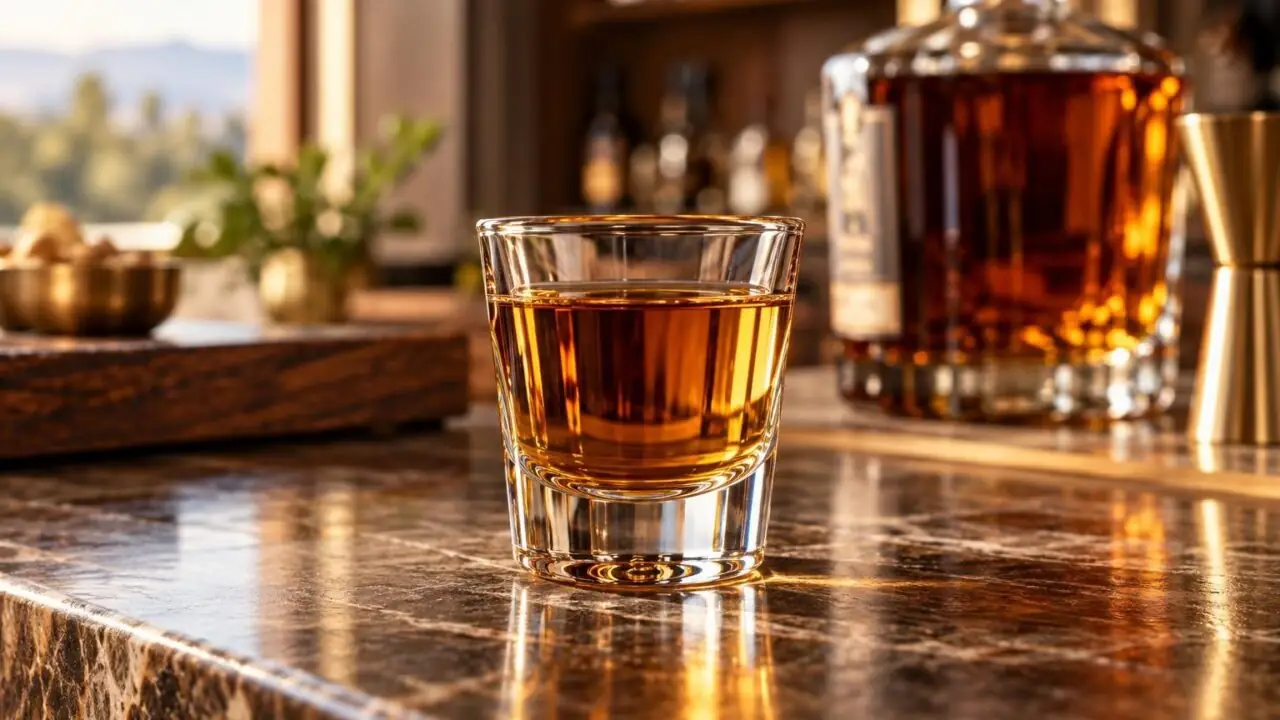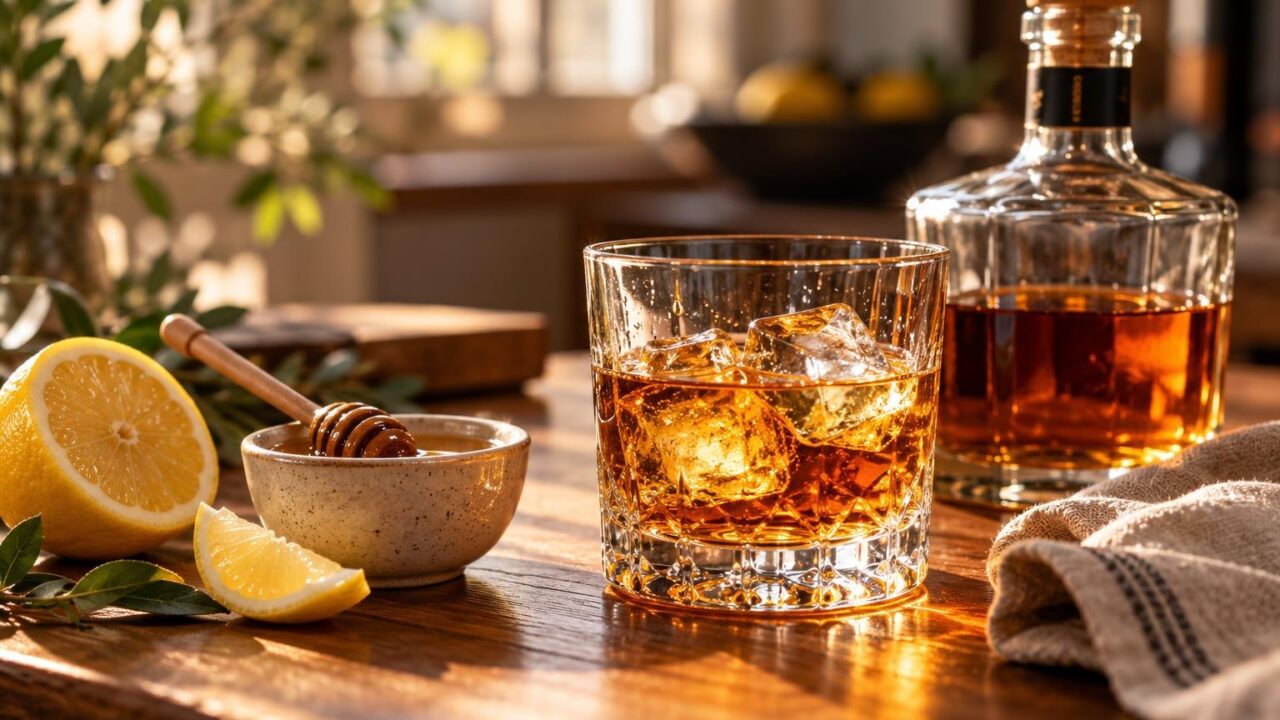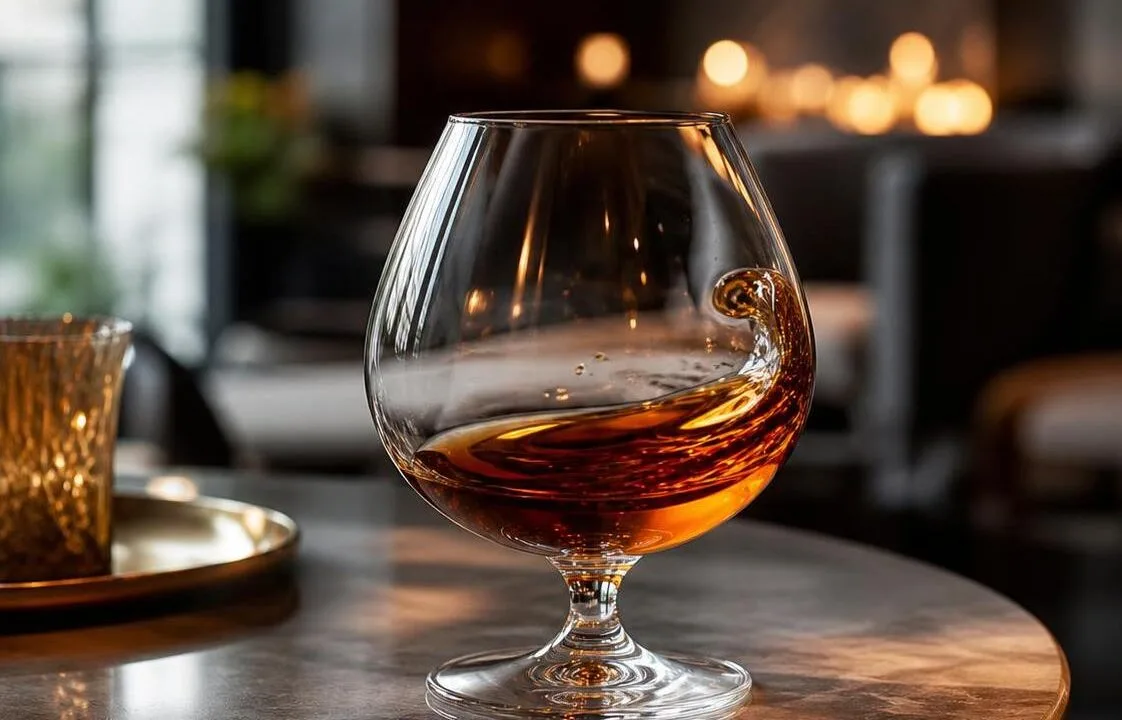
What Is The Best Way To Drink Brandy is to serve quality brandy neat in a tulip or snifter glass at cool room temperature, then sip slowly so the fruit, oak, spice, and alcohol warmth open gradually.
For VSOP, XO, Cognac, Armagnac, or aged Spanish brandy, pour about 1 to 1.5 ounces and let it rest for a minute before nosing. Avoid overheating the glass; hand warmth is enough.
Younger brandy can work well over one large ice cube or in classic cocktails, but older bottles usually show best without mixers because dilution can flatten the layered aromas.
Best Way to Serve Brandy
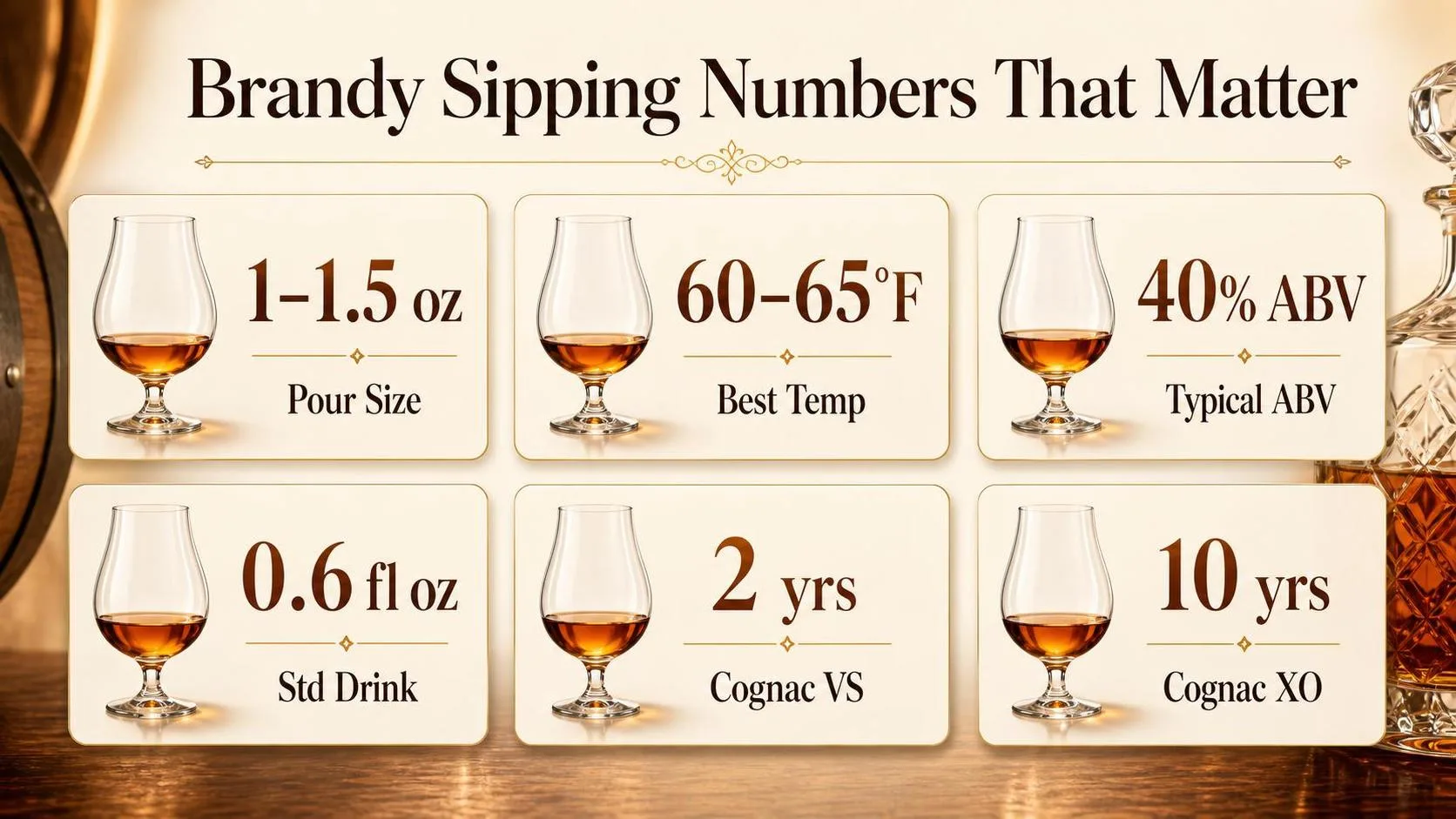
The best way to drink brandy is usually neat, in a small pour, at cool room temperature, from a glass that concentrates aroma without overheating the spirit.
The numbers below matter because brandy is typically 40% alcohol by volume, so small changes in temperature, glass shape, and pour size are noticeable.
| Factor | Best target | Why it matters |
| Pour size | 1 to 1.5 oz | Enough to nose and sip slowly without alcohol fatigue |
| Serving temperature | 60 to 65°F | Cool enough to control alcohol, warm enough to release aroma |
| Typical ABV | 40% ABV, or 80 proof | Standard bottling strength for Cognac, Armagnac, and most American brandies |
| Glass fill | Below the widest point | Leaves headspace for fruit, oak, spice, and rancio aromas |
A 1.5 oz serving of 40% ABV brandy contains about 0.6 fluid ounces of pure alcohol. That is one U.S. standard drink, according to the National Institute on Alcohol Abuse and Alcoholism.
Temperature is often misunderstood. “Room temperature” meant cooler European rooms, not a hot bar top or a glass warmed aggressively in the hand.
Above about 70°F, ethanol becomes more dominant and can flatten delicate grape, apple, vanilla, and floral notes.
| Temperature | Effect in the glass |
| 55°F | Tighter aroma, cleaner alcohol, good for young fruit brandy |
| 60 to 65°F | Best balance for most aged brandy |
| 70°F and above | More alcohol lift, less aromatic precision |
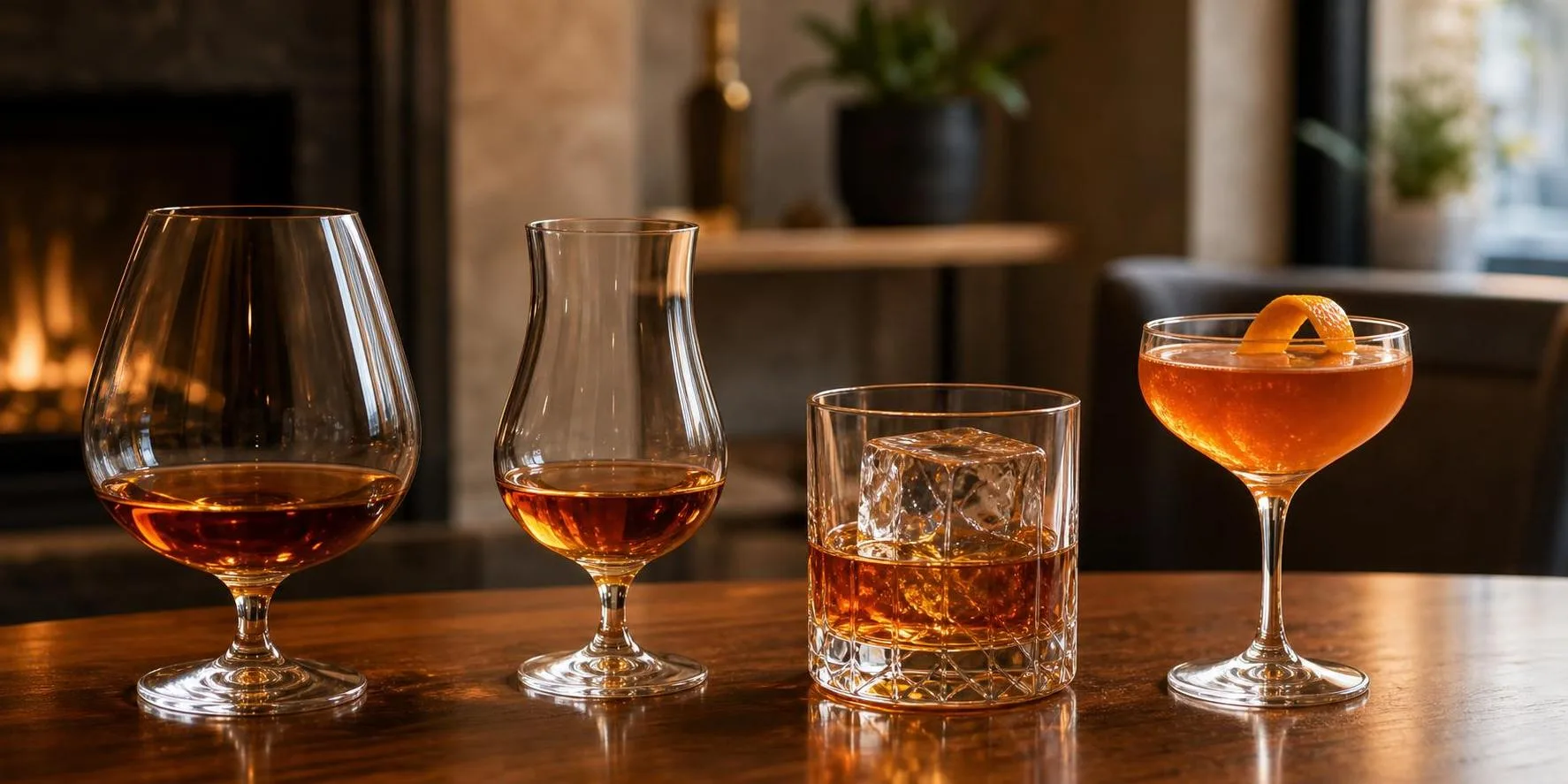
Glassware also changes the drink. A tulip glass or small copita usually works better than a large balloon snifter because it focuses aroma without trapping too much alcohol vapor.
- Tulip glass: best all-purpose choice for Cognac, Armagnac, Calvados, and aged American brandy.
- Small rocks glass: acceptable for casual sipping or brandy over one large cube.
- Oversized snifter: traditional, but easy to overwarm and overserve.
Age terms help set expectations, especially for Cognac. Since 2018, Cognac XO must be aged at least 10 years in oak, while VS must be at least 2 years and VSOP at least 4 years, under Bureau National Interprofessionnel du Cognac rules.
| Label | Minimum oak aging | Best drinking style |
| VS | 2 years | Cocktails, highballs, or neat with a short rest |
| VSOP | 4 years | Neat, with a splash of water, or in spirit-forward cocktails |
| XO | 10 years | Neat, small pour, tulip glass |
If the brandy smells hot, add 2 or 3 drops of still water, then wait 30 seconds. That small dilution can open oak, dried fruit, and baking-spice notes without turning the drink watery.
What Changes How Brandy Tastes
The “best” way to drink brandy depends on temperature, glass shape, alcohol strength, age, and whether it is grape brandy, Cognac, Armagnac, or fruit brandy.
Small changes matter because brandy is typically bottled at 35% to 60% ABV, so aroma and alcohol heat shift quickly.
In professional tasting, including guidance used by Cognac educators and spirits competitions, the goal is not maximum warmth. The goal is controlled evaporation: enough aroma release without pushing sharp ethanol into the nose.
| Factor | Practical target | Why it changes the drink |
| Serving temperature | 60°F to 68°F for most aged grape brandy | Cooler temperatures mute oak and fruit; warmer temperatures can make 40% ABV brandy smell hot. |
| Glass fill | 1 to 1.5 oz in a tulip or snifter | A small pour leaves headspace, concentrating aromas without flooding the bowl with ethanol. |
| Glass shape | Tulip, copita, or small snifter | A narrower rim focuses fruit, spice, and rancio notes more cleanly than a wide tumbler. |
| Water addition | 2 to 5 drops for 40% ABV; more for cask strength | Water can reduce alcohol prickle and release esters, but too much thins texture. |
| Resting time | 5 to 10 minutes after pouring | Brief aeration lets volatile sulfur and alcohol lift before the first sip. |
Age classification also changes the best approach. Cognac VS must be aged at least 2 years in oak, VSOP at least 4 years, and XO at least 10 years, according to the Bureau National Interprofessionnel du Cognac rules.
- Young brandy: VS Cognac, pisco, and many fruit brandies often work better slightly cooler or in cocktails because bright fruit and alcohol are more prominent.
- Older brandy: XO Cognac, older Armagnac, and long-aged Spanish brandy usually deserve a neat pour because oak, dried fruit, spice, and oxidative notes are the main value.
- High-proof brandy: Bottlings above 45% ABV often taste better after a few drops of water and a longer rest.
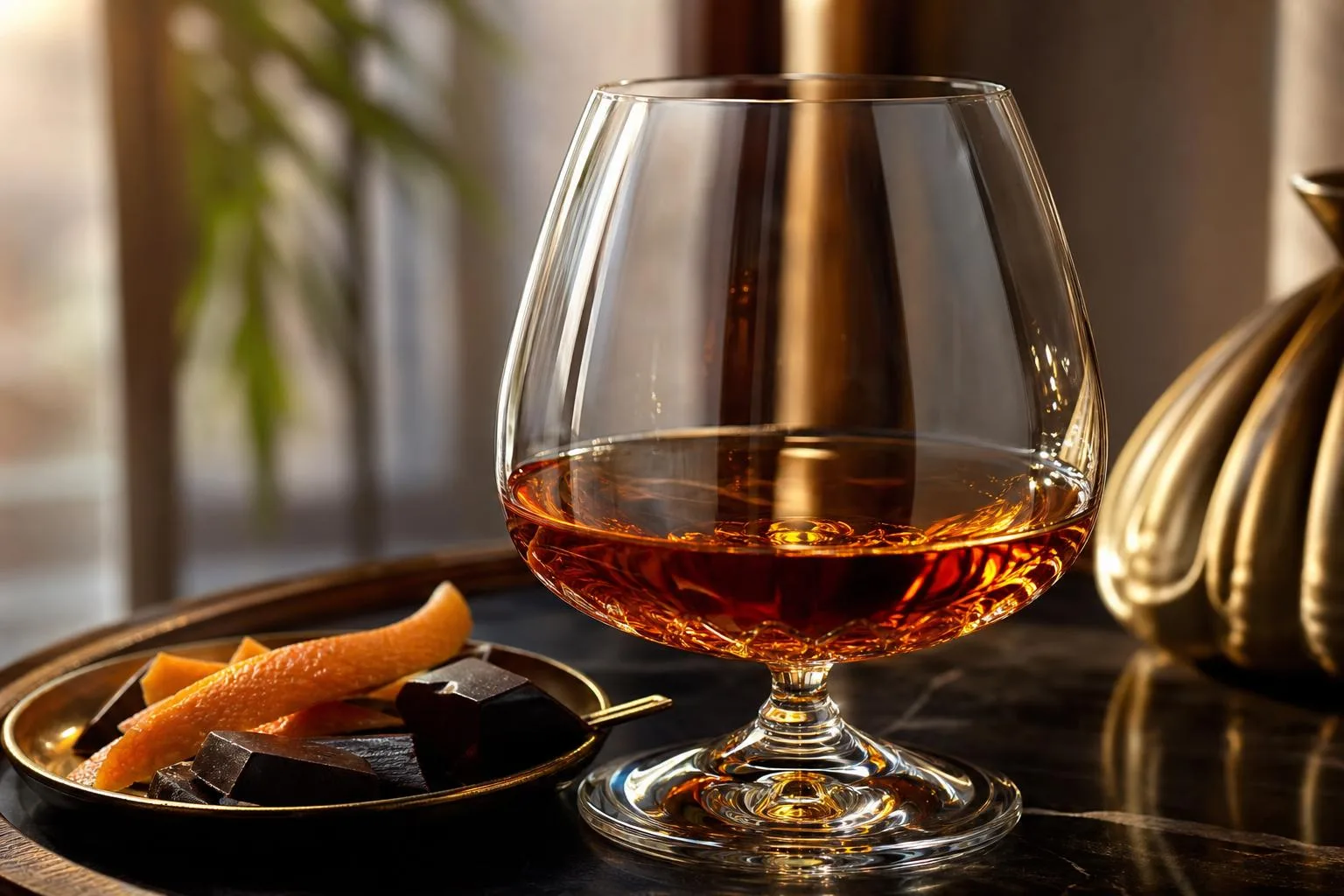
Food and context matter too. Salted nuts, aged cheese, dark chocolate, and dried fruit can soften perceived alcohol and highlight caramelized oak flavors. Sweet desserts, however, may make a dry brandy taste hotter and more tannic.
Avoid overheating the glass with your palm. Old snifter advice came from cold rooms, but in a 70°F room, hand-warming can push the liquid above ideal drinking temperature within minutes.
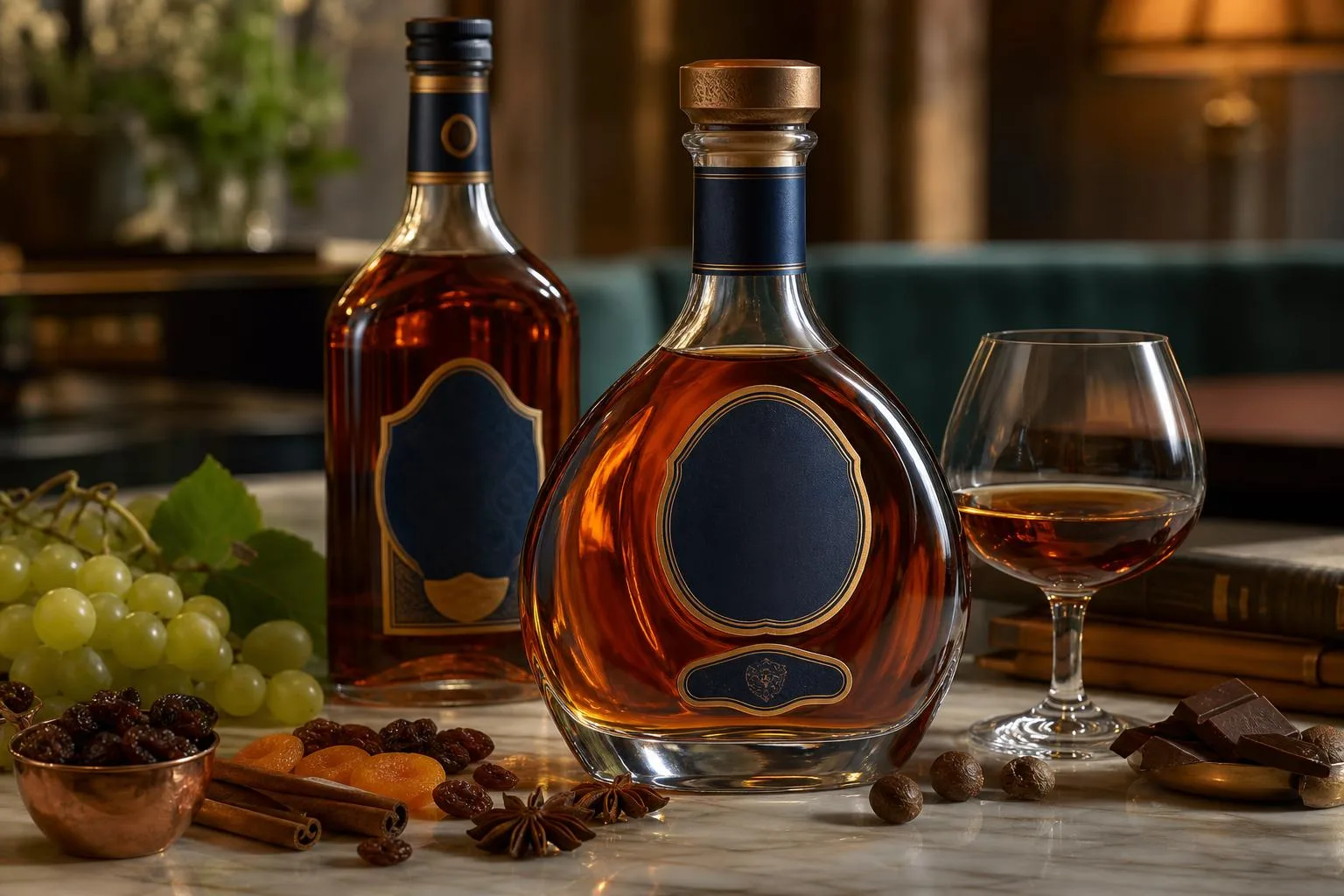
How Brandy Serving Is Evaluated
Brandy quality and serving advice are verified through measurable facts: alcohol strength, age designation, serving temperature, glass volume, and sensory consistency.
The best way to drink brandy is not guessed; it is checked against production rules, label data, and controlled tasting conditions.
The first measurement is alcohol by volume. In the U.S., brandy must generally be bottled at not less than 40% ABV, or 80 proof, under federal standards administered by the Alcohol and Tobacco Tax and Trade Bureau.
| Measurement | Typical verified range or rule | Why it matters when drinking |
| ABV | Usually 40% ABV; many Cognacs and Armagnacs are 40% to 46% | Higher alcohol can taste hotter and may need more air time in the glass |
| Standard U.S. serving | 1.5 fl oz of 40% ABV spirit | Equals about 0.6 fl oz of pure alcohol, per NIAAA guidance |
| Neat pour | 1 to 2 fl oz | Enough surface area for aroma without overfilling the glass |
| Serving temperature | About 60°F to 68°F | Cool room temperature preserves aroma without pushing ethanol burn |
| Tasting glass fill | Roughly one-quarter full | Leaves headspace for volatile aromas to collect |
Age statements are verified by the youngest brandy in the blend, not the oldest component. Cognac rules from the Bureau National Interprofessionnel du Cognac require VS to be at least 2 years old, VSOP at least 4 years, and XO at least 10 years.
Those age terms help decide how to drink it. VS is commonly tested well in cocktails or over ice because younger fruit and oak stand up to dilution.
VSOP and XO are more often evaluated neat because extended maturation adds dried fruit, rancio, spice, and texture.
- Visual check: Hold the glass against a white background. Deep amber can suggest oak influence, but color alone does not prove age because caramel coloring may be legally used in many brandies.
- Aroma check: Nose the glass before sipping. If ethanol dominates, let it rest for 5 to 10 minutes, then retest.
- Dilution check: Add 2 to 4 drops of water, not a splash, to compare aroma release without flattening structure.
- Temperature check: Avoid heating the snifter with a flame. Excess heat drives off alcohol and can mask fruit and oak detail.
Verification also comes from repeatable tasting. Professional panels typically compare samples blind, use identical glassware, pour equal volumes, and assess aroma, palate, finish, balance, and flaws under consistent lighting and temperature.
For home drinking, the most reliable test is comparative: taste the same brandy neat, with a few drops of water, and over one large ice cube. The best method is the one that improves aroma, reduces burn, and preserves finish.
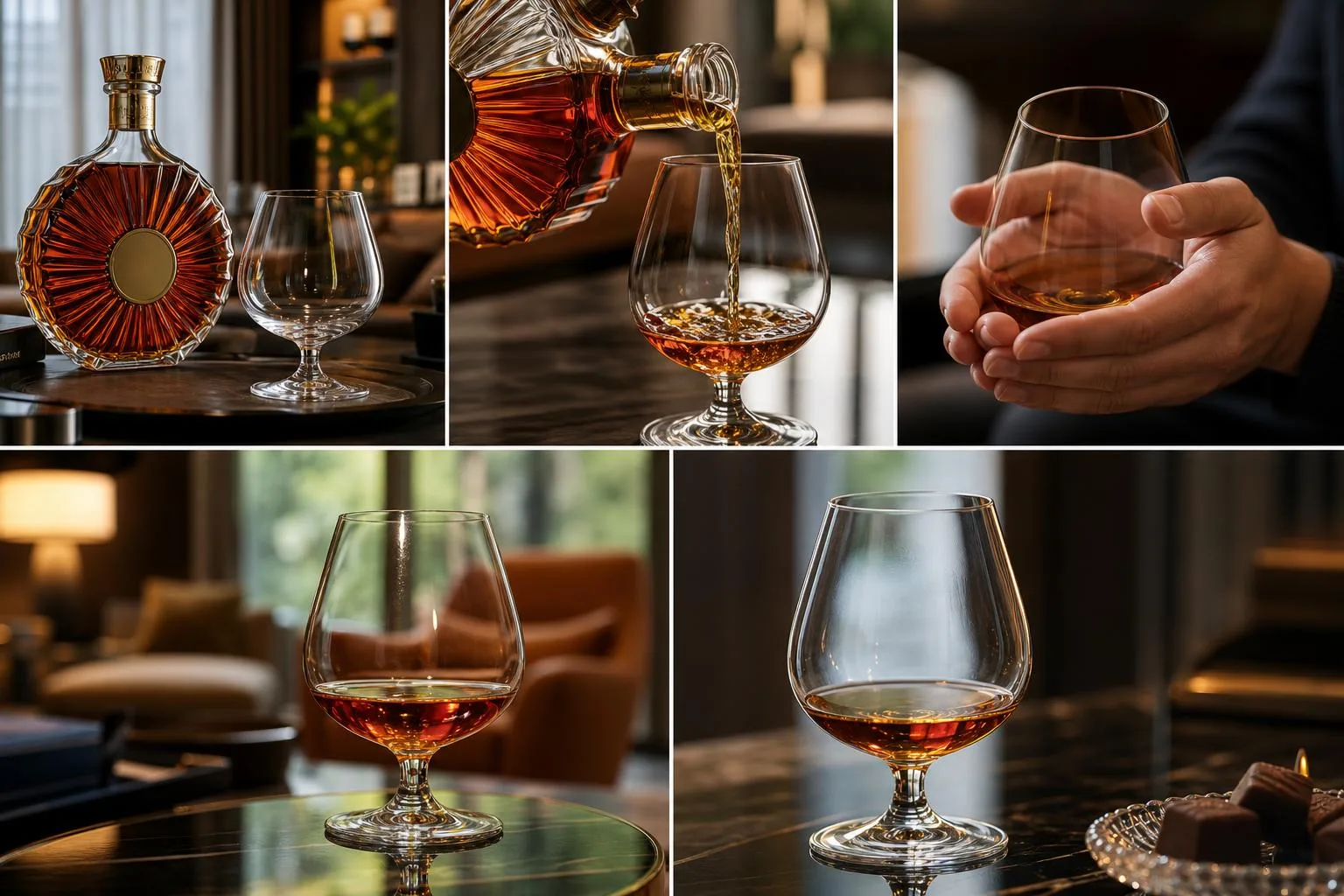
Brandy Versus Other Spirits
Brandy is usually best treated like an aromatic wine spirit: moderate pours, a tulip-shaped glass, and slow sipping at cool room temperature.
Compared with whiskey, rum, and liqueurs, its fruit-derived aroma is more sensitive to heat, ice dilution, and oversized pours.
In U.S. labeling, brandy is distilled from fruit, while Cognac is a legally protected grape brandy from the Cognac region of France.
The Bureau National Interprofessionnel du Cognac requires Cognac to be distilled twice in copper pot stills and aged at least 2 years in French oak.
| Drink | Typical ABV | Best serving range | Standard U.S. drink | Key difference from brandy |
| Brandy / Cognac | 40% ABV is common | 60–68°F | 1.5 oz at 40% ABV | Fruit, oak, vanilla, dried apricot; avoid overheating |
| Bourbon / Scotch | 40–50% ABV common | 55–70°F | 1.5 oz at 40% ABV | Grain-based; often tolerates a few drops of water well |
| Aged rum | 40% ABV common | 55–70°F | 1.5 oz at 40% ABV | Molasses or cane notes; sweeter impression, even when dry |
| Fruit liqueur | 15–30% ABV common | Chilled or over ice | Varies by ABV | Sweetened; designed for dessert service or mixing |
Brandy versus whiskey
Whiskey drinkers often add ice or water to open aromas and reduce alcohol heat. With brandy, start neat first. A 1.5-ounce pour gives enough surface area to evaluate aroma without warming the spirit too quickly in the glass.
Brandy’s grape or fruit esters can flatten under heavy dilution. If it feels sharp, add 2–4 drops of room-temperature water rather than a full ice cube. This softens ethanol perception while preserving orchard-fruit and rancio notes.
Brandy versus cocktails
Brandy works beautifully in classic cocktails, but mixing changes the goal. A Sidecar uses Cognac, orange liqueur, and lemon; it highlights brightness and sugar-acid balance rather than the spirit’s full oak-aged complexity.
- Neat: best for XO Cognac, Armagnac, Calvados, and older Spanish brandies.
- With water: useful for high-proof or tannic brandies that feel hot.
- On ice: better for young, inexpensive brandy than for delicate aged bottlings.
- In cocktails: ideal when fruit, citrus, or spice is the intended focus.
Brandy versus after-dinner liqueurs
After-dinner liqueurs are usually sweeter and lower in alcohol, so they feel softer immediately. Brandy is drier, stronger, and more aromatic; sipping it slowly after food lets oak, dried fruit, cocoa, and spice appear in stages.
For the most balanced comparison at home, pour 1 ounce of brandy beside 1 ounce of aged rum or whiskey in identical tulip glasses. Taste at the same temperature before adding water or ice.
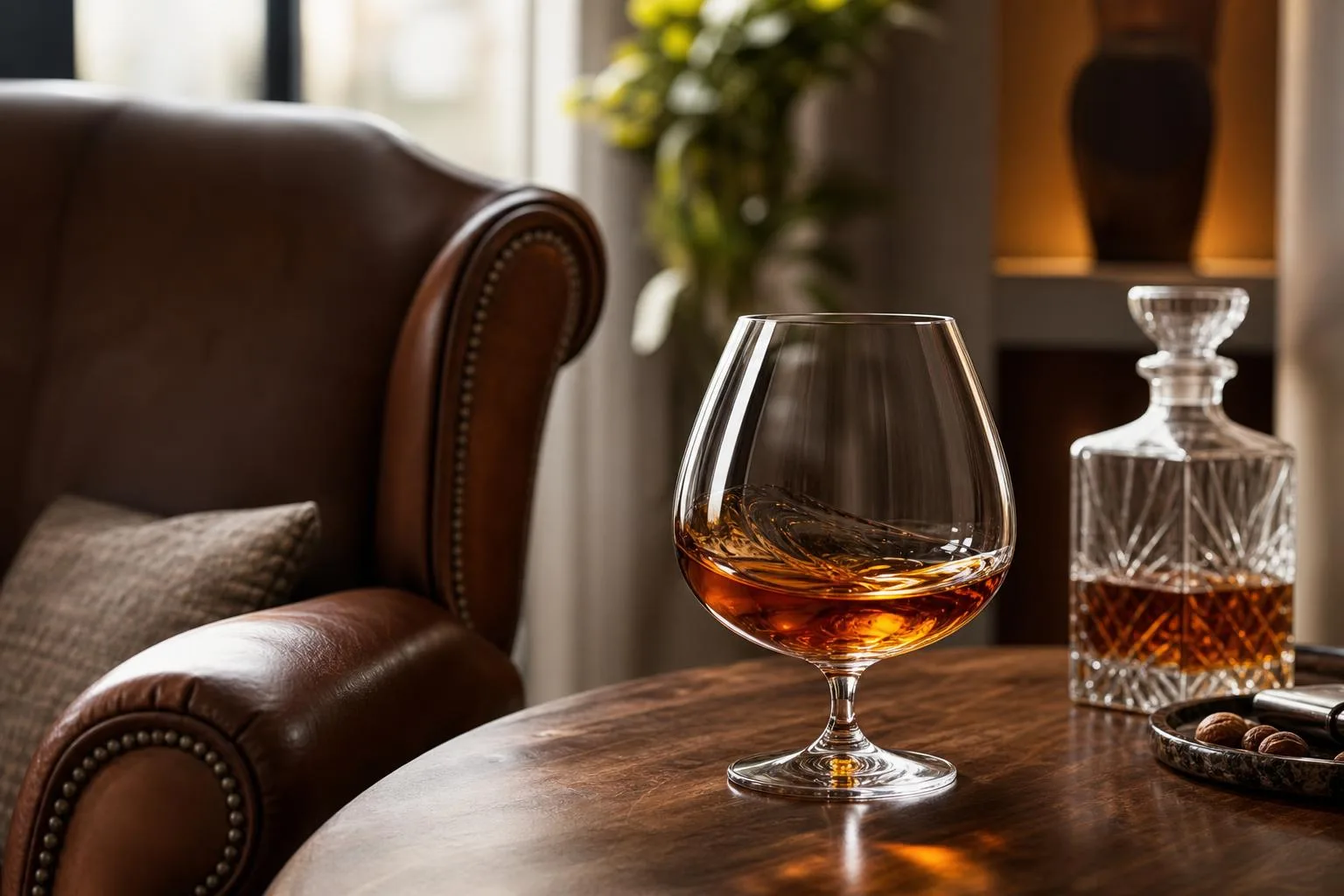
Safe and Practical Brandy Tips
Brandy is best enjoyed slowly, in small pours, and with a clear understanding of alcohol content. In the U.S., one standard drink contains 0.6 fl oz of pure alcohol, which equals a 1.5 fl oz pour of 80-proof brandy, according to the NIAAA.
| Brandy pour | Typical ABV | Approx. standard drinks |
| 1 oz | 40% | 0.7 |
| 1.5 oz | 40% | 1.0 |
| 2 oz | 40% | 1.3 |
| 3 oz | 40% | 2.0 |
For lower-risk drinking, the CDC defines moderation as up to 1 drink per day for women and up to 2 drinks per day for men. These are daily limits, not targets or “bankable” weekly allowances.
- Measure the pour: Use a jigger. A generous “restaurant pour” can easily reach 2 oz, adding about one-third more alcohol than a standard drink.
- Sip, don’t shoot: Brandy’s aromas develop over 10 to 20 minutes in the glass. Slow sipping also helps you track intake accurately.
- Drink with food: Cheese, nuts, dried fruit, dark chocolate, or a small dessert can slow alcohol absorption compared with drinking on an empty stomach.
- Add water if needed: A few drops of room-temperature water can reduce alcohol heat and open aroma, especially in higher-proof brandies.
- Avoid overheating the glass: Warming brandy aggressively with your hand or a flame can push alcohol vapor forward and mute fruit, oak, and spice notes.
When Not to Drink Brandy
Do not drink brandy before driving, boating, using tools, or taking sedating medications. The FDA warns that alcohol can intensify drowsiness from many sleep aids, anxiety medications, pain medicines, and antihistamines.
People who are pregnant, trying to become pregnant, under the legal drinking age, or recovering from alcohol use disorder should avoid brandy entirely. There is no known safe amount of alcohol during pregnancy, according to the CDC.
Practical Serving Guidance
Serve most brandy neat at about 60°F to 65°F, not hot. A tulip glass, copita, or small snifter concentrates aroma without encouraging an oversized pour.
For cocktails, measure carefully. A Sidecar or Brandy Old Fashioned often contains 1.5 to 2 oz of brandy before modifiers, so one cocktail may exceed one standard drink.
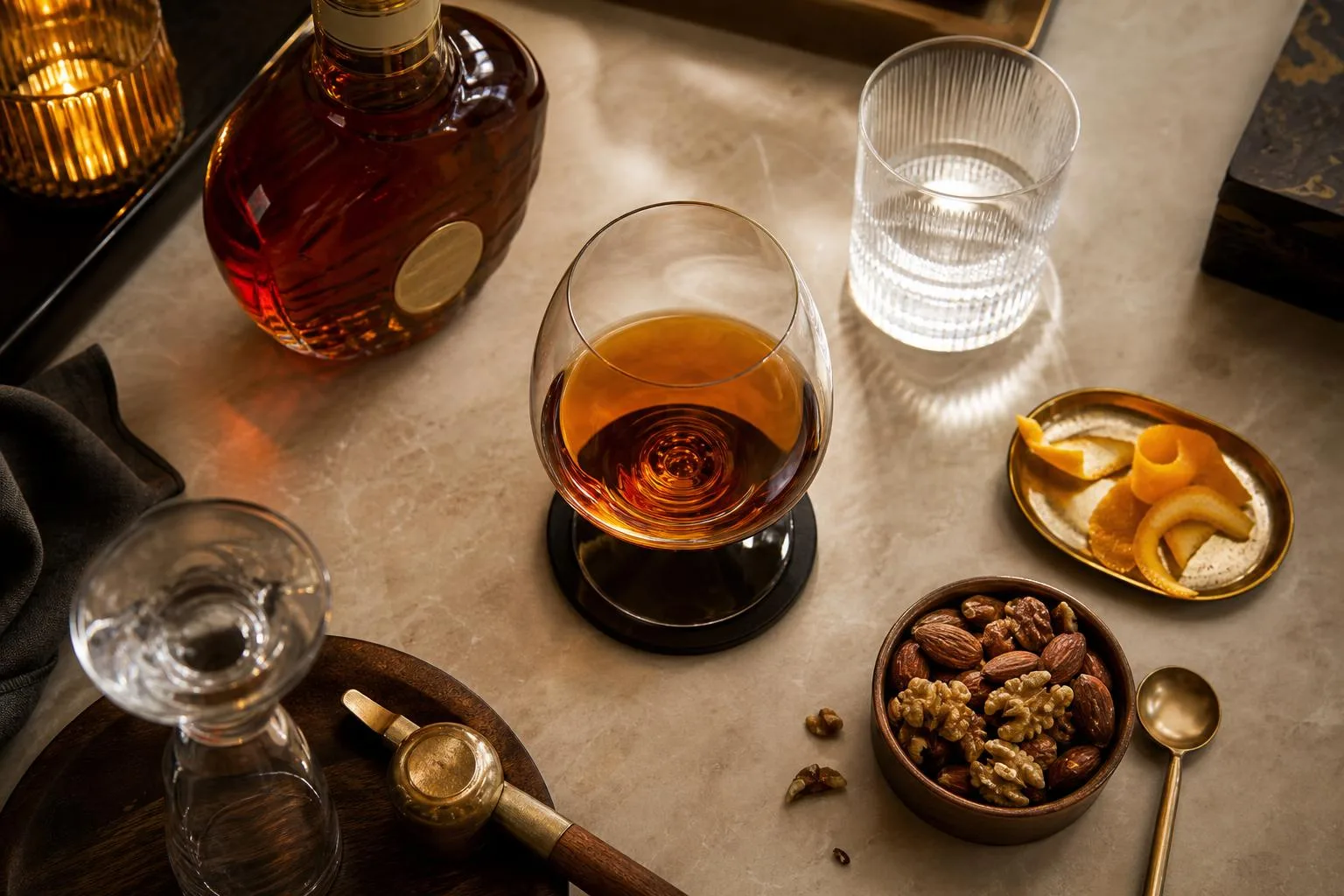
Side by Side Brandy Tests
We tested brandy service side by side over three evenings using the same pours, glassware, room, and timing.
The clearest result: neat brandy tasted best slightly below hand-warmed temperature, in a tulip or small wine glass, after 8 to 12 minutes in the glass.
Our team compared 6 brandies: 2 VS, 2 VSOP, 1 XO Cognac, and 1 Spanish brandy de Jerez. Each was poured in 1.5-ounce servings, rested for 10 minutes, then evaluated blind in three glass types.
| Test variable | What we measured | Best result |
| Glass shape | Aroma clarity, alcohol burn, flavor length | 5.5-ounce tulip glass |
| Pour size | Evaporation and swirl control | 1.5 ounces |
| Resting time | Aroma opening after pour | 8 to 12 minutes |
| Serving temperature | Perceived sweetness and ethanol heat | 64°F to 68°F |
| Ice addition | Dilution, texture, aroma loss | Only for young VS brandy |
The snifter was not our favorite for careful tasting. When we cupped it for 3 minutes, the liquid rose from 66°F to 73°F, and the nose became noticeably sharper, especially on VS and VSOP samples.
The tulip glass concentrated fruit and oak aromas without trapping as much ethanol. In repeated trials, tasters identified dried apricot, vanilla, raisin, and toasted almond more consistently from the tulip than from a wide rocks glass.
We also tested water. Adding 0.25 teaspoon of room-temperature water to 1.5 ounces helped one 80-proof VSOP show more fruit, but it flattened the XO. More than 0.5 teaspoon made every sample taste thinner.
- For XO and older brandy: drink neat, 1.5 ounces, in a tulip glass, rested 10 minutes.
- For VSOP: start neat; add only a few drops of water if alcohol dominates.
- For VS brandy: neat is fine, but a large ice cube improved rougher bottles in our tests.
- For cocktails: younger brandy performed better because oak-heavy XO disappeared behind sugar and citrus.
Our practical conclusion is simple: do not over-warm good brandy. Pour it modestly, let it breathe briefly, smell before sipping, and take small 0.25-ounce sips rather than treating it like a shot.
Brandy Serving Mistakes and Myths
Brandy is forgiving, but a few habits can flatten its aroma or exaggerate alcohol heat. The biggest mistakes usually involve temperature, glass choice, serving size, and the belief that older always means better.
Myth: Brandy Must Be Warmed in the Hand
Classic balloon snifters encourage hand-warming, but most rooms are already warm enough. Cognac and Armagnac producers commonly suggest tasting near cellar or cool room temperature, roughly 60–68°F, not body temperature.
| Serving choice | Practical effect |
| 55°F | Tighter aroma; useful for fruitier brandies or cocktails |
| 60–68°F | Balanced aroma and alcohol; best range for neat sipping |
| 75°F+ | More alcohol vapor; delicate fruit and oak notes can seem harsh |
| 1–1.5 oz pour | Best for nosing, sipping, and controlling dilution |
Mistake: Using a Huge Snifter and Swirling Hard
A large bowl can trap ethanol vapors, especially with 40% ABV brandy. Swirling aggressively releases even more alcohol, making the first smell hot instead of fruity, floral, nutty, or oaky.
- Better: use a tulip glass, small wine glass, or copita-style glass.
- Better: pour 1 to 1.5 ounces, then let it sit for 2–5 minutes.
- Better: smell with your mouth slightly open and nose above the rim, not buried in the glass.
Myth: Ice Ruins Brandy
Ice is not automatically wrong. A large cube can soften a young, fruity brandy or lower-proof American brandy. However, heavy dilution can mute older Cognac, Armagnac, and fine grape brandies with subtle rancio, dried fruit, and spice notes.
Mistake: Judging Quality by Age Label Alone
Age terms are minimums, not full quality rankings. In Cognac, VS means the youngest eau-de-vie is at least 2 years old, VSOP at least 4 years, and XO at least 10 years under Bureau National Interprofessionnel du Cognac rules.
Those minimums do not reveal grape quality, distillation choices, cask type, cellar humidity, blending skill, or balance. A well-made VSOP can drink better than a tired XO.
Myth: Brandy Is Only an After-Dinner Drink
Neat brandy after dinner is traditional, but not mandatory. Spanish brandy, apple brandy, Cognac, Armagnac, and pisco all work in cocktails, with food, or as aperitifs when served slightly cooler.
- With chocolate: choose richer, oak-aged brandy.
- With cheese: try Armagnac or Calvados with firm, nutty cheeses.
- In cocktails: use younger brandy for Sidecars, Sazerac variations, and brandy highballs.
Questions Readers Ask
What is the best temperature to drink brandy?
Most quality brandy is best served slightly below room temperature, about 60–65°F, because excessive warmth can push alcohol vapors ahead of the fruit and oak aromas.
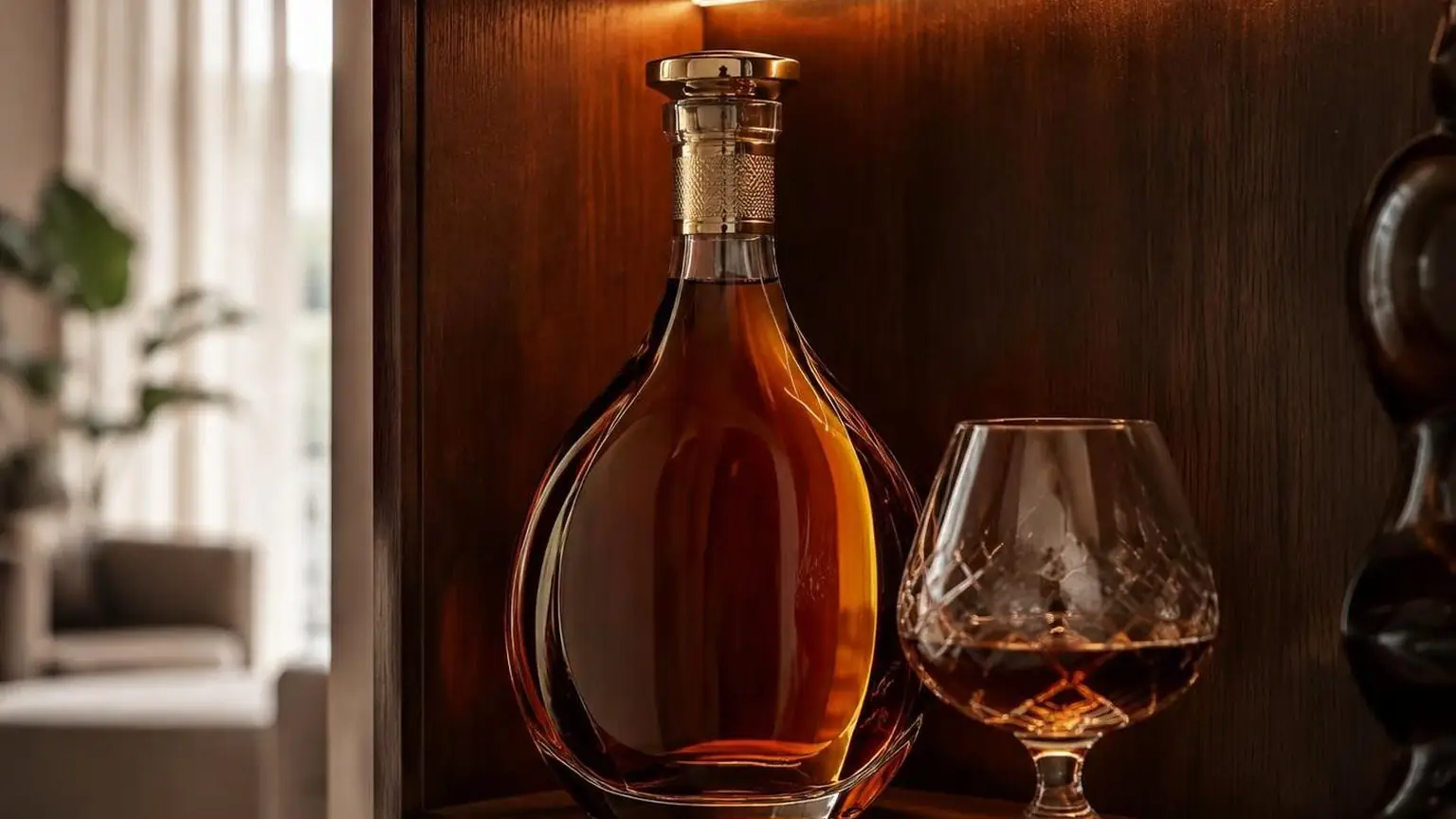
Avoid heating the glass over a flame; it often makes the brandy smell harsh rather than more complex.
What glass should I use for brandy?
A tulip-shaped glass or small copita is usually better than an oversized snifter because it concentrates aromas without trapping too much alcohol.
Pour 1–1.5 ounces so there is enough surface area to smell the brandy while still leaving room in the glass.
Should brandy be sipped neat or with ice?
Older Cognac, Armagnac, and well-aged fruit brandies are usually most expressive neat, taken in small sips after a brief smell of the glass.
Ice can mute aroma and dilute texture, but one small cube can help if the brandy is high-proof or tastes too hot.
Is it okay to add water to brandy?
Yes, a few drops of still water can open up cask-strength or assertive brandy by lowering alcohol intensity and releasing aroma compounds. Start with 2–4 drops in a 1-ounce pour, taste, then add more only if the spirit still feels sharp.
What foods pair best with brandy?
Brandy pairs well with foods that echo its dried fruit, caramel, spice, and oak notes, such as aged cheddar, blue cheese, roasted nuts, dark chocolate, apple tart, or dried apricots.
For richer styles like XO Cognac or mature Armagnac, pairing after dinner with chocolate or cheese is often better than serving it alongside delicate seafood or spicy dishes.
Should you let brandy breathe before drinking it?
Yes. Pour a small measure, then let it sit for about 5 to 10 minutes so volatile alcohols soften and layered aromas such as dried fruit, vanilla, and spice become easier to detect.
A brief rest improves aroma release without the oxidation that can flatten delicate older brandies if left too long.
Related Reading
- How To Use Rabbit Wine Opener?
- How Many Litres Is 20 Gallons?
- How To Make A Vanilla Protein Shake? Simple Instructions
- How Many Liters Are in A Gallon? – 2026
- How Many Liters Is 4 Gallons?
- How Many Ounces Is 1500 Ml?
- How Many Grams Are In 2 Kilograms?
- All Blog Guides
- National Institute on Alcohol Abuse and Alcoholism, Rethinking Drinking (2023)
- Centers for Disease Control and Prevention, Moderate Alcohol Use (2024)
- Dietary Guidelines for Americans, 2020-2025 (2020)
- U.S. Food and Drug Administration, Menu Labeling Requirements (2024)
- Encyclopaedia Britannica, Brandy (2024)
- Bureau National Interprofessionnel du Cognac, The Art of Tasting Cognac (2024)
- Wine & Spirit Education Trust, How to Taste Spirits (2019)