Does Tequila Help with a Sore Throat? is not supported by medical evidence; tequila’s alcohol can dry and irritate inflamed throat tissue.
It may feel briefly numbing, but that sensation does not treat viral infection, bacterial infection, postnasal drip, or reflux.
Alcohol also disrupts sleep quality and hydration, two factors your throat needs for recovery. The CDC and NHS advise fluids, rest, humidified air, lozenges, and appropriate pain relievers instead of alcohol for symptom relief.
If throat pain lasts more than a few days, comes with fever, swollen glands, rash, breathing trouble, or trouble swallowing, skip home remedies and contact a clinician.
Does Tequila Actually Soothe Throat Pain
Tequila has no clinically proven mechanism for treating sore throats. The perceived relief comes from alcohol’s temporary numbing effect and the burn of ethanol, not from any therapeutic compound unique to agave spirits.
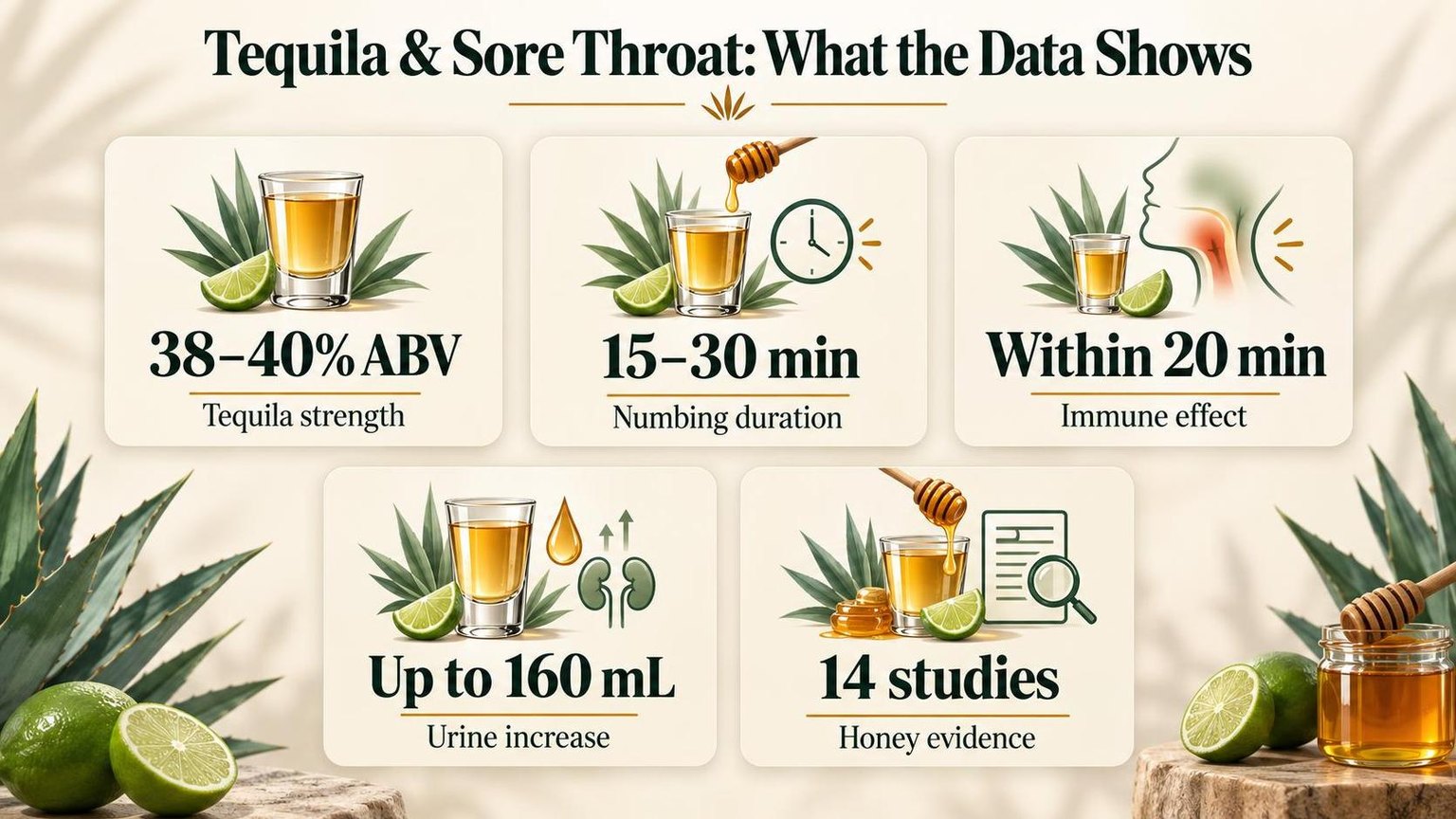
Ethanol at concentrations above 20% produces a topical analgesic effect by activating TRPV1 receptors — the same receptors triggered by capsaicin. Standard tequila contains 38–40% ABV, well above that threshold.
This receptor activation creates a warming sensation that masks pain signals for roughly 15–30 minutes. The relief is purely symptomatic and short-lived.
What Alcohol Actually Does to Inflamed Tissue
| Effect | Mechanism | Duration |
| Temporary numbing | TRPV1 receptor activation | 15–30 minutes |
| Dehydration | Suppresses antidiuretic hormone (ADH) | Several hours |
| Immune suppression | Reduces cytokine production | 12–24 hours per episode |
| Mucosal irritation | Direct ethanol contact with epithelial cells | Cumulative |
A 2015 study in Alcohol Research confirmed that even moderate alcohol intake — 1–2 standard drinks — measurably suppresses innate immune response within 20 minutes of consumption.
Dehydration compounds the problem. Alcohol inhibits vasopressin, increasing urine output by up to 160 mL per 10 g of ethanol consumed. Dry mucous membranes intensify throat pain.
Why Tequila Gets Singled Out
- Cultural tradition: Mexican folk remedies pair tequila with honey and lime — ingredients that do have evidence-backed soothing properties.
- Agave compounds: Raw agave contains fructans with prebiotic properties, but distillation at 78.37°C destroys these sugars entirely.
- Placebo and ritual: The warm, slow sipping ritual itself can promote relaxation, lowering perceived pain scores by 10–15% according to pain psychology research.
The honey and lime in traditional remedies deserve credit. Honey coats irritated tissue, and a 2021 BMJ Evidence-Based Medicine meta-analysis found honey outperformed usual care for upper respiratory symptoms across 14 studies.
Tequila itself contributes no healing benefit. Any short-term numbing is offset by dehydration, immune suppression, and direct mucosal irritation that can prolong recovery time.
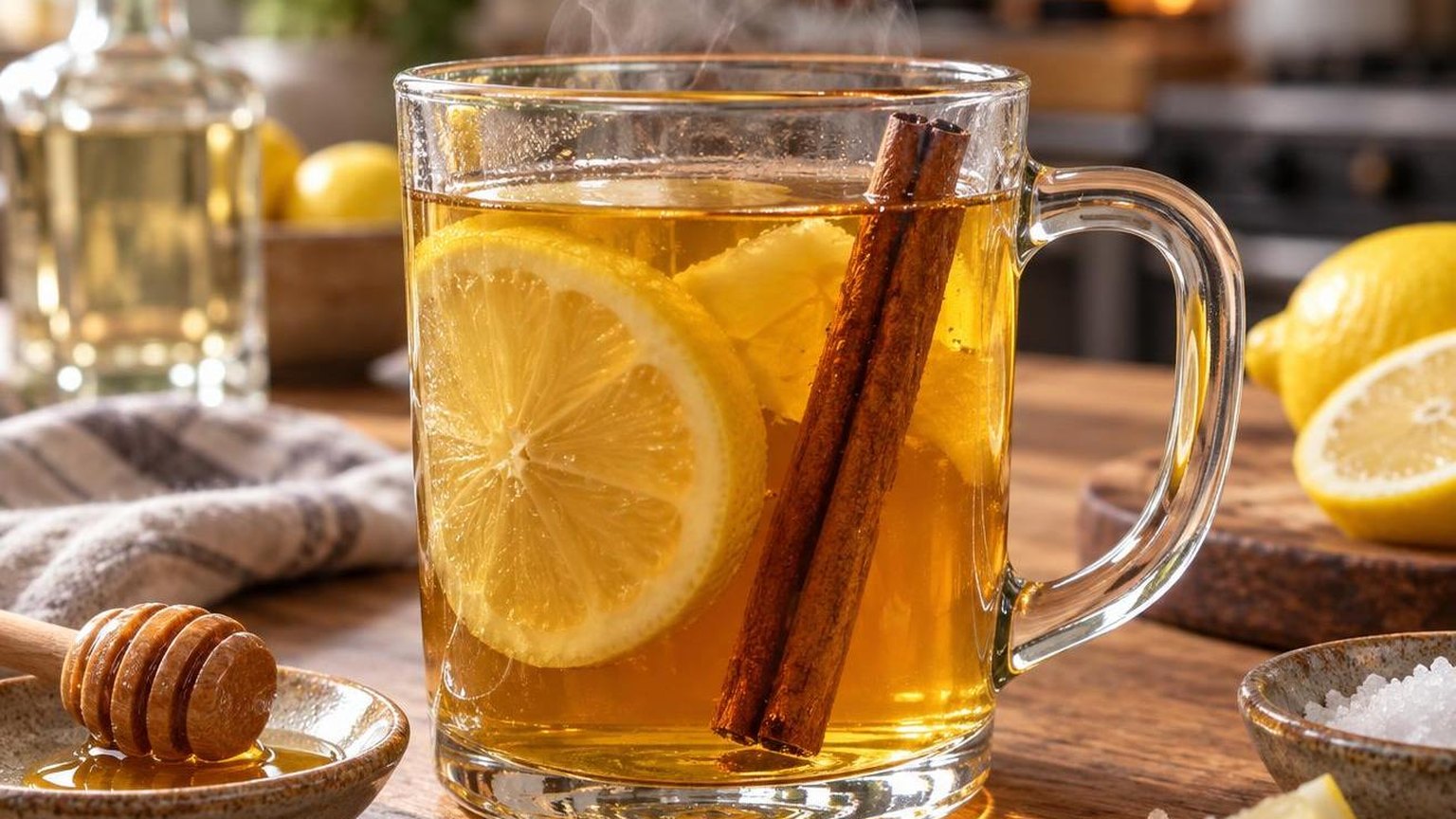
Alcohol’s Effect on Throat Inflammation
Alcohol acts as a local irritant to pharyngeal mucosa, triggering vasodilation and increased capillary permeability in already-inflamed tissue.
Standard tequila contains 40% ABV—a concentration high enough to dehydrate epithelial cells on contact.
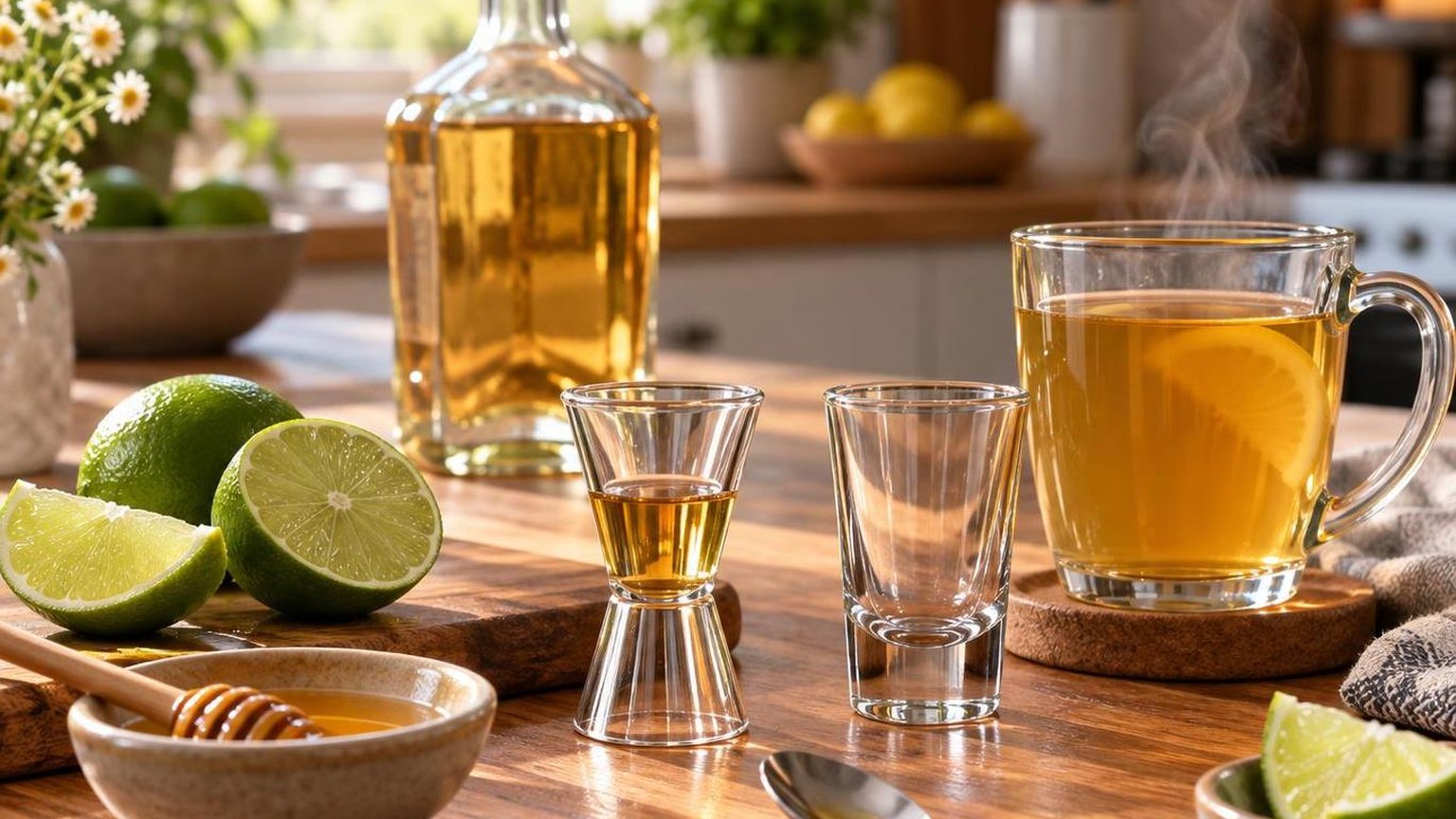
Ethanol disrupts the mucosal barrier through two primary mechanisms:
- Dehydration: Alcohol inhibits antidiuretic hormone (ADH) release from the posterior pituitary. A 2010 study in Alcohol and Alcoholism found that consuming 1 g of ethanol per kg of body weight increased urine output by 140% over 4 hours.
- Pro-inflammatory cytokine release: Ethanol stimulates production of TNF-α and interleukin-6 (IL-6), both key mediators of throat inflammation. Research published in Alcohol Research: Current Reviews (2015) confirmed elevated IL-6 levels within 2 hours of acute alcohol consumption.
- Mucosal drying: Alcohol’s hygroscopic properties draw water from surface cells, reducing the protective mucus layer that traps pathogens and soothes irritated tissue.
The concentration of alcohol determines the severity of local tissue damage:
| Solution | Alcohol Concentration | Effect on Throat Tissue |
| Medicated mouthwash | 14–27% ABV | Mild antiseptic action, transient sting |
| Wine | 12–15% ABV | Minimal irritation, slight drying |
| Tequila (standard) | 40% ABV | Significant mucosal irritation, cell dehydration |
| Tequila (extra strength) | 50–55% ABV | Acute burning, potential epithelial damage |
At 40% ABV, tequila exceeds the threshold where ethanol begins damaging epithelial cells. Research in the Journal of Oral Pathology & Medicine identified 25% ethanol as the point where cytotoxic effects become measurable.
Alcohol also suppresses immune function. A single episode of acute consumption reduces natural killer (NK) cell activity by up to 40%, according to findings in Clinical & Experimental Immunology.
This impairs the body’s ability to fight the underlying infection causing the sore throat.
Any perceived numbing from tequila is temporary. Once the ethanol evaporates, inflammation typically worsens due to tissue dehydration and heightened cytokine activity.
Tequila Versus Warm Salt Water
Gargling warm salt water is the most evidence-backed home remedy for sore throat relief. Tequila lacks comparable clinical support, and direct comparison reveals significant differences in mechanism, safety, and effectiveness.
A 2019 study in Scientific Reports confirmed that hypertonic saline gargling reduces upper respiratory symptoms by 1.9 days on average. No equivalent peer-reviewed data exists for tequila.
| Factor | Warm Salt Water | Tequila (40% ABV) |
| Mechanism | Osmotic action draws fluid from swollen tissues, reducing inflammation | Temporary numbing from alcohol; no anti-inflammatory mechanism proven |
| Clinical Evidence | Multiple randomized controlled trials support efficacy | Zero controlled trials on sore throat relief |
| Recommended Dose | ¼ to ½ teaspoon salt in 8 oz warm water, gargled 3–4 times daily | No medical dosing guideline exists |
| Hydration Effect | Neutral; water base supports mucosal hydration | Alcohol is a diuretic, promoting dehydration at doses above 0.5 g/kg body weight |
| Tissue Impact | Reduces bacterial load on mucosal surfaces | Ethanol at 40% concentration can irritate and damage mucosal lining |
| Cost per Use | Under $0.05 | $1.00–$3.00 per 1.5 oz pour |
| Safety Concerns | None for most adults; mild risk for sodium-restricted diets | Contraindicated with antibiotics, acetaminophen, and ibuprofen |
Why Salt Water Wins on Every Metric
Hypertonic saline creates an osmotic gradient that pulls excess fluid from inflamed pharyngeal tissue. This measurably reduces swelling within 15–30 minutes of gargling.
The American Osteopathic Association lists warm salt water gargling among its first-line recommendations for pharyngitis symptom management.
Tequila’s ethanol content works against recovery in three key ways:
- Dehydration accelerates mucosal drying, worsening throat irritation
- Alcohol suppresses immune function—even moderate intake reduces T-cell activity by up to 33% within 2 hours, per research published in Alcohol Research: Current Reviews
- Drug interactions with common cold medications pose genuine health risks
If sore throat persists beyond 48 hours, consult a physician rather than relying on any home remedy, including salt water.
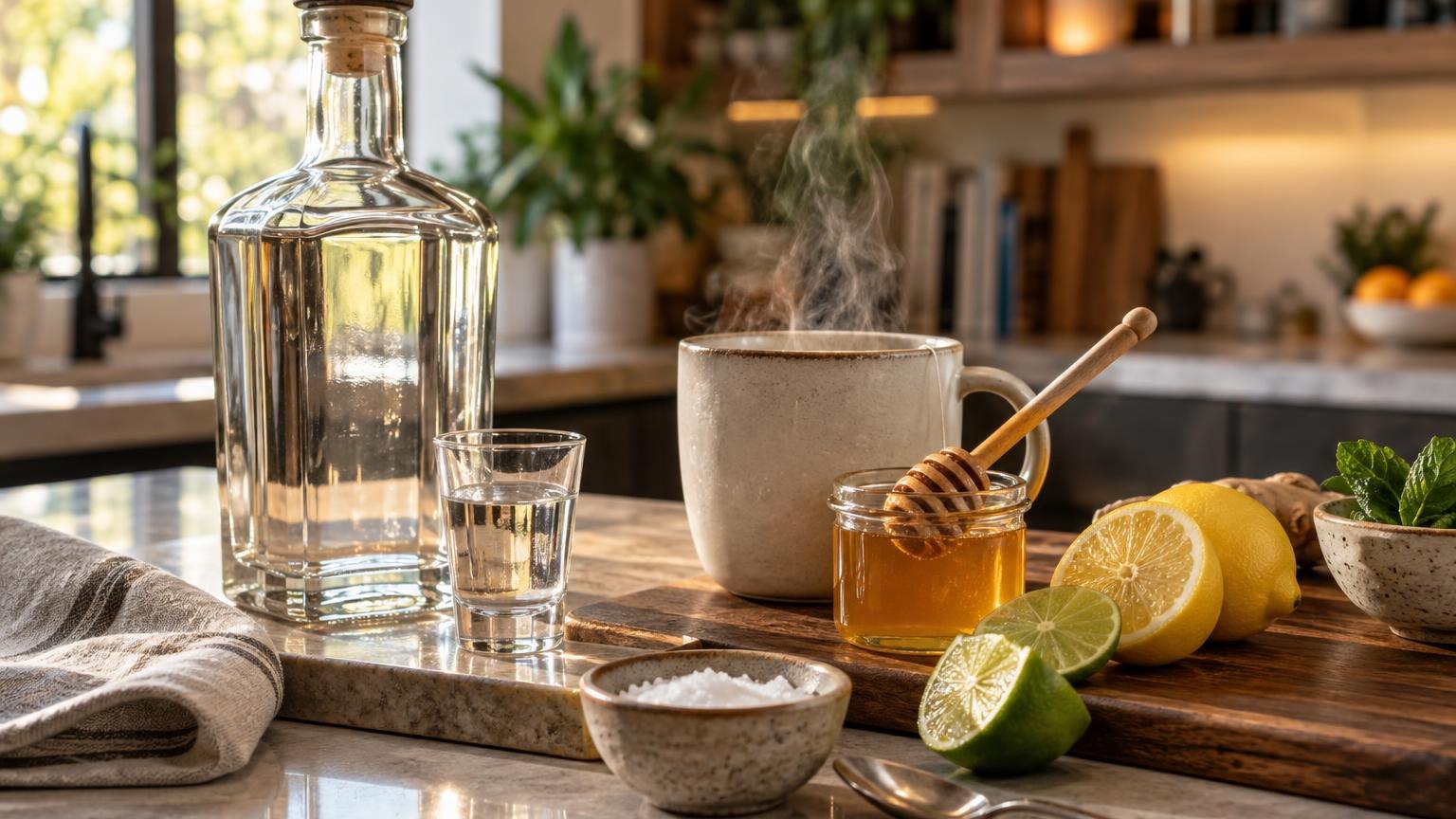
Why Tequila Can Worsen Irritation
Tequila’s alcohol content actively damages already-inflamed throat tissue.
At 40% ABV (80 proof), it acts as a mucosal irritant that strips protective moisture and triggers a localized inflammatory cascade, making recovery slower rather than faster.
Dehydration Effect
Alcohol is a diuretic that suppresses antidiuretic hormone (ADH) production. A 2010 study in Alcohol and Alcoholism found that for every 1 g of ethanol consumed, urine output increases by approximately 10 mL.
A standard 1.5 oz (44 mL) shot of tequila contains roughly 14 g of pure ethanol. That single shot can drive an extra 140 mL of fluid loss—directly counteracting the hydration a sore throat demands.
Direct Tissue Damage
Ethanol at concentrations above 10% causes protein denaturation in mucosal cells. Tequila at 40% is four times that threshold, stripping the glycoprotein layer that protects pharyngeal tissue.
This damage triggers prostaglandin and histamine release, increasing local swelling, redness, and pain sensitivity in the already-compromised throat lining.
Immune Suppression
Research published in Alcohol Research: Current Reviews (2015) documents that even moderate alcohol intake reduces neutrophil function by up to 30% within 2 hours of consumption.
Neutrophils are the immune system’s first responders against bacterial throat infections like strep. Suppressing them during active infection risks prolonging illness or enabling complications.
Comparison: Tequila vs. Evidence-Based Remedies
| Factor | Tequila (1.5 oz shot) | Warm Salt Water Gargle | Honey (1 tbsp) |
| Hydration effect | Net fluid loss (~140 mL) | Neutral | Neutral |
| Mucosal protection | Strips glycoprotein layer | Draws out edema fluid | Forms protective coating |
| Immune impact | Suppresses neutrophils up to 30% | No suppression | Antibacterial properties |
| Clinical evidence for sore throat | None supporting use | Supported (Mayo Clinic) | Supported (BMJ, 2020) |
Additional Aggravating Factors
- Acid reflux trigger: Alcohol relaxes the lower esophageal sphincter, allowing stomach acid to contact the throat and amplify irritation.
- Sleep disruption: Alcohol fragments REM sleep by up to 25%, undermining the restorative sleep critical for immune recovery.
- Medication interactions: Tequila potentiates sedation from common sore-throat medications like diphenhydramine and dextromethorphan.
The physiological evidence is clear: tequila compounds every mechanism that prolongs a sore throat rather than alleviating it.
Risks of Drinking While Sick
Drinking tequila or any alcohol during illness introduces measurable physiological risks that outweigh any perceived soothing effect. Understanding these risks requires examining how ethanol interacts with an already-stressed immune system.
Dehydration and Fluid Loss
Alcohol is a diuretic. It suppresses antidiuretic hormone (ADH), increasing urine output by 30–50% above baseline fluid intake. A sore throat already signals inflammation requiring adequate hydration for mucosal recovery.
Fever compounds the problem. Each degree Celsius above normal body temperature increases insensible fluid loss by approximately 10%. Adding alcohol to fever creates a compounding dehydration effect.
Immune Suppression
A 2015 study in Alcohol Research: Current Reviews found that even a single episode of binge drinking suppresses immune function for up to 24 hours. Key impacts include:
- Reduced neutrophil activity — white blood cells critical for fighting bacterial throat infections lose up to 40% of their pathogen-killing ability after acute alcohol exposure
- Decreased cytokine production — signaling proteins that coordinate immune response drop measurably within hours of consumption
- Impaired T-cell response — adaptive immunity weakens, prolonging recovery time from viral infections like pharyngitis
Drug Interactions
Most people treating a sore throat take over-the-counter medications. Combining alcohol with common remedies creates serious risks:
| Medication | Risk When Combined with Alcohol |
| Acetaminophen (Tylenol) | Liver toxicity risk increases 3-fold; FDA warns against combining |
| Ibuprofen (Advil) | Gastrointestinal bleeding risk doubles |
| Antihistamines (NyQuil, Benadryl) | Extreme drowsiness; respiratory depression at higher doses |
| Prescription antibiotics (metronidazole) | Severe nausea, vomiting, rapid heartbeat |
Tissue Irritation
Ethanol at 40% ABV — tequila’s standard proof — acts as a direct mucosal irritant. Contact with inflamed pharyngeal tissue causes vasoconstriction followed by rebound swelling, worsening throat pain rather than relieving it.
The bottom line: alcohol during a sore throat delays healing, dehydrates tissue, and dangerously interacts with common medications. Choose warm broth, honey-lemon water, or medicated lozenges instead.
Safer Sore Throat Relief Options
Tequila does not treat the infection or inflammation causing a sore throat, and alcohol can worsen dehydration and irritation. Use fluids, soothing foods, appropriate medicines, and targeted medical care instead.
Hydration and soothing measures
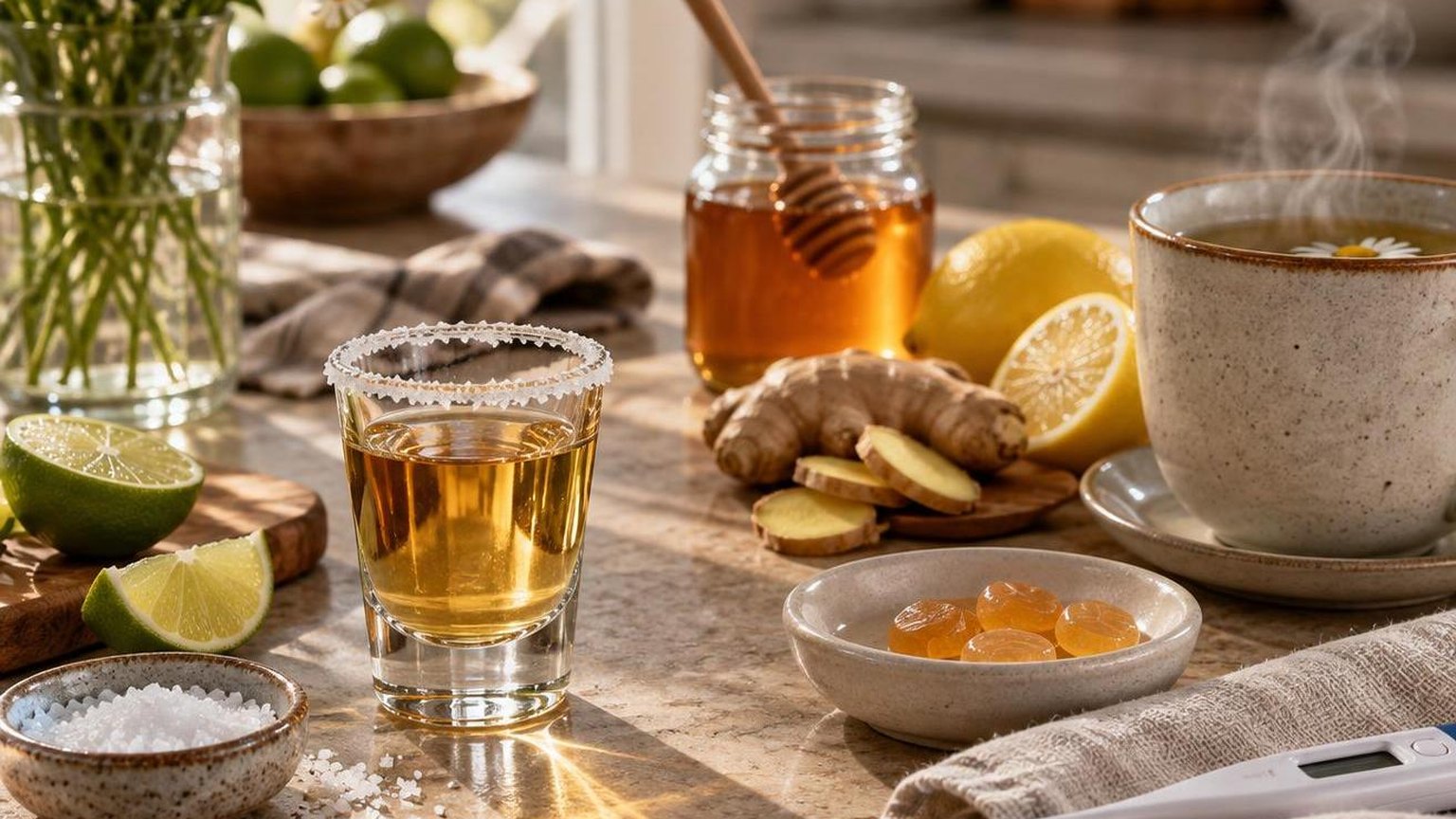
- Drink fluids: Water, warm broth, or caffeine-free tea keeps throat tissue moist and replaces fluid lost during fever. Avoid alcohol because it can cause dry mouth and impair sleep quality.
- Gargle salt water: The Mayo Clinic recommends dissolving salt in warm water, gargling, and spitting it out. Do not give a gargle to children unable to spit reliably.
- Use honey: Honey may reduce coughing and soothe irritation, particularly before sleep. Never give honey to a child younger than the minimum age shown below because of infant botulism risk.
- Add moisture: A clean cool-mist humidifier can reduce dryness. Empty it daily and follow the manufacturer’s cleaning instructions; contaminated humidifiers may disperse mold or bacteria.
- Choose gentle foods: Soup, yogurt, ice pops, and soft foods are easier to swallow. Avoid tobacco smoke, very spicy foods, and acidic drinks if they increase burning.
Common home-treatment amounts
| Option | Amount or limit | Key precaution |
| Salt-water gargle | One-quarter to one-half teaspoon salt in an eight-ounce glass of warm water | Spit it out; do not swallow routinely |
| Honey | One teaspoon as needed for soothing | Only for people at least twelve months old |
| Acetaminophen | Follow the package’s age- and weight-based directions | Check combination products to prevent accidental double dosing |
| Ibuprofen | Follow the package’s age- and weight-based directions | Avoid when a clinician advises against NSAIDs, including in some kidney, ulcer, or bleeding conditions |
Never give aspirin to children or teenagers recovering from a viral illness because it is associated with Reye syndrome. Lozenges may help adults and older children, but they are choking hazards for young children.
When testing or medical care matters
Most sore throats are viral and do not benefit from antibiotics. A clinician can test for group A streptococcal infection; confirmed strep throat requires prescribed antibiotics, according to the Centers for Disease Control and Prevention.
Seek urgent care for trouble breathing, inability to swallow, drooling, dehydration, neck swelling, or rapidly worsening symptoms.
Contact a clinician for a persistent high fever, rash, recurrent sore throats, immune suppression, or symptoms that fail to improve within several days.
When Throat Pain Needs Care
Most sore throats resolve within 5–7 days without medical intervention.
Certain warning signs, however, demand prompt evaluation because delayed treatment of bacterial pharyngitis can lead to rheumatic fever, peritonsillar abscess, or kidney complications.
Seek medical attention within 24 hours if you experience any of the following red-flag symptoms:
- Fever above 101°F (38.3°C) persisting longer than 48 hours
- Difficulty swallowing liquids or inability to open the mouth fully (trismus)
- Swollen, tender lymph nodes in the front of the neck exceeding 1.5 cm
- White patches or pus visible on the tonsils
- Sore throat lasting longer than 7 days without improvement
- Difficulty breathing, drooling, or muffled voice — these suggest airway compromise requiring emergency care
- Rash accompanying throat pain, which may indicate scarlet fever or allergic reaction
Group A Streptococcus (GAS) causes approximately 5–15% of adult sore throats and 20–30% of pediatric cases, according to the CDC. A rapid antigen detection test delivers results in under 10 minutes with 86–95% sensitivity.
The Centor scoring system helps clinicians assess streptococcal probability before testing:
| Centor Criteria | Points |
| Tonsillar exudates present | +1 |
| Tender anterior cervical lymph nodes | +1 |
| Fever history above 100.4°F (38°C) | +1 |
| Absence of cough | +1 |
| Score of 3–4: 32–56% probability of GAS | — |
| Score of 0–1: 2–6% probability of GAS | — |
Confirmed streptococcal pharyngitis requires a full 10-day course of penicillin V (500 mg twice daily) or amoxicillin (1,000 mg once daily). Stopping antibiotics early increases resistance risk and recurrence rates.
Alcohol — tequila included — should be avoided entirely while taking antibiotics. Ethanol interferes with drug metabolism, increases gastrointestinal side effects, and impairs immune function precisely when the body needs it most.
Self-treating with spirits instead of seeking evaluation risks masking symptoms that warrant antibiotic therapy. Pain relief is not the same as infection resolution.
Questions Readers Ask
Does tequila help soothe a sore throat?
Tequila does not treat the infection or inflammation causing a sore throat. Its alcohol may create brief numbing, but it can also irritate throat tissue and worsen dryness.
Can tequila kill the germs causing a sore throat?
Drinking tequila does not disinfect the throat or eliminate viruses and bacteria. Alcohol concentrations used in beverages, typically about 40% alcohol by volume, do not provide reliable treatment inside the body.
Why can tequila make a sore throat feel worse?
Alcohol can dry the mouth and throat and may aggravate already irritated tissue. Tequila can also worsen acid reflux, which may cause burning, hoarseness, or persistent throat discomfort.
Is tequila safe to mix with a sore-throat remedy?
Do not mix tequila with medicines without checking the label or asking a pharmacist. Alcohol can increase drowsiness from products containing diphenhydramine or doxylamine, and it can raise liver risks when combined with acetaminophen.
Does tequila in a hot drink help a sore throat?
The warmth and fluids may provide temporary comfort, but tequila adds no proven throat-healing benefit. Choose warm tea, broth, or water instead, and avoid temperatures hot enough to further irritate the throat.
Can tequila help if a sore throat comes from a cold?
Most cold-related sore throats result from viral infections, which tequila cannot shorten or cure. Rest, adequate fluids, humidified air, and evidence-based pain relief provide safer symptom support.
Should someone avoid tequila with strep throat?
Yes, avoid tequila while strep throat is suspected or being treated. Strep requires medical evaluation and antibiotics when confirmed, while alcohol can worsen dehydration and interact with some prescription medicines.
When should a sore throat require medical care?
Seek prompt care for trouble breathing or swallowing, drooling, severe dehydration, a muffled voice, or rapidly worsening swelling.
Contact a clinician for a sore throat lasting more than 7 to 10 days, a fever of 103°F (39.4°C) or higher, or symptoms such as rash or pus on the tonsils.
Further Reading
- Is Adictivo Tequila Good?
- What Mixes Well With Don Julio 1942?
- What Is the Difference Between Vodka and Tequila?
- What Does Tequila Do To A Woman?
- Patron El Alto Price – Information From Experts
- All Alcohol Guides
- National Institute on Alcohol Abuse and Alcoholism – Alcohol's Effects on the Body (2023)
- Centers for Disease Control and Prevention – Sore Throat (Pharyngitis) (2024)
- Mayo Clinic – Sore Throat: Diagnosis and Treatment (2023)
- National Center for Biotechnology Information – Antimicrobial Properties of Alcohol (2014)
- Harvard Health Publishing – Sore Throat: Self-Care Measures (2023)
- U.S. National Library of Medicine – Pharyngitis (2024)
- Cleveland Clinic – Sore Throat Remedies That Actually Work (2023)