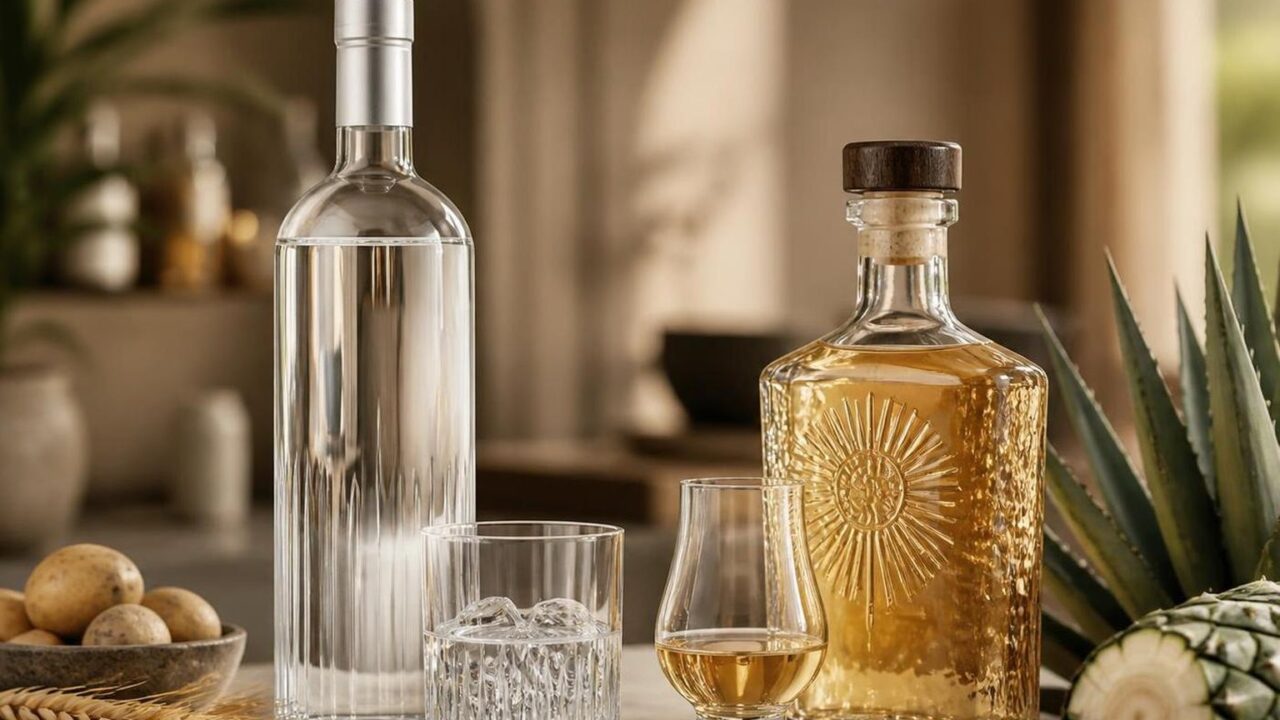
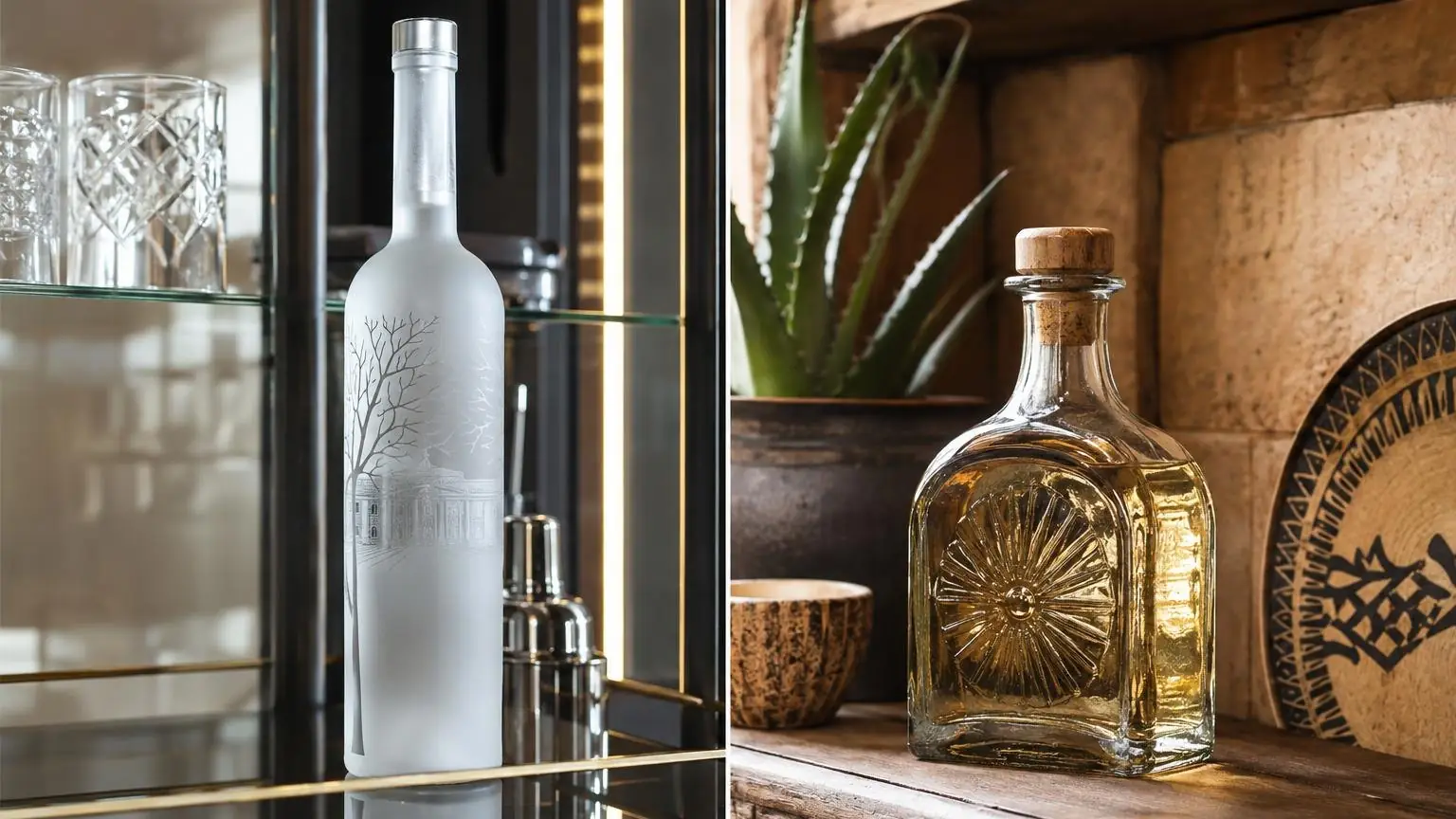
The difference between vodka and tequila is that vodka is a neutral distilled spirit typically made from grains or potatoes, while tequila is a Mexican agave spirit made from blue Weber agave.
Vodka is usually distilled to a clean, subtle profile; tequila keeps more plant-derived flavor, from peppery blanco to oak-influenced añejo.
That production gap affects taste, legal identity, serving style, and cocktail use. Vodka works when you want a spirit that adds alcohol without strong flavor.
Tequila brings earthy, herbal, citrus, and roasted-agave notes, so it changes the drink’s character instead of disappearing into it.
Raw Materials Standards and Flavor Compounds
Vodka and tequila often look similar in the glass, but the numbers behind them differ in raw material, legal standards, and flavor compounds. Those figures explain why one usually tastes neutral and the other carries visible agave character.
| Measure | Vodka | Tequila |
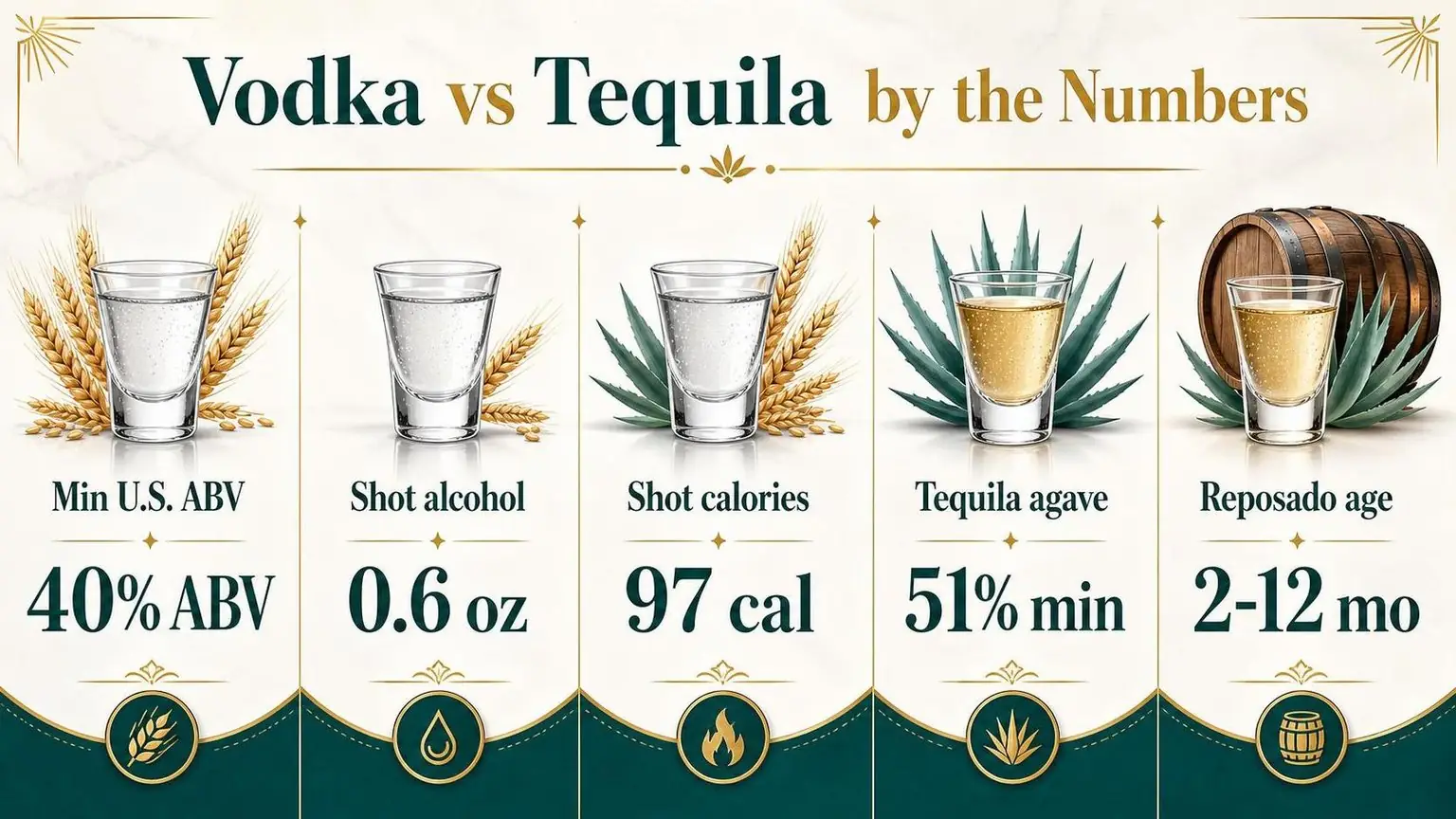
| Primary source | Any agricultural base allowed, commonly grain or potatoes | At least 51% blue Weber agave sugars; 100% agave if labeled so |
| Minimum bottling strength in the U.S. | 40% ABV | 40% ABV |
| Pure alcohol in a 1.5 oz shot at 40% ABV | 0.6 oz | 0.6 oz |
| Approximate calories in a 1.5 oz shot at 40% ABV | 97 calories | 97 calories |
| Aging requirement | None | Blanco: under 2 months; Reposado: 2 months to under 1 year; Añejo: 1 to under 3 years; Extra Añejo: 3 years or more |
| Geographic rule | No protected region requirement like tequila | Made only in authorized Mexican regions, mainly Jalisco |
The equal 40% ABV minimum matters because alcohol strength alone does not separate these spirits. A standard 1.5-ounce pour of either at 80 proof delivers about 14 grams of pure alcohol, which is one U.S. standard drink.
Calories stay close for the same reason. Ethanol supplies 7 calories per gram, so an unflavored 80-proof vodka or tequila lands near 97 calories per 1.5-ounce shot before mixers add sugar.
The bigger numeric split is composition. Tequila must come from blue Weber agave and can be labeled “100% agave” only when all fermentable sugars come from agave. Mixto tequila may use up to 49% non-agave sugars.
Vodka is defined by production and sensory neutrality, not one plant. In the U.S. and EU, producers can distill from grains, potatoes, grapes, or other agricultural materials, then filter to reduce distinctive aromas and congeners.
Aging numbers also change what you taste. Most vodka is unaged. Tequila has legally defined categories, and even the first jump, from blanco to reposado at 2 months, starts adding oak-driven vanilla, spice, and color.
- Same proof, same calories: neither spirit is inherently “lighter” at equal ABV.
- Agave percentage matters: 100% agave tequila usually tastes cleaner and more vegetal than mixto.
- Aging categories matter: tequila’s 2-month, 1-year, and 3-year thresholds create measurable style differences.
Why Vodka and Tequila Differ
Vodka and tequila can produce different results because they start from different raw materials, follow different legal standards, and often reach the glass in different styles.
What you notice most comes from ethanol strength, congeners, serving size, sugar, and how the spirit is made and consumed.
The biggest factor is not the label. It is how much pure alcohol you drink, how fast you drink it, and what else is in the glass.
| Factor | Vodka | Tequila |
| Base material | Usually grain or potatoes; can also be grapes, corn, or sugar beets | Made from Blue Weber agave; 100% agave tequila uses only agave sugars |
| Minimum bottling ABV | Typically 40% ABV in the U.S. market | Tequila is commonly bottled at 38% to 40% ABV; U.S. bottlings are often 40% |
| Standard U.S. drink | 1.5 oz at 40% ABV = about 0.6 oz pure alcohol | 1.5 oz at 40% ABV = about 0.6 oz pure alcohol |
| Typical congeners | Very low after repeated distillation and filtration | Usually higher than vodka, especially in reposado and añejo styles |
If both pours are 1.5 ounces at 40% ABV, the alcohol dose is effectively the same: about 14 grams, or 0.6 fluid ounces, of pure ethanol.
That means intoxication depends more on number of drinks, body size, food intake, and pace than on whether the spirit is vodka or tequila.
Congeners change flavor and may change how people feel the next day. Vodka is designed to be neutral, so it usually contains fewer flavor compounds after distillation and charcoal or other filtration.
Tequila retains more agave-derived compounds, and barrel-aged tequila adds wood extractives such as vanillin and tannins.
Style matters inside tequila. Blanco is usually bottled soon after distillation. Reposado must be aged at least 2 months in oak. Añejo must be aged at least 1 year, and extra añejo at least 3 years.
More aging usually means more oak flavor and more congeners.
Sugar and mixers often create the largest practical difference. A straight pour of either spirit has essentially 0 grams of sugar. But a 6-ounce margarita can add 15 to 30 grams of sugar, while vodka soda may add none.
Sweet mixers can increase total calories and make drinks easier to consume quickly.
- Choose 100% agave tequila if you want a cleaner agave profile and no added non-agave fermentable sugars.
- Watch pour size. Restaurant pours often exceed 1.5 ounces.
- Drink with food and water. Slower absorption reduces the immediate impact.
- Judge the cocktail, not only the base spirit. Mixers often explain the difference people attribute to tequila or vodka.
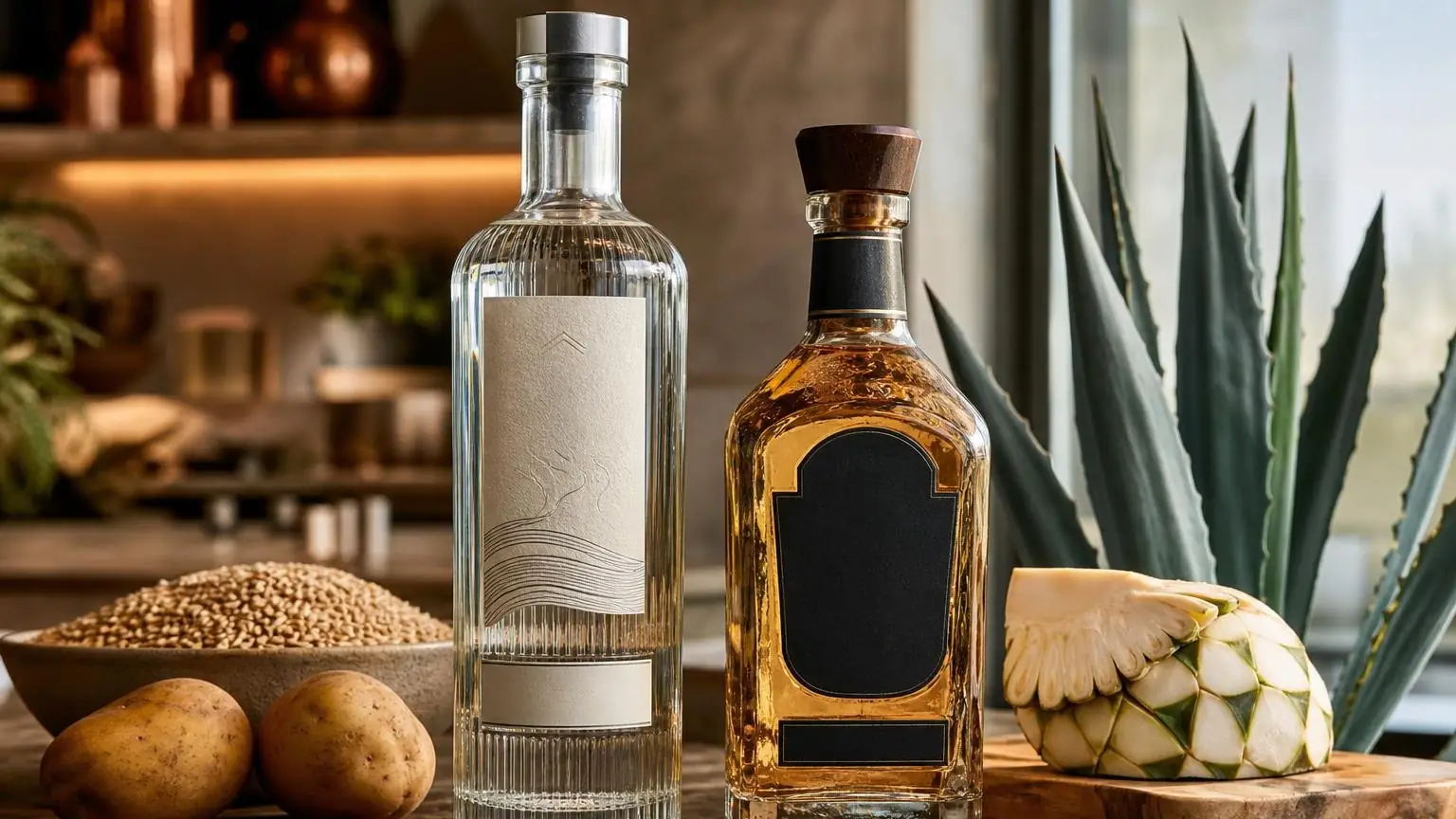
Measured Differences Between Vodka and Tequila
Vodka and tequila are separated by measurable standards, not marketing terms. Regulators verify raw materials, production method, alcohol strength, and chemical composition before a bottle can legally use either name.
In the U.S., both must be at least 40% alcohol by volume for standard bottlings. Tequila faces tighter origin and composition rules because it is a protected geographic indication tied to Mexico and blue agave.
Alcohol strength is measured as ABV, the percentage of ethanol in the finished spirit. Distillers and bottlers verify ABV with densitometry or hydrometer testing calibrated to temperature, then regulators can confirm it from retained samples.
| Measurement point | Vodka | Tequila |
| Minimum bottling strength in the U.S. | 40% ABV | 40% ABV |
| Base material rule | Any agricultural source | Made from Blue Weber agave |
| Geographic restriction | None for the category name | Must be produced in authorized Mexican regions |
| Sugar source requirement | No named minimum for a specific plant | At least 51% sugars from agave; 100% agave if labeled that way |
Vodka is verified mainly by what it lacks: distinctive color, aroma, flavor, and high levels of congeners.
In U.S. law, it is a neutral spirit “without distinctive character, aroma, taste, or color,” so purity and neutrality are central checkpoints.
Tequila is verified by what it contains and where it comes from. Mexico’s Norma Oficial Mexicana, enforced through the Consejo Regulador del Tequila, tracks agave sourcing, cooking, fermentation, distillation, maturation, and bottling records.
Chemical analysis is part of the check. Labs measure methanol, higher alcohols, esters, aldehydes, and dry extract because these compounds help confirm whether a spirit matches its legal category and whether it is safe and authentic.
| Verification factor | Why it matters | Typical effect |
| Congeners | Shows flavor-active compounds beyond ethanol and water | Vodka stays low; tequila retains more character |
| Methanol | Safety and authenticity control | Must remain within legal limits |
| Traceability records | Confirms legal production chain | Especially strict for tequila |
| Label review | Checks class, origin, and statements | Prevents false “tequila” or “100% agave” claims |
- The U.S. Alcohol and Tobacco Tax and Trade Bureau reviews formula, label, and tax compliance for products sold domestically.
- Tequila also requires Mexican certification marks and documentation from CRT-authorized control systems.
- Aging claims are verified against cask time records for categories such as blanco, reposado, and añejo.
The practical result is clear. Vodka is measured for neutrality and proof, while tequila is measured for agave identity, legal origin, and a broader chemical fingerprint.
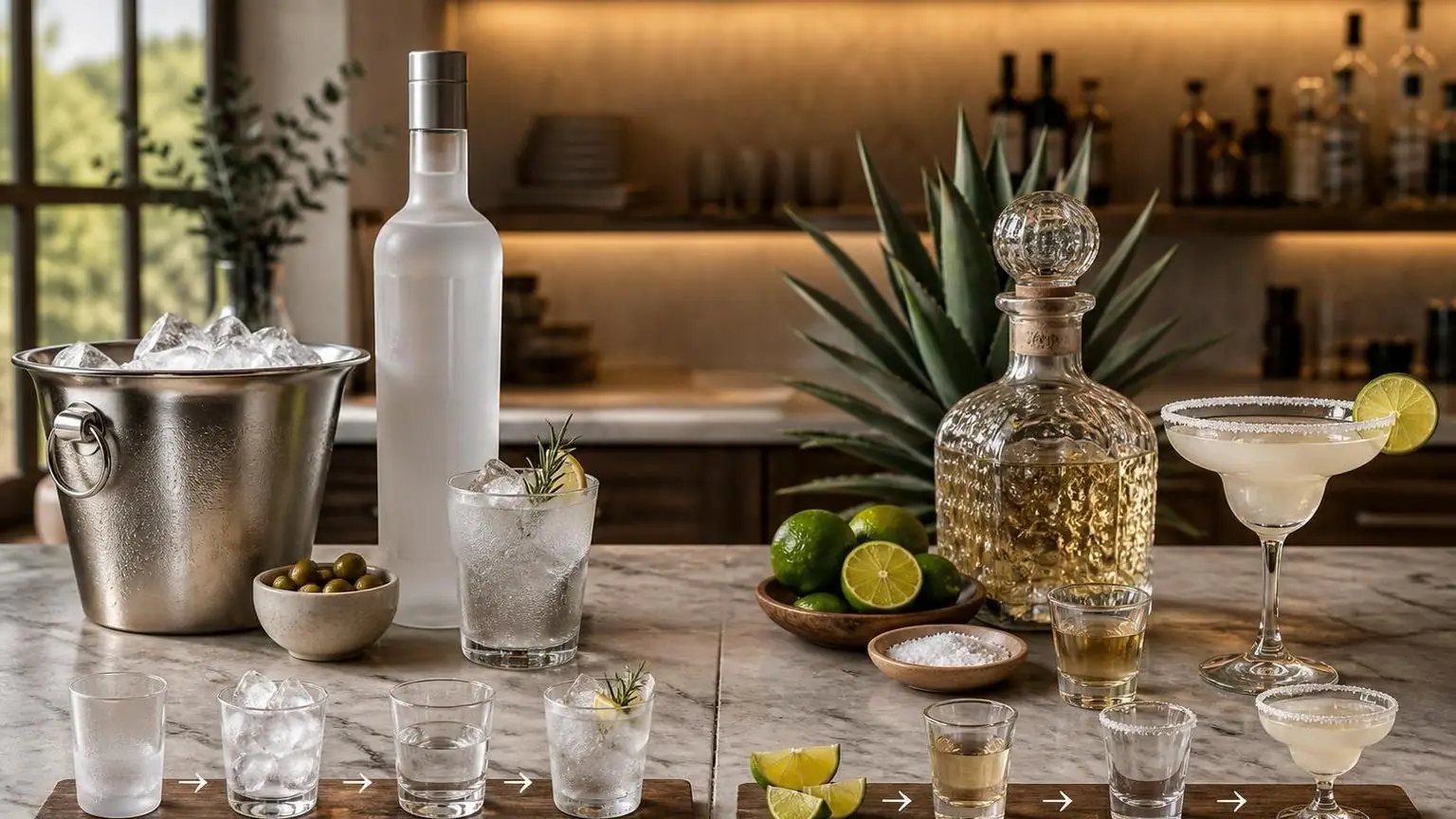
Different Spirit Category Positions
Vodka and tequila sit in different parts of the spirits category. Vodka is designed to be neutral after repeated distillation and filtration, while tequila must come from blue Weber agave and usually shows pepper, citrus, and earthy notes.
Compared with other common bar staples, the biggest differences are raw material, legal production rules, and how much flavor survives distillation. Those factors change how each spirit tastes neat, mixes in cocktails, and pairs with food.
| Spirit | Main base ingredient | Typical bottled ABV in the U.S. | Key legal or style marker |
| Vodka | Grain, potato, or other fermentable agricultural material | 40% ABV | Neutral profile; U.S. minimum 40% ABV for standard spirits bottlings |
| Tequila | Blue Weber agave | 38% to 40% ABV | Must be made in designated Mexican regions; 100% agave or mixto |
| Gin | Neutral spirit redistilled with botanicals | 40% to 47% ABV | Juniper must be the dominant flavor |
| Rum | Sugarcane juice or molasses | 40% ABV | Can range from light and clean to rich and funky |
| Whiskey | Grain mash | 40% to 50% ABV | Usually barrel-aged; oak strongly shapes flavor and color |
| Mezcal | Agave, often multiple varieties | 40% to 45% ABV | Often includes smoky notes from pit-cooked agave |
Vodka’s closest alternative is gin. Both usually start with a neutral base spirit, but gin must taste of juniper. In practice, vodka disappears into a drink, while gin pushes the cocktail toward pine, citrus peel, coriander, or floral notes.
Tequila’s closest alternative is mezcal, not vodka. All tequila is an agave spirit, but not all agave spirits are tequila. Tequila uses only blue Weber agave; mezcal can use dozens of agave species, which creates wider flavor variation.
Against whiskey and aged rum, tequila usually tastes brighter and less oak-driven unless it is aged. Blanco tequila is typically bottled soon after distillation, while reposado must rest at least 2 months and añejo at least 1 year in oak.
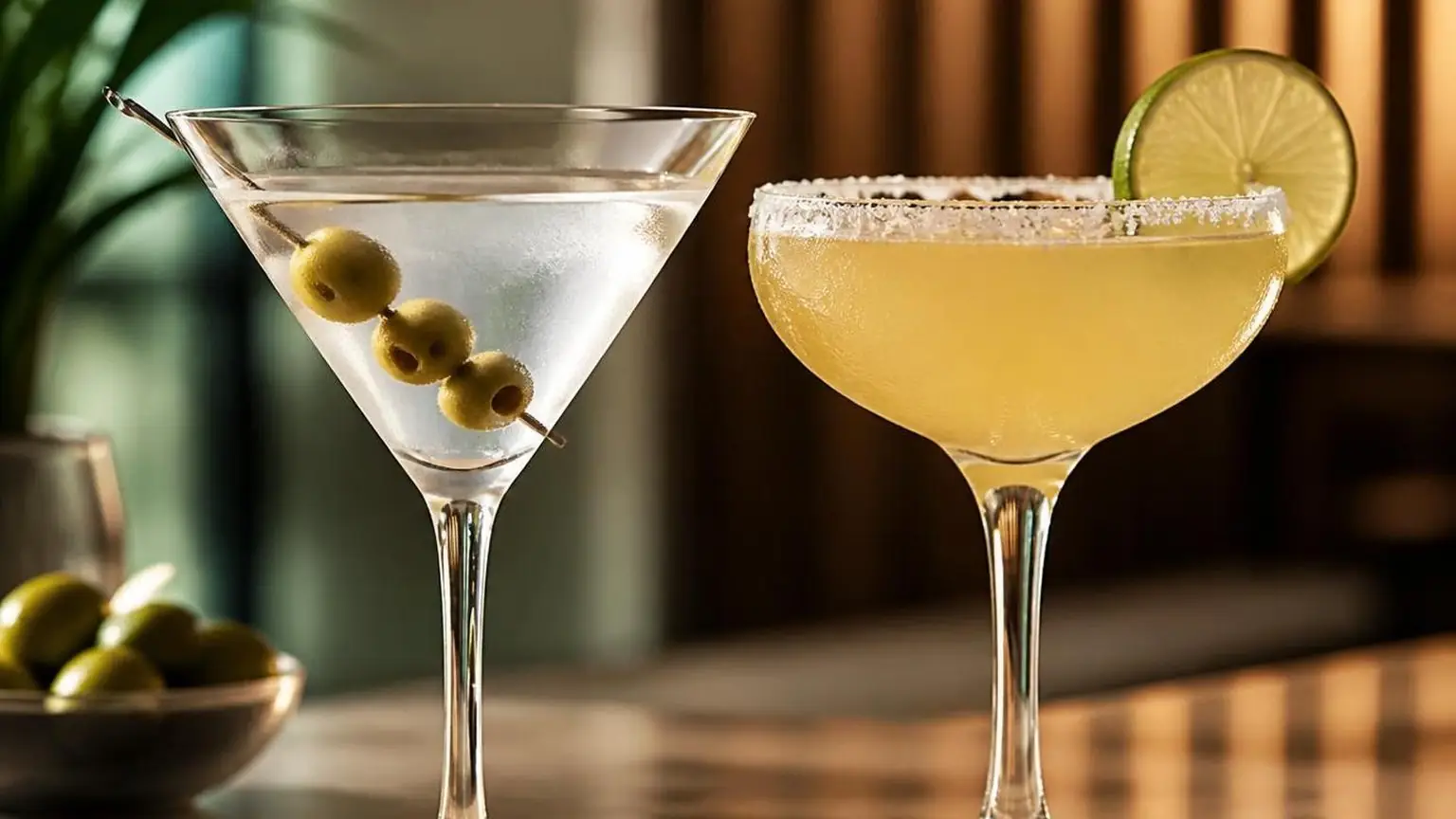
- Choose vodka for a clean base in a Martini, Moscow Mule, or Espresso Martini.
- Choose tequila for sharper character in a Margarita, Paloma, or Ranch Water.
- Choose gin when you want botanical lift.
- Choose whiskey or aged rum when you want oak, caramel, and vanilla.
- Choose mezcal when you want smoke and stronger roasted agave notes.
For calorie-conscious drinkers, plain vodka and plain tequila are similar. A 1.5-ounce serving at 40% ABV has about 97 calories. The larger difference comes from mixers, not the base spirit.
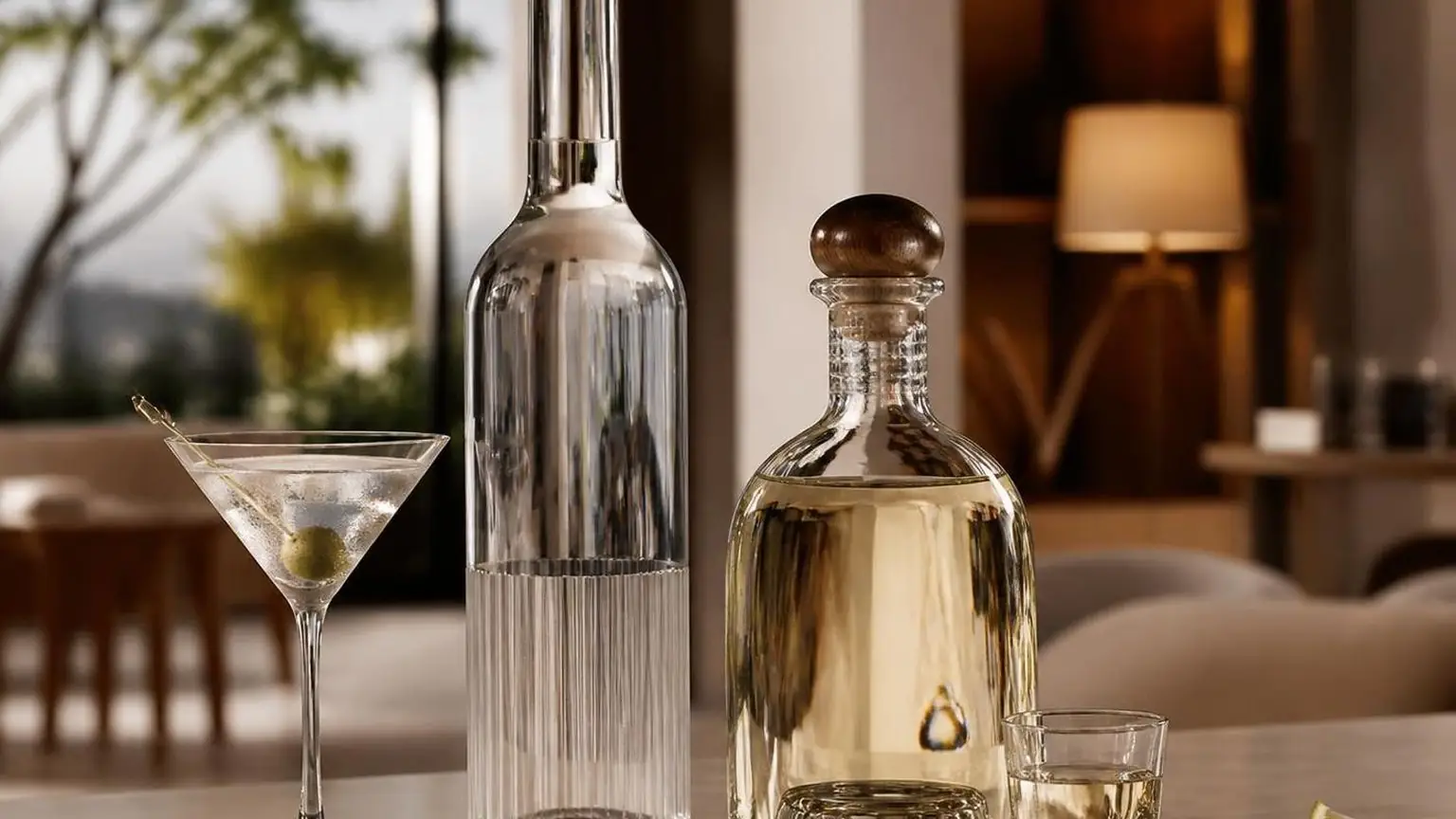
Similar Alcohol Effects on the Body
Vodka and tequila affect the body similarly when they have the same alcohol content. The main health difference usually comes from serving size, proof, and mixers, not from the base ingredient.
For safety, compare them as ethanol first. In the U.S., a standard drink is defined by pure alcohol, so a typical shot of either spirit counts the same when both are 80 proof.
| Measure | Vodka | Tequila |
| Standard serving at 40% ABV | 1.5 fl oz | 1.5 fl oz |
| Pure alcohol per serving | 0.6 fl oz | 0.6 fl oz |
| Calories per 1.5 fl oz at 40% ABV | About 97 | About 96 to 98 |
| Carbohydrates in unflavored spirit | 0 g | 0 g |
Neat pours are usually close nutritionally. The bigger swing comes from flavored vodka, tequila liqueurs, syrup-heavy margaritas, tonic, juice, and energy drinks, which can add substantial sugar and calories fast.
Congeners matter more for next-day symptoms than many drinkers realize. Vodka is typically distilled and filtered to remove more flavor compounds, while aged tequila can contain more congeners from fermentation and barrel aging.
| Practical issue | What to know |
| Faster intoxication | Higher-proof pours, doubles, and short cocktails raise alcohol intake quickly. |
| Hangover risk | Heavier drinking, dehydration, poor sleep, and sugary mixers matter more than spirit category alone. |
| Gluten concerns | Distilled vodka is generally considered gluten-free, even when made from wheat or rye. Tequila made from 100% agave is naturally gluten-free. |
| Label check | Look for “100% agave” on tequila. “Mixto” tequila can include added sugars from non-agave sources. |
- Measure pours. A home pour often exceeds 1.5 fl oz, which increases alcohol and calories.
- Alternate alcohol with water. Hydration helps limit headaches and overdrinking.
- Eat before drinking. Food slows alcohol absorption and reduces rapid BAC spikes.
- Avoid driving. Impairment begins before a person feels “drunk,” and reaction time drops early.
- If you want fewer additives, choose plain vodka or tequila labeled 100% agave.
If you have diabetes, reflux, liver disease, take sedatives, or are pregnant, the safer choice is to avoid both. For most healthy adults, moderation and mixer choices matter more than whether the glass holds vodka or tequila.
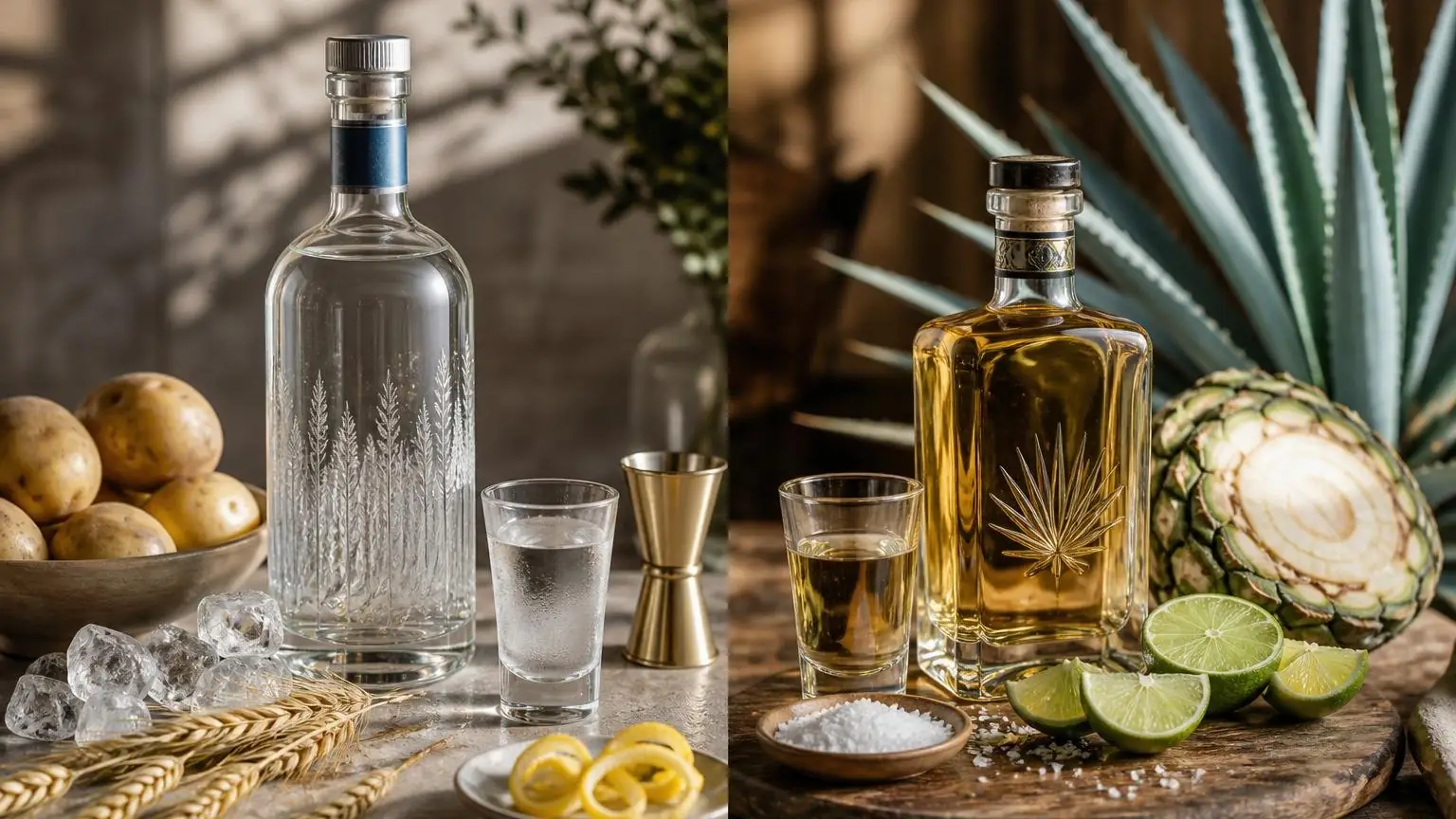
Side by Side Tasting Results
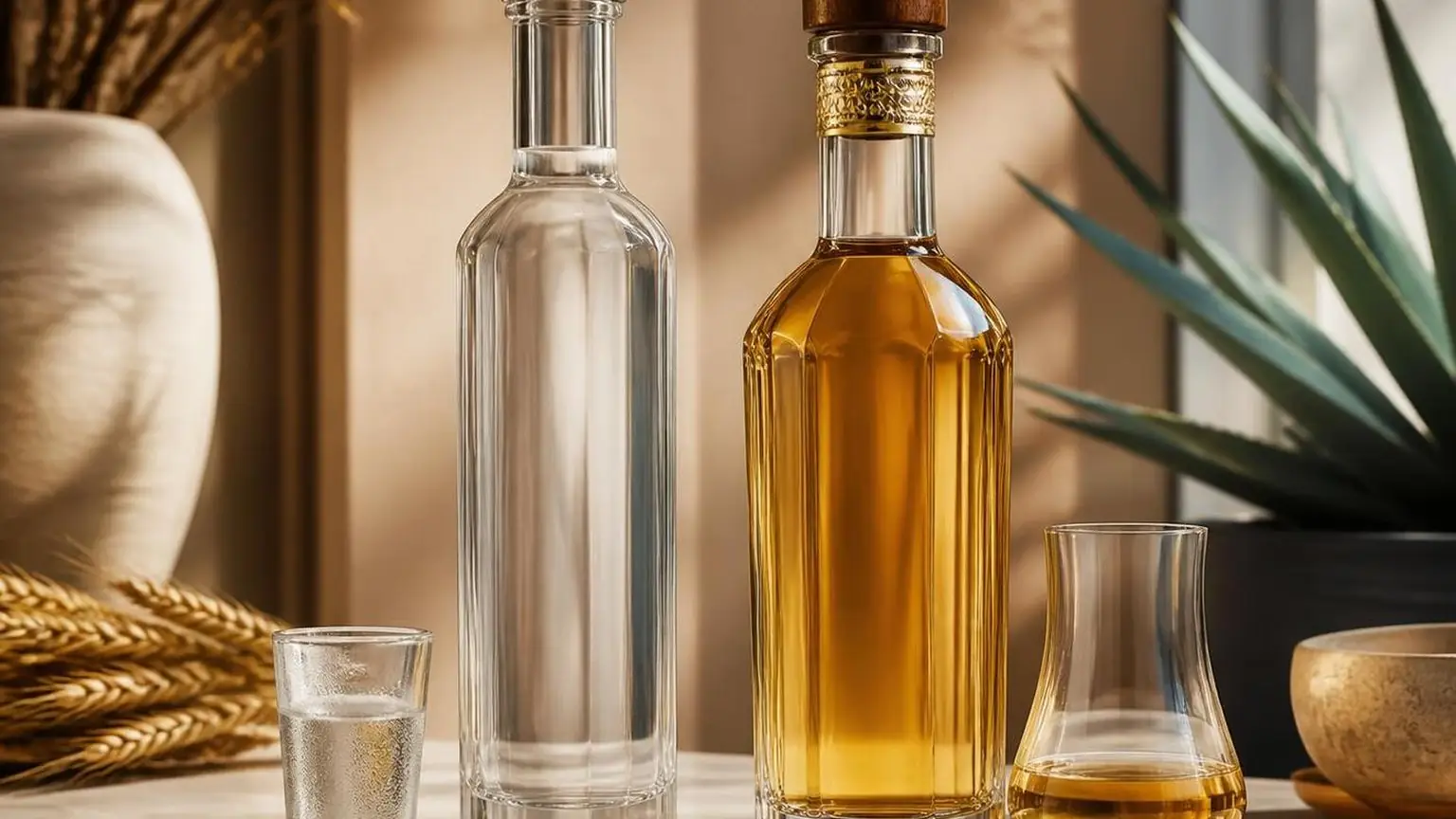
We tested vodka and tequila side by side in controlled pours, not by memory. Our panel used equal volumes, matched temperatures, and repeated trials because small serving changes can distort aroma, texture, and finish.
We ran two tasting sessions one week apart with six bottles total: three unflavored vodkas and three 100% agave blanco tequilas.
Every bottle was labeled at 40% ABV, or 80 proof, so differences came from raw material and production, not alcohol strength.
Each spirit was poured in 20 mL servings into identical tasting glasses and rested 5 minutes at 18°C. Three tasters evaluated aroma, palate weight, and finish, then repeated the same flight in a second session, giving us 36 total observations.
| Test setup | Vodka | Tequila |
| Bottles tested | 3 | 3 |
| ABV on label | 40% | 40% |
| Pour size per sample | 20 mL | 20 mL |
| Serving temperature | 18°C | 18°C |
| Tasters | 3 | 3 |
| Sessions | 2 | 2 |
In the glass, vodka was consistently quieter.
Across our six sessions per category, tasters recorded a median of 2 clear aroma notes for vodka, usually ethanol, pepper, or faint grain, versus 5 for tequila, usually cooked agave, citrus, black pepper, and herbal notes.
We timed finish length with a phone stopwatch from swallow to flavor fade. Vodka averaged 11 seconds across the panel. Tequila averaged 23 seconds, or a little more than double, and usually left a savory, earthy note that vodka did not.
| Sensory result | Vodka average | Tequila average |
| Distinct aroma notes identified | 2 | 5 |
| Finish length | 11 seconds | 23 seconds |
| Perceived body score (1-5) | 2.1 | 3.4 |
| Freezer test after 24 hours at -18°C | Liquid | Liquid |
Texture separated them fast. Even at the same proof, vodka felt lighter and more neutral, while tequila showed more mid-palate weight. Our average body scores were 2.1 out of 5 for vodka and 3.4 for tequila.
We also ran a simple freezer check because many drinkers store both bottles cold. After 24 hours at -18°C, none froze solid. That matched the chemistry of 40% ABV spirits, but tequila still released noticeably more aroma after pouring.
- Vodka read cleaner and less aromatic in every trial.
- Tequila showed more identifiable character because agave distillate carries more congeners.
- At equal proof, the practical tasting difference was flavor intensity, not strength.
Myths About Clear Liquor Similarity
Vodka and tequila are often treated as interchangeable “clear liquors,” but that shortcut hides major differences in raw material, production, and flavor.
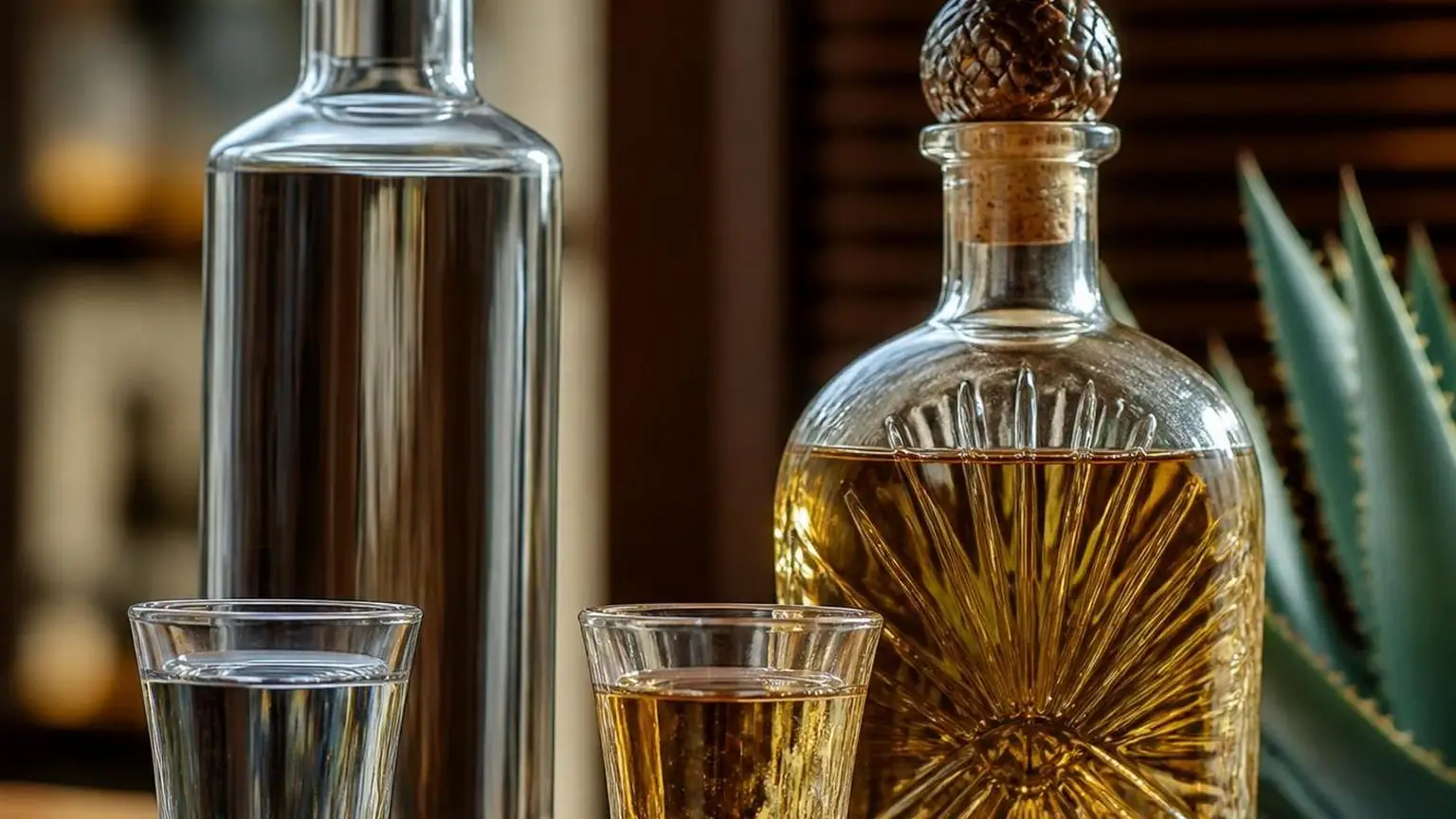
The most common myths come from appearance, college-shot culture, and label terms people repeat without checking legal definitions.
One frequent mistake is assuming clear color means neutral taste.
Most vodka is designed to be clean and low in congeners, while tequila starts with cooked blue Weber agave, which leaves distinct earthy, peppery, citrus, or herbal notes even when the spirit is unaged.
Another myth is that tequila is “stronger” than vodka. In the U.S., both are commonly bottled at 40% alcohol by volume, or 80 proof.
Some examples go higher or lower, but the standard shelf comparison is usually identical in alcohol strength.
| Category | Vodka | Tequila |
| Typical U.S. bottling strength | 40% ABV | 40% ABV |
| Main raw material | Any fermentable agricultural source | Blue Weber agave only |
| Minimum tequila content for “mixto” | Not applicable | 51% agave sugars |
| Required agave content for “100% agave” | Not applicable | 100% |
| Geographic protection | No single protected region | Made in designated Mexican regions |
People also confuse “tequila” with “mezcal.” Tequila is a type of agave spirit, but not all agave spirits are tequila.
Tequila must be made from blue Weber agave in authorized regions, mainly Jalisco, under Mexican denomination-of-origin rules.
The worm myth persists because consumers connect all Mexican spirits together. Tequila bottles do not traditionally contain a worm. That gimmick is associated with some mezcal products, not standard tequila production.
A costly mistake is believing all tequila is 100% agave. It is not. Bottles labeled only “tequila” can legally be mixto, meaning at least 51% of fermentable sugars come from agave, with the remainder from other sugar sources.
- Myth: Vodka and tequila taste the same in cocktails. Fact: Tequila changes a drink’s flavor structure far more because agave character remains noticeable.
- Myth: Tequila always causes worse hangovers. Fact: Hangovers track dose, hydration, sleep, and congeners more than spirit category alone.
- Myth: Expensive vodka is always smoother because it is distilled more times. Fact: Repeated distillation can refine spirit, but water quality, filtration, and cut decisions matter too.
Another error is judging quality by ritual. Salt-and-lime service masks harsh tequila, but it says little about a well-made blanco.
Good tequila is often sipped neat, while good vodka is judged more by texture, purity, and finish than by aroma intensity.
Questions People Ask Most
What is the main ingredient difference between vodka and tequila?
Vodka can be distilled from many fermentable sources, including grains, potatoes, corn, or grapes, depending on the producer and country rules.
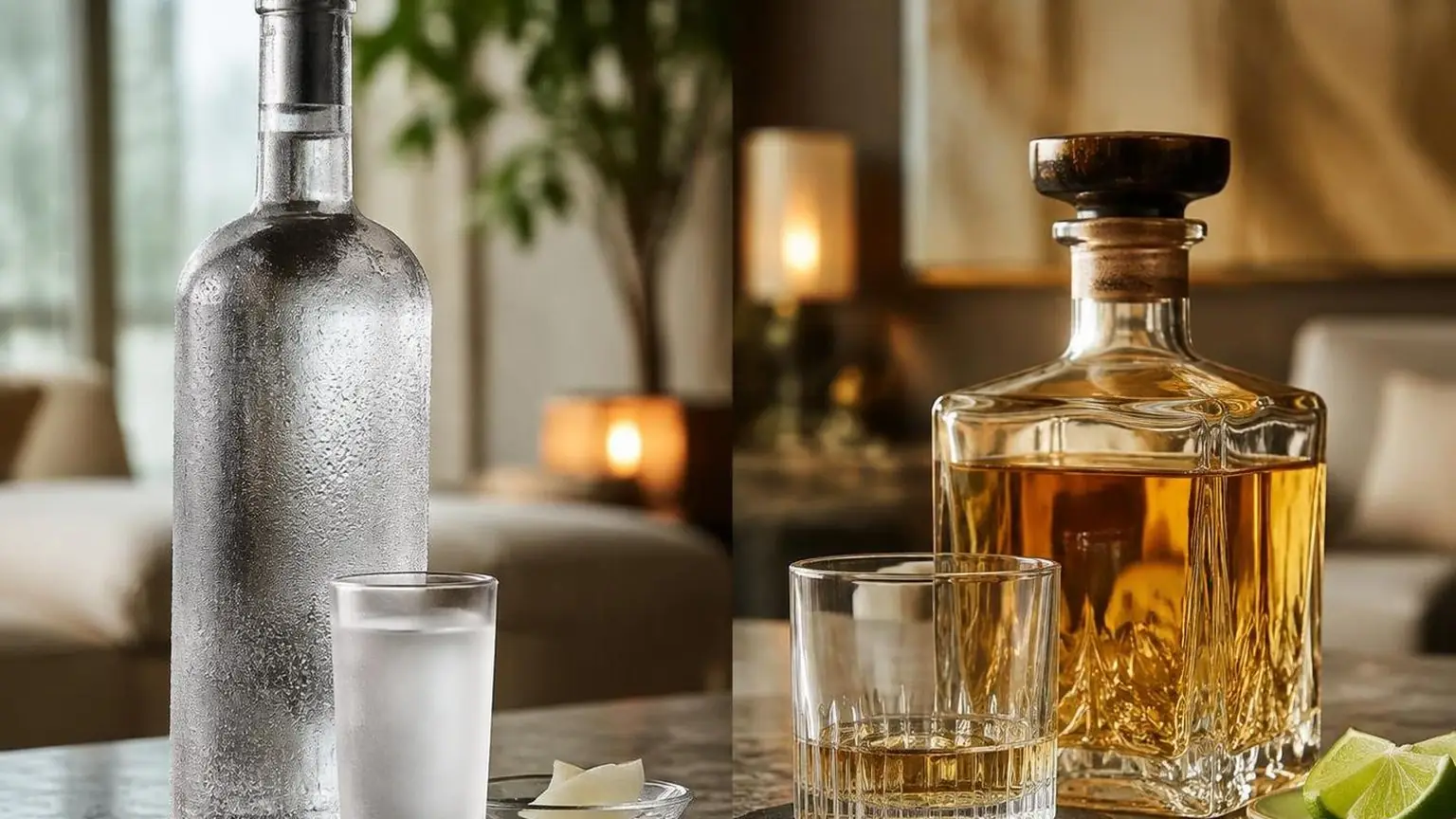
Tequila must be made in specific regions of Mexico and, by law, from at least 51% Blue Weber agave sugars; bottles labeled 100% agave use only agave.
Why do vodka and tequila taste so different?
Vodka is usually distilled to a very high proof and filtered to keep the flavor neutral, clean, and light.
Tequila keeps more raw-material character from agave, so it often shows earthy, peppery, herbal, citrus, or vegetal notes, especially in blanco styles.
Do vodka and tequila have different alcohol content?
Most standard vodka and tequila sold in the US are bottled at 40% ABV, or 80 proof. Some exceptions exist, but the practical difference for most drinkers is flavor and production method, not baseline strength.
How does production differ between vodka and tequila?
Vodka is generally fermented from a starch or sugar source, distilled repeatedly, and often charcoal-filtered to remove congeners and flavor compounds.
Tequila starts with harvested agave piñas that are cooked, crushed for juice, fermented, and distilled, which is why the finished spirit retains a stronger sense of origin.
Is tequila more likely than vodka to be aged in barrels?
Yes. Vodka is typically unaged, while tequila has formal aging categories such as blanco, reposado (at least 2 months), and añejo (at least 1 year), which add vanilla, oak, and spice notes from wood.
Related Reading
- What Is 818 Tequila Bottle? Answer From Expert
- Where To Buy Mini Tequila Bottles? Get the Answer
- Patron El Alto Price – Information From Experts
- What Is Don Julio Big Bottle? Most Correct Answer
- What Is Casamigos Bottle Sizes? Answer By Expert
- Can You Mix Tequila & Rum? Answer By Expert
- Tequila Vs Vodka: The Easiest Way to Distinguish
- All Alcohol Guides
- Electronic Code of Federal Regulations (2024)
- Cornell Law School Legal Information Institute, 27 CFR § 5.156 Vodka (2024)
- National Institute on Alcohol Abuse and Alcoholism (2024)
- U.S. Food and Drug Administration (2020)
- Consejo Regulador del Tequila (2024)
- Encyclopaedia Britannica, Vodka (2024)
- Encyclopaedia Britannica, Tequila (2024)