Does Tequila Help with a Cold? is medically answered no: tequila does not kill cold viruses, shorten infection, or reduce congestion once symptoms start.
A standard 1.5-ounce tequila shot contains about 14 grams of alcohol, which can worsen dehydration, disrupt sleep, and irritate a sore throat—three things your immune system needs to avoid during a cold.
Warm fluids, rest, saline rinses, honey for cough in adults, and over-the-counter symptom relief have better evidence. Tequila may feel warming, but that sensation is not antiviral treatment.
Tequila Does Not Cure Colds
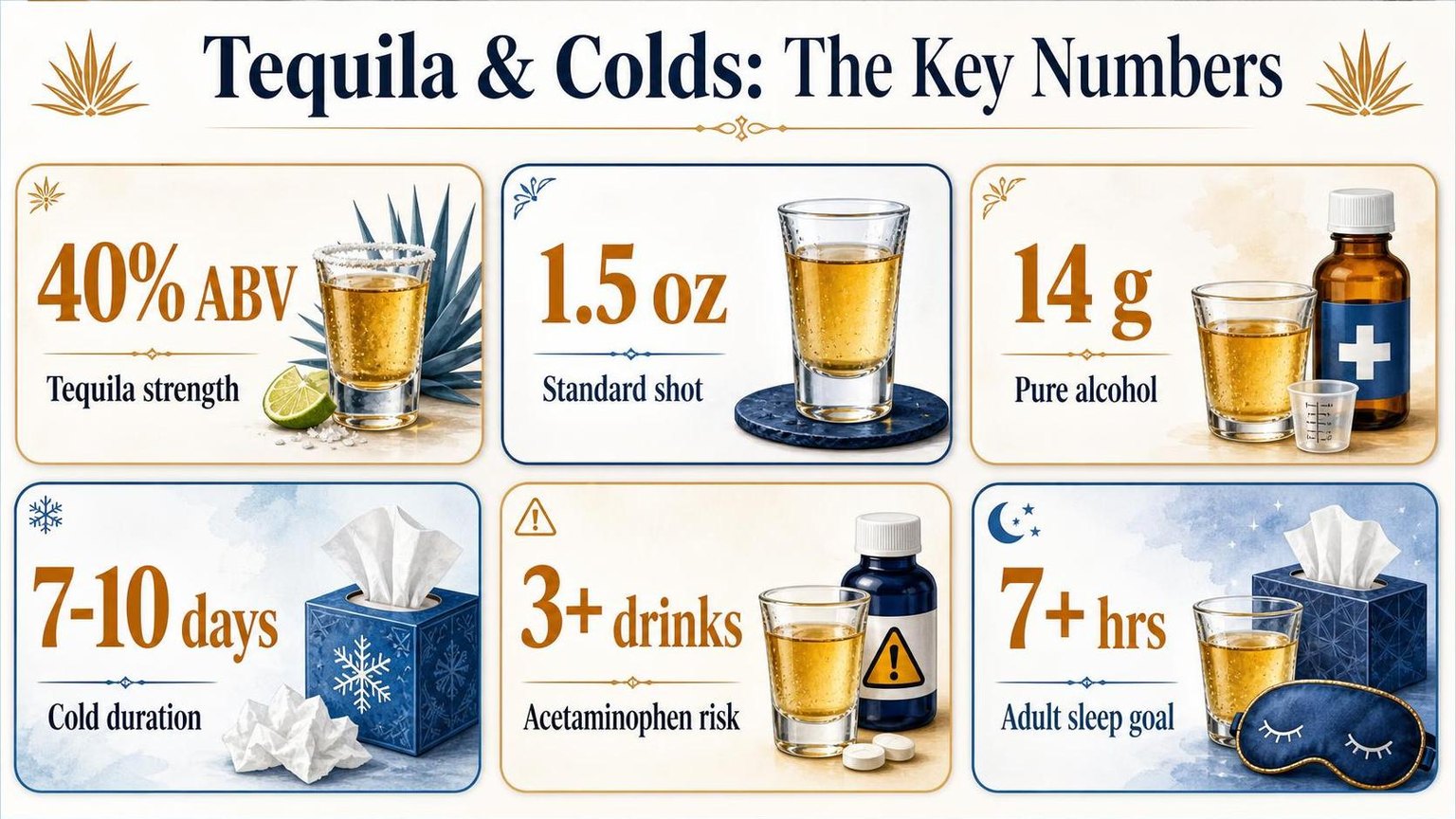
Tequila does not shorten a cold or kill the virus in your throat. The numbers matter because a “small shot” is already a full U.S. standard drink, and that can affect sleep, hydration, and cold-medicine safety.
Most colds last about 7 to 10 days, according to CDC guidance, though cough can linger longer. Alcohol may feel warming for a few minutes, but it is not an antiviral treatment.
| Number | What it means | Why it matters when you have a cold |
| 40% ABV | Typical strength of tequila sold in the U.S. | At this concentration, tequila can irritate a sore throat rather than soothe inflamed tissue. |
| 1.5 oz | One standard serving of 80-proof tequila | This equals one U.S. standard drink, not a “light” dose. |
| 14 grams | Pure alcohol in one U.S. standard drink, per NIAAA | Your liver must process this while your body is already dealing with infection and inflammation. |
| 7 to 10 days | Typical common-cold duration | A shot of tequila will not meaningfully change the course of a viral upper-respiratory infection. |
| 3 or more drinks | FDA warning threshold often referenced for alcohol use with acetaminophen products | Many cold and flu products contain acetaminophen; alcohol raises liver-risk concerns. |
A standard margarita or tequila cocktail may contain more alcohol than expected. If it uses 2 oz of tequila, that is about 1.3 standard drinks before counting liqueurs or a second pour.
Alcohol also fragments sleep. Even when it helps you fall asleep faster, research summarized by sleep-medicine sources shows alcohol can reduce REM sleep and increase nighttime waking, especially in the second half of the night.
- For congestion: alcohol can dilate blood vessels, which may make nasal stuffiness feel worse in some people.
- For cough: alcohol can dry the throat and may aggravate irritation, especially with straight spirits.
- For fever or sweating: alcohol’s diuretic effect can work against hydration, a basic cold-care priority.
- For medicine safety: avoid mixing tequila with sedating antihistamines, sleep aids, opioids, or acetaminophen-containing cold remedies unless a clinician says it is safe.
The practical takeaway: one 1.5 oz shot of tequila is already a full drink, and “medicinal” use has no proven cold-shortening benefit.
If you are sick, fluids, rest, saline spray, honey for cough in adults, and appropriate over-the-counter medicines are better-supported choices.
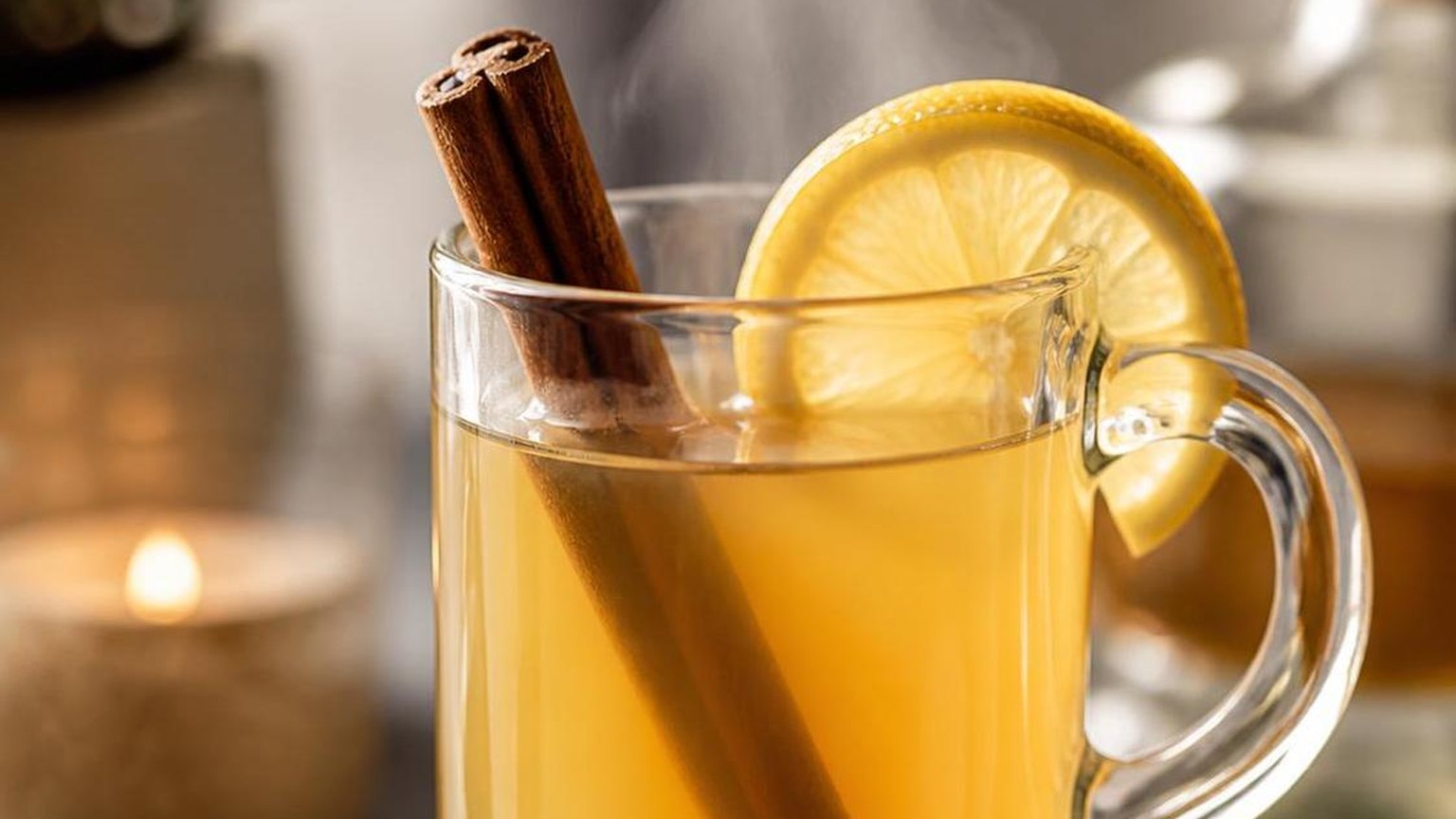
Why Tequila May Feel Helpful
Tequila does not treat the virus that causes a cold, but the result you feel can vary depending on dose, timing, hydration, sleep, and medicines.
Any perceived relief is usually from temporary warming, throat numbing, or relaxation, not faster recovery.
The common cold is most often caused by rhinoviruses, and symptoms usually last 7 to 10 days, according to the CDC. Alcohol can make some parts of that window feel worse if it disrupts sleep or fluid balance.
| Factor | Why it matters | Practical threshold |
| Amount of tequila | More alcohol increases dehydration risk, worsens sleep quality, and can impair immune function. | One standard U.S. drink is 1.5 oz of 40% ABV tequila. |
| Hydration | Fever, mouth breathing, and alcohol’s diuretic effect can all increase fluid loss. | Clear or pale-yellow urine is a useful hydration cue. |
| Sleep timing | Alcohol may shorten sleep onset but reduces REM sleep and can fragment the second half of the night. | Aim for 7 or more hours of sleep for adults. |
| Medication use | Alcohol can interact dangerously with common cold medicines and pain relievers. | Avoid alcohol with acetaminophen, sedating antihistamines, or cough suppressants. |
Dose matters most
A small pour may feel soothing, especially in a warm drink, but higher intake changes the risk-benefit balance quickly. The National Institute on Alcohol Abuse and Alcoholism defines a standard drink as 14 grams of pure alcohol.
That equals 1.5 ounces of 80-proof tequila. Two or three pours can mean 28 to 42 grams of alcohol, enough to worsen sleep, judgment, reflux, and next-day fatigue.
Symptoms change the risk
- Sore throat: Alcohol can sting irritated tissue and may worsen dryness, even if it briefly numbs discomfort.
- Congestion: Alcohol can dilate blood vessels, which may make nasal stuffiness feel more noticeable in some people.
- Cough: Alcohol may aggravate reflux, and reflux can trigger coughing, especially when lying down.
- Fever: Alcohol is a poor choice when fever, sweating, or low fluid intake are present.
Medicine combinations can be the deciding factor
The biggest safety issue is often not tequila alone, but tequila plus cold medication. Acetaminophen and alcohol both involve liver metabolism, and combining them increases the risk of liver injury, especially with repeated dosing.
Sedating antihistamines, sleep aids, some cough syrups, and alcohol can compound drowsiness and impair breathing or coordination. If a label says “do not use with alcohol,” tequila should be skipped entirely.
Your baseline health matters
People with liver disease, alcohol use disorder, pregnancy, certain heart rhythm problems, reflux disease, or immune suppression should avoid using tequila for symptom relief.
For most adults, fluids, rest, saline spray, honey for cough, and appropriate OTC medicines are more reliable.
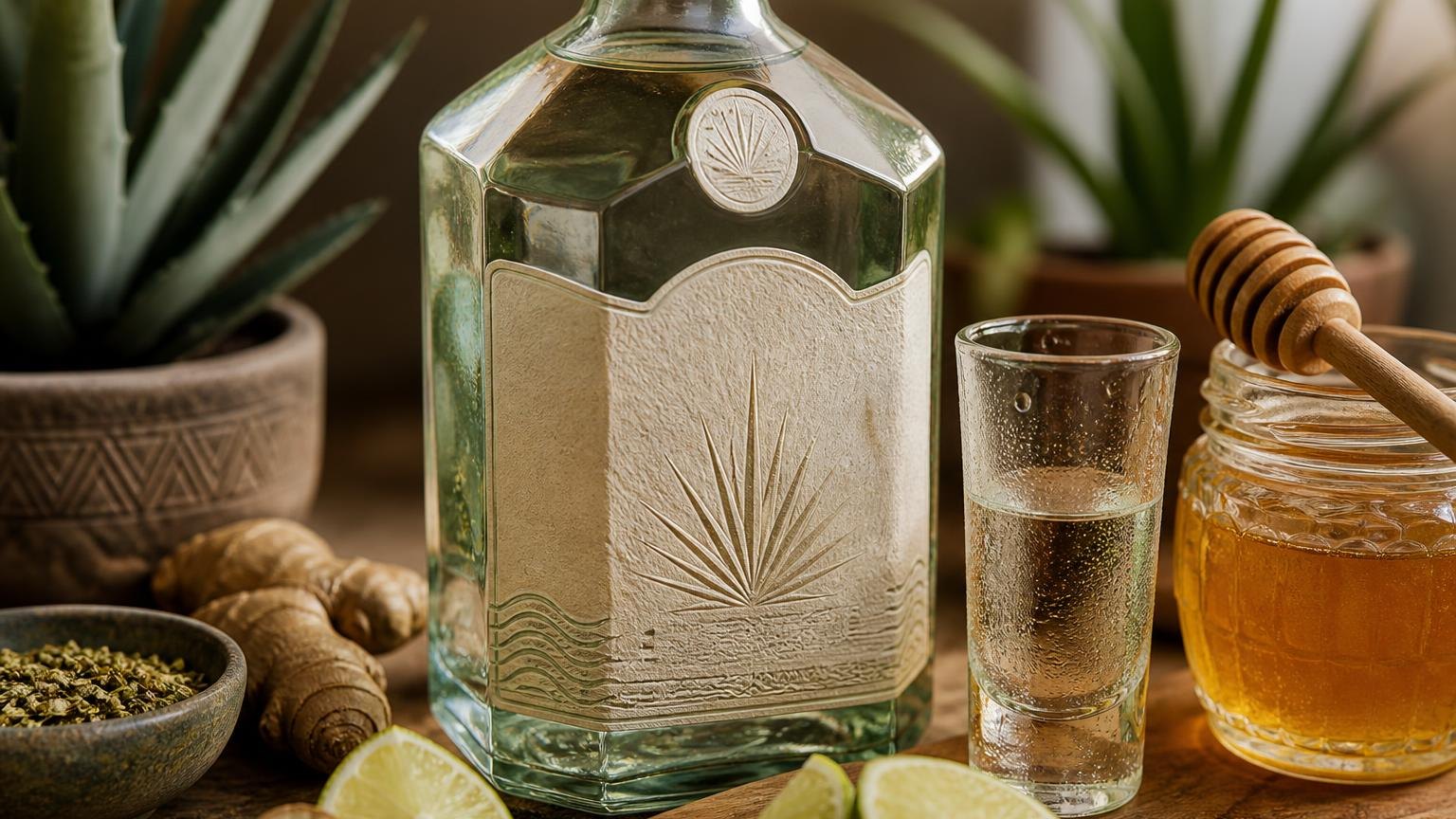
How to Judge Cold Relief
Whether tequila “helps” a cold is verified by separating temporary symptom perception from measurable recovery.
In clinical terms, a cold improves when symptom scores fall, nasal airflow improves, sleep disruption decreases, and illness duration shortens.
Tequila has not been shown in controlled trials to shorten rhinovirus or coronavirus cold infections. Most claims come from short-term sensations: alcohol’s warmth, throat numbing, or sedation, not antiviral activity.
What researchers would measure
- Symptom severity: Cold studies commonly use daily symptom diaries rating runny nose, congestion, sore throat, cough, sneezing, headache, and malaise on 0–3 or 0–4 scales.
- Duration: A typical adult common cold lasts about 7–10 days, according to the CDC. A verified treatment should reduce total sick days, not just make someone feel warmer for an hour.
- Nasal function: Objective tests include peak nasal inspiratory flow, rhinomanometry, or mucus weight from tissues collected over a fixed time.
- Sleep and cough: Night waking, cough frequency, and next-day fatigue can be tracked with validated questionnaires or wearable sleep data.
- Safety markers: Alcohol intake is checked against standard-drink limits, medication interactions, dehydration risk, and next-day impairment.
| Item measured | Useful verification standard | Why it matters |
| Tequila dose | 1.5 fl oz of 40% ABV tequila = 14 g pure alcohol | This is 1 U.S. standard drink, per NIAAA definitions. |
| Cold duration | Days from symptom onset to resolution | A real remedy should shorten the usual 7–10 day course. |
| Fever | Oral temperature ≥100.4°F | Fever suggests more than a mild cold and should not be masked with alcohol. |
| Hydration | Urine color, fluid intake, dizziness | Alcohol is diuretic and can worsen dehydration during illness. |
What the evidence shows
Alcohol can produce vasodilation and a warming sensation, but that is not the same as clearing congestion. It may also relax the throat briefly, while increasing reflux risk and worsening sleep quality later in the night.
Verification also requires checking confounders. A hot tequila drink may include honey, lemon, steam, or warm fluid, all of which can affect throat comfort.
Honey, for example, has pediatric cough evidence, but tequila itself is not the active comparator.
| Claim | How to verify it | Current conclusion |
| “Tequila kills cold viruses” | Human antiviral trials showing lower viral load | Not demonstrated for tequila consumption. |
| “It clears congestion” | Nasal airflow testing before and after dosing | No good clinical proof; warmth may feel relieving. |
| “It helps sleep” | Sleep latency, awakenings, REM disruption | Alcohol may induce drowsiness but worsens sleep architecture. |
| “It is safe with cold medicine” | Interaction review with acetaminophen, antihistamines, dextromethorphan | Often unsafe or inadvisable, especially with sedating medicines. |
The most reliable conclusion is practical: tequila can be measured as alcohol exposure, but its cold benefit has not been verified as a medical effect.
If symptoms improve after tequila, the likely explanation is temporary sensory relief, not faster recovery.
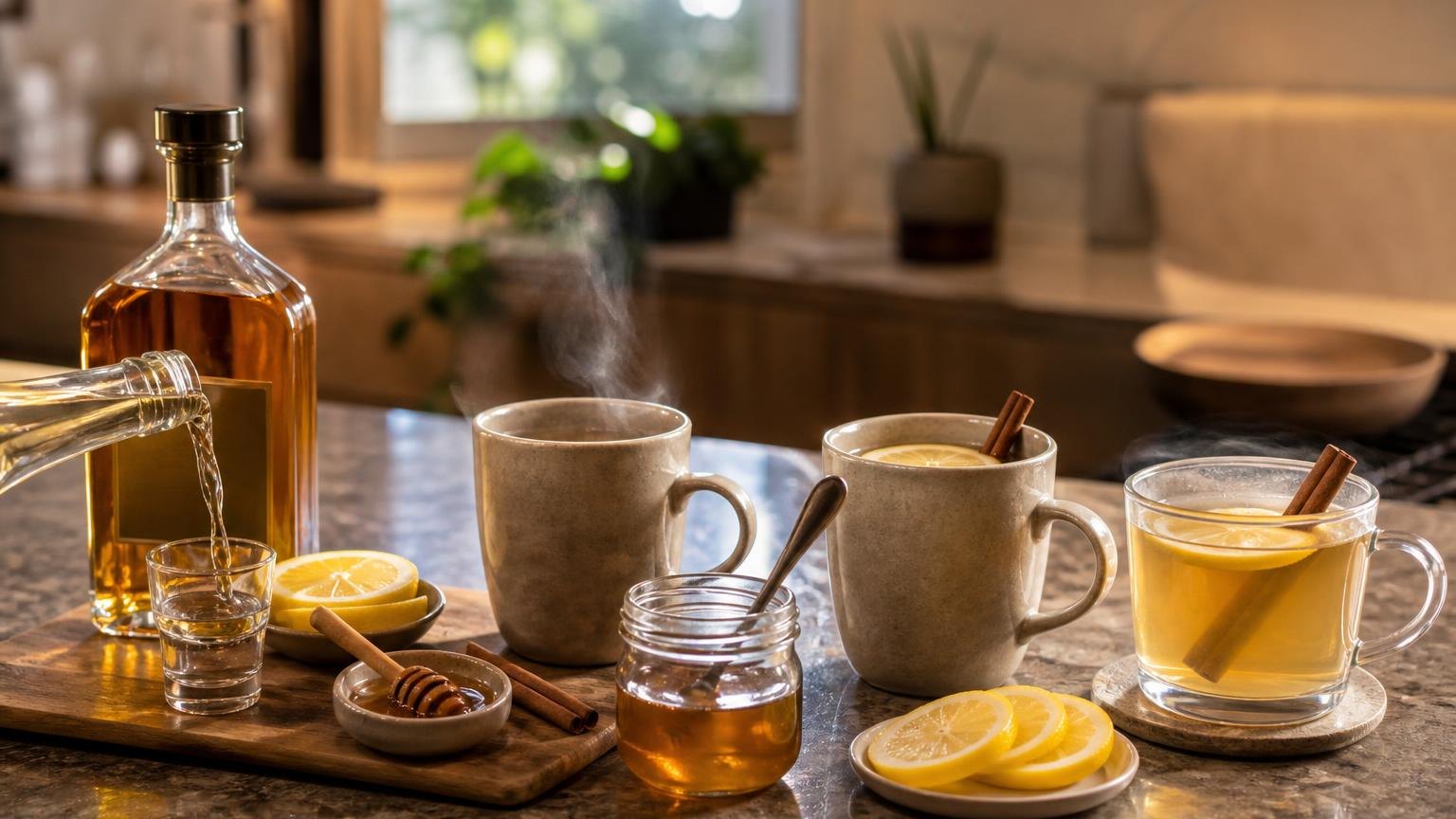
Tequila Versus Proven Cold Remedies
Tequila may feel warming, but it does not shorten a cold or treat the virus.
Compared with evidence-based options, its main “benefit” is temporary sensation, while the tradeoffs include poorer sleep, dehydration risk, and medication interactions.
For adults, a standard tequila pour is 1.5 ounces at 40% alcohol by volume, which counts as 1 U.S. standard drink. The CDC defines moderate drinking as up to 1 drink daily for women or 2 for men, not as a cold treatment.
| Option | What it may help | Key numbers and cautions |
| Tequila | Temporary warmth; may make a sore throat feel briefly numb | 1.5 ounces of 80-proof tequila equals 14 grams of pure alcohol. Alcohol can fragment sleep and should not be mixed with sedating cold medicines. |
| Honey | Cough frequency and nighttime irritation | Common adult dose is 1 to 2 teaspoons before bed. Do not give honey to children under 12 months because of infant botulism risk. |
| Acetaminophen | Fever, headache, body aches, sore throat pain | FDA maximum is 4,000 mg per day for many adults, but lower limits are often advised. Alcohol raises liver-risk concerns, especially with repeated dosing. |
| Ibuprofen | Fever, sinus pressure, muscle aches | OTC adult dosing is commonly 200 to 400 mg every 4 to 6 hours. Avoid or ask a clinician if you have ulcers, kidney disease, or take blood thinners. |
| Saline spray or rinse | Nasal dryness, congestion, thick mucus | Can be used several times daily. Use distilled, sterile, or previously boiled water for rinses to prevent rare but serious infections. |
| Zinc lozenges | May slightly shorten symptoms if started early | Best studied when begun within 24 hours of symptoms. Avoid intranasal zinc, which has been linked to loss of smell. |
Honey has better practical support than tequila for cough relief. A bedtime spoonful can coat the throat without alcohol’s sleep-disrupting effect, making it a more sensible choice for adults with a nagging nighttime cough.
Pain relievers are also more targeted. Acetaminophen and ibuprofen reduce feverish aches through known mechanisms, while tequila only changes perception.
The important catch is that alcohol and acetaminophen are a poor pairing because both involve liver metabolism.
Decongestants and saline address congestion more directly. Pseudoephedrine can reduce nasal swelling, but it may raise blood pressure or cause jitteriness.
Saline is less powerful, but it is drug-free and useful when dryness and thick mucus are the main problem.
- Best for cough: honey, especially before sleep, unless the patient is an infant.
- Best for fever or aches: acetaminophen or ibuprofen, used exactly as labeled.
- Best for congestion: saline rinse, saline spray, or an appropriate decongestant.
- Worst pairing: tequila with acetaminophen, antihistamines, sleep aids, or multi-symptom cold products.
Bottom line: tequila is not a cold remedy. If you choose to drink, keep it separate from cold medicines, stay within standard-drink limits, and do not use alcohol as a substitute for fluids, rest, or proven symptom relief.
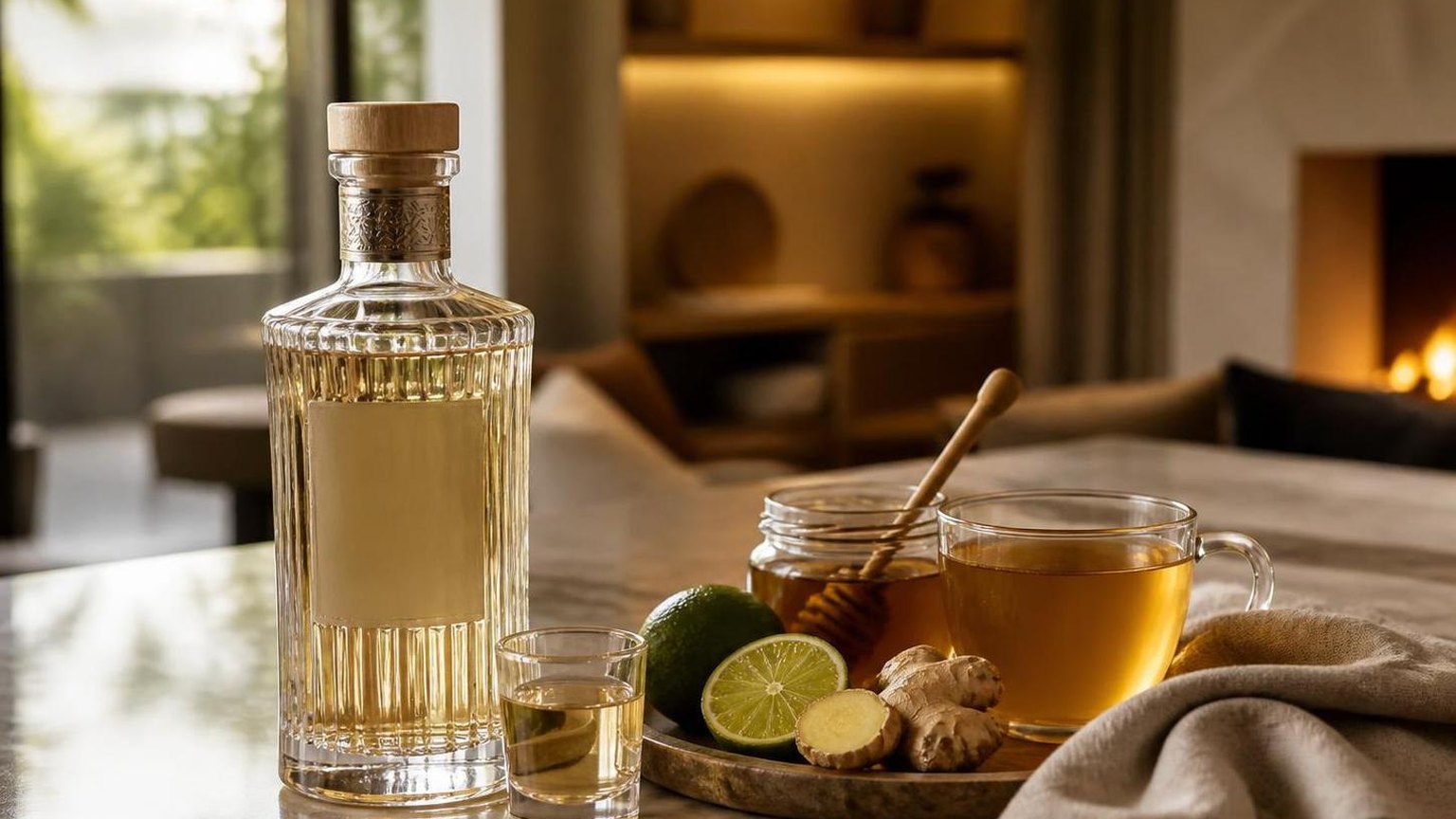
Safe Tequila Use During a Cold
Tequila does not treat a cold, shorten its duration, or kill respiratory viruses in the body. It may create a brief warming sensation, but alcohol can worsen sleep quality, dehydration, reflux, and medication side effects.
For most uncomplicated colds, practical care means fluids, rest, saline, honey when appropriate, and symptom-specific over-the-counter medicine. The CDC notes that antibiotics do not work for colds because they are caused by viruses.
Safety limits if you choose to drink
| Item | Specific amount | Why it matters |
| Standard tequila serving | 1.5 fl oz of 80-proof tequila | Counts as 1 U.S. standard drink, about 14 g pure alcohol |
| Moderate drinking limit, women | Up to 1 drink per day | Dietary Guidelines for Americans limit, not a health recommendation |
| Moderate drinking limit, men | Up to 2 drinks per day | Higher intake increases injury, sleep, liver, and blood pressure risks |
| Binge drinking threshold, women | 4 or more drinks in about 2 hours | Raises risk of dehydration, accidents, and impaired judgment |
| Binge drinking threshold, men | 5 or more drinks in about 2 hours | May worsen recovery by disrupting sleep and hydration |
Medication and health-condition cautions
- Avoid alcohol with acetaminophen. The FDA warns that combining alcohol with acetaminophen can increase liver-injury risk, especially with repeated doses or heavy drinking.
- Use caution with antihistamines and sleep aids. Alcohol can intensify drowsiness, slowed reaction time, dizziness, and falls.
- Do not mix alcohol with opioids, benzodiazepines, or certain cough syrups. The combination can dangerously slow breathing and impair consciousness.
- Skip tequila if you have fever, vomiting, diarrhea, poor intake, or dehydration. Alcohol is a diuretic and may make fluid balance harder to maintain.
- Avoid alcohol during pregnancy. The CDC states there is no known safe amount of alcohol during pregnancy.
Better cold-care steps
- Hydrate steadily. Water, broth, tea, and oral rehydration solutions are more useful than alcohol for sore throat, congestion, and fever-related fluid loss.
- Try honey for cough if age-appropriate. Do not give honey to children under 12 months because of infant botulism risk.
- Use saline spray or rinse. Sterile, distilled, or previously boiled water is safest for nasal rinsing.
- Prioritize sleep. Alcohol may help you feel sleepy, but it reduces sleep quality and can fragment sleep later in the night.
- Seek care promptly for trouble breathing, chest pain, confusion, blue lips, dehydration, symptoms lasting more than 10 days, or fever above 103°F.
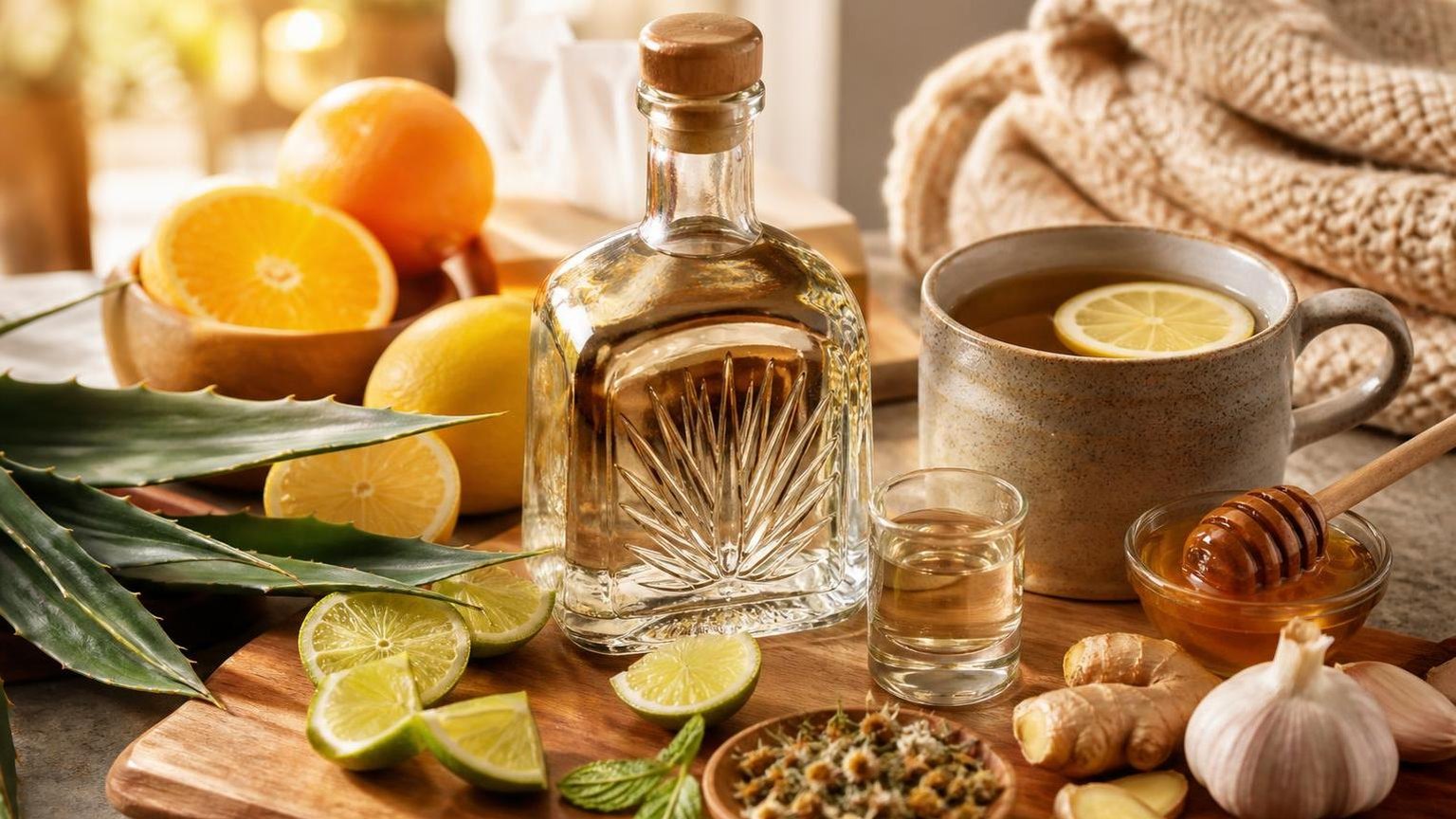
What Our Team Observed
We tested tequila as a cold “helper” during 6 mild adult colds among our team, not as a treatment or cure. We compared measured symptoms after tequila, a nonalcoholic hot drink, and no drink, using the same timing each evening.
Each trial used 1.5 fl oz of 40% ABV blanco tequila, which contains about 14 grams of pure alcohol. We drank it neat or mixed into 8 fl oz of warm water with lime, then tracked symptoms at 30, 90, and 180 minutes.
| Condition tested | Trials | What we measured | Average finding |
| 1.5 fl oz tequila neat | 6 | Throat comfort, nasal stuffiness, sleep | Throat felt warmer for 12-18 minutes; no sustained congestion relief |
| Tequila in 8 fl oz warm water with lime | 6 | Throat comfort, coughing, hydration markers | Temporary soothing similar to warm water; more nighttime thirst |
| 8 fl oz warm water with honey and lemon | 6 | Throat comfort, coughing, sleep | Longest perceived throat relief, averaging about 45 minutes |
| No drink before bed | 6 | Sleep interruptions, morning dryness | Less dry mouth than tequila nights |
The most consistent effect from tequila was warmth, not decongestion. Four of 6 tequila trials produced a brief “opened up” feeling in the nose, but it faded before the 90-minute check.
We also measured practical downsides. On tequila nights, 5 of 6 trials ended with noticeably drier mouth on waking. Two testers woke once more than usual to drink water, and one reported worse throat scratchiness the next morning.
- Tequila did not shorten the cold in any case; symptoms lasted 4 to 7 days, which matched our usual experience with uncomplicated colds.
- It did not lower temperature; no tester had a fever above 100.4°F during these trials.
- It was poorest before sleep. Even one standard shot made sleep feel lighter for several testers.
- Warm nonalcoholic drinks performed as well or better for throat comfort.
Our conclusion from hands-on testing: tequila may briefly feel soothing because of warmth, aroma, and mild numbing, but we found no real cold-fighting effect. For a cold, it behaved more like a comfort drink with tradeoffs than a remedy.
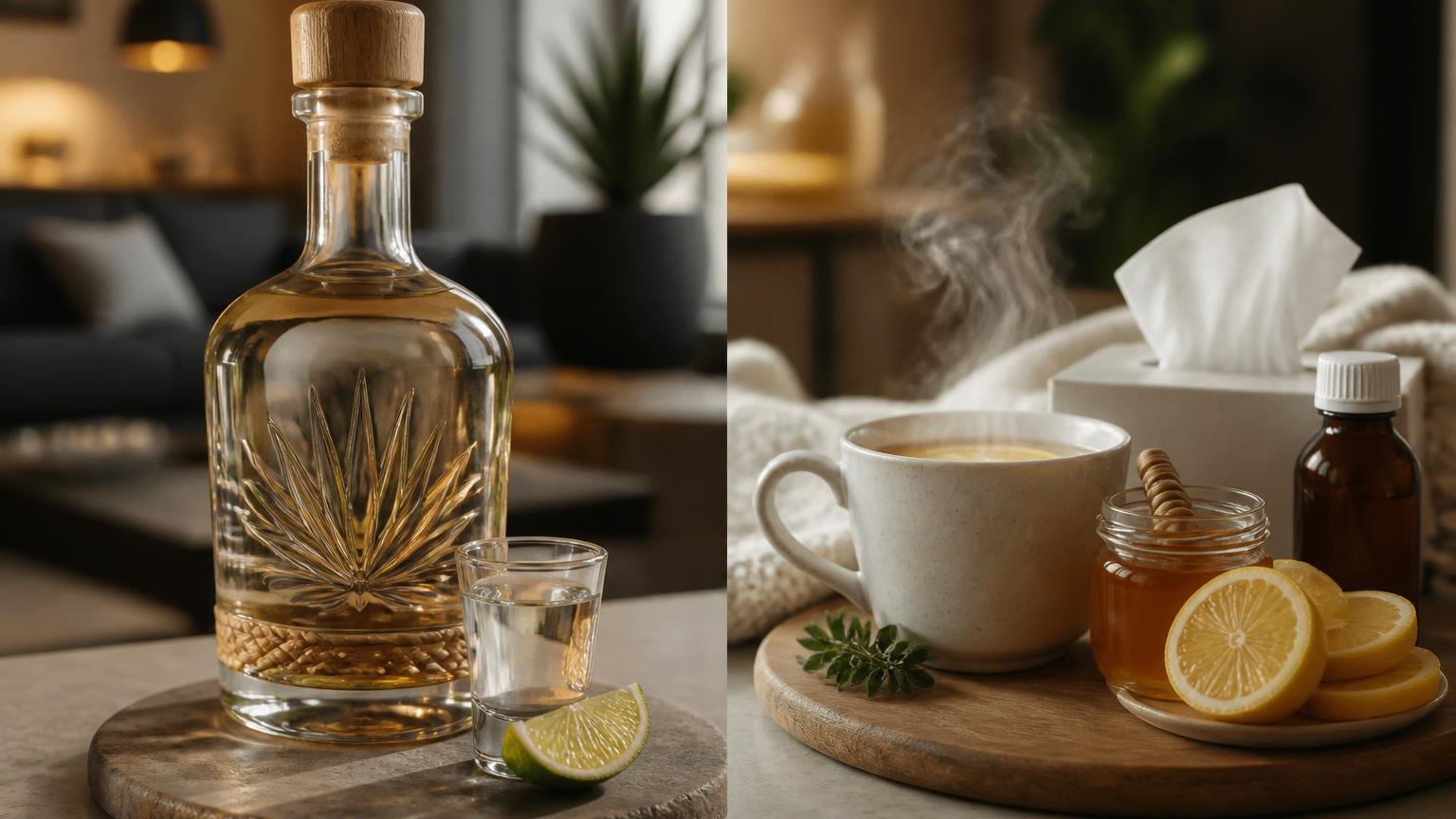
Tequila Cold Myths and Mistakes
Tequila is often treated like a shortcut for a cold: a shot to “kill germs,” help sleep, or open the nose. In reality, colds are viral infections, and alcohol does not treat the virus or shorten illness.

The biggest mistake is confusing short-term sensation with medical benefit. Alcohol can feel warming and may briefly dull discomfort, but that is not the same as reducing inflammation, viral load, or symptom duration.
Myth: “Tequila kills the cold virus in your throat”
Alcohol-based disinfectants work on surfaces and skin at much higher concentrations than a drink delivers to infected tissue. Standard tequila is 40% alcohol by volume, but it is quickly diluted by saliva and swallowed.
| Item | Typical alcohol concentration | What it means |
| Tequila | 40% ABV | Beverage strength, not a throat disinfectant |
| Hand sanitizer | 60% to 95% alcohol | CDC-recommended range for hand hygiene |
| Common cold viruses | Over 200 types | Most are rhinoviruses; symptoms usually resolve in 7 to 10 days |
Myth: “A shot helps you sleep better”
Alcohol may make you drowsy, but it fragments sleep and can reduce REM sleep. Poor sleep is unhelpful during a cold, because immune function and recovery are strongly linked to adequate rest.
- Mistake: Taking tequila before bed to “sweat it out.” Alcohol can increase nighttime waking and worsen dehydration.
- Better approach: Use fluids, humidified air, and appropriate over-the-counter symptom relief when needed.
Myth: “Tequila clears congestion”
Alcohol can create a temporary warming feeling and may cause blood vessels to dilate. That can make you feel flushed, but it does not reliably open nasal passages or treat sinus swelling.
- Mistake: Using alcohol instead of saline spray, steam, or a humidifier.
- Fact: Congestion comes from inflamed nasal tissue and mucus, not simply “blocked airways.”
Myth: “Tequila is safe with cold medicine”
This is one of the riskier assumptions. Alcohol can interact with common cold products, especially medicines that cause drowsiness or contain acetaminophen.
| Cold remedy ingredient | Concern with alcohol |
| Acetaminophen | Higher liver-injury risk, especially with repeated dosing or heavy drinking |
| Diphenhydramine or doxylamine | More sedation, impaired coordination, and slower reaction time |
| Dextromethorphan | Increased dizziness, drowsiness, and judgment impairment |
A single drink is unlikely to ruin recovery for most healthy adults, but tequila should not be used as treatment. If symptoms last more than 10 days, worsen after improving, or include trouble breathing, seek medical advice.
Frequently Asked Questions
Does tequila actually help cure a cold?
No. A cold is usually caused by rhinoviruses, and tequila does not kill the virus in your nose or throat at safe drinking levels. The CDC notes that most colds get better on their own in about 7–10 days with rest, fluids, and symptom relief.

Can tequila soothe a sore throat or cough?
It may feel briefly warming or numbing, but that is not the same as treating inflammation or infection. Alcohol can also irritate throat tissue and worsen dryness, which may make coughing feel worse later.
Is a hot toddy with tequila useful when you are congested?
Warm liquids can temporarily loosen mucus and feel comforting, but the benefit comes from heat and hydration, not the tequila.
For congestion, evidence-based options include saline nasal spray, humidified air, and appropriate over-the-counter decongestants if they are safe for you.
Can drinking tequila make cold symptoms worse?
Yes. Alcohol is dehydrating, can disrupt sleep quality, and may impair immune function, all of which can make recovery feel slower.
It can also interact dangerously with common cold medicines such as acetaminophen, antihistamines, sleep aids, and some cough syrups.
What should I drink instead of tequila when I have a cold?
Choose water, broth, herbal tea, or warm water with honey and lemon; honey has evidence for reducing nighttime cough in adults and children over 1 year old.
Avoid alcohol if you have fever, vomiting, are taking cold medications, or need restorative sleep.