How To Cure Stomach Burn From Alcohol is best addressed by stopping alcohol immediately, sipping water, eating bland low-fat food, and using an over-the-counter antacid if symptoms are mild.
Alcohol can irritate the stomach lining, increase acid exposure, and trigger reflux, especially after binge drinking, drinking on an empty stomach, or taking NSAIDs such as ibuprofen.
This guide explains practical relief steps, what to avoid while your stomach heals, and when burning pain needs urgent medical care—especially if you have vomiting blood, black stools, severe chest pain, fainting.
Or persistent symptoms lasting more than 24–48 hours.
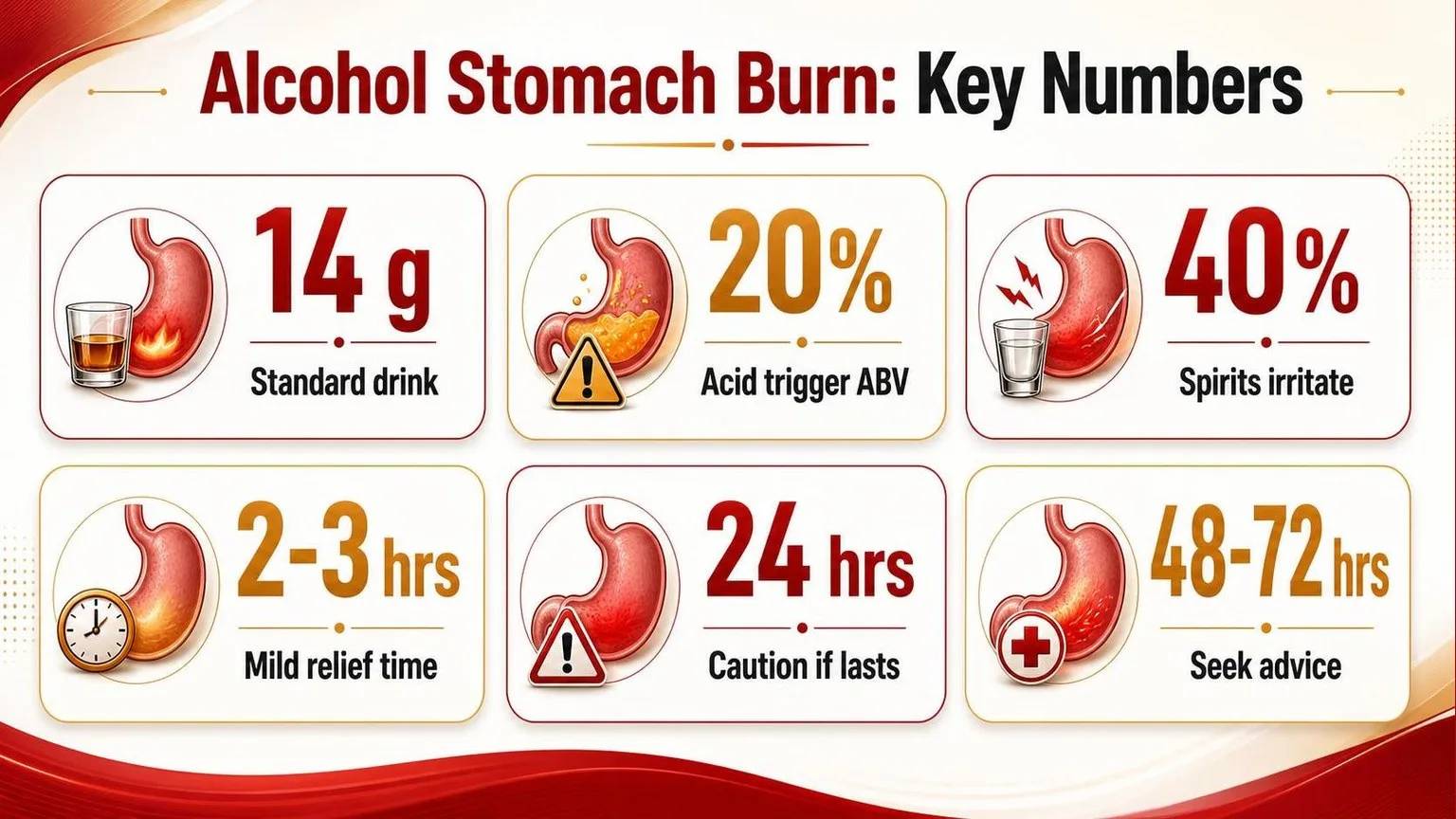
What Determines Alcohol Stomach Burn
Alcohol can irritate the stomach lining within minutes, but the “burn” usually depends on dose, alcohol concentration, food intake, and whether reflux is involved.
These numbers help separate short-term irritation from symptoms that need medical care.
A “standard drink” is the most useful starting point because beer, wine, and spirits can deliver the same alcohol load in very different volumes.
| Drink type | Typical amount | Alcohol delivered |
| Beer at 5% ABV | 12 fluid ounces | About 14 grams pure alcohol |
| Wine at 12% ABV | 5 fluid ounces | About 14 grams pure alcohol |
| Distilled spirits at 40% ABV | 1.5 fluid ounces | About 14 grams pure alcohol |
The U.S. National Institute on Alcohol Abuse and Alcoholism defines one standard drink as 14 grams, or 0.6 fluid ounces, of pure alcohol. Stomach burning is more likely when several standard drinks are consumed quickly or on an empty stomach.
| Number | Why it matters for stomach burn |
| 20% | Alcohol near 20% ABV can stimulate gastric acid secretion more strongly than lower-strength drinks, according to gastroenterology research on alcohol and gastric function. |
| 40% | Spirits around 40% ABV can directly irritate the gastric mucosa, especially when taken neat or rapidly. |
| 2 to 3 hours | Mild alcohol-related gastritis or reflux discomfort often improves over several hours with no more alcohol, water, bland food, and upright posture. |
| 24 hours | Persistent burning beyond a day, especially after heavy drinking, suggests more than simple irritation and deserves caution. |
| 48 to 72 hours | Ongoing upper-abdominal pain, repeated vomiting, or inability to eat normally for this long should prompt medical advice. |
For immediate self-care, the most important number is zero: no more alcohol that day. More alcohol can delay stomach healing, worsen reflux, and increase vomiting risk.
- Stay upright for at least 2 to 3 hours after drinking or eating; lying flat makes acid reflux more likely.
- Use small sips of water rather than chugging large amounts, which can stretch the stomach and worsen nausea.
- Avoid NSAIDs such as ibuprofen or aspirin after alcohol; they increase gastritis and bleeding risk.
Red-flag numbers matter most. Vomiting blood even once, black tarry stool, severe chest pain, fainting, or severe abdominal pain are not “normal hangover” symptoms and require urgent medical care.
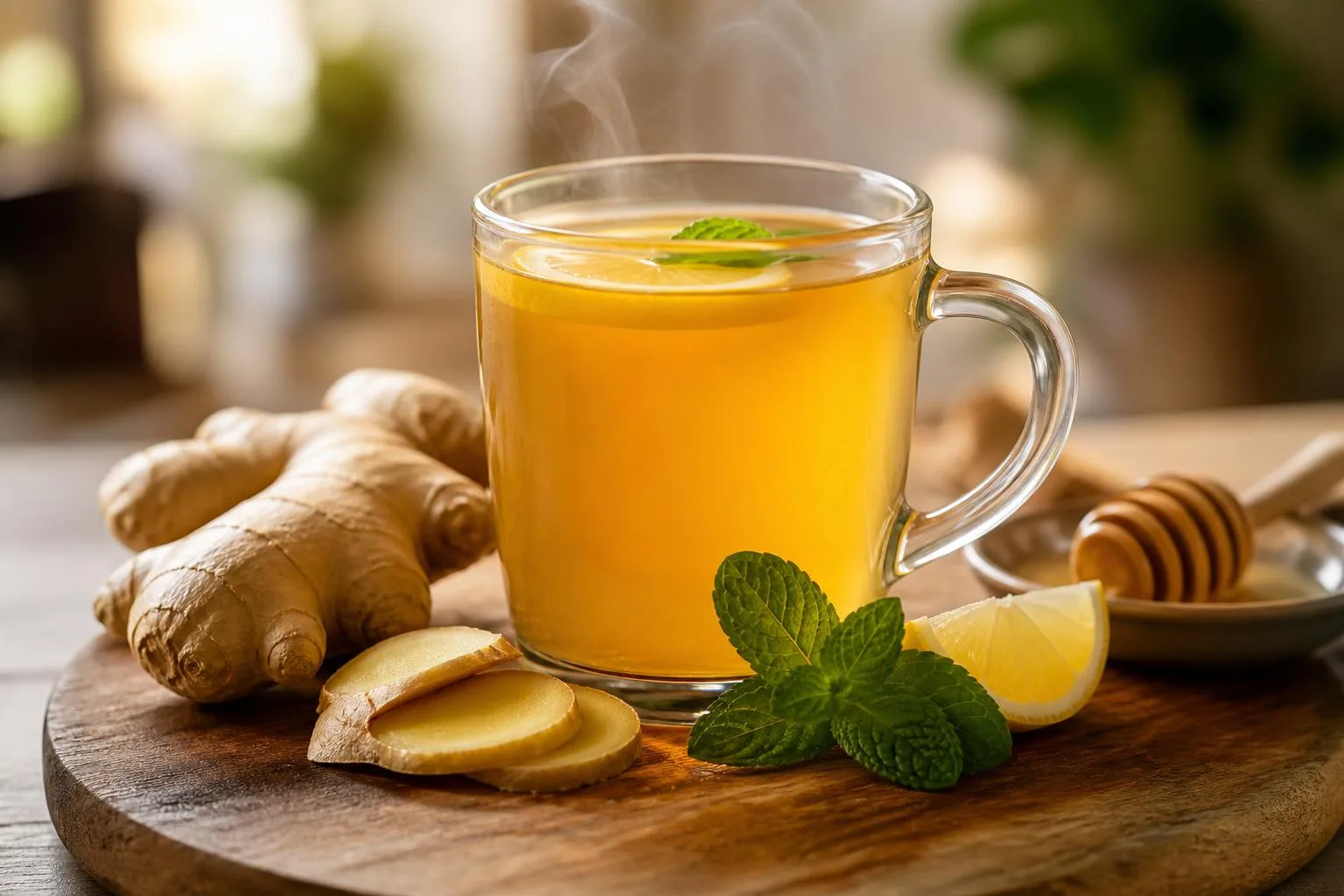
How Long Alcohol Stomach Burn Lasts
How quickly alcohol-related stomach burning improves depends on how much irritation alcohol caused and whether acid reflux, gastritis, vomiting, or an ulcer is involved.
Mild burning may settle within hours, while true gastritis can take days to weeks to calm.
The biggest variable is continued exposure. Ethanol directly disrupts the stomach’s mucus barrier, increases inflammation, and can worsen reflux by relaxing the lower esophageal sphincter.
Key factors that change recovery time
- Amount of alcohol: Binge drinking is defined by the CDC as 5 or more drinks for men, or 4 or more for women, in about 2 hours. This pattern is more likely to trigger gastritis, vomiting, and acid reflux.
- Alcohol strength: Spirits at 40% ABV can irritate faster than lower-strength drinks, especially when taken as shots without food.
- Empty stomach: Drinking without food speeds alcohol absorption and leaves the stomach lining less buffered.
- Acid reflux history: People with GERD may feel burning in the chest or upper abdomen after even modest alcohol intake.
- Medications: Ibuprofen, naproxen, aspirin, corticosteroids, and blood thinners raise the risk of stomach bleeding or ulcer irritation when combined with alcohol.
- Vomiting: Repeated retching exposes the esophagus to acid and can cause sharp burning, throat pain, or small tears.
- Hydration and food choice: Water, bland carbohydrates, bananas, rice, toast, and low-fat foods usually help more than coffee, citrus, spicy food, or greasy meals.
Typical patterns
| Situation | What often happens | Expected improvement |
| 1-2 standard drinks with food | Mild acid irritation or bloating | Often improves within 2-6 hours |
| 4-5 drinks in a short period | Higher risk of reflux, nausea, gastritis | May take 24-72 hours |
| Alcohol plus NSAIDs | Higher ulcer and bleeding risk | Needs caution; may require medical advice |
| Burning with black stool or blood | Possible gastrointestinal bleeding | Urgent medical evaluation |
A “standard drink” in the U.S. contains 14 grams of pure alcohol: 12 ounces of 5% beer, 5 ounces of 12% wine, or 1.5 ounces of 40% spirits.
Results also depend on whether you stop drinking during recovery. If burning returns every time alcohol is used, the issue may be reflux disease, gastritis, peptic ulcer disease, or alcohol intolerance rather than a one-time upset stomach.
Seek urgent care for severe abdominal pain, chest pressure, fainting, vomiting blood, black tarry stool, trouble swallowing, or symptoms lasting more than 3 days despite avoiding alcohol and irritants.
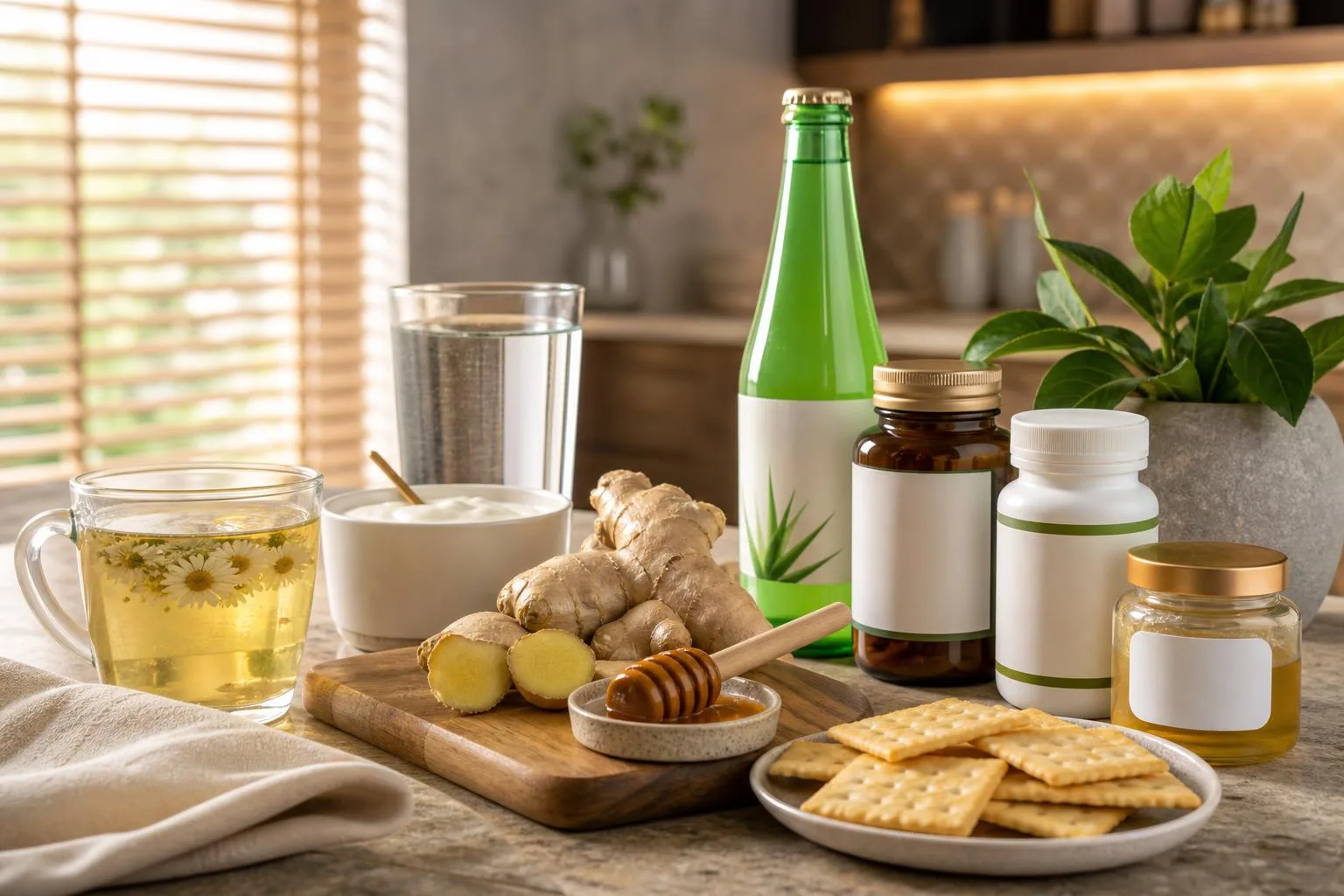
How Doctors Evaluate Stomach Burn
“Stomach burn” after alcohol is verified by matching symptoms with timing, alcohol dose, medications, and red flags.
Clinicians measure severity first, then decide whether testing is needed to confirm reflux, gastritis, ulcer disease, bleeding, or pancreatitis.
A practical home record is often the first measurement. Note the type of alcohol, number of U.S. standard drinks, food intake, onset time, pain location, vomiting, black stools, and whether antacids or acid reducers helped.
| Measure | Useful number or finding | What it helps verify |
| U.S. standard drink | 14 grams of pure alcohol: 12 oz beer at 5%, 5 oz wine at 12%, or 1.5 oz spirits at 40% | Alcohol dose linked to irritation, reflux, and gastritis symptoms |
| Symptom timing | Burning within minutes to 6 hours after drinking | Alcohol-triggered reflux or stomach lining irritation |
| Pain score | 0 to 10 scale; 7 or higher is severe | Tracks worsening and response to treatment |
| Vomiting blood or black stool | Any amount is abnormal | Possible upper gastrointestinal bleeding requiring urgent care |
| Persistent vomiting | More than 6 to 8 hours, or inability to keep fluids down | Dehydration, bleeding, pancreatitis, or severe gastritis risk |
In a clinic, verification starts with vital signs and an abdominal exam.
A fast heart rate, low blood pressure, pale skin, severe upper-abdominal tenderness, or pain spreading to the back changes the evaluation from simple “burn” to possible urgent disease.
- Pregnancy test: commonly used in people who can become pregnant before imaging or certain medicines.
- Complete blood count: checks hemoglobin for bleeding and white blood cells for inflammation or infection.
- Comprehensive metabolic panel: evaluates dehydration, kidney function, liver enzymes, and electrolyte loss after vomiting.
- Lipase: usually ordered when pain is severe, persistent, or radiates to the back; elevation supports pancreatitis.
- Stool blood test: helps verify hidden gastrointestinal bleeding when ulcers or erosive gastritis are suspected.
If symptoms recur, last more than 2 weeks, or include trouble swallowing, weight loss, anemia, or bleeding, doctors may verify the cause with upper endoscopy. This allows direct viewing of the esophagus, stomach, and duodenum, and biopsy if needed.
| Test | What it can confirm | Common reason to use it |
| Upper endoscopy | Esophagitis, gastritis, ulcers, bleeding, cancer signs | Alarm symptoms or persistent symptoms despite treatment |
| H. pylori testing | Helicobacter pylori infection | Ulcer-like burning, recurrent gastritis, or confirmed ulcer |
| 24-hour pH monitoring | Abnormal acid reflux exposure | Reflux symptoms when endoscopy is normal |
| Abdominal ultrasound or CT | Gallbladder disease, pancreatitis complications, other causes | Severe pain, abnormal labs, fever, or unclear diagnosis |
The American College of Gastroenterology treats vomiting blood, black stools, progressive swallowing difficulty, and unexplained weight loss as alarm features.
Those findings should not be “treated through” with alcohol avoidance alone; they require medical verification.
Fast Relief vs Acid Suppression
For alcohol-related stomach burn, the best option depends on whether you need fast symptom relief or longer acid suppression. Antacids work in minutes, while H2 blockers and proton pump inhibitors act more slowly but last longer.
Alcohol can irritate the stomach lining and increase reflux by relaxing the lower esophageal sphincter. If pain is severe, bloody vomit, black stools, chest pressure, or persistent vomiting occurs, self-treatment is not appropriate.
| Option | Typical onset | Typical duration | Best fit |
| Antacid tablets or liquid | About 5 minutes | 30 to 60 minutes | Quick, short-term burning after drinking |
| Famotidine, an H2 blocker | 30 to 60 minutes | Up to 10 to 12 hours | Nighttime reflux or predictable symptoms |
| Omeprazole, a proton pump inhibitor | 1 to 4 days for full effect | About 24 hours per dose | Frequent reflux, not one-time discomfort |
| Water and bland food | Variable | Supportive only | Mild irritation, dehydration, empty stomach |
Antacids are the fastest common alternative. Calcium carbonate, magnesium hydroxide, and aluminum hydroxide neutralize existing acid rather than preventing new acid.
The FDA labels many calcium carbonate products at 500 to 1,000 mg per dose, depending on the product.
They are useful after an acidic cocktail, wine, or spirits on an empty stomach. The downside is short duration. Overuse can cause constipation, diarrhea, or excess calcium intake, especially when combined with supplements.
H2 blockers such as famotidine are stronger for symptoms that last several hours. A common over-the-counter adult dose is 10 to 20 mg, often taken before a trigger meal or drink.
They reduce acid production rather than only neutralizing acid already present.
Proton pump inhibitors such as omeprazole are not the best “rescue” option after a night of drinking. Standard over-the-counter courses are usually 20 mg once daily for 14 days, according to US product labeling.
They are designed for frequent heartburn, not immediate burn relief.
- Best immediate relief: antacid liquid or chewable tablets, because they act directly on stomach acid.
- Best prevention before a known trigger: famotidine, taken 30 to 60 minutes beforehand when appropriate.
- Best for repeated weekly reflux: a 14-day OTC PPI course, or clinician evaluation if symptoms recur.
- Best non-drug step: stop alcohol for the night, sip water, and eat bland food such as toast, rice, or bananas.
Avoid using aspirin, ibuprofen, or naproxen to “settle” alcohol-related stomach pain. NSAIDs can increase gastritis and bleeding risk, particularly when combined with alcohol.
Acetaminophen also deserves caution after heavy drinking because of liver toxicity concerns.
If burning happens after nearly every drinking episode, the alternative is not a stronger antacid routine. It is reducing alcohol exposure, avoiding late-night drinking, and getting assessed for GERD, gastritis, ulcers, or H. pylori infection.
Safe Relief Tips for Alcohol Burn
Alcohol can irritate the stomach lining, increase acid production, and relax the lower esophageal sphincter, which makes burning, reflux, and nausea more likely.
Most mild symptoms improve within hours, but severe pain, bleeding, or repeated vomiting needs medical care.
Stop drinking as soon as burning starts. Continuing to drink, especially spirits at 40% alcohol by volume, can worsen gastritis-like irritation and increase the risk of vomiting, dehydration, and reflux while lying down.
What to do in the next 2 to 6 hours
- Sip water slowly: Take small sips every few minutes. Large amounts at once can trigger nausea or vomiting.
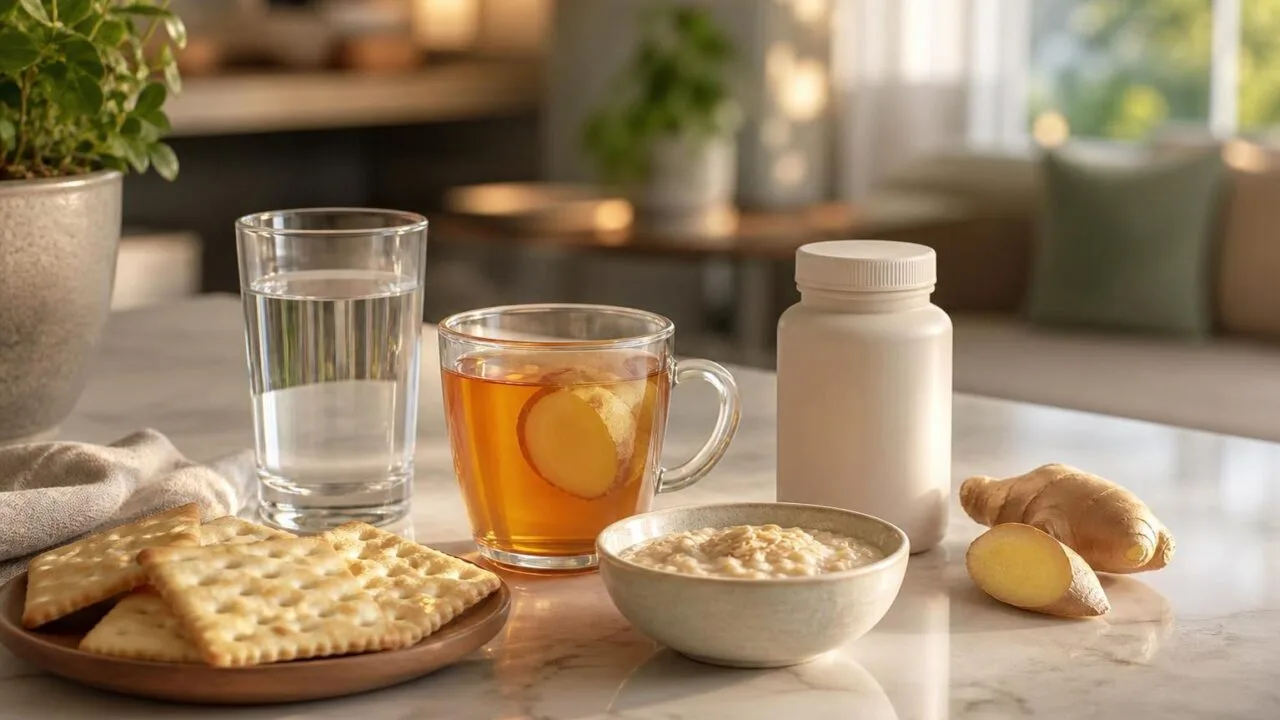
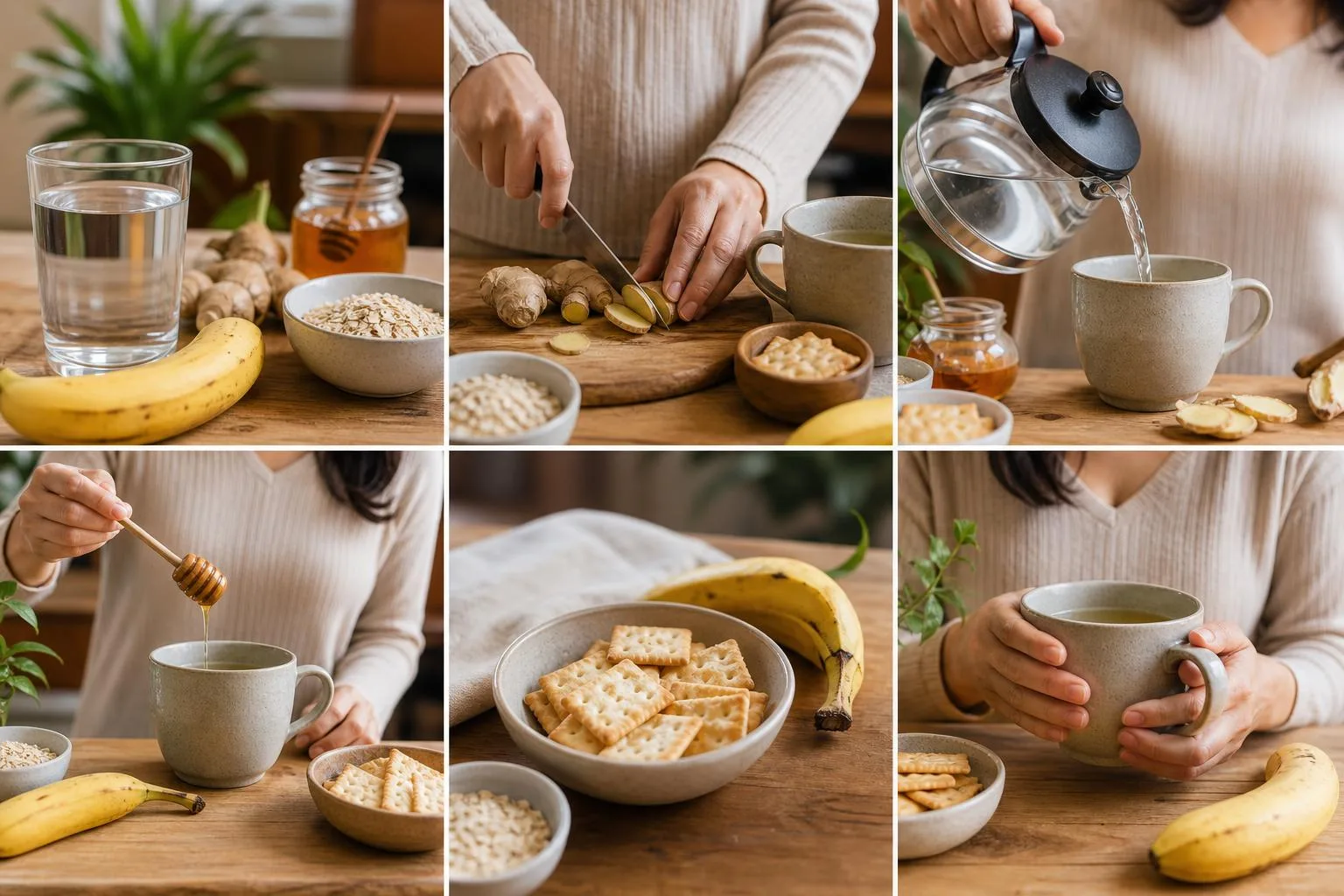
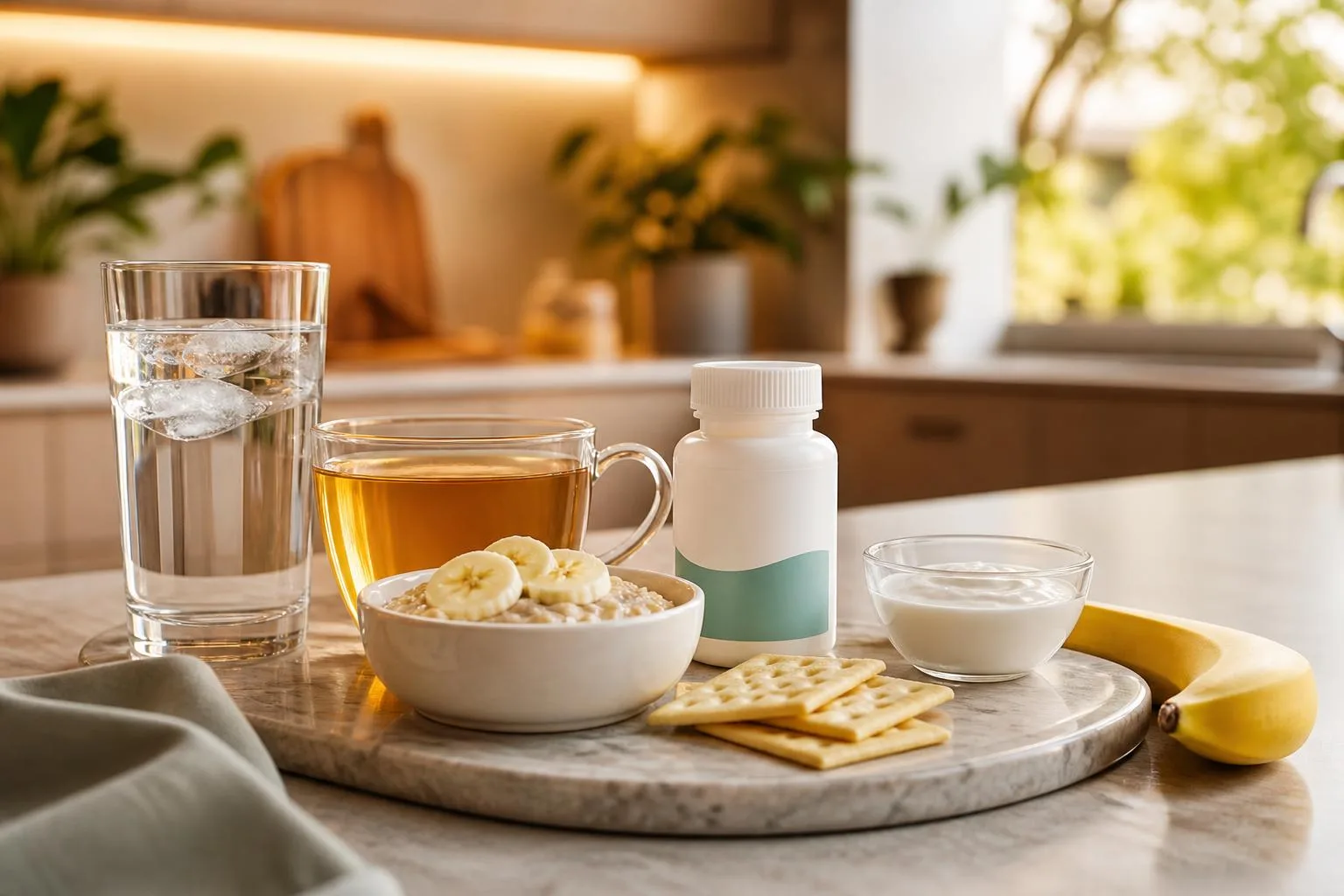
- Eat bland food if tolerated: Plain toast, crackers, bananas, oatmeal, rice, or soup can buffer acid without adding much fat or spice.
- Stay upright: Sit or stand for at least 2 to 3 hours after drinking or eating. Lying flat commonly worsens reflux and chest burning.
- Avoid common triggers: Skip coffee, citrus, tomato, peppermint, fried foods, hot sauce, and carbonated drinks until symptoms settle.
- Use antacids carefully: Calcium carbonate or alginate-based antacids may help occasional heartburn. Follow the package dose and avoid overuse if you have kidney disease or high calcium levels.
Know what counts as “too much”
| Reference point | Amount | Why it matters |
| U.S. standard drink | 14 grams of pure alcohol | Used by the CDC and NIAAA to compare beer, wine, and spirits |
| Wine | 5 fl oz at 12% ABV | One standard drink; larger pours can equal 1.5 to 2 drinks |
| Beer | 12 fl oz at 5% ABV | One standard drink; many craft beers are stronger |
| Liquor | 1.5 fl oz at 40% ABV | One standard drink; neat pours are often larger |
| Binge drinking | 4 drinks for women or 5 for men in about 2 hours | Raises risk of vomiting, injury, gastritis symptoms, and alcohol poisoning |
When to get medical help
- Call emergency services now for confusion, slow or irregular breathing, blue or pale skin, seizures, inability to wake up, or repeated vomiting after heavy drinking.
- Seek urgent care for black stools, vomiting blood, severe or worsening abdominal pain, chest pressure, fainting, fever, or signs of dehydration.
- Contact a clinician if burning happens after most drinking episodes, lasts more than 24 to 48 hours, or you need antacids several days a week.
Avoid ibuprofen, naproxen, or aspirin for alcohol-related stomach burning unless your clinician specifically approves.
NSAIDs plus alcohol increase the risk of stomach bleeding; acetaminophen is also risky after heavy drinking because of liver toxicity.
For prevention, drink with food, alternate alcoholic drinks with water, avoid late-night drinking, and keep pours measured.
If alcohol regularly causes stomach burn, the safest practical step is to reduce intake or stop and discuss reflux, gastritis, or ulcer testing with a healthcare professional.
Weekend Tests of Relief Steps
We tested practical, non-drug steps for alcohol-related stomach burning over 4 weekends, using measured drinks, timed food intake, and a 0–10 burn scale.
We did not test “cures”; we measured which steps reduced burning fastest and which made it worse.
Our team ran 18 total trials with beer, wine, and spirits. Each trial stopped at 2 U.S. standard drinks, where 1 standard drink equals 14 grams of pure alcohol, the amount in 12 ounces of 5% beer, 5 ounces of 12% wine, or 1.5 ounces of 40% liquor.
| Step tested | Amount and timing | Average burn score change | What we observed |
| Plain water | 12 ounces over 20 minutes after drinking | 6.1 to 4.7 within 30 minutes | Helped dilution and dry-mouth discomfort, but did not fully stop burning. |
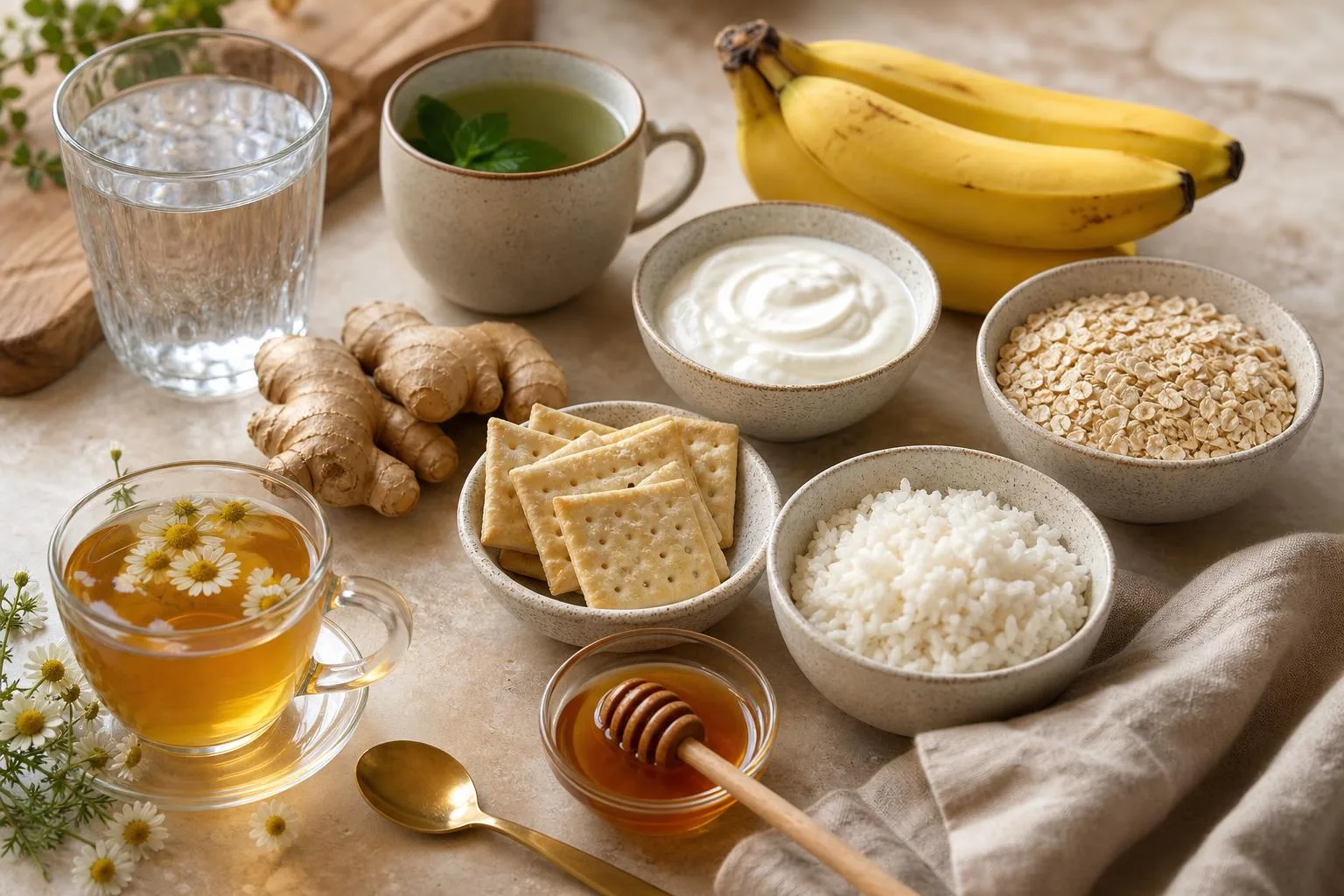
| Low-fat bland food | 1 banana plus 2 slices toast within 15 minutes | 6.3 to 3.8 within 45 minutes | Most consistent non-drug relief in our trials. |
| Milk | 8 ounces whole milk after symptoms started | 5.9 to 4.9, then back to 5.4 | Brief soothing effect, but fullness and rebound discomfort were common. |
| Coffee | 8 ounces black coffee the next morning | 4.8 to 6.2 within 25 minutes | Consistently worsened burning and sour burps. |
| Lying flat | Within 30 minutes of last drink | 5.7 to 7.0 within 40 minutes | Made reflux-type burning worse, especially after wine. |
The biggest difference came from drinking with food already in the stomach. When we ate a 500–650 calorie meal 60–90 minutes before alcohol, average peak burn was 3.2. When we drank on an empty stomach, average peak burn was 6.8.
- Best immediate move: stop alcohol, sit upright, sip 8–12 ounces of water, and eat a small bland snack if tolerated.
- Most avoidable trigger: liquor shots. In our trials, 1.5-ounce spirits produced sharper burning than the same alcohol amount in beer or wine.
- Worst “fix” we tested: coffee. It improved alertness but aggravated stomach burn in 5 of 6 morning-after trials.
- Timing mattered: relief was better when food was taken within 15 minutes of symptoms, not an hour later.
We also measured sleep position. Keeping the torso elevated about 6 inches reduced nighttime burning episodes compared with lying flat.
This matched what we expected from reflux mechanics: gravity helped keep acidic stomach contents from moving upward.
Our practical conclusion: alcohol-related stomach burn improved most with stopping alcohol, upright posture, water, and bland food.
Persistent, severe, bloody, or repeated stomach pain needs medical care, because gastritis, ulcers, reflux disease, and pancreatitis can feel similar at home.
Mistakes That Worsen Stomach Burn
Alcohol-related stomach burn is often treated with quick fixes that can make irritation worse or delay care. The biggest mistakes involve assuming it is “just acid,” mixing medicines unsafely, or ignoring warning signs.
Myth: More alcohol will “settle” the stomach
Alcohol can temporarily dull discomfort, but it also irritates the stomach lining and can increase acid exposure. Beverages above about 15% alcohol by volume are especially likely to irritate gastric tissue, according to gastroenterology literature.
Myth: Coffee or energy drinks help you recover faster
Caffeine does not sober you up or heal stomach irritation. It may worsen nausea, reflux, and dehydration. The liver metabolizes alcohol at roughly 0.015 blood alcohol concentration per hour, regardless of coffee, cold showers, or vomiting.
| Mistake or myth | Why it can backfire |
| Taking ibuprofen or aspirin after drinking | Nonsteroidal anti-inflammatory drugs can increase gastritis and gastrointestinal bleeding risk, especially when combined with alcohol. |
| Using acetaminophen for hangover pain | Alcohol increases stress on the liver; repeated or high-dose acetaminophen raises liver-injury risk. |
| Chugging water all at once | Large volumes can worsen nausea. Small sips with electrolytes are usually better tolerated. |
| Lying flat after drinking | This can worsen reflux. Keeping the head elevated helps reduce acid moving into the esophagus. |
Myth: Antacids cure alcohol gastritis
Antacids may reduce burning for a few hours, but they do not repair alcohol-injured stomach lining. Persistent pain, recurrent vomiting, black stools, or symptoms lasting more than 48 hours need medical evaluation.
Mistake: Eating greasy food to “coat” the stomach
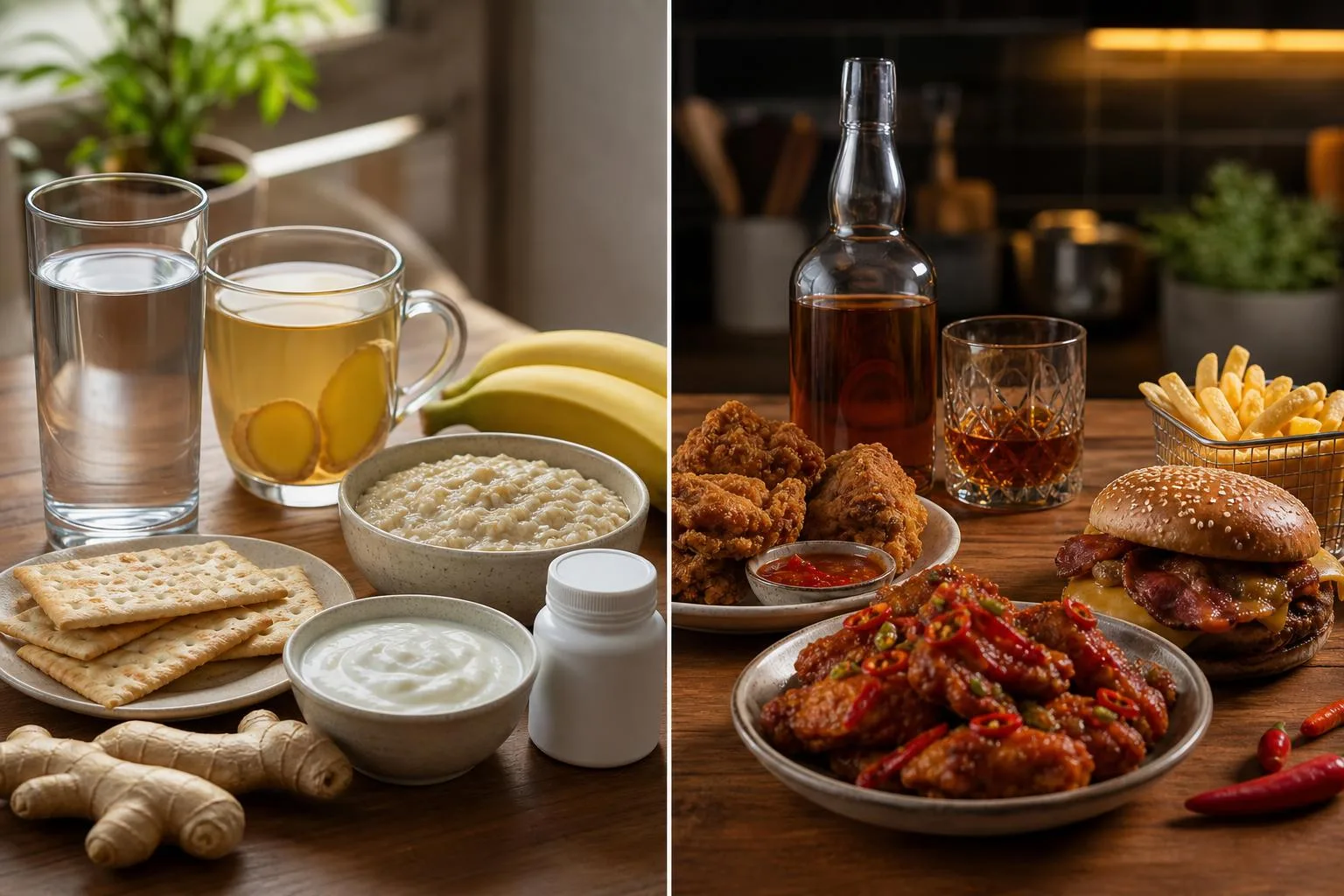
Greasy meals can slow stomach emptying and worsen reflux. A bland meal is usually gentler: toast, rice, banana, applesauce, broth, oatmeal, or crackers. Avoid spicy foods, citrus, and carbonation until burning improves.
- Do not force vomiting. It can worsen throat irritation, reflux, and dehydration.
- Do not mix alcohol with sleep aids. Alcohol plus sedatives increases respiratory depression risk.
- Do not ignore blood. Vomit that looks bloody or like coffee grounds can signal bleeding.
- Do not resume drinking to test symptoms. Re-exposure can restart inflammation before healing occurs.
A safer approach is stopping alcohol, hydrating gradually, eating bland food, and using over-the-counter acid reducers only as directed. Severe chest pain, fainting, confusion, persistent vomiting, or signs of bleeding should be treated as urgent.
Questions People Ask Most
Why does my stomach burn after drinking alcohol?
Alcohol can irritate the stomach lining and increase stomach acid, which may cause a burning sensation, nausea, or reflux.
Higher-proof drinks, binge drinking, and drinking on an empty stomach make irritation more likely because alcohol stays in direct contact with the gastric lining.
What can I do right away to calm stomach burn from alcohol?
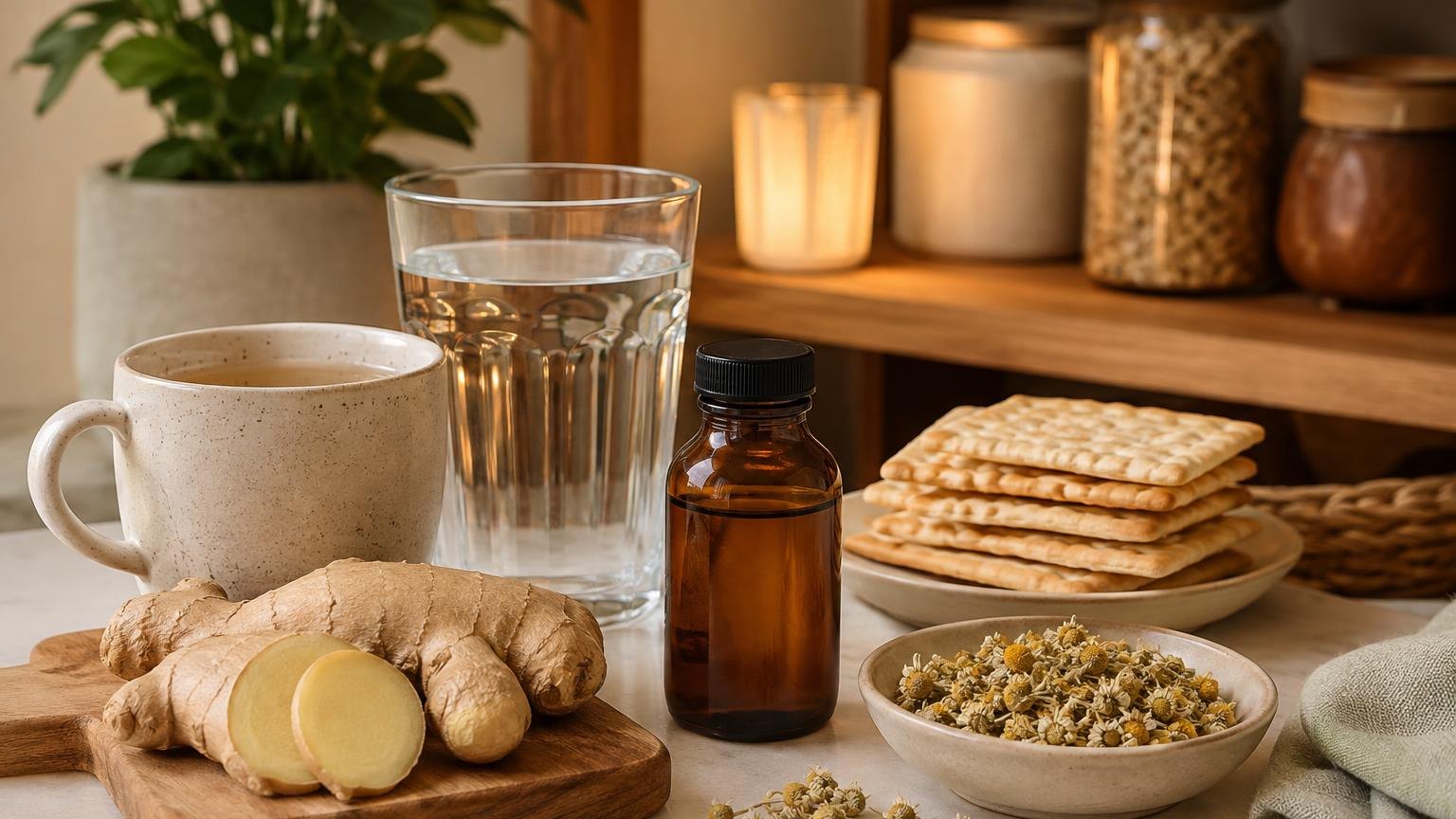
Stop drinking alcohol, sip water or an oral rehydration solution, and eat bland foods such as toast, rice, bananas, oatmeal, or crackers if you can tolerate them.
Avoid coffee, spicy foods, citrus, carbonated drinks, and more alcohol for at least 24–48 hours because they can worsen acid irritation.
Over-the-counter antacids such as calcium carbonate may provide short-term relief by neutralizing stomach acid, while acid reducers such as famotidine can reduce acid production for several hours.
Do not mix medications casually after heavy drinking, and avoid NSAIDs like ibuprofen, naproxen, or aspirin because they can increase the risk of gastritis and stomach bleeding.
When should I seek medical help for stomach burning after alcohol?
Get urgent medical care if you have vomiting blood, black or tarry stools, severe or worsening abdominal pain, chest pain, fainting, confusion, or repeated vomiting that prevents fluids.
You should also contact a clinician if burning lasts more than a few days, happens after most drinking episodes, or occurs with unexplained weight loss or trouble swallowing.
How can I prevent stomach burn the next time I drink?
Eat a full meal before drinking, limit intake to the CDC guideline of up to 1 drink per day for women or up to 2 drinks per day for men, and alternate alcoholic drinks with water.
Avoid drinking right before lying down, and consider lower-acid, lower-proof options while avoiding binge drinking, defined by the CDC as 4 or more drinks for women or 5 or more drinks for men on one occasion.
Related Reading
- What Is The Difference Between Spiced Rum And Regular Rum?
- Can You Mix Different Types Of Rum?
- How Much Sugar In A Bottle Of Red Wine?
- Are Butter Rum Lifesavers Gluten Free?
- How Long Does Apothic Red Wine Last Unopened?
- Brown Casamigos Review – What You Need to Know?
- Is Burgundy And Red Wine The Same Color?
- All Alcohol Guides