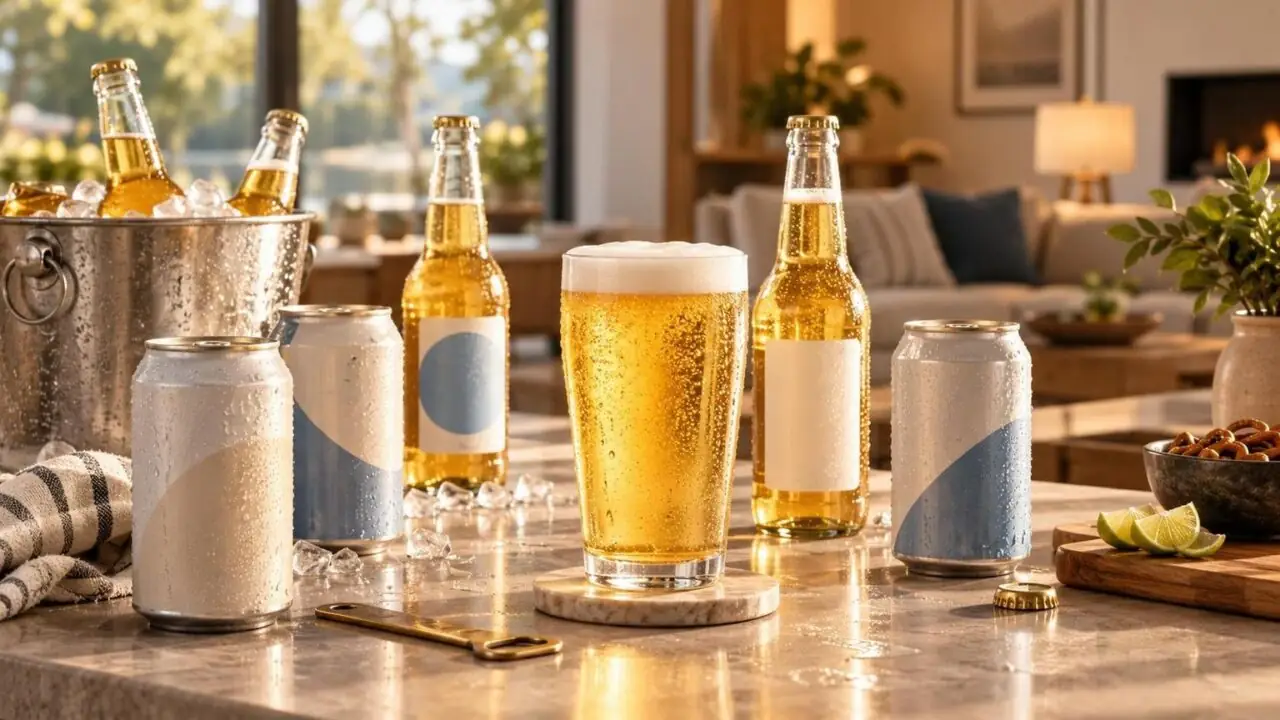
The closest matches for beer that taste like bud light are Coors Light, Miller Lite, and Michelob Ultra: light lagers with mild malt flavor and crisp carbonation.
Their standard US versions each contain 4.2% alcohol by volume, matching Bud Light’s strength while offering slightly different flavor profiles.
Coors Light offers a similarly restrained flavor, while Miller Lite leans toward a more noticeable malt-and-hop character. Michelob Ultra suits drinkers seeking a particularly light-bodied alternative.
This guide compares sweetness, bitterness, body, and finish so you can choose a familiar-tasting replacement rather than relying on branding alone.
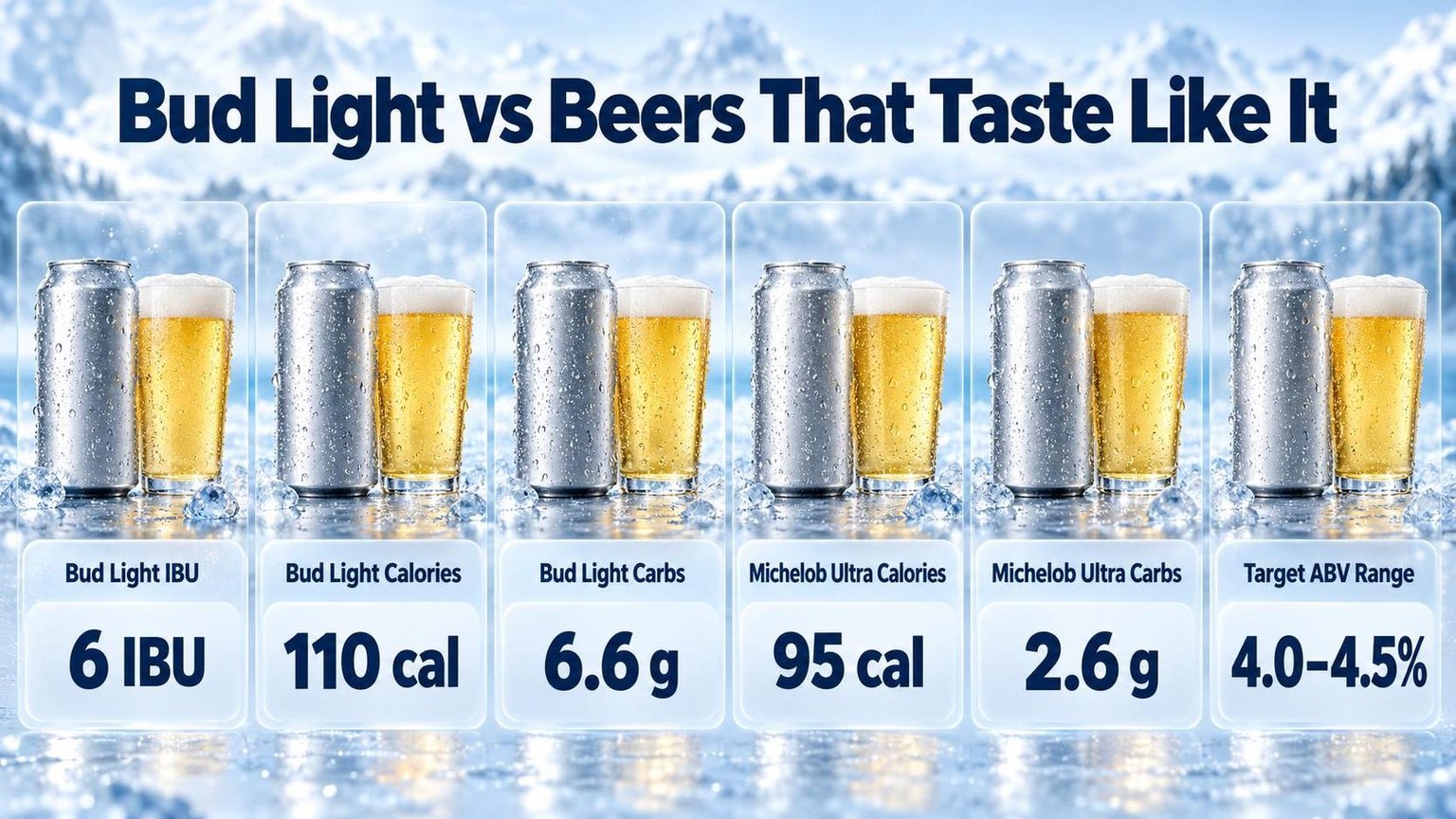
What Makes Bud Light Taste Mild
Bud Light’s mildness is engineered, not accidental. Anheuser-Busch uses a specific combination of rice adjunct, beechwood aging, and a proprietary yeast strain to produce a beer with minimal flavor intensity and maximum drinkability.
The Grain Bill
Bud Light uses a blend of barley malt and rice. Rice contributes fermentable sugars without adding the grainy, bready flavors that all-malt beers deliver. This creates a lighter, cleaner body.
The rice content dilutes residual protein and polyphenol levels. Lower protein means less body. Lower polyphenols mean less bitterness and astringency on the palate.
Key Specifications
| Attribute | Bud Light | Average Craft Lager |
| ABV | 4.2% | 4.8–5.4% |
| Calories (12 oz) | 110 | 140–170 |
| IBU (bitterness) | 6 | 15–25 |
| Original Gravity | ~1.040 | ~1.046–1.052 |
| Color (SRM) | 2 | 3–6 |
An IBU of just 6 places Bud Light among the least bitter beers commercially available. For comparison, Heineken registers around 23 IBU and Pilsner Urquell hits 40 IBU.
The Beechwood Aging Process
Anheuser-Busch conditions Bud Light on beechwood chips during lagering. The chips provide additional surface area for yeast to settle, accelerating clarification and reducing off-flavors like diacetyl and acetaldehyde.
This process does not impart wood flavor. The beechwood is pre-treated and stripped of aromatic compounds. Its function is purely mechanical — a scaffold for yeast contact during secondary fermentation.
Fermentation and Yeast
Anheuser-Busch maintains a proprietary lager yeast strain that produces extremely low levels of esters and fusel alcohols. This minimizes fruity or solvent-like flavors common in warmer or faster fermentations.
The lagering period runs approximately 21 days at near-freezing temperatures. Extended cold conditioning further strips volatile flavor compounds and produces the characteristic “clean” finish.
Water Profile
Bud Light is brewed with soft water low in mineral content. Hard water with high calcium sulfate or magnesium levels accentuates hop bitterness and adds mineral bite. Soft water does the opposite.
Why This Matters for Finding Alternatives
Understanding these factors — low IBU, rice adjunct, soft water, minimal ester production — provides a blueprint. Any beer matching Bud Light’s profile needs similar attributes:
- IBU below 12, ideally under 8
- Adjunct grain (rice or corn) in the grain bill
- ABV between 4.0% and 4.5%
- Light color under 4 SRM
- Clean lager yeast fermentation at cold temperatures
Beers that check these boxes will deliver the same mild, crisp, low-bitterness experience. The sections below identify specific brands that hit these marks.
Michelob Ultra Versus Bud Light
Michelob Ultra is the closest mainstream competitor to Bud Light and the most frequently recommended alternative for drinkers seeking a similar light lager profile.
Both are brewed by Anheuser-Busch InBev, share rice-adjunct brewing processes, and target the same easy-drinking market segment.
Nutritional and Technical Comparison
The numbers separate these two beers clearly. Michelob Ultra positions itself as the fitness-conscious choice, while Bud Light occupies the middle ground of American light lagers.
| Attribute | Bud Light | Michelob Ultra |
| ABV | 4.2% | 4.2% |
| Calories (12 oz) | 110 | 95 |
| Carbohydrates | 6.6 g | 2.6 g |
| Protein | 0.9 g | 0.6 g |
| Fat | 0 g | 0 g |
| IBU (bitterness) | ~6 | ~10 |
| Style | Light Lager | Superior Light Lager |
Both clock in at identical 4.2% ABV, so alcohol delivery is the same. The meaningful difference is carbohydrates: Michelob Ultra contains 2.6 grams versus Bud Light’s 6.6 grams per serving.
Flavor Profile Differences
Bud Light delivers a slightly sweeter, rounder mouthfeel attributable to its higher carbohydrate content. There is a faint bread-grain character and virtually no hop bitterness on the finish.
Michelob Ultra tastes thinner and crisper. The reduced carbohydrates create a drier finish with a subtle citrus-like brightness. Its marginally higher IBU count adds a whisper of hop crispness absent in Bud Light.
Both beers pour pale straw-gold with moderate carbonation and minimal head retention. Aroma is light grain and faintly floral in each case.
Market Position and Sales
Michelob Ultra has surged in the U.S. market. In 2023, it held approximately 8.3% of total U.S. beer dollar share, making it the second-best-selling beer brand domestically behind Modelo Especial.
Bud Light experienced a significant sales decline in 2023, dropping roughly 28% in volume according to NIQ and Bump Williams data. Michelob Ultra directly absorbed some of that lost share within the AB InBev portfolio.
Which Drinkers Should Switch
- Carb-conscious drinkers: Michelob Ultra saves 4 grams of carbohydrates per beer — meaningful over a six-pack (24 g total saved).
- Calorie trackers: The 15-calorie-per-serving difference adds up to 90 fewer calories across a six-pack of Ultra.
- Flavor seekers: Those who prefer Bud Light’s slightly sweeter, fuller body may find Ultra too thin and dry.
- Keto dieters: Ultra’s 2.6 g carbs per serving fits more comfortably within strict daily carb limits than Bud Light’s 6.6 g.
The two beers are close enough that most casual drinkers can swap between them without noticing a dramatic shift. Michelob Ultra simply trims the nutritional edges while keeping the same clean, inoffensive light lager character.
Coors Light Compared With Bud Light
Coors Light is the closest mainstream rival to Bud Light in the American light lager category. Both beers target the same drinker profile: someone who wants a clean, low-calorie beer with minimal bitterness and maximum drinkability.
Nutritional and Technical Comparison
The two beers are nearly identical on paper. A standard 12 oz serving reveals only minor differences in calories, carbohydrates, and alcohol content.
| Attribute | Bud Light | Coors Light |
| Calories (12 oz) | 110 | 102 |
| Carbohydrates | 6.6 g | 5.0 g |
| ABV | 4.2% | 4.2% |
| Protein | 0.9 g | 0.7 g |
| Fat | 0 g | 0 g |
| IBU (est.) | 6 | 10 |
Coors Light holds a slight edge for carb-conscious drinkers at 5.0 g versus Bud Light’s 6.6 g per serving. Calorie counts differ by only 8.
Flavor Profile Differences
Bud Light uses rice as an adjunct grain alongside barley malt. This creates a slightly sweeter, rounder mouthfeel with almost no hop presence on the finish.
Coors Light relies on corn as its adjunct. The result is a marginally crisper, drier finish with a faint corn-cereal sweetness that fades quickly.
- Bud Light: Softer body, subtle rice sweetness, virtually no bitterness, clean neutral finish
- Coors Light: Slightly crisper carbonation, mild corn note, fractionally more hop bite, dry finish
In blind taste tests, many drinkers struggle to tell these two apart. The differences exist but are subtle enough to require side-by-side comparison.
Brewing and Brand Details
Coors Light launched in 1978, three years before Bud Light’s 1982 debut. Coors Brewing Company, now part of Molson Coors Beverage Company, brews it in Golden, Colorado, and several other facilities.
Bud Light is produced by Anheuser-Busch InBev across 12 U.S. breweries. Both brands use proprietary yeast strains and cold-conditioning processes lasting several weeks.
Coors Light markets itself around cold-activated packaging. The mountains on its label turn blue when the beer reaches approximately 39°F, reinforcing its “cold as the Rockies” positioning.
Market Position
Bud Light held the top-selling beer position in the U.S. for over two decades before Modelo Especial overtook it in 2023. Coors Light currently ranks as the third best-selling beer in America.
According to IRI/Circana data, Coors Light gained significant market share during 2023, picking up volume as some Bud Light drinkers switched brands following its spring controversy.
For anyone seeking a beer that tastes like Bud Light, Coors Light is the most accessible substitute. Identical ABV, fewer carbs, and a comparable neutral flavor profile make it the first swap most drinkers should try.
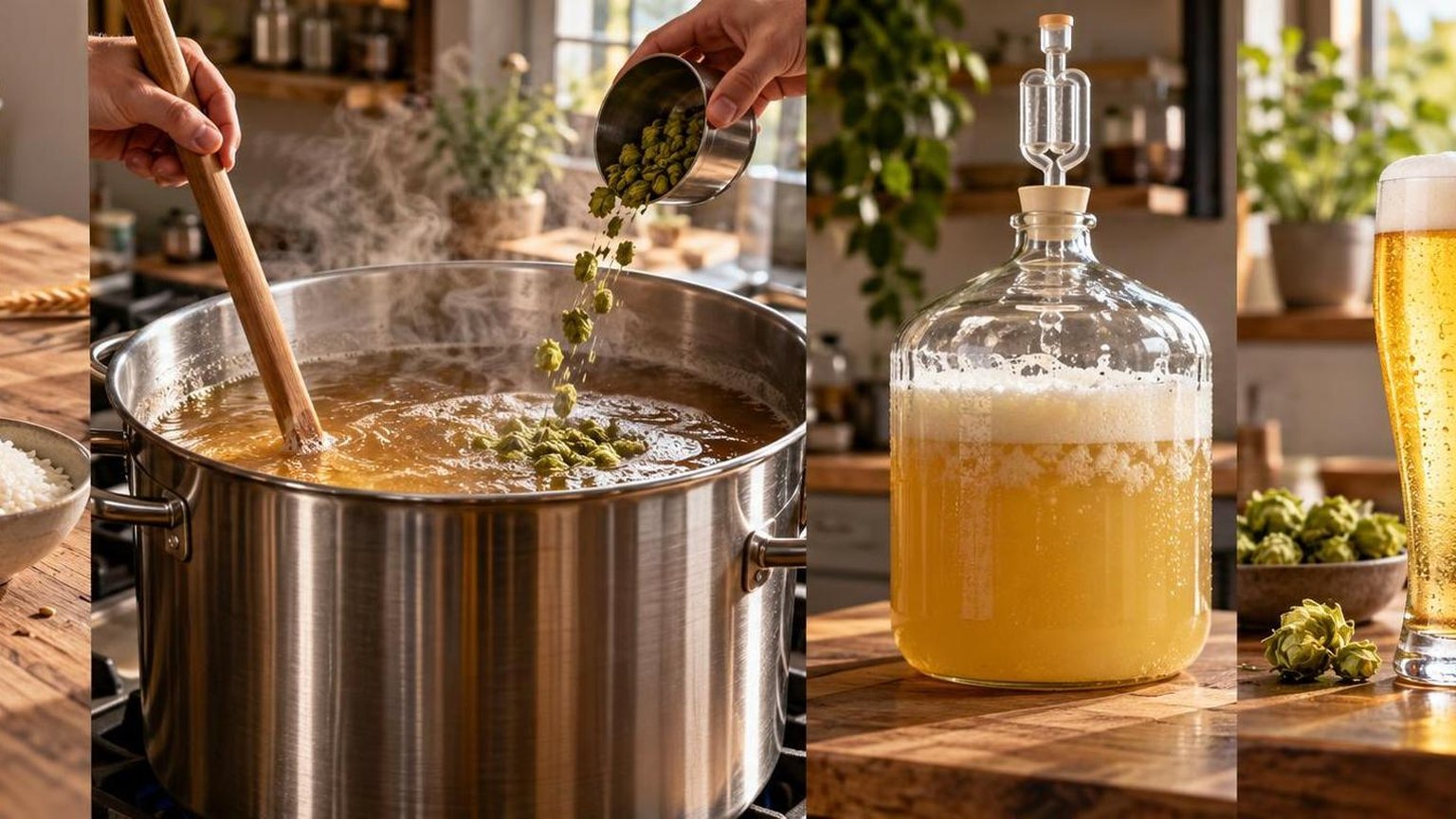
How Miller Lite Differs From Bud Light
Miller Lite and Bud Light dominate the American light lager category yet deliver noticeably different drinking experiences. Their divergence starts at the grain bill and carries through to calorie count, bitterness, and finish.
Head-to-Head Nutritional Comparison
| Attribute | Bud Light | Miller Lite |
| ABV | 4.2% | 4.2% |
| Calories (per 12 oz) | 110 | 96 |
| Carbohydrates | 6.6 g | 3.2 g |
| Protein | 0.9 g | 0.7 g |
| IBU (Bitterness) | ~6 | ~10 |
| Brewer | Anheuser-Busch InBev | Molson Coors |
| Year Introduced | 1982 | 1975 |
Miller Lite launched seven years before Bud Light, positioning itself as the original mainstream light beer in the United States.
Ingredients and Brewing Process
Bud Light uses rice as its primary adjunct grain alongside barley malt. Rice ferments cleanly and produces the beer’s characteristically neutral, crisp profile with minimal residual sweetness.
Miller Lite relies on corn as its adjunct. Corn contributes a subtle, slightly sweet roundness that distinguishes its body from Bud Light’s thinner, drier mouthfeel.
Miller Lite also uses Galena and Saaz hops, lending a mild floral bitterness. Bud Light’s hop character is nearly imperceptible, sitting around 6 IBU compared to Miller Lite’s approximately 10 IBU.
Flavor Profile Differences
- Sweetness: Bud Light tastes cleaner and drier. Miller Lite carries a faint corn-derived sweetness on the mid-palate.
- Bitterness: Miller Lite finishes with a more defined hop snap. Bud Light fades to an almost water-like neutrality.
- Body: Miller Lite feels slightly fuller despite having fewer calories. The corn adjunct adds a perception of weight that rice does not.
- Carbonation: Both are highly carbonated, but Bud Light’s carbonation feels sharper and more aggressive on the tongue.
- Aftertaste: Miller Lite leaves a brief grainy, lightly bitter finish. Bud Light leaves virtually no aftertaste.
Who Should Reach for Miller Lite Instead
Drinkers who find Bud Light too bland or watery often prefer Miller Lite. The extra 4 IBU of bitterness and corn-based body give it more character without straying from the light lager template.
Carb-conscious consumers also benefit. At 3.2 grams of carbohydrates per serving, Miller Lite contains less than half the carbs of Bud Light’s 6.6 grams — a meaningful gap for anyone tracking macros.
Miller Lite won the gold medal at the 2023 Great American Beer Festival in the American-Style Light Lager category, reinforcing its credentials among professional judges as a well-constructed light beer.
Both beers share identical 4.2% ABV, so the alcohol experience is the same. The real divergence is textural and flavor-driven, making Miller Lite the better fit for drinkers who want a light beer that still tastes like beer.
Busch Light as a Bud Light Alternative
Busch Light and Bud Light share the same parent company, Anheuser-Busch InBev, and both are brewed as American-style light lagers.
Their flavor profiles overlap significantly, making Busch Light one of the closest substitutes available at a lower price point.
Side-by-Side Comparison
| Attribute | Bud Light | Busch Light |
| ABV | 4.2% | 4.1% |
| Calories (12 oz) | 110 | 95 |
| Carbohydrates | 6.6 g | 3.2 g |
| Protein | 0.9 g | 0.7 g |
| Style | American Light Lager | American Light Lager |
| Avg. 30-pack price | $22–$25 | $18–$21 |
Busch Light delivers 15 fewer calories per can and nearly half the carbohydrates of Bud Light. For drinkers counting macros, that difference adds up across a session.
Brewing and Ingredients
Both beers use a blend of barley malt, rice, and hops. Anheuser-Busch InBev applies the same beechwood-aging process to Bud Light but not to Busch Light, which undergoes a shorter lagering cycle.
The rice adjunct in both recipes keeps the body thin and the finish clean. Busch Light leans slightly more grain-forward, while Bud Light emphasizes a marginally sweeter malt note.
Flavor Profile Differences
- Aroma: Busch Light has a faint corn-grain scent; Bud Light shows a mild rice sweetness on the nose.
- Mouthfeel: Both are light-bodied and highly carbonated, but Busch Light finishes drier.
- Bitterness: Each registers around 5–7 IBU, making them nearly indistinguishable in hop character.
- Aftertaste: Busch Light fades faster with almost no lingering flavor. Bud Light holds a brief, slightly sweet finish.
Market Position and Popularity
Busch Light ranked as the 7th best-selling beer in the United States by volume in 2023, according to Beer Marketer’s Insights. Bud Light, despite market share losses that year, remained in the top 3.
Busch Light’s strongest consumer base is concentrated in the Midwest and rural markets. States like Iowa, Wisconsin, and Minnesota consistently rank among its highest per-capita consumption areas.
When to Choose Busch Light
Busch Light makes sense when you want the Bud Light experience for roughly $3–$5 less per 30-pack. The flavor gap between these two beers is narrower than almost any other pairing in the light lager category.
Blind taste tests frequently show participants struggling to distinguish them. A 2019 informal panel by VinePair found that tasters confused Busch Light and Bud Light more often than any other light beer pairing tested.
The lower carbohydrate count also positions Busch Light as a practical choice for low-carb drinkers who find dedicated “low-carb” branded beers like Michelob Ultra too watery at 2.6 g carbs and 95 calories.
Questions People Ask Most
What Mexican lager tastes closest to Bud Light?
Corona Extra and Modelo Especial share Bud Light’s crisp, low-bitterness profile.
Corona Extra clocks in at 4.6% ABV with roughly 14 IBU, producing a similarly light body and mild corn-grain sweetness that Bud Light drinkers recognize immediately. Serve it ice-cold at 33–38 °F for the closest match.
Are there craft beers that mimic Bud Light’s flavor without the macro-brewery label?
Firestone Walker 805 (4.7% ABV, 20 IBU) and Founders Solid Gold (4.4% ABV, 20 IBU) are two widely distributed craft lagers built for the same easy-drinking slot.
Both use pale malt bills with restrained hop character, delivering a clean, neutral finish that appeals to Bud Light loyalists looking for a craft alternative.
Does Michelob Ultra taste like Bud Light, and how do the calories compare?
Michelob Ultra shares Bud Light’s parent company, Anheuser-Busch, and offers a similarly light, clean grain character with almost no hop bitterness.
The key difference is caloric content: Michelob Ultra contains 95 calories and 2.6 g of carbs per 12 oz serving versus Bud Light’s 110 calories and 6.6 g of carbs.
The trade-off is a noticeably thinner body and slightly less malt sweetness in Ultra.
Which Japanese or Asian beers have a Bud Light-like taste profile?
Asahi Super Dry (5.0% ABV) and Sapporo Premium (4.9% ABV) both deliver the clean, highly attenuated finish that Bud Light fans enjoy, though at marginally higher alcohol.
Asahi pioneered the “karakuchi” (dry) brewing style using rice adjuncts—the same category of ingredient Bud Light relies on—resulting in a crisp, nearly flavorless lager ideal for pairing with food.
What specific brewing characteristics should I look for to find beers similar to Bud Light?
Target American-style light lagers or standard lagers with 4.0–5.0% ABV, fewer than 15 IBU, and an adjunct grain bill that includes rice or corn alongside barley malt. These adjuncts lighten the body and reduce residual sweetness.
Brands like Coors Light (4.2% ABV, 10 IBU), Miller Lite (4.2% ABV, ~10 IBU), and Narragansett Lager (5.0% ABV, 12 IBU) all hit those marks and deliver the neutral, easy-drinking character Bud Light is known for.
Keep Exploring
- How Many Beers In A Keg?
- Ginger Beer vs Ginger Ale: Difference, Taste, Cocktails (2026 Guide)
- How Many Beers In A Full Keg? A Complete Real-World Guide From Hands-On Experience
- How Many Beers In A Quarter Keg? The Complete, Experience-Based Guide
- How Many Beers In a Case? In-depth Answer
- All Alcohol Guides
- TTB – Alcohol and Tobacco Tax and Trade Bureau: Beer Laws and Regulations (2024)
- FDA – Beverages: Labeling of Certain Beers Subject to the Labeling Jurisdiction of FDA (2023)
- USDA FoodData Central – Beer, Light (2024)
- NIH National Library of Medicine – Sensory Analysis of Light Lager Beers (2020)
- UC Davis Department of Food Science – Brewing Science Program (2024)
- Oregon State University – Fermentation Science Program (2024)
- Brewers Association – 2024 Beer Style Guidelines: American-Style Light Lager (2024)
- CDC – Alcohol Use and Your Health (2024)
- Journal of the American Society of Brewing Chemists – Flavor Stability in Light Lagers (2021)