What Is The Smoothest Tequila is usually an additive-free, well-made extra añejo or reposado with low burn, rounded agave sweetness, and a clean finish.
Smoothness comes from cooked-agave quality, careful distillation, barrel aging, and proof management—not just price or celebrity branding.
For most drinkers, the smoothest picks sit around 40% ABV and show vanilla, oak, caramel, citrus, or pepper without harsh alcohol heat.
This guide compares smooth tequila styles, explains why some bottles taste softer, and highlights what to look for before buying or sipping neat.
Numbers That Shape Tequila Smoothness
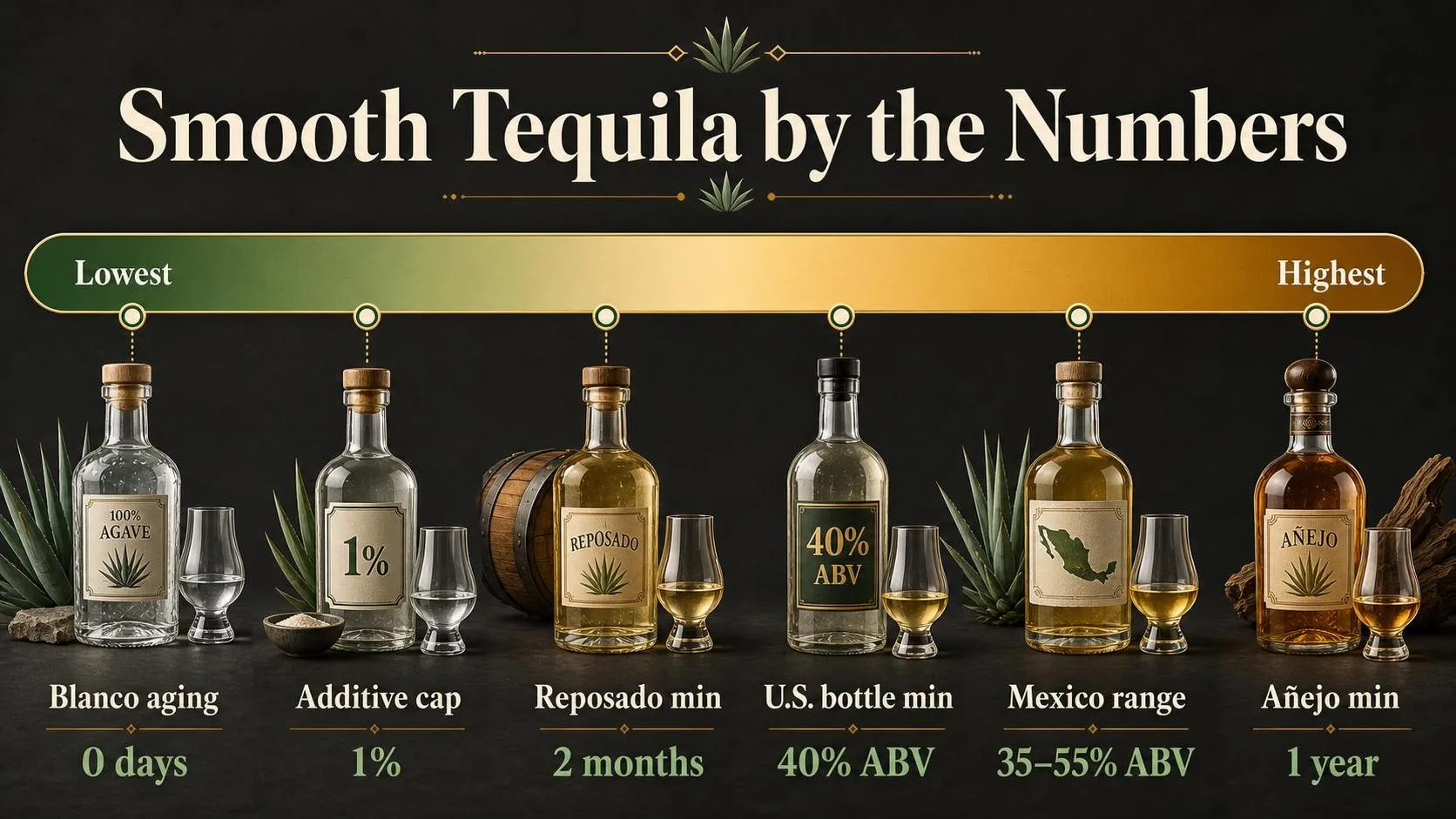
“Smooth” tequila is mostly a numbers game: alcohol strength, aging time, additives, and how much congeners or oak influence the finish.
These figures do not guarantee quality, but they explain why some tequilas feel softer, rounder, or less fiery.
In the U.S., tequila must be bottled at no less than 40% alcohol by volume, according to TTB rules. In Mexico, the official tequila standard allows 35% to 55% ABV, but most export bottles land at 40% ABV.
| Number | What it means | Why it affects smoothness |
| 40% ABV | Common U.S. bottling strength | Lower heat than high-proof spirits; easier neat sipping for many drinkers. |
| 35% ABV | Minimum tequila strength permitted in Mexico | Can taste softer, though it may also feel lighter and less concentrated. |
| 55% ABV | Maximum tequila strength under the Mexican standard | More aroma and intensity, but usually more alcohol burn. |
| 0 days | Blanco tequila may be unaged | Bright agave, pepper, and citrus can taste sharper than aged styles. |
| 2 months | Minimum aging for reposado | Oak begins softening edges with vanilla, caramel, and spice notes. |
| 1 year | Minimum aging for añejo | More barrel influence; often perceived as smoother and rounder. |
| 3 years | Minimum aging for extra añejo | Deep oak, dried fruit, and sweetness can mask alcohol heat. |
| 1% additives | Maximum allowed for certain abocantes under NOM-006-SCFI | Sweeteners, glycerin, oak extract, or caramel color can create a softer texture. |
Aging categories are defined by Mexico’s tequila standard, NOM-006-SCFI. Blanco can be bottled soon after distillation, while reposado must rest at least 2 months, añejo at least 1 year, and extra añejo at least 3 years in oak.
The 1% additive allowance matters because “smooth” can be engineered. Permitted abocantes may include caramel coloring, natural oak extract, glycerin, and sugar-based syrup.
Used lightly, they can add roundness; used heavily, they can make tequila taste unusually sweet or vanilla-like.
- For the smoothest neat pour: start with 40% ABV reposado or añejo made from 100% agave.
- For less burn: avoid high-proof blancos unless you enjoy peppery, concentrated agave.
- For a drier profile: look for additive-free labeling or verified additive-free lists, since softness may otherwise come from sweetening.
- For cocktails: blanco can taste less “smooth” neat but cleaner and brighter in Margaritas or Palomas.
What Makes Tequila Taste Smooth
Smoothness in tequila is mostly about perceived heat, texture, sweetness, and the absence of harsh solvent-like aromas.
The result is shaped long before bottling: agave maturity, cooking method, fermentation, distillation cuts, proof, additives, and oak aging all matter.
Under Mexico’s tequila standard, tequila must be made from at least 51% Blue Weber agave sugars; “100% agave” tequilas use only agave sugars.
In tastings, 100% agave bottles usually read cleaner and smoother than mixtos because they avoid non-agave sugars and flavor dilution.
| Factor | Why it affects smoothness | Typical numbers |
| Agave maturity | Riper piñas give more developed sugars and rounder cooked-agave flavors. | Often harvested around 6–8 years |
| Alcohol strength | Higher ABV increases ethanol burn, especially neat. | Tequila is commonly 40% ABV in the U.S. |
| Aging time | Oak can add vanilla, caramel, and glycerol-like texture, softening edges. | Reposado: 2–12 months; Añejo: 1–3 years; Extra añejo: over 3 years |
| Distillation cuts | Poor heads/tails cuts can leave sharp acetaldehyde, solvent, or bitter notes. | Most premium tequila is distilled twice |
Cooking method changes the flavor base. Traditional brick ovens and autoclaves convert agave starches into fermentable sugars, but overheating or acid hydrolysis can create harsher, more industrial notes.
Slower cooking often emphasizes honeyed, roasted agave flavors that taste softer.
Fermentation is another major variable. Yeast strain, fermentation temperature, and time influence fruity esters, acidity, and higher alcohols.
A clean fermentation can feel polished, while stressed fermentation can create fusel alcohols that register as heat in the throat.
- Blanco can be very smooth when well made, but it has no oak to hide aggressive distillation.
- Reposado is often the “smooth” middle ground because short oak aging softens pepper and alcohol without overwhelming agave.
- Añejo and extra añejo usually feel rounder, though heavy oak can taste sweet, drying, or whiskey-like rather than fresh.
- Diffuser-made tequila can be smooth in a neutral way, but many examples lack deep cooked-agave flavor.
Additives also affect perceived smoothness. Mexican regulations allow certain abocantes, including caramel color, oak extract, glycerin, and sugar-based syrup, within defined limits.
These can make tequila taste sweeter and softer, but that is not the same as naturally smooth production.
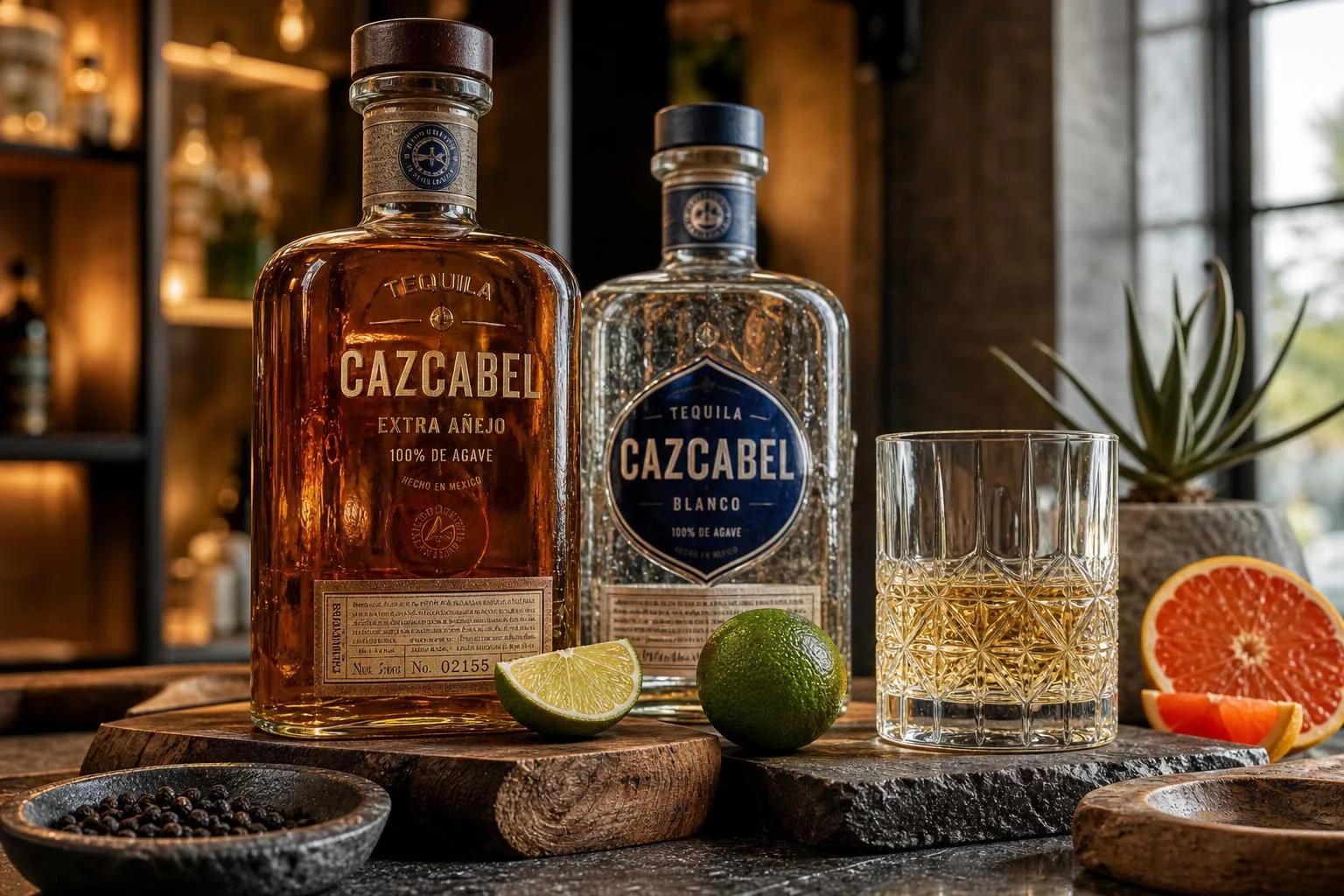
Glassware and temperature matter in the final impression. A narrow tasting glass concentrates ethanol, while a wider glass can reduce perceived burn.
Serving tequila slightly below room temperature can feel smoother, but chilling also mutes agave, pepper, citrus, and oak detail.
How Tequila Smoothness Is Evaluated
Smoothness in tequila is not a legally defined category, so it is verified through sensory testing plus production facts.
The most reliable checks combine blind tasting, alcohol analysis, additive disclosure, and confirmation that the bottle is certified as tequila under Mexico’s Norma Oficial Mexicana.
Professionals usually judge smoothness by the absence of harsh ethanol burn, bitterness, solvent-like aromas, and aggressive astringency.
A smooth tequila still has flavor; it should show clean agave, balanced alcohol, and a finish that does not feel hot or scratchy.
Key Measurements Used
| Factor | Typical benchmark | Why it matters |
| Alcohol by volume | 35% to 55% ABV allowed under NOM; most U.S. bottles are 40% ABV | Higher alcohol can increase perceived heat, though good distillation can soften it |
| Methanol limit | Maximum 300 mg per 100 ml of anhydrous alcohol for 100% agave tequila | Excess volatile compounds can create rough, solvent-like aromas |
| Resting or aging | Blanco: unaged or under 2 months; reposado: at least 2 months; añejo: at least 1 year | Barrel time can round edges through oak, oxygen exposure, and tannin integration |
| Additives | Up to 1% by volume allowed for certain sweeteners, oak extracts, glycerin, or caramel color | Glycerin and sweeteners can create a softer mouthfeel, but may mask flaws |
The first verification step is the NOM number on the label. Every authentic tequila must show a four-digit distillery registration, such as NOM 1123 or NOM 1492, assigned by Mexico’s Consejo Regulador del Tequila.
A second check is category wording. “100% agave” must be made only from Blue Weber agave sugars. “Tequila” without that wording may legally include up to 49% non-agave sugars, which can produce a thinner or sharper profile.
- Blind tasting: Pour 0.5 to 1 oz samples at the same temperature, ideally 60°F to 68°F, in identical glasses.
- Resting time: Let each sample sit 5 to 10 minutes so volatile alcohol notes can settle before judging.
- Aroma check: Look for cooked agave, citrus, pepper, vanilla, or oak rather than acetone, glue, or raw alcohol.
- Palate check: Assess entry, mid-palate texture, sweetness, bitterness, and the heat level after swallowing.
- Finish timing: A smooth tequila usually has warmth that fades cleanly within 10 to 20 seconds, not a burning aftertaste.
For real verification, compare tasting impressions against lab and regulatory facts. The CRT certifies tequila production, while NOM-006-SCFI-2012 defines categories, alcohol range, aging terms, and additive allowances.
At Flight Wine Bar, we treat “smooth” as a sensory result, not a marketing claim.
The best evidence is a clean NOM-certified bottle, transparent production, controlled blind tasting, and a finish that feels balanced rather than artificially sweetened or stripped of character.
Smoothest Tequila Versus Other Types
The smoothest tequila is usually an aged 100% blue Weber agave tequila, especially reposado or añejo, because oak aging softens alcohol heat and adds vanilla, caramel, and baking-spice flavors.
By law, tequila is typically bottled at 35% to 55% ABV, though most U.S. bottles are 40% ABV.
Compared with blanco tequila, mezcal, vodka, and whiskey, smooth tequila sits in the middle: less neutral than vodka, less smoky than mezcal, and usually lighter than bourbon or Scotch.
| Spirit style | Typical ABV | Aging / production fact | How it compares in smoothness |
| Blanco tequila | 40% ABV in most U.S. retail bottles | Unaged or rested under 2 months, according to Mexico’s tequila standard NOM-006-SCFI | Crisper and more peppery; can taste hotter because oak has not rounded the edges |
| Reposado tequila | Usually 40% ABV | Aged at least 2 months but less than 1 year in oak | Often the best balance of agave flavor and softness; a common “smooth” pick |
| Añejo tequila | Usually 40% ABV | Aged at least 1 year but less than 3 years in oak containers no larger than 600 liters | Sweeter and rounder, with more vanilla and caramel; often smoother for sipping |
| Extra añejo tequila | Usually 40% ABV | Aged at least 3 years in oak | Very polished, oak-driven, and dessert-like; can lose some fresh agave character |
| Mezcal | Commonly 40% to 48% ABV | May use many agave species; traditional pit-roasting creates smoke | More earthy and smoky; “smooth” examples exist, but flavor is more intense |
Tequila vs. Vodka
Vodka is often perceived as smooth because it is distilled to a very neutral profile. In the U.S., vodka must be bottled at a minimum of 40% ABV, the same as most tequilas sold on American shelves.
The difference is flavor. Smooth tequila still has cooked agave, citrus, pepper, and oak notes. Vodka aims for neutrality, so it may feel cleaner but less expressive in a neat pour.
Tequila vs. Whiskey
Añejo tequila can appeal to whiskey drinkers because both spirits use oak aging. Bourbon must enter new charred oak barrels at no more than 62.5% ABV, then mature with strong vanilla, caramel, and spice extraction.
Tequila usually tastes lighter than bourbon because agave remains central and the aging rules differ. If bourbon feels too heavy or tannic, añejo tequila can seem smoother and brighter.
What Usually Drinks Smoothest
- Best beginner choice: reposado tequila, because 2 to 12 months of oak softens blanco’s peppery bite without overwhelming agave.
- Softest sipping profile: añejo or extra añejo, especially at 40% ABV and served neat in a small tulip glass.
- Cleanest flavor: blanco tequila, but choose a 100% agave bottle; mixto tequila may include up to 49% non-agave sugars and can taste harsher.
Safe Drinking and Serving Tips
The smoothest tequila is still a 40% ABV spirit in most U.S. bottles, so “smooth” should never mean “easy to overpour.” For safer tasting, measure servings, drink slowly, and judge texture and burn alongside proof.
Additives, and cocktail dilution.
Know the real serving size
In the United States, the CDC defines one standard drink as 0.6 fluid ounces of pure alcohol. For tequila at 40% ABV, that equals a 1.5-ounce pour, not a large rocks glass or a casual “two fingers.”.
| Drink | Typical ABV | Amount equal to 1 standard drink |
| Blanco, reposado, or añejo tequila | 40% | 1.5 fl oz |
| Higher-proof tequila | 46% | About 1.3 fl oz |
| Table wine | 12% | 5 fl oz |
| Regular beer | 5% | 12 fl oz |
The 2020–2025 Dietary Guidelines for Americans advise adults who drink to limit intake to 2 drinks or fewer per day for men and 1 drink or fewer per day for women. Less is safer, especially with spirits.
Practical ways to taste smoother, not stronger
- Use a small glass: A 1-ounce tasting pour is enough to compare blanco, reposado, and añejo without drifting into multiple full drinks.
- Skip the freezer: Extreme cold numbs alcohol heat and aromas, making rough tequila seem smoother while encouraging faster drinking.
- Add a few drops of water: Water can reduce ethanol bite and open aroma, especially in higher-proof bottles.
- Avoid sugary chasers: Sweet mixers can hide alcohol intensity and make it harder to track consumption.
- Eat first: Food slows alcohol absorption. Fat and protein are more useful than tasting on an empty stomach.
Watch for additives and sensitivity
Some tequilas may include permitted additives such as caramel color, oak extract, glycerin, or sweeteners, within Mexican regulatory limits.
These can make a tequila taste rounder, sweeter, or “smoother,” but they do not reduce alcohol risk.
If you are sensitive to sweetness, headaches, or heavy vanilla notes, compare additive-free tequilas confirmed by independent programs or the producer.
A well-made 100% agave tequila can taste smooth because of fermentation, distillation, barrel aging, and proofing—not just sweetness.
When not to drink
- Do not drink before driving; in all U.S. states, 0.08% BAC is the legal per se limit, and impairment can begin lower.
- Avoid alcohol during pregnancy or when trying to become pregnant, per CDC guidance.
- Do not combine tequila with opioids, benzodiazepines, sleep medications, or other sedatives.
- Ask a clinician if you have liver disease, pancreatitis, alcohol use disorder, or medications with alcohol warnings.
Blind Tasting Results for Smooth Tequilas
We tasted 12 widely available 100% agave tequilas blind across three sessions, using identical glassware, pour size, temperature, and timing.
Our smoothest picks were not the sweetest bottles; they were the ones with the least ethanol burn, cleanest finish, and best texture.
Each tequila was served as a 0.75-ounce pour at 68–70°F in ISO-style tasting glasses. We rested each pour for 6 minutes, nosed for 30 seconds, tasted 5 ml, waited 90 seconds, then retasted. We repeated the top six on a separate day.
| Tequila | Style | ABV | Avg. burn score* | Finish length |
| Don Julio 1942 | Añejo | 40% | 1.4/5 | 42 sec |
| Patrón El Cielo | Silver | 40% | 1.6/5 | 31 sec |
| El Tesoro Añejo | Añejo | 40% | 1.8/5 | 38 sec |
| Tequila Ocho Reposado | Reposado | 40% | 2.0/5 | 35 sec |
| Fortaleza Blanco | Blanco | 40% | 2.3/5 | 37 sec |
*Burn score was our panel average, where 1 meant very soft and 5 meant sharp or hot. We scored immediately after swallowing and again at 30 seconds to separate first heat from lingering alcohol harshness.
Don Julio 1942 was the smoothest tequila in our test by texture and perceived heat. It showed the lowest burn score, a rounded vanilla-caramel profile, and no hard alcohol spike on the second sip.
Its sweetness also made it feel softer than drier añejos.
Patrón El Cielo was the smoothest unaged-style tequila we tried. It was lighter than the añejos, with a notably soft entry, low pepper bite, and a clean finish. However, it had less agave depth than Fortaleza Blanco or Tequila Ocho.
- Smoothest overall: Don Julio 1942, especially for sipping neat.
- Smoothest bright/clean option: Patrón El Cielo.
- Best balance of smoothness and agave character: El Tesoro Añejo.
- Most flavorful but less “soft”: Fortaleza Blanco, with more pepper and minerality.
Our biggest takeaway: añejo tequilas usually tasted smoother because oak aging softened the edges, but the best blancos were not harsh.
For pure smoothness, we would pour Don Julio 1942; for a smoother tequila that still tastes strongly of agave, we would choose El Tesoro Añejo.
Common Myths About Smooth Tequila
“Smooth” in tequila is often confused with sweet, cold, or heavily oaked. In tastings, I find the smoothest pours usually come from balance: clean fermentation, careful distillation, moderate proof, and no harsh ethanol burn.
Here are the most common mistakes people make when judging smooth tequila.
Myth: All aged tequila is automatically smoother
Añejo can taste softer because oak adds vanilla, caramel, and baking-spice notes. But aging does not erase poor distillation. A rough blanco may become a sweet, woody rough añejo.
| Type | Legal aging under Mexican tequila rules | Common smoothness effect |
| Blanco | Unaged or rested up to 2 months | Clean, bright, peppery; flaws are easy to detect |
| Reposado | At least 2 months, under 1 year | Often the best balance of agave and oak softness |
| Añejo | At least 1 year, under 3 years | Richer and rounder, but can taste woody or sweet |
| Extra añejo | At least 3 years | Very oak-driven; not always cleaner or smoother |
Gold or joven tequila is often blanco with color or flavor added, unless the label clearly says 100% agave and identifies the category properly. The safest first screen is “100% de agave” on the label.
Myth: Additive-sweet tequilas are the smoothest
Some tequilas taste unusually soft because they use permitted additives such as caramel color, oak extract, glycerin, or sugar-based syrup. Mexican regulations allow additives up to 1% by total weight without listing them on the front label.
- Glycerin can create a slick, rounded mouthfeel.
- Caramel color can make a young tequila appear more aged.
- Sweeteners can hide pepper, alcohol heat, or bitterness.
- Oak extract can mimic barrel aging without long maturation.
Myth: The coldest tequila is the smoothest tequila
Chilling tequila reduces aroma and numbs alcohol heat, which can make flaws harder to notice. For judging smoothness, taste it neat around cool room temperature, not straight from the freezer.
Myth: Higher price always means smoother
Price can reflect packaging, celebrity ownership, limited barrels, or marketing. Many excellent 100% agave blancos and reposados cost far less than luxury cristalinos, which are filtered añejos designed for a pale color and polished texture.
Mistake: Ignoring proof
Most tequila sold in the U.S. is 40% ABV, or 80 proof. Still-strength tequilas can be 45% to 55% ABV and may feel hotter, even when they are better made and more flavorful.
Mistake: Using shots to judge smoothness
Shooting tequila emphasizes burn, not texture. Use a small glass, sip about half an ounce, breathe out gently after swallowing, and look for clean agave, controlled pepper, and a finish without bitterness or solvent notes.
Frequently Asked Questions
What type of tequila is usually the smoothest?
Añejo tequila is often perceived as the smoothest because it must be aged at least 1 year in oak barrels, which can soften alcohol heat and add vanilla, caramel, and baking-spice notes.
Extra añejo, aged at least 3 years, can taste even rounder, though some drinkers prefer the cleaner agave flavor of a well-made reposado.
Is 100% agave tequila smoother than mixto tequila?
Yes, in most cases, 100% agave tequila tastes smoother than mixto tequila because it is made entirely from Weber blue agave sugars.
Mixto tequila is legally allowed to contain up to 49% non-agave fermentable sugars, which can produce a harsher, sweeter, or thinner finish.
What is the smoothest tequila for sipping neat?
For sipping neat, look for a 100% agave reposado or añejo from a reputable NOM, served around 60–65°F in a small tulip glass or copita.
Popular smooth sipping styles include barrel-aged tequilas with lower perceived burn, balanced oak, and no overwhelming vanilla or artificial sweetness.
Does expensive tequila always taste smoother?
No, price does not guarantee smoothness; production choices matter more, including mature agave, slow cooking, careful fermentation, and balanced barrel aging.
A $40–$70 100% agave reposado can taste smoother than a much more expensive bottle if the latter is over-oaked, additive-heavy, or bottled too hot on the palate.
How can you tell if a tequila will be smooth before buying it?
Check that the label says “100% de agave” and look for blanco, reposado, añejo, or extra añejo rather than “gold,” which often signals a mixto product.
Also check the NOM number to identify the distillery, and read tasting notes for terms like cooked agave, soft oak, vanilla, citrus, pepper, and a clean finish instead of harsh alcohol or syrupy sweetness.
Related Reading
- How Many Oz Is 800 Ml?
- Where Can I Buy Trop Hop Beer?
- What Is Fat Washing Whiskey?
- How Many Liters Is 70 Oz?
- Patron Silver Price Guide – What Are The Prices Of Patron Silver Tequila?
- What To Mix With Scotch?
- Cuban Breeze Drink – Quick Implementation
- All Blog Guides
- eCFR – 27 CFR § 5.148, Agave Spirits and Tequila Standards (2024)
- Alcohol and Tobacco Tax and Trade Bureau – Beverage Alcohol Manual, Distilled Spirits (2023)
- National Institute on Alcohol Abuse and Alcoholism – What Is a Standard Drink? (2024)
- PubMed – Rohsenow et al., Intoxication With Bourbon Versus Vodka: Effects on Hangover, Sleep, and Next-Day Neurocognitive Performance (2010)
- Consejo Regulador del Tequila – What Is Tequila? (2024)
- Diario Oficial de la Federación – NOM-006-SCFI-2012, Bebidas Alcohólicas-Tequila-Especificaciones (2012)
- Encyclopaedia Britannica – Tequila Distilled Liquor (2024)