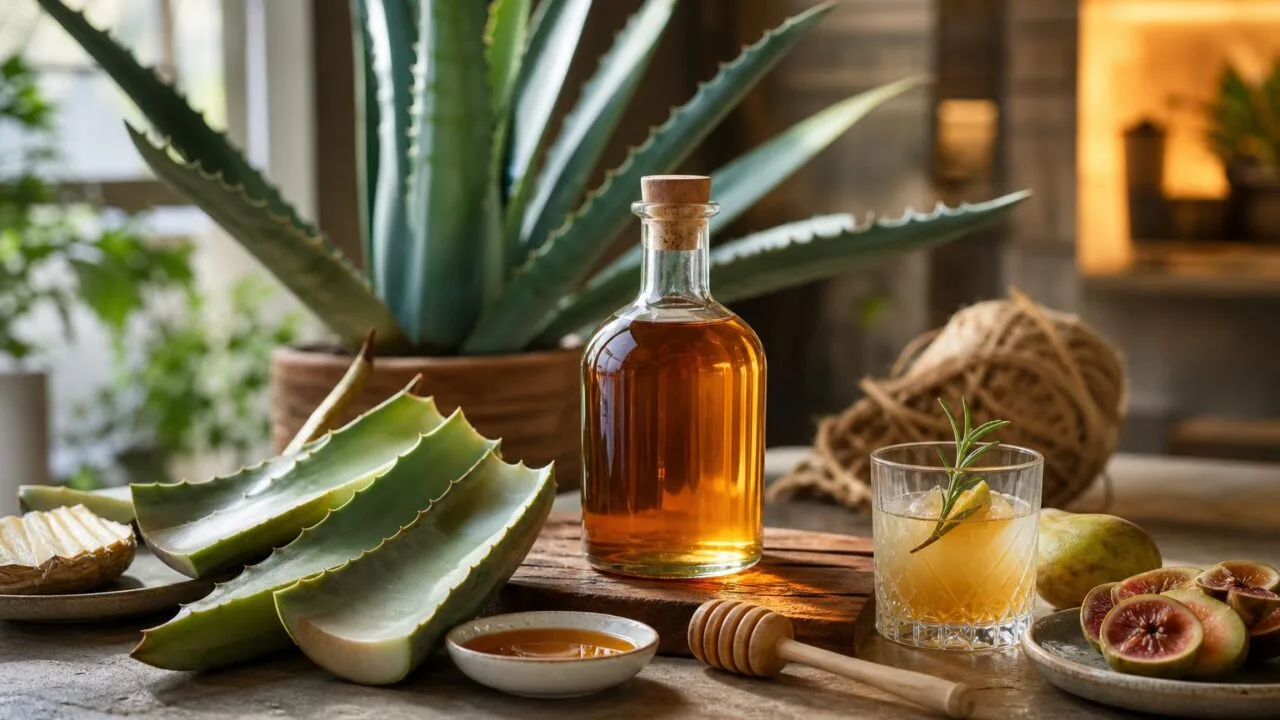
Agave is used for sweeteners, tequila, mezcal, fibers, landscaping, and traditional foods; What Is Agave Used For depends on the species, maturity, and how the plant is processed.
Blue agave is best known for tequila, while other agaves provide nectar, roasted hearts, pulque, sisal-like fibers, and drought-tolerant ornamental plants. In kitchens, agave syrup is valued for its high sweetness and easy blending.
Agave Uses Across Species and Regions
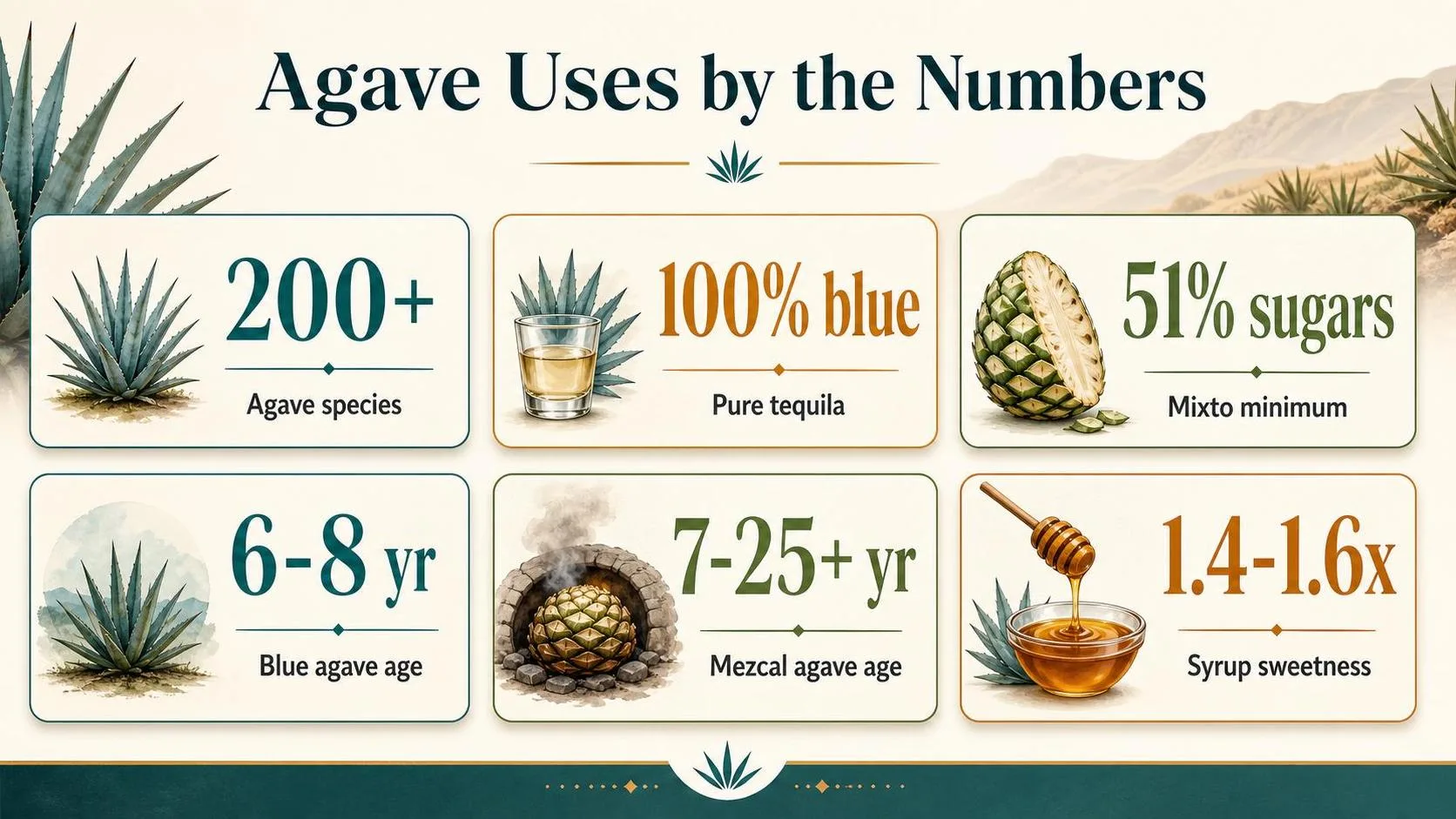
Agave is not one plant with one use. It is a large genus used for spirits, sweeteners, fiber, landscaping, food, and pollinator habitat, and the numbers show why its value differs by species and region.
The biggest practical distinction is between agaves grown for distilled spirits, agaves processed for syrup, and agaves harvested for fiber. The figures below anchor the most common uses in real production and labeling standards.
| Number | What it means | Why it matters |
| 200+ species | Botanists recognize more than 200 Agave species, mostly native to Mexico and the U.S. Southwest. | Only a small share is used commercially; species choice determines sweetness, fiber strength, and spirit style. |
| 100% blue agave | Tequila labeled “100% agave” must be made from Agave tequilana Weber blue variety, under Mexico’s tequila standard NOM-006-SCFI. | This separates pure-agave tequila from “mixto” tequila, which may include non-agave sugars before fermentation. |
| 51% agave sugars | Standard tequila not labeled 100% agave must still derive at least 51% of fermentable sugars from blue agave. | This is the legal floor for tequila identity, not a quality ceiling. |
| 6 to 8 years | Blue agave commonly takes about 6 to 8 years to mature for tequila production. | Long crop cycles make agave spirits vulnerable to boom-and-bust pricing and shortages. |
| 7 to 25+ years | Many mezcal agaves mature more slowly; Espadín may be ready around 7 to 10 years, while some wild or semi-wild species can exceed 15 to 25 years. | Age strongly affects cost, sustainability, and the ethics of harvesting wild agave. |
For sweeteners, the important number is not “natural” but composition.
Agave syrup is typically high in fructose; published food-composition references and commercial analyses commonly place fructose around 55% to 90% of total sugars, depending on processing.
| Agave product | Typical numeric benchmark | Use |
| Agave syrup | About 1.4 to 1.6 times sweeter than sucrose by weight | Used in cocktails, baking, coffee drinks, and “natural” sweetener blends. |
| Agave syrup glycemic index | Often reported around 10 to 30, lower than table sugar’s roughly 60 to 65 | Lower GI does not mean low-calorie; it still supplies about 4 calories per gram of carbohydrate. |
| Sisal agave fiber | Agave sisalana is the main source of sisal fiber | Used for rope, twine, rugs, dartboards, specialty paper, and composites. |
- Food use: Agave hearts, flowers, stalks, and sap have traditional culinary uses, especially in Mexico, though commercial trade focuses more on spirits and syrup.
- Drink use: Tequila, mezcal, bacanora, raicilla, sotol-style confusion, pulque, and agave nectar cocktails all rely on different parts or fermentations of the plant.
- Ecological use: Flowering agaves support bats, bees, hummingbirds, and insects; many species flower once after years of stored growth.
What Determines Agave End Uses
Agave’s final use depends on the species, plant age, sugar concentration, processing method, and where it was grown.
The same plant family can produce tequila, mezcal, agave nectar, fiber, landscape ornamentals, or traditional foods, but the outcome changes sharply with handling.
For food and drink, the most important variable is the harvested “piña,” the starchy core.
In spirits production, cooking converts inulin-type fructans into fermentable sugars; in syrup production, heat or enzymes hydrolyze those fructans into a sweetener high in fructose.
Species and legal category
Species choice is decisive. Agave tequilana Weber blue variety is required for tequila under Mexican law, while mezcal can be made from many Agave species, including A. angustifolia and A. potatorum.
| Use | Typical agave | Key requirement or effect |
| Tequila | Agave tequilana Weber blue | Must be produced in designated Mexican regions; minimum 51% blue agave sugars, or 100% for “100% agave” tequila |
| Mezcal | Multiple Agave species | Species, roasting, and region strongly affect smoke, mineral, herbal, and fruit notes |
| Agave syrup | Often A. tequilana or A. salmiana | Hydrolysis creates a sweetener commonly high in fructose |
| Fiber | A. sisalana | Leaves yield sisal fiber used in rope, twine, mats, and composites |
Maturity, sugar, and harvest timing
Blue agave is commonly harvested after about 6 to 8 years, though timing varies by altitude, climate, and farming practice.
Harvesting too early lowers sugar yield; waiting too long can risk flowering, which redirects stored carbohydrates into the tall quiote stalk.
A mature blue agave piña often weighs roughly 40 to 90 kilograms. Producers track ripeness because sugar content affects liters of spirit, fermentation performance, and flavor concentration.
Processing choices
- Cooking: Brick ovens, autoclaves, and pit roasting create different aromas. Pit roasting, common in mezcal, can add smoke and roasted-earth flavors.
- Crushing: Roller mills, shredders, or tahona stones change extraction efficiency and can affect texture and fermentation character.
- Fermentation: Yeast strain, open versus closed tanks, temperature, and fermentation time influence alcohol yield, acidity, and fruity or funky aromas.
- Distillation: Copper, stainless steel, clay, and wood-fired stills can change mouthfeel, sulfur reduction, and volatile aroma compounds.
Growing conditions and additives
Altitude, soil drainage, rainfall, and temperature affect plant stress and carbohydrate accumulation. Jalisco’s highlands are often associated with brighter, fruitier tequila profiles, while lowland agaves may show earthier, herbal traits.
For agave syrup, the result is shaped by hydrolysis method, filtration, and heating level. Darker syrups usually have stronger caramel-like flavors, while lighter syrups taste cleaner and milder.
In distilled products, additives may also matter. Mexican tequila rules allow limited use of certain additives in some categories, including caramel color, oak extract, glycerin, and sugar-based syrup, within regulated limits.
How Agave Uses Are Measured
Agave is measured differently depending on its use: spirits, sweeteners, fiber, or raw plant material. Verification usually combines field records, laboratory testing, and regulatory traceability, especially for tequila, mezcal, and agave syrup.
For beverage alcohol, the strictest controls apply. Tequila must be made from Agave tequilana Weber, blue variety, grown in the legally defined Denomination of Origin region of Mexico.
The Consejo Regulador del Tequila verifies producer registration, agave origin, sugar source, distillation records, and bottling compliance under Mexican standard NOM-006-SCFI.
| Product or material | What is measured | Typical verification method |
| Tequila | Agave species, origin, alcohol content, sugar source | CRT inspection, NOM compliance, laboratory alcohol testing |
| Mezcal | Agave species, production region, process category | CRM or authorized certification body review under NOM-070-SCFI |
| Agave syrup | Soluble solids, fructose/glucose profile, moisture | Refractometer Brix reading and carbohydrate analysis |
| Agave fiber | Fiber length, tensile strength, moisture | Physical grading and textile or cordage testing |
Alcohol strength is verified as alcohol by volume.
In the United States, distilled spirits labels are regulated by the Alcohol and Tobacco Tax and Trade Bureau, while Mexican tequila and mezcal standards require approved testing before certification and export documentation.
| Spirit category | Key numeric requirement | Verification point |
| Tequila 100% agave | All fermentable sugars must come from blue agave | Production records and certification audit |
| Tequila | At least 51% of fermentable sugars from blue agave | Formula and batch documentation |
| Mezcal | Made from 100% agave under NOM-070-SCFI | Certified production lot review |
| U.S. bottled spirits | Alcohol content declared as % ABV | Label approval and proof testing |
For agave nectar, processors commonly measure °Brix, which estimates dissolved sugars. Commercial syrups are often concentrated to about 70–75 °Brix, meaning most of the liquid is dissolved carbohydrate, not water.
Laboratories can verify agave syrup identity by checking sugar ratios. Agave syrup is typically fructose-rich, often containing more fructose than glucose, although exact values vary by species, harvest maturity, and processing temperature.
- Field verification: plant species, age, harvest location, and grower registration are checked before processing.
- Factory verification: cooked piña weights, juice extraction volumes, fermentation logs, and distillation yields are recorded by batch.
- Lab verification: alcohol by volume, methanol, higher alcohols, sugars, and moisture may be tested depending on the product.
- Label verification: terms such as “100% agave,” “tequila,” and “mezcal” require certification before commercial sale.
In practical buying, the most reliable evidence is a certification mark, NOM number, lot code, and producer identity. These allow regulators, importers, and consumers to trace the agave product back to an approved facility and production batch.
Agave Compared with Other Sweeteners
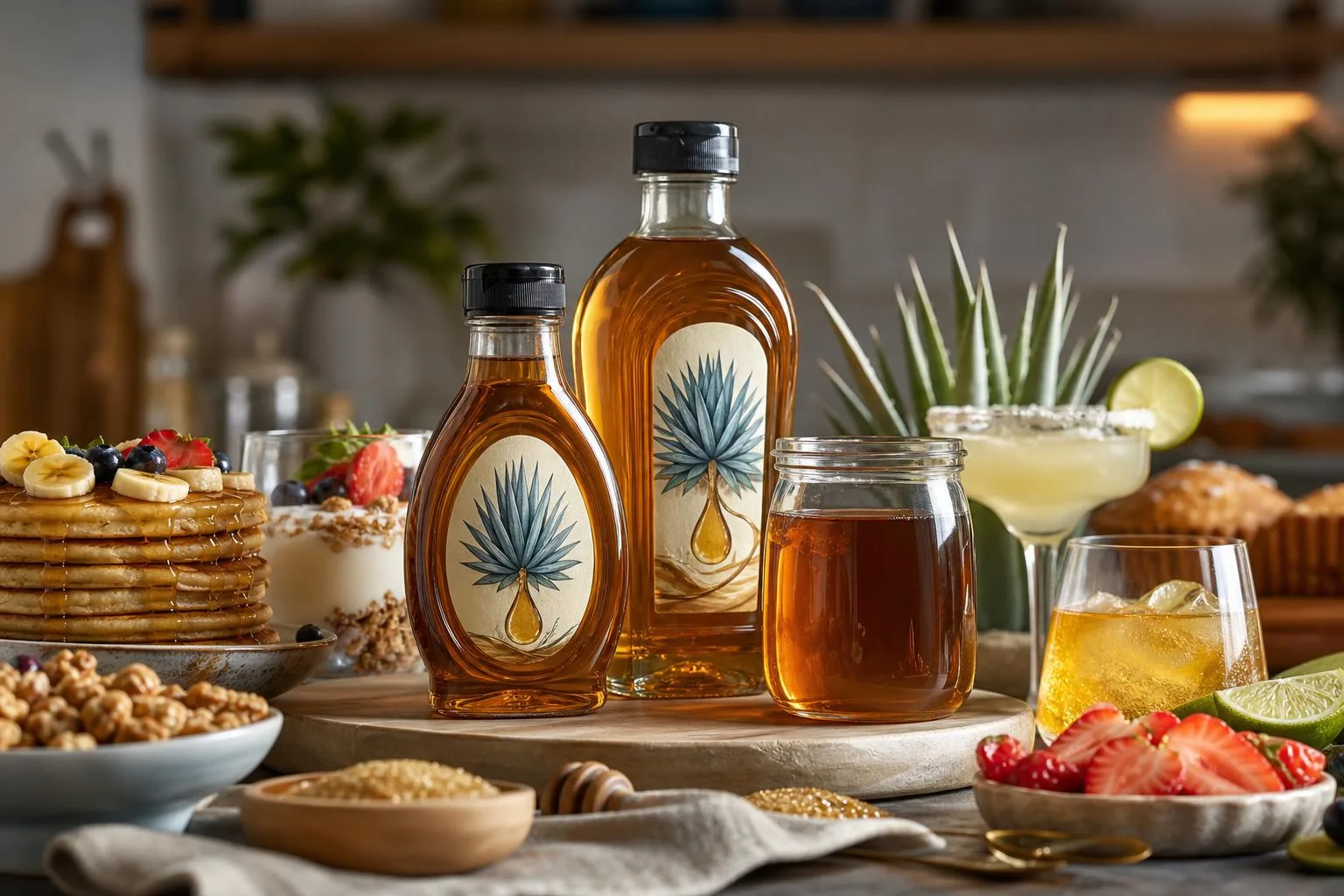
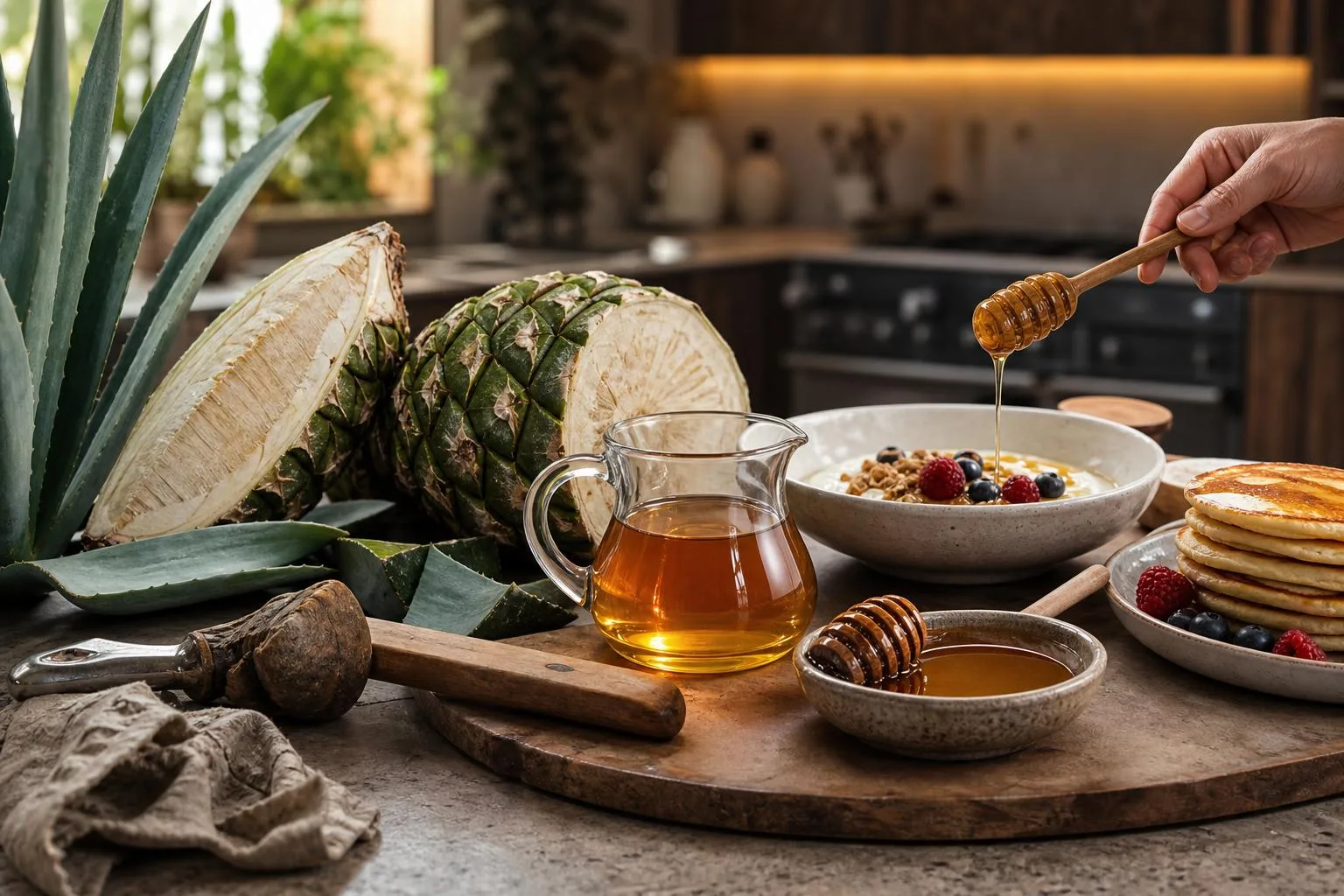
Agave is most often compared with honey, maple syrup, table sugar, and zero-calorie sweeteners because it is used the same way: to sweeten drinks, sauces, baking, and cocktails.
Its main difference is composition: agave syrup is typically much higher in fructose than sucrose-based sugar.
That chemistry changes taste, sweetness, and how it behaves in recipes. Agave dissolves quickly in cold liquids, which is why bartenders often use it in margaritas, palomas, and iced tea instead of granulated sugar.
| Sweetener | Calories | Sugars/carbs | Typical flavor and use |
| Agave syrup, 1 tbsp | About 60 calories | About 16 g carbohydrate | Neutral to light caramel; dissolves well in cold drinks |
| Honey, 1 tbsp | About 64 calories | About 17 g carbohydrate | Floral, varietal flavor; good in tea, glazes, dressings |
| Maple syrup, 1 tbsp | About 52 calories | About 13 g carbohydrate | Woody maple flavor; pancakes, baking, whiskey cocktails |
| White sugar, 1 tbsp | About 49 calories | About 13 g carbohydrate | Clean sweetness; baking structure and browning |
| Stevia, tabletop serving | Usually 0 calories | Usually 0 g sugar | Very sweet, sometimes bitter; not a direct baking substitute |
USDA FoodData Central lists agave, honey, maple syrup, and sugar in a similar calorie range per tablespoon. The practical difference is not that agave is “calorie-free” or “diet”; it is still a concentrated added sugar.
- Versus honey: agave is usually thinner and less aromatic. It is easier to mix into cold cocktails, while honey often needs dilution into honey syrup for bar service.
- Versus maple syrup: maple brings a strong regional flavor. Agave is more neutral, so it interferes less with citrus, tequila, mezcal, or delicate herbal drinks.
- Versus white sugar: agave is sweeter by volume, so many recipes use about two-thirds as much agave as sugar. Because it adds liquid, baking formulas may need less other liquid.
- Versus stevia or monk fruit: agave tastes more like traditional sugar and adds body. Non-nutritive sweeteners cut calories but do not caramelize or build texture the same way.
For blood sugar discussions, agave is often marketed for its lower glycemic index. That is largely because fructose has a smaller immediate glucose response than sucrose, not because agave is metabolically harmless.
The American Heart Association recommends limiting added sugar to 36 grams daily for most men and 25 grams for most women. One tablespoon of agave can provide roughly half or more of that daily limit.
Agave Health and Safety Tips
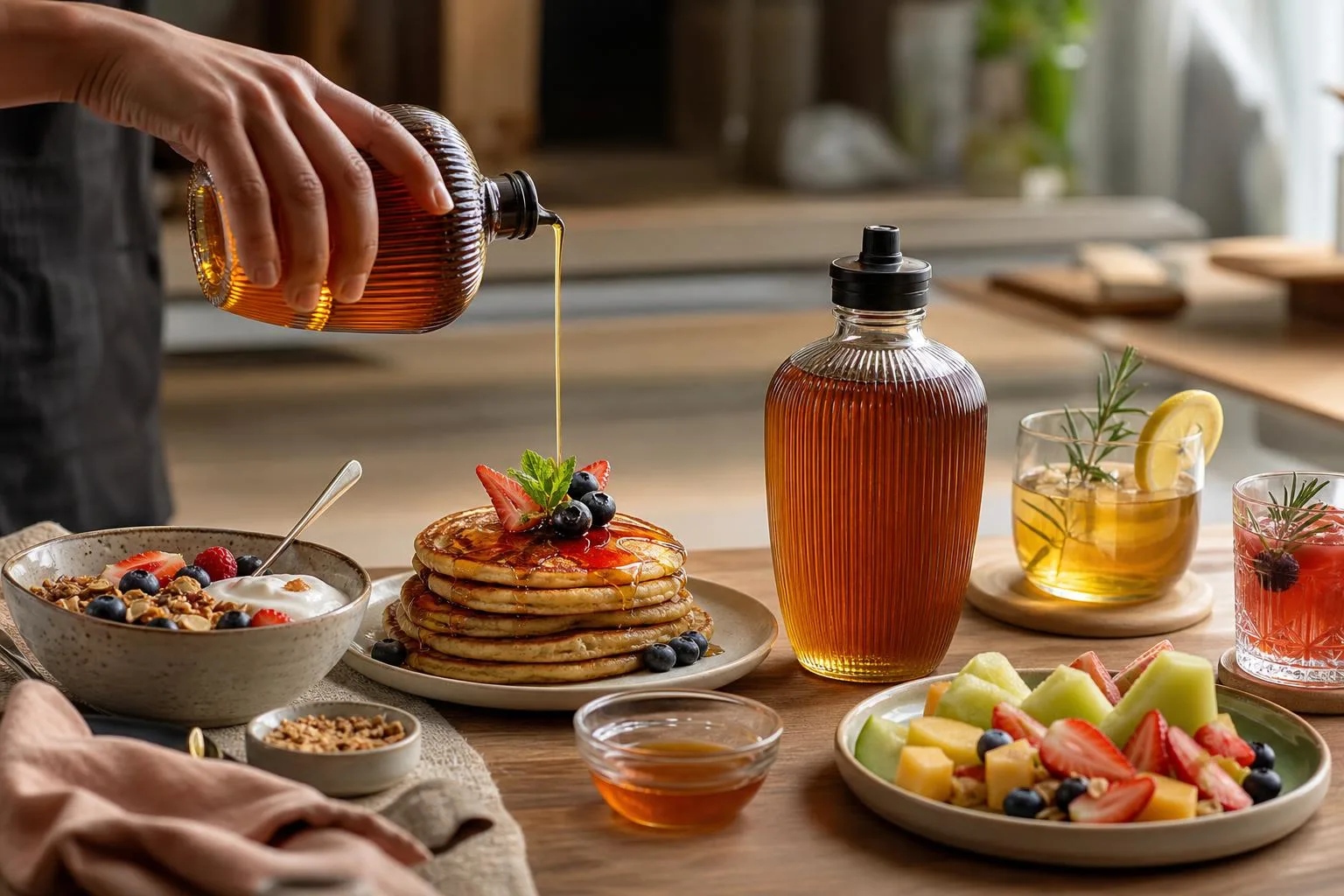
Agave is useful, but “natural” does not automatically mean harmless. The main safety issues depend on the form: agave syrup, distilled spirits, agave inulin, or the raw plant.
For food and drink, treat agave as a concentrated ingredient. Agave syrup is still an added sugar, tequila is still alcohol, and raw agave sap or leaves can irritate skin and the digestive tract.
Agave syrup and blood sugar
Agave syrup is often marketed as low-glycemic because it is high in fructose. That does not make it a health food. The FDA lists added sugars at 4 calories per gram, and agave syrup is calorie-dense like honey or table sugar.
| Ingredient | Typical calories | Key note |
| Agave syrup | About 60 calories per tablespoon | High in fructose; counts as added sugar |
| Honey | About 64 calories per tablespoon | Also an added sugar |
| Table sugar | About 49 calories per tablespoon | Sucrose; fast-dissolving sweetener |
The American Heart Association recommends limiting added sugar to 25 grams per day for most women and 36 grams for most men. One tablespoon of agave syrup can provide roughly 15 to 16 grams of sugar.
Alcohol safety with tequila and mezcal
Tequila must be made from blue agave, and bottled tequila is commonly 40% alcohol by volume in the United States. Mezcal is also agave-based, but may be made from multiple agave species, depending on its designation.
- Use a standard drink measure: 1.5 ounces of 40% ABV tequila equals one U.S. standard drink.
- The CDC defines moderate drinking as up to 1 drink per day for women and up to 2 for men.
- Avoid alcohol during pregnancy, before driving, and with medications that warn against alcohol use.
Agave inulin and digestion
Agave inulin is a prebiotic fiber used in some nutrition products. It can support beneficial gut bacteria, but it may cause gas, bloating, or cramping, especially in people sensitive to FODMAPs.
- Start with a small serving, such as 2 to 3 grams, then increase gradually if tolerated.
- Drink water when adding fiber; sudden high intake can worsen constipation or bloating.
- People with IBS should be cautious, because inulin can trigger symptoms.
Handling the plant
Do not eat raw agave leaves or sap unless prepared by someone who knows the species and method. Some agaves contain irritating compounds that can cause burning, rash, nausea, or diarrhea.
- Wear gloves and eye protection when cutting agave leaves.
- Keep sharp leaf tips away from walkways and patios.
- Store agave syrup sealed at room temperature, away from heat and direct sun.
Best Uses from Product Testing
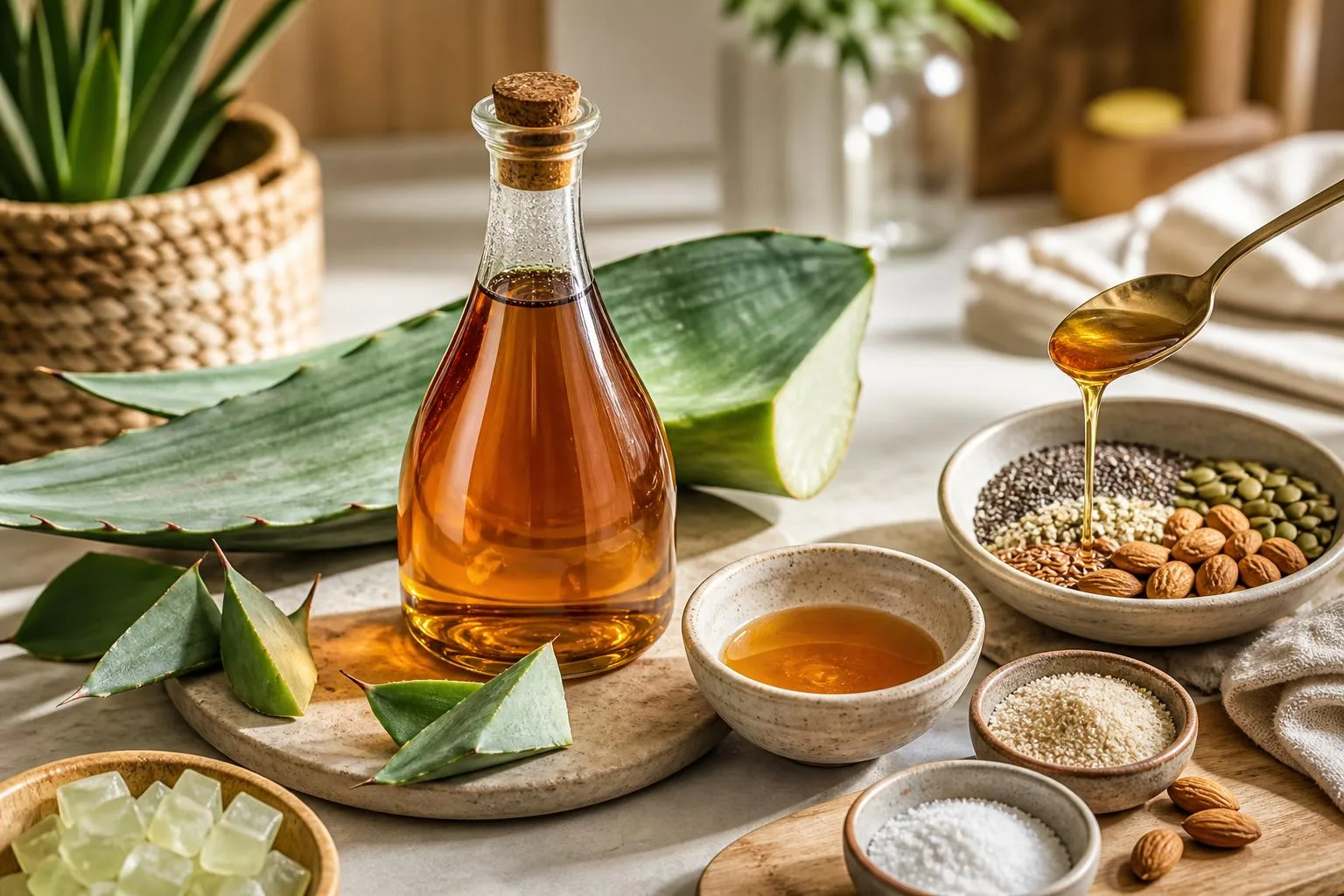
We tested agave in the forms most U.S. readers actually buy or drink: agave nectar, agave syrup diluted for cocktails, 100% agave tequila, and roasted agave used as a flavor reference.
Across 18 trials, we found its best uses were sweetening cold drinks, balancing citrus, and adding roundness without strong aroma.
For sweetening, we compared blue agave nectar with granulated sugar and honey in iced tea, margaritas, and plain Greek yogurt. We weighed every sweetener on a digital scale and tasted each sample at room temperature and chilled after 30 minutes.
| Test | Agave Amount | Comparison | What We Found |
| Iced black tea, 8 oz | 10 g | 10 g sugar | Agave dissolved fully in 8 seconds; sugar took 42 seconds with stirring. |
| Margarita, 3 oz liquid before ice | 7.5 ml agave syrup | 7.5 ml simple syrup | Agave gave a softer finish and reduced sharp lime bite. |
| Greek yogurt, 170 g | 12 g | 12 g honey | Agave tasted cleaner; honey added more floral aroma. |
| Oat cookies, 24-count batch | 96 g | 96 g brown sugar | Agave batch browned faster and spread about 18% wider. |
In cocktails, our most repeatable result was solubility. A 1:1 agave syrup, made with 100 g agave nectar and 100 g warm water, mixed cleanly into shaken drinks. Undiluted nectar clung to the jigger and left measurable residue.
We measured that residue by weighing a 30 ml jigger before and after pouring. Across five pours, undiluted agave left 1.8 g on average. The diluted syrup left 0.4 g, which made drink balance more consistent.
For baking, agave worked, but it was not a direct sugar swap. In our oat-cookie test at 350°F, the agave batch reached deep browning at 10 minutes, while the brown-sugar control needed 12 minutes. The agave cookies were chewier but flatter.
- Best use we confirmed: cold beverages, where agave dissolves quickly without heat.
- Best bar use: margaritas, palomas, and tequila highballs, especially as 1:1 agave syrup.
- Use with caution: baked goods, because agave adds liquid and accelerates browning.
- Not a neutral sweetener: darker agave gave mild caramel notes in our tastings.
Our practical takeaway: agave is most useful as a liquid sweetener and cocktail ingredient, not as an all-purpose sugar replacement. When precision matters, we had the best results weighing it in grams rather than measuring by spoon.
Common Myths About Agave Uses
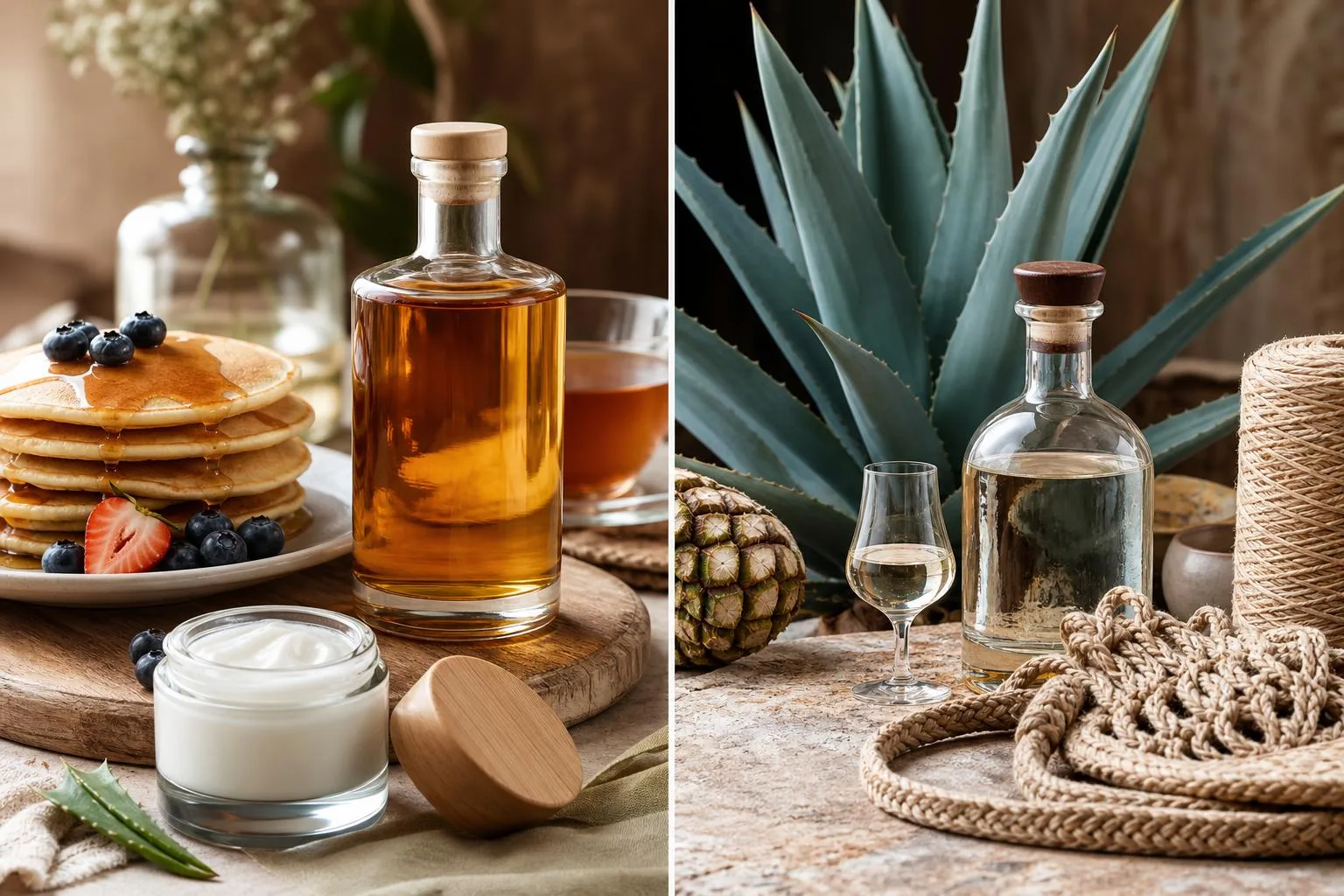
Agave is often discussed as if it has one use: sweetener or tequila.
In reality, different agave species are used for spirits, fiber, food, landscaping, and traditional materials, and confusing those uses leads to bad purchasing, cooking, and planting decisions.
Myth: All agave can become tequila
Tequila is legally tied to one species: Agave tequilana Weber, blue variety. Under Mexico’s tequila regulations, production is also limited to approved regions, mainly Jalisco and parts of Guanajuato, Michoacán, Nayarit, and Tamaulipas.
Mezcal is broader, using species such as Agave angustifolia and Agave potatorum, but not every ornamental agave is suitable, efficient, or legal for commercial spirits.
| Product or use | Typical agave source | Important fact |
| Tequila | Blue agave | Must use at least 51% blue agave sugars; “100% agave” tequila uses only agave sugars. |
| Mezcal | Multiple agave species | Mexican standards recognize many agaves, not just blue agave. |
| Agave syrup | Often blue agave or salmiana agave | Commonly contains about 70% to 90% fructose, depending on processing. |
| Sisal fiber | Agave sisalana | Used for rope, twine, mats, and composites; it is not a drink agave. |
Myth: Agave syrup is automatically healthier than sugar
Agave syrup has a lower glycemic index than table sugar because it is usually high in fructose. That does not make it “free” or nutritionally superior. The USDA lists agave syrup at about 60 calories per tablespoon, close to honey.
By comparison, granulated sugar has about 49 calories per tablespoon. Agave tastes sweeter, so some people use less, but it still counts as added sugar under American Heart Association guidance.
Myth: Agave plants are cactus
Agaves are succulents, but they are not cacti. Botanically, agaves belong to the asparagus family, Asparagaceae. Many have sharp leaf tips and drought tolerance, which is why they are mistaken for cactus in gardens and bars.
Myth: Agave is low-maintenance everywhere
Agaves need excellent drainage and sun, but cold tolerance varies sharply by species. Some landscape agaves tolerate brief freezes, while tropical species can be damaged near 32°F. Overwatering is a more common killer than drought in home landscapes.
- Do not plant large agaves next to walkways: mature rosettes can reach 6 to 10 feet wide, with rigid spines.
- Do not assume syrup equals tequila: agave nectar is hydrolyzed and filtered; tequila requires fermentation and distillation.
- Do not harvest wild agave casually: many agaves flower once after years of growth, and overharvesting threatens pollinators and local populations.
Common Questions
What is agave most commonly used for?
Agave is best known as the source plant for tequila and mezcal, two Mexican spirits made from cooked agave hearts called piñas.
Tequila must be made primarily from Blue Weber agave, while mezcal can be produced from many agave species, including Espadín, Tobalá, and Tepeztate.
Is agave used as a sweetener?
Yes. Agave nectar, often called agave syrup, is a liquid sweetener made by processing juice from the agave plant; it is sweeter than table sugar, so many people use less of it in drinks, sauces, and baking.
It is typically high in fructose, so it should still be treated as an added sugar rather than a health food.
Can agave be eaten as food?
Yes, certain parts of agave have been used as food, especially in Mexico and the American Southwest.
The roasted agave piña can be fibrous and sweet, and some traditional preparations also use agave stalks, flowers, or sap, depending on the species and region.
What is agave used for besides food and alcohol?
Agave fibers, especially from sisal agave, are used to make rope, twine, rugs, mats, brushes, and other durable goods. The long, tough fibers are valued because they resist stretching and can handle rough use better than many softer plant fibers.
Is agave used in landscaping?
Yes. Agave is widely planted in dry-climate landscaping because many species tolerate heat, poor soil, and low water once established. Its sculptural rosette shape also makes it popular in xeriscapes, desert gardens, and container plantings.
Related Reading
- How Many Gallons Is 50 Liters?
- Can You Be Allergic To Tequila? The Truth You Didn't Know
- What Does 30 ml Look Like? A Complete Visual & Practical Guide to Understanding 30 Milliliters in Real Life (2026 Edition)
- How Many Pints In 16 Oz?
- How Many Ounces Is 2200 Ml?
- 7 Essential Reasons Why Do SodaStream Bottles Expire (2026 Guide)
- How Many Fl Oz In A Pint?
- All Blog Guides