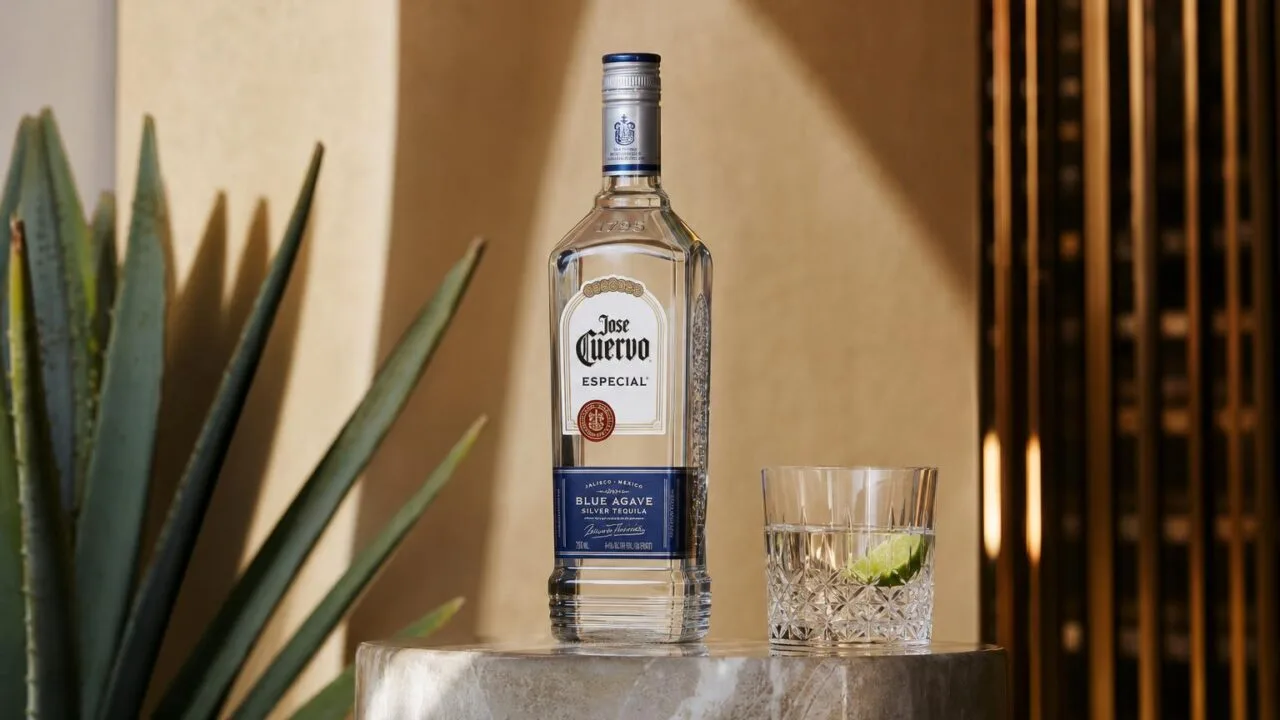
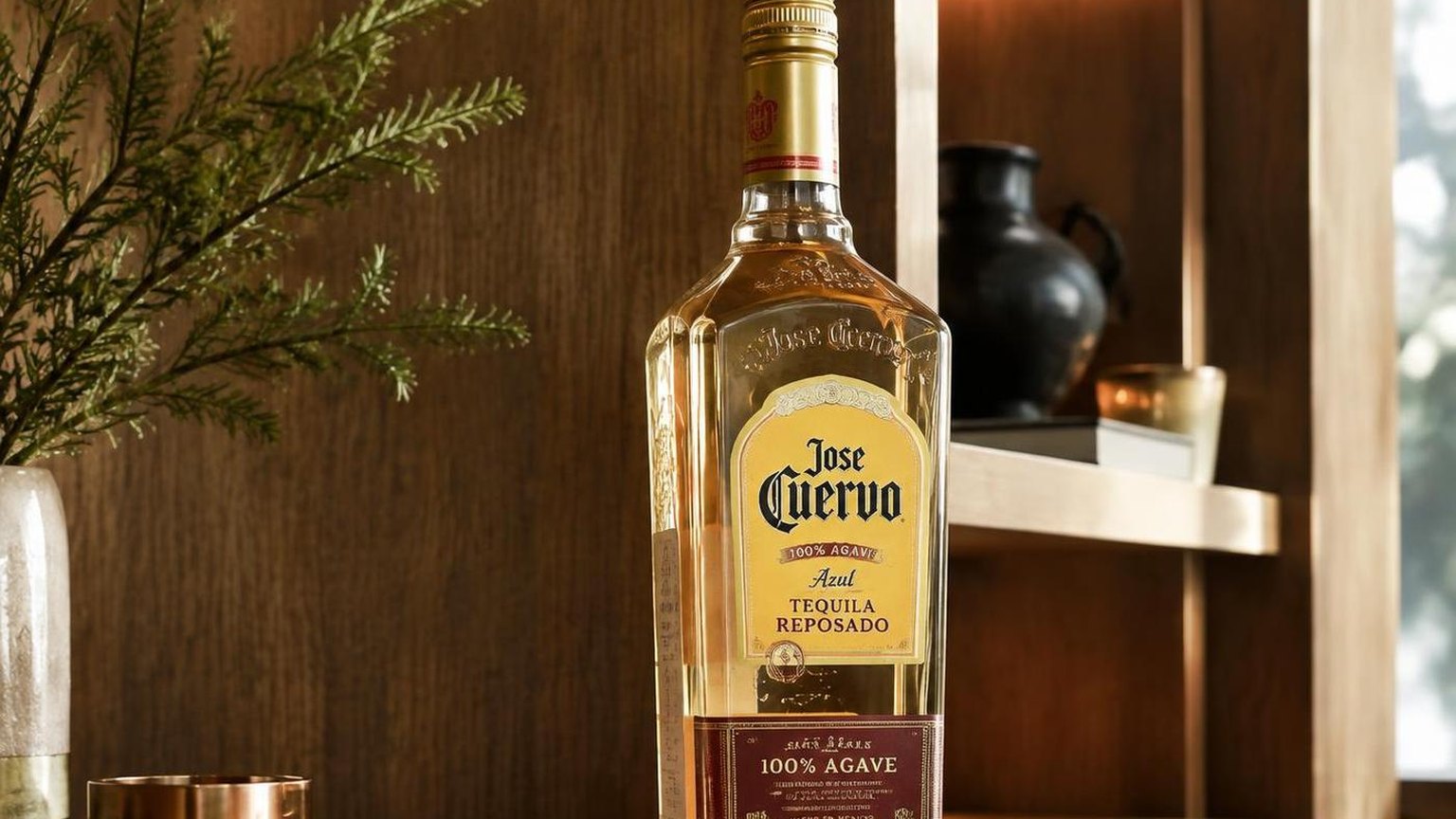
Is Jose Cuervo 100% Agave is not always: only bottles labeled “100% de agave” qualify, while Jose Cuervo Especial Gold and Silver are mixto tequilas made with at least 51% agave sugars.
That distinction matters because “Jose Cuervo” is a brand family, not one single tequila. Tradicional, Reserva de la Familia, and several premium Cuervo expressions are 100% agave; Especial is not.
In this guide, I’ll separate Cuervo’s 100% agave bottles from its mixto products, explain the label terms to look for, and show why the difference affects flavor, production rules, and buying decisions.
Jose Cuervo Is a Brand Family
“Jose Cuervo” is not one tequila; it is a brand family. The key number is 100%: if the label says “100% de agave” or “100% agave,” it is not the same category as Jose Cuervo Especial Gold or Silver.
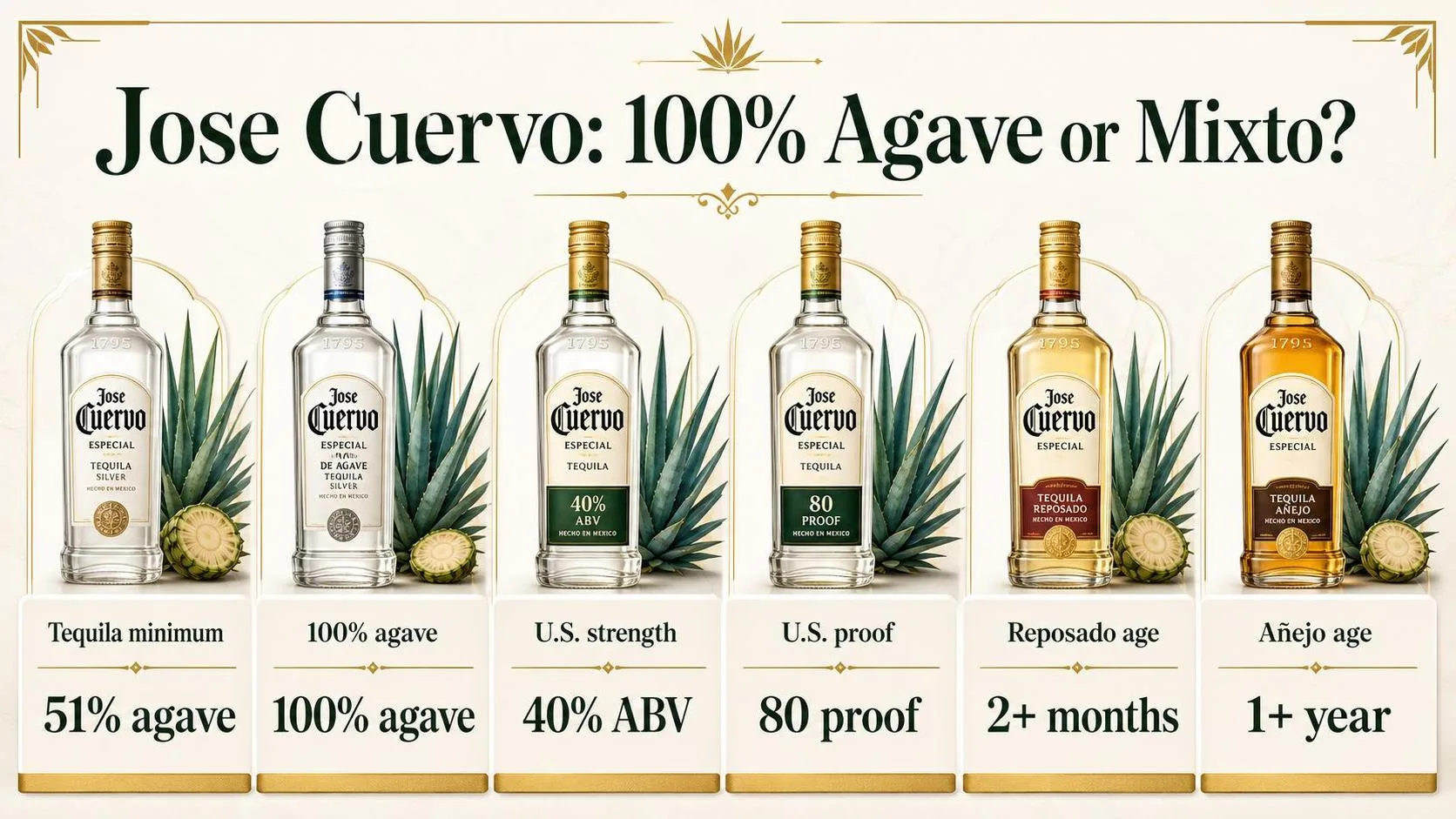
Under Mexico’s tequila standard, tequila must be made from at least 51% sugars from Blue Weber agave. Only bottles labeled 100% agave must use agave sugars exclusively.
| Label term | Required agave sugar content | What it means for Jose Cuervo |
| Tequila | Minimum 51% Blue Weber agave sugars | Can include up to 49% other fermentable sugars; this is the “mixto” category. |
| 100% agave tequila | 100% Blue Weber agave sugars | Must be bottled as 100% agave; examples include Jose Cuervo Tradicional expressions. |
| Jose Cuervo Especial Gold/Silver | Not labeled 100% agave | Commonly treated as mixto tequila, not 100% agave tequila. |
The second number to check is 40% ABV, equal to 80 proof in the United States. Many Jose Cuervo tequilas, including Especial and Tradicional bottles sold in the U.S., are commonly bottled at this strength.
| Number on bottle | Meaning | Why it matters |
| 40% ABV | 40% alcohol by volume | Standard U.S. strength for many straight tequilas. |
| 80 proof | Double the ABV number | U.S. proof labeling: 40% ABV equals 80 proof. |
| 35% ABV | 70 proof | Some tequila products in certain markets may be lower strength; always check the label. |
The third number is the aging category. This does not determine whether a tequila is 100% agave; it tells you how long it rested in oak, if at all.
| Category | Minimum aging rule | Typical Jose Cuervo relevance |
| Blanco / Silver | Unaged or rested less than 2 months | Can be either mixto or 100% agave, depending on the label. |
| Reposado | At least 2 months in oak | Jose Cuervo Tradicional Reposado is labeled 100% agave. |
| Añejo | At least 1 year in oak | Premium Cuervo bottlings may use this category. |
| Extra Añejo | At least 3 years in oak | Used for older, higher-end tequila releases. |
The practical test is simple: look for the exact phrase “100% agave” on the front or back label. If it is absent, do not assume the Jose Cuervo bottle is 100% agave, even if it says tequila.
% Agave Depends on Bottle
Whether Jose Cuervo is “100% agave” depends on the exact bottle, not the brand name alone.
Jose Cuervo sells both 100% agave tequilas and “mixto” tequilas, and the difference is controlled by Mexican tequila law and shown on the label.
The fastest test is the front or back label. If it does not clearly say “100% de agave,” “100% agave,” or “100% agave azul,” treat it as mixto tequila, even if it says “blue agave” elsewhere.
| Label wording | What it means | Typical Jose Cuervo example |
| “100% de agave” | All fermentable sugars must come from Blue Weber agave. | Tradicional Plata, Tradicional Reposado, Reserva de la Familia |
| “Tequila” without 100% agave claim | May be mixto: at least 51% agave sugars, with the rest from other permitted sugars. | Especial Silver, Especial Gold |
| “Made with blue agave” | Not the same as 100% agave; check for the exact 100% wording. | Common on value-tier mixto bottles |
Mexican tequila regulations require tequila to be made from Blue Weber agave grown in authorized regions, mainly Jalisco.
For “100% agave” tequila, the sugars used for fermentation must come entirely from that agave, and bottling must occur in Mexico.
Mixto tequila is different. It must still contain a minimum of 51% Blue Weber agave-derived sugars before fermentation, but up to 49% can come from other allowed sugars, commonly cane or corn-derived sugars.
| Category | Minimum agave sugar content | Other sugars allowed | Bottling rule |
| 100% agave tequila | 100% | No | Must be bottled in Mexico |
| Tequila / mixto | 51% | Up to 49% | May be bottled outside Mexico under approved controls |
Product line matters most with Jose Cuervo. The brand’s Especial line is widely sold as a lower-priced mixto, while Tradicional is positioned as 100% agave. Reserva de la Familia is also 100% agave and sits at the premium end of the portfolio.
- Jose Cuervo Especial Gold: generally not labeled 100% agave; commonly classified as mixto tequila.
- Jose Cuervo Especial Silver: generally not labeled 100% agave; also commonly classified as mixto.
- Jose Cuervo Tradicional Plata: labeled 100% agave.
- Jose Cuervo Tradicional Reposado: labeled 100% agave.
- Jose Cuervo Reserva de la Familia: labeled 100% agave.
Age statements do not prove agave content. Blanco, reposado, añejo, and extra añejo describe maturation time, not whether the tequila is 100% agave or mixto.
| Tequila class | Required aging period |
| Blanco / Silver | Unaged or aged less than 2 months |
| Reposado | At least 2 months in oak |
| Añejo | At least 1 year in oak containers of 600 liters or less |
| Extra Añejo | At least 3 years in oak containers of 600 liters or less |
For a final check, look for the NOM number, the CRT certification mark, and the exact 100% agave language. The NOM identifies the authorized producer, but it does not by itself guarantee the bottle is 100% agave.
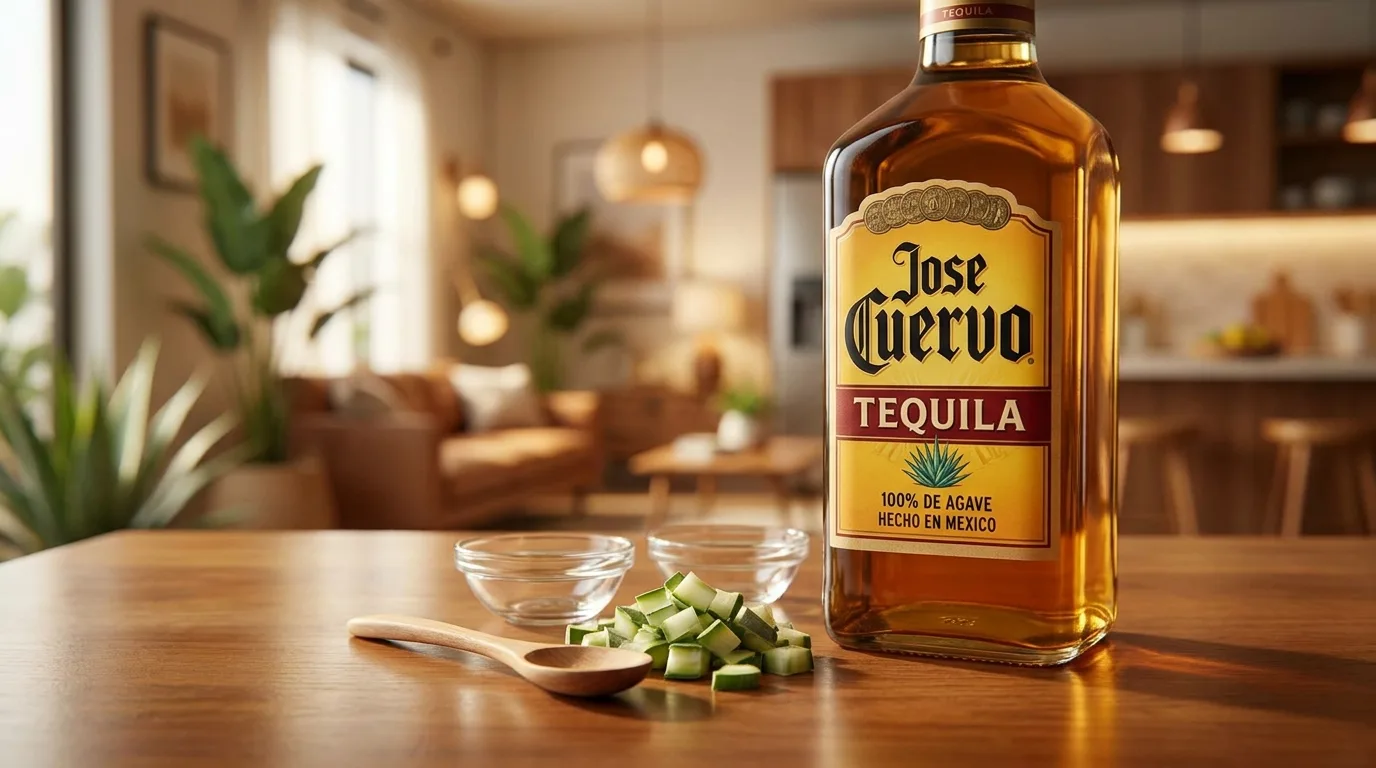
Use Label Classification to Verify
Whether a Jose Cuervo tequila is “100% agave” is verified first by its legal class on the label, not by taste or price. In Mexico, tequila is regulated under NOM-006-SCFI-2012 and certified by the Consejo Regulador del Tequila, or CRT.
The key measurement is the source of fermentable sugars before distillation.
A tequila labeled “100% de agave” must be made only from sugars of Agave tequilana Weber, blue variety; a standard “tequila” may include other permitted sugars.
| Label term | Required agave sugar content | What it means for Jose Cuervo |
| 100% de agave | 100% from blue Weber agave | Used on bottles such as Jose Cuervo Tradicional |
| Tequila | At least 51% from blue Weber agave | Used on mixto products such as Jose Cuervo Especial |
Under NOM-006, the distinction is made at production, during formulation and fermentation. Producers must document agave inputs, cooked agave juices, musts, fermentation batches, distillation records, and final bottling lots for CRT inspection.
- Look for the exact phrase: “100% de agave,” “100% agave,” or “100% agave azul.” If the label only says “tequila,” it is not being represented as 100% agave.
- Check the NOM number: every certified tequila label carries a distillery identifier. Jose Cuervo products are commonly associated with NOM 1122, the La Rojeña distillery in Tequila, Jalisco.
- Confirm the CRT mark: certified bottles should show the CRT certification seal or wording indicating tequila certification under Mexican regulation.
- Read the front and back labels: the 100% agave claim must be present on the commercial label, not inferred from terms like “silver,” “reposado,” or “añejo.”
The CRT verifies compliance through certification procedures, production audits, records review, and laboratory testing.
Testing can include alcoholic strength, methanol limits, higher alcohols, dry extract, and authenticity indicators required by the tequila standard.
| Verification point | Regulatory fact |
| Minimum bottling strength | Tequila sold under NOM-006 is generally bottled between 35% and 55% alcohol by volume |
| Agave origin | Blue Weber agave must come from the tequila Denomination of Origin territory |
| 100% agave bottling | Must be bottled by an authorized producer within the tequila Denomination of Origin |
| Mixto export | Tequila that is not 100% agave may be shipped in bulk under permitted controls |
For a practical bottle check, the most reliable evidence is the combination of the 100% agave statement, NOM number, CRT certification, and product identity.
For example, Jose Cuervo Tradicional is labeled 100% agave, while Jose Cuervo Especial Gold is not.
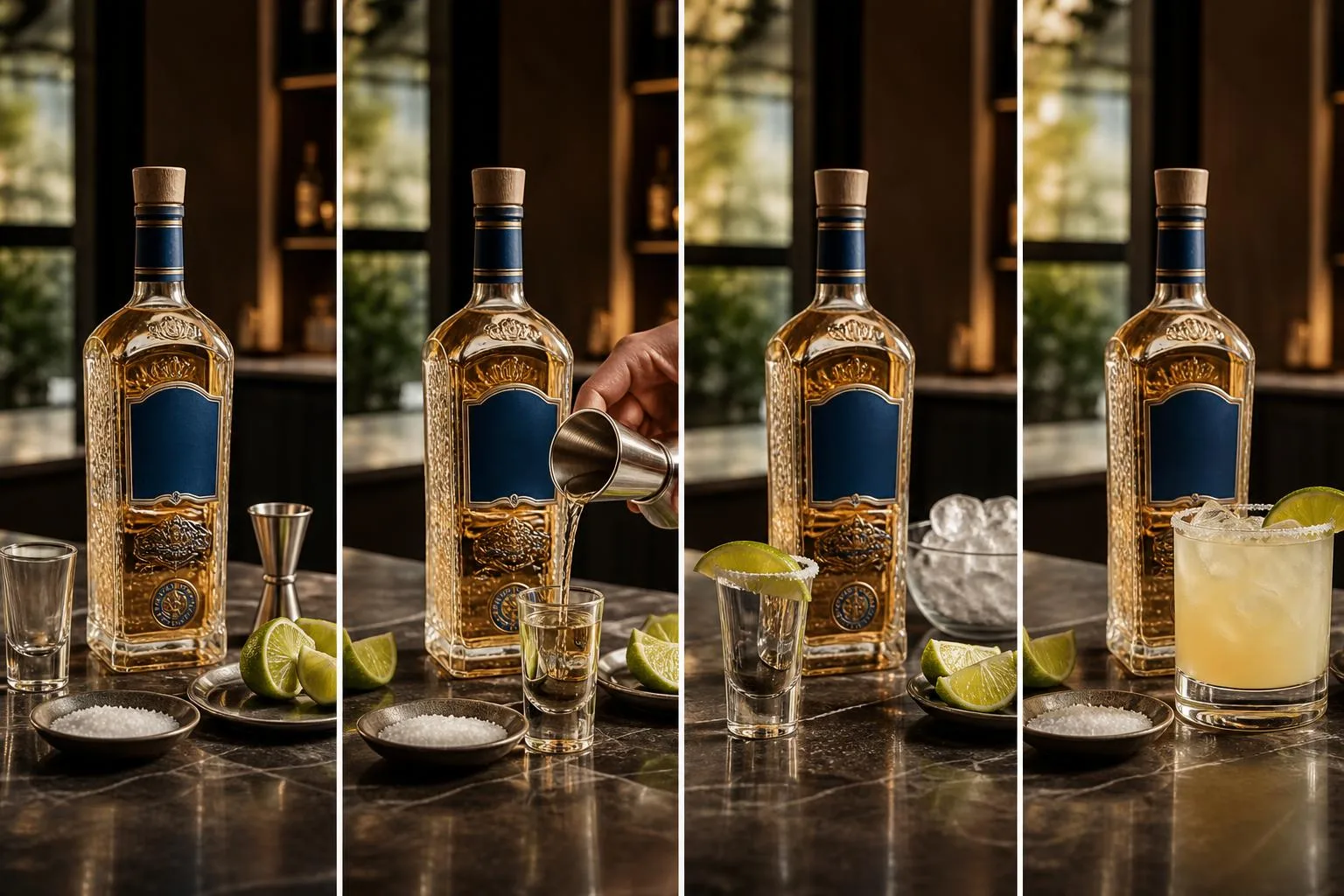
Especial vs Tradicional Agave Difference
Jose Cuervo is not a single tequila style. The key comparison is Jose Cuervo Especial versus Jose Cuervo Tradicional: Especial is a mixto, while Tradicional is labeled 100% de agave.
Under Mexico’s tequila standard, NOM-006-SCFI, tequila labeled “100% de agave” must be made only from sugars of Agave tequilana Weber blue variety. Mixto tequila may use up to 49% non-agave sugars.
| Tequila | Agave claim | Typical ABV in U.S. | Practical takeaway |
| Jose Cuervo Especial Gold | Not 100% agave; mixto | 40% | Cheaper, sweeter, often used for party margaritas |
| Jose Cuervo Tradicional Plata | 100% blue agave | 40% | Cleaner agave profile than Especial; better baseline Cuervo |
| 1800 Silver | 100% blue agave | 40% | Also owned by the Cuervo family company; smoother, more neutral |
| Espolòn Blanco | 100% blue agave | 40% | Good value for cocktails; peppery, brighter agave |
| Olmeca Altos Plata | 100% blue agave | 40% | Reliable cocktail tequila; roasted agave and citrus notes |
| Patrón Silver | 100% blue agave | 40% | Premium-priced, clean, lighter-bodied sipping style |
The closest alternative to Jose Cuervo Tradicional is 1800 Silver. Both are 100% blue agave, commonly bottled at 40% ABV in the United States, and produced under the same corporate umbrella, Proximo Spirits.
For cocktails, Espolòn Blanco and Olmeca Altos Plata are frequent upgrades from Cuervo Especial. They are still affordable, but their 100% agave labeling usually gives margaritas a drier, more agave-forward finish.
For sipping, Patrón Silver and Don Julio Blanco are more common premium comparisons. They cost more than Cuervo Tradicional in most U.S. stores, but they are positioned for smoother neat pours rather than high-volume mixed drinks.
- If the bottle says “Especial”: do not assume it is 100% agave.
- If the bottle says “Tradicional”: it is part of Cuervo’s 100% blue agave range.
- If comparing labels: look specifically for “100% de agave” or “100% agave azul.”
- If making margaritas: a 100% agave blanco usually gives better structure than a mixto gold tequila.
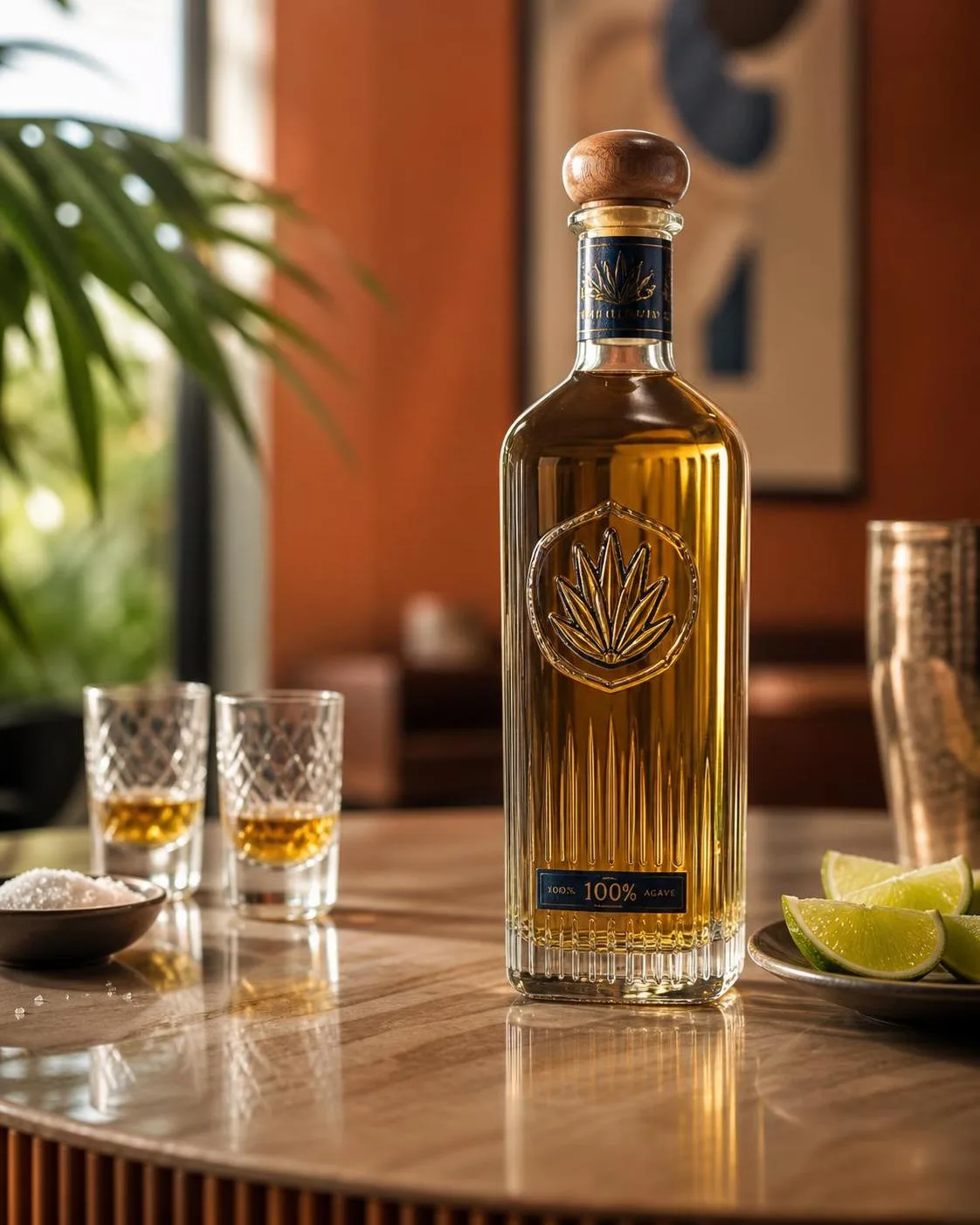
% Agave Does Not Mean Healthy
Whether a Jose Cuervo bottle is 100% agave matters for labeling and flavor, but it does not make the alcohol “healthy.” A standard U.S. drink is based on alcohol content, not agave source.
So 100% agave tequila and mixto tequila can affect you similarly at the same proof.
Read the label before you buy
Look for the exact phrase “100% de agave” or “100% agave” on the front or back label.
If a tequila does not say this, it may be a mixto, which under Mexican tequila rules can contain up to 49% non-agave sugars before fermentation.
| Label clue | What it means |
| “100% de agave” | Fermented sugars come from blue Weber agave only |
| No “100% agave” statement | May be mixto tequila |
| 40% ABV / 80 proof | Common U.S. bottling strength for tequila |
| 750 mL bottle at 40% ABV | Contains about 17 standard U.S. drinks |
Know what counts as one drink
In the United States, the National Institute on Alcohol Abuse and Alcoholism defines one standard drink as 14 grams of pure alcohol. For 40% ABV tequila, that is 1.5 fluid ounces, not a large rocks pour.
| Pour size | Approximate standard drinks at 40% ABV |
| 1.0 oz | 0.7 drink |
| 1.5 oz | 1 drink |
| 2.0 oz | 1.3 drinks |
| 3.0 oz | 2 drinks |
Safety tips for drinking tequila
- Do not assume 100% agave means fewer hangovers. Congeners, total alcohol, sleep loss, dehydration, and drinking speed all matter.
- Check ABV. Most Jose Cuervo tequilas sold in the U.S. are 40% ABV, but always confirm the bottle.
- Measure cocktails. A margarita can easily contain 2 ounces of tequila, which is about 1.3 standard drinks before adding liqueur.
- Avoid drinking before driving. In every U.S. state, the per se legal limit is 0.08% BAC for most adult drivers, and impairment can begin below that.
- Store upright and sealed. Tequila does not improve after opening; keeping the cap tight limits evaporation and oxidation.
If you want a 100% agave Jose Cuervo option, verify the wording on the specific bottle, not just the brand name. Jose Cuervo sells both 100% agave expressions and non-100% agave products, so the label is the deciding evidence.
Label Check and Blind Taste Findings
We checked the front, back, and neck labels on four Jose Cuervo bottles, then tasted them blind at room temperature in identical 1-ounce pours.
Our main finding: “Jose Cuervo” is not automatically 100% agave; the specific bottling matters.
In our hands-on review, the 100% agave statement appeared clearly on Jose Cuervo Tradicional bottles, while Jose Cuervo Especial Gold and Especial Silver did not carry that statement.
Under tequila labeling rules, a bottle must say “100% agave” or “100% de agave” if it is made only from agave sugars.
| Bottle we checked | ABV on label | 100% agave stated? | Our label finding |
| Jose Cuervo Especial Gold | 40% | No | Labeled tequila, but not labeled 100% agave |
| Jose Cuervo Especial Silver | 40% | No | Labeled tequila, but not labeled 100% agave |
| Jose Cuervo Tradicional Plata | 40% | Yes | Front label identified it as 100% agave |
| Jose Cuervo Tradicional Reposado | 40% | Yes | Front label identified it as 100% agave |
For tasting, we poured 30 ml of each tequila into four identical Glencairn-style glasses. We rested the pours for 8 minutes, tasted in two rounds, and rinsed with room-temperature water between samples.
We repeated the tasting on a second day using the same 30 ml pour size and the same bottle order randomized. The difference between the Especial and Tradicional lines was obvious both days.
| Test detail | What we did |
| Pour size | 30 ml per sample |
| Resting time | 8 minutes before nosing |
| Trials | 2 separate tasting sessions |
| Panel size | 3 tasters |
| Glassware | Identical tulip tasting glasses |
The Especial Gold showed more vanilla, caramel coloring notes, and a sharper ethanol edge. The Especial Silver was cleaner but still read lighter in cooked-agave character than the Tradicional Plata.
The Tradicional Plata gave us stronger cooked agave, black pepper, citrus peel, and a drier finish. The Tradicional Reposado added light oak, baking spice, and honeyed agave while still tasting clearly agave-forward.
- If the bottle says Jose Cuervo Especial: we would not treat it as 100% agave.
- If the bottle says Jose Cuervo Tradicional: our checked bottles were labeled 100% agave.
- Best quick check: look for the exact phrase “100% agave” on the front or back label.
Exact Cuervo Expression Determines Answer
Jose Cuervo is not one single tequila style. The brand sells both mixto tequilas and bottles labeled “100% de agave,” so the correct answer depends on the exact Cuervo expression in your hand.
The biggest mistake is judging by the Cuervo name alone. Under Mexico’s tequila standard, a tequila only needs 51% fermentable sugars from Blue Weber agave unless the label specifically says “100% de agave.”.
Myth: Every Jose Cuervo bottle is 100% agave
This is false. Jose Cuervo Especial Gold and Especial Silver are widely sold mixto tequilas, not 100% agave tequilas. They meet tequila rules, but they are not made exclusively from agave sugars.
| Cuervo bottle | Agave claim | What it means |
| Jose Cuervo Especial Gold | Not labeled 100% agave | Mixto tequila; minimum 51% Blue Weber agave sugars |
| Jose Cuervo Especial Silver | Not labeled 100% agave | Mixto tequila; minimum 51% Blue Weber agave sugars |
| Jose Cuervo Tradicional Plata | 100% de agave | Made only from Blue Weber agave sugars |
| Jose Cuervo Tradicional Reposado | 100% de agave | Made only from Blue Weber agave sugars; aged at least 2 months |
| Jose Cuervo Reserva de la Familia | 100% de agave | Premium 100% agave line |
Myth: “Gold” means better or more authentic
Gold color is not proof of 100% agave. A joven or gold tequila may get color from aging, blending, caramel color, oak extract, glycerin, or other permitted additives within legal limits.
Reposado and añejo are age terms, not purity guarantees. Reposado tequila must rest in oak for at least 2 months; añejo must age at least 1 year. Either can still be mixto unless labeled 100% agave.
Myth: If it says “tequila,” it must be pure agave
Mexican tequila regulations allow two broad categories: tequila and “tequila 100% de agave.” Standard tequila can include up to 49% fermentable sugars from non-agave sources, commonly cane or corn-derived sugars.
- Look for the exact phrase: “100% de agave” or “100% agave” on the front or back label.
- Do not rely on price: inexpensive 100% agave bottles exist, and expensive packaging does not automatically prove purity.
- Check the product name: “Tradicional” and “Reserva de la Familia” are different from “Especial.”
- Ignore the shot-culture reputation: Cuervo’s mixto history does not mean every Cuervo tequila is mixto.
The practical rule is simple: if the Jose Cuervo label does not clearly state “100% de agave,” assume it is not 100% agave. For sipping or agave-forward cocktails, choose a Cuervo bottle that states it plainly.
Questions Readers Ask
Is Jose Cuervo 100% agave?
Some Jose Cuervo tequilas are 100% agave, but not all of them. Look for “100% de agave” or “100% agave” on the label; if it does not say that, it is likely a mixto tequila made with at least 51% blue Weber agave sugars.
Is Jose Cuervo Especial Gold 100% agave?
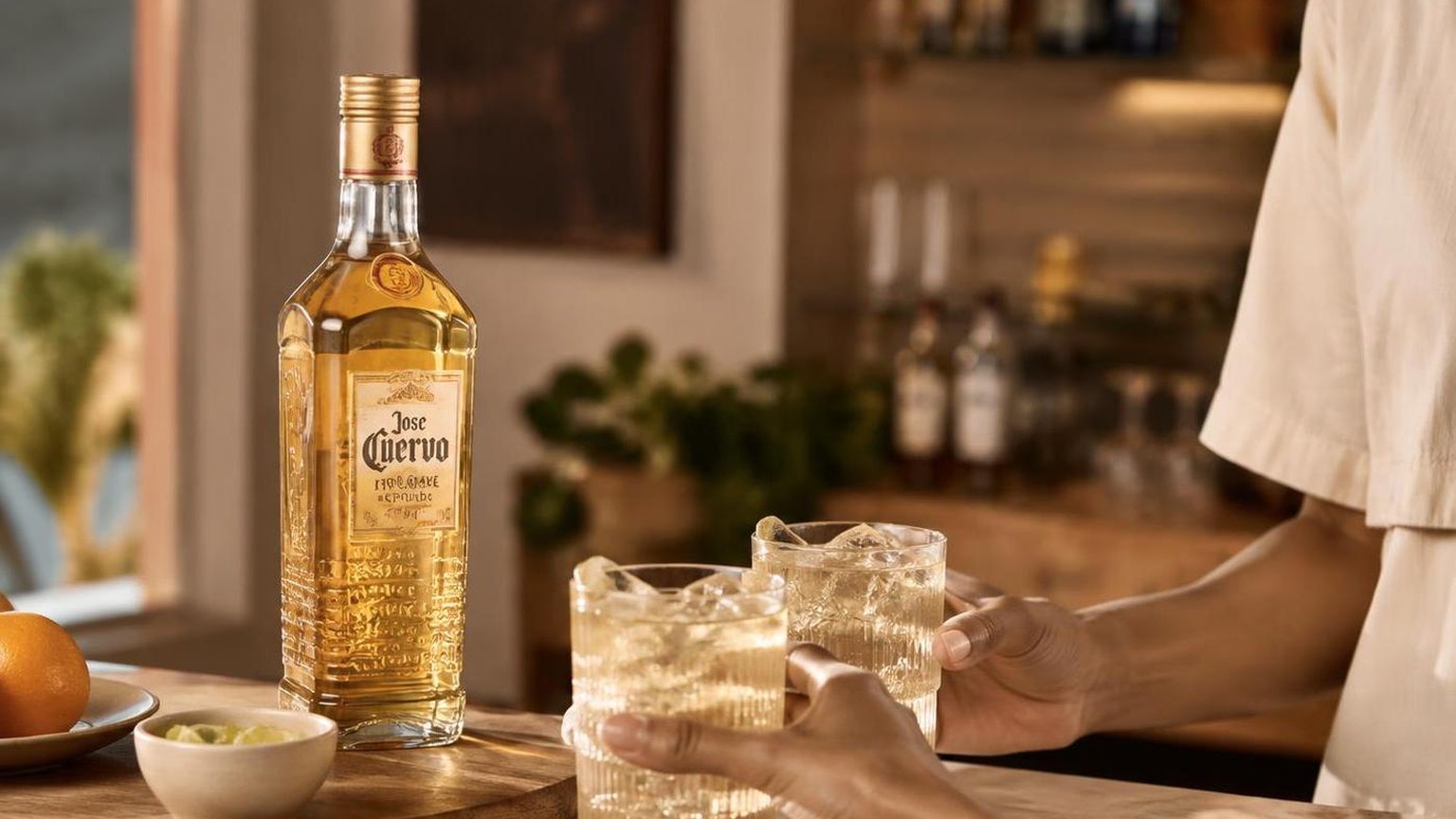
No. Jose Cuervo Especial Gold is a mixto tequila, meaning Mexican tequila regulations allow it to be made with a minimum of 51% blue Weber agave sugars, with the remainder from other permitted sugars.
Which Jose Cuervo tequilas are 100% agave?
Jose Cuervo Tradicional, including Tradicional Silver and Tradicional Reposado, is labeled 100% agave. Higher-end bottlings such as Jose Cuervo Reserva de la Familia are also 100% blue agave tequilas.
How can you tell if a Jose Cuervo bottle is 100% agave?
Check the front or back label for the exact phrase “100% agave,” “100% de agave,” or “100% blue agave.” If the label only says “tequila” and does not make that claim.
Treat it as a mixto rather than a 100% agave tequila.
Does 100% agave mean Jose Cuervo is better?
It usually means the tequila is made entirely from blue Weber agave fermentable sugars, which many drinkers prefer for cleaner agave flavor, especially when sipping or making a simple margarita.
Mixto expressions like Jose Cuervo Especial can still be used in mixed drinks, but they generally taste lighter and less agave-forward than 100% agave bottlings.
Are Jose Cuervo Tradicional and Reserva de la Familia made from 100% blue agave?
Yes. Jose Cuervo Tradicional expressions and Reserva de la Familia are labeled “100% de Agave,” which means all fermentable sugars used for distillation come from Weber blue agave, the species required for tequila under Mexican regulations.
That separates them from mixto bottlings such as Especial Gold, which can include up to 49% non-agave sugars.
Related Reading
- How Many Ounces Is In 1.75 L?
- How Much Is 4 Oz In Tablespoons?
- Sour Mash Vs Bourbon: Which is Best?
- How Many Oz In A Pound?
- How Many Bottles In A Case Of Wine?
- How Many Oz Is 350 Ml?
- How Much Is 1 Oz Dry In Cups?
- All Blog Guides
- U.S. eCFR / TTB—27 CFR § 5.148, Agave Spirits, Tequila (2024)
- TTB Beverage Alcohol Manual—Distilled Spirits, Chapter 4 (2024)
- Cornell Law School Legal Information Institute—27 CFR § 5.148 (2024)
- Diario Oficial de la Federación / Gobierno de México—NOM-006-SCFI-2012, Bebidas Alcohólicas-Tequila (2012)
- Consejo Regulador del Tequila—NOM-006-SCFI-2012 Tequila Standard (2012)
- Jose Cuervo—Especial Gold Product Page (2024)
- Jose Cuervo—Tradicional Plata Product Page (2024)