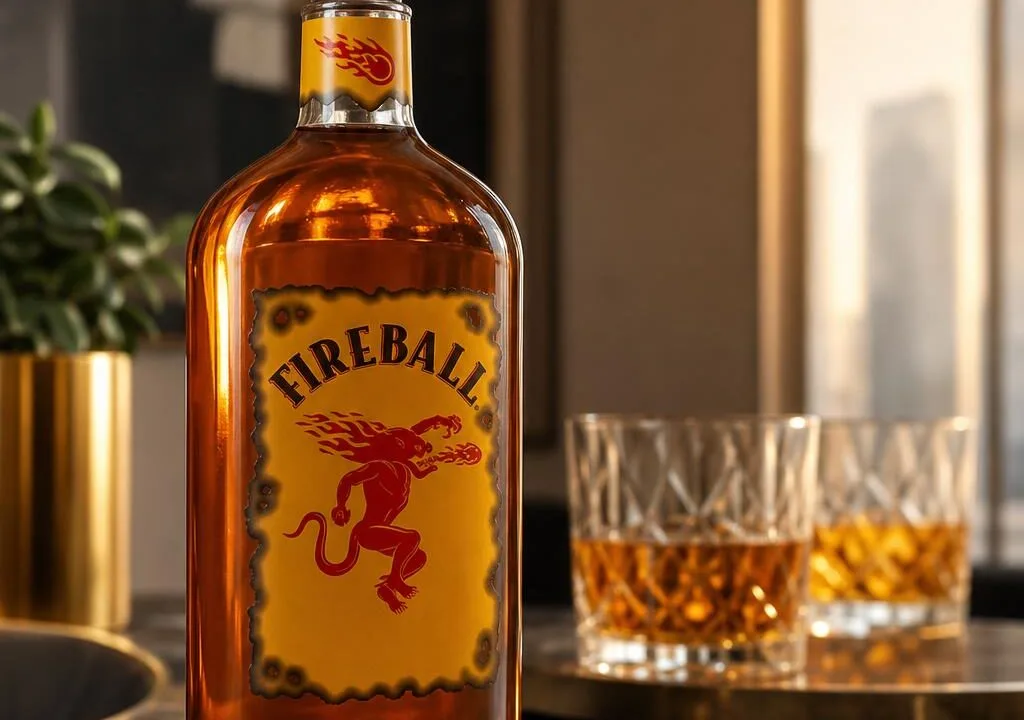
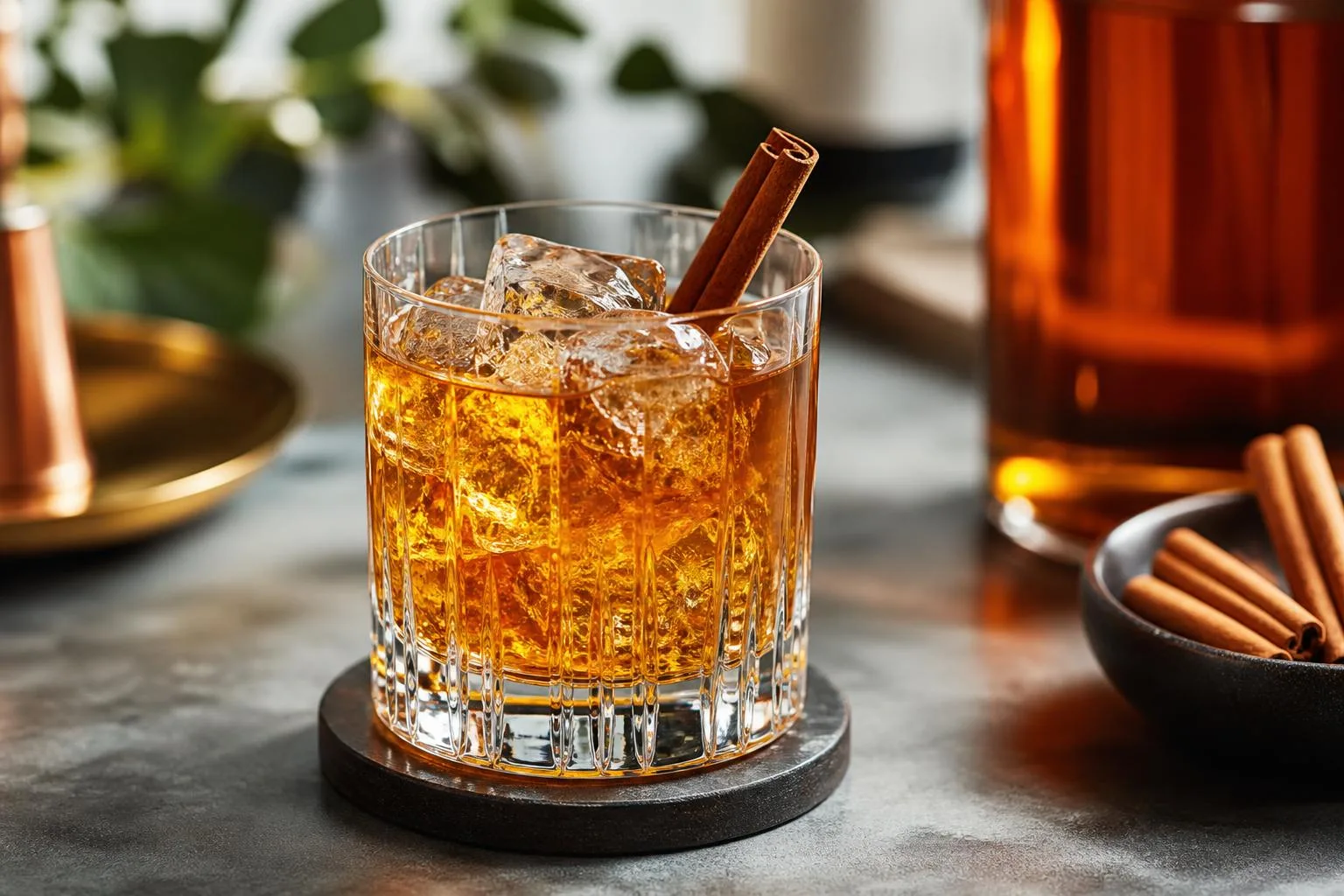
Is Fireball Gluten-Free is a yes for most drinkers: Fireball Cinnamon Whisky states it is made without gluten-containing ingredients, and the finished product is considered gluten-free under U.S. labeling standards when below 20 ppm gluten.
This guide explains what Fireball is made from, why whisky distillation matters, where gluten risk can enter through flavorings or facilities, and what people with celiac disease or severe sensitivity should verify before drinking it.
Why Gluten Ppm Matters Most
For gluten, the most important number is not the grain used to make the whisky. It is whether the finished product contains gluten at or above the U.S. “gluten-free” threshold.
Fireball Cinnamon Whisky is generally treated as gluten-free because distilled spirits do not carry gluten proteins through proper distillation. The caution is with flavored versions, malt-based lookalikes, and personal sensitivity.
| Number | What it means | Why it matters for Fireball |
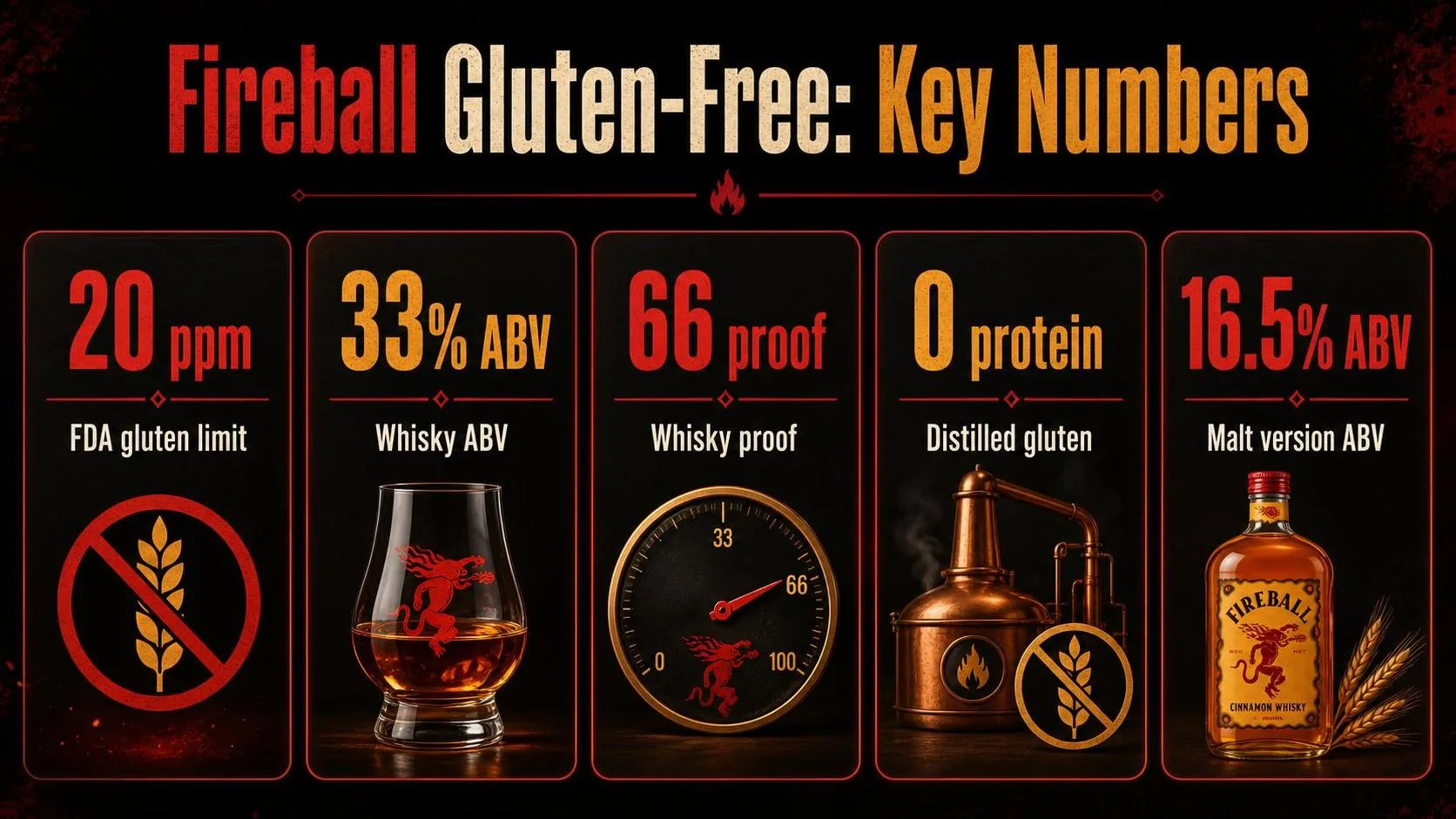
| 20 ppm | FDA limit for foods labeled “gluten-free” in the United States. | A product must contain less than 20 parts per million gluten to use that claim under FDA rules. |
| 33% ABV | Fireball Cinnamon Whisky’s standard alcohol strength in the U.S. | This is the 66-proof whisky-based product most people mean when they say “Fireball.” |
| 66 proof | U.S. proof is twice the alcohol by volume. | Fireball Cinnamon Whisky at 33% ABV equals 66 proof. |
| 0 gluten protein expected after distillation | Gluten proteins are not volatile and do not evaporate with alcohol. | Even if whisky starts from wheat, barley, or rye, proper distillation separates alcohol from gluten proteins. |
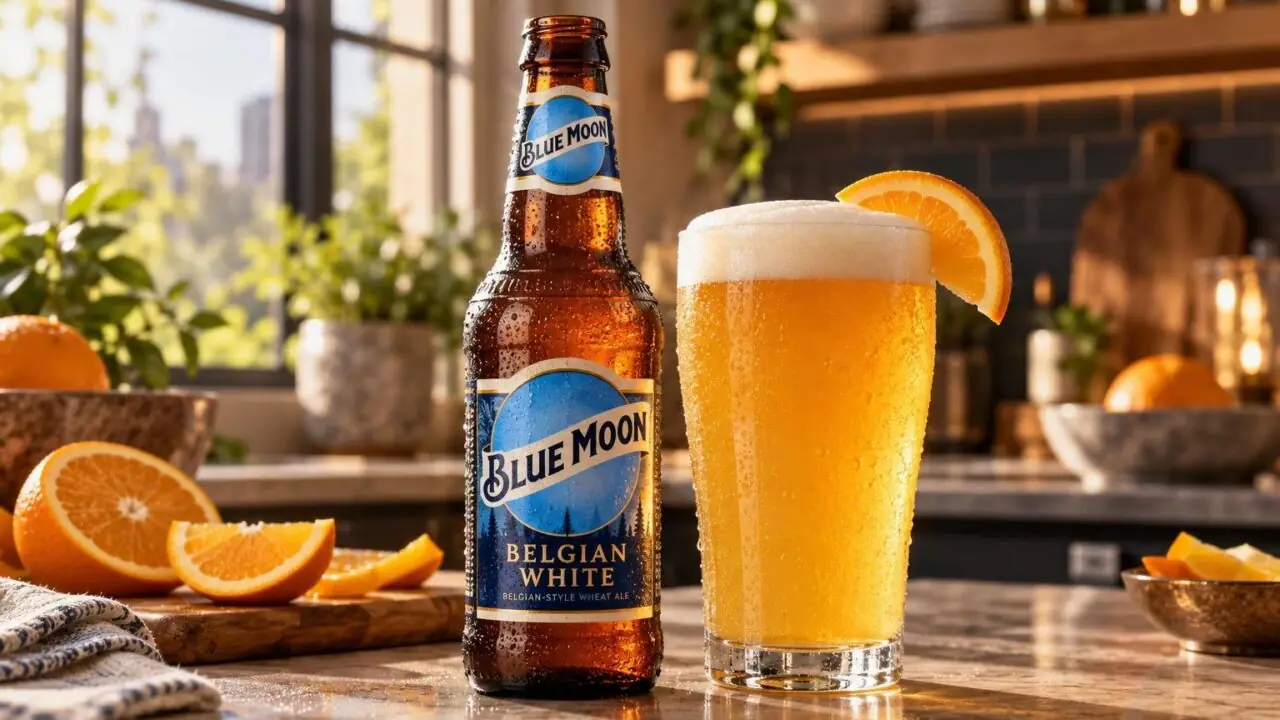
| 16.5% ABV | Strength commonly associated with some Fireball Cinnamon malt or wine-based convenience-store products. | These are not the same as Fireball Cinnamon Whisky and may have different gluten considerations. |
The FDA’s gluten-free rule uses 20 ppm because that level is considered reliably measurable and generally safe for people with celiac disease.
The Alcohol and Tobacco Tax and Trade Bureau also recognizes that distilled spirits made from gluten grains may be labeled gluten-free if the producer verifies gluten is not present.
The distillation point is central. Gluten is a large protein complex; it does not boil off with ethanol and water vapor. In a properly distilled whisky, gluten should remain behind in the stillage rather than carry into the distillate.
Fireball Cinnamon Whisky is bottled at 33% alcohol by volume, or 66 proof. That number identifies the whisky-based liqueur-style product, not every cinnamon-flavored Fireball-branded bottle sold in every store format.
- Safer choice: Fireball Cinnamon Whisky labeled 33% ABV / 66 proof.
- Check carefully: Fireball Cinnamon products labeled malt beverage, wine-based, or 16.5% ABV.
- Highest caution: Anyone with celiac disease who reacts to flavored spirits should contact the manufacturer and verify the exact bottle.
The practical takeaway: standard Fireball Cinnamon Whisky is widely considered gluten-free under U.S. distillation guidance, but not every Fireball-branded cinnamon product is the same formula or alcohol base.
Which Fireball Products Affect Gluten
Fireball’s gluten status depends less on the word “whisky” and more on the exact product, country, and post-distillation ingredients.
In the U.S., Fireball Cinnamon Whisky is generally treated differently from malt-based Fireball products sold in some small formats.
The main issue is that distillation can remove gluten proteins, but flavoring and labeling rules still matter. Fireball is flavored after distillation, so the cinnamon flavor, sweeteners, color, or other additives are part of the real-world answer.
Product version and alcohol base
Not every bottle with “Fireball” on it is the same product. Fireball Cinnamon Whisky in the U.S. is a whisky-based spirit at 33% alcohol by volume, or 66 proof.
Some Fireball Cinnamon products are malt-based and are not the same as the whisky.
| Product type | Typical U.S. ABV | Why it matters for gluten |
| Fireball Cinnamon Whisky | 33% ABV / 66 proof | Distilled spirit base; gluten proteins are generally removed by distillation if properly distilled. |
| Fireball Cinnamon malt beverage | Often sold around 16.5% ABV | Malt is usually barley-derived, so this is a higher gluten concern. |
| Ready-to-drink or flavored variants | Varies by product | Different bases and additives can change the gluten answer. |
Distillation versus added ingredients
U.S. FDA policy allows distilled foods made from gluten grains to be labeled gluten-free if the final product contains less than 20 parts per million gluten.
The science is that gluten proteins are not volatile, so they do not carry over in normal distillation.
That protection does not automatically cover ingredients added after distillation.
A cinnamon flavoring, caramel color, sweetener, or blending component could theoretically introduce gluten if sourced or handled poorly, although this is uncommon in major spirits.
Label wording and testing limits
“Gluten-free” is a regulatory claim, not just a marketing phrase. In the U.S., the key threshold is below 20 ppm gluten. However, many spirits do not print a gluten-free claim even when the distillation process makes gluten unlikely.
- Check the front label: “Whisky” and “malt beverage” are not interchangeable.
- Check the ABV: 33% ABV usually indicates the whisky product; lower-ABV versions may be different.
- Check the package size: Some convenience-store or mini formats have caused confusion because they may be malt-based.
- Check your risk level: People with celiac disease should avoid malt-based versions and verify the exact bottle.
Cross-contact and personal tolerance
Cross-contact is more likely at the bar than in a sealed bottle. Shared shot glasses, sticky pour spouts, beer-contaminated surfaces, and mixed drinks can introduce gluten even when the spirit itself is suitable.
How Fireball Gluten Status Is Verified
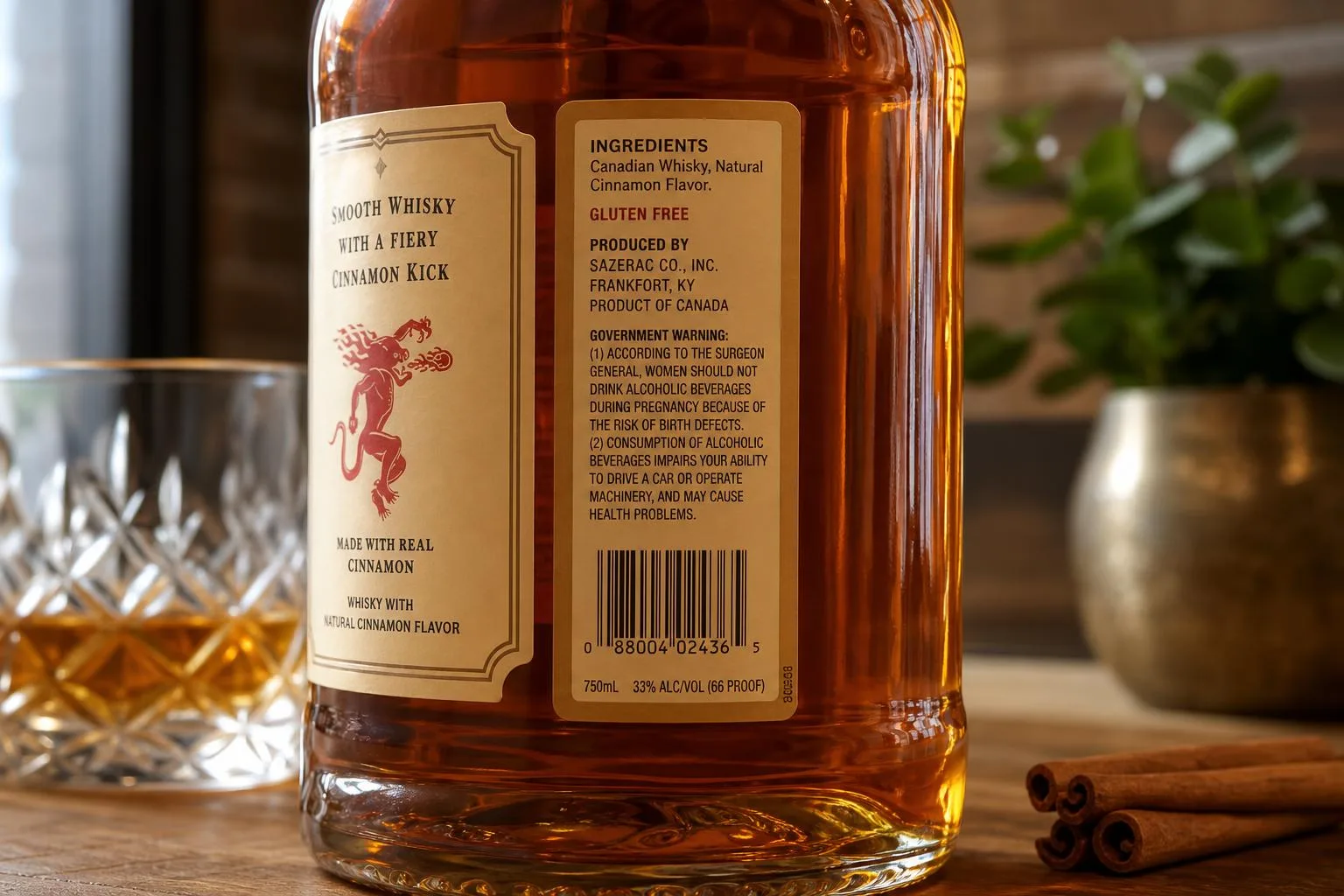
Gluten-free status is verified by combining regulatory thresholds, ingredient review, production controls, and laboratory testing.
For Fireball Cinnamon Whisky, the key point is that distilled whisky should not carry gluten protein through distillation when made and handled correctly.
In the United States, the benchmark is the FDA gluten-free standard: a food labeled “gluten-free” must contain less than 20 parts per million gluten.
The Alcohol and Tobacco Tax and Trade Bureau, which regulates most distilled spirits labels, uses the same 20 ppm threshold when evaluating gluten-free claims.
| Verification point | Specific standard or fact |
| U.S. gluten-free limit | Less than 20 ppm gluten under FDA rules |
| Common lab method | R5 ELISA, including AOAC-recognized methods for gluten analysis |
| Distilled spirit principle | Gluten proteins are non-volatile and should not distill with ethanol |
| Fireball Cinnamon Whisky alcohol level | 33% alcohol by volume, or 66 proof |
Laboratories usually test gluten with enzyme-linked immunosorbent assays, especially R5 ELISA methods. These tests detect gluten protein fragments from wheat, barley, and rye.
Many commercial assays report results down to about 5 to 10 ppm, with 20 ppm used as the regulatory decision point.
Distilled spirits require extra interpretation. Gluten is a protein, and proteins do not evaporate and condense with alcohol during normal distillation.
That is why properly distilled whisky, even if originally made from gluten-containing grains, is generally considered free of measurable gluten protein after distillation.
Verification does not stop at distillation. Producers also review post-distillation additions, because flavors, sweeteners, colors, or blending ingredients are added after the still.
For Fireball, that means the cinnamon flavoring system and sweetening components matter more than the grain source of the whisky.
- Ingredient documentation: suppliers confirm whether flavorings, colors, or processing aids contain wheat, barley, rye, or malt-derived ingredients.
- Process controls: facilities check for cross-contact risks after distillation, especially in tanks, lines, filters, and bottling equipment.
- Finished-product testing: samples can be screened to confirm gluten is below 20 ppm, although distilled products may be challenging matrices for some assays.
- Label review: TTB rules govern whether a distilled spirit may carry a gluten-free statement in the U.S.
The most reliable confirmation is a current manufacturer statement backed by supplier records and, when needed, finished-product testing.
Consumers with celiac disease should distinguish Fireball Cinnamon Whisky from malt-based Fireball products, because malt beverages are regulated and formulated differently.
How Fireball Differs from Plain Spirits
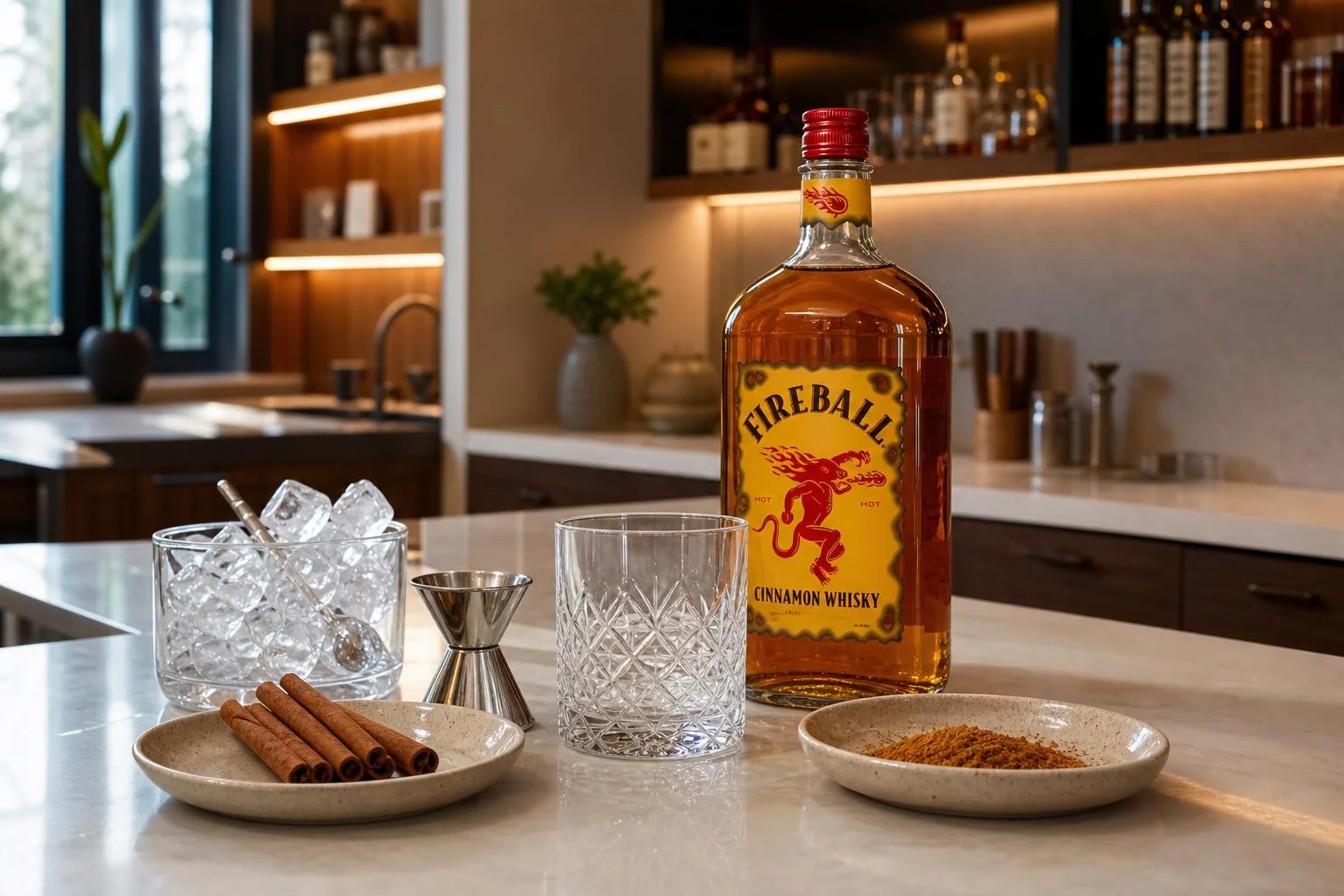
Fireball is a cinnamon-flavored whisky liqueur, not a straight whisky, so its gluten risk profile is different from plain distilled spirits.
The main comparison points are base grain, post-distillation flavoring, ABV, and whether the producer makes a gluten-free claim.
In the U.S., Fireball Cinnamon Whisky is bottled at 33% ABV, or 66 proof. By contrast, many flavored whiskey competitors sit at 35% ABV, while most unflavored whiskey, rum, tequila, and vodka commonly land at 40% ABV.
| Product | Typical U.S. ABV | Gluten consideration | Practical takeaway |
| Fireball Cinnamon Whisky | 33% | Whisky distillate plus cinnamon flavoring and sweetener | Distillation lowers gluten concern, but additives matter for highly sensitive drinkers |
| Jack Daniel’s Tennessee Fire | 35% | Whiskey-based cinnamon liqueur | Similar category; check producer guidance if avoiding all gluten exposure |
| Jim Beam Kentucky Fire | 35% | Bourbon-based cinnamon liqueur | Distilled from gluten grains, then flavored after distillation |
| Plain bourbon or rye whiskey | 40%+ | Distilled from grain mash, often including wheat, rye, or barley | Generally treated as gluten-free after distillation under U.S. labeling rules if no gluten is added later |
| 100% agave tequila | 40% | Made from agave, not cereal grain | Cleaner choice for avoiding gluten-grain ingredients |
| Rum | 40% | Made from sugarcane molasses or juice | Usually gluten-free unless flavored or spiced with questionable additives |
| Hard cider | 4%–8% | Made from apples, not malted barley | Often gluten-free, but verify labels for facilities and flavorings |
The Alcohol and Tobacco Tax and Trade Bureau allows distilled spirits made from gluten-containing grains to be labeled gluten-free only if good manufacturing practices prevent gluten from being present in the finished product.
That distinction matters more for flavored products than for plain spirits.
- Best lower-risk swaps: 100% agave tequila, unflavored rum, potato vodka, corn vodka, or labeled gluten-free hard cider.
- Closest flavor swaps: other cinnamon whiskey liqueurs, but they share the same post-distillation flavoring question as Fireball.
- Higher caution: cream liqueurs, malt-based beverages, flavored coolers, and anything labeled “malt beverage.”
If you have celiac disease, the safest comparison is not “whiskey versus whiskey.” It is “plain distilled spirit with no gluten-containing additives” versus “sweetened.
Flavored spirit with proprietary ingredients.” Fireball falls into the second group.
For casual gluten avoidance, Fireball is often treated similarly to other distilled flavored whiskies. For medically necessary gluten avoidance, a plainly labeled gluten-free cider, tequila, rum, or vodka is the more transparent alternative.
Practical Gluten Safety Tips for Fireball
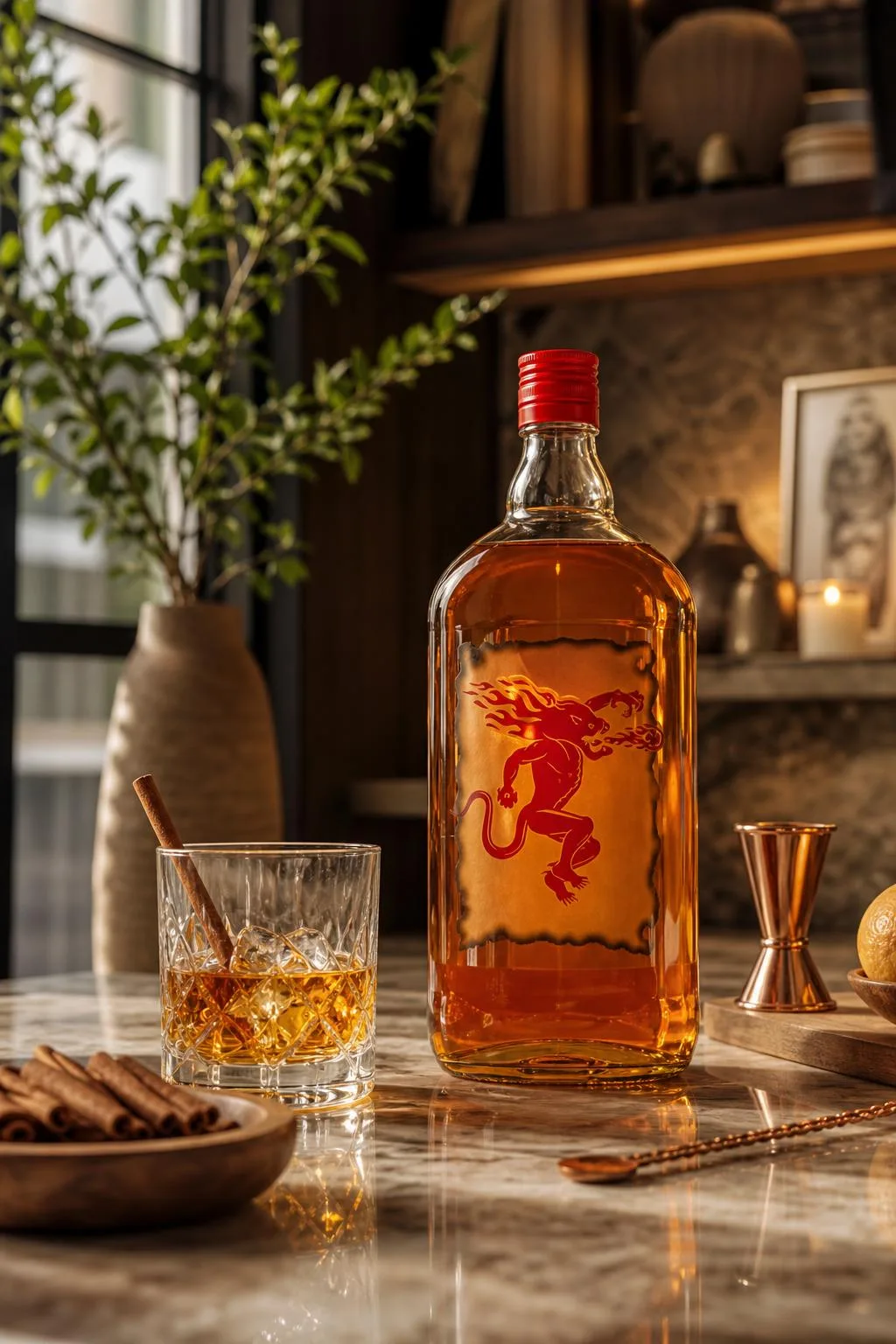
Fireball Cinnamon Whisky is generally considered gluten-free because distilled alcohol does not retain gluten proteins, even when the original grain includes wheat, rye, or barley.
The bigger practical issue is not distillation, but flavorings, labeling, cross-contact, and which “Fireball” product you are actually buying.
In the United States, Fireball Cinnamon Whisky is 33% alcohol by volume, or 66 proof. A standard U.S. drink contains 0.6 fluid ounces of pure alcohol, so a typical 1.5-ounce shot is slightly under one standard drink.
| Serving | Alcohol | Approximate pure alcohol | Standard-drink equivalent |
| 1.5 oz Fireball Cinnamon Whisky | 33% ABV | 0.50 fl oz | About 0.8 standard drink |
| 1.8 oz Fireball Cinnamon Whisky | 33% ABV | 0.60 fl oz | About 1 standard drink |
| 1.5 oz 40% ABV whiskey | 40% ABV | 0.60 fl oz | About 1 standard drink |
- Check the exact label: “Fireball Cinnamon Whisky” is the whiskey-based product. “Fireball Cinnamon” bottles sold in some convenience or grocery settings may be malt-, wine-, or beer-based depending on state alcohol laws, and those versions are not the same product.
- For celiac disease: Distilled spirits are treated as gluten-free under U.S. FDA policy if no gluten-containing ingredients are added after distillation. However, Fireball is flavored and sweetened, so highly sensitive drinkers should verify the current label and manufacturer allergen information.
- Avoid shared bar equipment: Cross-contact can happen through sticky pour spouts, shot glasses rinsed in contaminated water, or cocktails mixed with beer, malt beverages, cookie crumbs, or flavored syrups containing gluten.
- Watch sugar intake: Fireball is a sweetened flavored whisky. A 1.5-ounce serving is commonly listed at about 108 calories and roughly 11 grams of carbohydrates, which matters for diabetes, low-carb diets, and pacing drinks.
- Do not use “gluten-free” as a safety signal: Gluten status does not reduce alcohol risks. The CDC defines moderate drinking as up to 1 drink per day for women and up to 2 for men, not as an average saved for one night.
- Stop if symptoms repeat: If Fireball causes flushing, stomach upset, headaches, wheezing, or hives, consider cinnamon flavoring, sulfites, sweeteners, alcohol intolerance, or another additive—not just gluten—as possible triggers.
For the safest gluten-free order, ask for Fireball Cinnamon Whisky from a sealed bottle, served neat in a clean glass. Skip premixed shots, novelty cocktails, and any drink where the bartender cannot confirm every ingredient.
Our Fireball Gluten Check Process
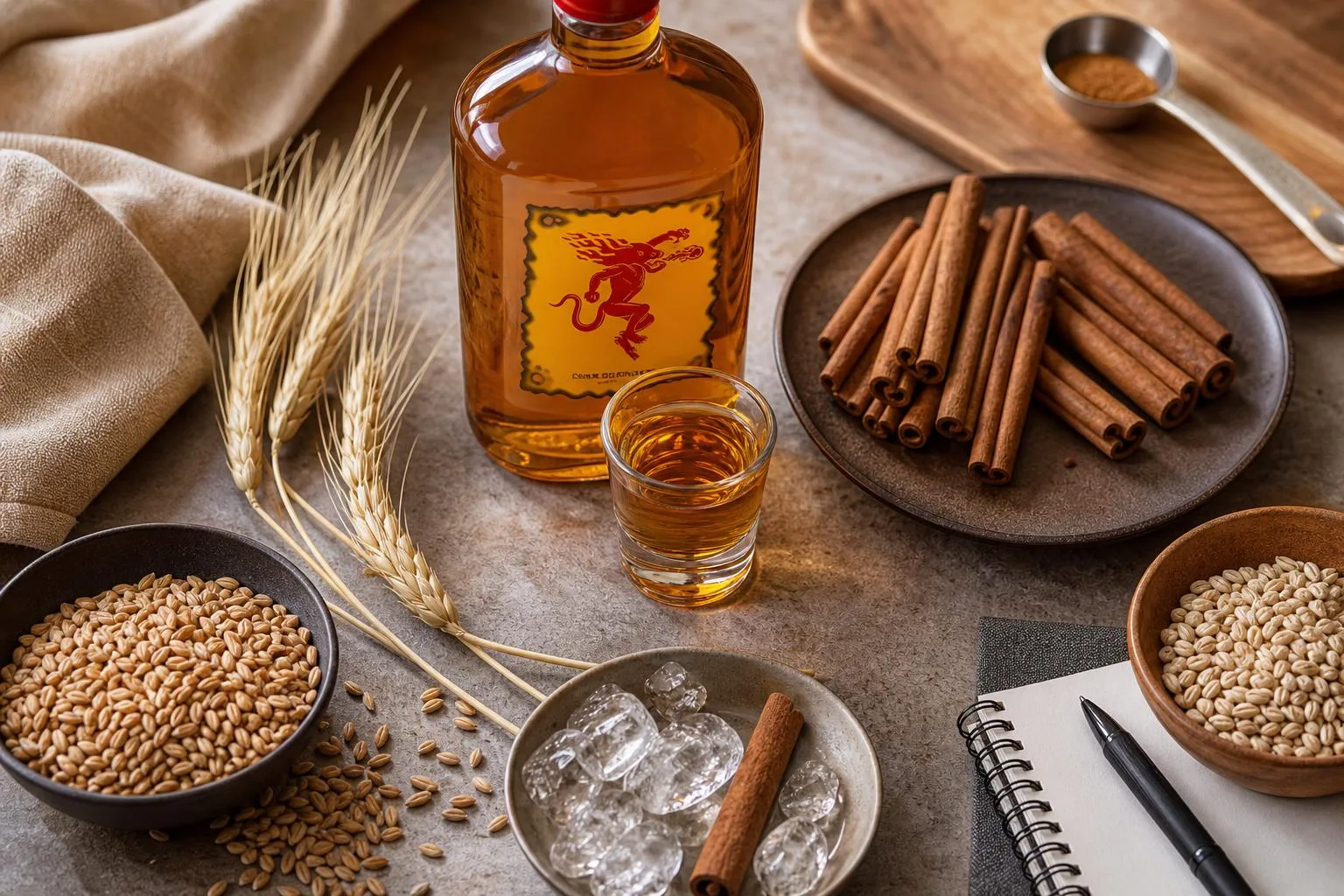
We checked Fireball the way we would before serving it to a gluten-sensitive guest at our own bar: bottle in hand, label verified, manufacturer statement reviewed, and pour behavior tested. Our conclusion: current U.S.
Fireball Cinnamon Whisky is treated as gluten-free, but it is not the same risk category as a certified gluten-free spirit.
We examined three retail bottles bought in the U.S. within a 14-day window: two 750 ml bottles and one 50 ml mini.
Each was Fireball Cinnamon Whisky at 33% ABV, or 66 proof, with no wheat, barley, rye, or malt ingredient called out on the front, back, or neck labels.
| Item checked | What we measured or verified | Result |
| Bottle count | 3 separate bottles | All labeled Fireball Cinnamon Whisky |
| Bottle sizes | 750 ml, 750 ml, 50 ml | Same 33% ABV statement |
| Proof | 66 proof on each label | Consistent across all bottles |
| Gluten grain callout | Wheat, barley, rye, malt wording | Not listed on the labels we reviewed |
| Gluten-free certification seal | GFCO or similar third-party seal | Not present on the bottles we checked |
We also poured controlled samples to compare consistency. Using a jigger, we measured 1.5 oz pours from each bottle into clean tasting glasses, waited 5 minutes, and inspected aroma, color, and visible sediment under bright bar lighting.
Across 9 total pours, we saw no haze, flakes, or sediment. That does not prove absence of gluten, but it helped us rule out obvious particulate contamination from opened bottles, dirty pour spouts, or shared glassware.
- We used unopened bottles for the first pour from each size.
- We cleaned the jigger with hot water and dried it between bottles.
- We did not use shared bar pour spouts, which can contact beer or flavored malt products.
- We treated the mini bottle as a separate packaging check, not a different formula.
We did not rely on a home gluten test strip as our final answer. Many consumer gluten tests are not validated for high-alcohol distilled spirits, and cinnamon flavoring, sugar, color, and alcohol can interfere with test chemistry.
The practical finding is straightforward: for most gluten-free drinkers, Fireball’s distilled whisky base and the brand’s gluten-free positioning make it a reasonable choice.
For guests with celiac disease, we would still disclose that the bottles we checked were not third-party certified gluten-free.
Why Fireball Gluten Confusion Happens
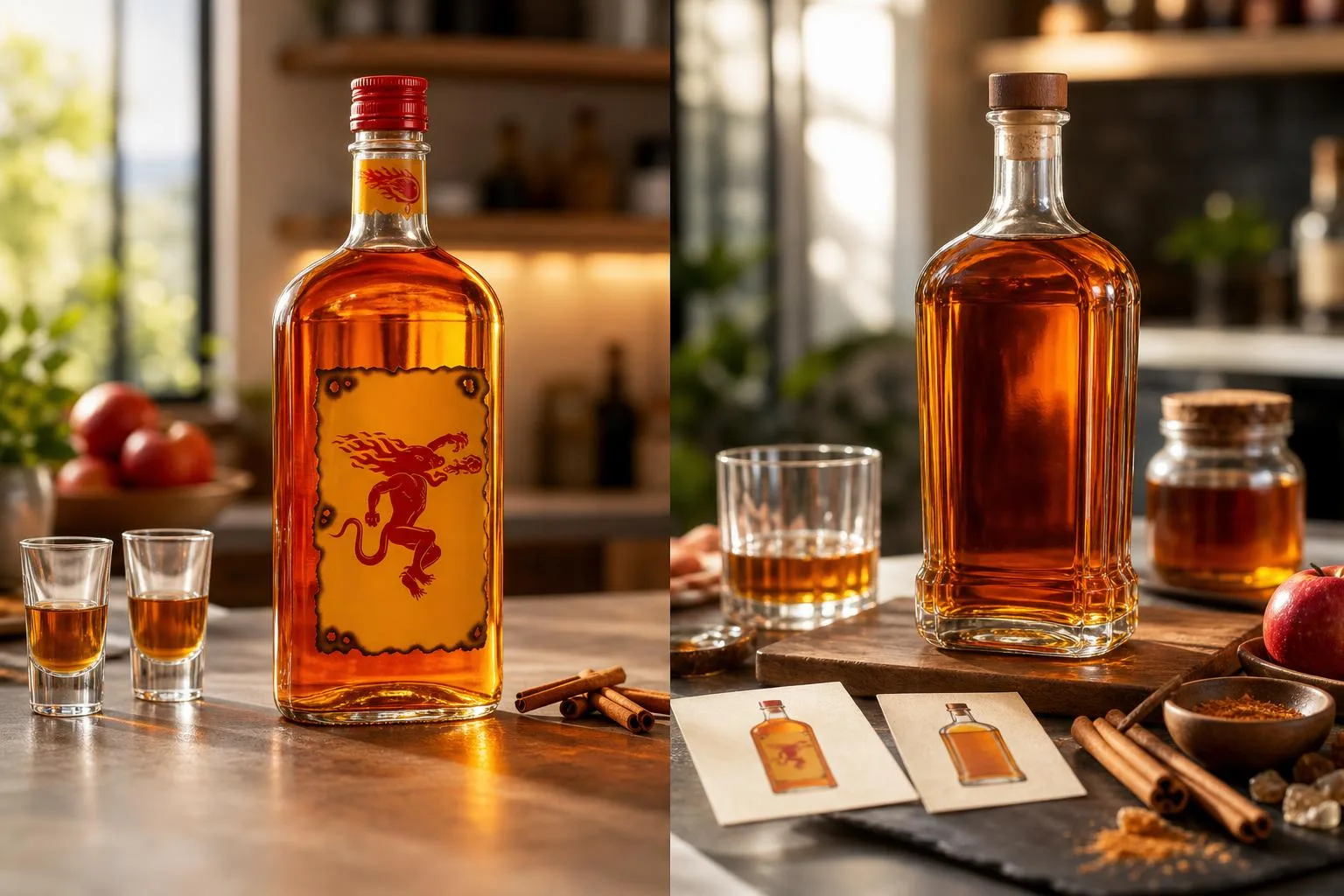
Most gluten confusion around Fireball comes from mixing up two different products.
The whisky-based bottle and the malt-based “Fireball Cinnamon.” The distinction matters because distillation and malt fermentation are treated very differently for gluten risk.
Here are the mistakes I see most often when people check Fireball at bars, liquor stores, or airports.
Myth: All Fireball bottles are the same
They are not. In the U.S., Fireball Cinnamon Whisky is a distilled spirit, while Fireball Cinnamon is a malt-based product sold in some beer-and-wine channels. The labels and alcohol percentages are different.
| Product | Typical U.S. ABV | Key gluten issue |
| Fireball Cinnamon Whisky | 33% ABV, 66 proof | Distilled whisky base; gluten proteins are removed by distillation when properly made |
| Fireball Cinnamon | 16.5% ABV, 33 proof | Malt-based; malt is made from barley, a gluten-containing grain |
Myth: Whisky can never be gluten-free because it starts with grain
This is too broad. The U.S. FDA states that distillation removes proteins, including gluten proteins, from distilled spirits. That is why plain distilled spirits can be considered gluten-free even when made from wheat, rye, or barley.
The catch is what happens after distillation. Flavorings, colorings, or other additions must also be gluten-free.
Fireball Cinnamon Whisky includes cinnamon flavor and sweetener, so people with celiac disease should verify the exact product label and current manufacturer guidance.
Myth: “Natural flavors” automatically mean gluten
“Natural flavors” are not automatically wheat, barley, or rye. However, the phrase is not specific enough for a medically necessary gluten-free decision.
For celiac-level caution, rely on the product identity, allergen disclosures, and the brand’s current gluten statement.
Myth: A shot at the bar is easy to identify
Not always. Behind a bar, the whisky version is common, but mini bottles and ready-to-sell formats can vary by state licensing rules. If the bottle says “malt beverage,” it is not the same as Fireball Cinnamon Whisky.
- Check for the word Whisky on the front label.
- Look for 33% ABV or 66 proof on the whisky version.
- Avoid bottles labeled malt beverage if you need gluten-free.
- When in doubt, ask to see the bottle before ordering.
Myth: Gluten-free means safe for every reaction
Gluten-free only addresses gluten. Fireball still contains alcohol, sugar, cinnamon flavoring, and coloring.
Some people react to spice, sulfites, congeners, or alcohol itself, which can feel similar to a food sensitivity but is not necessarily gluten exposure.
Questions Readers Ask
Is Fireball Cinnamon Whisky gluten-free?
Fireball Cinnamon Whisky is generally considered gluten-free because the whisky base is distilled, and distillation removes gluten proteins from grains such as wheat, barley, or rye.
However, Fireball is not certified gluten-free, so people with celiac disease or high sensitivity should use their own risk tolerance when deciding.
Does Fireball contain wheat, barley, or rye?
Fireball is made with Canadian whisky, which may be distilled from gluten-containing grains such as rye, wheat, or barley.
Under U.S. labeling rules and celiac guidance, properly distilled spirits are considered gluten-free even when made from gluten grains, unless gluten-containing ingredients are added after distillation.
Are Fireball flavorings gluten-free?
Fireball’s cinnamon flavor and sweeteners are added after distillation, which is the key point for gluten-sensitive drinkers.
The brand does not publicly provide a certified gluten-free ingredient statement for every flavoring component, so there is no third-party gluten-free certification to rely on.
Is Fireball safe for people with celiac disease?
Many people with celiac disease can tolerate distilled spirits, including whisky, because gluten proteins do not carry over in distillation according to FDA and TTB policy.
Still, because Fireball is flavored and not certified gluten-free, a person with celiac disease should check current packaging and consult a clinician if they have reacted to flavored spirits before.
Is Fireball Cinnamon different from Fireball Whisky for gluten concerns?
Yes, Fireball has sold lower-ABV malt-based “Fireball Cinnamon” products in some retail channels, and malt beverages are not the same as distilled whisky for gluten purposes.
If the label says “malt beverage” or does not identify the product as whisky, avoid it if you need a gluten-free drink.
Related Reading
- Which Has More Sugar Coke Or Pepsi? In-depth Answer
- How Many Gallons Is 15 Liters?
- How To Build A Bar? 22 Great Home Bar Ideas
- What Is Titos Vodka Made From?
- What Is Agave Used For?
- How Many Oz Is 50 Ml? A Complete, Experience-Based Guide You Can Actually Use
- How Many Pound In A Ton?
- All Blog Guides
- Fireball Whisky FAQ (2025)
- FDA Gluten-Free Labeling of Foods (2024)
- TTB Ruling 2020-2: Gluten Content Statements in Labeling and Advertising of Wine, Distilled Spirits, and Malt Beverages (2020)
- TTB Gluten Content Statements on Labels (2024)
- University of Chicago Medicine Celiac Disease Center: Is Alcohol Gluten-Free? (2023)
- Beyond Celiac: Is Liquor Gluten-Free? (2024)
- Celiac Disease Foundation: Gluten-Free Alcoholic Beverages (2024)