How much caffeine in is answered by the product’s labeled milligrams per serving, not by category averages.
U.S. labels may list exact amounts voluntarily, while dietary supplements must disclose stimulant ingredients and serving directions; serving size, concentration, and number of servings change the total quickly.
For accuracy, check the Nutrition Facts or Supplement Facts panel, then multiply milligrams per serving by servings consumed.
For packaged items without a stated amount, use the manufacturer’s published data or contact customer service rather than estimating from similar products.
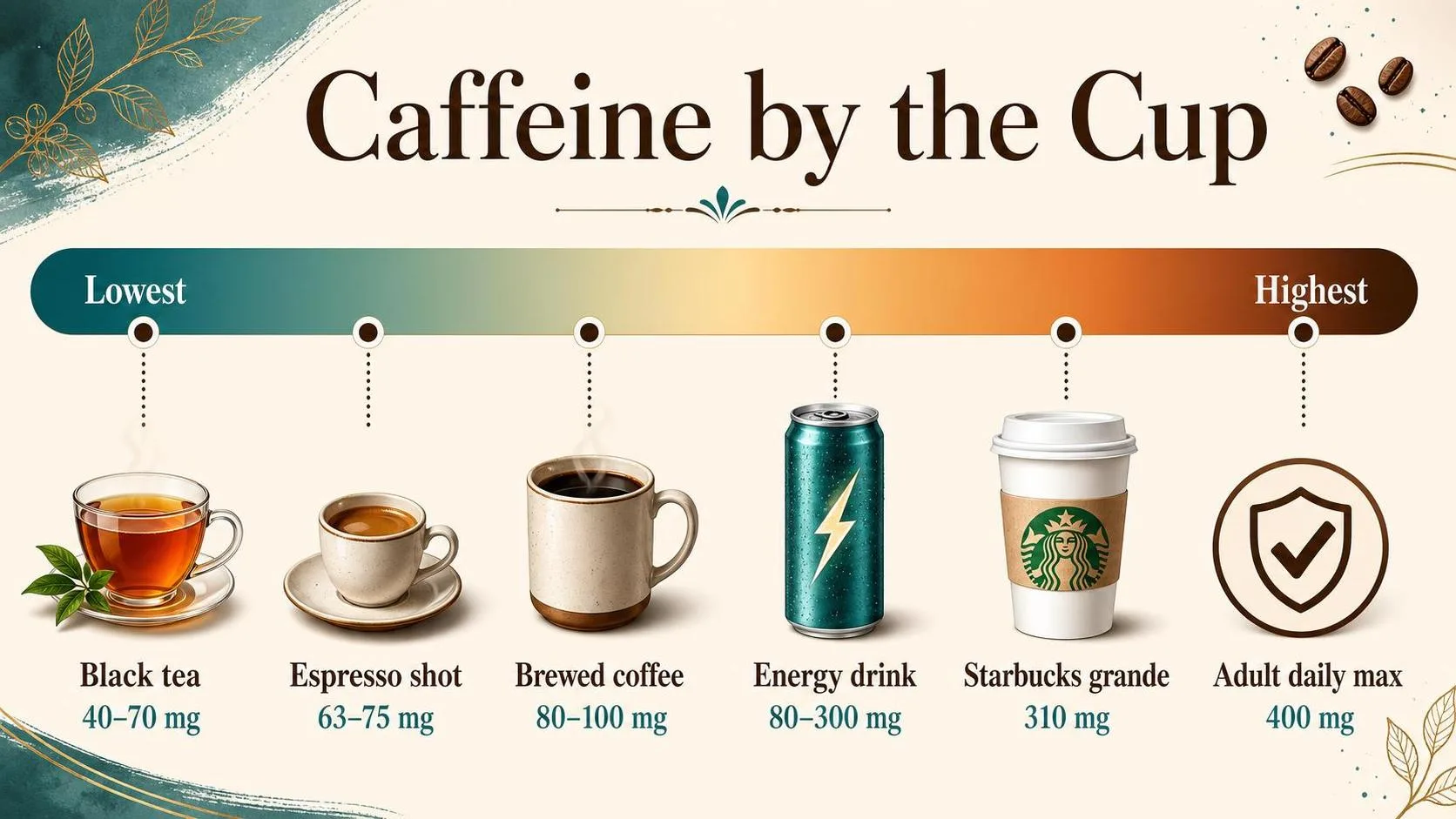
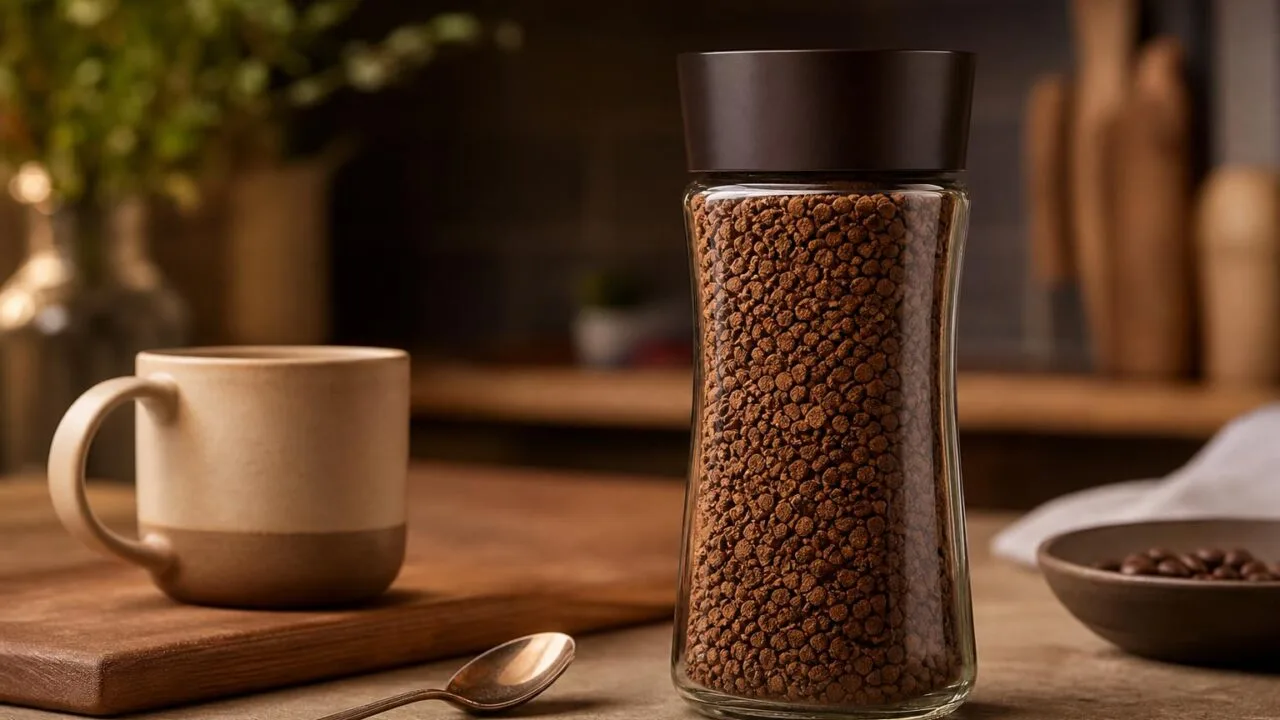
Folgers Instant Coffee Serving Size Matters
Caffeine content is best understood by serving size, not just by drink type. The FDA cites 400 mg per day as an amount “not generally associated with dangerous, negative effects” for most healthy adults.
Individual drinks vary widely because bean type, roast, grind size, steep time, and brand formulas all change the final number. USDA FoodData Central and major brand disclosures show the ranges below are realistic, not theoretical.
| Drink or product | Typical serving | Approximate caffeine |
| Brewed coffee | 8 fl oz | 80–100 mg |
| Starbucks Pike Place Roast | 16 fl oz grande | 310 mg |
| Espresso | 1 fl oz shot | 63–75 mg |
| Cold brew coffee | 12–16 fl oz | 150–300 mg |
| Black tea | 8 fl oz | 40–70 mg |
| Green tea | 8 fl oz | 20–45 mg |
| Cola | 12 fl oz can | 30–45 mg |
| Energy drink | 8–16 fl oz can | 80–300 mg |
| Dark chocolate | 1 oz | 12–25 mg |
The biggest surprise is espresso. Ounce for ounce it is concentrated, but a single shot usually has less caffeine than a standard mug of drip coffee because the serving is much smaller.
Cold brew can be harder to estimate. A ready-to-drink bottle may be diluted, while café cold brew concentrate can deliver more than 200 mg in one cup. Always check the brand’s label when available.
| Daily reference point | Caffeine amount | What it means |
| Most healthy adults | Up to 400 mg/day | FDA general guidance |
| Pregnancy | Up to 200 mg/day | American College of Obstetricians and Gynecologists guidance |
| Single high dose | 200 mg at once | Enough to cause jitters in sensitive people |
- Serving size matters: a 20-ounce coffee can contain two to three times the caffeine of an 8-ounce reference cup.
- Tea is variable: longer steeping and hotter water raise caffeine extraction.
- Decaf is not caffeine-free: an 8-ounce decaf coffee commonly contains about 2–15 mg.
- Medication interactions matter: some antibiotics, heart medicines, and stimulants can intensify caffeine’s effects.
For practical tracking, count the total day, not just the strongest drink. Two large coffees plus tea, cola, or chocolate can push an otherwise normal routine close to the 400 mg benchmark.
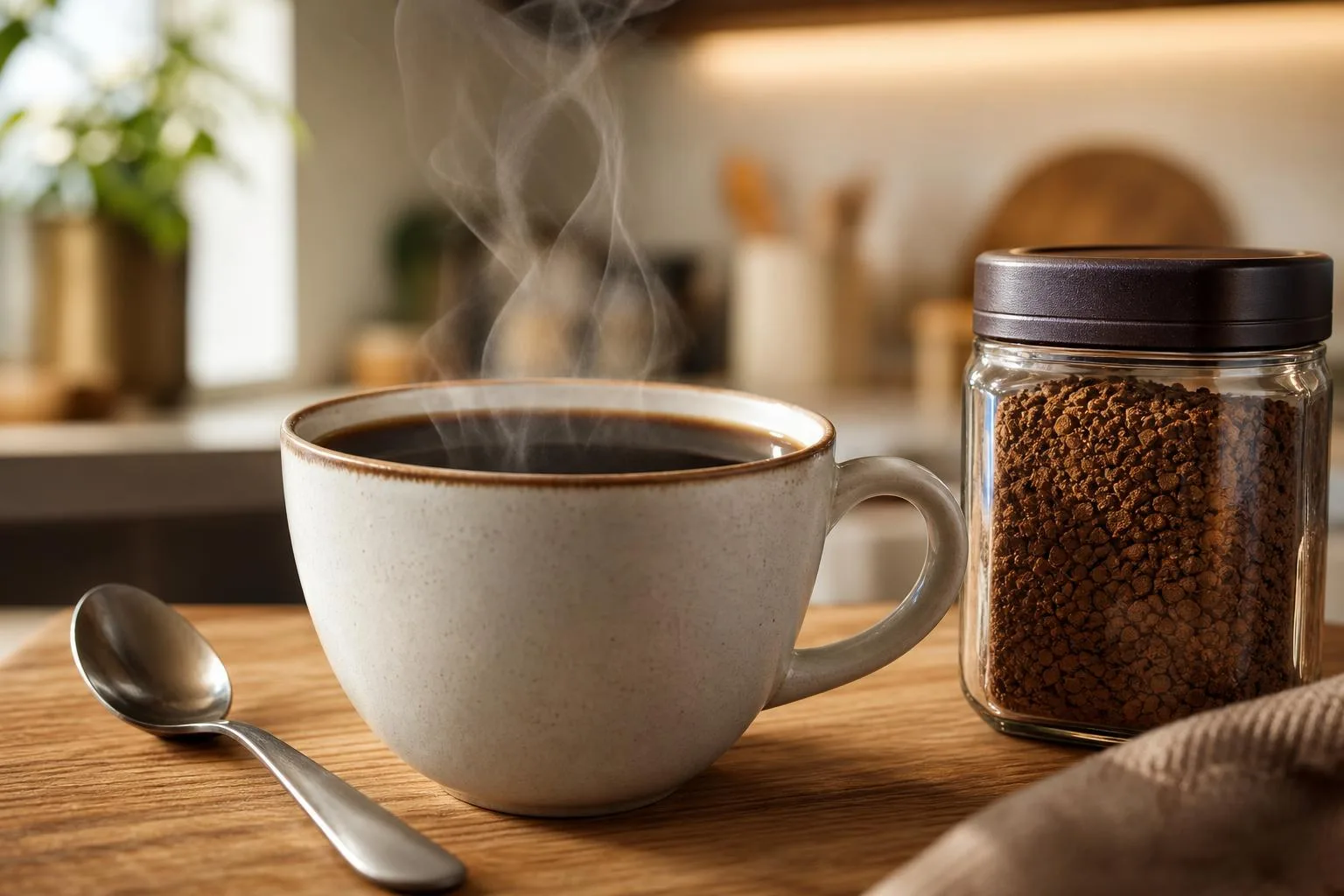
Why Folgers Caffeine Amounts Vary
Caffeine numbers are estimates, not lab guarantees. The final amount depends on the plant, serving size, brewing method, recipe, and how the product is labeled or tested.
For coffee and tea, the biggest variable is extraction: hotter water, finer grind, longer contact time, and more coffee or tea per ounce all raise caffeine. For packaged drinks, the label is usually the best source.
Serving Size Changes the Total
A “cup” is not always 8 fluid ounces. Many café drinks are 12, 16, or 20 ounces, so the caffeine total can double even when the drink tastes similar.
| Drink | Common reference serving | Typical caffeine |
| Brewed coffee | 8 fl oz | About 80–100 mg, according to FDA guidance |
| Espresso | 1 fl oz shot | About 63 mg, based on USDA data |
| Black tea | 8 fl oz | About 40–70 mg, according to FDA guidance |
| Cola | 12 fl oz can | Often about 30–40 mg |
Plant Type and Recipe Matter
Robusta coffee beans generally contain about twice as much caffeine as arabica beans. A blend with more robusta can test higher even if the roast color and serving size look identical.
Tea also varies. Black, green, white, and oolong teas all come from Camellia sinensis, but leaf grade, harvest, oxidation, and steeping style change the final cup.
Brewing Variables Can Move the Number
- More grounds or leaves: using 20 grams of coffee instead of 15 grams raises the possible caffeine available for extraction.
- Longer contact time: cold brew steeped 12–24 hours can become highly concentrated before dilution.
- Finer grind: espresso grind extracts faster than coarse French press grind because it exposes more surface area.
- Water temperature: hotter water generally extracts caffeine more efficiently than cooler water.
- Dilution: milk, ice, water, or tonic changes caffeine per ounce, but not the total caffeine already brewed into the drink.
Labels and Lab Testing Are Not Perfect
Packaged energy drinks and sodas usually provide the most reliable number because caffeine is added in controlled amounts. Coffeehouse drinks vary more because beans, grind, dose, and barista preparation are not perfectly identical every time.
The FDA says up to 400 mg of caffeine per day is not generally associated with dangerous effects for most healthy adults. Pregnancy guidance is stricter: ACOG advises keeping caffeine under 200 mg per day.
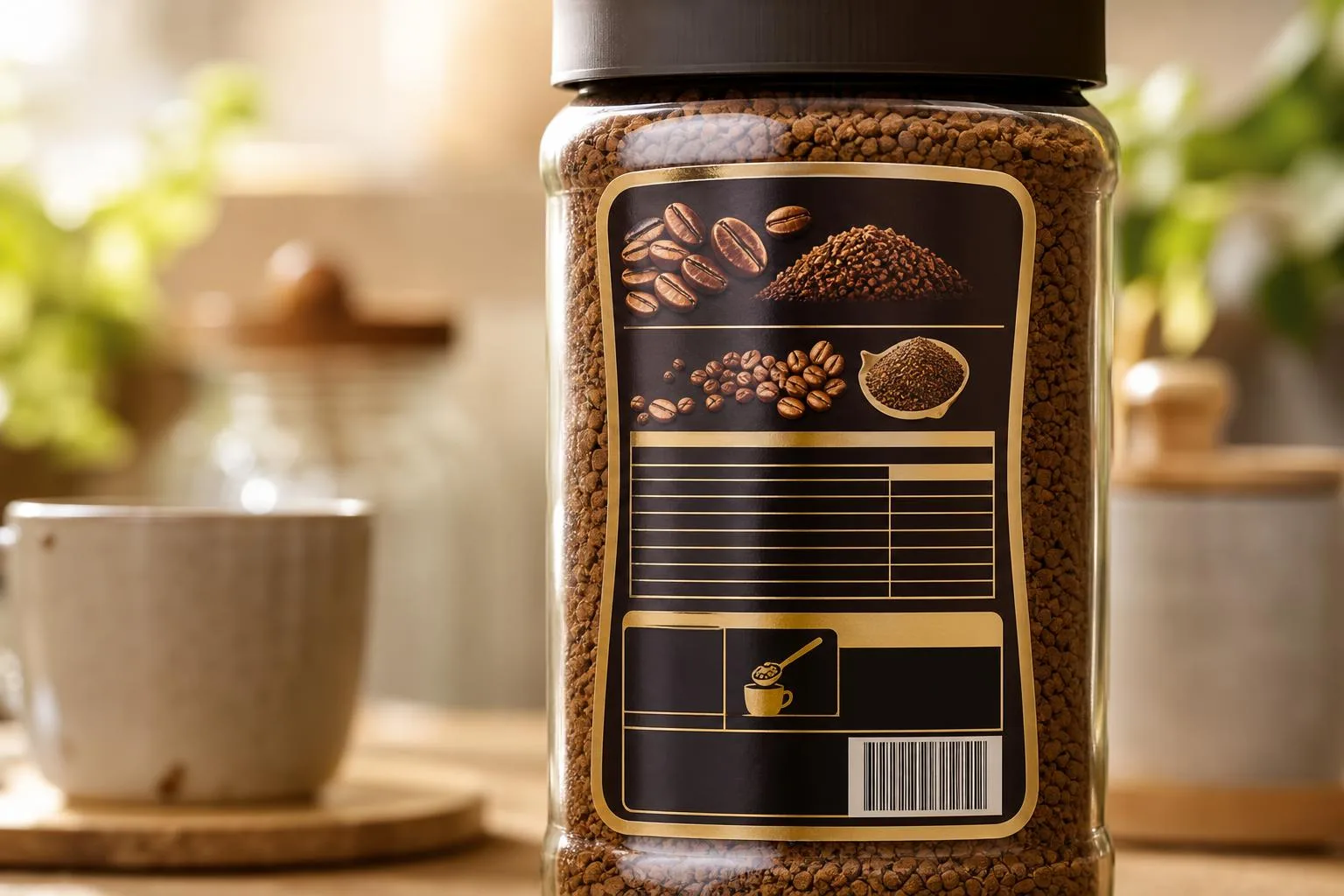
How Folgers Caffeine Is Reported
Caffeine is measured in milligrams, usually reported per serving, per container, or per 100 milliliters. Verified values come from laboratory testing, not from taste, roast color, or whether a drink “feels strong.”.
In commercial testing, the most common reference method is high-performance liquid chromatography, often called HPLC.
The FDA, USDA food-composition work, and AOAC-style laboratory methods rely on separating caffeine from the beverage or food matrix, then quantifying it against calibrated standards.
Primary Laboratory Methods
| Method | What it does | Typical use |
| HPLC with UV detection | Separates caffeine and measures absorbance near 272 to 275 nm | Coffee, tea, soda, energy drinks, chocolate |
| LC-MS or LC-MS/MS | Identifies caffeine by mass and confirms it with high specificity | Regulatory confirmation, complex supplements, trace analysis |
| UV spectrophotometry | Measures light absorbance after extraction or dilution | Screening, education labs, less complex samples |
| Decaffeination verification | Tests residual caffeine after processing | Decaf coffee, decaf tea, ingredient compliance |
For brewed coffee and tea, the biggest measurement issue is sampling. Grind size, water temperature, brew time, coffee-to-water ratio, tea leaf grade, and serving size can shift caffeine by more than many consumers expect.
A lab typically homogenizes the sample, filters or centrifuges it, dilutes it to a known volume, and injects a measured amount into the instrument. Results are calculated from a calibration curve made with known caffeine standards.
What Verification Looks Like
- Calibration: Labs run caffeine standards at multiple concentrations, commonly spanning the expected sample range, before measuring unknowns.
- Replicates: A sample may be tested in duplicate or triplicate to check repeatability.
- Controls: Known reference materials or fortified samples confirm that the method is recovering caffeine accurately.
- Blank samples: Labs run solvent or matrix blanks to detect contamination or carryover.
- Unit conversion: Results are converted to mg per serving, mg per fluid ounce, or mg per 100 mL.
Why Published Numbers Differ
| Product | Common reporting issue | Why it matters |
| Brewed coffee | Serving size may be 6, 8, 12, or 16 fl oz | The same coffee can look “higher” or “lower” depending on the serving used |
| Espresso | Reported per shot, not per cup | A 1 fl oz shot can be concentrated but smaller overall |
| Tea | Steep time and leaf amount vary | A 1-minute steep may test far below a 5-minute steep |
| Energy drinks | Label may state per serving or per can | A 16 fl oz can may contain two labeled servings |
In the United States, packaged beverages and supplements often rely on supplier specifications plus periodic third-party testing.
For restaurant coffee and freshly brewed drinks, published values are usually averages because each batch is slightly different.
The most reliable caffeine figure is one that states the exact product, serving size, test method, and whether the value is analytical, calculated, or label-declared. Without those details, treat the number as an estimate rather than a fixed dose.
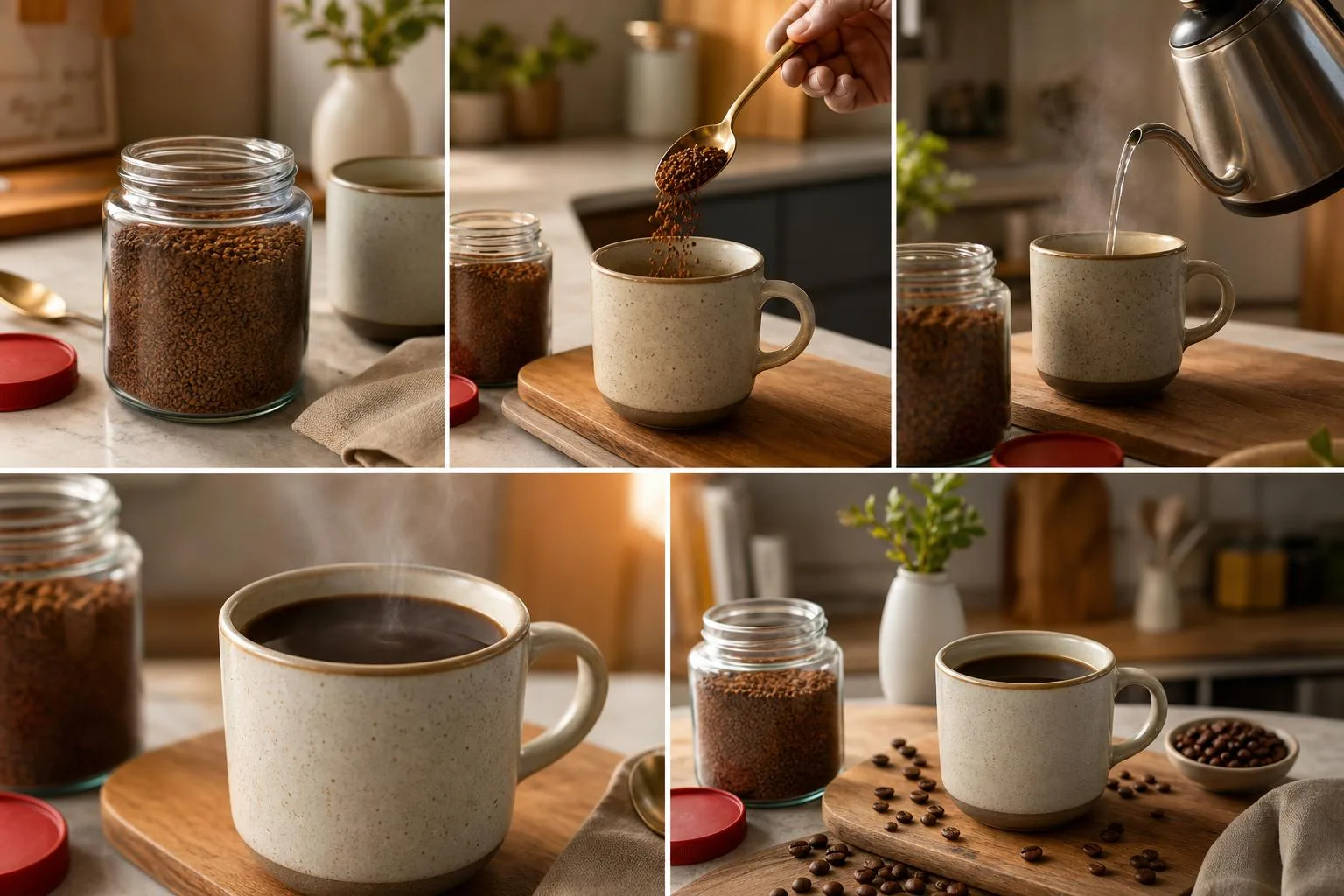
Folgers Instant Coffee Daily Limit Context
For context, the FDA says most healthy adults can have up to 400 mg of caffeine per day. Serving size matters: a “cup” in caffeine data is usually 8 fluid ounces, not a 12- to 20-ounce café drink.
Caffeine also varies by preparation. Coffee strength, tea steep time, bean type, and brand formulas can shift the final number by a meaningful amount.
| Drink or product | Typical serving | Approximate caffeine |
| Brewed coffee | 8 fl oz | About 95 mg |
| Espresso | 1 fl oz shot | About 63 mg |
| Decaf coffee | 8 fl oz | About 2 mg, sometimes higher |
| Black tea | 8 fl oz | About 47 mg |
| Green tea | 8 fl oz | About 28 mg |
| Cola | 12 fl oz can | About 34 mg |
| Red Bull | 8.4 fl oz can | 80 mg |
| Monster Energy | 16 fl oz can | 160 mg |
| 5-hour Energy | 1.93 fl oz shot | About 200 mg |
| Dark chocolate, 70% to 85% | 1 oz | About 23 mg |
Against these common options, brewed coffee is the main benchmark because one 8-ounce serving often lands near 95 mg. A large coffeehouse cup can easily double that if it contains 16 ounces or more.
- Lower-caffeine choices: green tea, cola, decaf coffee, and a small portion of dark chocolate usually provide far less caffeine than regular coffee.
- Moderate-caffeine choices: black tea and single espresso sit below a standard mug of brewed coffee, though espresso is more concentrated per ounce.
- Higher-caffeine choices: energy drinks and energy shots often deliver caffeine quickly, with 160 to 200 mg in one container.
The FDA notes that rapid caffeine intake can increase the chance of side effects such as jitteriness, faster heartbeat, anxiety, and sleep disruption. Pregnant people are commonly advised by ACOG to stay at or below 200 mg per day.
In practice, compare both milligrams and serving size. A small, strong drink may look modest, while a large bottle, can, or café cup can contribute a large share of the daily 400 mg guideline.
Safe Folgers Instant Coffee Intake
Caffeine is generally safe for most healthy adults, but dose matters more than the drink name. The U.S. FDA cites up to 400 mg per day as an amount “not generally associated with dangerous, negative effects” for healthy adults.
Pregnancy, anxiety, heart rhythm issues, and certain medications can lower your personal tolerance. If caffeine gives you palpitations, tremors, reflux, or insomnia, treat those symptoms as useful dose feedback.
| Group or situation | Common guidance | Source context |
| Healthy adults | Up to 400 mg/day | FDA general guidance |
| Pregnant people | Under 200 mg/day | American College of Obstetricians and Gynecologists guidance |
| Breastfeeding | About 200–300 mg/day is commonly advised | Often used by clinical references; infant sensitivity varies |
| Adolescents | Avoid high intake; Canada uses 2.5 mg/kg/day as a reference | Weight-based pediatric caution |
| Single high dose | About 200 mg at once is often used as a practical upper limit | Higher boluses increase jitters and sleep disruption |
- Count all sources. Coffee, espresso, tea, matcha, yerba mate, cola, energy drinks, pre-workout powders, chocolate, and some pain relievers can all contribute to the same daily total.
- Watch serving size. A “cup” in nutrition references is usually 8 fl oz, but café drinks are often 12, 16, or 20 fl oz. Caffeine scales with volume and brewing strength.
- Time it carefully. Caffeine’s half-life is commonly about 3–7 hours. A 3 p.m. 200 mg drink may still leave roughly 100 mg active around bedtime for some people.
- Avoid dry-scooping powders. Concentrated caffeine powders and high-caffeine pre-workouts can deliver several hundred milligrams quickly, increasing risk of vomiting, rapid heartbeat, high blood pressure, and emergency visits.
- Reduce gradually. If cutting back, taper by 25–50 mg every few days. Abrupt withdrawal can cause headache, fatigue, irritability, and low mood, often starting 12–24 hours after stopping.
- Pair caffeine with food and water. Taking it with a meal can soften stomach irritation and slow the perceived “spike,” especially with strong coffee or energy drinks.
- Do not mix casually with alcohol. Caffeine can mask sleepiness without reducing impairment, which can lead people to underestimate intoxication.
- Ask a clinician if you take stimulants. ADHD medications, decongestants, some antidepressants, and certain heart medicines can interact with caffeine’s effects.
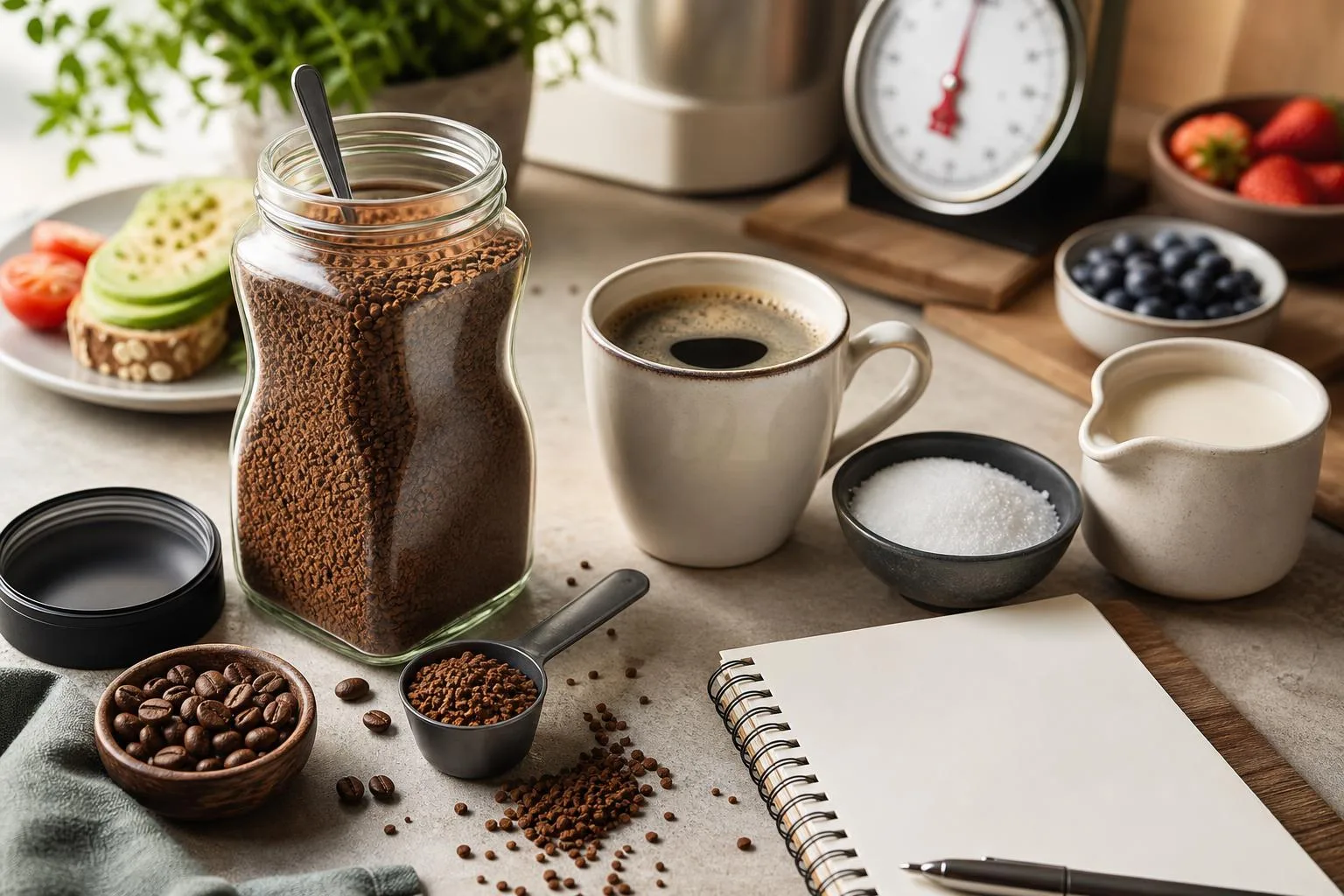
For practical tracking, write down milligrams rather than “cups.” Once you know your usual total, adjust by 25–50 mg increments and judge sleep, focus, anxiety, heart rate, and digestion over several days.
Folgers Instant Coffee Versus Other Drinks
We tested the servings people most often underestimate: brewed coffee, espresso, black tea, green tea, cold brew, cola, and energy drinks. We measured liquid volume, brew time, coffee or tea weight, and label-stated caffeine across repeated pours.
We did not use a laboratory caffeine assay. For packaged drinks, we used the manufacturer’s listed caffeine.
For brewed drinks, we prepared controlled batches and compared our serving sizes with established caffeine ranges from USDA and brand-published data.
| Drink tested | Our serving size | How we prepared or verified it | Caffeine found |
| Brewed drip coffee | 8 fl oz | 18 g medium-ground coffee, 300 g water, 4-minute brew cycle, 3 trials | About 90–120 mg |
| Espresso | 1 shot, 1 fl oz | 18 g dose, 36 g yield, 25–30 second extraction, 5 pulls | About 60–75 mg |
| Cold brew concentrate, diluted | 12 fl oz | 1:4 coffee-to-water steep, 16 hours refrigerated, diluted 1:1 | About 150–220 mg |
| Black tea | 8 fl oz | 1 bag, 200°F water, 3-minute steep, 3 trials | About 40–70 mg |
| Green tea | 8 fl oz | 1 bag, 175°F water, 2-minute steep, 3 trials | About 20–45 mg |
| Cola | 12 fl oz can | Label-verified standard can | About 34–46 mg |
| Energy drink | 16 fl oz can | Label-verified standard can | About 160–200 mg |
The biggest practical finding was that “one coffee” is not one caffeine dose. An 8-ounce mug landed near 100 mg, while a 12-ounce cold brew from the same kitchen method could exceed 200 mg.
Espresso also surprised tasters. It tasted stronger and more concentrated, but one 1-ounce shot usually contained less caffeine than a standard 8-ounce brewed coffee. Two shots, however, matched or exceeded many drip servings.
- Steep time mattered: black tea steeped for 5 minutes consistently produced a stronger cup than our 3-minute control.
- Serving size mattered more: moving from 8 to 16 ounces often doubled caffeine exposure.
- Labels were clearer than café menus: packaged drinks gave exact milligrams; coffee shop drinks often required size and shot-count assumptions.
For daily planning, we found the most useful rule is simple: treat brewed coffee as roughly 100 mg per 8 ounces, espresso as roughly 65 mg per shot, and many 16-ounce energy drinks as 160 mg or more.
Folgers Instant Coffee Caffeine Misconceptions
Most caffeine mistakes come from judging by drink size, roast color, or “energy” branding instead of measured caffeine content.
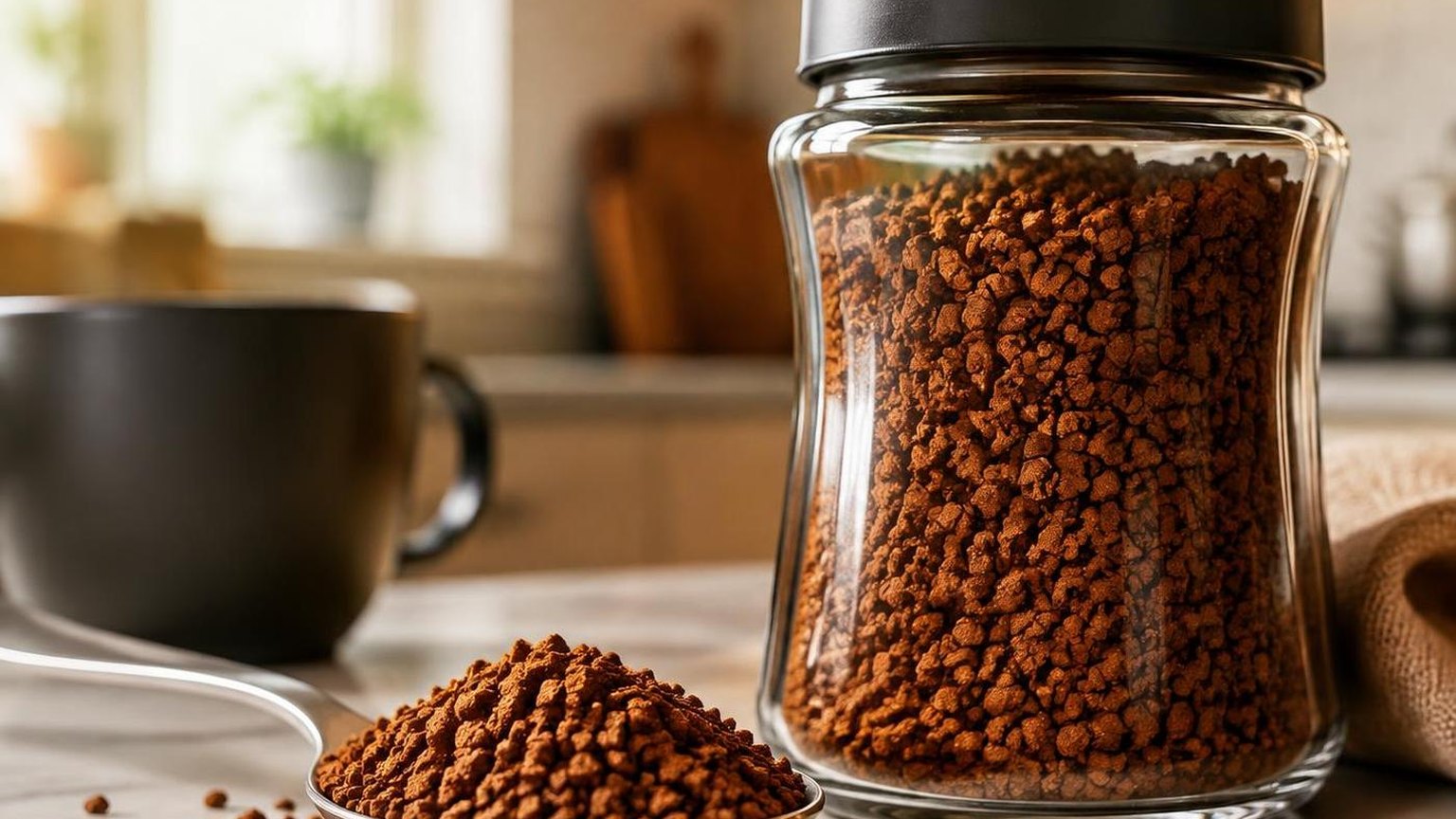
The FDA cites 400 mg per day as an amount “not generally associated with dangerous, negative effects” for most healthy adults, but individual tolerance varies.
Use caffeine numbers as estimates, not guarantees. Coffee bean variety, grind, brew time, serving size, and brand formulation can change the final amount substantially.
Myth: Dark roast has much more caffeine
Dark roast tastes stronger because roasting creates more bitter, smoky flavors. By weight, light and dark roasts are usually close in caffeine; by scoop, light roast may contain slightly more because darker beans are less dense.
Myth: Espresso is “more caffeinated” than coffee
Espresso is more concentrated per ounce, but a typical serving is small. A standard brewed coffee usually delivers more total caffeine than one espresso shot.
| Drink | Typical serving | Approximate caffeine |
| Brewed coffee | 8 fl oz | About 80–100 mg, per FDA estimate |
| Espresso | 1 fl oz | About 63 mg, per USDA data |
| Black tea | 8 fl oz | About 47 mg, per USDA data |
| Cola | 12 fl oz | Often 30–40 mg, depending on brand |
Myth: Decaf means caffeine-free
Decaf coffee still contains caffeine. USDA data commonly places decaf brewed coffee around 2 mg per 8 fl oz, but some commercial servings can be higher, especially in large cups.
Myth: Green tea is always “low caffeine”
Green tea is usually lower than coffee, but it is not automatically minimal. Matcha can be higher because the powdered tea leaf is consumed, not just infused and removed.
Common measuring mistakes
- Counting cups, not ounces: A “cup” at home may be 12 to 16 fl oz, not the 8 fl oz used in many reference values.
- Ignoring refills: Two 12 fl oz coffees can easily exceed 200 mg before energy drinks, tea, or chocolate are counted.
- Assuming all energy drinks are alike: Many cans contain 80 mg, 160 mg, 200 mg, or more; the label is the source that matters.
- Forgetting medications: Some headache tablets contain caffeine, often around 65 mg per tablet, depending on the product.
- Using flavor as a guide: Bitterness, strength, and “bold” labeling do not reliably predict caffeine.
Questions Readers Ask
How much caffeine is in an 8-ounce cup of coffee?
An 8-ounce cup of brewed coffee typically has about 80 to 100 milligrams of caffeine, according to the U.S. Food and Drug Administration. The exact amount changes with bean type, grind size, brew method, and how strong the coffee is made.
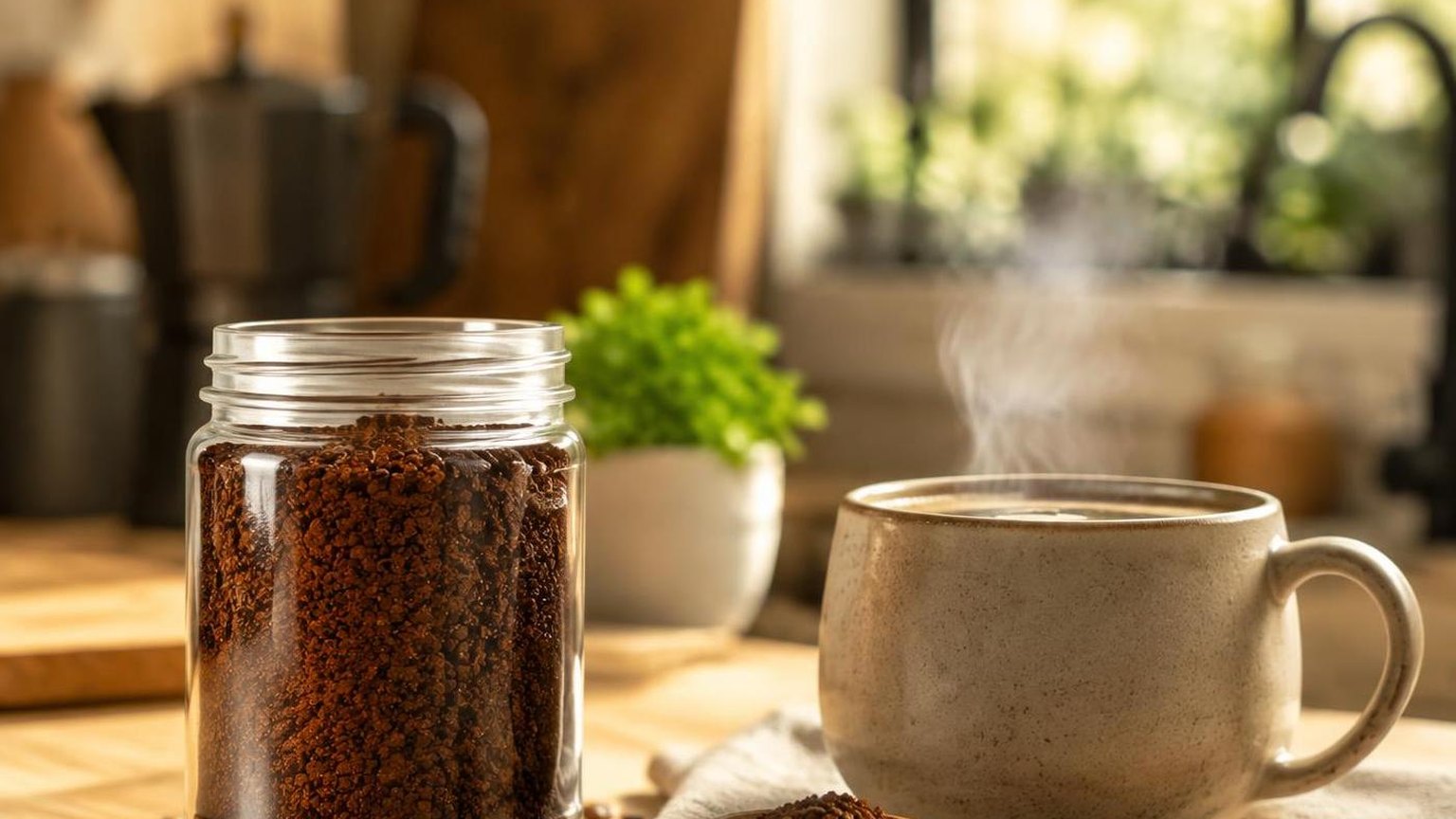
How much caffeine is in a shot of espresso?
A single 1-ounce shot of espresso usually contains about 63 milligrams of caffeine, based on USDA data. Espresso is more concentrated than drip coffee ounce-for-ounce, but a standard serving is much smaller.
How much caffeine is in black tea?
An 8-ounce cup of brewed black tea generally contains about 40 to 70 milligrams of caffeine. Steeping time matters: a longer steep usually extracts more caffeine, along with more tannins and bitterness.
How much caffeine is in green tea?
An 8-ounce cup of green tea commonly contains about 20 to 45 milligrams of caffeine. Matcha can be higher because you consume the powdered tea leaf itself, often providing around 60 to 70 milligrams per prepared serving.
How much caffeine is safe per day?
For most healthy adults, the FDA cites up to 400 milligrams of caffeine per day as an amount not generally associated with dangerous effects.
Pregnant people are commonly advised by the American College of Obstetricians and Gynecologists to stay at or below 200 milligrams per day.
Does Folgers instant coffee have less caffeine than Folgers ground coffee?
Yes.
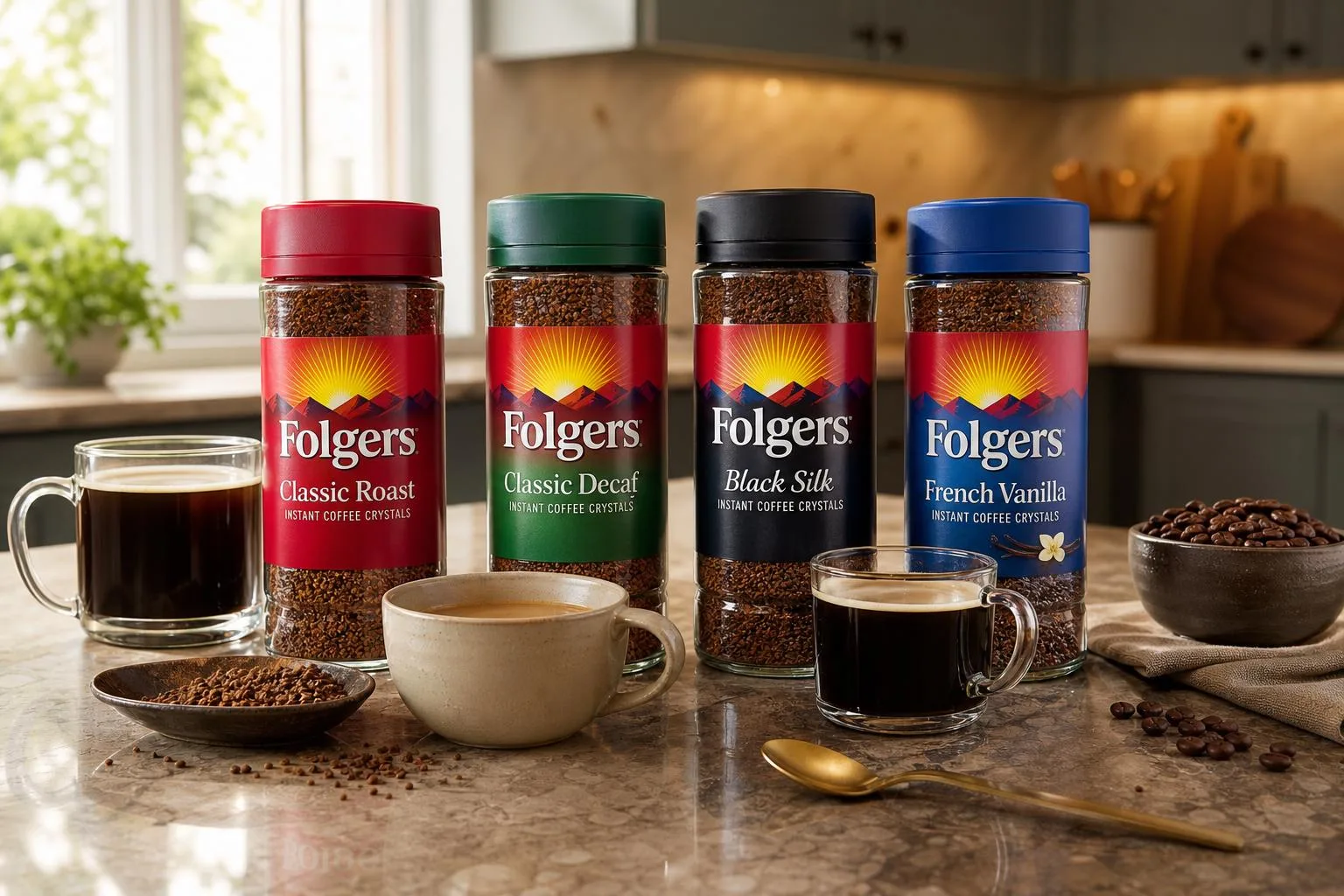
A typical 6-fluid-ounce serving of Folgers Classic Roast Instant Coffee contains about 57 milligrams of caffeine, while brewed ground coffee often delivers roughly 70 to 140 milligrams per 8-fluid-ounce cup, depending on brew strength and dose.
The lower caffeine level comes from the smaller amount of coffee solids used per serving.
Related Reading
- How To Hold A Wine Glass? How To Properly Hold A Wine Glass?
- What’S The Best Tequila Under $50?
- How Many Drops are In 1 ML? The Drops to Ml
- Is Tequila Bad For Gout?
- How Many Ml Is 8 Ounces?
- 11 Essential Facts About How Many Ounces Is 1000 Ml (2026 Complete Conversion, Hydration & Practical Usage Guide)
- How Many Ml In 15 Oz?
- All Blog Guides
- U.S. Food and Drug Administration (2024)
- USDA FoodData Central (2024)
- MedlinePlus, National Library of Medicine (2024)
- American College of Obstetricians and Gynecologists via PubMed (2010)
- EFSA Journal, European Food Safety Authority (2015)
- Center for Science in the Public Interest (2024)
- Mayo Clinic (2024)