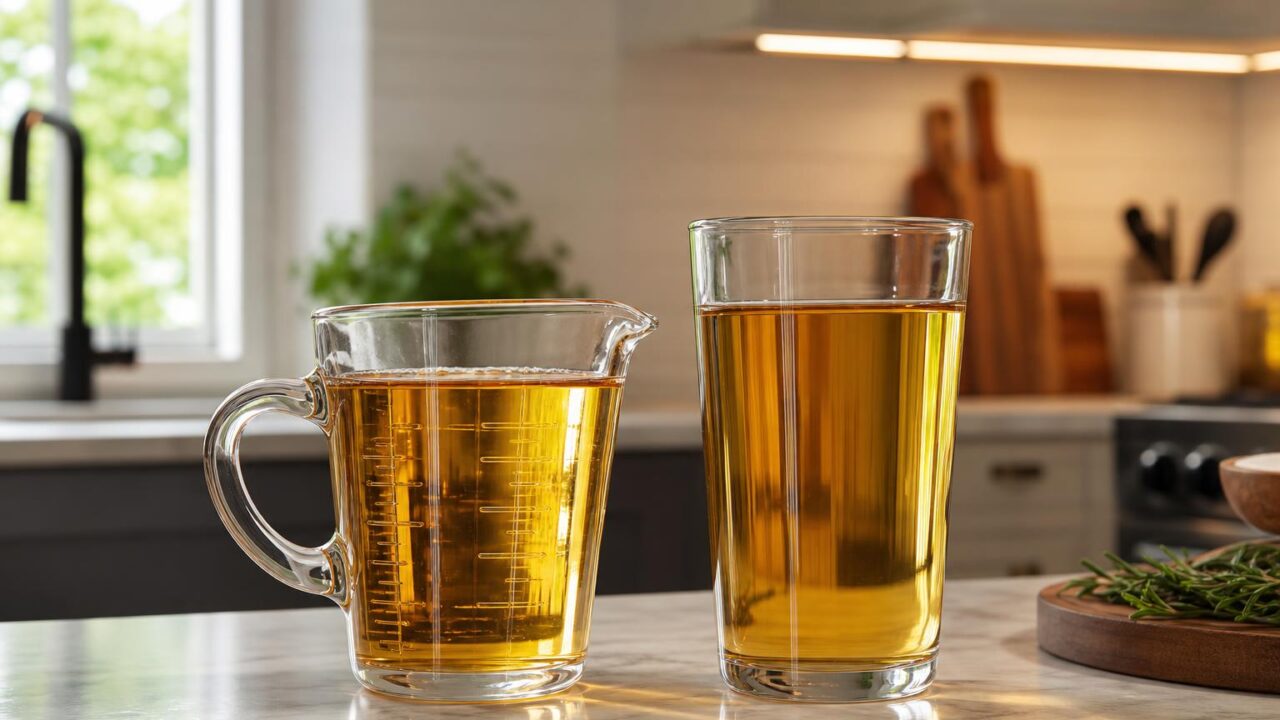
How Many Pints In 16 Oz is 1 pint. In U.S. customary measurement, 1 liquid pint equals 16 U.S. fluid ounces, so the conversion is exact for standard volume measurements.
This matters because “oz” can mean fluid ounces for volume or ounces by weight. For liquids in U.S. recipes, bar pours, and serving sizes, 16 fl oz converts directly to 1 pt.
Oz Equals 1 U.S. Pint
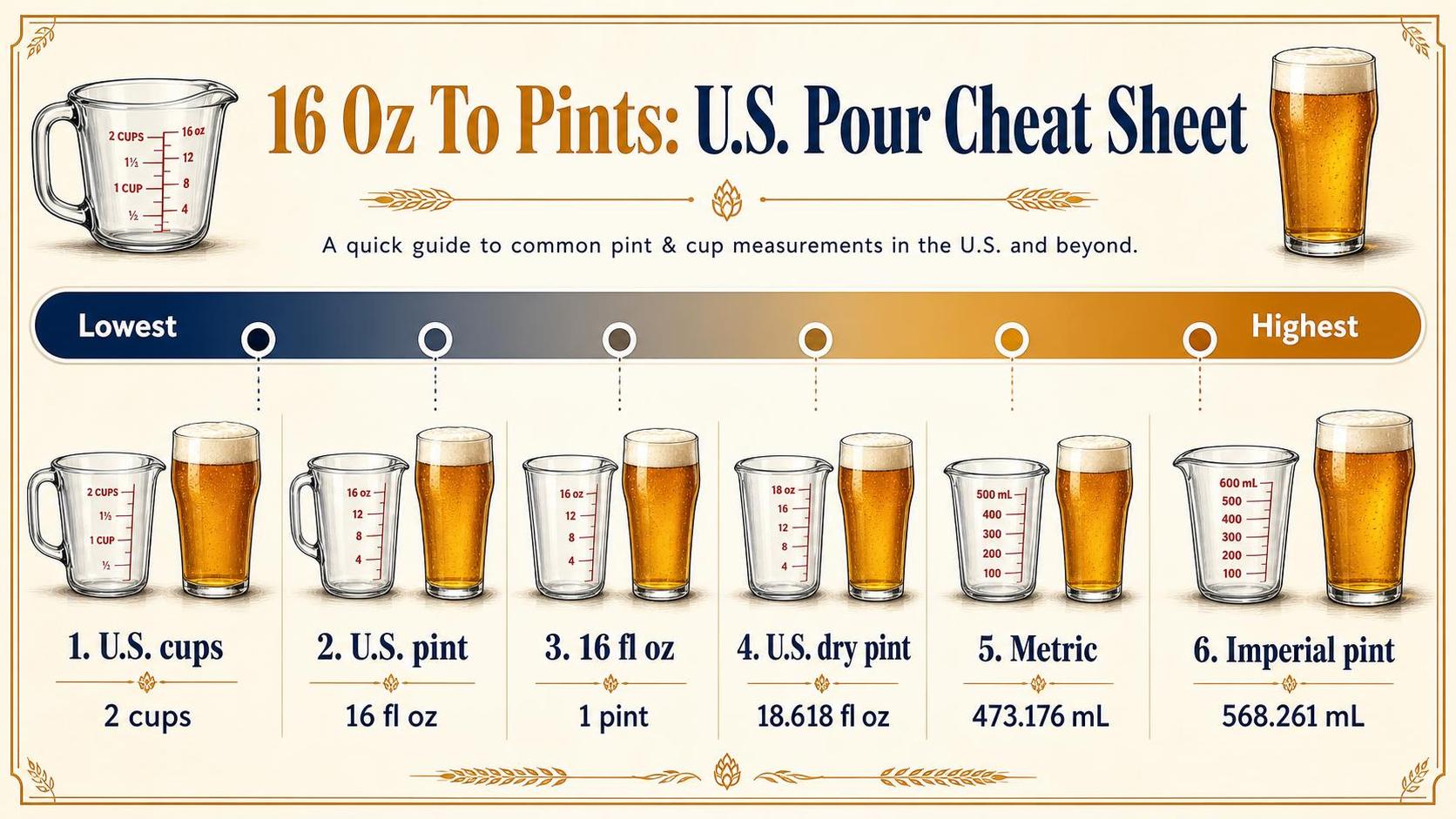
In U.S. drink measurements, 16 fluid ounces equals exactly 1 U.S. liquid pint. That is the number used on beer menus, draft pours, cocktail batching sheets, and U.S. measuring cups.
The confusion comes from three similar terms: fluid ounces, weight ounces, and pints in different measurement systems. Behind a bar, “16 oz” almost always means volume, not weight.
| Measurement | Equals | Used For |
| 1 U.S. liquid pint | 16 U.S. fluid ounces | Beer, cider, soda, water, liquid recipes |
| 16 U.S. fluid ounces | 473.176 milliliters | U.S. beverage pours and measuring cups |
| 1 U.K. imperial pint | 20 imperial fluid ounces | Beer in the United Kingdom and Ireland |
| 1 U.S. dry pint | 18.618 U.S. fluid ounces by volume | Dry goods such as berries, not drinks |
The most important practical answer is simple: a 16 oz beer is one U.S. pint. A “pint glass” in the United States is commonly intended to hold 16 fluid ounces when filled to the rim.
That rim detail matters. In real service, foam, headspace, glass shape, and pour line can reduce the actual liquid served. A 16 oz shaker pint with a one-inch head of foam may contain less than 16 fluid ounces of beer.
| Question | Answer |
| How many U.S. pints are in 16 oz? | 1 U.S. pint |
| How many cups are in 16 oz? | 2 U.S. cups |
| How many milliliters are in 16 U.S. fl oz? | 473.176 mL |
| How many U.S. pints are in 32 oz? | 2 U.S. pints |
Do not treat “oz” as automatically meaning the same thing in every context. In beverage service, 16 fl oz is a volume measure. In food labeling or kitchen prep, 16 oz may mean one pound by weight.
- Fluid ounces measure volume: 16 U.S. fl oz of water, beer, or juice is 1 U.S. pint.
- Weight ounces measure mass: 16 oz by weight equals 1 pound, but the volume depends on the ingredient.
- Imperial pints are larger: 1 imperial pint is about 568.261 mL, not 473.176 mL.
For U.S. wine-bar and beer-service purposes, use this rule: 16 U.S. fluid ounces equals 1 pint, 2 cups, or about 473 mL. If the drink is listed in the U.K., confirm whether it is an imperial pint.
U.S. Measurement System Context
In the United States, 16 fluid ounces equals exactly 1 U.S. liquid pint. The result changes when “oz” means weight ounces, when the pint is not the U.S. liquid pint, or when a glass is not filled to its stated capacity.
The key issue is the unit system. The National Institute of Standards and Technology defines the U.S. liquid pint as 16 U.S. fluid ounces, while the British imperial pint is 20 imperial fluid ounces.
| Measurement | Exact relationship | What 16 oz equals |
| U.S. liquid pint | 1 pint = 16 U.S. fl oz | 1 pint |
| Imperial pint | 1 pint = 20 imperial fl oz | 0.8 imperial pint |
| U.S. cup | 1 cup = 8 U.S. fl oz | 2 cups |
| U.S. quart | 1 quart = 32 U.S. fl oz | 0.5 quart |
Fluid ounces versus ounces by weight
“Fl oz” measures volume; “oz” alone often means weight. Sixteen ounces by weight does not always occupy 1 pint of space.
Water is the common exception because 16 U.S. fluid ounces of water weighs about 16.69 avoirdupois ounces at roughly 4°C.
For ingredients such as honey, oil, flour, or ice cream, 16 ounces by weight can be much more or less than 1 pint. A pint is a volume; density decides the weight.
Country and labeling standards
A U.S. recipe, beer menu, or nutrition label usually uses U.S. fluid ounces. A U.K. pub pint is larger: 568.261 milliliters compared with the U.S. liquid pint at 473.176 milliliters.
| Pint type | Milliliters | Difference from U.S. pint |
| U.S. liquid pint | 473.176 mL | Baseline |
| Imperial pint | 568.261 mL | About 20% larger |
| U.S. dry pint | 550.610 mL | About 16.4% larger |
Glassware, foam, and real pours
A “16-ounce” bar glass may hold 16 fluid ounces only when filled to the rim. Beer foam, ice, fruit, or a thick head reduces the liquid volume actually served.
- A shaker pint often has a total rim capacity near 16 U.S. fluid ounces.
- A 1-inch beer head can reduce liquid by roughly 1 to 2 fluid ounces, depending on glass shape.
- A filled-to-line glass gives a more reliable pint than a brim-capacity glass.
- For wine or cocktails, “16 oz” is volume, but it is not a standard serving size.
Dry pint confusion
The U.S. dry pint is used for some produce, such as berries. It equals about 33.6 cubic inches, or 550.610 milliliters, so it is not the same as 16 U.S. fluid ounces.
Why 16 Oz Makes 1 Pint
In the United States, 16 fluid ounces equals 1 pint because a U.S. liquid pint is legally defined as 16 U.S. fluid ounces. This is a volume measurement, not a weight measurement, so the liquid’s density does not change the pint conversion.
The conversion is verified by using U.S. customary volume units, the same system used on beverage labels, measuring cups, draft beer service, and many food-service portion tools.
The key is confirming that the ounces are fluid ounces, abbreviated “fl oz.”.
| Measurement | U.S. Customary Value | Metric Equivalent |
| 1 U.S. fluid ounce | 1/16 U.S. pint | 29.5735 milliliters |
| 16 U.S. fluid ounces | 1 U.S. pint | 473.176 milliliters |
| 2 U.S. pints | 1 U.S. quart | 946.353 milliliters |
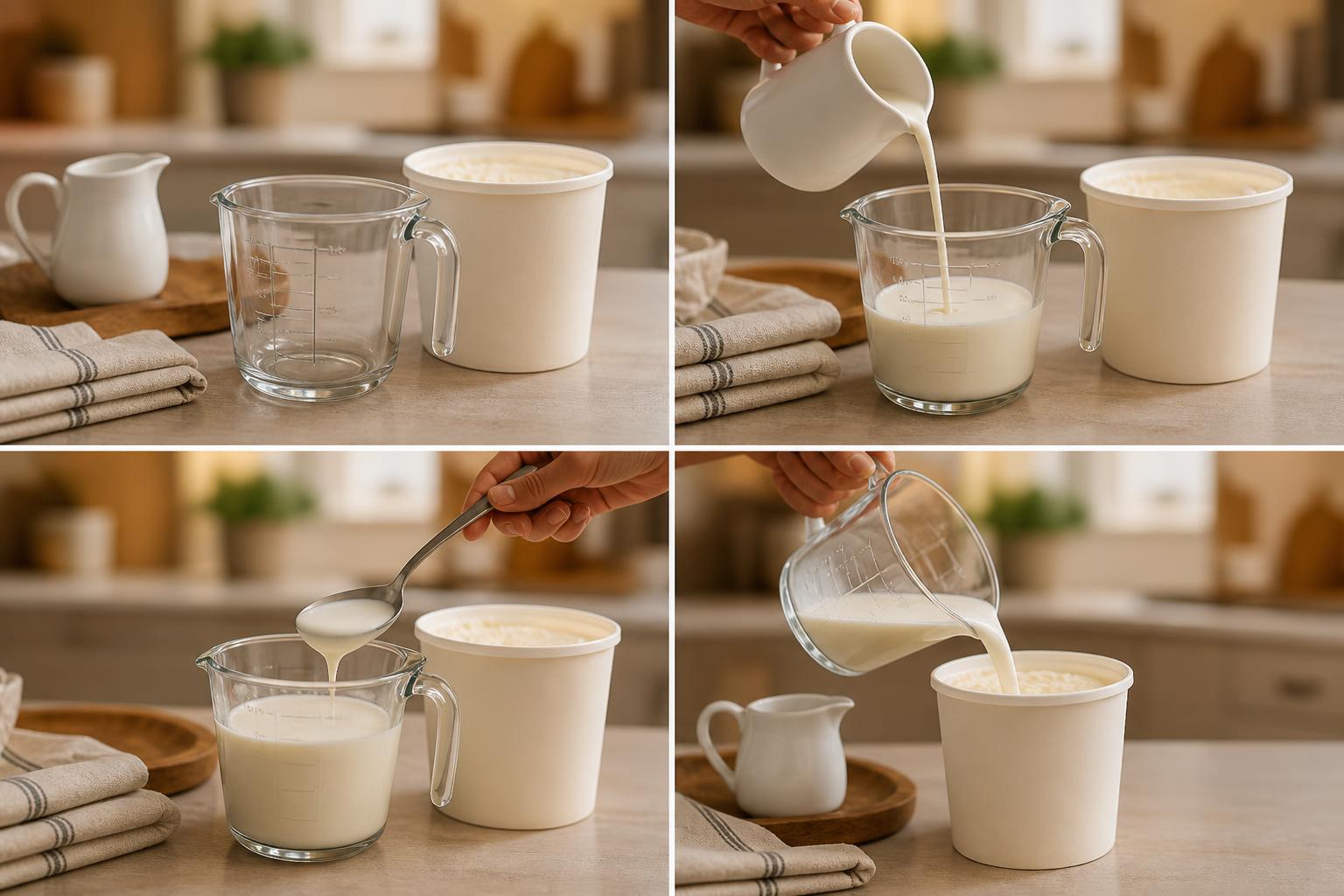
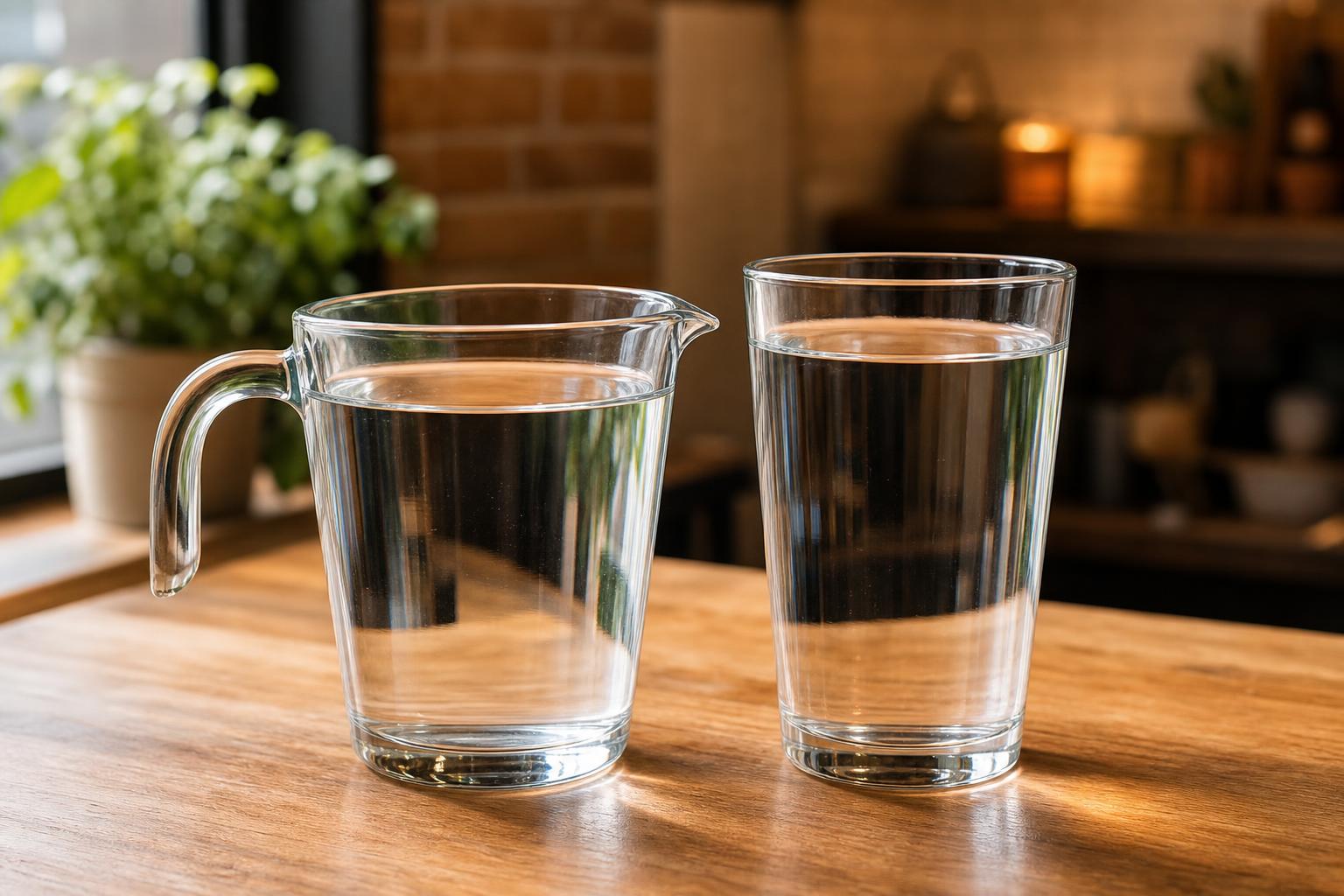
For kitchen or bar verification, use a liquid measuring cup marked in fluid ounces and pints. Fill to the 16 fl oz line and it should align with the 1 pint mark on U.S.-labeled measuring equipment.
- Check the unit: The label must say “fl oz,” not simply “oz.” Plain ounces often refer to weight, especially on packaged dry goods.
- Use a level reading: Place the cup on a flat surface and read the meniscus at eye level for the most accurate liquid measurement.
- Confirm the system: U.S. and imperial pints are not the same size, so imported glassware can cause confusion.
| System | Fluid Ounces per Pint | Milliliters per Pint |
| U.S. liquid pint | 16 U.S. fl oz | 473.176 mL |
| Imperial pint | 20 imperial fl oz | 568.261 mL |
This difference matters in wine bars, breweries, and restaurants because “pint” glassware may not always hold exactly a U.S. pint. Foam, thick glass bases, fill lines, and oversized glasses can all affect the served volume.
Commercial verification is more formal. In regulated trade, volume measures are checked against calibrated standards traceable to national measurement references, such as those used in NIST Handbook 44 for weighing and measuring devices.
For packaged beverages, U.S. labeling commonly uses fluid ounces and milliliters together. A container marked 16 fl oz should also be close to 473 mL, allowing a quick cross-check between U.S. customary and metric volume.
Fluid Ounces Compared with 1 Pint
In U.S. liquid measurement, 16 fluid ounces equals exactly 1 pint. That sounds simple, but the answer changes when you compare U.S. pints with imperial pints, dry pints, beer pours, and common bottle or can sizes.
The key distinction is volume type. A U.S. fluid pint is used for liquids like water, milk, beer, cider, and wine-based cocktails. A U.S. dry pint is used for dry goods such as berries and is not equal to 16 fluid ounces.
| Measure or container | Volume | How it compares to 16 U.S. fl oz |
| U.S. liquid pint | 16 U.S. fluid ounces | Exactly 1 pint |
| U.S. cup | 8 U.S. fluid ounces | 16 fl oz equals 2 cups |
| U.S. quart | 32 U.S. fluid ounces | 16 fl oz equals 1/2 quart |
| U.S. gallon | 128 U.S. fluid ounces | 16 fl oz equals 1/8 gallon |
| Imperial pint | 20 imperial fluid ounces | About 19.215 U.S. fluid ounces |
| U.S. dry pint | About 33.600 cubic inches | Not a fluid-ounce equivalent |
| Standard U.S. beer can or bottle | 12 U.S. fluid ounces | 3/4 of a U.S. pint |
| U.S. “tallboy” can | 16 U.S. fluid ounces | Exactly 1 U.S. pint |
| Wine bottle | 750 milliliters, about 25.36 U.S. fluid ounces | About 1.585 U.S. pints |
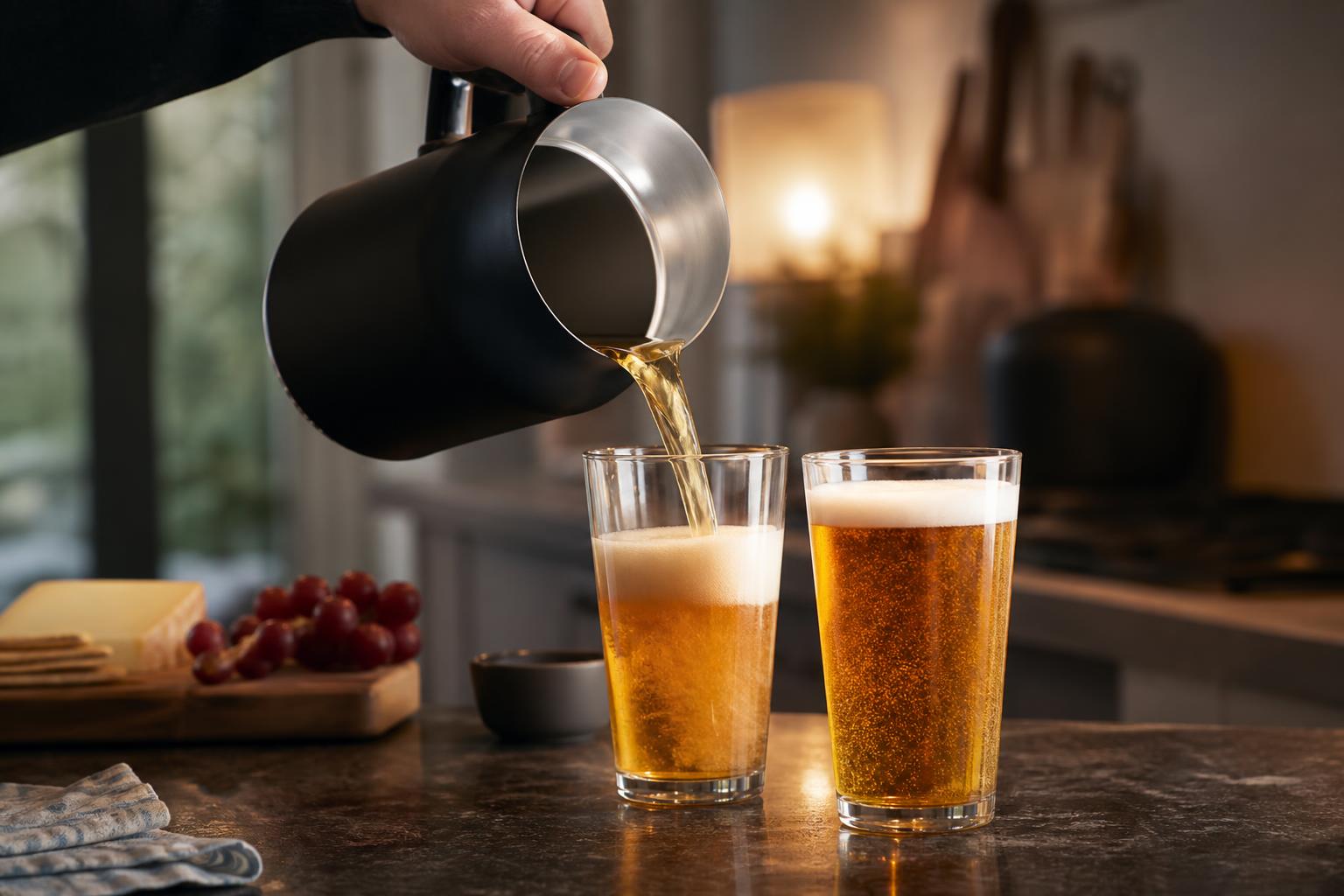
For bar and restaurant service, the word “pint” can be less precise than the legal measurement. A shaker pint glass often holds 16 fluid ounces to the rim, but a proper beer pour may be less after accounting for foam.
Draft beer can also be served in glasses marketed as pints but holding 14 or 15 ounces. That is common with thick-bottomed or nucleated glasses, so the named size does not always match the measured liquid volume.
- 16 fl oz water: exactly 1 U.S. liquid pint.
- 16 oz by weight: equals 1 pound, not necessarily 1 pint.
- 16 fl oz beer can: commonly called a pint can.
- 16 fl oz milk carton: exactly 1 pint under U.S. liquid measure.
- 16 imperial fl oz: about 19.22 U.S. fl oz, so it is larger than a U.S. pint.
For recipes, cocktail batching, and menu costing in the United States, treat 16 U.S. fluid ounces as 1 liquid pint. For imported British or Canadian references using imperial measure, verify the system before converting.
Using Fluid Ounces Correctly
For drinking and cooking, the key point is that “oz” can mean fluid ounces or weight ounces, and they are not interchangeable.
In the United States, a pint is a volume measure, so use fluid ounces when measuring beer, wine, water, or mixers.
A 16-ounce pour can feel simple, but alcohol strength, glass size, and serving habits matter. The National Institute on Alcohol Abuse and Alcoholism defines one U.S. standard drink by pure alcohol, not by the size of the glass.
| Measure | U.S. volume | Practical meaning |
| 1 U.S. pint | 16 U.S. fluid ounces | A common beer glass or shaker pint |
| 1 U.S. cup | 8 U.S. fluid ounces | Half of a U.S. pint |
| 1 imperial pint | 20 imperial fluid ounces | Used in the United Kingdom and some Commonwealth contexts |
If you are tracking alcohol intake, do not assume one pint always equals one drink. A pint of higher-alcohol beer can contain far more alcohol than a standard serving.
| Beverage | Typical serving | Alcohol strength | Approximate standard drinks |
| Regular beer | 12 fluid ounces | 5% ABV | 1.0 |
| Beer pint | 16 fluid ounces | 5% ABV | 1.3 |
| IPA pint | 16 fluid ounces | 7% ABV | 1.9 |
| Table wine | 5 fluid ounces | 12% ABV | 1.0 |
| Distilled spirits | 1.5 fluid ounces | 40% ABV | 1.0 |
- Check the unit: In recipes, “fl oz” means volume. Plain “oz” can mean weight, especially for flour, sugar, cheese, or coffee beans.
- Use a liquid measuring cup: A dry measuring cup filled to the rim is less reliable for liquids because the meniscus and surface tension can distort the pour.
- Read the glass: Many “pint” glasses have thick bases, tapered walls, or decorative shapes and may not hold a true pint to the top.
- Account for foam: A beer poured into a 16-fluid-ounce glass may contain less than 16 fluid ounces of liquid if it has a large head.
- Slow alcohol pacing: If drinking alcohol, alternate with water and avoid using a pint glass as your default measure for high-ABV beer.
- Be careful with international recipes: A U.K. pint is larger than a U.S. pint, so converting directly can change hydration, dilution, or dough consistency.
For food safety, measure liquids accurately when dilution matters, such as brines, infant formula, electrolyte drinks, or sanitizing solutions.
Small volume errors can change salt, sugar, or chemical concentration enough to affect taste, safety, or performance.
Testing 16 Ounces by Volume
We tested 16 ounces three ways in our bar prep area: by volume in US measuring cups, by pouring into pint glassware, and by weighing water as a cross-check. Our finding was straightforward: 16 US fluid ounces equals exactly 1 US liquid pint.
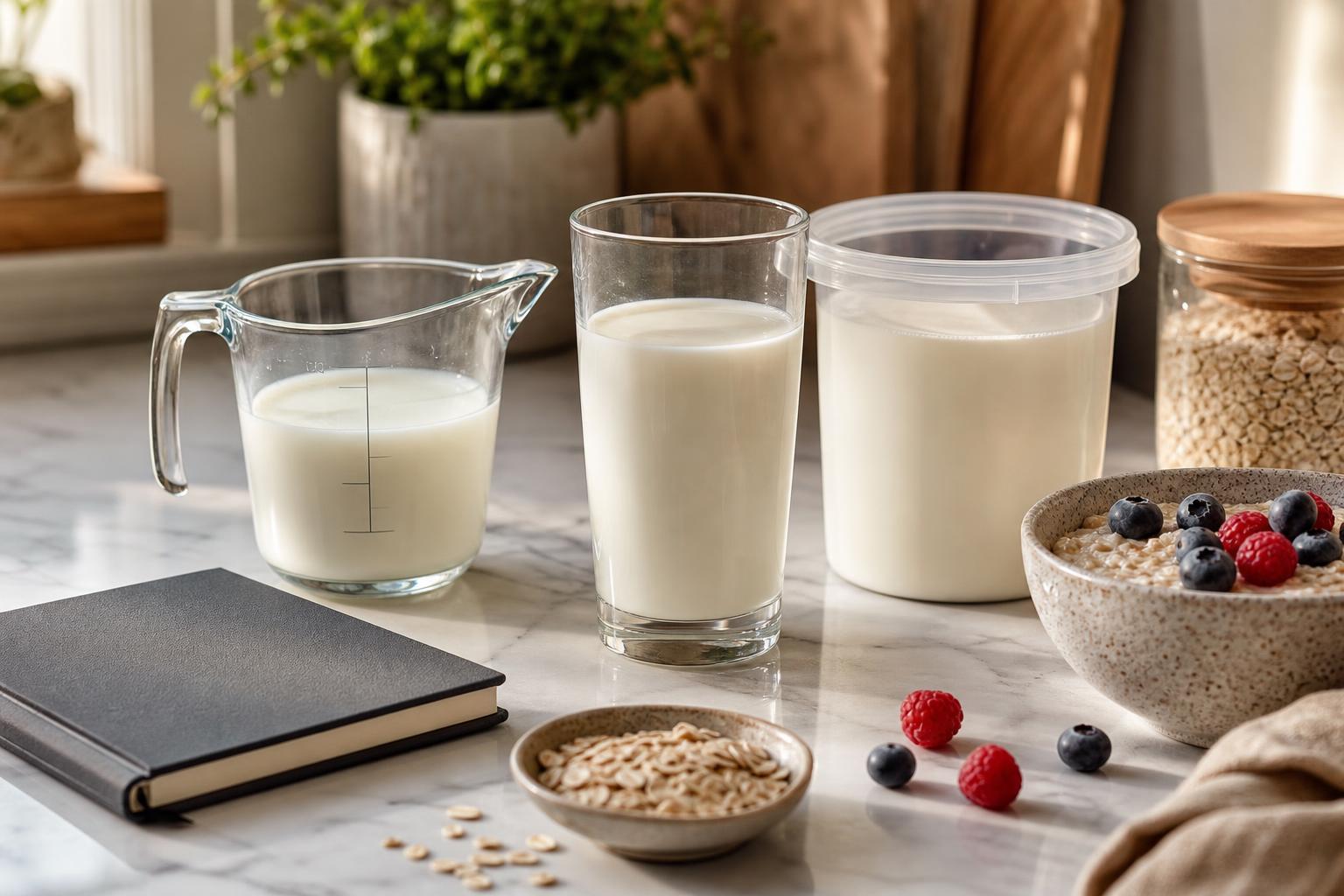
For the main trial, we used a calibrated 2-cup liquid measuring cup, a standard US pint glass, filtered water at room temperature, and a digital scale reading to 0.1 gram. We repeated the pour five times to check consistency.
| Measurement tested | Result |
| 16 US fluid ounces | 1 US liquid pint |
| 2 US cups | 1 US liquid pint |
| 1 US cup | 8 US fluid ounces |
| 1 US liquid pint | 473.176 milliliters |
In each trial, 16 US fluid ounces filled our measured pint volume to the 1-pint line.
When transferred into a typical straight-sided pint glass, the liquid reached near the practical serving capacity, though not every bar glass is precisely calibrated.
| Trial | Measured pour | Observed pint result |
| 1 | 16.0 US fl oz | 1 pint line reached |
| 2 | 16.0 US fl oz | 1 pint line reached |
| 3 | 16.0 US fl oz | 1 pint line reached |
| 4 | 16.0 US fl oz | 1 pint line reached |
| 5 | 16.0 US fl oz | 1 pint line reached |
As a weight check, we measured 16 US fluid ounces of water.
The scale readings clustered around 473 grams, which matches the known metric equivalent of 473.176 milliliters for a US pint, allowing for small temperature and meniscus-reading differences.
The most important distinction we confirmed is that “16 oz” only equals 1 pint when the ounces are US fluid ounces. It does not mean the same thing for imperial pints, and it is not the same as 16 ounces by weight for all ingredients.
| System or use | How 16 oz compares |
| US liquid measure | 16 US fl oz = 1 US pint |
| Imperial liquid measure | 16 imperial fl oz = 0.8 imperial pint |
| US dry ingredients by weight | 16 oz weight varies by ingredient volume |
Our practical takeaway: for beer, water, cocktails, milk, broth, or any US liquid recipe, treat 16 fluid ounces as 1 pint.
For flour, sugar, berries, or anything sold by weight, do not convert 16 ounces to pints without the ingredient’s density.
Mistakes About 16 Oz and 1 Pint
The biggest mistake is treating “16 oz” and “1 pint” as universally interchangeable.
In the U.S. liquid system, 16 U.S. fluid ounces equals exactly 1 U.S. liquid pint, but that does not hold for every country, container, or ingredient.
For drinks, recipes, and bar pours in the United States, the standard conversion is straightforward. Confusion usually starts when people mix U.S. customary units, Imperial units, dry measures, and labeled serving sizes.
| Measure | Fluid ounces in 1 pint | What 16 U.S. fl oz equals |
| U.S. liquid pint | 16 U.S. fl oz | 1 pint |
| Imperial pint | 20 Imperial fl oz | About 0.83 Imperial pint |
| U.S. dry pint | Not a fluid-ounce measure | Not directly convertible |
Myth: A pint is the same size everywhere
A U.S. pint is 473.176 milliliters. An Imperial pint, used in the United Kingdom and some Commonwealth contexts, is 568.261 milliliters. That is about 95 milliliters more than a U.S. pint.
This matters at bars and breweries. A 16-ounce U.S. beer glass is not the same as a 20-ounce Imperial pint glass. Ordering a “pint” abroad may get you a larger pour than the U.S. standard.
Myth: 16 ounces always means liquid volume
“Ounce” can mean fluid ounce or weight ounce. A fluid ounce measures volume. A weight ounce measures mass. Sixteen fluid ounces of water is about 1 pint, while 16 ounces by weight is 1 pound.
| Label | Measures | Example |
| 16 fl oz | Volume | 1 U.S. liquid pint |
| 16 oz net wt | Weight | 1 pound of food |
Myth: A pint glass always holds a full pint
Many “pint glasses” are designed to hold 16 U.S. fluid ounces only when filled to the rim. With foam, ice, or headspace, the actual liquid served can be less than 16 ounces.
- A shaker pint commonly holds 16 U.S. fluid ounces to the brim.
- A beer with one inch of foam may contain less than a full pint of liquid.
- A cocktail served in a 16-ounce glass may include ice, reducing liquid volume.
Myth: Dry pints convert like liquid pints
A U.S. dry pint is used for produce such as berries and equals about 550.61 milliliters by volume. It is not the same as a 16-fluid-ounce liquid pint, which equals 473.176 milliliters.
That is why a pint of blueberries does not necessarily weigh 16 ounces. The weight depends on berry size, packing, moisture, and air space between the fruit.
Frequently Asked Questions
How many pints are in 16 oz?
In the U.S. liquid measurement system, 16 fluid ounces equals exactly 1 pint. This is the standard used for beverages such as beer, cider, milk, and water in U.S. recipes and serving sizes.
Is 16 oz always 1 pint?
No. 16 U.S. fluid ounces is 1 U.S. pint, but 16 Imperial fluid ounces is not an Imperial pint because an Imperial pint contains 20 Imperial fluid ounces.
Also, weight ounces and fluid ounces measure different things, so 16 ounces by weight does not automatically equal a pint.
How many cups are in 16 oz?
In U.S. liquid measurements, 16 fluid ounces equals 2 cups. Since 2 cups equals 1 U.S. pint, 16 fluid ounces, 2 cups, and 1 pint are equivalent for U.S. liquid volume.
How many pints are in a 16 oz beer?
A 16 oz beer is 1 U.S. pint if the 16 oz refers to U.S. fluid ounces. This is the common “pint” pour size in many American bars, although actual glassware may vary in shape and usable fill volume.
How many pints is 16 oz in the UK?
In the UK Imperial system, 1 pint is 20 Imperial fluid ounces. Therefore, 16 Imperial fluid ounces equals 0.8 Imperial pints, not a full pint.
What is the difference between a U.S. pint and an Imperial pint?
A U.S. liquid pint equals 16 fluid ounces, while an Imperial pint equals 20 Imperial fluid ounces.
That means 16 U.S. fluid ounces make exactly 1 U.S. pint, but only 0.8 of an Imperial pint, which matters when reading recipes, beer labels, or international drink menus.
Does 16 oz measure volume or weight?
The term “16 oz” can describe either 16 fluid ounces of volume or 16 ounces of weight, depending on the product label.
For pint conversions, use fluid ounces: 16 U.S. fluid ounces equal 1 U.S. pint, while 16 ounces by weight does not automatically convert to a pint.
Related Reading
- How Many Ounces In 3 4 Pound?
- How Many Ounces Is 5 Ml? A Complete, Experience-Based Guide You Can Rely On
- How Many Cups Of Dog Food Per Day?
- Why Do I Get a Headache After Drinking A Small Amount Of Alcohol?
- How Much Is A Pint In Oz?
- How Many Cups Is 40 Oz?
- How To Get A Cork Out Of A Bottle? Practical, Tested Methods That Actually Work
- All Blog Guides
- NIST, Special Publication 811: Guide for the Use of the International System of Units (SI) (2008)
- NIST, U.S. Customary Units (2024)
- USDA Food and Nutrition Service, Food Buying Guide for Child Nutrition Programs (2024)
- University of Nebraska-Lincoln Extension, Common Equivalents, Substitutions, and Yields (2024)
- Encyclopaedia Britannica, Pint (2024)
- Merriam-Webster Dictionary, Pint (2025)
- Wolfram MathWorld, Pint (2025)