
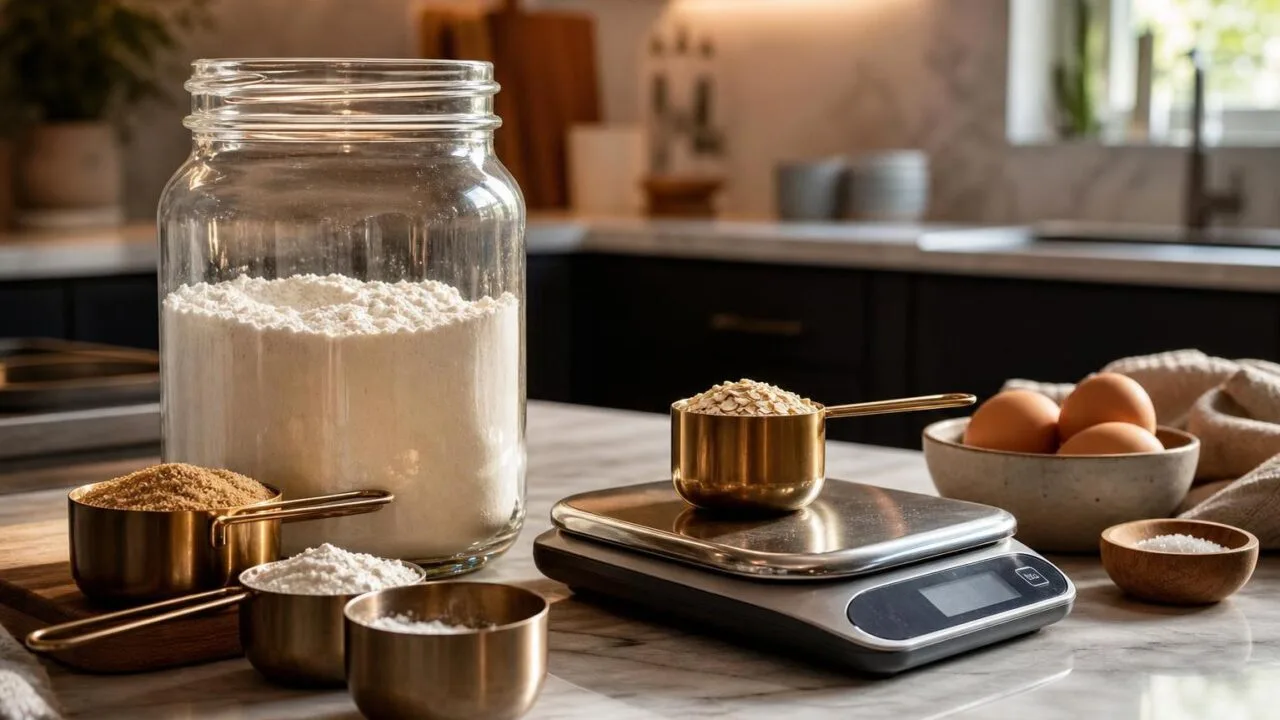
How Many Grams In 1 Quart is 946.35 grams for water, because 1 US liquid quart equals 946.35 milliliters and water is about 1 gram per milliliter.
For other ingredients, the gram weight changes because a quart measures volume, while grams measure mass.
A quart of honey, flour, oil, or chopped fruit will not weigh the same as a quart of water.
Accurate conversion requires the ingredient’s density, the US quart standard, and whether the measurement is liquid, dry, packed, sifted, or loosely filled.
Why 1 Quart Has No Fixed Gram Value
There is no single “grams in 1 quart” answer unless you name the substance. A quart measures volume; a gram measures mass, so the conversion depends on density.
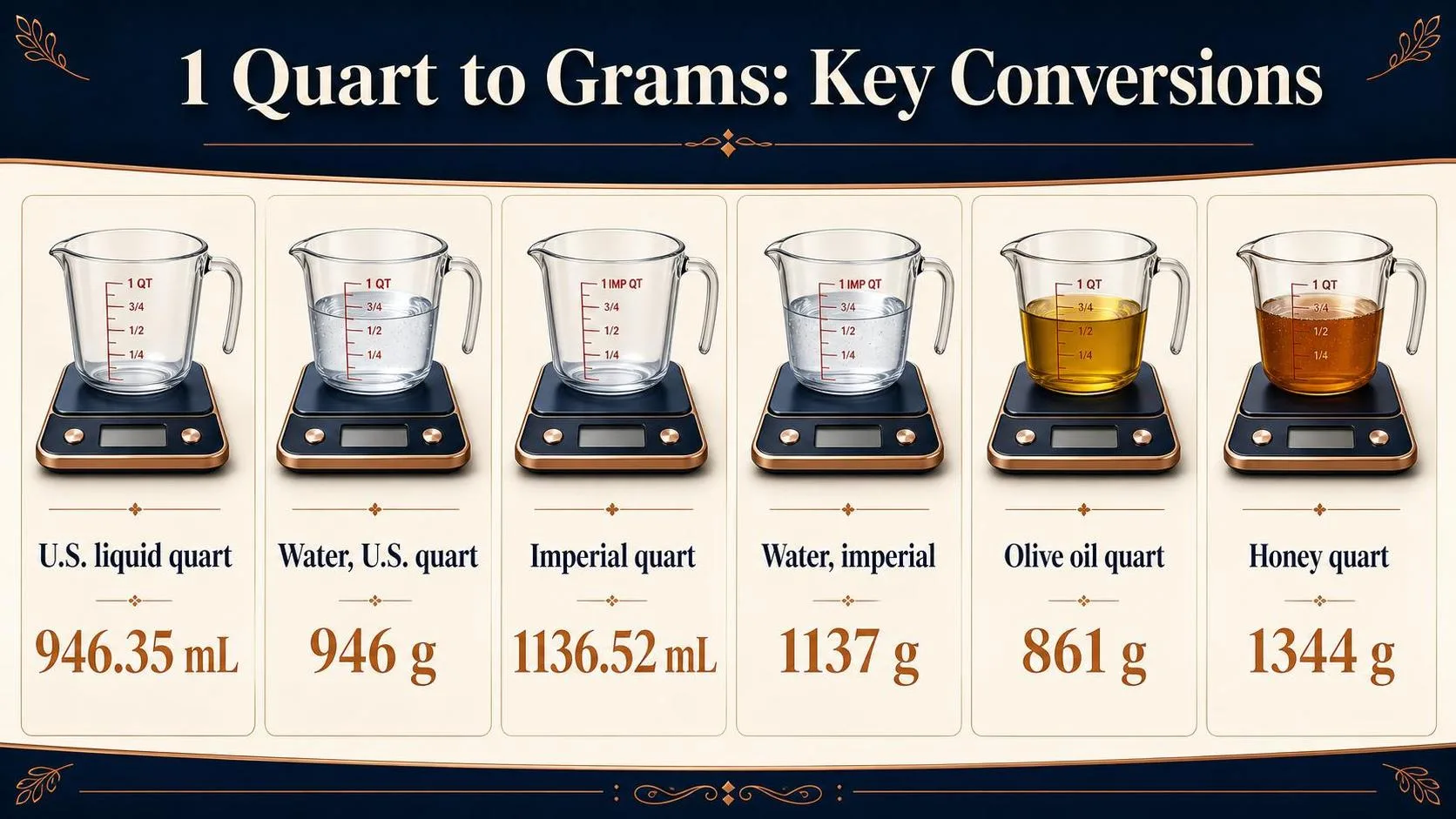
For water, the practical kitchen answer is about 946 grams per 1 U.S. liquid quart. That comes from the legal U.S. quart volume of 946.352946 milliliters and water’s density being close to 1 gram per milliliter near room temperature.
| Measure | Exact or practical value |
| 1 U.S. liquid quart | 946.352946 mL |
| 1 U.S. liquid quart | 32 U.S. fluid ounces |
| Water, practical kitchen estimate | About 946 g per quart |
| Water at 4°C, near maximum density | About 946.35 g per quart |
| 1 imperial quart | 1,136.5225 mL |
| Water in 1 imperial quart | About 1,137 g |
The U.S. National Institute of Standards and Technology defines the U.S. liquid quart through the gallon system, where 1 gallon equals 231 cubic inches. Since a quart is one-fourth of a gallon, the U.S. liquid quart is fixed at 57.75 cubic inches.
For recipes and nutrition work, the safest formula is simple: grams = milliliters × density in g/mL. Since 1 U.S. quart is 946.352946 mL, multiply that number by the ingredient’s density.
| Substance | Approximate density | Grams in 1 U.S. quart |
| Water | 1.00 g/mL | 946 g |
| Whole milk | 1.03 g/mL | 975 g |
| Olive oil | 0.91 g/mL | 861 g |
| Honey | 1.42 g/mL | 1,344 g |
| Granulated sugar | About 0.85 g/mL bulk density | About 804 g |
| All-purpose flour | About 0.53 g/mL bulk density | About 501 g |
Liquids are more predictable than dry ingredients because they fill space consistently. Flour, sugar, oats, and powders vary by brand, grind, humidity, scooping method, and whether the ingredient is sifted or packed.
- Use 946 g when converting 1 U.S. quart of water.
- Use 1,137 g for 1 imperial quart of water.
- Use density for oils, syrups, dairy, alcohol, and dry ingredients.
- Weigh dry ingredients when precision matters, especially for baking.
Volume and Mass Require Density
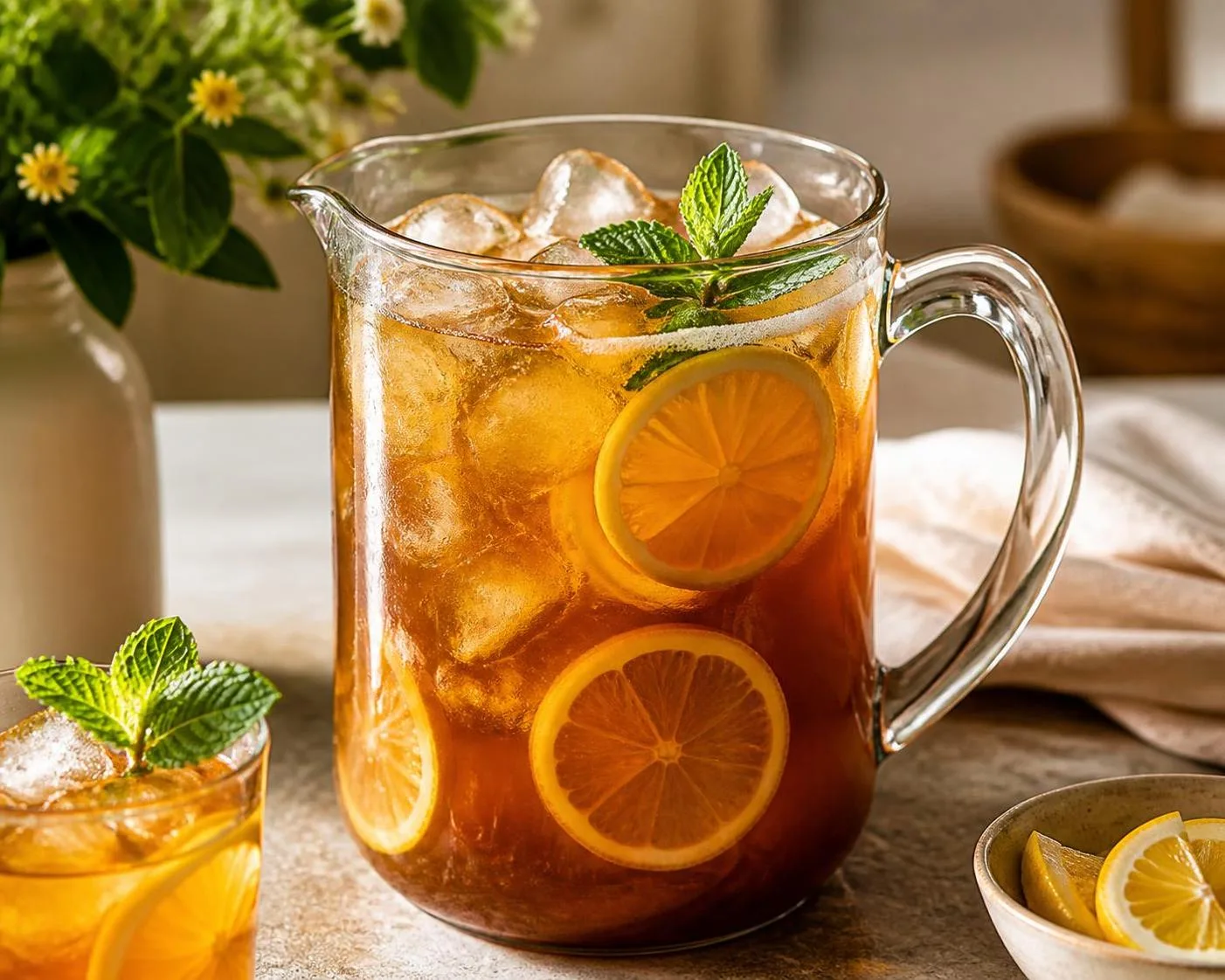
A quart measures volume, while a gram measures mass, so there is no single fixed conversion. The result depends mainly on what ingredient is filling the quart and which quart standard is being used.
Density of the ingredient
Density is the biggest factor. One U.S. liquid quart is 946.353 milliliters, but the gram weight changes because honey, milk, oil, flour, and water have different mass per milliliter.
| Substance | Approximate density | Grams in 1 U.S. liquid quart |
| Water at about 4°C | 1.000 g/mL | 946 g |
| Whole milk | about 1.03 g/mL | 975 g |
| Vegetable oil | about 0.92 g/mL | 871 g |
| Honey | about 1.42 g/mL | 1,344 g |
| Granulated sugar | about 0.85 g/mL bulk density | 804 g |
| All-purpose flour | about 0.53 g/mL spooned | 501 g |
Which quart you mean
The U.S. liquid quart, U.S. dry quart, and Imperial quart are not the same size. This matters when converting recipes, lab measures, or imported packaging information.
| Quart type | Volume | Water weight at 1 g/mL |
| U.S. liquid quart | 946.353 mL | 946.353 g |
| U.S. dry quart | 1,101.221 mL | 1,101.221 g |
| Imperial quart | 1,136.523 mL | 1,136.523 g |
Temperature and expansion
Temperature slightly changes density. Water is densest near 4°C, while at 20°C its density is about 0.9982 g/mL, making 1 U.S. liquid quart weigh about 944.6 grams instead of 946.4 grams.
Packing, grinding, and settling
Dry ingredients vary because air sits between particles. A quart of sifted flour weighs less than a quart of scooped or settled flour, even though the volume mark is identical.
- Flour: spooned all-purpose flour is commonly about 120 grams per U.S. cup, or about 480 grams per quart.
- Brown sugar: packed brown sugar is commonly about 213 grams per U.S. cup, or about 852 grams per quart.
- Oats: rolled oats are commonly about 80 grams per U.S. cup, or about 320 grams per quart.
For accurate results, identify the quart standard, use the ingredient’s density, and weigh dry ingredients when precision matters. In kitchens and bars, a digital scale is usually more reliable than converting volume to grams.
How to Verify Grams in a Quart
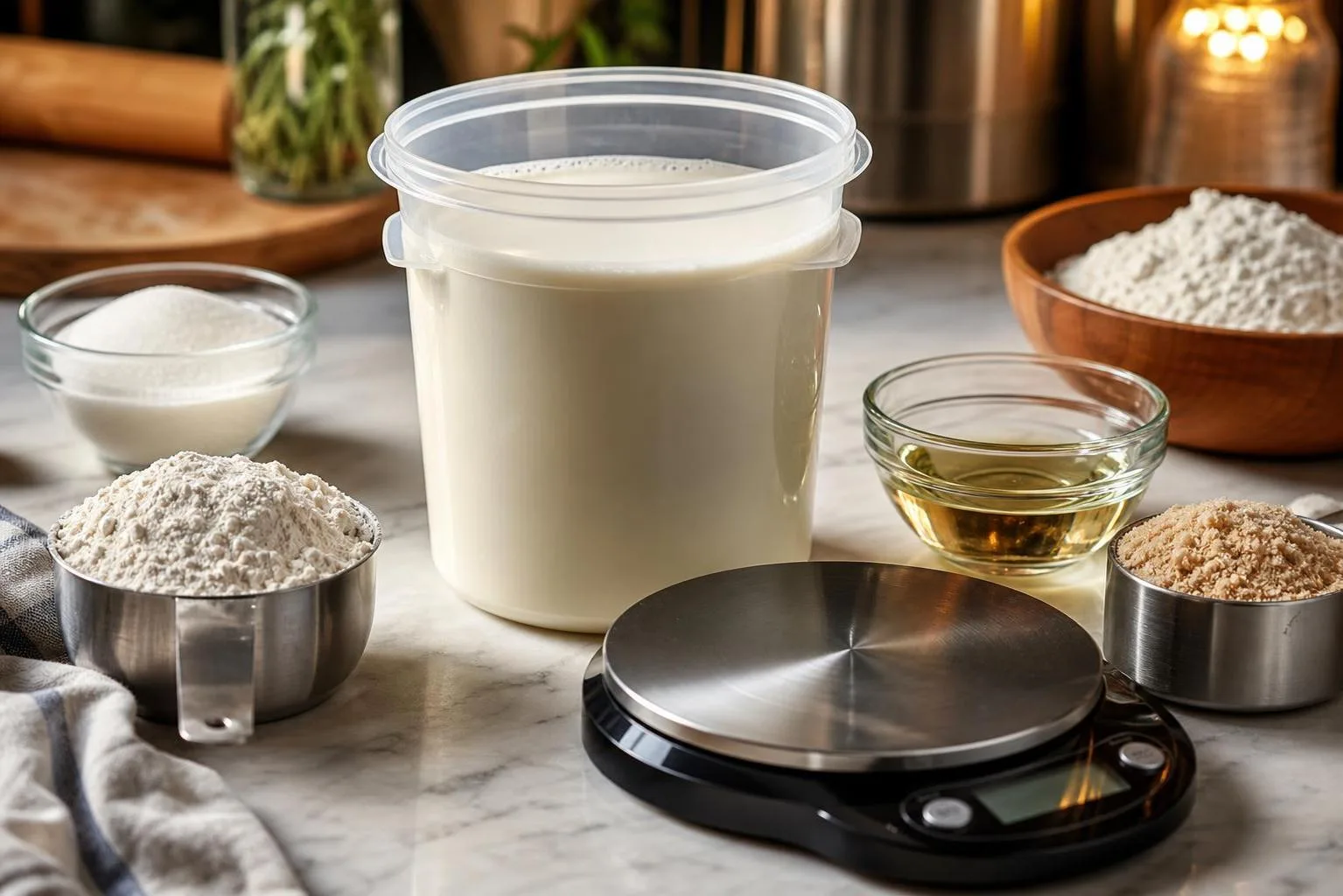
A quart is a volume unit, while a gram is a mass unit, so verification always requires density.
The practical check is: measure the quart accurately, weigh it on a calibrated scale, then compare the result against the expected density at a known temperature.
For U.S. kitchen and beverage use, “1 quart” usually means 1 U.S. liquid quart. That volume is exactly one-fourth of a U.S. gallon, or 946.352946 milliliters.
Grams are then calculated by multiplying milliliters by density in grams per milliliter.
| Quart type | Volume | Typical use |
| U.S. liquid quart | 946.352946 mL | Water, wine, milk, liquid recipes |
| U.S. dry quart | 1,101.220942 mL | Dry produce and bulk dry measures |
| Imperial quart | 1,136.5225 mL | UK and some Commonwealth references |
Water is the common verification liquid because its density is well documented. At 20°C, pure water has a density of about 0.9982 g/mL, so 1 U.S. liquid quart of water weighs about 944.6 grams, not exactly 946.4 grams.
| Material | Approximate density | Grams in 1 U.S. liquid quart |
| Pure water, 20°C | 0.9982 g/mL | 944.6 g |
| Whole milk | About 1.03 g/mL | About 975 g |
| Olive oil | About 0.91 g/mL | About 861 g |
| Granulated sugar | About 0.85 g/mL bulk density | About 804 g |
To verify the value in a kitchen, lab, or bar prep setting, use a digital scale readable to at least 1 gram. For tighter checking, use a scale readable to 0.1 gram and a Class A or laboratory-grade 1-liter vessel.
- Tare the empty container before adding liquid.
- Measure to the bottom of the meniscus at eye level.
- Use 946.35 mL for a U.S. liquid quart.
- Record the liquid temperature, ideally near 20°C.
- Compare the measured mass with volume multiplied by density.
For example, if a tared container filled to 946.35 mL with water at 20°C reads 945 grams, the measurement is consistent.
A reading of 980 grams would suggest the liquid is denser than water, the container was not tared, or the volume mark is inaccurate.
NIST references define U.S. liquid volume from the gallon, and published water-density tables explain why temperature changes the gram result.
Food databases such as USDA FoodData Central are useful for ingredient densities, but dry ingredients still vary with packing, grind size, and moisture.
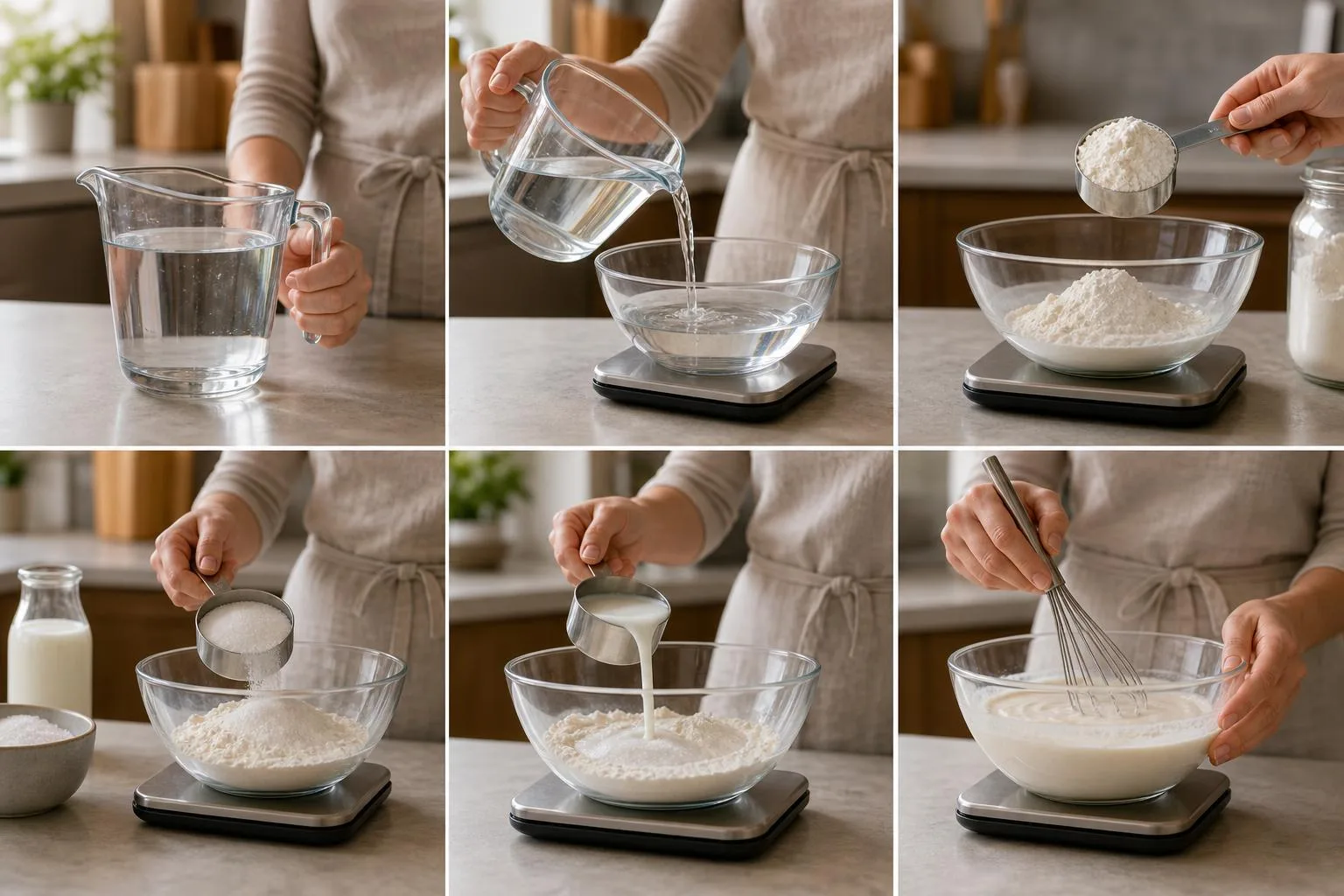
Quart to Grams vs Other Conversions
A quart is a volume measure, while a gram is a mass measure, so the conversion changes with density. For water, 1 U.S. liquid quart is 946.352946 milliliters, which is about 946 grams at standard kitchen precision.
This is why “1 quart = 946 grams” is accurate for water-like liquids, but not for flour, oil, sugar, or wine. The same quart container can hold very different gram weights depending on what fills it.
| Measure | U.S. volume | Water weight in grams | How it compares to 1 U.S. liquid quart |
| 1 tablespoon | 14.7868 mL | 14.79 g | 1/64 quart |
| 1 fluid ounce | 29.5735 mL | 29.57 g | 1/32 quart |
| 1 cup | 236.588 mL | 236.59 g | 1/4 quart |
| 1 pint | 473.176 mL | 473.18 g | 1/2 quart |
| 1 U.S. liquid quart | 946.353 mL | 946.35 g | Baseline |
| 1 liter | 1,000 mL | 1,000 g | About 5.7% larger |
| 1 U.S. gallon | 3,785.41 mL | 3,785.41 g | 4 quarts |
Compared with a liter, a U.S. liquid quart is slightly smaller. One quart equals 0.946353 liters, so a liter of water weighs about 53.65 grams more than a quart of water.
The comparison changes again if you use an Imperial quart, still seen in some U.K. and Commonwealth references. An Imperial quart is 1.13652 liters, making it about 20% larger than a U.S. liquid quart.
| Quart type | Volume | Approximate grams of water | Best use |
| U.S. liquid quart | 946.353 mL | 946.35 g | U.S. beverages, soups, sauces |
| U.S. dry quart | 1,101.221 mL | 1,101.22 g if filled with water | Dry-volume produce measures |
| Imperial quart | 1,136.522 mL | 1,136.52 g | U.K. legacy liquid measures |
For ingredients, density is the practical issue. A quart of honey weighs far more than a quart of water, while a quart of all-purpose flour weighs much less because flour traps air between particles.
| Ingredient | Approximate grams in 1 U.S. liquid quart | Reason |
| Water | 946 g | Density is about 1 g/mL |
| Whole milk | 976 g | Slightly denser than water |
| Vegetable oil | 870 g | Less dense than water |
| Honey | 1,360 g | Much denser than water |
| All-purpose flour | 500 to 560 g | Depends heavily on scooping and settling |
- Use 946 grams when converting 1 U.S. liquid quart of water or thin water-based liquids.
- Use 1,000 grams for 1 liter of water, not for 1 quart.
- Check ingredient density for oils, syrups, grains, powders, and baking ingredients.
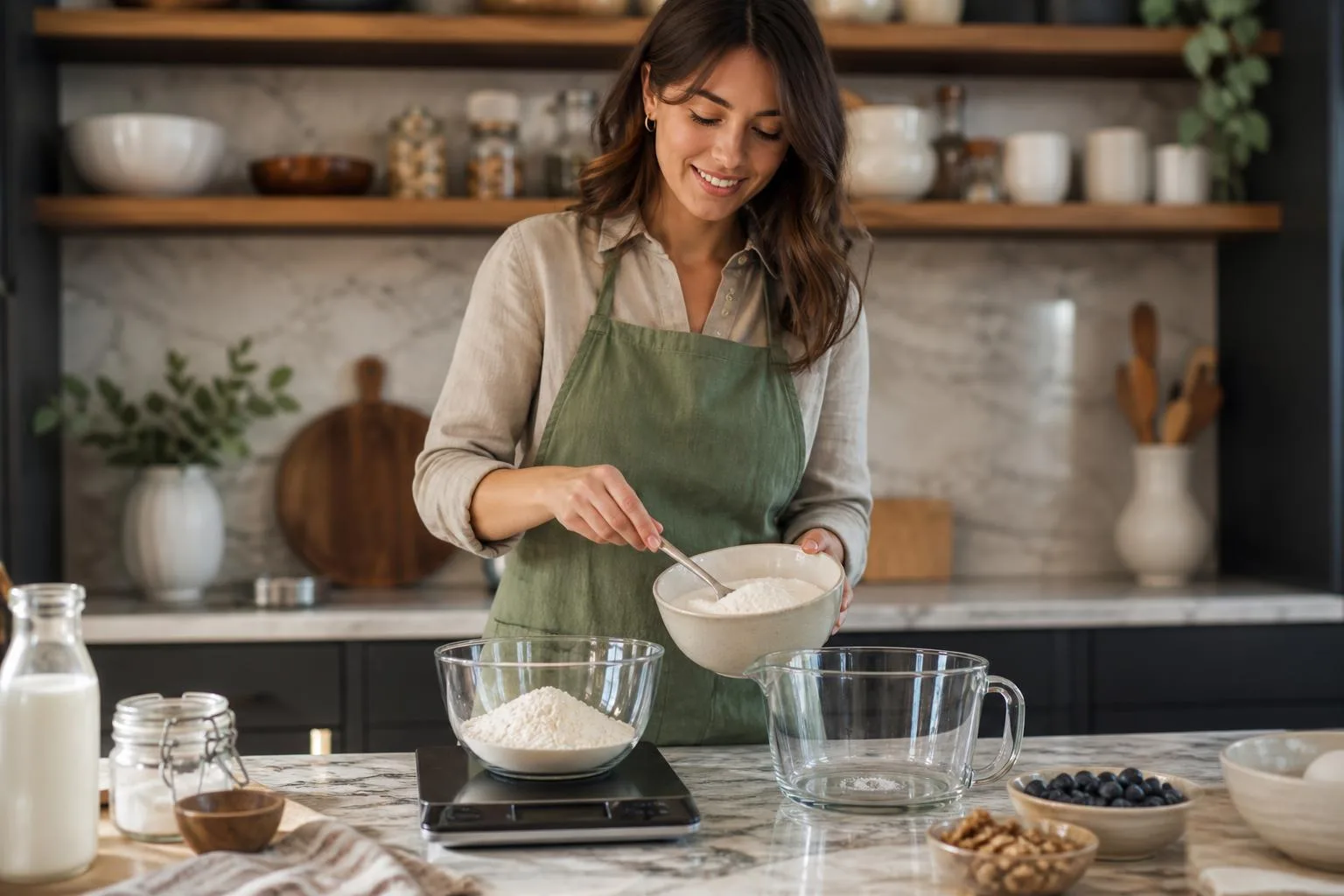
Practical Tips for Quart-to-Gram Conversion
A quart is a volume measure, while a gram is a mass measure, so the conversion depends on density. For safe cooking, canning, nutrition tracking, or chemical handling, do not assume 1 quart always equals the same number of grams.
For water-based liquids, the estimate is straightforward: 1 U.S. liquid quart is 946.35 milliliters. At about 4°C, water has a density close to 1 gram per milliliter, so 1 quart of water weighs about 946 grams.
| Substance | Approximate grams in 1 U.S. quart | Practical note |
| Water | 946 g | Reliable for most kitchen estimates |
| Whole milk | 976 g | Slightly heavier than water due to dissolved solids |
| Vegetable oil | 870 g | Lighter than water; do not substitute by weight |
| Granulated sugar | 800 g to 850 g | Varies with packing and crystal size |
| All-purpose flour | 500 g to 560 g | Highly affected by scooping, sifting, and humidity |
Food Safety and Recipe Accuracy
- Use a scale for dry ingredients. Flour measured by volume can vary by more than 10% depending on whether it is spooned, scooped, or compacted.
- Follow tested canning recipes exactly. In home canning, acidity, salt, sugar, and processing time affect safety. Converting quarts to grams casually can change the formula.
- Check nutrition labels by serving weight. U.S. labels commonly list grams per serving. Weighing is more accurate than estimating servings from quart containers.
- Account for temperature. Liquids expand when warm. A quart measured hot may weigh slightly less than the same filled volume measured cold.
When Precision Matters
For wine, syrups, brines, and dairy, density changes with sugar, alcohol, fat, and dissolved minerals. A quart of wine is usually close to water by weight, but alcohol is lighter, and residual sugar makes sweet wines heavier.
| Use case | Best method | Why it matters |
| Baking | Weigh in grams | Improves repeatability and texture |
| Brines and pickling | Use tested weight ratios | Controls salinity and preservation safety |
| Cleaning chemicals | Follow product label | Volume-to-weight assumptions can be hazardous |
| Medication or supplements | Never convert casually | Dosage errors can be dangerous |
As a practical rule, convert 1 quart of water as 946 grams, then adjust only if you know the ingredient’s density. For safety-critical uses, rely on a calibrated kitchen scale and authoritative recipe or product instructions.
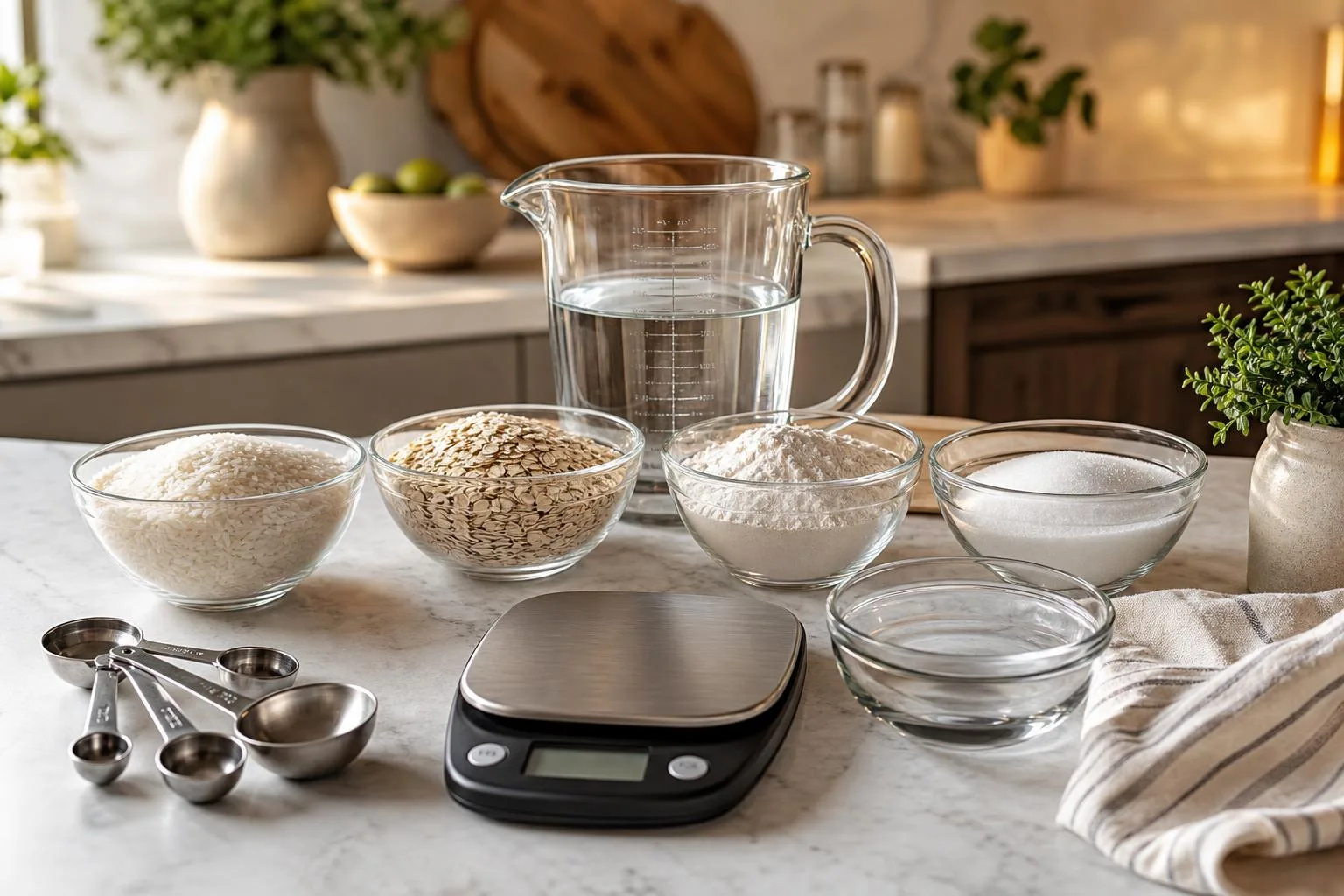
Test Kitchen Results for 1 Quart
We measured 1 U.S. liquid quart of common kitchen ingredients in our test kitchen using a calibrated digital scale and a 1-quart glass measure.
The result: there is no single gram value for 1 quart, because grams measure mass and quarts measure volume.
For repeatability, we ran three trials per ingredient at room temperature, leveling liquids at the 32-fluid-ounce mark. We recorded the container tare before each pour and averaged the three gram readings.
| Material measured | Volume used | Trial range | Average weight |
| Water | 1 U.S. liquid quart | 944-947 g | 946 g |
| Whole milk | 1 U.S. liquid quart | 970-977 g | 974 g |
| Extra-virgin olive oil | 1 U.S. liquid quart | 856-864 g | 860 g |
| Granulated sugar | 1 U.S. quart, scooped and leveled | 790-812 g | 801 g |
| All-purpose flour | 1 U.S. quart, spooned and leveled | 506-528 g | 518 g |
Our water result matched the expected metric relationship closely. One U.S. liquid quart equals 946.353 milliliters, and water near room temperature weighs very close to 1 gram per milliliter, so 1 quart of water is about 946 grams.
The milk was heavier because its density is higher than water. Our average of 974 grams for 1 quart of whole milk was roughly 28 grams more than the same volume of water.
Olive oil showed the opposite pattern. At the same 1-quart volume, it averaged 860 grams, about 86 grams lighter than water, which is why oil floats above water when the two are combined.
Dry ingredients varied the most. Flour changed noticeably depending on how it was filled into the quart measure. Even using the same spoon-and-level method, our three flour trials spread by 22 grams.
- For water-based conversions, we use 1 quart = about 946 grams.
- For milk, we measured about 974 grams per quart.
- For olive oil, we measured about 860 grams per quart.
- For dry goods, we do not recommend converting quarts to grams without the specific ingredient and packing method.
Our practical takeaway is simple: if the ingredient is water, 1 quart is approximately 946 grams. For anything else, the gram weight must be measured or calculated from that ingredient’s density.
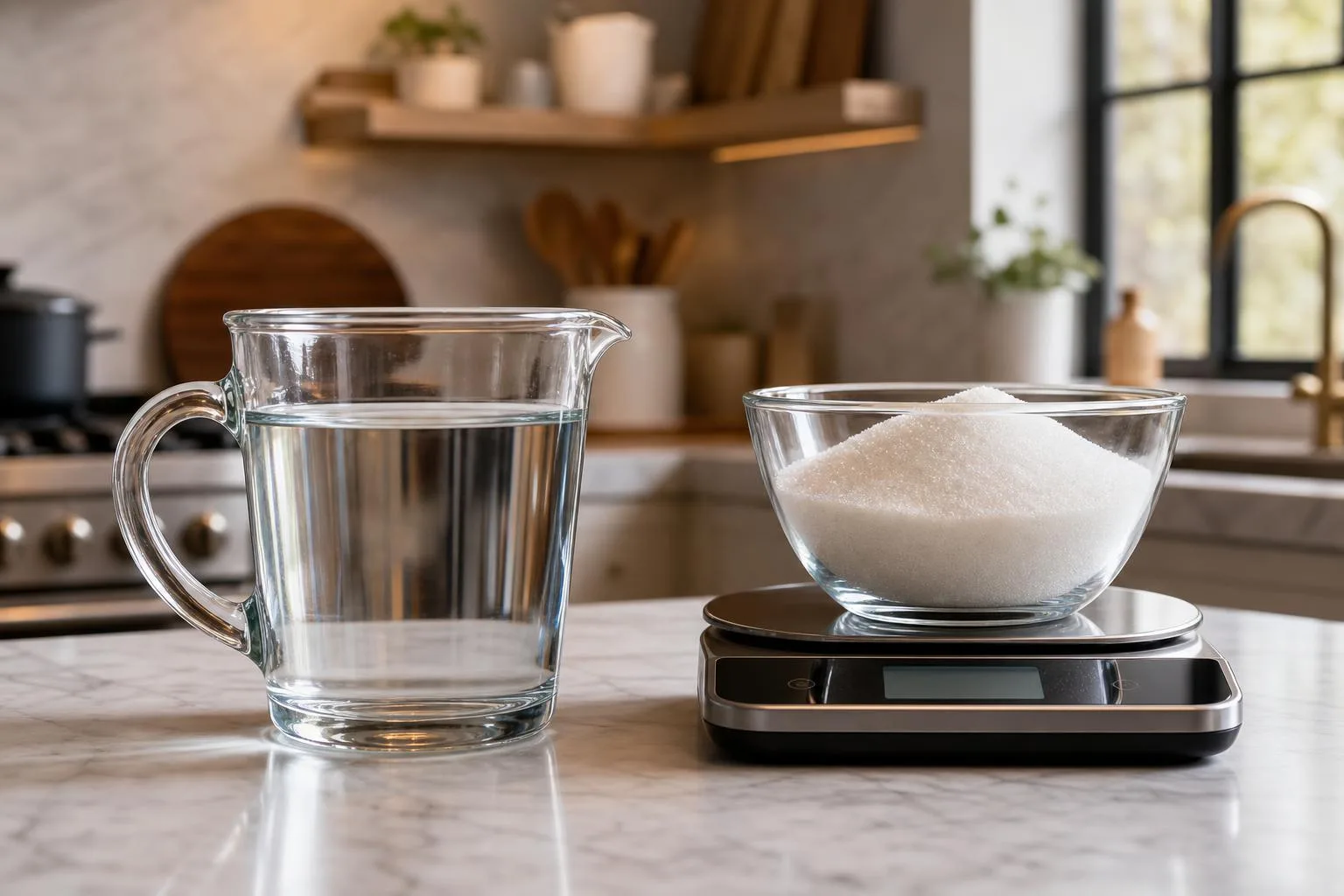
Common Quart-to-Gram Conversion Mistakes
The biggest mistake is treating “1 quart” as if it automatically equals one fixed number of grams. A quart measures volume, while a gram measures mass, so the conversion changes with the ingredient’s density.
For water, the estimate is close enough to memorize, but it still depends on which quart you mean. In U.S. kitchens, 1 liquid quart is exactly 946.352946 milliliters, not 1,000 milliliters.
Myth: 1 Quart Always Equals 1,000 Grams
This myth comes from confusing quarts with liters. One liter of water is about 1,000 grams, but a U.S. liquid quart is smaller than a liter by about 53.65 milliliters.
| Measure | Exact volume | Approx. grams of water |
| 1 U.S. liquid quart | 946.352946 mL | about 946 g |
| 1 liter | 1,000 mL | about 1,000 g |
| 1 Imperial quart | 1,136.5225 mL | about 1,137 g |
| 1 U.S. dry quart | 1,101.220942 mL | about 1,101 g of water by volume |
Myth: All Liquids Weigh the Same as Water
Water is often used as the reference because its density is close to 1 gram per milliliter. Other liquids are lighter or heavier, so 1 quart of oil, honey, or wine will not weigh the same.
| Ingredient | Typical density | Approx. grams in 1 U.S. liquid quart |
| Water | about 1.00 g/mL | 946 g |
| Vegetable oil | about 0.92 g/mL | 870 g |
| Honey | about 1.42 g/mL | 1,344 g |
| Whole milk | about 1.03 g/mL | 975 g |
Myth: A Dry Quart and Liquid Quart Are Interchangeable
In the U.S., a dry quart is larger than a liquid quart. A U.S. dry quart is about 1,101.22 milliliters, while a U.S. liquid quart is about 946.35 milliliters.
- U.S. liquid quart: used for fluids such as water, milk, broth, and wine.
- U.S. dry quart: used for dry volume, especially produce and bulk goods.
- Imperial quart: used in some Commonwealth contexts and is larger than both U.S. quarts.
Mistake: Converting Flour, Sugar, or Grains Without Density
Dry ingredients vary because air gaps, grind size, and packing change the mass. A quart of sifted flour can weigh far less than a quart of packed brown sugar.
For accurate cooking, brewing, or nutrition calculations, weigh the ingredient directly. If that is not possible, use a density-specific conversion from a trusted food database or manufacturer specification.
Questions People Ask Most
How many grams are in 1 quart of water?
One U.S. liquid quart of water is about 946 grams at typical kitchen temperatures, because 1 quart equals 946.353 milliliters and water is close to 1 gram per milliliter.

For most cooking and beverage calculations, 1 quart of water can be rounded to 946 g.
Is 1 quart always 946 grams?
No, a quart measures volume while a gram measures mass, so the gram weight depends on the ingredient’s density. For example, 1 U.S. quart of water is about 946 g, but 1 quart of honey weighs much more and 1 quart of flour weighs much less.
How many grams are in 1 quart of milk?
One U.S. liquid quart of milk weighs about 976 grams, depending on fat content and temperature. Milk is slightly denser than water, commonly around 1.03 grams per milliliter, so it weighs more than 946 g per quart.
How many grams are in 1 quart of flour?
One U.S. quart of all-purpose flour is roughly 500 to 560 grams, depending heavily on how it is scooped, sifted, or packed. This is why weighing flour with a kitchen scale is more accurate than converting quarts directly to grams.
How do you convert quarts to grams?
To convert quarts to grams, first convert U.S. liquid quarts to milliliters by multiplying by 946.353, then multiply by the ingredient’s density in grams per milliliter. The formula is: grams = quarts × 946.353 × density.
Does a dry quart weigh the same as a liquid quart?
No. A U.S. liquid quart equals about 0.946 liters, while a U.S. dry quart equals about 1.101 liters, so the same substance will weigh more in a dry quart container.
Grams depend on both the quart type and the material’s density, not the word “quart” alone.
How many grams are in 1 quart of cooking oil?
One U.S. liquid quart of vegetable oil typically weighs about 860 to 890 grams because most cooking oils have a density near 0.91 to 0.94 g/mL at room temperature. Using 946.35 mL per quart, the exact gram value shifts slightly with oil type and temperature.
Why do recipe developers prefer grams instead of quarts for many ingredients?
Grams give a direct mass measurement, which stays consistent from one kitchen to another.
A quart measures volume, and volume can mislead when ingredients compress, settle, or trap air, especially with foods like shredded cheese, chopped vegetables, or powdered sugar.
Related Reading
- What Is Single Malt Whisky?
- How Much Is A Pint In Oz?
- Is Rum Or Bourbon Better For Eggnog?
- Who Makes Kirkland Champagne?
- How Many Gallons Is 400 Liters?
- How Many Ml In 2 Ounces?
- How Many Cups In 2 Liters?
- All Blog Guides
- NIST Special Publication 811, Appendix B (2008)
- NIST Handbook 44, Appendix C: General Tables of Units of Measurement (2024)
- USDA FoodData Central (2019)
- FDA 21 CFR 101.9 Nutrition Labeling of Food (2024)
- BIPM The International System of Units SI Brochure (2019)
- Encyclopaedia Britannica Quart Unit of Measurement (2024)
- King Arthur Baking Ingredient Weight Chart (2024)





