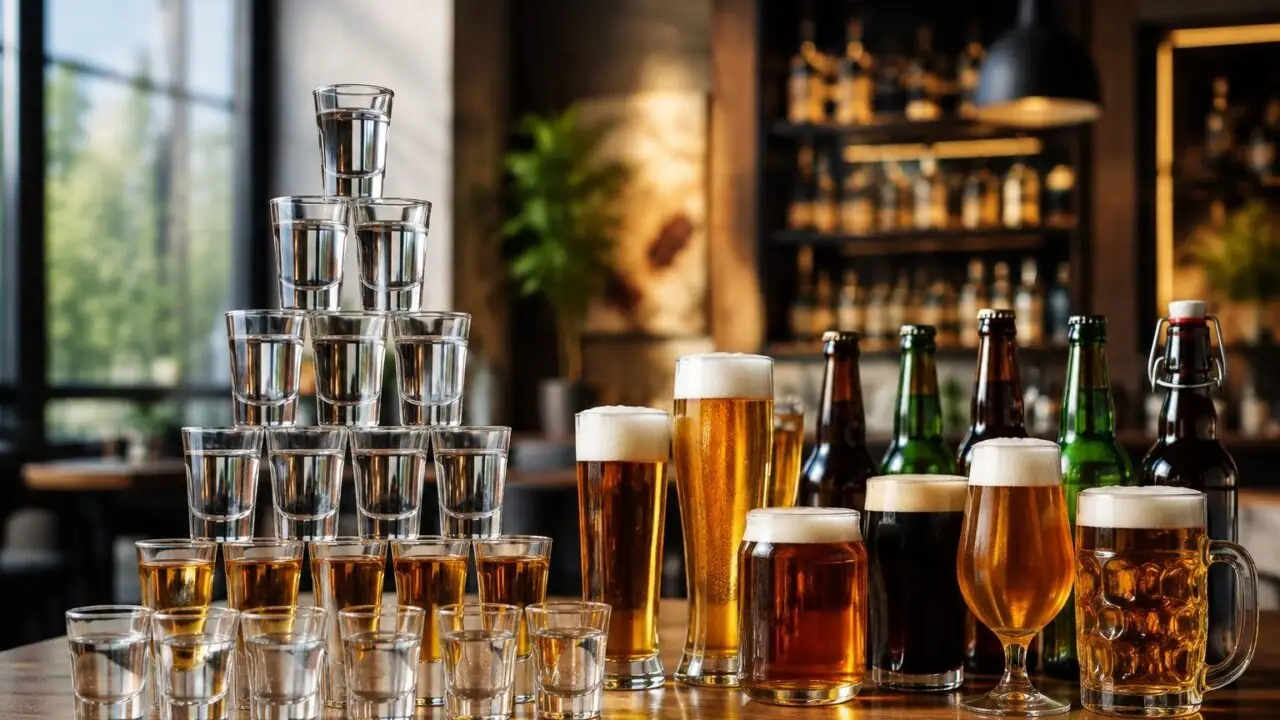
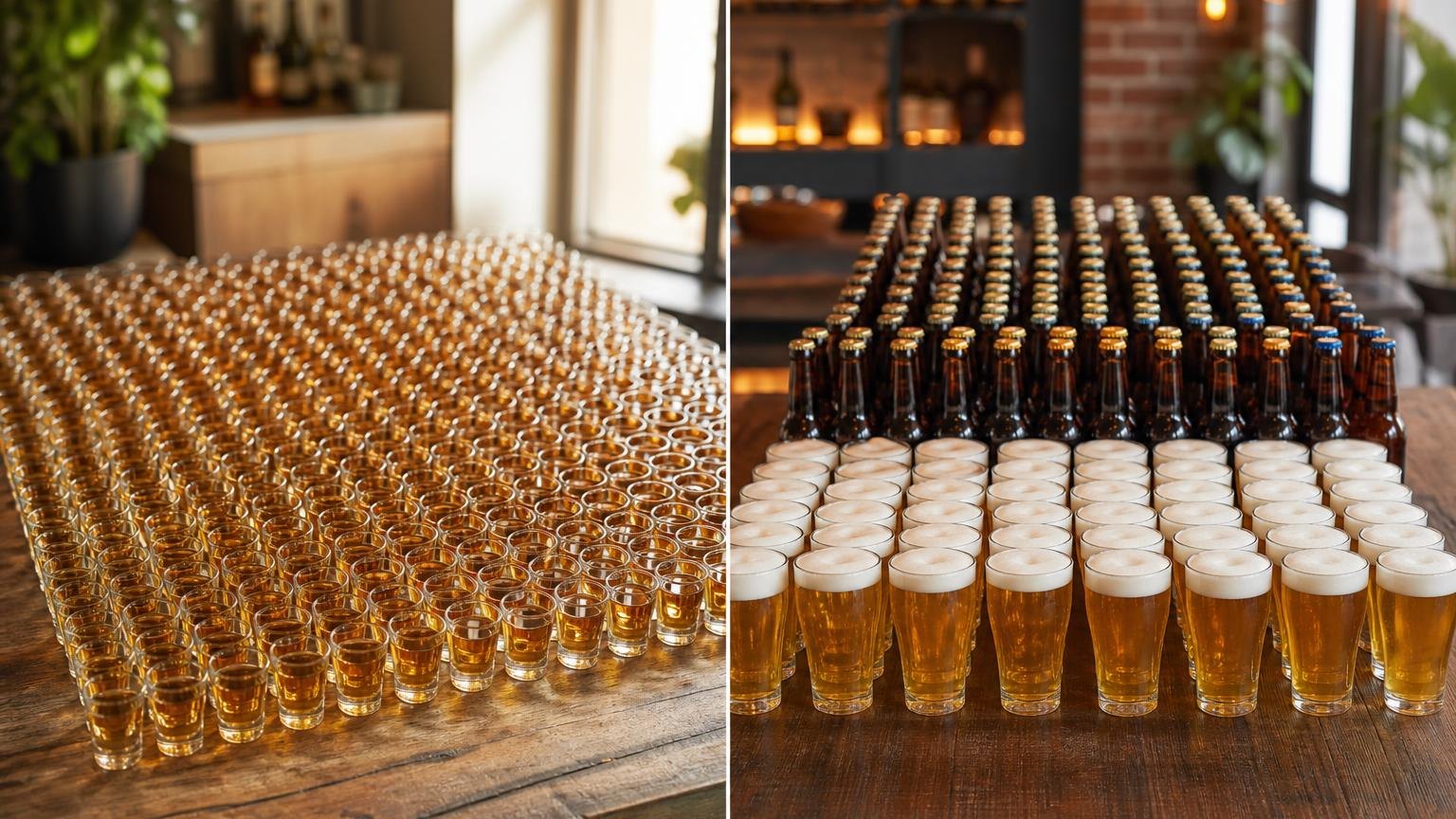
How Many Beers Is 100 Shots? is 100 12-ounce beers at 5% ABV. In U.S. standard-drink math, one 1.5-ounce shot of 40% liquor and one 12-ounce regular beer contain about 0.6 fluid ounces of pure alcohol.
That equivalence assumes standard pours, not oversized shots, high-proof spirits, strong craft beer, or large cans. A 16-ounce beer at 7% ABV contains nearly twice the alcohol of a standard beer, changing the count fast.
This article explains the conversion, where the numbers come from, and why “100 shots” represents an extreme, dangerous alcohol amount rather than a practical drinking comparison.
The Short Answer in Standard Drinks
In U.S. standard-drink terms, 100 shots is about 100 standard drinks if each shot is 1.5 ounces of 80-proof liquor. That equals roughly 8,000 to 10,000 calories depending on the spirit and mixers.
Compared with beer, the answer is usually about 83 to 100 beers, depending on beer strength and serving size.
The key number comes from the U.S. definition of a standard drink: 0.6 fluid ounces of pure alcohol.
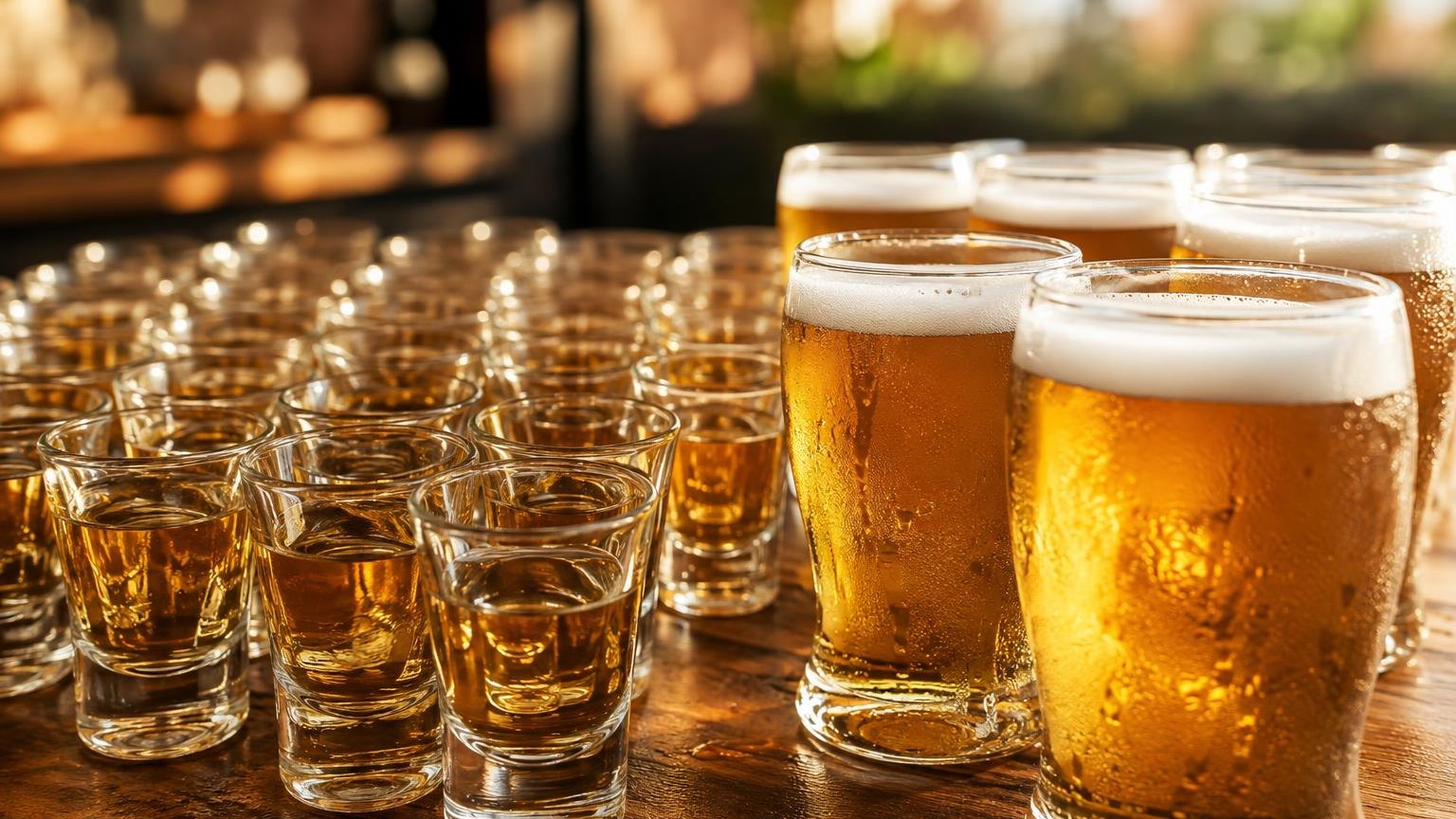
A 1.5-ounce shot of 40% ABV liquor contains 0.6 ounces of pure alcohol, so one shot of 80-proof vodka, whiskey, rum, or tequila counts as one standard drink.
| Drink type | Typical serving | ABV | Pure alcohol | Standard drinks |
| Shot of liquor | 1.5 oz | 40% | 0.6 oz | 1.0 |
| Regular beer | 12 oz | 5% | 0.6 oz | 1.0 |
| Strong beer | 12 oz | 6% | 0.72 oz | 1.2 |
| Very strong beer | 12 oz | 8% | 0.96 oz | 1.6 |
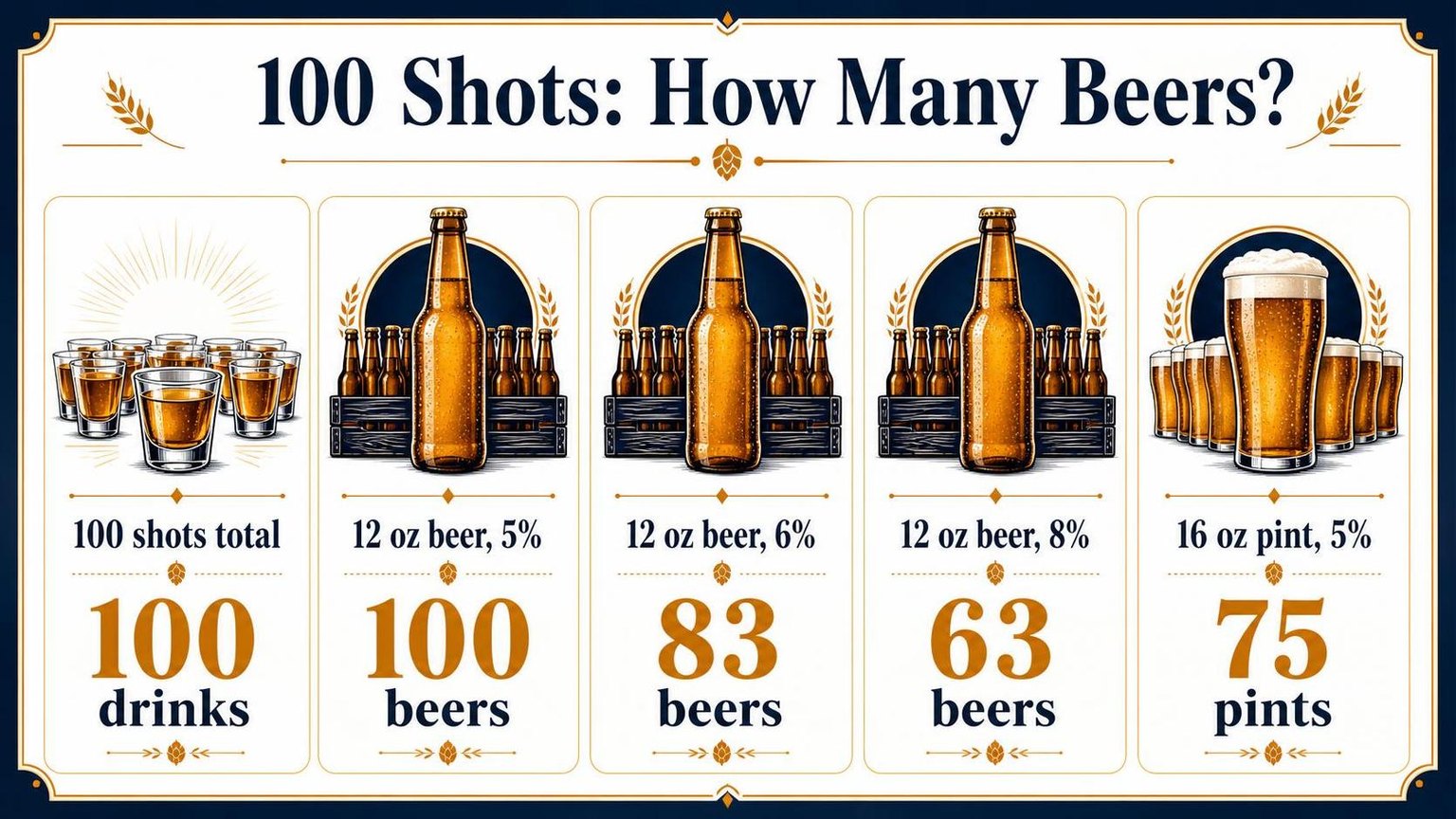
If every shot is a standard drink, 100 shots equals 100 standard drinks. For regular 5% beer, one 12-ounce beer also equals one standard drink. In that common comparison, 100 shots equals 100 beers.
Beer strength changes the math. A 12-ounce beer at 6% ABV contains about 1.2 standard drinks, so 100 shots equals about 83 of those beers. At 8% ABV, each 12-ounce beer is about 1.6 standard drinks, so 100 shots equals about 63 beers.
| Beer type | Serving size | ABV | Standard drinks per beer | 100 shots equals |
| Light/regular beer | 12 oz | 4.2% | 0.84 | 119 beers |
| Typical U.S. beer | 12 oz | 5% | 1.0 | 100 beers |
| Strong craft beer | 12 oz | 6% | 1.2 | 83 beers |
| Double IPA range | 12 oz | 8% | 1.6 | 63 beers |
Serving size matters too. A 16-ounce pint at 5% ABV contains about 1.33 standard drinks. That means 100 shots equals about 75 pints of 5% beer, not 100 pints.
- 100 shots of 80-proof liquor = 100 standard drinks.
- That equals 100 regular 12-ounce beers at 5% ABV.
- It equals fewer beers when the beer is stronger or poured larger.
For a quick, accurate shorthand: 100 shots is about 100 beers only when the beer is a standard 12-ounce pour at 5% ABV.
Converting 100 Shots to Beers
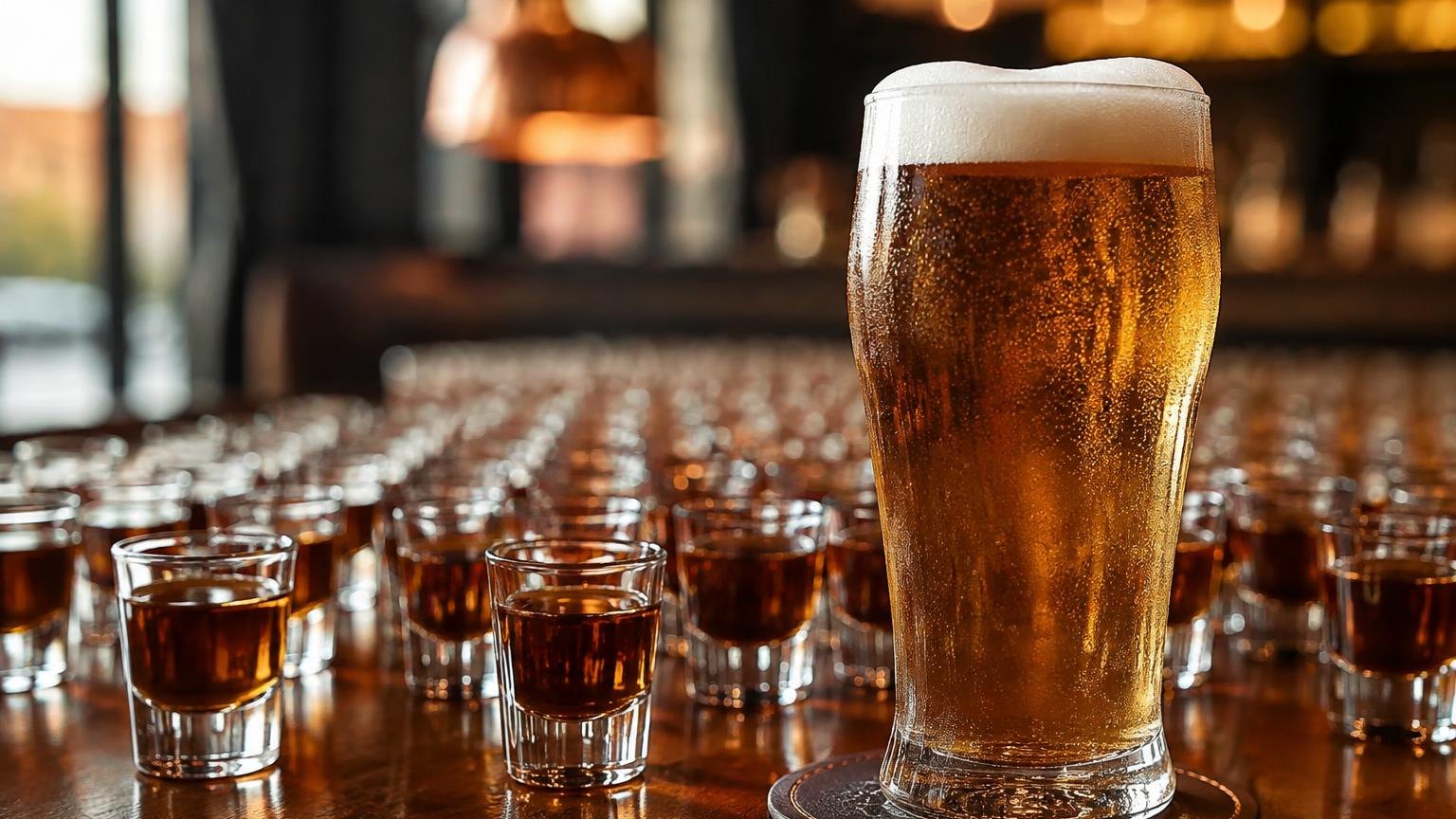
If the shot is a standard 1.5-ounce pour at 40% ABV, 100 shots equals about 100 regular beers at 12 ounces and 5% ABV. That is because each contains nearly the same amount of pure alcohol: about 0.6 fluid ounces.
In the U.S., a standard drink contains 0.6 fluid ounces of pure alcohol. A 1.5-ounce shot of 80-proof liquor reaches that mark, and so does a 12-ounce beer at 5% ABV.
| Drink | Serving size | ABV | Pure alcohol | Standard drinks |
| Shot of liquor | 1.5 oz | 40% | 0.6 oz | 1 |
| Regular beer | 12 oz | 5% | 0.6 oz | 1 |
| 100 shots total | 150 oz liquor | 40% | 60 oz | 100 |
| Equivalent regular beers | 1,200 oz beer | 5% | 60 oz | 100 |
The math is direct. Multiply 100 shots by 0.6 fluid ounces of alcohol per shot, and you get 60 fluid ounces of pure alcohol. Divide that by 0.6 fluid ounces in one regular beer, and the result is 100 beers.
Beer strength changes the comparison fast. If the beer is lighter than 5% ABV, it takes more beers to match 100 shots. If the beer is stronger, it takes fewer.
| Beer type | Serving size | ABV | Pure alcohol per beer | Beers equal to 100 shots |
| Light beer | 12 oz | 4.2% | 0.504 oz | 119 |
| Regular beer | 12 oz | 5% | 0.6 oz | 100 |
| Strong craft beer | 12 oz | 7% | 0.84 oz | 71 |
| Double IPA | 12 oz | 9% | 1.08 oz | 56 |
Serving size matters too. A 16-ounce pint at 5% ABV contains 0.8 fluid ounces of alcohol, or about 1.33 standard drinks. That means 100 shots equals about 75 pints of 5% beer.
- 100 standard shots of 80-proof liquor equal 100 standard drinks.
- 100 regular 12-ounce beers at 5% ABV also equal 100 standard drinks.
- The exact beer count changes with ABV and pour size, not with the drink category alone.
This is an alcohol-equivalence calculation, not an impairment guide. Consuming anywhere near this amount is medically dangerous and can be fatal.
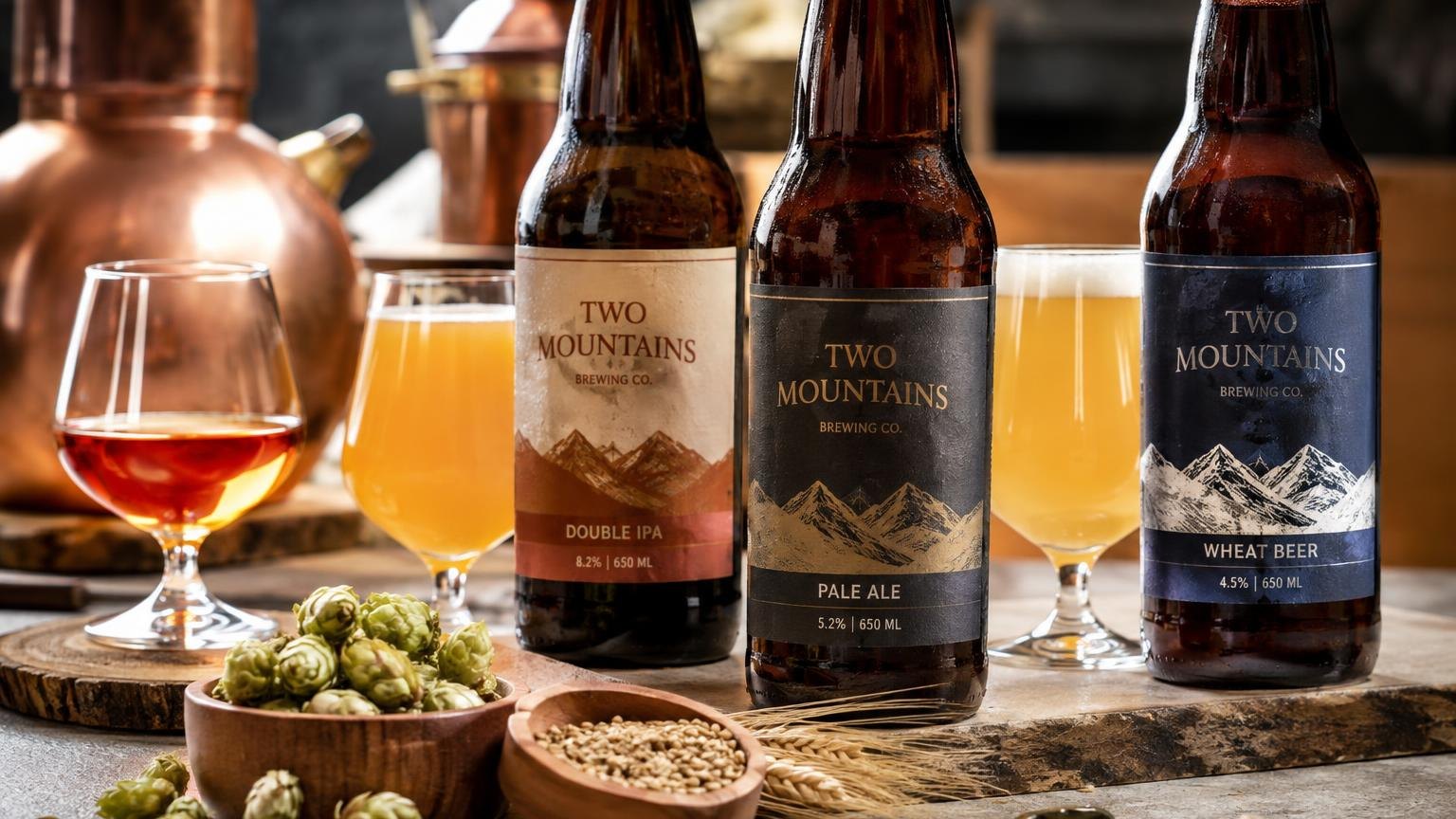
Why Shot Size Changes the Math
The answer depends on what a “shot” means where and how it is poured. In the U.S., alcohol equivalency is based on pure ethanol, not the glass itself, so changing shot volume changes the beer math immediately.
A U.S. standard drink contains about 0.6 fluid ounces of pure alcohol. A 12-ounce beer at 5% ABV contains about the same 0.6 fluid ounces, which is why it is commonly treated as one standard drink.
Spirits usually enter the comparison at 40% ABV, or 80 proof. Multiply the shot size by 0.40 to find pure alcohol per shot, then compare that number with 0.6 fluid ounces in a standard beer.
| Shot size | Pure alcohol at 40% ABV | Standard drinks per shot | Equivalent 5% beers per shot |
| 1.0 oz | 0.40 oz | 0.67 | 0.67 beer |
| 1.25 oz | 0.50 oz | 0.83 | 0.83 beer |
| 1.5 oz | 0.60 oz | 1.00 | 1.00 beer |
| 2.0 oz | 0.80 oz | 1.33 | 1.33 beers |
That is why “100 shots” can mean very different totals. One hundred 1-ounce shots of 80-proof liquor contain about 40 fluid ounces of pure alcohol, while one hundred 2-ounce shots contain about 80 fluid ounces.
| 100 shots poured as | Total pure alcohol | Equivalent 12 oz beers at 5% ABV |
| 1.0 oz shots | 40 oz | 66.7 beers |
| 1.25 oz shots | 50 oz | 83.3 beers |
| 1.5 oz shots | 60 oz | 100 beers |
| 2.0 oz shots | 80 oz | 133.3 beers |
The 1.5-ounce pour is the key U.S. reference because it matches one standard drink at 40% ABV. If a bar free-pours heavier, the total can rise fast without the drinker noticing a larger glass.
Regional practice also changes the result. In some places, a “shot” may mean 1 ounce, 1.25 ounces, or a 2-ounce pour, and some spirits are bottled above 40% ABV, which pushes the equivalent beer count even higher.
- Shot volume changes total alcohol more than the word “shot” suggests.
- The same number of shots can equal roughly 67 to 133 beers, depending on pour size.
- For U.S. comparisons, 100 shots equals 100 beers only when each shot is 1.5 ounces at 40% ABV.
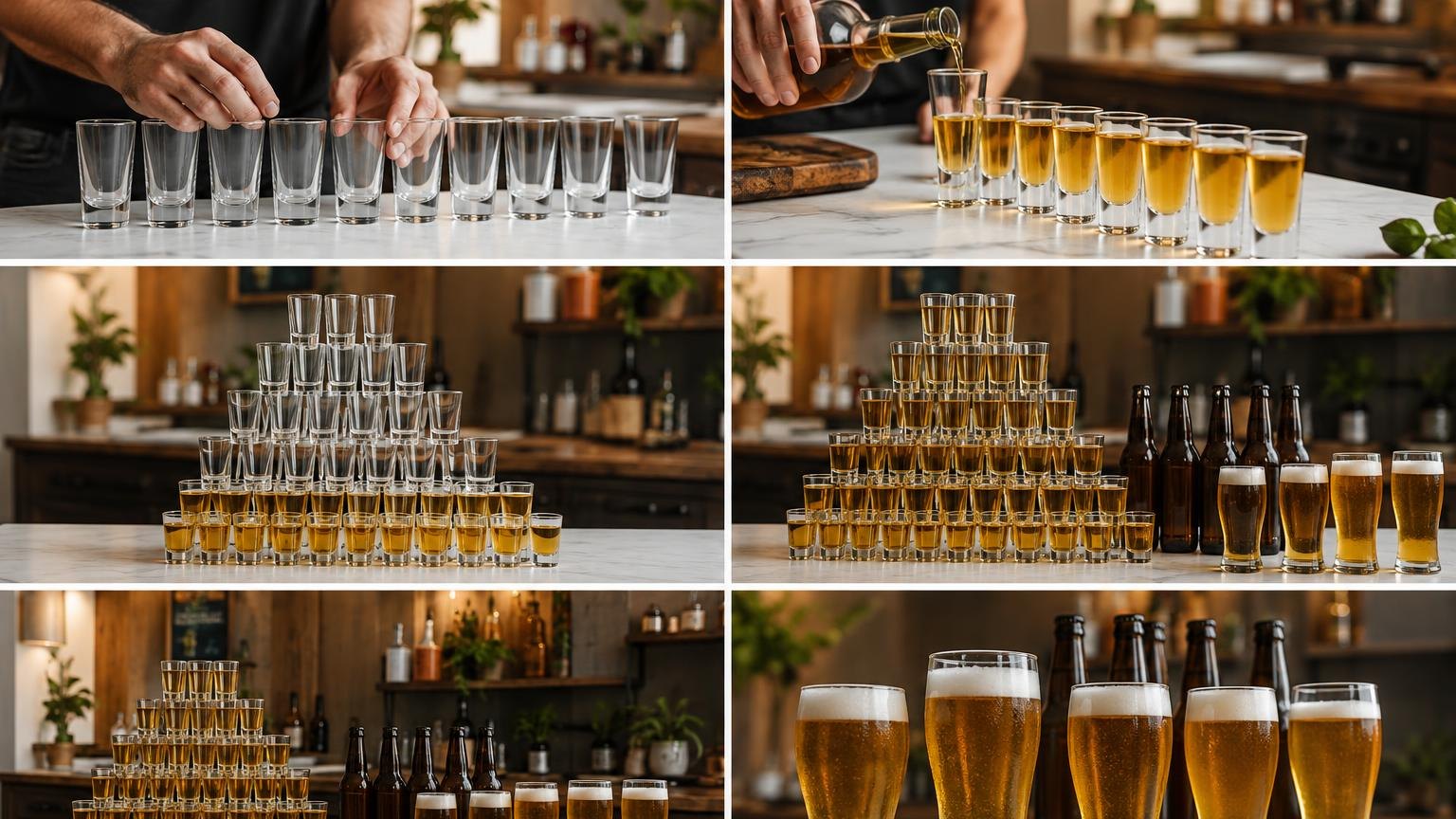
Beer ABV Makes a Big Difference
Beer strength changes the math fast. A “beer” is not a fixed amount of alcohol, because ABV can range from about 4% in a light lager to 10% or more in a strong ale or imperial style.
In the U.S., one standard drink contains 0.6 fluid ounces of pure alcohol. A 12-ounce beer at 5% ABV is about one standard drink, but stronger beer can count as 1.5, 2, or even more standard drinks per can or bottle.
That matters when comparing beer to 100 shots. If one shot is 1.5 ounces of 40% liquor, each shot contains 0.6 ounces of pure alcohol, so 100 shots equals 60 fluid ounces of pure alcohol.
| Drink | Serving size | ABV | Pure alcohol | Standard drinks |
| Shot of vodka/whiskey | 1.5 oz | 40% | 0.6 oz | 1.0 |
| Regular beer | 12 oz | 5% | 0.6 oz | 1.0 |
| Light beer | 12 oz | 4.2% | 0.504 oz | 0.84 |
| IPA | 12 oz | 6.5% | 0.78 oz | 1.3 |
| Double IPA | 12 oz | 8% | 0.96 oz | 1.6 |
| Strong ale | 12 oz | 10% | 1.2 oz | 2.0 |
Using those numbers, 100 shots equals about 100 regular 5% beers. It equals more beers if the beer is weaker, and fewer beers if the beer is stronger.
| Beer type | ABV | Pure alcohol per 12 oz | Beers equal to 100 shots |
| Light beer | 4.2% | 0.504 oz | 119.0 |
| Regular lager/ale | 5% | 0.6 oz | 100.0 |
| IPA | 6.5% | 0.78 oz | 76.9 |
| Double IPA | 8% | 0.96 oz | 62.5 |
| Strong ale | 10% | 1.2 oz | 50.0 |
Serving size also changes the total. A 16-ounce pint at 5% ABV contains 0.8 ounces of pure alcohol, or about 1.33 standard drinks, not one.
- A 12-ounce 5% beer is roughly equal to one 1.5-ounce 40% shot.
- A stronger craft beer can equal 1.5 to 2 standard drinks by itself.
- Tall cans, pints, and high-ABV releases can push totals up quickly.
The practical takeaway is simple: you cannot convert 100 shots into “beers” without knowing both the beer’s ABV and the pour size. Those two numbers determine the alcohol, not the label alone.
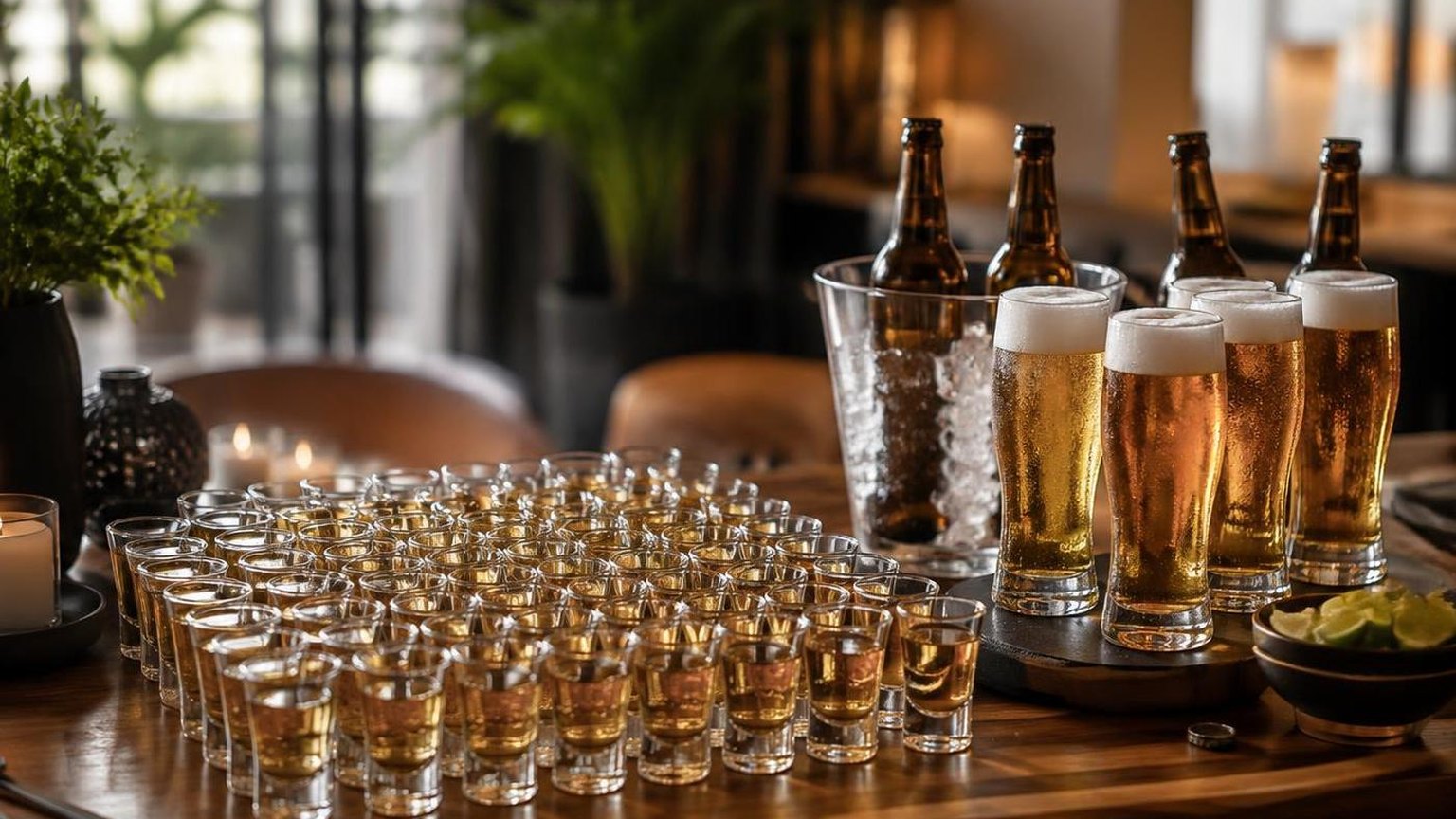
A 100 Shot Comparison Table
One 1.5-ounce shot of 80-proof liquor contains about 0.6 fluid ounces of pure alcohol. That is the same standard drink amount used for a 12-ounce beer at 5% ABV, so 100 shots equals 100 standard drinks before any beer-strength adjustment.
The beer total changes fast when ABV changes. Stronger beer means fewer cans or pints to match the alcohol in 100 shots, while lighter beer means more.
| Beverage | Serving size | ABV | Pure alcohol per serving | Servings equal to 100 shots |
| Shot of liquor | 1.5 oz | 40% | 0.60 oz | 100 shots |
| Regular beer | 12 oz | 5% | 0.60 oz | 100 beers |
| Light beer | 12 oz | 4.2% | 0.50 oz | 120 beers |
| Session beer | 12 oz | 4% | 0.48 oz | 125 beers |
| Craft IPA | 12 oz | 6.5% | 0.78 oz | 77 beers |
| Double IPA | 12 oz | 8% | 0.96 oz | 63 beers |
| Imperial stout | 12 oz | 10% | 1.20 oz | 50 beers |
| 16 oz pint, 5% beer | 16 oz | 5% | 0.80 oz | 75 pints |
The math is direct: pure alcohol equals serving size multiplied by ABV. A 12-ounce beer at 5% ABV contains 12 × 0.05 = 0.60 ounces of ethanol, which matches one standard 80-proof shot.
That makes the common shortcut accurate only for regular-strength beer. If the beer is 4% ABV, each can holds 0.48 ounces of alcohol, so 100 shots matches about 125 beers, not 100.
The reverse happens with stronger beer. A 12-ounce 8% double IPA holds 0.96 ounces of alcohol, so it takes only about 63 beers to equal the alcohol in 100 shots.
- 100 shots of 80-proof liquor equals about 150 fluid ounces of liquor, or 1.17 gallons.
- Total pure alcohol is about 60 fluid ounces, or 1.77 liters of ethanol.
- At 5% ABV, that same alcohol load equals 1,200 fluid ounces of beer, or 100 standard 12-ounce beers.
- At 16 ounces per pint and 5% ABV, the equivalent is 75 full pints.
For practical comparison, “100 shots = 100 beers” is correct only when the beer is 12 ounces and 5% ABV. Change the size or strength, and the count changes with it.
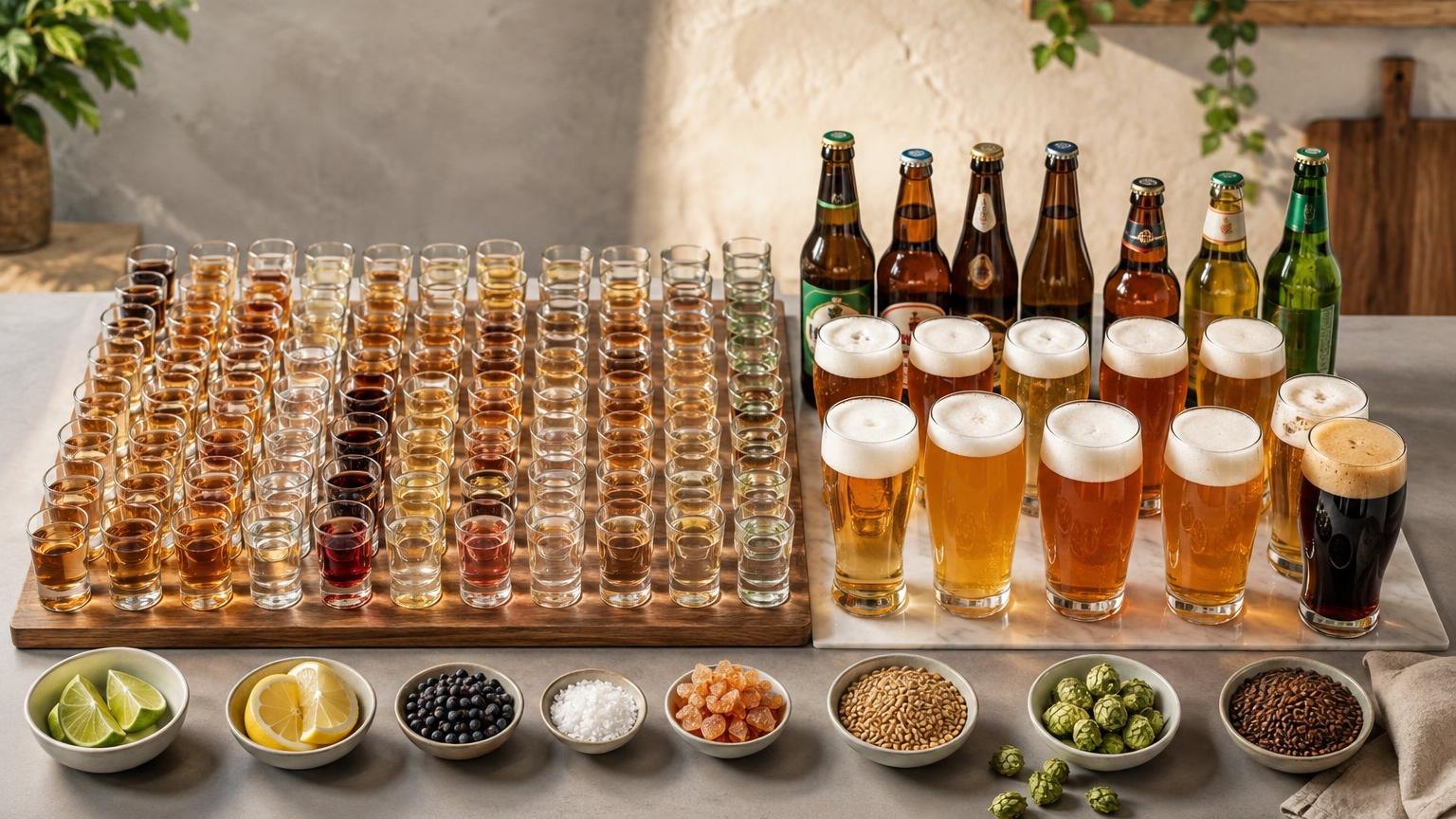
Why 100 Shots Is Dangerous
One hundred shots is not a party stunt. It is a life-threatening dose of alcohol that can cause vomiting, seizures, respiratory depression, coma, and death before a person ever “passes out and sleeps it off.”.
In the U.S., a standard shot is usually 1.5 ounces. At 40% alcohol by volume, 100 shots delivers an extreme amount of pure ethanol in a short window.
| Measure | 100 shots at 1.5 oz, 40% ABV |
| Total liquid consumed | 150 fluid ounces |
| Total volume | 4.44 liters |
| Pure alcohol | 60 fluid ounces |
| Pure alcohol by volume | 1.77 liters |
| Pure ethanol by weight | About 1,395 grams |
| U.S. standard drinks | About 100 |
That matters because one standard drink in the U.S. contains about 14 grams of pure alcohol.
The body can only clear alcohol slowly, roughly one standard drink per hour on average, with wide variation by sex, body size, food intake, medications, and liver function.
Blood alcohol concentration becomes dangerous long before 100 drinks.
The National Institute on Alcohol Abuse and Alcoholism notes that a BAC of 0.30% can cause loss of consciousness, and 0.40% or higher can be fatal because breathing and heart rate may shut down.
| BAC range | Typical danger |
| 0.08% | Impaired judgment, slowed reaction time, illegal to drive in all 50 states |
| 0.20% | Severe motor impairment, blackouts, vomiting likely |
| 0.30% | Stupor, possible loss of consciousness |
| 0.40%+ | High risk of coma, respiratory arrest, death |
Alcohol poisoning kills through mechanism, not image. A heavily intoxicated person can choke on vomit, stop breathing normally, become hypothermic, or suffer dangerously low blood sugar, especially after prolonged drinking without food.
The volume alone adds risk. Drinking 4.44 liters of spirits stresses the stomach and can trigger relentless vomiting, aspiration, and severe dehydration while alcohol is still being absorbed from the gut.
- Danger signs include slow or irregular breathing, inability to wake up, blue or pale skin, repeated vomiting, seizures, and confusion.
- If these signs appear, call 911 immediately. Keep the person on their side and do not leave them alone.
- Coffee, cold showers, and “walking it off” do not reverse alcohol poisoning.
Put plainly, 100 shots is not comparable to getting drunk on beer. It is a toxic exposure measured in potentially fatal doses.
Safer Ways to Estimate Intake
The safest estimate starts with standard drinks, not “shots” or “beers.” In the United States, one standard drink contains about 14 grams of pure alcohol, which is roughly 0.6 fluid ounces of ethanol.
That matters because serving sizes and alcohol by volume vary fast. A “shot” can mean 1 ounce, 1.25 ounces, 1.5 ounces, or a heavy pour, while beer ranges from light lager to double IPA.
Use the label, serving size, and ABV together. Multiply ounces by ABV to estimate pure alcohol, then compare that number to 0.6 fluid ounces for a standard drink.
| Drink | Typical serving | ABV | Pure alcohol | Approx. standard drinks |
| Shot of 80-proof liquor | 1.5 fl oz | 40% | 0.6 fl oz | 1.0 |
| Regular beer | 12 fl oz | 5% | 0.6 fl oz | 1.0 |
| Strong beer | 16 fl oz | 8% | 1.28 fl oz | 2.1 |
| Wine | 5 fl oz | 12% | 0.6 fl oz | 1.0 |
With that baseline, 100 standard 1.5-ounce shots of 80-proof liquor equal about 100 standard drinks. At 5% ABV, that is about 100 twelve-ounce beers, because each contains roughly the same 0.6 fluid ounces of pure alcohol.
That shortcut fails when the beer is stronger or larger than 12 ounces. A 16-ounce beer at 8% ABV contains about 2.1 standard drinks, so 100 standard shots equal only about 47 such beers.
| Comparison target | Alcohol per serving | Servings equal to 100 standard shots |
| 12 oz beer at 4.2% ABV | 0.504 fl oz | 119 |
| 12 oz beer at 5% ABV | 0.6 fl oz | 100 |
| 16 oz beer at 7% ABV | 1.12 fl oz | 54 |
| 16 oz beer at 8% ABV | 1.28 fl oz | 47 |
If you are estimating intake for safety, count standard drinks per hour and total drinks, not containers. Food, body size, medicines, and fatigue affect impairment, but none “cancel out” the alcohol consumed.
- Check the can, bottle, or menu for ABV.
- Use actual pour size, not the glass’s full capacity.
- Convert each drink to standard drinks before adding totals.
- Assume mixed pours at bars may exceed 1.5 ounces unless measured.
- When driving is possible, use the most conservative estimate and stop earlier.
If someone has consumed a very high amount, estimation is no longer the main issue. Signs like vomiting, confusion, slow breathing, blue skin, or inability to wake up require emergency help immediately.
Common Questions
How many beers equal 100 shots of liquor?
Using the U.S. standard drink definition, 1.5 ounces of 80-proof liquor equals 1 standard drink and 12 ounces of 5% beer also equals 1 standard drink.
On that basis, 100 shots is about 100 regular 12-ounce beers if the shots are standard pours and the beer is around 5% ABV.
What if the shots are not 80-proof?
The beer equivalent changes with alcohol strength. A 1.5-ounce shot of 100-proof liquor contains about 0.89 fluid ounces of pure alcohol, versus 0.6 fluid ounces in a standard drink, so 100 shots at 100 proof is closer to 148 beers at 5% ABV.
How much pure alcohol is in 100 shots?
One standard 1.5-ounce shot of 80-proof liquor contains 0.6 fluid ounces of pure ethanol. Multiply that by 100 and you get 60 fluid ounces of pure alcohol, which is about 1.77 liters of ethanol.
How many light beers would equal 100 shots?
Light beer often ranges from about 4.0% to 4.2% ABV, so a 12-ounce can contains less alcohol than a 5% beer. At 4.2% ABV, each beer has about 0.504 fluid ounces of alcohol, so 100 standard shots equals about 119 light beers.
How many strong beers would equal 100 shots?
A 12-ounce beer at 8% ABV contains about 0.96 fluid ounces of pure alcohol. Divide the 60 fluid ounces from 100 standard shots by 0.96, and the total is about 62.5 strong beers.
Is 100 shots in one night survivable?
That amount is medically dangerous and can be fatal, especially if consumed in hours rather than days.
One hundred standard shots equals 100 standard drinks, far beyond levels associated with alcohol poisoning, respiratory depression, coma, and death.
How many cases of beer is 100 beers?
Most U.S. beer cases hold 24 cans or bottles. One hundred beers is 4 full cases plus 4 extra beers, or about 8.3 twelve-packs.
Why do online beer-to-shot comparisons give different numbers?
The numbers change because pour size, proof, and beer ABV are not always the same. A 1-ounce shot, a 2-ounce bar pour, a 4% lager, and a 9% double IPA all produce different alcohol totals even when people casually call each one “a drink.”.
Related Reading
- How To Make A Vanilla Protein Shake? Simple Instructions
- 9 Must-Know Facts About How Many Ounces Is 100 Ml for Everyday Accuracy
- How Many 8 Oz Water Bottles Are In A Gallon?
- What Does Triple Distilled Mean? Get Answer Now
- How To Start A Wine Business? – 2026
- How Many Ml Is 6 Oz?
- How Long Are Jello Shots Good For? The Complete Shelf-Life Guide You Can Trust
- What Is Agave Used For?
- How Many Litres Is 30 Gallons?
- All Blog Guides
- National Institute on Alcohol Abuse and Alcoholism – What Is A Standard Drink? (n.d.)
- Centers for Disease Control and Prevention – Drinking Too Much Alcohol Can Harm Your Health (2024)
- U.S. Department of Agriculture and U.S. Department of Health and Human Services – Dietary Guidelines for Americans, 2020-2025 (2020)
- National Institute on Alcohol Abuse and Alcoholism – Rethinking Drinking: Alcohol and Your Health (n.d.)
- MedlinePlus – Blood Alcohol Test (2024)
- Harvard T.H. Chan School of Public Health – Alcohol: Balancing Risks and Benefits (2024)
- University of Notre Dame – Alcohol and the Body (n.d.)
- National Center for Biotechnology Information – Alcohol Research: Current Reviews, “The Basics: Defining How Much Alcohol Is Too Much” (2018)