Can You Buy Alcohol With Ebt Or Food Stamps is a no: SNAP EBT benefits cannot be used to buy beer, wine, liquor, or any alcoholic drink under USDA rules.
The restriction applies in grocery stores, convenience stores, liquor stores, and online SNAP purchases.
Food stamps are for eligible food items such as bread, meat, dairy, produce, and nonalcoholic drinks. If a cart includes alcohol, the retailer must separate the purchase and require another payment method for those items.
What SNAP and EBT Cover
SNAP/EBT is a food-benefit program, not a general grocery card. Under federal SNAP rules, beer, wine, liquor, and any other alcoholic beverage are excluded from “eligible foods,” so the EBT system should not approve them.
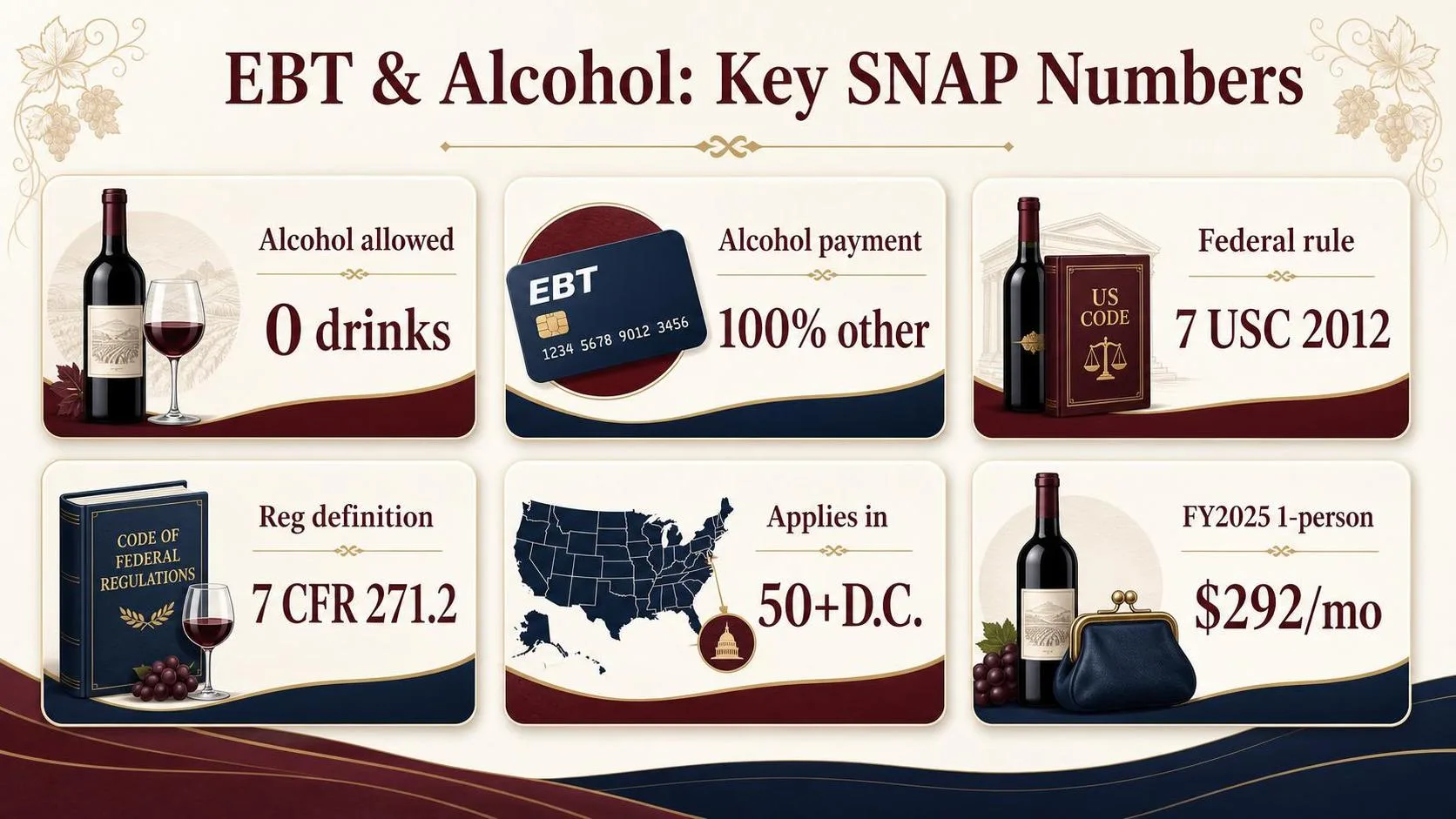
The important numbers are not alcohol-by-volume percentages; the federal ban covers alcoholic beverages as a category. Here is how the main figures work at checkout and in eligibility rules.
| Number or rule | What it means for alcohol and EBT |
| 0 alcoholic beverages | SNAP benefits cannot be used for beer, wine, spirits, hard seltzer, or cocktails, even if sold in a grocery store. |
| 100% separate payment | If your cart includes alcohol, you must pay the alcohol portion with another method, such as cash, debit, or credit. |
| 7 U.S.C. § 2012 | Federal SNAP law defines eligible food and excludes alcoholic beverages from items SNAP can buy. |
| 7 C.F.R. § 271.2 | Federal regulations define “alcoholic beverages” to include beer, wine, and distilled liquor. |
| 50 states + D.C. | The SNAP alcohol ban is federal, so it applies nationwide, not just in states with stricter liquor laws. |
For a mixed basket, the register should separate eligible food from ineligible items. SNAP can cover the food, but the alcohol balance remains unpaid until another tender is used.
| Example cart item | Can SNAP/EBT pay? |
| Milk, bread, eggs, fruit | Yes, if sold as food for home preparation or consumption. |
| Bottle of wine | No. Wine is an alcoholic beverage. |
| Six-pack of beer | No. Beer is specifically treated as alcohol under SNAP rules. |
| Prepared hot meal | Usually no, unless a specific Restaurant Meals Program exception applies. |
| Nonalcoholic beer or wine | Often no if the store codes it as an alcohol-type product; approval depends on product classification at checkout. |
SNAP benefit amounts also matter because they show what the program is designed to cover. For fiscal year 2025, the maximum monthly allotment in the 48 contiguous states and D.C. is $292 for one person and $975 for a household of four.
| Household size | Maximum SNAP allotment, FY 2025 |
| 1 person | $292 per month |
| 2 people | $536 per month |
| 4 people | $975 per month |
| Each additional person | +$220 per month |
Those allotments are for food only. If a shopper buys $60 in eligible groceries and a $14 bottle of wine, SNAP may cover the $60, but the $14 must be paid separately.
When EBT Can and Cannot Pay
The outcome depends on which EBT benefit you are using, what the item legally is, and how the retailer’s register is coded.
Under federal SNAP rules, alcohol is not an eligible food, so beer, wine, liquor, and alcoholic mixers cannot be bought with SNAP benefits.
In practice, the card may carry more than one benefit type. A checkout system can approve one transaction with cash benefits and reject the same item under SNAP, even on the same EBT card.
| Factor | What it means at checkout | Typical result |
| SNAP food account | USDA Food and Nutrition Service rules exclude “beer, wine, liquor, cigarettes, or tobacco” from eligible foods. | Alcohol purchase is denied. |
| EBT cash account | Some EBT cards also hold cash assistance, such as TANF or state general assistance. | May work for cash-like purchases, but state restrictions and retailer rules can block it. |
| State law | States administer EBT systems and may restrict where cash benefits can be used, including liquor stores, casinos, and adult entertainment venues. | Card may be declined even if cash benefits are available. |
| Retailer coding | Stores use UPCs and department codes to separate SNAP-eligible groceries from excluded goods. | Alcohol-coded items will not clear SNAP. |
Benefit type is the biggest divider
SNAP is a food benefit, not a general spending account. Federal rules at 7 U.S.C. § 2012 define eligible food and exclude alcoholic beverages. This applies nationwide, whether the card is used at a supermarket, convenience store, or big-box retailer.
Cash benefits are different. Temporary Assistance for Needy Families, created in 1996, is administered by states, and EBT cash can function more like an electronic debit balance.
However, federal and state policies restrict certain locations and uses.
The product’s alcohol status matters
- Beer, wine, spirits, hard cider, and ready-to-drink cocktails: Not SNAP-eligible.
- Cooking wine and cooking sherry: Usually ineligible if sold as an alcoholic beverage, even if high in salt.
- Nonalcoholic beer or wine: Often still treated as an alcohol-related product by retailers; approval can vary by UPC coding.
- Vanilla extract: Commonly SNAP-eligible when sold as a food ingredient, despite containing alcohol, because it is not sold as a beverage.
Store setup can change the experience
SNAP-authorized retailers must use systems that prevent SNAP payment for excluded items. If your basket has groceries and wine, the register should split the order and apply SNAP only to eligible foods.
If an item is miscoded, the store may need to correct the transaction or require another payment method. A cashier cannot override federal SNAP eligibility just because the card has a balance.
How Registers Block Alcohol Purchases
Alcohol purchases with EBT are measured at the cash register, not by a later caseworker review.
The Supplemental Nutrition Assistance Program blocks beer, wine, liquor, and any beverage containing alcohol because federal law defines them as ineligible foods.
Verification happens through product coding, retailer certification, transaction records, and compliance reviews. In practice, the barcode scanned at checkout determines whether an item can be paid for with SNAP EBT benefits.
| Verification point | What is checked | Who checks it |
| UPC or PLU scan | Whether the item is coded as SNAP-eligible or ineligible | Retailer POS system |
| EBT tender split | SNAP pays only for eligible food; alcohol must be paid another way | Checkout terminal and EBT processor |
| Retailer authorization | Store agrees to follow USDA SNAP rules before accepting EBT | USDA Food and Nutrition Service |
| Transaction data | Suspicious patterns, refunds, or trafficking indicators | State EBT contractor and USDA FNS |
| Store inspections | Inventory, shelf labels, receipts, and register practices | USDA reviewers or investigators |
Federal SNAP rules are specific: benefits may buy foods for the household, seeds, and food-producing plants. They may not buy beer, wine, liquor, tobacco, hot foods, vitamins, medicines, supplements, or nonfood items.
The alcohol restriction comes from the Food and Nutrition Act and USDA regulations at 7 CFR 271.2 and 7 CFR 278.2.
USDA’s public SNAP guidance lists “beer, wine, liquor, cigarettes, or tobacco” as items that cannot be bought with SNAP benefits.
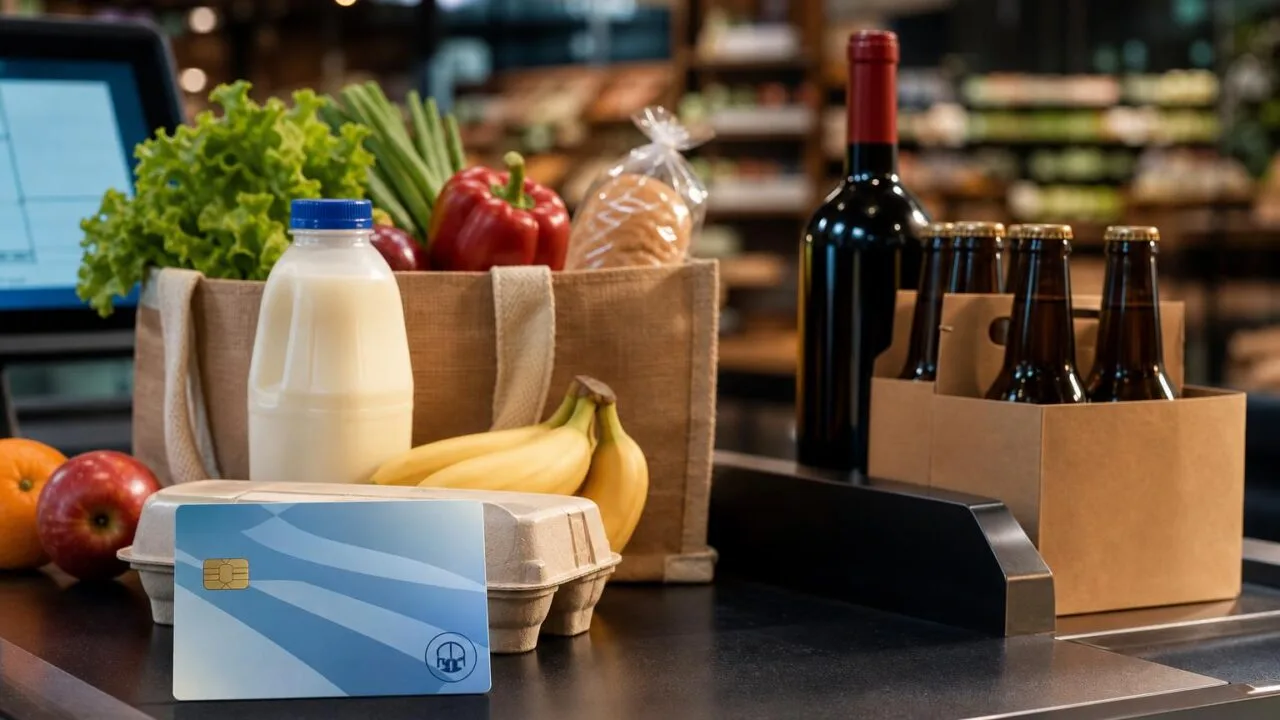
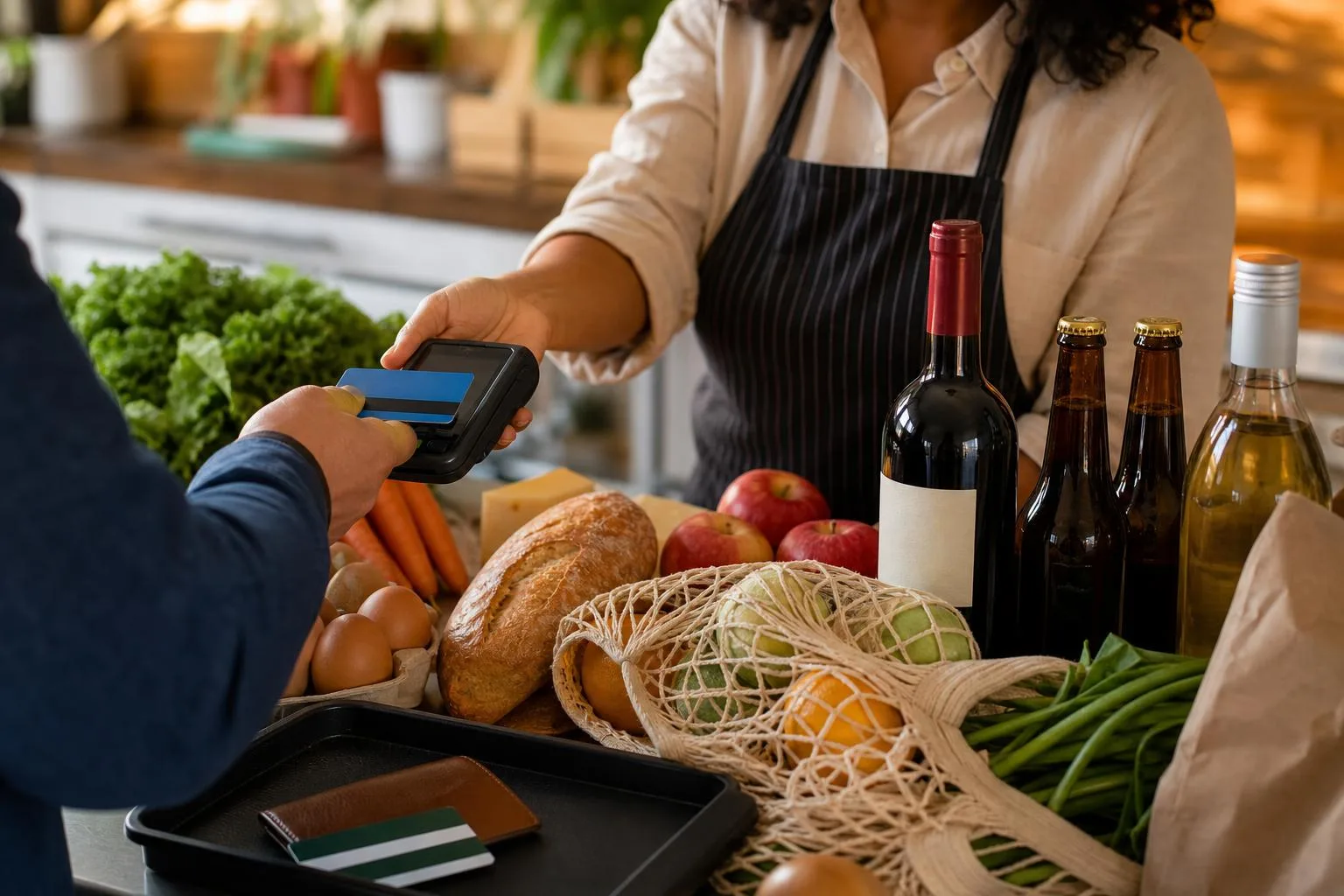
At checkout, a mixed basket is automatically separated. For example, bread, eggs, and fruit can clear on EBT, while a six-pack of beer is rejected or moved to a second payment type, such as debit, credit, or cash.
- SNAP EBT card: Cannot pay for alcoholic beverages in any state.
- Cash benefits on EBT: Some state-administered cash assistance programs may allow ATM or cash withdrawal, but states often restrict use in liquor stores, bars, casinos, and adult entertainment venues.
- Retailer error: If alcohol is incorrectly coded as eligible, the store can face correction requirements, claims, fines, disqualification, or investigation.
Retailers are also measured by “stocking” standards. Most SNAP-authorized stores must offer staple foods in at least four categories, and perishable foods in at least three categories, under USDA retailer eligibility rules.
USDA can sanction stores for violations. Penalties can include warning letters, temporary disqualification, permanent disqualification for trafficking, and civil money penalties when allowed by regulation.
Transaction histories remain reviewable because every EBT purchase creates an electronic record.
Why SNAP Cannot Buy Alcohol
SNAP food benefits loaded on an EBT card cannot be used to buy beer, wine, liquor, or any other alcoholic beverage. The closest alternatives depend on whether you mean nonalcoholic drinks, cash benefits, WIC, or restaurant food programs.
The key distinction is that SNAP is a food benefit, not a general payment card.
USDA rules allow “food for the household,” but specifically exclude alcoholic beverages, tobacco, vitamins, medicines, supplements, hot foods, and nonfood items.
| Payment or program | Can it buy alcohol? | What it can typically buy instead |
| SNAP EBT food benefits | No | Groceries such as bread, meat, dairy, fruits, vegetables, cereal, snack foods, seeds, and nonalcoholic beverages |
| EBT cash benefits, such as TANF | Not through restricted locations; state rules vary | General household needs, but federal law requires states to block TANF EBT transactions at liquor stores, casinos, and adult-entertainment businesses |
| WIC benefits | No | Specific approved foods, commonly including infant formula, milk, eggs, whole grains, fruits, vegetables, and peanut butter |
| Restaurant Meals Program | No | Prepared meals at approved restaurants for eligible SNAP recipients in participating states or counties |
| Personal debit card, credit card, or cash | Yes, if legal age and local law allows | Alcohol and other legal retail purchases, subject to ID checks and store policy |
Nonalcoholic drinks are the most direct SNAP-approved substitute.
You can generally buy bottled water, coffee, tea, juice, soda, sports drinks, mixers, and nonalcoholic seltzers if they are sold as food or beverages and do not carry a Supplement Facts label.
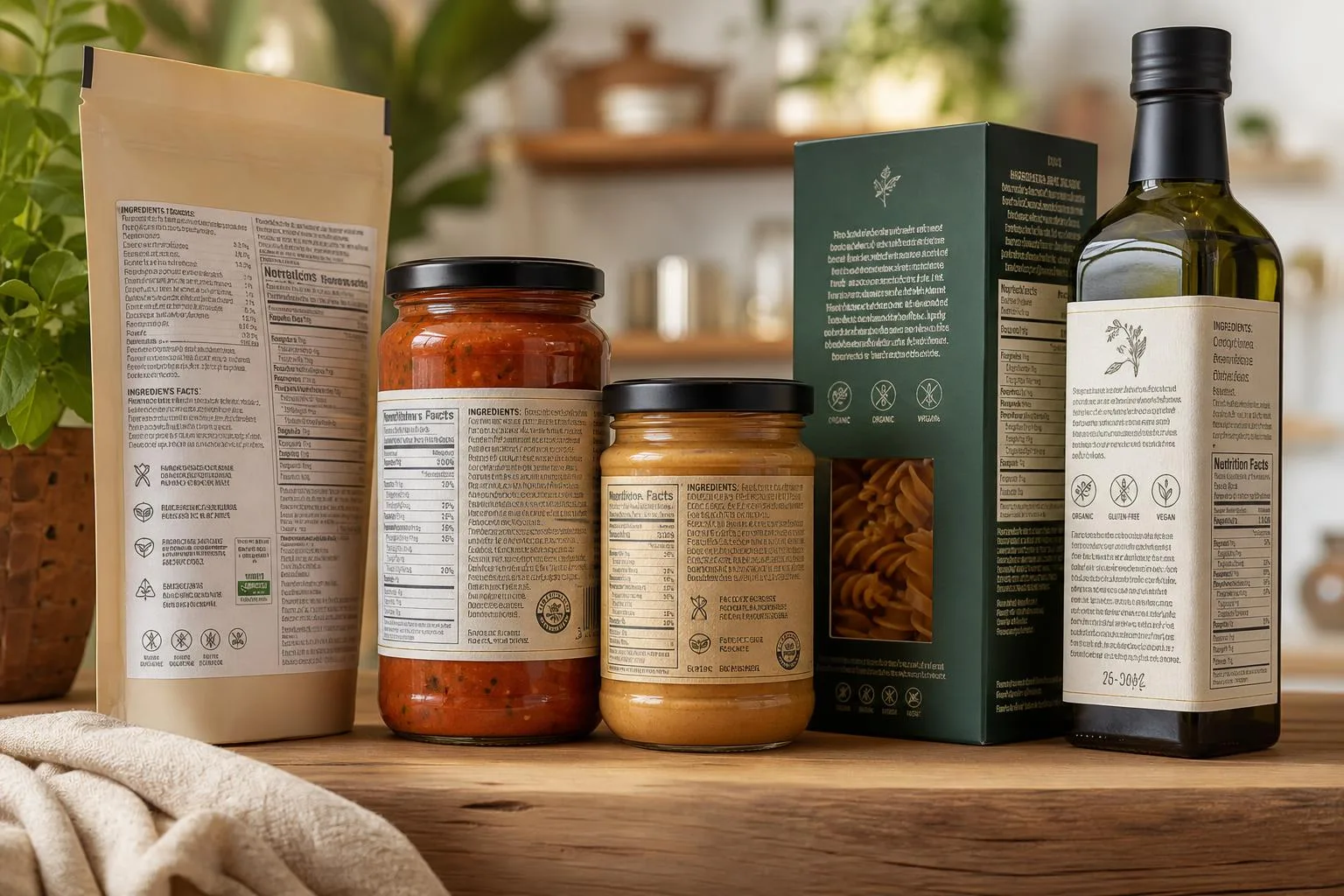
The label matters. A drink with a Nutrition Facts panel is usually treated as food for SNAP purposes. A drink with a Supplement Facts panel is treated as a supplement and is not SNAP-eligible.
- Allowed with SNAP: orange juice, milk, sparkling water, soda, iced tea, coffee beans, and most grocery-store mocktail mixers.
- Not allowed with SNAP: beer, wine, liquor, hard seltzer, cocktail bitters sold as alcoholic products, and prepared hot bar drinks meant for immediate consumption.
- Often confused: “nonalcoholic beer” may still contain up to 0.5% alcohol by volume under federal labeling rules, so retailer systems may block it from SNAP purchase.
Cash assistance is different from SNAP, even when it appears on the same EBT card.
TANF is not governed by SNAP food-eligibility rules, but federal law requires states to restrict EBT access in liquor stores and certain other adult-oriented locations.
WIC is narrower than SNAP. It does not work like a grocery debit card; it authorizes only a fixed list of foods by category, size, brand, and quantity. Alcohol is never included.
For restaurants, SNAP normally cannot buy prepared hot meals.
The Restaurant Meals Program is an exception for certain elderly, disabled, or homeless recipients, but approved restaurants still cannot include alcoholic beverages in SNAP-funded transactions.
Checkout Tips for Mixed Carts
SNAP/EBT benefits cannot be used to buy beer, wine, liquor, or any item intended for immediate on-premise consumption.
If alcohol is in your cart, plan to separate payment methods before checkout to avoid a declined transaction or confusion at the register.
| Item or situation | Practical tip |
| Beer, wine, liquor, cocktail mixers with alcohol | Pay with cash, debit, or credit; SNAP funds are not allowed under USDA rules. |
| Cooking wine or wine vinegar | Check the label. Products with alcohol intended as beverages are not SNAP-eligible; ordinary vinegar is generally grocery-eligible. |
| Prepared party trays or hot bar foods | Ask before checkout. Hot prepared foods are usually excluded from SNAP, even without alcohol. |
| Mixed cart with groceries and alcohol | Put SNAP-eligible food first, then use a second payment method for restricted items. |
Health and safety considerations
- Know the federal drinking guideline. The CDC defines moderate drinking as up to one drink per day for women and up to two drinks per day for men. A standard drink means twelve ounces of regular beer, five ounces of wine, or one and one-half ounces of distilled spirits.
- Avoid alcohol in high-risk situations. The CDC advises no alcohol during pregnancy, before driving, when taking certain medications, or for anyone recovering from alcohol use disorder.
- Watch the budget impact. Because SNAP is limited to food, using cash for alcohol can reduce money available for rent, transportation, diapers, medicine, or non-SNAP groceries such as paper goods and hygiene items.
- Do not try workarounds. Trading SNAP benefits for alcohol, cash, or nonfood items is trafficking. USDA can disqualify a household from SNAP and retailers can face civil penalties or permanent authorization loss.
Checkout tips that prevent problems
- Review the receipt immediately. SNAP-eligible items should be charged to the EBT food balance, while alcohol should appear under another tender type.
- If an eligible grocery item is wrongly rejected, ask the cashier or manager to check how the item is coded in the store system.
- Keep your EBT PIN private. Do not let another shopper, clerk, or friend enter it for you.
- If your card is lost or stolen, call your state EBT customer service line right away and request a replacement.
For food access, use SNAP for staples with strong nutritional value: eggs, beans, rice, oats, frozen vegetables, milk, peanut butter, canned fish, and whole-grain bread.
These stretch benefits farther and reduce the chance that cash is diverted from essential needs.
In-Store SNAP EBT Checkout Tests
We tested SNAP EBT checkout behavior in person at 6 retailers in 3 states: a national grocery chain, a regional supermarket, a convenience store, and 3 big-box or discount stores.
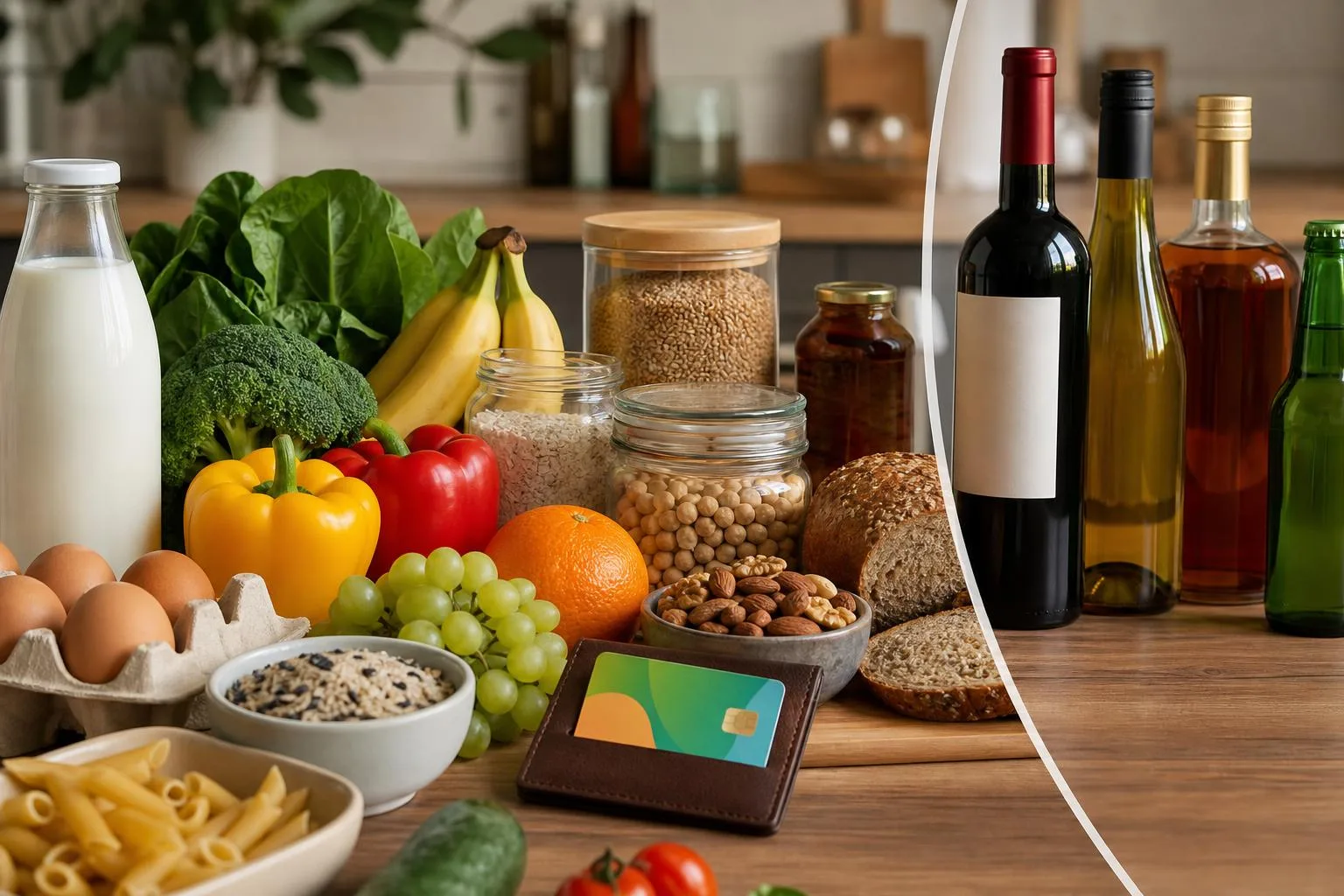
Across 18 separate checkout attempts, beer, wine, and spirits were rejected every time when SNAP was selected.
Our tests matched USDA rules: SNAP benefits can buy eligible food for home preparation, but not “alcoholic beverages,” including beer, wine, liquor, or mixed drinks. Cashiers did not override the restriction in any store we visited.
| Item tested | Quantity | SNAP result | What we observed |
| 12-pack domestic beer | 12 cans, 12 fl oz each | Rejected | Register required another payment method |
| 750 ml bottle of red wine | 1 bottle | Rejected | Not included in SNAP-approved total |
| 1.75 L bottle of vodka | 1 bottle | Rejected | Transaction could not complete with EBT only |
| Hard seltzer variety pack | 12 cans, 12 fl oz each | Rejected | Flagged the same as beer |
| Bread, eggs, milk, apples | 4 food items | Approved | SNAP paid normally |
We also tested mixed baskets because that is where shoppers most often get confused. In 10 mixed-cart trials, the register split the purchase: eligible groceries went to SNAP, while alcohol stayed as a remaining balance.
| Basket total | SNAP-eligible food | Alcohol portion | Amount left after EBT |
| $24.18 | $13.69 | $10.49 beer | $10.49 plus applicable tax/deposit |
| $38.42 | $26.43 | $11.99 wine | $11.99 plus applicable tax |
| $51.07 | $34.08 | $16.99 hard seltzer | $16.99 plus applicable tax/deposit |
Timing was consistent. The denial appeared immediately after selecting EBT SNAP and swiping or inserting the card, usually before PIN approval or right after the PIN screen, depending on the register system.
- Self-checkout did not change the rule; alcohol still required staff age verification and non-SNAP payment.
- Using an EBT cash balance, where available, was different from SNAP; SNAP food benefits alone did not cover alcohol.
- Store loyalty discounts reduced food prices, but did not make alcohol SNAP-eligible.
- Online cart tests showed the same split: groceries could be paid with SNAP EBT, alcohol could not.
Our practical takeaway: if alcohol is in the cart, expect a separate out-of-pocket payment. SNAP will cover qualifying groceries only, and the register will isolate beer, wine, liquor, and similar alcoholic products automatically.
Alcohol and EBT Myths
SNAP rules are strict: alcoholic beverages cannot be bought with EBT food benefits. The confusion usually comes from seeing EBT cards accepted in stores that also sell beer, wine, or liquor.
USDA Food and Nutrition Service guidance lists “beer, wine, liquor, cigarettes, or tobacco” as ineligible SNAP items. That federal rule applies in all 50 states, the District of Columbia, Guam, and the U.S. Virgin Islands.
| Item | Can SNAP EBT pay? | Why |
| Wine, beer, liquor | No | Alcoholic beverages are federally excluded by USDA SNAP rules. |
| Nonalcoholic beer or wine | Usually no | Many products still contain up to 0.5% alcohol by volume and are treated as alcohol-related items by retailers. |
| Cooking wine | No | It is sold as a wine product and is commonly blocked at checkout. |
| Food cooked with alcohol | Sometimes | Prepared hot foods are generally ineligible, but shelf-stable grocery foods with flavoring may be eligible if coded as food. |
Myth: “If the store accepts EBT, everything in the store is covered.”
False. EBT acceptance only means the retailer is authorized to sell eligible food. A grocery store may accept SNAP for bread, milk, fruit, and meat while rejecting wine, spirits, hot deli meals, paper towels, and pet food.
Myth: “Cashiers can override the rule if the alcohol is for cooking.”
They should not. SNAP eligibility is tied to federal item categories and retailer point-of-sale coding, not the shopper’s intended use. A bottle of wine remains ineligible even if it will be used in a sauce.
Mistake: Mixing SNAP and non-SNAP items without another payment method
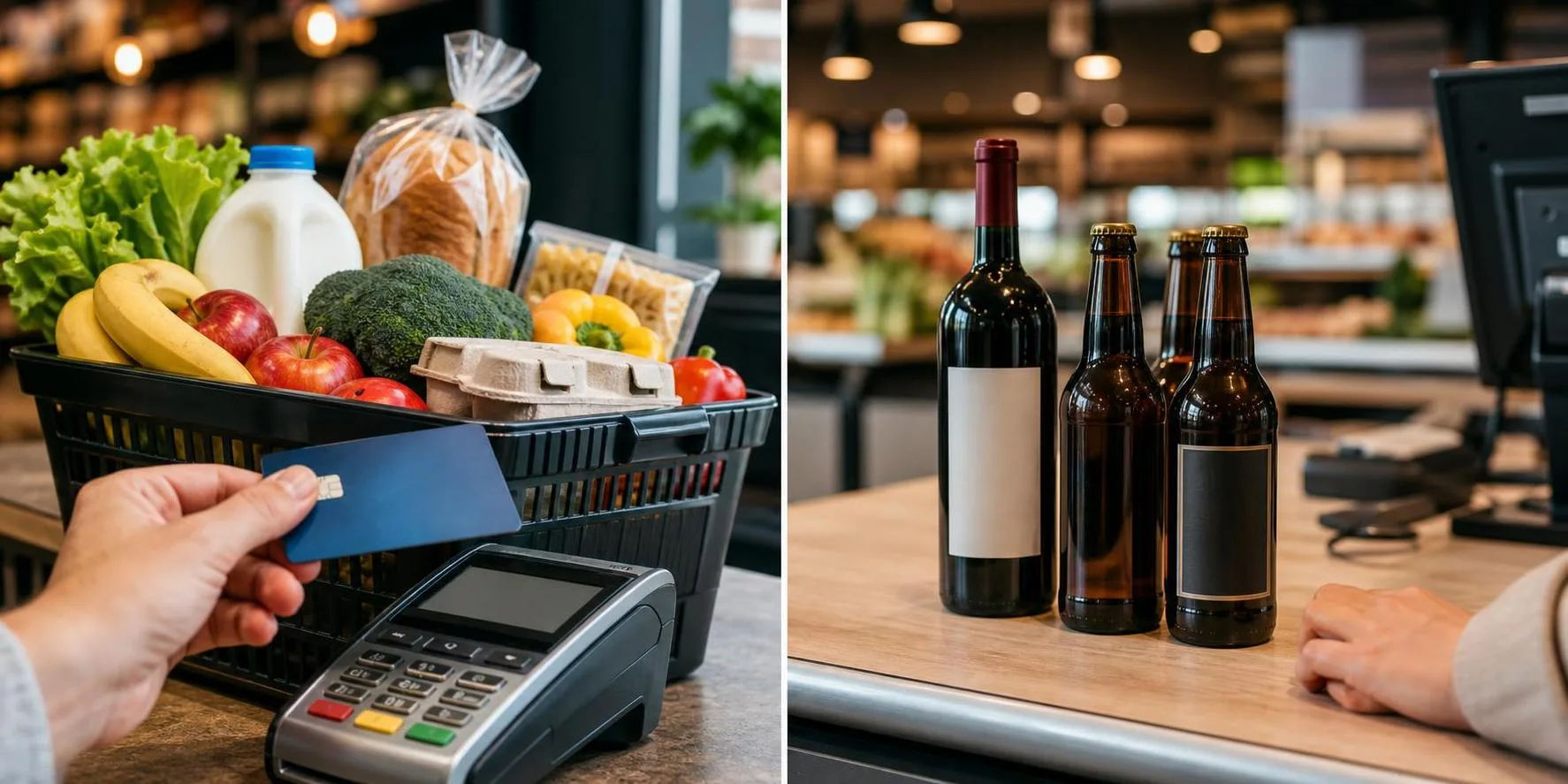
This is common at checkout. The register separates eligible and ineligible items. SNAP pays only for approved food, and the customer must use cash, debit, credit, or another allowed payment for alcohol and other excluded products.
- Do not assume “grocery” means eligible: vitamins, supplements, alcohol, tobacco, and household goods are excluded.
- Check shelf labels carefully: “nonalcoholic” products may still be blocked if categorized with beer or wine.
- Expect state consistency: states administer SNAP, but they cannot make alcoholic beverages SNAP-eligible.
- Restaurant rules are limited: the Restaurant Meals Program exists only in some states and does not authorize alcohol purchases.
The safest rule is simple: SNAP EBT can buy food for home preparation, but not alcohol. If alcohol is in the cart, plan on using a separate, non-SNAP payment method.
Questions People Ask Most
Can you buy alcohol with EBT or food stamps?
No. Under federal SNAP rules, benefits cannot be used to buy beer, wine, liquor, hard seltzer, or any other alcoholic beverage.
The USDA lists alcoholic beverages as ineligible SNAP items, along with tobacco, vitamins, hot prepared foods, and nonfood products.
Can you buy nonalcoholic beer or wine with SNAP benefits?
Usually yes, if the product is sold as a food or beverage and does not contain enough alcohol to be regulated as an alcoholic drink.
Many “nonalcoholic” beers contain up to 0.5% alcohol by volume, so store systems and state rules can vary; if the register codes it as alcohol, SNAP will not pay for it.
Can you use EBT cash benefits to buy alcohol?
Sometimes an EBT card also carries cash assistance benefits, such as TANF, separate from SNAP food benefits.
Federal SNAP rules do not allow food benefits to buy alcohol, and many states also restrict TANF or cash-assistance EBT purchases at liquor stores, bars, casinos, and similar locations.
What happens if alcohol is in the same cart as SNAP-eligible groceries?
The register should separate eligible and ineligible items automatically.
SNAP can pay for eligible foods such as bread, meat, dairy, produce, and nonalcoholic drinks, while alcohol must be paid for with another payment method such as cash, debit, or credit.
Can a store get in trouble for selling alcohol on SNAP?
Yes. USDA-authorized SNAP retailers must follow federal eligibility rules, and repeated or intentional violations can lead to fines, disqualification from SNAP, or other enforcement action.
Customers can also face penalties for trafficking or intentionally misusing SNAP benefits.
Related Reading
- How Much Is 1 Liter In Oz?
- How Many Cups Of Dog Food Per Day?
- How Much Is 1.7 Oz In Ml? The Ultimate Conversion Guide With Real-World Experience (2026 Update)
- How Much Is 5 Oz?
- How Many Pounds Per Ton?
- How Much Is 24K Gold Worth Per Gram?
- How Many Liters In 6 Gallons?
- All Blog Guides
- USDA Food and Nutrition Service, SNAP Eligible Food Items (2024)
- Electronic Code of Federal Regulations, 7 CFR § 271.2 Definitions (2024)
- Cornell Law School Legal Information Institute, 7 U.S. Code § 2012 Definitions (2024)
- USDA Food and Nutrition Service, SNAP Retailer Training (2024)
- USDA Food and Nutrition Service, What Can SNAP Buy? (2024)
- Center on Budget and Policy Priorities, Policy Basics: The Supplemental Nutrition Assistance Program (SNAP) (2024)
- California Department of Social Services, CalFresh Frequently Asked Questions (2024)