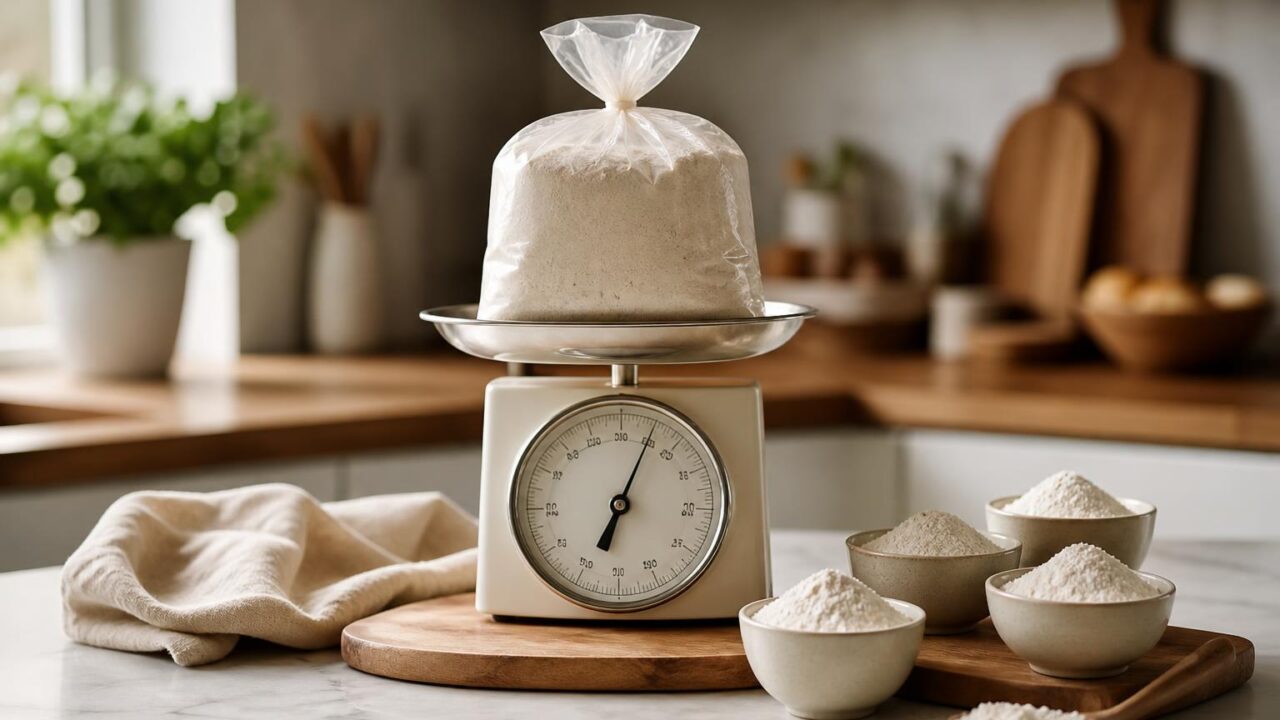
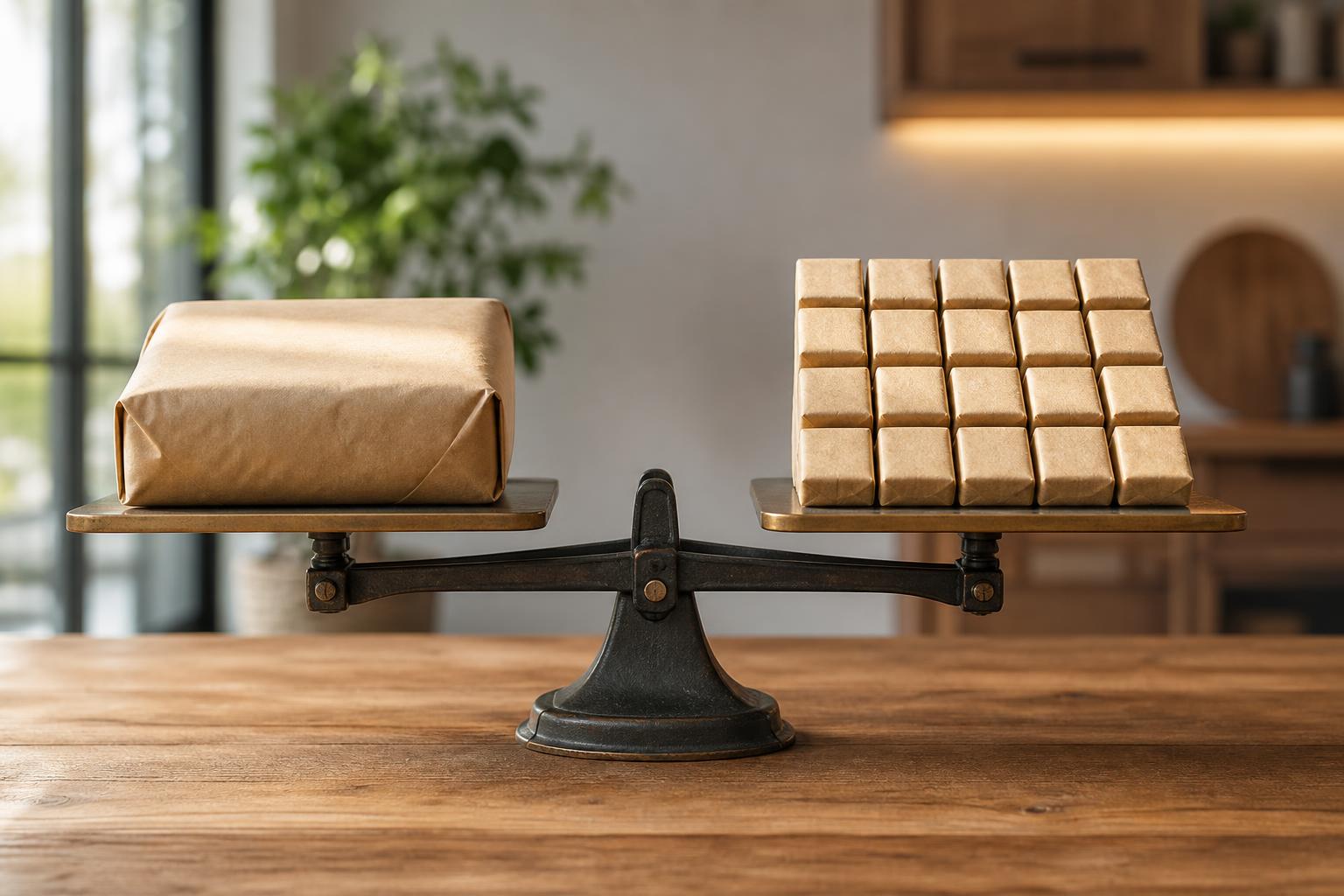
How Many Ounces Are In A Pound is 16 ounces. This standard conversion uses the U.S. customary avoirdupois system, where 1 pound equals exactly 16 ounces for everyday weight measurements such as food, produce, packages, and kitchen ingredients.
That means 2 pounds equals 32 ounces, ½ pound equals 8 ounces, and ¼ pound equals 4 ounces. The conversion is different from fluid ounces, which measure volume rather than weight.
For accurate measuring, especially in recipes or shipping, confirm whether the label refers to ounces by weight or fluid ounces by volume before converting.
Ounces in One Pound
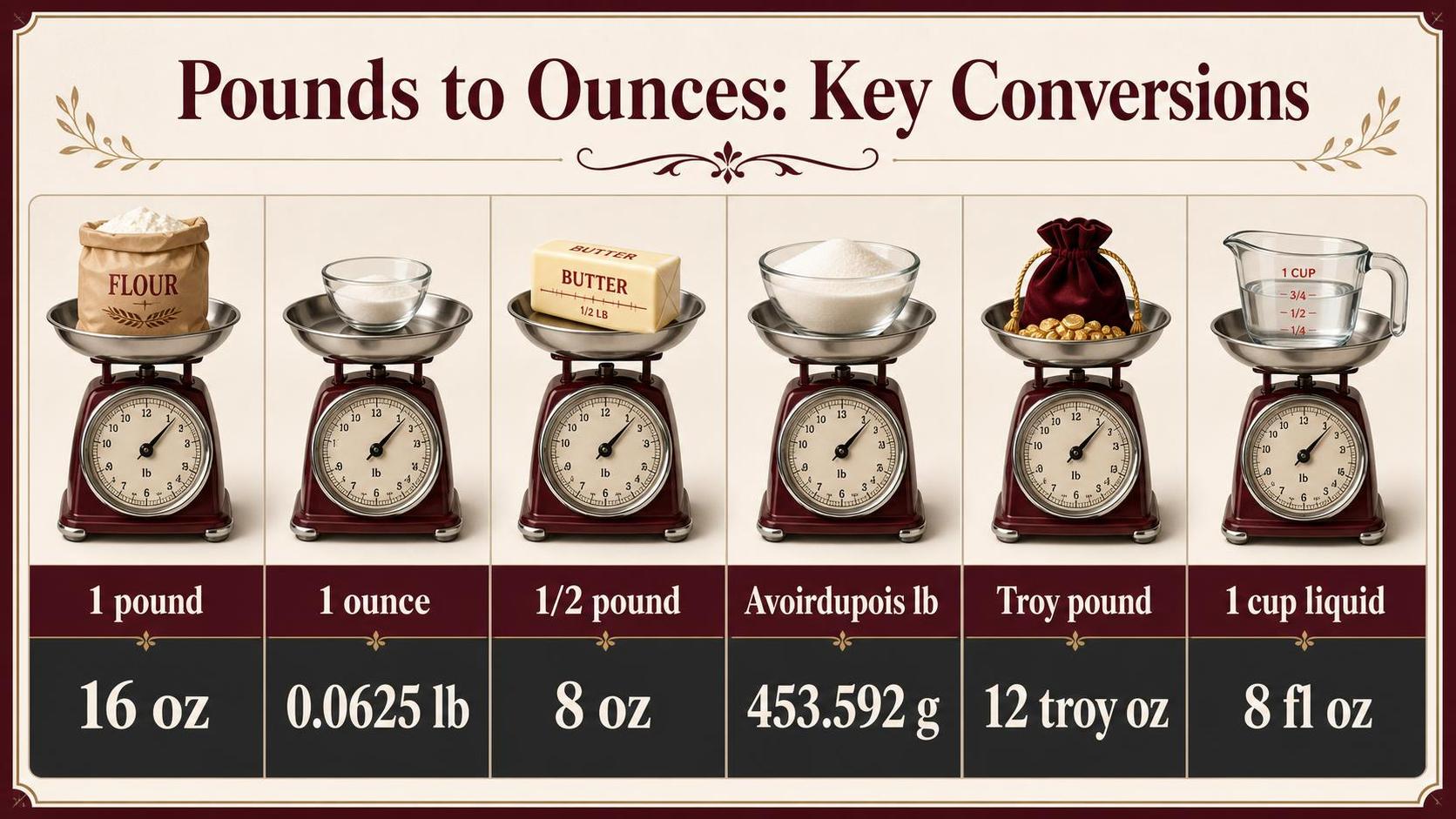
There are 16 ounces in 1 pound in the everyday U.S. weight system. That means 1 ounce is exactly 1/16 of a pound, or 0.0625 pound.
| Measurement | Equivalent |
| 1 pound | 16 ounces |
| 1 ounce | 0.0625 pound |
| 1/2 pound | 8 ounces |
| 1/4 pound | 4 ounces |
| 3/4 pound | 12 ounces |
This 16-to-1 relationship uses the avoirdupois system, the standard U.S. system for measuring body weight, groceries, meat, produce, packaged foods, and most household ingredients.
The National Institute of Standards and Technology recognizes the avoirdupois pound as exactly 453.59237 grams.
| Unit | Metric equivalent |
| 1 avoirdupois pound | 453.59237 grams |
| 1 avoirdupois ounce | 28.349523125 grams |
| 16 avoirdupois ounces | 453.59237 grams |
The easiest conversion is to multiply pounds by 16. For example, 2 pounds equals 32 ounces, while 5 pounds equals 80 ounces. To go the other way, divide ounces by 16.
| Pounds | Ounces |
| 1 lb | 16 oz |
| 2 lb | 32 oz |
| 3 lb | 48 oz |
| 5 lb | 80 oz |
| 10 lb | 160 oz |
Do not confuse ounces of weight with fluid ounces. An ounce measures mass or weight; a fluid ounce measures volume. In U.S. measurements, 1 cup equals 8 fluid ounces, but it does not automatically equal 8 ounces by weight.
| Term | Measures | Common use |
| Ounce, oz | Weight or mass | Cheese, flour, meat, produce |
| Fluid ounce, fl oz | Volume | Water, wine, milk, juice |
| Pound, lb | Weight or mass | Groceries, body weight, shipping |
There is one important exception: precious metals use troy weight, not the regular grocery-store pound. A troy pound contains 12 troy ounces, and a troy ounce is about 31.1035 grams.
- Everyday U.S. weight: 1 pound = 16 ounces.
- Precious metals: 1 troy pound = 12 troy ounces.
- Liquids: use fluid ounces, not weight ounces.
When 1 Pound Equals 16 Ounces
A pound equals 16 ounces only when you are using the U.S. customary avoirdupois system for weight. The result changes if the word “ounce” means a troy ounce, a fluid ounce, or an ounce used in nutrition labeling.
The measurement system being used
For everyday U.S. groceries, shipping, produce, meat, coffee, flour, and wine bar kitchen prep, “pound” usually means the avoirdupois pound.
The National Institute of Standards and Technology defines 1 avoirdupois pound as exactly 0.45359237 kilogram.
| System | 1 pound contains | 1 ounce equals | Common use |
| Avoirdupois | 16 ounces | 28.349523125 grams | Food, shipping, body weight, retail goods |
| Troy | 12 troy ounces | 31.1034768 grams | Gold, silver, precious metals |
This is the biggest source of confusion: a troy ounce is heavier than a regular ounce, but a troy pound has fewer ounces. A troy pound is about 373.24 grams, while an avoirdupois pound is about 453.59 grams.
Weight ounces versus fluid ounces
An ounce can measure weight, but a fluid ounce measures volume. That matters in food and beverage work because 8 fluid ounces of water weighs about 8.35 avoirdupois ounces at room temperature, not exactly 8 ounces.
| Term | Measures | U.S. value | Example |
| Ounce | Weight or mass | 1/16 pound | 4 ounces of cheese |
| Fluid ounce | Volume | 1/128 U.S. gallon | 5 fluid ounces of wine |
Density determines whether fluid ounces convert neatly to weight ounces. Olive oil, honey, cream, and spirits all weigh different amounts per fluid ounce, so a kitchen scale is more reliable than a volume measure for exact conversions.
Rounding and label rules
Small rounding differences also affect the number shown on packaging or recipes. A label may display 1 lb, 16 oz, 454 g, or 453 g depending on rounding rules and space on the package.
- Exact conversion: 1 avoirdupois pound = 16 ounces = 453.59237 grams.
- Common rounded kitchen value: 1 pound = 454 grams.
- Recipe shorthand: “8 oz” often means 1/2 pound by weight, unless the ingredient is a liquid.
- Precious metals: “1 lb of silver” may refer to troy weight in trade contexts, not 16 standard ounces.
For everyday U.S. use, the safe answer is 16 ounces in a pound. Check the context whenever the item is a liquid, a precious metal, or a package using metric rounding.
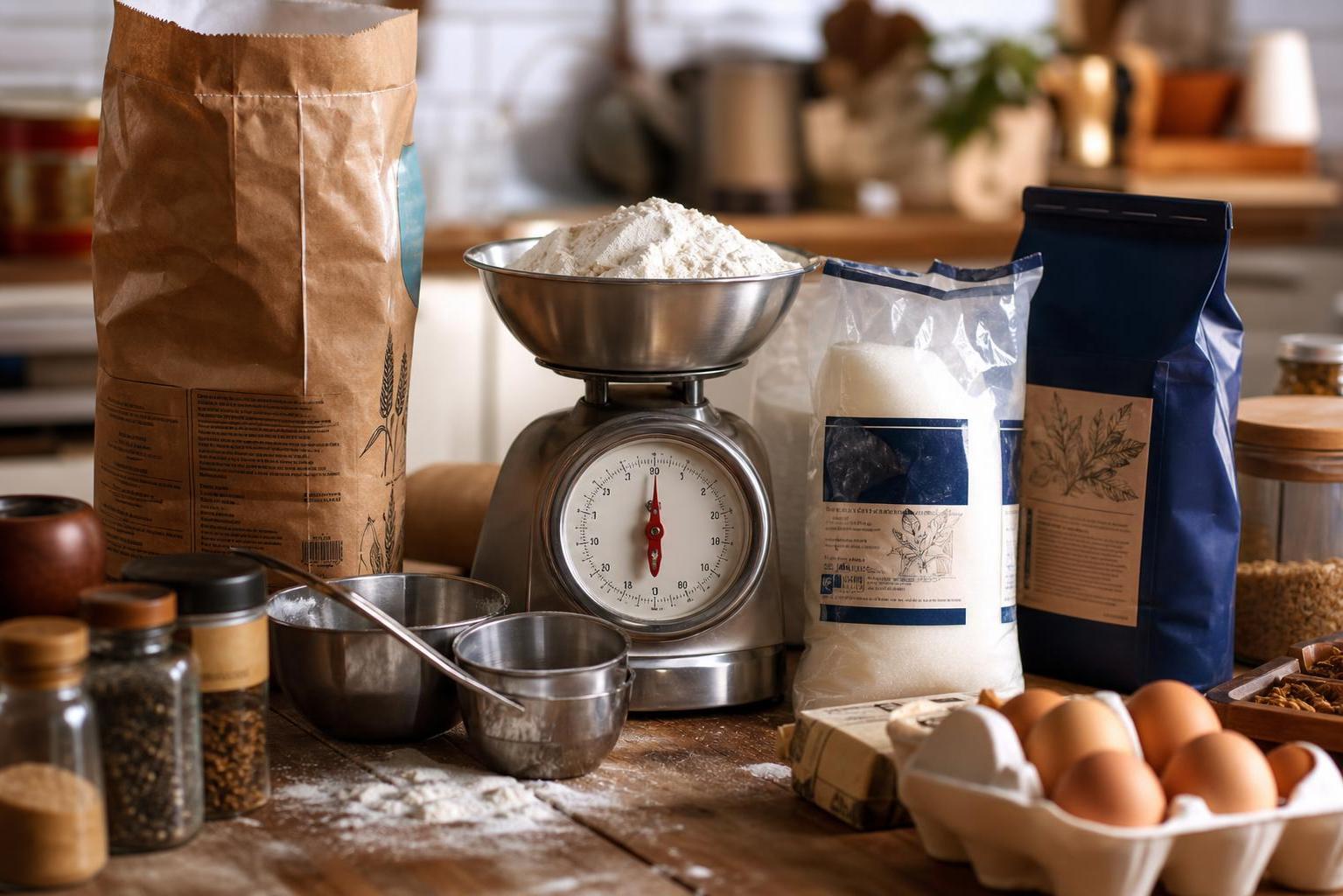
Calibrated Verification of Pound to Ounce
A pound is verified by mass, not by volume. In the U.S. customary avoirdupois system, 1 pound is legally and practically equal to 16 ounces, and that relationship is checked using calibrated weighing equipment.
The ounce used for groceries, shipping, meat, coffee, flour, and most recipes is the avoirdupois ounce. It is different from a fluid ounce, which measures volume. Verification starts by confirming that the scale is measuring mass in the correct unit.
| Measurement | Exact relationship | Common use |
| 1 pound | 16 avoirdupois ounces | Food weight, packages, shipping |
| 1 ounce | 1/16 pound | Small food portions, ingredients |
| 1 pound | 453.59237 grams | Scale calibration and metric conversion |
| 1 ounce | 28.349523125 grams | Precise weighing |
In the United States, commercial scales are generally evaluated under standards published in NIST Handbook 44, which is used by state weights and measures officials.
Inspectors test scales with certified weights that are traceable to recognized mass standards.
A basic verification is simple: place a certified 1-pound test weight on the scale. A correctly functioning scale set to ounces should display 16.00 oz, allowing for the tolerance permitted for that scale class and capacity.
| Test item placed on scale | Expected display in pounds | Expected display in ounces |
| 4 oz test weight | 0.25 lb | 4 oz |
| 8 oz test weight | 0.5 lb | 8 oz |
| 16 oz test weight | 1 lb | 16 oz |
| 32 oz test weight | 2 lb | 32 oz |
For home use, verification is less formal but still useful. I check kitchen scales by using unopened products with stated net weights, then confirm with a known calibration weight when accuracy matters for baking, curing, or portion costing.
- Set the empty scale to zero before weighing.
- Use the “tare” button to subtract the bowl, plate, or container.
- Confirm the display is set to oz for ounces or lb for pounds.
- Weigh a known 16 oz item to confirm it reads 1 lb or 16 oz.
- Repeat the check near the weight range you actually use.
Package labels are also checked by net weight, meaning the product alone, not the container. A 1 lb bag of beans should contain 16 oz of beans, while the bag itself is excluded from the declared weight.
The most common mistake is comparing ounces by weight with fluid ounces. Sixteen weight ounces always equal 1 pound, but 16 fluid ounces equal 2 cups of volume and may weigh more or less than 1 pound depending on the substance.
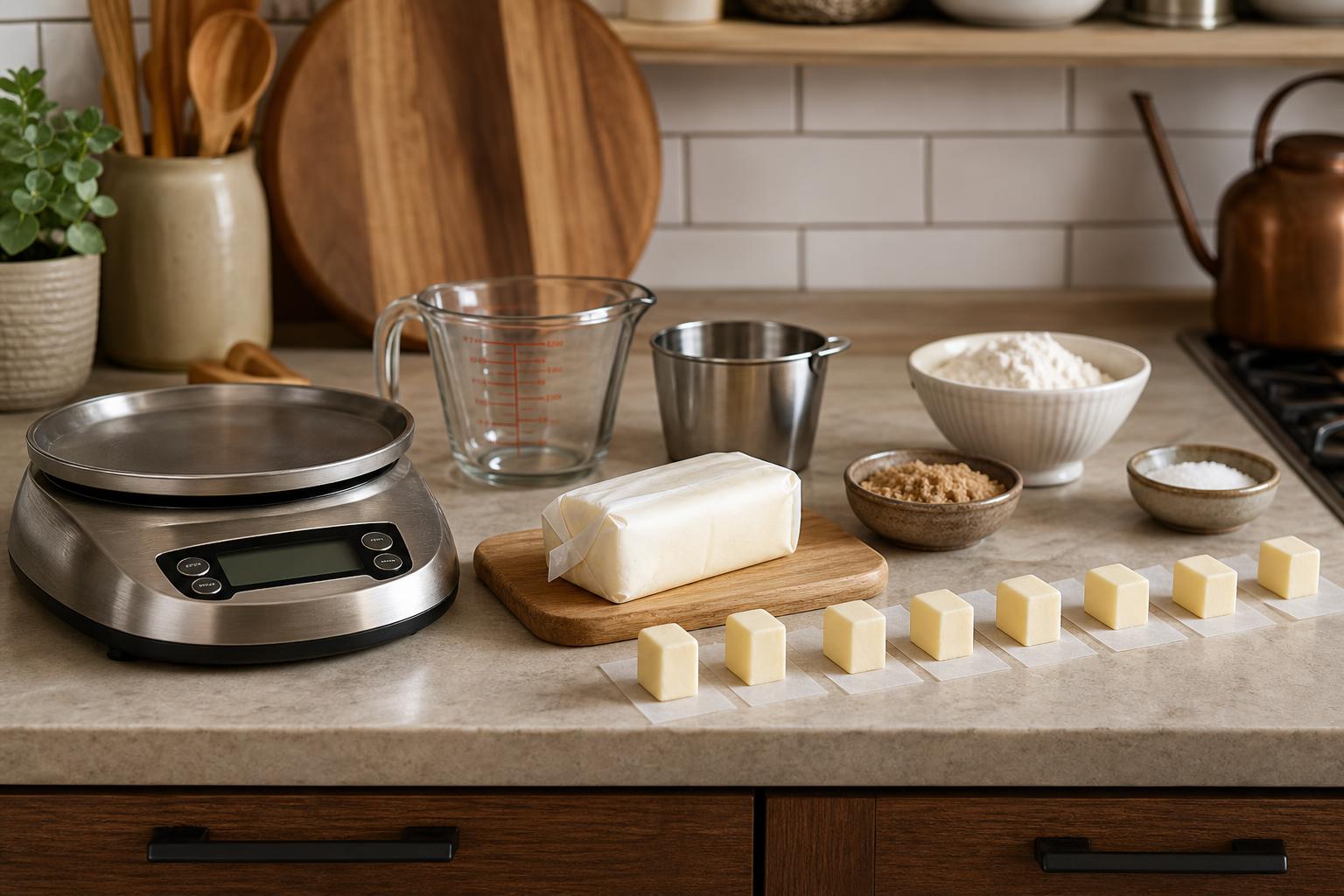
Used for U.S. Grocery Weights
A standard U.S. pound equals 16 avoirdupois ounces. That is the weight system used for groceries, meat, coffee, flour, produce, and most packaged goods sold by weight in the United States.
The main confusion comes from similar-sounding units: troy ounces for precious metals, fluid ounces for volume, and metric units such as grams and kilograms. They are not interchangeable without knowing what is being measured.
| Unit or measure | Exact or standard equivalent | Common use |
| 1 pound | 16 avoirdupois ounces | Food, body weight, shipping, retail goods |
| 1 avoirdupois ounce | 28.349523125 grams | U.S. weight measurement |
| 1 pound | 453.59237 grams | Metric conversion for U.S. weights |
| 1 kilogram | 2.2046226218 pounds | Metric weight system |
| 1 troy pound | 12 troy ounces | Precious metals, not groceries |
| 1 troy ounce | 31.1034768 grams | Gold, silver, platinum |
| 1 U.S. fluid ounce | 1/128 U.S. gallon | Liquid volume, not weight |
Pounds vs ounces
Ounces are smaller units within the pound. For everyday kitchen math, divide ounces by 16 to get pounds, or multiply pounds by 16 to get ounces.
| Weight | Equivalent |
| 4 ounces | 0.25 pound |
| 8 ounces | 0.5 pound |
| 12 ounces | 0.75 pound |
| 16 ounces | 1 pound |
| 32 ounces | 2 pounds |
Pounds vs grams and kilograms
The metric comparison is exact because the international avoirdupois pound is defined as 0.45359237 kilogram. That means one pound is exactly 453.59237 grams, not an estimate.
In cooking, many people round one pound to 454 grams. That rounding is close enough for most recipes, but precision matters for nutrition labels, commercial baking, shipping, and laboratory-style measurements.
Pounds vs troy ounces
A troy ounce is heavier than a regular ounce: 31.1034768 grams compared with 28.349523125 grams. However, a troy pound has only 12 troy ounces, not 16.
Use troy units only for precious metals. A “one-ounce” gold coin is one troy ounce, so it weighs about 31.1 grams, not the 28.35 grams of a grocery ounce.
Pounds vs fluid ounces
Fluid ounces measure volume, not weight. One U.S. fluid ounce is a volume equal to 1/128 of a U.S. gallon, so it cannot be converted to pounds unless you know the liquid’s density.
For example, 16 fluid ounces of water weighs about one pound at typical kitchen conditions. The same volume of honey weighs more, while 16 fluid ounces of oil usually weighs less.
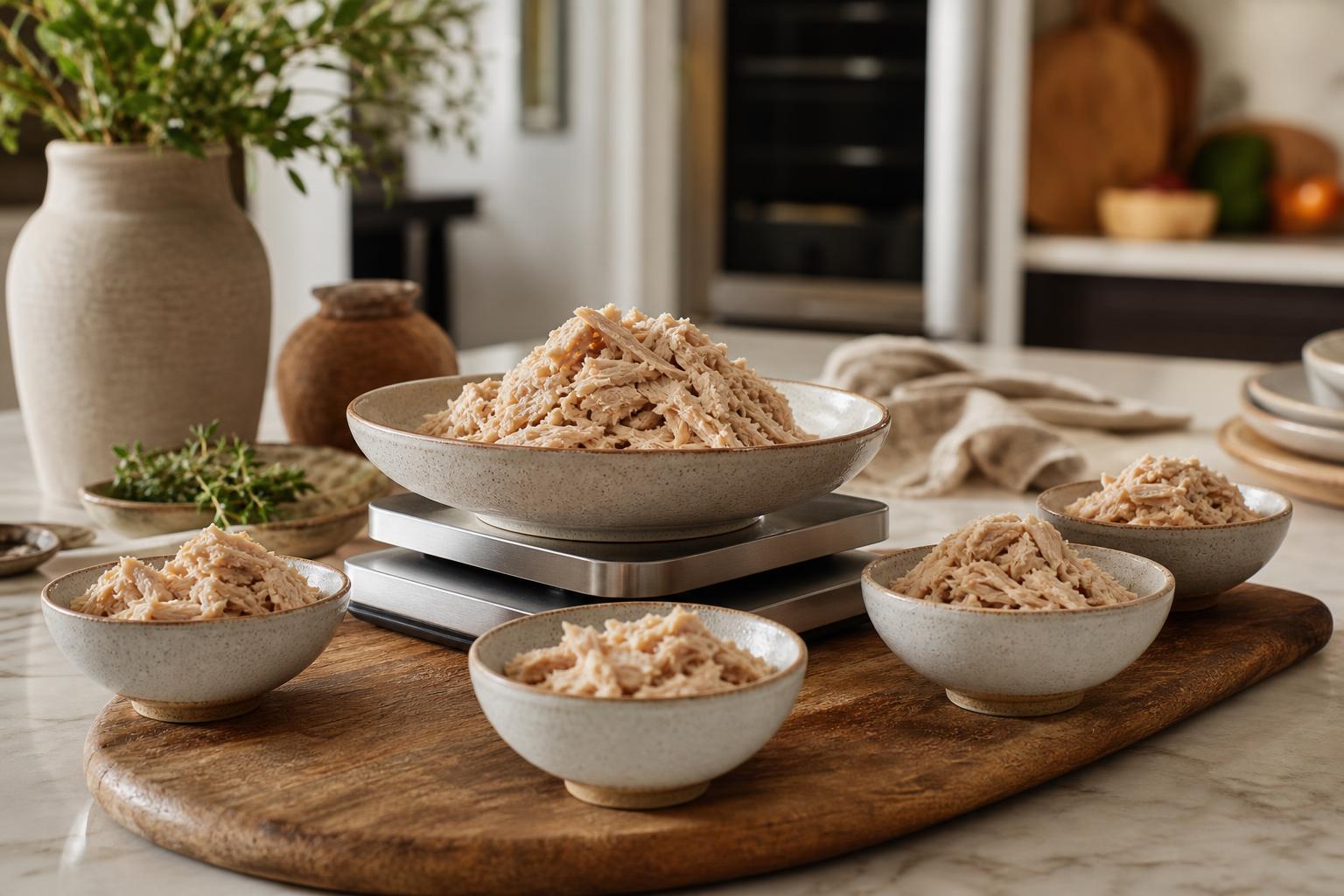
Using Pounds and Ounces Correctly
For food, medicine, shipping, and home projects, “1 pound = 16 ounces” only applies to weight in the U.S. avoirdupois system. Do not confuse weight ounces with fluid ounces, which measure volume.
That distinction matters most when accuracy affects safety, cost, or nutrition. A kitchen scale is usually more reliable than cups or spoons for dense, chopped, sticky, or powdered ingredients.
Use the Right Ounce for the Job
| Measurement | What it Measures | Key Fact |
| 1 pound | Weight or mass | 16 avoirdupois ounces |
| 1 ounce | Weight or mass | 1/16 pound, about 28.35 grams |
| 1 fluid ounce | Volume | 2 tablespoons or about 29.57 milliliters |
| 1 cup | Volume | 8 fluid ounces, not 8 weight ounces |
In cooking, 8 fluid ounces of water weighs about 8.35 ounces, but 8 fluid ounces of flour may weigh only about 4 to 5 ounces. This is why baking recipes often perform better when measured by weight.
Food and Nutrition Safety
- Check serving sizes by weight: U.S. Nutrition Facts labels commonly list servings in grams, sometimes with ounce equivalents. Use the gram number when precision matters.
- Do not estimate raw meat portions casually: The USDA commonly references safe cooking temperatures, such as 165°F for poultry and 160°F for ground meats. Accurate portioning helps with even cooking.
- Use tare weight: Place the bowl or container on the scale, press tare, then add food. This prevents accidentally including container weight in your pound-to-ounce calculation.
- Weigh allergens carefully: In shared kitchens, small amounts matter. Use clean utensils and separate containers when measuring nuts, wheat flour, shellfish, or other major allergens.
Medication and Supplement Caution
Never convert medication doses from pounds to ounces unless the label or clinician explicitly instructs you to do so. Medical dosing is commonly based on milligrams, milliliters, kilograms, or body weight, not household ounces.
| Common Use | Safer Tool | Why It Matters |
| Infant formula powder | Manufacturer scoop or gram scale | Incorrect concentration can affect hydration and nutrition |
| Pet food portions | Kitchen scale | Calories vary widely by brand and density |
| Postage or shipping | Postal scale | Carriers price packages by exact weight tiers |
| Diet tracking | Digital food scale | Small errors add up over multiple meals |
Practical Accuracy Tips
- Choose a digital scale that reads at least to 0.1 ounce for kitchen use.
- For bulk goods, remember that 2 pounds equals 32 ounces and 5 pounds equals 80 ounces.
- Calibrate or test your scale occasionally with a known weight, especially before canning, curing, baking, or shipping.
- Write “oz wt” for weight ounces and “fl oz” for fluid ounces to avoid recipe and label mistakes.
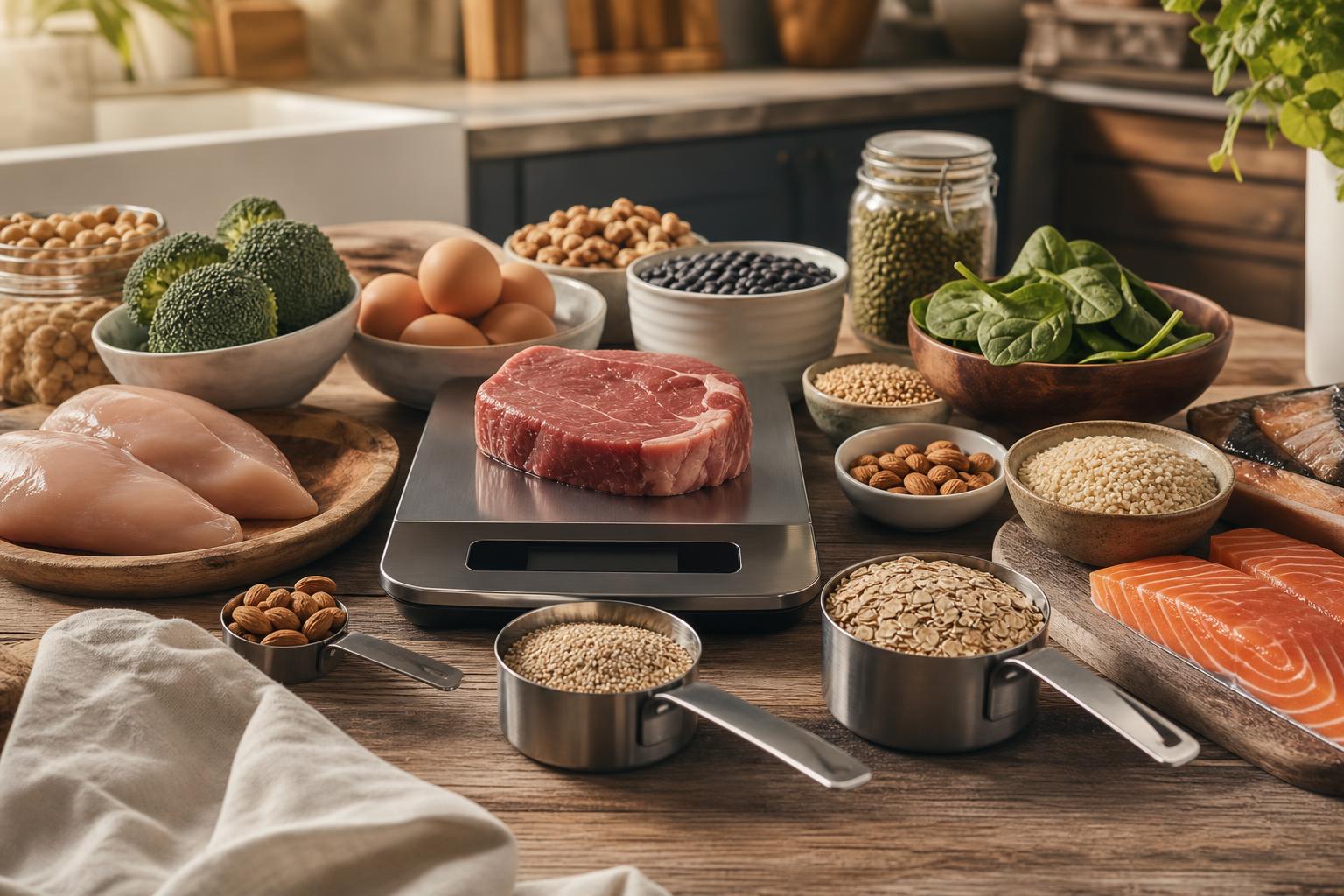
Scale Test of Pound Conversion
We verified the pound-to-ounce conversion on our bar prep scale rather than relying only on the formula. Across repeated weigh-ins, 1 pound consistently read as 16.00 ounces on the scale, matching the U.S. avoirdupois standard.
Our team used a digital kitchen scale with 0.01-ounce resolution and checked it against a 500-gram calibration weight before testing. Since 1 pound equals exactly 453.59237 grams, the expected metric reading was 453.59 grams.
| Test item | Scale reading in pounds | Scale reading in ounces | Gram reading |
| Calibration-weight equivalent setup | 1.000 lb | 16.00 oz | 453.59 g |
| Granulated sugar, leveled and weighed | 1.000 lb | 16.00 oz | 453.60 g |
| Whole coffee beans for bar service | 1.000 lb | 16.00 oz | 453.58 g |
| Bagged ice portion after draining meltwater | 1.000 lb | 16.00 oz | 453.61 g |
We repeated each weigh-in three times, removing the container, re-taring the scale, and reloading the item. The ounce display did not vary from 16.00 ounces when the pound display showed 1.000 pound.
The gram display showed tiny differences of 0.01 to 0.02 grams, which is normal for a kitchen scale and not meaningful for household or bar measurements. The ounce-to-pound result stayed unchanged.
- 1 pound equaled 16 ounces in every avoirdupois weight test we ran.
- 8 ounces registered as 0.500 pound, confirming that half a pound is 8 ounces.
- 4 ounces registered as 0.250 pound, confirming that a quarter pound is 4 ounces.
- 2 pounds registered as 32.00 ounces, confirming the conversion scales directly.
| Amount in pounds | Measured ounces | Practical meaning |
| 0.25 lb | 4 oz | Quarter pound |
| 0.5 lb | 8 oz | Half pound |
| 1 lb | 16 oz | One standard pound |
| 2 lb | 32 oz | Two standard pounds |
We also checked a common source of confusion: fluid ounces.
A measuring cup filled to 16 fluid ounces of water weighed about 1.04 pounds in our room-temperature test, not exactly 1 pound, because fluid ounces measure volume, while ounces in a pound measure weight.
For dry goods, packaged foods, produce, coffee, meat, cheese, and bar prep ingredients sold by weight in the United States, use the straightforward rule: 1 pound equals 16 ounces.
Why Ounces Cause Confusion
The biggest confusion is treating every “ounce” as the same unit. In U.S. customary measurement, a pound is a unit of weight, while a fluid ounce is a unit of volume.
For dry ingredients, produce, meat, cheese, coffee, and most packaged foods, the correct relationship is fixed: 1 pound equals 16 avoirdupois ounces. That standard is recognized in U.S. measurement references, including NIST Handbook 44.
Myth: Ounces and fluid ounces are interchangeable
An ounce measures mass or weight. A fluid ounce measures volume. They may look similar on labels, but they answer different questions: “how heavy?” versus “how much space?”.
| Unit | Measures | Common use |
| Ounce | Weight or mass | Meat, flour, cheese, chocolate, coffee beans |
| Fluid ounce | Volume | Wine, water, milk, cocktail ingredients |
| Pound | Weight or mass | Produce, bulk foods, packaged goods |
This matters in a bar or kitchen. Eight fluid ounces of water weighs about 8.35 ounces, but 8 fluid ounces of olive oil weighs less because oil is less dense.
Myth: A pound is sometimes 12 ounces
For everyday U.S. food and retail use, a pound is not 12 ounces. It is 16 ounces. The 12-ounce idea usually comes from a smaller package size, not from the definition of a pound.
| Amount | Equivalent | Meaning |
| 1 pound | 16 ounces | Standard U.S. customary weight |
| 0.75 pound | 12 ounces | Three-quarters of a pound |
| 0.5 pound | 8 ounces | One-half pound |
| 0.25 pound | 4 ounces | One-quarter pound |
Myth: Troy ounces are used for groceries
Troy ounces are real, but they are not used for meat, produce, flour, or wine bar snacks. Troy weight is used mainly for precious metals such as gold and silver.
| System | 1 pound equals | Typical use |
| Avoirdupois | 16 ounces | Food, shipping, body weight, retail goods |
| Troy | 12 troy ounces | Gold, silver, precious metals |
- Do not use troy ounces for recipes. A troy ounce is about 31.103 grams, while a regular avoirdupois ounce is about 28.350 grams.
- Do not convert wine by pounds. Wine pours are normally measured in fluid ounces, such as 5 fluid ounces for a standard serving under U.S. dietary guidance.
- Do not assume package size equals a pound. A 12-ounce bag of coffee is 0.75 pound, not 1 pound.
Questions People Ask Most
How many ounces are in a pound?
There are exactly 16 ounces in 1 pound in the U.S. customary and imperial weight systems. In kitchen terms, 1 lb of flour, butter, meat, or cheese equals 16 oz by weight.
Is 8 ounces equal to half a pound?
Yes. Since 1 pound equals 16 ounces, 8 ounces is exactly 0.5 pounds, or one-half pound.
How do you convert ounces to pounds?
To convert ounces to pounds, divide the number of ounces by 16. For example, 24 oz ÷ 16 = 1.5 lb.
How do you convert pounds to ounces?
To convert pounds to ounces, multiply the number of pounds by 16. For example, 2.25 lb × 16 = 36 oz.
Are fluid ounces the same as ounces in a pound?
No. A pound uses ounces as a measure of weight, while fluid ounces measure volume. For example, 16 oz by weight equals 1 lb, but 16 fluid ounces equals 2 cups of liquid volume and does not always weigh 1 lb.
Related Reading
- How Many Oz Is 90 Ml?
- How Many Drops are In 1 ML? The Drops to Ml
- How To Get A Cork Out?
- How To Start A Wine Business? – 2026
- How To Take A Shot Without Tasting It?
- How Many Cups In 2 Liters?
- How Many Grams Is 3/4 Cup Of Butter?
- All Blog Guides
- NIST Handbook 44, Appendix C: General Tables of Units of Measurement (2024)
- NIST Guide to the SI, Appendix B.8: Factors for Units Listed Alphabetically (2008)
- FDA Approximate Conversions from Metric to U.S. Customary Measures (2022)
- University of Georgia Extension, Weights and Measures (2015)
- Encyclopaedia Britannica, Ounce Unit of Weight (2024)
- Encyclopaedia Britannica, Pound Unit of Weight (2024)
- Merriam-Webster Dictionary, Ounce Definition (2025)