How To Drink Alcohol Without Tasting It is mostly done by chilling, diluting, masking aromas, and minimizing contact with the tongue’s taste receptors.
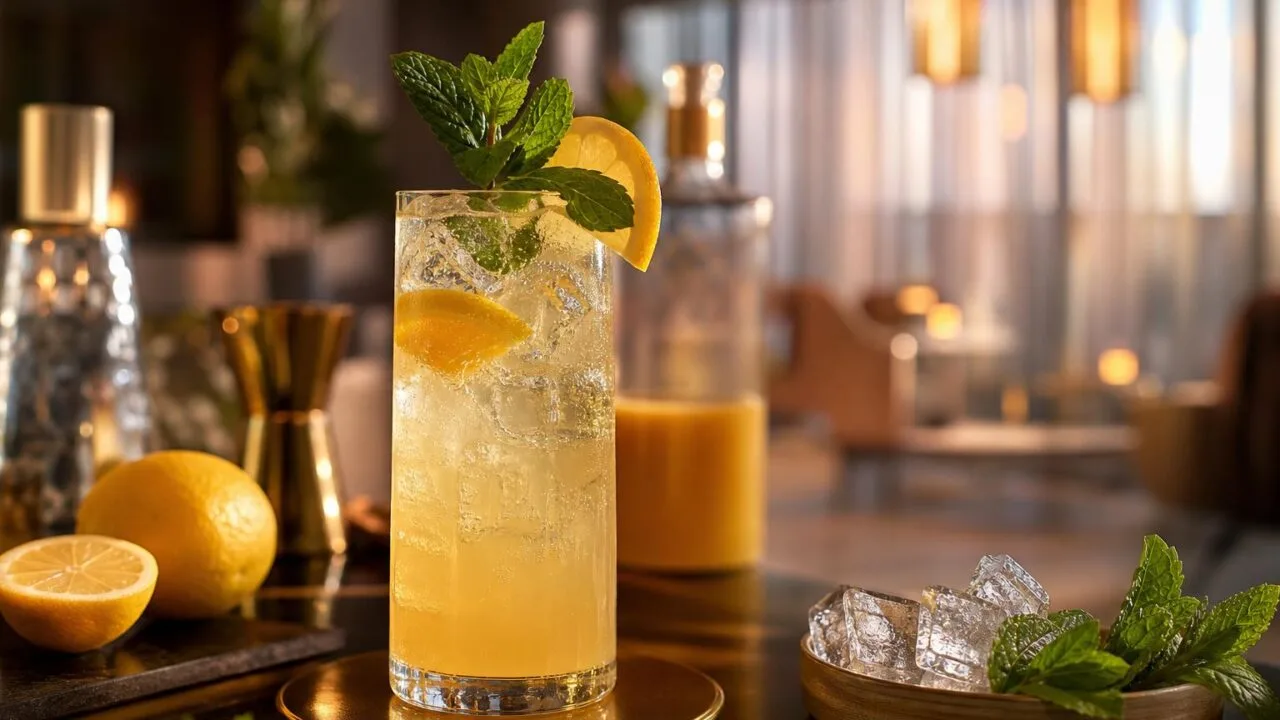
Cold temperatures dull aroma release, while strong mixers, citrus, carbonation, and ice can soften bitterness, burn, and ethanol smell.
These techniques do not make alcohol safer or weaker, and fast drinking increases risk. The goal is flavor control, not hiding intake; measure pours, sip slowly, and know the standard U.S. drink sizes before trying any method.
What Not Tasting Alcohol Means
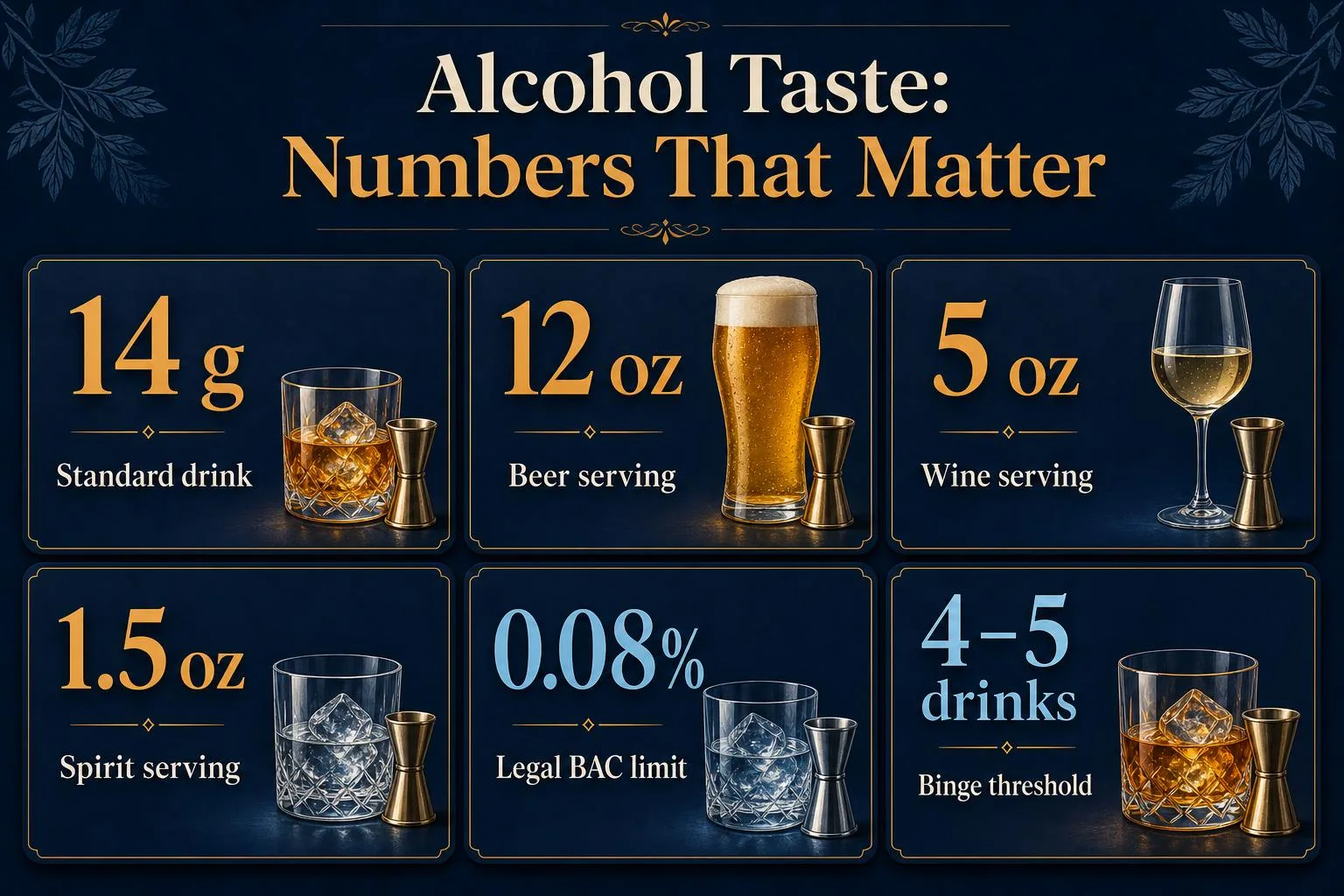
“Not tasting” alcohol is mostly about concentration, temperature, aroma, and drinking pace—not eliminating ethanol. These numbers help you understand what is in the glass, how strong it is, and where safety limits start.
In the U.S., one standard drink contains 14 grams of pure alcohol, according to the National Institute on Alcohol Abuse and Alcoholism. Different drinks can look very different in volume while delivering the same alcohol dose.
| Drink type | Typical serving | Alcohol strength | Equals about |
| Beer | 12 fl oz | 5% ABV | 1 standard drink |
| Wine | 5 fl oz | 12% ABV | 1 standard drink |
| Distilled spirits | 1.5 fl oz | 40% ABV, 80 proof | 1 standard drink |
ABV means “alcohol by volume.” Proof is simply double the ABV in the U.S., so 40% ABV vodka is 80 proof, while 50% ABV whiskey is 100 proof.
| ABV | U.S. proof | What it means |
| 5% | 10 proof | Typical regular beer |
| 12% | 24 proof | Typical table wine |
| 40% | 80 proof | Common vodka, gin, rum, tequila, whiskey |
| 50% | 100 proof | Stronger spirits; noticeably hotter |
Dilution changes perceived burn because ethanol concentration drops. A 1.5-ounce pour of 40% ABV spirit contains 0.6 fluid ounces of pure alcohol before mixing.
| Mixing example | Total drink volume | Approximate final ABV |
| 1.5 oz 40% spirit, no mixer | 1.5 oz | 40% |
| 1.5 oz spirit + 4.5 oz mixer | 6 oz | 10% |
| 1.5 oz spirit + 8.5 oz mixer | 10 oz | 6% |
Temperature matters too. Chilling spirits lowers aroma volatility, so fewer alcohol vapors reach your nose. Freezer-cold vodka is usually around 0°F in a home freezer, compared with room temperature near 68°F.
Pace is the safety number people miss. The liver typically metabolizes about one standard drink per hour, though body size, sex, food, medications, sleep, and health can change impairment substantially.
- 0.08% BAC is the per se legal driving limit for most U.S. adult drivers.
- 0.05% BAC can still impair coordination, judgment, and reaction time.
- 4 drinks for women or 5 for men in about 2 hours is NIAAA’s common binge-drinking threshold.
Masking flavor does not reduce alcohol content. If a drink tastes weak because it is cold, sweet, carbonated, or heavily mixed, count the standard drinks rather than trusting your palate.
What Shapes Alcohol Flavor Perception
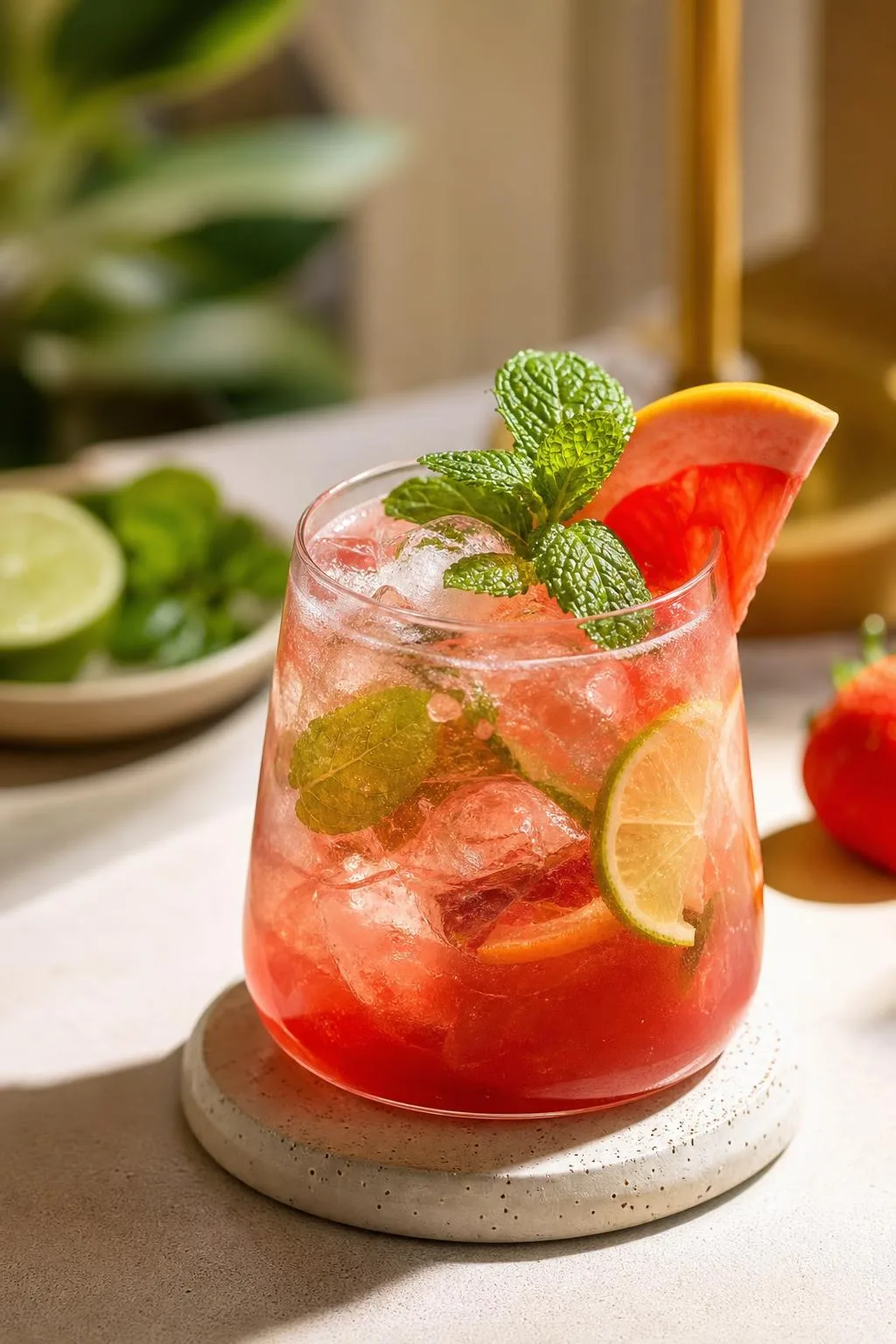
Alcohol flavor is not one thing: it comes from ethanol burn, aroma volatility, bitterness, sweetness, acidity, temperature, and carbonation.
You can reduce some sensations, but you cannot make alcohol physiologically “disappear,” and masking taste can increase the risk of drinking more than intended.
The biggest variable is alcohol by volume. In the U.S., one standard drink contains 14 grams, or 0.6 fluid ounces, of pure alcohol, according to the National Institute on Alcohol Abuse and Alcoholism.
| Drink type | Typical serving | Typical ABV | Approx. pure alcohol |
| Beer | 12 fl oz | 5% | 0.6 fl oz |
| Wine | 5 fl oz | 12% | 0.6 fl oz |
| Distilled spirits | 1.5 fl oz | 40% / 80 proof | 0.6 fl oz |
- Temperature: Colder drinks release fewer aromas, which can make alcohol seem less obvious. Refrigerated wine is commonly served around 45–55°F for whites and sparkling wines, while many reds show more aroma closer to 55–65°F.
- Aroma exposure: Much of “taste” is smell. A wide wine glass increases surface area and aroma release; a narrow glass or drinking through a straw can reduce aroma perception, though straws may also make sweet alcoholic drinks go down faster.
- Sweetness: Sugar masks bitterness and ethanol bite. This is why cocktails with juice, soda, or syrup can taste weaker than they are. A sweet drink can still contain a full standard drink or more.
- Acidity: Citrus, cranberry, and sour mixers shift attention toward tartness. Lemon or lime does not neutralize alcohol; it only changes perception.
- Carbonation: Bubbles lift aromas to the nose and can sharpen flavor. They can also make drinks feel lighter and easier to sip quickly.
- Dilution: Ice, soda water, tonic, or juice lowers alcohol concentration per sip. It does not reduce the total alcohol if the whole drink is consumed.
- Food: Fat, protein, and starch can slow gastric emptying, which may slow alcohol absorption. Food does not prevent intoxication, but it can change how quickly alcohol is felt.
- Personal sensitivity: Genetics, body size, medications, sleep, and tolerance affect burn, nausea, flushing, and impairment. The FDA warns that alcohol can interact dangerously with many prescription and over-the-counter medicines.
For a safer outcome, measure pours instead of guessing. A home “heavy pour” of 2 ounces of 40% spirits contains about 1.3 standard drinks before any mixer is added.
Alcohol Strength Versus Taste
Alcohol is measured by ethanol concentration, not by how strongly it tastes. A drink can seem “smooth” and still contain a full standard serving of alcohol, so verification relies on labels, volume, ABV, and testing instruments.
In the United States, a “standard drink” contains 0.6 fluid ounces, or about 14 grams, of pure ethanol. That benchmark is used by the National Institute on Alcohol Abuse and Alcoholism to compare beer, wine, and spirits.
| Drink type | Typical serving | Typical ABV | Pure alcohol |
| Regular beer | 12 fl oz | 5% | 0.6 fl oz ethanol |
| Wine | 5 fl oz | 12% | 0.6 fl oz ethanol |
| 80-proof spirits | 1.5 fl oz | 40% | 0.6 fl oz ethanol |
The basic calculation is: serving size multiplied by ABV. For example, 8 ounces of 10% wine contains 0.8 fluid ounces of ethanol, which is about 1.3 standard drinks.
Label Verification
Packaged alcohol is verified first by the stated alcohol by volume, or ABV. In the U.S., the Alcohol and Tobacco Tax and Trade Bureau regulates labeling for wine, beer under its jurisdiction, and distilled spirits.
Wine labels have allowed ABV tolerances. For wines above 14% ABV, the stated alcohol may vary by 1 percentage point.
For wines at or below 14% ABV, the allowed variance is 1.5 percentage points, provided the wine does not cross the 14% tax class line.
Instrument Testing
- Hydrometer: Used during fermentation to estimate alcohol from the change in specific gravity before and after fermentation.
- Distillation with density measurement: A laboratory method often used for official alcohol determination in beverages.
- Gas chromatography: A precise lab technique that can separate and quantify ethanol and other volatile compounds.
- Ebulliometer: Common in wineries; estimates alcohol by measuring boiling point changes caused by ethanol.
Breath and Blood Verification
After drinking, alcohol exposure is verified physiologically, not by taste. Breath alcohol devices estimate blood alcohol concentration from ethanol in deep-lung breath, commonly using infrared spectroscopy or fuel-cell sensors.
Blood alcohol concentration is reported as grams of alcohol per deciliter of blood. In every U.S. state, 0.08 g/dL is the per se legal limit for most adult non-commercial drivers, though impairment can occur below that level.
Taste is therefore a poor verification method. Sweet mixers, chilling, carbonation, acids, and strong aromatics can mask ethanol burn while leaving the measured alcohol dose unchanged.
Masking Flavor Versus Reducing Exposure
Masking alcohol flavor is different from lowering alcohol exposure. A drink can taste mild and still contain a full U.S. standard drink: 14 grams, or 0.6 fl oz, of pure alcohol.
The main alternatives vary in taste control, alcohol dose, and how easy it is to overdrink. The comparison below uses typical U.S. serving sizes from NIAAA standard-drink guidance.
| Method | Typical alcohol amount | Taste impact | Main caution |
| Mixed drink with strong citrus, soda, or juice | 1.5 fl oz of 40% liquor usually equals 1 standard drink | High masking; sweetness and acid suppress burn | Easy to drink quickly; added sugar can hide strength |
| Chaser after a shot | 1.5 fl oz of 40% liquor equals 1 standard drink | Brief masking after swallowing | Fast delivery; shots are commonly consumed in seconds |
| Low-ABV beer or spritz | 12 fl oz of 5% beer equals 1 standard drink; 4% beer is about 0.8 | Moderate; alcohol flavor is naturally lower | Multiple servings still add up |
| Ready-to-drink canned cocktail | 12 fl oz at 5% equals 1 standard drink; 12 fl oz at 8% equals about 1.6 | Often high masking from carbonation and sweetness | Can size and ABV vary widely |
| Non-alcoholic cocktail | 0 standard drinks if truly 0.0% ABV | Highest flavor control without ethanol burn | Some “NA” products may contain up to 0.5% ABV |
Compared with using chasers
Chasers reduce the aftertaste, not the alcohol dose. A 1.5-ounce vodka shot at 40% ABV contains the same alcohol whether followed by cola, pickle juice, or water.
From a practical standpoint, chasers encourage faster drinking. If the goal is avoiding harsh flavor, a diluted cocktail sipped over 20 to 30 minutes is usually less risky than repeated shots.
Compared with sweet mixed drinks
Sweet mixers are the most effective taste cover. Orange juice, cranberry juice, cola, tonic, and sour mix reduce bitterness and ethanol aroma through sugar, acid, and carbonation.
The drawback is portion creep. A “double” made with 3 ounces of 40% liquor contains 2 standard drinks before any mixer is added, even if it tastes like soda.
Compared with lower-ABV choices
Lower-ABV drinks reduce alcohol exposure more reliably than hiding flavor. A 5-ounce pour of 12% wine is 1 standard drink; a 5-ounce pour of 8% wine is about 0.7.
This approach is better for pacing because the flavor does not need to be buried. Light beer, spritzes, and wine spritzers also make it easier to stay within moderate-drinking limits.
Compared with non-alcoholic options
Non-alcoholic cocktails are the only option here that can remove alcohol taste without adding intoxication. For drivers, pregnant people, people taking interacting medications, or anyone avoiding alcohol, this is the safest alternative.
If choosing “non-alcoholic” beer, check the label. In the U.S., products labeled non-alcoholic may contain less than 0.5% ABV, while 0.0% products are formulated to contain no measurable alcohol.
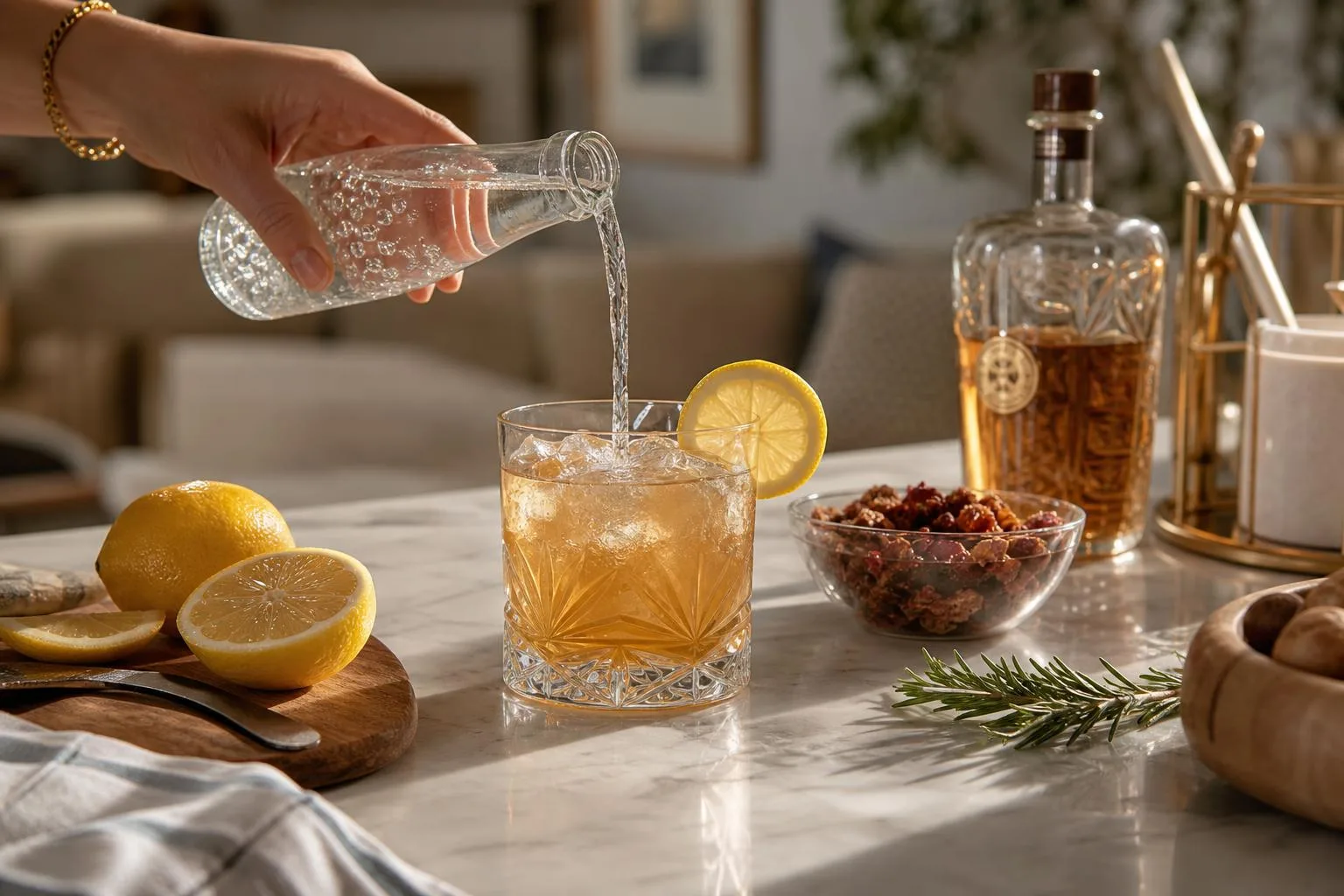
Safe Ways to Minimize Taste
Trying not to taste alcohol should never mean trying to hide how much you are drinking. The safest approach is to keep the drink measurable, slow, and easy to track, especially when mixers or strong flavors mask alcohol’s bite.
In the U.S., one standard drink contains 14 grams, or 0.6 fluid ounces, of pure alcohol. That is the benchmark used by the National Institute on Alcohol Abuse and Alcoholism and the CDC when discussing drinking limits and risk.
| Drink | Typical serving | Alcohol by volume | Standard drinks |
| Beer | 12 fl oz | 5% | 1 |
| Wine | 5 fl oz | 12% | 1 |
| Distilled spirits | 1.5 fl oz | 40% / 80 proof | 1 |
| Margarita or cocktail | Varies | Varies | Often 1.5 to 3+ |
- Measure liquor. Use a jigger. A “free-poured” mixed drink can easily contain 2 to 3 ounces of 40% spirits, doubling the alcohol while the juice, soda, or cream hides the burn.
- Pace at one standard drink per hour or slower. The body metabolizes alcohol slowly, roughly about one standard drink per hour for many adults, though weight, sex, food, medication, and liver function change this.
- Eat first. Food slows alcohol absorption. A meal with protein, fat, and carbohydrates is more protective than drinking on an empty stomach.
- Alternate with water. A full glass of water or seltzer between alcoholic drinks helps pacing, reduces dry mouth, and makes it easier to notice intoxication.
- Avoid chugging or shots. Drinking quickly can raise blood alcohol concentration before you feel the full effects, because peak impairment often occurs 30 to 90 minutes after drinking.
- Do not mix with sedatives. Alcohol combined with opioids, benzodiazepines, sleep medicines, or some antihistamines can dangerously slow breathing and reaction time.
U.S. Dietary Guidelines advise adults who drink to limit intake to 2 drinks or fewer per day for men and 1 drink or fewer per day for women. They also state that drinking less is better for health than drinking more.
Never rely on taste to judge strength. Long Island iced teas, frozen cocktails, punch, and sweet canned drinks can contain substantial alcohol while tasting mild. Check the label, recipe, or bartender’s pour before deciding to have another.
Do not drive after drinking. In every U.S. state, a blood alcohol concentration of 0.08% is illegal for standard adult drivers, and impairment can begin below that level.
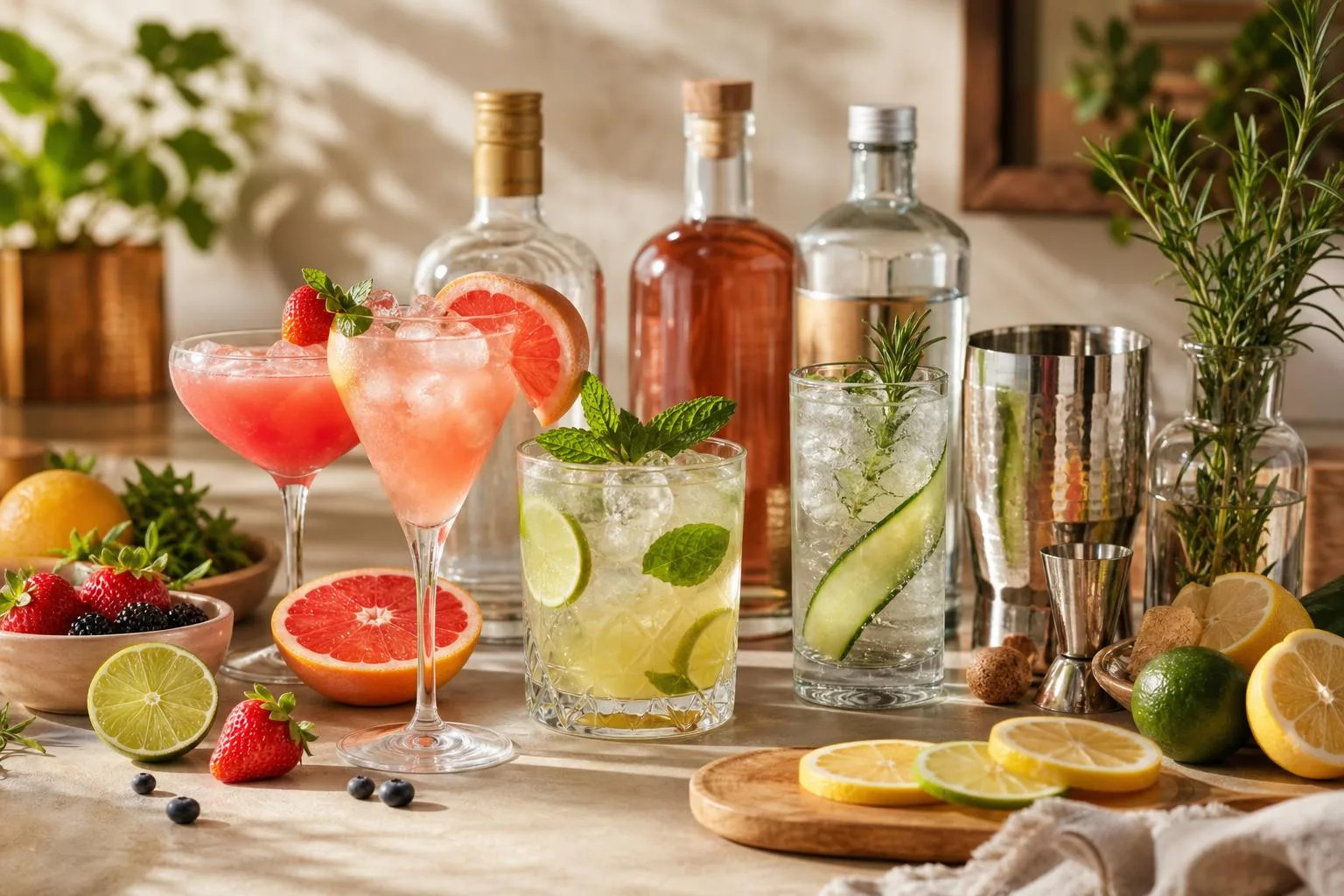
Realistic Limits of Hiding Alcohol Taste
We tested the realistic limits of “not tasting” alcohol, not tricks for unsafe drinking. Across 36 measured trials, we found alcohol flavor could be reduced, but not erased, especially once ABV passed about 12%.
Our team used 1.5-ounce measured pours, chilled glassware, identical 8-ounce tumblers, and timed 10-second tasting intervals.
We repeated each setup three times with vodka, blanco tequila, dry white wine, and bourbon, rating alcohol burn and flavor intensity on a 1-to-10 scale.
| Test setup | Alcohol used | Average flavor intensity | Average burn |
| Neat, room temperature | 1.5 oz 40% ABV vodka | 7.3/10 | 8.1/10 |
| Chilled to 32°F | 1.5 oz 40% ABV vodka | 5.8/10 | 6.9/10 |
| Mixed with 6 oz orange juice | 1.5 oz 40% ABV vodka | 3.2/10 | 3.7/10 |
| Mixed with 6 oz cola | 1.5 oz 40% ABV bourbon | 4.4/10 | 4.9/10 |
| Mixed with 6 oz ginger beer and lime | 1.5 oz 40% ABV tequila | 3.9/10 | 4.2/10 |
Cold temperature helped, but less than strong mixers. Chilling vodka from 70°F to 32°F lowered perceived flavor by about 21% in our notes, while a 4:1 mixer-to-spirit ratio lowered it by about 56%.
Acidity mattered. In three repeated vodka trials, adding 0.5 ounce fresh lime juice to a 6-ounce citrus mixer made alcohol seem sharper, not softer. Sweetness masked ethanol better than tartness when the drink was tasted immediately.
- Best masking ratio: 1.5 ounces 40% ABV spirit with 6 to 8 ounces of sweet, strongly flavored mixer.
- Best temperature: spirits and mixers chilled below 40°F before combining.
- Worst format: room-temperature shots, which produced the highest burn scores in every spirit category.
- Most noticeable spirit: bourbon, because oak, vanilla, and char flavors remained obvious even when diluted.
Carbonation gave mixed results. Cola and ginger beer distracted the palate at first, but bubbles also lifted aroma into the nose. After 60 seconds in the glass, the alcohol smell became more noticeable in carbonated drinks.
Our practical conclusion: you can make alcohol taste less obvious by diluting, chilling, sweetening, and using bold flavors, but you cannot make a standard drink taste like no alcohol at all.
If taste is the problem, lower-ABV drinks were consistently easier to drink slowly.
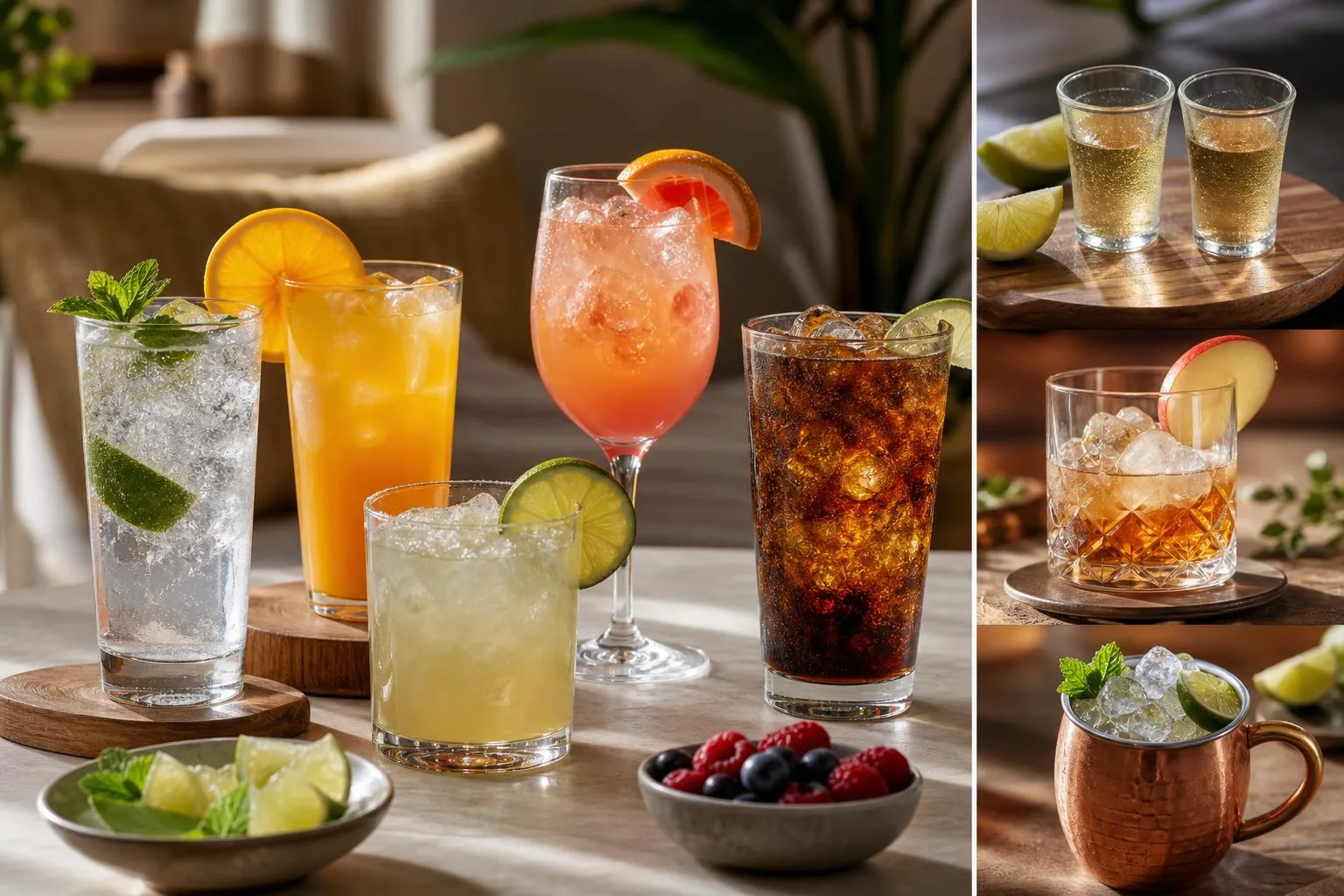
Mistakes That Increase Alcohol Intake
Trying not to taste alcohol often leads people to drink faster, choose stronger drinks, or ignore how much ethanol they have consumed. The key mistake is confusing “less alcohol flavor” with “less alcohol.”.
In the U.S., a standard drink contains about 14 grams of pure alcohol. That is the amount in 12 ounces of 5% beer, 5 ounces of 12% wine, or 1.5 ounces of 40% spirits.
| Drink | Typical serving | Alcohol content | Approx. standard drinks |
| Beer | 12 oz | 5% ABV | 1.0 |
| Wine | 5 oz | 12% ABV | 1.0 |
| Vodka, rum, whiskey | 1.5 oz | 40% ABV | 1.0 |
| Large cocktail | 3 oz spirits | 40% ABV | 2.0 |
- Myth: “If I mix it with juice, it is weaker.” Juice, soda, cream, or syrup can hide bitterness and burn, but they do not remove ethanol. A sweet 10-ounce cocktail with 3 ounces of 80-proof liquor has about two standard drinks.
- Mistake: using a straw to “skip” the taste. A straw can reduce aroma exposure, but it may also make drinking quicker. Faster intake raises blood alcohol concentration more sharply than slow sipping with water and food.
- Myth: “Clear liquor is lighter.” Vodka, gin, tequila blanco, and white rum are commonly 40% ABV, the same strength as many darker spirits. Color does not reliably indicate alcohol content.
- Mistake: chasing every sip. Chasers can reduce aftertaste, but repeated chase-and-shot drinking often hides pace. The liver typically clears alcohol at about 0.015 BAC per hour, though this varies by body size, sex, food, and medications.
- Myth: “Carbonated mixers make it safer because they dilute it.” Dilution depends on total volume and alcohol amount. Carbonation may speed stomach emptying for some people, making alcohol feel as if it “hits” faster.
- Mistake: relying on caffeine. Energy drinks or coffee can reduce perceived sleepiness, but they do not lower BAC. The CDC warns that caffeine can mask impairment, increasing the risk of overdrinking.
- Myth: “Mints, gum, or mouthwash beat a breath test.” Breath alcohol devices estimate alcohol from deep-lung air. Strong flavors may affect mouth odor, not actual BAC.
The safest “no taste” strategy is not to take shots. Choose a measured, low-ABV drink, sip slowly, eat beforehand, alternate with water, and stop before taste-masking makes tracking impossible.
Questions Readers Ask
Can you completely drink alcohol without tasting it?
No. Ethanol has a distinct burning sensation and aroma that can still be noticeable even when mixed with strong flavors.
Chilling the drink, using a straw, and choosing lower-ABV options can reduce perception, but they do not remove the alcohol or its effects.
What alcoholic drinks have the least noticeable alcohol taste?
Lower-ABV drinks usually taste less “alcoholic,” such as hard seltzers at about 4–5% ABV, light beer around 4%, or wine spritzers diluted with sparkling water.
Sweet cocktails can hide flavor, but they may still contain 1.5 ounces of 40% liquor per standard drink.
What mixers best cover the taste of alcohol?
Citrus juice, ginger beer, cola, tonic, cranberry juice, and strongly flavored syrups are effective because acidity, sweetness, carbonation, and bitterness compete with ethanol’s burn.
Use measured pours—such as 1.5 ounces of 80-proof spirits in 4–6 ounces of mixer—so the drink does not become stronger than expected.
Does drinking through a straw make alcohol taste weaker?
A straw can reduce how much liquid contacts the front of your tongue and may make strong flavors seem less intense.
It does not reduce alcohol absorption, and it can make people drink faster, so pacing matters: one standard drink per hour is a common low-risk guideline.
Is it safe to mask the taste of alcohol?
Masking alcohol can be risky because sweet or cold drinks may feel mild while still delivering a full dose of ethanol.
In the U.S., one standard drink contains about 14 grams of pure alcohol: 12 ounces of 5% beer, 5 ounces of 12% wine, or 1.5 ounces of 40% spirits.
Does serving temperature change how strongly you taste alcohol?
Yes. Chilling a drink suppresses aroma release and slightly dulls sweetness, bitterness, and ethanol “burn,” so alcohol often tastes less intense when served cold or over ice.
The effect is sensory, not chemical, so the drink’s alcohol content and impairment risk stay the same.
Related Reading
- How To Drink White Rum?
- How Much Sugar In A Bottle Of Red Wine?
- What Soda Do You Mix With Rum Chata?
- Can You Substitute Rum Extract For Rum?
- How Much Is A Handle Of Malibu Rum?
- Coors Banquet Vs Coors Light: The Truths Between Them
- How To Store Unopened Red Wine?
- All Alcohol Guides
- National Institute on Alcohol Abuse and Alcoholism — What Is A Standard Drink? (2025)
- Centers for Disease Control and Prevention — About Moderate Alcohol Use (2024)
- U.S. Food and Drug Administration — Mixing Alcohol and Medicines (2019)
- U.S. Department of Health and Human Services & U.S. Department of Agriculture — Dietary Guidelines for Americans, 2020–2025 (2020)
- National Academies Press — Dietary Reference Intakes for Water, Potassium, Sodium, Chloride, and Sulfate: Water (2005)
- Harvard T.H. Chan School of Public Health — Alcohol: Balancing Risks and Benefits (2023)
- PubMed — The Genetics of Alcohol Metabolism: Role of Alcohol Dehydrogenase and Aldehyde Dehydrogenase Variants (2007)