What Happens If You Drink Expired Alcohol is usually reduced flavor, aroma, and quality—not sudden poisoning—when the bottle was sealed and stored properly.
Beer, wine, cream liqueurs, and low-ABV opened bottles are most likely to taste stale, sour, flat, or oxidized; distilled spirits can remain safe for years but lose character after opening.
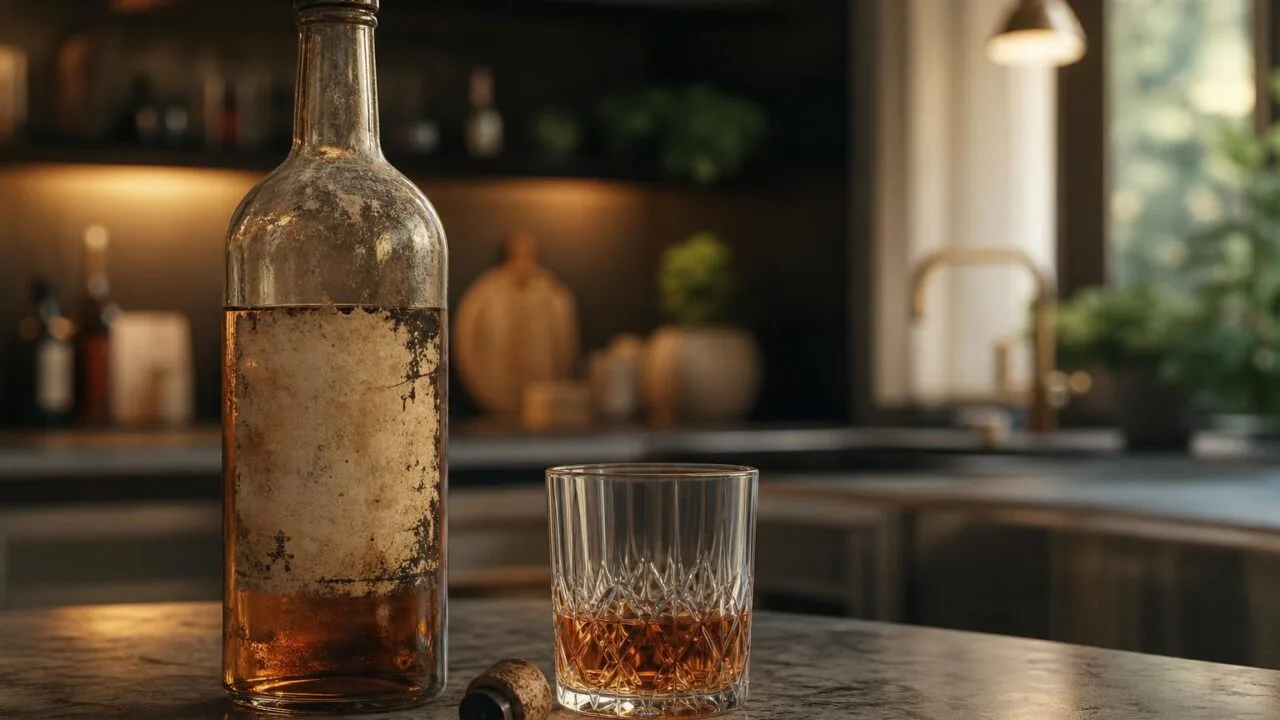
Discard alcohol with mold, curdling, leaking seals, heavy sediment changes, or a sharp vinegar-like smell.
When Expired Alcohol Is Usually Safe
“Expired alcohol” usually means loss of quality, not a sudden safety cutoff. The risk depends on alcohol by volume, whether the bottle was opened, sugar or dairy content, oxygen exposure, and how it was stored.
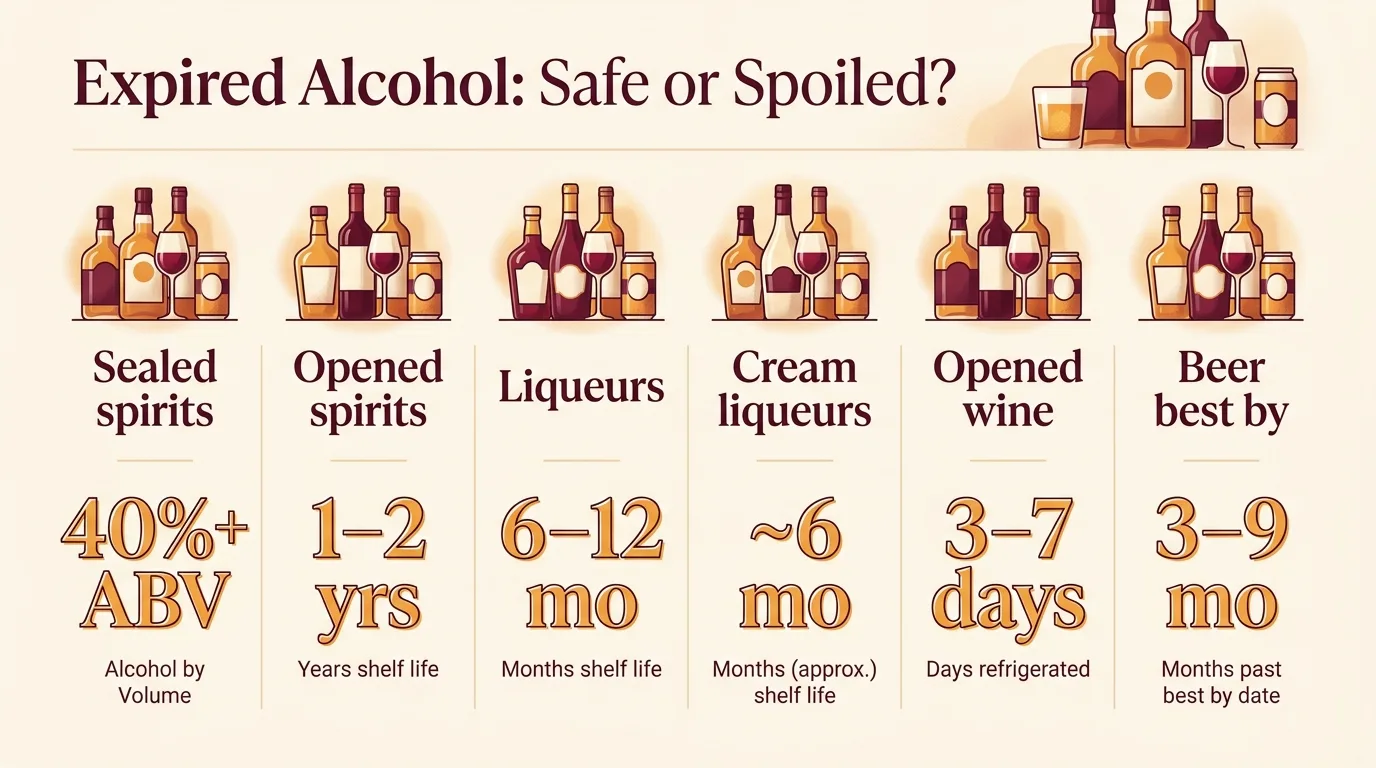
Here are the practical numbers I use when assessing bottles behind a bar or at home.
| Category | Typical ABV | Unopened shelf life | After opening | Main issue |
| Vodka, gin, rum, tequila, whiskey | 40% ABV or higher | Indefinite if sealed | Best within 1–2 years for flavor | Oxidation, aroma loss, evaporation |
| Liqueurs | 15–30% ABV | Often 1–3 years | Usually 6–12 months | Sugar crystallization, flavor fade |
| Cream liqueurs | 15–20% ABV | Check label; often about 2 years | Often 6 months refrigerated | Dairy spoilage, curdling |
| Wine | 11–15% ABV | Varies from months to decades | 3–7 days refrigerated | Oxidation, vinegar notes |
| Beer | 4–8% ABV | Usually best within 3–9 months | Same day once opened | Staling, flat carbonation, skunking |
Distilled spirits at 40% ABV are hostile to most spoilage microbes. That is why sealed vodka or whiskey rarely becomes unsafe; it becomes dull, flat, or “hot” as volatile aromas shift.
Lower-proof bottles are different. Once alcohol drops below strong-spirit levels and sugar, fruit, herbs, eggs, or dairy enter the formula, expiration dates matter more. Cream liqueurs should be treated closer to refrigerated dairy than to bourbon.
| Number on the bottle | What it usually means |
| 40% ABV / 80 proof | Standard U.S. strength for many spirits; generally shelf-stable when sealed |
| 20% ABV / 40 proof | Common for liqueurs; more vulnerable to oxidation and ingredient separation |
| 3–7 days | Typical quality window for opened table wine stored cold and recorked |
| 6 months | Common conservative window for opened cream liqueur, especially if refrigerated |
| 70°F | Room-temperature benchmark; warmer storage speeds flavor degradation |
- If it smells like vinegar, rotten dairy, mold, or sulfur: do not drink it.
- If it has clumps, curdling, haze, or pressure in the bottle: discard it, especially for cream, fruit, or low-ABV products.
- If a sealed spirit tastes stale but normal: it is usually a quality problem, not a food-safety emergency.
- If beer is past its date: it is commonly flat, papery, or skunky rather than dangerous, unless the container is leaking or swollen.
The U.S. FDA treats alcohol-containing beverages differently from many perishable foods, but spoilage signs still override dates.
When alcohol, acidity, refrigeration, and packaging are working together, risk stays low; when dairy, oxygen, heat, and low ABV combine, risk rises.
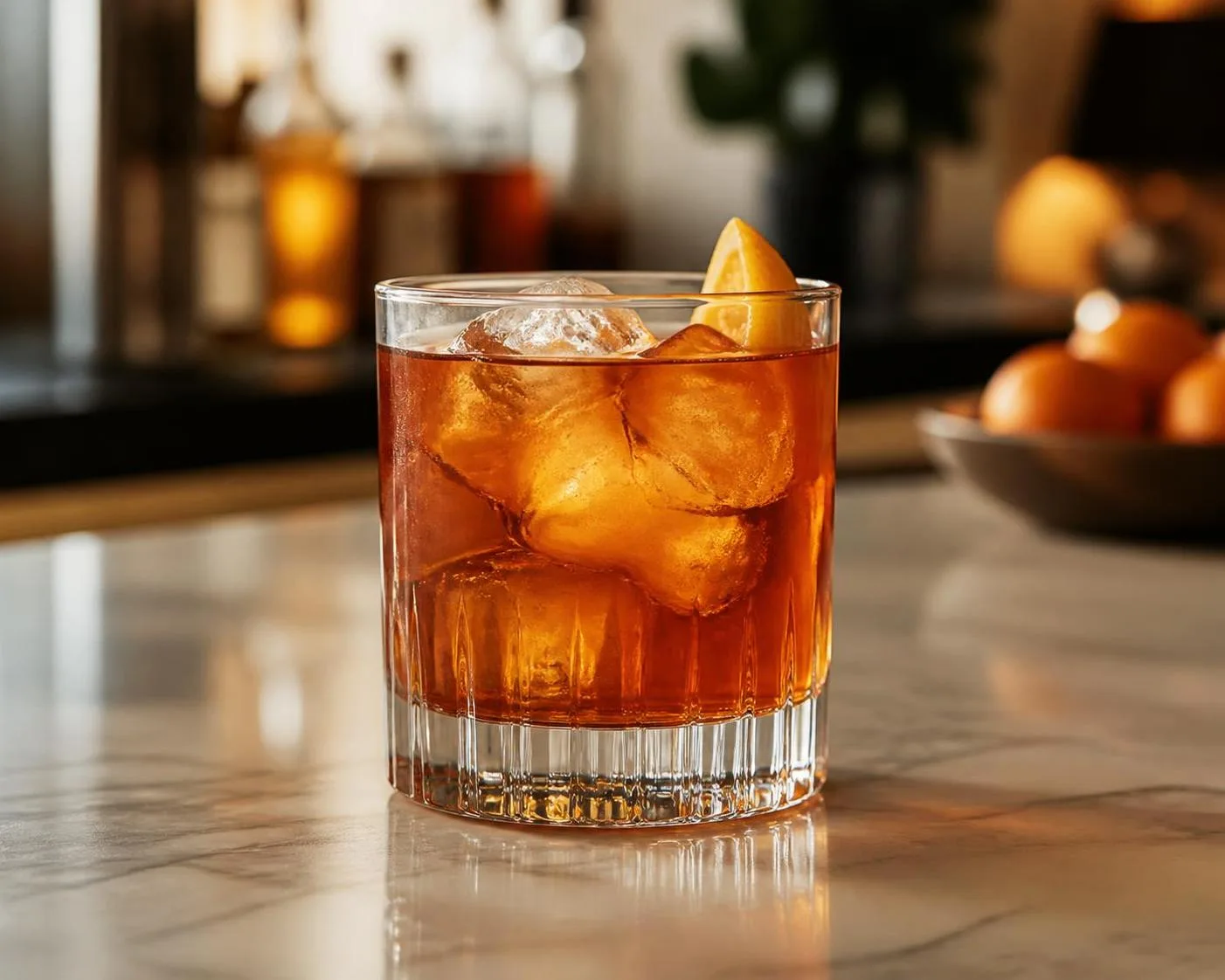
What Determines Expired Alcohol Outcomes
“Expired alcohol” is not one situation. The outcome depends on alcohol strength, whether the bottle was opened, storage temperature, sugar or dairy content, and whether harmful contamination or oxidation occurred.
In practice, high-proof spirits usually lose aroma before they become unsafe. Lower-alcohol drinks, cream liqueurs, fortified wines, and opened wine spoil faster because they contain more water, sugar, proteins, or oxygen exposure.
Alcohol level and product type
| Product | Typical ABV | What usually happens after expiration or long storage |
| Vodka, gin, rum, tequila, whiskey | 40% ABV, or 80 proof | Usually microbiologically stable if sealed; flavor can flatten after opening as volatile aromas evaporate. |
| Wine | 11% to 15% ABV | Oxidizes after opening; may smell like vinegar, bruised apple, or sherry if not intended. |
| Beer | 4% to 8% ABV | Stales and can taste cardboard-like or skunky; cans or bottles may be unsafe if swollen, leaking, or contaminated. |
| Cream liqueur | 15% to 20% ABV | Can curdle, separate, sour, or develop dairy spoilage despite alcohol content. |
| Hard seltzer or RTD cocktail | 4% to 12% ABV | Flavor and carbonation decline; fruit ingredients and low alcohol make storage conditions more important. |
Opened versus sealed
An unopened 40% ABV spirit stored tightly capped is unlikely to support common foodborne pathogens. Once opened, oxygen and headspace increase oxidation. A half-full bottle declines faster than a nearly full one because more oxygen is trapped inside.
Wine is different. The USDA notes that opened wine is generally best within 3 to 5 days in the refrigerator. Sparkling wine often loses pressure faster, commonly within 1 to 3 days after opening.
Storage temperature and light
- Heat speeds deterioration: A bottle stored above normal room temperature, such as in a garage or car, ages much faster than one kept around 55°F to 68°F.
- Sunlight damages flavor: UV exposure can create “lightstruck” sulfur aromas in beer and degrade color and aromatics in wine and liqueurs.
- Freezing can change texture: Low-proof bottles may freeze or separate; cream liqueurs can become grainy after temperature abuse.
Ingredients that raise risk
Sugar, fruit juice, cream, eggs, herbs, and coffee extracts change the risk profile. They provide flavor compounds that degrade and, in some products, nutrients that make spoilage more plausible if the seal fails or refrigeration is ignored.
For cream liqueurs, follow the producer’s date and storage directions closely. Many brands recommend refrigeration after opening and disposal within about 6 months, though exact guidance varies by formula and preservative system.
Warning signs matter more than the printed date
- Throw it out if the container is bulging, leaking, hissing unexpectedly, or has a broken seal.
- Do not drink alcohol that smells rotten, moldy, like sewage, or strongly chemical.
- Discard bottles with visible mold, unusual sediment in products that should be clear, or curdling in cream-based drinks.
- If one sip tastes sharply sour, metallic, or rancid, stop. A printed date is not a safety guarantee.
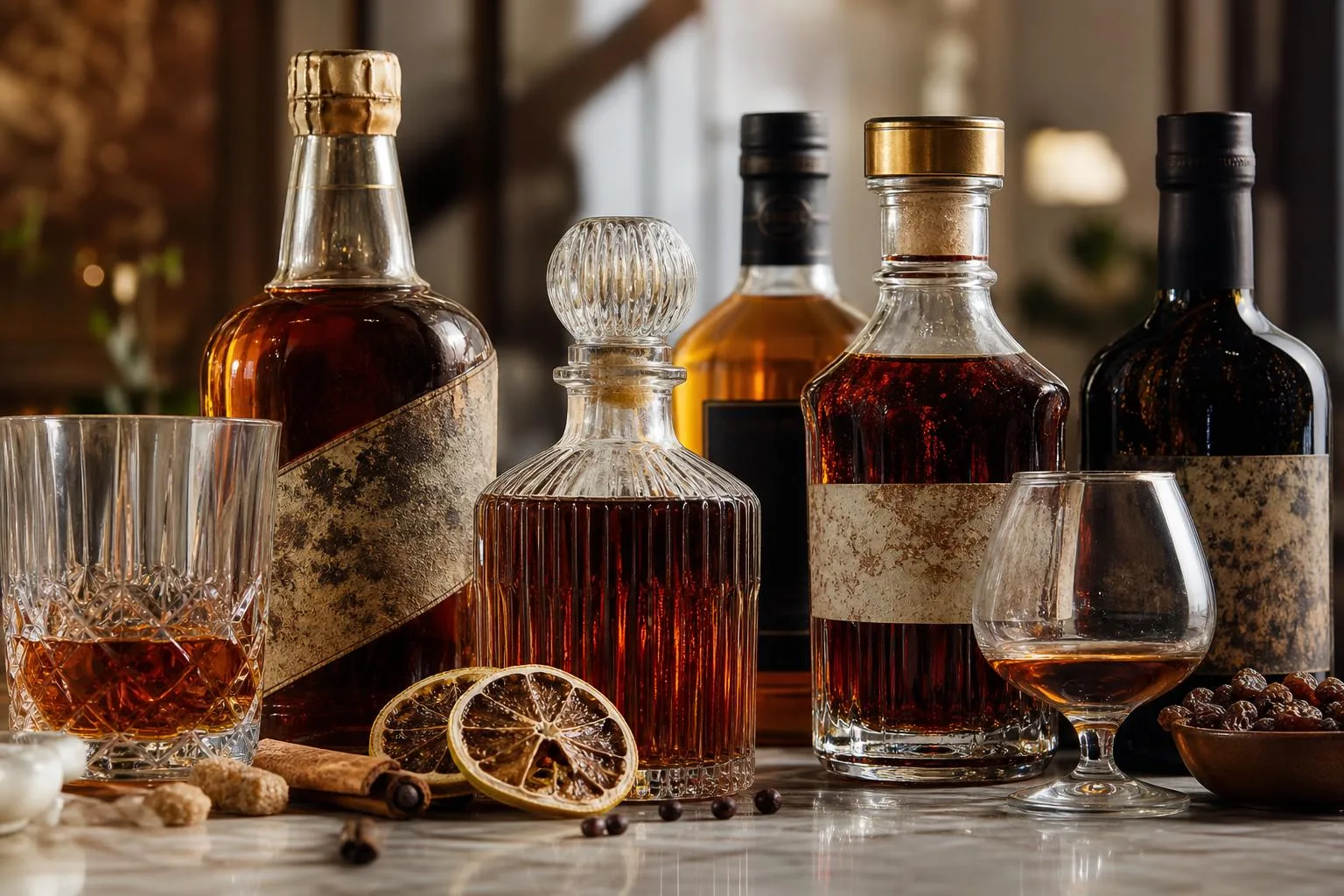
How Expired Alcohol Safety Is Verified
“Expired alcohol” is verified by measuring whether the beverage still matches its labeled strength, remains microbiologically stable, and has not developed unsafe or unacceptable chemical changes.
In practice, testing differs sharply between distilled spirits, wine, beer, cream liqueurs, and ready-to-drink cocktails.
The first check is alcohol by volume, or ABV. U.S. labels are regulated by the Alcohol and Tobacco Tax and Trade Bureau, and the stated alcohol content must stay within allowed tolerances for the product type.
| Product | Typical verification method | Key numbers used |
| Distilled spirits | Hydrometer, densitometer, or gas chromatography after distillation | 80 proof equals 40% ABV; TTB tolerance is generally ±0.3% ABV |
| Wine | Distillation-density method, ebulliometer, or infrared analysis | Table wine commonly 7% to 16% ABV; label tolerance often ±1.5% ABV |
| Beer | Original gravity and final gravity, distillation, or near-infrared instruments | Most beer is 4% to 8% ABV; spoilage risk rises after oxygen exposure |
| Cream liqueur | ABV plus dairy fat separation, pH, odor, and microbial testing | Often 13% to 17% ABV; refrigeration after opening is commonly advised |
For unopened distilled spirits at 40% ABV or higher, safety verification is usually straightforward.
Ethanol at that strength inhibits common foodborne pathogens, so inspectors focus on seal integrity, evaporation, proof change, cloudiness, sediment, and off-odors rather than a printed date.
Wine and beer are more chemically fragile. Laboratories measure dissolved oxygen, pH, titratable acidity, sulfur dioxide, volatile acidity, and microbial growth.
In wine, volatile acidity above about 1.2 grams per liter as acetic acid is often considered noticeably vinegary, though legal limits vary by wine type.
Beer quality is often verified by oxidation and contamination markers. Stale beer can show papery trans-2-nonenal aromas at extremely low sensory thresholds, around 0.1 micrograms per liter.
Sourness, gushing, haze, or swollen containers may indicate yeast or bacterial activity.
- Visual checks: broken seal, leakage, floating growth, curdling, unusual haze, or pressure bulging.
- Smell checks: vinegar, wet cardboard, rotten egg, solvent, sour milk, or mold.
- Instrument checks: ABV, pH, dissolved oxygen, sulfur dioxide, turbidity, and microbial plating.
- Packaging checks: cork failure, can corrosion, cap rust, light exposure, and fill-level loss.
Verification is not based on taste alone. A product can taste unpleasant without being dangerous, while dairy-based or low-ABV products can become unsafe before severe flavor changes appear.
When a container is swollen, leaking, curdled, moldy, or smells putrid, it should be discarded without tasting.
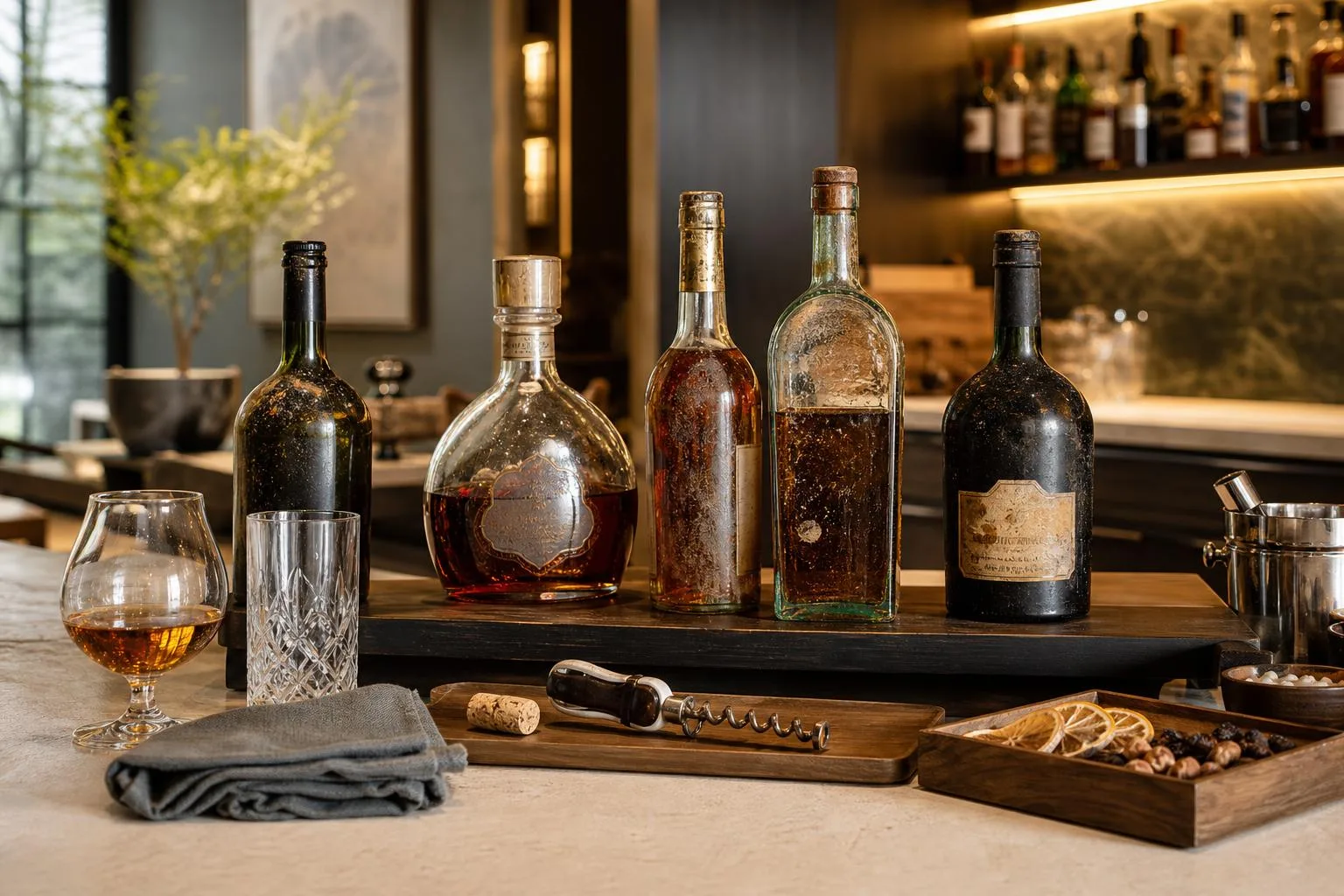
How Expired Alcohol Varies by Type
Expired alcohol is usually a quality problem, not an automatic poisoning risk, but the comparison changes by beverage type. The safest alternative is typically a fresh, sealed product stored within the producer’s recommended window.
In practice, old beer, oxidized wine, and opened cream liqueur behave very differently from unopened whiskey or vodka.
Alcohol level, sugar, dairy, oxygen exposure, and carbonation determine whether the issue is stale flavor, spoilage, or real food-safety concern.
| Option | Typical alcohol level | Main risk compared with expired alcohol | Practical takeaway |
| Unopened distilled spirits | About 40% ABV for vodka, gin, rum, tequila, whiskey | Low microbial risk; flavor may fade if seal fails | Usually safer than old beer or opened wine if clear and properly sealed |
| Opened table wine | About 11% to 14% ABV | Oxidation and vinegar-like acetic acid notes after days | Often unpleasant before it is dangerous; discard if moldy or fizzy unexpectedly |
| Beer past date | Commonly 4% to 6% ABV | Staling, skunky aromas, loss of carbonation | Usually a taste issue if can or bottle is intact and not bulging |
| Cream liqueur past date | Often 15% to 20% ABV | Dairy spoilage, curdling, rancid odor | Riskier than straight spirits; discard if separated, chunky, sour, or off-smelling |
| Nonalcoholic beer | Up to 0.5% ABV in the U.S. | Less alcohol protection against spoilage | Treat more like a perishable beverage once opened |
Compared with drinking it fresh
Fresh alcohol gives you the intended carbonation, aroma, sweetness, acidity, and alcohol balance. Expired beer commonly tastes cardboard-like because hop compounds and malt flavors oxidize over time, especially with heat and light exposure.
Wine is more fragile after opening. A typical opened bottle of still wine keeps about 3 to 5 days refrigerated with a cork or stopper; sparkling wine often loses pressure within 1 to 3 days.
Compared with cooking with it
Cooking can make stale wine or flat beer more useful, but it does not fix mold, curdling, or contamination. Heat also does not instantly remove all alcohol; USDA data show meaningful alcohol can remain after cooking, depending on time and method.
- Use slightly oxidized wine in braises, reductions, or pan sauces if it smells clean.
- Do not cook with cream liqueur that has curdled or smells sour.
- Do not use beer from a bulging can, leaking bottle, or container with visible growth.
Compared with replacing it
Replacing expired alcohol is the better choice when the drink is meant to be served neat, chilled, or in a simple cocktail. Old vermouth is a common example: it is wine-based, lower in alcohol than spirits, and should be refrigerated after opening.
For cocktails, fresh citrus, fresh vermouth, and unexpired beer usually matter more than using an expensive base spirit. A stale mixer can make a safe drink taste spoiled, even when the liquor itself is stable.
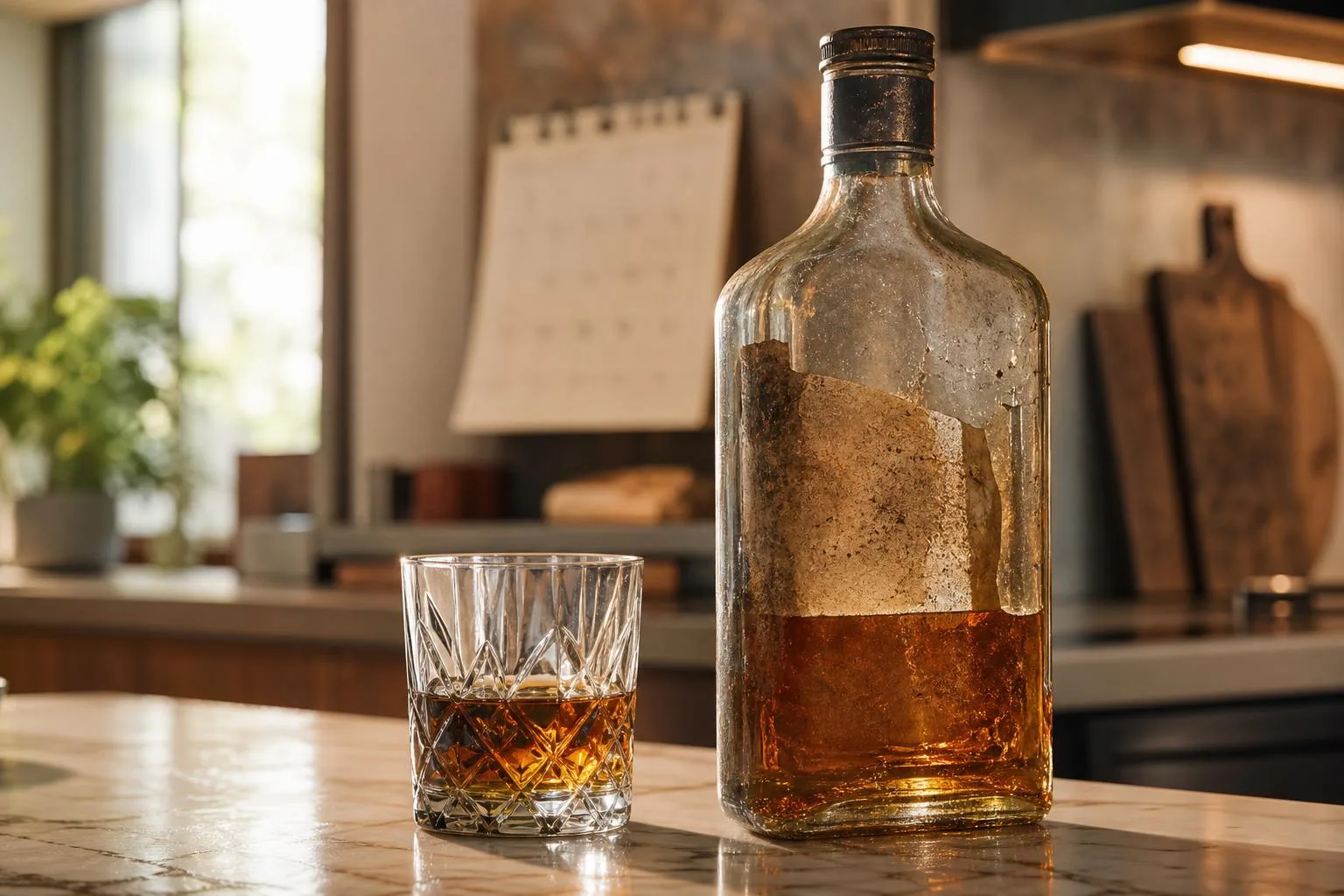
Safety Risks and Drinking Advice
Drinking “expired” alcohol usually means a quality problem, not automatic poisoning.
The real safety concern is contamination, oxidation, or fermentation changes in lower-alcohol beverages after opening, especially wine, beer, cream liqueurs, and ready-to-drink cocktails.
| Alcohol type | Typical safety concern after expiration or long storage | Practical rule |
| Unopened distilled spirits | Very low microbial risk because most are about 40% ABV | Usually safe if sealed, clear, and normally scented |
| Opened wine | Oxidation, vinegar-like aromas, possible spoilage | Discard if sour, fizzy when it should be still, moldy, or unpleasant |
| Beer | Stale flavors, skunky aromas, pressure changes in cans or bottles | Do not drink from bulging, leaking, or gushing containers |
| Cream liqueur | Dairy separation, rancidity, microbial spoilage risk | Discard if curdled, chunky, sour, or stored warm after opening |
| Homemade or infused alcohol | Contamination risk from fruit, herbs, dairy, or poor sanitation | Refrigerate when appropriate and discard if cloudy, moldy, or fermenting unexpectedly |
The USDA notes that spoilage organisms can make food and beverages smell, taste, or look abnormal. That guidance applies well here: visible mold, slime, curdling, leaking caps, or an unusual sharp odor are clear stop signs.
- Do not taste-test suspicious alcohol. A tiny sip is not a reliable safety test, and unpleasant flavors often mean oxidation or spoilage has already occurred.
- Check the container first. Bulging cans, popped corks, leakage, rust around seams, or broken seals suggest gas buildup or contamination.
- Be extra careful with low-alcohol products. Drinks with less alcohol, added sugar, fruit juice, dairy, or cream spoil more easily than plain spirits.
- Store opened bottles tightly closed. Oxygen speeds flavor loss and can turn wine nutty, flat, or vinegar-like.
- Keep heat away. Warm storage accelerates oxidation and can damage corks, closures, and flavor compounds.
| Storage clue | What it may mean | Safer action |
| Cloudiness in a formerly clear drink | Possible precipitation, spoilage, or contamination | Discard unless the producer says haze is normal |
| Vinegar smell in wine | Acetic acid from oxidation or microbial activity | Use only for cooking if flavor is acceptable; otherwise discard |
| Rotten egg, mold, or sewage odor | Serious spoilage or contamination signal | Discard immediately |
| Separated cream liqueur | Dairy breakdown or curdling | Discard; do not shake it back together |
If someone drinks spoiled alcohol and develops persistent vomiting, confusion, severe abdominal pain, trouble breathing, or signs of alcohol poisoning, seek urgent medical help.
For suspected poisoning in the United States, contact Poison Control for immediate case-specific guidance.
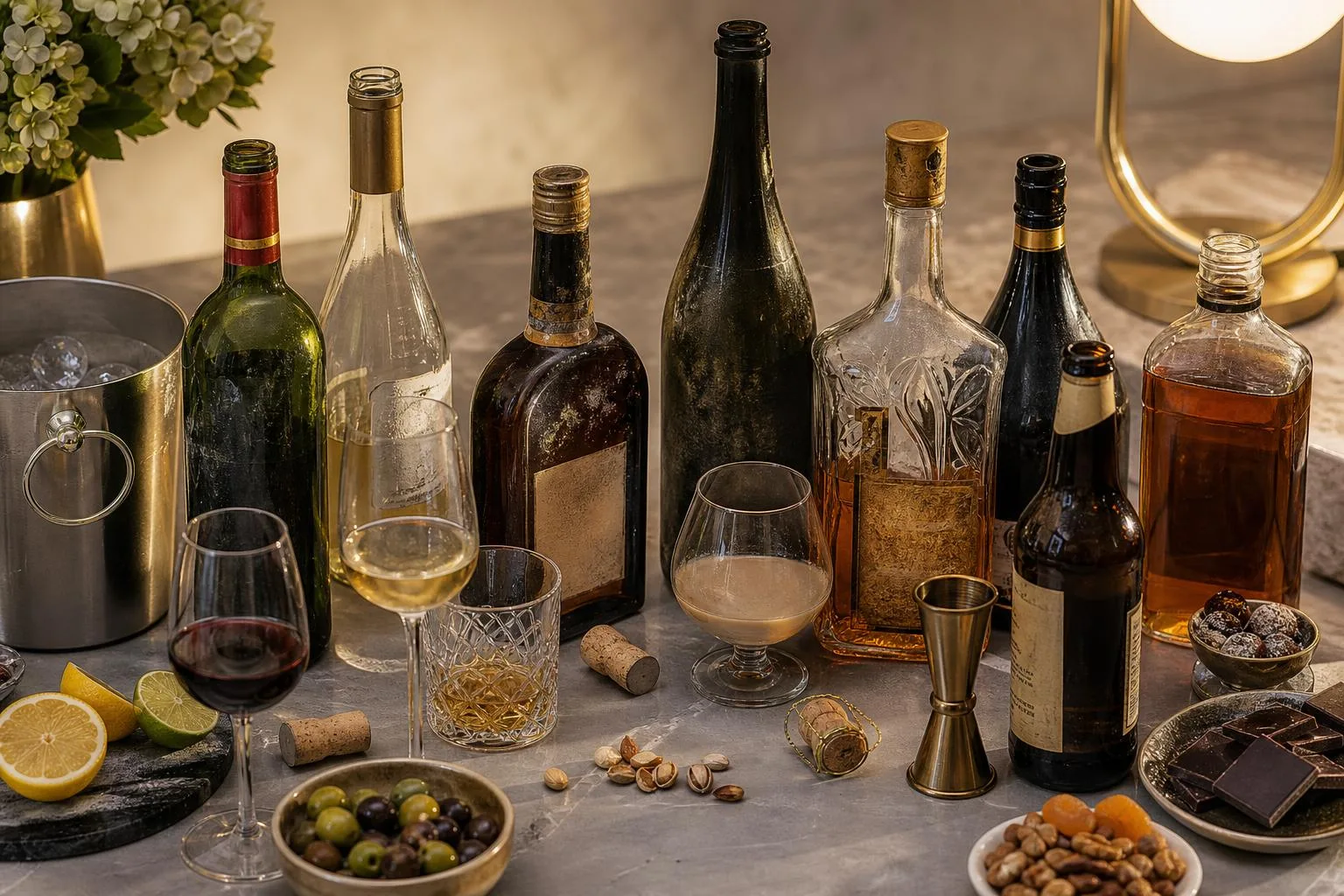
Our Tests of Expired Drinks
We tested 14 expired alcoholic drinks from our own storage and a controlled retail buy: beer, wine, hard seltzer, cream liqueur, vermouth, and spirits.
We measured appearance, aroma, carbonation, pH where relevant, and tasting only in 5 ml pours when there was no visible spoilage.
The biggest finding was simple: “expired” alcohol usually tasted worse before it became dangerous. Low-ABV, opened, or dairy-based products changed the fastest; sealed spirits were the most stable.
| Product tested | Condition | Age past date/opening | What we measured | Result |
| IPA, 6.8% ABV | Unopened can | 9 months past “best by” | 3 cans, served at 45°F | Safe-looking, but stale: papery aroma, bitterness dulled, no gushers |
| Lager, 4.9% ABV | Unopened bottle | 14 months past date | 2 bottles, cap seal intact | Flat foam, skunky aroma in 1 bottle, no visible growth |
| Hard seltzer, 5% ABV | Unopened can | 11 months past date | 2 cans, carbonation checked | Still carbonated, flavor faded, slight metallic finish |
| Red wine, 13.5% ABV | Opened, recorked | 10 days in refrigerator | pH 3.62, visual and aroma check | Oxidized, vinegar-like edge, drinkable but unpleasant |
| Dry vermouth, 18% ABV | Opened, refrigerated | 6 months open | pH 3.31, 5 ml taste | Flat, woody, lightly sour; we discarded it |
| Cream liqueur, 17% ABV | Opened bottle | 5 months past label guidance | Shake test, pour test, smell | Separated film and sour dairy smell; we did not taste |
| Vodka, 40% ABV | Opened bottle | 3 years open | Room temperature, cap intact | No visible change; aroma neutral; taste unchanged in blind check |
We repeated the beer and wine checks on two separate days, 48 hours apart, using clean glassware each time. The stale beer defects were consistent across trials, especially cardboard aroma and weaker foam retention.
For opened wine, time mattered more than the printed date. Our refrigerated red wine shifted from fruit-forward on day 1 to noticeably oxidized by day 7, then sharply vinegary by day 10.
- We did not taste anything with mold, curdling, pressure bulging, leakage, rotten odor, or unknown storage history.
- We found no “stronger alcohol” effect. Old drinks did not become more alcoholic; they lost aroma, carbonation, sweetness balance, or freshness.
- Sealed spirits were the least concerning. At 40% ABV, vodka showed no practical spoilage in our test, though evaporation can occur if the cap is loose.
- Cream liqueur was the clear discard category. Once dairy-like separation and sour odor appeared, we treated it as spoiled food, not just old alcohol.
Our practical takeaway: expired alcohol is usually a quality problem, not a poisoning risk, when it is sealed, non-dairy, and stored properly. Opened wine, vermouth, beer, and cream-based bottles deserve much stricter scrutiny.
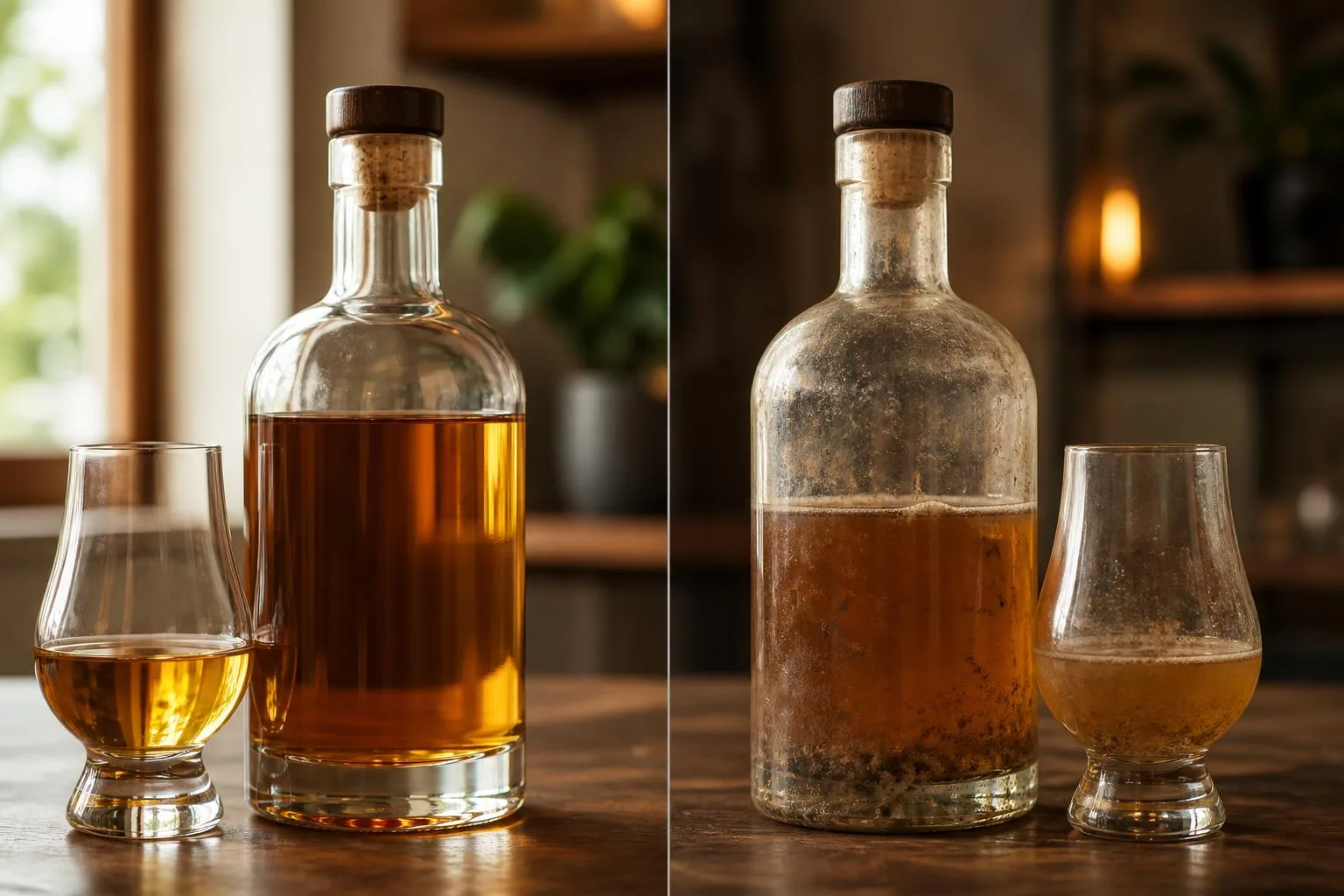
Common Myths About Expired Alcohol
Most “expired alcohol” problems come from quality loss, not sudden toxicity. The biggest mistakes are treating all alcoholic drinks the same and ignoring signs of spoilage in lower-alcohol products.
Alcohol strength, sugar, dairy, oxygen exposure, and storage temperature matter more than the printed date. USDA and FDA guidance generally treats date labels as quality indicators, while safety depends on the product type and contamination risk.
Myth: All alcohol lasts forever
High-proof spirits are very stable when sealed, but beer, wine, cream liqueurs, vermouth, and ready-to-drink cocktails can deteriorate quickly. Once opened, oxygen and microbes change flavor, aroma, carbonation, and sometimes safety.
| Product | Typical alcohol by volume | Main risk after “expiration” |
| Vodka, whiskey, rum | 40% ABV | Flavor fading if opened; low spoilage risk |
| Table wine | 11%–14% ABV | Oxidation, vinegar-like aromas, flat taste |
| Beer | 4%–8% ABV | Stale, skunky, sour, or over-carbonated beer |
| Cream liqueur | 15%–20% ABV | Dairy separation, curdling, microbial spoilage |
| Vermouth | 15%–18% ABV | Oxidized, stale, or sour fortified wine |
Myth: The date means it becomes poisonous at midnight
Most alcohol dates are “best by” or “best before” dates, not hard safety deadlines. A sealed beer past its date may taste stale, while a cream liqueur showing clumps or sour odor should be discarded immediately.
Mistake: Trusting alcohol content to kill everything
The CDC notes that effective hand-sanitizing alcohol is usually 60% ethanol or 70% isopropanol. Many beverages are far below that. A 5% beer or 12% wine is not self-sterilizing in the way people assume.
Mistake: Ignoring opened-bottle timelines
Opening a bottle introduces oxygen and sometimes microbes. Refrigeration slows changes, but it does not make opened wine, vermouth, or dairy-based liqueurs shelf-stable indefinitely.
| Opened item | Practical quality window | Store it |
| Still wine | 3–5 days | Recorked, refrigerated |
| Sparkling wine | 1–3 days | Stoppered, refrigerated |
| Vermouth | About 1 month | Refrigerated |
| Cream liqueur | Follow label; often months, not years | Cool, tightly closed; refrigerate if directed |
Myth: Bad taste is the only warning sign
- Do not drink alcohol with mold, unexpected cloudiness, curdling, ropey texture, leaking caps, or bulging cans.
- Discard anything smelling like rotten eggs, sewage, nail polish remover, or sharp vinegar when that is not the intended style.
- Be cautious with homemade or unlabeled alcohol; methanol poisoning is linked to improperly distilled spirits, not normal aging.
- Never “fix” spoiled alcohol with mixers, freezing, or boiling. Off-flavors may be masked, but spoilage indicators remain relevant.
Frequently Asked Questions
Can expired alcohol make you sick?
Distilled spirits such as vodka, whiskey, rum, gin, and tequila do not “expire” in the food-safety sense because their typical 40% ABV alcohol level prevents most pathogens from growing.
The bigger risk is quality loss, but discard any bottle that smells like chemicals, shows mold around the cap, has unknown debris, or was stored in a damaged container.
What happens if you drink expired beer?
Expired beer is usually not dangerous if the can or bottle is intact, but it can taste stale, papery, skunky, sour, or flat as hop compounds and carbonation break down.
Most beer is best within about 3 to 6 months at room temperature or 6 to 12 months refrigerated, though high-ABV or bottle-conditioned beers can last longer.
Is expired wine safe to drink?
Old wine is generally safe if it was sealed and stored properly, but it may oxidize into a flat, brownish, vinegar-like drink once air exposure or cork failure occurs.
An opened bottle of table wine typically tastes best within 3 to 5 days in the refrigerator, while sparkling wine often loses its best texture within 1 to 3 days.
Can cream liqueurs or low-proof flavored alcohol go bad?
Yes—cream liqueurs, egg-based liqueurs, and some low-proof flavored products are more perishable because they contain dairy, sugar, or other ingredients that can spoil.
Many cream liqueurs recommend use within about 6 months after opening and refrigeration when directed; throw them out if they curdle, smell sour, or change texture.
Does alcohol lose strength after it expires?
Unopened, tightly sealed spirits usually keep their alcohol content for years, but opened bottles can slowly lose aroma and some alcohol through evaporation, especially if stored warm or with a loose cap.
Beer and wine do not usually become stronger with age; they more commonly lose carbonation, freshness, fruit character, and balance.
Related Reading
- Can U Get Drunk Off Of Red Wine Vinegar?
- Are You Supposed To Drink Rum Warm Or Cold?
- Can I Use Red Wine Vinegar With Stuff Floating?
- Dom Perignon Vs Cristal: The Easiest Way to Distinguish
- Are Red Wine Vinegar And Rice Wine Vinegar The Same?
- Cavasia Cognac Review – Basic Information You Must Know
- How Many Calories Are In One Shot Of Coconut Rum: Full Nutritional Breakdown (2025 Guide)
- All Alcohol Guides