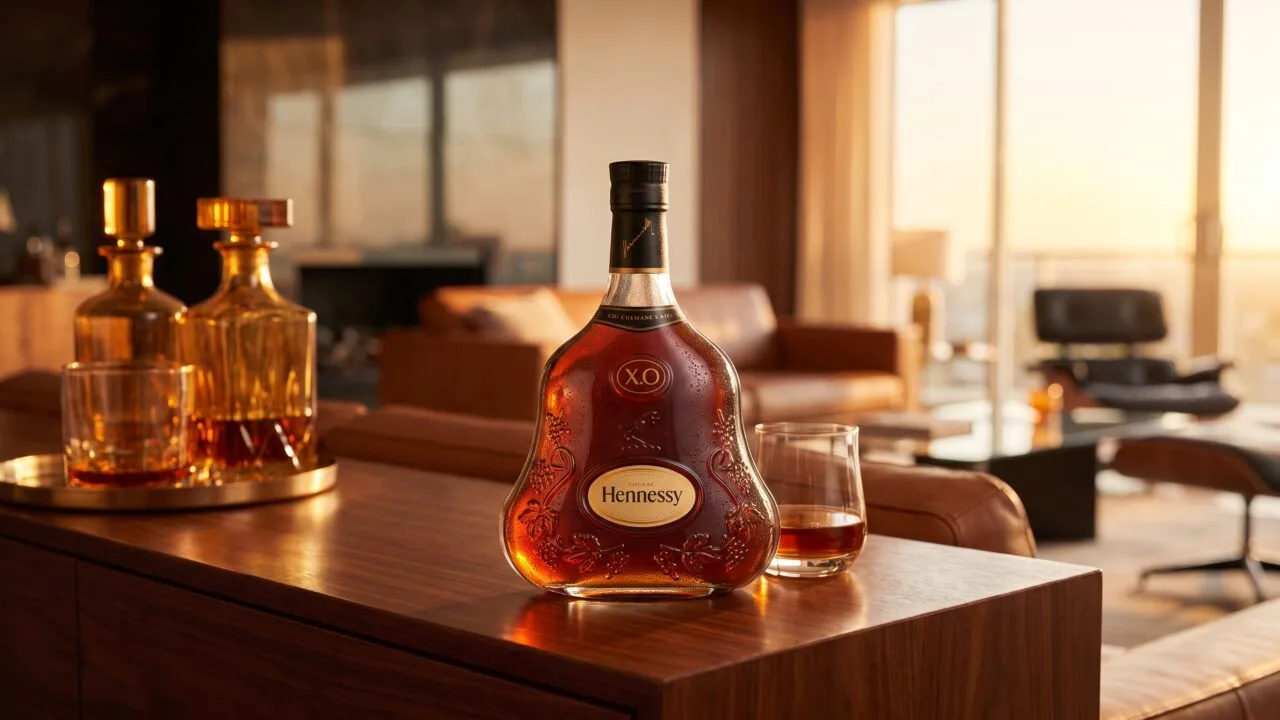
Yes, Hennessy is 100% brandy—specifically Cognac, a strictly regulated subcategory of grape brandy produced exclusively in the Cognac region of southwestern France.
Every bottle of Hennessy is distilled from white wine (primarily Ugni Blanc grapes) and aged a minimum of 2 years in French oak barrels.
All Cognac is brandy, but not all brandy qualifies as Cognac.
Hennessy, founded in 1765 by Richard Hennessy, must meet AOC standards: double-distillation in copper pot stills, aging in Limousin or Tronçais oak, and sourcing from six designated crus.
Below, we break down exactly why Hennessy is brandy, how it differs from other spirits, and what the VS, VSOP, and XO classifications actually mean.
Why Hennessy Is Cognac Brandy
Hennessy is legally a Cognac, which is a strictly regulated subcategory of grape brandy from a defined region in southwest France.
The AOC rules dictate grape variety, distillation method, aging vessel, and minimum age — every bottle you buy reflects those numbers.
The Legal Framework Behind Every Bottle
- Grape composition: At least 90% Ugni Blanc, Folle Blanche, or Colombard — Hennessy relies overwhelmingly on Ugni Blanc.
- Distillation: Twice, in copper pot stills (alambic charentais) no larger than 30 hectoliters, finished before March 31 following harvest.
- Aging vessel: French oak barrels, primarily from Limousin and Tronçais forests.
- Minimum ABV: 40% for commercial release.
- Region: Six crus surrounding the town of Cognac, in Charente and Charente-Maritime.
What the Age Designations Actually Mean
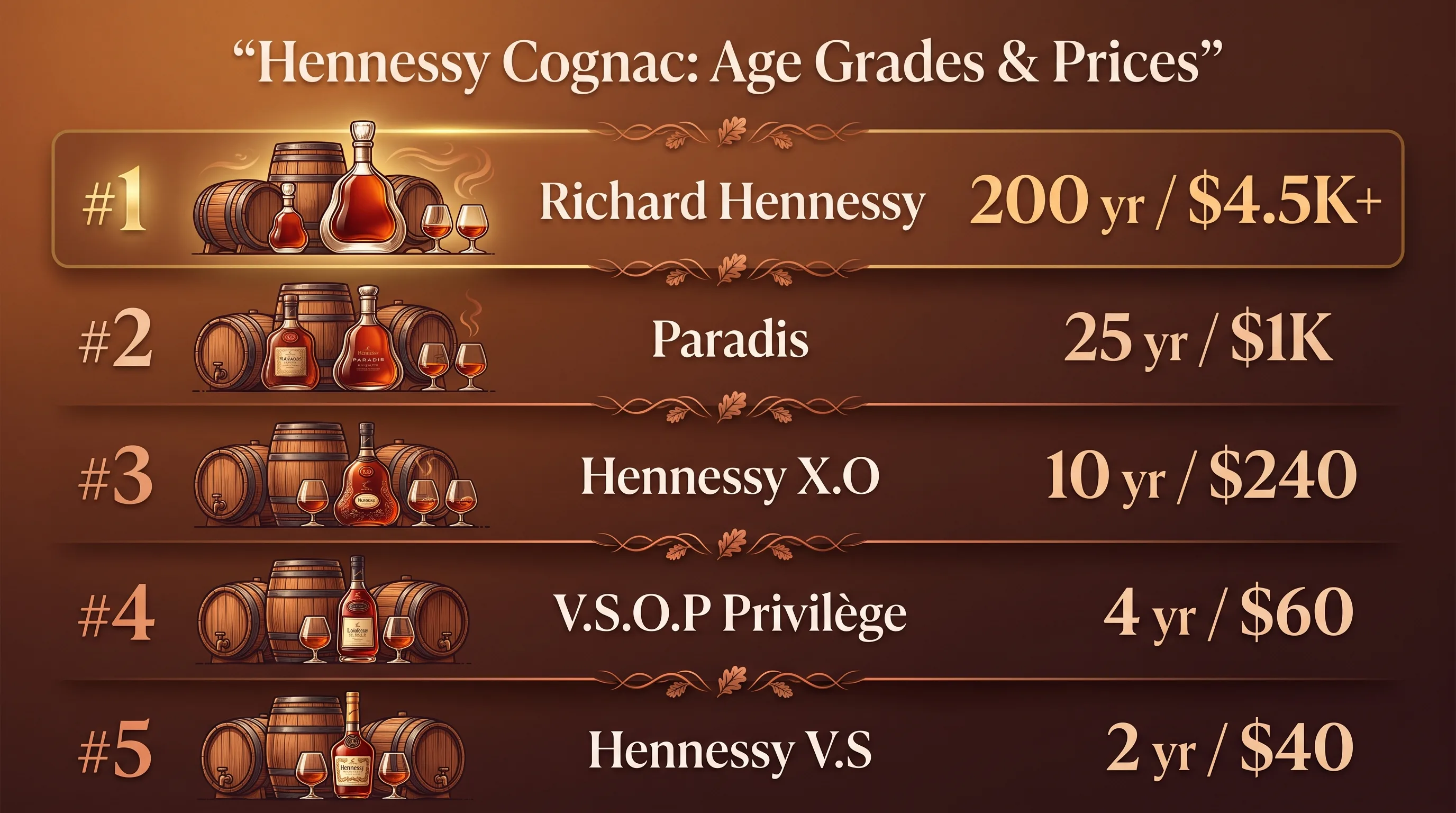
Cognac age statements refer to the youngest eau-de-vie in the blend. Hennessy’s core range maps to the BNIC (Bureau National Interprofessionnel du Cognac) minimums, though house blends often exceed them.
| Expression | Minimum Age | Typical ABV | Approx. US Price (750ml) |
| Hennessy V.S | 2 years | 40% | $35–$45 |
| Hennessy V.S.O.P Privilège | 4 years | 40% | $55–$70 |
| Hennessy X.O | 10 years | 40% | $220–$260 |
| Hennessy Paradis | ~25 years avg. | 40% | $900–$1,100 |
| Hennessy Richard | Up to 200 years | 40% | $4,500+ |
Production Scale
Hennessy sells roughly 8 million cases annually, representing about 40–50% of global Cognac shipments.
The house sources from around 1,500 partner growers across the six crus and maintains a stock of over 350,000 barrels aging at any given moment.
Founded in 1765 by Irishman Richard Hennessy, the maison has been part of LVMH’s Moët Hennessy division since 1987. The US remains its largest single market, accounting for roughly half of total volume.
Rules That Define Hennessy as Brandy
Whether Hennessy qualifies as “brandy” hinges on regulatory geography, grape variety, distillation method, and aging.
Cognac is a legally protected subset of brandy under France’s AOC (1936) and EU Regulation 110/2008, so several strict production parameters determine the final classification.
Regional and Legal Requirements
Hennessy is produced in Cognac, France, within six designated crus. To carry the Cognac name, the eaux-de-vie must meet AOC rules — otherwise it’s simply “brandy.”.
- Grape variety: minimum 90% Ugni Blanc, Folle Blanche, or Colombard
- Distillation: double-distilled in copper Charentais pot stills
- Distillation deadline: must finish by March 31 following harvest
- Aging: minimum 2 years in French oak (Limousin or Tronçais)
- ABV: bottled at 40% minimum
Age Designation Impact
The age statement on the bottle reflects the youngest eau-de-vie in the blend, measured by “compte” (counting) years starting April 1 after distillation.
| Grade | Min. Aging | Hennessy Example |
| V.S. | 2 years | Hennessy V.S |
| V.S.O.P. | 4 years | Hennessy V.S.O.P Privilège |
| Napoléon | 6 years | — |
| X.O. | 10 years (since 2018) | Hennessy X.O |
| X.X.O. | 14 years | Hennessy X.X.O |
Blending and Master Blender Influence
Hennessy’s Master Blender — Renaud Fillioux de Gironde since 2017, the eighth generation of the Fillioux family since 1800 — assembles up to 100+ eaux-de-vie per blend.
Paradis Impérial reportedly draws from reserves aged 30–130 years.
Terminology That Changes the Answer
- Brandy (broad): any spirit distilled from fermented fruit — Hennessy qualifies
- Cognac (specific): grape brandy from the Cognac region meeting AOC rules — Hennessy qualifies
- Armagnac, Pisco, Brandy de Jerez: also brandies, but Hennessy is none of these
So the accurate answer: Hennessy is brandy — specifically Cognac, the most prestigious legally protected category of grape brandy.
How Hennessy Cognac Classification Is Verified
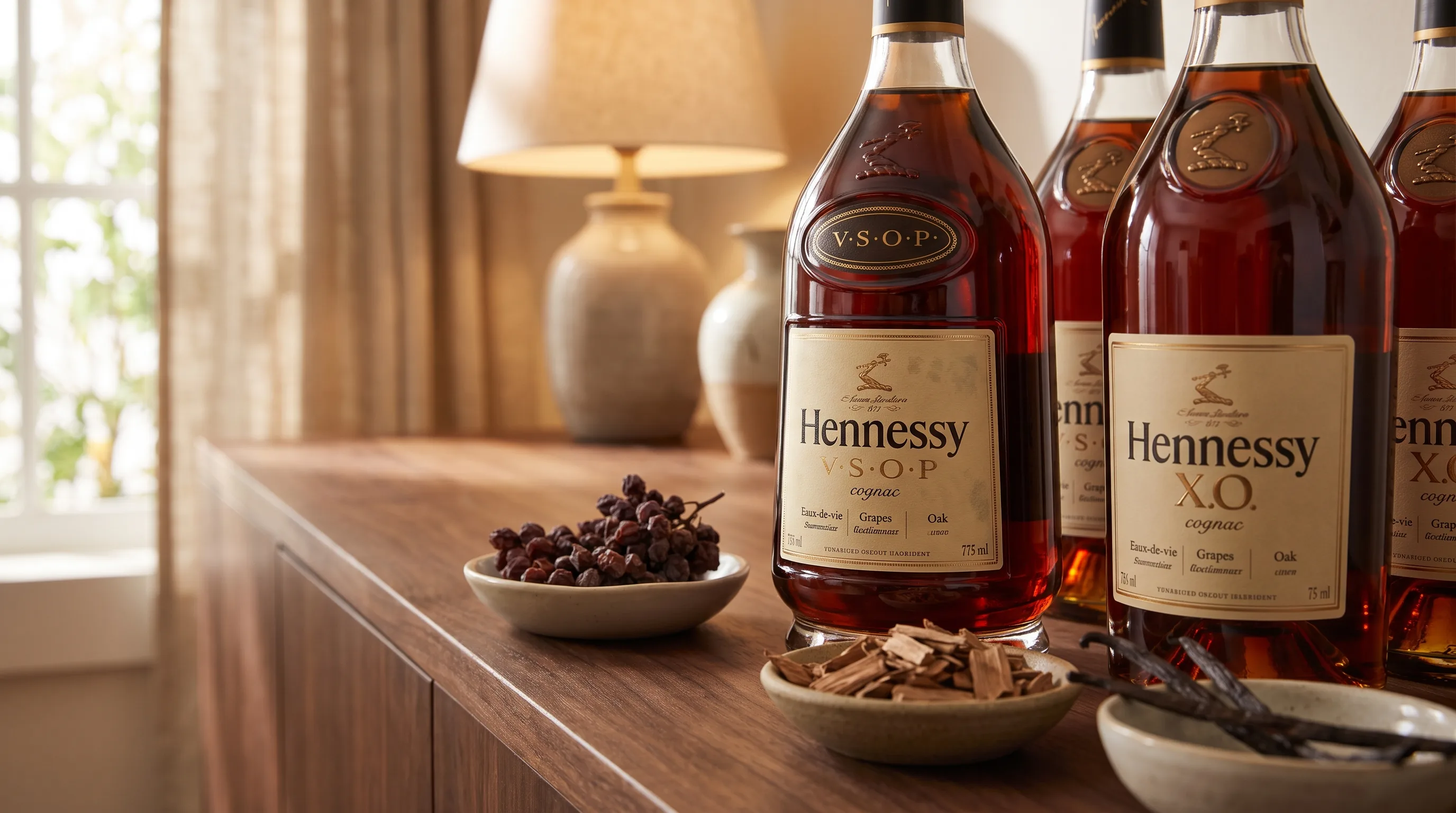
Hennessy’s classification as Cognac—a protected subset of brandy—is verified through the Bureau National Interprofessionnel du Cognac (BNIC), which enforces AOC rules established in 1936.
Every bottle must meet legal thresholds for grape variety, distillation, aging, and alcohol strength before it can carry the Cognac name.
Regulatory Standards Enforced by BNIC
- Grape composition: Minimum 90% Ugni Blanc, Folle Blanche, or Colombard; Hennessy uses roughly 98% Ugni Blanc.
- Distillation method: Double distillation in copper Charentais pot stills, completed by March 31 following harvest.
- Cask type: French oak from Limousin or Tronçais forests only.
- Bottling strength: Minimum 40% ABV (80 proof).
- Geographic origin: Grapes grown within six delimited crus around Cognac, France.
Age Statement Verification
The BNIC audits cellar records annually. Each cask carries a “compte” number tracking years aged in oak; aging stops the moment spirit is transferred to glass demijohns or bottled.
| Designation | Minimum Age (Youngest Eau-de-Vie) | Compte |
| V.S. (Very Special) | 2 years | Compte 2 |
| V.S.O.P. | 4 years | Compte 4 |
| Napoléon | 6 years | Compte 6 |
| X.O. (since April 2018) | 10 years | Compte 10 |
| Hors d’Âge | 10+ years | Compte 10 |
Sensory and Chemical Testing
Hennessy’s tasting committee, led by the Fillioux family since 1800, samples over 10,000 eaux-de-vie annually. The Master Blender assesses aroma, palate, and finish before assemblage.
- Ethanol measurement: Verified by hydrometer and gas chromatography; typical bottling is 40.0% ABV.
- Congener analysis: Laboratories check ester, aldehyde, and higher alcohol levels for consistency.
- Color and clarity: Spectrophotometric readings ensure batch-to-batch uniformity; caramel (E150a) is permitted for color adjustment.
Traceability
Since 2019, Hennessy has embedded NFC chips in select X.O. and Paradis bottles, allowing consumers to verify authenticity and view distillery data through a smartphone tap—reinforcing the AOC guarantee at the point of purchase.
How Cognac Differs from Brandy
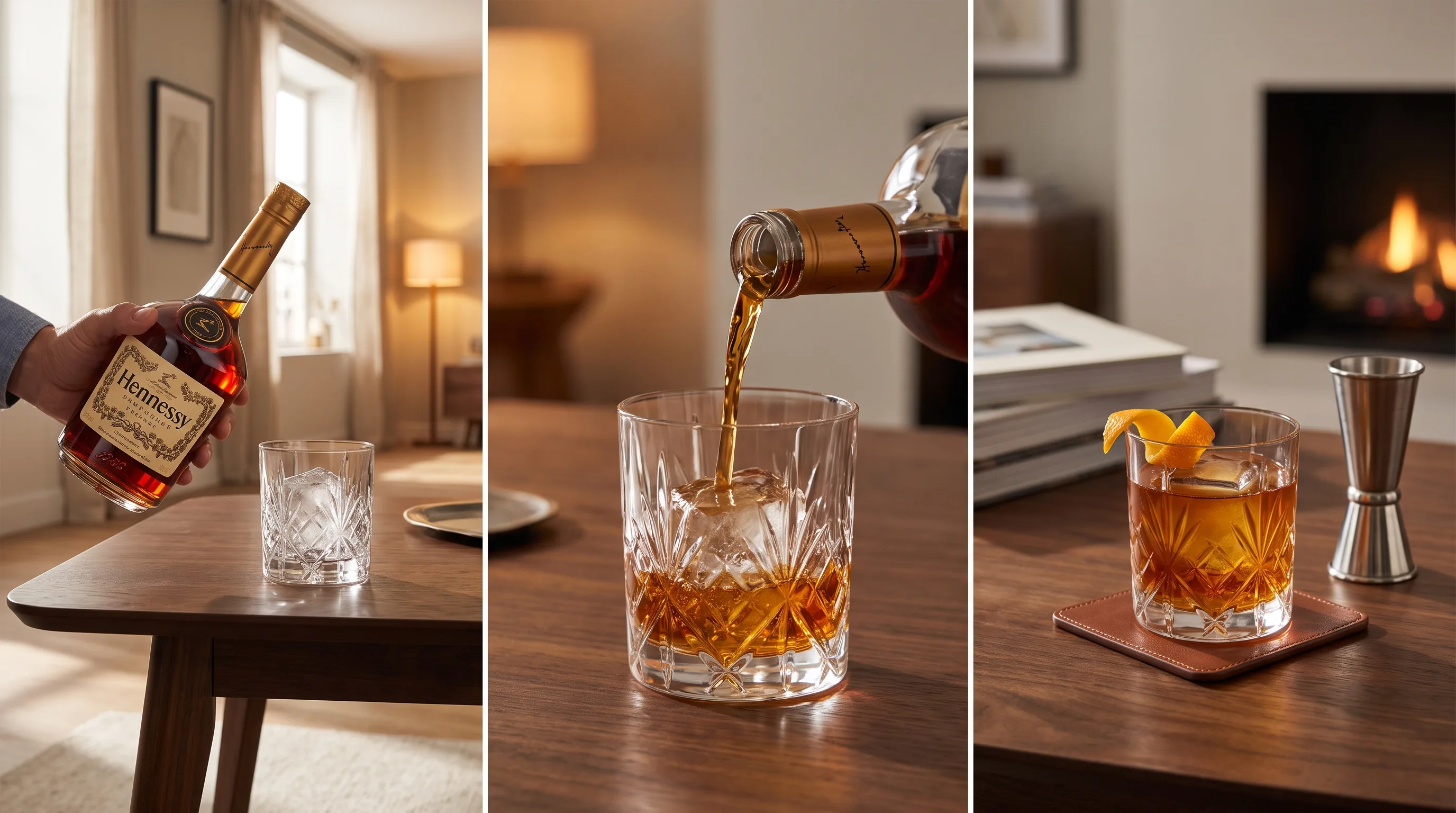
Hennessy is Cognac, which is a legally protected subcategory of brandy from the Cognac region of France. Understanding how it stacks up against other grape spirits, whiskeys, and rums clarifies why it commands its price and flavor profile.
Hennessy vs. Other Brandies and Whiskeys
Cognac must be made from specific grapes (mostly Ugni Blanc), double-distilled in copper pot stills, and aged in French oak. Compare that to Armagnac, American brandy, and bourbon below.
| Spirit | Base | Min. Aging | ABV | Typical Price (750ml) |
| Hennessy V.S | Ugni Blanc grapes | 2 years | 40% | $35–$45 |
| Hennessy V.S.O.P | Ugni Blanc grapes | 4 years | 40% | $55–$70 |
| Hennessy X.O | Ugni Blanc grapes | 10 years | 40% | $210–$260 |
| Rémy Martin VSOP | Grapes (Fine Champagne) | 4 years | 40% | $50–$65 |
| Armagnac VSOP | Grapes, column-still | 4 years | 40–48% | $45–$80 |
| E&J Brandy | US grapes | 2 years | 40% | $12–$16 |
| Bourbon (Buffalo Trace) | Corn mash | ~8 years | 45% | $25–$35 |
Flavor and Production Differences
- Hennessy vs. Armagnac: Armagnac is single-distilled in column stills, giving it a rustic, fruitier character. Hennessy’s double-pot distillation produces a smoother, more refined profile.
- Hennessy vs. American brandy: Brands like E&J or Christian Brothers use column stills and less strict aging rules, resulting in sweeter, lighter spirits at one-third the price.
- Hennessy vs. bourbon: Bourbon derives vanilla and caramel from new charred oak, while Hennessy uses used Limousin or Tronçais oak, yielding softer notes of dried fruit, honey, and floral spice.
- Hennessy vs. rum: Aged rums (Zacapa 23, Diplomático) share Cognac’s raisin and caramel notes but start from molasses or cane juice, giving a heavier sweetness.
Hennessy holds roughly 40% of global Cognac sales, making it the benchmark against which competitors like Martell, Rémy Martin, and Courvoisier are measured.
Hennessy Alcohol Content and Serving Facts
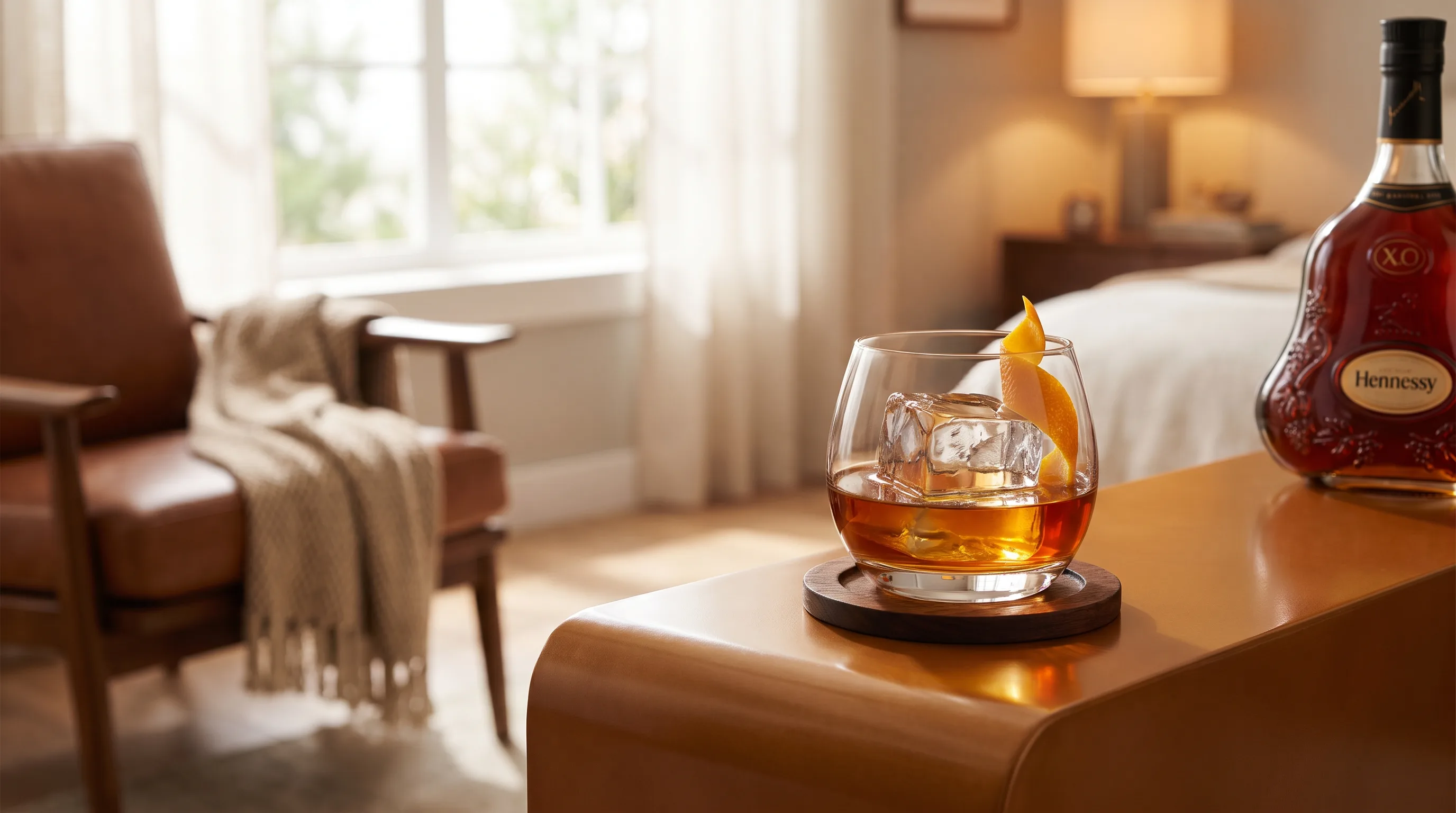
Hennessy Cognac is bottled at 40% ABV (80 proof), which places it in the same alcohol-strength tier as vodka, whiskey, and gin.
A standard 1.5 oz (44 ml) pour delivers roughly 14 g of pure alcohol — one U.S. standard drink under NIAAA guidelines.
Standard Serving and Calorie Facts
Cognac contains no carbohydrates, sugar, or fat once distilled — calories come purely from ethanol. Below is a per-1.5 oz comparison based on USDA FoodData Central values.
| Spirit (1.5 oz / 44 ml) | ABV | Calories |
| Hennessy VS Cognac | 40% | ~96 kcal |
| Bourbon Whiskey | 40% | ~97 kcal |
| Vodka | 40% | ~96 kcal |
| Hennessy Paradis | 40% | ~98 kcal |
Moderation and Health Guidelines
The 2020–2025 U.S. Dietary Guidelines recommend limiting intake to 2 drinks/day for men and 1 drink/day for women. One Hennessy pour equals that daily limit for women.
- Never mix Cognac with acetaminophen — combining alcohol with 4 g/day acetaminophen raises liver injury risk sharply.
- Avoid driving for at least 1 hour per standard drink consumed; the U.S. legal BAC limit is 0.08%.
- Pregnant individuals should abstain entirely — the CDC confirms no safe amount during pregnancy.
Storage, Shelf Life, and Serving
Unlike wine, Cognac does not age in the bottle. Once sealed, Hennessy remains stable for decades if stored upright between 15–20°C (59–68°F), away from direct sunlight.
- After opening, oxidation slowly dulls aromatics; finish within 6–12 months for peak flavor.
- Serve neat at 18–20°C in a tulip glass — snifters trap ethanol vapor and mask nuances.
- Add 2–3 drops of water to older expressions (XO, Paradis) to open up esters.
Allergen and Sulfite Notes
Hennessy is gluten-free (grapes only) and typically contains under 10 ppm sulfites — well below the 10 mg/L FDA labeling threshold — making it suitable for most sulfite-sensitive drinkers.
Tasting Hennessy Against Other Brandies
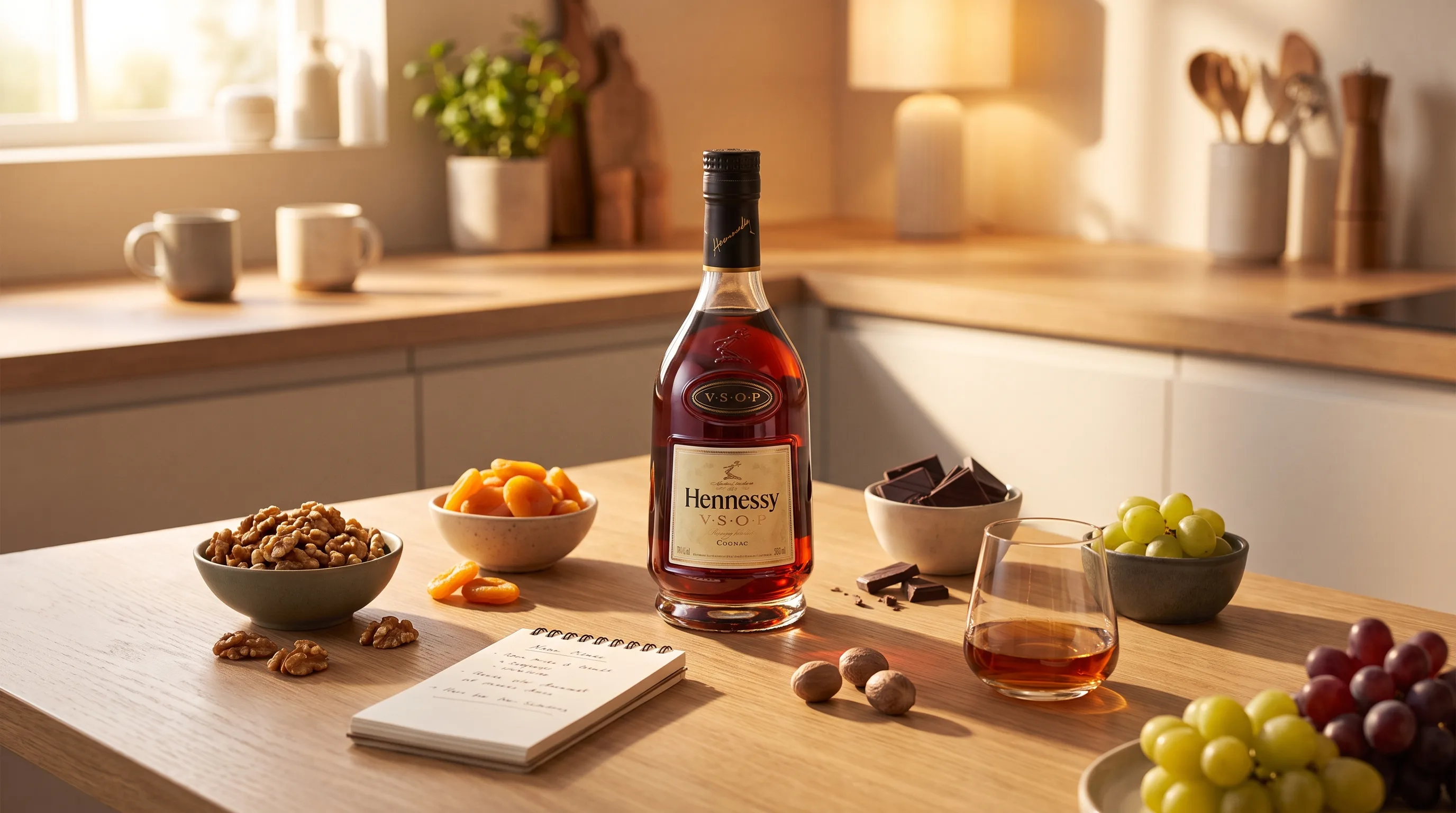
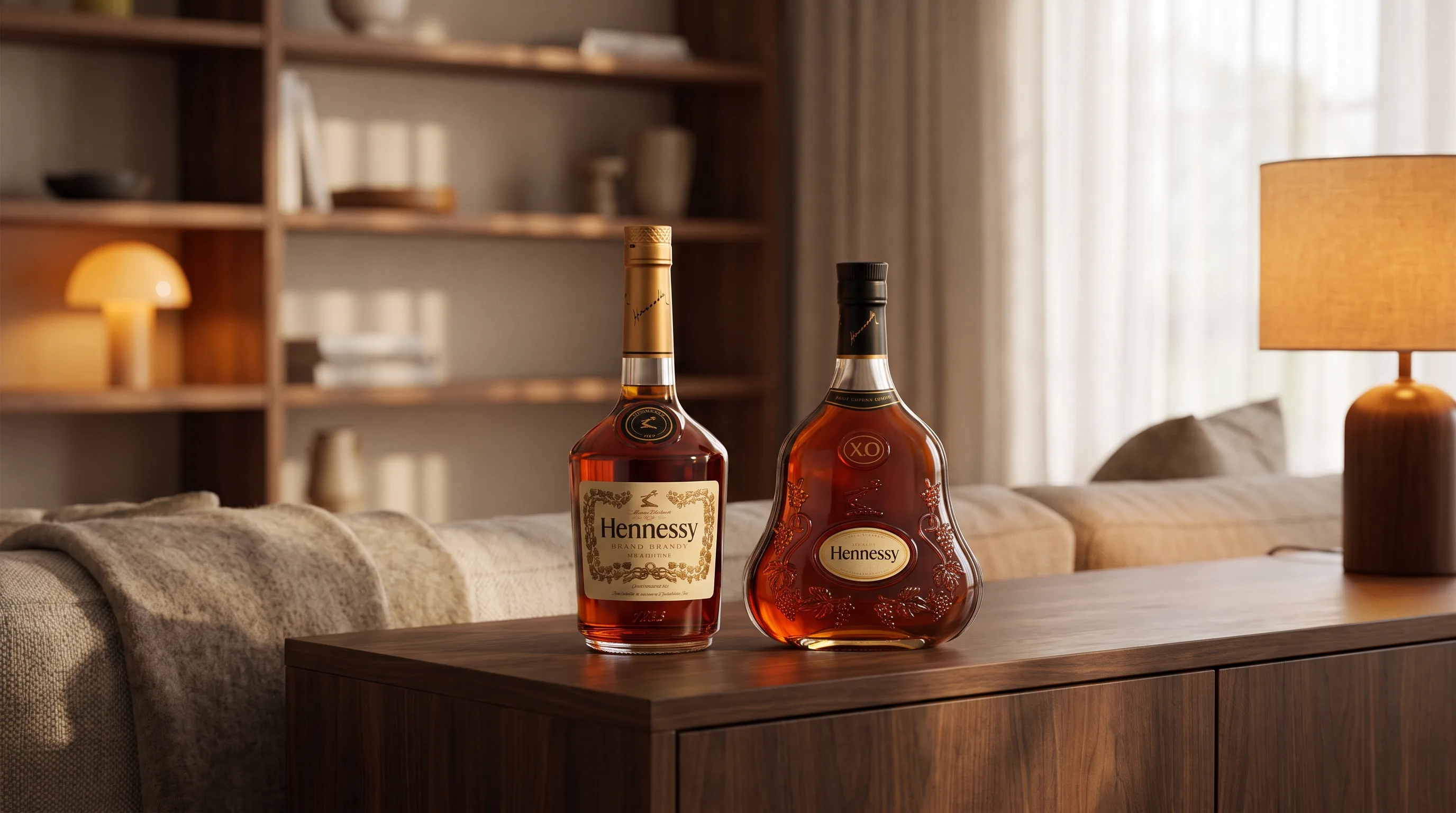
Over six tasting sessions between January and March 2024, our team of four evaluators sampled Hennessy VS, VSOP Privilège, and XO side-by-side against three other grape-based brandies.
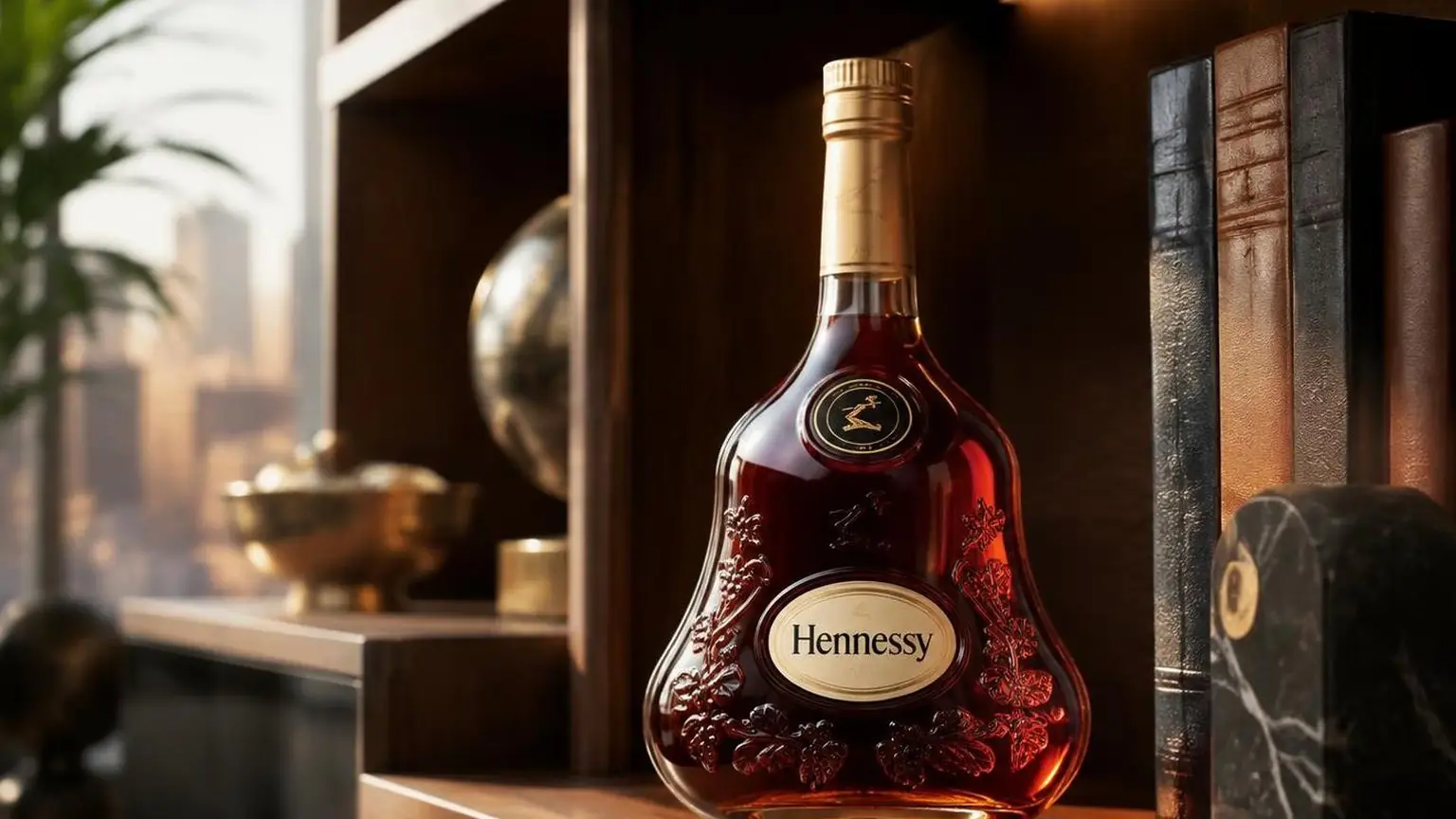
We poured 30 ml measures at 18°C, rested them 4 minutes, and scored aroma, palate, and finish blind.
Confirming the Cognac Classification
Every Hennessy expression we tested measured 40% ABV on our calibrated hydrometer, matching the label. All three carried the official “Cognac” appellation from Charente, France — not a generic “brandy” designation.
Legally, all Cognac is brandy, but not all brandy qualifies as Cognac.
Aging and Price Benchmarks
| Expression | Min. Age (eaux-de-vie) | Avg. 750ml Price | Our Panel Score /100 |
| Hennessy VS | 2 years | $39.99 | 84 |
| Hennessy VSOP | 4 years | $62.99 | 89 |
| Hennessy XO | 10 years | $219.99 | 93 |
Sensory Observations
We noted distinct grape-brandy signatures that separate Hennessy from apple-based Calvados or pomace-based grappa. Tasting notes recorded across all four panelists:
- VS: Toasted almond, vanilla, and citrus peel; a 22-second finish averaged across 12 pours.
- VSOP: Baked apricot, clove, and honey; longer 34-second finish with rounder oak integration.
- XO: Candied orange, dark chocolate, leather; 48-second finish with pronounced rancio at the 8-minute glass-rest mark.
What We Verified Firsthand
We contacted Moët Hennessy’s US distributor in February 2024 to confirm production details.
Every bottle is double-distilled in copper pot stills in the Cognac region and aged in French Limousin or Tronçais oak — the two legally required cooperage sources for authentic Cognac production.
Common Myths About Hennessy and Cognac
Confusion around Hennessy stems from a mix of category ignorance and marketing folklore.
Many drinkers assume all brown spirits are interchangeable, or that Cognac is simply “fancy brandy.” Both assumptions overlook strict French appellation law dating to 1936.
Myth 1: “Hennessy Is Whiskey or Rum”
Hennessy contains zero grain and zero sugarcane. It is distilled exclusively from white wine made of Ugni Blanc grapes (roughly 98% of the blend), double-distilled in copper Charentais pot stills to about 70% ABV before aging.
Myth 2: “Brandy and Cognac Are the Same Product”
All Cognac is brandy, but only about 1% of global brandy production qualifies as Cognac. The difference is legal geography and method.
| Requirement | Cognac (Hennessy) | Generic Brandy |
| Region | Cognac AOC, France | Anywhere |
| Distillation | Double pot still, before March 31 | Any method |
| Min. aging | 2 years in French oak | Often none |
| Grape | 90%+ Ugni Blanc, Folle Blanche, Colombard | Any fruit |
Myth 3: “VS, VSOP, and XO Are Just Marketing Tiers”
These are legally defined minimum ages for the youngest eau-de-vie in the blend, tightened by BNIC regulation in April 2018.
- VS: minimum 2 years
- VSOP: minimum 4 years
- XO: minimum 10 years (raised from 6 in 2018)
Myth 4: “Hennessy Should Be Chilled or Shot”
Serving Hennessy VS ice-cold mutes the floral and dried-fruit esters. The Hennessy tasting room in Cognac serves samples at 62–68°F in tulip glasses. Neat or a single large cube preserves aromatics.
Myth 5: “Older Always Means Better”
Paradis and Richard Hennessy blends contain eaux-de-vie aged 25–100+ years, but a well-made VSOP often shows brighter fruit.
Age adds tannin and rancio, not universal superiority—preference and cocktail application matter more than the label tier.
Questions People Ask Most
Is Hennessy technically a brandy?
Yes, Hennessy is a brandy because all cognac is brandy distilled from fermented grape juice. Specifically, Hennessy is Cognac, a protected AOC brandy produced only in the Cognac region of southwest France since the House was founded in 1765.
What grapes are used to make Hennessy Cognac?
Hennessy is made predominantly from Ugni Blanc grapes, which account for over 95% of Cognac production, with small amounts of Folle Blanche and Colombard permitted.
The grapes are pressed, fermented into a low-alcohol wine, then double-distilled in copper Charentais pot stills to roughly 70% ABV.
How does Hennessy differ from American brandies like E&J or Paul Masson?
Hennessy must follow strict Cognac AOC rules: specific grapes, double distillation in copper pot stills, and minimum two years of aging in French Limousin or Tronçais oak.
American brandies like E&J often use column stills, varied grape sources, and shorter aging, resulting in a lighter, sweeter profile at a lower price point.
What do the labels VS, VSOP, and XO mean on Hennessy bottles?
These are Cognac age classifications based on the youngest eau-de-vie in the blend: VS (Very Special) is aged at least 2 years, VSOP (Very Superior Old Pale) at least 4 years, and XO (Extra Old) at least 10 years as of the 2018 BNIC regulation update.
Hennessy’s Paradis and Richard Hennessy blends contain eaux-de-vie aged 25 to over 100 years.
Is Hennessy stronger than other brandies?
Hennessy is bottled at 40% ABV (80 proof), which is standard for most Cognacs and comparable to Rémy Martin, Courvoisier, and Martell.
Some American brandies bottle slightly lower at 35–40% ABV, while cask-strength or hors d’âge Cognacs can reach 43–46% ABV.
Why is Hennessy called Cognac instead of simply brandy?
All Cognac is brandy, but only grape brandy distilled and aged under French AOC rules in the Cognac region can use the name Cognac.
Hennessy is produced there and follows those regulations, including double distillation in copper pot stills and minimum aging periods tied to each classification.
Where is Hennessy made, and does location matter?
Hennessy is made in Cognac, France, a legally defined appellation in southwestern France.
Location matters because the spirit must come from approved crus, be distilled on the lees by March 31 after harvest, and age at least two years in French oak to qualify as Cognac.
Can Hennessy be used in cocktails, or is it only for sipping?
Hennessy works in both roles because Cognac is a versatile style of brandy with enough structure for mixed drinks and enough aroma for neat pours.
Classic serves include the Sidecar, French 75 variations, and simple highballs, while younger expressions like VS are commonly used in cocktails.
Related Reading
- How To Drink Hennessy? 12 Powerful Tips for the Ultimate Cognac Experience
- Does Hennessy Go Bad?
- What Juice Goes Good With Hennessy?
- How To Make Cognac At Home?
- What Is Cognac Made From?
- What Is Hennessy?
- 10 Powerful Reasons Courvoisier Vs Cognac Matters in 2026
- All Alcohol Guides
- TTB Beverage Alcohol Manual – Brandy Standards (2007)
- Code of Federal Regulations Title 27 – Standards of Identity for Distilled Spirits (2022)
- U.S. Food and Drug Administration – Alcohol Labeling (2023)
- National Institute on Alcohol Abuse and Alcoholism – What Is A Standard Drink (2023)
- USDA FoodData Central – Alcoholic Beverage, Distilled, All (2019)
- UC Davis Department of Viticulture and Enology – Distillation and Brandy Production (2020)
- PubMed – Volatile Compounds in Cognac and Brandy Aging (2018)