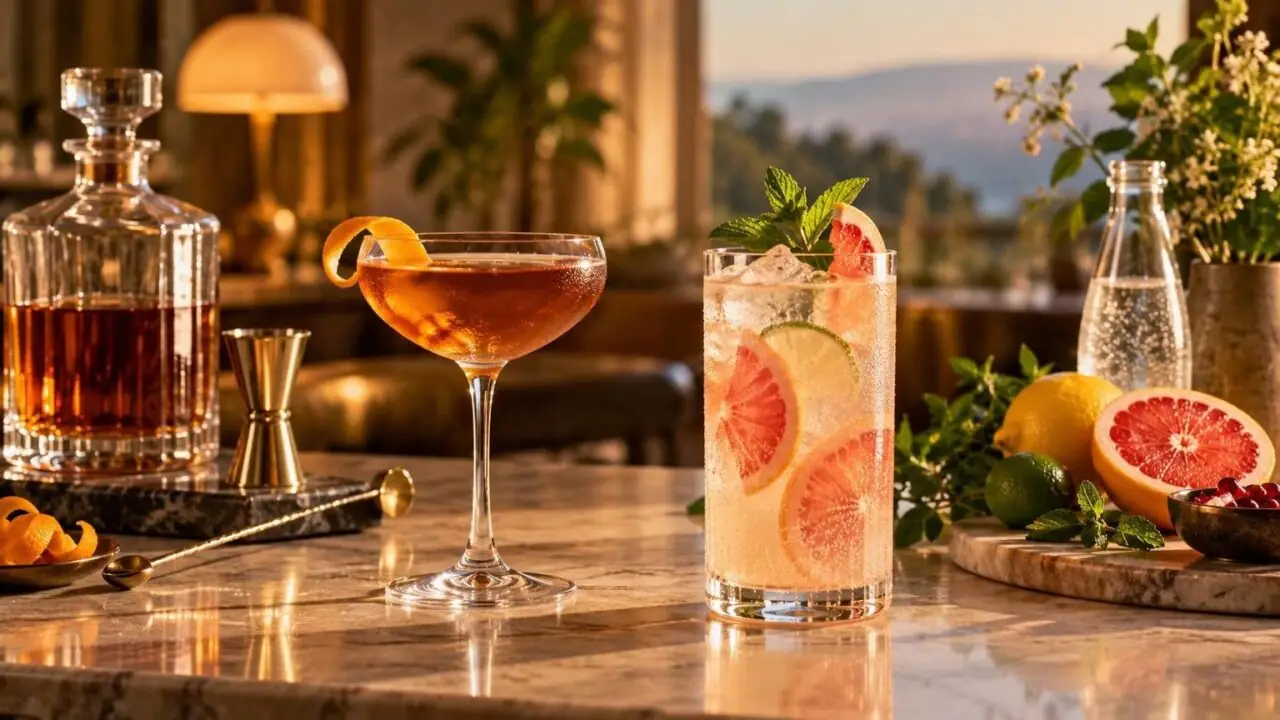
The difference between cocktail and mocktail is that a cocktail contains alcohol, while a mocktail uses nonalcoholic ingredients.
Both can feature citrus, herbs, syrups, and carbonation, but leaving out liquor changes flavor, texture, and balance—not merely the drink’s strength. A well-made mocktail needs more than sweetness.
Choosing between them depends on your flavor preferences and whether you want alcohol in your glass.
This guide compares ingredients, preparation, taste, and serving styles, then explains why mocktails are not automatically lower in sugar or calories. You’ll also learn what to check when ordering an alcohol-free option.
Alcohol Content in Cocktails and Mocktails
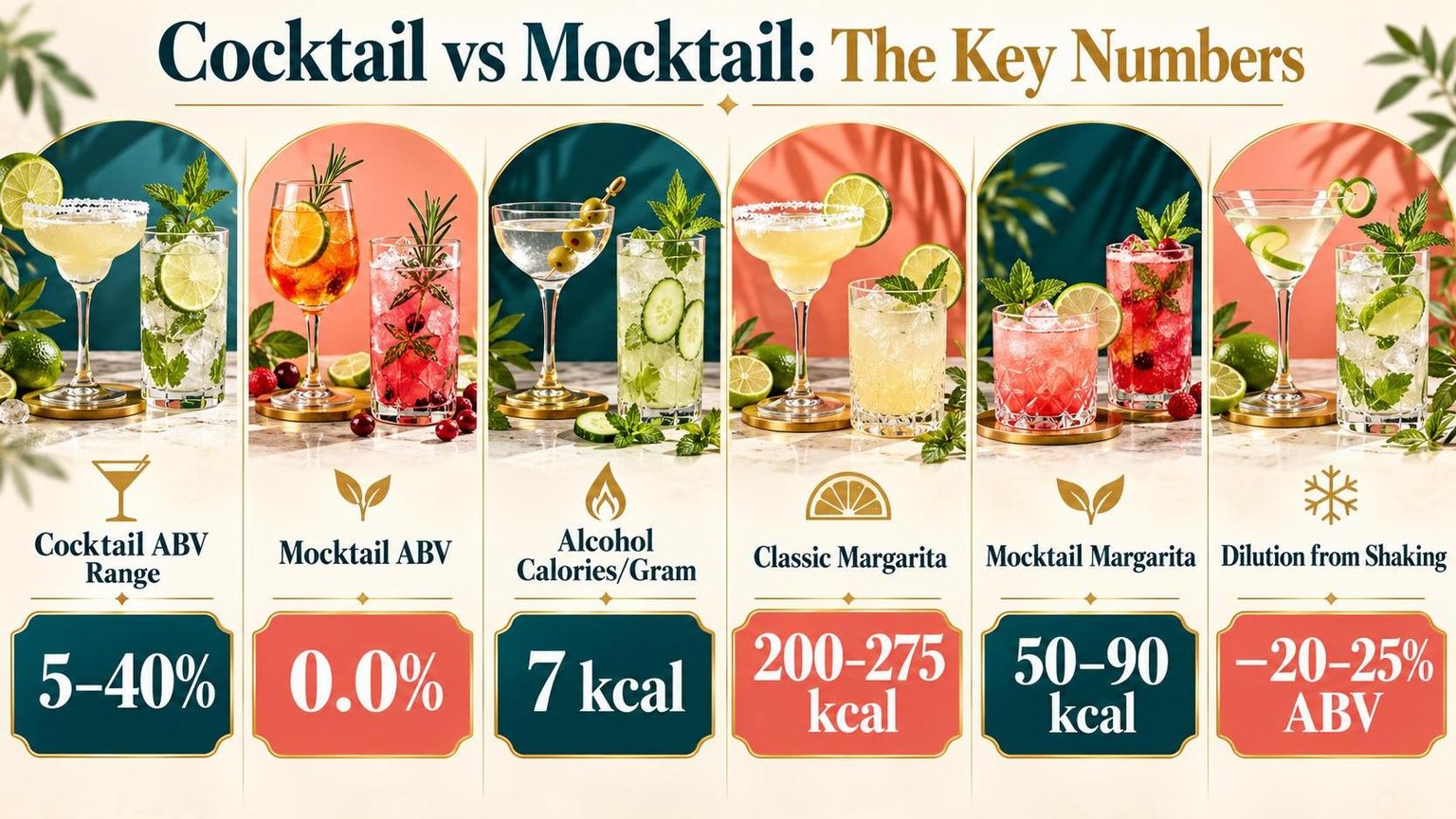
Alcohol content is the defining dividing line between cocktails and mocktails. Cocktails contain ethanol from spirits, wine, or beer, typically ranging from 5% to 40% ABV per serving. Mocktails contain zero alcohol by design.
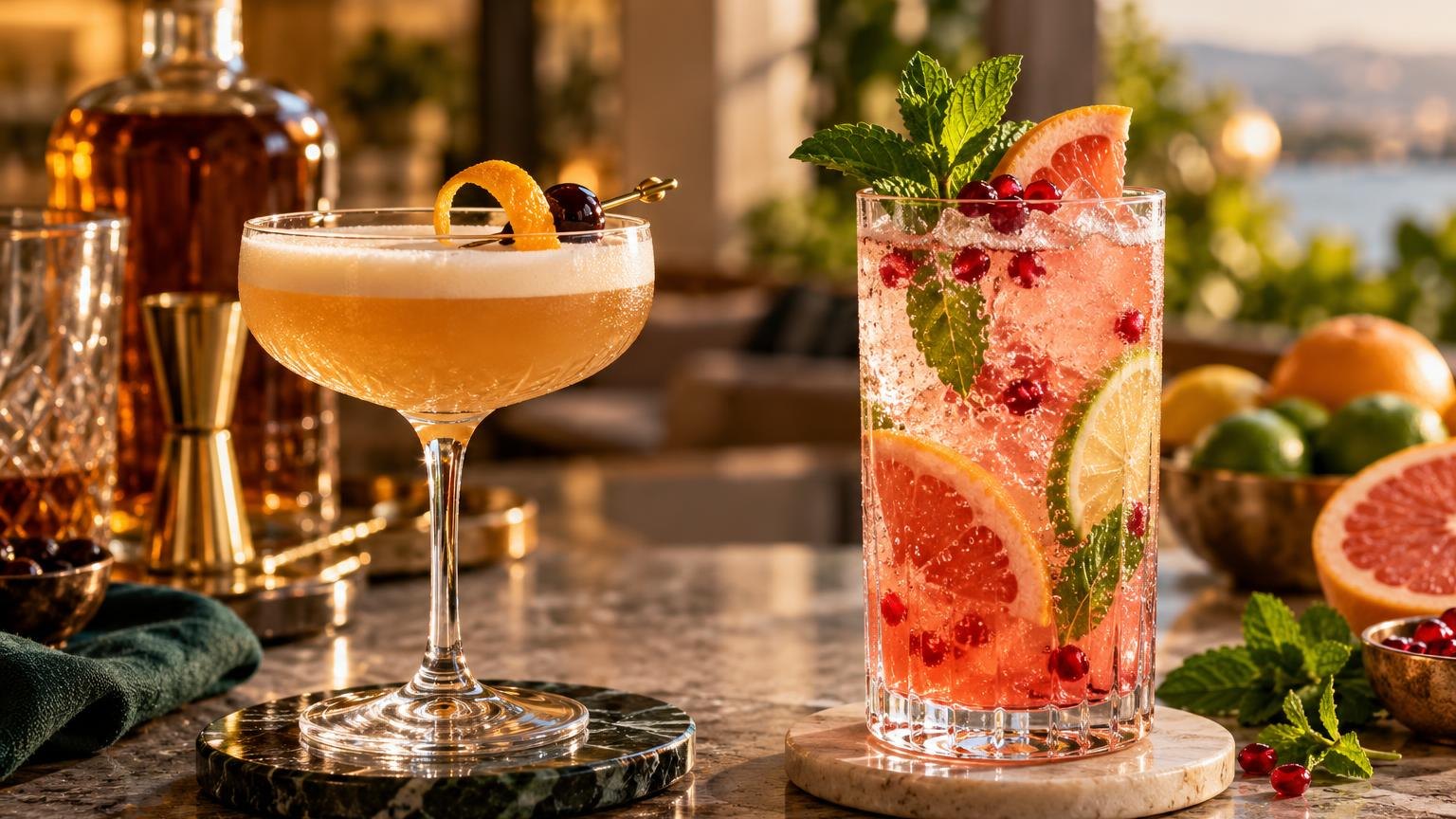
Standard Alcohol Content by Cocktail Type
The ABV of a cocktail depends on the base spirit, mixers used, and dilution from ice. The USDA defines a “standard drink” as containing 14 grams (0.6 fluid ounces) of pure alcohol.
| Cocktail | Typical ABV | Standard Drinks per Serving |
| Margarita (6 oz) | 13–18% | 1.5–2.0 |
| Martini (3 oz) | 28–35% | 1.5–2.0 |
| Mojito (10 oz) | 10–15% | 1.5 |
| Long Island Iced Tea (10 oz) | 15–22% | 3.0–4.0 |
| Daiquiri (4 oz) | 18–22% | 1.5 |
| Cosmopolitan (4 oz) | 20–25% | 1.5 |
| Mocktail (any) | 0.0% | 0 |
What Determines a Cocktail’s Strength
Base spirits carry the highest ABV. Vodka, gin, rum, and tequila typically sit at 40% ABV (80 proof). Some overproof rums reach 75.5% ABV (151 proof).
Dilution lowers effective ABV. Shaking a cocktail with ice for 10–15 seconds adds roughly 0.5–1 oz of water, reducing strength by approximately 20–25% from the undiluted recipe.
Liqueurs and modifiers contribute additional alcohol at lower concentrations. Triple sec averages 15–40% ABV. Sweet vermouth sits at 16–18% ABV. Amaretto ranges from 21–28% ABV.
Mocktails and the Zero-Alcohol Standard
True mocktails contain 0.0% ABV. They rely on juices, syrups, sodas, herbs, and bitters alternatives to build complexity without ethanol.
Some “non-alcoholic spirits” used in modern mocktails may contain up to 0.5% ABV, the legal threshold for labeling a beverage as non-alcoholic in the United States under TTB regulations.
- Seedlip — distilled non-alcoholic spirit at 0.0% ABV
- Lyre’s — non-alcoholic spirit range at under 0.5% ABV
- Ritual Zero Proof — 0.0% ABV alternatives to whiskey, tequila, and gin
Caloric Impact of Alcohol Content
Alcohol carries 7 calories per gram — nearly double the 4 calories per gram from carbohydrates or protein. This makes cocktails significantly more caloric than mocktails.
| Drink | Approximate Calories |
| Classic Margarita | 200–275 kcal |
| Old Fashioned | 150–180 kcal |
| Mocktail Margarita | 50–90 kcal |
| Virgin Mojito | 40–70 kcal |
A single 1.5 oz shot of 80-proof spirit contributes roughly 97 calories from alcohol alone, before any mixers or sweeteners are added.
For guests monitoring intake, mocktails eliminate alcohol-derived calories entirely while still delivering layered flavors through citrus, herbs, and house-made syrups.
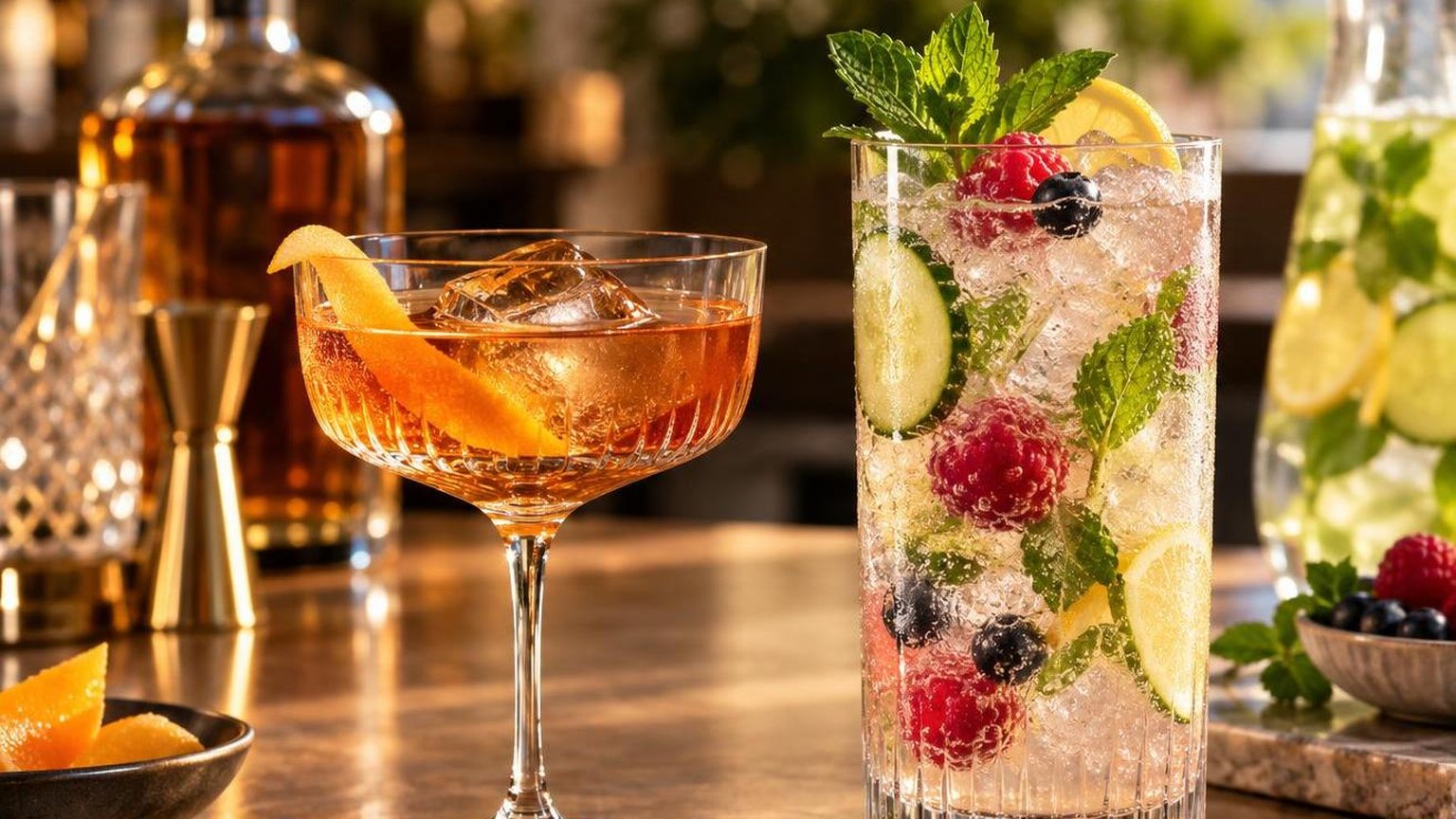
Ingredients That Distinguish Cocktails From Mocktails
The defining ingredient boundary is alcohol. Cocktails contain at least one spirit, liqueur, or fermented beverage with measurable ABV.
Mocktails replicate complexity through non-alcoholic substitutes—shrubs, bitters, botanical waters, and zero-proof spirits.
Base Spirit vs. Non-Alcoholic Base
A standard cocktail uses 1.5–2 oz (44–59 ml) of a base spirit such as vodka, gin, rum, tequila, or whiskey, typically ranging from 35–50% ABV. This base provides the structural backbone of the drink.
Mocktails replace that base with ingredients carrying 0.0–0.5% ABV. Common substitutes include zero-proof brands like Seedlip, Lyre’s, and Monday, which use botanical distillation to mimic spirit profiles without ethanol.
| Component | Cocktail | Mocktail |
| Base liquid | Spirit (35–50% ABV) | Zero-proof spirit or tea/shrub (0.0–0.5% ABV) |
| Typical base volume | 1.5–2 oz (44–59 ml) | 2–3 oz (59–89 ml) |
| Sweetener | Simple syrup, liqueur (15–25% ABV) | Simple syrup, honey, agave |
| Acid component | Citrus juice, shrub | Citrus juice, verjus, vinegar shrub |
| Bittering agent | Angostura bitters (44.7% ABV) | Non-alcoholic bitters or gentian root tea |
| Calories (avg. serving) | 150–250 kcal | 50–120 kcal |
Modifiers and Liqueurs
Cocktails gain layered flavor from modifiers like triple sec (40% ABV), amaretto (24–28% ABV), or sweet vermouth (16–18% ABV). These contribute sugar, botanicals, and mouthfeel alongside additional alcohol content.
Mocktails achieve similar depth using fruit cordials, flavored syrups, and kombucha. Orgeat (almond syrup), grenadine, and butterfly pea flower concentrate are popular modifiers with zero alcohol content.
Bittering and Aromatic Agents
Traditional Angostura bitters contain 44.7% ABV. Fee Brothers and Scrappy’s range from 37–45% ABV. Even a few dashes introduce measurable alcohol, disqualifying a drink as a true mocktail.
Non-alcoholic alternatives exist from brands like All The Bitter and Dram Apothecary. These use glycerin or vinegar extraction instead of alcohol to capture botanical flavors from gentian, cinchona, and citrus peel.
Carbonation and Texture Builders
- Cocktails use sparkling wine (11–12.5% ABV), beer, or hard seltzer for effervescence and body.
- Mocktails rely on soda water, tonic water, ginger beer (non-alcoholic, under 0.5% ABV), and sparkling grape juice.
- Shared texture tools: egg white, aquafaba (chickpea liquid), and xanthan gum appear in both categories for foam and viscosity.
Garnish and Final Touches
Garnishes are ingredient-neutral. Both cocktails and mocktails use citrus twists, herb sprigs, dehydrated fruit wheels, edible flowers, and smoked salt rims without affecting alcohol classification.
The critical legal threshold in the United States is 0.5% ABV.
Any beverage at or above that level is classified as alcoholic by the TTB (Alcohol and Tobacco Tax and Trade Bureau), making ingredient selection the sole deciding factor between cocktail and mocktail.
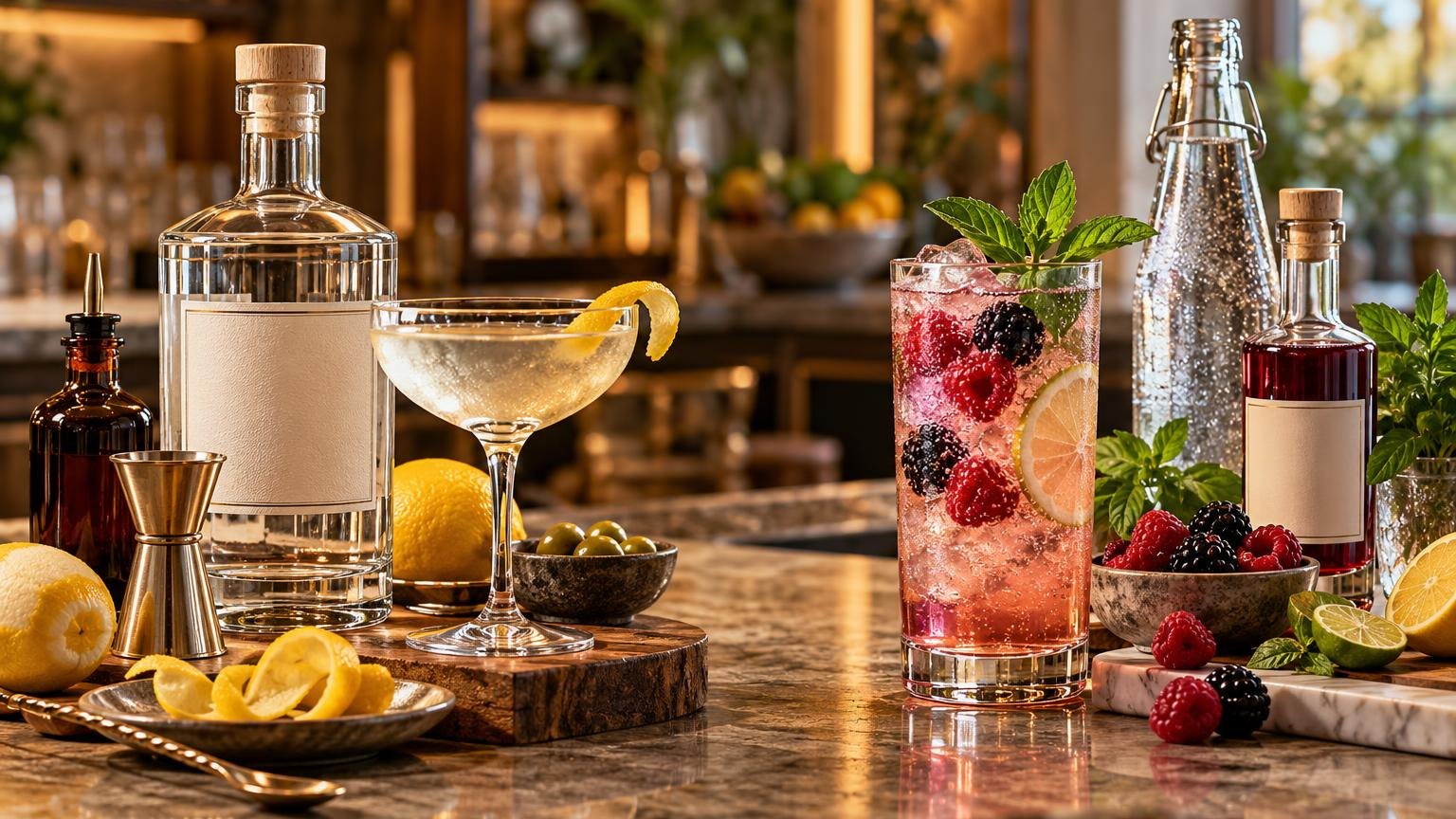
How Flavor and Mouthfeel Differ
Ethanol fundamentally alters how we perceive taste, aroma, and texture in a drink. Removing it changes everything from viscosity to flavor release, which is why a mocktail can never simply be a cocktail minus the spirit.
Ethanol’s Role in Flavor Perception
Alcohol acts as a solvent that extracts and carries volatile aroma compounds to the nose.
A 2004 study in the Journal of Agricultural and Food Chemistry found that ethanol concentrations between 8% and 15% ABV significantly increased the release of fruity esters.
Ethanol also suppresses bitterness and enhances sweetness perception.
At 40% ABV, spirits like gin reduce perceived bitterness by roughly 50% compared to the same botanicals steeped in water, according to sensory research at the University of Nottingham.
Viscosity and Body
Ethanol has a viscosity of approximately 1.2 mPa·s at 20°C, compared to water’s 1.0 mPa·s. In a typical cocktail at 15–20% ABV, this difference produces a noticeably fuller, silkier mouthfeel that water alone cannot replicate.
| Property | Typical Cocktail (15% ABV) | Typical Mocktail (0% ABV) |
| Viscosity (mPa·s, 20°C) | ~1.4–1.6 | ~1.0–1.1 |
| Calorie range per 200 ml | 150–250 kcal | 40–120 kcal |
| Sugar content per 200 ml | 10–25 g | 15–35 g |
| Trigeminal warmth | Present | Absent |
| Aroma volatility | High (ethanol carrier) | Lower |
How Mocktails Compensate
Without ethanol’s body, mocktail developers rely on alternative viscosity-building ingredients. Common strategies include fat-washing with coconut cream, adding gum arabic at 0.5–1% concentration, or using verjuice for acidity and weight.
- Seed mucilages: Chia or basil seeds release polysaccharides that raise viscosity to 1.3–1.5 mPa·s, approaching cocktail-level body.
- Shrubs and fermented bases: Vinegar-based shrubs add acetic acid bite at 4–5% acidity, partially mimicking ethanol’s trigeminal sting.
- Non-alcoholic spirits: Brands like Seedlip use distilled botanicals and glycerol to simulate mouthfeel without ethanol.
- Carbonation: CO₂ dissolved at 3–4 volumes adds textural complexity and perceived sharpness on the palate.
The Sweetness Trap
Mocktails frequently contain 40–60% more sugar per serving than their alcoholic counterparts. Without ethanol to round out flavor, bartenders often over-sweeten to fill the perceived “gap” in body and depth.
A 2022 analysis by the Drink Cabinet Project found that the average mocktail on London bar menus contained 28 g of sugar per 200 ml, versus 18 g in comparable cocktails.
Managing sweetness through acid balance—targeting a 1:1 sugar-to-acid ratio by weight—delivers complexity without cloying results.
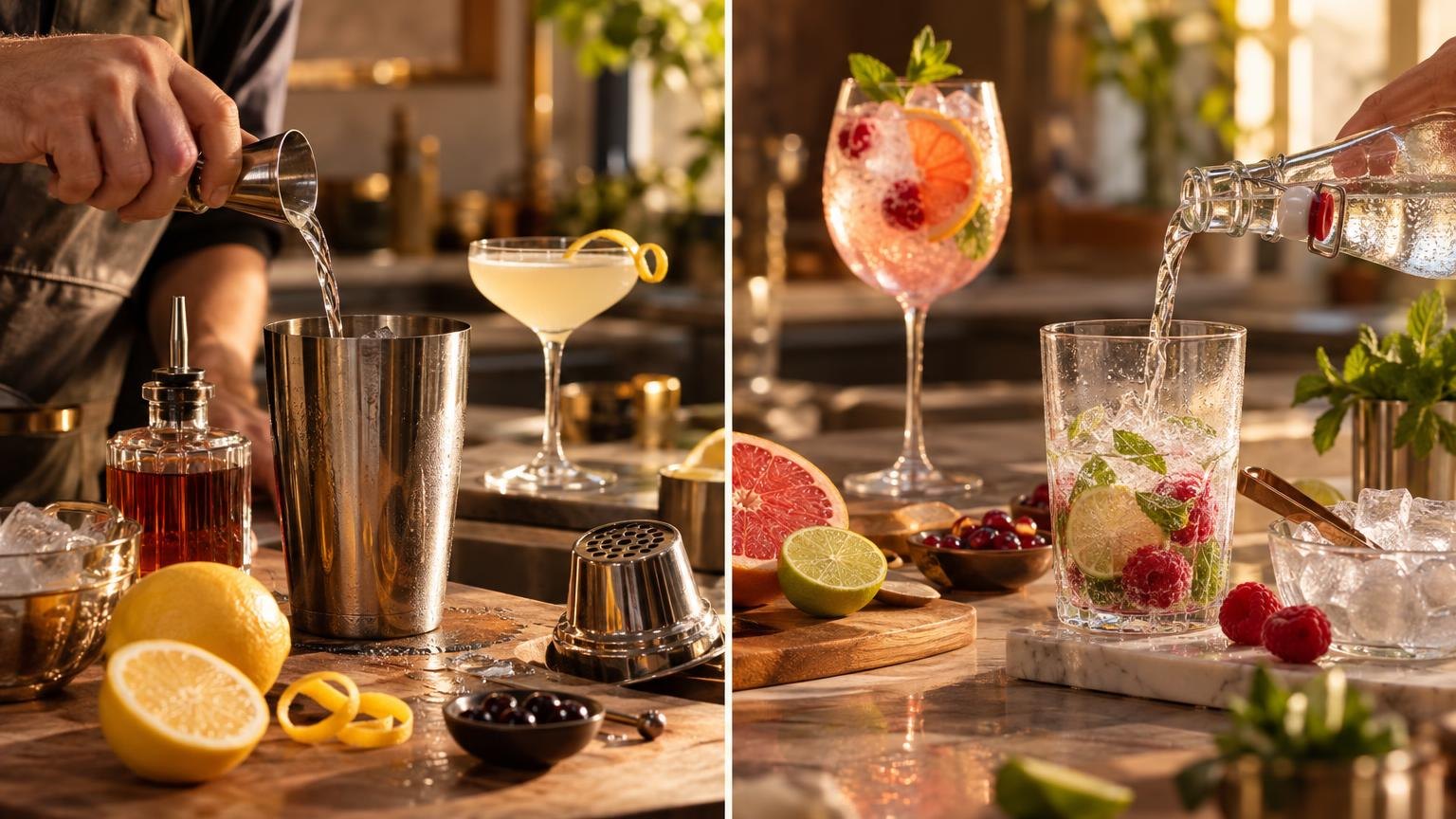
Comparing Cocktail and Mocktail Sugar Content
Sugar content represents one of the most misunderstood differences between cocktails and mocktails. Many people assume mocktails are healthier, but removing alcohol often means adding sweeteners to compensate for lost flavor complexity and mouthfeel.
A standard 1.5-oz shot of 80-proof vodka, gin, or tequila contains zero grams of sugar. The sugar in most cocktails comes from mixers, syrups, and liqueurs rather than the base spirit itself.
Sugar Content by Drink Type
| Drink | Serving Size | Approx. Sugar (g) |
| Classic Margarita | 6 oz | 12–16 g |
| Virgin Margarita (mocktail) | 8 oz | 22–30 g |
| Mojito | 8 oz | 20–25 g |
| Virgin Mojito | 8 oz | 28–36 g |
| Moscow Mule | 8 oz | 18–22 g |
| Virgin Mule | 8 oz | 24–32 g |
| Old Fashioned | 4 oz | 4–6 g |
| Cosmopolitan | 4 oz | 13–18 g |
| Bottled commercial mocktail (average) | 8 oz | 20–40 g |
Virgin versions typically contain 40–60% more sugar than their alcoholic counterparts. Bartenders add extra simple syrup, fruit juices, and flavored sodas to build body that alcohol normally provides.
Why Mocktails Often Have More Sugar
- Volume replacement: Removing 1.5–3 oz of spirit leaves a gap filled by juice, tonic, or soda containing 8–12 g of sugar per 4 oz.
- Flavor compensation: Ethanol contributes perceived sweetness, warmth, and bitterness. Without it, recipes lean on sugar for sensory depth.
- Commercial formulations: Store-bought mocktails like Seedlip mixers or ready-to-drink options frequently use cane sugar, agave, or fruit concentrates to appeal to mainstream palates.
- Larger serving sizes: Mocktails are often served in 10–12 oz portions versus 4–6 oz cocktail pours, multiplying total sugar intake.
Low-Sugar Alternatives in Both Categories
Spirit-forward cocktails score lowest on sugar. A gin and soda with lime contains under 1 g. A Negroni has roughly 8–10 g, mostly from Campari and sweet vermouth.
Mocktails can be crafted with minimal sugar using sparkling water, fresh herbs, bitters, shrubs, and citrus. A soda water–based mocktail with muddled cucumber and lime delivers under 3 g of sugar per serving.
The American Heart Association recommends no more than 25 g of added sugar daily for women and 36 g for men. A single high-sugar mocktail can consume 80–100% of that allowance.
Reading labels matters for bottled options. Check total sugars per serving rather than trusting “healthy” or “alcohol-free” marketing claims.
Sugar density varies dramatically between brands, ranging from 2 g to 42 g per bottle.
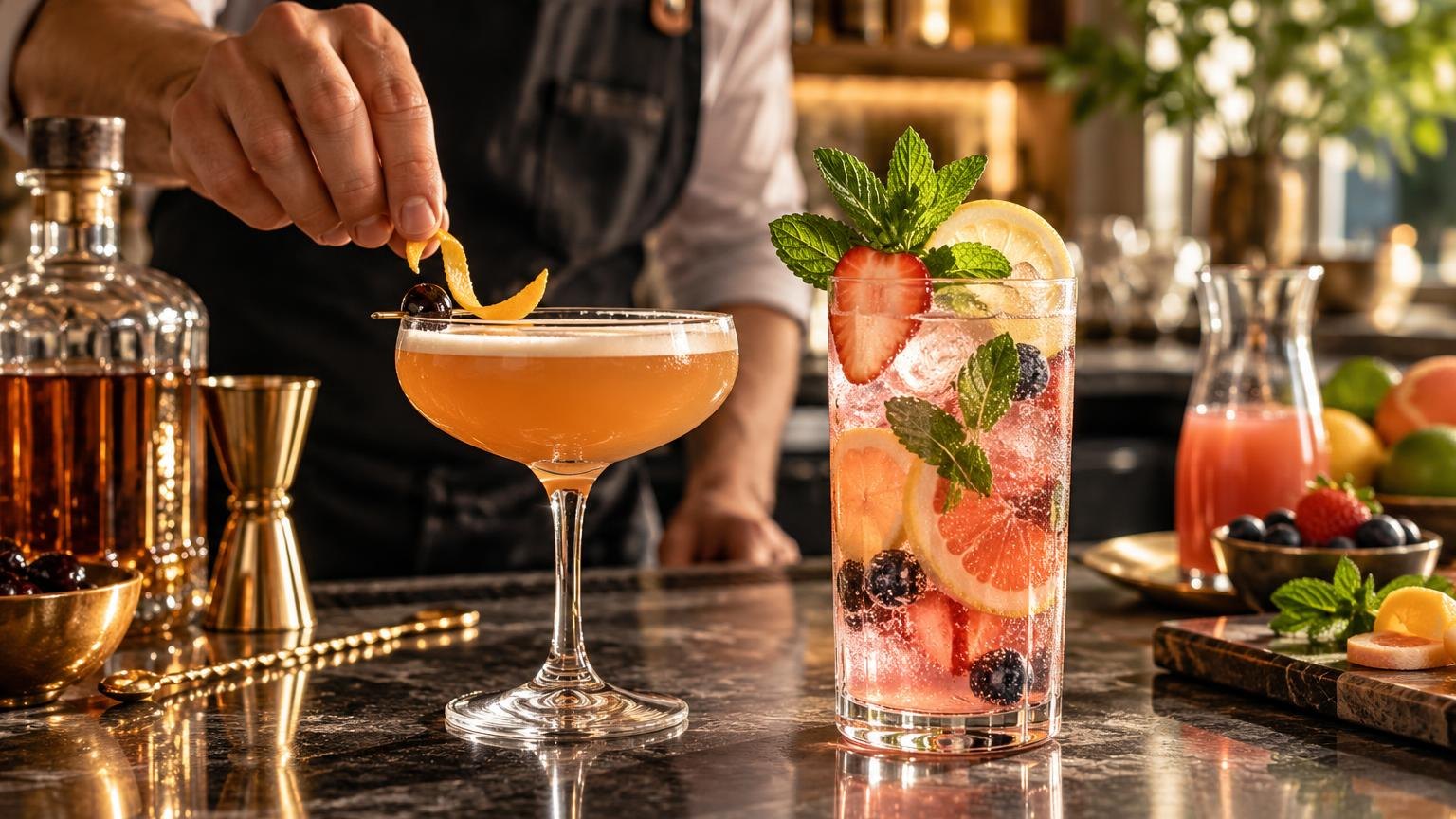
Turning Classic Cocktails Into Mocktails
Converting a classic cocktail into a mocktail requires replacing the spirit’s flavor profile—not just removing alcohol.
The goal is matching bitterness, depth, heat, or botanical complexity using non-alcoholic substitutes that have surged in availability since 2018.
Key Spirit Substitution Strategies
Each base spirit carries distinct flavor compounds. Vodka contributes minimal flavor, making it the easiest to remove. Gin relies on juniper and botanicals. Rum brings caramel sweetness. Whiskey delivers oak, vanilla, and smoke.
| Original Spirit | Non-Alcoholic Substitute | Key Compound Replaced |
| Gin | Seedlip Garden 108 or juniper-infused tonic | Juniper terpenes, coriander |
| Rum | Molasses syrup + vanilla extract | Caramel, ester sweetness |
| Whiskey | Lyre’s American Malt or smoked tea | Vanillin, oak lactones |
| Tequila | Jalapeño-agave syrup + lime | Vegetal heat, earthiness |
| Vodka | Soda water or clear coconut water | Mouthfeel, dilution |
| Campari | Aecorn Bitter or grapefruit shrub | Gentian root bitterness |
Five Classic Conversions That Actually Work
- Mojito → Virgin Mojito: Replace 60 ml white rum with 30 ml coconut water plus 30 ml soda. Keep the muddled mint, 20 ml fresh lime juice, and 15 ml simple syrup unchanged.
- Negroni → Negroni Sbagliato Mocktail: Use Seedlip Spice 94 (30 ml), Aecorn Bitter (30 ml), and Wilfred’s Aperitif (30 ml). The original’s 3-ingredient equal-parts ratio stays intact.
- Margarita → Virgin Margarita: Swap 60 ml tequila for 45 ml fresh orange juice and 15 ml agave nectar. Retain 30 ml lime juice and the salted rim.
- Espresso Martini → Espresso Tonic: Combine 30 ml fresh espresso with 120 ml tonic water and 10 ml vanilla syrup over ice. This preserves caffeine’s bitterness without vodka or Kahlúa.
- Old Fashioned → Smoke & Oak Mocktail: Steep 200 ml lapsang souchong tea for 4 minutes, chill, then mix 90 ml with 10 ml maple syrup and 2 dashes Angostura aromatic bitters (technically 0.5% ABV per dash).
Technical Tips for Balanced Mocktails
Alcohol acts as a flavor solvent and provides body. Without it, mocktails often taste thin. Compensate by adding texture agents.
- Acidity: Use citrus shrubs (vinegar-based syrups) at 15–20 ml per drink to add the tartness alcohol provides.
- Bitterness: Non-alcoholic bitters like All The Bitter or Fee Brothers contain under 0.5% ABV per dash—FDA-classified as non-alcoholic.
- Mouthfeel: Aquafaba (chickpea water) at 30 ml replaces egg white foam. It whips identically when shaken for 10–15 seconds.
- Sweetness balance: Reduce simple syrup by roughly 25% compared to the original cocktail recipe, since alcohol’s bitterness no longer offsets sugar.
The non-alcoholic spirits market reached $11.01 billion globally in 2023, according to Grand View Research. That growth means bartenders now have dozens of purpose-built products for precise cocktail-to-mocktail conversion.
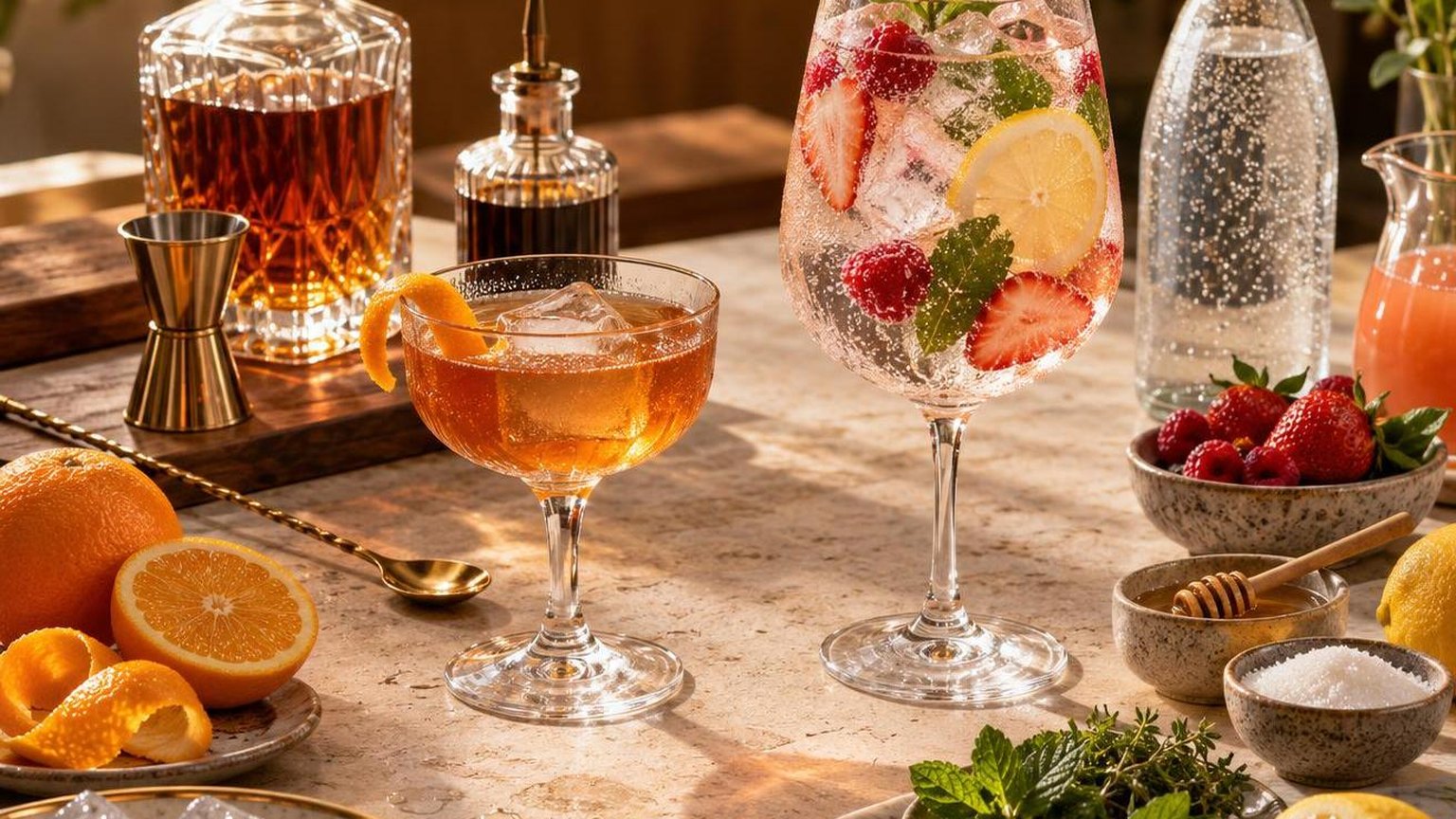
Questions Readers Ask
What is the main difference between a cocktail and a mocktail?
A cocktail contains distilled spirits or liquor—such as vodka, gin, rum, or whiskey—as its base ingredient, while a mocktail contains zero alcohol.
Both drinks use mixers like fruit juices, syrups, sodas, and garnishes, but a mocktail replicates the complexity and presentation of a cocktail entirely through non-alcoholic components.
How do the calorie counts of cocktails and mocktails compare?
Cocktails typically carry more calories because ethanol alone delivers 7 calories per gram—a standard 1.5 oz shot of 80-proof spirit adds roughly 97 calories before any mixers.
Mocktails made with fresh juices and light syrups often land between 50–120 calories per serving, though sugar-heavy versions can rival or exceed some cocktails in calorie content.
Can mocktails replicate the flavor complexity of spirit-based cocktails?
Modern mocktails achieve layered flavor through bitters (many are non-alcoholic), shrubs (fruit-vinegar syrups), fermented ingredients like kombucha, and botanically infused non-alcoholic spirits such as Seedlip or Lyre’s.
These ingredients provide the bitterness, astringency, and aromatic depth that ethanol traditionally carried, making well-crafted mocktails genuinely comparable in complexity.
Are mocktails always cheaper than cocktails at bars and restaurants?
Not necessarily.
While mocktails skip the cost of spirits, many upscale bars price them between $8–$14, only slightly below cocktails at $12–$18, because they require specialty ingredients like non-alcoholic spirits ($25–$35 per bottle).
House-made syrups, and the same bartender labor and presentation.
Some establishments price premium mocktails identically to their alcoholic counterparts.
Who should choose mocktails over cocktails for health reasons?
Mocktails are the appropriate choice for pregnant women (the CDC recommends zero alcohol during pregnancy), anyone taking medications that interact with alcohol such as metformin or benzodiazepines.
Individuals in recovery from alcohol use disorder, and designated drivers.
People managing liver conditions, hypertension, or sleep disorders also benefit from eliminating ethanol entirely.
Mocktails gained significant mainstream traction around 2015–2019, driven by the “sober curious” movement and the launch of brands like Seedlip in 2015, the first commercially sold distilled non-alcoholic spirit.
By 2023, Nielsen IQ data showed the non-alcoholic beverage category in the U.S. had surpassed $510 million in annual sales, prompting most cocktail bars to add dedicated mocktail sections to their menus.
Further Reading
- Handle Of Bacardi – What Is It And How To Use It?
- What Is A Botanical Drink?
- Ignite Taste Buds: Foghat Cocktail Smoker Experiences
- Cocktail Bars on the Upper West Side to Visit
- What Alcohol Is In A Martini? Answer By Expert
- What Is In A Buttery Nipple Shot? Get Answer Now
- Smoked Old Fashioned Kit – Comprehensive Guide
- Malibu Sunrise Drink: The Best Tropical Cocktail Recipe (Step-by-Step 2026 Guide)
- All Alcohol Guides
- National Institute on Alcohol Abuse and Alcoholism (2024)
- Centers for Disease Control and Prevention (2024)
- U.S. Dietary Guidelines for Americans – USDA (2020)
- Harvard T.H. Chan School of Public Health (2024)
- National Center for Biotechnology Information – PubMed (2021)
- Difford's Guide (2024)
- International Bartenders Association (2024)
- Spruce Eats (2024)
- BBC Good Food (2024)