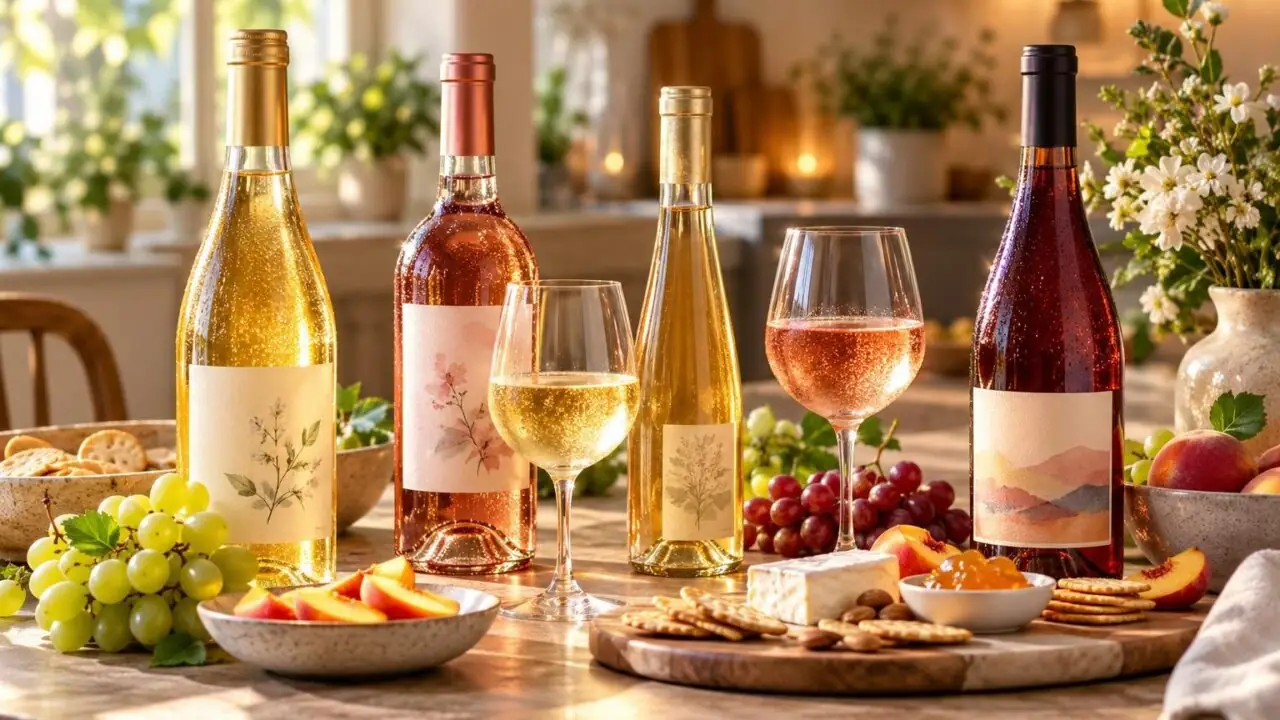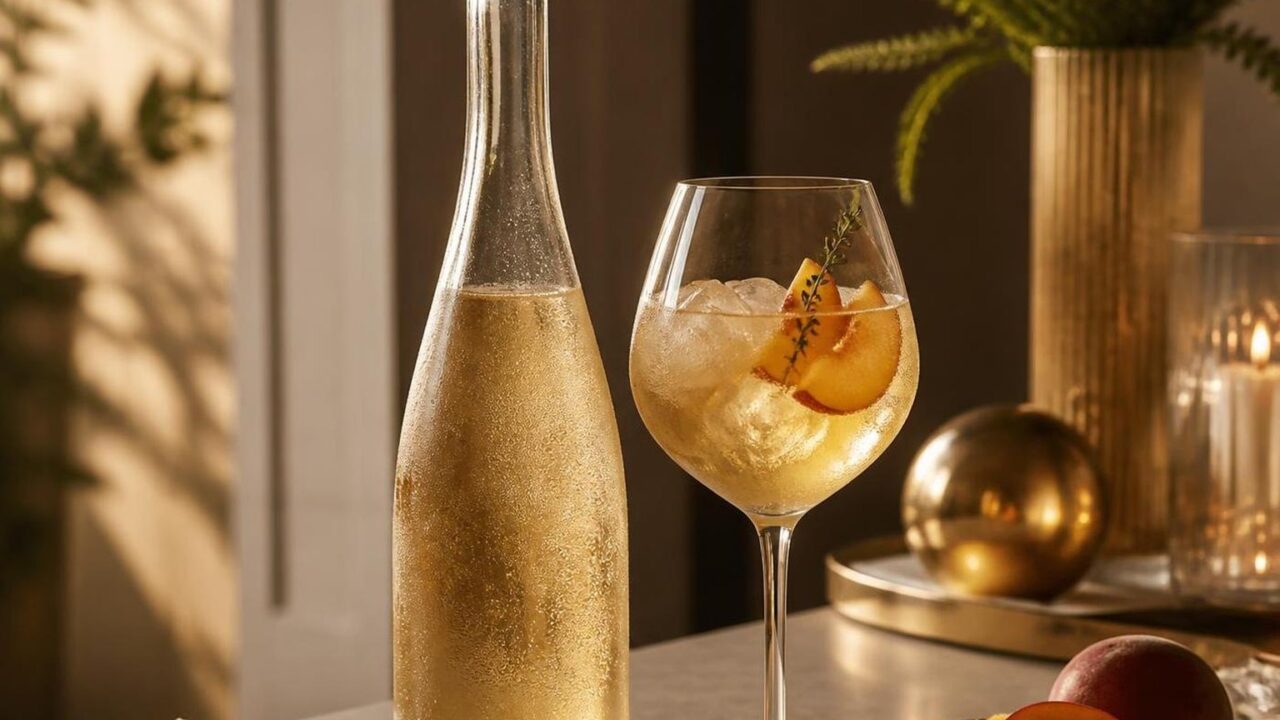
A wine cooler drink is a low-alcohol, ready-to-drink mix of wine, fruit flavoring, sweetener, and carbonation, typically served chilled in 10–12 ounce bottles or cans.
In the U.S., many modern versions use malt or neutral alcohol instead of wine because of tax and distribution rules.
Classic wine coolers became popular in the 1980s as lighter, sweeter alternatives to table wine, often around 4%–7% ABV.
This article explains what qualifies as a wine cooler, how it differs from spritzers and hard seltzers, and what to check on the label before buying.
Wine Cooler Definition and Classification
A wine cooler drink is defined less by one legal recipe than by its numbers: alcohol strength, package size, sugar, and whether the base is wine or malt.
In the U.S., many “wine coolers” sold today are technically flavored malt beverages, not wine.
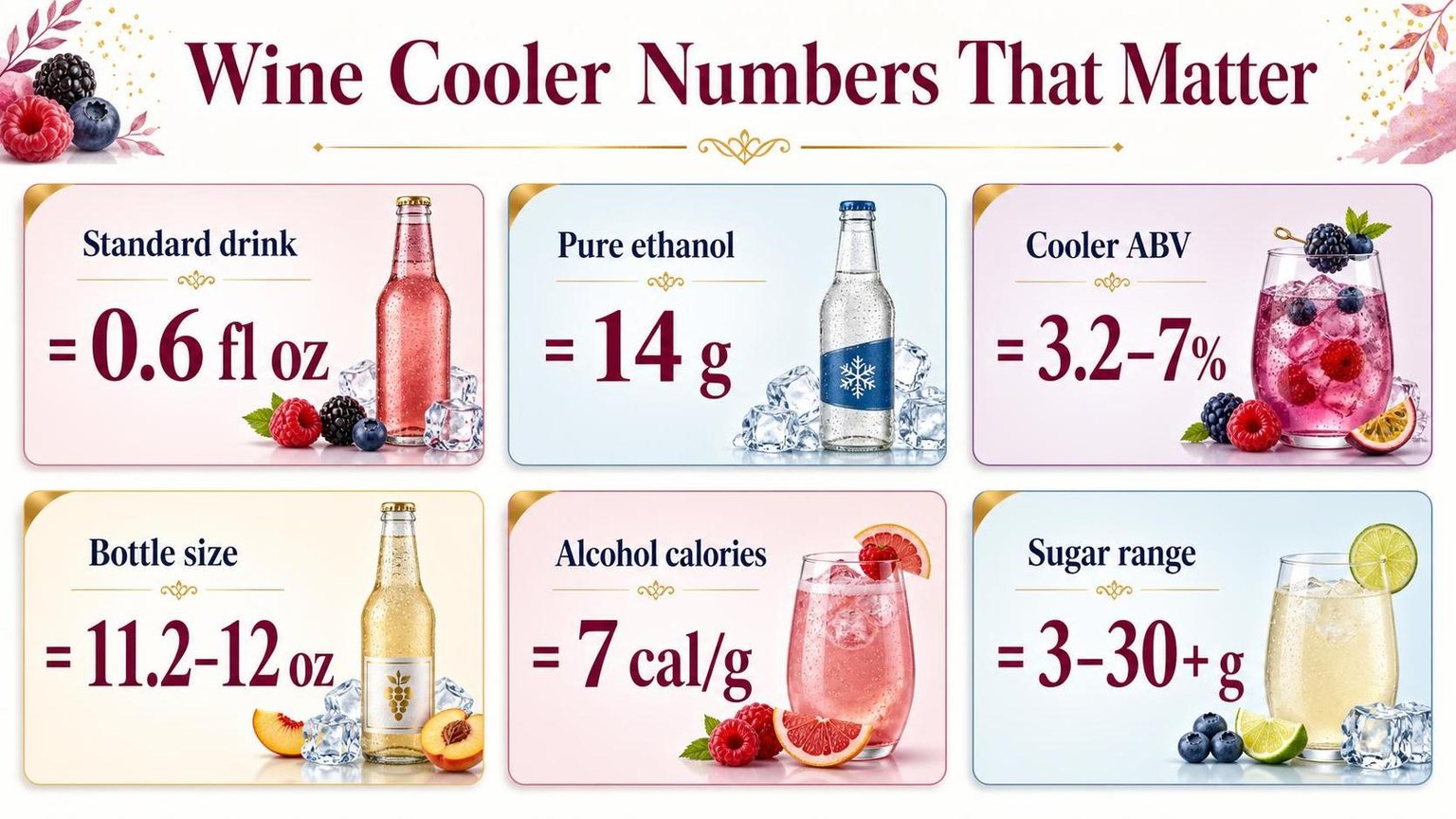
The most useful benchmark is the U.S. “standard drink.” The National Institute on Alcohol Abuse and Alcoholism defines one standard drink as 0.6 fluid ounces of pure alcohol, or 14 grams of ethanol.
| Drink type | Typical serving | Typical ABV | Approx. standard drinks |
| Traditional table wine | 5 fl oz | 12% | 1.0 |
| Beer | 12 fl oz | 5% | 1.0 |
| Wine cooler drink | 11.2 to 12 fl oz | 3.2% to 7% | 0.6 to 1.4 |
| Hard seltzer-style cooler | 12 fl oz | 5% | 1.0 |
ABV matters more than the word “cooler.” A 12-ounce bottle at 4% ABV contains about 0.48 fluid ounces of pure alcohol, or 0.8 standard drinks. At 7% ABV, the same bottle reaches about 1.4 standard drinks.
Calories vary widely because coolers combine alcohol with sweeteners and flavorings. Ethanol supplies 7 calories per gram, before sugar is counted. That is why two coolers with the same ABV can differ sharply in calories.
| Component | Number to know | Why it matters |
| Alcohol | 7 calories per gram | Raises calories even when the drink tastes light |
| Carbohydrate or sugar | 4 calories per gram | Sweet coolers can add substantial calories |
| Typical bottle size | 11.2 or 12 fl oz | Often larger than a 5-ounce wine pour |
| Standard drink alcohol | 0.6 fl oz pure alcohol | Best way to compare different beverages |
Many classic-style coolers land around 180 to 250 calories per 12-ounce bottle, though lighter versions may be lower. Sugar can range from just a few grams to more than 30 grams per bottle, depending on the brand and formulation.
One historical number explains why the category changed. In 1991, U.S. federal excise tax on wine increased sharply, and many producers moved from wine bases to malt bases to control cost.
That is why “wine cooler” is often used casually for a sweet, fruity cooler-style drink.
- Check ABV first: 5% ABV in 12 ounces is roughly one standard drink.
- Check container size: 16-ounce cans deliver one-third more liquid than 12-ounce bottles.
- Check sugar: sweetness can double the calorie difference between similar-strength coolers.
- Check the base: labels may say wine, malt beverage, flavored beer, or ready-to-drink cocktail.
Factors That Change a Wine Cooler
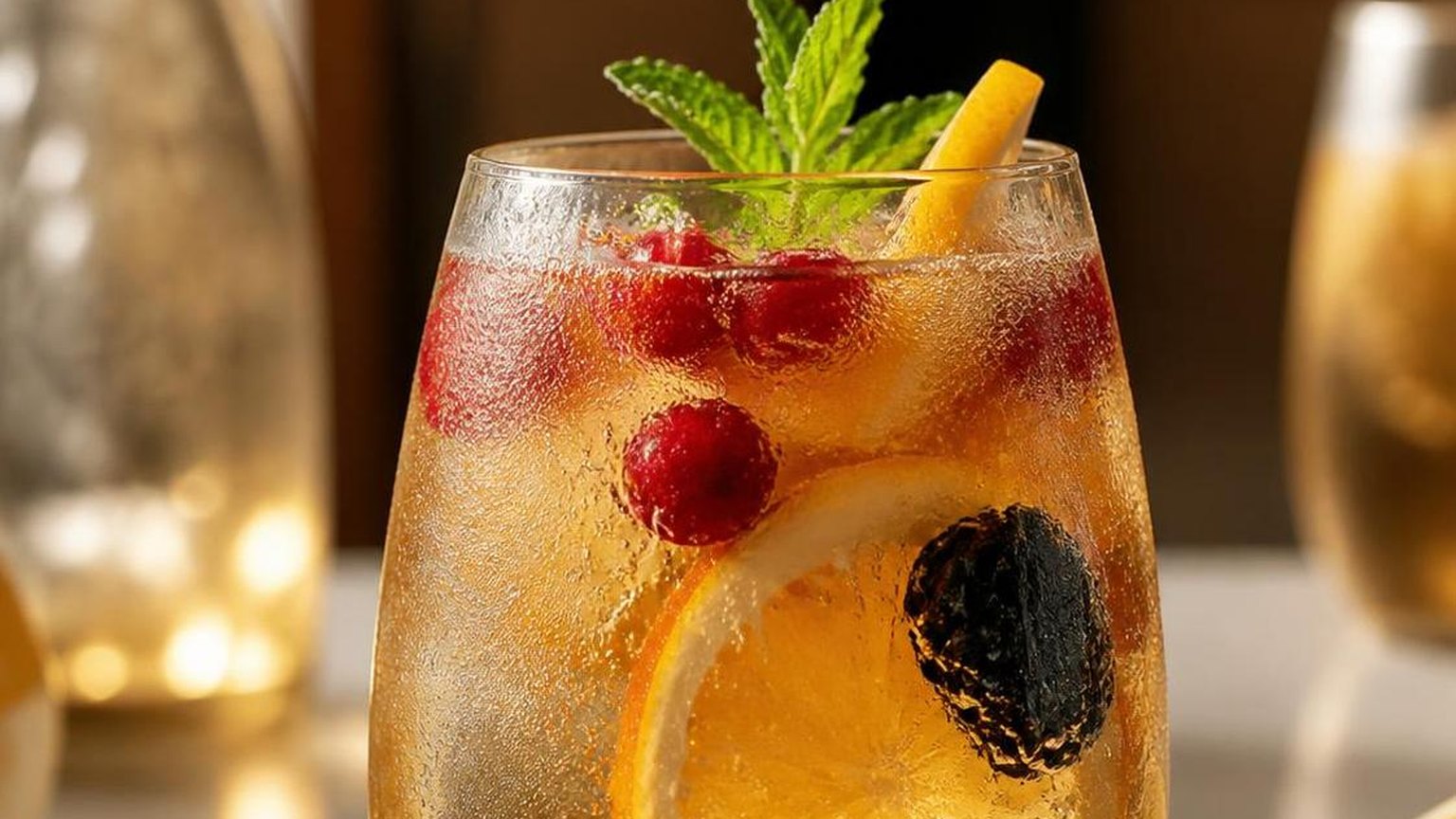
A wine cooler drink changes dramatically based on the wine, dilution, sweetness, carbonation, temperature, and fruit additions. In practice, the same recipe can taste crisp and light or syrupy and alcoholic depending on a few measurable choices.
Classic homemade wine coolers are usually wine plus juice, citrus, fruit, and a carbonated mixer. Commercial “wine coolers” in the U.S. often differ because many are flavored malt beverages rather than wine-based drinks.
Base wine and alcohol level
The starting wine sets the structure. A dry white wine at 12% ABV mixed one-to-one with soda becomes roughly 6% ABV before fruit or ice dilution. A fuller 14.5% red wine will still taste heavier even after dilution.
| Base ingredient | Typical ABV | Effect in a cooler |
| Dry white wine | 11.5% to 13.5% | Crisp, tart, lighter body |
| Rosé wine | 11.5% to 13.5% | Red-fruit flavor, moderate acidity |
| Light red wine | 12.5% to 14% | More tannin, berry depth |
| Flavored malt beverage | About 4% to 6% | Sweeter, softer, less wine character |
Sweetness and acidity
Sugar makes a cooler taste rounder, but too much masks wine character. For reference, a 12-ounce regular soda commonly contains about 35 to 45 grams of sugar, according to U.S. nutrition labels. That can overwhelm a dry wine quickly.
Acidity is the counterweight. Lemon or lime juice contains citric acid and can sharpen a flat cooler. Start with 0.5 ounce citrus per 5-ounce serving, then adjust in small increments.
Carbonation and dilution
Carbonation changes aroma release and mouthfeel. Club soda keeps the drink dry, tonic adds bitterness and sugar, and lemon-lime soda adds sweetness. Ice also matters because melted ice lowers both alcohol and flavor concentration.
| Mixer | Typical role | Result |
| Club soda | No sugar, carbonation | Drier, more wine-forward |
| Seltzer | No sugar, neutral bubbles | Clean, light, simple |
| Tonic water | Sweetened, quinine bitterness | Bittersweet, firmer finish |
| Lemon-lime soda | Sweetened citrus flavor | Sweeter, softer, more commercial style |
Temperature, fruit, and serving time
Temperature affects balance. The USDA notes refrigerators should be kept at 40°F or below for food safety; wine coolers taste best well chilled, usually around 38°F to 45°F.
- Fresh fruit: Adds aroma and mild sugar, but also dilutes if very juicy.
- Frozen fruit: Chills without immediate water dilution, useful instead of some ice.
- Long soaking: Extracts more color, bitterness, and fruit skin flavor.
- Immediate serving: Preserves carbonation and a brighter, fresher texture.
How Wine Coolers Are Identified
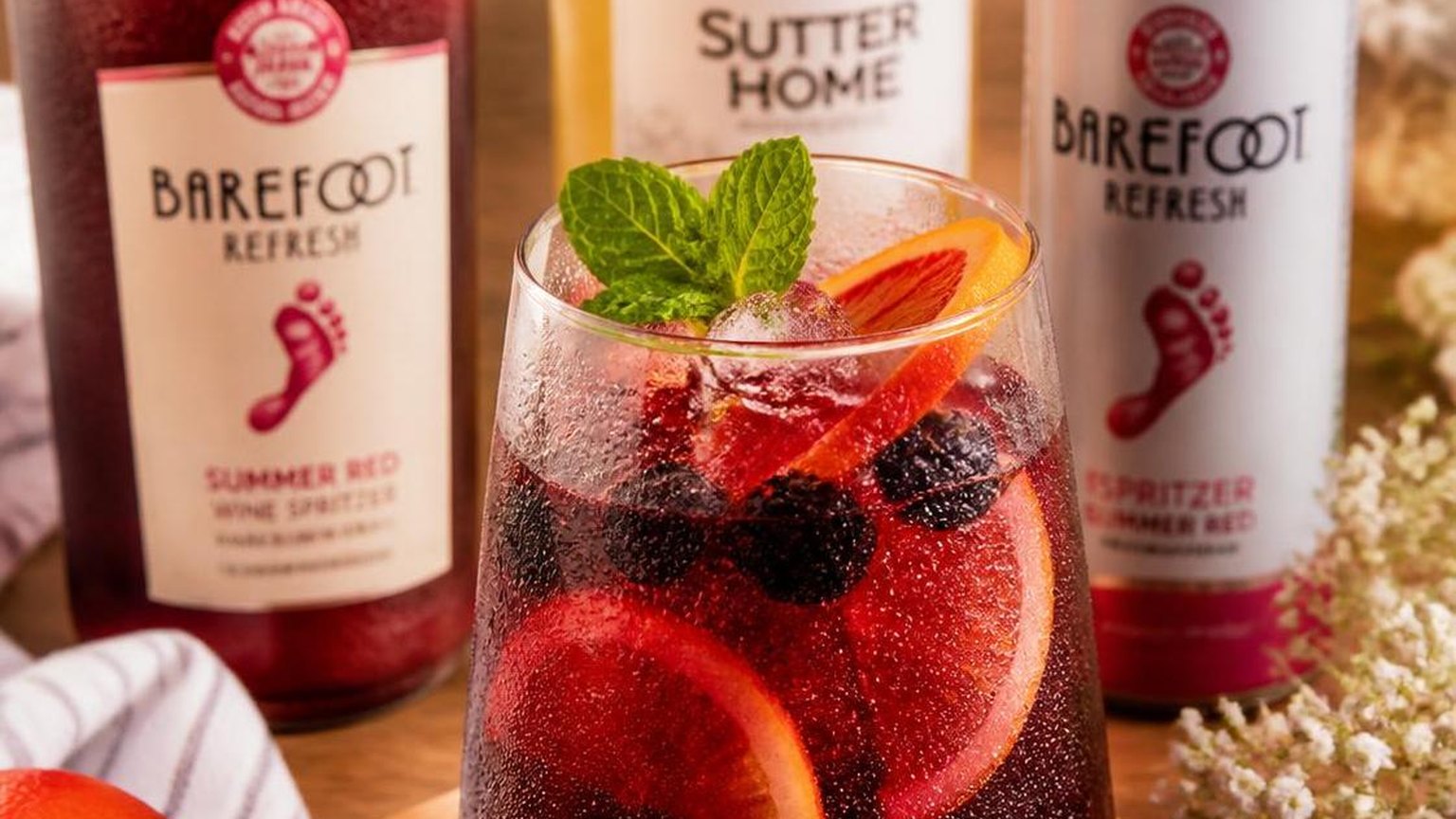
A wine cooler drink is verified mainly by its alcohol by volume, the alcohol source, and the finished package label.
In the U.S., those checks matter because “wine,” “flavored wine product,” malt beverage, and ready-to-drink cocktail can fall under different federal rules.
The core measurement is alcohol by volume, or ABV. ABV is the percentage of the finished liquid that is ethyl alcohol at the stated measurement temperature. A 12-ounce wine cooler at 5% ABV contains about the same alcohol as a U.S. standard drink.
| Drink example | Serving size | ABV | Approx. pure alcohol |
| Typical wine cooler | 12 fl oz | 5% | 14.0 g |
| Light wine cooler | 12 fl oz | 3.2% | 9.0 g |
| Table wine | 5 fl oz | 12% | 14.0 g |
| 80-proof spirits | 1.5 fl oz | 40% | 14.0 g |
The calculation uses the U.S. standard-drink benchmark: 0.6 fluid ounce of pure alcohol, equal to about 14 grams. For a packaged cooler, grams of alcohol can be estimated as fluid ounces × ABV × 23.36.
Producers verify ABV with lab instruments, not taste. Common methods include distillation followed by density measurement, digital densitometry, and gas chromatography.
Quality-control labs usually test both the base wine and the finished flavored product because added juice, sugar, carbonation, and water change the final strength.
- ABV test: Confirms the finished drink’s alcohol percentage before release.
- Formula review: Verifies whether alcohol comes from wine, malt, spirits, or added neutral alcohol.
- Label check: Confirms the declared alcohol content, brand class, net contents, sulfite statement, and required government warning.
- Batch records: Match tank volumes, ingredient additions, and lab results to the packaged lot.
Federal labeling tolerance depends on the product category.
For wine regulated by the Alcohol and Tobacco Tax and Trade Bureau, wines at 14% ABV or less generally have an alcohol-label tolerance of ±1.5 percentage points, as long as the label does not cross the 14% class line.
| Label claim | Possible verified range under wine tolerance | Practical meaning |
| 5.0% ABV | 3.5% to 6.5% | Still a low-alcohol cooler style |
| 7.0% ABV | 5.5% to 8.5% | May affect taxation and regulatory category |
| 13.5% ABV | 12.0% to 14.0% | Cannot exceed the 14% class boundary |
Verification also includes package size. A 355 mL can, equal to 12.0 U.S. fluid ounces, at 5% ABV contains 17.75 mL of ethanol. That converts to about 14 grams because ethanol’s density is approximately 0.789 g/mL.
In practical terms, a wine cooler is not verified by sweetness, fruit flavor, or carbonation. It is verified by measured alcohol, ingredient source, formula compliance, and whether the label accurately represents what is inside the bottle or can.
Wine Coolers Compared with Similar Drinks
A wine cooler drink sits between wine, soda, and ready-to-drink cocktails: lighter than table wine, sweeter than hard seltzer, and usually fruit-forward.
In the U.S., many “coolers” sold today are malt-based instead of wine-based because federal excise taxes and labeling rules treat wine and malt beverages differently.
For practical comparison, the biggest differences are alcohol strength, base ingredient, carbonation, and sugar.
The TTB generally regulates wine products separately from malt beverages, while the FDA’s standard 5-ounce wine serving assumes 12% ABV for dietary guidance.
| Drink | Typical serving | Common ABV | Base | Usual profile |
| Wine cooler | 11–12 oz bottle or can | 3.2%–7% | Wine or malt base with fruit flavor | Sweet, fruity, often carbonated |
| Table wine | 5 oz glass | 11%–14.5% | Fermented grapes | Dry to sweet, still or sparkling |
| Hard seltzer | 12 oz can | 4%–5% | Fermented sugar or malt alcohol | Light, carbonated, low sweetness |
| Hard cider | 12 oz bottle or can | 4.5%–6.5% | Fermented apple juice | Apple-driven, dry to sweet |
| Sangria | 5–8 oz glass | 6%–10% | Wine, fruit, sometimes brandy | Fruitier and richer than a cooler |
| Wine spritzer | 6–8 oz glass | 5%–8% | Wine plus sparkling water | Lighter, drier, less sugary |
Compared with a 5-ounce glass of 12% wine, a 12-ounce cooler at 4% ABV contains slightly less pure alcohol: about 0.48 ounces versus 0.60 ounces. A 7% cooler, however, contains about 0.84 ounces, exceeding a standard drink.
- Versus hard seltzer: a wine cooler usually tastes sweeter and more like fruit soda. Many hard seltzers are marketed around 100 calories per 12 ounces, while sweet coolers often run higher because residual sugar and flavoring add calories.
- Versus wine: coolers are lower in alcohol and less tannic or acidic. They are built for easy drinking, not for showing grape variety, vintage, oak aging, or regional character.
- Versus sangria: sangria is usually wine-first and may include fresh fruit, liqueur, or brandy. A packaged cooler is more standardized, carbonated, and shelf-stable.
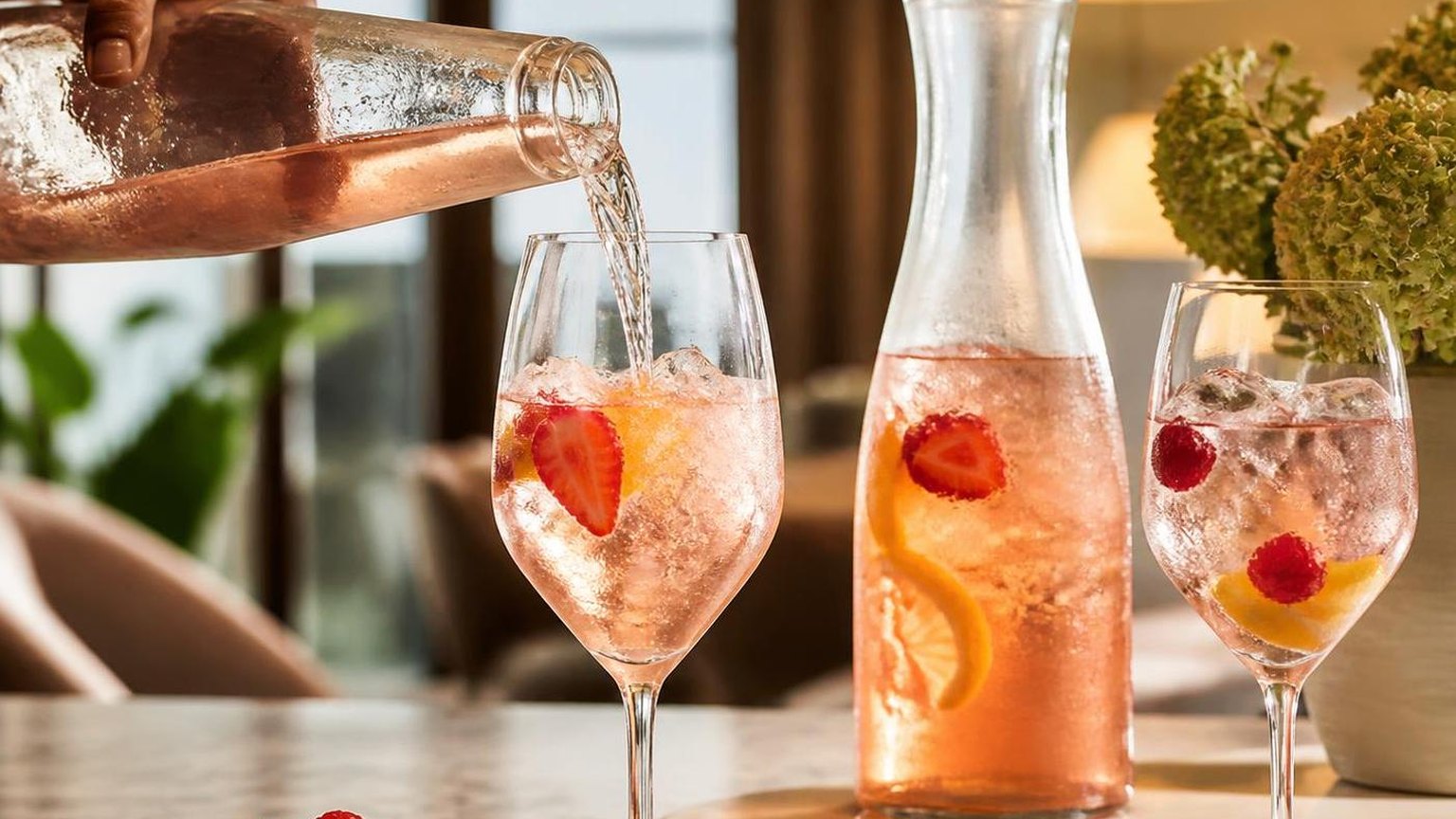
- Versus a spritzer: a spritzer is typically wine diluted with soda water, so it can be drier and more wine-like. A cooler usually includes sweeteners and stronger fruit flavor.
The key takeaway: “wine cooler” describes a style, not a strict strength. Always check the label for ABV, serving size, and whether the base is actually wine or a malt beverage.
Alcohol and Sugar Considerations
A wine cooler drink is usually lower in alcohol than table wine, but it is not “light” in the way many people assume. The main health variables are serving size, ABV, added sugar, and how quickly it is consumed.
| Drink type | Typical serving | Typical ABV | Approx. pure alcohol |
| Wine cooler | 12 oz bottle or can | 4% to 7% | 0.48 to 0.84 oz |
| Table wine | 5 oz glass | 12% to 14% | 0.60 to 0.70 oz |
| Regular beer | 12 oz can | 5% | 0.60 oz |
In the United States, the National Institute on Alcohol Abuse and Alcoholism defines one standard drink as 0.6 fluid ounces of pure alcohol. That means a 12-ounce wine cooler at 5% ABV is roughly one standard drink.
- Check the ABV, not just the flavor. Fruit-forward coolers can taste like soda, but a 7% ABV 12-ounce can contains about 40% more alcohol than a 5% beer of the same size.
- Watch sugar and calories. Many wine coolers land around 120 to 250 calories per 12 ounces, depending on alcohol level and sweeteners. Sweet versions may contain 15 to 35 grams of sugar per container.
- Pace intake. A practical rule is no more than one standard drink per hour, with water between alcoholic drinks. Carbonation and sweetness can make coolers easy to drink quickly.
- Do not rely on “low alcohol” wording. Some products marketed as coolers are malt beverages, flavored wines, or ready-to-drink cocktails. Their alcohol source and strength vary by brand.
- Serve cold, but store safely. Keep unopened cans or bottles away from heat and sunlight. Once opened, refrigerate and finish the same day for best flavor and carbonation.
- Avoid drinking before driving. In all U.S. states, 0.08% BAC is the legal limit for most adult drivers, and impairment can begin below that level.
Pregnant people, anyone taking sedating medication, and people with alcohol use disorder should avoid wine coolers.
For adults who drink, the CDC describes moderation as up to 1 drink per day for women or 2 for men, not as an average to “save up.”.
Tasting Tests of Wine Cooler Styles
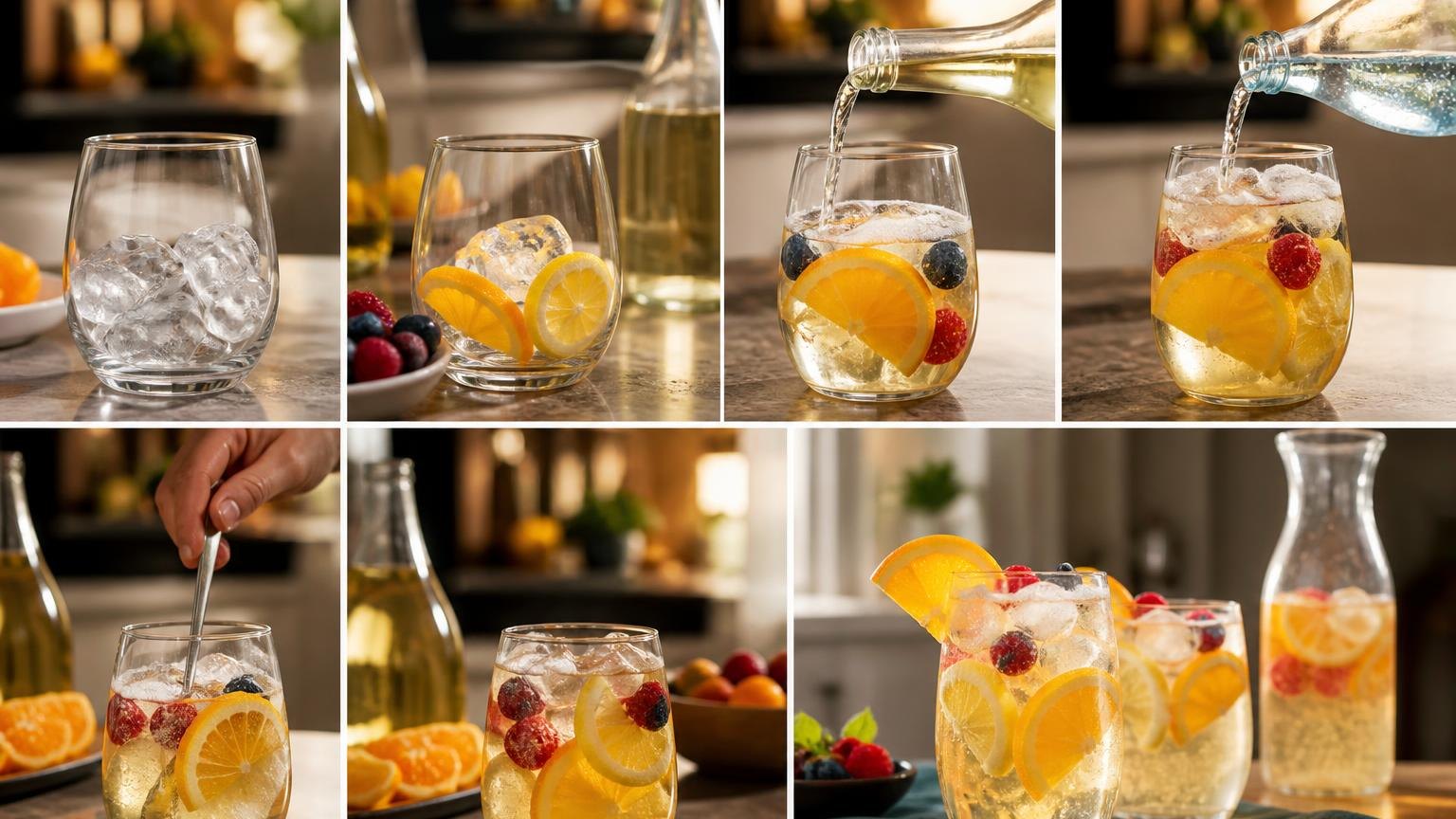
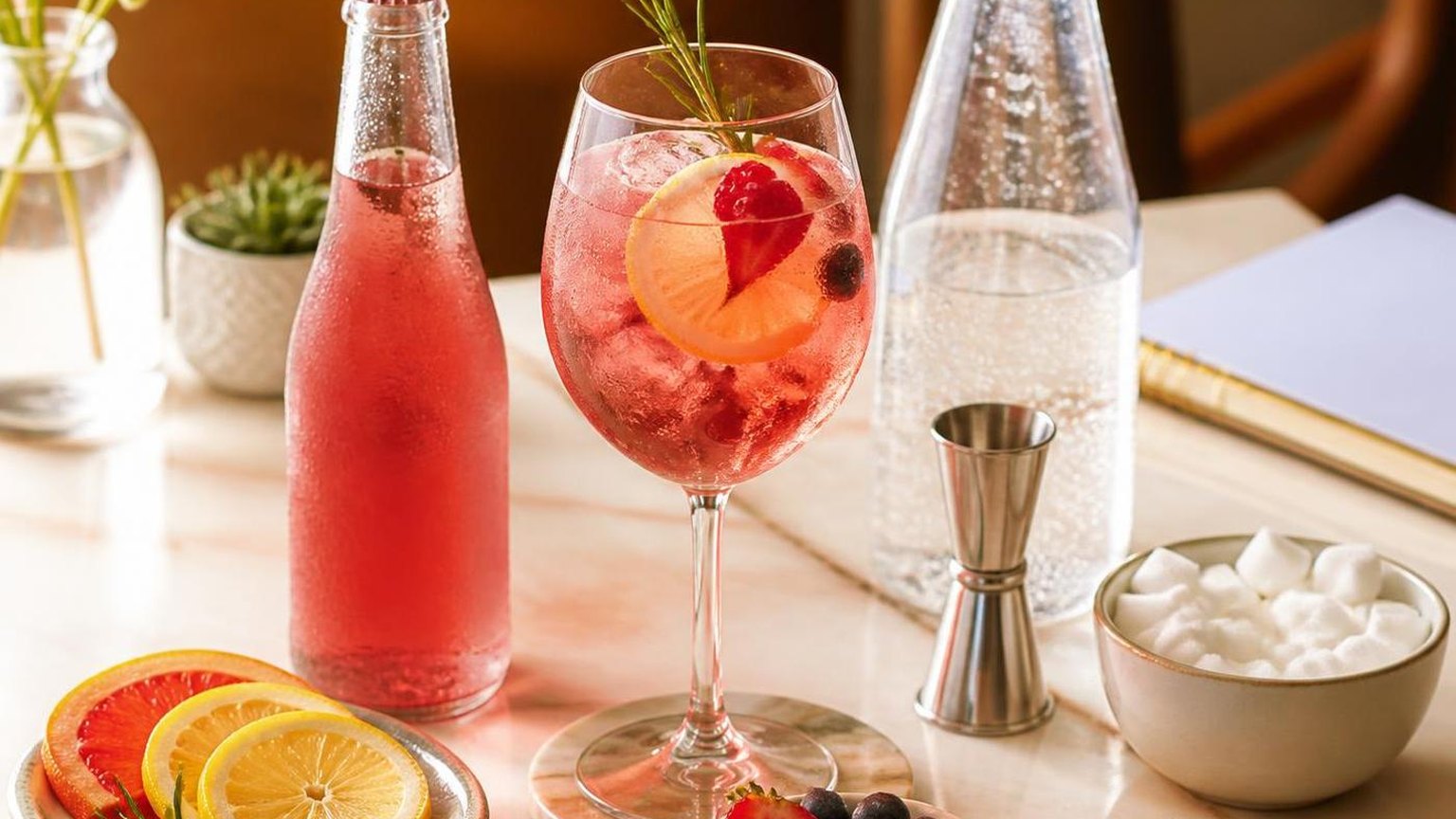
We made and tasted wine cooler-style drinks in three controlled rounds to pin down what separates a true wine cooler drink from sangria, spritzers, and flavored malt beverages.
In our tests, the defining pattern was clear: wine base, fruit flavor, carbonation, sweetness, and a lower alcohol level than table wine.
For each batch, we used 750 ml bottles of chilled wine, measured additions by weight or volume, and served samples at 38°F to 42°F. We repeated the core formula twice with white wine and once with rosé to check consistency.
| Test batch | Wine used | Fruit component | Carbonation added | Measured result |
| Batch 1 | 750 ml Sauvignon Blanc, 12.5% ABV | 180 ml orange-peach juice blend | 360 ml club soda | About 7.1% ABV before ice dilution |
| Batch 2 | 750 ml Pinot Grigio, 12.0% ABV | 150 ml white grape juice plus 30 ml lemon juice | 355 ml lemon-lime seltzer | About 6.9% ABV before ice dilution |
| Batch 3 | 750 ml dry rosé, 13.0% ABV | 180 ml strawberry purée strained through mesh | 360 ml sparkling water | About 7.4% ABV before ice dilution |
The most drinkable samples landed between roughly 6.9% and 7.4% ABV before ice. That matched the practical identity of a wine cooler: lighter than standard wine, but still recognizably wine-based.
We also compared sugar levels by taste and by label math. When total juice or sweetened soda exceeded about 220 ml per 750 ml wine bottle, the drink started tasting more like punch than a balanced cooler.
- Best balance: 750 ml dry wine, 150 to 180 ml fruit juice, and 355 to 360 ml carbonated water.
- Best serving temperature: 38°F to 42°F; above 48°F, sweetness and alcohol felt heavier.
- Best carbonation timing: add sparkling water immediately before serving; after 20 minutes, bubbles dropped noticeably.
- Best glass fill: 5 oz cooler mixture over 3 to 4 standard ice cubes.
We found citrus mattered. A 15 to 30 ml lemon or lime addition per batch made sweet fruit flavors sharper and kept the drink from tasting flat, especially with Pinot Grigio.
Our takeaway: a wine cooler drink is not just “wine with juice.” In practice, it is a chilled, carbonated, fruit-flavored wine drink diluted to a moderate strength, usually around 7% ABV in a homemade version when mixed in these proportions.
Wine Cooler History and Misconceptions
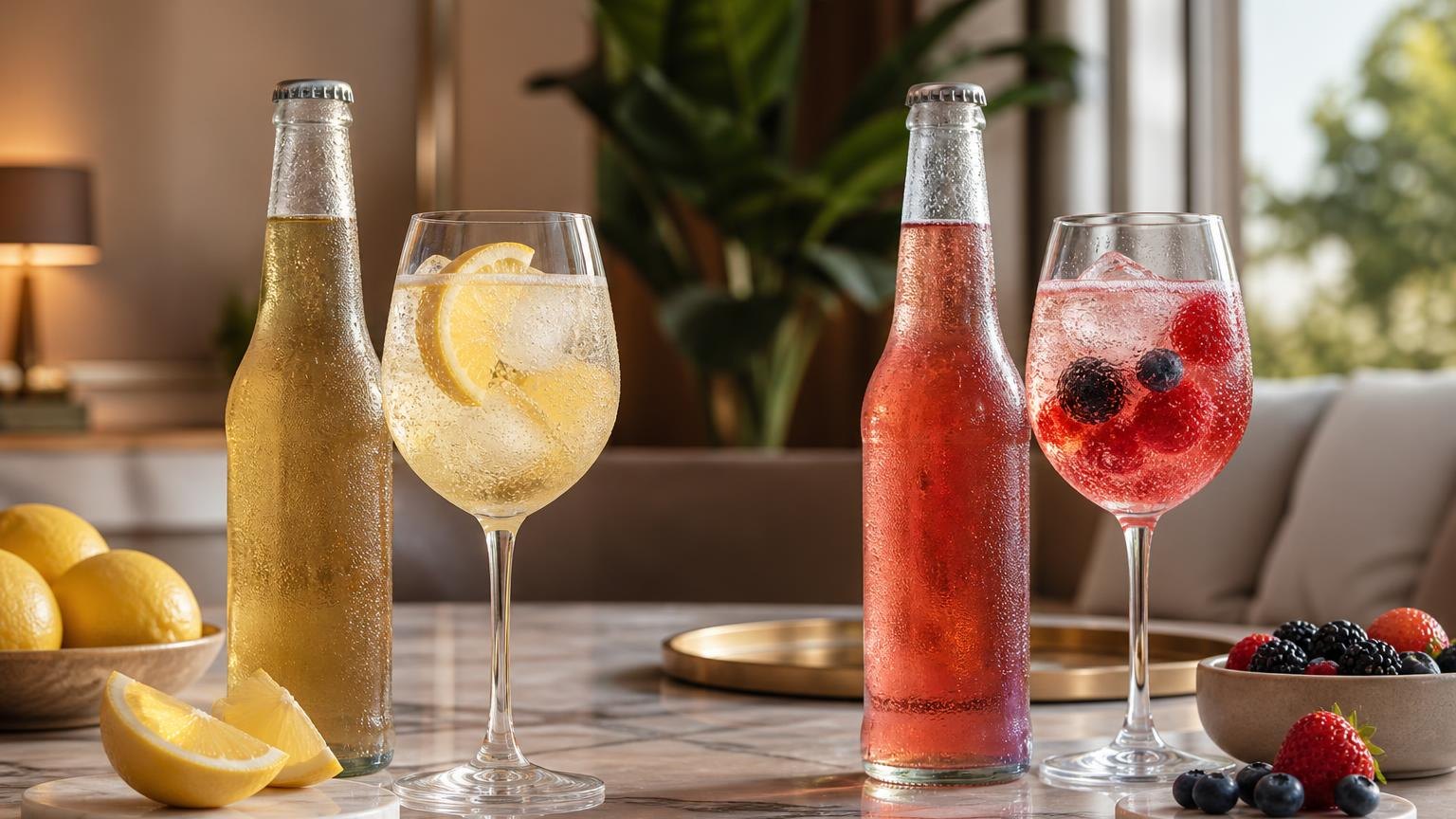
Wine coolers are often misunderstood because the name has been used for different drinks since the 1980s.
In the U.S., many bottled “wine coolers” stopped being wine-based after federal excise tax changes in 1991 made malt-based formulas cheaper.
- Myth: every wine cooler contains wine. Not always. A true wine cooler is wine mixed with fruit juice, carbonation, or flavoring. Many modern products sold in the same style are flavored malt beverages, meaning the alcohol comes from fermented malt, not grapes.
- Myth: wine coolers are the same as spritzers. A spritzer is usually wine plus soda water, often made fresh and served over ice. A cooler is typically sweeter, fruit-flavored, and may be bottled or canned with a set alcohol level.
- Myth: they are always low alcohol. Many are lighter than table wine, but not alcohol-free. Typical wine coolers and malt-based cooler-style drinks often fall around 3.2% to 7% alcohol by volume, compared with about 11% to 14.5% for many still wines.
| Drink type | Typical alcohol source | Common ABV range |
| Traditional wine cooler | Wine from fermented grapes | 4% to 7% |
| Wine spritzer | Wine diluted with soda water | 5% to 9% |
| Flavored malt beverage | Fermented malt base | 3.2% to 8% |
| Table wine | Fermented grapes | 11% to 14.5% |
- Myth: sweet means harmless. Sugar and fruit flavor can hide alcohol. A 12-ounce cooler at 5% ABV contains about 0.6 fluid ounces of pure alcohol, the same amount used by U.S. health agencies to define one standard drink.
- Mistake: judging by the bottle name instead of the label. Check the ingredient statement, alcohol source, and ABV. If the label says “malt beverage,” it is not a traditional wine-based cooler, even if it tastes like sangria or fruit wine.
- Mistake: assuming all coolers are gluten-free. Wine-based coolers are generally made from grapes, but malt-based versions are not gluten-free unless specifically processed and labeled to meet FDA gluten-free rules.
- Myth: wine coolers are just bad wine. A well-made cooler can use sound base wine, real citrus, berries, herbs, and controlled carbonation. The problem is usually excess sugar or artificial flavoring, not the category itself.
The practical rule is simple: read the ABV and alcohol source before buying. “Cooler” describes a style of sweet, chilled, flavored drink; it does not guarantee wine content, low alcohol, or a lighter serving.
Common Questions
What is a wine cooler drink?
A wine cooler drink is a chilled, sweet, low-alcohol beverage traditionally made by blending wine with fruit juice, sugar, and carbonation.
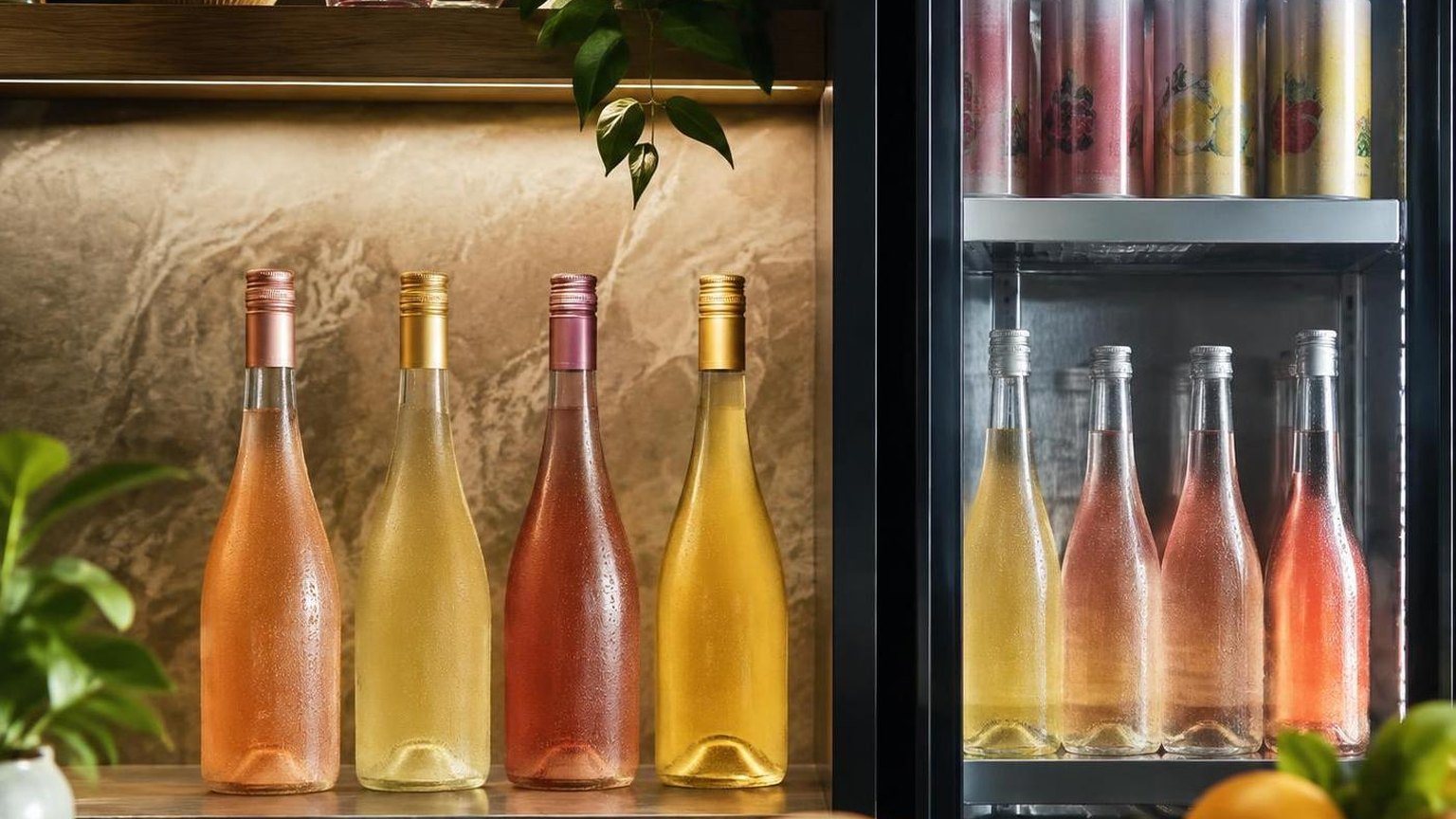
In the U.S., many commercial “wine coolers” shifted in the 1990s from wine bases to malt bases because federal excise taxes on wine increased in 1991.
How much alcohol is in a wine cooler?
Most wine cooler-style drinks are about 3% to 7% alcohol by volume, with many bottled products near 4% to 5% ABV.
That makes them similar in strength to standard beer and usually much lighter than table wine, which is commonly around 12% to 14.5% ABV.
Is a wine cooler the same as wine?
No. Wine is fermented grape juice, while a wine cooler is a mixed beverage that may contain wine plus fruit flavoring, sweetener, and carbonation—or, in many U.S. brands, a malt alcohol base instead of wine.
Always check the label for terms such as “wine product,” “malt beverage,” or “flavored malt beverage.”.
What does a wine cooler taste like?
Wine coolers usually taste sweet, fruity, lightly fizzy, and less tannic or acidic than straight wine. Common flavors include peach, berry, citrus, watermelon, and tropical fruit, with the alcohol often intentionally muted.
Should wine coolers be served cold?
Yes. Wine coolers are designed to be served well chilled, typically straight from the refrigerator at about 35°F to 45°F. Serving them cold keeps the carbonation sharper and balances the sweetness.
Are wine coolers still made with wine today?
Some are, but many modern products sold as wine coolers are actually flavored malt beverages made from fermented sugar or malted barley instead of grape wine.
U.S. labeling and taxation rules helped drive that shift after the early 1990s, so checking the product category on the label is the most reliable way to tell.
Related Reading
- The Best Small Wine Cooler of All Time 2026
- 8 Best 24-Bottle Wine Coolers for 2026
- 10 Best Under Counter Wine Fridge That Will Change Your Life
- Top 5 Best 4 Bottle Wine Cooler for Home Drinking in 2026
- The Ultimate Guide to the Best 8 Bottle Wine Cooler 2026
- Best Koolatron Wine Cooler: 2026 Buyer’s Guide and Reviews
- The Top 6 Best Dual Zone Wine Cooler You Need Right Now
- All Wine Coolers Guides
- Alcohol and Tobacco Tax and Trade Bureau (2024)
- National Institute on Alcohol Abuse and Alcoholism (2024)
- Centers for Disease Control and Prevention (2024)
- Electronic Code of Federal Regulations, 27 CFR Part 4 (2025)
- PubMed: Mosher and Johnsson, Journal of Public Health Policy (2005)
- Merriam-Webster Dictionary (2025)
- Cambridge Dictionary (2025)