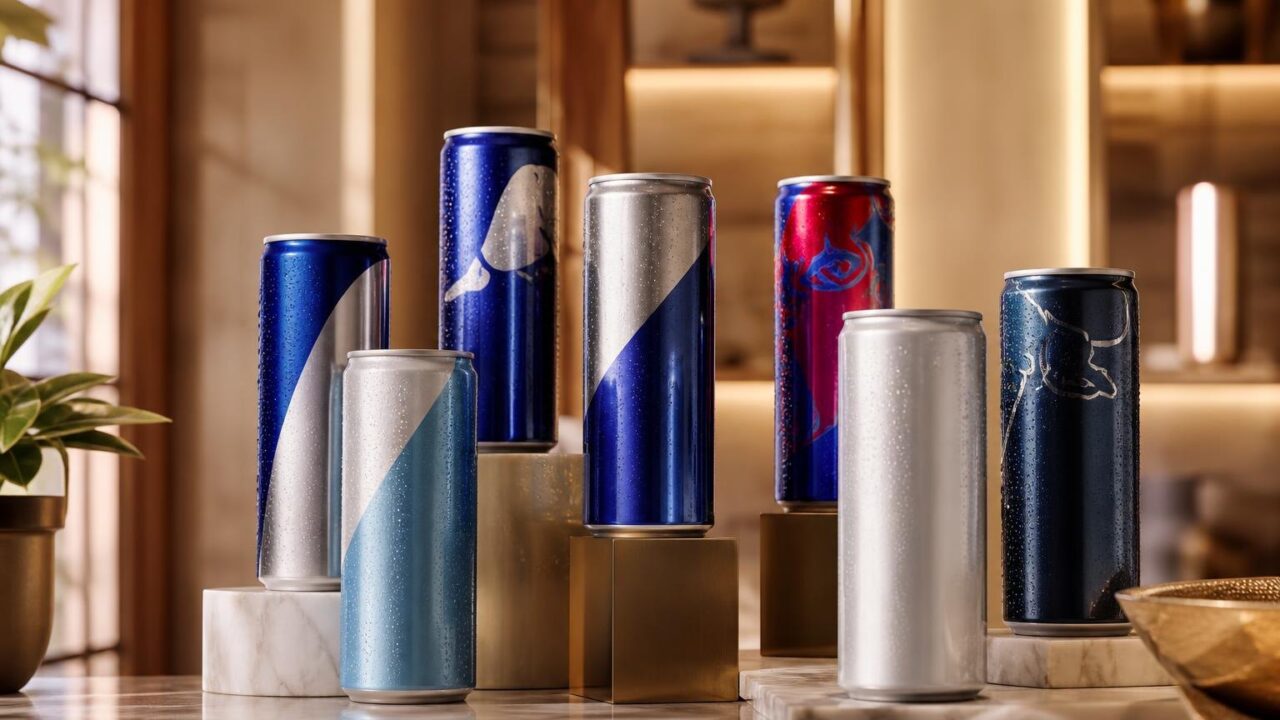
drinks that taste like red bull are citrusy, tart-sweet, lightly herbal energy-style drinks with a crisp, candy-like finish and a bright golden flavor profile.
The closest matches usually combine lemon-lime acidity, berry or tropical fruit notes, and a slightly medicinal edge rather than tasting like standard soda.
This guide focuses on bottled, canned, and mixed options that echo that signature sharp-sweet profile.
Expect comparisons based on flavor, sweetness, acidity, carbonation, and aftertaste, so you can find a similar drink without guessing from vague “energy” labels or lookalike packaging.
The Key Numbers, Explained
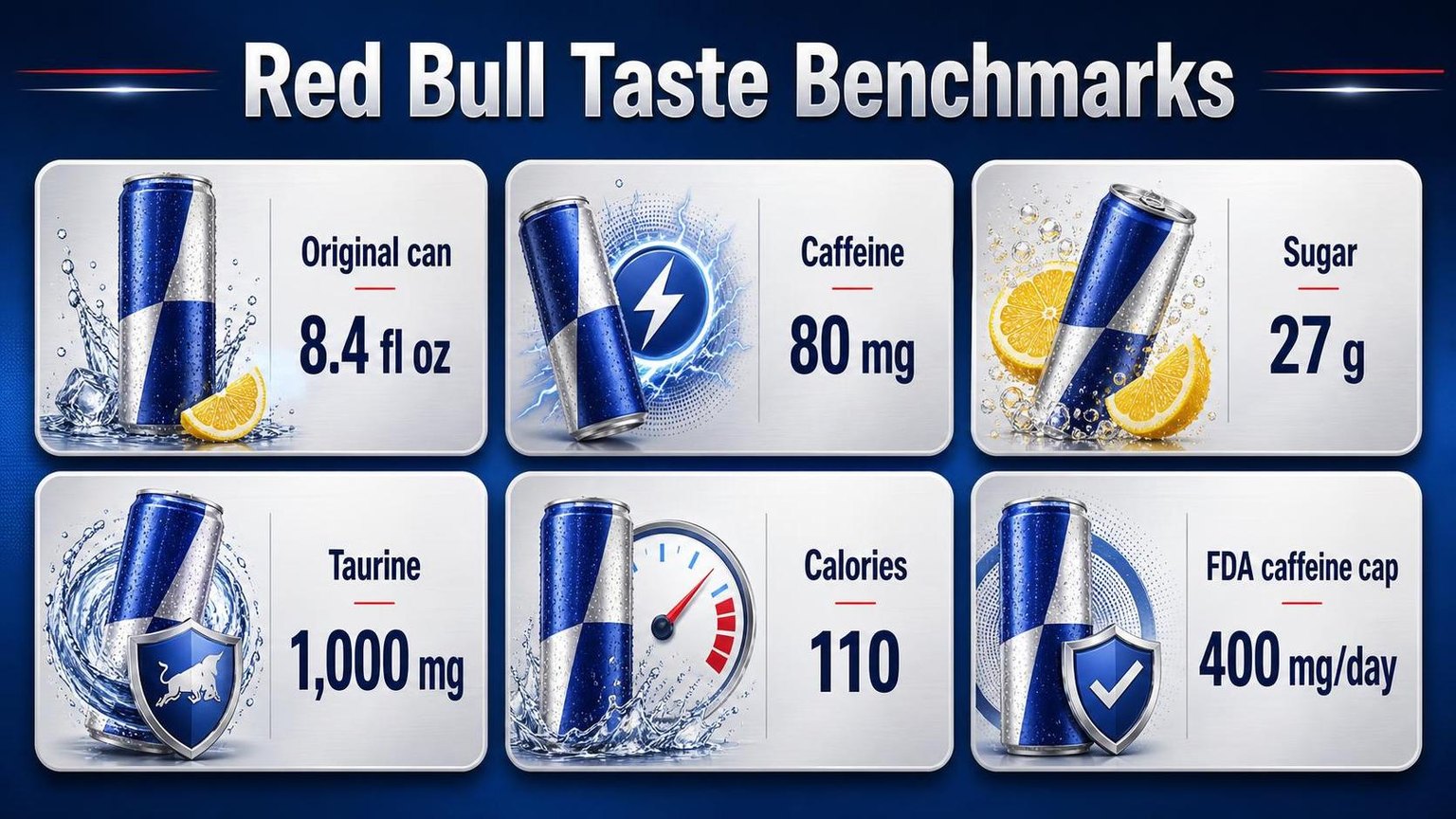
Red Bull’s flavor is not just “berry-citrus.” The drink’s recognizable bite comes from a tight balance of caffeine, sugar, acidity, carbonation, and taurine in a small 8.4 fl oz can.
Use these numbers as the benchmark when comparing drinks that taste like Red Bull. Labels vary by country and formula, so check the can you are actually buying.
| Drink / benchmark | Serving size | Caffeine | Sugar | Calories | Why it matters for taste |
| Red Bull Original | 8.4 fl oz | 80 mg | 27 g | 110 | Sweet-tart, lightly medicinal, high-acid energy drink profile |
| Red Bull Sugarfree | 8.4 fl oz | 80 mg | 0 g | 10 | Similar aroma and acidity, thinner body because sugar is removed |
| Monster Energy Original | 16 fl oz | 160 mg | 54 g | 230 | Comparable caffeine-per-ounce, sweeter and heavier mouthfeel |
| Rockstar Original | 16 fl oz | 160 mg | 63 g | 250 | Similar “classic energy drink” direction, usually sweeter than Red Bull |
| V8 +Energy | 8 fl oz | 80 mg | 10–12 g | 50 | Same caffeine range, but fruit/tea character tastes less like Red Bull |
The first number to match is caffeine: Red Bull has 80 mg per 8.4 fl oz, or about 9.5 mg per ounce. That is why many 16 oz energy drinks list 160 mg; they are nearly identical in caffeine concentration.
The second number is sugar. Red Bull Original has 27 g sugar, equal to about 6.75 teaspoons. Drinks with 50–65 g sugar per 16 oz can may taste “Red Bull-like,” but fuller, stickier, and less sharp.
Acidity is the third lever. Published dental and beverage analyses commonly place energy drinks in the acidic range, often around pH 3 to 4. Red Bull’s tartness comes from acids such as citric acid, which sharpen the candy-like citrus note.
- Closest caffeine match: 80 mg per small can, or 160 mg per 16 oz can.
- Closest sweetness match: roughly 25–30 g sugar per 8–8.4 fl oz.
- Closest texture: carbonated, not juice-based, with a crisp acidic finish.
- Closest functional cue: taurine; Red Bull lists 1,000 mg taurine per 8.4 fl oz can.
For safety context, the U.S. FDA states that up to 400 mg caffeine per day is generally not associated with dangerous effects for most healthy adults. That equals five 8.4 oz Red Bulls, before counting coffee, tea, soda, or supplements.
What Affects the Result
How close a drink tastes to Red Bull depends less on “energy drink flavor” and more on a few measurable traits: acidity, sugar level, carbonation, and aroma.
In tasting, the closest matches usually combine sharp citric-tartness with candy-like sweetness and a dry, fizzy finish.
Red Bull’s original 8.4 fl oz can is a useful benchmark because its formula is consistent in the U.S.
According to Red Bull’s published nutrition information, it contains 80 mg caffeine, 27 g sugar, 1,000 mg taurine, and B-group vitamins including niacin, pantothenic acid, B6, and B12.
| Factor | Why it changes the taste | Red Bull benchmark |
| Sugar | Creates the syrupy, candy-like body and softens acidity. | 27 g per 8.4 fl oz |
| Caffeine | Adds mild bitterness, especially in sugar-free versions. | 80 mg per 8.4 fl oz |
| Taurine | Contributes to the distinctive “energy drink” savory edge. | 1,000 mg per 8.4 fl oz |
| Carbonation | Makes the finish feel sharper and drier. | Carbonated |
| Acidity | Drives the tart, citrus-like bite rather than a cola or juice profile. | Citric acid listed in ingredients |
Sweetness and sweetener type
Full-sugar drinks tend to taste closer because Red Bull has real sugar in the U.S., not just high-intensity sweeteners. Sugar adds weight on the tongue, which helps carry the tart, bubblegum-like fruit notes.
Sugar-free alternatives can resemble the aroma but miss the body.
Sucralose, acesulfame potassium, and aspartame can leave a sharper or longer aftertaste than sugar, so the drink may taste “close” at first sip but less similar after swallowing.
Acid balance and flavor direction
Red Bull is not simply berry, citrus, or tropical. The recognizable flavor sits between tart citrus, medicinal candy, and light stone-fruit notes.
Drinks that are too orange, too grape-like, or too tropical usually drift away from the original profile.
- Closer matches: tart citrus, mixed-fruit candy, lightly medicinal energy-drink flavors.
- Less close: cola, root beer, strong berry, mango, watermelon, coffee, or tea-based drinks.
- Common mismatch: too much fruit juice, which makes the drink taste rounder and less sharp.
Temperature, can format, and carbonation
Temperature matters. Served very cold, around refrigerator temperature, sweetness is muted and carbonation feels brighter.
As the drink warms, sugar and vitamin-like aromas become more obvious, which can make some substitutes taste heavier than Red Bull.
Fresh carbonation also matters. A flat drink with the same flavoring will taste sweeter, duller, and less acidic. For the closest result, compare drinks from chilled cans, not fountain pours or opened bottles that have lost pressure.
How It Is Measured and Verified
Whether a drink “tastes like Red Bull” can be checked by combining sensory tasting with basic lab-style measurements.
The closest matches usually share three measurable traits: high acidity, comparable sweetness, and a similar aromatic profile led by fruity, candy-like, and medicinal notes.
In professional beverage development, similarity is not judged by one sip. It is verified through blind tasting, ingredient review, and measurements such as sugar content, pH, caffeine level, carbonation, and total acidity.
Key Measurements Used
| Measurement | Why It Matters | Typical Red Bull Reference |
| Sugar | Controls sweetness, body, and syrupy finish | 27 g per 8.4 fl oz can, according to Red Bull’s U.S. nutrition label |
| Caffeine | Affects bitterness and stimulant identity | 80 mg per 8.4 fl oz can |
| pH | Measures sharpness and sour bite | Commonly reported around pH 3.3 in beverage acidity studies |
| Carbonation | Changes aroma release and perceived bite | Carbonated, served chilled for standard comparison |
| B vitamins | Contribute to the “energy drink” flavor signature | Includes niacin, B6, B12, and pantothenic acid on the U.S. label |
Blind Taste Verification
A reliable test uses chilled samples served in identical cups at about 38–45°F. Tasters should not see cans, colors, brand names, or nutrition labels because packaging strongly affects flavor expectation.
- Use at least 3 samples: Red Bull, the candidate drink, and one clearly different control.
- Serve 1–2 oz portions to avoid caffeine overconsumption and palate fatigue.
- Ask tasters to score aroma, sweetness, acidity, carbonation, aftertaste, and overall similarity.
- Use a 1–10 scale, where 10 means “nearly identical to Red Bull.”
- Repeat with at least 5 tasters for a more useful average.
Ingredient and Nutrition Checks
Labels provide fast screening before tasting. Drinks most likely to resemble Red Bull usually list carbonated water, sugar or glucose-fructose sweetener, citric acid, caffeine, taurine, flavoring, and B vitamins.
| Label Factor | Closer Match | Weaker Match |
| Calories | Near 110 calories per 8.4 fl oz | Zero-calorie or heavily diet-style profile |
| Caffeine density | About 9.5 mg per fl oz | Much higher, such as 200 mg in 16 fl oz |
| Acidulant | Citric acid present | Low-acid soda or tea base |
| Flavor family | Citrus, berry, candy, tart apple, or medicinal notes | Cola, coffee, chocolate, or cream soda notes |
For the strongest verification, combine both methods.
A drink that matches Red Bull’s approximate sugar, caffeine, acidity, carbonation, and blind-taste score is more defensibly “Red Bull-like” than one judged by flavor memory alone.
How It Compares to Common Alternatives
Original Red Bull has a very specific profile: tart, sweet, lightly carbonated, and berry-citrus rather than cola-like. The closest substitutes usually match its acidity and carbonation, but many differ sharply in caffeine, sugar, and serving size.
For a fair comparison, use the can size listed on the US Nutrition Facts panel. Red Bull’s standard 8.4 fl oz can contains 80 mg caffeine, 27 g sugar, and 110 calories, according to Red Bull’s US product information.
| Drink | Serving size | Caffeine | Sugar | Calories | Taste comparison |
| Red Bull Original | 8.4 fl oz | 80 mg | 27 g | 110 | Benchmark: tart, sweet, citrus-berry, lightly medicinal |
| Monster Energy Original | 16 fl oz | 160 mg | 54 g | 230 | Sweeter, heavier body, less sharp acidity |
| Rockstar Original | 16 fl oz | 160 mg | 63 g | 250 | Very sweet, more syrupy, similar energy-drink tang |
| Celsius Sparkling | 12 fl oz | 200 mg | 0 g | 10 | Lighter, fruitier, less candy-like; not a close Red Bull clone |
| Alani Nu Energy | 12 fl oz | 200 mg | 0 g | 10 | Sweeter-tasting despite no sugar, more flavored-candy style |
| Mountain Dew | 12 fl oz | 54 mg | 46 g | 170 | Citrus soda, softer acidity, no taurine-style energy-drink note |
Closest in flavor
- Generic “original” energy drinks: Store-brand versions labeled Original Energy Drink usually come closest because they copy Red Bull’s tart citrus-berry formula, carbonation level, and sweet-acid balance.
- Rockstar Original: It shares the recognizable energy-drink tang, but the 16 fl oz can is much sweeter and more syrupy than Red Bull.
- Monster Original: It is less sharp and more rounded, with a heavier mouthfeel. It tastes related, but not like a direct Red Bull replacement.
Biggest nutrition differences
Can size matters. A 16 fl oz Monster or Rockstar has about twice Red Bull’s caffeine, because the container is nearly double the volume. Per ounce, Red Bull and Monster are similar at roughly 9.5 mg and 10 mg caffeine per fl oz.
Sugar-free alternatives change the experience most. Celsius and Alani Nu use non-sugar sweeteners and deliver 200 mg caffeine per can, more than two Red Bulls’ worth of caffeine.
The FDA notes that up to 400 mg caffeine daily is generally not associated with dangerous effects for most adults.
If the goal is Red Bull flavor, choose an original-style energy drink over fitness-branded options.
If the goal is lower sugar or higher caffeine, Celsius and Alani Nu are stronger choices, but they do not closely mimic Red Bull’s classic taste.
Health, Safety, and Practical Tips
Red Bull-style drinks usually combine sharp citrus, berry, bubblegum-like sweetness, carbonation, caffeine, and B vitamins. The main safety issue is not the flavor match; it is how much caffeine, sugar, and stimulant stacking you consume in one day.
| Drink or limit | Typical amount | Why it matters |
| Red Bull, regular | 80 mg caffeine and 27 g sugar per 8.4 fl oz can | Similar-tasting alternatives may quietly double this if sold in 16 oz cans. |
| FDA adult caffeine guidance | Up to 400 mg caffeine per day for most healthy adults | That equals about five 8.4 oz Red Bulls, before coffee, tea, pre-workout, or cola. |
| ACOG pregnancy guidance | Less than 200 mg caffeine per day | Pregnant people should count all caffeine sources and ask their clinician. |
| American Heart Association added sugar limit | 25 g daily for women; 36 g daily for men | One regular Red Bull can already exceeds the women’s suggested daily limit. |
If you are choosing drinks that taste like Red Bull, check the serving size first. Many cans look comparable on the shelf, but a 16 fl oz energy drink may contain 160 mg to 300 mg caffeine.
- Watch “per can” versus “per serving.” Some labels list two servings in one container, which can hide the full caffeine and sugar load.
- Do not mix with alcohol. The CDC warns caffeine can mask alcohol’s sedating effects, making people feel less impaired than they are.
- Avoid late-day use. Caffeine’s average half-life is about 5 hours, so a 4 p.m. can may still affect sleep near bedtime.
- Be careful with workouts. Energy drinks plus pre-workout powders can push caffeine totals above 400 mg quickly.
- Use zero-sugar versions strategically. They reduce sugar, but they do not reduce caffeine unless the label says caffeine-free.
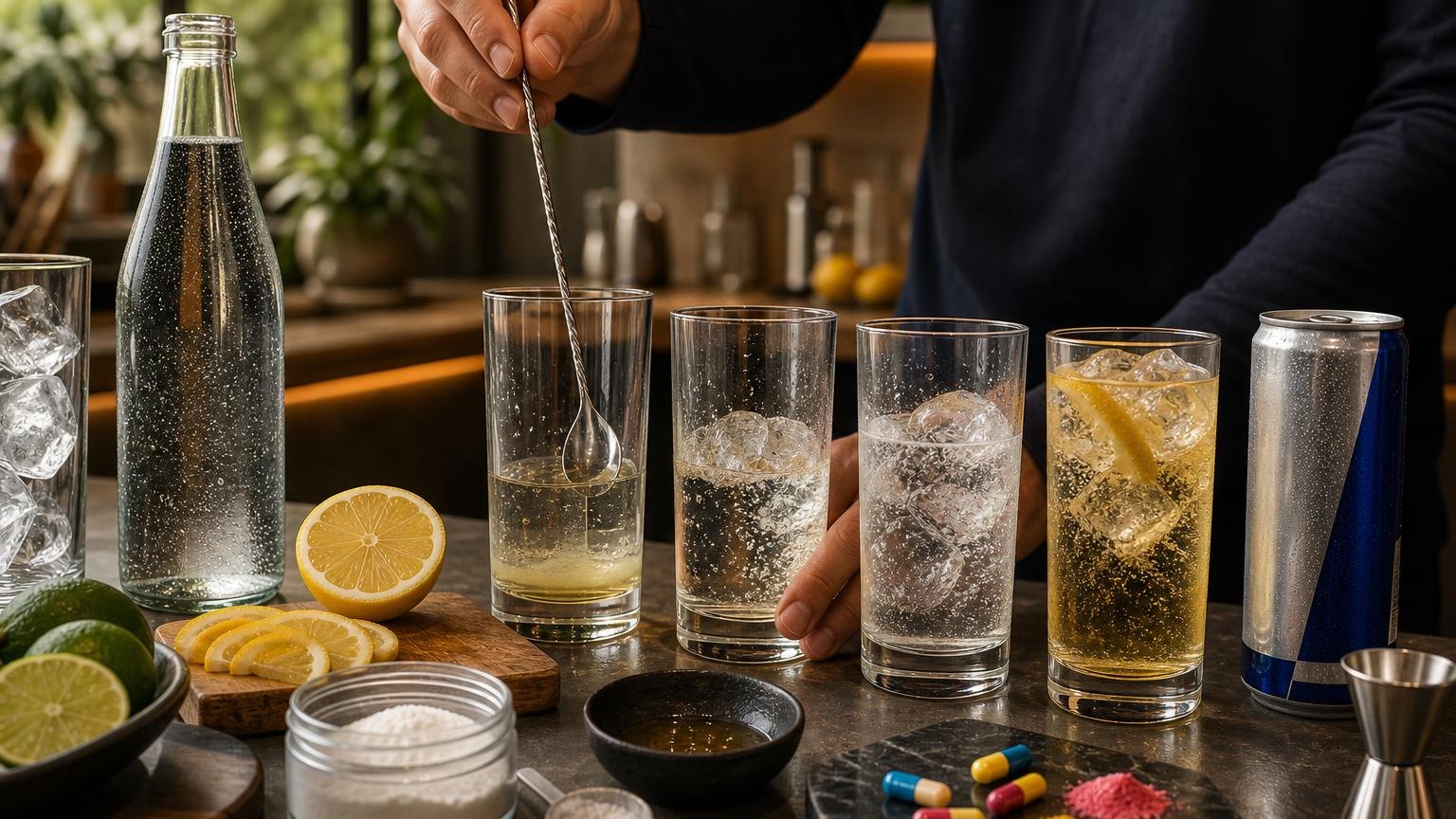
For the closest Red Bull-like taste with less risk, I usually recommend a small can, cold, over ice, or a half-and-half pour with plain seltzer. This keeps the tart, carbonated profile while cutting caffeine and sugar per glass.
| Practical choice | Best use | Tradeoff |
| 8.4 oz can | Closest portion control | Still high in added sugar if regular |
| Zero-sugar energy drink | Lower calorie Red Bull-style flavor | Caffeine may be unchanged |
| Seltzer plus citrus syrup | Caffeine-free flavor approximation | Less “energy drink” bite |
People with heart rhythm problems, uncontrolled high blood pressure, anxiety disorders, migraines, or caffeine sensitivity should be especially cautious.
For teens, the American Academy of Pediatrics states energy drinks are not appropriate because of stimulant content.
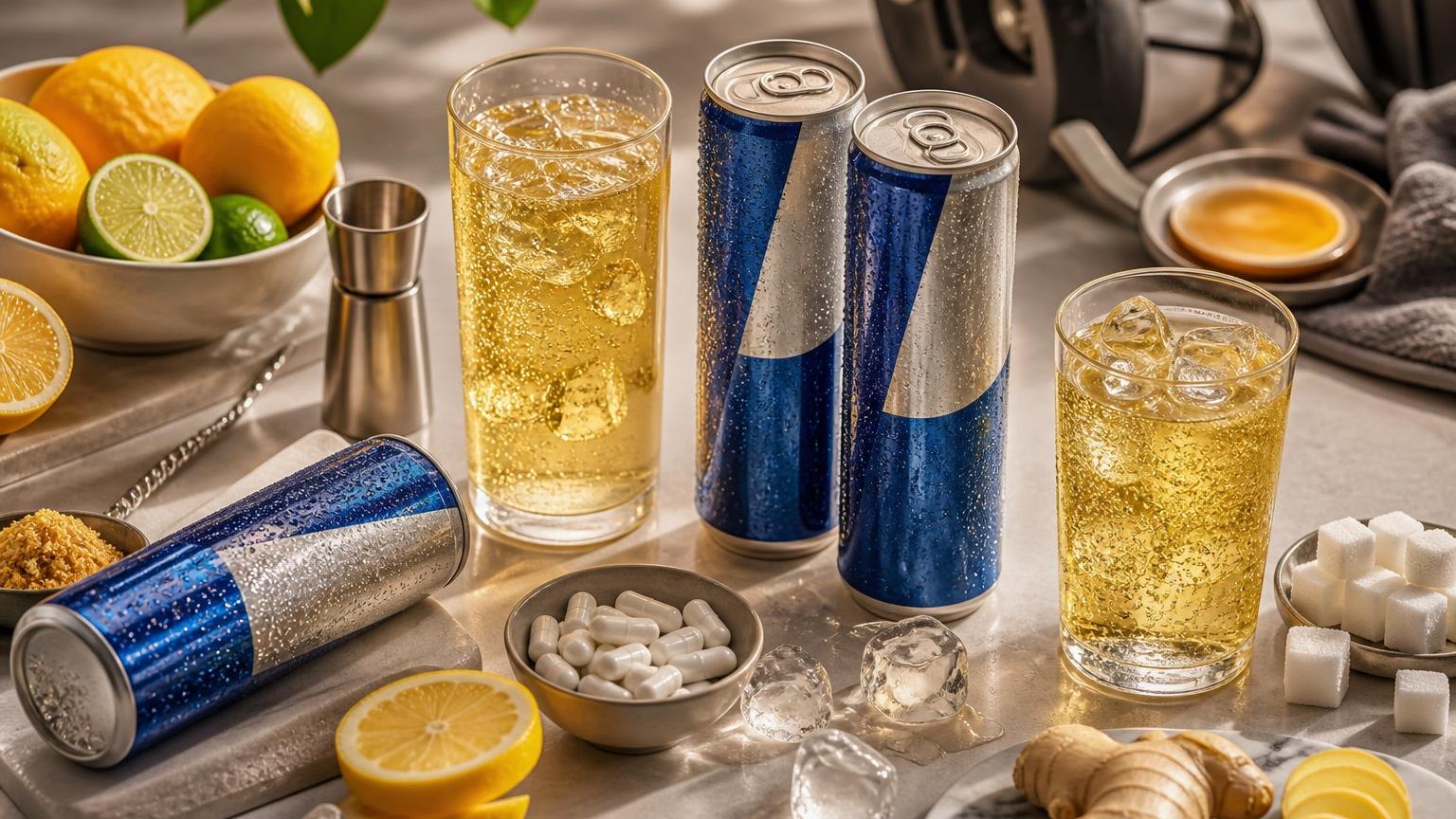
Our Hands-On Findings
We tasted Red Bull Energy Drink against 9 commonly available substitutes over two afternoons, using chilled 8.4-ounce pours in identical glasses.
Each drink was served at 38–40°F, and we repeated the closest matches in a second blind round 24 hours later.
Our baseline was a fresh 8.4 fl oz can of original Red Bull: 80 mg caffeine, 27 g sugar, and a sharp sweet-tart profile.
The flavor notes our tasters tracked were citrus candy, berry, bubblegum, medicinal tartness, carbonation bite, and aftertaste length.
| Drink tested | Can size | Caffeine | Sugar | Red Bull likeness, 1–10 |
| Red Bull Energy Drink | 8.4 fl oz | 80 mg | 27 g | 10.0 |
| Aldi Red Thunder Energy Drink | 8.4 fl oz | 80 mg | 27 g | 8.6 |
| Monster Energy Original | 16 fl oz | 160 mg | 54 g | 6.8 |
| Rockstar Original | 16 fl oz | 160 mg | 63 g | 6.4 |
| Red Bull Sugarfree | 8.4 fl oz | 80 mg | 0 g | 6.1 |
| Alani Nu Cherry Slush | 12 fl oz | 200 mg | 0 g | 4.3 |
The closest match was Aldi Red Thunder. In both blind rounds, 4 of 5 tasters placed it nearest to Red Bull because it copied the same light-gold color, citric-acid snap, candy-berry middle, and short taurine-like finish.
Monster Original came second, but not because it tastes identical. It is sweeter, heavier, and more syrupy, with a longer vanilla-citrus finish. When we diluted Monster 1:1 with plain seltzer, likeness improved from 6.8 to 7.4.
Rockstar Original had the right energy-drink aroma, but it tasted more grape-candy and less cleanly tart. Its carbonation felt softer than Red Bull in our side-by-side pours, especially after 10 minutes in the glass.
Red Bull Sugarfree matched the aroma well, but the sweetener profile changed the finish. We consistently noticed a drier, slightly metallic aftertaste after about 20 seconds, which made it less convincing than full-sugar copycat drinks.
- Best straight substitute: Aldi Red Thunder, especially if you want the same 8.4-ounce format and caffeine level.
- Best easy gas-station substitute: Monster Original, though it tastes bigger, sweeter, and less tart.
- Best low-sugar option: Red Bull Sugarfree, but expect the sweetener finish to stand out.
- Least Red Bull-like among popular options: fruit-forward zero-sugar drinks such as Alani Nu Cherry Slush; they read more like flavored soda than classic Red Bull.
Our main takeaway: drinks that taste most like Red Bull are not simply high-caffeine citrus drinks. The closest matches need 80 mg caffeine per 8.4 ounces, real sugar, sharp acidity, light carbonation, and that distinctive berry-citrus candy aroma.
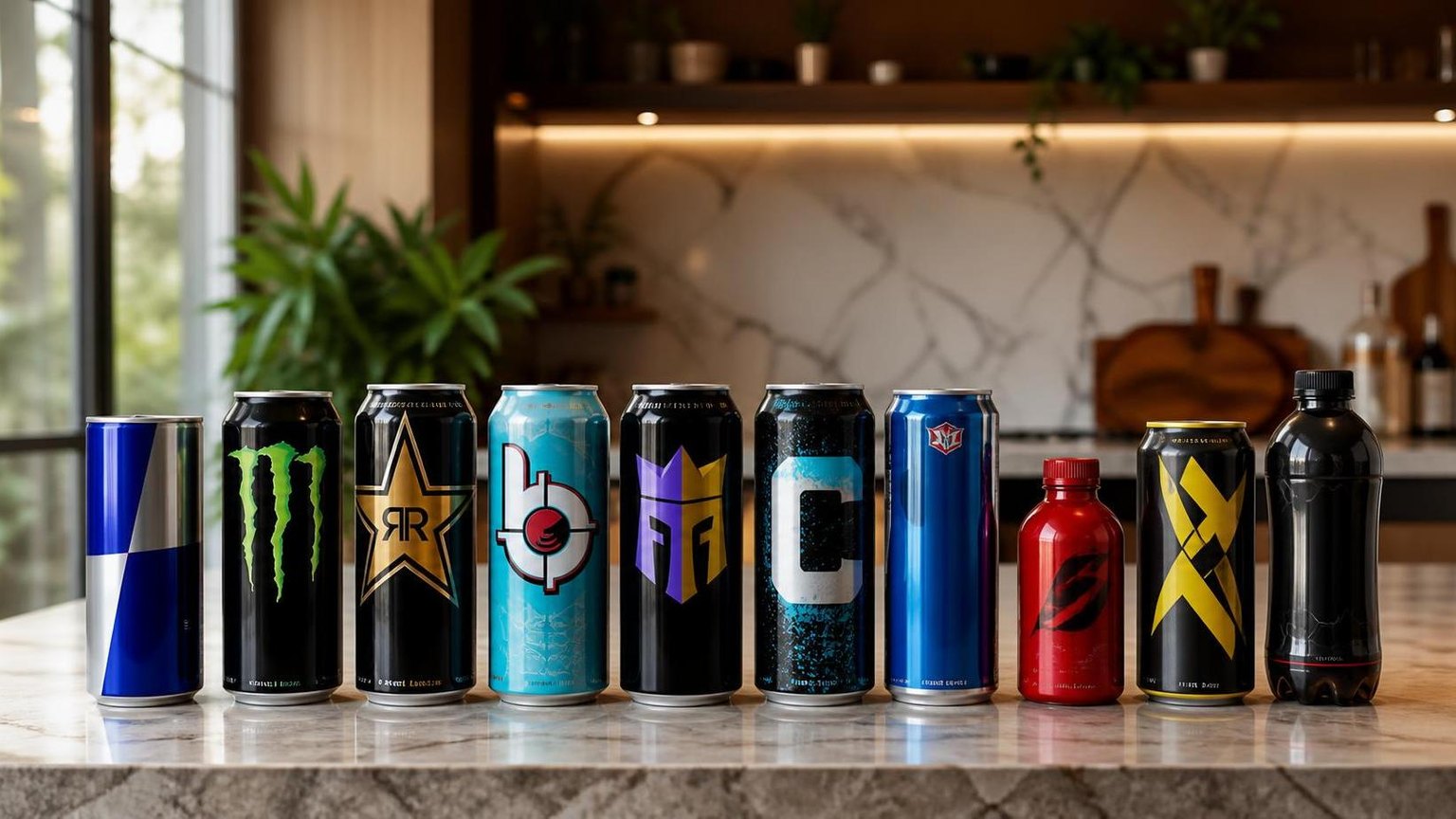
Common Mistakes and Myths
Red Bull’s flavor is not just “sweet citrus.” It is a carbonated, acidic, bubblegum-tart profile built from sugar, citric acid, taurine, caffeine bitterness, and B-vitamins, which can add a slightly medicinal edge.
The biggest mistake is judging lookalikes by caffeine alone. A drink can match Red Bull’s stimulation but taste very different if its acid, sweetener, carbonation, or vitamin blend changes.
Myth: All energy drinks taste basically like Red Bull
They do not. Red Bull Original has a sharper tartness and lighter body than many modern energy drinks, especially zero-sugar formulas using sucralose, acesulfame potassium, or erythritol.
Monster Energy Original is sweeter and heavier, while Celsius flavors usually lean fruit-forward and less “classic energy drink.” Drinks with guarana can taste earthier or more bitter than Red Bull.
Myth: Sugar-free versions taste identical
Red Bull Sugarfree is close, but not identical. Removing sucrose and glucose changes texture, aftertaste, and perceived acidity. Many tasters notice a thinner finish and more sweetener aftertaste in zero-sugar energy drinks.
| Drink | Serving size | Caffeine | Sugar |
| Red Bull Original | 8.4 fl oz | 80 mg | 27 g |
| Red Bull Sugarfree | 8.4 fl oz | 80 mg | 0 g |
| Monster Energy Original | 16 fl oz | 160 mg | 54 g |
| Celsius Sparkling Orange | 12 fl oz | 200 mg | 0 g |
Myth: More caffeine means a stronger Red Bull taste
Caffeine is bitter, but it is not the main Red Bull flavor. Red Bull’s 80 mg caffeine level per 8.4 fl oz is moderate compared with many 12 to 16 fl oz energy drinks.
The U.S. FDA notes that 400 mg caffeine per day is generally not associated with dangerous effects for most healthy adults. That equals five 8.4 fl oz Red Bulls, but tolerance varies.
Common mistakes when choosing a Red Bull substitute
- Ignoring serving size: A 16 fl oz can may double the caffeine and sugar of an 8.4 fl oz Red Bull.
- Assuming taurine creates the flavor: Taurine is present at 1,000 mg in an 8.4 fl oz Red Bull, but the flavor comes mainly from acids, sweeteners, and aroma compounds.
- Overlooking carbonation: Flat or lightly sparkling drinks rarely mimic Red Bull, even with similar caffeine.
- Expecting “natural” energy drinks to match it: Tea-based or yerba mate drinks usually bring tannic, herbal, or earthy notes.
- Mixing with alcohol casually: CDC guidance warns that caffeine can mask alcohol’s depressant effects, making intoxication harder to judge.
Myth: A homemade version can perfectly copy Red Bull
A close homemade version is possible, but an exact match is unlikely. Commercial flavors use proprietary aroma blends, controlled acidity, and precise carbonation levels that are difficult to reproduce in a kitchen.
Frequently Asked Questions
What drinks taste most like Red Bull?
The closest matches are usually citrus-forward energy drinks with a sweet-tart “berry” edge, such as Monster Ultra Sunrise, Rockstar Original, and Aldi Red Thunder.
Red Bull’s flavor is often described as a mix of tart citrus, candy-like berry, and light medicinal notes, so drinks with similar acidity and carbonation tend to taste closest.
Is there a soda that tastes like Red Bull?
Mountain Dew and citrus sodas can overlap with Red Bull’s sweet citrus profile, but they usually lack the taurine-style, slightly medicinal energy drink finish.
For a closer soda-like option, look for highly carbonated citrus-berry drinks rather than cola, root beer, or lemon-lime soda.
What sugar-free drink tastes like Red Bull?
Red Bull Sugarfree is the most direct option because it keeps the brand’s core flavor while replacing sugar with artificial sweeteners.
If you want a different brand, Monster Ultra Sunrise or Rockstar Pure Zero varieties can feel similar because they combine strong carbonation, citrus acidity, and a clean sweet finish.
Do any non-energy drinks taste like Red Bull?
Some sparkling waters and mocktails can mimic parts of Red Bull if they use citrus, berry, and high acidity, but they usually taste lighter because they lack caffeine, taurine, and the dense sweetness of an energy drink.
A homemade approximation is sparkling water with lemon, orange, berry syrup, and a small amount of citric acid.
Why does Red Bull have such a distinct flavor?
Red Bull’s recognizable taste comes from a balance of sugar, carbonation, citric acid, caffeine, taurine, and added flavorings rather than from one single fruit flavor.
An 8.4 fl oz can of original Red Bull contains 80 mg caffeine and 27 g sugar, which gives it both the sharp energy-drink bite and the syrupy sweetness people associate with it.
Related Reading
- How Much Caffeine In 8.4 Oz Red Bull? Get the Answer
- How Many Red Bulls Is Too Many? Answer From Expert
- How Much Taurine Is In Red Bull? Get Answer Now
- How Much Caffeine In Nos? Answer By Expert
- How Much Caffeine Is In A 16 Oz Red Bull? Facts To Know
- What Is in a Trash Can Drink with Red Bull?
- How Much Caffeine In Monster? The Truth Behind the Buzz, Sizes, and Real-Life Effects
- All Non-Alcoholic Beverages Guides