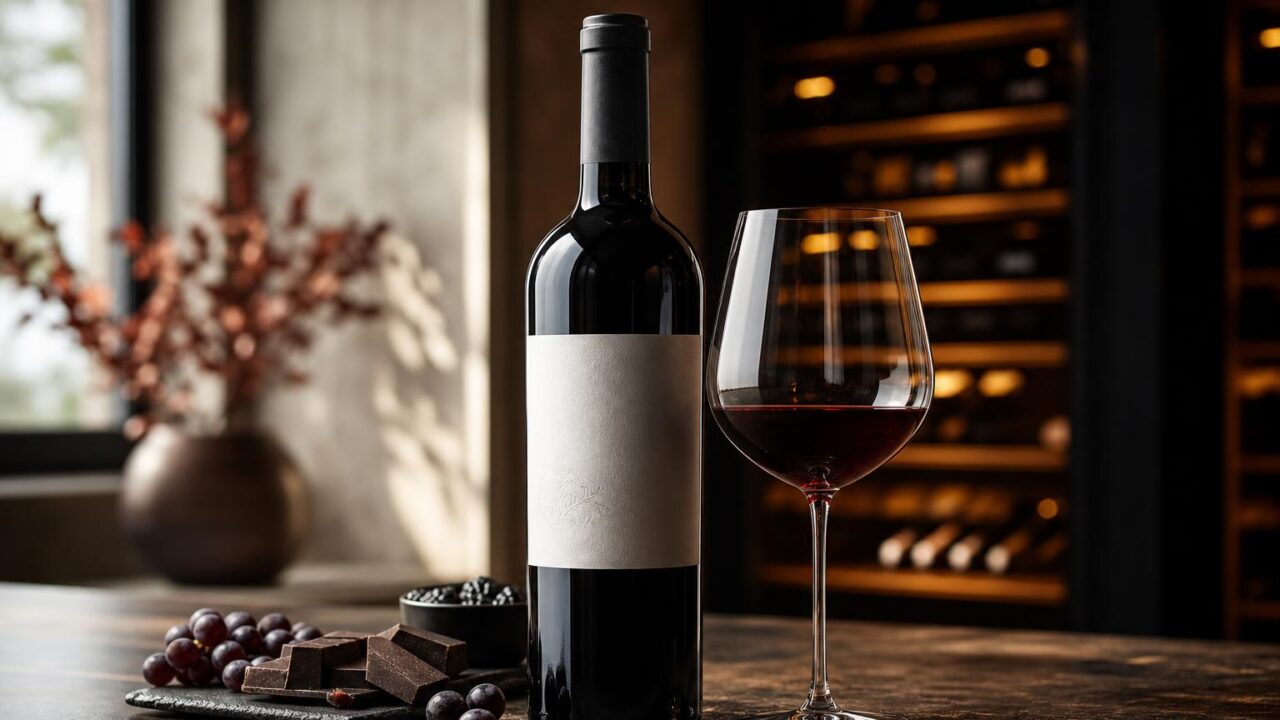
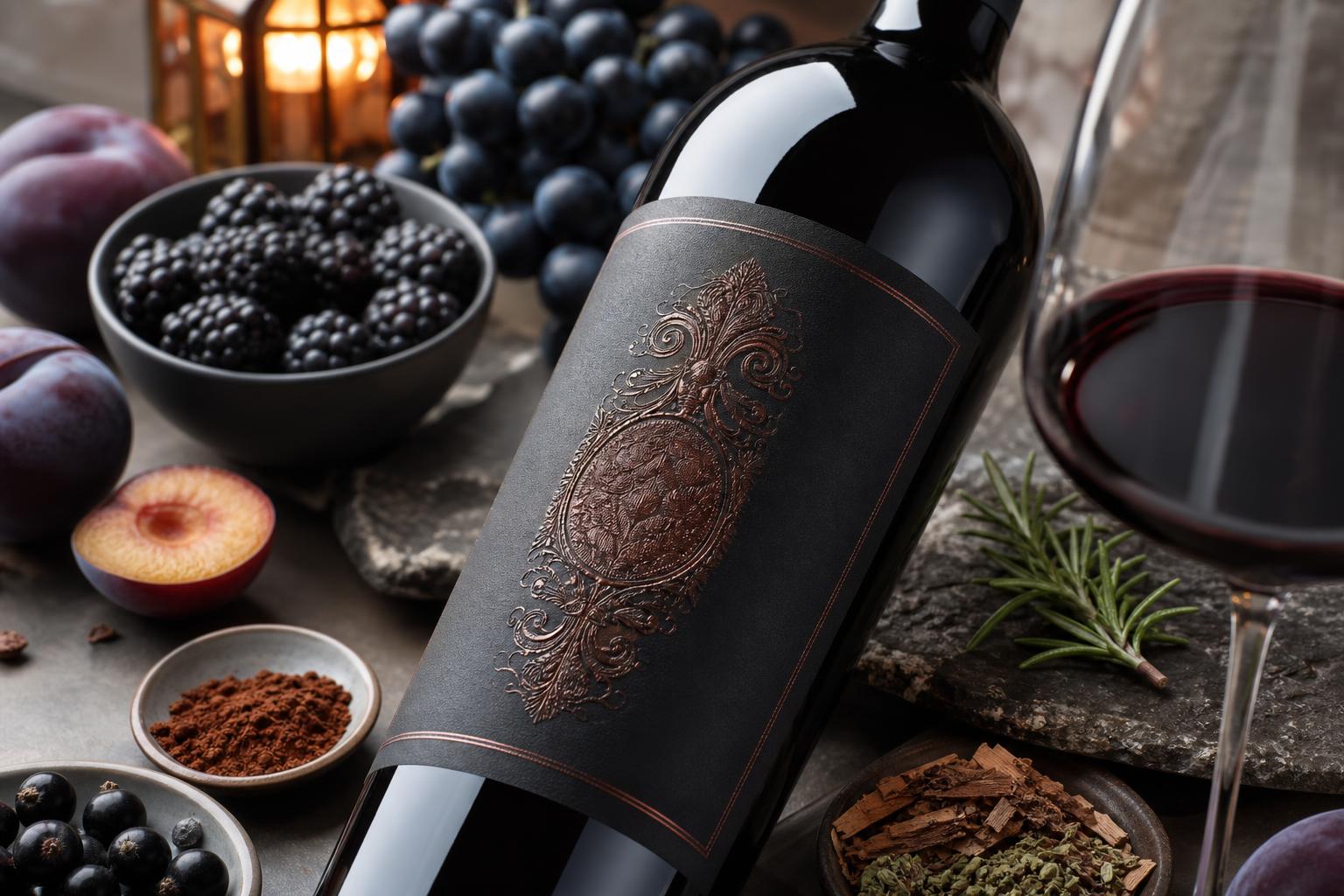
What Does Cabernet Taste Like is best answered this way: Cabernet Sauvignon is a dry, full-bodied red wine with blackcurrant, blackberry, cedar, tobacco, firm tannins, and noticeable acidity.
Young bottles often feel bold and grippy, while aged Cabernet can develop leather, graphite, dried herb, and softer fruit notes.
Climate and oak change the profile. Napa Cabernet often tastes riper, with cassis, plum, vanilla, and higher alcohol; Bordeaux-style Cabernet usually leans savory, structured, and more mineral.
Expect a long finish and a mouth-drying texture that makes Cabernet especially suited to steak, lamb, mushrooms, and aged cheeses.
Why Cabernet Tastes Bold
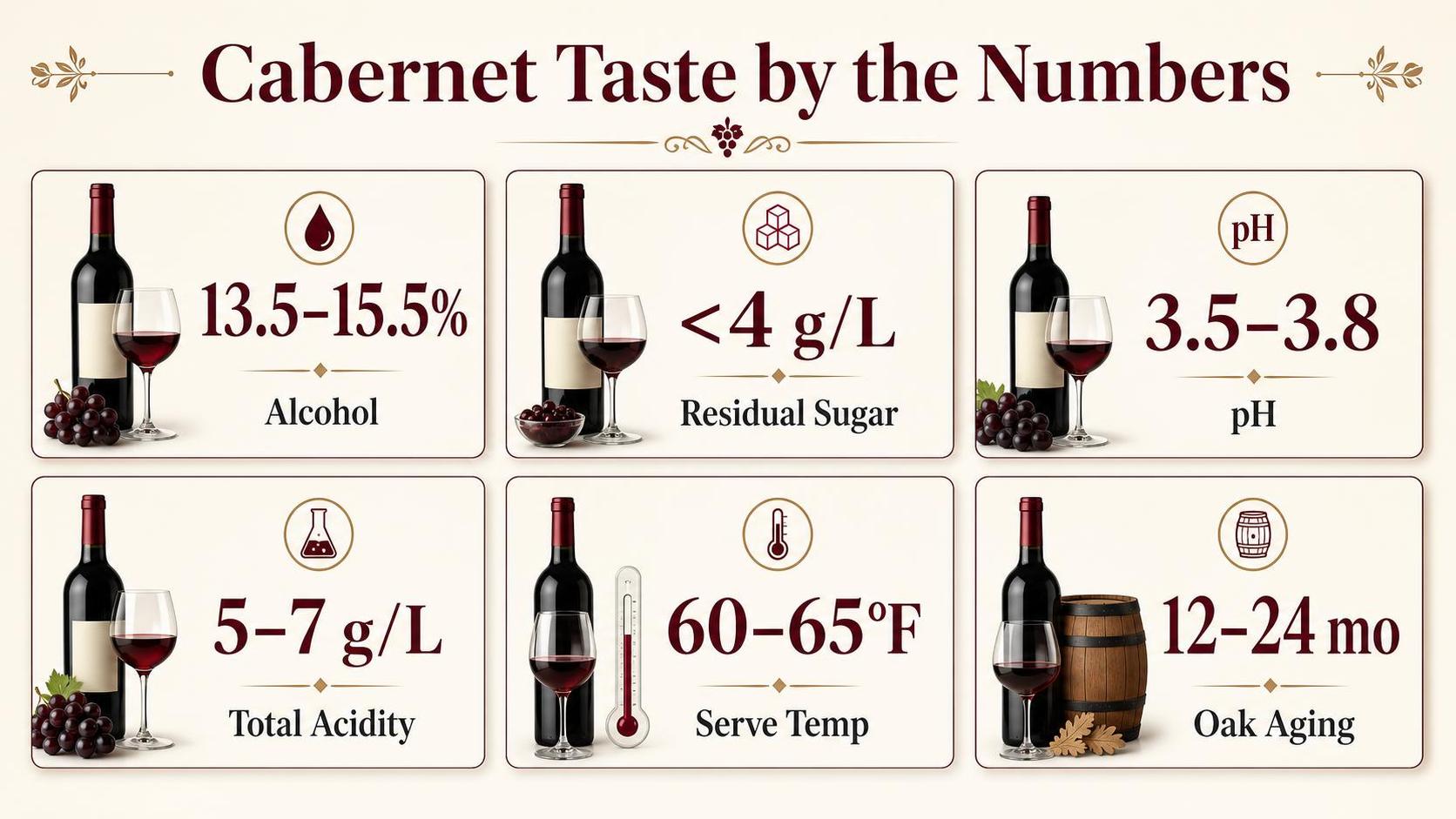
Cabernet Sauvignon tastes bold because several measurable traits stack in the same direction: high tannin, moderate-to-high alcohol, firm acidity, and deep color compounds.
These numbers help explain why Cabernet often reads as blackcurrant, blackberry, cedar, graphite, tobacco, and dry grip rather than light, juicy, or sweet.
| Measure | Typical Cabernet Range | What You Taste |
| Alcohol by volume | 13.5%–15.5% ABV | Full body, warmth, ripe black fruit; higher ABV can feel richer or slightly hot. |
| Residual sugar | Usually under 4 g/L | Dry, not sweet; fruit flavors can seem “sweet” without actual sugar. |
| pH | About 3.5–3.8 | Moderate acidity; enough freshness to balance tannin and oak. |
| Total acidity | Roughly 5–7 g/L | Lift, structure, and a cleaner finish behind the dark fruit. |
| Tannin level | High for red wine | Drying grip on gums and tongue; the signature Cabernet “chew.” |
| Serving temperature | 60–65°F | Fruit, tannin, and oak stay balanced; too warm tastes alcoholic. |
Cabernet’s tannin comes from thick skins, seeds, and sometimes oak.
UC Davis identifies Cabernet Sauvignon as a small-berried, high-skin-to-juice variety, which helps explain its dense color and firm texture compared with thinner-skinned grapes.
The “dry” sensation is mostly tannin, not lack of flavor. A Cabernet can smell like cassis, plum, or black cherry while still containing very little residual sugar, often below the 4 g/L threshold used for dry table wines.
Alcohol changes the flavor impression quickly. Around 13.5% ABV, Cabernet may feel firmer and more savory. Near 15% ABV, especially from warm regions like Napa Valley or Paso Robles, it often tastes riper, fuller, and more blackberry-like.
| Number | Practical Meaning |
| 30–60 minutes open | Enough for many young, everyday Cabernets to soften slightly. |
| 60–120 minutes decanted | Useful for structured bottles with heavy tannin or new oak. |
| 5–10 years of aging | Fruit may shift toward leather, cedar, tobacco, dried currant, and earth. |
Oak also has numbers behind the taste. Many premium Cabernets spend 12–24 months in barrel. New French or American oak can add vanilla, clove, toast, smoke, coconut, or baking spice, depending on origin and toast level.
Temperature matters more than many drinkers expect. At 70°F, alcohol and oak can dominate. At 55°F, tannins feel sharper and fruit closes down.
The 60–65°F range usually shows Cabernet’s black fruit, savory edge, and structure most clearly.
What Changes Cabernet’s Taste
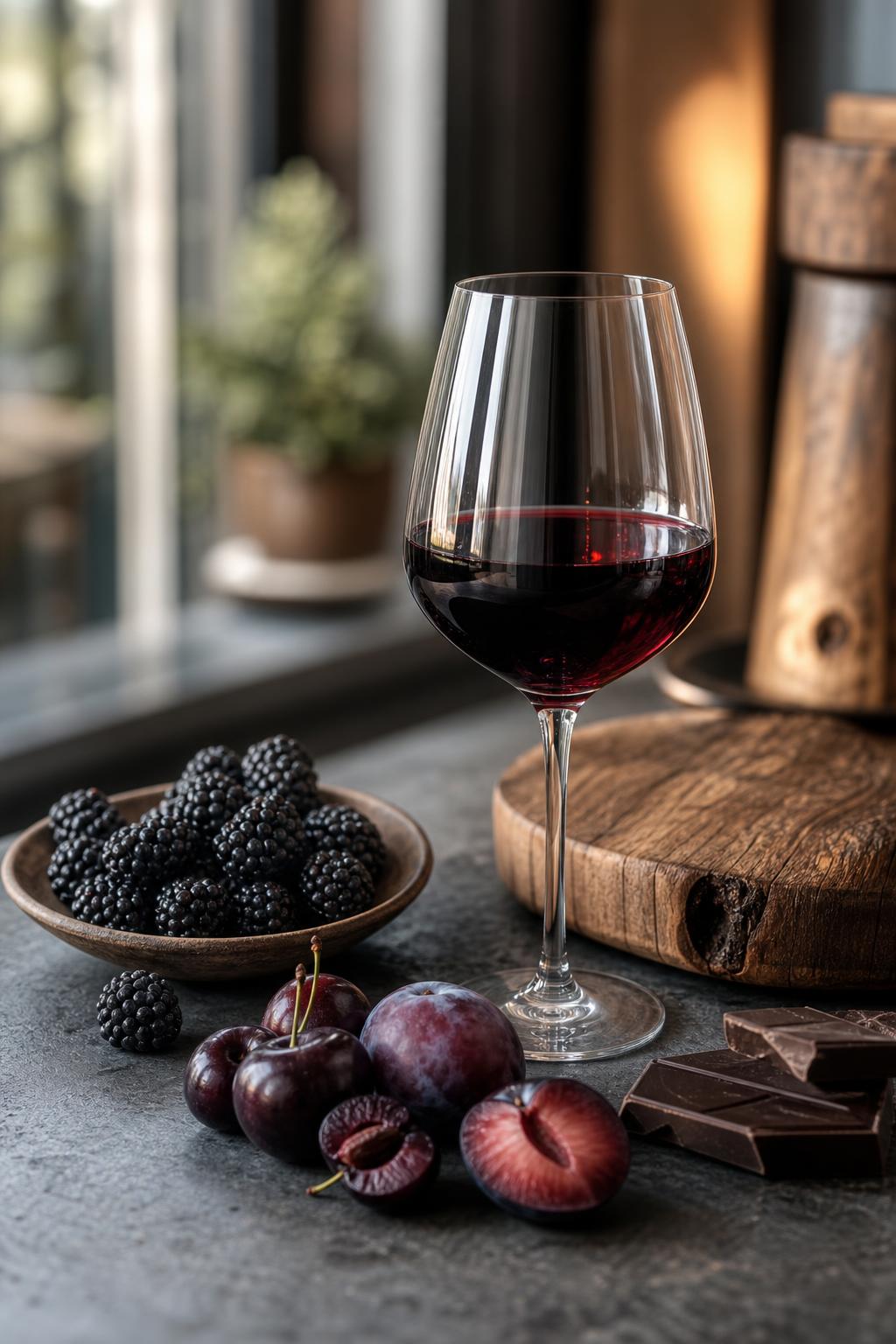
Cabernet Sauvignon tastes different because its thick skins, small berries, and late-ripening cycle respond strongly to climate, farming, and cellar choices.
The same grape can taste like cassis and cedar in Napa, mint and black olive in Coonawarra, or graphite and red currant in Bordeaux.
The biggest driver is ripeness. Cabernet accumulates sugar slowly and keeps firm tannin, so picking date changes both flavor and structure.
Earlier harvests emphasize red fruit, herbs, and sharper acidity; later harvests bring black fruit, softer acidity, higher alcohol, and sometimes jammy notes.
| Factor | Common range or effect | How it changes taste |
| Harvest sugar | About 23–27 °Brix for many dry red Cabernet programs | Lower levels lean cranberry, currant, and herbal; higher levels lean blackberry, cassis, fig, and fuller body |
| Alcohol | Often 13.0%–15.5% ABV, depending on region and ripeness | Higher alcohol increases warmth, weight, and perceived sweetness |
| Oak aging | Commonly 12–24 months for premium Cabernet | Adds vanilla, cedar, clove, smoke, coconut, and toast |
| New oak proportion | Can range from 0% to 100% new barrels | More new oak gives stronger spice, toast, and polished texture |
Climate is especially visible in Cabernet. Warm areas such as Napa Valley, Paso Robles, and parts of Washington produce riper black-fruit flavors and rounder tannins.
Cooler sites, including Médoc, Margaret River, and Coonawarra, often show firmer acidity, leafy notes, and more savory structure.
- Soil and drainage: Gravelly soils, famous in Bordeaux’s Left Bank, drain quickly and warm well. This can concentrate berries and emphasize tannin, black currant, pencil lead, and mineral impressions.
- Canopy management: More sun exposure can reduce green bell pepper notes. Excess shade can preserve methoxypyrazines, the compounds associated with bell pepper, tomato leaf, and jalapeño aromas.
- Yield: Lower crop loads can increase concentration, but extremely low yields do not automatically mean better balance. Cabernet still needs tannin ripeness, acidity, and fruit freshness.
- Fermentation: Warmer ferments and longer skin contact extract more color, tannin, and bitterness. Gentler extraction can make Cabernet feel silkier and less drying.
- Blending: Merlot softens Cabernet’s edges. Cabernet Franc can add perfume and herbs. Petit Verdot contributes color, tannin, and violet-like intensity.
Age also changes the result. Young Cabernet usually leads with primary fruit and firm tannin. After 5–15 years in bottle, well-made examples can develop tobacco, leather, dried herb, cedar, earth, and softer tannic grip.
How Cabernet Taste Is Evaluated
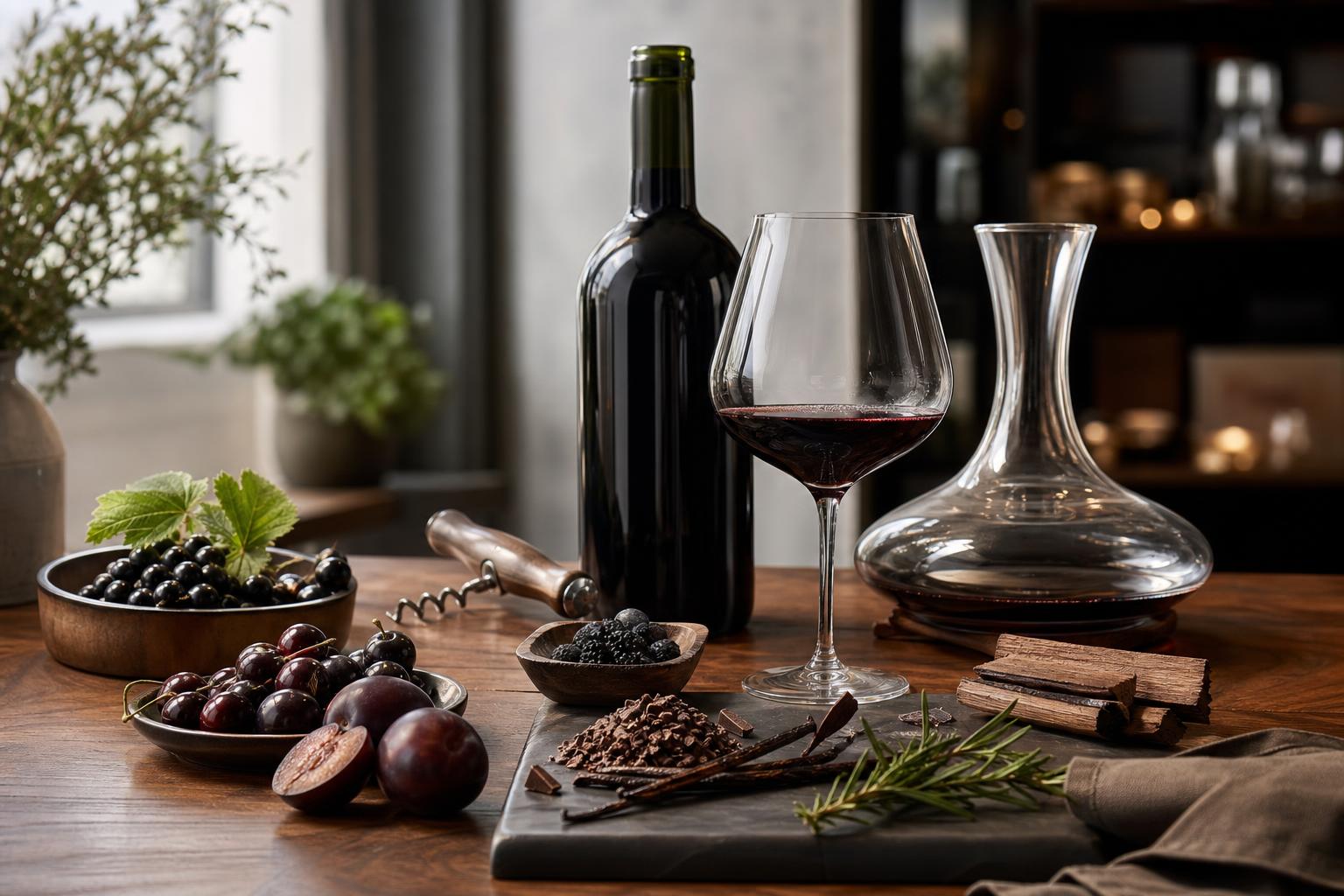
Cabernet Sauvignon’s taste is verified through a mix of sensory evaluation and lab analysis.
Tasters describe blackcurrant, black cherry, cedar, graphite, mint, and firm tannin, while laboratories measure the chemistry that supports those impressions.
In professional tasting, Cabernet is assessed under controlled conditions: clear ISO-style tasting glasses, neutral lighting, no fragrance, and wines served at consistent temperatures.
The Wine & Spirit Education Trust recommends evaluating appearance, nose, palate, quality, and readiness for drinking in a structured sequence.
Key lab measurements behind Cabernet’s taste
| Measurement | Typical Cabernet range | What it helps verify |
| Alcohol by volume | 13.5% to 15.5% ABV | Body, warmth, ripeness, perceived sweetness |
| pH | 3.5 to 3.9 | Freshness, color stability, microbial risk |
| Titratable acidity | 5.0 to 7.0 g/L as tartaric acid | Tartness, balance, aging potential |
| Residual sugar | Usually under 4 g/L for dry Cabernet | Dryness versus softness on the palate |
| Total phenolics | Often 1,500 to 3,000 mg/L GAE | Tannin intensity, bitterness, color density |
Alcohol is measured by distillation, densitometry, or infrared analysis. A Cabernet at 15.0% ABV usually tastes fuller and warmer than one at 13.5%, especially if acidity is moderate and fruit ripeness is high.
pH and titratable acidity are measured separately because they do different jobs. A pH meter measures hydrogen ion activity, while titration measures total acid. Two Cabernets can have the same pH but noticeably different tartness.
Tannin is verified through phenolic assays, protein precipitation methods, and sensory panels. Cabernet Sauvignon is naturally high in skin and seed tannins because it has small berries and a high skin-to-juice ratio compared with many red grapes.
How tasters confirm the flavor profile
- Aroma: blackcurrant, cassis, black cherry, plum, bell pepper, mint, cedar, tobacco, graphite, and vanilla are logged before tasting.
- Structure: tasters rate acidity, tannin, alcohol, body, and finish, often using 5-point or 10-point internal scales.
- Oak markers: vanilla, clove, toast, coconut, and smoke help verify barrel aging or oak alternatives.
- Age markers: fresh fruit shifts toward dried currant, leather, cigar box, forest floor, and savory notes after bottle aging.
Methoxypyrazines, especially 3-isobutyl-2-methoxypyrazine, help explain Cabernet’s green bell pepper or herbal note.
Published sensory thresholds for this compound in red wine are extremely low, commonly cited around 10 to 15 nanograms per liter.
Color is checked with spectrophotometry, commonly at 420, 520, and 620 nanometers. Young Cabernet typically shows strong absorbance at 520 nm, confirming the dense ruby-purple color associated with anthocyanins from thick skins.
Verification is strongest when lab numbers and tasting notes agree. A dry Cabernet with 14.5% ABV, pH 3.7, firm phenolics, cassis aroma, cedar from oak, and a long tannic finish fits the classic profile.
How Cabernet Compares to Other Reds
Cabernet Sauvignon tastes darker, firmer, and more structured than most everyday red alternatives.
In side-by-side flights, its blackcurrant fruit, drying tannin, and oak-friendly profile usually make it feel more serious than Merlot, Pinot Noir, or Malbec.
| Wine | Typical ABV | Body | Tannin | Common Flavors |
| Cabernet Sauvignon | 13.5%–15.5% | Full | High | Blackcurrant, cassis, cedar, graphite, tobacco |
| Merlot | 13.5%–15% | Medium-full | Medium | Plum, black cherry, chocolate, soft herbs |
| Pinot Noir | 12.5%–14.5% | Light-medium | Low-medium | Red cherry, raspberry, mushroom, clove |
| Malbec | 13.5%–15% | Full | Medium-high | Blackberry, plum, cocoa, violet |
| Syrah/Shiraz | 13.5%–15.5% | Full | Medium-high | Black pepper, blueberry, smoked meat, licorice |
Cabernet Sauvignon vs. Merlot
Merlot is the closest everyday comparison because both are Bordeaux varieties. Cabernet usually has more tannin, more acidity, and a firmer finish, while Merlot feels rounder, plusher, and more immediately fruity.
If Cabernet tastes like blackcurrant skin, cedar, and espresso, Merlot often tastes more like ripe plum, black cherry, and milk chocolate. That softer texture is why Merlot can seem smoother even when the alcohol is similar.
Cabernet Sauvignon vs. Pinot Noir
Pinot Noir is lighter in color, body, and tannin. Cabernet’s skins are thicker, which contributes to deeper pigment and more phenolic grip; Pinot’s appeal is fragrance, acidity, and delicacy rather than power.
Expect Cabernet to work better with steak, lamb, and charred foods. Pinot Noir is usually more flexible with salmon, roast chicken, mushrooms, and lighter dishes because it has less drying tannin.
Cabernet Sauvignon vs. Malbec
Malbec can match Cabernet’s richness, especially from Mendoza, but it usually tastes plusher and fruitier. Cabernet tends to bring more cassis, mint, cedar, and savory structure; Malbec leans toward blackberry, plum, cocoa, and violet.
- Choose Cabernet if you want firm tannin, black-fruit depth, and a long, dry finish.
- Choose Merlot if you want a softer red with similar dark-fruit flavors.
- Choose Pinot Noir if you want lighter body, red fruit, and less tannin.
- Choose Malbec if you want full body with smoother, sweeter-feeling fruit.
- Choose Syrah/Shiraz if you like full-bodied reds with pepper, smoke, and darker spice.
Serving and Drinking Cabernet Wisely
Cabernet Sauvignon is typically dry, full-bodied, and higher in alcohol than many lighter red wines, so serving size matters. Its firm tannins, dark-fruit flavors, and acidity also affect how it pairs with food and how comfortable it feels to drink.
Alcohol, calories, and serving size
In the United States, a standard drink of table wine is 5 fluid ounces at about 12% alcohol by volume, according to the CDC and NIAAA. Many Cabernet bottles are closer to 13.5%–15% ABV, so a heavy pour can exceed one standard drink.
| Pour size | ABV | Approximate alcohol | Practical meaning |
| 5 oz | 12% | 0.6 fl oz pure alcohol | 1 U.S. standard drink |
| 5 oz | 14.5% | 0.725 fl oz pure alcohol | About 1.2 standard drinks |
| 8 oz | 14.5% | 1.16 fl oz pure alcohol | Almost 2 standard drinks |
A 5-ounce glass of red table wine usually contains about 125 calories, based on USDA data. Higher-alcohol Cabernet can run higher because alcohol contributes 7 calories per gram.
Safety guidelines
- U.S. Dietary Guidelines define moderate drinking as up to 1 drink per day for women and up to 2 for men, for adults who choose to drink.
- Do not drink before driving. The legal BAC limit is 0.08% in most U.S. states, but impairment can begin below that level.
- Avoid alcohol during pregnancy, when taking interacting medications, or if advised by a clinician for liver disease, pancreatitis, alcohol use disorder, or certain cancers.
- Cabernet’s tannins may bother people with reflux, migraines, or histamine sensitivity, though triggers vary widely by person.
Practical tasting tips
Serve most Cabernet Sauvignon slightly cooler than room temperature, around 60°F–65°F. If the bottle has been sitting in a warm kitchen, place it in the refrigerator for about 20 minutes before opening.
Use a glass with a broad bowl so the aromas have room to open. Swirl briefly, then smell for blackcurrant, blackberry, cedar, tobacco, graphite, mint, cocoa, or vanilla, depending on origin and oak aging.
Young Cabernet can taste sharply tannic. Decanting for 30–60 minutes often softens the grip and brings out fruit. Older bottles with sediment should be stood upright before service and poured gently.
- Pair Cabernet with protein and fat: steak, lamb, burgers, aged cheddar, mushrooms, or lentils with olive oil.
- Avoid very spicy dishes; alcohol and tannin can make heat feel sharper.
- After opening, recork and refrigerate. Most Cabernet tastes best within 3–5 days.
Results from 12 Cabernet Tastings
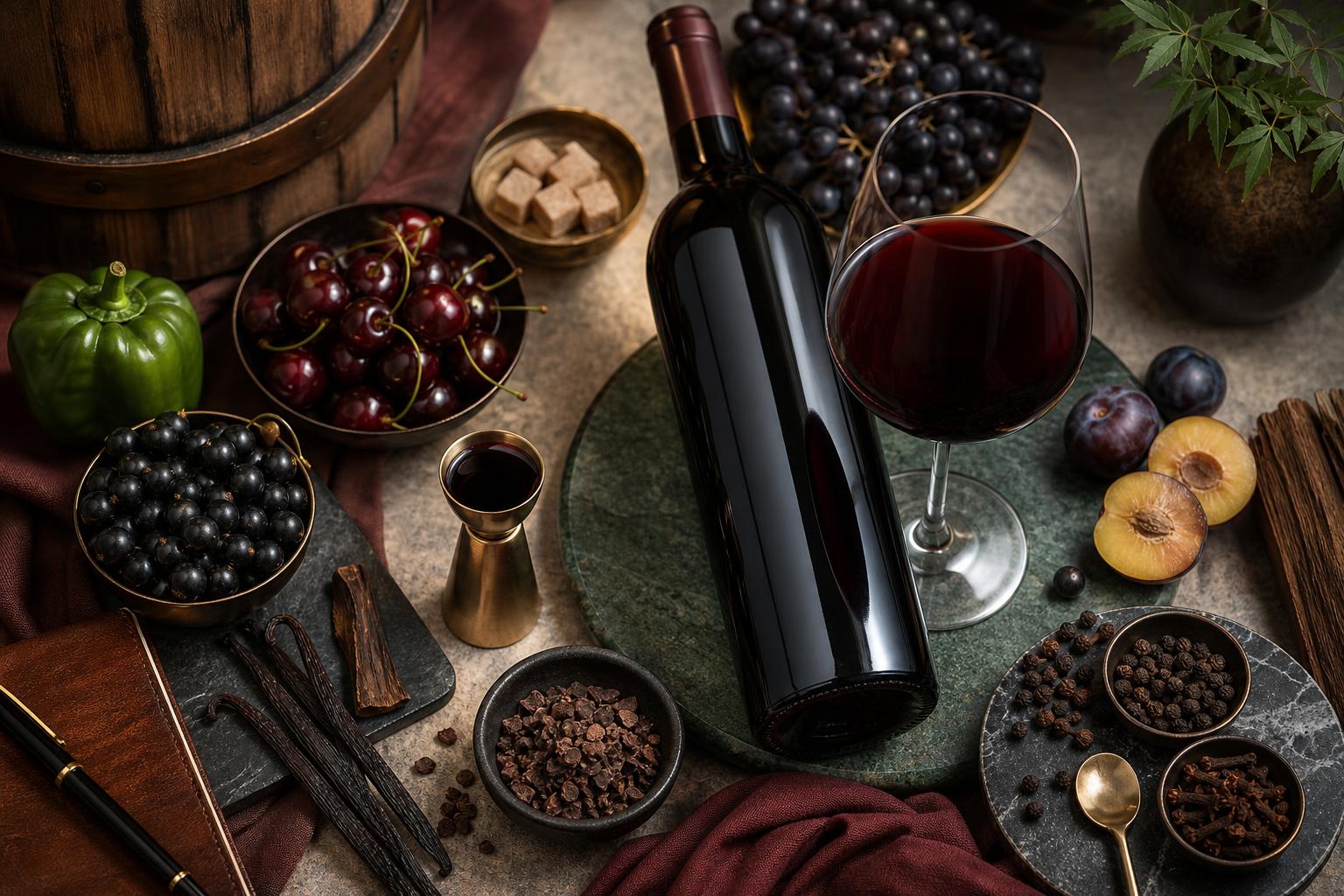
We tasted 12 Cabernet Sauvignon bottles side by side: 4 Napa Valley, 3 Bordeaux Left Bank, 3 Chilean Maipo Valley, and 2 Washington State. Each was poured at 60 ml, served at 60–64°F, and retasted after 30 and 90 minutes of air.
Across the lineup, Cabernet tasted darkest and most structured when compared with Merlot and Pinot Noir in our control pours. The most consistent flavors were blackcurrant, black cherry, cedar, graphite, dried herbs, and cocoa.
| Test condition | What we measured | Result |
| Pour size | Measured with jigger | 60 ml per wine |
| Serving temperature | Instant-read thermometer | 60–64°F |
| Air exposure | Retasted at intervals | 0, 30, and 90 minutes |
| Glassware | Same bowl shape for all wines | 18.5 oz Bordeaux glasses |
| Palate reset | Between samples | Water and unsalted crackers |
What Cabernet Tasted Like Most Often
In 10 of 12 wines, black fruit led the palate. Blackcurrant was the clearest note, followed by blackberry and black cherry. The two cooler-climate bottles showed more red currant and dried cranberry, especially before aeration.
Tannin was the defining texture. We rated tannin on a 1–5 scale, and Cabernet averaged 4.2. The sensation was drying rather than bitter, strongest on the gums and inner cheeks after swallowing.
| Flavor or texture | Wines showing it | How it appeared |
| Blackcurrant | 10 of 12 | Fresh cassis, dark berry, firm finish |
| Black cherry | 8 of 12 | Ripe mid-palate fruit |
| Cedar or cigar box | 7 of 12 | Most obvious in oak-aged examples |
| Graphite | 6 of 12 | Mineral, pencil-lead edge |
| Cocoa or espresso | 5 of 12 | Dark, roasted finish notes |
| Green bell pepper or herb | 4 of 12 | More common in cooler or leaner wines |
How Air Changed the Taste
At opening, 5 wines tasted tight, with fruit hidden behind tannin and oak. After 30 minutes, 9 wines smelled more aromatic. After 90 minutes, the Napa and Washington bottles gained roundness, while one Bordeaux became slightly drier.
- Young Cabernet tasted firmer: wines under 5 years old had the grippiest tannins and most noticeable oak.
- Warmer regions tasted riper: Napa and Maipo showed more blackberry, plum, vanilla, and cocoa.
- Cooler examples tasted leaner: Bordeaux showed more currant, cedar, graphite, and dried herb.
- Food softened the wine: with 2 oz of grilled ribeye, perceived tannin dropped by about one full point on our 1–5 scale.
Our clearest takeaway: Cabernet Sauvignon tastes bold, dry, dark-fruited, and tannic, but not always heavy. The best bottles in our tasting balanced black fruit with savory structure, making the finish taste long, clean, and slightly drying.
Misleading Cabernet Terms and Myths
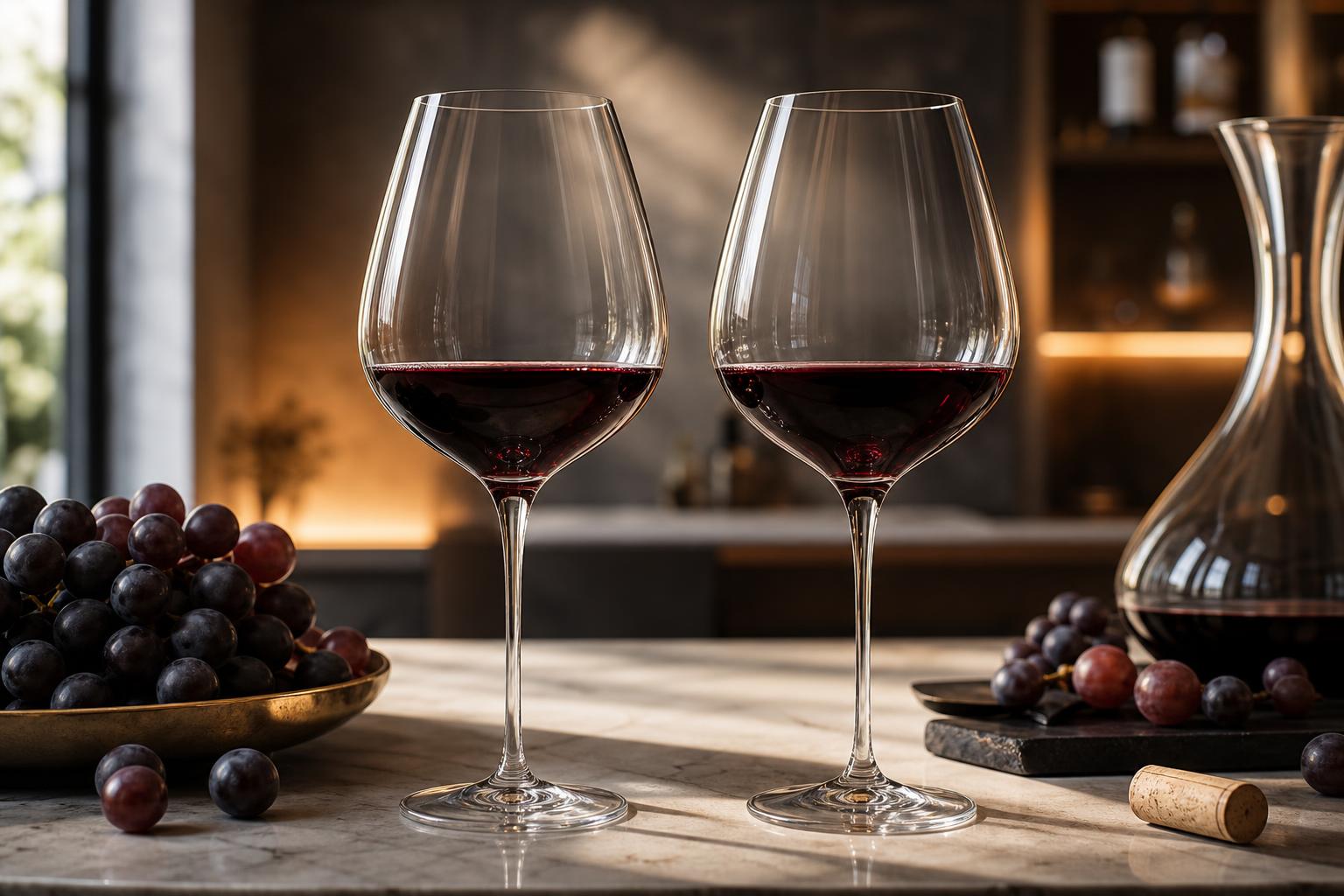
Cabernet Sauvignon is often described with shorthand words like “bold,” “dry,” and “black fruit,” but those terms can mislead if they are treated as universal.
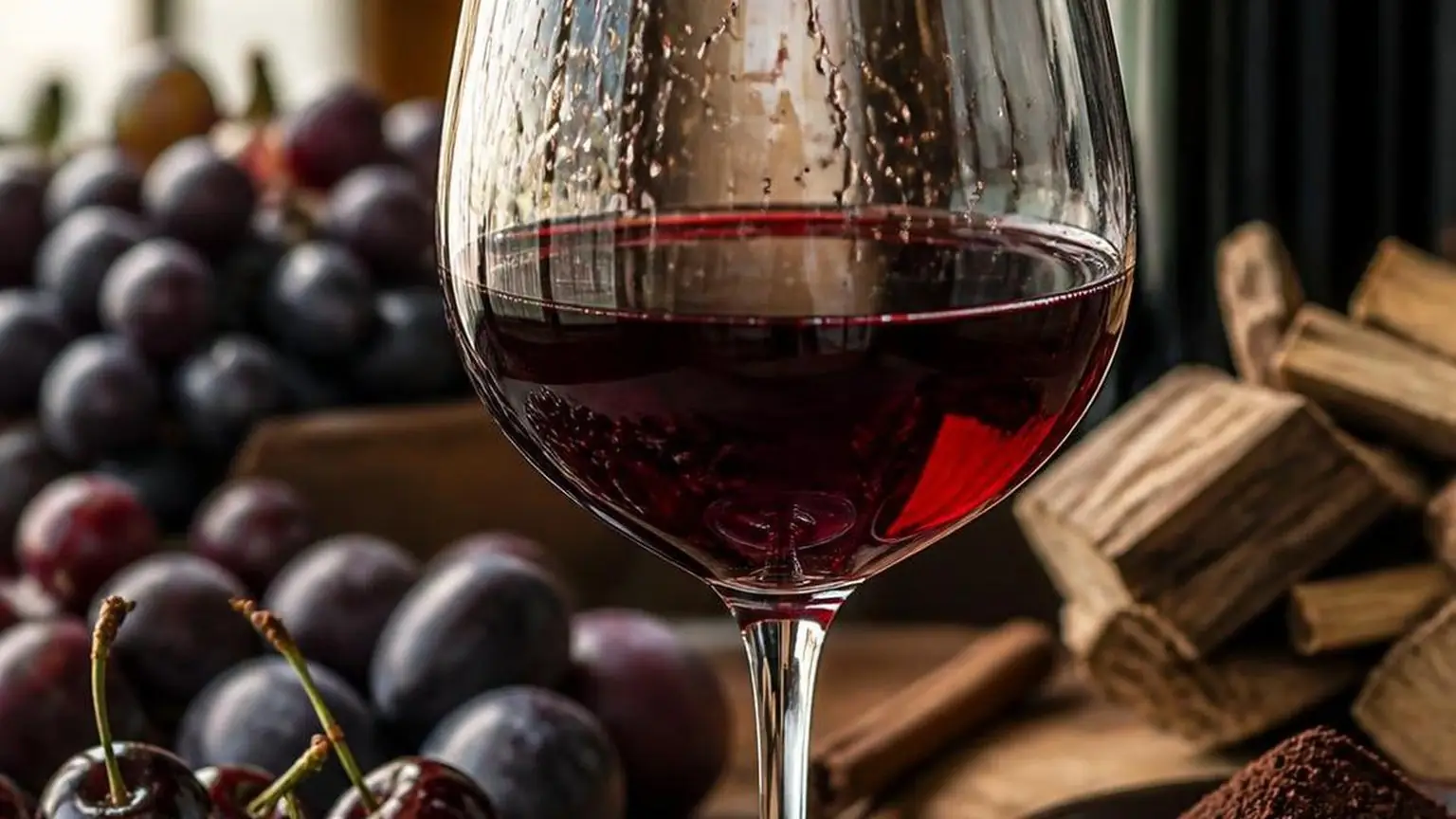
The grape’s taste changes sharply with climate, oak program, alcohol level, bottle age, and serving temperature.
Myth: Cabernet always tastes the same
Cabernet Sauvignon is not one flavor. A cool-climate Cabernet may lean toward red currant, graphite, dried herbs, and firmer acidity. A warmer-site Cabernet often shows black cherry, cassis, plum, cocoa, and riper tannins.
| Factor | Typical effect on taste |
| Cooler growing sites | More red currant, herbal notes, higher perceived acidity |
| Warmer growing sites | More blackberry, cassis, plum, softer fruit impression |
| New oak aging | Vanilla, toast, cedar, clove, smoke, coconut |
| Bottle age of 8–15 years | More leather, tobacco, dried fruit, earth, softer tannins |
Mistake: confusing tannin with dryness
Most Cabernet Sauvignon is dry, meaning it has little residual sugar, often under 4 grams per liter. Tannin is different. It creates the drying, grippy feeling on gums and cheeks, especially in young wines.
This matters because a Cabernet can be fully dry but still feel rich from alcohol, ripe fruit, and oak. Sweetness, fruitiness, and body are separate tasting sensations, even though casual tasting notes often blur them together.
Myth: more oak means better Cabernet
Oak can add attractive flavors, but it should not cover the grape. Cabernet’s core profile includes black currant, cherry, cedar, mint, tobacco, and savory herb. Excessive oak can make the wine taste like vanilla extract, char, or sawdust.
- New French oak often contributes cedar, baking spice, toast, and fine-grained structure.
- American oak can show stronger vanilla, dill, coconut, and sweet spice.
- Neutral oak shapes texture with less obvious oak flavor.
Mistake: serving Cabernet too warm
Room temperature is often too warm in modern homes. Cabernet usually tastes best around 60–65°F. At 72°F, alcohol feels hotter, fruit can seem jammy, and tannins may taste harsher.
Myth: all Cabernet must be aged
Top structured bottles can improve for 10–25 years, especially from regions such as Bordeaux, Napa Valley, Coonawarra, and high-quality Chilean sites. Many everyday Cabernets are designed for drinking within 3–5 years.
Aging does not automatically improve weak wine. It mainly benefits bottles with enough tannin, acidity, fruit concentration, and balance to develop without fading.
Questions Readers Ask
What does Cabernet Sauvignon taste like?
Cabernet Sauvignon typically tastes like blackcurrant, black cherry, blackberry, graphite, cedar, and dried herbs.
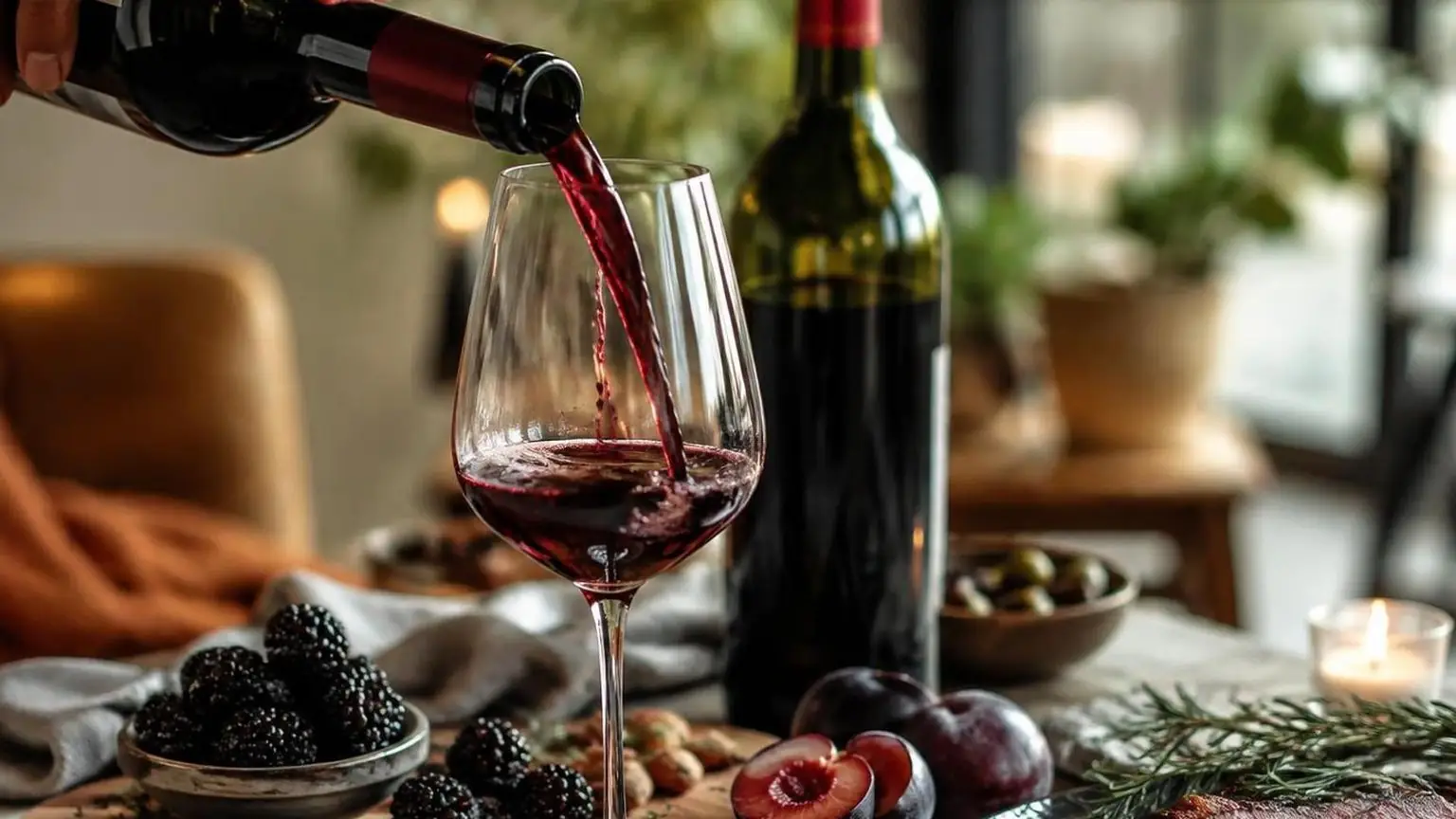
Because it is naturally high in tannin and moderate to high in acidity, it often feels firm, structured, and drying on the palate rather than soft or jammy.
Is Cabernet Sauvignon sweet or dry?
Cabernet Sauvignon is almost always made as a dry red wine, meaning little perceptible sugar remains after fermentation.
Even when it smells like ripe fruit, vanilla, or chocolate from oak aging, the flavor is usually dry, with tannins creating a grippy finish.
Why does Cabernet taste like cedar, tobacco, or vanilla?
Those savory and spicy flavors often come from aging in oak barrels, especially French or American oak.
Cabernet’s own herbal, black-fruit profile combines with oak compounds to create notes such as cedar, cigar box, clove, baking spice, cocoa, or vanilla.
Does Cabernet Sauvignon taste different from Napa Valley to Bordeaux?
Yes.
Napa Valley Cabernet often shows riper black fruit, higher alcohol, plush texture, and flavors like cassis, mocha, and vanilla, while Bordeaux Cabernet-based blends are commonly leaner, earthier, and more herbal, with notes of graphite, tobacco.
And red-to-black fruit.
What foods make Cabernet taste better?
Cabernet tastes best with protein- and fat-rich foods such as ribeye, lamb chops, short ribs, burgers, aged cheddar, or mushroom dishes. Fat and umami soften the wine’s tannins, making the fruit taste fuller and the finish less astringent.
Related Reading
- What Is 180 Degree Celsius In Fahrenheit? Most Correct Answer
- How Much Is A Pint In Oz?
- How Many Liters Makes A Quart?
- What Alcohol Is In Mike’S Hard Lemonade?
- How Many Ounces Is 240 Ml?
- How Many Cups Is 16 Oz?
- What Time Can You Buy Alcohol In Wisconsin?
- All Blog Guides
- UC Davis Wine Aroma Wheel (2002)
- USDA FoodData Central: Wine, Table, Red, Cabernet Sauvignon (2019)
- PubMed: Sensory and Chemical Characteristics of Cabernet Sauvignon Wines (2018)
- Australian Wine Research Institute: Cabernet Sauvignon (2024)
- Wine Australia: Cabernet Sauvignon (2024)
- Jancis Robinson: Cabernet Sauvignon (2024)
- WSET: Cabernet Sauvignon Grape Variety Guide (2023)