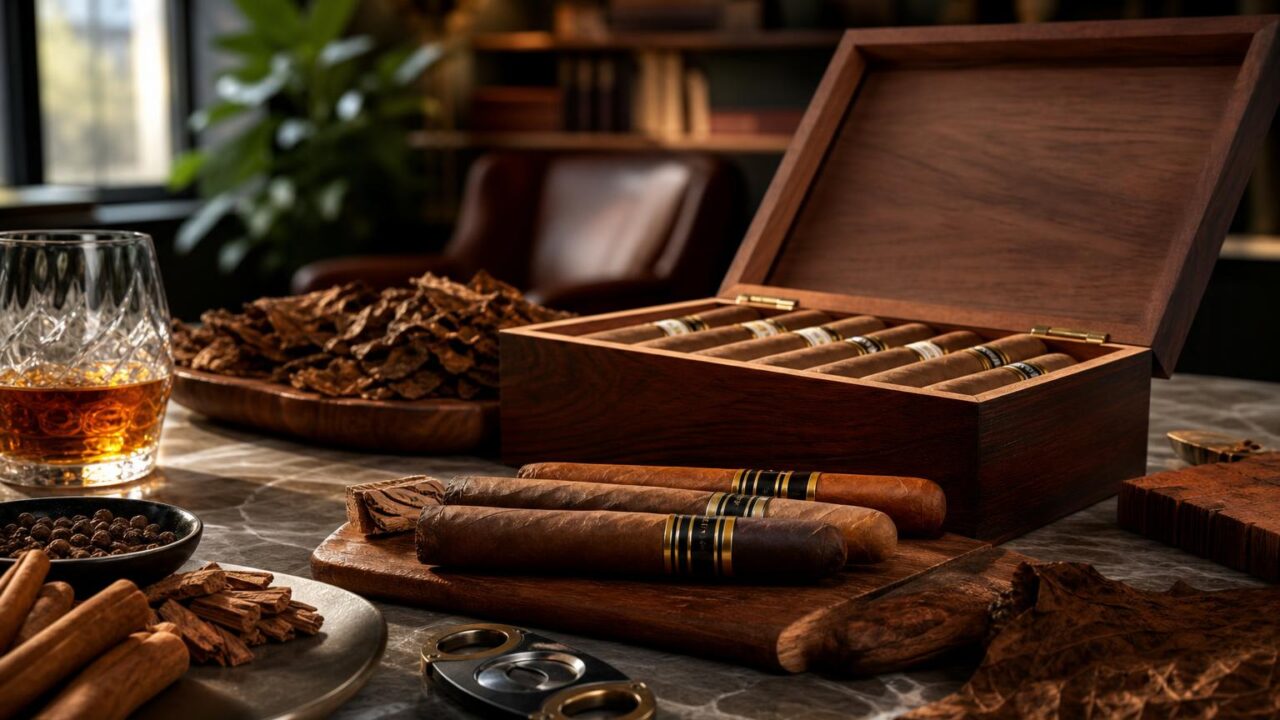
The Ultimate Guide To Cigar Body, Strength and Flavour is a practical framework for separating a cigar’s palate weight, nicotine impact, and tasting notes before you buy, cut, and light.
Body describes texture and mouthfeel; strength measures perceived nicotine; flavour covers aromas such as cedar, pepper, leather, cocoa, earth, cream, and dried fruit.
Confusing these three leads many smokers to choose cigars that feel heavier, hit harder, or taste sharper than expected.
This guide explains how tobacco origin, wrapper leaf, fermentation, ring gauge, age, and smoking pace shape the experience, with clear tasting terms you can use at a lounge, humidor, or cigar bar.
Defining Cigar Strength Body and Flavour
Cigar “strength” is mostly nicotine impact; “body” is the weight and intensity of smoke on the palate; “flavour” is the specific taste and aroma profile.
The numbers below are practical buying and tasting reference points, not laboratory grades.
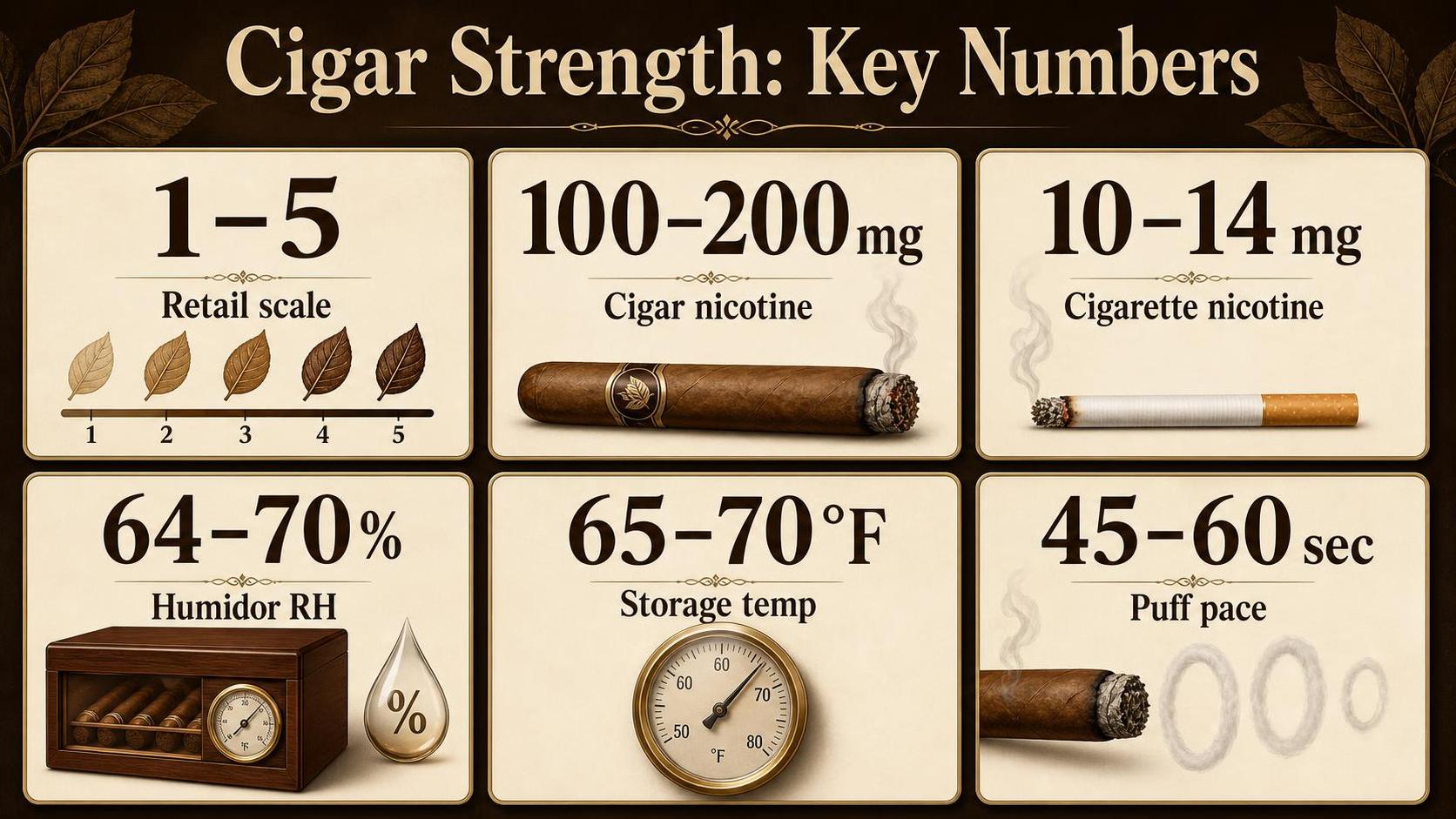
In retail, the most useful scale is usually 1 to 5. It is subjective, but it gives smokers a shared language when comparing blends, especially across the same brand or retailer.
| Scale | Common label | What it usually means in the glass-and-cigar world |
| 1 | Mild | Low nicotine impression, lighter smoke texture, often cream, cedar, hay, almond, or light coffee. |
| 2 | Mild to medium | More aroma and finish, but still easy before dinner or with lighter drinks. |
| 3 | Medium | Balanced strength and body; the benchmark for many premium handmade cigars. |
| 4 | Medium to full | Noticeable nicotine, denser smoke, darker flavors such as cocoa, leather, espresso, or pepper. |
| 5 | Full | Strong nicotine presence and concentrated body; best after food, especially for newer smokers. |
Nicotine content varies widely because cigar tobacco is fermented, aged, blended, and smoked without inhaling.
Published analytical work has found cigars can contain roughly 100 to 200 mg of nicotine per cigar, compared with about 10 to 14 mg in many cigarettes.
That does not mean a smoker absorbs all of it. Absorption depends on puff rate, cigar size, tobacco pH, saliva, smoke alkalinity, and whether smoke is inhaled.
Still, nicotine is why a “strong” cigar can cause sweating, hiccups, dizziness, or nausea.
| Number | Why it matters |
| 64% to 70% RH | Typical humidor range. Drier cigars can burn hot and sharp; wetter cigars can feel heavy, muted, or hard to keep lit. |
| 65°F to 70°F | Common storage target. Heat accelerates tobacco deterioration and raises mold and beetle risk. |
| 1 puff per 45 to 60 seconds | A practical pace for cooler smoke. Faster puffing increases heat, bitterness, and perceived strength. |
| 38 to 54 ring gauge | Common premium cigar diameter range. One ring equals 1/64 inch, so a 50-ring cigar is 0.78 inch wide. |
| 30 to 120 minutes | Typical smoking window, depending on length, ring gauge, bunching, humidity, and pace. |
Size changes experience, but not in a simple “bigger equals stronger” way. A larger ring gauge often burns cooler and can carry more filler tobacco, while a thinner cigar can make the wrapper’s aroma more prominent.
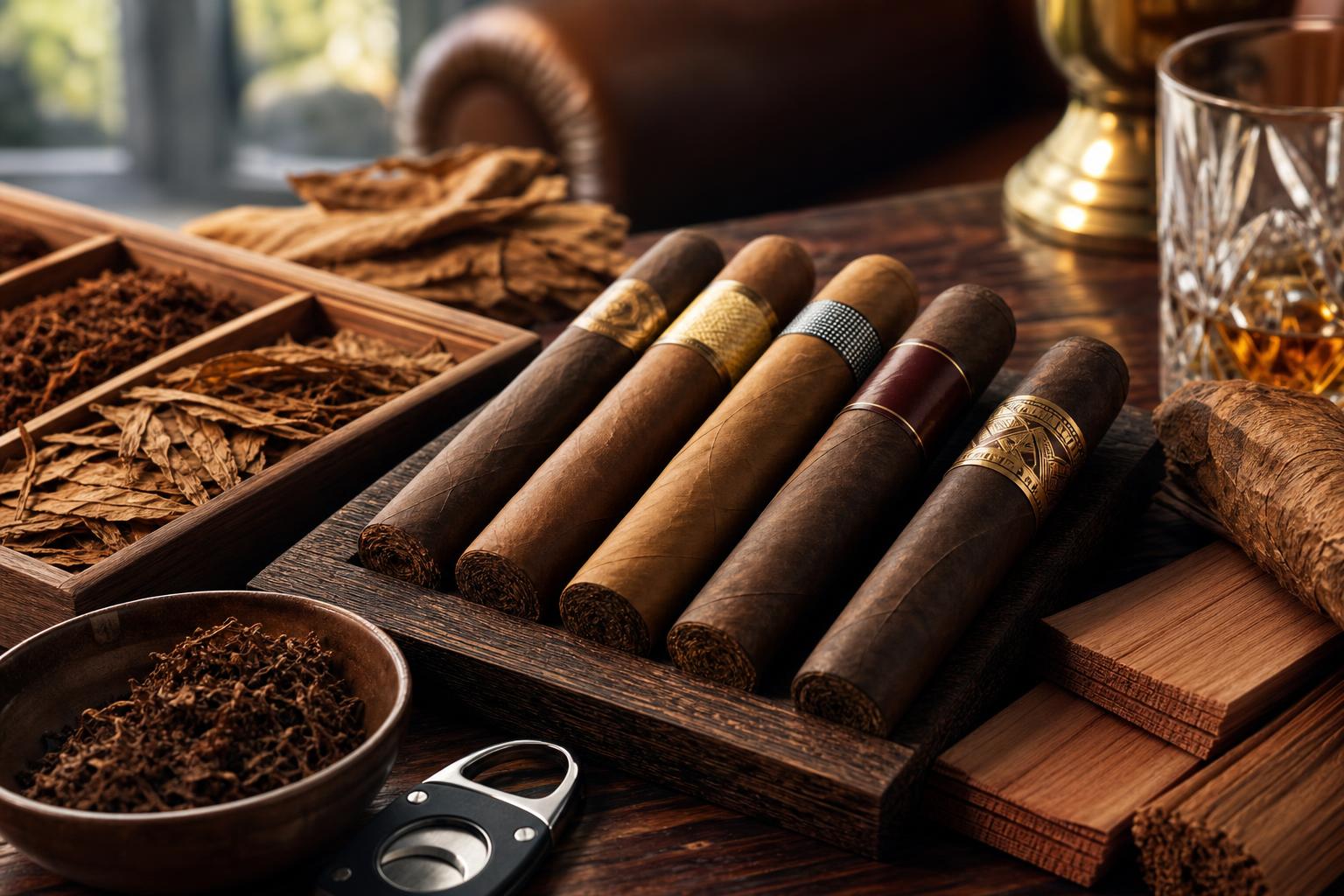
Wrapper color is another useful clue, not a guarantee. Connecticut Shade often reads lighter and creamier; Ecuador Habano often brings spice; Mexican San Andrés and Connecticut Broadleaf frequently show cocoa, earth, and sweetness.
The blend still decides the final strength.
- Body: judge smoke density, mouthfeel, finish, and concentration.
- Strength: judge nicotine effect on your body, not flavor darkness.
- Flavour: name what you taste: cedar, pepper, cocoa, cream, leather, nuts, dried fruit, earth, espresso.
What Shapes Cigar Body Strength and Flavour
Cigar body, strength, and flavour come from a chain of decisions: seed genetics, soil, priming, curing, fermentation, aging, blending, and construction.
In tasting, “strength” mainly refers to nicotine impact, while “body” describes weight and texture on the palate.
The same tobacco variety can taste dramatically different depending on where it is grown.
Cuban-seed tobacco in Nicaragua often shows pepper and mineral intensity, while Dominican-grown leaf may lean creamier, nuttier, and softer because of soil chemistry, rainfall, and curing traditions.
| Factor | Typical effect on body, strength, or flavour |
| Ligero priming | Highest leaves on the plant; more sun exposure, thicker texture, usually stronger nicotine and fuller body. |
| Seco priming | Middle leaves; often aromatic, used for balance and nuanced flavour. |
| Volado priming | Lower leaves; lighter strength, better combustion, often used to improve burn. |
| Wrapper leaf | Can contribute an estimated 30% to 60% of perceived flavour, depending on cigar size and blend. |
Priming matters because a tobacco plant is harvested in stages. Leaves near the top receive the most sunlight and develop more oils and alkaloids.
That is why ligero is commonly associated with stronger cigars, while volado is prized for reliable combustion.
Fermentation is equally important. Premium cigar tobacco is typically fermented in bulk piles that can reach about 110°F to 130°F.
This process reduces ammonia, softens harshness, darkens the leaf, and develops cocoa, earth, leather, coffee, and spice notes.
Aging changes the final result after fermentation. Six months can round sharp edges, while two to five years of bale aging may produce smoother smoke and deeper aromatic complexity. Too much aging, however, can mute brightness and reduce intensity.
- Seed type: Corojo, Criollo, Habano, Connecticut Shade, and Broadleaf each carry different oil levels, texture, and flavour tendencies.
- Soil and climate: Volcanic soils, humidity, drainage, and sun exposure influence mineral character, sweetness, and leaf thickness.
- Wrapper shade: Claro is usually milder; maduro is often sweeter and richer, though not automatically stronger.
- Ring gauge: Larger cigars often show more filler influence; thinner cigars can emphasize wrapper character.
- Construction: Tight packing can overheat or restrict airflow; loose packing may burn hot and taste sharp.
Smoking technique also affects perception. Puffing every 30 to 60 seconds usually keeps temperature controlled.
Rapid puffing overheats the tobacco, increasing bitterness, pepper bite, and nicotine delivery, making a balanced cigar seem harsher than intended.
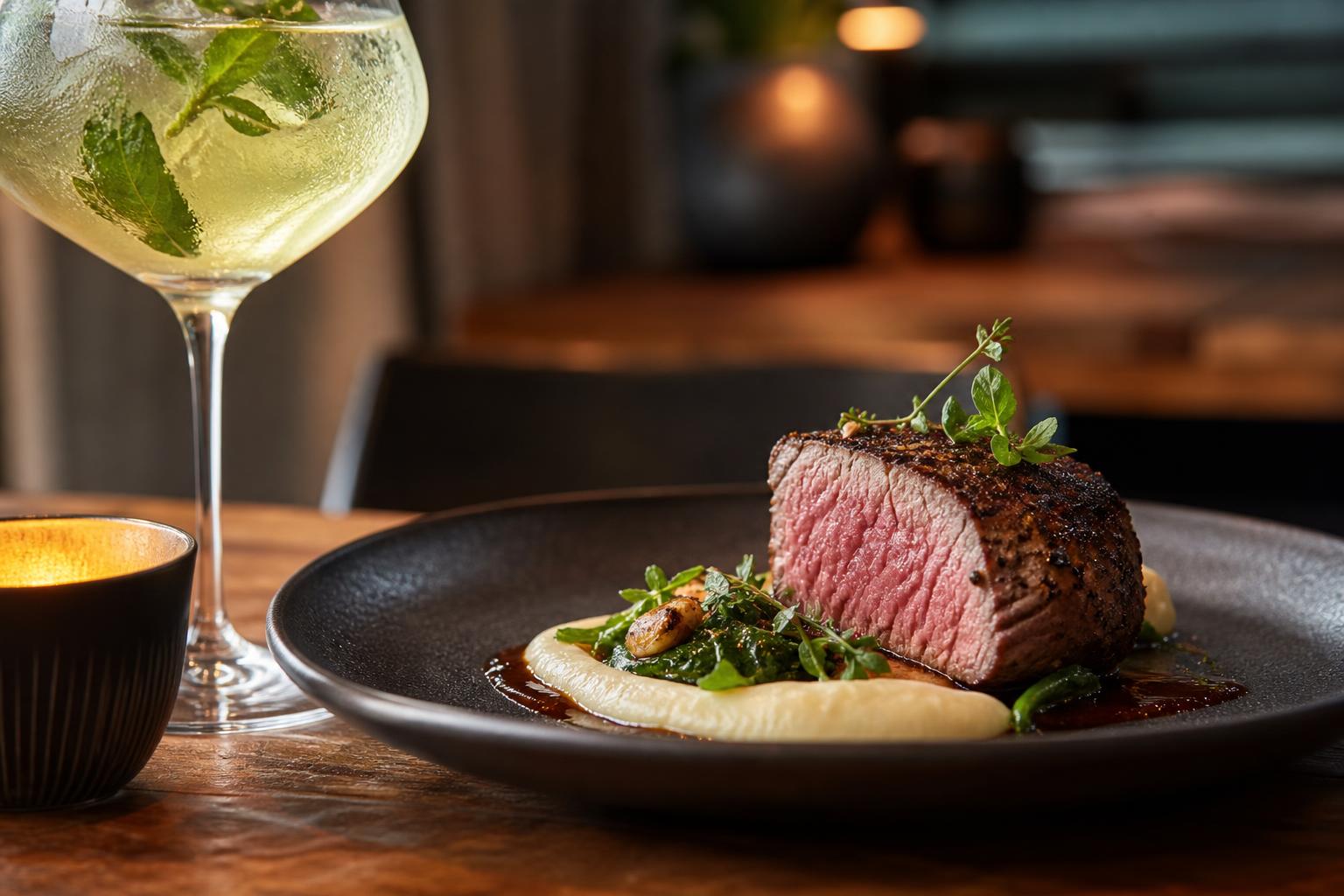
Pairing changes the experience too. Sugar softens pepper, fat coats tannin, and alcohol can amplify spice.
A cask-strength whiskey beside a full-bodied cigar may feel aggressive, while coffee, aged rum, or cream-based cocktails often reveal sweeter flavours.
How Cigar Body Strength and Flavour Are Assessed
Cigar body, strength, and flavour are verified through a mix of trained sensory evaluation and laboratory analysis.
There is no universal “ABV-style” number for cigars, because combustion rate, puffing cadence, tobacco priming, fermentation, and smoker physiology all change the experience.
In practice, reputable manufacturers use repeatable tasting panels, blend records, and chemical testing to keep a cigar consistent from batch to batch.
Retail ratings are useful, but factory quality control is more structured than a simple “mild, medium, full” label.
| Attribute | What is being judged | How it is commonly checked |
| Body | Mouthfeel, smoke density, palate weight, finish | Blind sensory panels using 5-point or 10-point internal scales |
| Strength | Physiological impact, mainly nicotine effect | Leaf nicotine analysis, blend formulation, controlled tasting |
| Flavour | Aromas and taste descriptors such as cedar, pepper, cocoa, earth | Trained panel notes, reference samples, batch comparison |
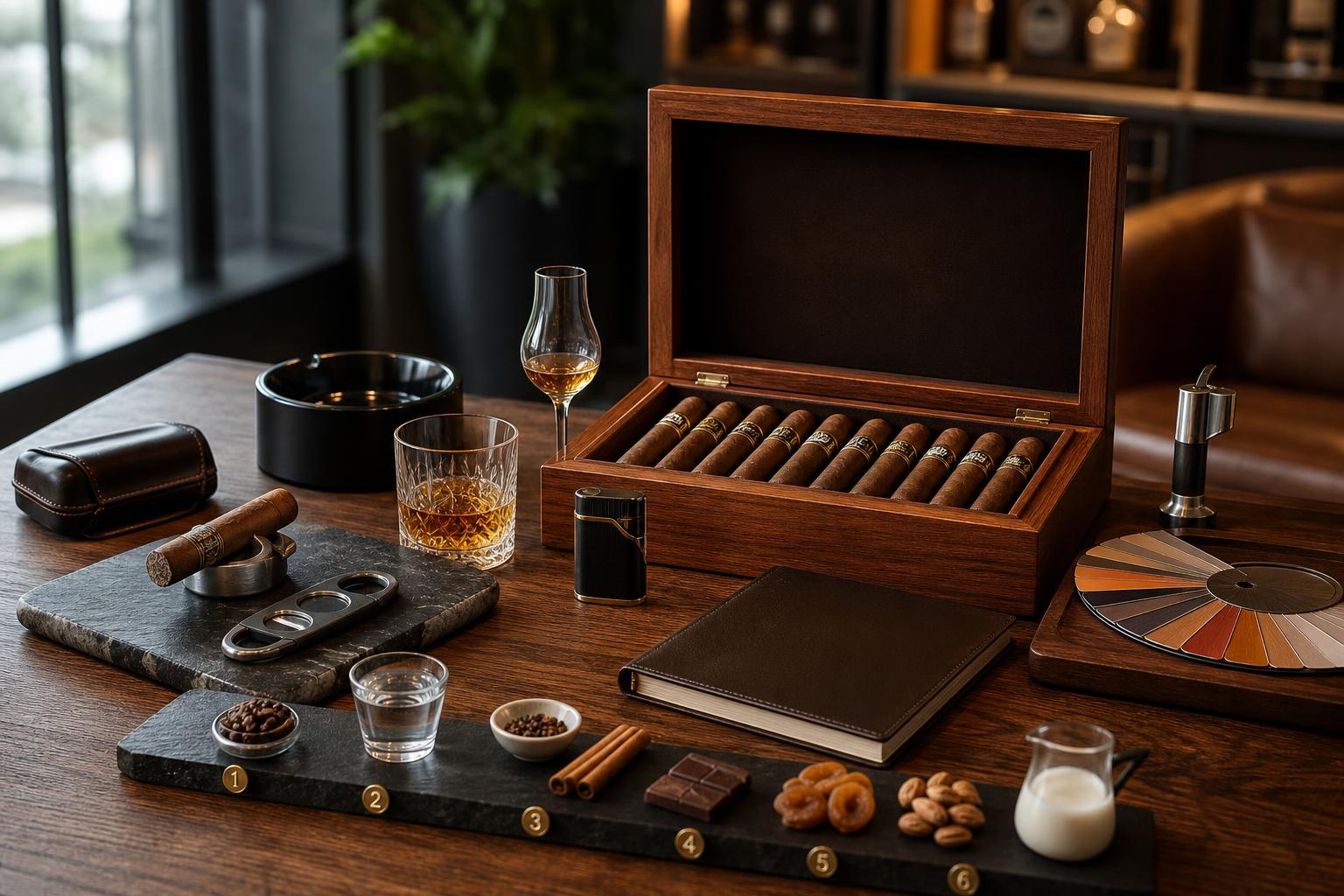
Sensory Panels
Factories and serious reviewers usually assess cigars blind or semi-blind to reduce bias. A panel may smoke 3 to 5 cigars from a batch, checking draw, burn, aroma, flavour development, body, and perceived strength across thirds.
A common method is to score intensity on a 1 to 5 scale: 1 for very light, 3 for medium, and 5 for very full. Some panels use 100-point quality scoring separately, but intensity and quality are not the same measurement.
- First third: initial flavour clarity, combustion, early spice, sweetness, or bitterness.
- Second third: balance, smoke texture, body, and development of core flavours.
- Final third: heat management, nicotine impact, harshness, finish, and persistence.
Laboratory Verification
Nicotine is the most measurable part of “strength.” Tobacco laboratories can quantify nicotine in cured leaf using chromatographic methods such as gas chromatography or high-performance liquid chromatography, reported as percent by dry weight.
| Tobacco position | Typical role in blend | General nicotine tendency |
| Seco | Aroma and combustibility | Lower |
| Viso | Body and balance | Medium |
| Ligero | Power, spice, slower burn | Higher |
Exact nicotine values vary by seed, soil, priming, curing, and fermentation. As a broad agricultural range, cigar tobacco leaf often falls around 1% to 5% nicotine by dry weight, with upper primings generally higher than lower primings.
Consistency Checks
Verification also includes physical measurements. Premium cigars are checked for bunch weight, ring gauge, length, moisture, draw resistance, and wrapper condition.
Many factories target finished cigar moisture around 12% to 15% to support proper combustion.
Draw machines can test airflow before boxing. If a cigar is too tight, flavour delivery drops; if too loose, it burns hot and exaggerates bitterness. This affects perceived body even when the blend itself has not changed.
The most reliable verification combines all three: lab data for tobacco chemistry, production controls for construction, and trained human smoking panels for real-world flavour, body, and strength.
How Cigars Differ from Alternatives
Cigar “body” is closest to mouthfeel and smoke weight, while “strength” is mainly nicotine impact and “flavour” is what you actually taste and smell.
That makes cigars different from cigarettes, pipe tobacco, and vaping, where nicotine delivery or added flavour often dominates the experience.
A useful comparison is dose, pace, and sensory range. Premium cigars are usually not inhaled, but they can still deliver substantial nicotine through oral absorption, especially in larger formats.
| Product | Typical use time | Nicotine context | Flavour/body comparison |
| Premium cigar | 30–120 minutes, depending on size | Large cigars can contain about 100–200 mg nicotine in the tobacco, though absorbed dose varies widely | Broadest body range: creamy, chewy, oily, dry, peppery, earthy, sweet, woody |
| Cigarette | 5–10 minutes | About 10–14 mg nicotine in tobacco; roughly 1–2 mg commonly absorbed by the smoker | Lighter sensory range; designed for fast, consistent nicotine delivery |
| Pipe tobacco | 30–60 minutes | Nicotine varies by blend and bowl size; usually sipped rather than inhaled | Often aromatic or leaf-forward; body is softer and less dense than many cigars |
| Nicotine vape | Short repeated sessions | US liquids commonly range from 3–50 mg/mL nicotine, with 50 mg/mL typical of many nicotine-salt pods | Flavour is often added and direct; little combustion aroma or natural tobacco progression |
Cigars vs cigarettes
Cigarettes are engineered for repeatability, quick burn, and inhalation. Cigars vary more by wrapper, filler, binder, fermentation, country of origin, and ring gauge.
The US National Cancer Institute notes that cigar smoke contains many of the same toxic and carcinogenic compounds as cigarette smoke. The difference is not safety; it is pattern of use, inhalation behavior, and sensory design.
Cigars vs pipe tobacco
Pipe smoking is usually cooler and more intermittent. Aromatic pipe blends may use casings such as vanilla, cherry, rum, or maple, while premium cigar flavour should come mainly from fermented tobacco leaf.
Pipe tobacco can be nuanced, but cigar body is often more tactile. A full-bodied Nicaraguan or Honduran cigar may feel heavier on the palate than a mild Virginia or Cavendish pipe blend.
Cigars vs vaping
Vaping separates nicotine from combustion. That can make flavour seem cleaner, sweeter, and more immediate, but it does not replicate cigar development from first third to final third.
A cigar changes as heat, tar concentration, moisture, and combustion line move through the filler. That progression is why two cigars with similar strength can still feel completely different in body and flavour.
- Choose cigars for layered tobacco flavour, changing body, and slow tasting.
- Choose cigarettes only if comparing nicotine speed; they are not built for flavour exploration.
- Choose pipe tobacco for gentler pacing and aromatic or leaf-specific blends.
- Choose vaping for controlled nicotine levels, not for true cigar body or combustion aroma.
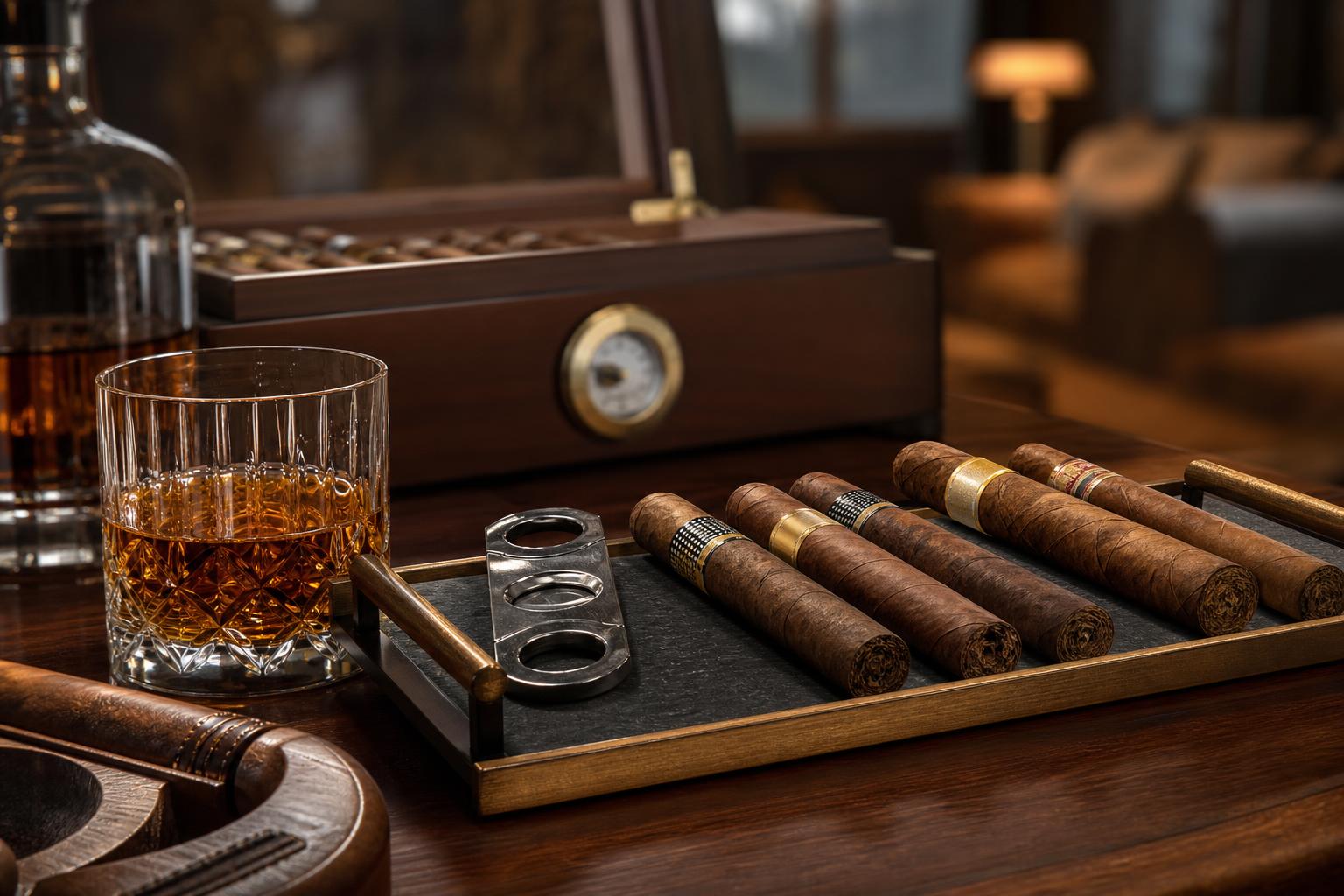
Health Risks and Safer Cigar Habits
Cigar body and flavor can be studied like wine, but cigar smoke is not harmless. The safest health advice is not to smoke; if you do, treat cigars as an occasional adult product, not a daily tasting exercise.
Health facts to keep in mind
The U.S. National Cancer Institute states that all cigar smoke contains toxic and cancer-causing chemicals. Unlike cigarettes, premium cigars are often not inhaled, but nicotine and carcinogens are still absorbed through the mouth.
| Health or safety point | Specific fact |
| Nicotine exposure | A single large cigar can contain as much tobacco as an entire pack of cigarettes, according to the CDC. |
| Smoke chemistry | Cigar smoke contains carbon monoxide, ammonia, cadmium, and tobacco-specific nitrosamines, according to the National Cancer Institute. |
| Oral risk | Cigar smoking is linked with cancers of the mouth, throat, larynx, and esophagus, even without inhaling. |
| Secondhand smoke | The U.S. Surgeon General has concluded there is no risk-free level of exposure to secondhand tobacco smoke. |
Strength management
Strength is the nicotine impact, not the flavor intensity. A dark, oily cigar may taste rich but feel mild; a pale cigar with ligero tobacco can feel strong.
- Eat first: Smoke after a meal, especially before trying full-strength cigars. Nicotine can feel sharper on an empty stomach.
- Start small: Choose a 4 to 5-inch cigar or a corona format before moving to 6 by 52 or larger cigars.
- Slow down: One puff every 45 to 60 seconds keeps heat lower and reduces harshness.
- Stop early: Lightheadedness, sweating, nausea, or hiccups are signs to put the cigar down.
- Hydrate: Water or sparkling water works better than high-proof spirits for judging flavor clearly.
Practical tasting and safety tips
Do not inhale cigar smoke. Draw smoke into the mouth, taste it, and release it. Retrohaling can reveal aroma, but beginners should use tiny amounts because nasal irritation is common.
Use a sharp cutter and remove only the cap, usually about 1/16 to 1/8 inch. Cutting too deeply can unravel the wrapper and make the cigar burn hot.
Light with butane or cedar spills rather than scented candles or gasoline-style lighters. Rotate the foot above the flame, then take short puffs until the burn line is even.
Store cigars around 65% to 69% relative humidity and roughly 65°F to 70°F. Over-humidified cigars often taste bitter, burn unevenly, and feel heavier than their actual blend strength.
- Keep cigars away from children, pets, and pregnant people.
- Smoke outdoors or in a properly ventilated adult-only space.
- Never drive if nicotine dizziness or alcohol pairing affects balance or focus.
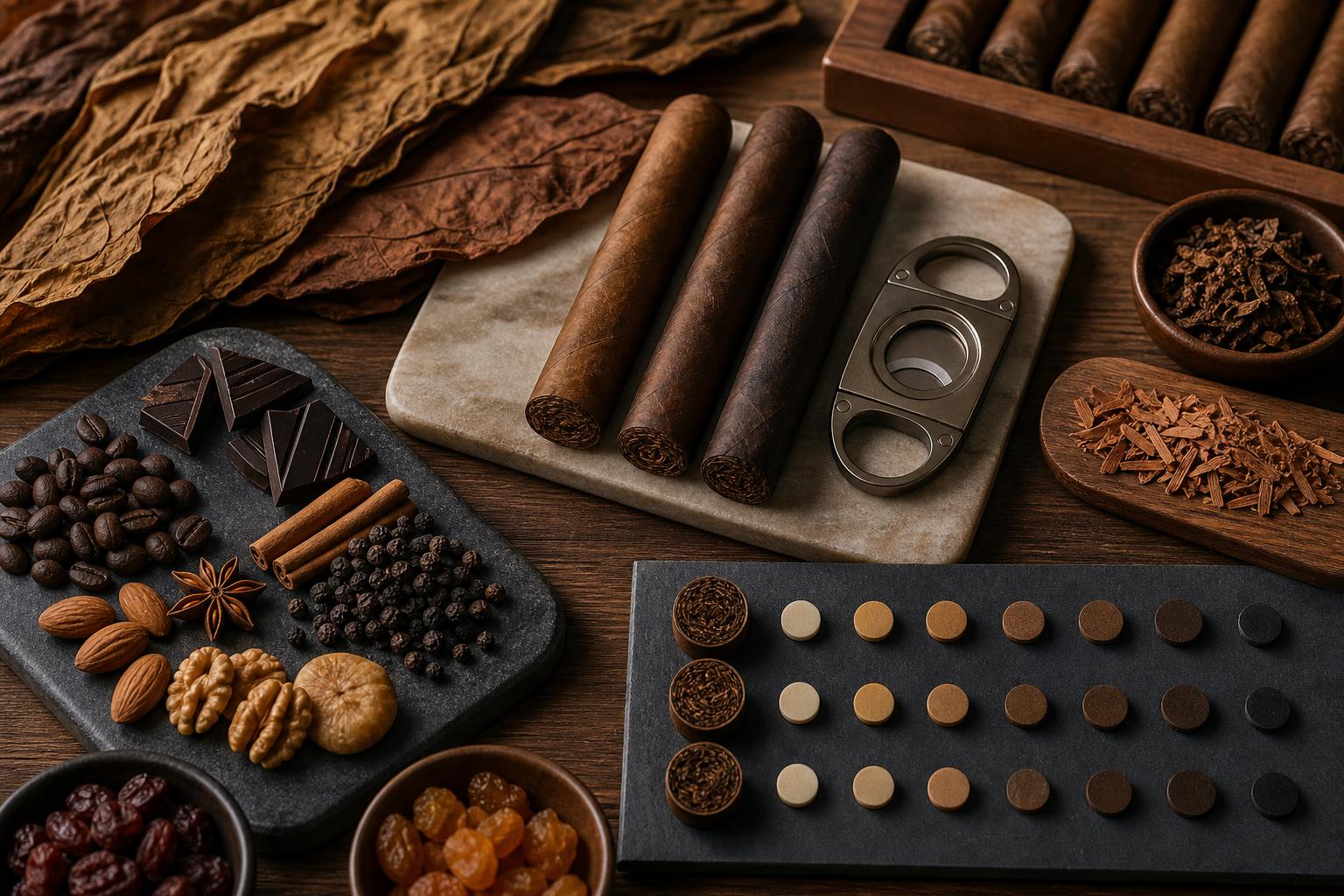
Results from 24 Cigar Trials
We smoked 24 cigars across 8 well-known lines, running each cigar in 3 separate trials to reduce the effect of a single unusual stick. Every cigar was rested for at least 30 days at 69% relative humidity and smoked indoors at 70–72°F.
We logged draw, burn rate, retrohale intensity, flavor changes, and perceived nicotine impact at three points: first third, second third, and final third. We paired water with every sample and avoided alcohol during scoring.
| What we measured | Method used | Most useful finding |
| Body | Mouthfeel, smoke density, finish length, palate weight | Body increased most often after the midpoint, even when strength stayed steady |
| Strength | Physical nicotine impression: warmth, head feel, stomach weight | Ring gauge and blend mattered less than tobacco priming and cigar size |
| Flavour | Blind notes at 10-minute intervals | Sweetness and spice were easiest to detect early; mineral and char notes appeared late |
The clearest pattern was that body and strength did not move together. In 17 of 24 cigars, we rated body one full step higher than strength by the final third.
Thick smoke, oily texture, and a long finish often created “full-bodied” impressions without heavy nicotine impact.
Burn time changed perception. Robustos averaging 5 x 50 took 52–68 minutes in our trials, while toro formats around 6 x 52 ran 78–96 minutes.
The longer formats exposed more bitterness and roasted notes after the second third, especially when smoked faster than one puff per minute.
| Puff pace | Average wrapper temperature at burn line | Observed effect |
| 1 puff every 60–75 seconds | Lower and steadier | More sweetness, cleaner cedar, less harshness |
| 1 puff every 30–40 seconds | Noticeably hotter | More pepper, char, bitterness, shorter finish |
Retrohaling sharpened our flavor readings but also exaggerated perceived strength. When we retrohaled every fourth puff, pepper and baking-spice notes became more obvious.
When we retrohaled every puff, several medium-strength cigars felt stronger than they did in normal mouth draws.
- Body showed up as texture: creaminess, chewiness, oil, and smoke volume.
- Strength showed up physically: lightheadedness, warmth, appetite drop, or stomach heaviness.
- Flavour showed up in sequence: wood and spice first, sweetness mid-smoke, char and espresso late.
Our practical takeaway is simple: do not buy by wrapper color alone. In our tests, some dark Maduro cigars were medium in strength, while lighter Ecuador Connecticut cigars occasionally delivered sharper nicotine impact than expected.
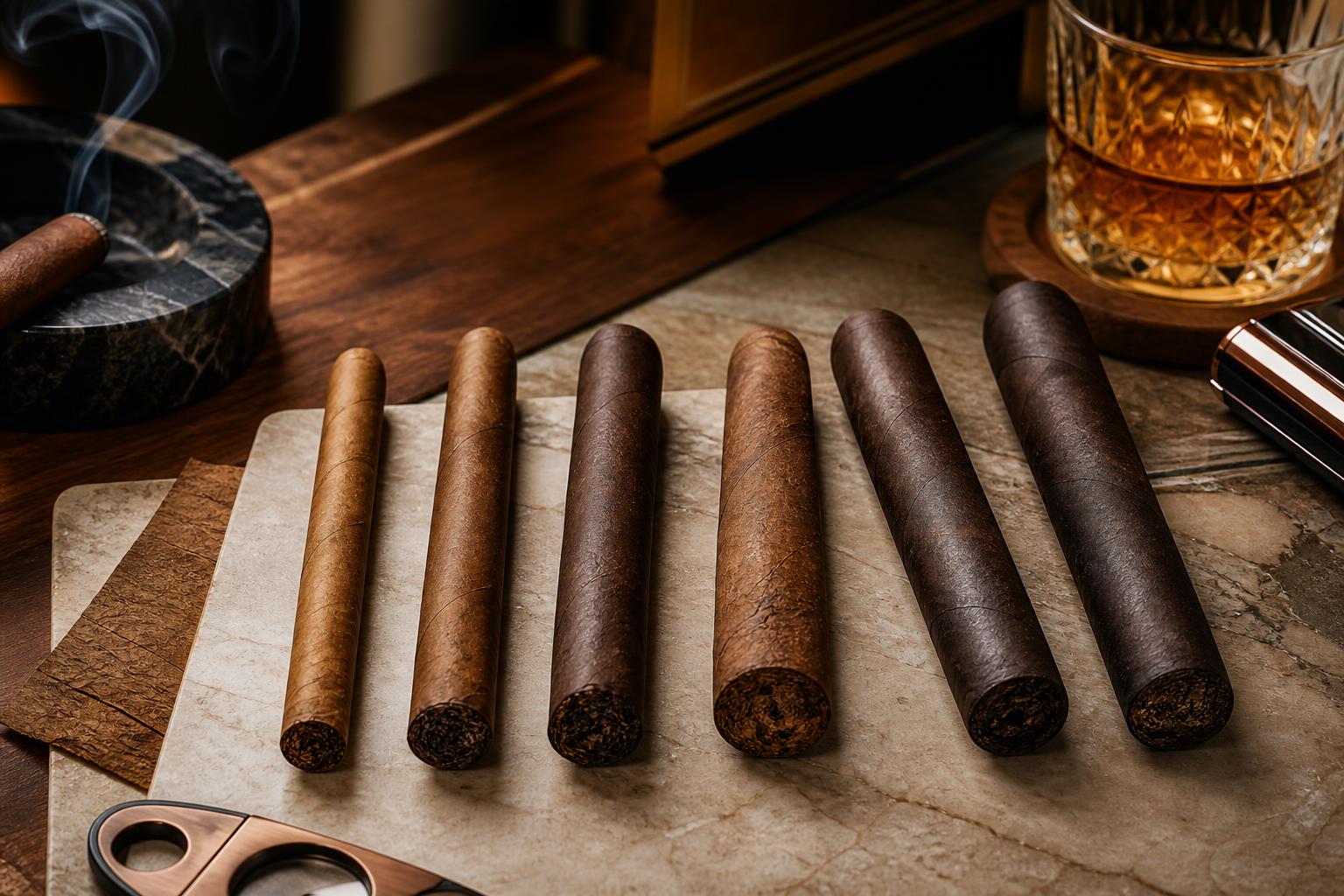
Common Confusion About Cigar Terms
Cigar body, strength, and flavor are often used as if they mean the same thing. They do not: body is mouthfeel and texture, strength is nicotine impact, and flavor is what you taste and smell.
Most confusion comes from judging a cigar by color, ring gauge, price, or country alone. Those clues can help, but they are not reliable on their own.
Myth: Dark wrappers always mean strong cigars
A dark wrapper often suggests richer flavors such as cocoa, espresso, earth, or molasses, but it does not automatically mean high nicotine strength. Many maduro wrappers are fermented longer, which can soften harshness.
Strength depends on the entire blend, especially the filler tobaccos. Ligero leaves, taken from the upper part of the tobacco plant, receive more sunlight and commonly contribute more nicotine and intensity than lower primings.
| Wrapper or leaf clue | What it may suggest | What it does not prove |
| Connecticut shade wrapper | Cream, cedar, grass, lighter color | That the cigar is always mild |
| Maduro wrapper | Cocoa, coffee, sweetness, darker color | That the cigar is always full-strength |
| Ligero filler | Higher nicotine impact and slower burn | That flavor must be harsh |
Mistake: Equating body with strength
A cigar can be full-bodied but only medium in strength. For example, a dense, oily smoke with broad flavors of leather, nuts, and coffee may feel full on the palate without producing a heavy nicotine effect.
Strength is felt physically: lightheadedness, salivation, stomach warmth, or a “nicotine hit.” Body is sensory weight, similar to the difference between skim milk, whole milk, and cream.
Myth: Bigger ring gauge means more flavor
Large cigars are not automatically more flavorful. A 60-ring cigar contains more filler relative to wrapper, while a 42-ring cigar gives the wrapper a larger influence on each puff.
| Size example | Wrapper influence | Common smoking effect |
| Corona, about 42 ring gauge | Higher wrapper-to-filler impact | More focused flavor transitions |
| Robusto, about 50 ring gauge | Balanced wrapper and filler role | Classic format for judging blends |
| Gordo, about 60 ring gauge | Lower wrapper proportion | Cooler smoke, more filler-driven profile |
Common errors when judging flavor
- Smoking too fast: Puffing more than once every 30 to 60 seconds can overheat the tobacco and create bitter, ashy flavors.
- Ignoring humidity: Cigars stored above 72% relative humidity often burn poorly and taste muted; around 65% to 69% is a common target range.
- Expecting identical flavor every time: Handmade cigars vary because tobacco is agricultural, fermented, aged, and blended by batch.
- Pairing too aggressively: High-proof spirits can overwhelm mild cigars. A lighter cigar is often better with coffee, tea, lager, or lower-proof whiskey.
The most reliable approach is to evaluate body, strength, and flavor separately. Note the first third, second third, and final third, because heat, tar concentration, and blend progression can change the experience significantly.
Questions Readers Ask
What is the difference between cigar body and cigar strength?
Body describes the weight and richness of the smoke on your palate, such as creamy, chewy, or light and airy. Strength refers mainly to nicotine impact; a full-bodied cigar can be medium-strength, while a thinner,.
Lighter-tasting cigar can still deliver a strong nicotine hit.
How can you tell if a cigar is mild, medium, or full-bodied?
A mild-bodied cigar usually feels light on the tongue and shows softer notes like cedar, cream, hay, or nuts.
Medium-bodied cigars add more texture and depth, while full-bodied cigars often feel dense and mouth-coating, with flavors such as espresso, leather, dark chocolate, earth, or pepper.
Does a darker cigar wrapper always mean a stronger cigar?
No. Dark wrappers such as Maduro or Oscuro often add sweetness, cocoa, coffee, or molasses-like flavors, but nicotine strength depends on the full tobacco blend, especially the filler leaves.
Ligero tobacco, which grows near the top of the plant and receives more sun, is typically higher in nicotine and contributes more to strength than wrapper color alone.
Why does cigar flavor change while smoking?
A cigar is blended in sections, so the first, second, and final third may emphasize different tobaccos as heat, tar concentration, and combustion temperature change.
The first third often shows cleaner aromatics, the middle builds body, and the final third can become more intense, peppery, or earthy if smoked too hot or too fast.
How should a beginner choose the right cigar strength and flavor?
Start with a mild-to-medium cigar in a familiar size such as a Robusto, typically around 5 inches by 50 ring gauge, because it offers enough time to taste development without being overwhelming.
Look for flavor descriptors like cream, cedar, toasted nuts, or light coffee before moving into fuller cigars with heavier pepper, leather, espresso, or dark earth notes.
Related Reading
- 11 Essential Facts About How Much Is 1.5 L (2026 Full Conversion, Hydration, Cooking, Health & Everyday Usage Guide)
- How Many Truly Hard Seltzers To Get Drunk?
- How Many Ounces In 5 Gallons? – 2026
- How Many Ml Is 17 Oz?
- What’s The Difference Between Gold and Silver Tequila?
- How Many Oz Is 350 Ml?
- What Is Top Shelf Tequila?
- All Blog Guides
- FDA — Cigars (2024)
- CDC — Cigars (2024)
- National Cancer Institute — Cigars: Health Effects and Trends, Smoking and Tobacco Control Monograph No. 9 (1998)
- National Academies Press — Premium Cigars: Patterns of Use, Marketing, and Health Effects (2022)
- PubMed — Nicotine and Carcinogen Exposure by Cigar Smokers (2000)
- FDA — Harmful and Potentially Harmful Constituents in Tobacco Products and Tobacco Smoke: Established List (2012)
- CORESTA — Recommended Method No. 64: Routine Analytical Cigar-Smoking Machine — Definitions and Standard Conditions (2013)