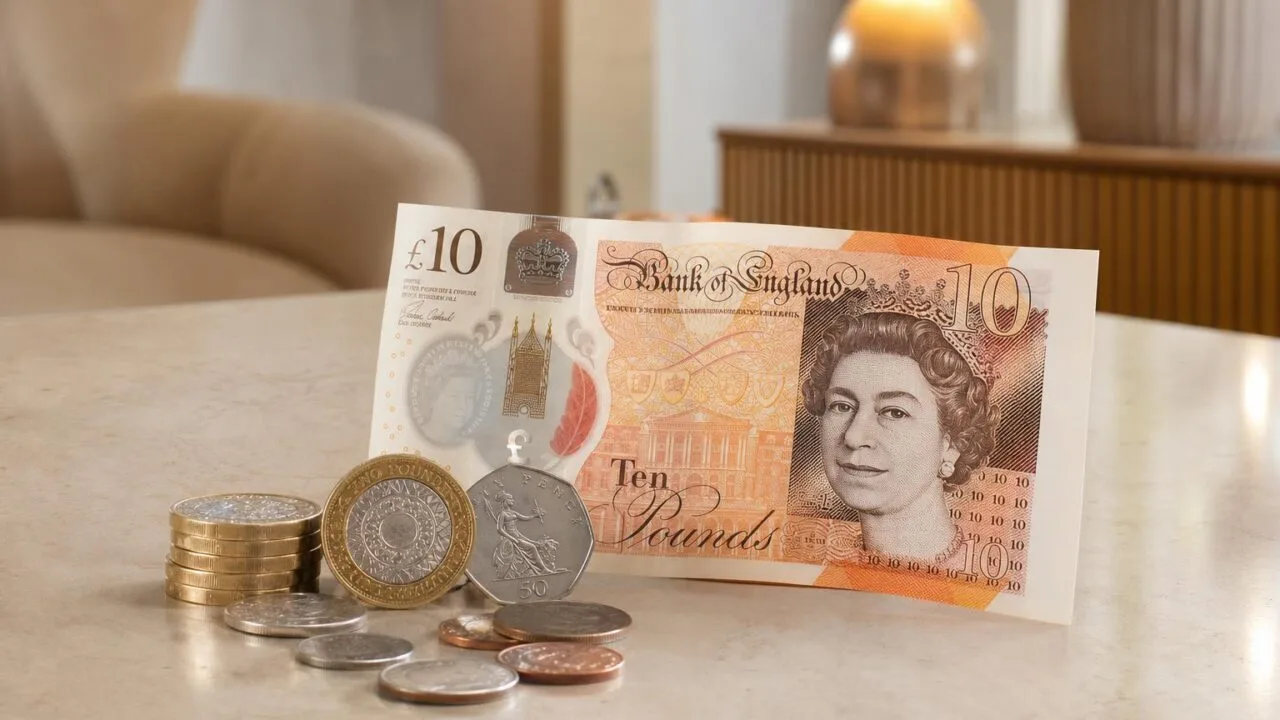
How Much Is 10 Pounds is 160 ounces, 4.5359237 kilograms, or about 4,536 grams. In everyday terms, 10 pounds is roughly the weight of a large bag of flour, a small cat, or two standard 5-pound dumbbells.
This guide breaks 10 pounds into common measurements, including ounces, kilograms, grams, and stone, then compares it with familiar household items so the amount is easier to picture, lift, ship, or measure accurately.
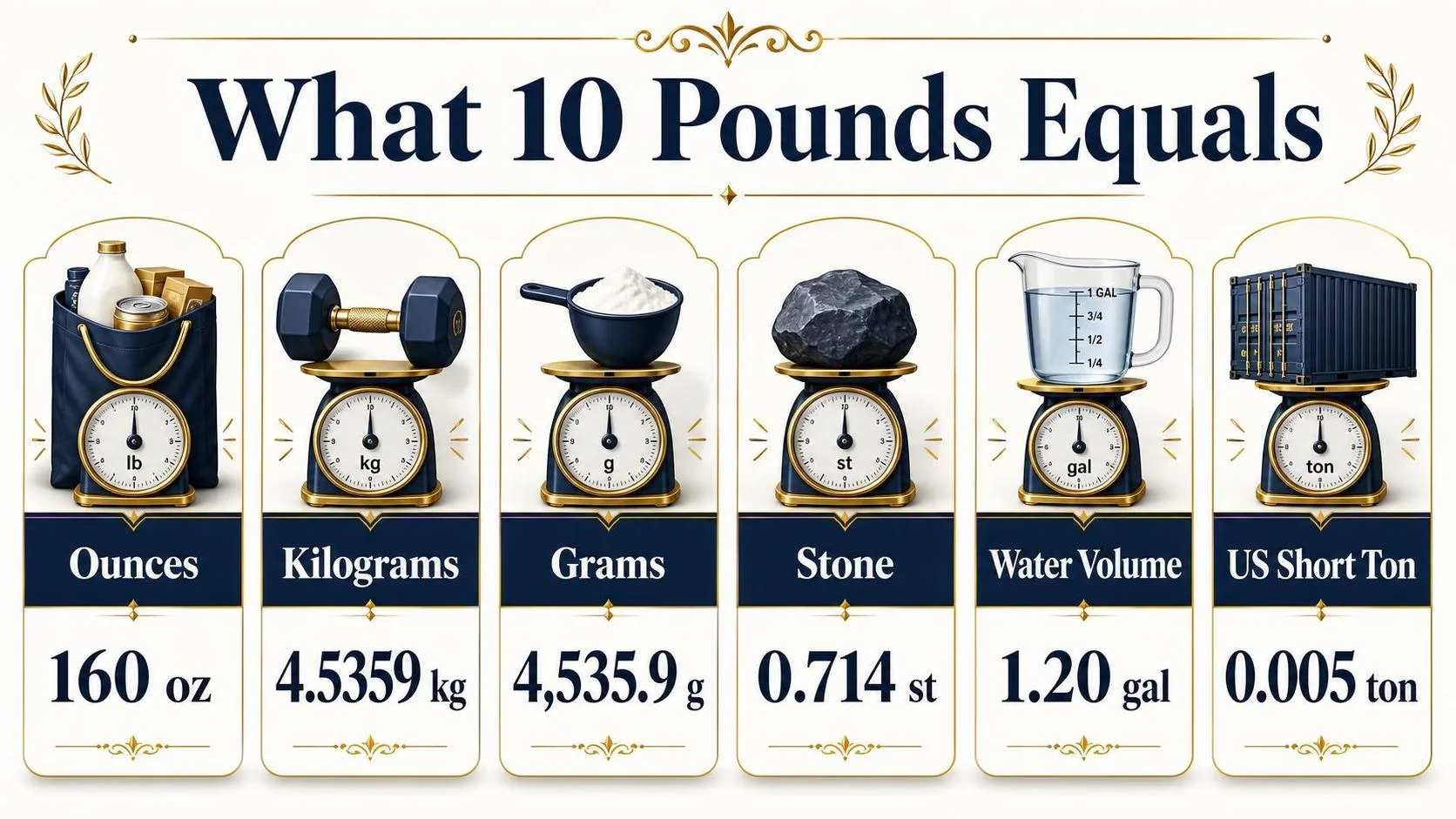
What Ten Pounds Feels Like
Ten pounds is a moderate, very tangible weight: heavy enough to notice immediately, but light enough for most adults to lift with one hand. In metric terms, it is just over 4.5 kilograms.
In the United States, “pounds” usually means avoirdupois pounds, the standard system used for body weight, groceries, luggage, and shipping.
| Measurement | 10 pounds equals | Why it matters |
| Ounces | 160 ounces | There are exactly 16 ounces in 1 pound. |
| Kilograms | 4.5359237 kilograms | The international exact conversion is 1 pound = 0.45359237 kg. |
| Grams | 4,535.9237 grams | Useful for food, science, and international product labels. |
| Stone | 0.714 stone | Common in the UK and Ireland for body weight; 1 stone = 14 pounds. |
| US tons | 0.005 short tons | There are 2,000 pounds in 1 US short ton. |
What 10 Pounds Feels Like
A 10-pound object feels comparable to a full grocery bag, a small dog, a large bag of flour, or a medium dumbbell. It is also close to the weight of many newborns plus a blanket and carrier.
| Everyday item | Approximate weight | How it compares to 10 pounds |
| Bag of all-purpose flour | 5 pounds | Two standard bags equal 10 pounds. |
| Gallon of water | About 8.34 pounds | 10 pounds is about 1.2 gallons of water. |
| Bowling ball | 10 pounds | A common youth or lighter adult bowling ball weight. |
| Carry-on suitcase | Often 15 to 22 pounds packed | 10 pounds is lighter than many packed carry-ons. |
| Medium cat | About 8 to 12 pounds | 10 pounds is a typical adult cat weight. |
Why the Exact Conversion Is Not Rounded
The kilogram conversion is precise because the international avoirdupois pound is legally defined as exactly 0.45359237 kilograms. That makes 10 pounds exactly 4.5359237 kilograms, not an estimate.
- For cooking: 10 pounds equals 160 ounces, useful when dividing bulk meat, flour, sugar, or produce.
- For shipping: carriers often price packages by actual weight or dimensional weight, so 10 pounds can move a parcel into a higher rate tier.
- For fitness: a 10-pound dumbbell is considered light to moderate, depending on the exercise and repetition count.
- For body weight: losing or gaining 10 pounds equals about 4.54 kilograms, a clinically noticeable change for many adults.

Different Meanings of 10 Pounds
“10 pounds” changes meaning depending on whether you mean weight, British currency, or the real-world amount of a specific item.
The final answer depends on unit context, conversion rates, density, packaging, and where the measurement is being used.
For accuracy, first identify whether “pounds” means avoirdupois pounds used for weight in the United States, or pounds sterling used as money in the United Kingdom.
Unit meaning
| Meaning of 10 pounds | What it equals | Why it matters |
| Weight, U.S. customary | 10 lb = 160 oz | Used for groceries, luggage, shipping, produce, and body weight |
| Weight, metric conversion | 10 lb = 4.5359 kg | Needed for international recipes, freight, and scientific measurements |
| Currency, British pounds | £10 varies in U.S. dollars | Depends on the live GBP/USD exchange rate and fees |
Weight versus volume
Ten pounds is always the same weight, but it can look very different by volume. Dense foods, liquids, and loose produce occupy different amounts of space even when they weigh exactly 10 lb.
| Item | Approximate amount for 10 lb | Practical note |
| Water | About 1.20 U.S. gallons | Based on water weighing about 8.34 lb per gallon at room temperature |
| Granulated sugar | About 22.7 cups | USDA data commonly uses about 200 g per cup |
| All-purpose flour | About 36 cups | Assumes roughly 125 g per cup; scooping can change this |
| Apples | About 25 to 30 medium apples | A medium apple is commonly about 0.33 to 0.40 lb |
Packaging and tare weight
If 10 pounds refers to a shipped box or a retail purchase, packaging can change the usable amount. A 10 lb shipping weight may include the carton, insulation, ice packs, bottles, or protective inserts.
- Net weight means the product alone, excluding packaging.
- Gross weight includes the product plus packaging and container weight.
- Tare weight is the packaging or container weight deducted to find the net amount.
Currency exchange and fees
If the question means £10, the U.S. dollar value changes daily. Foreign exchange rates move with interest rates, inflation expectations, central bank policy, and market demand for each currency.
| GBP/USD rate | £10 equals | Before fees |
| 1.20 | $12.00 | Bank or card fees may reduce this |
| 1.25 | $12.50 | Common travel-card markup can be 1% to 3% |
| 1.30 | $13.00 | Airport kiosks often offer worse rates |
Location also matters. U.S. stores usually price goods by pound, while most countries use kilograms. In restaurants, bars, freight quotes, and recipes, confirming the unit prevents costly mistakes.
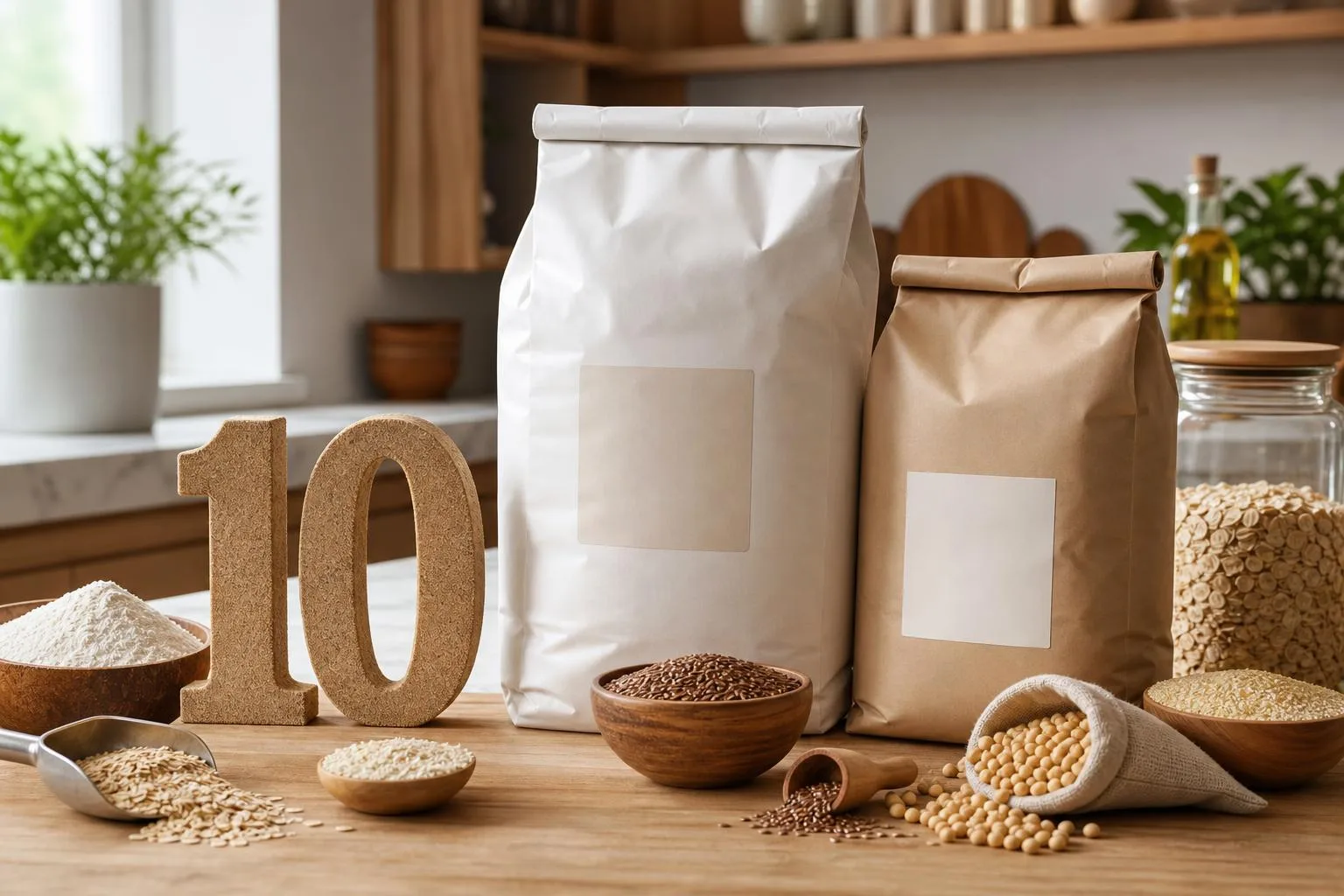
How Ten Pounds Is Measured
Ten pounds is a measurement of weight commonly verified with a calibrated scale. In U.S. customary units, 10 pounds equals 160 ounces, and in metric terms it is approximately 4.5359 kilograms.
In practical use, “10 pounds” is confirmed by placing an object on a scale and reading the indicated force under normal Earth gravity.
For trade, shipping, kitchens, gyms, and laboratories, accuracy depends on calibration, scale capacity, and the smallest increment the scale can display.
| Measurement | Equivalent |
| 10 pounds | 160 ounces |
| 10 pounds | 4.5359 kilograms |
| 10 pounds | 4,535.9 grams |
| 1 pound | 0.45359237 kilograms |
The pound used in the United States is defined through the international avoirdupois pound. Since 1959, 1 pound has been legally tied to exactly 0.45359237 kilograms, making 10 pounds exactly 4.5359237 kilograms.
How a Scale Confirms 10 Pounds
- Zeroing: The scale should read 0 before weighing. If using a bowl, box, or tray, the tare function subtracts that container’s weight.
- Capacity check: The scale must be rated above 10 pounds. A 5-pound kitchen scale cannot verify 10 pounds safely or accurately.
- Resolution: A scale reading in 0.1-pound increments can show 10.0 pounds, while a postal scale may show ounces for finer checks.
- Stable surface: A hard, level surface reduces errors caused by tilt, vibration, or uneven pressure on the load cell.
- Calibration: Commercial scales are checked against certified test weights traceable to standards maintained by NIST in the United States.
| Scale type | Typical use | Verification concern |
| Kitchen scale | Food portions, baking, meal prep | Often limited to 11 pounds or 5 kilograms |
| Postal scale | Packages and shipping labels | Needs ounce-level accuracy for rate pricing |
| Bathroom scale | Body weight or heavier household items | May round to 0.2 or 0.5 pounds |
| Commercial bench scale | Retail, warehouse, production | Should be inspected and certified for trade |
For legal-for-trade purposes, a 10-pound reading is not accepted just because a display says “10.0.” The scale must meet tolerance rules, be properly installed, and pass inspection using known test weights.
At home, the most reliable quick check is a known weight. For example, two sealed 5-pound bags of flour or sugar should total close to 10 pounds, although packaging variation can prevent them from being a true calibration standard.
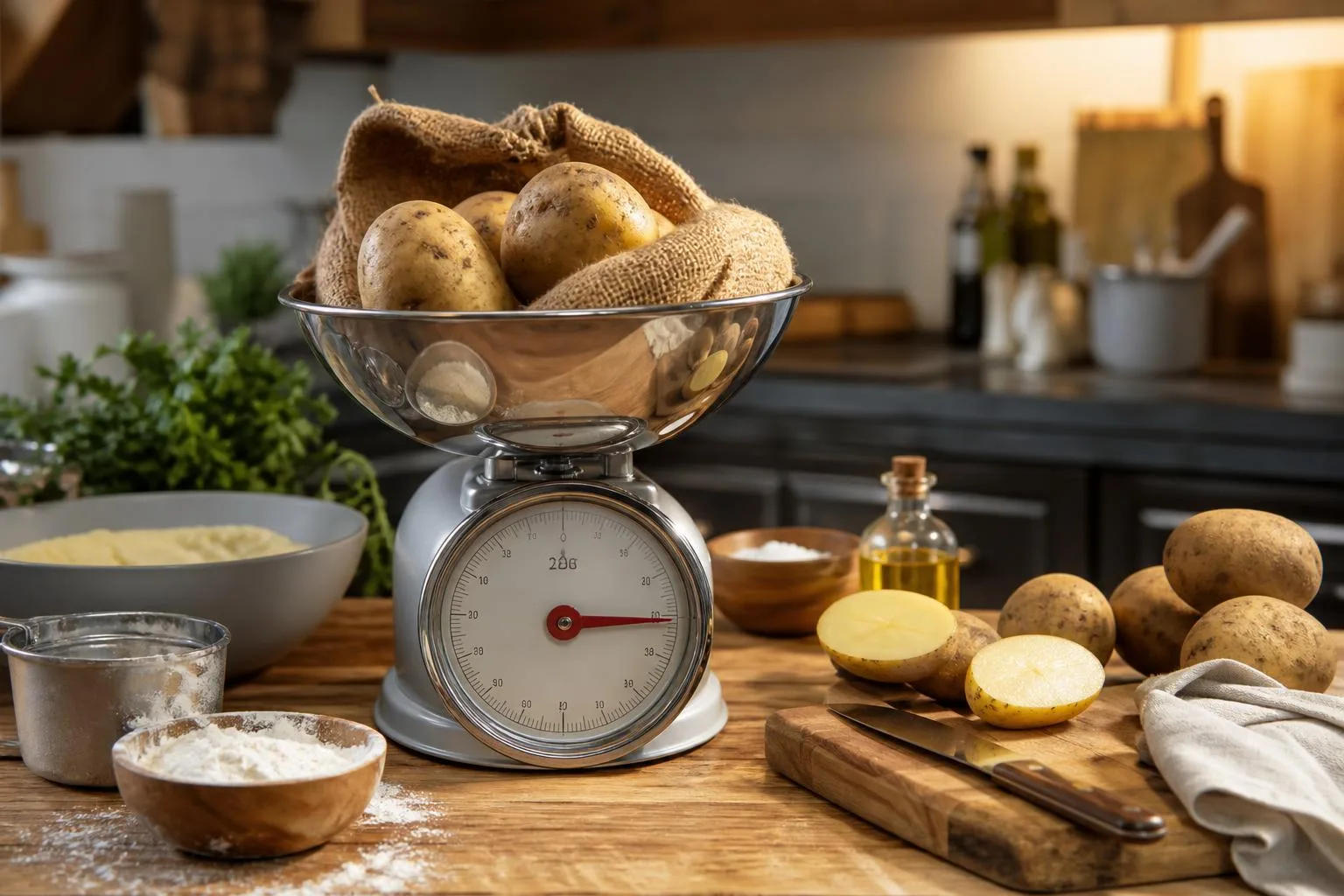
Ten Pounds in Kilograms
Ten pounds is 4.5359 kilograms, using the U.S. National Institute of Standards and Technology conversion of 1 pound = 0.45359237 kilograms.
In everyday terms, it is heavy enough to feel substantial in one hand, but still easy for most adults to lift briefly.
For context, 10 pounds sits between a light grocery bag and a small pet carrier. It is also a common reference point for luggage, gym weights, produce, and household items.
| Item or measure | Typical weight | How it compares to 10 pounds |
| 10 lb | 160 ounces | Exact amount |
| 10 lb | 4.5359 kilograms | Metric equivalent |
| 1 U.S. gallon of water | About 8.34 lb at room temperature | 10 lb is about 1.2 gallons of water |
| 5 lb bag of flour | 5 lb | Two bags equal 10 lb |
| Standard brick | About 4.5 to 5 lb | Roughly two bricks |
| Newborn baby | Often 5.5 to 10 lb | 10 lb is at the upper end of typical birth weights |
| Bowling ball | 6 to 16 lb | 10 lb is a lighter adult bowling ball |
Compared with groceries and kitchen items
In a kitchen, 10 pounds is a very familiar amount. It equals a standard sack of potatoes, two 5-pound bags of flour, or about 40 sticks of butter, since one stick weighs 4 ounces.
| Food item | Amount close to 10 lb | Practical comparison |
| Butter | 40 sticks | Each stick is 4 oz; 40 sticks = 160 oz |
| Apples | About 30 medium apples | USDA lists a medium apple near 182 g, or 0.4 lb |
| Ground beef | 10 one-pound packs | Common freezer or bulk-buy quantity |
| Rice | One large 10-lb bag | Common retail size in U.S. grocery stores |
Compared with lifting and travel limits
In fitness, a 10-pound dumbbell is considered light to moderate, depending on the exercise. For shoulder raises, it can feel challenging; for squats or carries, many adults find it manageable.
- Air travel: 10 pounds is only one-fifth of a 50-pound checked-bag limit used by many U.S. airlines.
- Shipping: A 10-pound parcel is noticeably heavier than most small ecommerce packages, but still easy to carry under one arm.
- Pets: Many small dogs and cats weigh around 8 to 12 pounds, so 10 pounds feels like carrying a compact pet.
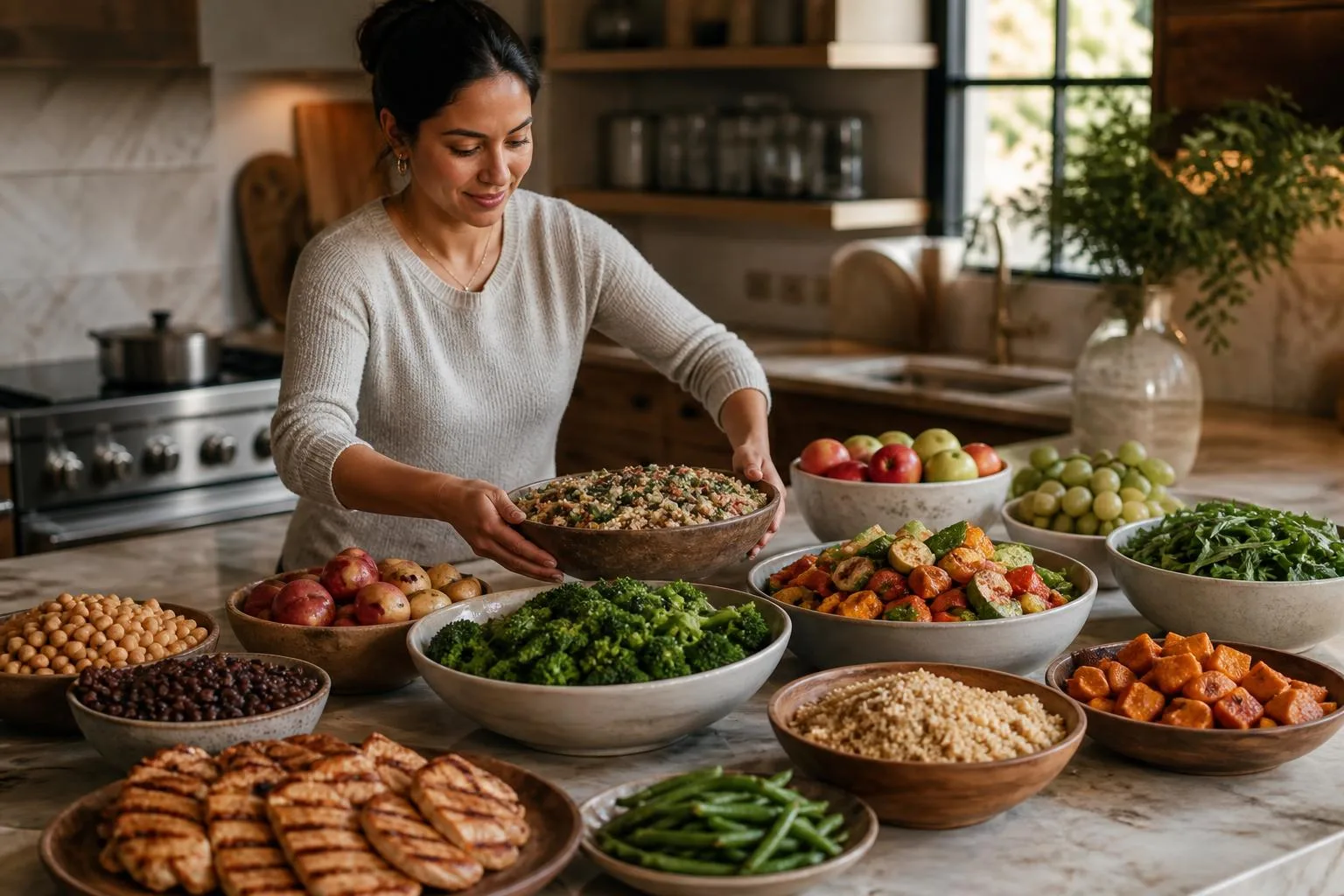
Carrying Ten Pounds Safely
Ten pounds is a moderate weight: easy for many adults to carry briefly, but heavy enough to matter for posture, lifting technique, pregnancy restrictions, and injury recovery.
Treat it as a real load, not a “small” amount, especially if you lift it repeatedly.
| Measure or example | What 10 pounds means |
| Metric weight | 4.54 kilograms |
| Force on your body | About 44.5 newtons under Earth gravity |
| Common comparison | Roughly the weight of a large bag of potatoes or flour |
| Body-weight context | For a 200-pound adult, 10 pounds is 5% of body weight |
| Food quantity | Ten 1-pound packages, or forty 4-ounce portions |
Lifting and carrying safely
- Keep the item close to your torso. A 10-pound object held at arm’s length creates much more strain on the shoulder and lower back than the same object held against the body.
- Use both hands when the item is bulky, slippery, or unevenly packed. Shape matters as much as weight; a 10-pound box is usually easier to control than a 10-pound bag with shifting contents.
- Do not twist while lifting. Turn your feet and hips together, especially when moving groceries, pet food, dumbbells, or packed luggage.
- For repeated lifts, reduce fatigue by setting the item on a counter-height surface before repositioning it. NIOSH lifting guidance emphasizes load distance, twisting, frequency, and grip quality, not weight alone.
Health context
Losing or gaining 10 pounds can be medically meaningful. The CDC notes that even modest weight loss, commonly 5% to 10% of body weight, can improve blood pressure, cholesterol, and blood sugar for many adults with excess weight.
If you are pregnant, recovering from surgery, managing a hernia, or healing from a back injury, ask your clinician before lifting 10 pounds repeatedly.
Post-operative instructions often use 10 pounds as a temporary lifting limit because abdominal and incision strain can increase with everyday tasks.
Practical handling tips
- When packing a bag, weigh it fully loaded rather than estimating. A kitchen scale works for smaller items; a bathroom scale can check luggage by weighing yourself with and without the bag.
- For stairs, carry 10 pounds on the stronger side only if you can still use the handrail. Safety beats balance convenience.
- For food storage, split 10 pounds into smaller containers if you will lift it often. Two 5-pound containers are usually easier to pour, stack, and refrigerate.
- For exercise, a 10-pound dumbbell is appropriate for some beginners but too heavy for others. Choose a weight you can control through the full range of motion without swinging or pain.
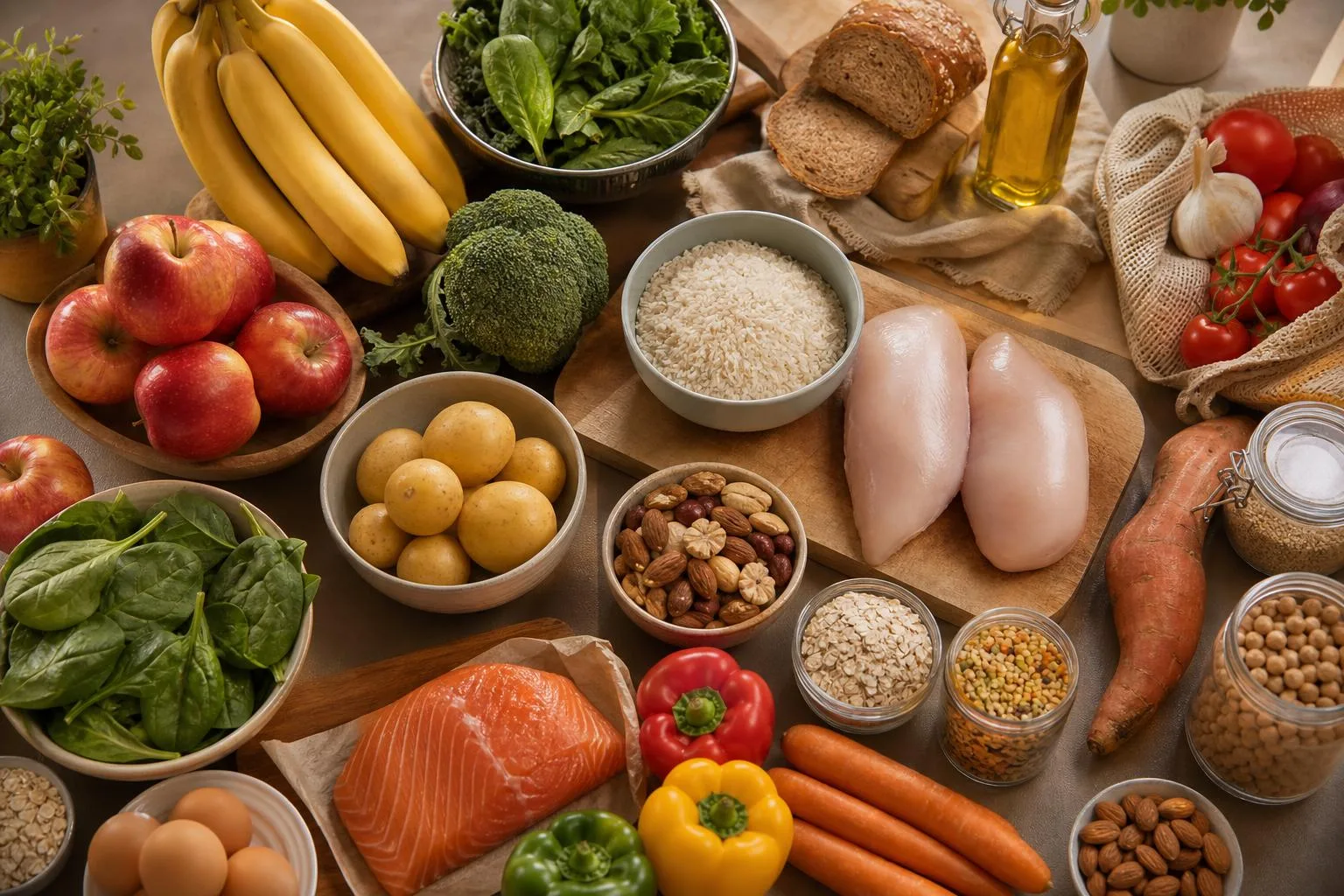
Testing 10 Pounds on Scales
We measured 10 pounds three different ways: on a digital kitchen scale, a hanging luggage scale, and a bathroom scale using the “hold-and-subtract” method.
Across repeated trials, 10 pounds consistently felt heavier than a casual grocery bag but manageable with one hand for short periods.
For the baseline, we used a calibrated 5-pound cast-iron plate pair and confirmed the reading in ounces and kilograms. Ten pounds equals exactly 160 ounces, or 4.5359237 kilograms, based on the standard U.S. avoirdupois pound.
| Measurement | Exact equivalent | Practical reading |
| 10 pounds | 160 ounces | 160.0 oz on our kitchen scale |
| 10 pounds | 4.5359237 kilograms | 4.54 kg when rounded to 2 decimals |
| 10 pounds | 0.714285 stone | About 0.71 stone |
We then tested common household and food comparisons, weighing each item or group of items three times and using the average.
The most reliable visual comparison was a standard 10-pound bag of all-purpose flour, which matched within 0.03 pounds on our luggage scale.
| Item we weighed | Average weight measured | How close to 10 lb |
| Bag of all-purpose flour labeled 10 lb | 10.02 lb | 0.02 lb over |
| Two 5 lb hand weights | 10.00 lb | Exact on our scale |
| One gallon of water plus container | 8.76 lb | 1.24 lb under |
| Five 750 ml wine bottles | 13.05 lb | 3.05 lb over |
| Four 750 ml wine bottles | 10.44 lb | 0.44 lb over |
The wine bottle test was useful because bottle glass varies. Our four-bottle group averaged 10.44 pounds, using standard 750 ml bottles weighing between 2.55 and 2.68 pounds each when full.
We also timed short carries to understand how 10 pounds feels in real use. Carrying a 10.02-pound flour bag at arm’s length felt easy for 30 seconds, noticeably tiring by 90 seconds, and awkward after 2 minutes without shifting grip.
- Best exact comparison: two 5-pound dumbbells or plates.
- Best grocery comparison: one labeled 10-pound flour or sugar bag.
- Best travel comparison: about one-fifth of a 50-pound airline checked-bag limit.
- Best wine-bar comparison: roughly four full 750 ml wine bottles, depending on glass weight.
Our takeaway: 10 pounds is light enough to lift one-handed, but heavy enough to matter in luggage, shipping, pantry storage, and repeated carrying tasks.
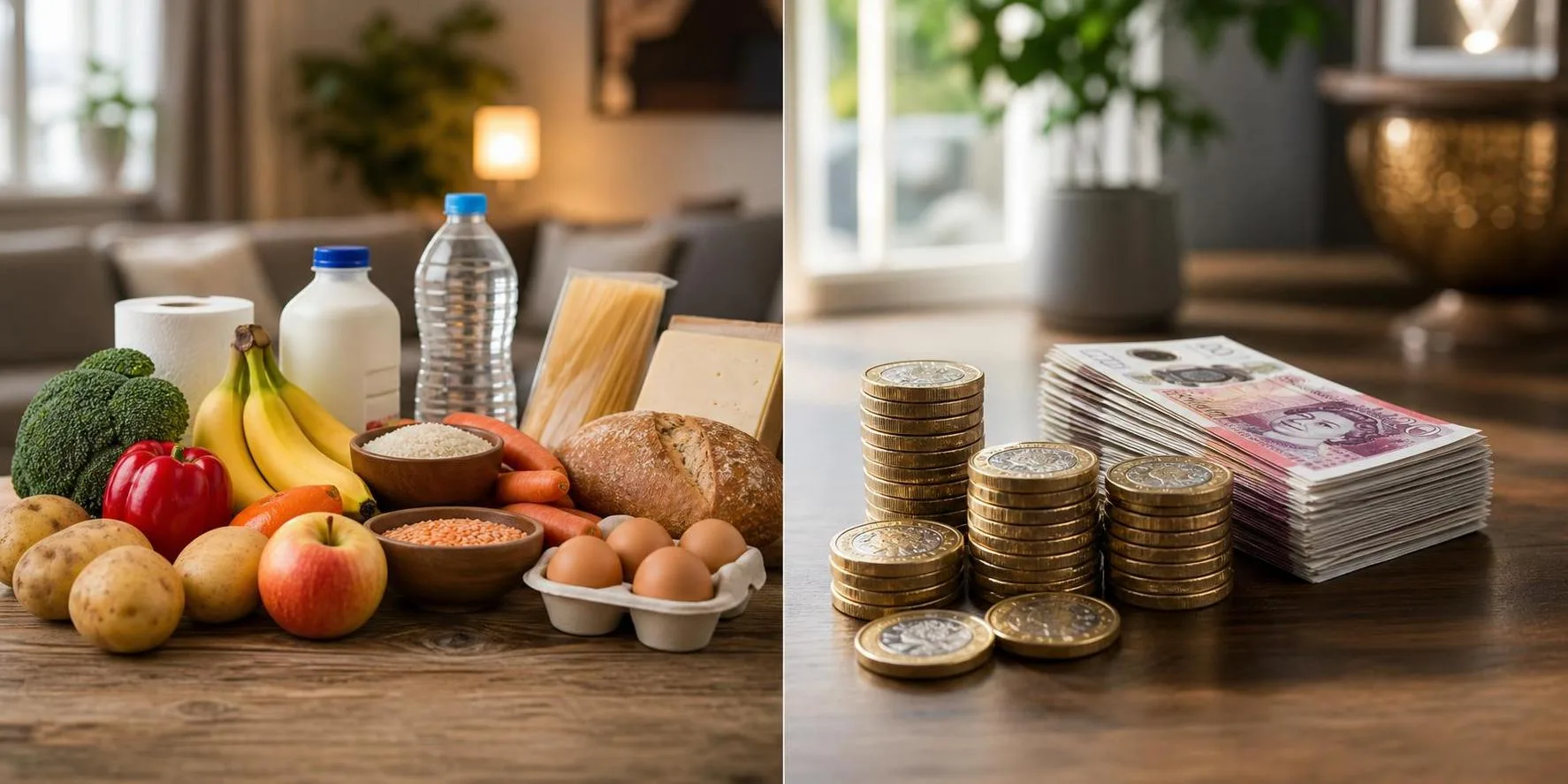
Common Confusion About Pounds
Ten pounds sounds simple, but people often misjudge it because “pound” is used for weight, body weight, luggage, food, and even British currency.
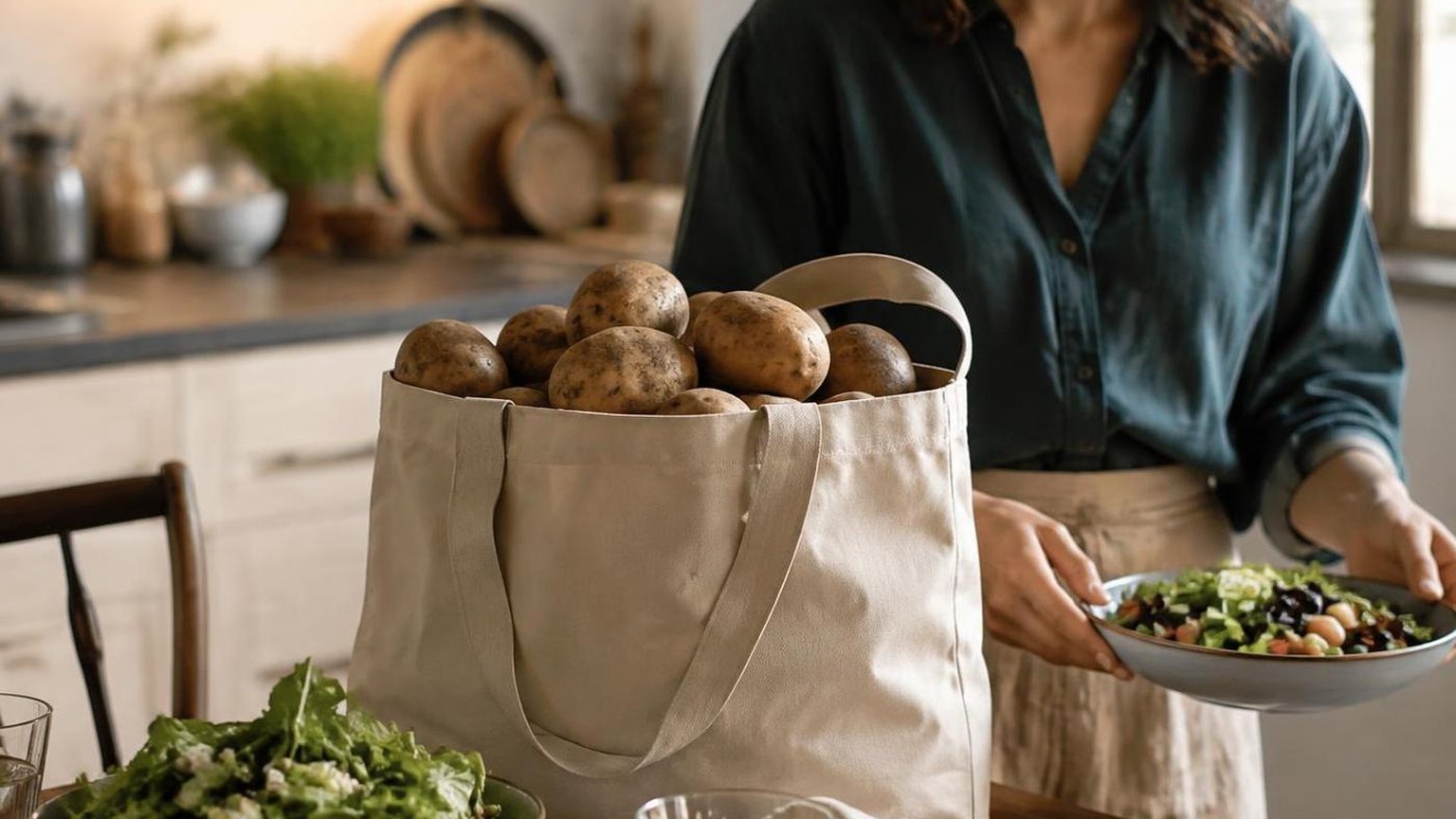
In U.S. measurement, 10 pounds means 10 avoirdupois pounds, the standard pound used for groceries, shipping, and scales.
A key fact: 1 avoirdupois pound equals exactly 453.59237 grams, as defined through the international pound. That makes 10 pounds exactly 4,535.9237 grams, or about 4.54 kilograms.
| Common claim | Accurate fact |
| 10 pounds is “about 5 kilograms” | 10 pounds is about 4.54 kilograms, not 5 kilograms |
| 10 pounds equals 160 ounces | Correct for avoirdupois ounces: 10 × 16 = 160 ounces |
| 10 pounds is the same in every measuring system | Not always; troy pounds and avoirdupois pounds are different |
| A 10-pound object always feels the same | Shape, grip, and weight distribution change how heavy it feels |
Mistake: Confusing Pounds With Kilograms
The most common error is doubling kilograms to estimate pounds. That shortcut is rough, but inaccurate. One kilogram equals about 2.20462 pounds, so 10 pounds is less than 5 kilograms.
| Weight | Exact or close equivalent |
| 10 lb | 4.5359237 kg |
| 10 lb | 160 oz |
| 10 lb | 4,535.9237 g |
Myth: Ten Pounds of Fat Looks Like Ten Pounds of Muscle
On a scale, 10 pounds is always 10 pounds. Visually, it can look very different. Fat tissue is less dense than muscle tissue, so 10 pounds of fat generally takes up more space than 10 pounds of lean muscle.
Mistake: Treating “10 Pounds” as a Small Amount in Every Context
Ten pounds may be minor for a barbell but significant for luggage, pets, or food storage. Many U.S. airlines set checked-bag limits at 50 pounds, so 10 pounds is 20% of that allowance.
- In groceries: 10 pounds of potatoes is a large family-size bag.
- In fitness: a 10-pound dumbbell can be light, moderate, or heavy depending on the exercise.
- In shipping: 10 pounds can noticeably affect postage or carrier pricing tiers.
- In body weight: losing 10 pounds equals about 3.3% of a 300-pound body weight, but 6.7% of a 150-pound body weight.
Myth: A Bathroom Scale Always Shows True 10 Pounds
Home scales can vary due to flooring, calibration, battery level, and placement. For better accuracy, place the scale on a hard, level surface and weigh the same object multiple times.
Frequently Asked Questions
How many kilograms is 10 pounds?
10 pounds is 4.5359237 kilograms, usually rounded to 4.54 kg. For quick mental math, divide pounds by 2.2, which gives about 4.5 kg.
How many ounces are in 10 pounds?
10 pounds equals 160 ounces because 1 pound contains exactly 16 ounces. This is a weight conversion used in U.S. customary measurement, not the same as fluid ounces used for volume.
How heavy does 10 pounds feel?
10 pounds feels similar to a large bag of potatoes, a medium bowling ball, or about five standard 2-pound bags of flour. It is light enough for most adults to lift with one hand, but heavy enough to feel noticeable if carried for several minutes.
How much is 10 pounds in grams?
10 pounds equals 4,535.9237 grams, commonly rounded to 4,536 grams. This comes from the exact conversion that 1 pound equals 453.59237 grams.
How many calories are in 10 pounds of body weight?
As a rough estimate, 10 pounds of body fat represents about 35,000 calories, based on the common approximation of 3,500 calories per pound.
Real weight change varies because water, glycogen, lean tissue, metabolism, and diet composition affect the number.
Related Reading
- Old Forester 1910 Vs 1920: The Easiest Way to Distinguish
- Four Roses Single Barrel Vs Small Batch: Which Is Best?
- How Many Bottles Of Wine For 100 Guests? Get Answer Now
- How Many Cups Is 14 Oz? Tools-Free Conversion Ways
- Is Fireball Gluten-Free?
- How Much Is A Keg Of Beer?
- How Many Water Bottles Is A Gallon? A Practical, Real-Life Guide Based on Everyday Use
- All Blog Guides
- NIST Guide for the Use of the International System of Units (2008)
- CDC Losing Weight (2024)
- NIH Body Weight Planner (2024)
- FDA Calories on the Nutrition Facts Label (2022)
- USDA FoodData Central (2019)
- Hall et al., Quantification of the Effect of Energy Imbalance on Bodyweight (2011)
- National Academies Dietary Reference Intakes for Energy (2005)