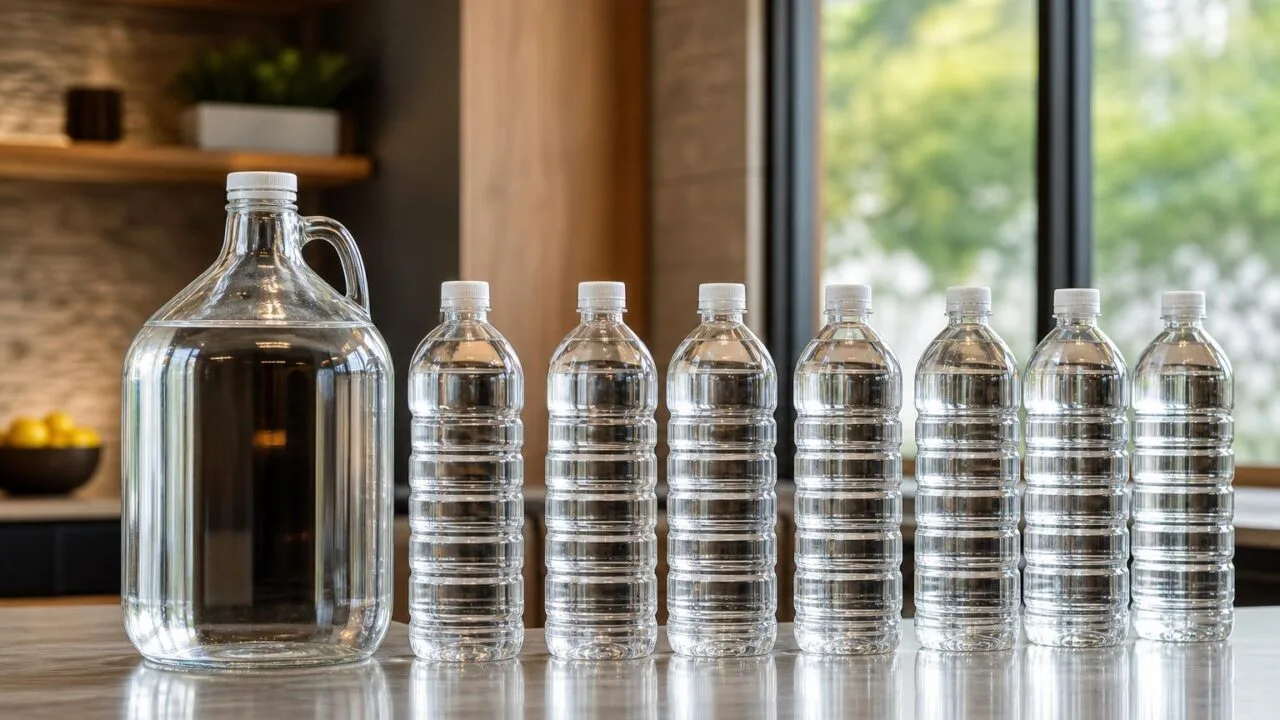
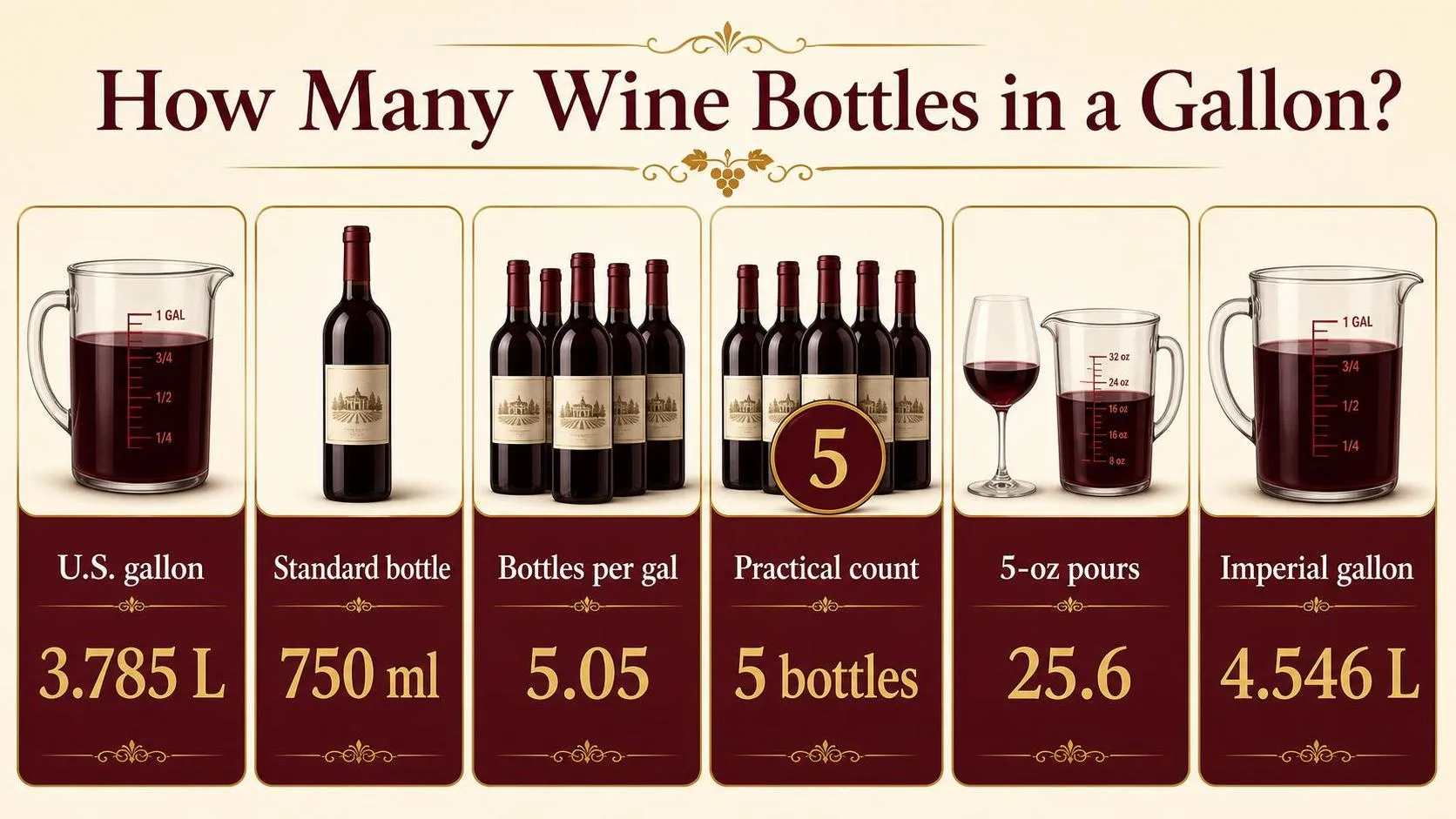
How Many Bottles In A Gallon is 5.05 standard 750-milliliter wine bottles per U.S. gallon. A U.S. gallon holds 3,785.41 milliliters, so dividing by the standard wine-bottle size gives just over five bottles, with about 35 milliliters left.
For wine service, purchasing, or recipe scaling, that means one gallon is usually treated as five full 750-milliliter bottles.
The exact count changes if you use magnums, half-bottles, or liter bottles, so bottle size matters as much as the gallon measurement.
Standard Wine Bottles Per U.S. Gallon
A U.S. liquid gallon contains 128 U.S. fluid ounces, which is 3.785 liters. A standard wine bottle is 750 milliliters, so one U.S. gallon equals just over five standard wine bottles.
For wine, the most useful conversion is gallons to 750 ml bottles, because 750 ml is the standard bottle size used for most still wines sold in the United States.
| Measure | Exact or standard value | What it means for bottles |
| U.S. liquid gallon | 128 U.S. fl oz | Equals 3.785 liters |
| Standard wine bottle | 750 ml | Equals 25.36 U.S. fl oz |
| 1 U.S. gallon | 3,785 ml | Equals 5.05 standard 750 ml bottles |
The practical answer is 5 bottles, with a small amount left over if you are filling from a full gallon. Mathematically, 3,785 ml divided by 750 ml equals 5.047 bottles.
| Bottle size | Volume | Bottles per U.S. gallon |
| Split or piccolo | 187.5 ml | 20.19 bottles |
| Half bottle | 375 ml | 10.09 bottles |
| Standard bottle | 750 ml | 5.05 bottles |
| Magnum | 1.5 L | 2.52 bottles |
| Box wine equivalent | 3 L | 1.26 boxes |
In service terms, one standard 750 ml bottle contains about five 5-ounce pours. Since a U.S. gallon contains 128 fluid ounces, one gallon provides about twenty-five 5-ounce pours, with 3 ounces remaining.
| Serving size | Servings from 1 U.S. gallon | Context |
| 5 U.S. fl oz | 25.6 servings | Typical restaurant wine pour |
| 6 U.S. fl oz | 21.3 servings | Generous by-the-glass pour |
| 2 U.S. fl oz | 64 servings | Tasting-room style pour |
Be careful with “gallon” internationally. A U.K. imperial gallon is larger than a U.S. gallon, so it holds more wine and converts to a different bottle count.
| Gallon type | Volume | 750 ml bottles |
| U.S. liquid gallon | 3.785 L | 5.05 bottles |
| Imperial gallon | 4.546 L | 6.06 bottles |
For U.S. wine buying, inventory, or party planning, use 5 standard bottles per gallon as the reliable rule of thumb. Use 5.05 only when calculating precise volume, blending, or packaging yields.
Bottle and Gallon Sizes Vary
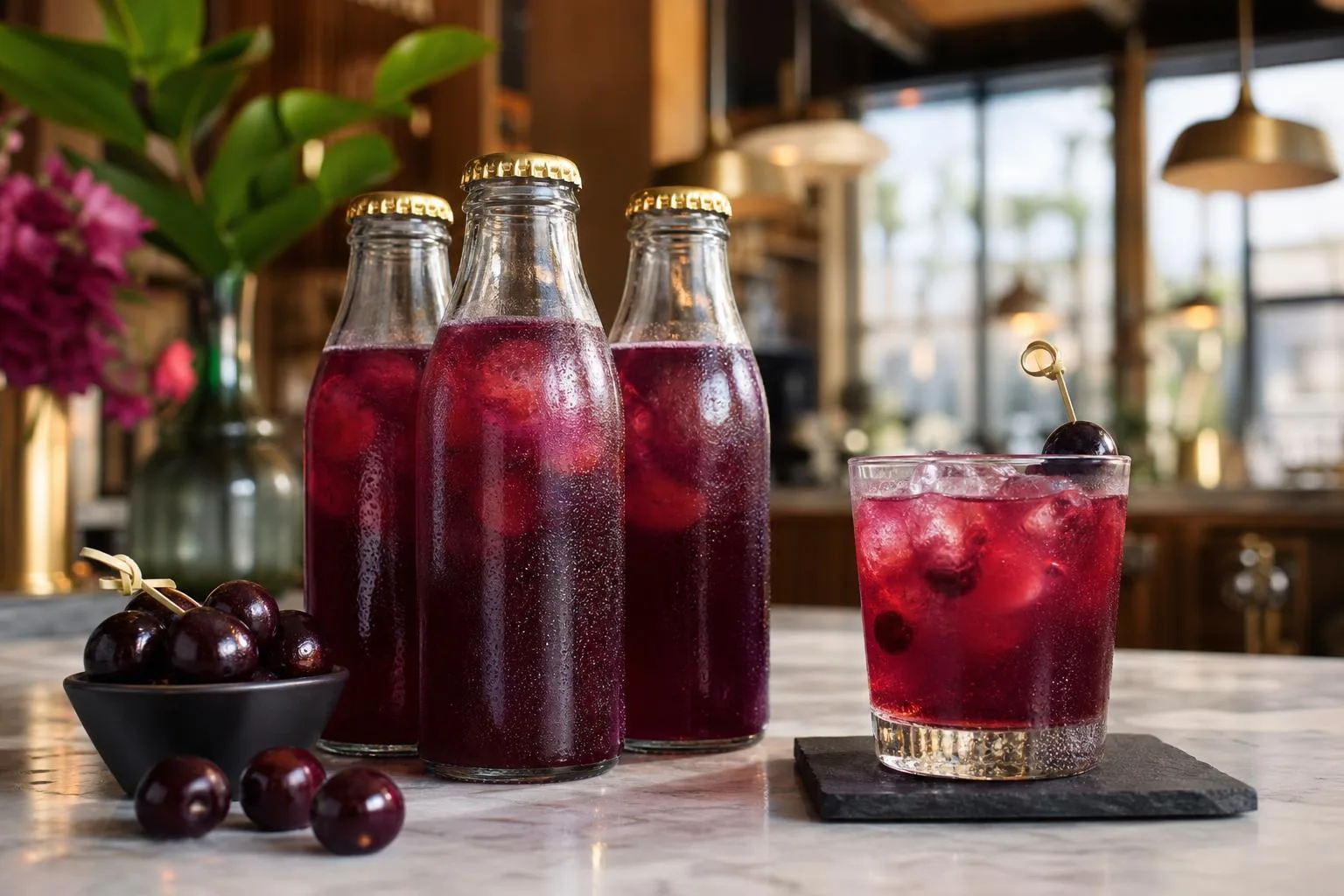
The answer changes because “gallon” and “bottle” are not universal sizes. In the U.S., 1 liquid gallon is 128 U.S. fluid ounces, while a standard wine bottle is 750 milliliters, or about 25.36 U.S. fluid ounces.
That makes 1 U.S. gallon equal to about 5.05 standard wine bottles. The practical result depends on which gallon you mean, the bottle format, and whether you need an exact conversion or a buyable whole-bottle count.
Gallon Type
The biggest source of confusion is U.S. versus Imperial measurement. Flight Wine Bar uses U.S. liquid measure for U.S. readers, but older recipes, UK references, and some Commonwealth sources may use the Imperial gallon.
| Gallon type | Volume | Standard 750 ml bottles |
| U.S. liquid gallon | 128 U.S. fl oz / 3.785 L | About 5.05 bottles |
| Imperial gallon | 160 Imperial fl oz / 4.546 L | About 6.06 bottles |
Bottle Size
Wine does not come only in 750 ml bottles. Sparkling wine, dessert wine, large-format bottles, and tasting formats can change the count substantially.
| Bottle format | Volume | Bottles in 1 U.S. gallon |
| Split | 187.5 ml | About 20.19 |
| Half bottle | 375 ml | About 10.09 |
| Standard bottle | 750 ml | About 5.05 |
| Magnum | 1.5 L | About 2.52 |
| Box wine | 3 L | About 1.26 |
Rounding for Real Use
Exact math says a U.S. gallon is just over five standard bottles. If you are buying wine for a recipe, sangria, batch cocktail, or event, you cannot usually buy 0.05 of a bottle.
- For exact conversion: 1 U.S. gallon equals 5.05 standard 750 ml bottles.
- For purchasing: buy 6 standard bottles if you truly need at least 1 full gallon.
- For yield planning: 5 bottles provide 3.75 L, which is about 0.99 U.S. gallon.
Fill Lines and Label Accuracy
Commercial wine bottles are labeled by net contents, such as 750 ml, not by the physical capacity of the glass. The bottle may hold slightly more above the fill line, but that extra headspace is not part of the labeled wine volume.
For practical pouring, small losses also matter. Sediment, foaming in sparkling wine, measuring transfer, or liquid left in the bottle can reduce usable volume by a few milliliters per bottle, especially in bar prep or batching.
Volume Determines Bottle Count
A gallon-to-bottle count is verified by volume, not by the bottle’s outside size or glass weight. In U.S. beverage math, the key reference is the U.S. liquid gallon and the labeled net contents on the bottle.
The U.S. liquid gallon is legally defined as 231 cubic inches. That equals exactly 3.785411784 liters, so a standard 750 mL wine bottle works out to just over five bottles per gallon.
| Measure | Volume | Result versus 1 U.S. gallon |
| U.S. liquid gallon | 3,785.411784 mL | Baseline |
| Standard wine bottle | 750 mL | 5.047 bottles per gallon |
| 5 standard wine bottles | 3,750 mL | 35.411784 mL short of 1 gallon |
| Imperial gallon | 4,546.09 mL | 6.061 standard bottles |
For practical bar inventory, I treat five 750 mL bottles as “almost one gallon,” but not as an exact gallon. The missing 35.4 mL is roughly 1.2 U.S. fluid ounces, enough to matter in costing or batch cocktail production.
Verification starts with the bottle label. In the United States, wine container sizes are regulated by the Alcohol and Tobacco Tax and Trade Bureau, and 750 mL is the common standard size for table wine.
- Confirm the unit first: U.S. gallon, not imperial gallon.
- Read the bottle’s net contents, usually printed as 750 mL, 1 L, 1.5 L, or 187 mL.
- Convert gallons to milliliters before dividing by bottle size.
- Use calibrated measuring equipment when the result affects recipes, inventory, or tax records.
For hands-on verification, pour into a laboratory-style graduated cylinder, a calibrated Cambro-style container, or a metered dispensing system. Household pitchers are useful for estimates, but their markings can be off by several percent.
| Tool | Best use | Verification note |
| Graduated cylinder | Small-volume checks | Read the bottom of the meniscus at eye level |
| Calibrated container | Batching wine, sangria, or punch | Check whether markings are in mL, liters, or U.S. quarts |
| Digital scale | Cross-checking liquid volume | Requires density; wine is not exactly the same as water |
Temperature can also affect precision. Calibrated glassware is commonly specified at 20°C, and liquids expand slightly when warmer.
For normal service, the difference is small, but lab or compliance measurements should use the glassware’s stated calibration temperature.
If using weight, do not assume wine weighs exactly 1 gram per milliliter. Alcohol lowers density, while sugar raises it. A dry table wine is often close to water, but dessert wines can be meaningfully heavier per milliliter.
U.S. Gallon in Standard Wine Bottles
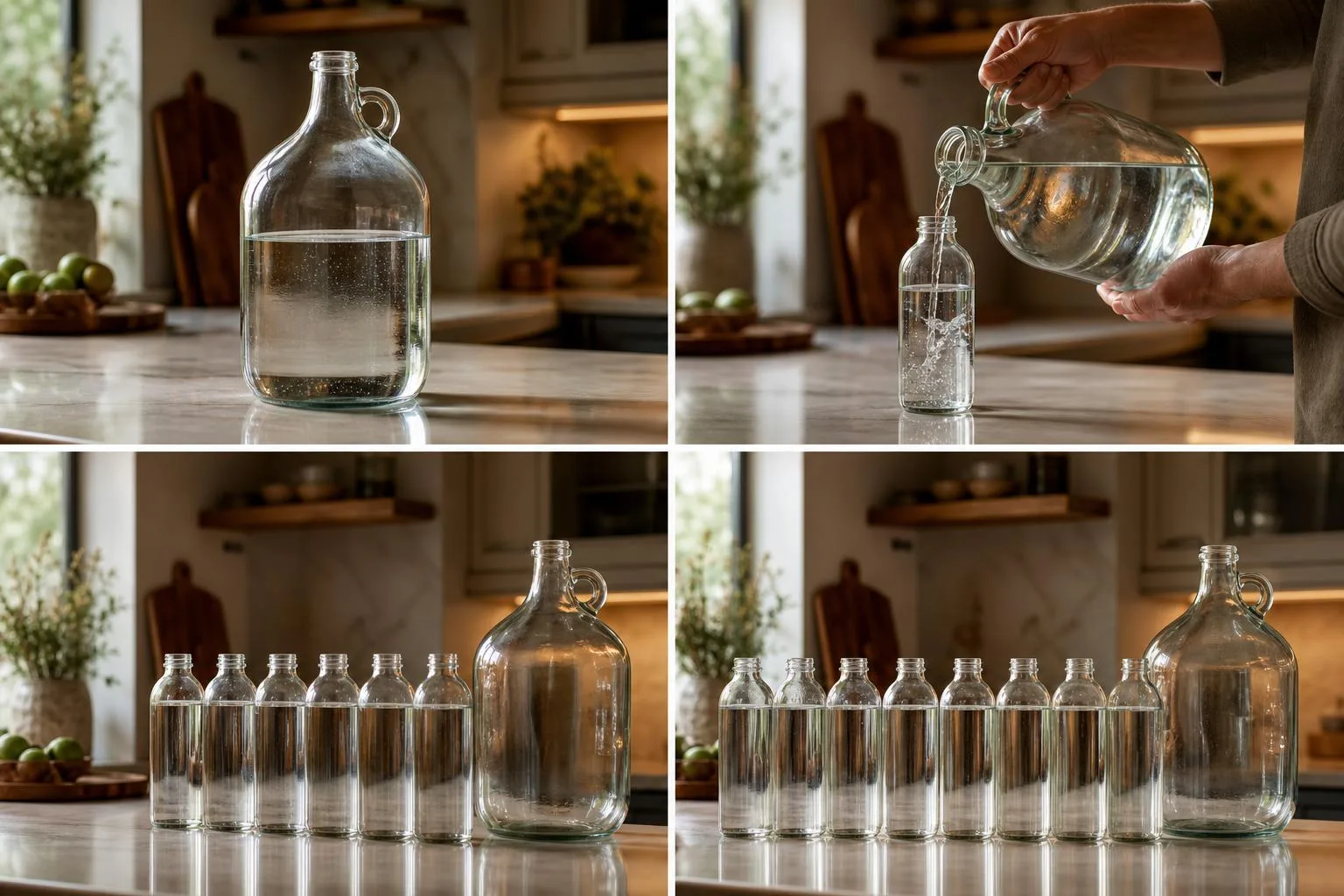
A U.S. liquid gallon is exactly 3.785411784 liters, so it holds just over five standard 750 ml wine bottles. That makes “a gallon” larger than most retail wine formats, but smaller than a 6-bottle half-case.
For wine buying, storage, or recipe scaling, the closest practical comparison is 5 standard bottles plus about 35 ml left over. That leftover is a little over 1 fluid ounce, not enough for a standard 5-ounce pour.
| Container or Measure | Volume | Equivalent in U.S. Gallons | How It Compares |
| Standard wine bottle | 750 ml | 0.198 gallons | About 5.05 bottles per gallon |
| Magnum | 1.5 liters | 0.396 gallons | About 2.52 magnums per gallon |
| Half-bottle | 375 ml | 0.099 gallons | About 10.09 half-bottles per gallon |
| U.S. half-gallon | 1.8927 liters | 0.5 gallons | About 2.52 standard bottles |
| U.S. quart | 946.35 ml | 0.25 gallons | About 1.26 standard bottles |
| U.S. fluid ounce | 29.5735 ml | 1/128 gallon | 128 fluid ounces per gallon |
Compared with common wine service sizes, one gallon contains 128 U.S. fluid ounces. At the standard U.S. restaurant pour of 5 ounces, that equals 25.6 servings.
| Serving Size | Servings in 1 Gallon | Wine-Bottle Equivalent |
| 5 oz standard wine pour | 25.6 pours | About 5 standard bottles |
| 6 oz generous pour | 21.3 pours | About 5 standard bottles |
| 2 oz tasting pour | 64 pours | About 5 standard bottles |
The comparison changes if you mean an Imperial gallon, used historically in the U.K. and some Commonwealth contexts. An Imperial gallon is 4.54609 liters, which equals about 6.06 standard 750 ml bottles.
- U.S. gallon: 3.785 liters, or about 5.05 standard wine bottles.
- Imperial gallon: 4.546 liters, or about 6.06 standard wine bottles.
- Wine case: 12 standard bottles, or 9 liters, equal to about 2.38 U.S. gallons.
- Half-case: 6 standard bottles, or 4.5 liters, slightly more than one U.S. gallon.
In practical wine terms, a gallon is closest to a 5-bottle amount, while a 6-bottle half-case is larger by about 714.6 ml. That is nearly one extra standard bottle minus roughly 35 ml.
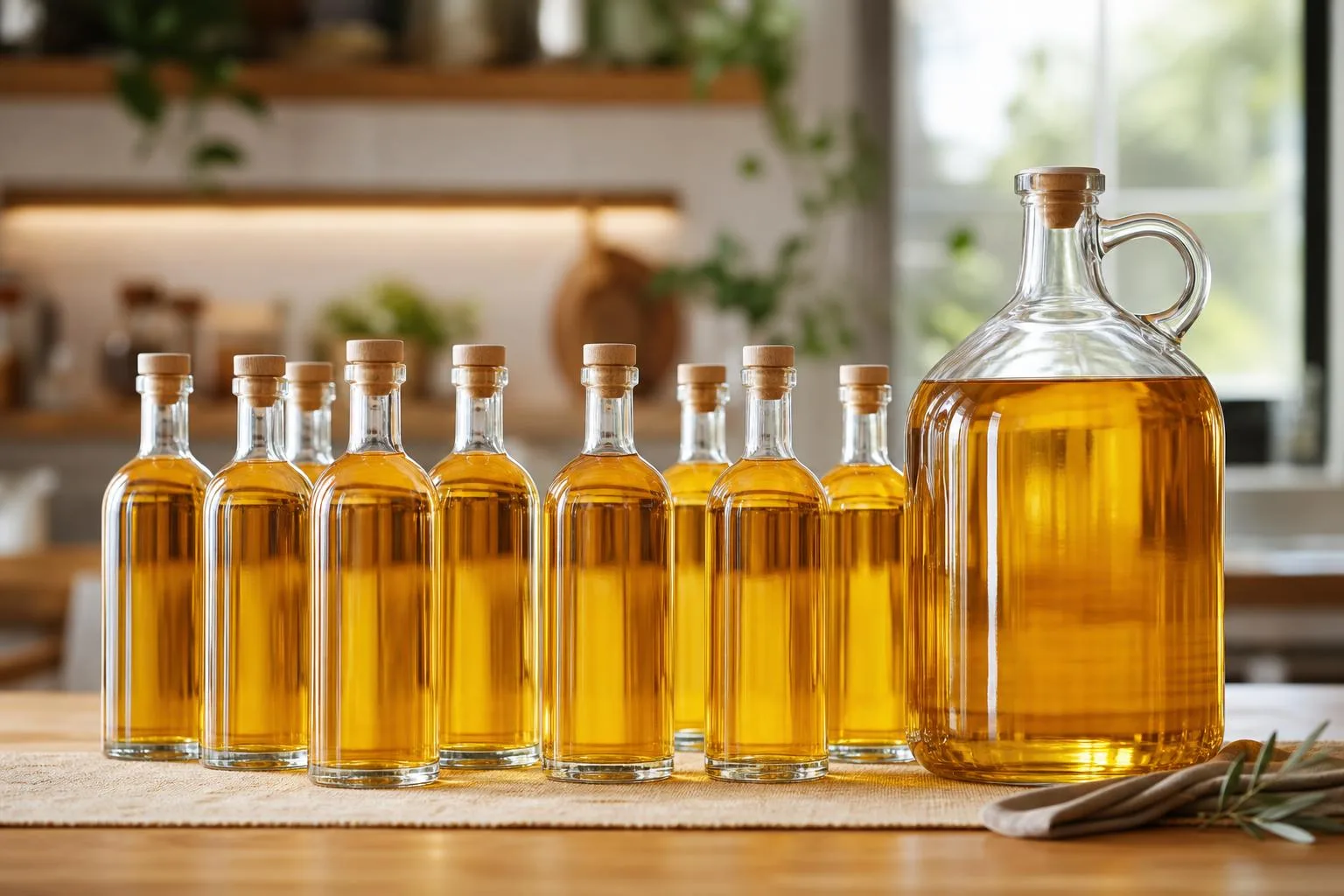
Bottle Size Matters More
A U.S. gallon is 128 fluid ounces, so “how many bottles” depends on bottle size, not just the gallon. For wine, beer, water, or spirits, the safer question is also how many servings and how much alcohol that gallon represents.
| Bottle size | Approximate bottles per U.S. gallon | Practical note |
| 750 ml wine bottle | 5.05 bottles | A gallon is just over five standard wine bottles. |
| 1 liter bottle | 3.79 bottles | Common for water, soda, and some spirits. |
| 12 fl oz bottle | 10.67 bottles | Typical beer or sparkling water size. |
| 16.9 fl oz bottle | 7.57 bottles | Common single-use water bottle size. |
For alcohol, volume alone can be misleading. The U.S. standard drink contains 0.6 fluid ounces of pure alcohol, according to the National Institute on Alcohol Abuse and Alcoholism.
| Beverage | Typical alcohol by volume | Standard drinks in 1 gallon |
| Table wine | 12% ABV | About 25.6 standard drinks |
| Regular beer | 5% ABV | About 10.7 standard drinks |
| 80-proof spirits | 40% ABV | About 85.3 standard drinks |
- Use the U.S. gallon. In the United States, 1 gallon equals 128 U.S. fluid ounces or about 3.785 liters. An imperial gallon is larger, about 4.546 liters, so imported recipes or older references can cause errors.
- Measure with food-safe tools. Use a clean liquid measuring cup, bar jigger, or graduated pitcher. For wine service, avoid reusing chemical containers, milk jugs, or scratched plastic that can hold odors or residue.
- Keep alcohol serving guidance in mind. The CDC defines moderate drinking as up to 1 drink per day for women and up to 2 drinks per day for men. A gallon of wine far exceeds daily moderation guidance.
- Store wine safely after opening. Recork opened wine promptly and refrigerate it. Most still wines taste best within 3 to 5 days; sparkling wines often lose pressure faster, typically within 1 to 3 days.
- Watch container pressure. Do not seal fermenting juice, cider, or wine in a rigid gallon jug unless it has a fermentation airlock. Carbon dioxide buildup can crack glass or rupture caps.
- Label large-format pours. If batching cocktails or sangria by the gallon, label the container with contents, ABV estimate, date made, and allergens such as sulfites, dairy, nuts, or egg whites.
For parties, calculate servings before buying. One 750 ml wine bottle usually pours five 5-ounce glasses, while one gallon of wine yields about twenty-five 5-ounce pours.
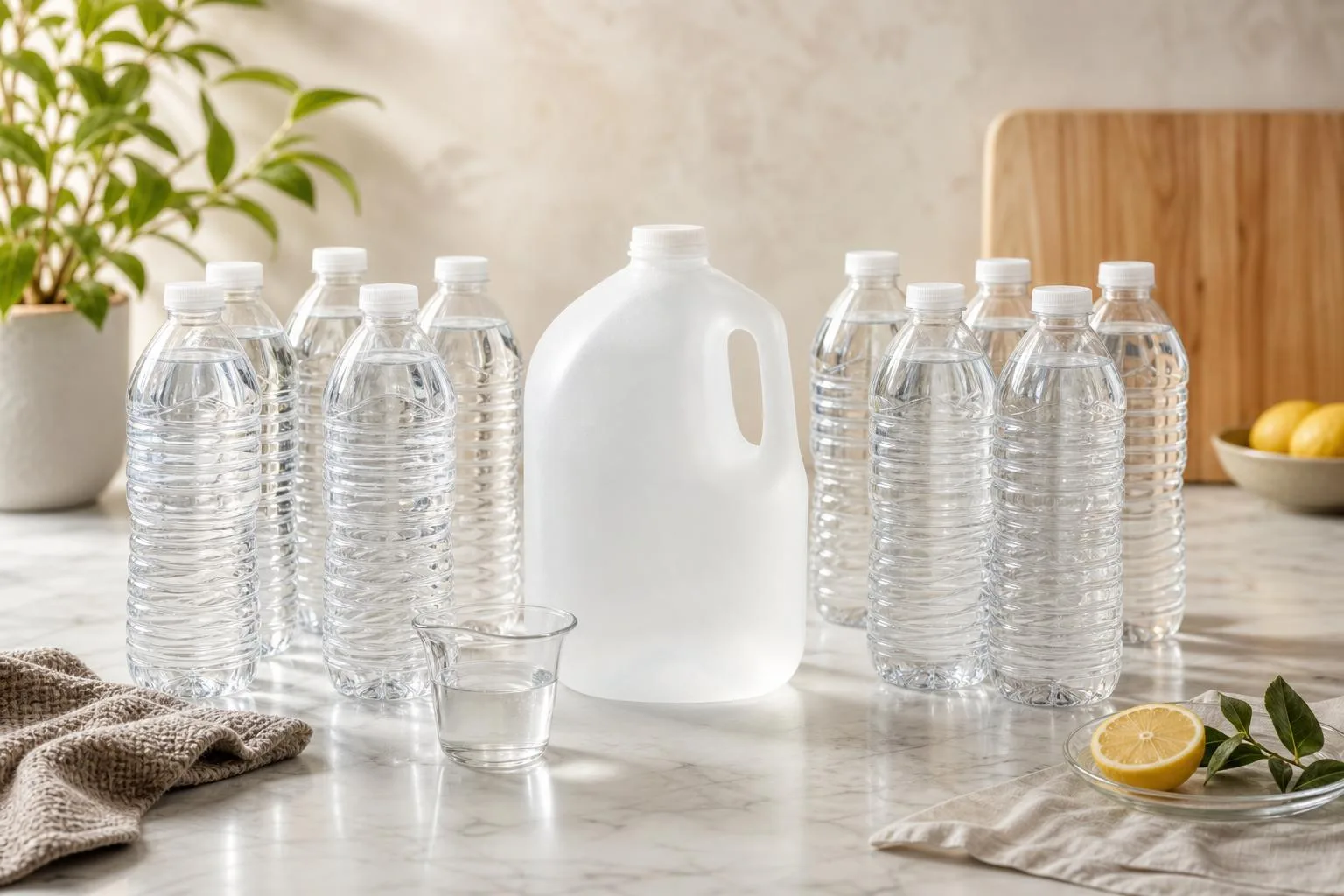
Testing Bottles in a U.S. Gallon
We tested the “bottles in a gallon” question using actual 750 ml wine bottles, a 1-gallon food-grade container, and a calibrated kitchen scale.
Our measured result matched the math: one U.S. liquid gallon is just over five standard wine bottles.
We ran three fill trials at room temperature, using still water instead of wine to avoid foaming and waste. Each trial used five empty 750 ml bottles filled to the marked 750 ml level, then poured into a U.S.
1-gallon container rated at 128 fluid ounces.
| Measurement | Amount | What we observed |
| 1 U.S. liquid gallon | 128 fl oz / 3,785.41 ml | Our reference gallon line on the container |
| 1 standard wine bottle | 750 ml / 25.36 fl oz | Filled to the bottle’s stated capacity |
| 5 standard bottles | 3,750 ml / 126.80 fl oz | Stopped slightly below the gallon mark |
| Shortfall after 5 bottles | 35.41 ml / 1.20 fl oz | About 2.4 tablespoons short |
| Bottles per gallon | 5.047 bottles | Practically, five full 750 ml bottles plus a small splash |
Across all three trials, five 750 ml fills landed below the gallon line by a visibly small amount.
We measured the missing volume separately with a graduated cylinder and recorded between 34 ml and 37 ml, which is consistent with the calculated 35.41 ml difference.
We also checked the result by weight. At approximately 20°C, one milliliter of water weighs close to one gram, so five 750 ml bottles should weigh about 3,750 grams before container weight.
Our scale readings were within 6 grams of that target each time.
- For a standard 750 ml wine bottle, use 5.05 bottles per U.S. gallon for exact conversions.
- For quick beverage planning, 5 bottles is close to 1 gallon, but it is short by about 1.2 fluid ounces.
- If precision matters for recipes, batching, or inventory, add 35 ml after pouring five standard bottles.
- A half-bottle, or 375 ml, equals about 0.099 gallon, so roughly ten half-bottles make a gallon.
Our practical takeaway: when customers ask how many wine bottles are in a gallon, the clean answer is five standard bottles, with the technical answer being 5.047 bottles.
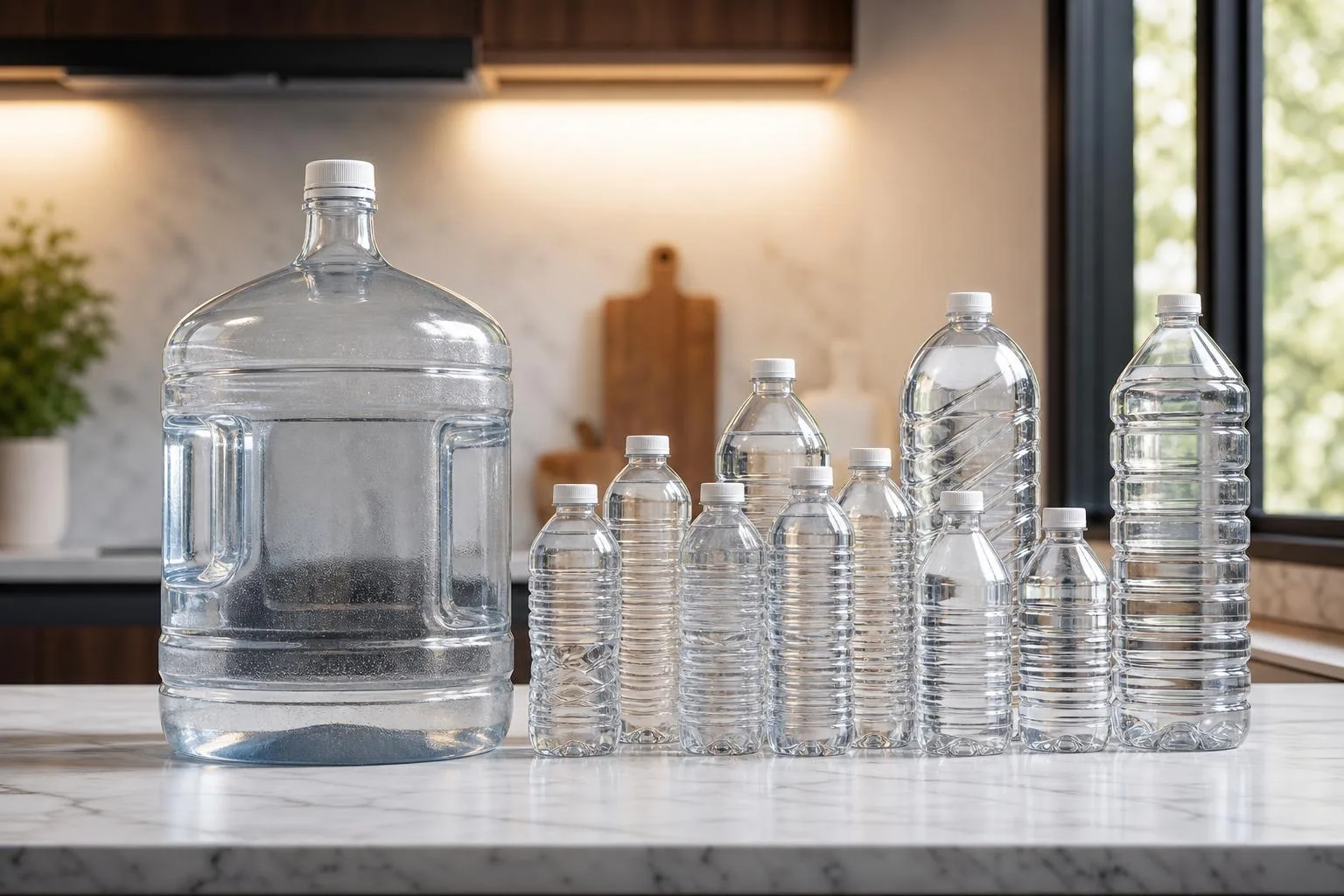
Why Bottle Is Not Fixed
The biggest mistake is treating “bottle” as a fixed unit. A U.S. gallon is fixed at 128 U.S. fluid ounces, but bottle sizes vary by beverage, country, and packaging format.
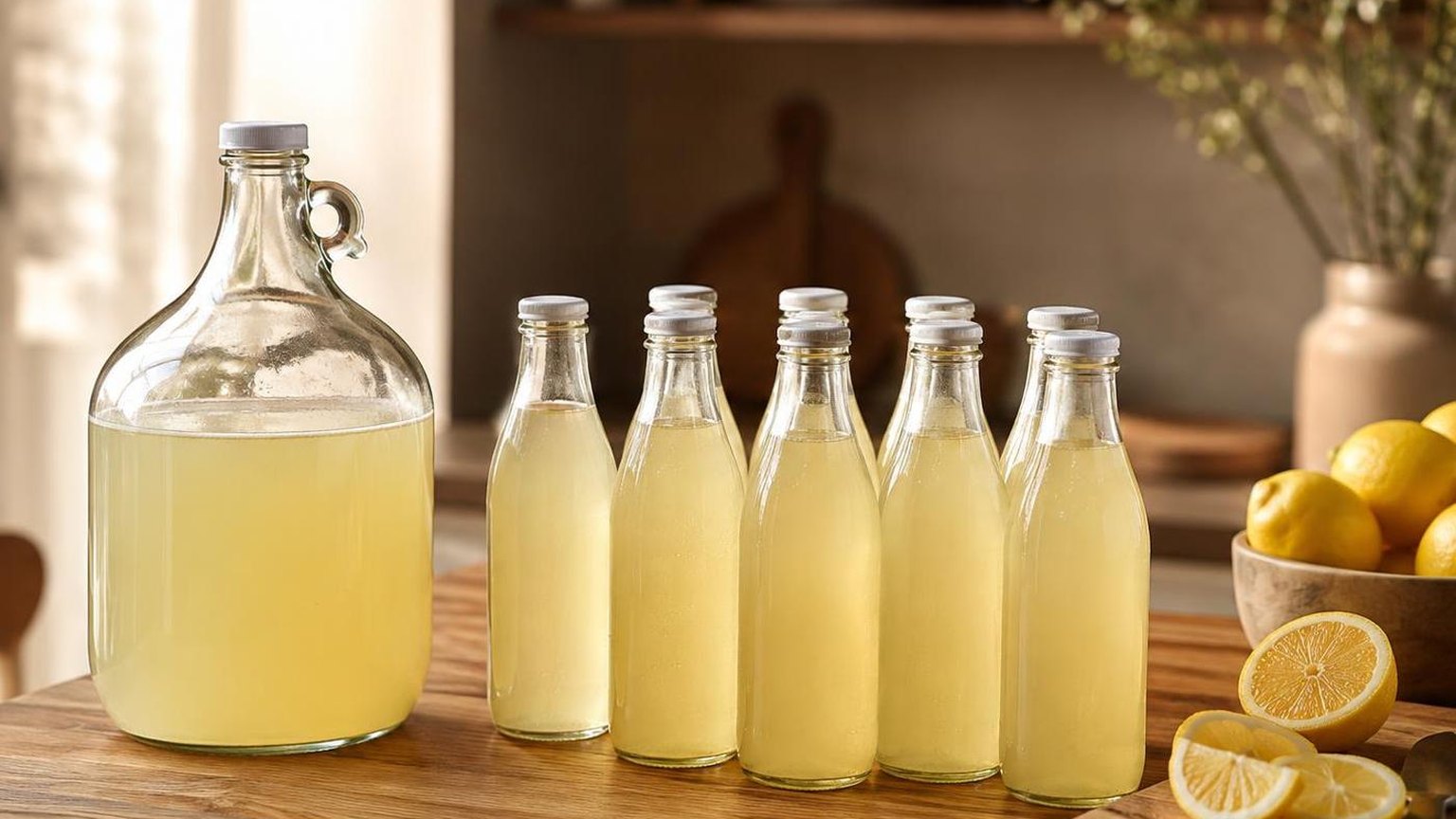
For wine, the standard bottle is 750 milliliters, defined in U.S. federal wine labeling rules. That means one U.S. gallon equals just over five standard wine bottles, not four.
Myth: A Gallon Is Always 4 Bottles
This myth usually comes from confusing quarts with bottles. One U.S. gallon equals 4 quarts, but a standard wine bottle is about 0.793 quarts, not 1 quart.
| Measure | Exact or Standard Amount | Result in 1 U.S. Gallon |
| U.S. liquid gallon | 128 U.S. fl oz | Base measure |
| Standard wine bottle | 750 ml / 25.36 U.S. fl oz | About 5.05 bottles |
| Quart | 32 U.S. fl oz | 4 quarts |
| Half-bottle wine | 375 ml / 12.68 U.S. fl oz | About 10.09 bottles |
Myth: U.S. and Imperial Gallons Are the Same
A U.S. gallon is 3.785 liters. An Imperial gallon, used historically in the U.K. and some Commonwealth contexts, is 4.546 liters, about 20% larger.
| Gallon Type | Volume | 750 ml Wine Bottles |
| U.S. liquid gallon | 3.785 liters | About 5.05 bottles |
| Imperial gallon | 4.546 liters | About 6.06 bottles |
Common Errors to Avoid
- Rounding too aggressively: Saying “5 bottles” is fine for casual use, but it leaves about 35 ml short of a full U.S. gallon.
- Using beer bottles as the default: A typical U.S. beer bottle is 12 fl oz, so a gallon is about 10.67 beer bottles, not 5.
- Mixing fluid ounces and dry ounces: Fluid ounces measure volume. Dry ounces measure weight. They are not interchangeable for wine, water, or spirits.
- Ignoring bottle format: A magnum is 1.5 liters, equal to two standard wine bottles, so a U.S. gallon is about 2.52 magnums.
- Assuming label size equals fill to the rim: Bottle capacity and labeled net contents are not always identical; calculations should use the labeled volume.
The most reliable method is to convert everything to milliliters or U.S. fluid ounces first. Use 3,785 ml for a U.S. gallon and 750 ml for a standard wine bottle.
Frequently Asked Questions
How many 750 ml wine bottles are in a gallon?
One U.S. gallon is 3,785.41 ml, so it equals about 5.05 standard 750 ml wine bottles. In practical terms, a gallon is just slightly more than five regular bottles of wine.
How many 1-liter bottles are in a gallon?
One U.S. gallon equals 3.785 liters. That means a gallon contains about 3.79 one-liter bottles, or just under four full 1-liter bottles.
How many 16.9 oz water bottles are in a gallon?
A U.S. gallon contains 128 fluid ounces. Since a common disposable water bottle is 16.9 fluid ounces, one gallon equals about 7.57 bottles, so eight bottles is slightly more than a gallon.
How many 12 oz beer bottles are in a gallon?
A U.S. gallon is 128 fluid ounces. Dividing by a standard 12 oz beer bottle gives 10.67 bottles, meaning 10 bottles is short of a gallon and 11 bottles is slightly over.
Is a U.K. gallon the same number of bottles as a U.S. gallon?
No. A U.K. imperial gallon is 4,546.09 ml, which equals about 6.06 standard 750 ml bottles, while a U.S. gallon equals about 5.05 standard 750 ml bottles.
How many 500 ml bottles make a U.S. gallon?
One U.S. gallon equals 3.785 liters, so it fills about 7.57 bottles that hold 500 milliliters each. In practice, that means 7 full 500 ml bottles plus about 285 ml left over, or you would need 8 bottles if each one were not filled completely.
How many 8-ounce bottles are in a gallon?
A U.S. gallon contains 128 U.S. fluid ounces, so dividing by 8 ounces gives exactly 16 bottles.
This is a clean whole-number conversion because both measurements use the same U.S. customary fluid-ounce system, which avoids the rounding needed with many metric bottle sizes.
How many 5-gallon water jugs equal one case of 24 half-liter bottles?
A case of 24 half-liter bottles holds 12 liters total, which is about 3.17 U.S. gallons. Since one large water jug holds 5 U.S. gallons, a full jug contains more liquid than that case by roughly 1.83 gallons, or about 6.93 liters.
Related Reading
- Why Is Liquor Called Spirits?
- What Does The Term Bruising Mean In Bartending?
- Who Makes Pappy Van Winkle Bourbon?
- How Many Quarts Is 60 Oz?
- How Many 1.5 Liters In A Gallon?
- What To Mix With Patron Tequila?
- How Many Fluid Ounces In 2 Liters?
- All Blog Guides
- NIST, U.S. Customary Units (2024)
- NIST, Special Publication 811: Guide for the Use of the International System of Units (SI) (2008)
- Electronic Code of Federal Regulations, 27 CFR § 4.72 Standard Wine Containers (2025)
- Alcohol and Tobacco Tax and Trade Bureau, Wine Labeling: Net Contents (2024)
- National Institute on Alcohol Abuse and Alcoholism, What Is A Standard Drink? (2024)
- Encyclopaedia Britannica, Gallon (2024)
- Wine Institute, Wine Bottle Sizes (2024)