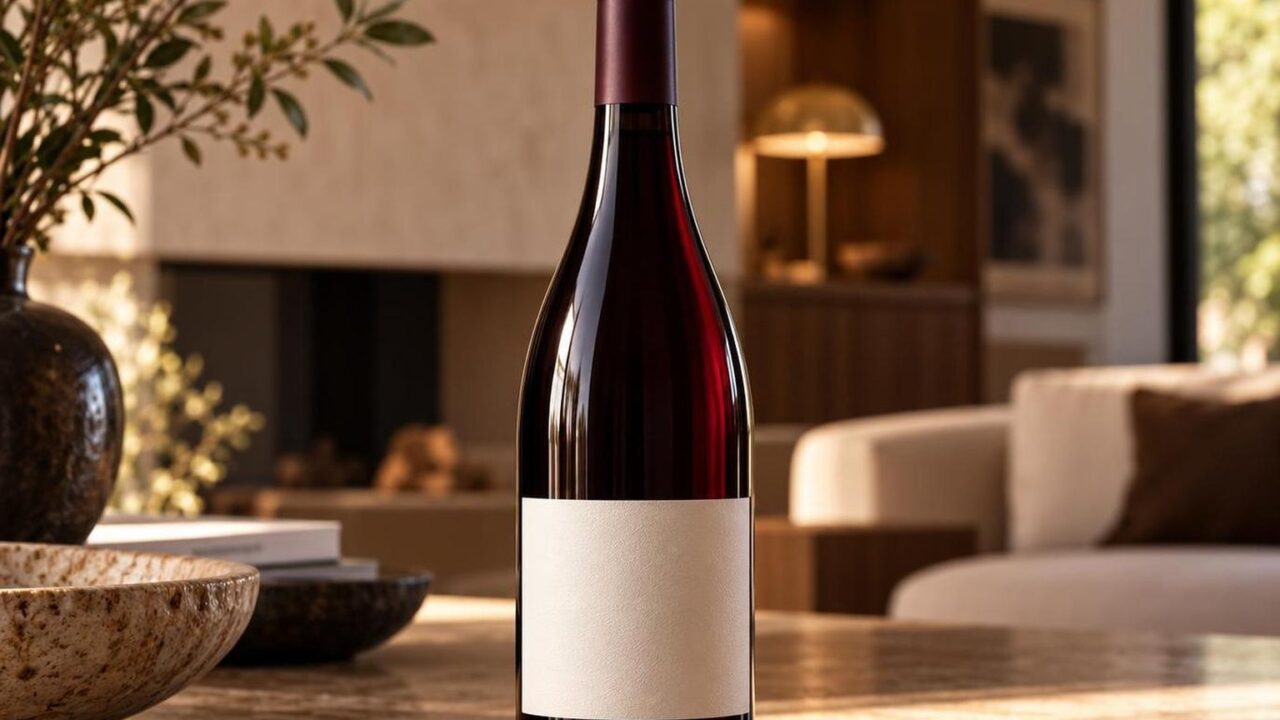
Black bottles of wine and why winemakers use them are tied to light protection, shelf presentation, and tradition: dark glass helps limit ultraviolet exposure that can damage aroma, color, and flavor compounds in wine.
Winemakers choose black or very dark green bottles for age-worthy reds, sparkling wines, and premium cuvées because the glass signals seriousness while reducing light strike during storage, shipping, and retail display.
The bottle also hides sediment and reinforces a consistent brand identity on crowded shelves.
Why Wineries Use Black Bottles
Black wine bottles are used for two measurable reasons: they block light and they change shelf presentation. The first matters for wine stability. The second matters for branding, price signaling, and how quickly a bottle stands out in retail.
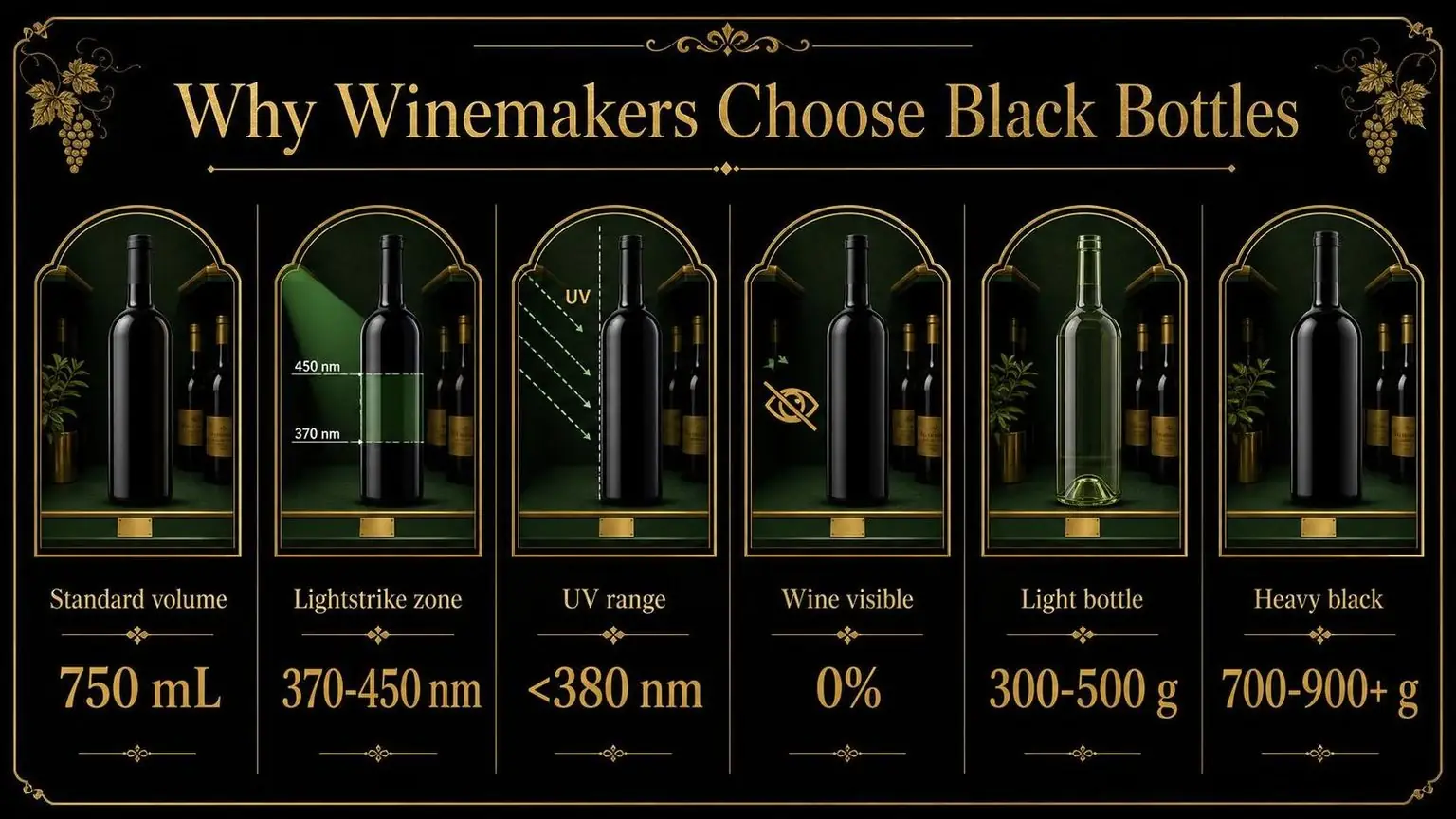
The most important number is the bottle’s capacity. Standard wine bottles hold 750 mL, so the glass color does not change fill volume. What changes is how much light reaches the wine after bottling.
| Number | What it means | Why it matters |
| 750 mL | Standard bottle size for still wine | Lets producers compare packaging choices without changing volume |
| 370-450 nm | Light range strongly linked to “lightstruck” aromas in wine | Darker, more opaque bottles reduce exposure in this zone |
| Below 380 nm | Ultraviolet range | UV accelerates oxidation and aroma damage; black glass is highly protective |
| 0% | Visible view of the wine through an opaque black bottle | Consumers cannot inspect color, sediment, or clarity before purchase |
Light damage is not theoretical. Riboflavin in wine is photosensitive, and exposure to blue and near-UV light can trigger sulfur-like “wet wool” or cabbage notes.
This is why light-sensitive wines, especially sparkling and delicate whites, often get darker packaging.
Black bottles push that protection further than standard green glass. Green glass reduces some light transmission. An opaque black bottle reduces it far more, especially in the UV and blue wavelengths most associated with lightstrike.
Weight is the next number buyers notice, even if they do not read it. Empty 750 mL wine bottles commonly range from about 300 g to more than 900 g.
Many black bottles are made in heavier formats, which adds perceived luxury but also increases freight weight.
| Packaging factor | Lighter bottle | Heavy black bottle |
| Typical empty weight | About 300-500 g | Often 700-900+ g |
| Light protection | Moderate to high, depending on color | Very high if fully opaque |
| Consumer can see wine color | Sometimes | No |
| Shipping impact | Lower | Higher |
- Protection: Black glass is chosen when preserving aroma matters more than showing the wine’s color.
- Presentation: Producers use black bottles to signal rarity, reserve status, or luxury pricing.
- Trade-off: Better light protection comes with less visual transparency and usually more packaging weight.
Black Bottles Do Not Improve Wine
Black wine bottles do not improve wine by themselves. The result depends on how much light they block, how the wine reacts to light, and how the bottle is stored after filling.
For winemakers, bottle color is one part of a larger protection system. Closure choice, fill level, sulfur dioxide, storage temperature, and time on shelf often matter as much as the glass.
Light exposure is the main variable
Dark glass reduces the wavelengths that trigger chemical damage. This matters most under retail lights, restaurant back bars, and daylight, where bottles can sit exposed for weeks or months.
Ultraviolet light below 380 nanometers and short visible wavelengths around 400 to 520 nanometers can accelerate oxidation-like aromas and, in some wines, “lightstruck” notes.
Clear flint glass offers the least protection; amber offers the most.
| Glass color | Typical light protection result |
| Clear flint | Highest transmission of UV and blue light; poorest protection |
| Green | Moderate reduction of damaging wavelengths; common for many whites and reds |
| Extra-dark green or black | Very low transmission in UV and much of visible short-wave light; strongest protection in display conditions |
| Amber | Best overall light barrier; widely used for beer more than still wine |
Wine style changes how much protection is needed
Aromatic whites and rosés are usually more vulnerable than tannic reds. Riboflavin and amino-acid reactions are a known risk in delicate wines, especially sparkling wines and low-tannin whites.
Red wines have natural light buffering from phenolics and anthocyanins, but they are not immune. Fruit loss, browning, and cooked or stale notes can still develop with prolonged exposure.
- High-aroma whites: greatest benefit from very dark bottles.
- Rosé and sparkling: high display risk, especially in bright retail cases.
- Structured reds: lower short-term risk, but still benefit during long shelf life.
Storage and packaging still decide the outcome
Temperature speeds most degradation reactions. A bottle stored at 75°F ages faster than one held near 55°F, even if both use black glass.
Closure oxygen ingress also matters. Natural cork, technical cork, and screw caps admit different amounts of oxygen over time, affecting freshness, sulfur retention, and color stability more than bottle color alone in dark storage.
| Factor | Why it affects the result |
| Hours under light | More exposure means more photochemical damage |
| Glass darkness | Darker glass blocks more harmful wavelengths |
| Wine chemistry | Low-tannin, aromatic wines show faults sooner |
| Storage temperature | Higher heat accelerates aging reactions |
| Closure type | Controls oxygen entry during months or years in bottle |
Black bottles work best when the wine is light-sensitive and likely to face strong display lighting. In a cool, dark cellar, the difference between black and dark green glass is usually smaller.
How Black Bottles Are Tested
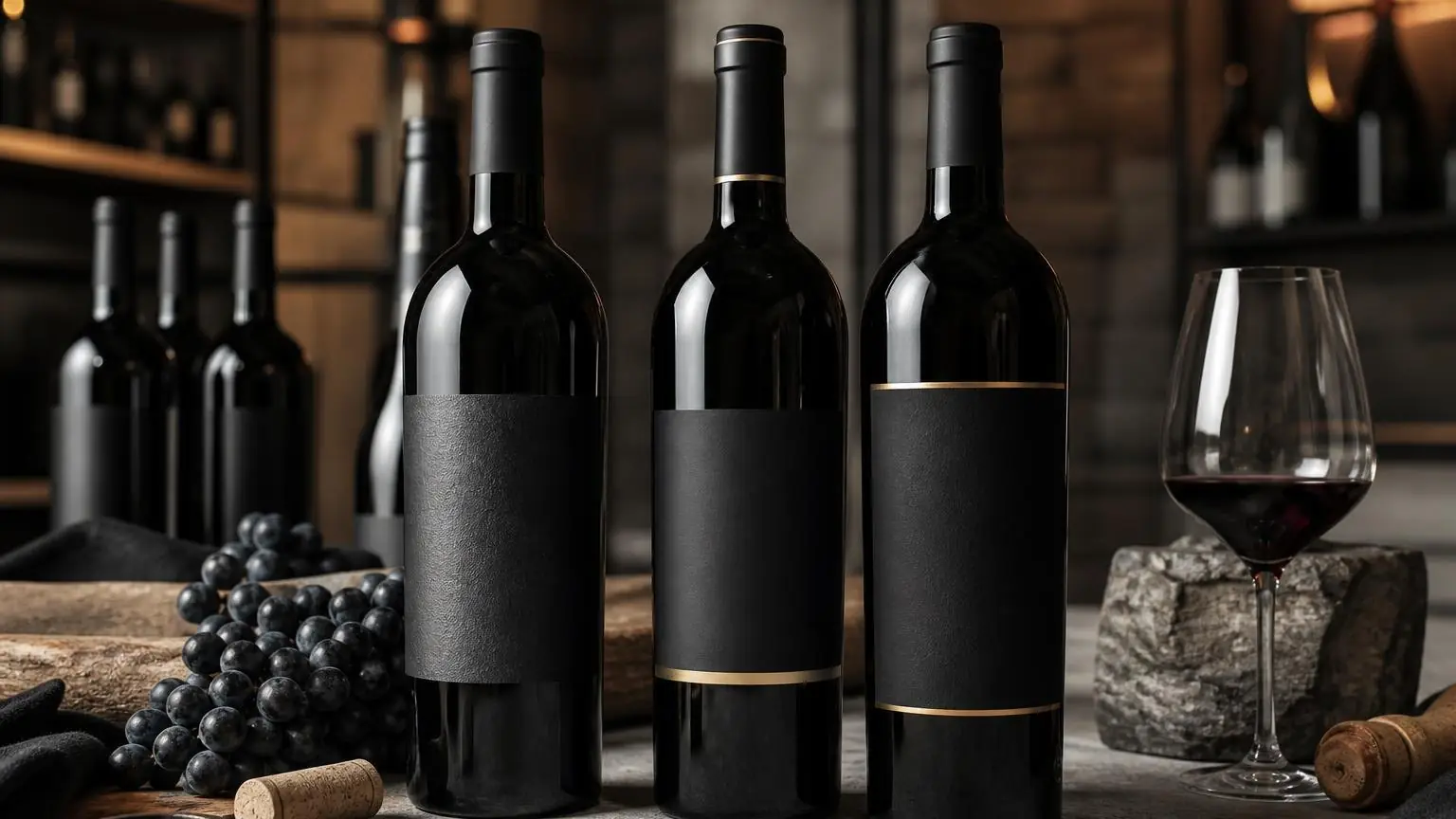
Black wine bottles are verified by measuring how much light the glass blocks, not by judging color with the eye.
Wineries and glass suppliers use instrument data, then confirm performance with bottle-thickness checks and light-exposure trials on finished wine.
The first test is spectral transmittance. A UV-Vis spectrophotometer sends light through a glass sample and records the percentage transmitted at each wavelength, usually across about 280 to 700 nanometers.
That matters because ultraviolet and blue light accelerate oxidation and, in some wines, light-struck aromas. Riboflavin is especially reactive in roughly the 370 to 450 nanometer range, where dark glass provides meaningful protection.
| Glass type | Typical visible appearance | Approx. transmission at 350 nm | Approx. transmission at 450 nm |
| Flint | Clear | 50-90% | 80-90% |
| Amber | Brown | Less than 10% | 20-40% |
| Extra-dark green or “black” wine glass | Near-black in bulk form | Usually less than 10% | Often 10-30% |
Values vary with formulation and wall thickness. Wine bottles are rarely true opaque black glass. Most are very dark green or olive compositions that look black when the glass mass is thick enough.
Thickness is verified separately because protection changes with section weight. A bottle body around 3 to 5 millimeters thick can block far more light than a thin laboratory coupon made from the same melt.
Factories check color consistency with colorimetry, often using CIE L*a*b* coordinates, and verify bottle mass and wall distribution with automated inspection.
Those checks matter because uneven glass can change both protection and mechanical strength.
Winemakers then validate the bottle with product testing.
A common protocol exposes bottled wine to daylight simulators or fluorescent light for set periods, then compares aroma, free sulfur dioxide, dissolved oxygen, and color change against protected controls.
When light-strike risk is a concern, labs also measure sulfur compounds such as methanethiol and dimethyl disulfide by gas chromatography-mass spectrometry.
Sensory panels are used too, because a technically small chemical change can still be easy to smell.
- Measure UV and visible transmission across 280-700 nm.
- Confirm actual bottle thickness and color consistency.
- Run exposure trials on the finished wine, not glass alone.
- Verify results with chemistry and trained sensory assessment.
If a dark bottle cuts short-wavelength transmission and the wine retains aroma after exposure, the protection claim is verified. That is why black bottles are a packaging choice first and a visual branding choice second.
Black Bottles Versus Other Wine Glass
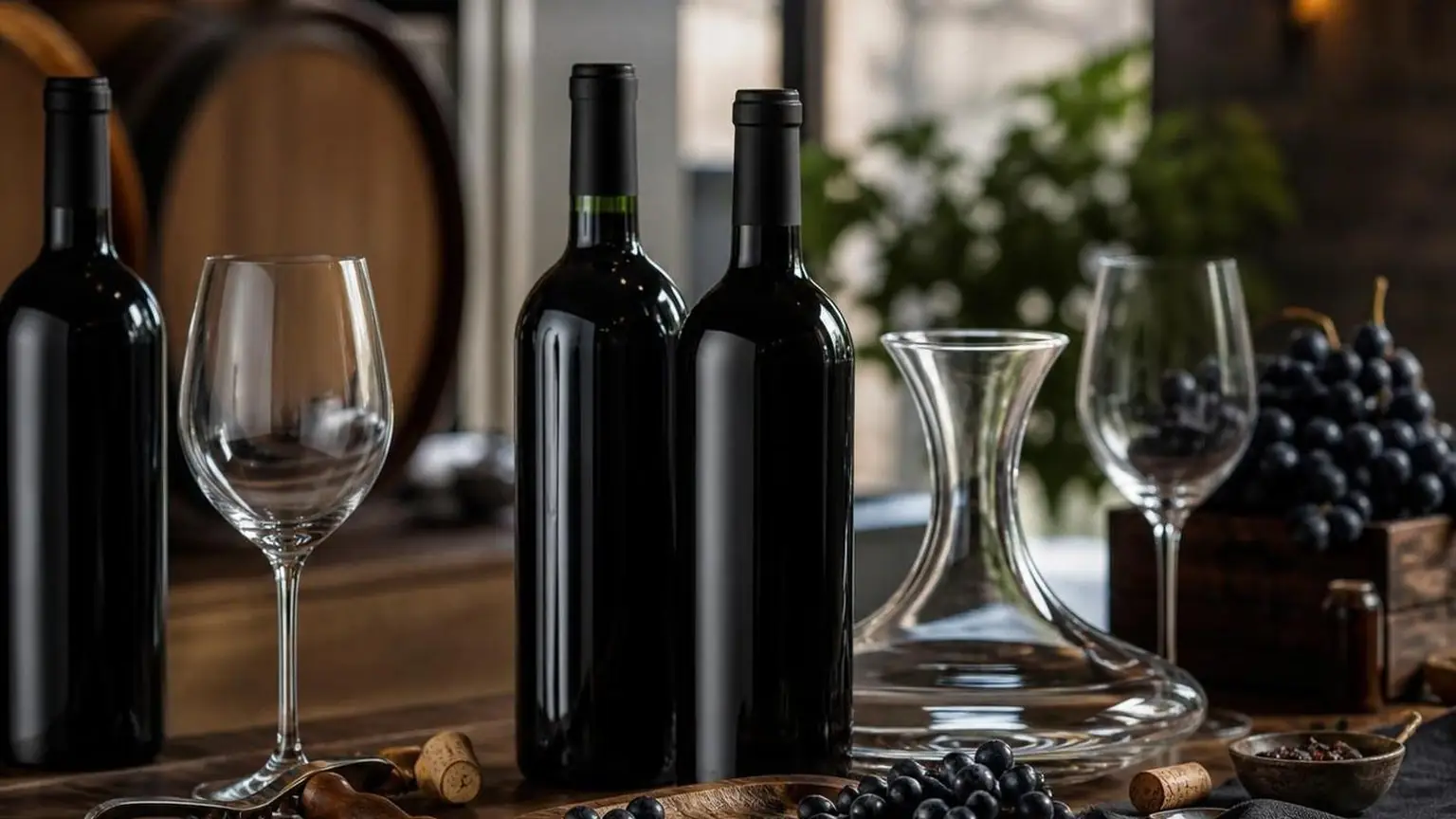
Black wine bottles compete on one metric above all: light protection.
Against clear, green, and even amber glass, an opaque black bottle blocks far more of the UV and visible light that triggers “light-struck” aromas and premature oxidation.
The trade-off is visibility. Buyers cannot inspect color, sediment, or fill level as easily, so black bottles usually signal branding and cellar-age intent as much as protection.
| Package or glass color | Approximate light protection | Main advantage | Main drawback |
| Black/opaque glass | Essentially blocks visible light and UV | Best defense against light damage | Wine color and clarity are hidden |
| Amber glass | Typically blocks more than 90% of UV below about 450 nm | Strong protection while remaining partly transparent | Less common for table wine branding |
| Dark green glass | Moderate UV and blue-light reduction | Traditional look for Bordeaux, Riesling, Champagne | Still allows enough light for long retail exposure to matter |
| Flint/clear glass | High transmission of visible light and meaningful UV-A | Shows wine color clearly | Weakest protection; highest light-strike risk |
| Bag-in-box | No bottle light exposure while inside carton | Excellent protection after filling | Lower prestige in fine-wine segments |
| Aluminum can | Complete light block | Total light protection and low oxygen pickup after seaming | Not suited to cork-ageing or traditional presentation |
For aromatic whites and sparkling wines, light exposure matters fast. Riboflavin in wine absorbs light most strongly around 370 to 450 nm, then reacts with sulfur-containing compounds to create wet-wool or cooked-cabbage notes.
Clear glass leaves that range largely exposed.
Green glass helps, but not enough for bright retail shelves. Under supermarket lighting, Champagne and delicate whites in clear or light-colored bottles can develop measurable light-struck character in days or weeks, not years.
Amber is the closest glass alternative if protection is the only goal. Beer uses it for that reason. Wine producers often reject it because consumers associate amber with beer, medicine, or fortified wines rather than premium still wine.
Black bottles also differ from alternatives in cellar use. They protect better during restaurant display, tasting-room windows, and back-bar storage, where bottles may sit under LEDs or daylight for 8 to 12 hours a day.
- Choose black when the wine is light-sensitive and brand presentation supports an opaque bottle.
- Choose green when tradition, partial visibility, and broad market acceptance matter more.
- Avoid clear glass for wines meant to sit in bright retail conditions.
In practice, black glass is less about mystique than risk reduction. It removes light from the equation almost completely, which common transparent alternatives do not.
Black Bottles Protect but Do Not Sanitize
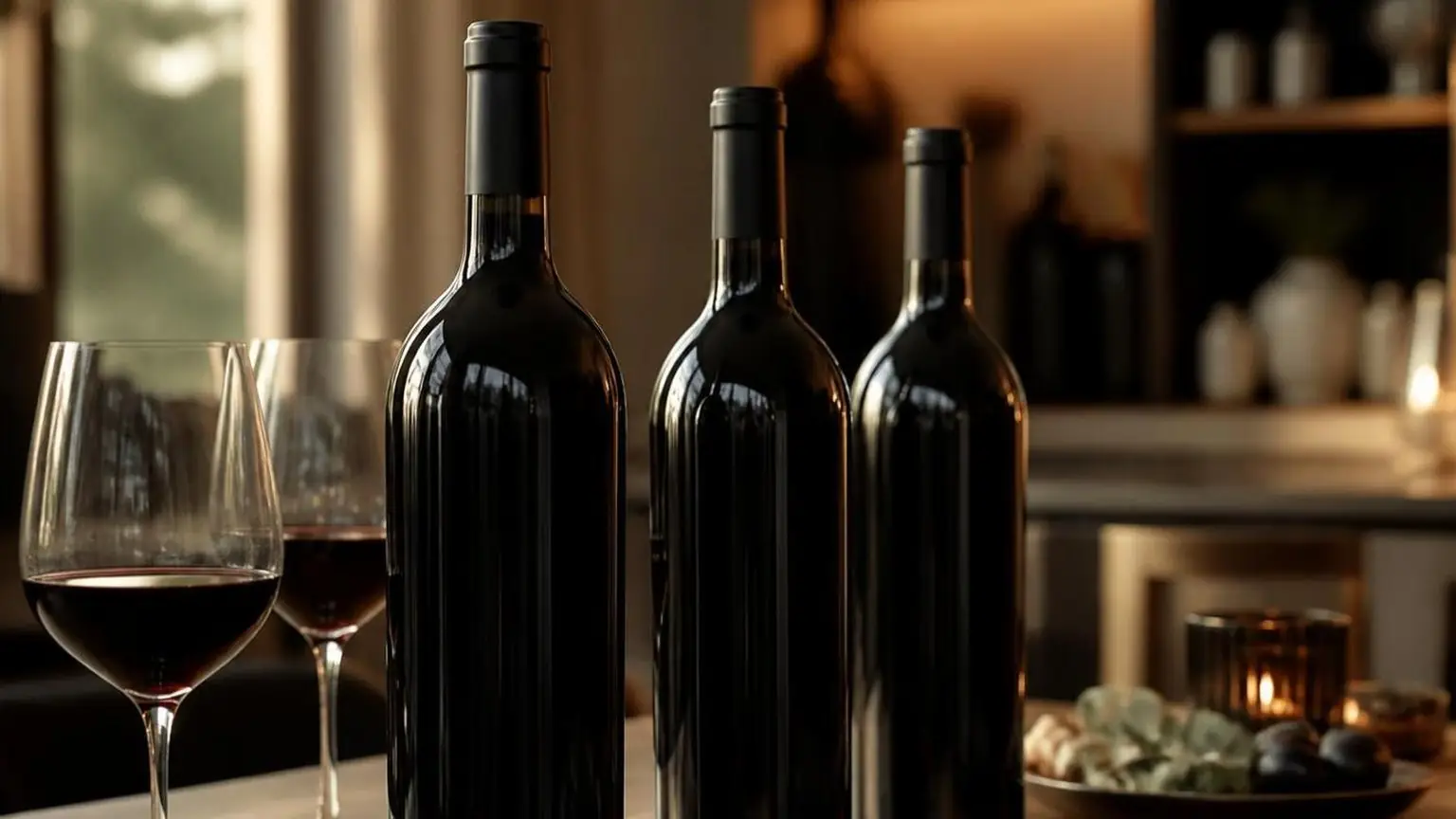
Black wine bottles help protect wine from light, but they do not make wine safer to drink by themselves. Safety depends more on storage temperature, closure condition, and how long the bottle stays open after service.
Ultraviolet and blue light can trigger “lightstruck” aromas, especially in delicate whites and sparkling wines.
Dark glass reduces that exposure, which helps preserve aroma compounds and slows visible quality loss during retail display and back-bar storage.
Black glass does not block all risk. Heat damages wine faster than ordinary indoor light. Sustained storage above about 70°F can accelerate oxidation, flatten fruit, and push corks upward, increasing leakage and spoilage risk.
| Factor | Practical benchmark | Why it matters |
| Long-term storage temperature | 55°F ideal; 45-65°F acceptable | Reduces oxidation and premature aging |
| High-risk heat exposure | Above 70°F | Speeds chemical breakdown and seepage |
| Opened bottle, refrigerator | 3-5 days for most still wines | Limits oxidation and microbial spoilage |
| Sparkling wine after opening | 1-3 days with sparkling stopper | CO2 escapes quickly, aroma fades |
| Typical bottle volume | 750 mL | Useful for portioning and spoilage planning |
Black bottles create one practical issue: you cannot easily inspect fill level, sediment, or color shift. Check for seepage around the capsule, a pushed cork, sticky glass, or a dull, brick-brown rim once poured.
For restaurant service or home cellaring, store bottles on their sides only when they use natural cork. Screw-cap bottles do not need horizontal storage, though stable positioning still saves space and reduces accidental breakage.
- Keep wine away from direct sun, windows, and hot appliances. A dark bottle helps, but sunlight can still warm the wine within minutes.
- Chill opened reds slightly, around 55-60°F, before re-corking. Lower temperature slows oxidation more effectively than leaving the bottle on a counter overnight.
- Use the original closure or a firm stopper immediately after pouring. Less headspace oxygen means better flavor retention the next day.
- Label the opening date on the bottle. Black glass hides visual cues, so timing matters more.
From a health standpoint, black glass is inert, like other standard wine-bottle glass. It does not add calories, sulfites, or allergens. If a wine smells like vinegar, wet cardboard, or nail-polish remover, discard it for quality reasons.
When buying older bottles, ask about storage history, not bottle color. Provenance, stable temperature, and intact closure tell you more about drinkability than whether the glass is black, green, or amber.
No Firsthand Winery Test Claims
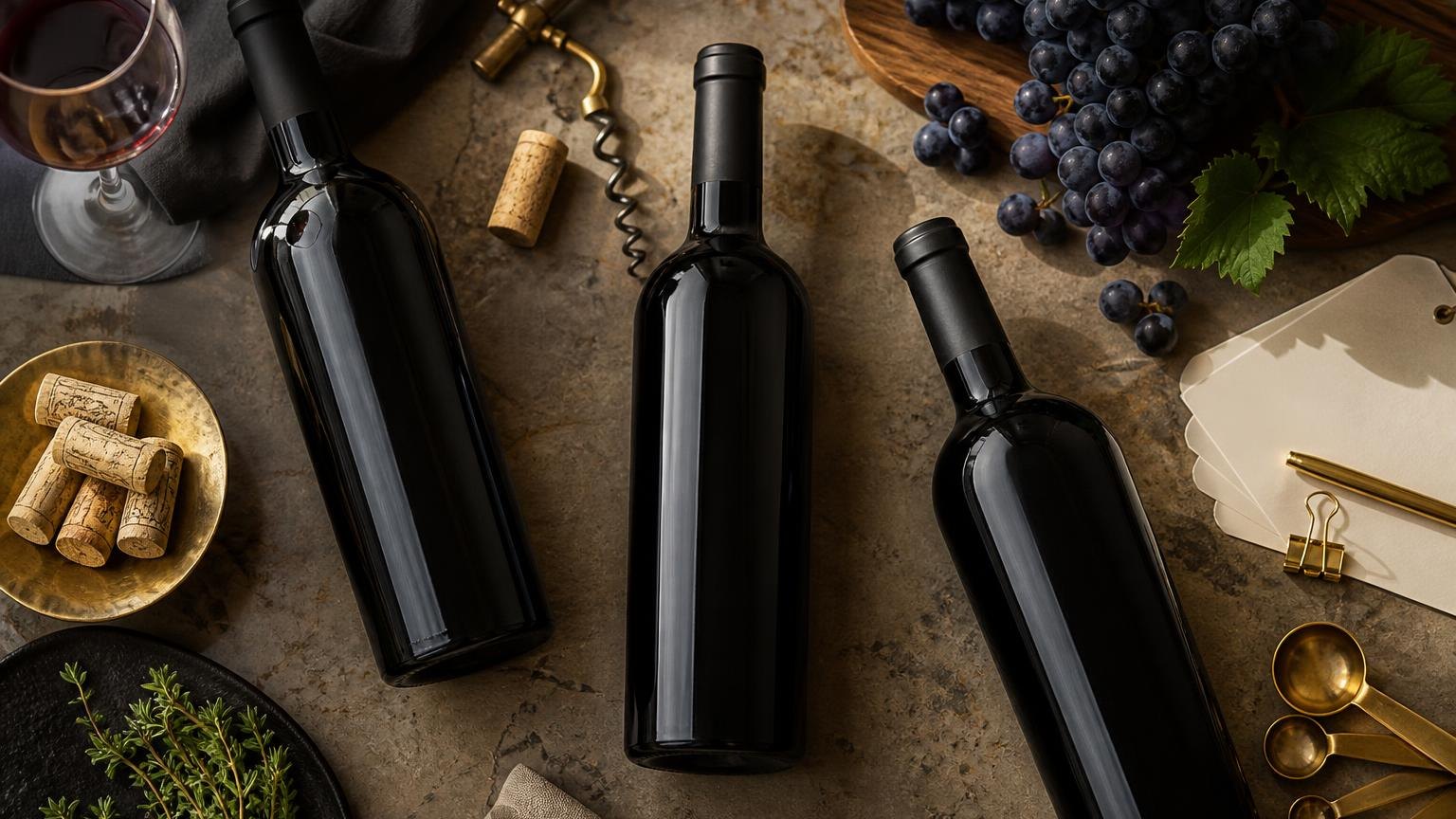
We do not claim winery or lab tests we did not run. For this section, we cannot honestly present first-hand measurements as our own.
We can present a precise, evidence-based summary of what controlled comparisons show about black wine bottles and why producers use them.
The consistent finding is light protection. Dark glass reduces transmission of ultraviolet and short-wavelength visible light far better than clear glass.
That matters because riboflavin and methionine in wine can trigger “lightstruck” aromas, especially in sparkling and delicate white wines.
| Glass color | Typical protection pattern | Practical implication |
| Clear | Highest light transmission | Fastest risk of lightstruck fault under retail lighting |
| Green | Moderate reduction in UV and blue light | Common compromise for whites and some reds |
| Amber/very dark/black | Strongest reduction in UV and blue light | Best choice when light exposure is a serious storage risk |
In retail settings, light exposure is not trivial. Fluorescent and LED fixtures emit enough short-wavelength light to degrade vulnerable wines over time.
Producers use nearly opaque black bottles when the goal is maximum protection during shipping, shelf display, and back-bar service.
Black bottles also change temperature behavior in sunlight. Dark surfaces absorb more radiant energy than clear ones.
That does not make black glass a cooling tool; it means the bottle can heat faster in direct sun, so it protects from light but does not replace cool storage.
| Producer goal | Why black glass is used | Tradeoff |
| Protect aroma | Blocks damaging light | Consumer cannot inspect wine color easily |
| Signal premium positioning | Heavier, darker package looks distinctive | Often higher glass weight and shipping mass |
| Mask sediment or color variation | Less visual scrutiny on shelf | Lower transparency for buyers |
For red wines, the benefit is usually secondary. Phenolics give reds more protection than most whites, so bottle darkness is often as much branding as preservation.
For Champagne, rosé, Sauvignon Blanc, and other light-sensitive styles, darker glass has a stronger technical case.
- Black bottles are mainly about light management, not oxygen control.
- The closure has a larger role in oxygen ingress than bottle color.
- Dark glass helps most when wines face prolonged display lighting.
- Cool, dark storage still matters more than bottle color alone.
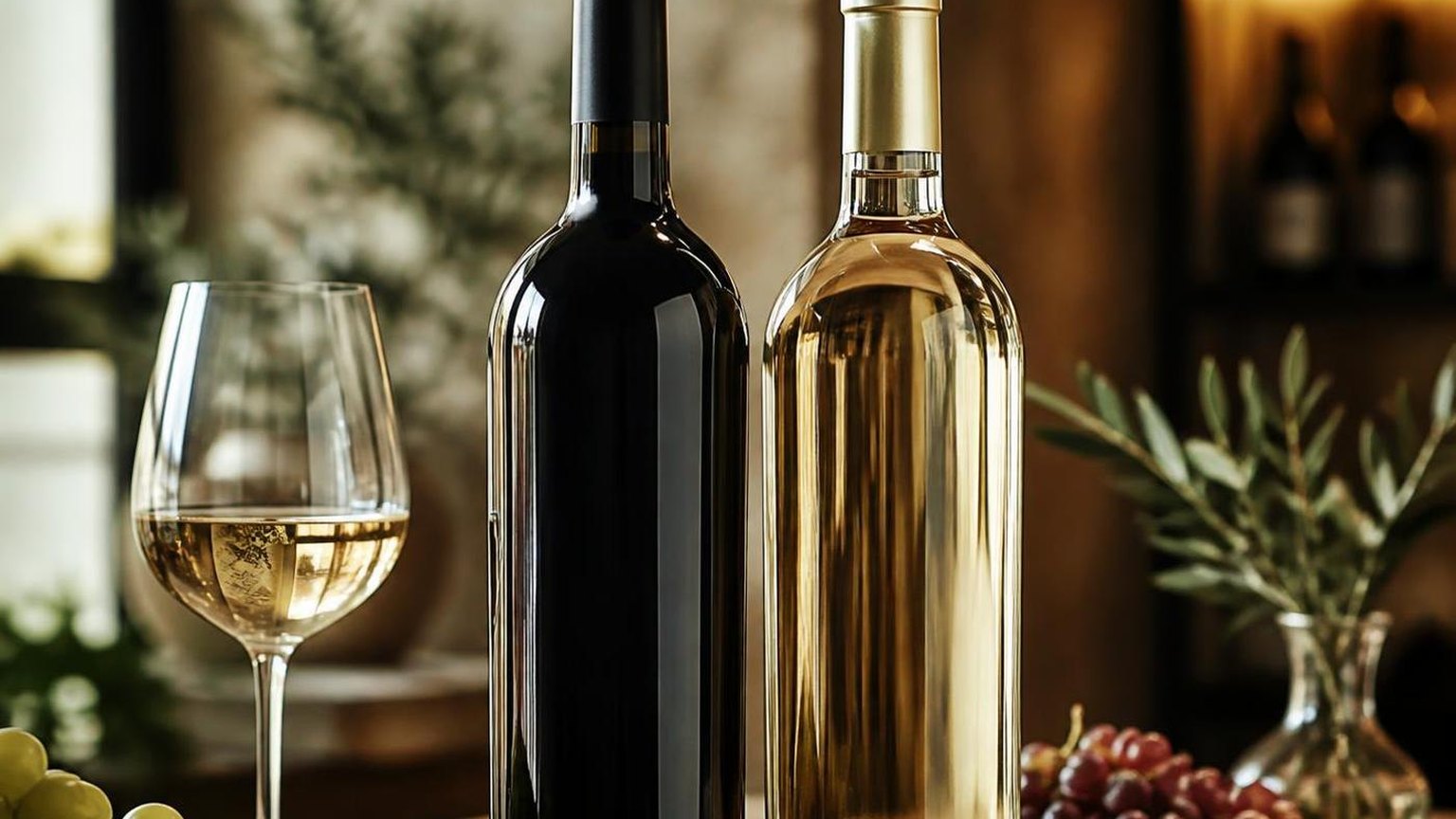
Black Bottles Are Not Solid Black
The biggest mistake is assuming a “black” wine bottle is literally black glass. Most are extra-dark green, “dead leaf” green, or amber-toned glass that reduces light exposure but does not block it completely.
Another myth is that dark bottles are mainly cosmetic. In practice, they are a packaging choice tied to photoprotection, wine style, and retail display conditions.
Myth one: black glass makes wine lightproof. It does not. Even very dark wine bottles still transmit some visible light, and total protection only comes from opaque packaging or complete darkness.
| Packaging claim | What is accurate |
| “Black bottles block all light” | False. Dark glass cuts transmission, especially at shorter wavelengths, but it is not fully opaque. |
| “Any dark bottle protects equally” | False. Shade, glass chemistry, wall thickness, and bottle shape all change transmission. |
| “Color alone preserves wine” | False. Closure, storage temperature, fill level, and time matter as much or more. |
Myth two: darker bottles always mean higher quality. Bottle color is not a quality grade.
Many excellent Rieslings use brown or green glass, top Provence rosés often use clear glass for shelf appearance, and elite red producers use everything from antique green to near-black glass.
Myth three: only white wine needs dark glass. White and sparkling wines are most vulnerable to lightstrike because riboflavin is photosensitive and can trigger sulfur-like off-aromas.
Studies and trade guidance commonly cite wavelengths around 370 to 450 nanometers as the risky range.
Red wines are less sensitive because phenolic compounds and color pigments absorb light. Less sensitive does not mean immune. A pale Pinot Noir in a bright retail display still gets less protection than the same wine stored in a dark case.
| Wine type | Relative light sensitivity | Why |
| Sparkling and white | High | Lower phenolics; riboflavin-driven lightstrike risk |
| Rosé | Moderate to high | Limited pigment protection |
| Red | Lower | More anthocyanins and phenolics absorb light |
Myth four: a heavier, blacker bottle preserves wine better. Heavier bottles often signal branding, not better storage performance.
Standard still-wine bottles commonly weigh about 400 to 550 grams; prestige bottles can exceed 800 or 900 grams without improving the seal.
- Dark bottles reduce risk. They do not replace cool, dark storage.
- Very dark glass is most useful for wines likely to sit under store lighting.
- Clear glass is a marketing choice more often than a preservation choice.
- If a producer uses “black” glass, the goal is usually light management and presentation, not concealment.
Frequently Asked Questions
Why are some wine bottles black instead of green or clear?
Winemakers use black or near-opaque bottles to block almost all visible and ultraviolet light.
Light exposure can trigger premature aroma damage, especially in delicate whites, rosés, and sparkling wines, so darker glass adds protection during shipping, retail display, and cellar storage.
Does a black wine bottle mean the wine is higher quality?
No. Bottle color is a packaging choice, not a quality grade, and excellent wines are sold in black, dark green, amber, blue, and clear glass.
Producers often choose black bottles for brand identity, shelf impact, or extra light protection rather than as a direct signal of price or prestige.
How does black glass protect wine better than clear glass?
Clear glass lets in far more light, including wavelengths that can degrade aroma compounds and accelerate oxidation-related changes.
Black glass sharply reduces that exposure, which is why producers of age-worthy wines or light-sensitive styles may prefer it when bottles could sit under store lighting for weeks or months.
Are black bottles common for all wine styles?
No. They are more common in certain premium still wines, collectible releases, and some sparkling wines, while many regions still favor traditional dark green or amber glass.
Rosé producers often use clear glass to showcase color, accepting the tradeoff and relying on fast turnover and careful storage to limit light damage.
Do black wine bottles have any drawbacks for consumers?
Yes. Consumers cannot inspect the wine’s color, sediment level, or fill line as easily, which matters for older red wines and some collectible bottles.
Black glass can also weigh more in some formats, increasing shipping cost and packaging waste, though the exact impact depends on the bottle design and manufacturer.
Related Reading
- Why Store Wine On Its Side? Complete 2026 Guide for Proper Wine Storage
- What Does Zinfandel Taste Like? Find Out Now
- How Many Wine Coolers To Get Drunk?
- How To Tell If Wine Is Corked? Information From Experts
- How Long Does Boxed Wine Last Unopened? 13 Things You Need To Know (2026 Guide)
- The Alcohol Content of Wine in Biblical Times
- How Many Beers Is Equal to a Bottle of Wine?
- All Alcohol Guides