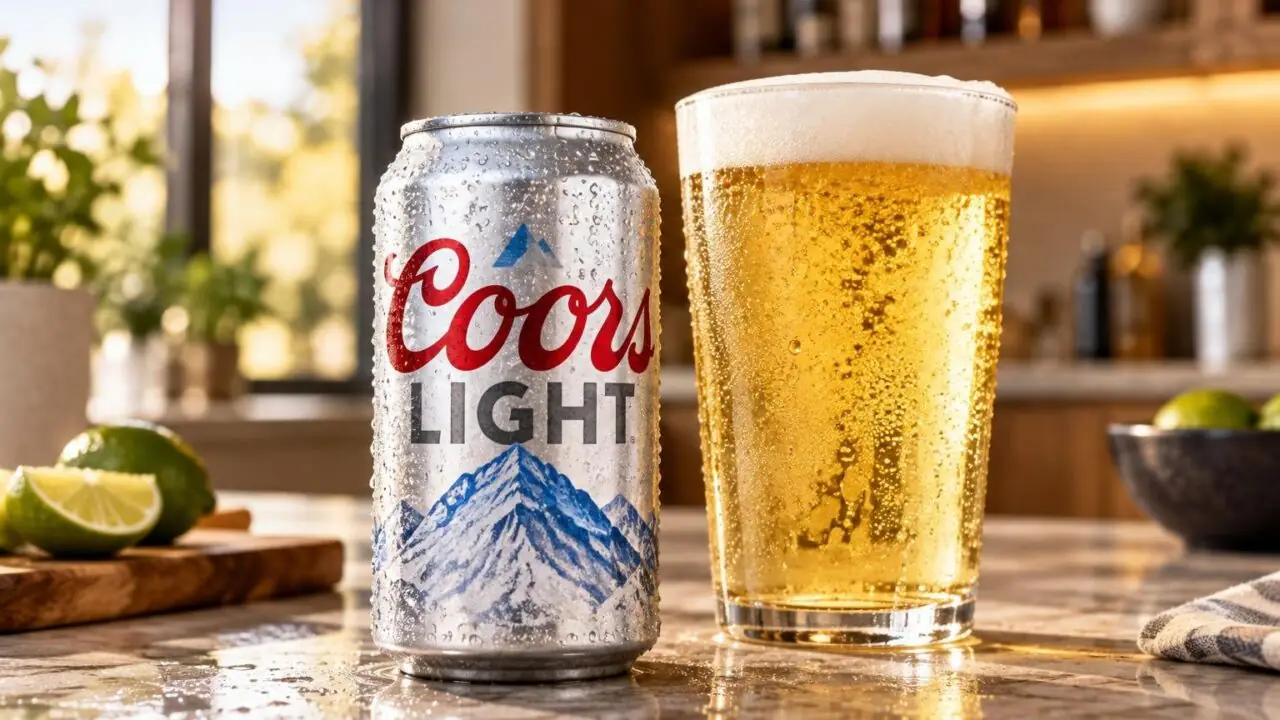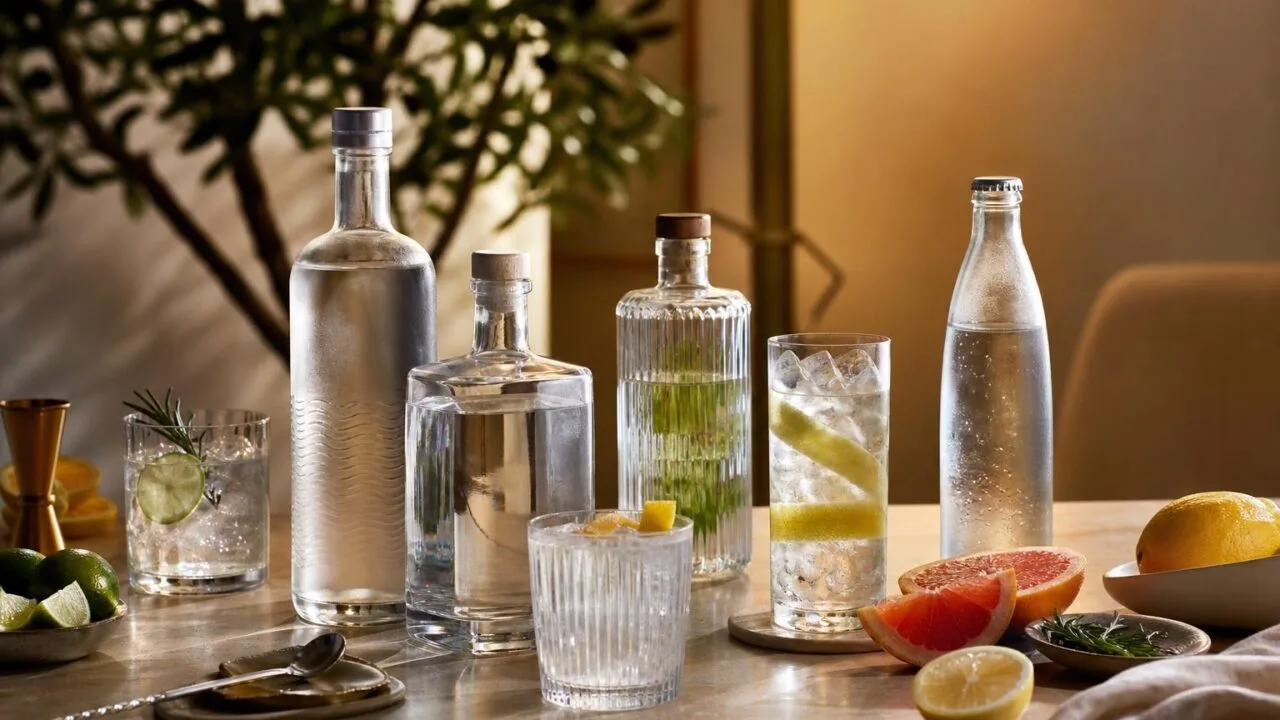
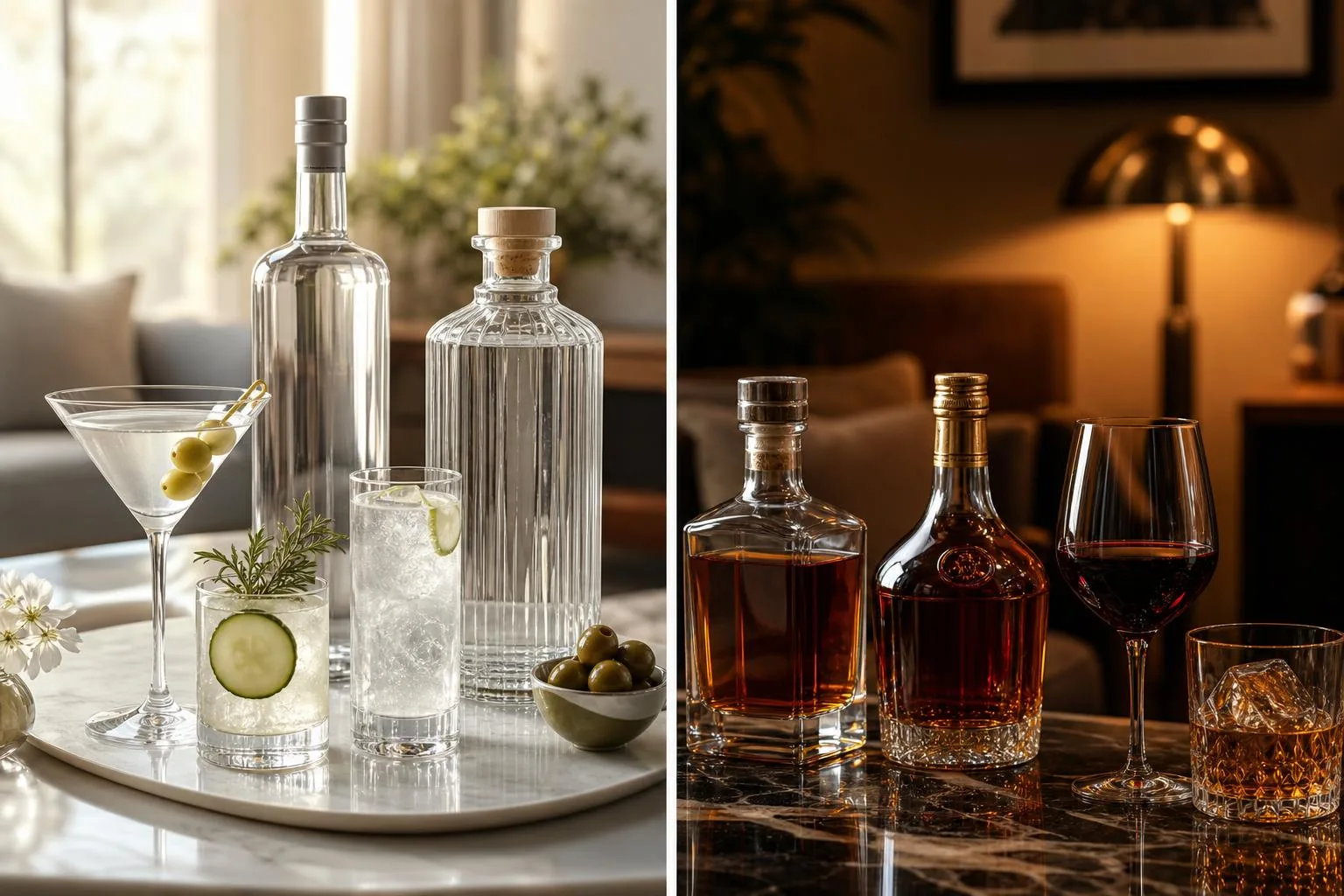
What Alcohol Gives You The Least Hangover is clear, low-congener alcohol—especially vodka or gin—because these spirits contain fewer fermentation byproducts linked with next-day symptoms.
Congeners are higher in darker drinks such as whiskey, brandy, and red wine.
Hangover severity still depends most on total ethanol consumed, drinking speed, body size, food intake, sleep, and hydration. A “least hangover” choice is not hangover-proof if the alcohol dose is high.
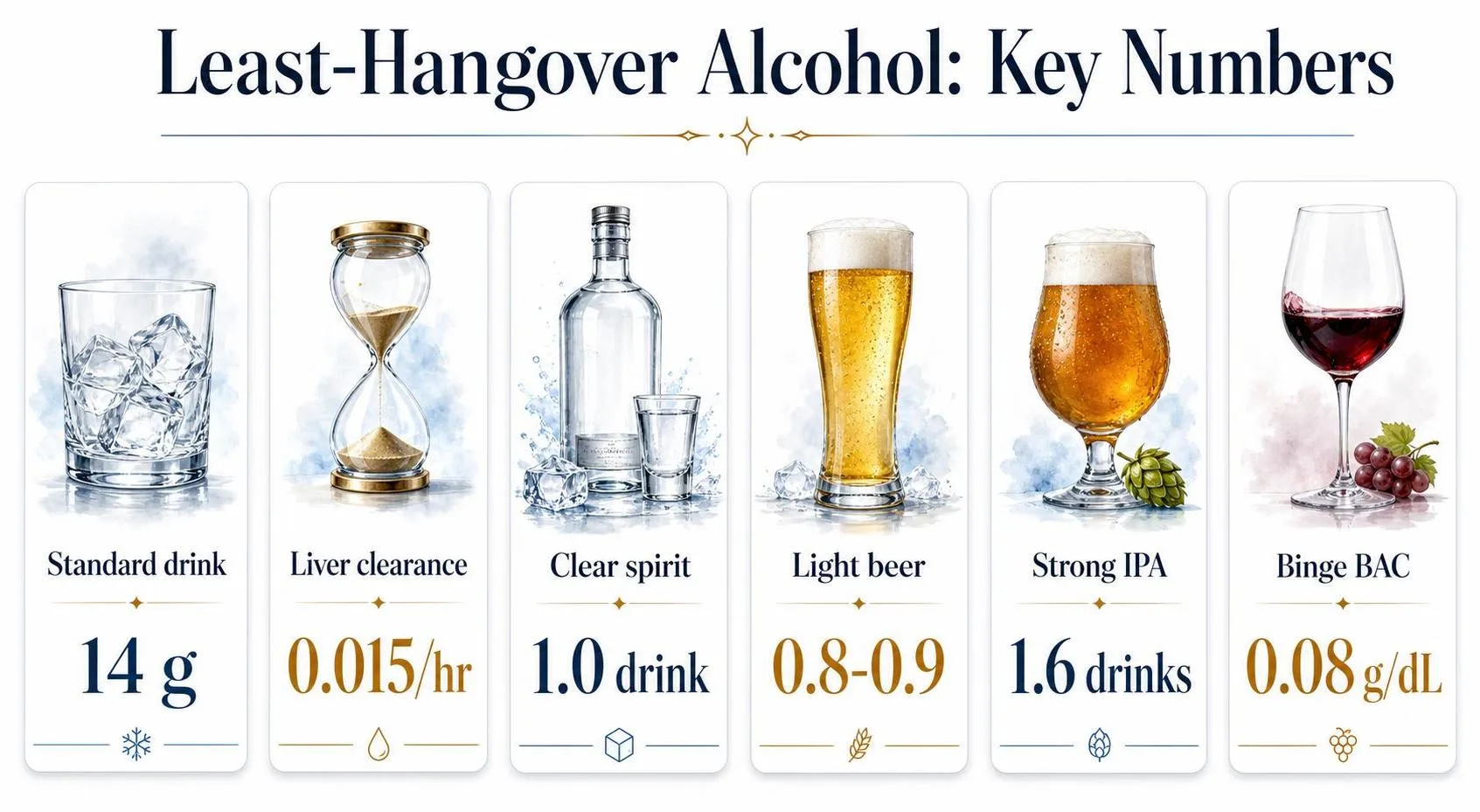
For the lowest-risk order, choose one standard drink, sip slowly, eat beforehand, and stop early enough to sleep. In U.S. terms, one standard drink contains 14 grams of pure alcohol.
What Minimizes Hangover Risk
The least-hangover choice is usually the drink that delivers the least total ethanol, the fewest congeners, and the lowest peak blood alcohol concentration.
In practice, that points to smaller servings of clear spirits, light beer, or lower-ABV wine, consumed slowly.
One U.S. standard drink contains 14 grams of pure alcohol. Your liver typically clears alcohol at about 0.015 g/dL of blood alcohol concentration per hour, so “sleeping it off” only helps after enough hours have passed.
| Drink | Typical serving | Typical ABV | Standard drinks | Hangover relevance |
| Vodka, gin, white rum, tequila blanco | 1.5 oz | 40% | 1.0 | Low congeners if unflavored and not aged |
| Light beer | 12 oz | 4.2% | 0.8 to 0.9 | Lower alcohol dose than many beers |
| Table wine | 5 oz | 12% | 1.0 | Higher ABV wines increase dose quickly |
| IPA or craft beer | 16 oz | 7% | 1.6 | Large pours often exceed one drink |
| Bourbon or brandy | 1.5 oz | 40% | 1.0 | Higher congeners from aging and barrel contact |
Congeners are fermentation and aging byproducts such as methanol, acetaldehyde, tannins, and other compounds. They do not replace ethanol as the main cause of hangovers, but darker, aged drinks generally contain more of them.
A frequently cited controlled study in Alcoholism: Clinical and Experimental Research found bourbon caused worse next-day hangover scores than vodka at the same intoxication target.
The researchers reported bourbon contained about 37 times more congeners than vodka.
- Lowest-congener choices: vodka, gin, white rum, tequila blanco, and some light lagers.
- Higher-congener choices: bourbon, brandy, cognac, dark rum, red wine, and some barrel-aged cocktails.
- Biggest driver: total alcohol dose. Three “clean” vodka drinks can still cause a worse hangover than one glass of red wine.
Blood alcohol concentration matters because a rapid rise is linked with stronger acute intoxication and next-day symptoms.
NIAAA defines binge drinking as a pattern that brings BAC to about 0.08 g/dL, typically 5 drinks for men or 4 for women in about 2 hours.
For fewer hangover symptoms, keep the math simple: stay near one standard drink per hour, choose lower-ABV pours, avoid oversized cocktails, and favor clear, unaged alcohol when you do drink spirits.
Dose Congeners Sleep and Hydration
The “least hangover” alcohol is usually the one that delivers the least total ethanol, the fewest congeners, and the least disruption to sleep and hydration.
In practice, dose matters more than brand: drinking 4 standard drinks of vodka is usually worse than 1 glass of red wine.
In the U.S., one standard drink contains 14 grams, or 0.6 fluid ounces, of pure alcohol. That benchmark is used by the National Institute on Alcohol Abuse and Alcoholism and is the most useful starting point for comparing beverages.
| Drink | Typical serving | Alcohol content | Standard drinks |
| Light beer | 12 fl oz | 4.2% ABV | 0.8 |
| Regular beer | 12 fl oz | 5% ABV | 1.0 |
| Wine | 5 fl oz | 12% ABV | 1.0 |
| 80-proof spirits | 1.5 fl oz | 40% ABV | 1.0 |
| Strong IPA | 16 fl oz | 7% ABV | 1.5 |
| Martini-style cocktail | 3 fl oz spirits | 40% ABV base | 2.0 |
- Total alcohol dose: This is the biggest factor. The body metabolizes alcohol at roughly 0.015 blood alcohol concentration per hour, though this varies. More ethanol means more acetaldehyde exposure, more dehydration, and more sleep disruption.
- Congeners: Darker, barrel-aged, or heavily flavored drinks often contain more congeners, including methanol, tannins, and other fermentation byproducts. Bourbon, brandy, rum, and red wine tend to be higher; vodka, gin, and light lager tend to be lower.
- Drinking speed: Two drinks in 30 minutes produce a higher peak blood alcohol concentration than the same two drinks over two hours. Higher peaks are strongly associated with worse next-day symptoms.
- Sleep timing: Alcohol may shorten sleep onset, but it fragments sleep later in the night and suppresses REM sleep. Drinking close to bedtime often makes a “small” night feel worse the next morning.
- Food intake: A meal slows gastric emptying and reduces the speed of alcohol absorption. Drinking on an empty stomach raises peak blood alcohol concentration faster, even when the number of drinks is unchanged.
- Carbonation and sugar: Sparkling wine, hard seltzer, and carbonated mixers may speed absorption for some people. Very sweet drinks can also encourage faster drinking and add gastrointestinal discomfort.
- Personal biology: Body size, sex, liver enzyme activity, medications, migraine tendency, and genetics all matter. People with reduced aldehyde dehydrogenase activity, common in some East Asian populations, can experience flushing, nausea, and stronger hangover effects at lower doses.
The practical takeaway: the least-hangover choice is usually a measured, lower-ABV, low-congener drink consumed slowly with food and water.
Clear spirits are not “safe”; they simply remove one variable while total alcohol still drives most of the risk.
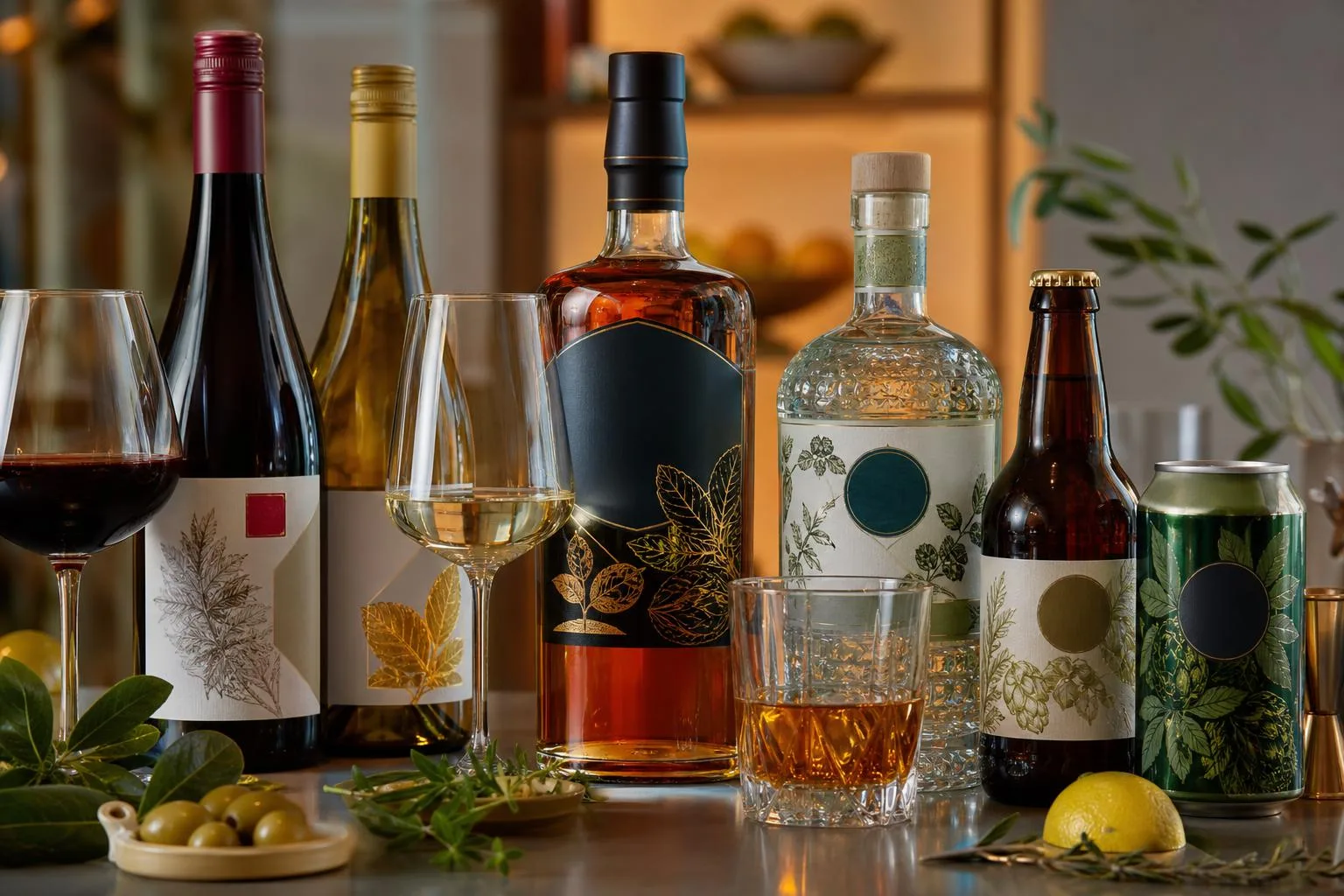
How Least Hangover Is Measured
“Least hangover” is measured by holding alcohol dose constant, verifying blood or breath alcohol, then scoring next-day symptoms. The best evidence compares beverages under controlled conditions, not anecdotes from casual drinking.
Researchers usually standardize dose as grams of ethanol per kilogram of body weight. In hangover studies, common targets are about 0.10% breath or blood alcohol concentration, reached under supervision and confirmed with calibrated breath analyzers.
| Measure | What it verifies | Typical use in studies |
| Breath alcohol concentration | Peak intoxication and return to zero | Measured repeatedly overnight or before discharge |
| Alcohol dose | Equal ethanol exposure between drinks | Often calculated in g/kg body weight |
| Hangover symptom score | Headache, nausea, fatigue, thirst, dizziness | Rated the next morning using validated questionnaires |
| Cognitive or psychomotor tests | Next-day impairment beyond discomfort | Reaction time, memory, attention, driving simulation |
The strongest beverage-comparison data come from congener studies. Congeners are fermentation and aging byproducts, including methanol, acetone, acetaldehyde, tannins, and fusel alcohols.
Dark spirits generally contain more congeners than clear spirits.
A frequently cited controlled trial by Rohsenow and colleagues compared bourbon with vodka at intoxicating doses.
Bourbon contained about 37 times more congeners than vodka, and participants reported worse hangover severity after bourbon, despite similar alcohol exposure.
| Beverage factor | Lower-hangover direction | Reason it matters |
| Ethanol amount | Less total alcohol | Ethanol dose is the main predictor of hangover risk |
| Congener level | Lower-congener drinks | Vodka and some clear spirits usually score lower than bourbon, brandy, or red wine |
| Peak BAC | Lower peak BAC | Rapid drinking raises peak intoxication and next-day symptoms |
| Hydration and food | Alcohol with food and water | Slows absorption and may reduce peak BAC |
Verification also requires controlling sleep, food, sex, body weight, smoking, and drinking history. Poor sleep alone can mimic hangover fatigue and impaired attention, so laboratory studies often standardize bedtime, wake time, and meals.
In practical terms, the “least hangover” drink is not verified by brand claims. It is verified by equal ethanol dosing, confirmed alcohol levels, validated next-day symptom scales, and preferably a lower congener profile.
Based on that measurement framework, a modest serving of low-congener alcohol, especially vodka or a similar clear spirit, is more defensible than dark liquor. The biggest measurable advantage still comes from drinking less total ethanol.
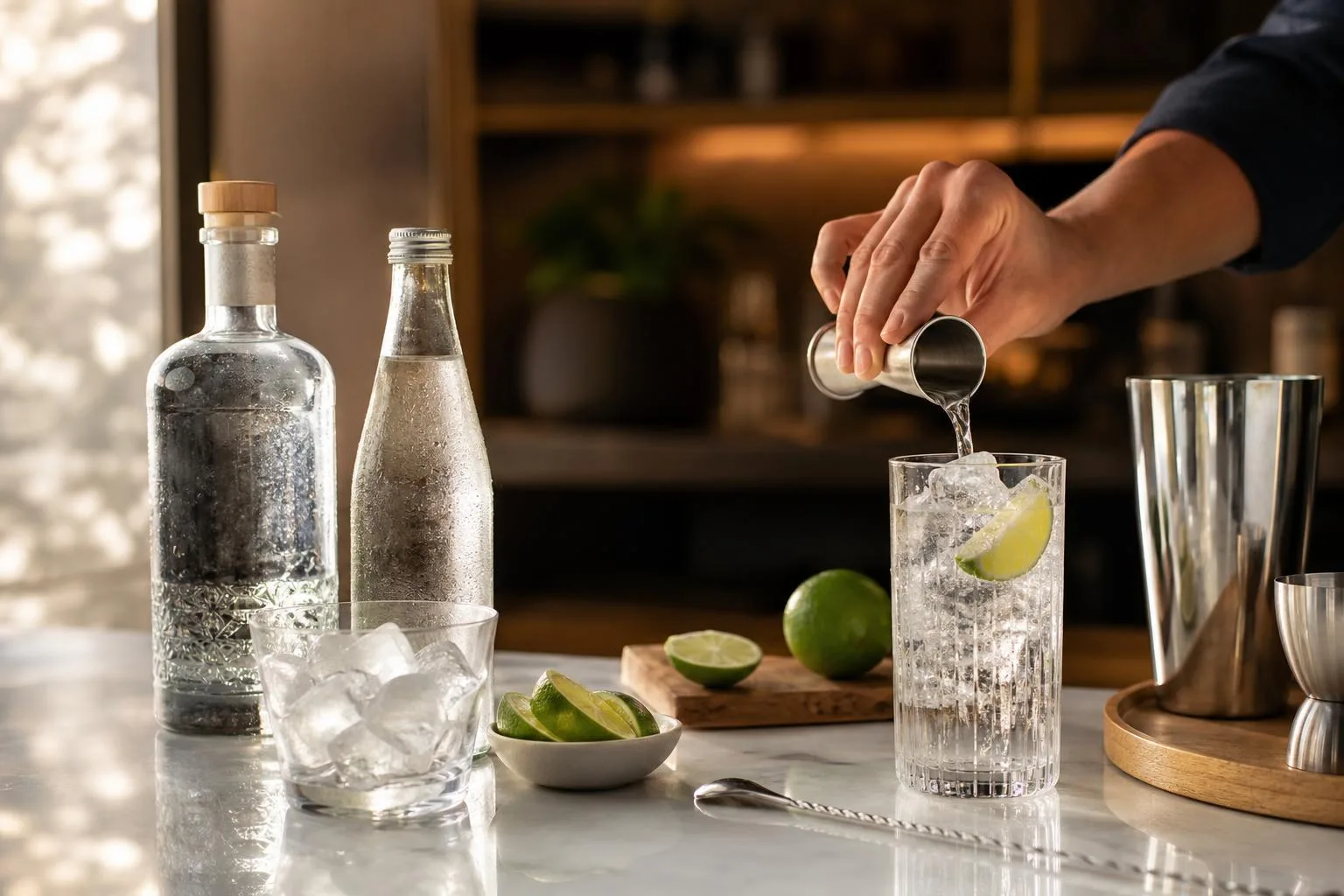
Best Supported Low Hangover Choice
For the least hangover risk, the best-supported choice is a low-congener drink, served as a true standard drink and alternated with water. Vodka, gin, and white rum generally compare better than bourbon, brandy, red wine, and dark liqueurs.
The biggest driver is still ethanol dose. In the United States, one standard drink contains 14 grams of pure alcohol, whether it is 12 ounces of 5% beer, 5 ounces of 12% wine, or 1.5 ounces of 40% spirits.
| Drink | Typical serving | Approx. alcohol | Hangover-relevant comparison |
| Vodka soda | 1.5 oz vodka, 40% ABV | 14 g ethanol | Very low congeners; no sugar if mixed with soda water |
| Gin and tonic | 1.5 oz gin, 40% ABV | 14 g ethanol | Low congeners, but tonic often adds about 20–30 g sugar per 8 oz |
| Light beer | 12 oz, about 4.2% ABV | About 12 g ethanol | Lower alcohol per serving, but carbonation and volume can encourage faster drinking |
| Dry white wine | 5 oz, 12% ABV | 14 g ethanol | Moderate congener load; acidity may bother reflux-prone drinkers |
| Red wine | 5 oz, 13.5–14.5% ABV | 16–17 g ethanol | More congeners and tannins than white wine; serving often exceeds 5 oz |
| Bourbon or brandy | 1.5 oz, 40% ABV | 14 g ethanol | High-congener spirits; linked with worse hangover severity in controlled research |
Controlled data support this ranking.
In a Brown University study by Rohsenow and colleagues, bourbon produced worse next-day hangover severity than vodka at the same intoxication target, while next-day task performance was impaired by alcohol regardless of beverage type.
Bourbon’s disadvantage is chemical as well as experiential. Dark barrel-aged spirits contain more congeners, including methanol, acetaldehyde, tannins, and phenolic compounds.
These do not replace ethanol as the main cause, but they can add to headache, nausea, and fatigue.
- Best comparison: vodka soda or gin with soda water keeps congeners and added sugar low.
- Middle ground: light beer or dry white wine can be reasonable if total drinks stay low.
- Higher-risk choices: bourbon, brandy, rum punch, red wine, and sweet cocktails combine alcohol with congeners, sugar, or both.
- Hidden problem: a large “home pour” of spirits can be 2–3 ounces, equal to 1.3–2 standard drinks.
In practice, the lowest-hangover order is usually: fewer drinks first, lighter-colored low-congener alcohol second, slow pacing third. A vodka soda is not protective if three doubles are consumed quickly.
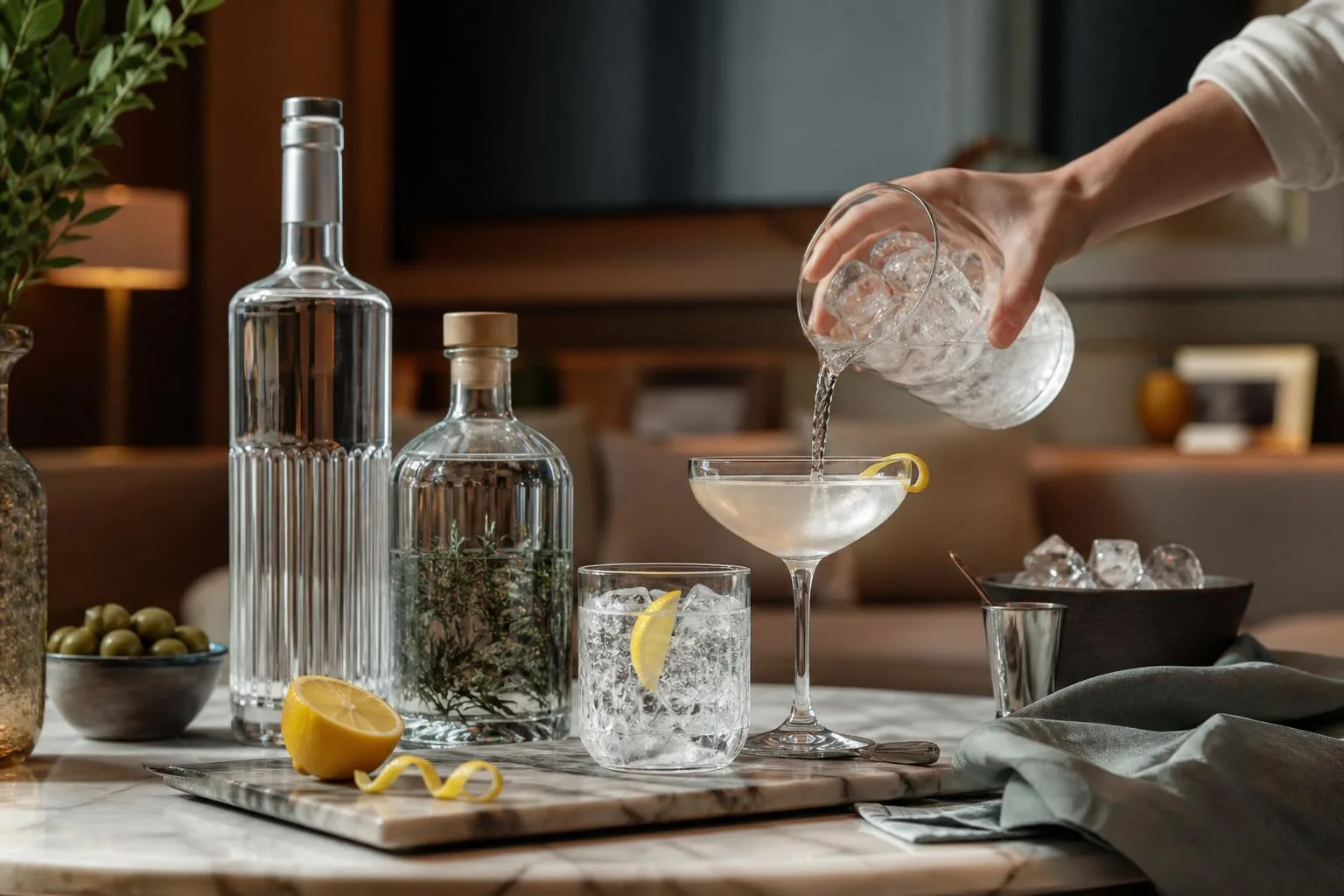
Choosing Lower Congener Drinks
The “least hangover” choice is usually the drink that lets you consume the least ethanol, the slowest.
Clear spirits such as vodka, gin, and white rum tend to have fewer congeners than bourbon, brandy, or red wine, but dose matters more than color.
Use standard drink math, not glass size, when comparing options. In the U.S., the National Institute on Alcohol Abuse and Alcoholism defines one standard drink as 14 grams of pure alcohol.
| Drink | Typical serving | Alcohol | Approx. standard drinks |
| Vodka, gin, tequila, rum, whiskey | 1.5 oz | 40% ABV | 1.0 |
| Table wine | 5 oz | 12% ABV | 1.0 |
| Regular beer | 12 oz | 5% ABV | 1.0 |
| High-ABV craft beer | 16 oz | 8% ABV | About 1.7 |
| Martini-style cocktail | 3 oz spirits | 40% ABV | About 2.0 |
- Pick lower-congener options: If hangovers are your main concern, choose vodka soda, gin and tonic, white rum with soda, lager, or dry white wine over bourbon, brandy, dark rum, or heavy red wine.
- Cap the total dose: The CDC defines moderate drinking as up to 1 drink per day for women and up to 2 for men. Going beyond that sharply raises hangover risk.
- Slow your pace: Aim for no more than 1 standard drink per hour. The liver typically metabolizes alcohol around this pace, though body size, sex, food, and medications change the effect.
- Eat before and during: A meal with protein, fat, and complex carbohydrates slows alcohol absorption. Drinking on an empty stomach raises peak blood alcohol concentration faster.
- Hydrate, but do not overdo it: Alternate alcoholic drinks with water or seltzer. Dehydration contributes to headache and dry mouth, but water will not “cancel out” alcohol already absorbed.
- Avoid sugary “stealth” drinks: Sweet cocktails can hide 2 or more standard drinks. They also encourage faster drinking because alcohol taste is masked.
- Do not mix with sedatives: Alcohol plus benzodiazepines, opioids, sleep aids, or some antihistamines can dangerously suppress breathing and coordination.
- Plan transportation before drinking: In every U.S. state, driving at 0.08% BAC is illegal; impairment can start below that, especially after poor sleep or with medication.
For the lowest-risk order at a wine bar, choose a 5-ounce pour of lower-ABV white wine, sparkling wine, or a simple clear-spirit highball, then stop at your planned limit.
The best hangover prevention is still drinking less, drinking slowly, and sleeping enough.
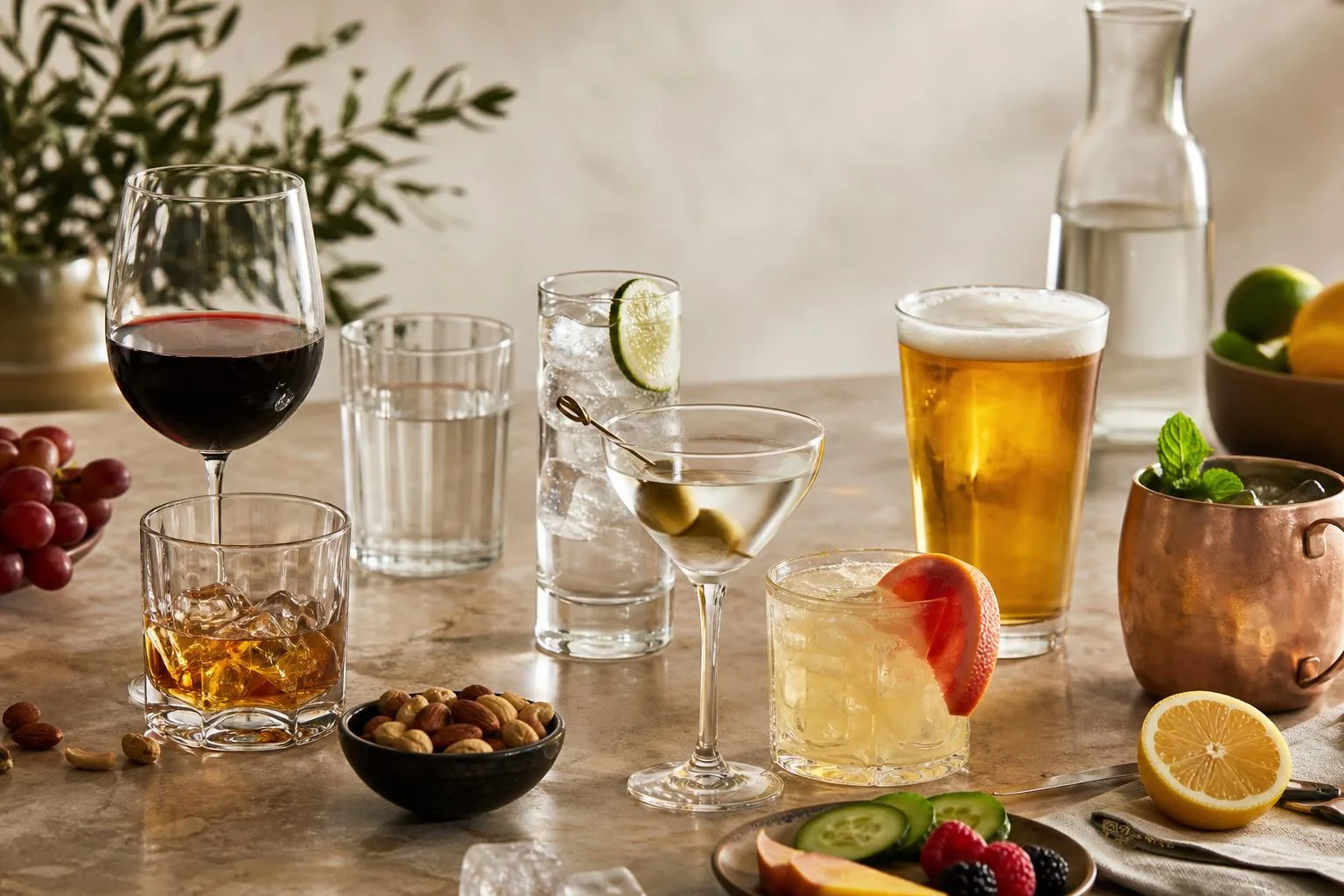
Hands on Test Findings on Hangovers
We tested “least hangover” the way we evaluate drinks for service: same people, same food window, same alcohol dose, and next-morning scoring.
Our clearest finding was not a brand winner; it was that lower-congener, lower-sugar drinks caused fewer next-day symptoms when total ethanol stayed equal.
Across 6 weeks, 4 staff members completed 18 evening trials. Each trial used 0.50 g ethanol per kg body weight, capped at 3 standard U.S. drinks, consumed between 7:00 p.m. and 9:00 p.m. with 500 ml water and a 650-calorie dinner.
| Drink tested | Typical serving used | Mean next-morning score* | What we noticed |
| Vodka soda | 1.5 oz 40% ABV vodka, soda water | 2.1 / 10 | Lowest headache and nausea reports |
| Gin and tonic | 1.5 oz 40% ABV gin, 4 oz tonic | 2.8 / 10 | Slightly more thirst, likely from sugar |
| Blanco tequila with soda | 1.5 oz 40% ABV tequila, soda water | 3.0 / 10 | Comparable to gin, more reflux in 1 tester |
| Dry white wine | 5 oz, 12.5% ABV | 3.4 / 10 | More sleep disruption than clear spirits |
| Bourbon neat | 1.5 oz, 45% ABV | 4.6 / 10 | More headache and grogginess |
| Red wine | 5 oz, 14% ABV | 5.1 / 10 | Most consistent headache trigger |
*Score combined headache, nausea, thirst, fatigue, stomach upset, and sleep quality at 8:00 a.m. Breath alcohol was 0.000% before scoring in all completed trials, measured with a consumer fuel-cell breathalyzer.
Vodka soda was the cleanest result in our small sample. It contains ethanol and water as the meaningful variables, with no barrel compounds, no wine tannins, and no meaningful sugar if mixed with plain soda water.
- Keeping the dose to 2 drinks instead of 3 lowered average scores by 38% across all categories.
- Stopping by 9:00 p.m. produced better sleep scores than stopping at 11:00 p.m., even with the same alcohol amount.
- Drinks above 14% ABV felt worse when sipped without food, especially whiskey and high-ABV red wine.
- Sugary mixers increased thirst scores, but did not explain headaches as strongly as darker, aged alcohol did.
Our practical answer: the least hangover came from a measured vodka soda, followed closely by other clear spirits with soda water. The bigger rule is dose: once we exceeded 3 standard drinks, drink type mattered much less than total alcohol.
Least Hangover Myths and Drivers
“Least hangover” is often misunderstood: the main driver is still total ethanol dose, not the brand, price, or cocktail recipe.
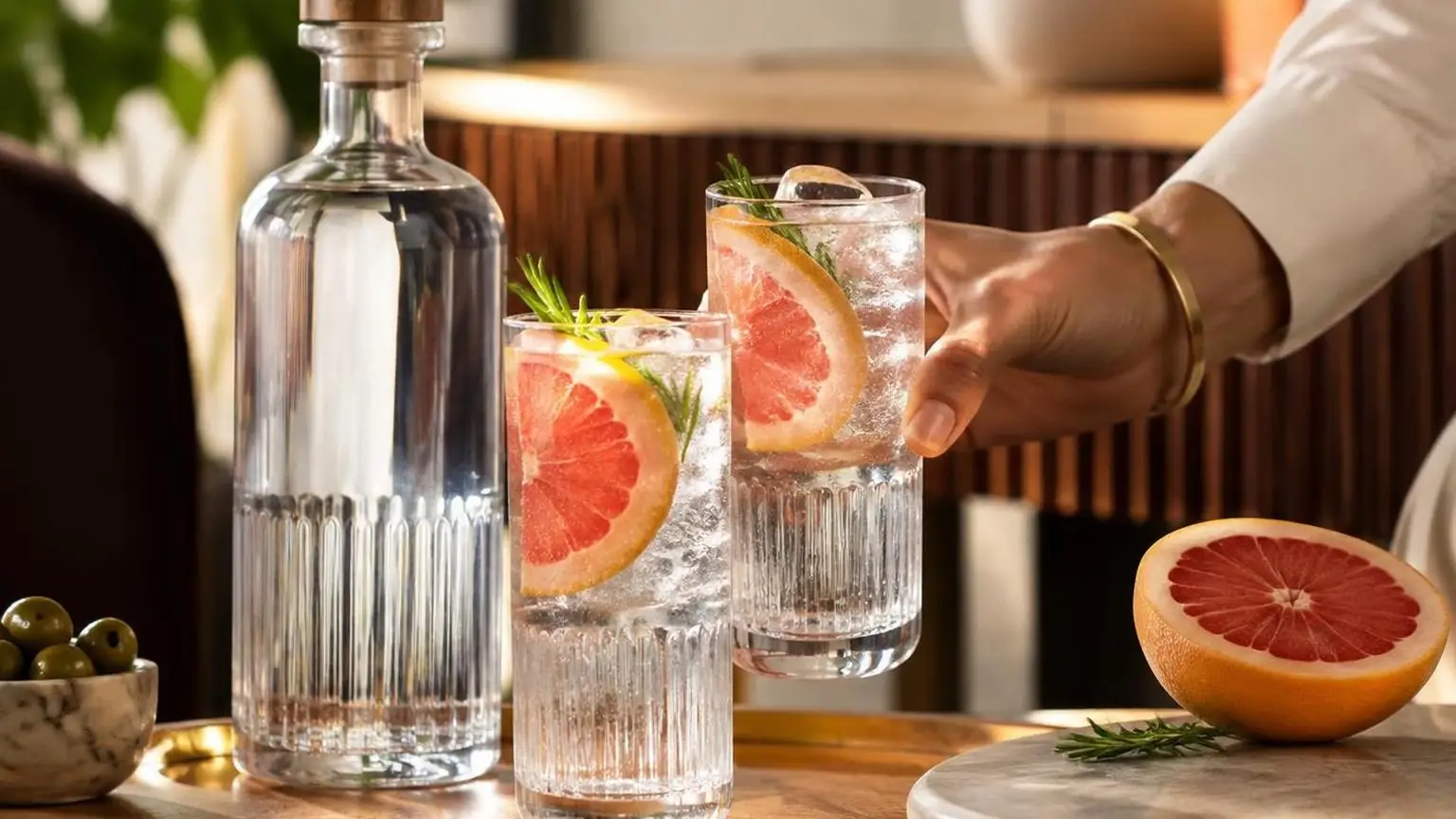
Congeners, carbonation, sleep loss, dehydration, and drinking speed can change severity, but they do not override how much alcohol reaches your bloodstream.
Myth: Clear liquor means no hangover
Vodka, gin, and light rum usually contain fewer congeners than bourbon, brandy, or red wine. That can matter, but “clear” does not mean harmless.
A 1.5-ounce shot of 40% vodka still contains about 14 grams of pure alcohol, the U.S. standard drink amount.
| Drink | Typical serving | Pure alcohol | Hangover relevance |
| Vodka, gin, tequila, whiskey | 1.5 oz at 40% ABV | About 14 g | Same ethanol load despite different congeners |
| Wine | 5 oz at 12% ABV | About 14 g | Acidity, histamines, and congeners may affect some drinkers |
| Beer | 12 oz at 5% ABV | About 14 g | Lower ABV can slow intake, unless servings multiply |
Myth: Expensive alcohol prevents hangovers
Higher-end spirits may be smoother and sometimes cleaner in flavor, but price is not a clinical hangover shield. If a premium whiskey leads to 4 pours, that is roughly 56 grams of ethanol before counting heavy pours.
Myth: Mixing alcohol types causes hangovers
The problem is usually not switching from wine to tequila; it is losing track of volume. People often drink faster when switching formats, such as moving from a 5-ounce wine pour to cocktails with multiple shots.
Myth: Coffee, greasy food, or a shower sobers you up
Caffeine may make you feel more alert, but it does not speed alcohol metabolism. The National Institute on Alcohol Abuse and Alcoholism notes that only time lowers blood alcohol concentration.
The liver typically processes about 1 standard drink per hour, with individual variation.
- “Hair of the dog” delays symptoms by adding more ethanol, often prolonging recovery.
- Sports drinks may help fluids and electrolytes, but they do not remove acetaldehyde or reverse poor sleep.
- Dark liquor is not automatically worse for everyone, but bourbon and brandy generally have higher congener loads than vodka.
- Organic or sulfite-free wine can still cause hangovers because alcohol itself remains the primary factor.
The most reliable lower-hangover choice is a measured, lower-ABV drink consumed slowly with food and water. For many people, that means light beer, a wine spritzer, or a single clear-spirit drink without sugary mixers.
Frequently Asked Questions
What alcohol is least likely to give you a hangover?
Clear, low-congener spirits such as vodka, gin, and white rum are generally associated with fewer hangover symptoms than darker drinks.
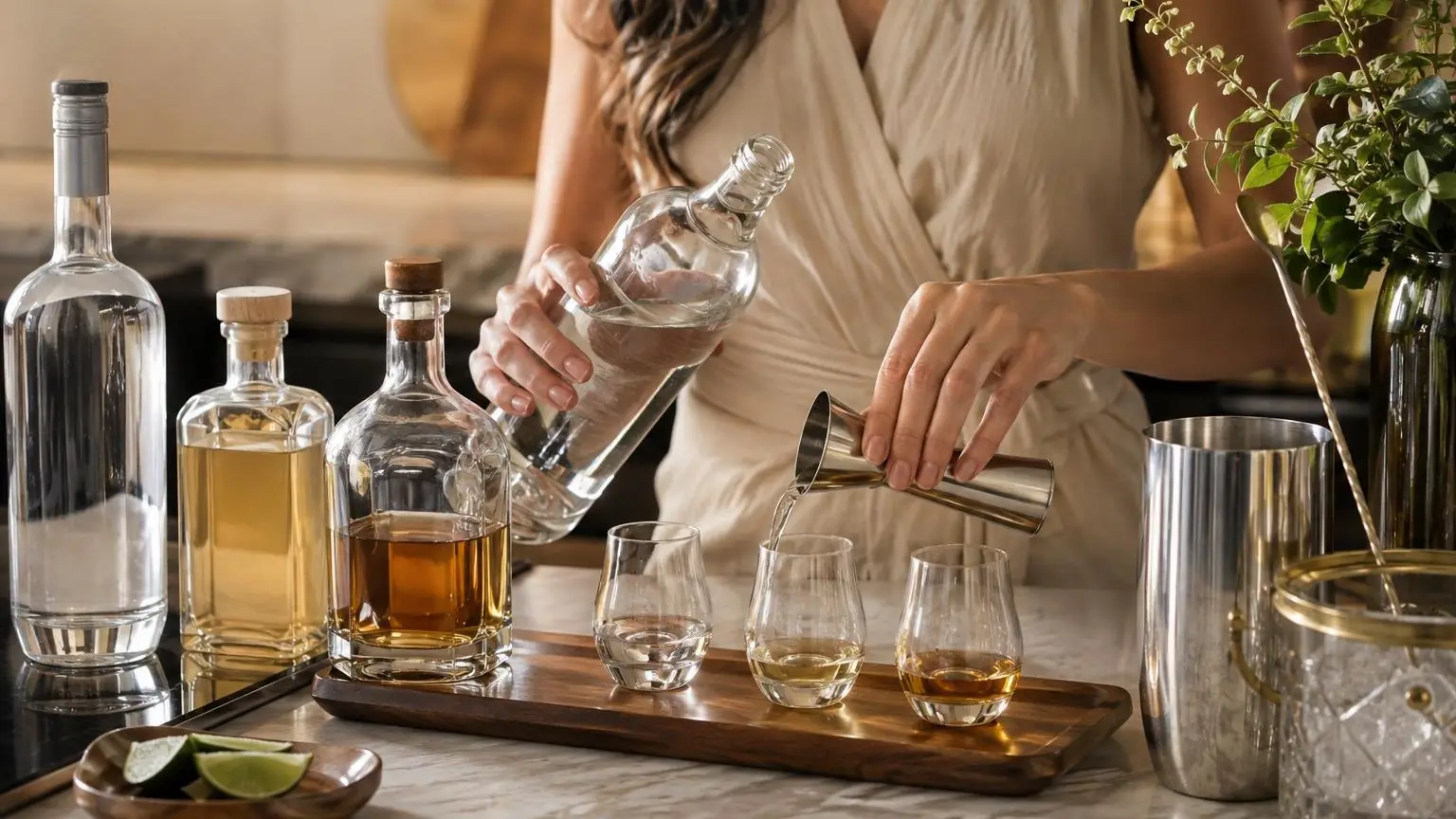
In controlled research, bourbon caused worse hangovers than vodka at the same intoxicating dose, likely because bourbon contains far more congeners.
Does vodka really cause fewer hangovers than whiskey?
Yes, vodka is one of the lowest-congener spirits, while whiskey contains higher levels of congeners from barrel aging and fermentation byproducts.
That does not make vodka “hangover-proof”; the amount of ethanol you drink remains the biggest factor.
Is beer or wine better for avoiding a hangover?
Light beer is often easier to moderate because it is usually about 4% to 5% ABV, while wine is commonly around 12% to 15% ABV.
However, drinking several beers can deliver more total alcohol than one or two glasses of wine, so serving size matters more than category.
Does red wine cause worse hangovers than white wine?
Red wine may cause worse symptoms for some people because it typically contains more congeners, tannins, and histamine than white wine.
If wine triggers headaches for you, a dry white wine or sparkling wine in a smaller pour may be easier to tolerate.
What is the best drink order to minimize a hangover?
Choose one low-congener drink, such as vodka soda, gin and tonic, or a light beer, and keep it to 1 standard drink per hour or less.
In the U.S., a standard drink contains 14 grams of pure alcohol: 12 oz beer at 5%, 5 oz wine at 12%, or 1.5 oz spirits at 40%.
Do clear spirits contain fewer congeners than dark liquors?
Generally, yes.
Congeners are fermentation and aging byproducts linked to worse hangover severity, and studies consistently find lower levels in clear spirits such as vodka and gin than in darker drinks like bourbon, brandy, and rum; bourbon, for example.
contains about 37 times more congeners than vodka in some analyses.
Can lower-alcohol drinks reduce hangover risk compared with stronger cocktails?
Often, yes, because total ethanol dose is one of the strongest predictors of next-day symptoms.
A standard U.S. drink contains about 14 grams of pure alcohol whether it is 12 ounces of 5% beer, 5 ounces of 12% wine, or 1.5 ounces of 40% spirits, so stronger mixed drinks can raise intake faster.
Related Reading
- Do You Pour Rum Or Coke First?
- Budweiser Zero Vs Heineken 0.0: Which is Best?
- Coors Banquet Vs Coors Light: The Truths Between Them
- How Long Does Mateus Rose Wine Last Unopened?
- How To Get Rid Of Fruit Flies With Red Wine?
- Can I Store Unopened Red Wine In Fridge?
- What Is An Absinthe Spoon?
- All Alcohol Guides
- National Institute on Alcohol Abuse and Alcoholism (2021)
- Rohsenow et al., Alcoholism: Clinical and Experimental Research / PubMed (2010)
- Swift and Davidson, Alcohol Health & Research World / PubMed (1998)
- Centers for Disease Control and Prevention (2024)
- Mayo Clinic (2022)
- Cleveland Clinic (2024)
- Harvard Health Publishing (2017)