What Percentage Is Tequila? is typically 40% alcohol by volume (80-proof) in the United States, because federal standards require tequila bottled for sale to contain at least 40% ABV after distillation from Blue Weber agave.
Most blancos, reposados, añejos, and extra añejos sit at 40% ABV, though some export or specialty bottlings reach 43–46% ABV.
Distillate can come off the still much stronger, then producers dilute it with water before bottling to meet label proof and style goals.
Check the ABV line on the front or back label before buying or mixing, since strength changes flavor intensity, cocktail balance, and serving size.
A 1.5-ounce pour of 40% ABV tequila contains about 0.6 ounces of pure alcohol, the U.S. standard drink amount.

Standard Tequila Alcohol Percentage Range
Tequila sold in Mexico and the United States must contain between 35% and 55% alcohol by volume (ABV) under the official Mexican standard NOM-006-SCFI-2012. Most commercial bottles sit at 40% ABV, or 80 proof.

The Consejo Regulador del Tequila (CRT) enforces these limits. Any spirit falling outside the 35–55% ABV window cannot legally carry the “tequila” designation.
ABV by Tequila Category
Different tequila styles tend to cluster at specific alcohol levels. The table below shows typical ranges found on shelves today.
| Tequila Type | Typical ABV | Proof (US) |
| Blanco (Silver) | 38–55% | 76–110 |
| Reposado | 38–40% | 76–80 |
| Añejo | 38–40% | 76–80 |
| Extra Añejo | 38–40% | 76–80 |
| Cristalino | 35–40% | 70–80 |
Blanco tequilas show the widest ABV spread because many craft and high-proof expressions skip dilution after distillation. Barrel-aged categories are almost always diluted to 40% before bottling.
High-Proof and Overproof Exceptions
Several brands bottle at strengths well above 40% ABV. These are marketed as “high proof” or “still strength” expressions.
- Tapatio Blanco 110: 55% ABV (110 proof) — the legal maximum for tequila.
- Fortaleza Still Strength: 46% ABV (92 proof), bottled without chill filtration.
- G4 High Proof Blanco: 54% ABV (108 proof), near the regulatory ceiling.
- Pasote Blanco: 40% ABV standard, but limited releases reach 45% ABV.
High-proof tequilas deliver more concentrated agave flavor because less water is added post-distillation. Bartenders often prefer them in cocktails where the spirit must stand up to citrus and sweeteners.
How Proof Relates to ABV
In the US system, proof equals ABV multiplied by two. A 40% ABV tequila is 80 proof. The UK historically used a different proof scale, but ABV is now the global standard regulated by the International Organization of Legal Metrology.
When shopping, check the label for “Alc” or “ABV” rather than relying on proof alone. Mexican-bottled tequilas always display ABV as required by NOM-006-SCFI-2012 labeling rules.

Tequila Proof Versus ABV
Proof and ABV measure the same thing—alcohol strength—but use different scales. In the United States, proof is exactly double the ABV percentage, a system established by the TTB (Alcohol and Tobacco Tax and Trade Bureau).
A standard tequila bottled at 40% ABV is labeled 80 proof. Premium expressions often reach 45–55% ABV, translating to 90–110 proof.
How to Convert Between Proof and ABV
The U.S. conversion is straightforward: divide proof by 2 to get ABV, or multiply ABV by 2 to get proof. Other countries use different systems entirely.
- U.S. system: Proof = ABV × 2
- UK system (historical): Based on the “gunpowder test,” where 100° UK proof equaled approximately 57.15% ABV
- EU/international standard: Labels display ABV only; proof is not used
Common Tequila Expressions: Proof vs. ABV
| Tequila Type | Typical ABV | U.S. Proof |
| Mixto (standard) | 35–40% | 70–80 |
| 100% Agave (standard) | 38–40% | 76–80 |
| Blanco (premium) | 40–46% | 80–92 |
| Reposado (premium) | 40–42% | 80–84 |
| Añejo (premium) | 40% | 80 |
| Overproof / Still Strength | 50–55% | 100–110 |
Mexican regulation (NOM-006-SCFI-2012) sets the legal range for tequila between 35% and 55% ABV—or 70 to 110 proof in U.S. terms.
Why the Distinction Matters
Consumers shopping across borders encounter different labeling conventions. A bottle purchased in Mexico displays only ABV, while the same product sold in the U.S. may show both ABV and proof on the label.
Higher-proof blancos like Tapatio 110 (55% ABV) and G4 108 (54% ABV) deliver more intense agave flavor. Bartenders prefer these for cocktails because the spirit holds its character against citrus and sweeteners without being diluted into neutrality.
Always check the label for ABV rather than relying on category assumptions. Two reposados from different distilleries can differ by 5–7 percentage points, significantly affecting both flavor intensity and responsible consumption.

Blanco Reposado Añejo Strength Differences
Tequila’s alcohol content shifts across aging categories, though not as dramatically as many drinkers assume.
Most expressions land between 35% and 55% ABV, with blanco bottlings more frequently reaching higher proofs than their aged counterparts.
Barrel aging affects final ABV through two mechanisms: evaporation (the “angel’s share”) and producer decisions to dilute to a target proof before bottling. Longer aging generally means more water addition to hit a consistent ABV.
| Category | Aging Requirement | Typical ABV Range | Common Bottling Strength |
| Blanco (Silver) | 0–59 days | 35%–55% | 40% |
| Reposado | 2–12 months | 35%–55% | 38%–40% |
| Añejo | 1–3 years | 35%–55% | 38%–40% |
| Extra Añejo | 3+ years | 35%–55% | 38%–40% |
Mexican NOM-006-SCFI-2012 sets the legal floor at 35% ABV and the ceiling at 55% ABV for all tequila categories. No aging class is legally required to be stronger or weaker than another.
In practice, blancos are bottled at higher proof more often. Brands like Tapatio Blanco (40% ABV), Fortaleza Still Strength Blanco (46% ABV), and Pasote Blanco (40% ABV) showcase this trend. G4 Blanco reaches 42% ABV as standard.
Why Blancos Often Hit Higher Proof
- No barrel interaction: Distillers bottle closer to distillation proof, preserving raw agave character without dilution adjustments for barrel influence.
- Consumer demand: Bartenders and cocktail programs favor higher-proof blancos (40%–46% ABV) for better flavor integration in mixed drinks.
- Cost efficiency: Skipping barrel aging means producers can allocate margin toward higher-proof bottlings without the overhead of warehouse storage.
Reposado and añejo expressions from major brands like Jose Cuervo Tradicional and Herradura sit consistently at 40% ABV. Premium aged lines occasionally reach 42%–46% ABV but remain exceptions.
Barrel-proof or “cask strength” añejos exist but are rare. Brands like Ocho Single Barrel and Tequila Tapatio Excelencia release limited runs between 45% and 53% ABV, reflecting actual barrel-exit strength without dilution.

Why Most Tequila Is 40 Percent
The 40% ABV standard for tequila is not arbitrary. It results from the intersection of Mexican federal law, U.S. import regulations, and the economic realities of spirit production.
Legal Minimums Set the Floor
Mexico’s NOM-006-SCFI-2012 mandates that tequila must be bottled between 35% and 55% ABV. The U.S.
TTB (Alcohol and Tobacco Tax and Trade Bureau) requires distilled spirits to be at least 40% ABV (80 proof) for most categories sold domestically.
Since the United States imports more tequila than any other country—over 75% of Mexico’s total tequila exports according to the Consejo Regulador del Tequila (CRT)—producers target 40% to satisfy both jurisdictions simultaneously.
Economics Drive the Decision
Higher ABV means less liquid per liter of distillate. Diluting to exactly 40% maximizes the number of bottles a producer can fill from a single batch. Every percentage point above 40% reduces yield and increases cost per bottle.
A distillation run typically comes off the still between 55% and 65% ABV. Producers add demineralized water to bring it down to bottling strength. The math is straightforward.
| Distillate ABV | Liters of Tequila at 40% ABV per 1,000 L Distillate | Liters at 46% ABV |
| 55% | 1,375 | 1,196 |
| 60% | 1,500 | 1,304 |
| 65% | 1,625 | 1,413 |
Bottling at 40% instead of 46% yields roughly 15% more bottles from identical distillate. For a brand producing millions of liters annually, that margin is significant.
Flavor Considerations
Some master distillers argue that 40% strips nuance from agave-forward expressions. Brands like Fortaleza (40%), Tapatío (40% for blanco, 38% in Mexico), and G4 (40%) have navigated this tension differently depending on the target market.
- 38% ABV — permitted in Mexico; common for domestic-market blancos
- 40% ABV — the universal export standard; meets U.S. and EU minimums
- 43–46% ABV — growing niche for premium, flavor-focused releases
- 55% ABV — the legal ceiling under NOM-006
The 40% mark persists because it is the lowest ABV that clears every major import market. Producers default to it for compliance, cost efficiency, and global distribution simplicity.

High Proof Tequila Percentages
High proof tequilas exceed the standard 40% ABV threshold, delivering intensified agave flavor and significantly more alcohol per pour.
These expressions range from 46% to 55% ABV, with some specialty bottlings pushing even higher for cocktail or culinary applications.
Notable High Proof Tequila Expressions
| Brand & Expression | ABV | Proof (US) | Type |
| Tapatio Blanco 110 | 55% | 110 | Blanco |
| Fortaleza Still Strength Blanco | 46% | 92 | Blanco |
| G4 Blanco 108 | 54% | 108 | Blanco |
| Ocho Puntas Blanco | 48% | 96 | Blanco |
| Pasote Blanco | 40% | 80 | Blanco (reference) |
| Terralta Blanco 110 | 55% | 110 | Blanco |
| El Tesoro Paradiso | 40% | 80 | Añejo (reference) |
| Siete Leguas Blanco D’Antaño | 46% | 92 | Blanco |
Why High Proof Matters
Higher ABV tequilas carry more volatile aromatic compounds to the nose. Distillers cut less water into the spirit after distillation, preserving the agave’s natural intensity and terroir characteristics.
Many bartenders prefer overproof blancos for cocktails like Margaritas. A 55% ABV tequila holds its agave character against citrus juice and sweetener far better than a 40% bottling.
Mexican Regulatory Limits
The Norma Oficial Mexicana (NOM-006-SCFI-2012) permits tequila between 35% and 55% ABV. Any spirit labeled “tequila” must fall within this range. Bottlings below 35% or above 55% cannot legally carry the designation.
- Minimum legal ABV: 35% (70 proof) — allowed under Mexican law but rarely exported to the US
- US minimum for import: 40% (80 proof), per TTB federal regulations
- Maximum legal ABV: 55% (110 proof) — the ceiling set by NOM
- Most common high proof range: 46%–50% ABV among craft producers
Tasting Considerations
Adding a few drops of water to a 55% ABV tequila opens aromatic compounds without diluting flavor. At full strength, the ethanol can overpower the palate, masking cooked agave, mineral, and citrus notes.
High proof expressions typically cost 15–30% more than standard-strength versions from the same distillery. The premium reflects higher agave usage per bottle since less water is added post-distillation.

Tequila Percentage Compared With Other Spirits
Tequila sits squarely in the middle of the distilled spirits spectrum at 35–55% ABV. Understanding where it lands relative to vodka, rum, whiskey, and other categories helps bartenders and consumers gauge strength and make informed choices.
The following table compares standard ABV ranges across major spirit categories sold in the United States.
| Spirit | Typical ABV Range | Standard Bottle ABV |
| Tequila | 35–55% | 40% |
| Vodka | 40–50% | 40% |
| Bourbon Whiskey | 40–65% | 40–45% |
| Scotch Whisky | 40–63% | 40–43% |
| Rum | 37.5–75% | 40% |
| Gin | 37.5–50% | 40–47% |
| Mezcal | 35–55% | 40–45% |
| Absinthe | 45–74% | 55–68% |
| Overproof Rum | 57–75.5% | 63% |
At the standard 40% ABV, tequila matches vodka, gin, and most standard-bottled whiskeys drink for drink. A 1.5-oz pour of each delivers roughly the same amount of pure ethanol—approximately 0.6 oz.
Where Tequila Ranks Lower
Cask-strength bourbons like Booker’s (62–64% ABV) and overproof rums such as Wray & Nephew White (63% ABV) significantly outpace tequila. Navy-strength gin starts at 57% ABV, also well above tequila’s ceiling.
Where Tequila Ranks Higher
Tequila easily surpasses lower-proof categories:
- Wine: 12–15% ABV — tequila is roughly three times stronger.
- Beer: 4–6% ABV — a standard tequila shot contains about eight times more alcohol per ounce.
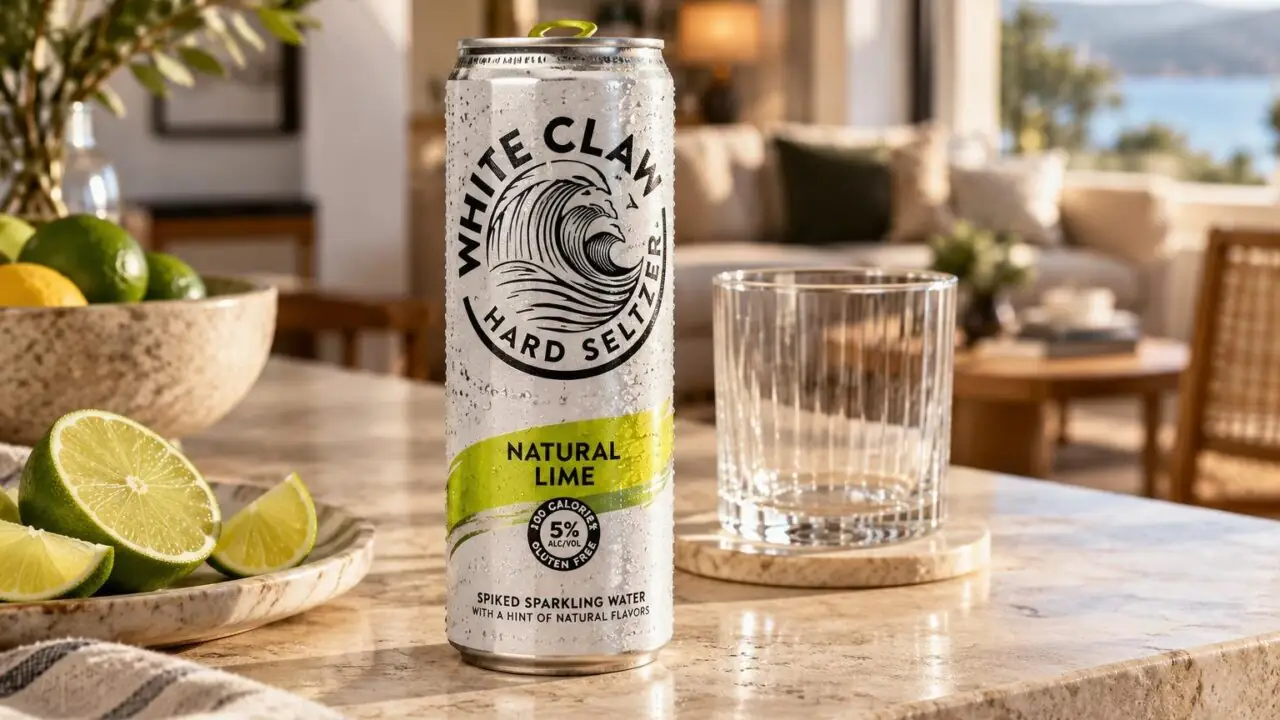
- Hard seltzer: 4.5–8% ABV — still far below tequila’s minimum 35%.
- Liqueurs (e.g., Kahlúa): 20–28% ABV — roughly half tequila’s strength.
Regulation Matters
The Norma Oficial Mexicana (NOM-006-SCFI-2012) mandates tequila be bottled between 35% and 55% ABV. U.S. federal regulation (27 CFR 5.22) requires distilled spirits labeled “tequila” to meet a 40% ABV minimum for domestic sale.
These overlapping standards keep tequila’s alcohol content predictable and consistent across brands.

How To Read Tequila Labels
Tequila labels carry legally mandated information that reveals exact alcohol content, agave composition, and production origin.
Understanding these elements prevents purchasing a mixto when you want 100% agave—and ensures the ABV matches your expectations.
Required Label Elements
Mexico’s NOM-006-SCFI-2012 standard and the CRT (Consejo Regulador del Tequila) dictate what must appear on every bottle sold domestically and internationally.
- NOM Number: A four-digit code identifying the distillery. For example, NOM 1122 is the Patrón distillery in Jalisco.
- ABV/Alcohol Content: Stated as percentage by volume. Legal range is 35–55% ABV. Most export bottles read 40% ABV (80 proof).
- “100% de Agave” Declaration: Present only when the tequila contains no non-agave sugars. If absent, the product is a mixto (minimum 51% agave sugars).
- Category: Blanco, Joven, Reposado, Añejo, or Extra Añejo—each with legally defined aging minimums.
- CRT Certification Mark: Confirms the product passed regulatory inspection.
ABV and Proof at a Glance
U.S. labels show both ABV percentage and proof. Proof equals ABV multiplied by two. International labels typically display only ABV.
| Label Reading | ABV | U.S. Proof |
| 35% alc/vol | 35% | 70 proof |
| 38% alc/vol | 38% | 76 proof |
| 40% alc/vol | 40% | 80 proof |
| 46% alc/vol | 46% | 92 proof |
| 55% alc/vol | 55% | 110 proof |
Red Flags on Labels
A bottle labeled simply “Tequila” without the “100% de Agave” statement is a mixto by default. This distinction directly affects flavor, hangover severity, and price.
Watch for terms like “gold” or “joven” on mixto bottles. These often indicate added caramel coloring rather than barrel aging.
Authentic aged tequila will specify Reposado (2–12 months), Añejo (1–3 years), or Extra Añejo (over 3 years).
Always verify the origin state. Tequila production is legally restricted to Jalisco and limited municipalities in Guanajuato, Michoacán, Nayarit, and Tamaulipas.

Common Questions
What Percentage Is Tequila?
Tequila sold in Mexico and the United States must contain between 35% and 55% alcohol by volume (ABV), according to the Mexican Official Standard NOM-006-SCFI-2012 that governs tequila production.
Most commercial bottles land at 40% ABV (80 proof), the de facto industry standard and the minimum required for sale in the U.S. under TTB regulations.
The spirit’s alcohol content depends on distillation choices, aging, and whether it is bottled at still strength or diluted with water before packaging.
Key ABV Ranges by Tequila Category
| Category | Typical ABV | Proof (US) |
|---|---|---|
| Blanco / Silver | 38%–55% | 76–110 |
| Reposado | 38%–40% | 76–80 |
| Añejo | 38%–40% | 76–80 |
| Extra Añejo | 38%–40% | 76–80 |
| Cristalino | 35%–40% | 70–80 |
| Overproof / Still Strength | 46%–55% | 92–110 |
Factors That Determine Tequila’s Alcohol Percentage
Distillation Cuts and Proof Off the Still
Tequila is typically double-distilled in copper pot stills or stainless steel column stills.
The raw distillate—called “ordinario” after the first distillation—comes off around 20%–30% ABV, while the second distillation produces spirit between 55% and 75% ABV.
Distillers then dilute the final cut with demineralized water to reach the desired bottling strength, most commonly 40% ABV.
Aging and Evaporation
During barrel aging.
Tequila loses roughly 2%–5% of its volume per year to evaporation—the so-called “angel’s share.” Añejo tequila aged 1–3 years and extra añejo aged over 3 years can experience measurable alcohol reduction in the barrel.
Which is why producers monitor ABV throughout maturation.
Final adjustments with water are made before bottling to hit the target percentage.
100% Agave vs. Mixto
NOM-006 divides tequila into two classes: 100% blue Weber agave tequila and mixto, which must contain at least 51% agave sugars with the remainder from other sources like cane sugar.
Both categories follow the same 35%–55% ABV legal range, but mixto tequilas are almost universally bottled at the lower end—38% to 40% ABV—to maximize volume and reduce production cost.
Frequently Asked Questions
Is tequila stronger than vodka?
At standard bottling, no—both typically sit at 40% ABV (80 proof). Vodka, however, has a wider legal ABV ceiling in many markets, with brands like Spirytus reaching 96% ABV, whereas tequila is capped at 55% ABV by Mexican law.
What is the strongest tequila you can buy?
Several brands bottle at or near the 55% ABV legal maximum. Tapatio Blanco 110 is bottled at 55% ABV (110 proof), and Sierra Silver at 50% ABV is widely available in Europe.
These overproof expressions are favored by bartenders for cocktails that need a spirit-forward agave punch.
Why do most tequila bottles say 80 proof?
The 40% ABV (80 proof) standard reflects both the U.S. federal minimum for distilled spirits sales and consumer taste preferences.
Producers dilute high-proof distillate with purified water to this level because it balances flavor intensity with drinkability, and it simplifies international export compliance.
Does the alcohol percentage change between blanco, reposado, and añejo?
The bottling ABV is usually the same—40%—across all three expressions within a single brand. The difference lies in flavor, color, and texture from barrel contact, not alcohol content.
Some craft brands do bottle blanco at higher proofs (46%–50%) to showcase raw agave character, while aged expressions stay at 40%.
How many standard drinks are in a shot of tequila?
A standard U.S. shot is 1.5 oz (44 ml) of 40% ABV spirit, which equals exactly one standard drink containing about 14 grams of pure ethanol, per NIAAA guidelines.
A double shot or an overproof tequila at 55% ABV would push that to 1.4–2.0 standard drinks, significantly increasing alcohol intake.
Is tequila’s alcohol content regulated differently in Mexico versus the U.S.?
Mexico’s NOM-006 standard permits 35%–55% ABV for tequila, while the U.S. Alcohol and Tobacco Tax and Trade Bureau (TTB) requires all distilled spirits to be at least 40% ABV for domestic sale.
A tequila bottled at 35% or 38% ABV is legal in Mexico and the EU but cannot be sold as “distilled spirits” in the U.S. without meeting the 40% floor.
Does freezing tequila change its alcohol percentage?
Freezing does not alter the chemical ABV of tequila. At 40% ABV, tequila’s freezing point is approximately −24°C (−11°F), well below a standard home freezer’s −18°C (0°F), so it will not solidify.
Storing it in the freezer does mute aromatic compounds, which is why connoisseurs recommend serving premium tequila at room temperature.
How does tequila’s ABV compare to mezcal’s?
Mezcal is governed by its own standard, NOM-070, which allows a range of 35%–55% ABV—identical to tequila on paper.
In practice, artisanal and ancestral mezcals are more commonly bottled between 45% and 52% ABV to preserve smoky complexity, while most tequilas default to 40%.
This higher average proof is a key reason mezcal often tastes more intense side by side.
Related Reading
- How Much Does A Fifth Of Patron Tequila Cost?
- Does Tequila Go Bad Or Expire?
- Tequila Anejo Vs Reposado
- Is Adictivo Tequila Good?
- Brown Casamigos Review – What You Need to Know?
- What Is Anejo Tequila?
- All Alcohol Guides
- Electronic Code of Federal Regulations, 27 CFR § 5.148 Agave Spirits (2025)
- Alcohol and Tobacco Tax and Trade Bureau, Beverage Alcohol Manual: Distilled Spirits (2019)
- National Institute on Alcohol Abuse and Alcoholism, What Is a Standard Drink? (2024)
- Cornell Law School Legal Information Institute, 27 CFR § 5.148 Agave Spirits (2025)
- Diario Oficial de la Federación, NOM-006-SCFI-2012 Bebidas Alcohólicas—Tequila (2012)
- EUR-Lex, Regulation (EU) 2019/787 on Spirit Drinks (2019)
- Consejo Regulador del Tequila, Tequila Regulatory Standard (2012)
- Encyclopaedia Britannica, Tequila (2024)
- Oxford Reference, Tequila (2014)
- Cedeño, Tequila Production, Critical Reviews in Biotechnology (1995)