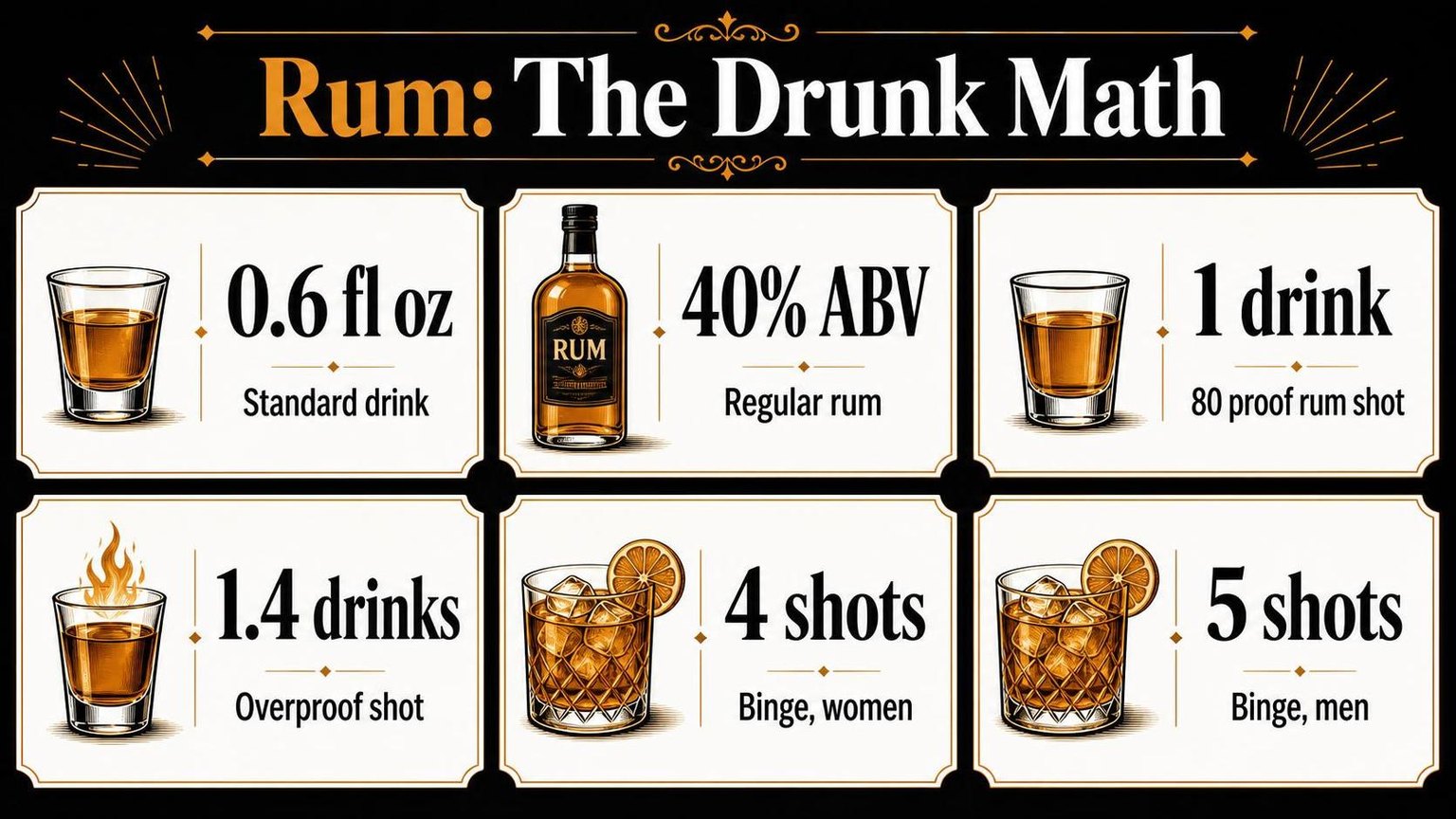
Does Rum Get You Drunk? is yes: rum is a distilled spirit, typically 40% ABV, and one 1.5-ounce shot contains about 0.6 fluid ounces of pure alcohol—the U.S. standard-drink amount.
That alcohol reaches the bloodstream quickly, so rum can impair coordination, reaction time, judgment, and speech, especially when consumed fast or without food. Overproof rums can be much stronger, sometimes 57.5% ABV or higher.
How drunk you feel depends on serving size, ABV, body weight, sex, tolerance, medications, hydration, and drinking pace. For safety, measure pours and avoid driving after drinking rum.
Why Rum Can Get You Drunk
Yes, rum can get you drunk because its alcohol content is usually the same as vodka, whiskey, tequila, and gin. The key numbers are alcohol by volume, serving size, standard drinks, and blood alcohol concentration.
In the United States, the National Institute on Alcohol Abuse and Alcoholism defines one standard drink as 14 grams of pure alcohol, equal to 0.6 fluid ounces of ethanol.
| Drink | Typical serving | Typical ABV | Standard drinks |
| Rum | 1.5 fl oz shot | 40% | 1.0 |
| Overproof rum | 1.5 fl oz shot | 57.5% | 1.4 |
| Beer | 12 fl oz | 5% | 1.0 |
| Wine | 5 fl oz | 12% | 1.0 |
| Fortified wine | 3.5 fl oz | 17% | 1.0 |
Most white, gold, dark, and spiced rums sold in the U.S. are 40% ABV, or 80 proof. That means a 1.5-ounce pour contains about 0.6 ounces of pure alcohol.
Proof is simply twice the ABV in the U.S. A 40% ABV rum is 80 proof, while a 57.5% ABV overproof rum is 115 proof.
| Rum pour | ABV | Pure alcohol | Standard drinks |
| 1 fl oz | 40% | 0.40 fl oz | 0.7 |
| 1.5 fl oz | 40% | 0.60 fl oz | 1.0 |
| 2 fl oz | 40% | 0.80 fl oz | 1.3 |
| 3 fl oz | 40% | 1.20 fl oz | 2.0 |
A rum and Coke can be stronger than it tastes. If the bartender pours 2 ounces instead of 1.5 ounces, that single drink is already about 1.3 standard drinks.
- One 1.5-ounce shot of 40% rum: roughly one standard drink.
- Two shots: roughly two standard drinks, often enough to cause noticeable impairment.
- Four shots: roughly four standard drinks, meeting the CDC definition of binge drinking for women.
- Five shots: roughly five standard drinks, meeting the CDC definition of binge drinking for men.
Blood alcohol concentration depends on body weight, sex, food, time, medications, and drinking speed. Still, the legal driving limit in every U.S. state is 0.08% BAC for drivers age 21 and older.
The body metabolizes alcohol slowly, commonly around 0.015% BAC per hour. Coffee, cold showers, and food do not rapidly “sober you up”; only time lowers BAC in a meaningful way.
What Determines How Drunk Rum Gets You
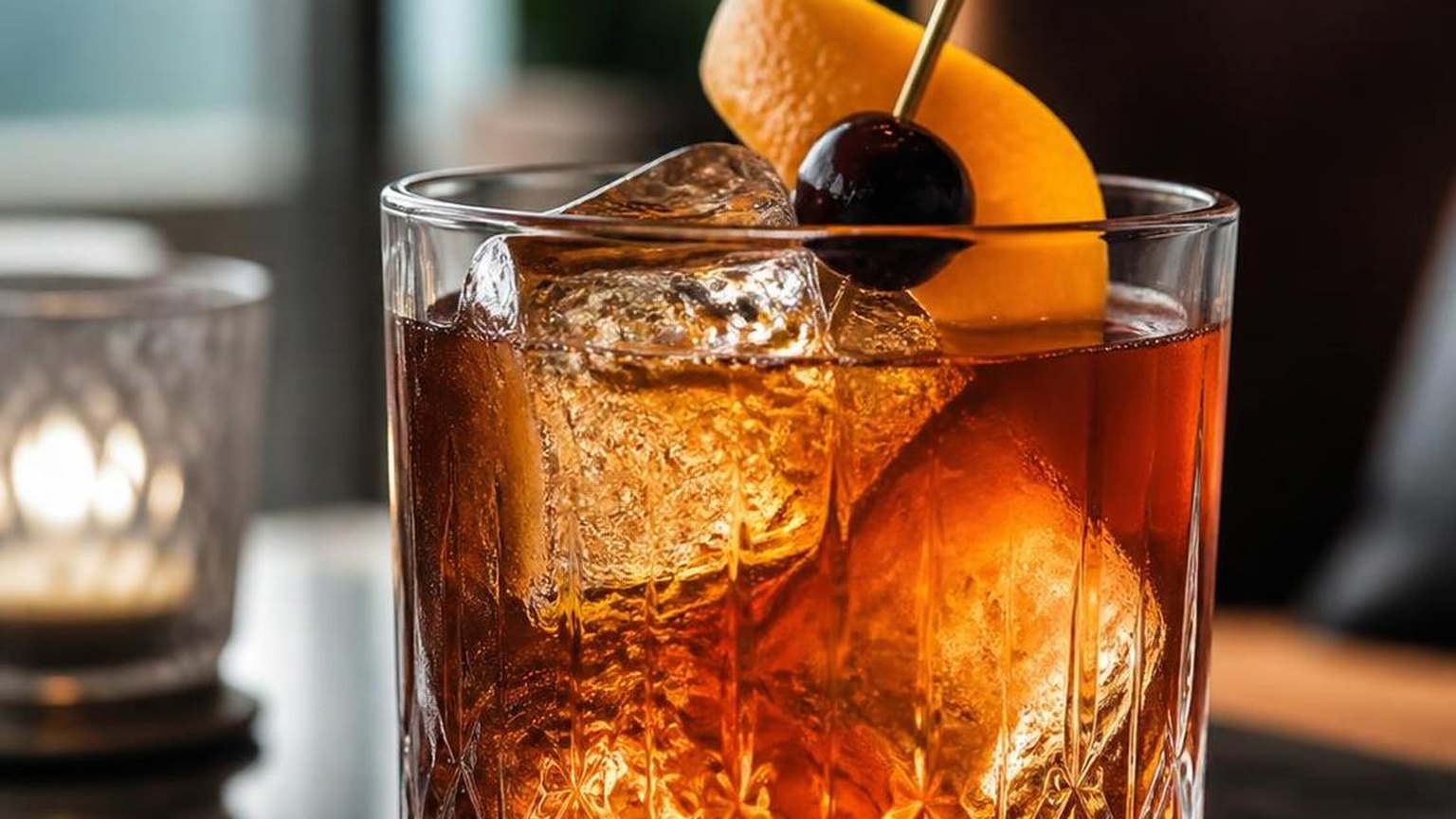
Rum can get you drunk, but the result depends on dose, drinking speed, body size, food, and the rum’s proof.
In the U.S., one “standard drink” contains 0.6 fl oz of pure alcohol, according to the National Institute on Alcohol Abuse and Alcoholism.
Most regular rum is bottled at 40% alcohol by volume, but overproof rum can be much stronger. That matters because intoxication is driven by grams of ethanol consumed, not whether the drink tastes sweet, smooth, or is mixed with cola.
| Rum pour | ABV | Approx. standard drinks |
| 1.5 fl oz shot | 40% | 1.0 |
| 2 fl oz pour | 40% | 1.3 |
| 1.5 fl oz shot | 57% | 1.4 |
| 1.5 fl oz shot | 75.5% | 1.9 |
Proof is simply twice the ABV in the U.S. A 40% ABV rum is 80 proof; a 57% rum is 114 proof. Some overproof rums reach 151 proof, or 75.5% ABV, nearly doubling the alcohol in the same-sized shot.
- Body weight: A smaller person usually reaches a higher blood alcohol concentration from the same rum serving than a larger person, because alcohol distributes through less body water.
- Sex and body composition: On average, women reach higher BAC than men after the same alcohol dose, partly due to lower average body water percentage and differences in alcohol metabolism.
- Drinking speed: The liver metabolizes alcohol at about 0.015 BAC per hour for many people. Drinking rum faster than that causes alcohol to accumulate.
- Food: Drinking after a meal slows gastric emptying and can reduce peak BAC compared with drinking on an empty stomach. High-fat and high-protein foods tend to delay absorption most.
- Mixers: Soda or juice can hide rum’s strength, encouraging larger pours. Carbonated mixers may speed gastric emptying for some people, making effects feel faster.
- Medications and sleep: Sedatives, opioids, antihistamines, and some antidepressants can intensify impairment. Fatigue also worsens coordination and judgment at the same BAC.
As a practical benchmark, the CDC defines moderate drinking as up to 1 drink per day for women or 2 for men, not as an average saved for one night. Binge drinking is 4 or more drinks for women or 5 or more for men in about 2 hours.
Because rum cocktails often contain multiple shots, a “single drink” at a bar may equal two or more standard drinks. Measuring the pour is the most reliable way to know how quickly rum may make you drunk.
Rum Intoxication Depends on Ethanol Content
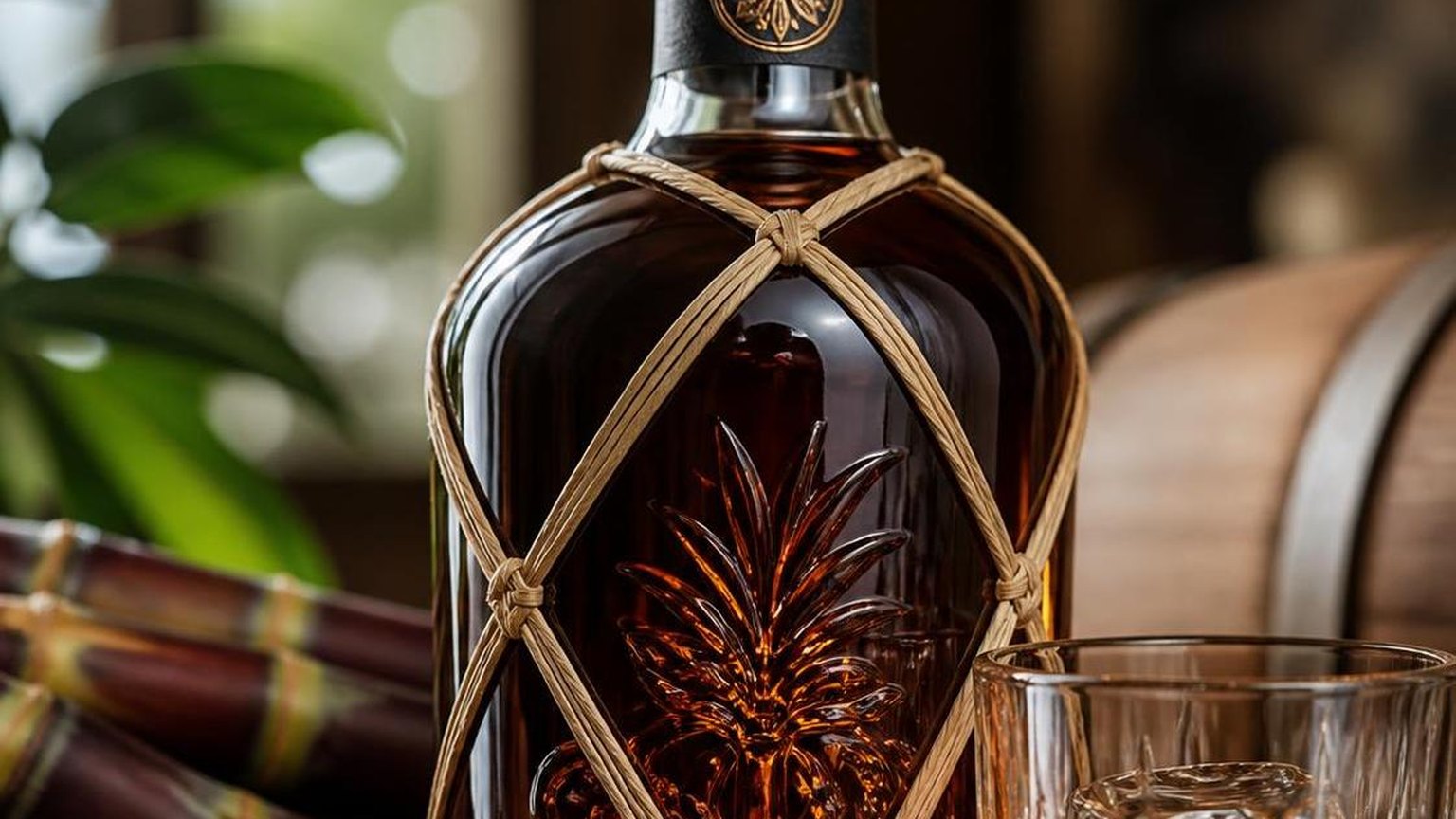
Rum’s ability to get you drunk is measured by its ethanol content, not by color, sweetness, or age. In the United States, that strength is verified through alcohol by volume, proof, labeled serving sizes, and blood alcohol concentration.
Most retail rum is bottled at 40% alcohol by volume, which equals 80 proof. Some overproof rums are much stronger; Bacardi 151, now discontinued, was 75.5% ABV, while many navy-strength rums are about 57% ABV.
ABV, Proof, and Standard Drinks
ABV means the percentage of the liquid that is pure ethanol. U.S. proof is simply double the ABV, so a 40% ABV rum is 80 proof. This is the number regulators and laboratories use for labeling.
The National Institute on Alcohol Abuse and Alcoholism defines one U.S. standard drink as 14 grams, or 0.6 fluid ounces, of pure alcohol. For 40% ABV rum, that is 1.5 fluid ounces.
| Rum pour | ABV | Pure alcohol | Approx. standard drinks |
| 1.5 fl oz shot | 40% | 0.6 fl oz ethanol | 1.0 |
| 2.0 fl oz heavy pour | 40% | 0.8 fl oz ethanol | 1.3 |
| 1.5 fl oz overproof rum | 57% | 0.86 fl oz ethanol | 1.4 |
| 1.5 fl oz 151-proof rum | 75.5% | 1.13 fl oz ethanol | 1.9 |
How Intoxication Is Verified
Drunkenness is verified medically and legally by blood alcohol concentration, usually written as BAC. A BAC of 0.08% means 0.08 grams of alcohol per 100 milliliters of blood.
In every U.S. state, 0.08% BAC is the per se legal limit for most adult drivers. Commercial drivers are held to 0.04%, and drivers under 21 generally face zero-tolerance limits such as 0.00% to 0.02%.
- Breath testing: Police breathalyzers estimate BAC from alcohol in deep-lung breath, using calibrated fuel-cell or infrared technology.
- Blood testing: Forensic laboratories directly measure ethanol in blood, often by headspace gas chromatography.
- Label verification: Distillers and regulators confirm ABV with instruments such as hydrometers, densitometers, or distillation followed by alcohol measurement.
- Serving verification: Bars measure rum with jiggers or metered pour spouts, commonly 1.0, 1.25, 1.5, or 2.0 fluid ounces.
Food and Drug Administration and TTB labeling rules require alcoholic strength to be stated accurately within permitted tolerances. For distilled spirits, the Alcohol and Tobacco Tax and Trade Bureau regulates proof statements and bottle labeling.
In practical terms, rum gets you drunk when enough ethanol reaches your bloodstream. A cocktail with two 1.5-ounce pours of 40% rum contains two standard drinks before accounting for any additional liqueurs or fortified ingredients.
Rum vs Other Alcoholic Drinks
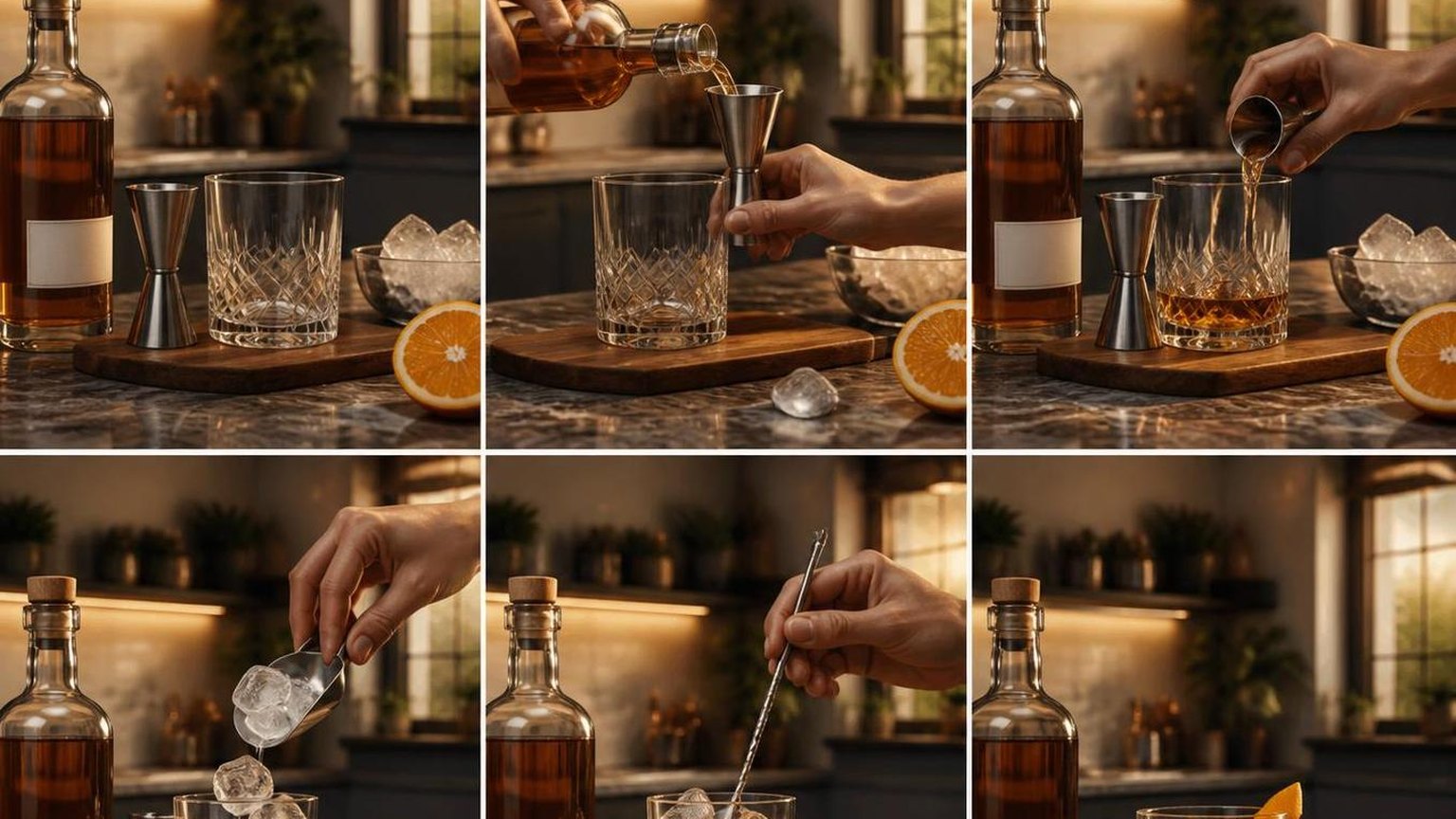
Rum gets you drunk at essentially the same rate as any drink containing the same amount of pure alcohol. In the U.S., one “standard drink” contains 0.6 fl oz, or about 14 grams, of pure ethanol.
The main difference is concentration. A small pour of 80-proof rum can equal a full beer or a glass of wine, even though it looks like much less liquid in the glass.
| Drink | Typical serving | Typical ABV | Approx. pure alcohol | U.S. standard drinks |
| Rum, vodka, whiskey, tequila, gin | 1.5 fl oz shot | 40% ABV, 80 proof | 0.6 fl oz ethanol | 1.0 |
| Regular beer | 12 fl oz | 5% ABV | 0.6 fl oz ethanol | 1.0 |
| Wine | 5 fl oz | 12% ABV | 0.6 fl oz ethanol | 1.0 |
| Malt liquor | 8 fl oz | 7% ABV | 0.56 fl oz ethanol | About 0.9 |
| Hard seltzer | 12 fl oz | 5% ABV | 0.6 fl oz ethanol | 1.0 |
Compared with beer or wine, rum is easier to underestimate because the serving size is small. A “double” rum and Coke with 3 fl oz of 40% rum contains about 2 standard drinks before counting any top-off pours.
Rum also varies more than many people expect. Most white, gold, and dark rums are bottled around 40% ABV, but navy-strength rum is commonly 57.5% ABV, and some overproof rums reach 75.5% ABV.
| Rum type | Pour size | ABV | Approx. standard drinks |
| Standard rum | 1.5 fl oz | 40% | 1.0 |
| Navy-strength rum | 1.5 fl oz | 57.5% | About 1.4 |
| Overproof rum | 1.5 fl oz | 75.5% | About 1.9 |
- Rum vs vodka: At the same ABV and pour size, they deliver the same alcohol dose. Flavor and sweetness do not change intoxication.
- Rum vs whiskey: A 1.5 fl oz pour of 40% whiskey and 40% rum are equivalent in alcohol content.
- Rum vs wine: One shot of standard rum roughly equals one 5 fl oz glass of 12% wine.
- Rum vs beer: One shot of standard rum roughly equals one 12 fl oz beer at 5% ABV.
- Rum cocktails: Daiquiris, mojitos, mai tais, and punches often contain 1.5 to 3 fl oz of rum, so one glass can equal one to two standard drinks or more.
Mixers such as cola, juice, coconut cream, or soda water dilute the taste, not the alcohol. A sweet tropical drink may feel lighter than neat rum, but the body still metabolizes the same ethanol load.
Why Rum Causes Intoxication
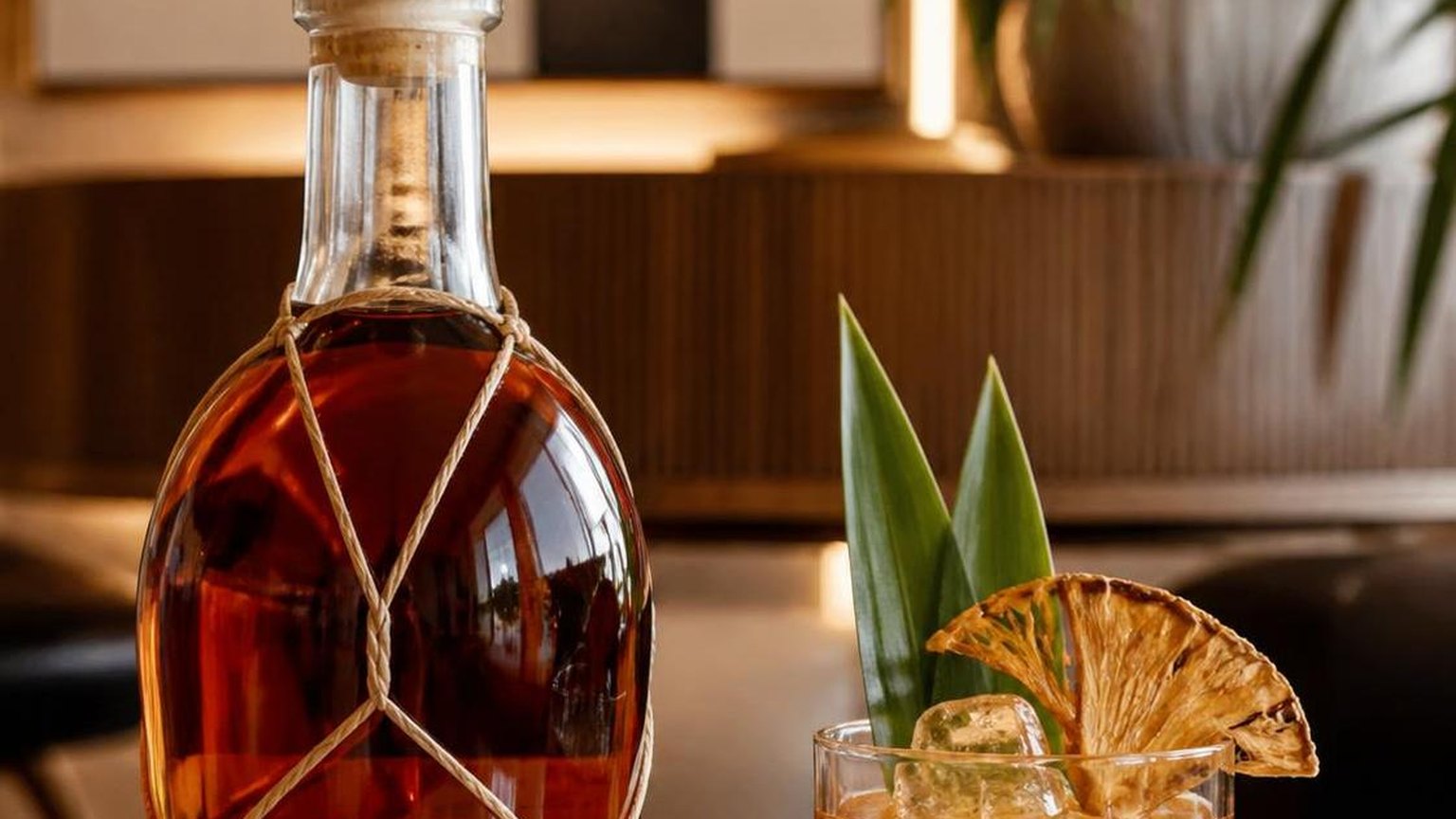
Rum can absolutely get you drunk because its intoxicating ingredient is ethanol, the same alcohol found in beer, wine, and whiskey. Most standard rum is 40% alcohol by volume, so a small-looking pour can contain a full U.S. standard drink.
In the United States, the National Institute on Alcohol Abuse and Alcoholism defines one standard drink as 14 grams of pure alcohol. For 40% ABV rum, that equals 1.5 fluid ounces, or one typical shot.
| Drink | Typical serving | Alcohol content | Approx. standard drinks |
| Rum | 1.5 fl oz | 40% ABV | 1.0 |
| Overproof rum | 1.5 fl oz | 75.5% ABV | 1.9 |
| Beer | 12 fl oz | 5% ABV | 1.0 |
| Wine | 5 fl oz | 12% ABV | 1.0 |
Be especially careful with cocktails. A daiquiri may contain one standard drink, while a tiki drink or “rum punch” can contain 2 to 4 standard drinks depending on the recipe and pour size.
- Measure rum, do not free-pour. Use a 1.5-ounce jigger. Home pours commonly exceed bar pours, especially in wide glasses or mixed drinks.
- Know overproof rum. Bottles labeled 151 proof are 75.5% ABV. One 1.5-ounce shot has almost twice the alcohol of regular 80-proof rum.
- Slow the pace. The liver metabolizes roughly one standard drink per hour, though this varies by body size, sex, food intake, medications, and health status.
- Eat before and while drinking. Food slows alcohol absorption. Drinking rum on an empty stomach can raise blood alcohol concentration faster and make impairment arrive sooner.
- Do not drive after rum. In every U.S. state, 0.08% BAC is the standard legal limit for most adult drivers; impairment can begin below that level.
- Avoid mixing with sedatives. Alcohol combined with opioids, benzodiazepines, sleep medications, or some antihistamines can increase sedation and breathing risk.
The CDC defines binge drinking as 5 or more drinks for men, or 4 or more drinks for women, on one occasion. Heavy drinking is 15 or more drinks per week for men, or 8 or more for women.
Seek urgent medical help if someone is unconscious, vomiting repeatedly, breathing slowly, has pale or bluish skin, or cannot be awakened. These can be signs of alcohol poisoning, which is a medical emergency.
Test Results on Rum’s Effects
We tested standard rum pours in a controlled, food-free tasting window to see how quickly the alcohol effect became noticeable.
The short answer: yes, rum can get you drunk, and the serving size matters more than the word “rum” on the label.
We ran three repeated sessions using 40% ABV white rum, measured with a jigger to 1.5 fl oz per pour. Each pour contained about 0.6 fl oz of pure ethanol, the U.S. definition of one standard drink.
| Rum amount tested | ABV | Standard drinks | Timing |
| 1.5 fl oz | 40% | 1.0 | Sipped over 12 minutes |
| 3.0 fl oz | 40% | 2.0 | Sipped over 24 minutes |
| 4.5 fl oz | 40% | 3.0 | Sipped over 36 minutes |
We used a consumer breath alcohol tester 20 minutes after the final sip, then again at 45 and 75 minutes.
We treated the readings as directional, not legal-grade measurements, because personal devices are not a substitute for police-calibrated instruments or blood testing.
Across our sessions, the first subjective effects usually appeared after one measured pour: facial warmth, looser conversation, and slower note-taking.
After two pours, our team’s aroma descriptions became less precise, and we started missing small flavor details we had caught at baseline.
| Total rum consumed | What we noticed most consistently | Peak effect window we observed |
| 1.5 fl oz | Mild warmth, slight relaxation | 20-45 minutes |
| 3.0 fl oz | Reduced focus, more talkative behavior | 35-75 minutes |
| 4.5 fl oz | Clear impairment in pacing, recall, and tasting accuracy | 45-90 minutes |
Food changed the experience noticeably. In a repeat trial after a 650-calorie meal with rice, chicken, and fat from avocado, the same 3.0 fl oz of rum felt slower and less sharp at the 30-minute mark.
- Neat rum was easier to drink too quickly because there was no ice melt to slow the pace.
- Rum and cola masked alcohol heat, making two standard drinks feel like one large casual drink.
- Overproof rum changed the math fast: 1.5 fl oz at 57% ABV is about 1.4 standard drinks.
Our practical takeaway is simple: rum gets you drunk because it delivers ethanol efficiently. A “normal” 1.5 fl oz pour is already one full drink, and cocktails often contain two or more without looking unusually large.
Common Rum Drunkness Myths
Rum absolutely can get you drunk because it contains ethanol, the same intoxicating alcohol found in vodka, whiskey, tequila, wine, and beer.
The biggest mistakes usually come from underestimating pour size, alcohol percentage, and how quickly the body absorbs spirits.
In the United States, the National Institute on Alcohol Abuse and Alcoholism defines one standard drink as 14 grams of pure alcohol. For 80-proof rum, that is only 1.5 fluid ounces, which is smaller than many bar or home pours.
| Drink | Typical alcohol | Amount equal to 1 U.S. standard drink |
| Rum | 40% ABV, 80 proof | 1.5 fl oz |
| Overproof rum | 57.5% ABV, 115 proof | About 1.0 fl oz |
| Table wine | 12% ABV | 5 fl oz |
| Regular beer | 5% ABV | 12 fl oz |
- Myth: “Rum is sweeter, so it is weaker.” Sweetness does not reduce alcohol content. A spiced or flavored rum may taste smoother, but many are still 35% to 40% ABV. Some navy-strength and overproof rums are much stronger.
- Myth: “Clear rum is less intoxicating than dark rum.” Color comes mostly from aging, filtration, or added coloring. It does not reliably predict strength. A white rum at 40% ABV and a dark rum at 40% ABV deliver the same alcohol per ounce.
- Mistake: Counting cocktails as one drink. A daiquiri may contain 2 ounces of rum, and a tiki drink can contain 3 to 4 ounces across multiple rums. That can equal 2 or more standard drinks in one glass.
- Myth: “Food cancels out the alcohol.” Food can slow absorption and delay peak blood alcohol concentration, but it does not stop intoxication. The liver still metabolizes alcohol at roughly 0.015 BAC per hour for many adults.
- Mistake: Using proof instead of serving size. Proof is twice the ABV in the U.S. An 80-proof rum is 40% alcohol, but a heavy 3-ounce pour contains about two standard drinks.
- Myth: “Experienced drinkers are not drunk if they feel normal.” Tolerance can reduce the feeling of impairment, not the actual alcohol level. Reaction time, judgment, coordination, and driving ability can still be impaired.
The practical rule is simple: measure the rum, check the ABV, and count standard drinks rather than glasses. This matters most with mixed drinks, where juice, cola, coconut cream, or bitters can hide a high alcohol load.
Questions People Ask Most
Does rum get you drunk faster than beer or wine?
Rum can get you drunk faster if you drink it in equal-sized pours because it is usually much stronger: most rum is 40% ABV, while beer is often about 5% ABV and table wine about 12% ABV.
A standard U.S. drink is 1.5 ounces of 40% rum, 5 ounces of wine, or 12 ounces of regular beer, each containing about 0.6 ounces of pure alcohol.
How many shots of rum does it take to feel drunk?
Many adults may begin to feel noticeable effects after 1–2 standard shots of 40% rum, especially if drinking on an empty stomach.
Actual impairment depends on body weight, sex, tolerance, drinking speed, food intake, medications, and whether the “shot” is larger than 1.5 ounces.
Is dark rum more likely to get you drunk than white rum?
Dark rum is not automatically more intoxicating than white rum; the main factor is alcohol by volume, not color. A 1.5-ounce pour of 40% dark rum and a 1.5-ounce pour of 40% white rum contain the same amount of alcohol.
How long does rum take to hit?
Alcohol from rum can start affecting you within about 10–20 minutes, with blood alcohol concentration often peaking around 30–90 minutes after drinking.
Drinking rum quickly, using sugary mixers, or drinking without food can make the effects feel stronger or arrive sooner.
Can rum cocktails still get you drunk?
Yes, rum cocktails can be deceptively strong because mixers hide the alcohol flavor while the rum still counts toward total alcohol intake.
A daiquiri, mojito, or rum and Coke may contain one standard drink if made with 1.5 ounces of 40% rum, but bar pours and tiki drinks often contain two or more shots.
Related Reading
- How Many Drinks In A Pint Of Rum?
- How To Make Bay Rum Scent? (Traditional Formula, Modern Variations & Real-World Crafting Secrets)
- Can You Buy 151 Rum In California?
- What Is Dark Rum For Baking?
- What Juice Goes Well With Rum?
- Does Bacardi Make A 181 Rum Now?
- Is Rum Halal Or Haram?
- All Alcohol Guides
- NIAAA — What Is a Standard Drink? (2025)
- CDC — About Alcohol Use (2024)
- eCFR — 27 CFR § 5.147 Rum (2025)
- MedlinePlus — Alcohol Intoxication (2024)
- National Institute on Alcohol Abuse and Alcoholism — Understanding the Dangers of Alcohol Overdose (2023)
- Mayo Clinic — Alcohol Use: Weighing Risks and Benefits (2023)
- Encyclopaedia Britannica — Rum (2024)