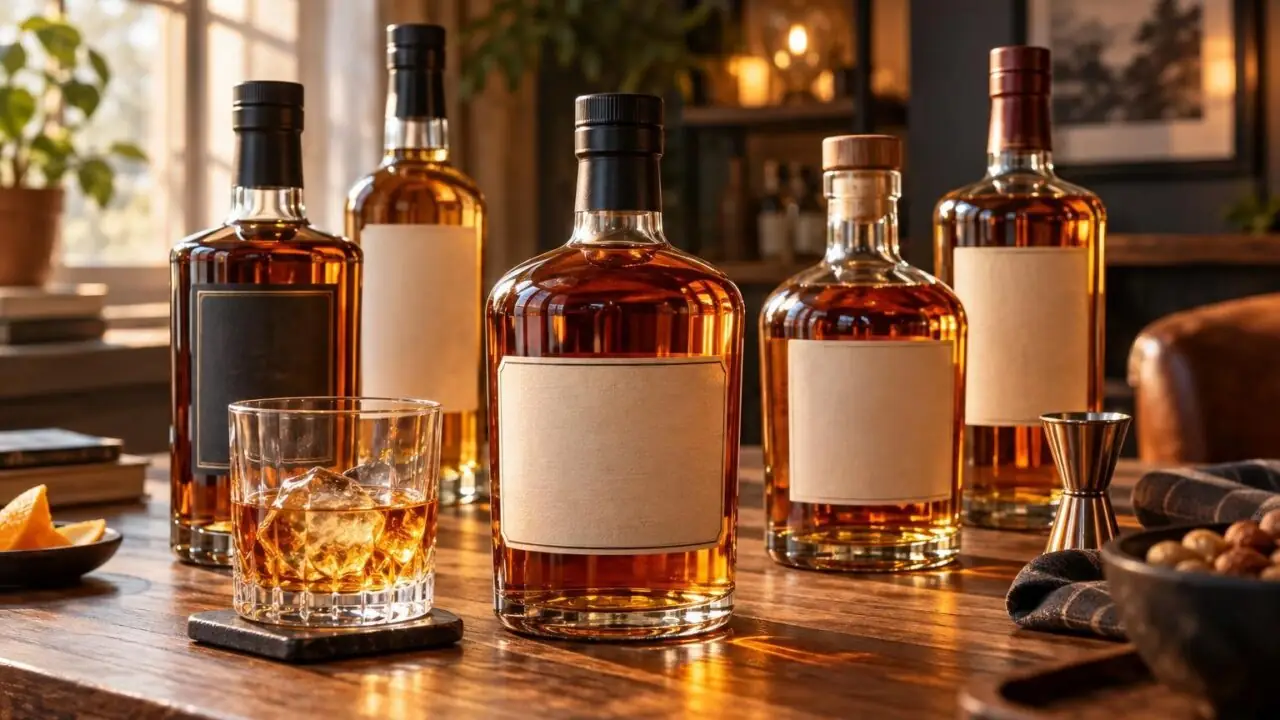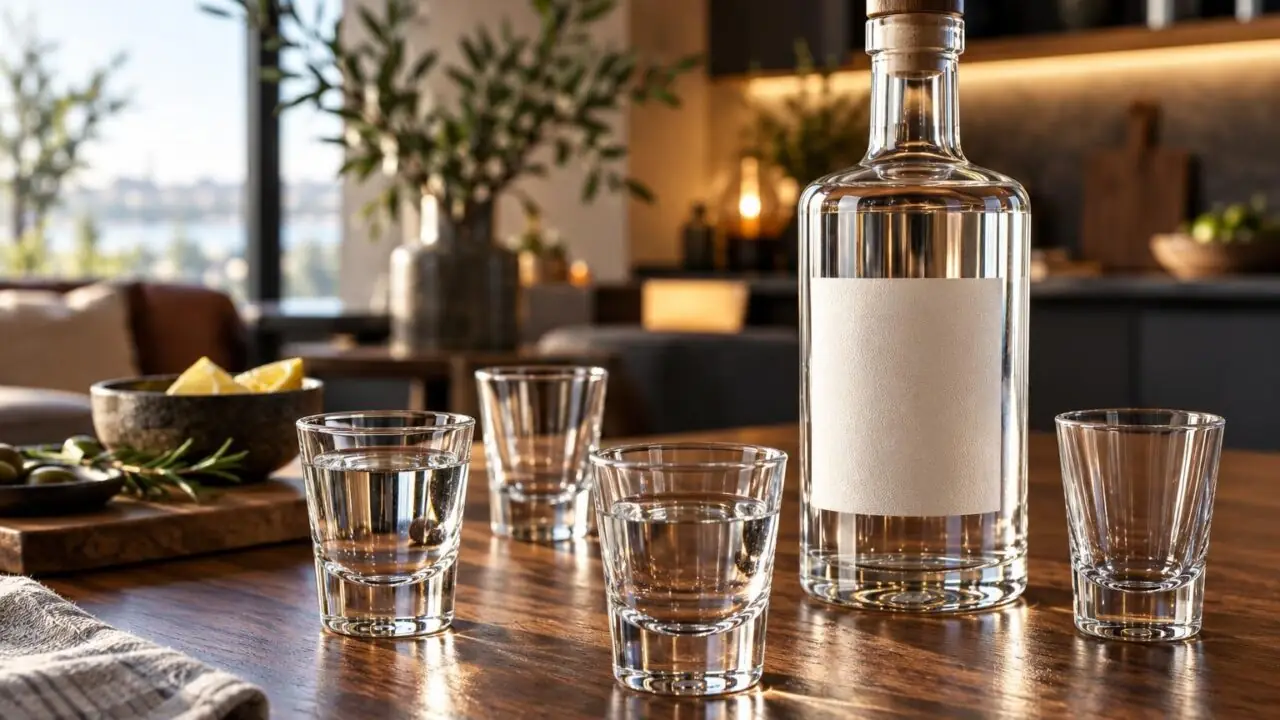
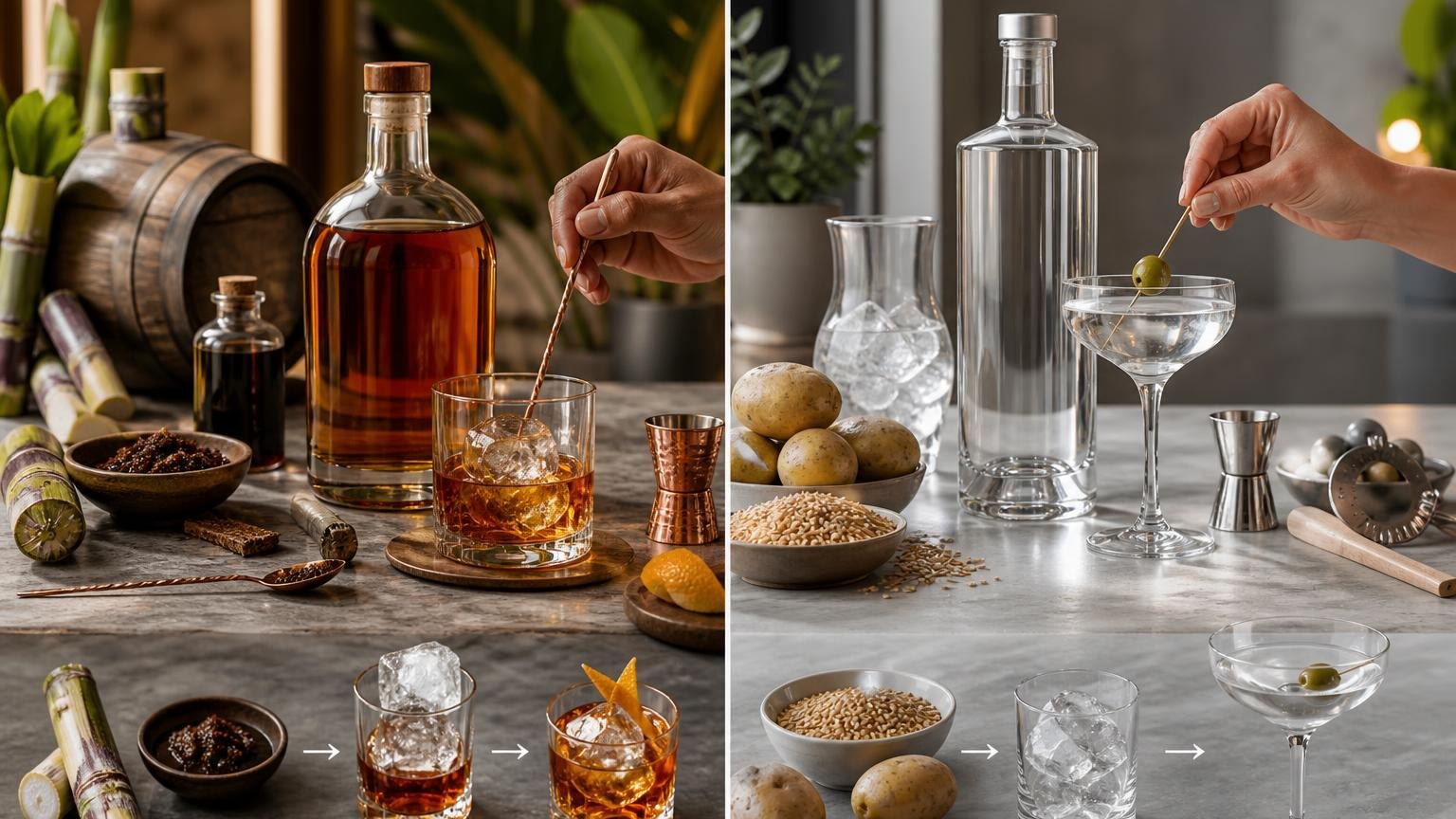
The difference between rum and vodka is that rum is distilled from sugarcane byproducts or juice, while vodka is a neutral spirit distilled from grains, potatoes, or other fermentable sugars.
Rum usually carries molasses, caramel, vanilla, spice, or tropical fruit notes, especially when aged in oak. Vodka is typically filtered for a clean, light, nearly flavorless profile.
Both are commonly bottled around 40% ABV in the U.S., but their raw materials, production goals, and cocktail roles make them taste and behave very differently.
Production Numbers Behind Flavor Differences
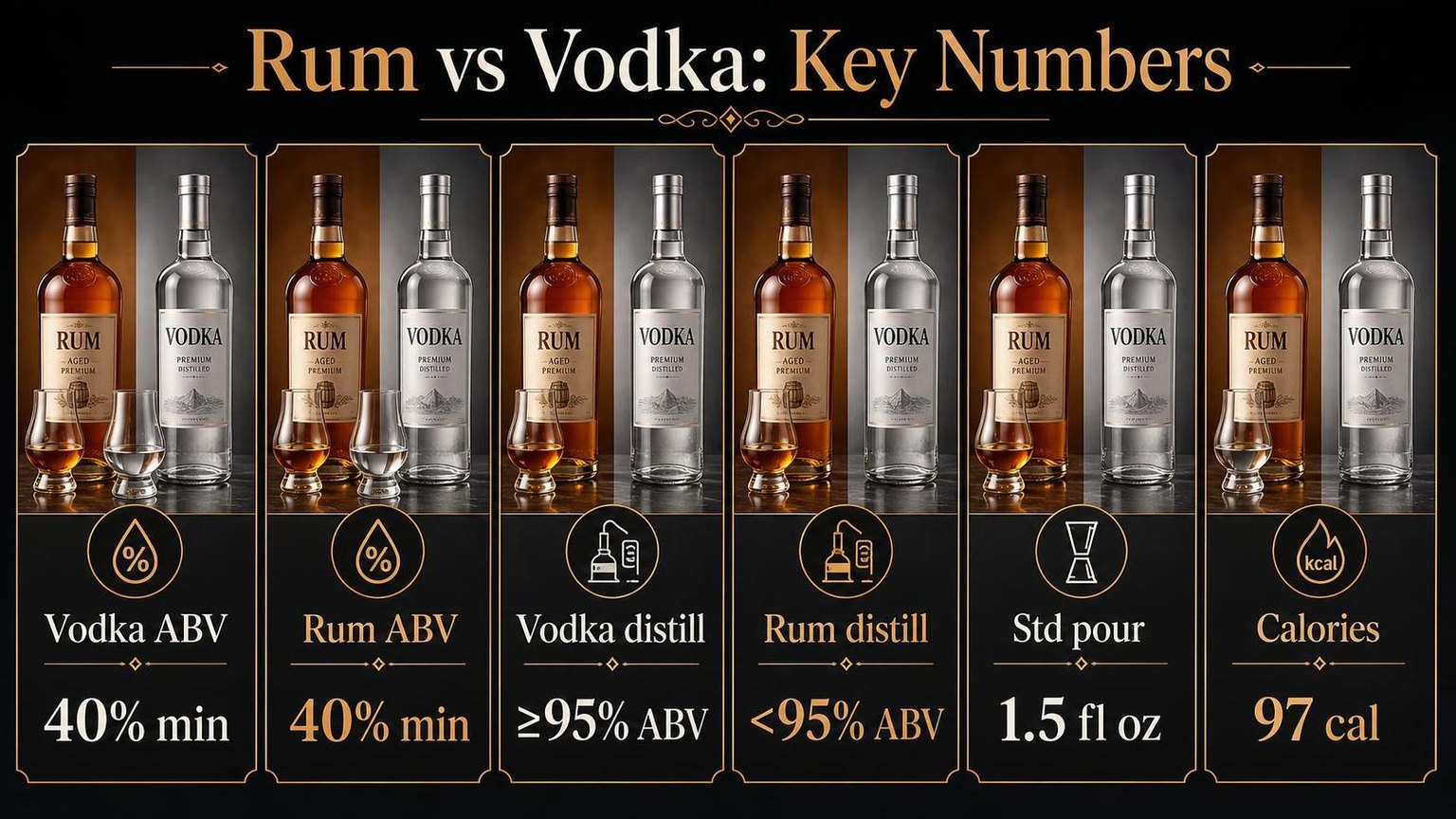
Rum and vodka often look similar in the glass, but the production numbers explain why they taste so different. In U.S. labeling rules, both are usually bottled at 40% ABV, yet their raw materials and distillation limits are not the same.
| Number | Vodka | Rum |
| Minimum bottling strength in the U.S. | 40% ABV, or 80 proof | 40% ABV, or 80 proof |
| Base material | Neutral spirits from grain, potato, corn, grape, or other fermentable sources | Sugarcane juice, sugarcane syrup, molasses, or other sugarcane byproducts |
| Distillation benchmark | Neutral spirits are distilled at or above 95% ABV under U.S. standards | Distilled at less than 95% ABV under U.S. rum standards |
| Expected flavor standard | Without distinctive character, aroma, taste, or color | Must have the taste, aroma, and characteristics generally attributed to rum |
The 95% ABV line is one of the clearest technical differences. Vodka starts as a highly purified neutral spirit, which removes most source-material flavor. Rum is distilled below that threshold, allowing more congeners to remain.
Congeners are flavor-active compounds created during fermentation and distillation.
In practical tasting, this is why a molasses-based aged rum can show banana, brown sugar, vanilla, or baking spice, while a classic unflavored vodka is judged more on texture, heat, and cleanliness.
| Standard serving | Amount | Approximate pure alcohol | Approximate calories |
| 80-proof vodka | 1.5 fl oz | 0.6 fl oz ethanol, about 14 g | About 97 calories |
| 80-proof rum | 1.5 fl oz | 0.6 fl oz ethanol, about 14 g | About 97 calories |
For plain, unflavored 80-proof bottles, alcohol content and calories are essentially the same. Ethanol provides about 7 calories per gram, so the calorie count comes from the alcohol, not from sugar or fat.
The numbers change with sweetened, spiced, flavored, or liqueur-style products. Some rums contain dosage or sweetening after distillation, and flavored vodkas may include sugar.
Those additions can raise calories and carbohydrates beyond the 97-calorie baseline.
- Proof is double ABV: 40% ABV equals 80 proof; 50% ABV equals 100 proof.
- Higher proof changes perception: a 100-proof rum or vodka contains 25% more alcohol per ounce than an 80-proof version.
- Aging differs: vodka is typically unaged, while many rums spend months to years in oak, adding color and barrel-derived flavors.
Ingredients Distillation and Aging Effects
The biggest difference between rum and vodka in the glass comes from what the spirit is made from, how completely it is distilled, and whether it is aged.
U.S. labeling rules also matter: vodka is defined to be neutral, while rum is allowed to retain sugarcane-derived character.
Under U.S.
TTB standards, vodka is a neutral spirit “without distinctive character, aroma, taste, or color.” Rum, by contrast, must be distilled from sugarcane products and may show aroma, flavor, and color from fermentation, distillation, and maturation.
| Factor | Rum | Vodka |
| Legal raw material in the U.S. | Sugarcane products, such as molasses or cane juice | Any fermentable material, commonly grain, potato, corn, or sugar beet |
| Typical bottling strength | 40% ABV is common; overproof rums may be much higher | 40% ABV is the standard U.S. bottling strength |
| Flavor target | Sugarcane, molasses, fruit, spice, oak, caramel, or esters | Clean, neutral, light grain or mineral notes at most |
| Aging impact | Often aged in oak, adding color, vanilla, coconut, toast, and tannin | Usually unaged and filtered to remain clear and neutral |
Base Ingredient
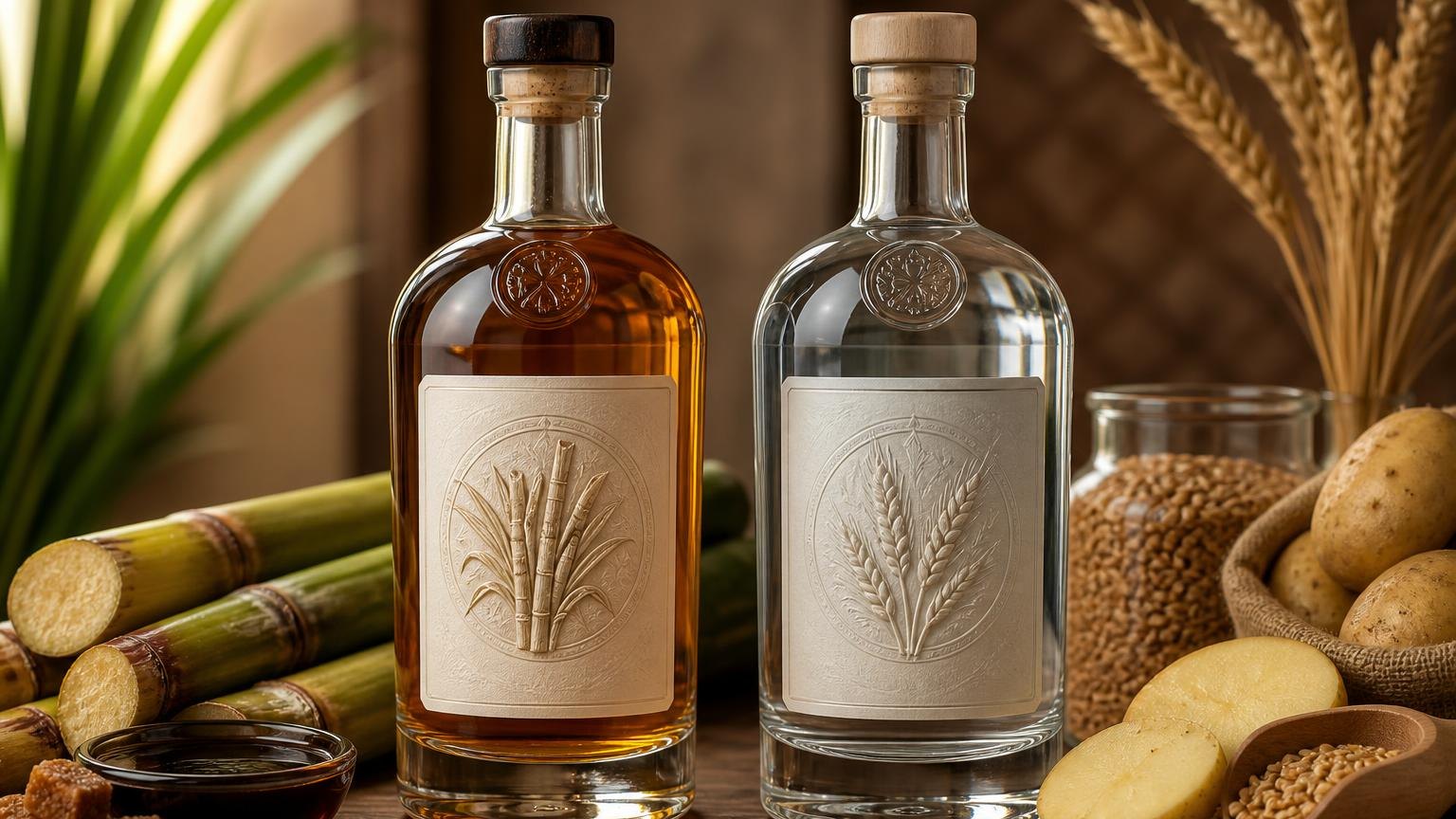
Rum starts with sugarcane: usually molasses, sometimes fresh cane juice or cane syrup. That feedstock brings darker, heavier flavors after fermentation, especially when producers encourage ester formation.
Jamaican pot-still rums, for example, are famous for high-ester aromas like banana, pineapple, glue, and overripe fruit.
Vodka can start from many crops, but the goal is different. Whether made from wheat, rye, corn, potato, or grapes, the producer usually distills and filters it until the base material is barely perceptible.
Distillation and Congeners
Congeners are flavor-active compounds produced during fermentation and carried through distillation. Rum usually keeps more congeners than vodka, particularly when made on pot stills or distilled to a lower proof.
Vodka is distilled to a very high proof, then diluted with water.
This is why rum can taste like brown sugar, dried fruit, oak, or funk, while vodka mostly contributes alcohol texture, chill, and dilution.
The difference is not just “sweet versus dry”; it is a difference in retained fermentation character.
Aging, Color, and Additives
Barrel aging changes rum dramatically. Used bourbon barrels, common in rum production, add vanillin, lactones, spice, and oxidation notes. Tropical aging is faster because heat increases extraction and evaporation.
- White rum: usually lighter, sometimes aged briefly and filtered clear.
- Gold or amber rum: may show barrel influence or added coloring.
- Dark rum: often richer, with molasses, caramel, oak, and spice notes.
- Vodka: typically clear, unaged, and designed for neutrality.
Water and Filtration
Vodka’s final character often depends on dilution water and filtration. Charcoal, quartz, silver, or membrane filtration can soften texture, though it will not create the layered flavors found in aged rum.
With rum, filtration may polish the spirit, but it rarely erases its sugarcane origin.
How Rum and Vodka Are Verified
Rum and vodka are verified first by legal identity, then by lab measurements. In the U.S., the Alcohol and Tobacco Tax and Trade Bureau, or TTB, checks formula, production records, label claims, and alcohol strength before approval.
The core measurement is alcohol by volume, abbreviated ABV. U.S. proof is exactly twice the ABV, so an 80-proof bottle contains 40% alcohol by volume.
| Measurement or rule | Rum | Vodka |
| U.S. minimum bottling strength | 40% ABV, or 80 proof | 40% ABV, or 80 proof |
| U.S. distillation limit for class identity | Distilled at less than 95% ABV from sugar-cane material | Produced from neutral spirits; commonly distilled to at least 95% ABV before dilution |
| EU minimum bottling strength | 37.5% ABV | 37.5% ABV |
| Primary raw-material verification | Molasses, sugar-cane juice, syrup, or other cane by-products | Agricultural materials such as grain, potato, beet, or other fermentable sources |
Alcohol strength is measured by density, usually with a calibrated hydrometer, densitometer, or distillation-and-density method.
Because alcohol density changes with temperature, official readings are corrected to standard reference temperatures, commonly 20°C in many laboratory methods.
For label compliance, producers maintain “gauging” records showing proof gallons, tank volumes, and reductions with water.
TTB may compare the stated proof against tested alcohol content; U.S. spirits labels are generally expected to be very close to the declared ABV.
Rum verification focuses on origin and flavor-congener evidence.
Inspectors and labs can review purchase invoices for molasses or cane juice, fermentation logs, distillation proof, barrel records, and any added coloring, sugar, or flavoring declared through required formulas.
Vodka verification is different because the category is defined by neutrality.
Labs may check clarity, absence of color, alcohol strength, and volatile compounds such as methanol, acetaldehyde, ethyl acetate, and higher alcohols, which are typically much lower than in flavorful spirits.
- Gas chromatography: separates and measures volatile congeners that help distinguish a flavorful rum from a neutral vodka.
- Density or HPLC testing: can detect added sugar or glycerol, important for sweetened or flavored rum claims.
- Production records: prove whether the spirit came from cane materials, grain, potato, or another fermentable base.
- Age statements: for rum, the age must reflect the youngest distilled spirit in the bottle under U.S. labeling practice.
In practical terms, a lab can confirm ABV for both spirits, but identity depends on records plus chemistry.
Rum is verified by cane origin and retained character; vodka is verified by neutral-spirit production, clean appearance, and compliant bottling strength.
How Rum and Vodka Compare
Rum and vodka sit in the same broad spirits aisle, but they behave very differently in a glass. Under U.S. TTB standards, both are distilled spirits, yet their base materials, allowable flavor profile, and cocktail role diverge sharply.
Vodka is legally defined in the U.S. as a neutral spirit “without distinctive character, aroma, taste, or color.” Rum, by contrast, must be distilled from sugarcane products, such as molasses or cane juice.
And bottled at no less than 40% ABV if sold as standard rum.
| Spirit | Typical base ingredient | Common bottling strength | Core flavor profile | Common cocktail role |
| Rum | Molasses, sugarcane juice, or cane syrup | 40% ABV; overproof often 57% to 75.5% ABV | Molasses, caramel, banana, vanilla, spice, oak | Adds body, sweetness, tropical depth |
| Vodka | Grain, potato, corn, grapes, or other fermentable material | 40% ABV in the U.S.; 37.5% minimum in the EU | Neutral, clean, faint grain or mineral notes | Adds alcohol without changing flavor much |
| Tequila | Blue Weber agave | 40% ABV common; 35% to 55% allowed in Mexico | Cooked agave, pepper, citrus, earth | Bright, vegetal structure in sours and highballs |
| Whiskey | Fermented grain mash | 40% ABV minimum in the U.S. | Oak, grain, vanilla, smoke, spice | Strong base flavor; built for spirit-forward drinks |
| Gin | Neutral spirit redistilled or flavored with botanicals | 40% ABV minimum in the U.S. | Juniper, citrus peel, herbs, roots, spice | Dry, aromatic backbone in classics |
Rum vs. Vodka in cocktails
Vodka is the better choice when the mixer should dominate. In a Moscow Mule, vodka leaves ginger beer and lime in the foreground. Rum would make the same drink rounder, sweeter, and more aromatic, especially if using aged or black rum.
Rum is usually better when the drink depends on richness. A Daiquiri made with 2 ounces of white rum, 1 ounce lime juice, and 3/4 ounce simple syrup tastes fuller than the same formula made with vodka.
Rum vs. tequila, whiskey, and gin
- Compared with tequila: rum is generally sweeter and softer, while tequila brings sharper agave, pepper, and earthy notes. Tequila suits Margaritas; rum suits Daiquiris, Mojitos, and Mai Tais.
- Compared with whiskey: aged rum can share oak, vanilla, and caramel flavors, but whiskey is grain-based and usually drier. Rum often feels rounder because of its sugarcane-derived congeners.
- Compared with gin: gin is botanical and juniper-led, making it more herbal and dry. Rum is fruitier and more confectionary, especially in lightly aged Caribbean styles.
For tasting side by side, pour each neat at room temperature in 1-ounce samples. Vodka should read clean and neutral, while rum will show more aroma within seconds, particularly notes from fermentation, cane source, and barrel aging.
How Rum and Vodka Affect Health
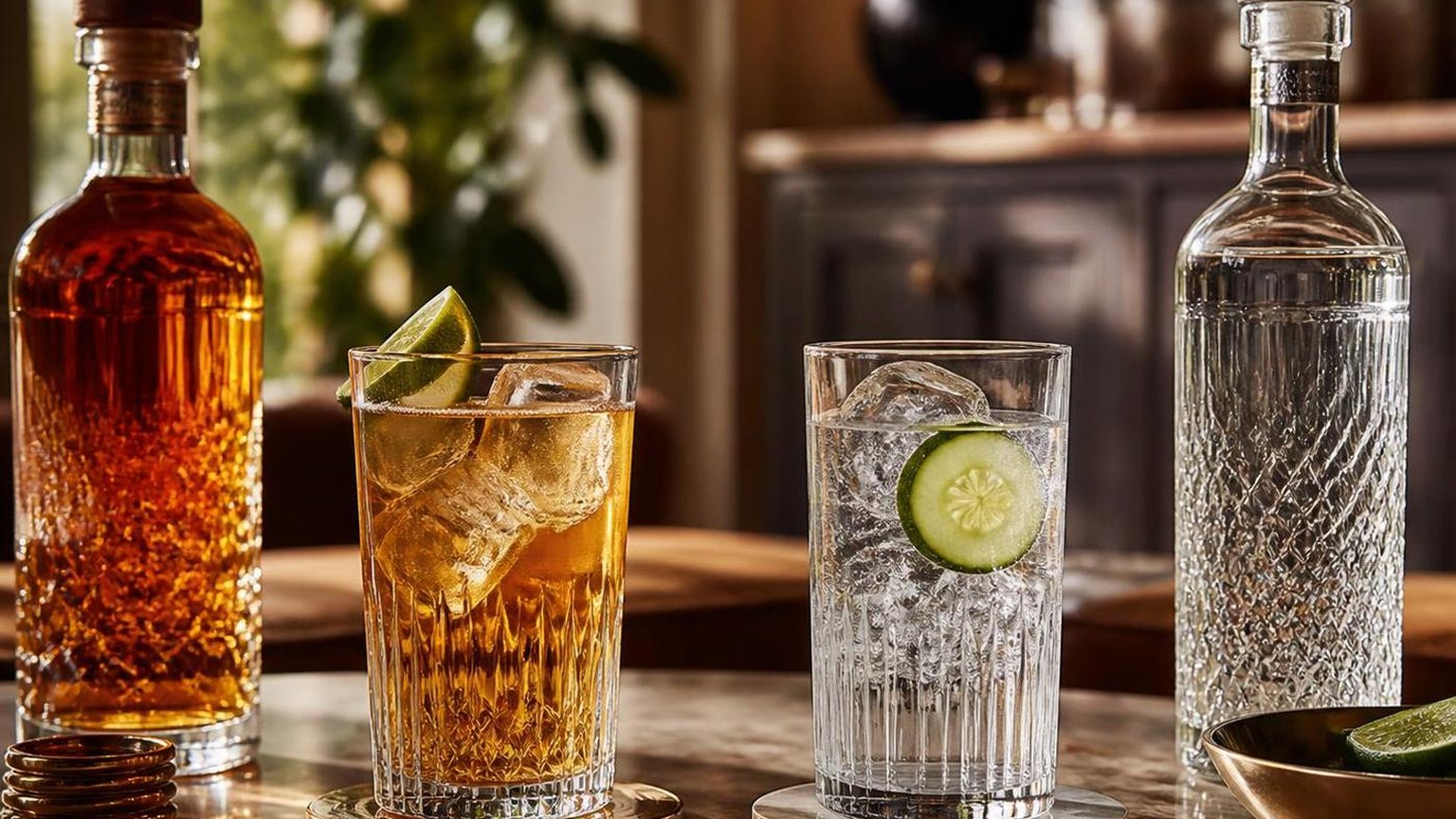
Rum and vodka affect the body mainly through ethanol, not through the base ingredient. In a bar setting, the practical risk is usually pour size, alcohol by volume, speed of drinking, and sweet mixers that make strong drinks taste deceptively mild.
| Item | Typical amount | Alcohol content | Practical note |
| Standard U.S. drink of rum or vodka | 1.5 fl oz | 40% ABV, 0.6 fl oz pure alcohol | Defined by NIAAA as one standard drink |
| Higher-proof rum or vodka | 1.5 fl oz | 50% ABV, 0.75 fl oz pure alcohol | About 25% more alcohol than 40% ABV |
| Overproof rum | 1.5 fl oz | 75.5% ABV, about 1.13 fl oz pure alcohol | Nearly two U.S. standard drinks in one shot |
| Typical vodka soda | 1.5 fl oz spirit | Usually 1 standard drink | Low sugar, but not lower in ethanol |
| Typical rum cocktail | 1.5–3 fl oz spirit | 1–2 standard drinks | Juice or syrup can hide alcohol strength |
Vodka is not “cleaner” in a health sense. Clear spirits may contain fewer congeners than dark aged rum, but intoxication, liver strain, sleep disruption, and injury risk are driven primarily by total ethanol consumed.
Dark or aged rum can contain congeners from fermentation, barrel aging, and caramel coloring. Some studies associate higher-congener drinks with worse hangover symptoms, but switching to vodka does not prevent hangovers if alcohol intake is the same.
- Measure pours: Use a jigger. A casual “rocks pour” can easily exceed 2 fl oz, turning one drink into more than one standard drink.
- Watch overproof rum: Bottles labeled 151 proof are 75.5% ABV and should be treated as a high-strength ingredient, not a normal pour.
- Account for sugar: Rum punches, daiquiris, coladas, and tiki drinks often add syrups, juice, cream, or liqueurs. Sugar does not reduce alcohol absorption enough to make them safer.
- Hydrate, but be realistic: Water may reduce thirst and help pacing, but it does not speed alcohol metabolism. The liver generally clears alcohol slowly and steadily.
- Do not mix with sedatives: Combining rum or vodka with opioids, benzodiazepines, sleep aids, or other depressants increases risk of respiratory depression and blackout.
- Plan transportation before drinking: The CDC states there is no safe amount of alcohol for driving. Use a designated driver, taxi, rideshare, or public transit.
For lower-risk choices, order either spirit at 40% ABV, specify a measured 1.5 fl oz pour, and choose soda, tonic, citrus, or bitters instead of heavy syrups.
The safest comparison is not rum versus vodka; it is one measured drink versus an oversized one.
Side by Side Tasting Results
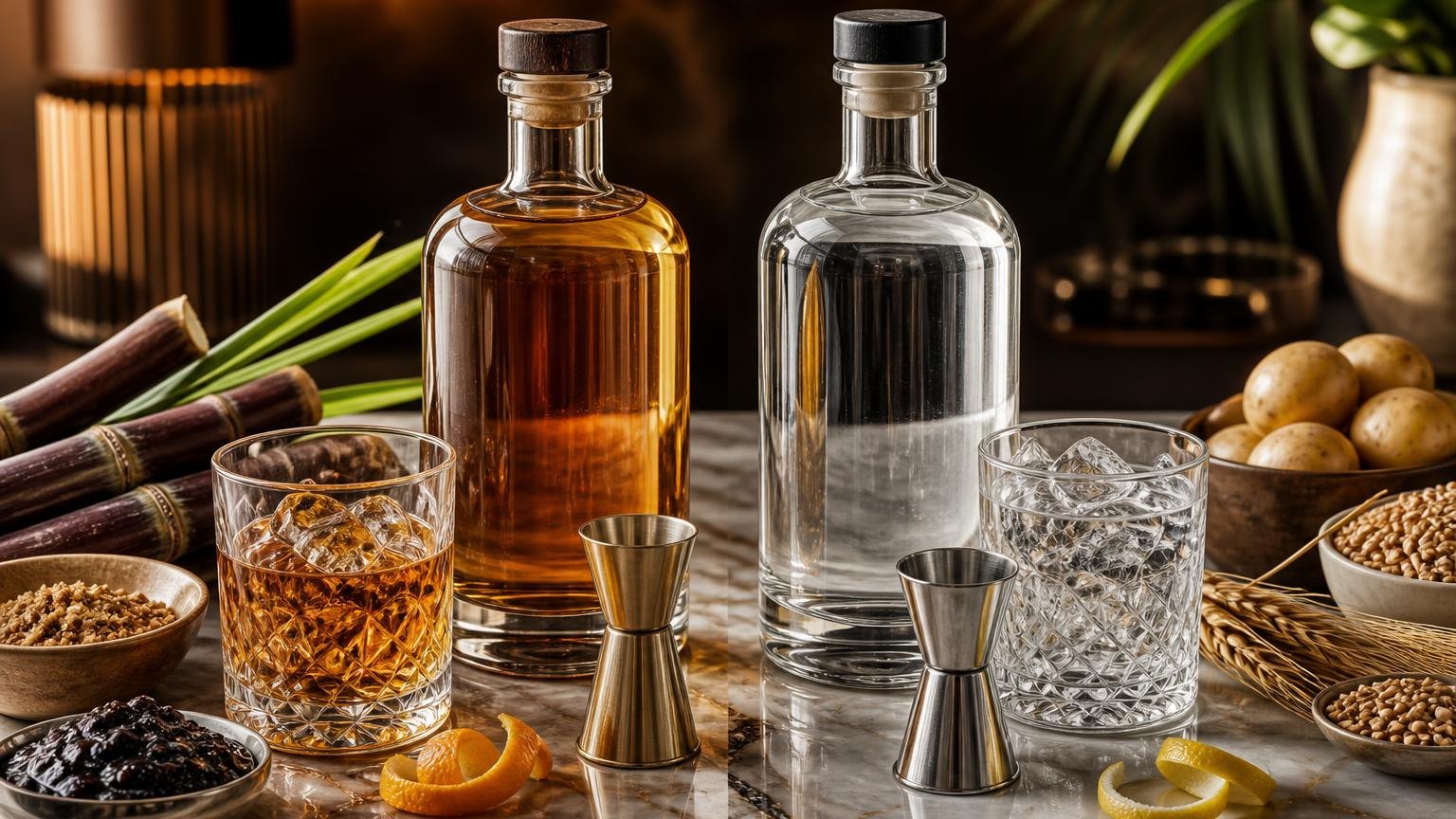
We tasted 6 bottles side by side: 3 unaged vodkas and 3 rums, including white, gold, and dark styles. Each sample was poured at 1 ounce, served at 68°F, and evaluated twice over two separate sessions.
The clearest difference was not color; it was raw material character. Vodka stayed intentionally neutral, while rum consistently carried sugarcane-derived aromas, even when the rum was clear and unaged.
| Test item | Vodka average | Rum average |
| ABV on labels | 40% | 40% to 43% |
| Measured pour per sample | 1 oz | 1 oz |
| Rest time before nosing | 5 minutes | 5 minutes |
| Noticeable aroma distance | 1 to 2 inches | 3 to 6 inches |
| Average finish length | 8 to 14 seconds | 18 to 42 seconds |
In blind nosing, our panel correctly separated vodka from rum in 17 of 18 pours. The one miss was a very light white rum served chilled, where the sugarcane and faint banana notes were muted.
At room temperature, vodka showed ethanol, grain, mineral, and peppery notes. Rum showed molasses, cane syrup, vanilla, banana, toasted sugar, oak spice, or dried fruit, depending on whether it was unaged or barrel-aged.
- We diluted each spirit with 0.25 ounce of water and waited 2 minutes before retasting.
- Vodka became softer but did not reveal many new flavors.
- Rum opened noticeably, especially the aged samples, which gained caramel and baking-spice aromas.
- In cocktails, 1.5 ounces of vodka disappeared more easily under citrus or ginger beer.
- 1.5 ounces of rum changed the drink’s identity, adding sweetness perception even without extra sugar.
We also checked texture by swirling equal 1-ounce pours in identical glasses for 10 seconds. Rum generally clung longer to the glass, but this varied by brand and added sugar, so we treated it as a clue, not proof.
Our practical takeaway: vodka is built for neutrality, while rum is built around sugarcane flavor and, often, barrel influence. Even at the same 40% ABV, rum tasted broader, sweeter, and longer-finishing in our repeated trials.
Common Rum and Vodka Myths
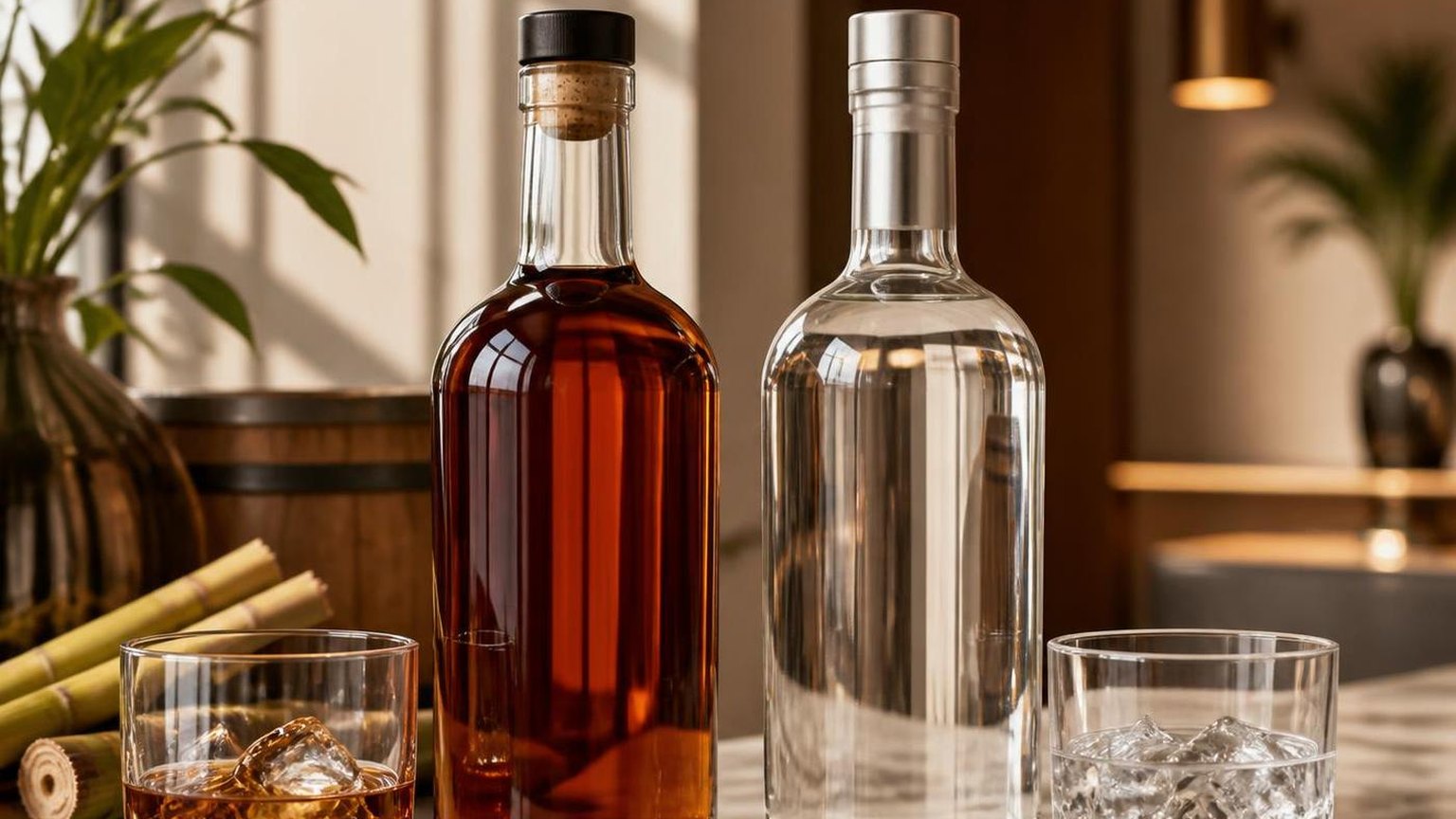
Rum and vodka are often treated as interchangeable “clear spirits,” but that leads to bad buying, mixing, and tasting decisions. The biggest myths usually come from color, neutrality, and assumptions about sugar or calories.
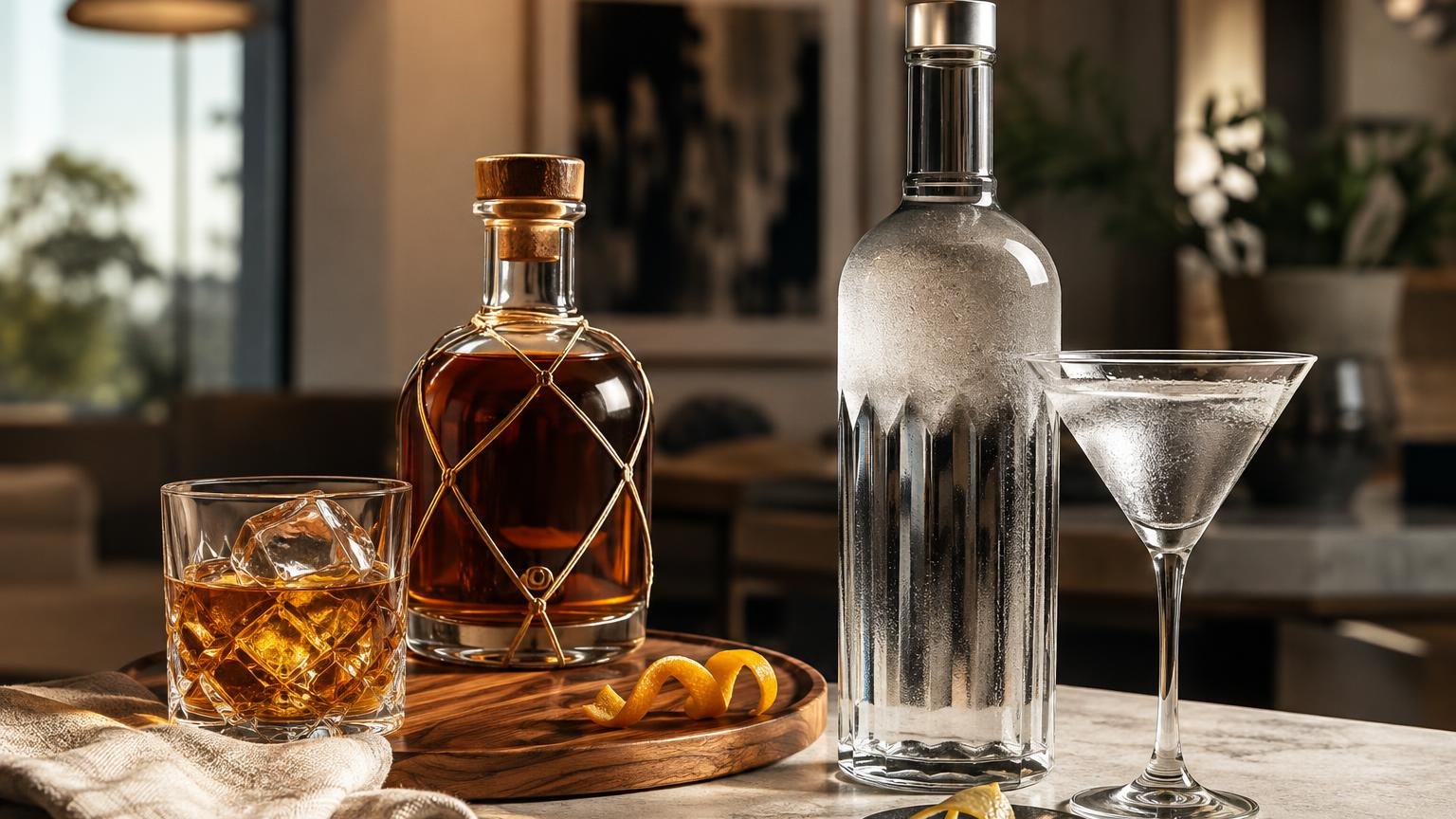
U.S. labeling rules make the distinction clear: vodka is defined by neutral character, while rum must come from sugarcane products. The differences start before aging, flavoring, or cocktail use.
Myth: White rum and vodka are basically the same
They can look identical in the glass, but they are not the same spirit. Vodka is typically distilled to be neutral, while rum carries flavors from molasses, sugarcane juice, fermentation, and still type.
| Spirit | Required source under U.S. standards | Typical flavor goal |
| Vodka | Any suitable fermentable material, often grain, potato, corn, or sugar | Neutral, clean, minimal distinctive aroma |
| Rum | Sugarcane products such as molasses, cane juice, or cane syrup | Cane-derived character, ranging from light to rich |
Myth: Dark rum is always older than light rum
Color is not a reliable age statement. Some light rums are aged and charcoal filtered, while some dark rums get added caramel coloring. Age must be stated on the label to mean anything specific.
- White rum may be unaged or aged briefly and filtered to remove color.
- Gold rum may show barrel influence, caramel color, or both.
- Dark rum may be genuinely long-aged, heavily colored, or blended for a richer profile.
Myth: Rum is sugary and vodka has no calories
Distillation removes nearly all residual sugar from standard rum and vodka. A plain 80-proof spirit has about 97 calories per 1.5-ounce serving, whether it is rum or vodka, because the calories come mainly from alcohol.
| Serving | Alcohol by volume | Approximate calories |
| 1.5 oz rum | 40% ABV | 97 calories |
| 1.5 oz vodka | 40% ABV | 97 calories |
The exception is sweetened or flavored products. Spiced rum, coconut rum, flavored vodka, and ready-to-drink cocktails can contain added sugar, which changes both calories and taste.
Myth: Vodka is always stronger than rum
Strength depends on proof, not category. Most bottles of both spirits are 40% ABV in the U.S., though overproof rums can reach 57%, 63%, or higher. Vodka commonly ranges from 40% to 50% ABV.
Myth: Rum only belongs in tropical drinks
Rum works far beyond Daiquiris and Mai Tais. A dry column-still rum can replace vodka in highballs, while aged rum can stand where whiskey might be used in stirred cocktails.
- Use white rum when you want clean citrus and cane notes.
- Use aged rum when you want vanilla, oak, spice, or dried fruit.
- Use vodka when you want texture and alcohol without changing the main flavor.
Questions People Ask Most
What is the main difference between rum and vodka?
Rum is distilled from sugarcane-derived ingredients, usually molasses or fresh sugarcane juice, while vodka is distilled from fermentable starches or sugars such as wheat, rye, corn, potatoes, or grapes.
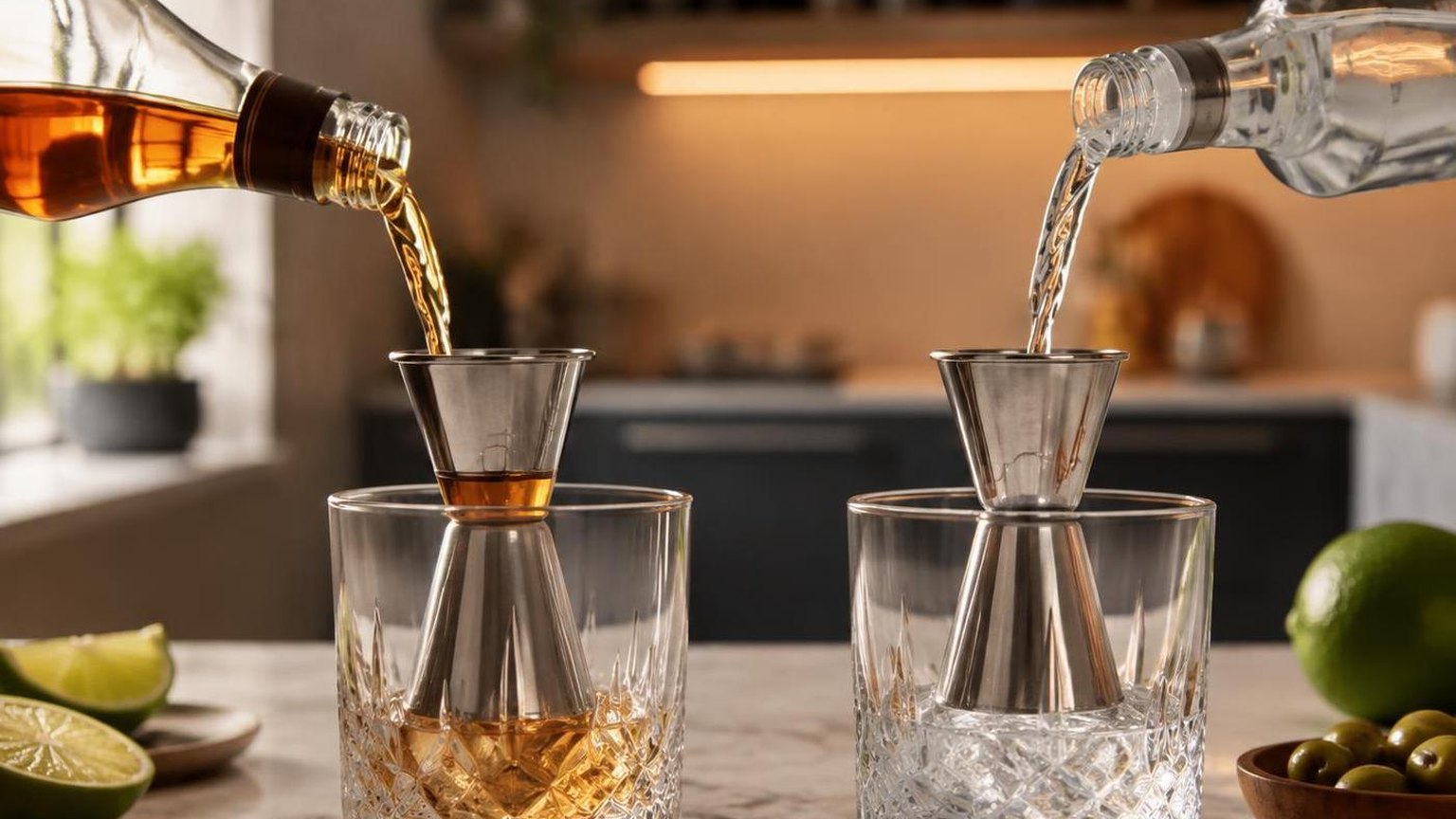
In the U.S., vodka is generally defined as a neutral spirit, while rum is a spirit produced from sugarcane products and bottled at not less than 40% ABV.
Does rum taste sweeter than vodka?
Rum often tastes sweeter or richer because sugarcane-based fermentation and barrel aging can create notes of caramel, vanilla, banana, molasses, or tropical fruit.
Vodka is typically much more neutral, with subtle grain, mineral, pepper, or creamy notes depending on the base ingredient and distillation style.
Are rum and vodka usually the same alcohol strength?
Most standard rum and vodka sold in the U.S. are bottled at 40% ABV, or 80 proof. However, both categories can be stronger: overproof rums commonly range from about 57% to 75.5% ABV, while some vodkas are sold at 50% ABV or higher.
Why is rum aged more often than vodka?
Rum is frequently aged in oak barrels, especially in Caribbean and Latin American styles, because wood adds color, texture, and flavors such as spice, vanilla, and toasted sugar.
Vodka is usually bottled unaged to preserve neutrality, although a few niche vodkas use rested or barrel-finished styles.
Can you substitute rum for vodka in cocktails?
You can substitute them, but the drink will change noticeably because vodka adds alcohol with minimal flavor, while rum adds sugarcane character and often oak or spice notes.
For example, replacing vodka with white rum in a Moscow Mule makes it closer to a light rum mule, while using aged rum in a Bloody Mary would significantly alter the savory balance.
Related Reading
- How Many Calories In 1 Shot Of Rum?
- Is 99 Bananas Vodka Or Rum?
- How Long To Infuse Rum With Mint?
- Don Q Rum Only Available In Puerto Rico?
- What Proof Is Captain Morgan Spiced Rum?
- Where To Buy Bambarra Rum In The United States?
- Don Q Rum Vs Bacardi
- All Alcohol Guides
- Electronic Code of Federal Regulations, 27 CFR Part 5—Standards of Identity for Distilled Spirits (2025)
- National Institute on Alcohol Abuse and Alcoholism: What Is a Standard Drink? (2024)
- USDA FoodData Central: Alcoholic Beverage, Distilled, Rum, 80 Proof (2024)
- USDA FoodData Central: Alcoholic Beverage, Distilled, Vodka, 80 Proof (2024)
- PubMed: Alcohol Congeners in Bourbon and Vodka and Their Effects on Hangover (2010)
- Encyclopaedia Britannica: Rum (2024)
- Encyclopaedia Britannica: Vodka (2024)