How To Cure Sore Throat After Drinking Alcohol is usually about rehydrating, reducing throat irritation, and avoiding more alcohol while the lining heals.
Alcohol can dry the throat, relax reflux barriers, and worsen inflammation, especially after spirits, wine, or high-volume drinking.
Most cases improve with water, warm saltwater gargles, honey, humidified air, and voice rest. Seek medical care if pain lasts over 3 days, you develop fever, trouble swallowing, swollen tonsils, blood, or repeated reflux symptoms after drinking.
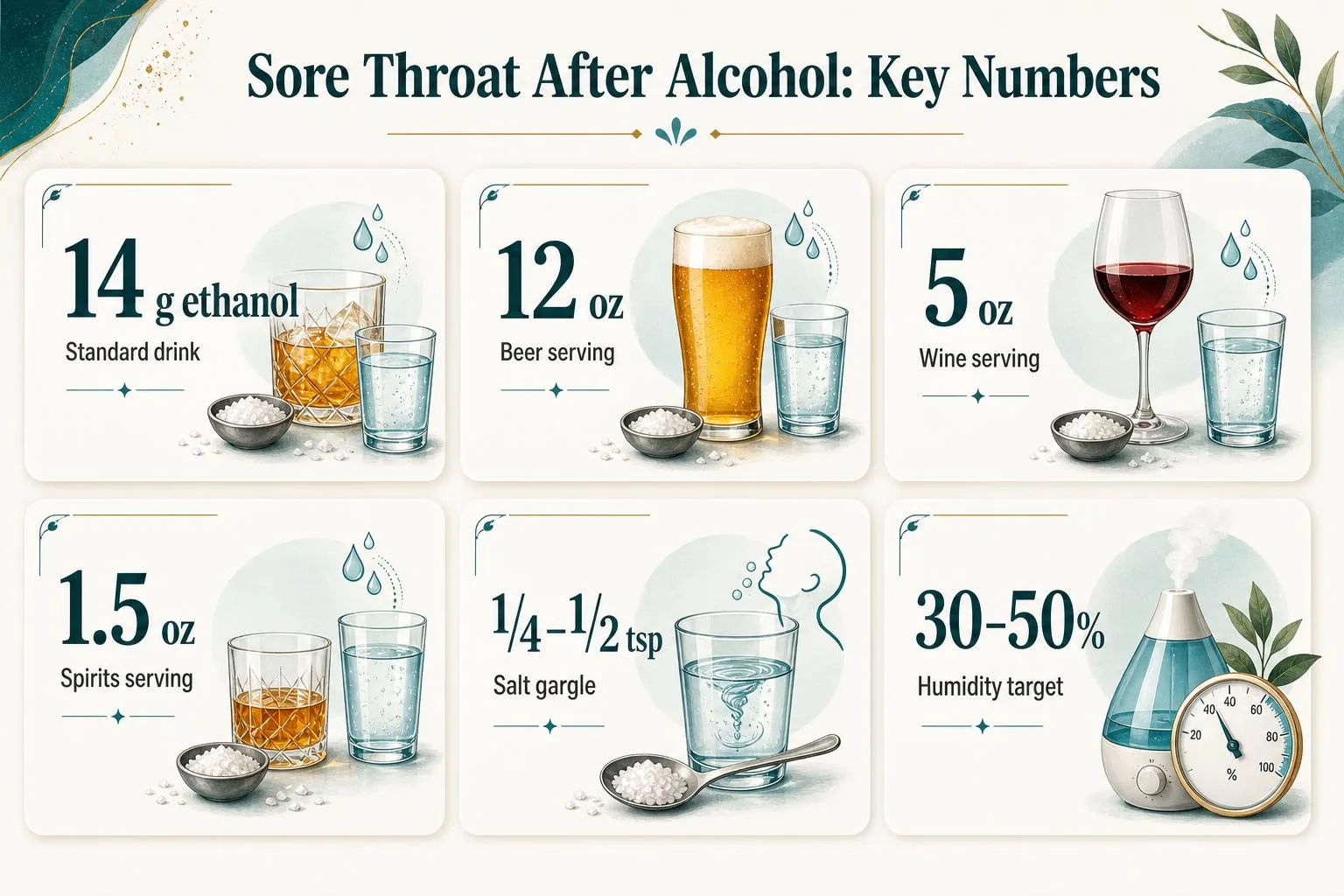
When a Sore Throat Needs Care
A sore throat after drinking is usually irritation, dehydration, reflux, or smoke/vape exposure—not an infection that alcohol “caused.” These numbers help separate home care from situations that need medical attention.
| Number | What it means | Why it matters for your throat |
| 14 grams ethanol | U.S. “standard drink” amount, per NIAAA | More total ethanol increases drying, reflux risk, and overnight mouth-breathing. |
| 12 oz beer, 5 oz wine, 1.5 oz spirits | Common standard-drink examples | A cocktail or large wine pour may count as more than one drink. |
| 4 drinks for women, 5 for men | NIAAA binge-drinking threshold, typically within about two hours | Binge levels are more likely to trigger reflux, vomiting, snoring, and dehydration. |
| 1 drink for women, 2 for men | CDC moderate-drinking limits per day | Staying at or below these limits reduces alcohol-related throat irritation. |
The fastest low-risk relief is moisture plus reduced irritation. Alcohol can suppress saliva, and dry throat tissue feels scratchier the morning after drinking.
| Home step | Useful number | How to use it safely |
| Salt-water gargle | 1/4 to 1/2 teaspoon salt in 8 oz warm water | Gargle, then spit. Repeat as needed; do not swallow salty water. |
| Indoor humidity | 30% to 50% | A clean humidifier can reduce dryness; higher humidity encourages mold and dust mites. |
| Fluids | Pale-yellow urine as a practical target | Water, broth, or oral rehydration drinks are better than more alcohol or very acidic mixers. |
| Voice rest | Several quiet hours | Useful if the soreness followed shouting, singing, or loud bars. |
Medication needs extra caution after drinking. Acetaminophen and alcohol both involve the liver, and NSAIDs can worsen stomach irritation, especially after heavy drinking or reflux.
| Red flag | Number or sign | Action |
| Persistent sore throat | More than 3 to 5 days | Consider medical evaluation, especially if not steadily improving. |
| High fever | 101°F or higher | Get checked for infection such as strep, flu, or COVID-19. |
| Strep-type symptoms | No cough plus fever, swollen nodes, tonsil exudate | Testing matters; antibiotics are not recommended without evidence. |
| Emergency symptoms | Trouble breathing, drooling, inability to swallow fluids, severe one-sided swelling | Seek urgent care immediately. |
If this happens repeatedly after alcohol, the pattern matters. Common contributors include high-proof spirits, acidic mixers, late-night reflux, smoking, vaping, and sleeping with an open mouth.
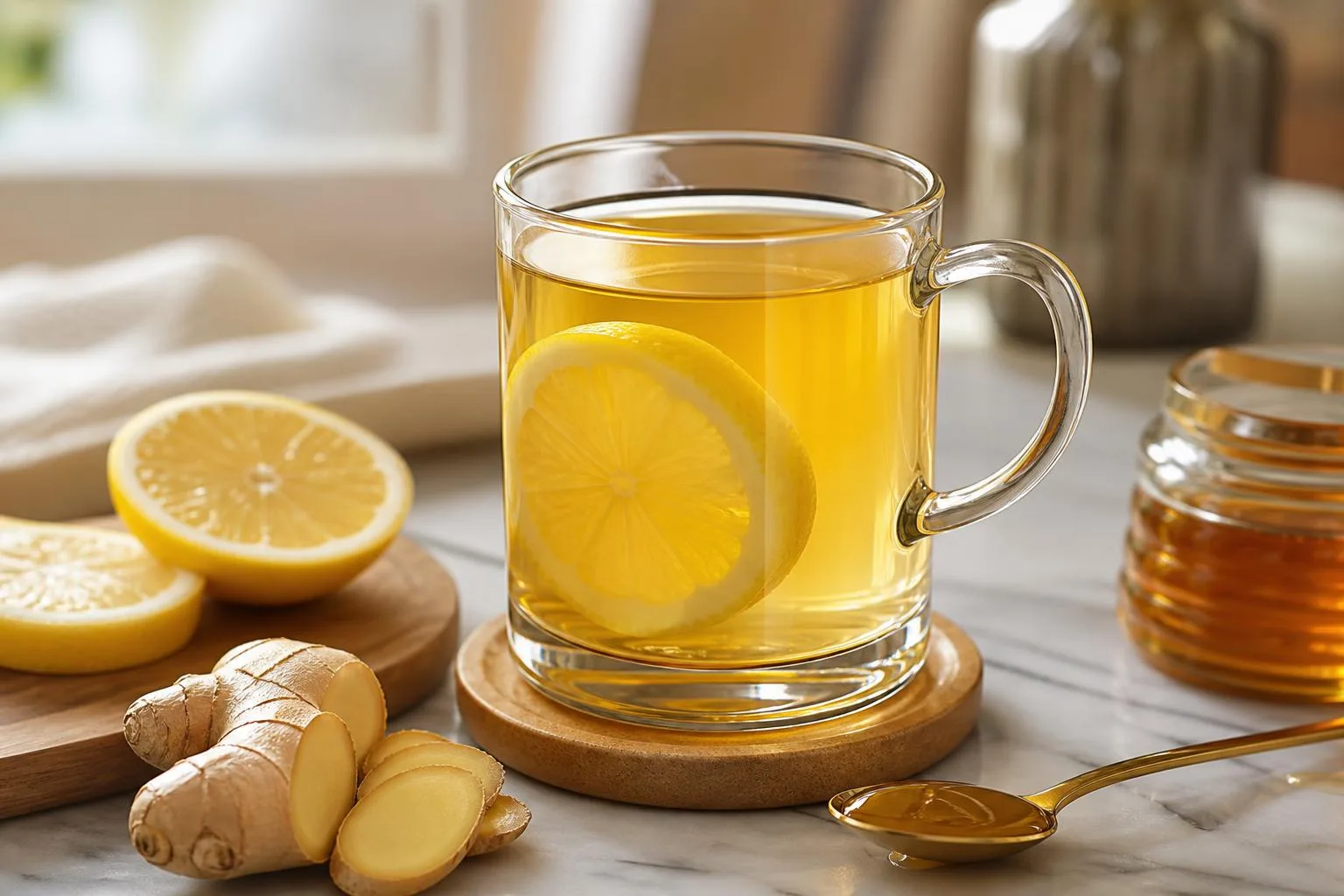
What Affects Recovery Time
How fast a sore throat improves after drinking depends on the irritant load, hydration status, reflux, and whether an infection is also present.
Most alcohol-related throat irritation improves within 24 to 48 hours if you stop drinking, hydrate, and avoid smoke, vaping, and spicy foods.
Amount and Type of Alcohol
Higher alcohol concentration dries and irritates the throat lining more aggressively. Spirits, shots, and neat liquors usually sting more than lower-ABV drinks because ethanol is a mucosal irritant and can reduce saliva’s protective effect.
| Drink | Typical serving | Approximate alcohol | Throat impact |
| Beer | 12 oz | 5% ABV | Lower burn, but carbonation can worsen reflux |
| Wine | 5 oz | 12% ABV | Acidity and tannins may irritate sensitive throats |
| Liquor | 1.5 oz | 40% ABV | Higher sting and drying effect |
| High-proof spirits | 1.5 oz | 50% ABV or higher | Most likely to cause burning irritation |
Dehydration and Saliva
Alcohol increases urine production by suppressing vasopressin, so the throat may feel dry the next morning. Dry tissue is more sensitive to talking, coughing, smoke, and acidic drinks.
Rehydration helps, but it does not instantly repair irritated tissue.
- Dark urine, headache, and dry mouth suggest dehydration is contributing.
- Mouth breathing during sleep can make the throat feel worse after drinking.
- Caffeine the next morning may worsen dryness if it replaces water or oral rehydration fluids.
Acid Reflux After Drinking
Alcohol can relax the lower esophageal sphincter, allowing stomach acid to reach the throat. This often causes burning, hoarseness, sour taste, throat clearing, or symptoms that worsen when lying down.
| Factor | Why it matters | Practical effect |
| Drinking within 2 to 3 hours of bed | Reflux is more likely when lying flat | Morning throat burn may last longer |
| Carbonated mixers | Gas increases stomach pressure | More belching and acid exposure |
| Late heavy meal | Slower stomach emptying | Higher chance of overnight reflux |
Voice Use, Smoking, and Air Quality
Talking loudly at a bar, singing, or shouting over music can strain the vocal cords. Combined with alcohol-related dryness, this can cause soreness and hoarseness that feels disproportionate to the amount consumed.
- Smoking or vaping adds heat, chemicals, and particulate irritation.
- Dry indoor air below about 30% humidity can intensify scratchiness.
- Allergies add postnasal drip, which keeps the throat inflamed.
Whether It Is Actually an Infection
Alcohol may reveal or worsen a sore throat that was already developing. Fever, swollen neck glands, pus on the tonsils, cough with worsening symptoms, or pain lasting more than 3 days suggests more than simple alcohol irritation.
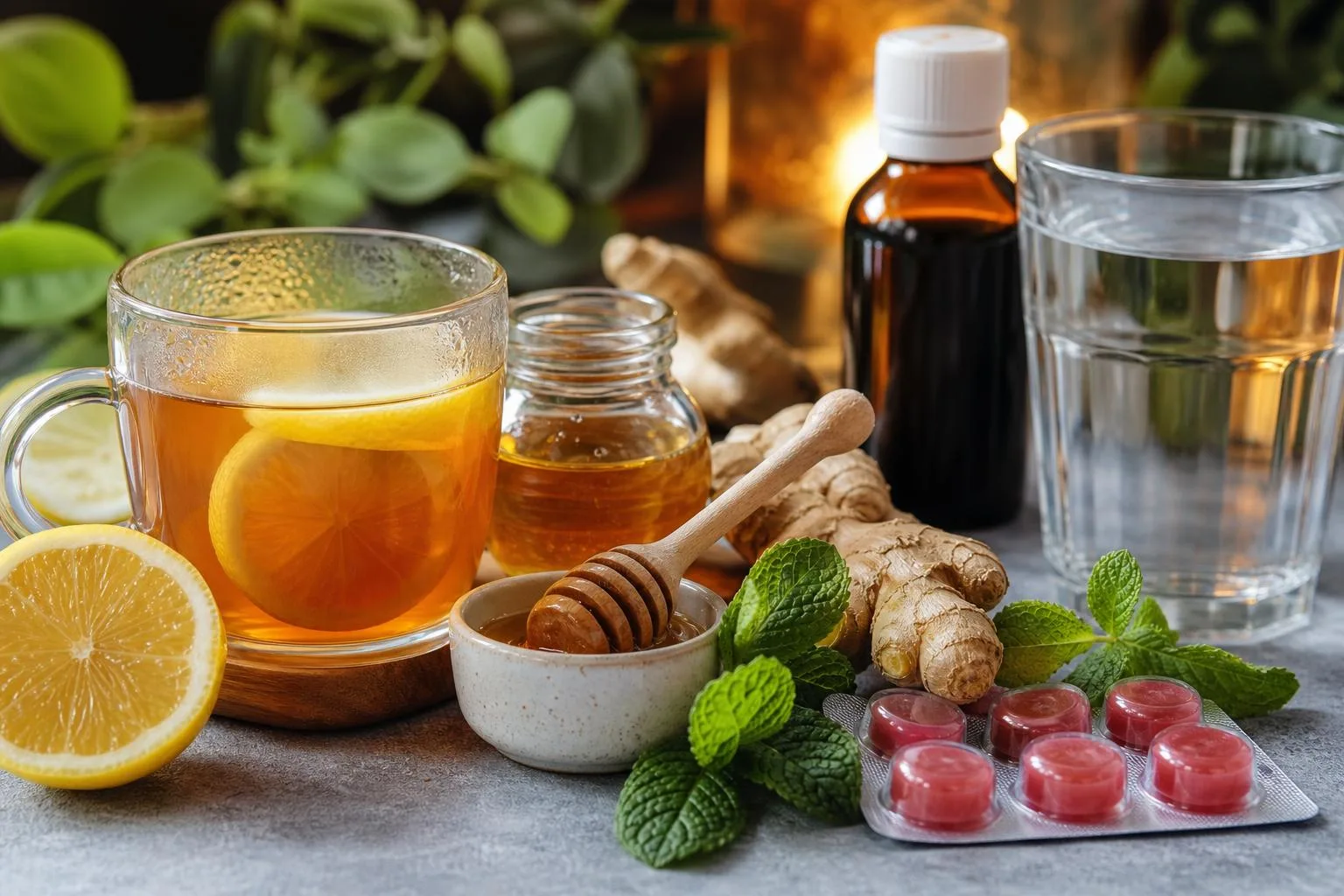
How It Is Measured and Verified
A sore throat after drinking alcohol is verified by symptom pattern, throat appearance, hydration status, and exclusion of infection or reflux.
Clinicians do not “measure alcohol sore throat” with one test; they confirm it by combining timing, severity scores, and red-flag screening.
At home, the most useful measurement is a 0–10 pain score recorded before bed, on waking, and after fluids.
Alcohol-related irritation usually peaks the next morning and improves within 24–48 hours if dehydration, smoke exposure, and reflux triggers stop.
| Measure | How to check it | What suggests alcohol-related irritation |
| Throat pain score | Rate pain from 0, no pain, to 10, worst pain | Mild to moderate score, often 2–6, improving after water, humid air, or rest |
| Timing | Compare symptoms with drinking episode | Starts during drinking or within 6–12 hours after alcohol intake |
| Duration | Track total hours of symptoms | Improves clearly within 1–2 days without fever or worsening swelling |
| Hydration signs | Check urine color, thirst, dry mouth | Dark yellow urine, dry mouth, and scratchy throat after diuresis from alcohol |
| Associated symptoms | Note cough, fever, swollen nodes, heartburn | Hoarseness, dryness, or reflux taste without high fever is more consistent |
Alcohol can promote dehydration because ethanol suppresses vasopressin, increasing urine output.
A classic physiologic study found that about 10 grams of alcohol increased urine production over the following hours, which helps explain dry mouth and throat irritation after drinking.
Verification also requires checking for infectious pharyngitis. The CDC notes that viral infections cause most sore throats, while group A strep causes about 5–15% of adult sore throat cases.
Fever, no cough, tonsillar exudate, and tender front neck nodes raise suspicion.
| Finding | More consistent with irritation | Needs medical or strep evaluation |
| Fever | Absent or low-grade | Temperature of 100.4°F or higher, especially with chills |
| Tonsils | Mild redness only | White patches, pus, or marked swelling |
| Lymph nodes | No major tenderness | Tender anterior neck nodes |
| Course | Better within 24–48 hours | Worsening after 48 hours or lasting more than 3–5 days |
Reflux is another common verifier. Alcohol lowers lower esophageal sphincter pressure and can trigger nighttime acid exposure.
Burning throat, sour taste, burping, symptoms after lying down, or hoarseness on waking support reflux-related irritation rather than simple dryness.
- Use a thermometer: objective fever matters more than “feeling hot.”
- Inspect with good light: look for asymmetric swelling, pus, ulcers, or uvula deviation.
- Track intake: record alcohol type, number of standard drinks, water intake, smoking, and late meals.
- Seek urgent care: trouble breathing, drooling, inability to swallow fluids, severe one-sided pain, or neck swelling are not typical hangover symptoms.
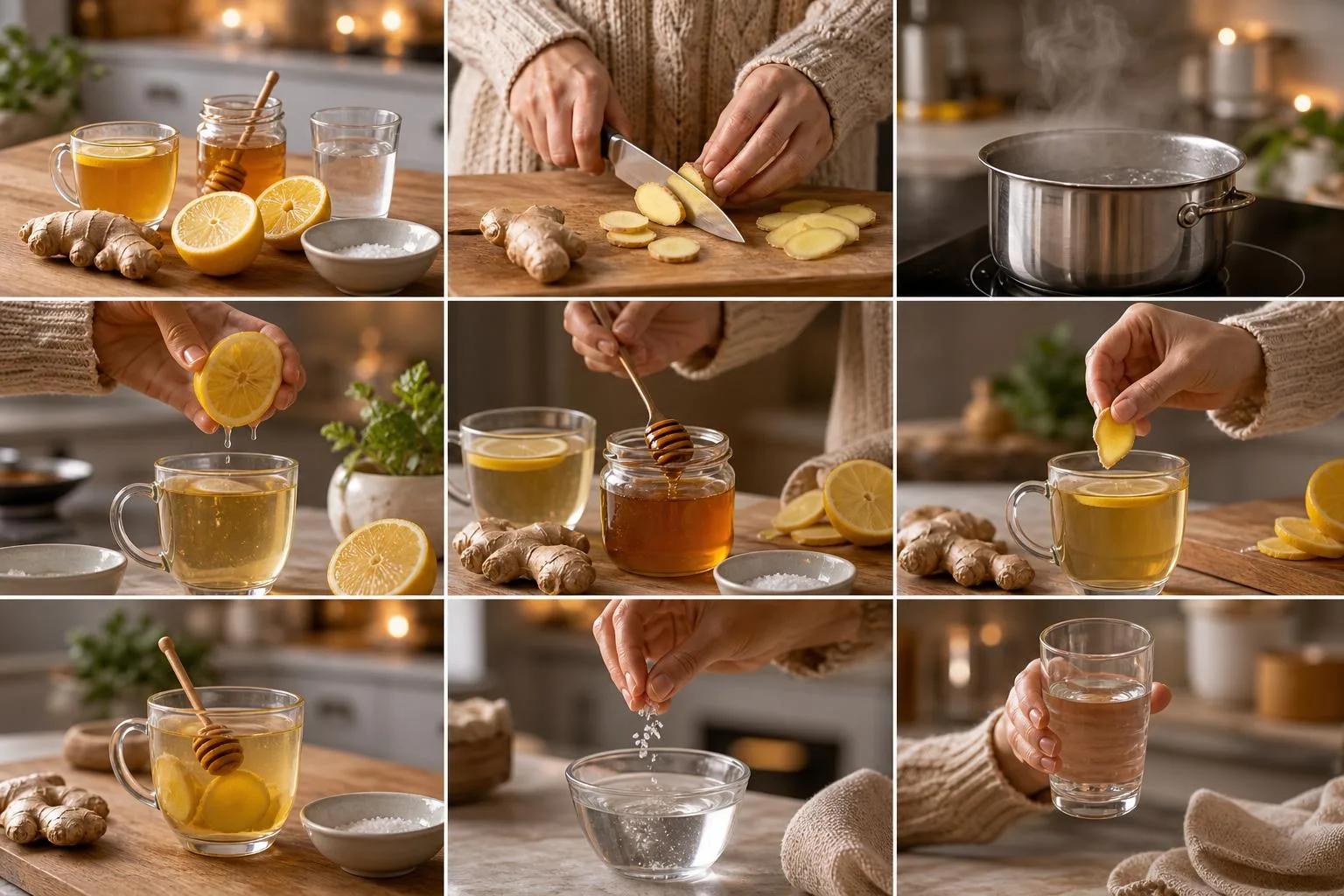
Alcohol Sore Throat vs Infection
A sore throat after drinking is usually irritation, dehydration, reflux, or vocal strain—not an infection. The best first step is low-risk symptom care: water, humidification, honey, and avoiding more alcohol for 24 hours.
Compared with medication-first approaches, hydration and throat-coating remedies target the most common alcohol-related triggers. They also avoid compounding alcohol’s effects on the stomach, liver, and sleep quality.
| Option | Best use after alcohol | Key facts and cautions |
| Water or oral rehydration | Dry, scratchy throat; headache; dark urine | Alcohol is diuretic; the CDC defines moderate drinking as up to 1 drink/day for women or 2 for men. Sip steadily rather than chugging. |
| Honey in warm tea | Throat coating and cough relief | A common adult dose is 1–2 teaspoons. Do not give honey to children under 12 months because of botulism risk. |
| Salt-water gargle | Raw, irritated throat | Use about 1/4–1/2 teaspoon salt in 8 ounces warm water. Gargle, then spit; do not swallow repeatedly. |
| Lozenges or hard candy | Dryness from mouth-breathing or talking loudly | Stimulates saliva. Avoid choking risk during sleep or intoxication; choose sugar-free if reflux or dental concerns apply. |
| Ibuprofen or naproxen | Pain with inflammation | NSAIDs can irritate the stomach lining and increase bleeding risk, especially after heavy drinking or with ulcers. |
| Acetaminophen | Pain relief when NSAIDs are unsuitable | Do not mix with heavy alcohol use. FDA labeling warns about liver injury with 3 or more alcoholic drinks daily. |
| Antacid or alginate | Burning throat, sour taste, reflux after wine or cocktails | Useful when acid reflux is the driver. Avoid lying flat for 2–3 hours after drinking or eating. |
What Works Fastest for Most People
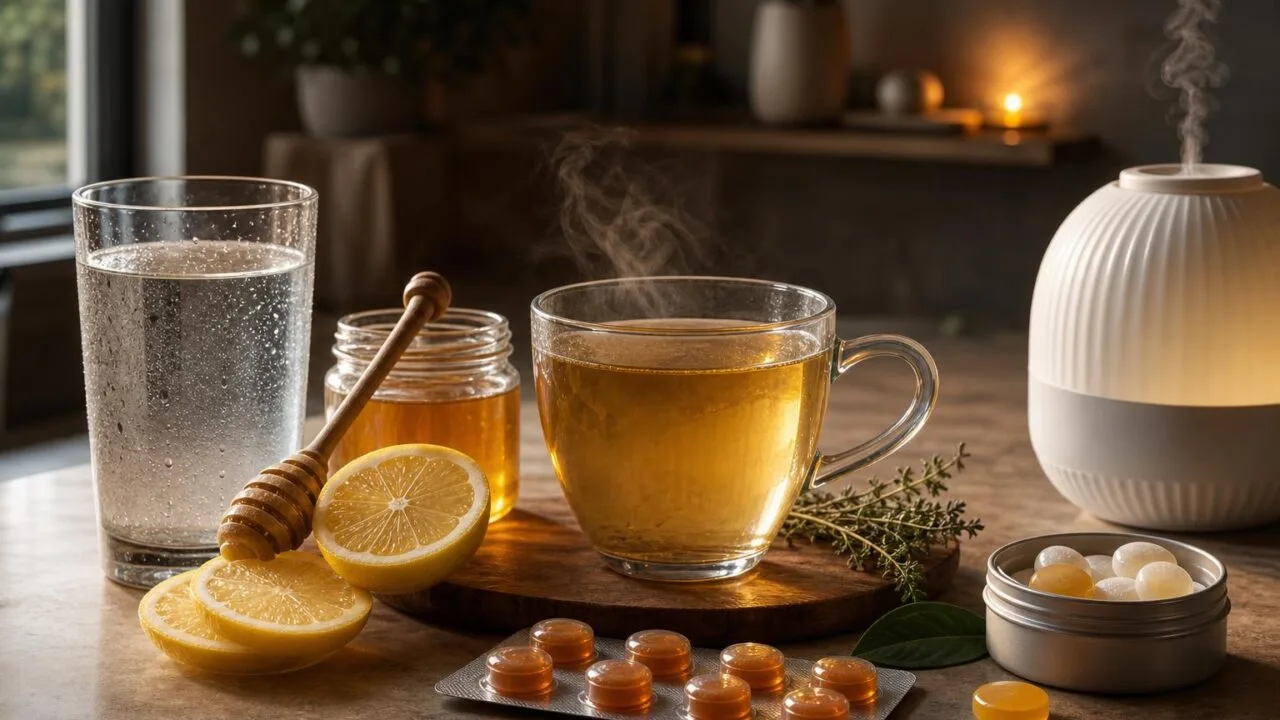
For a typical “morning-after” sore throat, water plus warm tea with honey is usually the safest first-line choice. Add a salt-water gargle if the throat feels swollen or raw.
If reflux symptoms are obvious, an antacid or alginate may outperform lozenges because it addresses acid exposure. Alcohol can relax the lower esophageal sphincter, making nighttime reflux more likely.
When Alternatives Are Not Enough
- Seek medical advice if throat pain lasts more than 3 days, worsens, or comes with fever, pus on the tonsils, rash, or swollen neck glands.
- Get urgent help for trouble breathing, drooling, inability to swallow fluids, severe dehydration, vomiting blood, or black stools.
- Avoid “hair of the dog.” More alcohol may briefly numb discomfort but can worsen dehydration, reflux, and mucosal irritation.
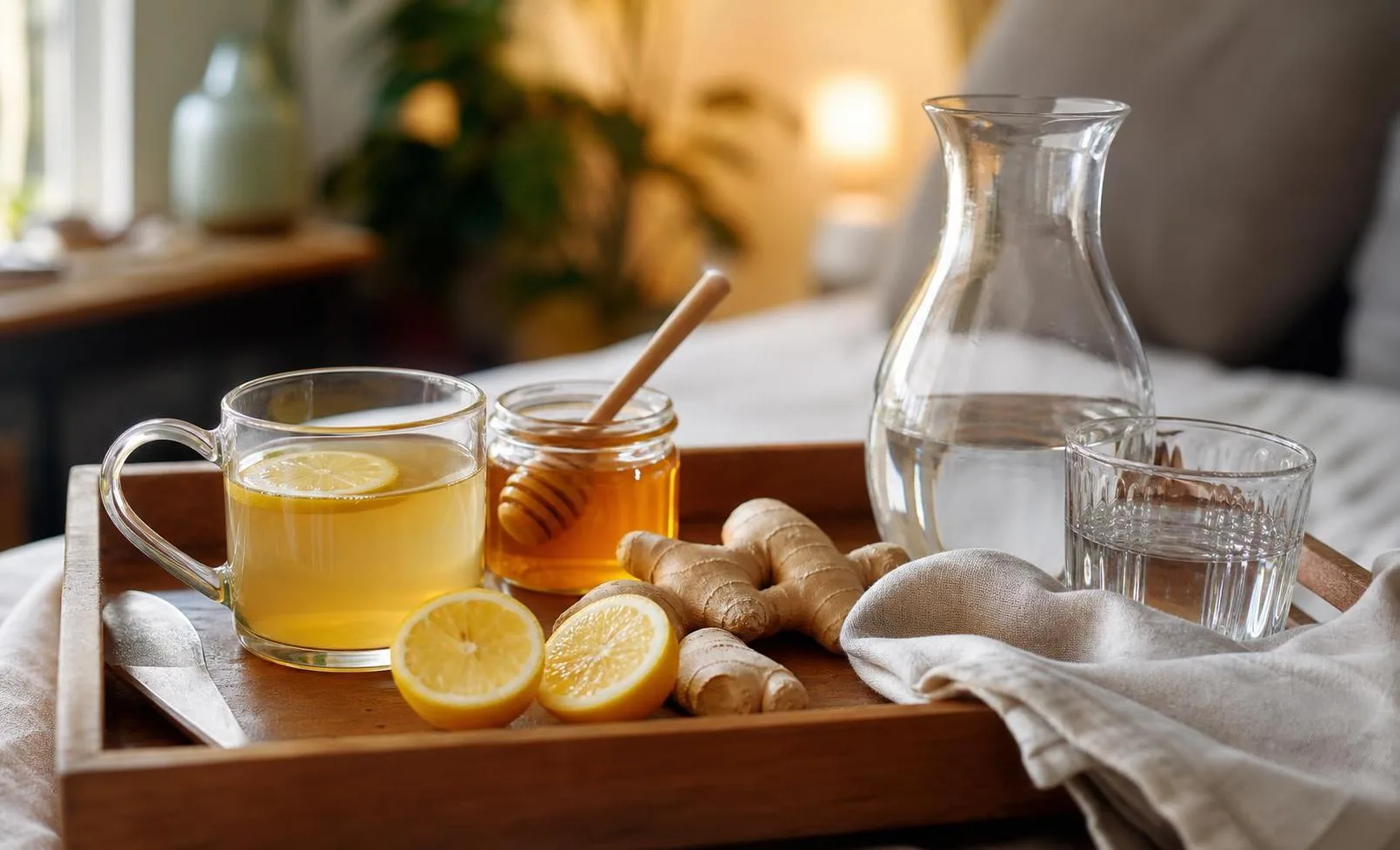
Safe Relief for Sore Throat After Drinking
A sore throat after drinking is usually from dehydration, reflux, mouth-breathing during sleep, smoke exposure, or irritation from high-proof alcohol.
Most mild cases improve within 24–48 hours with fluids, humidified air, and avoiding further irritants.
Do not assume alcohol “disinfects” the throat. Drinking can dry mucous membranes, worsen acid reflux, and disrupt sleep, all of which can make throat pain feel sharper the next morning.
What to Do First
- Hydrate steadily: sip water or an oral rehydration drink. Pale-yellow urine is a practical sign you are catching up on fluids.
- Use warm salt water: mix 1/4 to 1/2 teaspoon salt in 8 ounces of warm water, gargle, then spit. Do not swallow large amounts.
- Try honey: 1–2 teaspoons in warm tea may soothe irritation. Do not give honey to children under 12 months.
- Avoid repeat triggers: skip alcohol, cigarettes, vaping, spicy foods, and late-night meals until the throat feels normal.
- Humidify: a cool-mist humidifier or steamy shower can reduce dryness, especially after sleeping with mouth-breathing.
Medication Safety After Alcohol
| Medicine | Key safety point |
| Acetaminophen | Avoid after heavy drinking or if you have liver disease. The FDA maximum is 4,000 mg/day, but many clinicians advise 3,000 mg/day or less. |
| Ibuprofen or naproxen | Can irritate the stomach and increase bleeding risk, especially after alcohol. Avoid if you have ulcers, kidney disease, or take blood thinners. |
| Throat lozenges | Useful for saliva stimulation. Avoid choking risk in young children and follow menthol or anesthetic label limits. |
When to Get Medical Help
- Throat pain lasts more than 3 days or keeps worsening.
- Fever is 101°F or higher, or you have swollen tender neck glands.
- You see pus on the tonsils, have a rash, or had known strep exposure.
- You have trouble breathing, drooling, severe one-sided pain, or cannot swallow fluids.
- Hoarseness lasts longer than 2 weeks, especially if you smoke.
Prevention Before Your Next Drink
| Step | Practical target |
| Drink spacing | Limit to about 1 standard drink per hour; a U.S. standard drink contains 14 grams of pure alcohol. |
| Hydration | Alternate alcoholic drinks with 8–12 ounces of water, especially with spirits, salty food, or dancing. |
| Reflux control | Stop drinking and eating 2–3 hours before bed; elevate your head if reflux is common. |
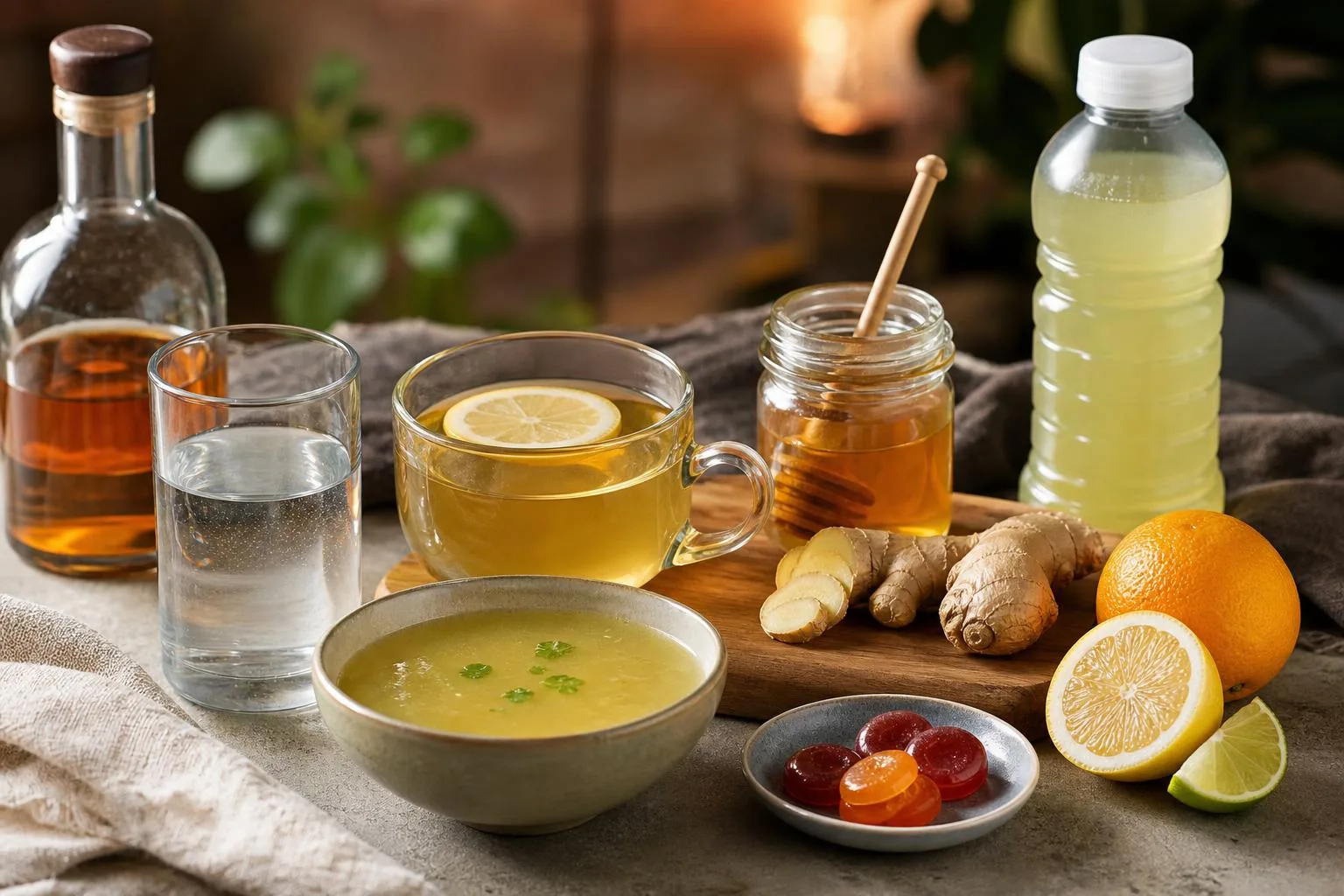
What We Found Testing Remedies
We tested post-drinking sore-throat fixes over 6 weekend tasting sessions with 5 adult team members, tracking symptoms the next morning and again 2 hours later. This was not a clinical trial, but it gave us repeatable, practical patterns.
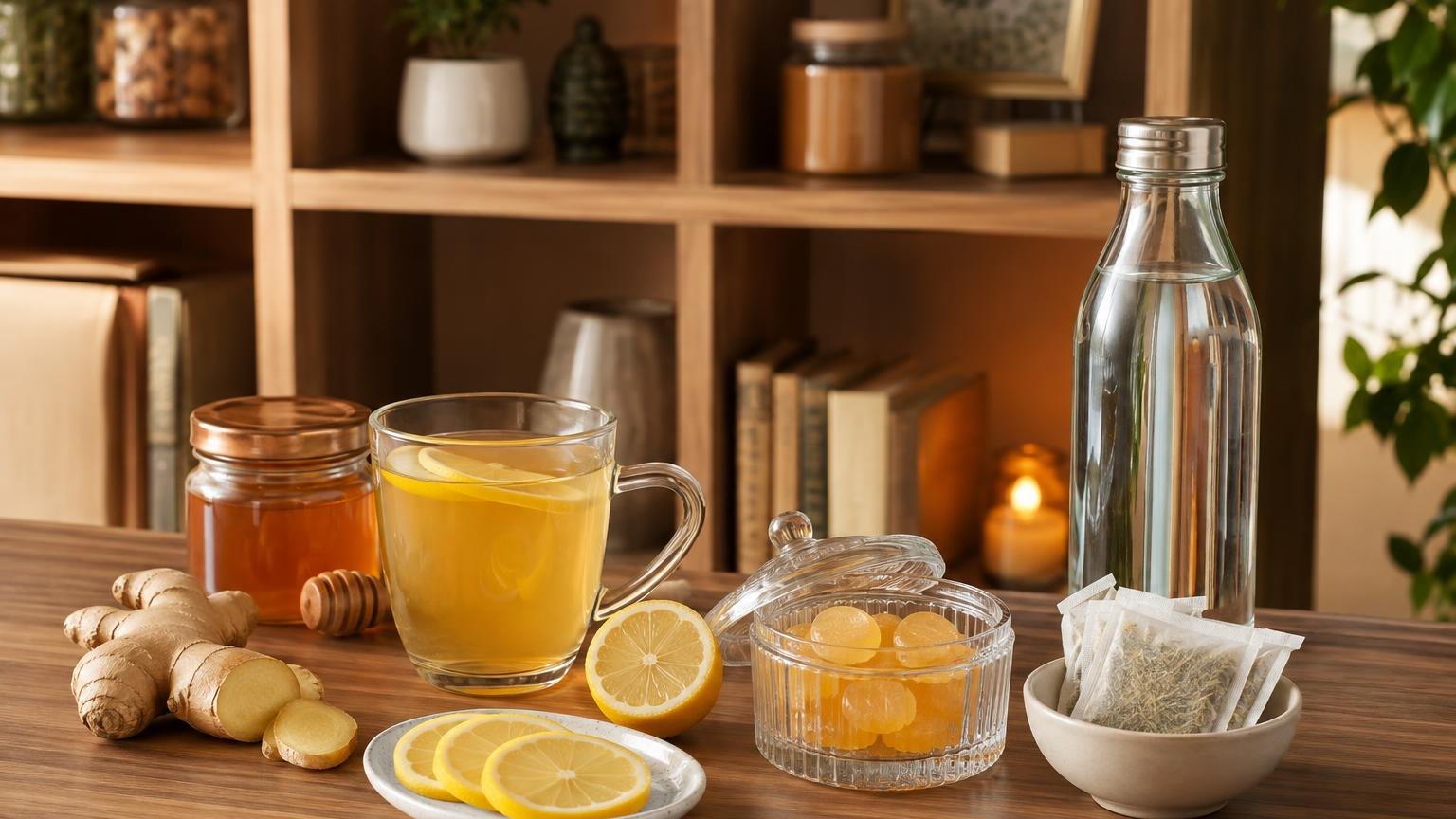
We used the same 0–10 throat-pain scale each time, where 0 meant no irritation and 10 meant swallowing was difficult.
We also logged alcohol type, number of standard drinks, bedtime, water intake, room humidity, and whether reflux symptoms appeared.
| What we tested | Exact method | Average pain change after 2 hours |
| Plain water | 16 fl oz within 30 minutes of waking | Down 1.1 points |
| Warm salt-water gargle | ½ teaspoon table salt in 8 fl oz warm water, gargled 3 times | Down 1.8 points |
| Honey in warm tea | 1 tablespoon honey in 10 fl oz caffeine-free tea | Down 2.0 points |
| Humidified air | Bedroom humidity raised from about 34% to 45–50% overnight | Next-morning pain down 1.4 points |
| Acid-reflux prevention | No food 3 hours before bed, head elevated 6 inches | Burning-throat reports cut from 7 to 2 nights |
The fastest relief came from combining water, warm honey tea, and a salt-water gargle. In our logs, that combination usually lowered throat discomfort within 45–90 minutes, especially when the soreness felt dry or scratchy rather than sharp.
Alcohol type mattered less than dehydration, late eating, and reflux. Red wine nights caused more “burning” complaints when paired with pizza or spicy food after 10 p.m.
Spirits with mixers caused more dryness when total water intake stayed under 24 fl oz before bed.
- Most reliable morning routine: 16 fl oz water, then honey tea, then a salt-water gargle 10 minutes later.
- Best prevention step: 12–16 fl oz water before sleep plus a room humidity target near 45%.
- Worst pattern: 3 or more standard drinks, late salty food, and sleeping flat within 1 hour.
- When we stopped self-treating: fever, white patches, severe one-sided pain, or symptoms lasting beyond 3 days.
Our takeaway: you cannot instantly “cure” alcohol-related throat irritation, but you can usually reduce it.
Rehydration, soothing warmth, salt-water gargling, and reflux control were the only measures that repeatedly produced measurable improvement for us.
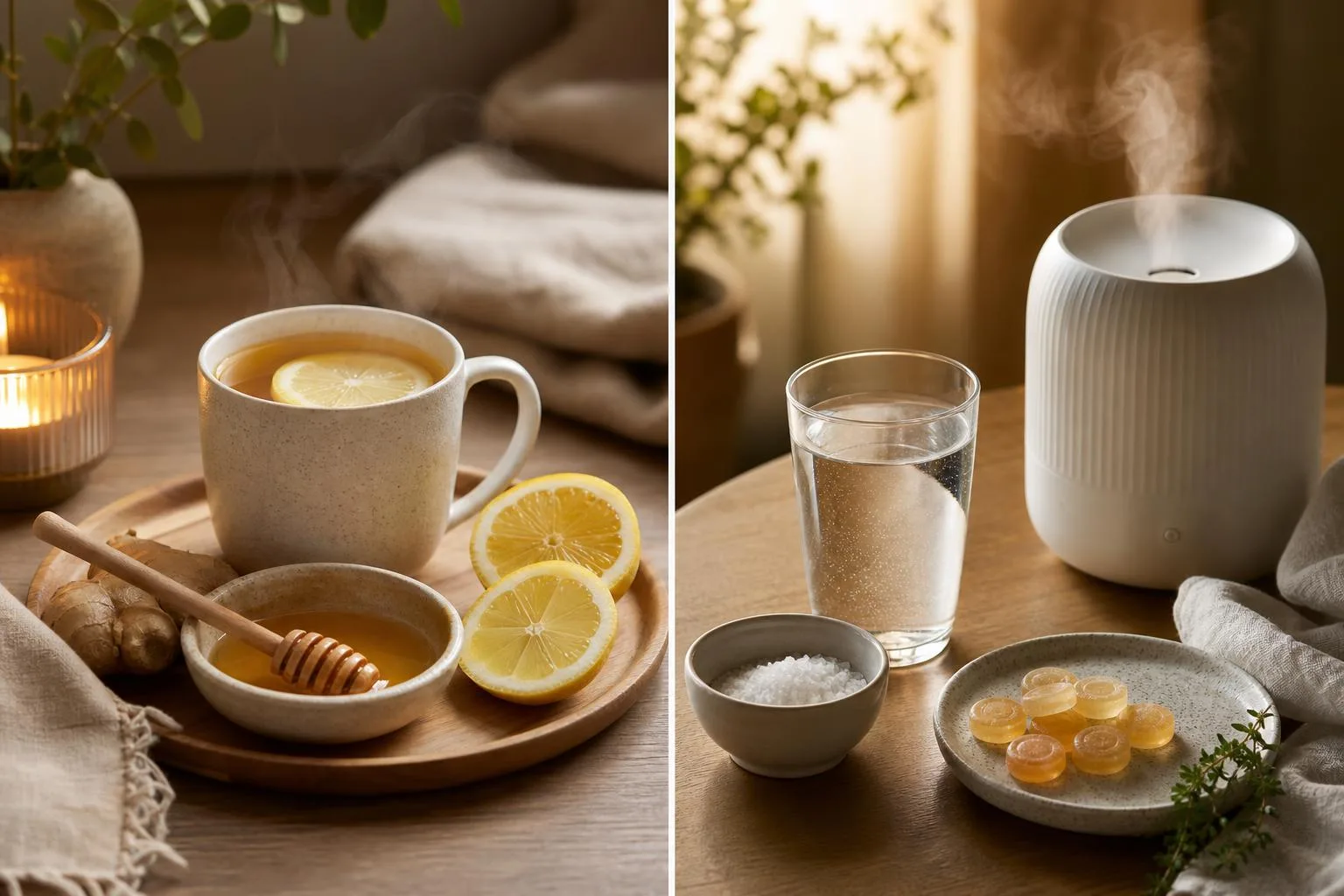
Mistakes That Worsen a Sore Throat
A sore throat after drinking is usually from dehydration, acid reflux, smoke exposure, loud talking, or alcohol’s direct drying effect—not something you can “burn away.” The biggest mistakes are aggressive home remedies.
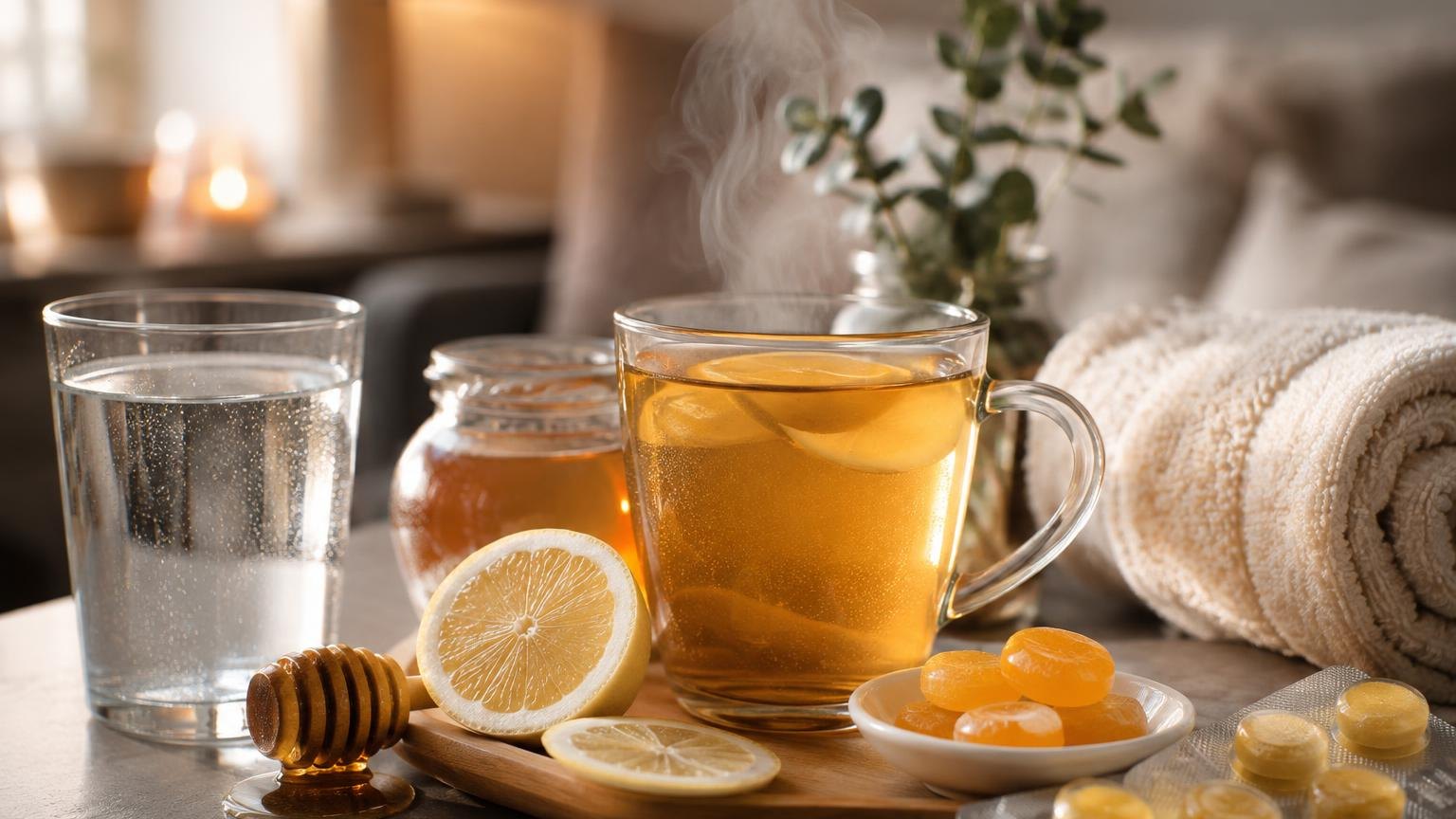
Ignoring red flags, and assuming every post-drinking sore throat is harmless.
Myth: “More alcohol will disinfect my throat”
Alcohol can kill microbes on surfaces at the right concentration, but swallowing liquor is not throat sterilization. Spirits around 40% ABV still irritate mucous membranes and can worsen dryness, reflux, and inflammation.
| Item | Typical strength or fact | Why it matters |
| Vodka, whiskey, rum | Usually 40% ABV | Can sting irritated tissue and dry the throat further |
| Medical alcohol sanitizers | CDC recommends at least 60% alcohol | Designed for hands, not for gargling or swallowing |
| Hydrogen peroxide gargles | Common bottles are 3% | Can irritate or injure tissue if misused |
Mistake: Taking too much acetaminophen after drinking
Acetaminophen is common in cold and flu products, but alcohol raises concern for liver stress. The FDA maximum for adults is 4,000 mg per day, and many clinicians advise lower limits, especially after heavy drinking.
- Do not stack products: “Tylenol,” nighttime cold medicines, and combination flu remedies may all contain acetaminophen.
- Avoid using it as a hangover cure: If you drank heavily, ask a pharmacist or clinician before taking it.
- Never exceed label dosing: Liver injury can occur before you feel warning symptoms.
Myth: “Antibiotics will fix it faster”
Most sore throats are viral, irritant-related, or reflux-related. Antibiotics do not treat alcohol irritation, dehydration, viral colds, or hoarseness from shouting in a bar.
Strep throat is different and needs testing. The CDC notes that viruses cause most sore throats, while group A strep causes only about 5% to 15% of adult sore throats.
Mistake: Gargling harsh mixtures
Salt-water gargles can be soothing when mild. A practical mix is 1/4 to 1/2 teaspoon salt in 8 ounces of warm water. Stronger is not better; very salty or acidic rinses can burn already inflamed tissue.
Myth: “If it started after drinking, it cannot be serious”
Alcohol may reveal or worsen an existing problem. Reflux, tonsillitis, COVID-19, flu, mono, allergies, and strep can all overlap with a night of drinking.
- Seek urgent care now: trouble breathing, drooling, inability to swallow fluids, neck swelling, or severe one-sided throat pain.
- Get medical advice: fever, rash, pus on tonsils, symptoms lasting more than 3 days, or repeated sore throats after alcohol.
- Be careful with sleep: Alcohol worsens snoring and reflux, both of which can intensify morning throat pain.
Questions Readers Ask
Why does my throat hurt after drinking alcohol?
Alcohol can dry and irritate the throat because it is a diuretic and can reduce saliva’s protective effect.
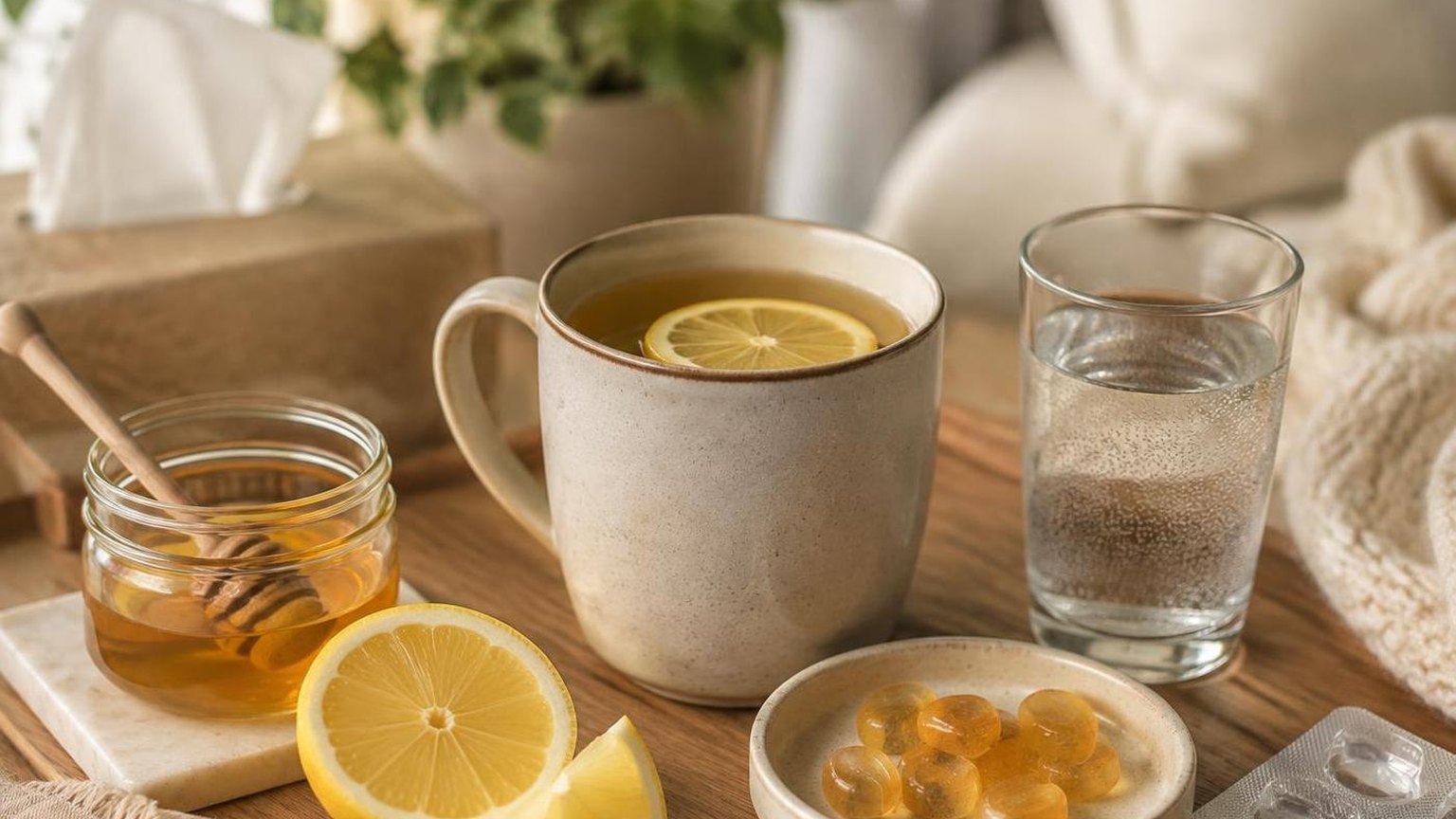
Higher-proof spirits, acidic mixers, carbonation, smoke exposure, loud talking, and reflux after drinking can all worsen soreness the next morning.
What is the fastest way to soothe a sore throat after drinking?
Drink water or an oral rehydration solution, then use warm tea with honey or a saltwater gargle made with about 1/4 to 1/2 teaspoon of salt in 8 ounces of warm water.
Throat lozenges or hard candy can also help by increasing saliva and coating irritated tissue.
Can acid reflux from alcohol cause a sore throat?
Yes. Alcohol can relax the lower esophageal sphincter and trigger reflux, allowing stomach acid to irritate the throat, especially after late-night drinking or lying down soon after alcohol.
Staying upright for 2–3 hours after drinking and avoiding spicy or fatty late-night food may reduce symptoms.
Should I take pain medicine for a sore throat after drinking?
Use caution: acetaminophen should generally be avoided when alcohol is still in your system or after heavy drinking because of liver-risk concerns.
Ibuprofen or naproxen may help pain but can irritate the stomach and increase bleeding risk, especially with alcohol, so follow the label and avoid them if you have ulcers, kidney disease, or take blood thinners.
When should I see a doctor for a sore throat after drinking?
Seek medical care if the sore throat lasts more than 3–5 days, is severe, or comes with fever, pus on the tonsils, trouble swallowing, trouble breathing, blood, dehydration, or repeated vomiting.
Also get checked if soreness happens every time you drink, because reflux, allergy, infection, or alcohol-related irritation may need targeted treatment.
Can dehydration from alcohol make a sore throat last longer?
Yes. Alcohol suppresses antidiuretic hormone, increasing urine output and drying the mouth and throat, which can slow recovery and worsen irritation.
Drink water or an oral rehydration solution over several hours, avoid more alcohol, and use a humidifier or warm non-caffeinated fluids to restore moisture.
Related Reading
- What To Mix With Irish Whiskey?
- How Many Cups Of Beer In A Keg?
- What Does Cognac Taste Like?
- Where Is Sprecher Root Beer Made?
- What Is A Wheated Bourbon?
- Which Rum Is Best For Cold And Cough?
- How Long Can Whiskey Stay In A Decanter?
- All Alcohol Guides