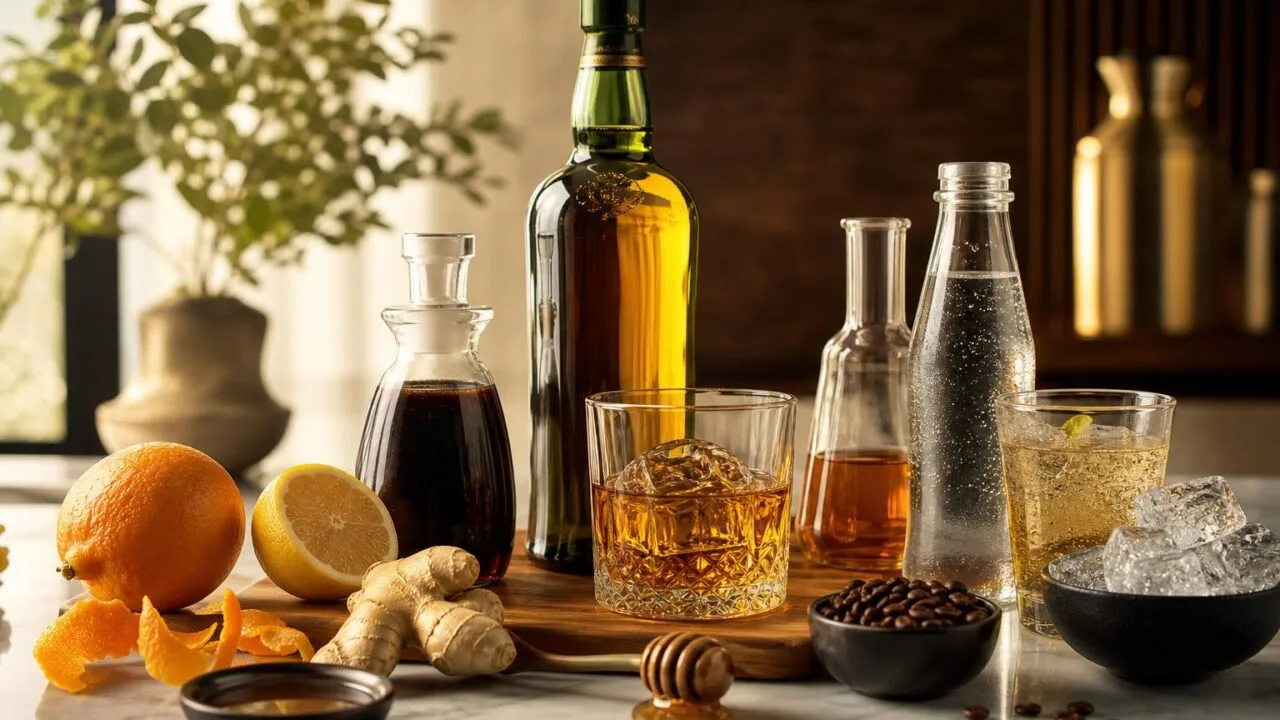
What To Mix With Irish Whiskey is ginger ale, soda water, lemon juice, honey syrup, vermouth, bitters, and apple cider—mixers that fit its typically smooth, lightly sweet, cereal-grain character without burying it.
Compared with peatier Scotch or hotter high-rye bourbon, Irish whiskey usually plays well in highballs, sours, toddies, and spirit-forward stirred drinks.
The best pairings balance sweetness, acidity, spice, and carbonation while keeping the whiskey’s vanilla, orchard-fruit, and toasted-oak notes clear.
This guide focuses on practical ratios, flavor logic, and reliable bottle-to-mixer combinations you can use at home or behind a bar.
Why Irish Whiskey Mixes Well
Irish whiskey is usually lighter, fruitier, and less smoky than Scotch, which is why it takes well to soda, ginger ale, coffee, citrus, and vermouth. The key is ratio: too much mixer buries the grain sweetness and pot-still spice.
Most Irish whiskey sold in the U.S. is bottled at 40% ABV, though many premium releases land between 43% and 46%. In practice, I mix 40% bottles longer and keep 46% bottles for shorter, spirit-forward drinks.
| Drink style | Irish whiskey | Mixer | Result |
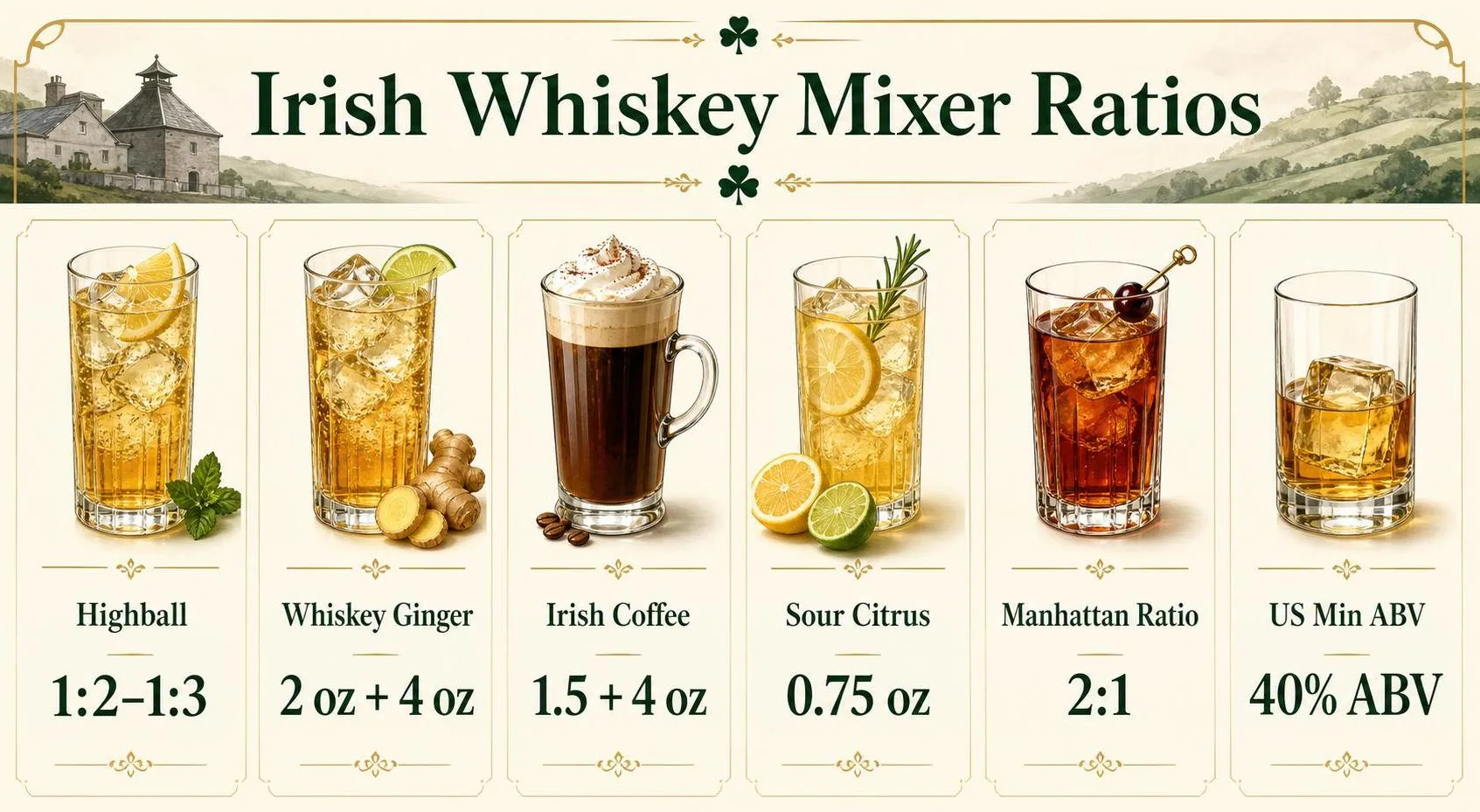
| Highball | 2 oz | 4 to 6 oz soda, tonic, or ginger ale | About a 1:2 to 1:3 build; crisp and easy-drinking |
| Whiskey Ginger | 2 oz | 4 oz ginger ale or ginger beer | Balanced sweetness, spice, and whiskey character |
| Irish Coffee | 1.5 oz | 4 oz hot coffee | Strong coffee base with noticeable whiskey warmth |
| Sour-style drink | 2 oz | 0.75 oz lemon juice plus 0.5 to 0.75 oz syrup | Bright, tart, and structured |
| Manhattan variation | 2 oz | 1 oz sweet vermouth | Classic 2:1 spirit-to-vermouth ratio |
The 2-ounce pour matters because it is the U.S. cocktail standard for many whiskey drinks. At 40% ABV, 2 ounces of Irish whiskey contain 0.8 fluid ounces of pure alcohol, slightly above one U.S. standard drink.
For a long drink, dilution is not a flaw. With 2 ounces of 40% whiskey and 5 ounces of nonalcoholic mixer, the drink lands near 11.4% ABV before ice melt. That is close to many wines, but served colder and more diluted.
| Whiskey | Mixer | Total before ice | Approx. ABV |
| 2 oz at 40% ABV | 4 oz | 6 oz | 13.3% |
| 2 oz at 40% ABV | 5 oz | 7 oz | 11.4% |
| 2 oz at 40% ABV | 6 oz | 8 oz | 10% |
| 1.5 oz at 40% ABV | 4 oz coffee | 5.5 oz | 10.9% |
Sweetness is the other number to watch. Ginger ale commonly brings more sugar than club soda, while tonic adds bitterness plus sugar. If the whiskey already tastes honeyed or vanilla-forward, start with soda or dry ginger beer.
- Use 1:2 for more whiskey aroma and less sweetness.
- Use 1:3 for casual sipping, brunch, or lighter guests.
- Use 0.75 oz citrus when shaking; it keeps Irish whiskey from tasting flat.
- Use 1 large cube or a full highball of ice to slow dilution and keep carbonation lively.
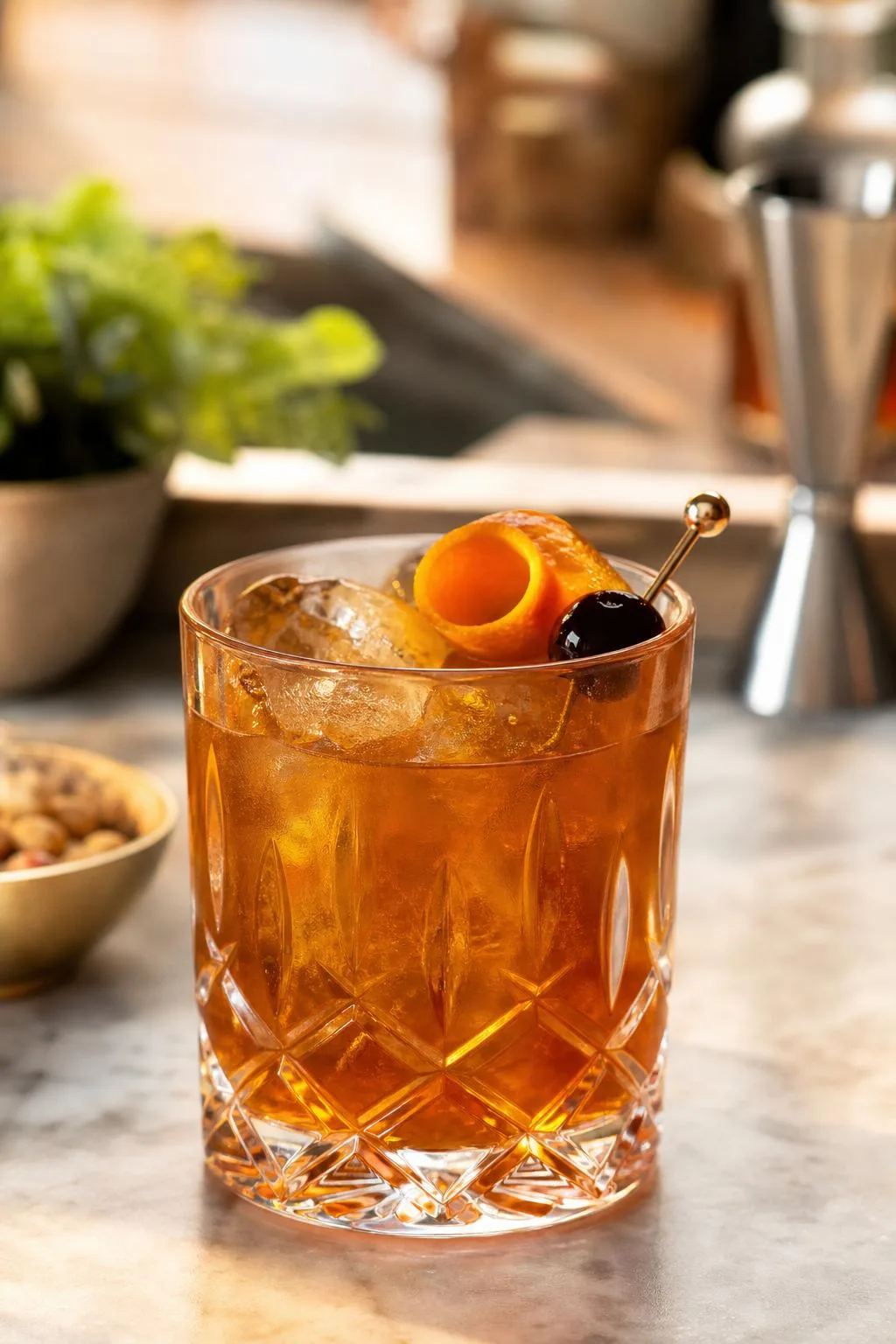
What Changes the Mixed Flavor
Irish whiskey is usually lighter and fruitier than many bourbons or peated Scotches, but the mixer can still make it taste sweet, sharp, spicy, or flat.
The biggest variables are whiskey style, dilution, carbonation, acidity, sugar, and serving temperature.
ABV matters first. In the U.S., Irish whiskey must be bottled at not less than 40% alcohol by volume, and that strength changes how much mixer you need for balance.
| Factor | Practical effect in the glass |
| 40% ABV whiskey | Works well in highballs at 1 part whiskey to 3 parts soda, ginger ale, or tonic. |
| 46% ABV whiskey | Can handle richer mixers like stout syrup, sweet vermouth, or strong ginger beer. |
| Cask-finished whiskey | Sherry, port, or rum finishes can amplify dried fruit, spice, vanilla, or molasses notes. |
| Heavily chilled serve | Reduces aroma and alcohol heat, making citrus and carbonation more noticeable. |
Carbonation is one reason ginger ale, club soda, and sparkling apple cider work so well. Bubbles lift aroma compounds to the nose and make a 2-ounce pour feel brighter without adding bitterness or heavy texture.
Sweetness changes the drink quickly. A standard 12-ounce can of ginger ale often contains about 30 to 36 grams of sugar, while plain club soda has 0 grams. That single choice can move the drink from crisp to dessert-like.
| Mixer | Typical role | Best ratio to start |
| Club soda | Lengthens whiskey without adding sugar | 1:3 |
| Ginger ale | Adds sweetness and mild spice | 1:2 or 1:3 |
| Ginger beer | Adds stronger spice and acidity | 1:2 |
| Lemon juice | Cuts sweetness and sharpens aroma | 0.5 oz per 2 oz whiskey |
| Sweet vermouth | Adds herbs, red fruit, and body | 2:1 whiskey to vermouth |
Acidity is the correction tool. Lemon and lime juice contain citric acid, which makes sweet mixers taste cleaner. In a Whiskey Sour-style build, 2 ounces whiskey, 0.75 ounce lemon juice, and 0.75 ounce syrup is a reliable starting point.
Ice quality also affects flavor. Small or wet ice dilutes fast, while a large cube melts slower.
In stirred whiskey drinks, professional bartenders often expect roughly 20% to 30% dilution, which softens alcohol and integrates sweet or bitter ingredients.
- For a cleaner drink: use soda water, large ice, and a lemon peel.
- For a sweeter drink: use ginger ale, cola, or apple cider, then add citrus.
- For more spice: choose ginger beer or Angostura bitters.
- For more structure: use vermouth, amaro, or a small measure of lemon juice.
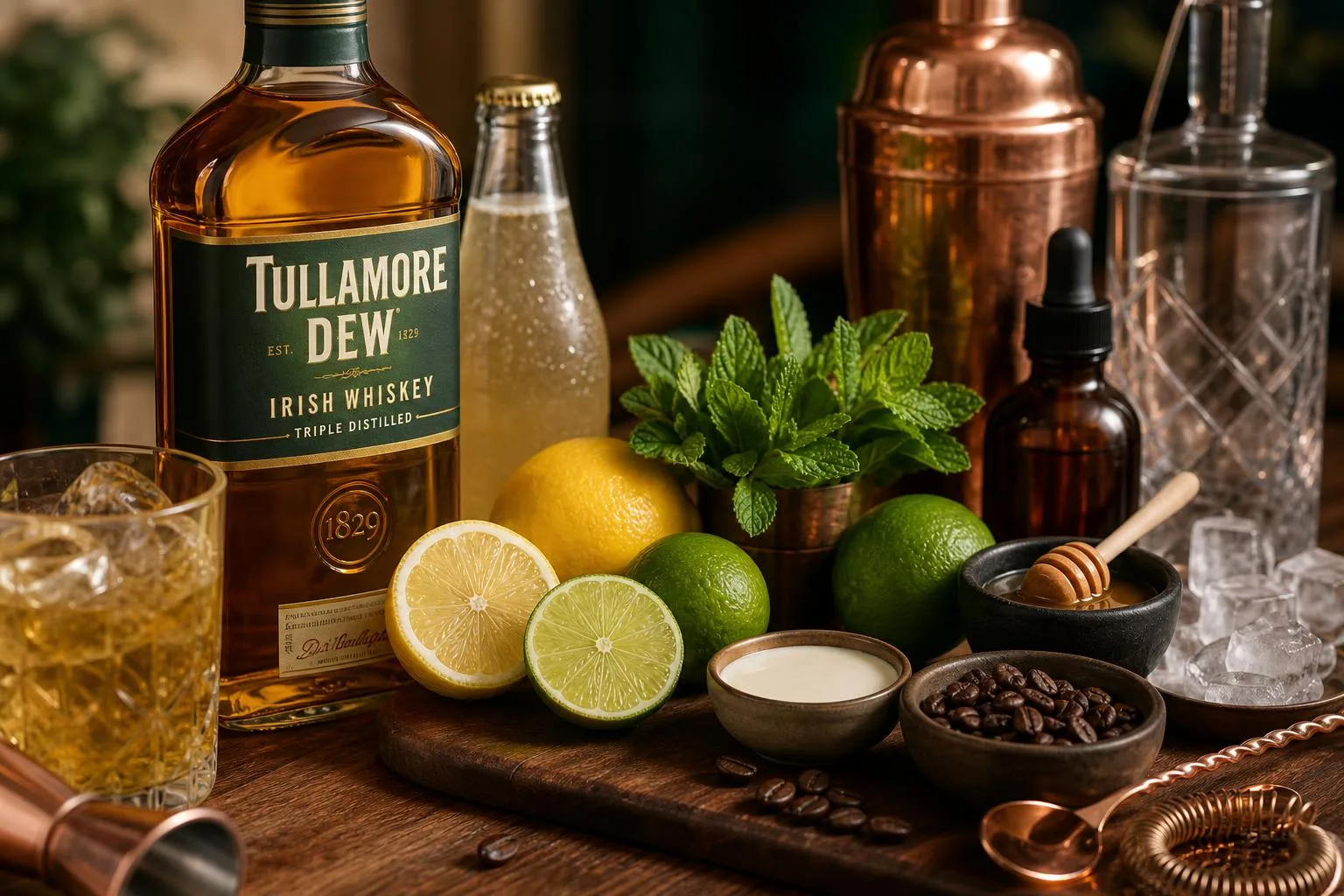
How Bartenders Measure Balance
Irish whiskey mixers are measured in two ways: by the whiskey’s legal alcohol strength and by the drink’s final dilution, sweetness, and acidity.
In practice, bartenders verify balance with jiggers, calibrated glassware, refractometers, and pH strips or meters.
In the United States, a standard drink contains 0.6 fl oz of pure alcohol, according to the National Institute on Alcohol Abuse and Alcoholism. That equals 1.5 fl oz of 40% ABV Irish whiskey, before adding ginger ale, soda, coffee, or citrus.
| Measurement | Common value | How it is verified |
| Irish whiskey bottling strength | Usually 40% ABV; legal minimum is 40% ABV in the EU and US | Distillery proofing with hydrometers or densitometers |
| Standard whiskey pour | 1.5 fl oz in the US | 1.5 oz jigger or controlled pour spout |
| Highball mixer ratio | 1 part whiskey to 3–4 parts soda or ginger ale | Measured build in a 10–12 oz highball glass |
| Whiskey Sour balance | 2 oz whiskey, 0.75 oz lemon, 0.75 oz syrup | Jiggered citrus and syrup; taste-adjusted for lemon acidity |
ABV is the first control point. Irish whiskey must be distilled below 94.8% ABV, matured at least 3 years in wood casks, and bottled at no less than 40% ABV under Irish and EU technical rules.
For mixed drinks, the final alcohol level depends on total volume. A 1.5 oz pour of 40% ABV whiskey contains 0.6 oz ethanol. If topped with 4.5 oz ginger ale, the finished 6 oz drink is about 10% ABV before ice melt.
Ice dilution is measurable, not guesswork. A stirred or built whiskey drink often gains about 15–25% water by volume after chilling.
More surface area, smaller cubes, and longer contact increase dilution, which lowers heat and makes Irish whiskey’s honeyed cereal notes easier to taste.
- Jigger: verifies spirit, citrus, syrup, and liqueur volumes to 0.25 oz accuracy in typical bar use.
- Digital scale: verifies syrups and batched mixers by grams; useful because 1 fl oz water weighs about 29.6 g.
- Refractometer: estimates sugar concentration in syrups, ginger beer, and apple juice in degrees Brix.
- pH meter or strips: checks acidity in lemon, lime, and sour mixes; fresh lemon juice commonly falls near pH 2.0–2.6.
- Thermometer: confirms hot Irish coffee service; brewed coffee is commonly held around 155–175°F for drinking quality.
Verification also includes sensory checks. Carbonated mixers should retain visible bubbles, citrus should smell fresh rather than oxidized, and sweeteners should not bury the whiskey.
A balanced mix lets malt, vanilla, fruit, and oak remain identifiable after dilution.
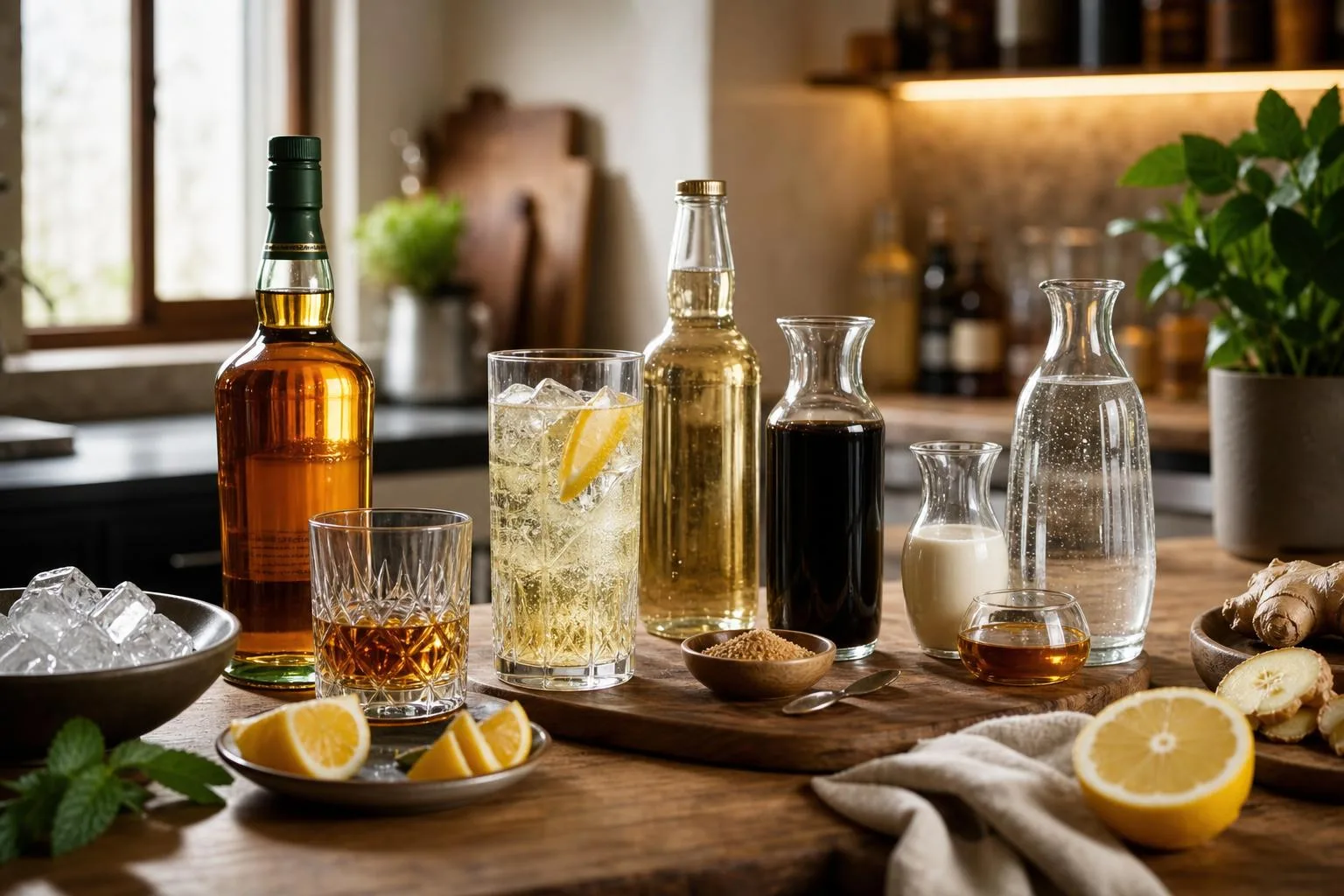
Why It Mixes Easier Than Others
Irish whiskey is usually easier to mix than peat-heavy Scotch or high-rye American whiskey because its flavor profile is often lighter, fruitier, and less tannic.
That makes it especially reliable with ginger ale, ginger beer, lemon, coffee, apple, soda water, and citrus-forward highballs.
Under Irish law, Irish whiskey must be distilled and matured in Ireland for at least 3 years in wooden casks, according to the Irish Whiskey Association and EU technical file standards.
Most mainstream bottles are 40% ABV, which keeps mixed drinks balanced without overwhelming lighter ingredients.
| Spirit | Typical ABV | Key flavor traits | Best mixers | Mixing impact |
| Irish whiskey | 40% | Honey, orchard fruit, vanilla, light spice | Ginger ale, coffee, lemon, apple cider, soda | Soft and adaptable; good for long drinks |
| Bourbon | 40%–50% | Caramel, oak, corn sweetness, vanilla | Cola, lemonade, iced tea, bitters, citrus | Sweeter and heavier; stands up to bold mixers |
| Rye whiskey | 40%–50% | Pepper, mint, grain, baking spice | Vermouth, ginger beer, lemon, bitters | Drier and sharper; better in structured cocktails |
| Blended Scotch | 40%–43% | Malt, cereal, smoke, dried fruit | Soda water, ginger ale, honey, lemon | More savory; smoke can dominate delicate mixers |
| Canadian whisky | 40% | Light grain, vanilla, mild spice | Ginger ale, cola, club soda, cranberry | Very mixable, but often less distinctive |
Compared with bourbon, Irish whiskey usually tastes less sweet because bourbon must be made from at least 51% corn under U.S. federal standards.
That corn base gives bourbon a richer vanilla-caramel profile, which works well with cola but can make ginger ale taste heavier.
Compared with rye, Irish whiskey is less spicy. U.S. rye whiskey must contain at least 51% rye grain, which typically brings pepper, clove, and dry cereal notes.
Rye is excellent with vermouth or bitters, but Irish whiskey is more forgiving with simple two-ingredient serves.
Compared with Scotch, especially smoky Scotch, Irish whiskey is generally less phenolic and less medicinal. A peated Scotch highball can be excellent, but smoke can clash with coffee creamers, apple juice, or sweet ginger ale.
Irish whiskey keeps those mixers cleaner and rounder.
Canadian whisky is the closest alternative for easy highballs. Both are commonly bottled at 40% ABV and mix smoothly with ginger ale or soda.
Irish whiskey, however, often brings more malt character and fruit, which makes it more noticeable in a Whiskey Ginger or Irish coffee.
- Choose Irish whiskey for ginger ale, hot coffee, lemon drinks, apple cider, and lighter highballs.
- Choose bourbon for cola, sweet tea, maple, and richer citrus sours.
- Choose rye when you want spice, dryness, and cocktail structure.
- Choose Scotch when smoke, malt, or mineral notes are the point of the drink.
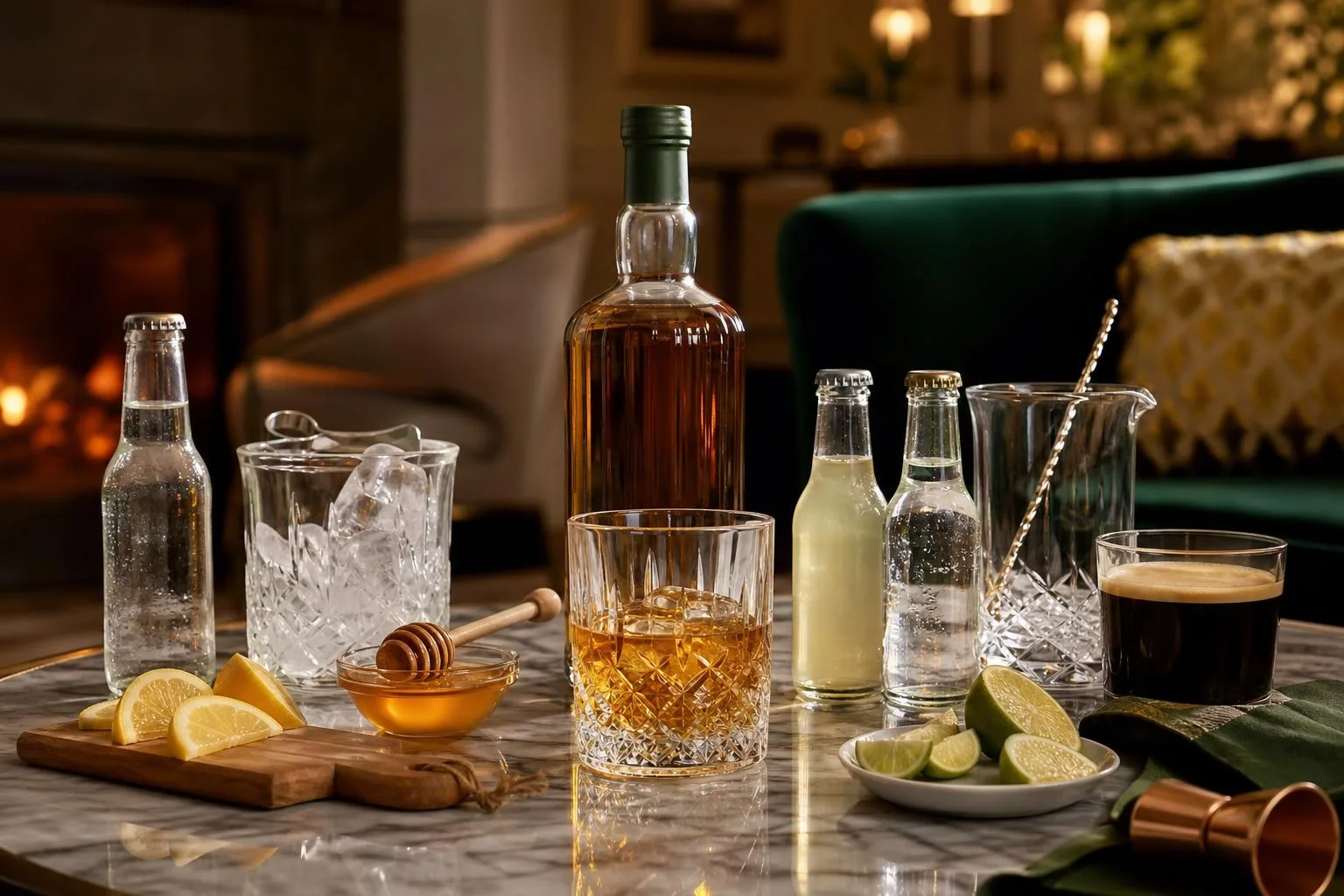
Alcohol Content and Serving Tips
Irish whiskey is usually bottled at 40% ABV, so a standard 1.5-ounce pour contains about 0.6 fluid ounces of pure alcohol. Mixers can make it easier to drink quickly, so measure pours rather than free-pouring.
For responsible serving, the U.S. Dietary Guidelines define moderation as up to 1 drink per day for women or 2 for men, and not drinking is safest for some people.
| Drink build | Approximate alcohol | Practical note |
| 1.5 oz Irish whiskey, 40% ABV | 1 standard U.S. drink | Use a jigger; this is the baseline pour. |
| 2 oz Irish whiskey, 40% ABV | 1.3 standard drinks | Common in rocks pours; stronger than many guests expect. |
| 1.5 oz whiskey + 4 oz ginger ale | 1 standard drink | Sweeter mixer; sip slowly because carbonation can encourage faster drinking. |
| 1.5 oz whiskey + 4 oz coffee | 1 standard drink | Caffeine does not reduce intoxication. |
- Watch sugar. Regular ginger ale, cola, and lemonade commonly add 100–160 calories per 12 ounces, mostly from sugar. Use 3–4 ounces of mixer, choose diet tonic or soda water, or add lemon for flavor without much sugar.
- Do not mix alcohol with driving. In every U.S. state, 0.08% blood alcohol concentration is the standard legal limit for most drivers; impairment can begin lower. Plan rideshare, taxi, designated driver, or public transit before the first drink.
- Hydrate, but do not rely on water to “sober up.” Water helps with thirst and pacing, but only time lowers BAC. The body typically processes about 1 standard drink per hour, with wide individual variation.
- Avoid alcohol with certain medications. Alcohol can interact dangerously with opioids, benzodiazepines, sleep aids, antidepressants, antihistamines, and acetaminophen. Check the medication label or ask a pharmacist.
- Skip whiskey if pregnant or trying to become pregnant. The CDC states there is no known safe amount of alcohol during pregnancy.
- Use fresh citrus and clean ice. Lemon, lime, and orange peels can carry microbes and residues. Wash fruit before cutting, use clean tongs, and discard ice that has been handled by hand.
- Batch carefully. For a pitcher serving 8 drinks, use 12 ounces of Irish whiskey total. Label the batch as alcoholic, keep it chilled, and provide a nonalcoholic option such as ginger beer with lime.
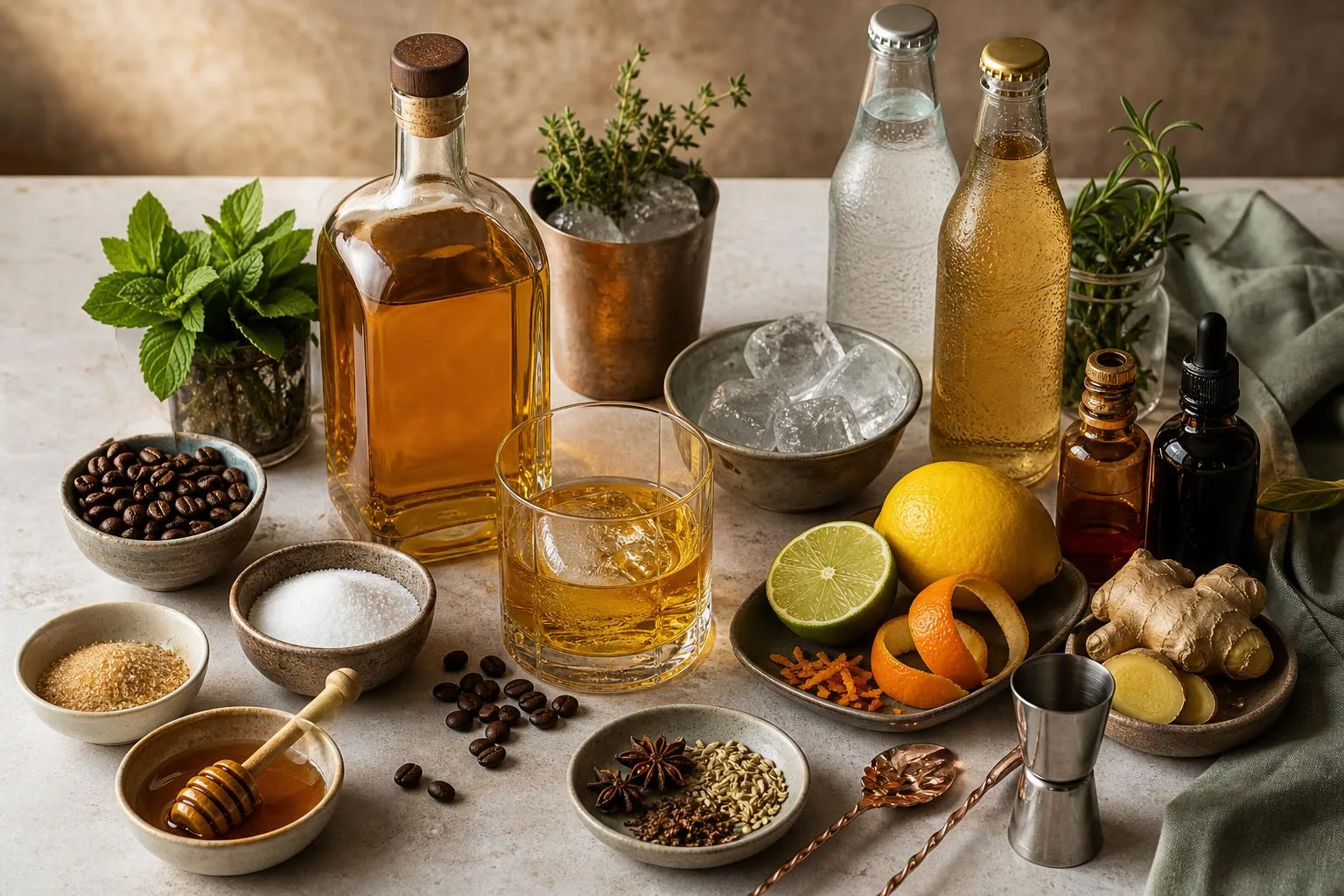
Results from Our Mixer Tests
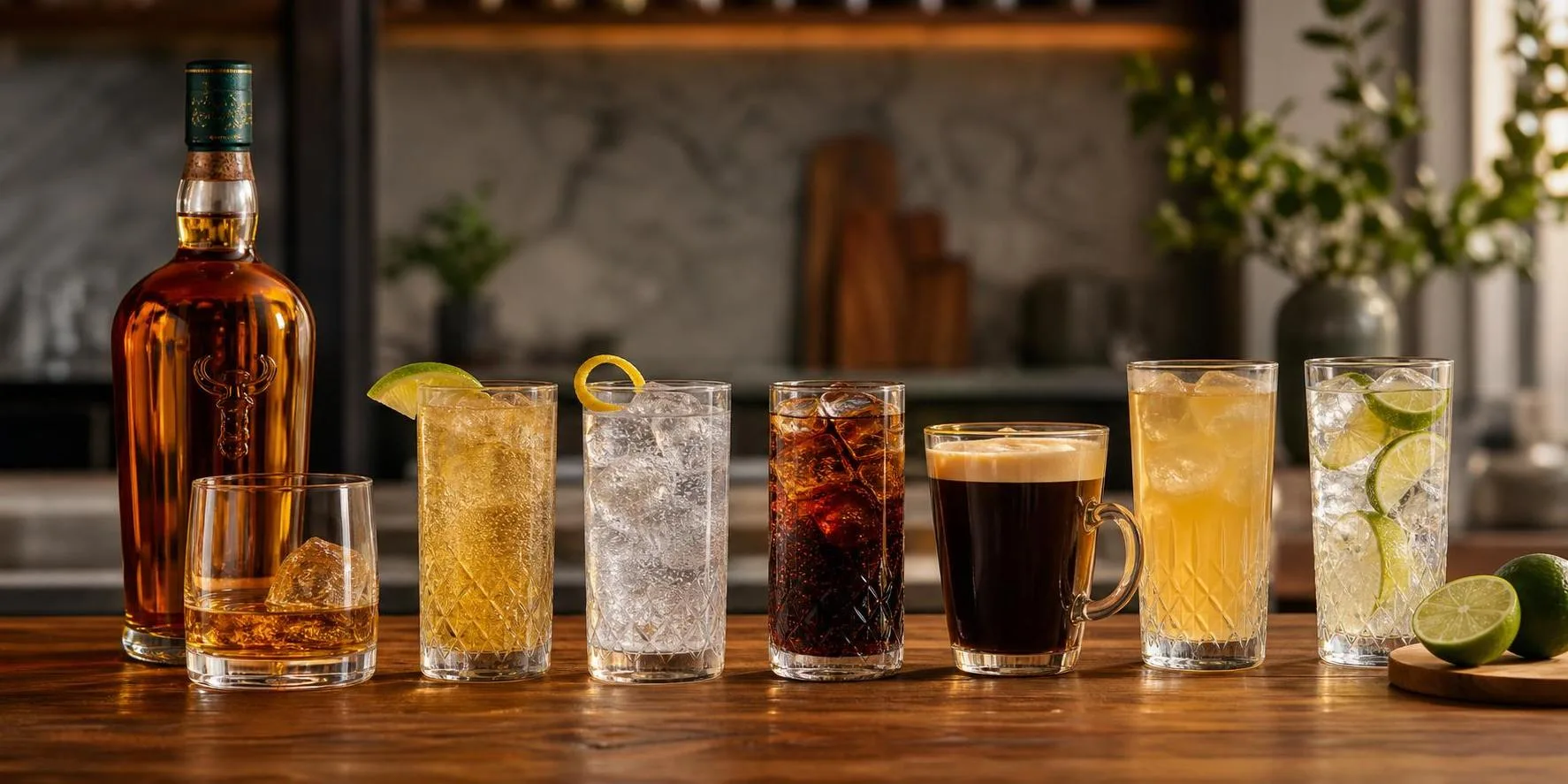
We tested Irish whiskey mixers over two sessions using the same 40% ABV blended Irish whiskey, chilled glassware, and measured pours. Each serve used 1.5 oz whiskey, mixed in 10 oz highball glasses, then tasted at 1, 5, and 10 minutes.
We repeated our top combinations three times to check dilution, aroma, and balance. Ice was standardized at 120 g per glass, using 1-inch cubes from the same freezer batch.
| Mixer | Ratio Tested | Best Timing | What We Found |
| Ginger ale | 1.5 oz whiskey + 4.5 oz ginger ale | 5 minutes | Best all-around balance; softened alcohol heat while keeping vanilla and grain notes clear. |
| Ginger beer | 1.5 oz whiskey + 4 oz ginger beer | 3-5 minutes | Spicier and drier; worked best with a lime wedge, but overwhelmed lighter whiskey after 10 minutes. |
| Club soda | 1.5 oz whiskey + 5 oz soda | 1-3 minutes | Most refreshing, but least forgiving; highlighted any ethanol sharpness in the whiskey. |
| Lemonade | 1.5 oz whiskey + 4 oz lemonade | 5 minutes | Bright and easy-drinking; sweetness covered subtle malt character more than ginger ale did. |
| Cola | 1.5 oz whiskey + 4.5 oz cola | 5-10 minutes | Familiar and sweet; caramel flavors fit, but cola dominated aroma in every trial. |
| Hot coffee | 1.5 oz whiskey + 5 oz coffee | Immediately | Best hot option; 160°F coffee lifted aroma, but bitterness increased once it cooled below 130°F. |
Ginger ale was the clearest winner for broad appeal. At a 3:1 mixer-to-whiskey ratio, it gave enough sweetness and carbonation without burying the whiskey’s honey, cereal, and light oak flavors.
Ginger beer needed more control. We preferred 4 oz, not 5 oz, because the extra ounce made the drink taste more like ginger beer than whiskey. A 0.25 oz squeeze of lime improved the finish in all three trials.
Club soda worked only when the whiskey was clean and rounded. With no sugar to hide flaws, it made the drink crisp but exposed raw alcohol on the nose, especially after the ice diluted the pour past 10 minutes.
For sweeter serves, lemonade beat cola when we wanted the whiskey to stay recognizable. Cola paired naturally with Irish whiskey’s caramel notes, but its caffeine-brown-sugar aroma dominated even at a conservative 3:1 ratio.
- Best simple highball: 1.5 oz Irish whiskey, 4.5 oz ginger ale, 120 g ice, lemon twist.
- Best spicy serve: 1.5 oz Irish whiskey, 4 oz ginger beer, 0.25 oz fresh lime juice.
- Best low-sugar option: 1.5 oz Irish whiskey, 5 oz chilled club soda, expressed lemon peel.
- Best cold-weather mix: 1.5 oz Irish whiskey stirred into 5 oz hot coffee, lightly sweetened.
Our practical takeaway: start with a 1:3 whiskey-to-mixer ratio. Increase the mixer only after tasting, because Irish whiskey’s lighter body gets masked faster than bourbon or rye in sweet, highly flavored mixers.
Mixability Myths and Mistakes
Irish whiskey is famously mixable because most bottlings are triple-distilled, relatively light-bodied, and bottled at 40% ABV. The mistakes usually come from treating it like neutral vodka or assuming every Irish whiskey behaves the same in a drink.
The best mixes protect the whiskey’s cereal sweetness, vanilla, orchard-fruit notes, and mild spice. Over-dilution, too much sugar, or the wrong citrus ratio can flatten those flavors fast.
Using Too Much Mixer
A common highball mistake is burying 2 ounces of whiskey under 8 or 10 ounces of soda. That creates a thin drink where the whiskey contributes alcohol but little flavor.
| Drink | Whiskey | Mixer | Better Ratio |
| Irish whiskey ginger | 2 oz | 4-5 oz ginger ale | 1:2 to 1:2.5 |
| Whiskey soda | 2 oz | 3-4 oz soda water | 1:1.5 to 1:2 |
| Irish coffee | 1.5 oz | 4 oz hot coffee | About 1:2.7 |
Thinking “Smooth” Means Flavorless
“Smooth” is often used as a compliment for Irish whiskey, but it does not mean blank. Single pot still Irish whiskeys can be peppery and oily because they include both malted and unmalted barley, a legally defined style in Ireland.
That matters when mixing. A delicate blend works well with soda or tonic, while a richer pot still whiskey can stand up to bitters, citrus, honey, stout, or strong ginger beer.
Adding Too Much Lemon or Lime
Irish whiskey sours often fail because the citrus overwhelms the spirit. Start with 2 ounces whiskey, 3/4 ounce fresh lemon juice, and 1/2 to 3/4 ounce simple syrup, then adjust.
Bottled sour mix is another problem. It usually adds preservatives, artificial citrus flavor, and excess sugar, making the drink taste candied instead of bright.
Assuming Ginger Ale and Ginger Beer Are Interchangeable
Ginger ale is usually sweeter and softer. Ginger beer is spicier, more aromatic, and can dominate lighter 40% ABV blends if poured heavily.
- Use ginger ale for a rounder, pub-style Irish whiskey ginger.
- Use ginger beer when the whiskey has enough body, sherry influence, or pot still spice.
- Add lime carefully; one small wedge is usually enough for a 2-ounce pour.
Myth: Irish Whiskey Is Only for Coffee
Irish coffee is classic, but it is not the limit. Irish whiskey also mixes cleanly with soda water, apple cider, ginger ale, lemon, honey, vermouth, bitters, tonic, and even dry sparkling wine.
The real rule is balance: keep the whiskey visible, use fresh ingredients, and match the mixer’s intensity to the bottle’s weight.
Frequently Asked Questions
What soda mixes best with Irish whiskey?
Ginger ale is the classic choice because its sweetness and light spice match the smooth, honeyed profile of many Irish whiskeys such as Jameson, Tullamore D.E.W., or Bushmills Original.
Use about 2 ounces of Irish whiskey to 4–5 ounces of chilled ginger ale over ice, then add a lemon or lime wedge.
Can you mix Irish whiskey with coffee?
Yes—Irish coffee is one of the most established Irish whiskey drinks, traditionally made with hot coffee, Irish whiskey, sugar, and lightly whipped cream.
A practical ratio is 1.5 ounces Irish whiskey, 4 ounces hot coffee, 1–2 teaspoons brown sugar, and a cream float.
Does Irish whiskey go well with citrus juice?
Irish whiskey works well with lemon juice, especially in a Whiskey Sour, because the acidity balances the whiskey’s vanilla, malt, and orchard-fruit notes.
Shake 2 ounces Irish whiskey, 0.75 ounce fresh lemon juice, and 0.5–0.75 ounce simple syrup with ice, then strain into a rocks glass.
What should I mix with Irish whiskey for an easy highball?
Club soda is the cleanest mixer if you want a lighter drink that does not hide the whiskey. Build it with 2 ounces Irish whiskey and 4–6 ounces cold club soda over clear ice, then garnish with a lemon twist to lift the aroma.
Can you mix Irish whiskey with cola?
Yes, cola pairs well with approachable blended Irish whiskey because caramel, vanilla, and spice notes overlap with the soda’s flavor.
Start with 1.5–2 ounces Irish whiskey and 4–6 ounces cola over ice; a squeeze of lime helps cut the sweetness.
Can you mix Irish whiskey with apple cider?
Yes. Apple cider pairs well with Irish whiskey because its malic acidity and natural sweetness soften the whiskey’s grain and vanilla notes without burying them.
A common ratio is 2 ounces Irish whiskey to 4 to 6 ounces chilled cider, often finished with a cinnamon stick or thin apple slice.
Related Reading
- Vodka vs Whiskey
- What Is Whiskey & Sprite Called?
- Is Jack Daniel’S Whiskey Or Bourbon?
- How Many Calories Are In Scotch Whisky?
- What Is A Whiskey Neat?
- How To Order Whiskey At A Bar?
- What Does Whiskey Smell Like?
- All Alcohol Guides