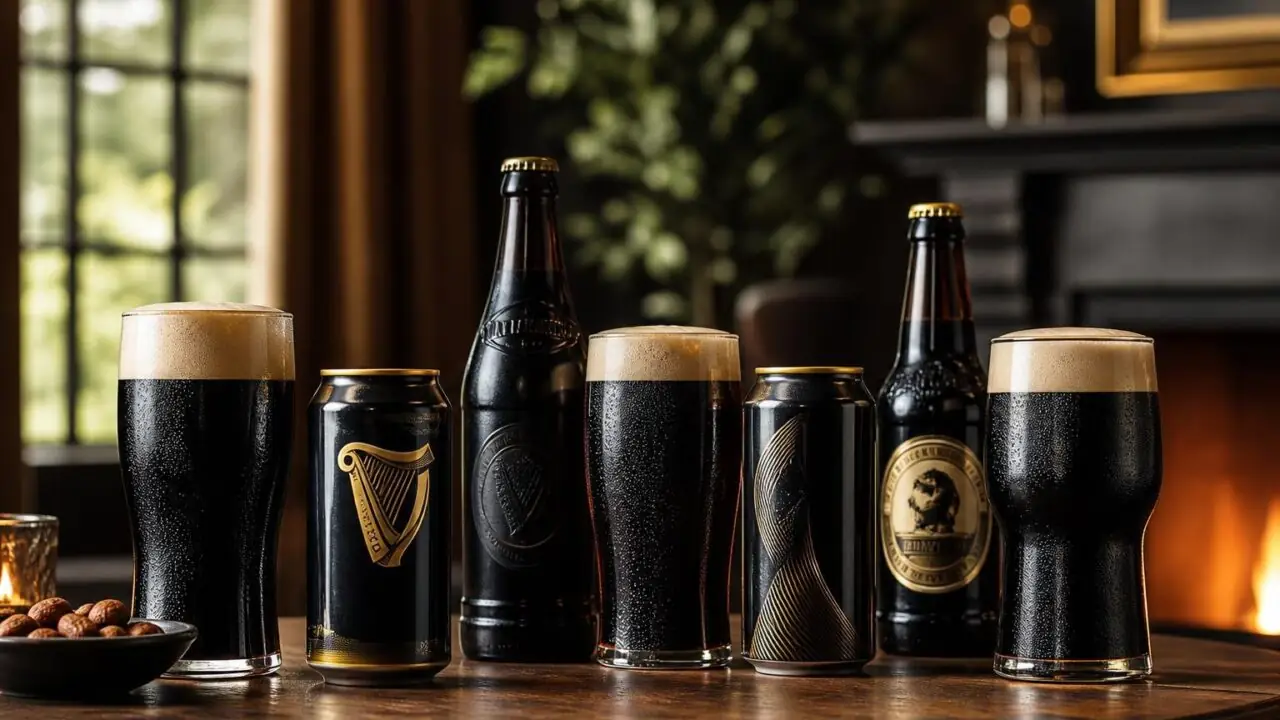
Beers similar to guinness are dark, creamy stouts and porters with roasted barley, coffee-like bitterness, low carbonation, and a smooth finish.
Guinness Draught sets the benchmark: 4.2% ABV, nitrogenated texture, tan foam, dry roast, and moderate bitterness.
This guide compares beers that match those traits closely, from Irish dry stouts to oatmeal stouts and nitro porters.
Expect specific picks based on body, roast level, sweetness, ABV, availability in the US, and how each beer performs for drinkers who like Guinness but want credible alternatives.
What Makes Guinness Taste Distinctive
Guinness tastes different because it combines dark-roast grain, low hop bitterness, and nitrogen dispense. The result is a beer that smells like coffee and cocoa, drinks with mild bitterness, and feels unusually smooth for a stout.
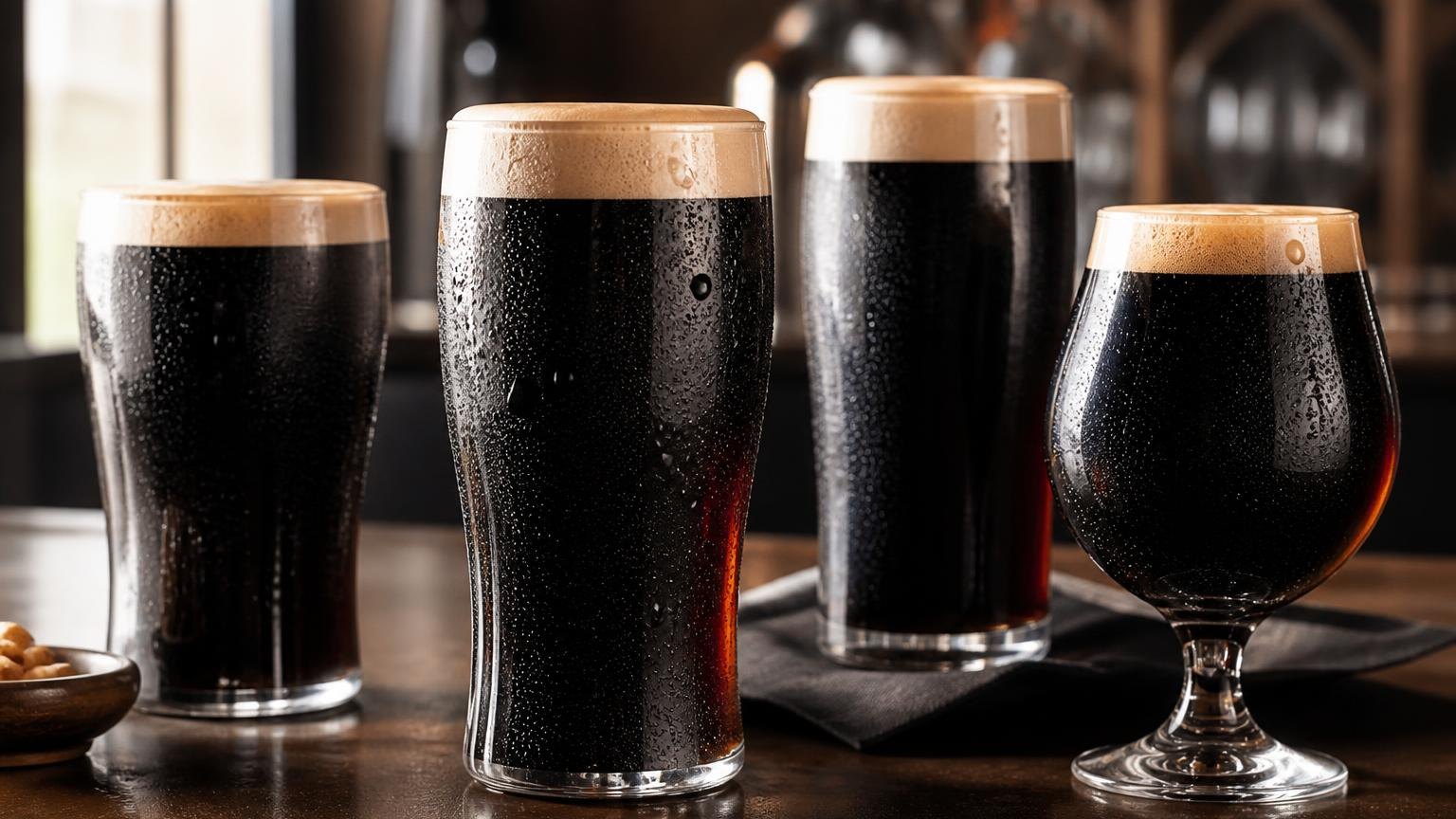
The core flavor driver is roasted unmalted barley. Guinness uses it alongside malted barley, creating the dry, espresso-like edge that separates Irish stout from sweeter milk stout or heavier imperial stout.
That roast character is intense in color but not huge in alcohol. Guinness Draught sold in the U.S. is 4.2% ABV, which keeps the body lighter than many craft stouts that sit at 5.5% to 8% ABV.
Bitterness is also restrained. Guinness Draught is about 40 IBU, enough to balance roasted grain but not enough to taste aggressively hoppy. The finish reads drier than bitter, which is why many drinkers find it easier to drink than darker porters.
Texture matters as much as flavor. Guinness Draught is served with nitrogen and carbon dioxide rather than carbon dioxide alone.
Nitrogen is less soluble than CO2, so it forms smaller bubbles and produces the dense, creamy head associated with Guinness.
The famous cascade is part physics, part presentation. In a stout glass, the tiny nitrogen bubbles appear to sink along the sides while rising in the center, creating the visual “surge” after the pour.
Guinness is also lighter than it looks. A 12-ounce serving of Guinness Draught has about 125 calories, lower than many drinkers expect from such a dark beer, because color comes from roast level more than sugar or alcohol strength.
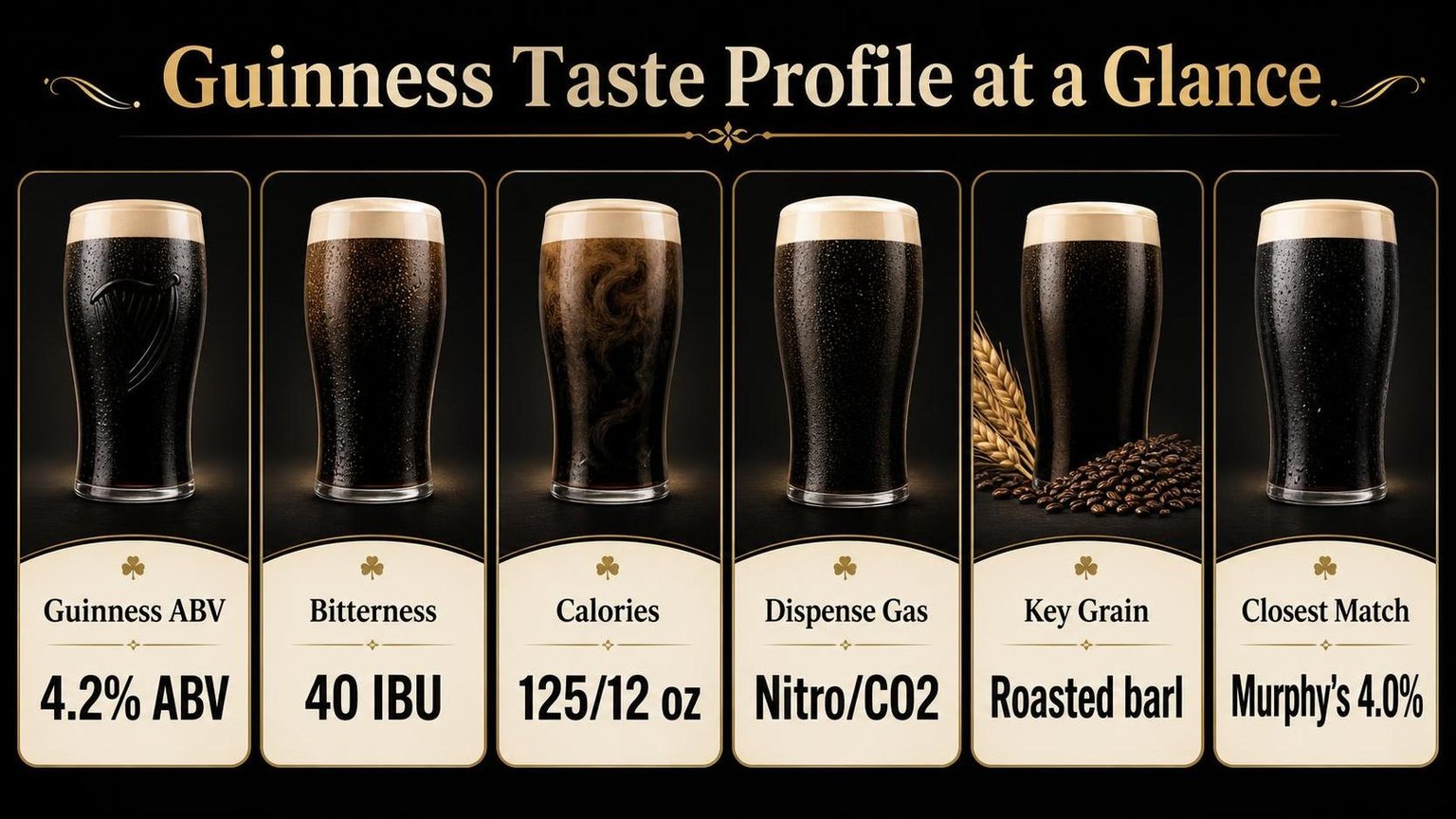
| Attribute | Guinness Draught | Why it affects taste |
| ABV | 4.2% | Moderate strength keeps the body lighter and less warming. |
| Bitterness | About 40 IBU | Balances roast without turning sharply hoppy. |
| Calories | About 125 per 12 oz | Relatively low density supports a cleaner finish. |
| Dispense gas | Nitrogen/CO2 blend | Creates smaller bubbles and a creamier mouthfeel. |
| Key grain note | Roasted unmalted barley | Delivers dry coffee, cocoa, and faint burnt-toast flavors. |
Compared with sweeter stouts, Guinness has little residual sweetness. You get bitter chocolate, toast, and a faint mineral snap, not lactose, vanilla, or syrupy malt.
That combination explains why beers similar to Guinness usually share three traits: roasted barley, modest alcohol, and nitrogen service or a similarly soft texture.
Remove any one of those, and the beer may still be dark, but it will not drink like Guinness.
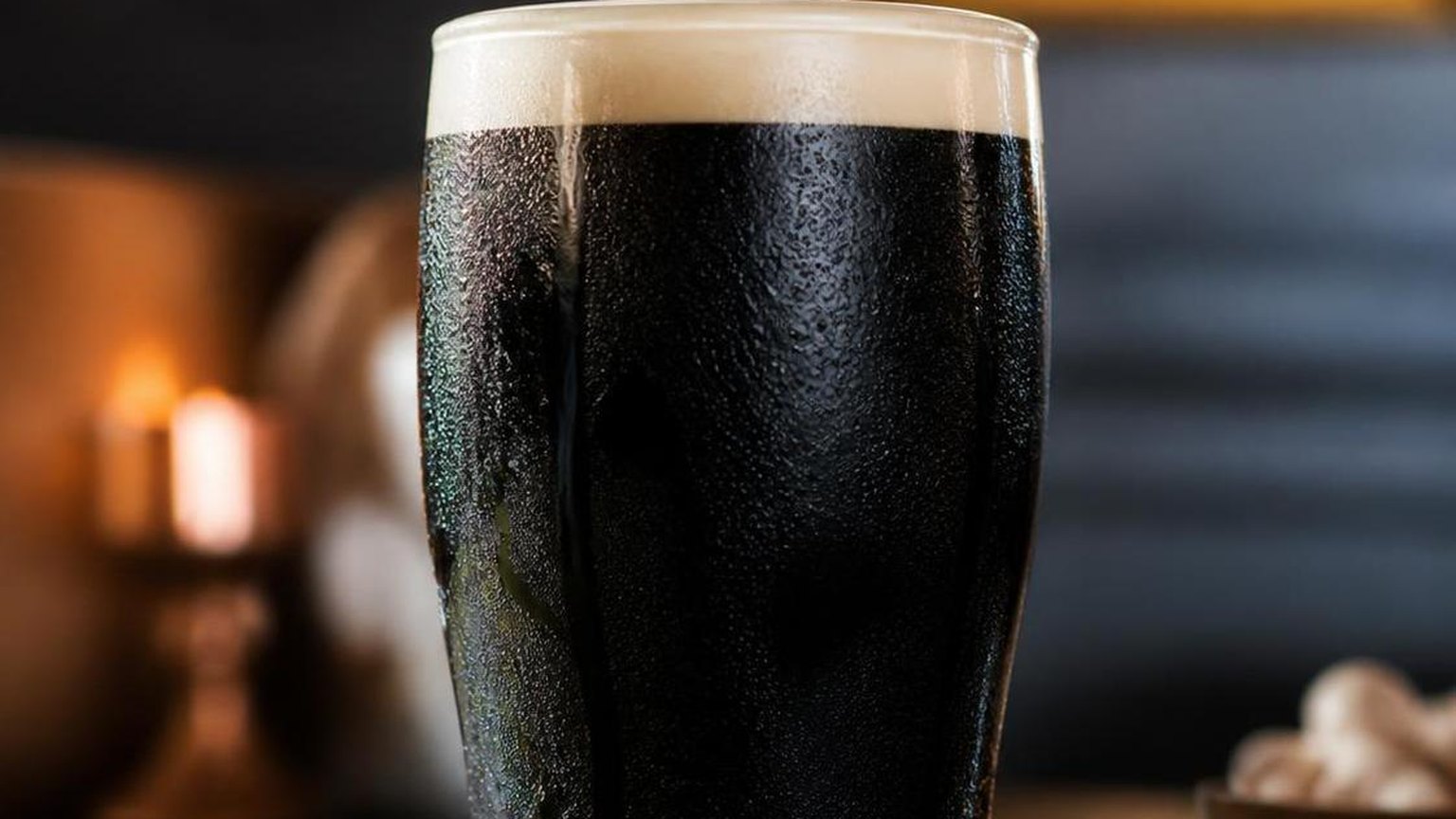
Irish Dry Stouts Closest to Guinness
The closest beers to Guinness are other Irish dry stouts built on roasted barley, moderate bitterness, and a lean finish. They do not all taste identical, but they land in the same profile: coffee-like roast, low sweetness, and restrained alcohol.
Guinness Draught in the U.S. is typically 4.2% ABV and uses a nitrogen-forward pour that softens bitterness and creates its dense head. The best substitutes match either that dry roast profile, the nitrogen texture, or both.
| Beer | Brewery | ABV | Why it is close to Guinness |
| Murphy’s Irish Stout | Murphy Brewery, Cork | 4.0% | Softer roast, lower bitterness, creamy nitro presentation, lighter body than many stouts. |
| Beamish Irish Stout | Beamish, Cork | 4.1% | Drier finish, firmer roasted barley note, and a more pronounced espresso edge. |
| O’Hara’s Irish Stout | Carlow Brewing | 4.3% | Classic dry stout structure with roast, dark chocolate, and balanced bitterness. |
| Guinness Extra Stout | St. James’s Gate Brewery | 5.6% | Same Guinness family roast character, but sharper carbonation and a more robust palate. |
Murphy’s is often the nearest sensory match for drinkers who want Guinness’s smoothness. It is slightly lower in alcohol at 4.0% ABV, and its profile leans toward milk chocolate and gentle roast rather than char and bitterness.
Beamish is closer if the appeal of Guinness is dryness, not softness. At 4.1% ABV, it stays sessionable, but the roast can read more assertive, with a brisker, more coffee-driven finish than Guinness Draught.
O’Hara’s Irish Stout is not as globally ubiquitous, but it is one of the most faithful modern examples of the style. At 4.3% ABV, it stays near Guinness in strength while showing slightly fuller malt depth and a touch more hop structure.
Guinness Extra Stout is the most direct reference point because it comes from the same brewer, but it is not a one-to-one replacement for Draught. Its 5.6% ABV and carbonated package format make it more intense, more bitter, and less velvety.
- Choose Murphy’s for the closest creamy pub-stout feel.
- Choose Beamish for a drier, roastier pint.
- Choose O’Hara’s for a classic Irish dry stout with slightly more flavor intensity.
- Choose Guinness Extra Stout if you want Guinness character with more strength and bite.
If the target is “like Guinness,” start with Irish dry stouts under 4.5% ABV. That range preserves the style’s hallmark balance: roasted barley, moderate bitterness, and a finish that stays dry instead of sweet.
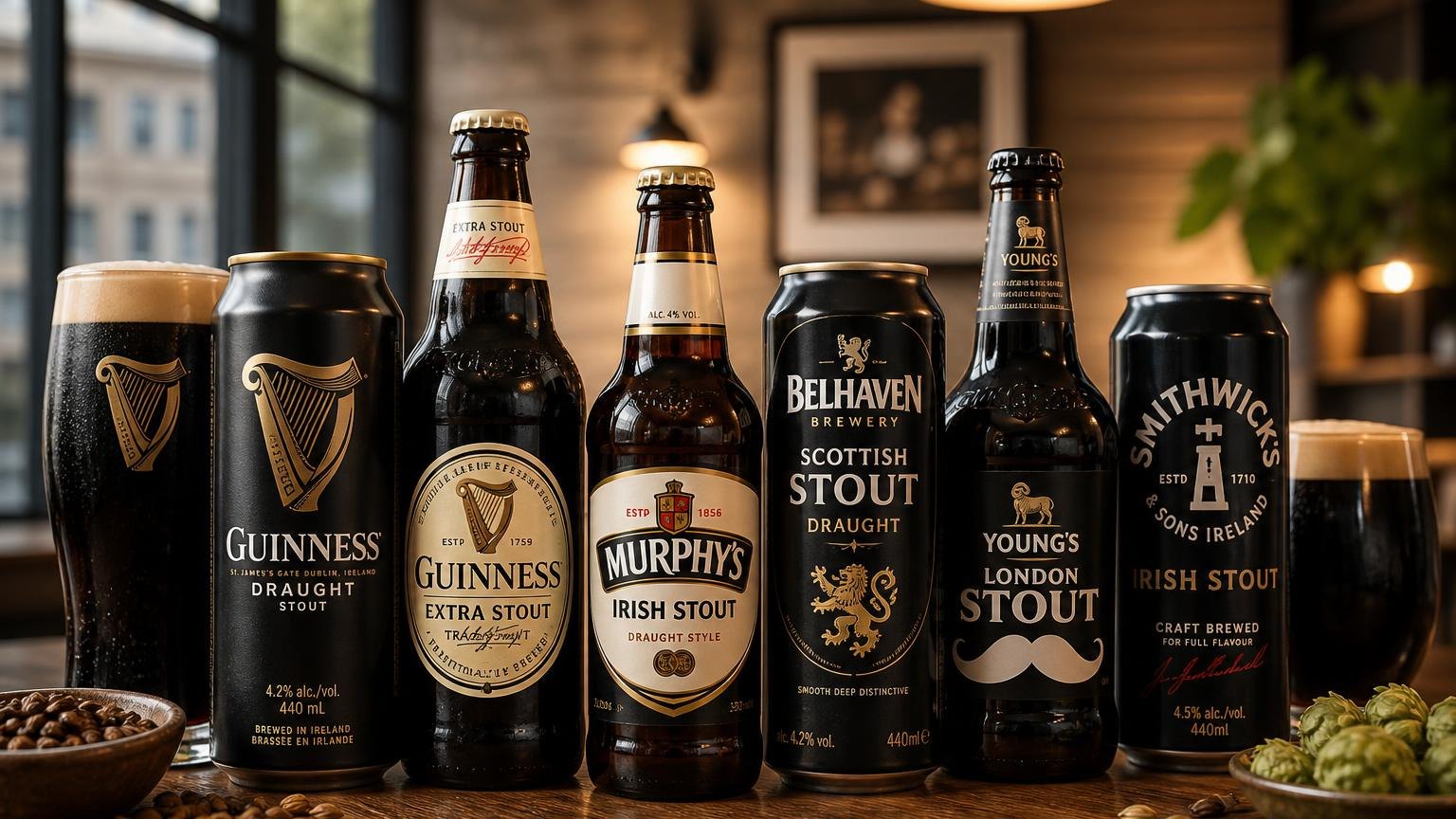
Creamy Nitro Stouts Worth Trying
If you like Guinness Draught, look for the same mechanics: nitrogenation, low-to-moderate bitterness, and a relatively light body for a dark beer.
Nitro pours create smaller bubbles than standard CO2, which softens roast edges and builds the dense, cascading head many drinkers want.
Guinness Draught sits at 4.2% ABV in the U.S. and is known for roasted barley, coffee, and dry cocoa rather than sweetness. The beers below keep that creamy texture but shift the balance toward milk chocolate, stronger roast, or fuller body.
| Beer | Style | ABV | IBU | What changes vs. Guinness |
| Murphy’s Irish Stout | Irish Stout | 4.0% | Moderate | Softer roast, slightly more chocolate, similarly easy-drinking |
| Left Hand Milk Stout Nitro | Milk/Sweet Stout | 6.0% | 25 | Sweeter, fuller, creamier, with lactose-driven milk chocolate notes |
| Boddingtons Pub Ale | Nitro Pale Ale | 4.6% | Low | Not dark, but a classic nitro texture reference with a creamy head |
| Samuel Smith’s Oatmeal Stout | Oatmeal Stout | 5.0% | Moderate | Rounder body and more mocha richness, usually not nitro-served |
| Beamish Irish Stout | Irish Stout | 4.1% | Moderate | Drier and roastier, with more espresso bite |
Murphy’s Irish Stout is the closest stylistic move. At 4.0% ABV, it stays sessionable and keeps the Irish stout profile, but many drinkers find it a touch silkier and less sharply roasted than Guinness.
Left Hand Milk Stout Nitro is the best choice if you want the visual drama of a nitro pour with more dessert-like flavor. Its 6.0% ABV and 25 IBUs make it richer and stronger, while lactose adds sweetness Guinness does not have.
Beamish is for drinkers who like Guinness but want more roast definition. It remains near Guinness in strength at 4.1% ABV, yet its profile often reads more bitter espresso than creamy cocoa.
Samuel Smith’s Oatmeal Stout deserves a place even though it is usually not packaged as nitro. Oats increase viscosity and head retention, creating a naturally plush mouthfeel that scratches the same “creamy dark beer” itch.
Boddingtons is the outlier. It is a pale ale, not a stout, but its widget-driven nitro texture shows how much of Guinness’s appeal comes from gas mix and mouthfeel, not only roasted malt flavor.
- Want the nearest match: choose Murphy’s or Beamish.
- Want sweeter and fuller: choose Left Hand Milk Stout Nitro.
- Want creamy texture without heavy roast: try Boddingtons.
- Want richer body from grain, not nitrogen: try Samuel Smith’s Oatmeal Stout.
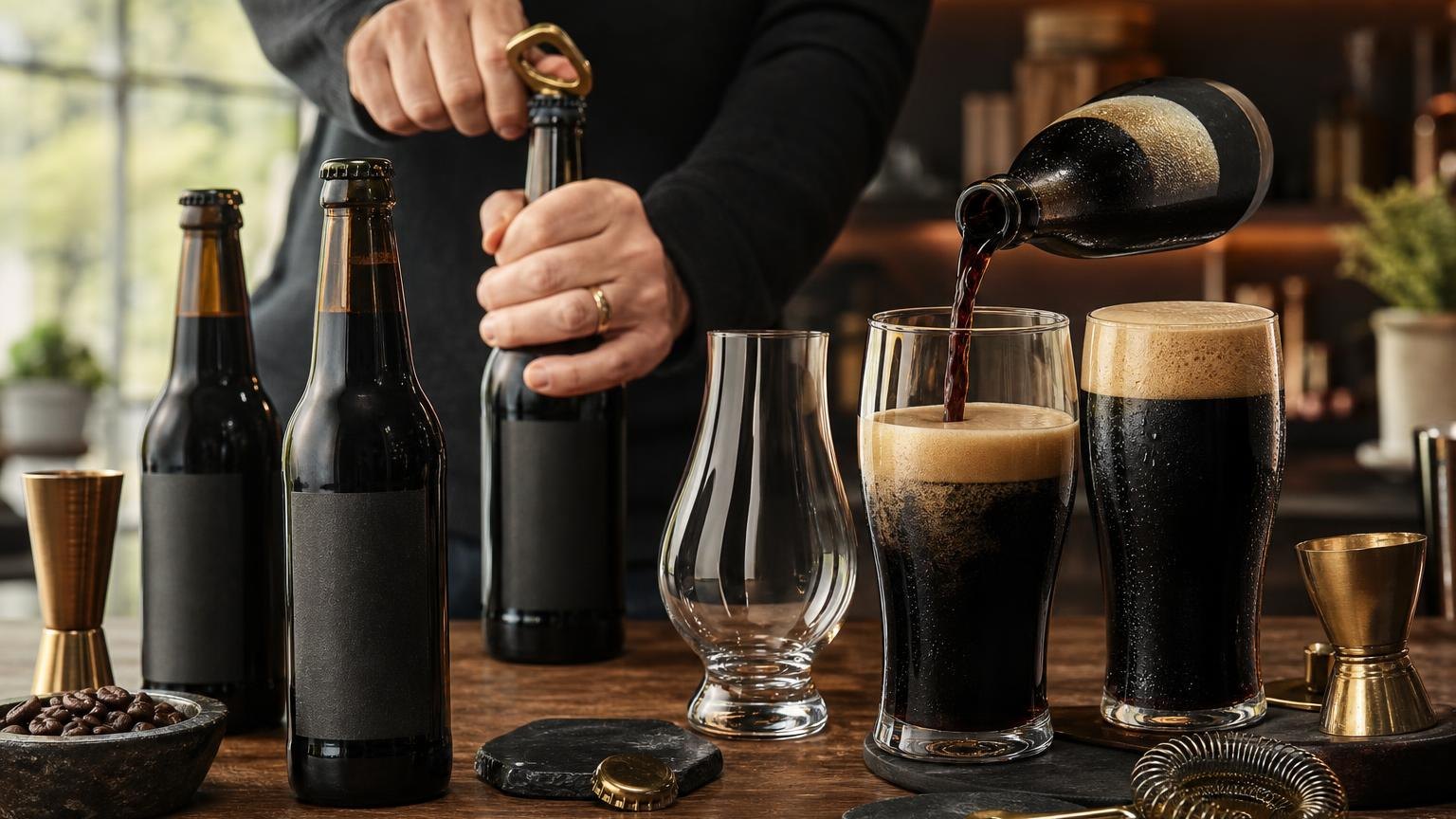
American Stouts With Guinness Similarities
Guinness Draught is defined by moderate strength, restrained bitterness, and a dry finish built on roasted barley.
American stouts that feel similar usually stay near 4 to 6 percent ABV, keep hop bitterness controlled, and avoid heavy sweetness or high alcohol heat.
The closest American examples are not pastry stouts or imperial stouts. They are classic dry, oatmeal, or export-style stouts that deliver coffee, cocoa, and toast without turning syrupy.
| Beer | Brewery | Style | ABV | Why it recalls Guinness |
| Black Butte Porter | Deschutes | American Porter | 5.5% | Soft roast, cocoa, moderate body, easy drinkability |
| Marzy Doats | Baxter Brewing | Oatmeal Stout | 5.8% | Roast-forward but smooth, low sweetness, creamy texture |
| Edmund Fitzgerald Porter | Great Lakes Brewing Co. | Porter | 6.0% | Dry cocoa, coffee notes, balanced bitterness |
| Oatmeal Stout | Samuel Smith’s U.S. distribution favorite, often compared in U.S. markets | Oatmeal Stout | 5.0% | Silky body and roast profile similar to nitro stout expectations |
| Dragon’s Milk Stout | New Holland | American Stout | 11.0% | Much richer than Guinness; only a roast similarity, not a body match |
Deschutes Black Butte Porter is often the easiest American dark beer for Guinness drinkers to enjoy. At 5.5 percent ABV, it stays sessionable. Its roast is firm but rounded, with chocolate and espresso notes instead of sharp ash or aggressive hops.
Baxter Marzy Doats is closer in texture. Oats increase creaminess, which matters if you like Guinness served on nitrogen.
The beer sits at 5.8 percent ABV and leans dry enough to avoid the sweet finish that pushes many American stouts away from Guinness territory.
Great Lakes Edmund Fitzgerald Porter is technically a porter, but style labels matter less than drinking experience. At 6.0 percent ABV, it remains balanced.
Expect roasted coffee, bittersweet chocolate, and a cleaner finish than most modern canned stouts.
Many U.S. shoppers also compare Guinness to Samuel Smith’s Oatmeal Stout because it is widely sold in American bottle shops.
It is not American-made, but it helps define what Guinness fans usually want: roast, low fruitiness, and a smooth, moderate body.
- Look for ABV between 4.5 and 6.0 percent.
- Choose dry stout, oatmeal stout, or balanced porter over imperial stout.
- Avoid lactose-heavy milk stouts if you want Guinness’s dry finish.
- Nitro packaging can mimic Guinness’s creamy head and softer carbonation.
If you want the nearest American analogue, start with oatmeal stout or a restrained porter, not barrel-aged stout. Guinness is about roast precision and drinkability, and the best American parallels keep both in focus.
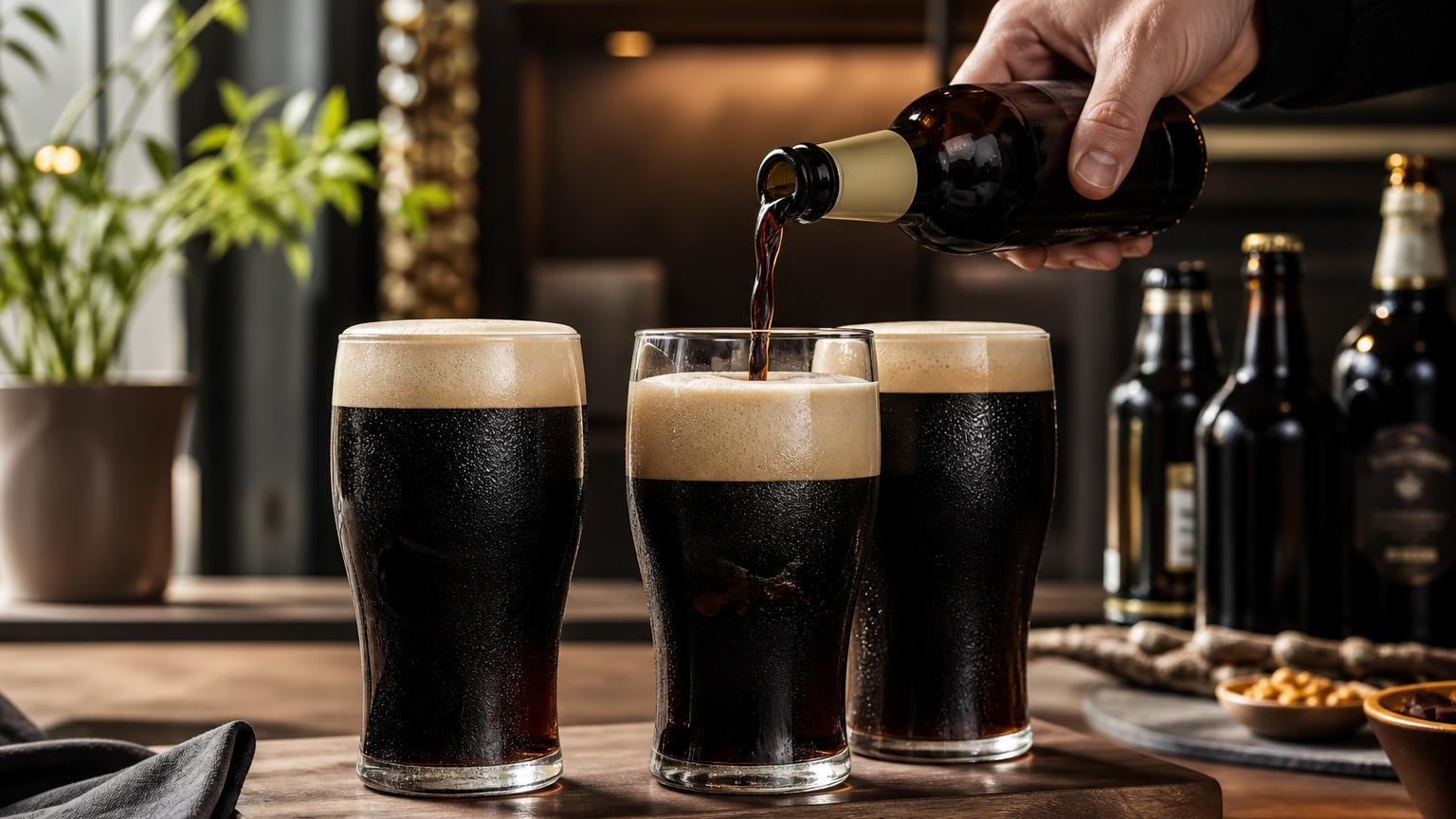
Porters That Drink Like Guinness
If you like Guinness for its low bitterness, dry finish, and creamy texture, the closest porter matches are not the biggest or sweetest examples.
The best fits are lighter-bodied brown or robust porters with restrained alcohol, moderate roast, and enough carbonation or nitrogen service to keep the sip smooth.
Guinness Draught sits at 4.2% ABV in the U.S. market and is known for roasted barley, coffee-like dryness, and about 125 calories per 12-ounce serving.
Most porters lean softer and more chocolate-forward, so the ones that drink like Guinness are the drier, less sugary end of the style.
Start with English brown porter. Historically, porter was the category Guinness itself grew out of before Irish dry stout became distinct in the 19th century.
Brown porter usually lands lower in roast intensity than stout, but the better examples still give cocoa, toast, and light coffee without turning thick.
| Beer | Style | ABV | Why it drinks like Guinness |
| Guinness Draught | Irish Dry Stout | 4.2% | Dry roast, light body, creamy nitrogen texture |
| Fuller’s London Porter | London Porter | 5.4% | Soft roast, smooth body, balanced bitterness |
| Founders Porter | American Porter | 6.5% | Roast and chocolate, but still finishes fairly dry |
| Great Lakes Edmund Fitzgerald Porter | American Porter | 6.0% | Firm roast, restrained sweetness, clean finish |
| Deschutes Black Butte Porter | American Porter | 5.5% | Silky texture, roasted notes, moderate weight |
Fuller’s London Porter is one of the clearest stepping stones. At 5.4% ABV, it stays moderate in strength, and its malt profile emphasizes chocolate, biscuit, and gentle roast instead of heavy caramel.
That matters because sweetness is what usually pushes porter away from Guinness drinkers.
Great Lakes Edmund Fitzgerald Porter is another strong option. It runs 6.0% ABV, so it is stronger than Guinness, but it keeps a firm roast edge and avoids syrupy body.
The finish is cleaner than many American porters, which makes it feel closer to an Irish dry stout.
Deschutes Black Butte Porter also works well. At 5.5% ABV, it delivers cocoa and roast with a polished texture, but it does not drink heavy. If Guinness appeals because it feels substantial without being filling, Black Butte hits a similar balance.
Founders Porter is less exact but still relevant. Its 6.5% ABV and richer dark-chocolate character make it broader and bolder than Guinness. Even so, it avoids the sugary finish that can make some porters feel closer to dessert than to pub beer.
- Choose porters under about 6% ABV for the closest body and drinkability.
- Look for roast, cocoa, toast, and coffee notes rather than vanilla, lactose, or heavy caramel.
- Nitro or cask service will usually feel closer to Guinness than standard high-carbonation draft.
- Avoid imperial porter if you want the same easy pint pace.
The closest porter to Guinness is usually a traditional, balanced porter poured with low aggression, not the darkest beer on the list. Dryness, moderate strength, and controlled roast matter more than intensity.
How to Choose a Guinness Alternative
Start with what you want to match: Guinness Draught is a dry Irish stout at 4.2% ABV in the U.S., with a low bitterness profile, roasted barley character, and a nitrogen-driven creamy texture.
The best alternative depends less on brand and more on three variables: dispense method, roast level, and body.
If texture matters most, choose a nitrogenated stout first. Nitrogen uses smaller bubbles than carbon dioxide, which creates the dense head and soft mouthfeel people associate with Guinness.
A can with a widget or a draft nitro pour will usually get closer than a standard CO2-bottled stout.
Then check alcohol and bitterness. Guinness is not a big imperial stout; it is relatively light, dry, and sessionable. A substitute that jumps to 7% to 10% ABV or 40 to 70 IBU will taste heavier, sweeter, and more aggressive.
| Feature | Guinness Draught benchmark | What to look for in an alternative |
| ABV | 4.2% | About 4.0% to 5.2% |
| Bitterness | Low to moderate | Roughly 20 to 40 IBU |
| Dispense | Nitrogen draft or widget can | Nitro draft, nitro can, or cream stout |
| Flavor | Roasted barley, coffee, cocoa | Dry roast, not dessert-like sweetness |
| Body | Light-medium | Medium body with a dry finish |
Roast profile is the next filter. Guinness gets much of its signature taste from unmalted roasted barley, which gives coffee and dark-toast notes without turning syrupy.
Look for labels that say dry stout, Irish stout, or nitro stout rather than milk stout, oatmeal stout, or pastry stout.
Sweetness changes the experience fast. Milk stouts contain lactose, which adds body and residual sweetness; that can make them feel richer than Guinness even at similar strength.
Oatmeal stouts often taste silkier and fuller because oats increase texture and soften the finish.
Origin can help, but style matters more. Irish dry stouts from Ireland often aim closest to Guinness, yet U.S. breweries also make strong alternatives when they keep the roast dry and the ABV restrained.
Murphy’s Irish Stout and Beamish Irish Stout are common reference points because both stay in the classic Irish dry stout lane.
- Choose nitro if you want the creamy head and softer mouthfeel.
- Stay near 4% to 5% ABV if you want the same drinkability.
- Avoid pastry, milk, and imperial stouts if you want dryness.
- Look for roast, coffee, and bitter chocolate notes rather than vanilla or marshmallow.
- If buying draft, ask whether the beer is poured on nitrogen or standard CO2.
The closest Guinness alternative is usually a dry or nitro stout with modest strength, moderate roast, and a clean finish. Match those traits first. Brand loyalty comes after the glass.
Questions Readers Ask
What makes a beer taste similar to Guinness?
Guinness Draught is defined by roasted barley, moderate bitterness, low-to-medium alcohol, and a nitrogenated pour that creates a dense, creamy head.
Beers that use similar dark grain bills and serve on nitro usually come closest in texture and flavor, especially if they keep roast, coffee, and cocoa notes restrained rather than sweet.
Which stout is closest to Guinness in the United States?
Murphy’s Irish Stout is one of the closest matches sold in the US because it is also an Irish dry stout with a smooth body, light roast, and relatively modest ABV at about 4.0%.
O’Hara’s Irish Stout is another strong option, though its roast and chocolate character are typically a bit fuller than Guinness Draught’s 4.2% profile.
Are milk stouts or oatmeal stouts similar to Guinness?
They can look similar in the glass, but they usually drink differently.
Milk stouts are sweeter because lactose adds body and residual sugar, while oatmeal stouts often feel softer and heavier; Guinness is drier, leaner, and more roast-forward than either style.
Does nitro matter when choosing a Guinness alternative?
Yes. Nitrogen creates smaller bubbles than carbon dioxide, which is why Guinness Draught feels creamy and settles with a tight, cascading head instead of sharp carbonation.
A stout on regular CO2 can match the roast profile but still feel less “Guinness-like” because the mouthfeel is thinner and more prickly.
Is Guinness Extra Stout similar to Guinness Draught?
They share the same family resemblance, but they are not the same drinking experience.
Guinness Extra Stout is more carbonated, more assertively bitter, and typically higher in alcohol at about 5.6% ABV in the US, while Guinness Draught is softer, creamier, and easier-drinking.
Ask for an Irish dry stout first, then ask whether it is on nitro.
If there is no Irish dry stout, choose a lower-ABV roasted porter or a dry stout under about 5% ABV rather than an imperial stout, since bigger stouts are usually sweeter, boozier, and much heavier than Guinness.