What Is A Store Pick Bourbon is a retailer-selected barrel or small barrel lot chosen from a distillery’s inventory and bottled exclusively for that store, bar, or buying group.
Unlike a standard shelf release, it reflects the selector’s palate, proof preference, and barrel location.
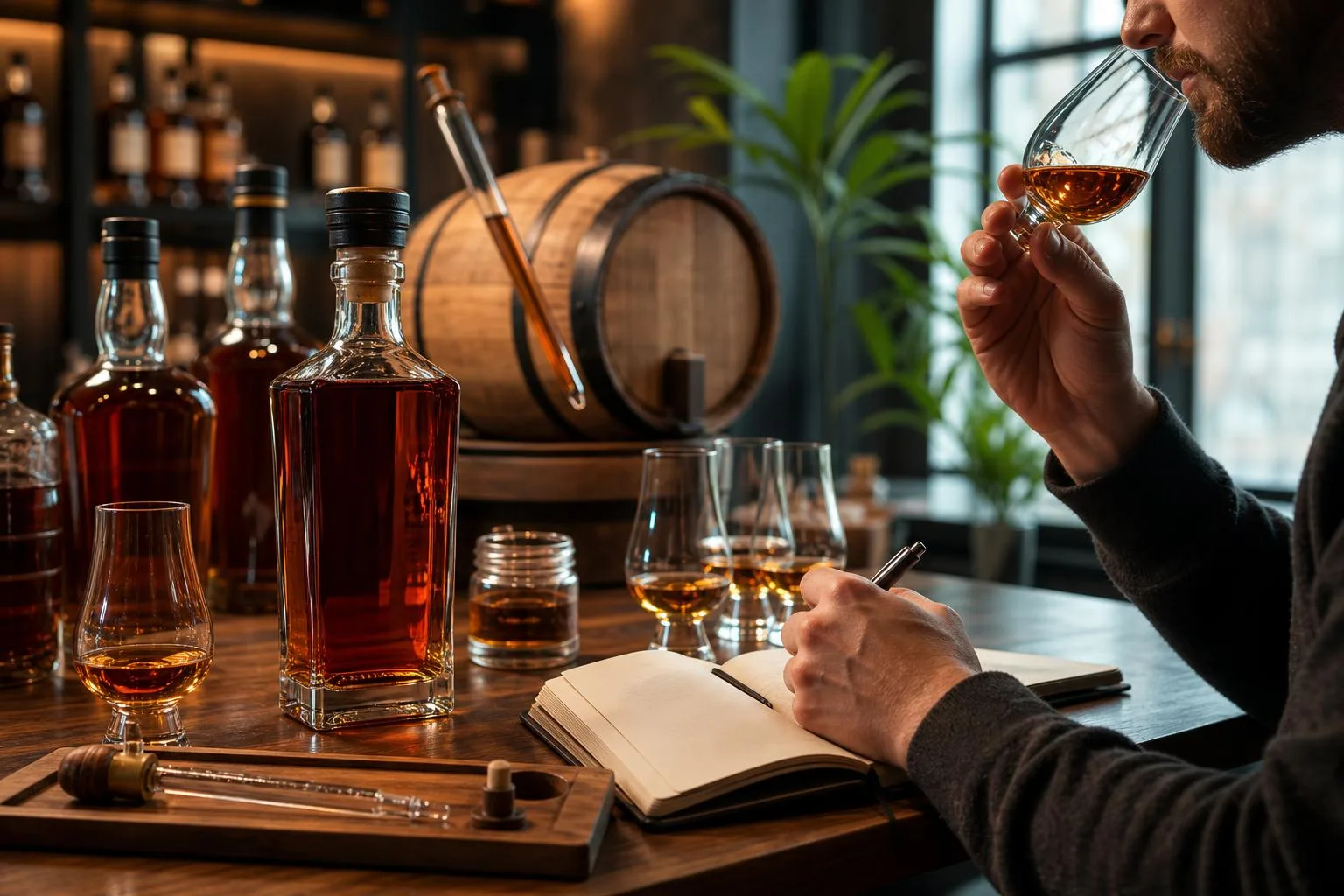
In practice, buyers taste multiple barrel samples, often at cask strength, then choose one that shows a distinct profile—richer oak, brighter fruit, higher spice, or unusual age.
Labels commonly name the retailer and may include barrel number, proof, warehouse, floor, and selection date.
What Defines a Store Pick
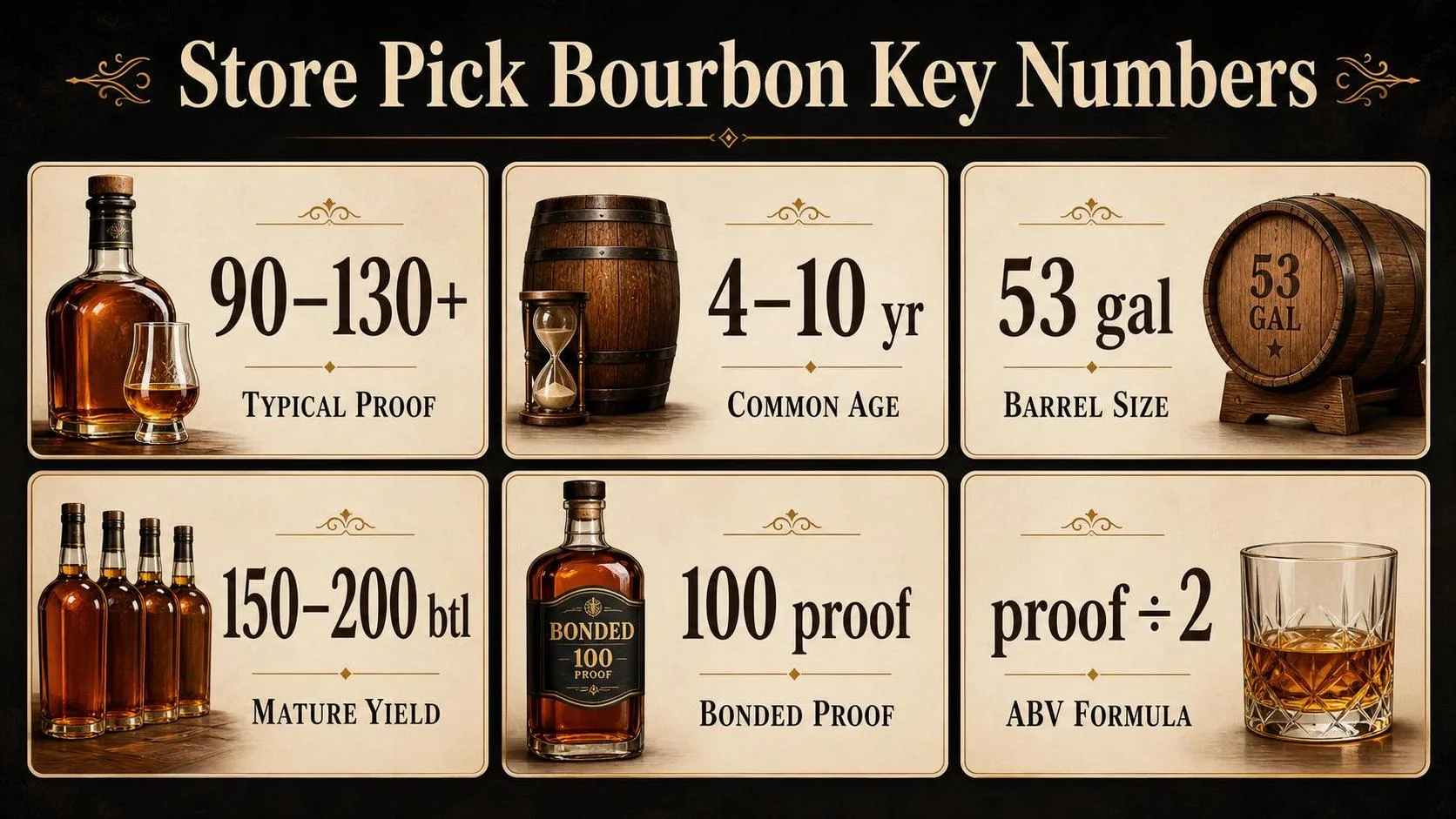
A store pick bourbon is usually one barrel chosen by a retailer, bar, or private group from a distillery’s available single-barrel inventory. The most important numbers are proof, age, barrel yield, bottle count, and price.
These figures tell you how concentrated the whiskey is, how much liquid survived aging, and whether the bottle is a fair buy versus the brand’s standard release.
| Number | What It Means | Why It Matters |
| Proof | Typically 90 to 130+ proof | Higher proof often means more intensity, less dilution, and a bigger flavor range. |
| Age | Often 4 to 10 years | Older is not automatically better, but age helps explain oak, tannin, and price. |
| Barrel yield | Commonly 100 to 220 bottles | Lower yield can suggest more evaporation or cask strength bottling. |
| Bottle size | Usually 750 ml in the U.S. | Most store pick counts are calculated from this size. |
| ABV | Proof divided by 2 | A 120-proof bourbon is 60% alcohol by volume. |
Proof is the number most buyers notice first. In the U.S., proof is exactly twice the alcohol by volume, so 100 proof equals 50% ABV. Bottled-in-bond bourbon is always 100 proof and at least 4 years old.
Age statements can be straightforward or absent. By U.S. rules, straight bourbon under 4 years old must carry an age statement. If no age statement appears on straight bourbon, it is at least 4 years old.
Barrel yield varies because bourbon loses volume to evaporation, often called the angel’s share. A standard American whiskey barrel holds about 53 gallons when filled.
In practice, one mature barrel may produce roughly 150 to 200 standard 750 ml bottles.
| Scenario | Approximate Bottles | Notes |
| 53 gallons bottled with no loss | About 267 bottles | Theoretical maximum at 750 ml per bottle. |
| Mature barrel with evaporation | About 150 to 200 bottles | Common real-world range for many picks. |
| Low-yield, high-proof barrel | Under 150 bottles | Often more concentrated and harder to restock. |
Price should be checked against the regular single-barrel or small-batch version. A store pick may cost $5 to $30 more, especially if it is barrel proof, includes a custom sticker, or came from a highly allocated distillery.
- Good value signal: barrel proof, clear age or barrel details, and a modest premium.
- Red flag: vague details, extreme markup, and no meaningful difference from the standard bottle.
- Best clue: the retailer can tell you why that barrel was selected.
Factors That Shape Store Picks
A store pick bourbon is not just “a good barrel.” The final bottle reflects barrel location, age, proof, warehouse conditions, selection panel preferences, and whether the retailer bottles one barrel or blends several.
Two barrels filled on the same day can taste noticeably different after years in a rickhouse.
Kentucky producers including Buffalo Trace, Four Roses, and Wild Turkey have documented that warehouse floor, airflow, and temperature swings change evaporation, extraction, and proof.
Barrel Location And Warehouse Conditions
Bourbon matures faster in hotter parts of the warehouse. Upper floors often see wider seasonal swings, pushing whiskey deeper into oak during summer and pulling it back during winter.
| Factor | Typical Effect On Store Pick |
| Higher warehouse floors | More heat exposure; often more oak, spice, and proof gain |
| Lower warehouse floors | Cooler aging; often softer oak, lower evaporation, slower extraction |
| Barrel entry proof | Federal maximum is 125 proof; lower entry proof can preserve more grain sweetness |
| Char level | Most bourbon barrels use char levels around 3 or 4; heavier char can add smoke, caramel, and structure |
Age, Proof, And Barrel Yield
Age matters, but older is not automatically better. A 9-year barrel may show mature caramel and leather, while a 12-year barrel from a hot location may taste dry, tannic, or over-oaked.
Single barrels also vary in yield. A standard 53-gallon barrel can produce roughly 130 to 220 standard 750 ml bottles, depending on proof, age, leakage, and evaporation loss.
The People Picking The Barrel
The selection panel has a major impact. A retailer that loves bold barrel-proof whiskey may choose a hot, spice-heavy barrel. A restaurant group may prefer a rounder profile that works better neat, on ice, and in cocktails.
- Palate preference: Some teams favor cherry, vanilla, and caramel; others want tobacco, oak, leather, or rye spice.
- Proof strategy: Some picks are bottled at barrel proof; others are cut to 94, 100, or 101 proof for balance.
- Brand constraints: Distilleries may offer only certain recipes, ages, warehouses, or proof ranges for private selections.
- Sample setting: Tasting from sample bottles in a room is different from tasting directly from barrels in a rickhouse.
Single Barrel Versus Blended Pick
Most store picks are single barrels, meaning one barrel supplies the entire selection. Some producers allow “private blends,” where several barrels are combined to create a custom profile.
A single barrel gives more individuality and more risk. A blended pick gives the selector more control, consistency, and volume, but less of the one-barrel uniqueness that collectors usually seek.
How Store Picks Are Verified
A store pick bourbon is verified by matching the retailer’s selected barrel to the distillery’s records, the bottle label, and the liquid’s required legal standards.
The key measurements are proof, age, barrel identity, fill yield, and, when stated, mash bill or warehouse location.
Core Measurements Used
In the United States, bourbon must meet federal standards in 27 CFR §5.143: at least 51% corn, distilled at no more than 160 proof, entered into new charred oak at no more than 125 proof, and bottled at 80 proof or higher.
| Measurement | Typical Verification Point | Relevant Number |
| Grain recipe | Distillery production record | Minimum 51% corn for bourbon |
| Distillation proof | Still run log | Maximum 160 proof |
| Barrel entry proof | Barrel filling record | Maximum 125 proof |
| Bottling proof | Label and bottling gauge | Minimum 80 proof |
| Age statement | Barrel dump record | Required if under 4 years |
For a single-barrel store pick, the most important identifier is the barrel number. Distilleries usually record the barrel’s fill date, warehouse, floor, rick location, dump date, proof gallons, and final bottle count.
- Barrel tag or sample label: Used during tasting to identify the exact cask selected by the retailer or buying group.
- Dump sheet: Confirms the barrel actually emptied into the bottling line and records proof and yield.
- Case labels or neck tags: Often show “Private Selection,” “Single Barrel Select,” or the retailer’s account name.
- COLA approval: The TTB Certificate of Label Approval verifies the label category, class, age statement, and proof claims.
Proof and Yield Checks
Proof is measured with calibrated alcohol-testing equipment and temperature correction, because alcohol density changes with temperature.
A barrel-strength pick may bottle exactly as dumped, while a proofed-down pick is reduced with water before bottling.
| Example Barrel Data | What It Indicates |
| 53-gallon new charred oak barrel | Standard U.S. whiskey barrel size at filling |
| 125 entry proof | Highest legal entry proof for bourbon |
| 110 to 130 proof at dump | Common cask-strength range, depending on aging conditions |
| 120 to 220 bottles at 750 ml | Typical single-barrel yield after evaporation and proofing differences |
Age is verified from the fill date to the dump date, not from bottling date. If the bourbon is younger than 4 years, the label must state its age; if labeled “straight bourbon,” it must be aged at least 2 years.
The strongest verification comes from consistency across documents: the selected sample, barrel number, dump log, proof record, approved label, and bottle count should all align.
Serious retailers keep these details because customers often compare private picks bottle by bottle.
Store Picks Versus Standard Releases
A store pick bourbon is usually a private barrel selected by a retailer, bar, or tasting group, then bottled for that account.
It sits between standard shelf bourbon and true limited releases: more personal than a regular batch, but not automatically rarer or better.
The key difference is selection control. With a store pick, the buyer typically tastes samples from several barrels and chooses one profile, such as higher oak, more cherry, or stronger spice.
| Type | Typical source | Approximate bottle count | Main advantage |
| Store pick bourbon | One selected barrel for a retailer or group | About 120-240 bottles from a 53-gallon barrel, depending on proof and yield | Unique flavor profile tied to that exact barrel |
| Regular single barrel | One barrel chosen by the distillery | About 120-240 bottles | Single-barrel character with wider retail availability |
| Small batch bourbon | Blend of multiple barrels | Often hundreds to thousands of bottles | More consistent flavor from bottle to bottle |
| Limited edition bourbon | Special batch, finish, age statement, or annual release | Varies widely; often allocated | Collectibility and brand-driven scarcity |
Store Pick vs. Regular Single Barrel
Both can come from one barrel, but the picker is different. A regular single barrel is selected internally by the producer, while a store pick is chosen by the retailer, restaurant, or club that bought the barrel.
This matters because barrel variation is real. Even barrels filled on the same day and stored in the same warehouse can differ in proof, oak extraction, fruit notes, and tannin because of warehouse position and maturation conditions.
Store Pick vs. Small Batch
Small batch bourbon is usually blended for consistency. There is no federal legal definition for “small batch,” so the number of barrels can vary by producer, from a handful to many dozens.
A store pick is less consistent but more distinctive. If you like a particular pick, buying a backup bottle matters because a second barrel from the same store will not taste identical.
Store Pick vs. Limited Edition
Limited editions are often priced and marketed around scarcity, age, finishing, or annual release status. A store pick may be scarce locally, but it is not always nationally collectible.
In practice, value depends on the barrel and the picker. A strong $60 store pick can outperform a hyped $150 limited release in blind tasting, especially if the barrel was selected by an experienced team.
- Best for drinkers: Store picks offer variety without needing to chase national allocations.
- Best for consistency: Small batch bourbon is usually the safer choice.
- Best for collecting: Limited editions generally hold more secondary-market attention.
- Best proof experience: Barrel-proof store picks can show the whiskey with minimal dilution.
Drinking Store Picks Safely
Store pick bourbon is still bourbon: the “private barrel” label does not make it safer, stronger, or healthier.
Most picks are bottled between 90 and 130 proof, so pour size matters more than the sticker, wax color, or retailer reputation.
In the U.S., one standard drink contains 0.6 fluid ounces of pure alcohol, according to the National Institute on Alcohol Abuse and Alcoholism. For bourbon, that means the higher the proof, the smaller the standard-drink pour.
| Bourbon proof | ABV | Approximate standard drink |
| 80 proof | 40% | 1.5 fl oz |
| 100 proof | 50% | 1.2 fl oz |
| 120 proof | 60% | 1.0 fl oz |
| 130 proof | 65% | 0.9 fl oz |
- Check the proof before pouring. Many store picks are barrel proof or near barrel proof. A casual 2-ounce pour of 120-proof bourbon is about two standard drinks, not one.
- Use a measured pour at tastings. For side-by-side comparisons, 0.5-ounce pours are enough to evaluate aroma, texture, finish, and oak influence without dulling your palate quickly.
- Add water deliberately. A few drops can reduce alcohol burn and open aromas. With 115-plus proof picks, adding 0.25 ounce of water to a 1-ounce pour can make nosing safer and more accurate.
- Do not drive after a tasting. The CDC states impairment can begin below the legal limit of 0.08% BAC. Arrange a rideshare, designated driver, or taste at home.
- Store bottles upright. High-proof alcohol can degrade corks if stored on the side. Keep bottles away from direct sunlight and major heat swings; room-temperature storage around 60–70°F is generally safe.
- Be skeptical of secondary-market bottles. Counterfeiting and refilling are real risks with hyped store picks. Buy from licensed retailers and inspect tax strips, fill level, closure, and label alignment.
- Open bottles mindfully. Barrel-proof whiskey can have tight synthetic or natural corks. Twist gently while pulling; forcing the cork straight up can break it or splash high-proof alcohol.
- Know who should avoid alcohol. The Dietary Guidelines for Americans advise that pregnant people, people under 21, those taking certain medications, and people with alcohol use disorder should not drink.
Practical buying tip: taste before purchasing when the store offers samples, but keep the sample small. A great store pick should show a distinct reason for selection, not just a higher proof or a persuasive shelf talker.
Our Store Pick Tasting Results
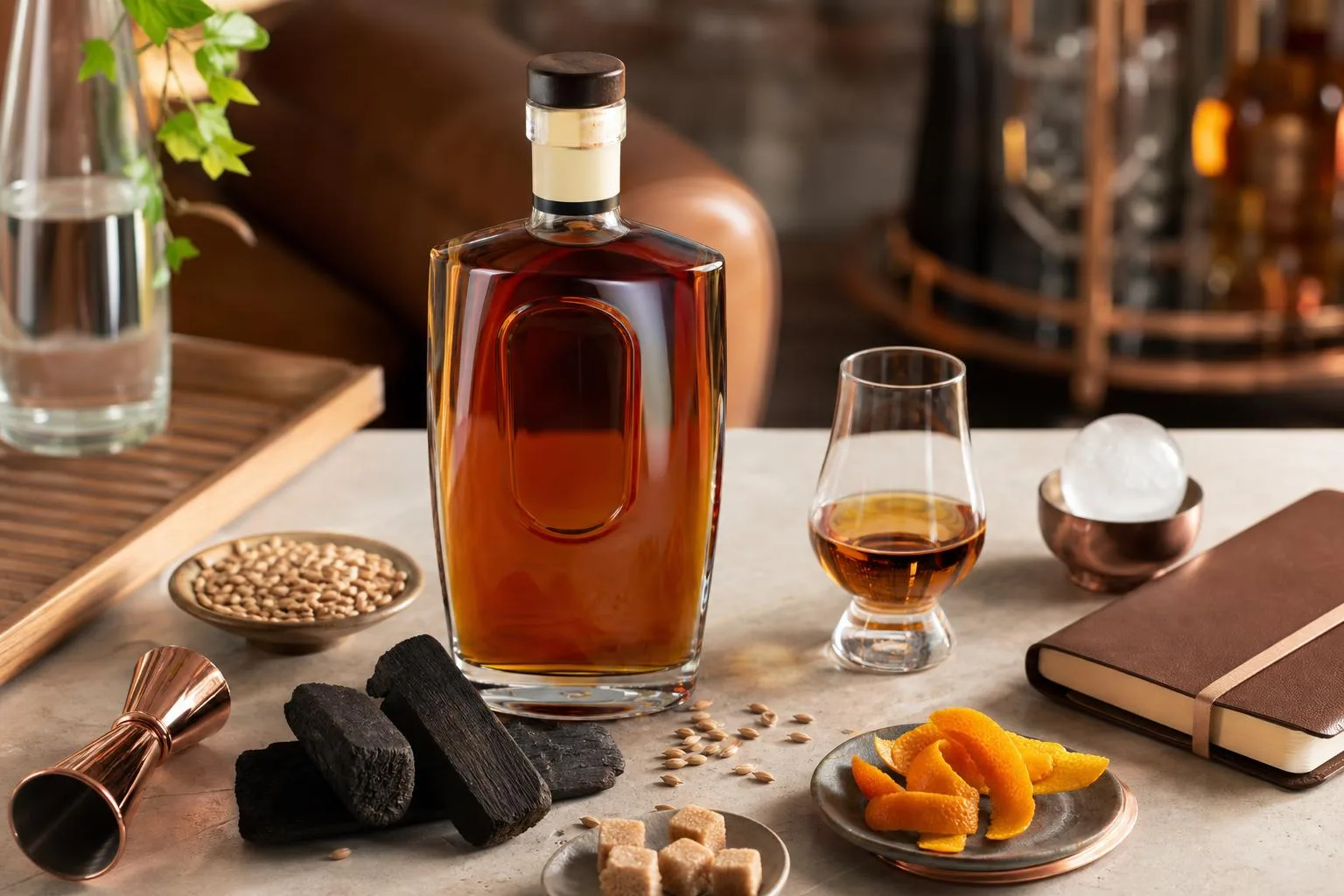
We treated store pick bourbon like a controlled tasting, not a label claim.
Our team tasted the same bottles over multiple days, measured proof and price against standard releases, and checked whether the “private barrel” premium showed up in the glass.
For this check, we used store picks from Kentucky, Indiana, Tennessee, and New York retailers. Each bottle was tasted neat, with measured dilution, and after air exposure to see whether the barrel character held up.
| What we measured | Our test setup | What we found |
| Bottle count | 12 store pick bourbons, 6 standard shelf counterparts | Store picks showed wider flavor variation than standard batches |
| Tasting repeats | 3 sessions per bottle over 14 days | 8 of 12 picks changed noticeably after the first pour |
| Pour size | 1 ounce neat, then 0.25 ounce water added | Higher-proof picks often became more aromatic with dilution |
| Proof range | 90 to 132.2 proof | Proof alone did not predict quality or balance |
| Price range | $44.99 to $109.99 | The best value bottles clustered under $75 |
The biggest difference was barrel specificity. A normal small-batch bourbon blended away edges; the store picks kept them. That was good when the barrel had layered oak, caramel, fruit, and spice.
It was less good when the barrel leaned hot, tannic, or dusty.
We found the most reliable picks came from retailers that disclosed selection details. Bottles with barrel number, warehouse, floor, age, dump date, and proof gave us more confidence than bottles carrying only a sticker.
- Best signs: clear barrel data, familiar producer, reasonable price, and a retailer known for repeat selections.
- Warning signs: vague labeling, inflated pricing, no age or proof context, and gimmicky stickers replacing useful information.
- Most common flavor wins: richer vanilla, darker cherry, toasted oak, baking spice, and longer finish than the standard bottle.
- Most common flaws: ethanol heat, drying oak, bitter peanut shell, and one-note sweetness.
Our practical takeaway: a store pick bourbon is not automatically better. It is a single-barrel gamble selected by a retailer or group, and the skill of that selector matters as much as the distillery name.
When buying blind, we would prioritize picks from bottles we already like in standard form. If the base bourbon is dependable and the pick includes transparent barrel information, the odds improve substantially.
Store Pick Myths and Mistakes
Store pick bourbon is often treated like a secret category, but it is simply a privately selected barrel or batch chosen by a retailer, bar, restaurant, or whiskey club.
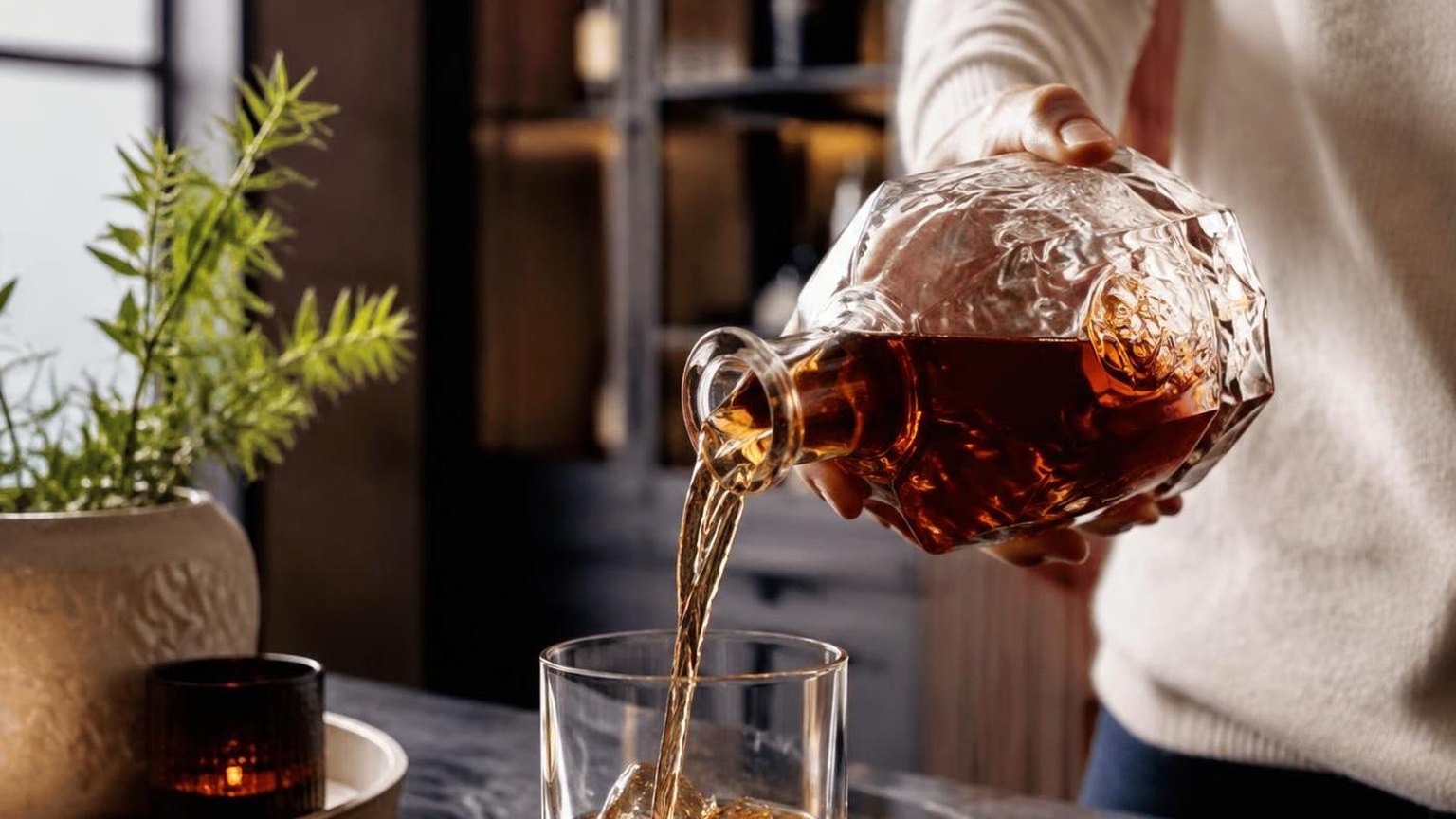
The biggest mistakes come from assuming “private selection” always means better, rarer, or legally different.
A store pick is still bourbon under federal rules.
Under 27 CFR §5.143, bourbon must be made in the United States from at least 51% corn, distilled below 160 proof, entered into new charred oak containers at 125 proof or less, and bottled at 80 proof or higher.
Myth: Every Store Pick Is Single Barrel
Many are single barrels, but not all. Some producers offer private selections as small batches, blends of selected barrels, or finished barrel projects. Read the back label, neck tag, or retailer description before assuming it came from one barrel.
| Claim on label | What it usually means |
| Single Barrel | Whiskey from one barrel, with natural variation in yield and flavor. |
| Private Selection | Chosen for a buyer; may be single barrel or batch depending on producer. |
| Barrel Proof | Bottled without dilution or with minimal proof adjustment; not always unfiltered. |
| Small Batch | A blend of multiple barrels; no federal minimum or maximum barrel count. |
Myth: Store Picks Are Always Better Than Standard Bottles
A good pick can be excellent, but selection quality depends on the panel, sample conditions, and available inventory. Some retailers taste from only three or four barrel samples. Others may choose remotely from samples shipped by the distillery.
Standard releases can be more consistent because producers blend many barrels to hit a target profile. A store pick may be more distinctive, but it can also be oak-heavy, hot, sulfurous, or unusually narrow in flavor.
Myth: Higher Proof Means Higher Quality
Proof affects texture, aroma intensity, and perceived heat, but it is not a quality score. A 120-proof pick can taste thin if the barrel was underdeveloped, while a 94-proof selection can show better balance and length.
| Number | Why it matters |
| 51% | Minimum corn content required for bourbon. |
| 160 proof | Maximum distillation proof for bourbon. |
| 125 proof | Maximum barrel-entry proof allowed for bourbon. |
| 80 proof | Minimum bottling proof for bourbon sold in the U.S. |
Myth: A Store Pick Must Be Rare
Some picks are limited because one barrel may yield roughly 130 to 220 bottles, depending on age, proof, evaporation, and barrel size. But scarcity alone does not prove quality. It only proves there was a finite amount.
- Do not buy only because of a sticker. Stickers are marketing, not tasting notes.
- Do not assume older is better. Older bourbon can become dry, bitter, or over-oaked.
- Do not ignore batch details. Warehouse, floor, barrel number, age, and proof can explain major flavor differences.
- Do not expect replacement bottles to match. Once that barrel is gone, the exact profile is gone.
Frequently Asked Questions
What is a store pick bourbon?
A store pick bourbon is a barrel selected by a retailer, bar, restaurant, or buying group and bottled specifically for that account.
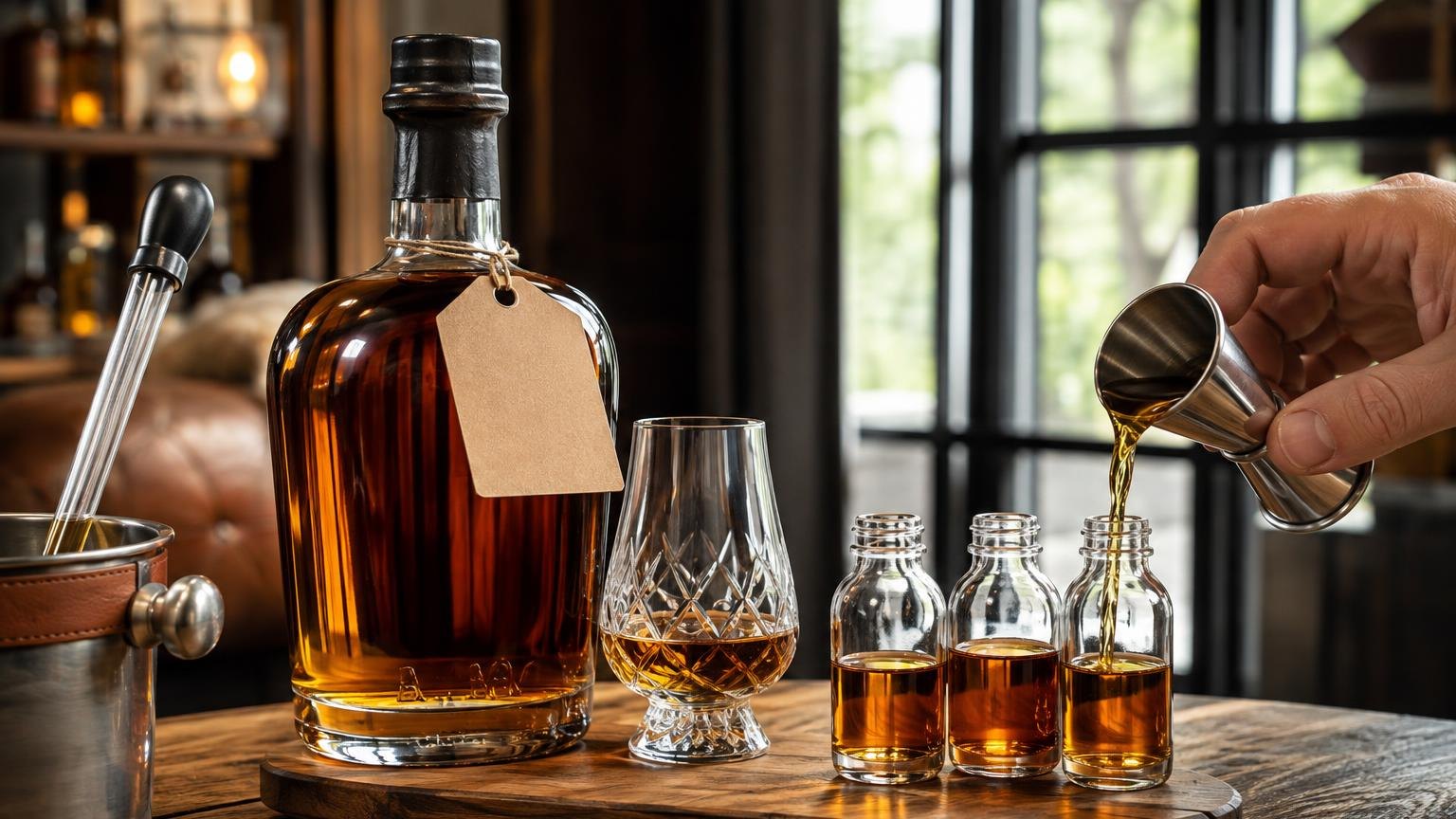
Instead of receiving the distillery’s standard blended batch, the buyer chooses one barrel—or occasionally a small set of barrels—with its own proof, age, warehouse location, and flavor profile.
How is a store pick different from a regular bourbon release?
Most regular bourbons are blended from many barrels to maintain a consistent house style from batch to batch.
A store pick is usually a single barrel, so it can taste noticeably different from the standard bottle, even when the label and mash bill are otherwise the same.
Are store pick bourbons always better?
No. A store pick can be excellent if the selector has a strong palate and access to good barrels, but it can also be average or overly oaky, hot, or unbalanced.
The quality depends on the specific barrel, the distillery’s inventory, and the person or team making the selection.
Retailers often add a custom sticker, neck tag, or side label to identify the bottle as their private selection. These may include details such as barrel number, proof, selection date, warehouse or floor, age, and the account that picked it.
How much does a store pick bourbon usually cost?
Pricing varies by brand and proof, but many store pick bourbons sell close to the standard single-barrel version, often in the $40 to $100 range in the U.S.
Highly allocated picks from sought-after producers can cost more, especially when demand is high or the barrel yield is small.
Related Reading
- How Many Grams An Ounce?
- How Many 8 Oz Water Bottles Are In A Gallon?
- Does Amazon Deliver Alcohol To Your Doorstep?
- How Many Gallons Is 12 Liters?
- Michelob Light vs Ultra: Which Is Best?
- How To Use A Cigar Humidor? – The Complete Practical Guide From Real Experience
- How Much Is 4 Pounds? – A Complete, Real-World Guide Based on Practical Experience
- All Blog Guides
- Alcohol and Tobacco Tax and Trade Bureau (2024)
- Electronic Code of Federal Regulations, 27 CFR § 5.143 (2024)
- Alcohol and Tobacco Tax and Trade Bureau, Beverage Alcohol Manual: Distilled Spirits (2020)
- University of Kentucky Cooperative Extension Service (2019)
- Buffalo Trace Distillery Single Barrel Select (2024)
- Four Roses Private Barrel Program (2024)
- Breaking Bourbon, The Complete Guide to Bourbon Store Picks (2022)