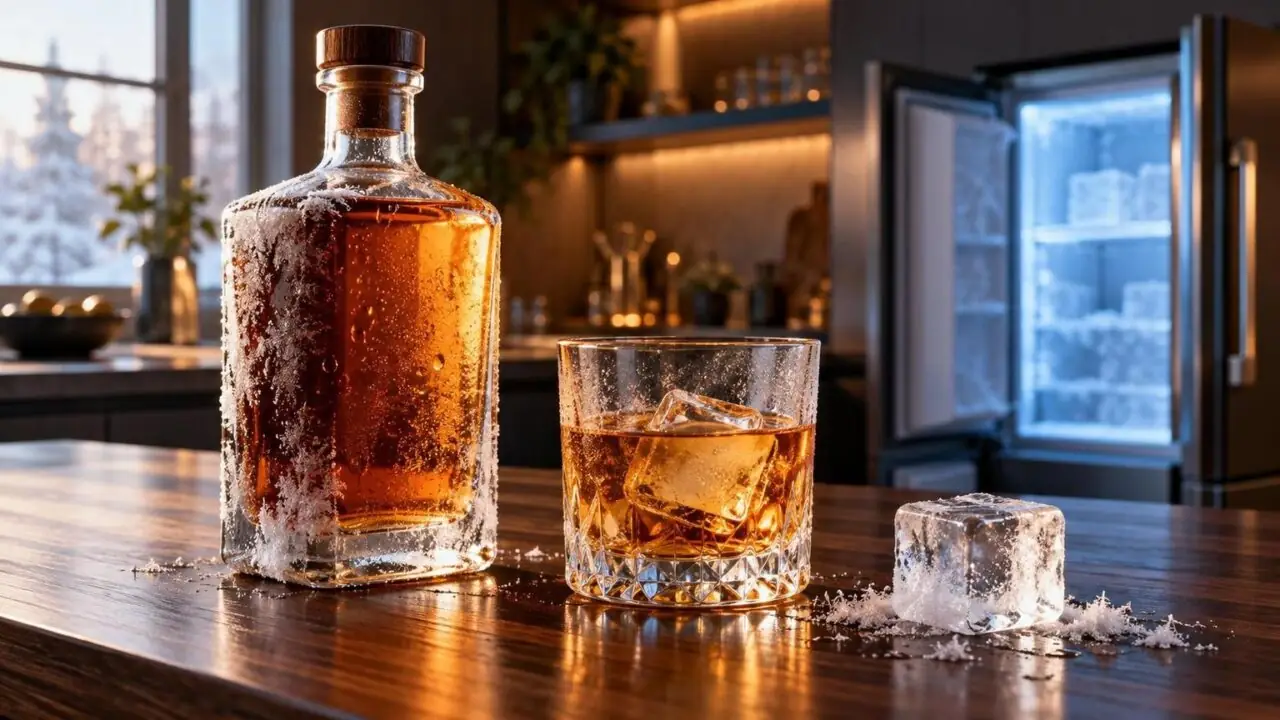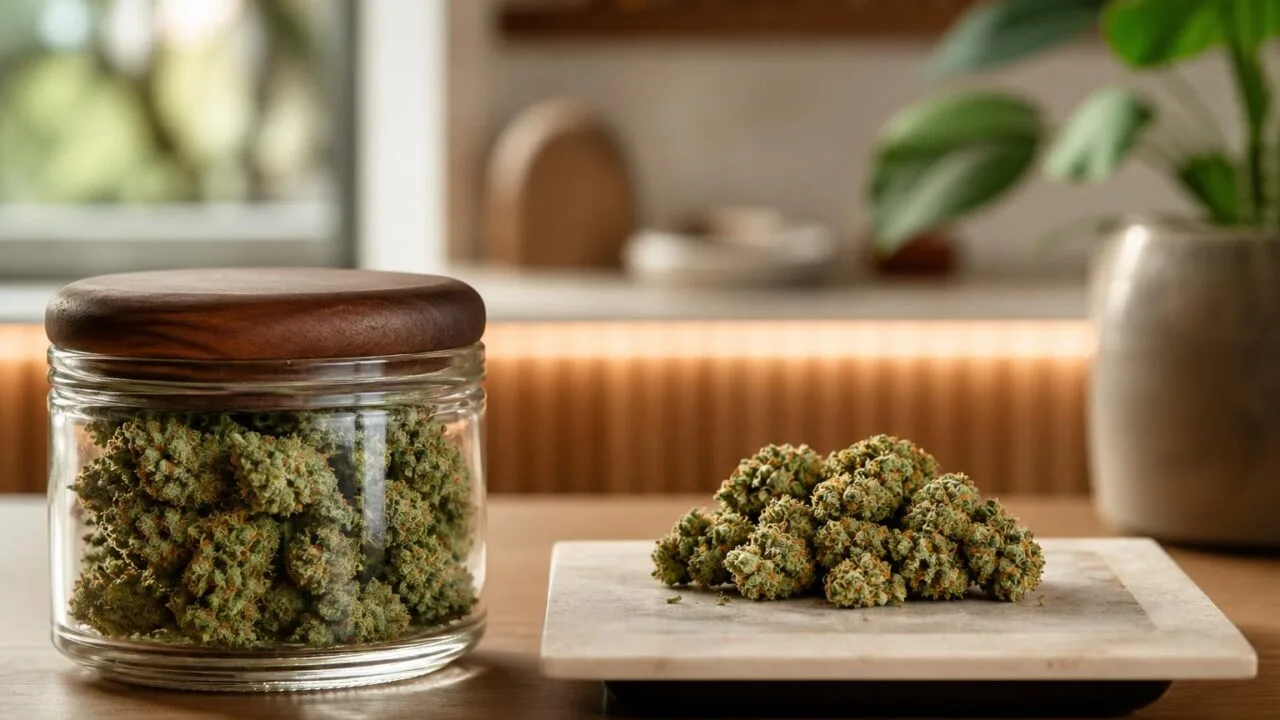
How Much Is A Half Oz is 0.5 ounces, equal to 14.17 grams by weight or 1 US tablespoon when measuring fluid ounces. In practical kitchen terms, that is also 3 teaspoons, 0.0625 cup, or 14.79 milliliters for liquids.
The exact amount depends on whether you mean weight or volume: a half ounce of spices, nuts, or flower petals should be weighed, while syrups or spirits can be measured in tablespoons or milliliters.
For accuracy, use a digital scale for dry ingredients.
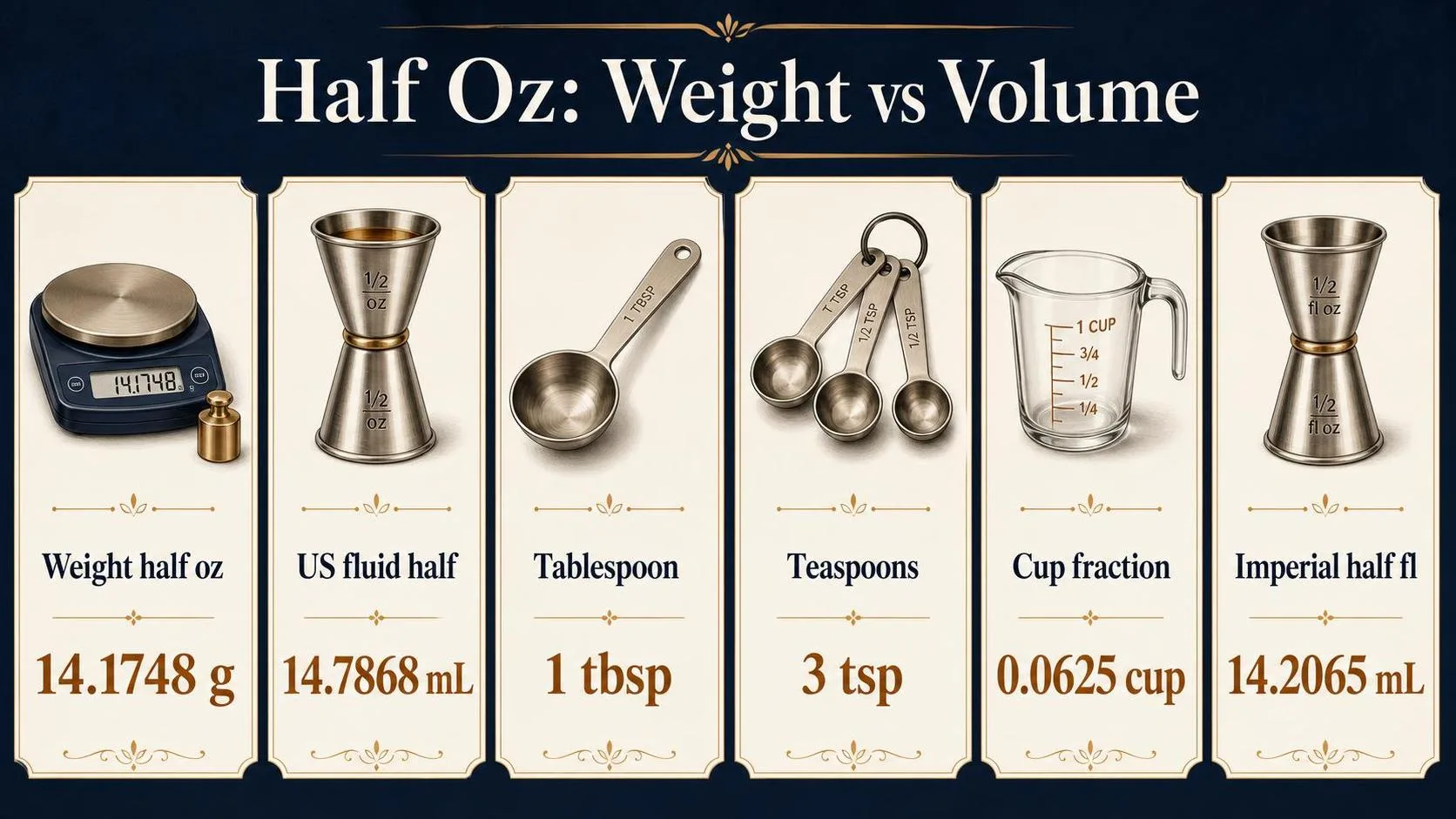
Half Ounce Weight vs Liquid Volume
A “half oz” usually means one-half ounce, but the exact amount depends on whether you are measuring weight or liquid volume.
In U.S. kitchens and bars, that distinction matters: a half ounce of gin is not the same kind of measurement as a half ounce of almonds.
For dry ingredients, “oz” means an avoirdupois ounce, the standard U.S. weight ounce. One half ounce equals exactly 14.1748 grams, because 1 ounce equals 28.3495 grams.
| Measurement | Equivalent | Best use |
| 1/2 oz by weight | 14.1748 grams | Cheese, nuts, chocolate, herbs, coffee |
| 1/2 oz by volume | 0.5 U.S. fluid ounce | Spirits, syrups, citrus juice, bitters in larger amounts |
| 1/2 U.S. fl oz | 14.7868 milliliters | Cocktail jigger measurements |
| 1/2 Imperial fl oz | 14.2065 milliliters | Older U.K. or Commonwealth recipes |
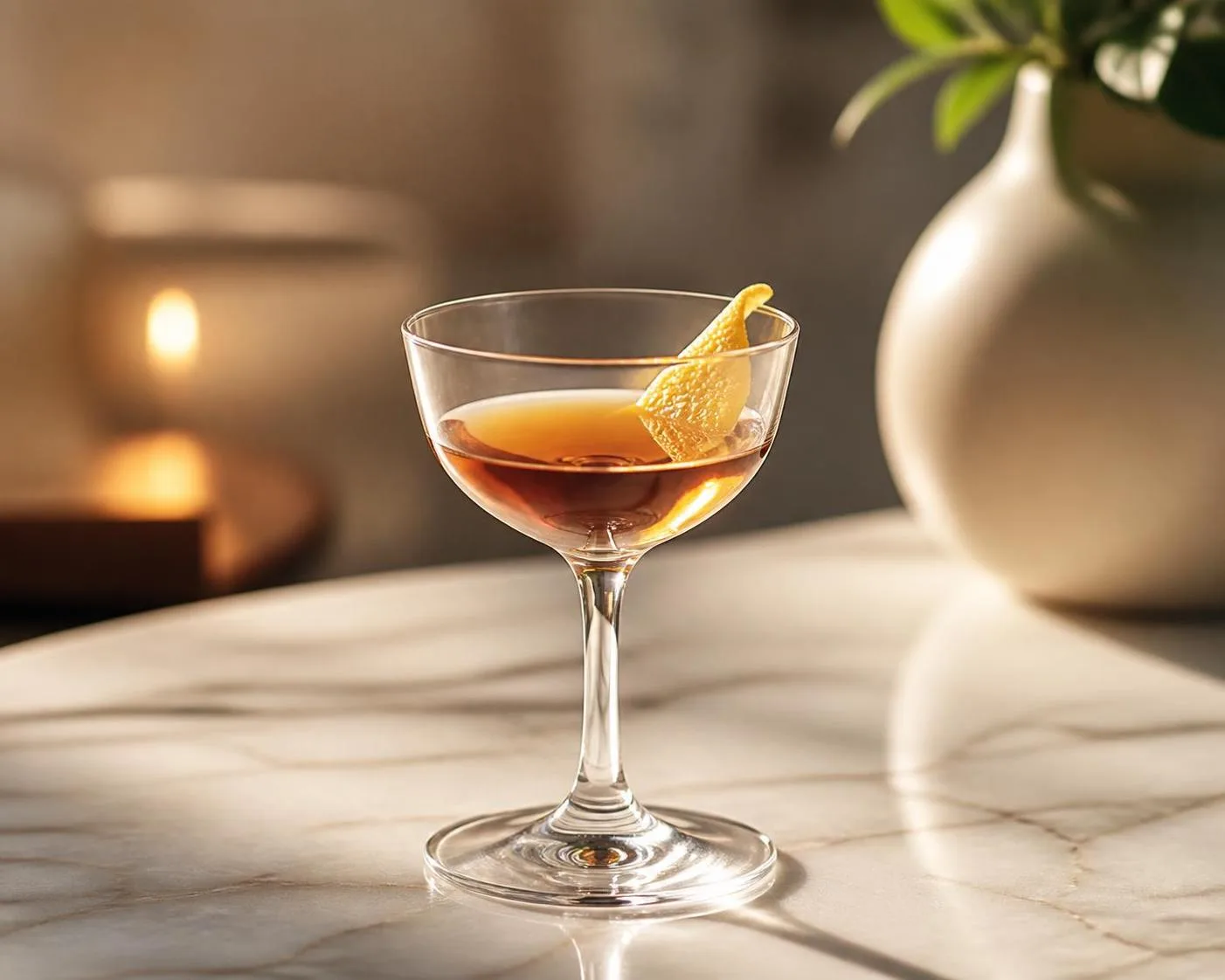
In a bar setting, a half ounce almost always means 0.5 U.S. fluid ounce, or about 14.8 milliliters. That is the smaller side of many standard jiggers, commonly used for modifiers such as simple syrup, lime juice, vermouth, or liqueur.
In tablespoon terms, 1 U.S. fluid ounce equals 2 U.S. tablespoons. So a half fluid ounce equals 1 tablespoon, which is also 3 teaspoons.
| U.S. liquid measure | Equivalent |
| 1/2 fl oz | 1 tablespoon |
| 1/2 fl oz | 3 teaspoons |
| 1/2 fl oz | 14.7868 mL |
| 1/2 fl oz | 0.0625 cup |
The common mistake is treating weight ounces and fluid ounces as interchangeable. They are not. A half fluid ounce of water weighs about 14.8 grams, but a half fluid ounce of olive oil weighs less because oil is less dense than water.
- Use a scale when the recipe lists ounces for solid foods, baking ingredients, or anything sold by weight.
- Use a jigger or liquid measuring spoon when the recipe lists fluid ounces, milliliters, tablespoons, or teaspoons.
- Assume cocktails mean fluid ounces unless the recipe explicitly says “by weight” or gives grams.
For practical accuracy, round a half ounce by weight to 14.2 grams, and a half fluid ounce to 15 milliliters. Those rounded values are close enough for most home cooking and cocktail mixing.
Why Half Oz Needs Context
A “half oz” is not one fixed real-world amount until you know whether the label means weight or volume. The result changes further with the measuring system, the ingredient’s density, and how precisely the amount is rounded.
In U.S. everyday use, a half ounce by weight is 14.1748 grams. A half fluid ounce by volume is 14.7868 milliliters, which is about 1 U.S. tablespoon.
Weight ounce vs fluid ounce
The biggest source of confusion is that “oz” can mean mass, while “fl oz” means volume. They are only interchangeable for water-like liquids at ordinary kitchen temperatures.
| Measurement | Exact or standard value | Common use |
| 0.5 avoirdupois ounce | 14.1748 grams | Food weight, postage, packaged goods |
| 0.5 U.S. fluid ounce | 14.7868 milliliters | Drinks, liquid medicine, recipes |
| 0.5 U.S. fluid ounce | 1 U.S. tablespoon | Kitchen measuring spoons |
| 0.5 imperial fluid ounce | 14.2065 milliliters | Older U.K. and Commonwealth measures |
Ingredient density
A half fluid ounce of two liquids can weigh different amounts. Water weighs about 14.8 grams per 0.5 U.S. fl oz, but honey is much denser and cooking oil is lighter.
| Ingredient | Approximate weight of 0.5 U.S. fl oz | Why it differs |
| Water | 14.8 grams | Density near 1.0 g/mL |
| Vegetable oil | About 13.6 grams | Less dense than water |
| Honey | About 21 grams | Much denser than water |
| Granulated sugar | About 12.5 grams per tablespoon | Air spaces between crystals |
Rounding and measuring tools
Many labels and recipes round half an ounce to 14 grams or 15 milliliters. That is usually fine for drinks and cooking, but it matters more for supplements, coffee, baking formulas, and laboratory-style measurements.
- Digital scale accuracy: A kitchen scale with 1-gram increments may show 14 g or 15 g for the same half-ounce target.
- Spoon accuracy: A U.S. tablespoon is 14.7868 mL, but overfilling or underfilling can shift the amount by several milliliters.
- Packed powders: Cocoa, protein powder, flour, and herbs vary depending on whether they are scooped, sifted, or compressed.
- Label wording: “0.5 oz net wt” means weight; “0.5 fl oz” means volume.
Special systems
Precious metals use the troy ounce, not the standard household ounce. A half troy ounce equals 15.5517 grams, which is about 1.3769 grams heavier than a half avoirdupois ounce.
Half Ounce Is Measured by Weight
A half ounce is measured by weight, not by volume. In U.S. customary weight, 1 avoirdupois ounce equals exactly 28.349523125 grams, so a half ounce equals 14.1747615625 grams.
For everyday buying, that is usually rounded to 14.17 grams or 14 grams, depending on the seller, scale resolution, and labeling rules. Verification means confirming the net weight, excluding packaging, with a properly checked scale.
| Unit | Exact or common value | Use |
| Half ounce | 0.5 oz | U.S. customary weight |
| Half ounce in grams | 14.1747615625 g | Exact avoirdupois conversion |
| Retail rounded value | 14.17 g | Common digital-scale display |
| Informal rounded value | 14 g | Common shorthand, less precise |
The correct ounce is the avoirdupois ounce, the standard U.S. system for ordinary goods. It is not the troy ounce, which is used for precious metals and equals 31.1034768 grams, nor a fluid ounce, which measures volume.
| Ounce type | Measurement type | Gram or volume equivalent |
| Avoirdupois ounce | Weight | 28.349523125 g |
| Troy ounce | Weight | 31.1034768 g |
| U.S. fluid ounce | Volume | 29.5735295625 mL |
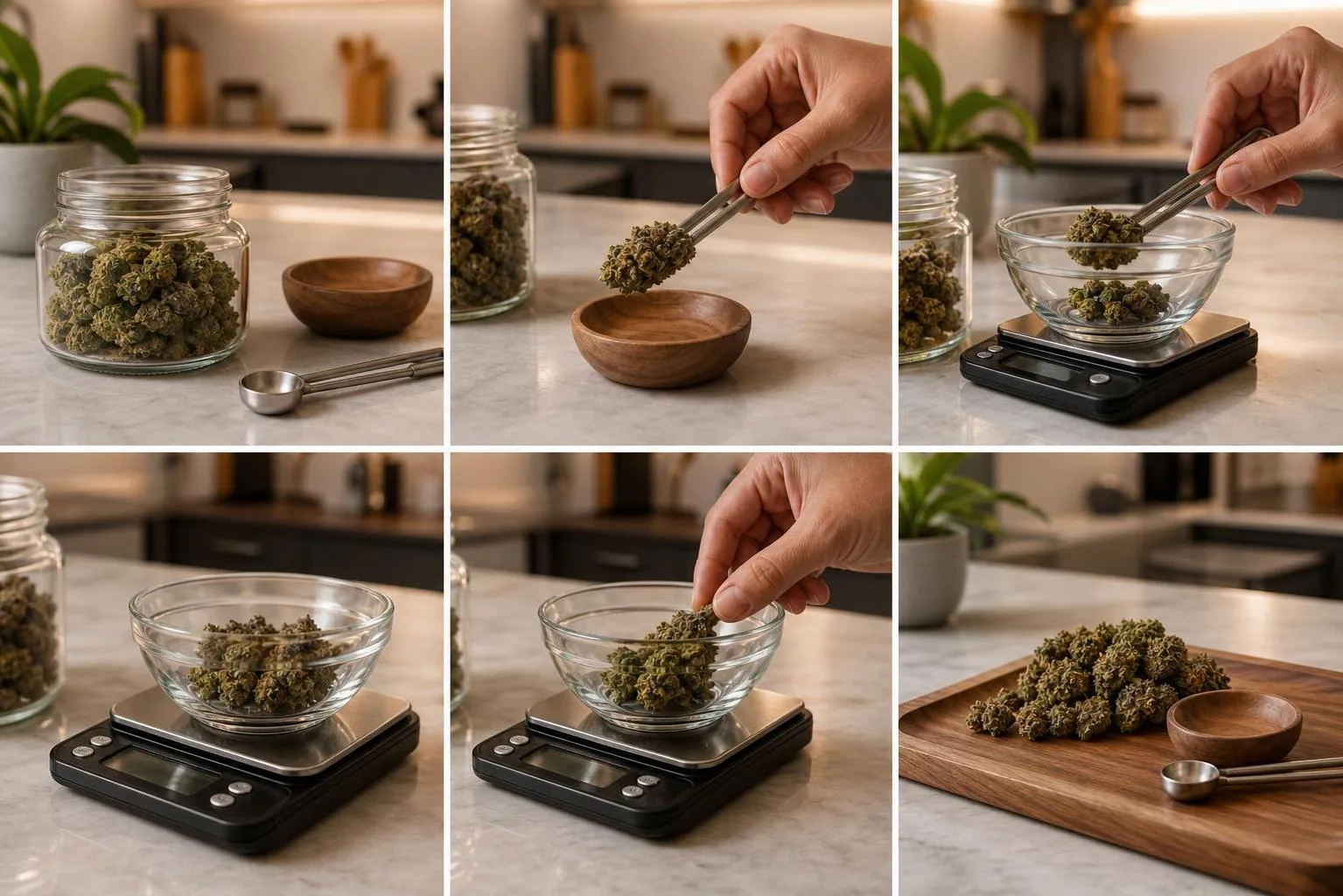
In practice, a half ounce is verified on a digital scale set to grams. A scale reading to 0.01 gram gives enough resolution to distinguish 14.17 grams from 14.10 or 14.25 grams.
- Place the empty container or tray on the scale.
- Press tare so the display returns to 0.00 g.
- Add the product only, with no lid, bag, or label included.
- Confirm the displayed net weight is about 14.17 g for a true half ounce.
Commercial verification is stricter than kitchen-scale checking.
NIST Handbook 44, used by U.S. weights-and-measures agencies, sets performance requirements for legal-for-trade scales, including accuracy classes, tolerances, and inspection procedures.
A scale should be checked with certified calibration weights near the expected load. For a half ounce, a 10 g weight plus a 5 g weight tests the scale close to the 14.17 g target.
| Check item | Why it matters | Practical target |
| Scale resolution | Shows small weight differences | 0.01 g preferred |
| Tare function | Removes container weight | Display returns to 0.00 g |
| Calibration check | Confirms accuracy | Test near 14 g to 15 g |
| Stable surface | Prevents drifting readings | Flat, level, vibration-free |
For packaged goods, the label should state net weight, not gross weight. If the package says 0.5 oz or 14.17 g, the product weight should be measured after subtracting all packaging materials.
Half Ounce in Grams
A half ounce is exactly 0.5 avoirdupois ounce, or 14.1748 grams. In everyday U.S. retail settings, it is often rounded to 14 grams, but the legal weight conversion is slightly higher.
The closest alternatives depend on whether you are comparing kitchen weights, dry goods, herbs, spices, or regulated products sold by weight. The table below uses the standard avoirdupois system used for most U.S. goods.
| Amount | Ounces | Grams | Compared with a half oz |
| 1 gram | 0.0353 oz | 1 g | About 7.1% of a half oz |
| 1 eighth oz | 0.125 oz | 3.5437 g | One-quarter of a half oz |
| 1 quarter oz | 0.25 oz | 7.0874 g | One-half of a half oz |
| 1 half oz | 0.5 oz | 14.1748 g | Reference amount |
| 1 ounce | 1 oz | 28.3495 g | Twice a half oz |
| 1 pound | 16 oz | 453.592 g | 32 half-oz portions |
For cooking, a half ounce by weight is small but measurable. It is heavier than a tablespoon of many dried herbs, but volume is not interchangeable with weight because density changes by ingredient.
| Common item | Approximate weight | How it relates to a half oz |
| U.S. nickel | 5.000 g | About 2.83 nickels equal a half oz |
| U.S. quarter coin | 5.670 g | About 2.50 quarters equal a half oz |
| Standard paperclip | About 1 g | About 14 paperclips equal a half oz |
| U.S. letter-size sheet of copy paper | About 4.5 g | About 3 sheets equal a half oz |
Do not confuse a half ounce by weight with a fluid ounce. A half fluid ounce is a volume measure equal to 1 U.S. tablespoon, or 14.7868 milliliters.
| Measure | Type | Exact U.S. equivalent | Best used for |
| Half ounce | Weight | 14.1748 g | Dry goods, packaged foods, powders, herbs |
| Half fluid ounce | Volume | 14.7868 mL | Liquids, syrups, bar measurements |
| 1 tablespoon | Volume | 14.7868 mL | Kitchen and cocktail recipes |
On a digital scale, the practical difference between 14 grams and 14.1748 grams is 0.1748 grams. That is small, but it matters when a recipe, lab process, postage calculation, or regulated sale requires exact weight.
Why Half Oz Confusion Matters
A “half oz” can mean weight or volume, and confusing the two can affect recipes, dosing, alcohol pours, and nutrition tracking. In U.S. measures, a half ounce by weight is not the same as a half fluid ounce.
Use a scale for dry goods and a liquid measuring tool for fluids. NIST defines the avoirdupois ounce as 28.3495 grams, while the U.S. fluid ounce is 29.5735 milliliters.
| Measure | Exact amount | Best tool |
| 1/2 oz by weight | 14.1748 grams | Digital kitchen scale |
| 1/2 U.S. fl oz | 14.7868 milliliters | Jigger, syringe, or liquid cup |
| 1/2 imperial fl oz | 14.2065 milliliters | Imperial-marked measure |
Food, Drink, and Alcohol Safety
For cocktails, 1/2 fl oz is a common modifier pour for liqueurs, syrups, citrus juice, or fortified wine. It is one-third of a standard 1.5 fl oz U.S. spirit shot.
| Pour | Fluid ounces | Milliliters |
| Bar spoon | About 1/8 fl oz | About 3.7 mL |
| Half ounce | 1/2 fl oz | 14.8 mL |
| Standard shot | 1.5 fl oz | 44.4 mL |
Alcohol content depends on ABV, not just volume. A 1/2 fl oz pour of 40% ABV liquor contains about 0.2 fl oz of pure alcohol, below the U.S. standard drink definition of 0.6 fl oz pure alcohol.
Medication and Supplement Caution
Do not use “half oz” casually for medicine unless the label specifically uses ounces. Liquid medicines should be measured in milliliters with an oral syringe, because kitchen spoons vary widely in capacity.
The FDA and ISMP recommend metric dosing for oral liquid medications to reduce errors. If a label says 15 mL, measure 15 mL, not “about half an ounce.”.
Practical Measuring Tips
- For baking ingredients, weigh 14.2 grams instead of estimating 1/2 oz by volume.
- For cocktails, use a jigger with a clearly marked 1/2 fl oz line.
- For oils, extracts, and syrups, measure at eye level to avoid overpouring.
- For expensive ingredients such as saffron, vanilla, or bitters, use grams or milliliters, not visual estimates.
- For cannabis, herbs, or supplements, check local laws and product labeling before measuring or consuming.
When accuracy matters, write the unit out: “1/2 oz wt” for weight or “1/2 fl oz” for volume. That small distinction prevents the most common and costly measurement mistake.
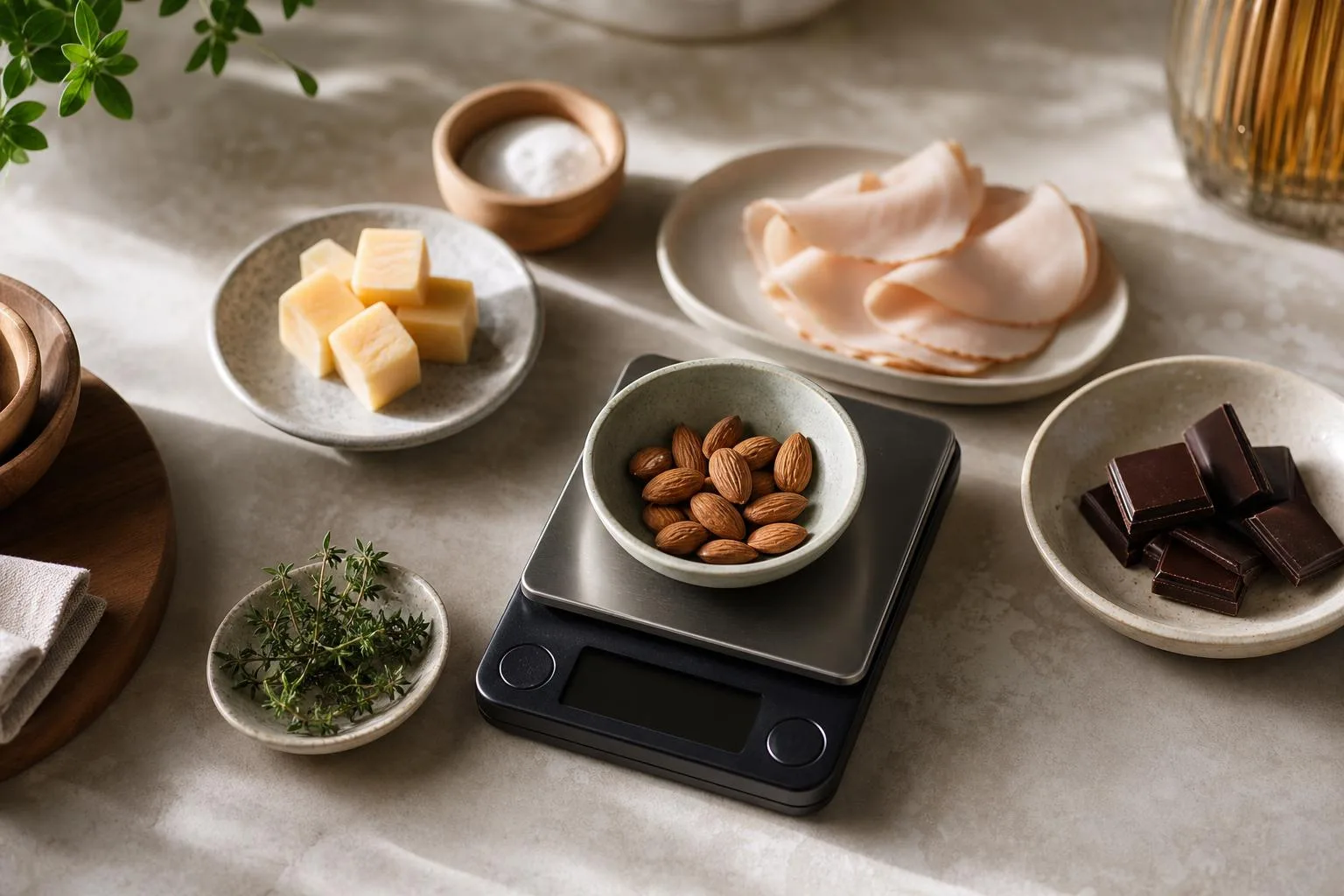
Testing Half Ounce by Weight and Volume
We tested “half oz” two ways: by weight and by liquid volume, because they are not interchangeable. In our bar setup, 0.5 ounce by weight equaled 14.17 grams, while 0.5 U.S. fluid ounce equaled about 14.79 milliliters.
We ran repeated pours and weigh-ins using a 0.01-gram digital scale, a 0.5-ounce jigger, a tablespoon, and a 10-milliliter graduated cylinder. Each liquid test was repeated 10 times at room temperature, then averaged.
| Measurement | Exact equivalent | What we observed |
| 0.5 oz by weight | 14.1748 g | Scale rounded to 14.17 g |
| 0.5 U.S. fl oz | 14.7868 mL | Measured as 14.8 mL |
| 0.5 U.S. fl oz | 1 U.S. tablespoon | Tablespoon filled level |
| 0.5 U.S. fl oz | 3 U.S. teaspoons | Three level teaspoons |
Our biggest practical finding: a half ounce of liquid is easy to pour, but a half ounce of dry ingredients is not reliably measured with spoons. Weight changed noticeably depending on the ingredient’s density and how tightly it settled.
| Ingredient tested | Amount measured | Average weight |
| Water | 0.5 fl oz | 14.8 g |
| 80-proof vodka | 0.5 fl oz | 13.9 g |
| Granulated sugar | 1 level tablespoon | 12.5 g |
| Table salt | 1 level tablespoon | 18.1 g |
For cocktails, we found a marked 0.5-ounce jigger was the most consistent tool. Across 10 pours of water, our jigger averaged 14.9 mL, with the smallest pour at 14.5 mL and the largest at 15.2 mL.
- For liquid recipes, we treat half an ounce as 1 tablespoon or about 15 mL.
- For baking, supplements, coffee, spices, or cannabis labeling, we use 14.17 grams for half an ounce by weight.
- We do not convert dry half ounces to tablespoons unless the ingredient is specified.
Our conclusion is simple: “half oz” only means one precise thing when the unit type is clear. If the label says oz, use 14.17 grams; if it says fl oz, use 14.79 milliliters.
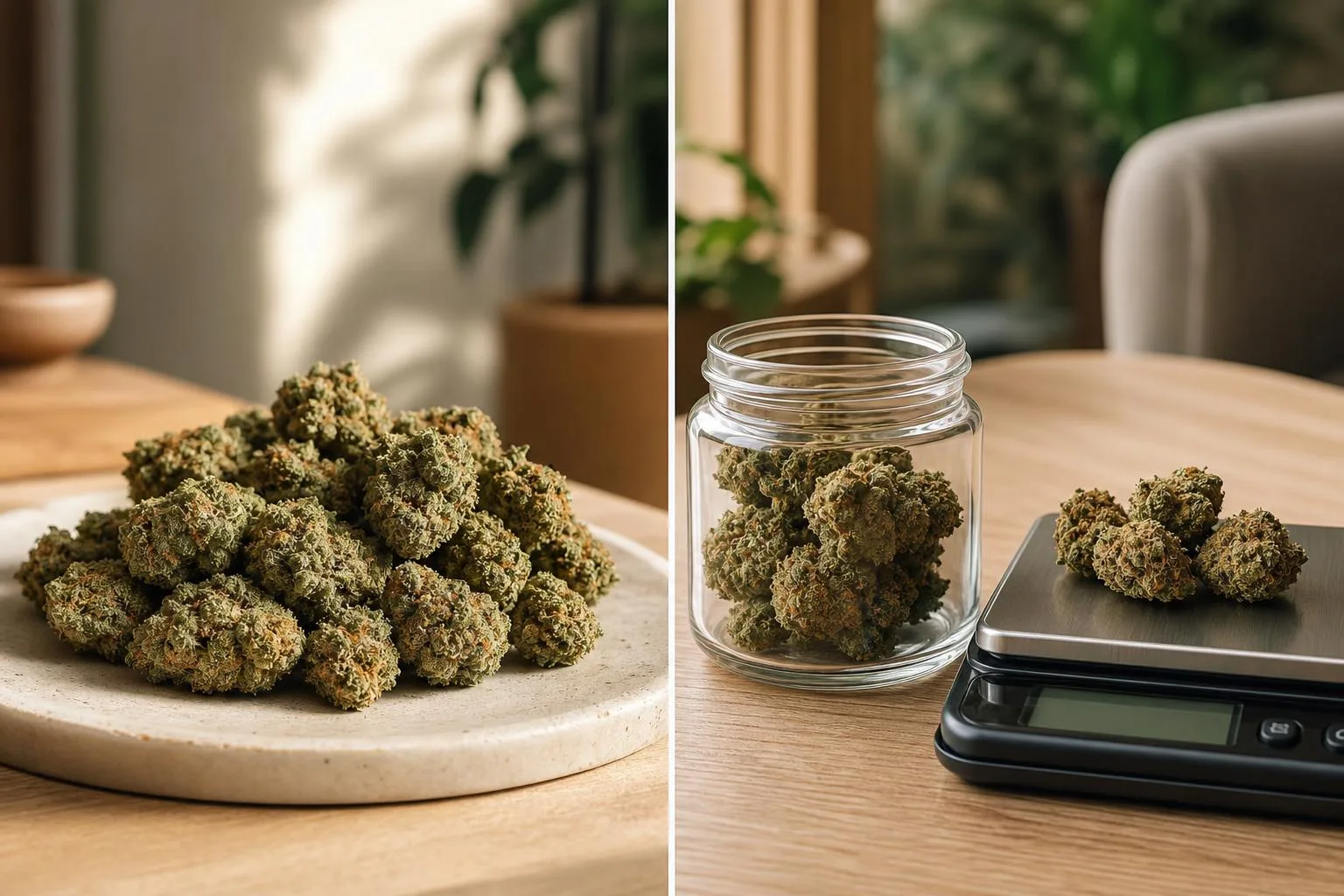
Why the Type of Ounce Matters
A half ounce is simple only if you know which ounce is being used. The biggest mistakes come from mixing weight ounces, fluid ounces, and informal kitchen measures as if they were interchangeable.
In U.S. customary measurement, a half ounce by weight is 0.5 oz, or 14.1748 grams. A half fluid ounce is a volume measure equal to 1 U.S. tablespoon, according to NIST Handbook 44 conversion factors.
| Measure | Correct amount | Common mistake |
| Half ounce by weight | 14.1748 grams | Rounded casually to 15 grams |
| Half fluid ounce | 1 U.S. tablespoon | Treated as 14.1748 grams |
| Half fluid ounce | 14.7868 milliliters | Rounded to 15 milliliters without noting the difference |
| One U.S. fluid ounce | 29.5735 milliliters | Confused with the 28.3495-gram weight ounce |
Myth: “Half an ounce always means 1 tablespoon”
This is only true for fluid ounces, not weight ounces. A tablespoon measures volume. A kitchen scale measures mass. Flour, sugar, butter, coffee, herbs, and spices can all occupy different volumes at the same weight.
Myth: “A half ounce is exactly 15 grams”
For quick kitchen work, 15 grams is often close enough. For baking, nutrition tracking, supplements, coffee dosing, or regulated products, the accurate conversion is 14.1748 grams. That 0.8252-gram gap is about a 5.8% difference.
Myth: “Dry ounces and fluid ounces are basically the same”
They measure different things. A half ounce of liquid water by volume is about 14.79 milliliters. A half ounce of dry pasta, grated cheese, or loose tea depends on density and how tightly it is packed.
- Do not use a shot glass as proof. Many U.S. shot glasses hold 1.5 fluid ounces, so a half fluid ounce is only one-third of that size.
- Do not rely on “a small handful.” Hand size and ingredient shape can easily double or halve the actual weight.
- Do not assume labels use the same ounce. Beverage labels usually mean fluid ounces; packaged foods usually list net weight ounces.
- Do not ignore rounding. In nutrition labeling, U.S. serving sizes may be rounded, so the gram amount on a label can differ slightly from a strict conversion.
The safest rule is practical: use a scale for a half ounce by weight and a liquid measuring spoon or jigger for a half fluid ounce. The word “ounce” alone is not enough context.
Questions People Ask Most
How much is a half oz in grams?
A half ounce is 14.1748 grams, based on the international avoirdupois ounce of 28.3495 grams. For most kitchen, wine, or retail measuring purposes, it is rounded to 14.2 grams.
How much is a half oz in milliliters?
For liquids such as wine, water, or spirits, a half fluid ounce equals 14.7868 milliliters in the U.S. measurement system. In practical bar service, it is commonly rounded to 15 mL, which is the size of a standard half-ounce jigger pour.
How much is a half oz in tablespoons?
A half U.S. fluid ounce equals 1 tablespoon, because 1 tablespoon is defined as 0.5 fluid ounces. This applies to volume measurements, not dry weight, so it works for liquids like syrups, citrus juice, or cocktail modifiers.
How much is a half oz in teaspoons?
A half U.S. fluid ounce equals 3 teaspoons. This is useful when scaling small drink or cooking measurements, since 1 tablespoon equals 3 teaspoons and 1 tablespoon equals 0.5 fluid ounces.
How much is a half oz of wine?
A half fluid ounce of wine is about 15 mL, which is one-tenth of a standard 5-ounce wine serving. Since a 750 mL wine bottle holds about 25.4 fluid ounces, a half-ounce pour is roughly 1/50 of the bottle.
How much is a half ounce in cups?
A half fluid ounce equals 1/16 of a US cup, since 1 US cup contains 8 fluid ounces. In kitchen terms, that is 0.0625 cup, which is a very small volume and usually measured more accurately with a bar jigger or liquid measuring spoon.
How much does a half ounce weigh in pounds?
A half ounce is 0.03125 pound because 1 pound equals 16 ounces in the US customary weight system. That makes half an ounce one-thirty-second of a pound, a useful conversion for shipping, food portions, and small package weight calculations.
How much is a half ounce in cubic inches?
A half US fluid ounce is approximately 0.902 cubic inch. The conversion works because 1 US fluid ounce equals about 1.8047 cubic inches, so dividing by two gives the half-ounce value used in packaging, engineering, and container-volume estimates.
Related Reading
- How Many Cups In 2 Liters?
- What Is The Cheapest Beer You Can Drink?
- How Many Grams In 1 Quart?
- How Many Gallons Is 73 Oz?
- How Many Pints In 16 Oz?
- How Much Litre Makes A Gallon?
- What Is The Most Sober Country?
- All Blog Guides
- NIST Special Publication 811 (2008)
- NIST Special Publication 330: The International System of Units (SI) (2019)
- FDA 21 CFR 101.9 Nutrition Labeling of Food (2024)
- USDA FoodData Central (2019)
- BIPM SI Brochure (2019)
- Encyclopaedia Britannica: Ounce Unit of Weight (2024)
- Merriam-Webster Dictionary: Ounce (2024)