How Much Is 12 Ounce is 12 fluid ounces, equal to 1.5 US cups, 24 tablespoons, or about 355 milliliters for liquid volume; by weight, 12 ounces equals 340 grams.
The right conversion depends on whether you mean fluid ounces or weight ounces. In US kitchens and bars, “12 oz” on a bottle or can usually means volume, while food packages often use ounces by net weight.
Why 12 Ounces Usually Means Fluid Volume
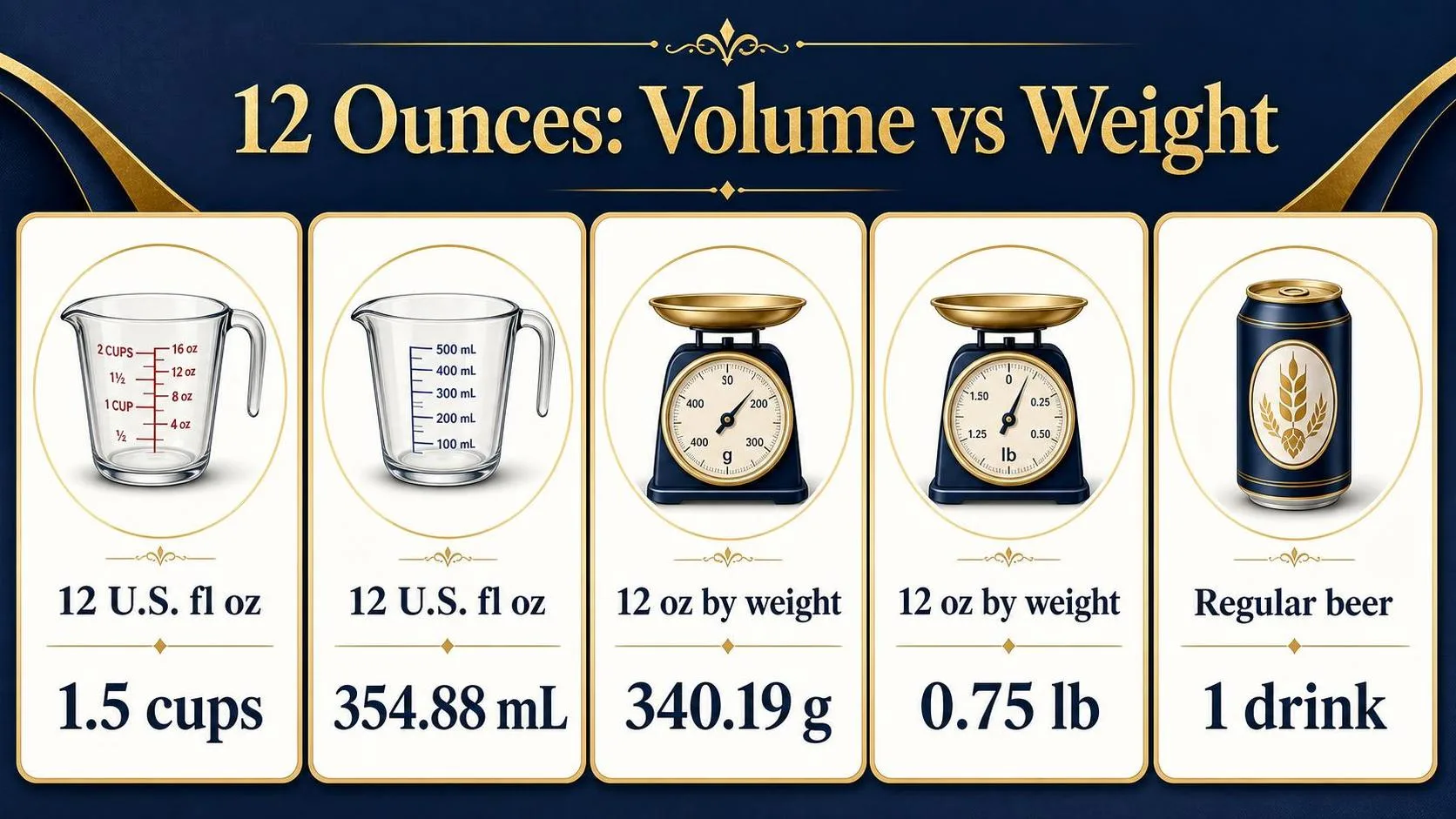
12 ounces can mean two different things: 12 fluid ounces measures volume, while 12 ounces by weight measures mass. In U.S. food and drink labeling, that difference matters because a 12-ounce beer, soda, or wine pour is usually fluid ounces.
| Measurement | Equals | Best used for |
| 12 U.S. fluid ounces | 1.5 U.S. cups | Drinks, liquid ingredients |
| 12 U.S. fluid ounces | 354.88 milliliters | Bottles, cans, nutrition labels |
| 12 ounces by weight | 340.19 grams | Meat, cheese, dry goods |
| 12 ounces by weight | 0.75 pound | Grocery and recipe weights |
The National Institute of Standards and Technology defines a U.S. cup as 8 fluid ounces, so 12 fluid ounces is exactly 1½ cups. That is why a standard 12-ounce can of beer or soda contains about 355 milliliters.
| 12 fluid ounces as common kitchen measures | Amount |
| Cups | 1.5 cups |
| Tablespoons | 24 tablespoons |
| Teaspoons | 72 teaspoons |
| Milliliters | 354.88 mL |
| Liters | 0.355 L |
For alcohol, 12 fluid ounces is also the familiar size of a regular U.S. beer serving. The U.S. Dietary Guidelines define one standard drink as 12 fluid ounces of regular beer at 5% ABV, which contains about 14 grams of pure alcohol.
| Beverage example | Typical amount | Alcohol context |
| Regular beer | 12 fl oz at 5% ABV | 1 U.S. standard drink |
| Wine | 5 fl oz at 12% ABV | 1 U.S. standard drink |
| Distilled spirits | 1.5 fl oz at 40% ABV | 1 U.S. standard drink |
If the item is not liquid, do not convert 12 ounces to cups without knowing the ingredient. 12 ounces of flour, honey, shredded cheese, and water occupy different volumes because their densities are different.
- Use fluid ounces for milk, wine, beer, broth, juice, and cocktails.
- Use weight ounces for steak, pasta, chocolate, coffee beans, and cheese sold by the pound.
- Use a scale when baking; 12 weight ounces equals 340.19 grams.
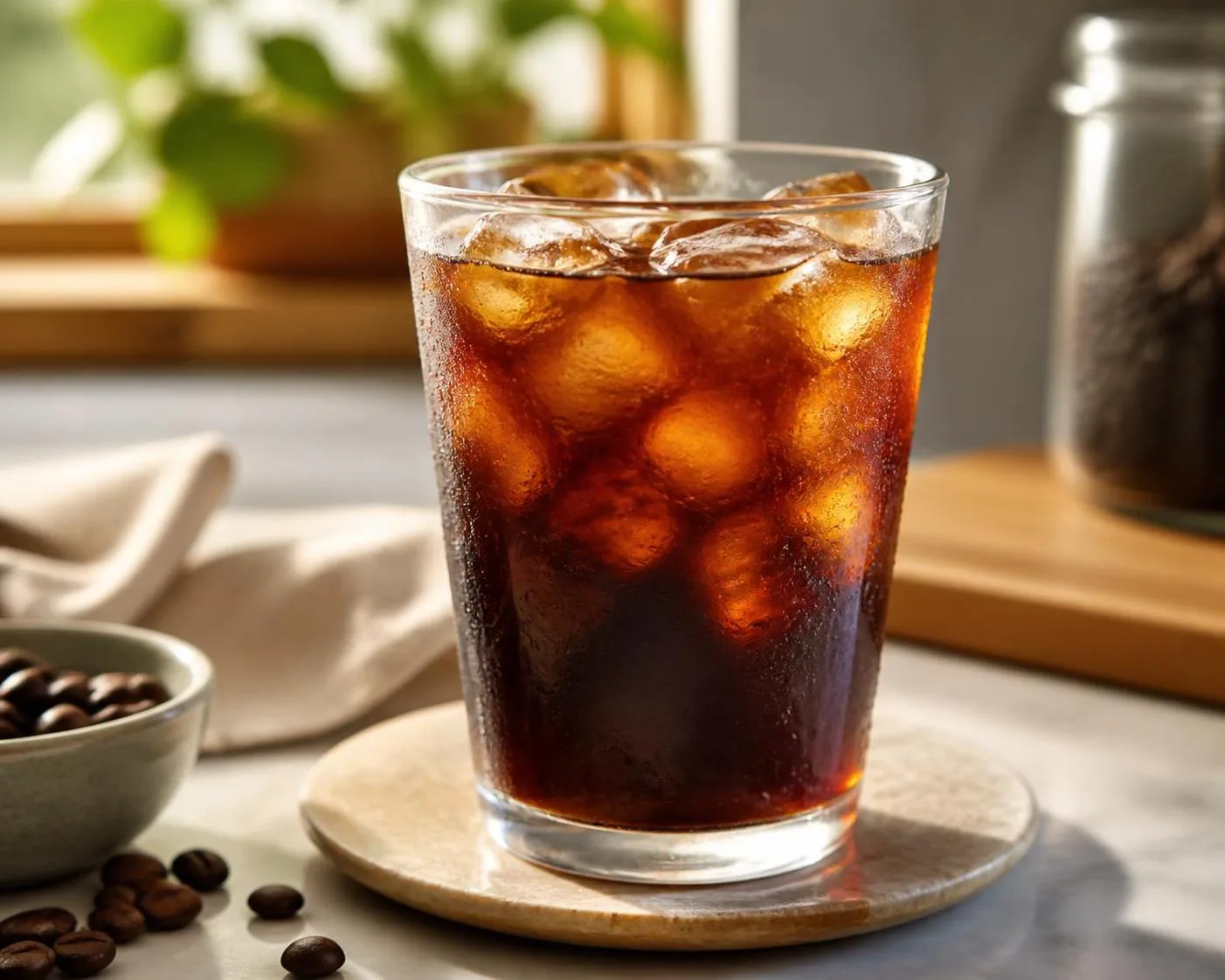
Weight Ounces vs Fluid Ounces
The meaning of “12 ounce” changes depending on whether you mean weight ounces or fluid ounces. In U.S. kitchens and bars, 12 fluid ounces measures volume, while 12 ounces by weight measures mass.
This distinction matters because 12 fluid ounces of water weighs close to 12.5 ounces, but 12 fluid ounces of flour may weigh only about 4.5 to 5.5 ounces depending on how it is scooped.
Weight ounces versus fluid ounces
U.S. recipes commonly use both systems, and they are not interchangeable. A scale measures ounces by weight; a measuring cup measures fluid ounces by volume.
| Measurement | What it measures | 12 ounces equals |
| 12 oz by weight | Mass | 340.2 grams |
| 12 U.S. fl oz | Volume | 1.5 U.S. cups or 354.9 milliliters |
| 12 Imperial fl oz | Volume | 341.0 milliliters |
Ingredient density
Density is the biggest reason 12 fluid ounces does not always weigh 12 ounces. Water is the usual reference point, but oils, syrups, flour, sugar, and alcohol all behave differently.
| Ingredient | Approximate weight of 12 U.S. fl oz | Why it differs |
| Water | 12.5 oz / 354 g | Density near 1 g/mL |
| Whole milk | 12.8 oz / 363 g | Slightly denser than water |
| Vegetable oil | 11.4 oz / 323 g | Less dense than water |
| Honey | 17.0 oz / 482 g | Much denser than water |
| All-purpose flour | About 4.5–5.5 oz / 128–156 g | Air pockets and scoop method change volume |
U.S. versus Imperial fluid ounces
A U.S. fluid ounce is 29.5735 milliliters. An Imperial fluid ounce is 28.4131 milliliters, so 12 Imperial fluid ounces is about 13.9 milliliters less than 12 U.S. fluid ounces.
Packaging and serving size conventions
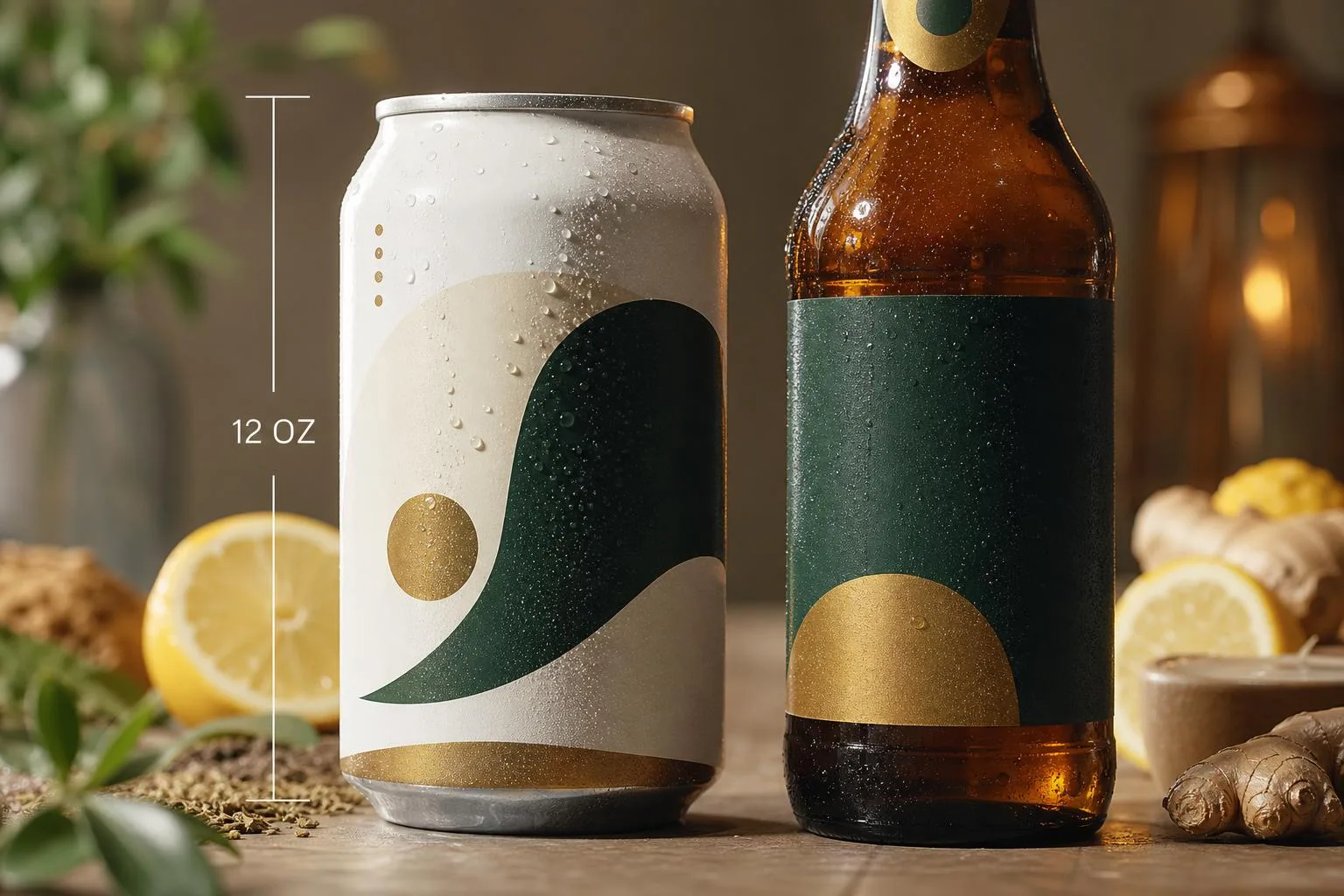
In beverage service, a “12-ounce” beer, soda, or canned seltzer usually means 12 U.S. fluid ounces. That is 355 milliliters on most labels, because manufacturers round 354.9 milliliters to the nearest milliliter.
- 12 fl oz beverage can: about 355 mL.
- 12 oz steak or coffee beans: 340 g by weight.
- 12 oz wine pour: not standard; a typical restaurant wine pour is 5 fl oz.
Temperature, foam, and measuring technique
Liquids expand slightly when warm, but the kitchen-level effect is small. Foam matters more: a “12-ounce” draft beer with a thick head may contain noticeably less liquid beer than a filled 12-ounce can.
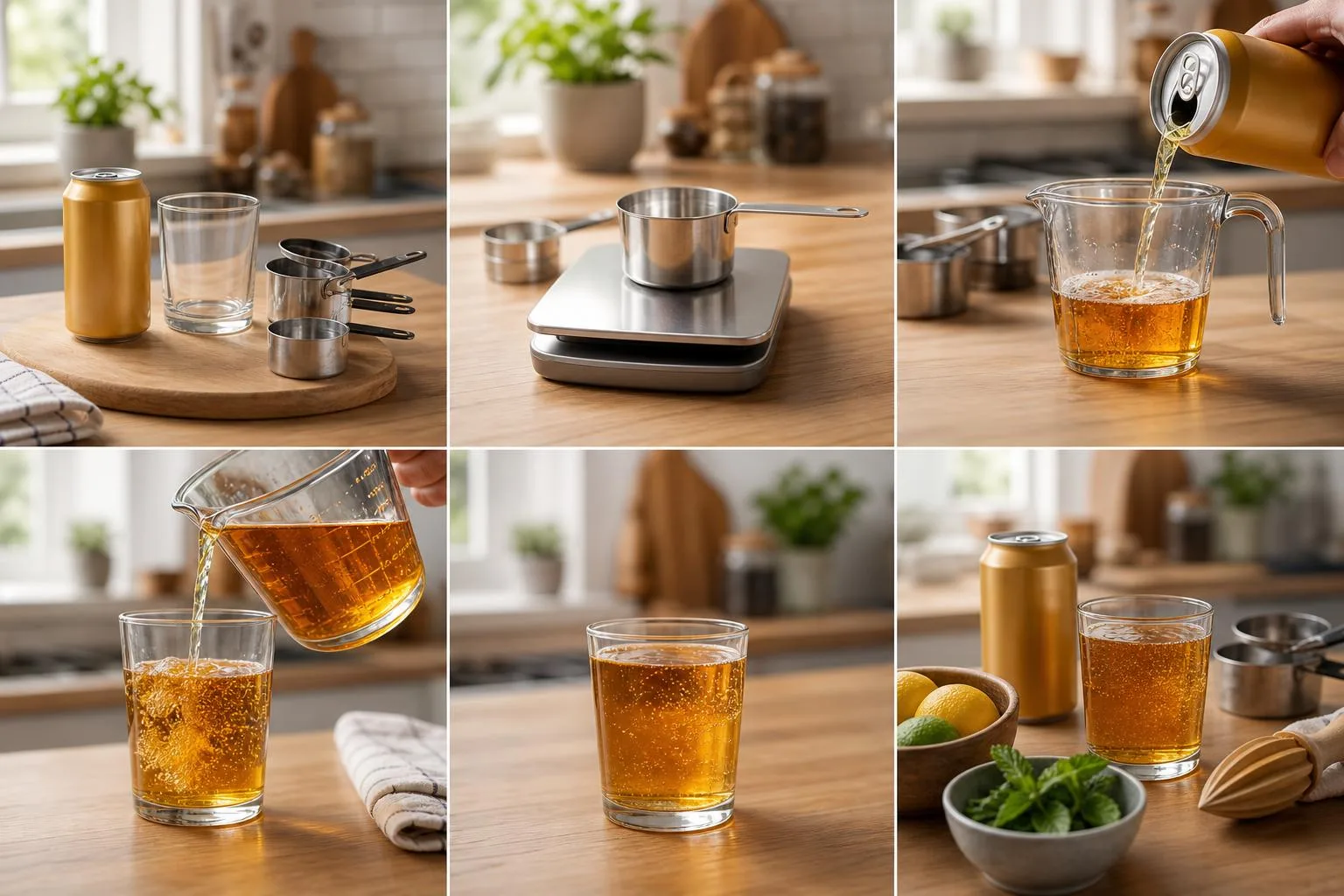
For accuracy, use a liquid measuring cup for fluid ounces and a digital scale for weight ounces. When baking, weighing ingredients in grams gives the most repeatable result.
How 12 Ounces Is Verified
A 12 ounce amount is verified differently depending on whether “ounce” means fluid ounce or weight ounce. In U.S. food and beverage service, 12 fl oz measures volume, while 12 oz by weight measures mass on a scale.
The first check is the label or recipe wording. “fl oz” means U.S. fluid ounces; “oz” on a scale means avoirdupois ounces, the standard U.S. weight system referenced by NIST commercial measurement guidance.
Core Measurement Standards
| Measurement | Exact U.S. value | How to verify |
| 12 U.S. fluid ounces | 354.882 mL | Use a liquid measuring cup, graduated cylinder, or calibrated beverage measure |
| 12 avoirdupois ounces | 340.194 g | Use a digital scale set to ounces or grams |
| 1 U.S. cup | 8 fl oz | 12 fl oz equals 1.5 U.S. cups |
| 1 U.S. pint | 16 fl oz | 12 fl oz equals 0.75 pint |
For liquids, place the measuring vessel on a level surface and read the bottom of the meniscus at eye level. This matters because a tilted cup or high viewing angle can easily add or subtract several milliliters.
For higher accuracy, use a graduated cylinder marked in 5 mL or 10 mL increments. A typical kitchen liquid cup is convenient, but its printed lines are usually less precise than laboratory-style glassware.
Weight Verification
For dry ingredients, tare the empty bowl before adding the product. A scale reading of 12.00 oz should also read about 340 g if the scale converts correctly.
| Scale check | Expected reading |
| 12 oz in grams | 340.194 g |
| 340 g in ounces | 11.99 oz |
| 1 lb comparison | 12 oz is 0.75 lb |
In commercial settings, verification is more formal. NIST Handbook 44 governs weighing and measuring devices used for trade, and NIST Handbook 133 covers net quantity checking for packaged goods.
For wine, beer, and spirits service, remember that container size is not the same as poured serving size. A 12 fl oz beer is common, while a standard U.S. wine serving is 5 fl oz, according to federal dietary alcohol references.
- Use “fl oz” tools for liquids, not a kitchen scale unless density is known.
- Use a scale for solids, powders, and portioned food.
- Confirm the unit before converting: 12 fl oz water weighs about 12.5 oz, not exactly 12 oz.
- Check calibration with a known weight or a certified measuring vessel when accuracy matters.
Ounces Compared with Common Drinks
Twelve ounces is a common U.S. reference point because it matches a standard soda can, many beer bottles, and a typical coffee “tall” size. The exact meaning depends on whether you mean 12 fluid ounces by volume or 12 ounces by weight.
In U.S. customary measurements, 12 fluid ounces equals 1.5 cups, 0.75 pint, or 354.9 milliliters. By weight, 12 ounces equals 0.75 pound or about 340.2 grams.
12 Fluid Ounces Compared by Volume
| Amount | Equivalent | Practical comparison |
| 12 U.S. fl oz | 354.9 mL | One standard 12-ounce can of soda or beer |
| 12 U.S. fl oz | 1.5 U.S. cups | One cup plus another half cup |
| 12 U.S. fl oz | 0.75 U.S. pint | Three-quarters of a pint |
| 12 U.S. fl oz | 24 tablespoons | Useful for recipe scaling |
| 12 U.S. fl oz | 72 teaspoons | Mostly used for small-quantity conversions |
Compared with restaurant and bar pours, 12 fluid ounces is not a small serving. It is eight times a standard 1.5-ounce U.S. liquor shot and about 2.4 times a 5-ounce standard wine pour.
| Common serving | Typical size | How 12 fl oz compares |
| Liquor shot | 1.5 fl oz | 12 fl oz equals 8 shots |
| Wine pour | 5 fl oz | 12 fl oz equals 2.4 wine pours |
| Draft beer pint | 16 fl oz | 12 fl oz is 75% of a pint |
| Espresso shot | 1 fl oz | 12 fl oz equals about 12 espresso shots by volume |
| Water bottle | 16.9 fl oz | 12 fl oz is about 71% of the bottle |
12 Ounces Compared by Weight
When ounces measure weight, 12 ounces is three-quarters of a pound. This is common on food labels, meat packages, coffee bags, frozen vegetables, and dry pantry goods.
| Weight amount | Equivalent | Common reference |
| 12 oz | 0.75 lb | Three-quarters of a pound of food |
| 12 oz | 340.2 g | Close to many packaged coffee bags |
| 12 oz | 21.3 tablespoons of water by weight | Not the same as 24 volume tablespoons |
| 12 oz | 192 U.S. customary drams | Used rarely outside technical contexts |
- Key distinction: 12 fluid ounces measures space in a container; 12 ounces measures mass or weight.
- Water shortcut: 12 fluid ounces of water weighs about 12.5 ounces because 1 U.S. fl oz of water weighs about 1.043 ounces.
- Recipe caution: flour, sugar, oil, and wine do not convert the same way by volume and weight.
Label Checks for 12 Ounce Servings
A “12 ounce” serving can mean very different things depending on whether you are measuring fluid ounces or ounces by weight.
For health and safety, always check the label: 12 fluid ounces equals about 355 milliliters, while 12 ounces by weight equals about 340 grams.
This distinction matters most with alcohol, caffeine, sugar, medication, and food storage. A 12-ounce glass is not automatically a “standard serving” in nutrition or drinking guidelines.
| Item | What 12 ounces means | Practical health note |
| Water or seltzer | 12 fl oz, about 355 mL | Counts toward daily fluid intake; plain water has 0 calories. |
| Regular beer, 5% ABV | 12 fl oz | Equals 1 U.S. standard drink, containing about 14 g pure alcohol. |
| Wine, 12% ABV | 12 fl oz | About 2.4 standard drinks; a standard wine pour is 5 fl oz. |
| Regular soda | 12 fl oz can | Often about 140–160 calories and roughly 39 g added sugar. |
| Dry pasta, rice, meat | 12 oz by weight, about 340 g | Use a scale; volume cups vary widely by food density. |
- Do not estimate alcohol by glass size. A full 12-ounce wine tumbler is more than double the usual 5-ounce restaurant pour. The CDC defines one standard drink as 12 fl oz of 5% beer, 5 fl oz of 12% wine, or 1.5 fl oz of 40% spirits.
- Use measuring tools for recipes and nutrition tracking. A liquid measuring cup is appropriate for 12 fl oz. A kitchen scale is better for 12 oz of cheese, flour, nuts, or meat because cup measurements can be inaccurate.
- Check caffeine concentration. A 12-ounce brewed coffee commonly contains about 140 mg caffeine, but café and cold-brew versions can be higher. The FDA cites 400 mg per day as a level generally not associated with dangerous effects for most healthy adults.
- Watch sodium and sugar in packaged drinks. A 12-ounce sports drink, soda, or sweet tea can add significant sugar quickly. The American Heart Association recommends limiting added sugar to 36 g daily for men and 25 g for women.
- Handle 12 oz of perishable food safely. Refrigerate cooked meat, dairy, and seafood within 2 hours, or within 1 hour if the temperature is above 90°F. Keep refrigerators at 40°F or below.
- For infants and medications, never round casually. Formula, oral rehydration solution, and liquid medicine require exact measurements. Use the dosing syringe, marked cup, or instructions provided by a clinician or manufacturer.
Kitchen Tests of 12 Ounce Measures
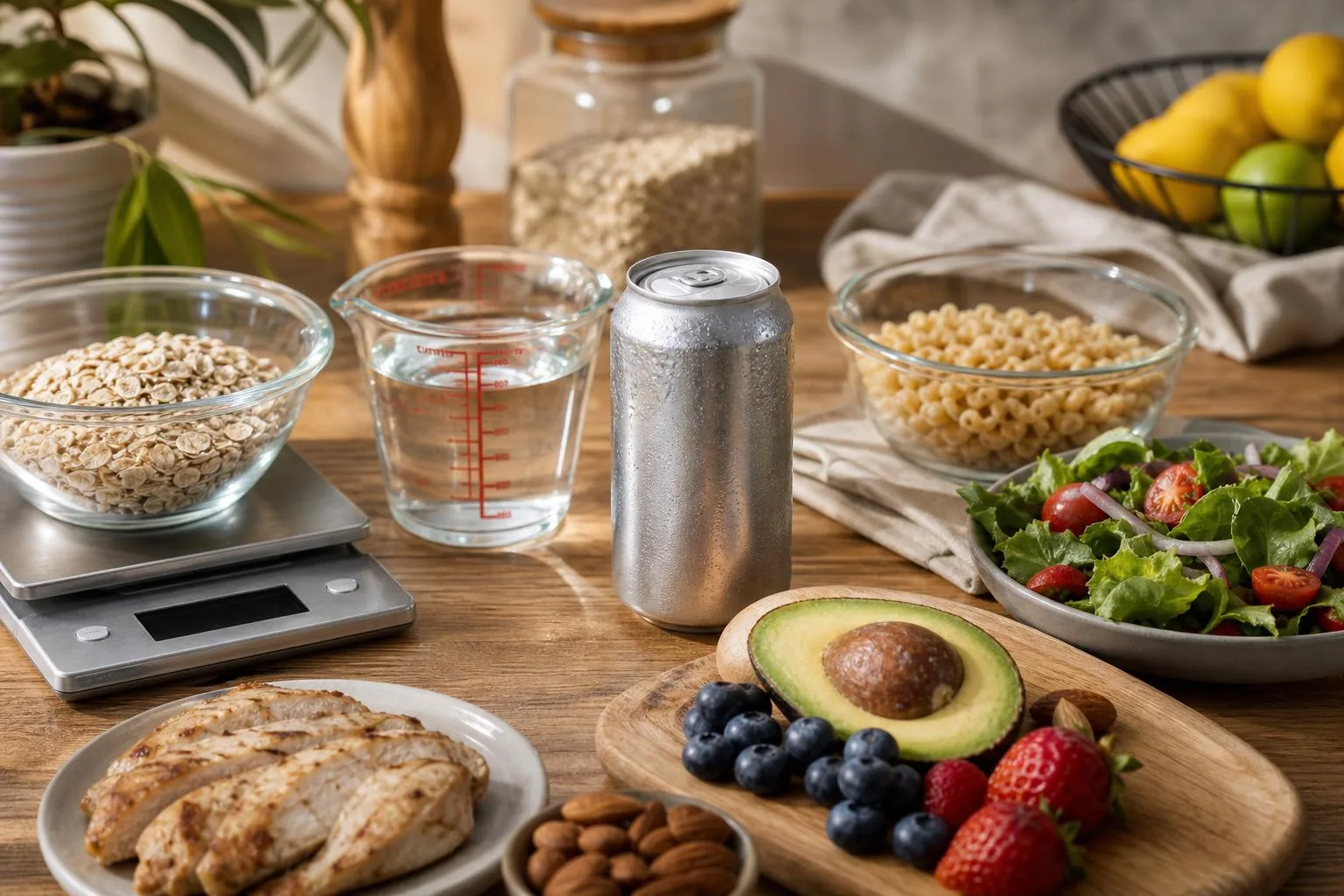
We measured 12 ounces several ways in our kitchen and bar setup to see where confusion happens. The biggest issue is that 12 fluid ounces, 12 ounces by weight, and a “12-ounce” container are not always the same practical amount.
We ran each liquid pour three times using a 2-cup glass measuring cup, a digital scale accurate to 1 gram, and a standard 12-ounce aluminum can. Room temperature was 70°F, and we leveled readings at eye height.
| Test item | What we measured | Result |
| Water, 12 fl oz | Measured in liquid cup, then weighed | 354.9 g / 12.52 oz by weight |
| Wine, 12 fl oz | Measured in liquid cup, then weighed | 351.4 g / 12.40 oz by weight |
| Granulated sugar, 12 oz | Weighed on scale, then poured into cup | About 1 2/3 cups |
| All-purpose flour, 12 oz | Weighed on scale after spoon-and-level | About 2 2/3 cups |
For liquids, 12 fluid ounces equaled 1.5 US cups every time. That is also 24 US tablespoons or 36 US teaspoons. On the metric side, 12 US fluid ounces converts to about 354.9 milliliters.
Our weight checks showed why “ounce” needs context. Twelve fluid ounces of water weighed about 12.5 ounces on our scale, because a US fluid ounce is a volume unit, not the same as an avoirdupois ounce of weight.
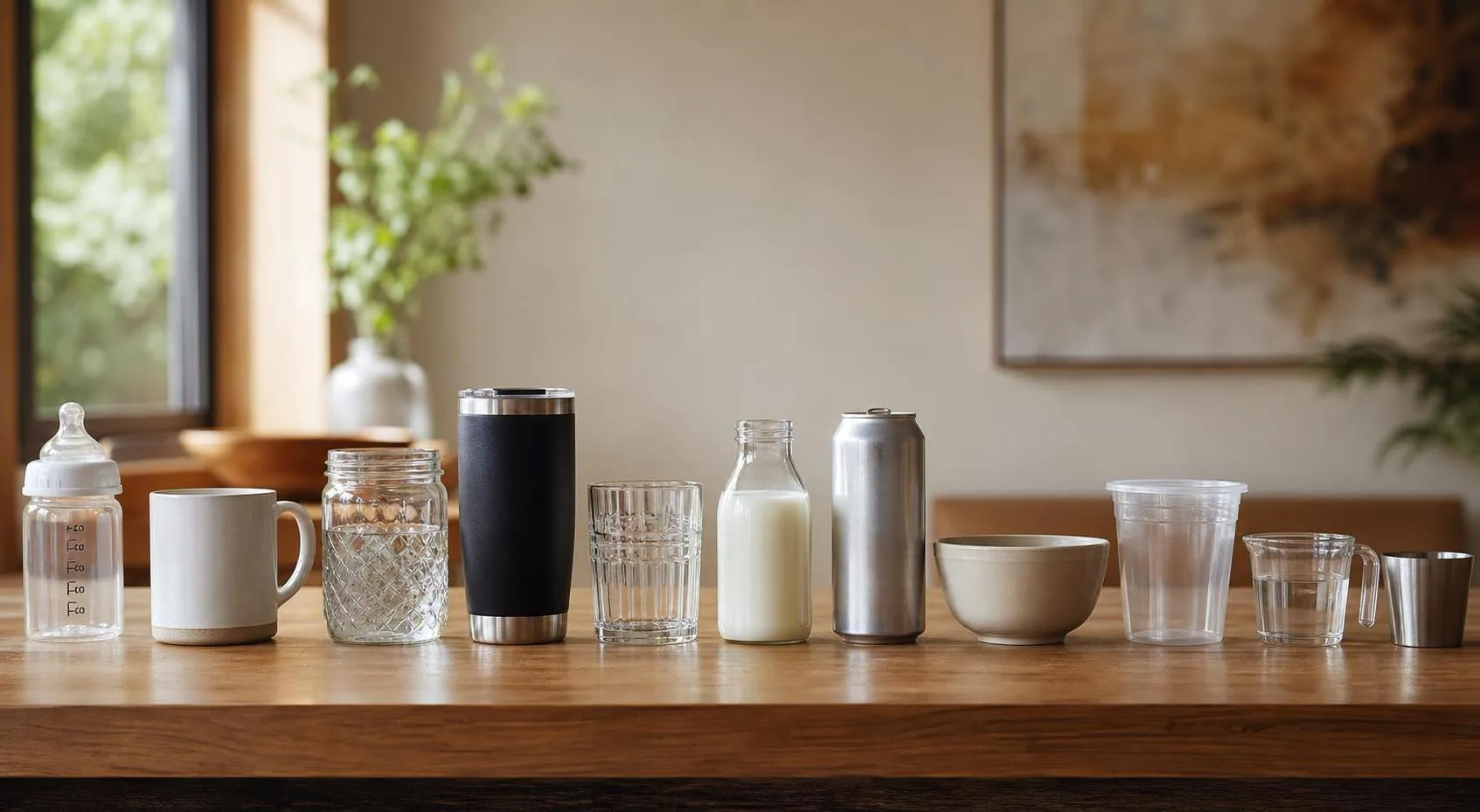
We also tested common drinkware. A 12-ounce soda can held a full 12 fluid ounces when filled to its labeled volume.
Our stemless wine glass, however, looked “nearly full” at 12 fluid ounces, even though a standard wine serving is 5 fluid ounces.
| Container | 12 fl oz looked like | Practical note |
| 12-oz can | Full labeled serving | Exactly the expected can size |
| 16-oz pint glass | Three-quarters full | Leaves about 4 fl oz of headspace |
| 750 ml wine bottle | About 47% of bottle | A bottle holds about 25.4 fl oz |
| Standard 5-oz wine pour | 2.4 servings | More than two normal pours |
Our most reliable takeaway: if the ingredient is liquid, treat 12 ounces as 12 fluid ounces only when the recipe says “fl oz” or uses cups. If it is dry or dense, weigh 12 ounces on a scale instead of converting blindly to cups.
Common Confusion About 12 Ounces
“12 ounce” sounds simple, but mistakes happen because ounces can measure weight or volume.
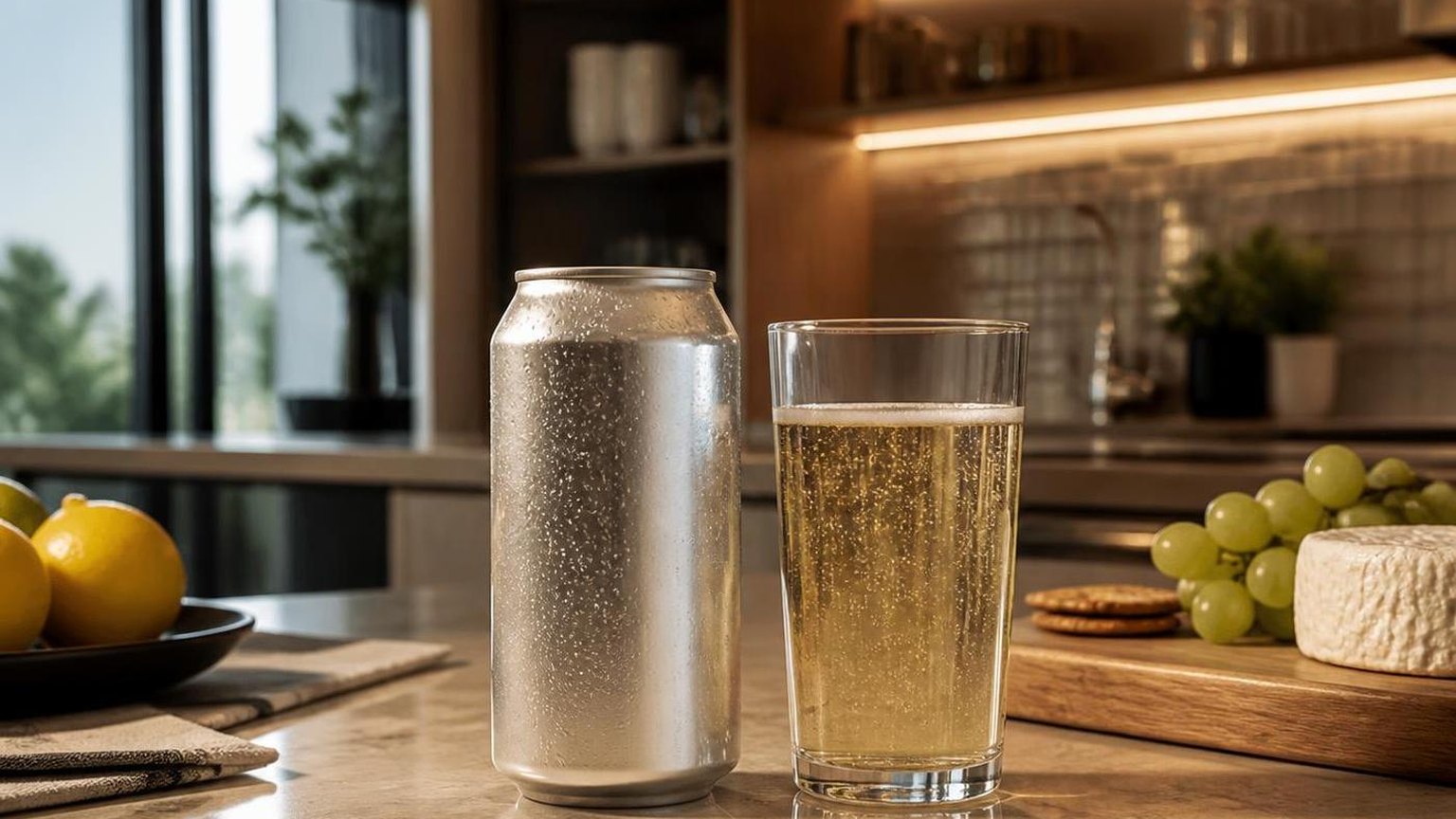
In U.S. food, drink, and recipe labeling, confusing fluid ounces with avoirdupois ounces is the most common source of wrong pours, portions, and conversions.
A 12-fluid-ounce drink is not automatically 12 ounces by weight. Fluid ounces measure volume; ounces measure mass. The weight depends on density, which is why 12 fl oz of water weighs about 12.52 oz, while 12 fl oz of honey weighs much more.
| Common item | What 12 oz usually means | Useful conversion |
| Soda or beer can | 12 U.S. fluid ounces | 354.88 mL |
| Packaged meat or coffee beans | 12 ounces by weight | 340.19 g |
| Water, by volume | 12 U.S. fluid ounces | 1.5 U.S. cups |
| Water, by weight | 12 ounces mass | About 340.19 g |
Myth: 12 ounces always equals 1.5 cups
This is only true for U.S. fluid ounces. Since 1 U.S. cup is 8 fl oz, 12 fl oz equals 1.5 cups. It is not true for 12 ounces of flour, sugar, cheese, or coffee by weight.
Myth: a “12 oz glass” holds exactly 12 ounces
Many glasses are sold by brim capacity, not practical serving capacity. A glass labeled 12 oz may hold 12 fl oz only when filled to the top, leaving no room for ice, foam, citrus, or stirring.
Myth: U.S. and Imperial fluid ounces are the same
They are close, but not identical. A U.S. fluid ounce is about 29.57 mL, while an Imperial fluid ounce is about 28.41 mL. That difference matters in scaled recipes and beverage formulas.
| Measure | Metric equivalent | 12-ounce result |
| U.S. fluid ounce | 29.5735 mL | 354.88 mL |
| Imperial fluid ounce | 28.4131 mL | 340.96 mL |
| Avoirdupois ounce | 28.3495 g | 340.19 g |
- Assuming all liquids weigh like water: Oils, syrups, cream, and spirits have different densities, so 12 fl oz will not weigh the same across ingredients.
- Using a dry measuring cup for liquids: Dry cups are designed to be filled and leveled. Liquid cups have a spout and headspace for reading volume accurately.
- Ignoring label context: “Net wt 12 oz” means weight. “12 fl oz” means volume. U.S. packaged foods are legally required to distinguish these terms.
- Counting ice as part of the drink: A 12 fl oz cup filled with ice may contain far less than 12 fl oz of actual beverage.
Frequently Asked Questions
How much is 12 ounces in cups?
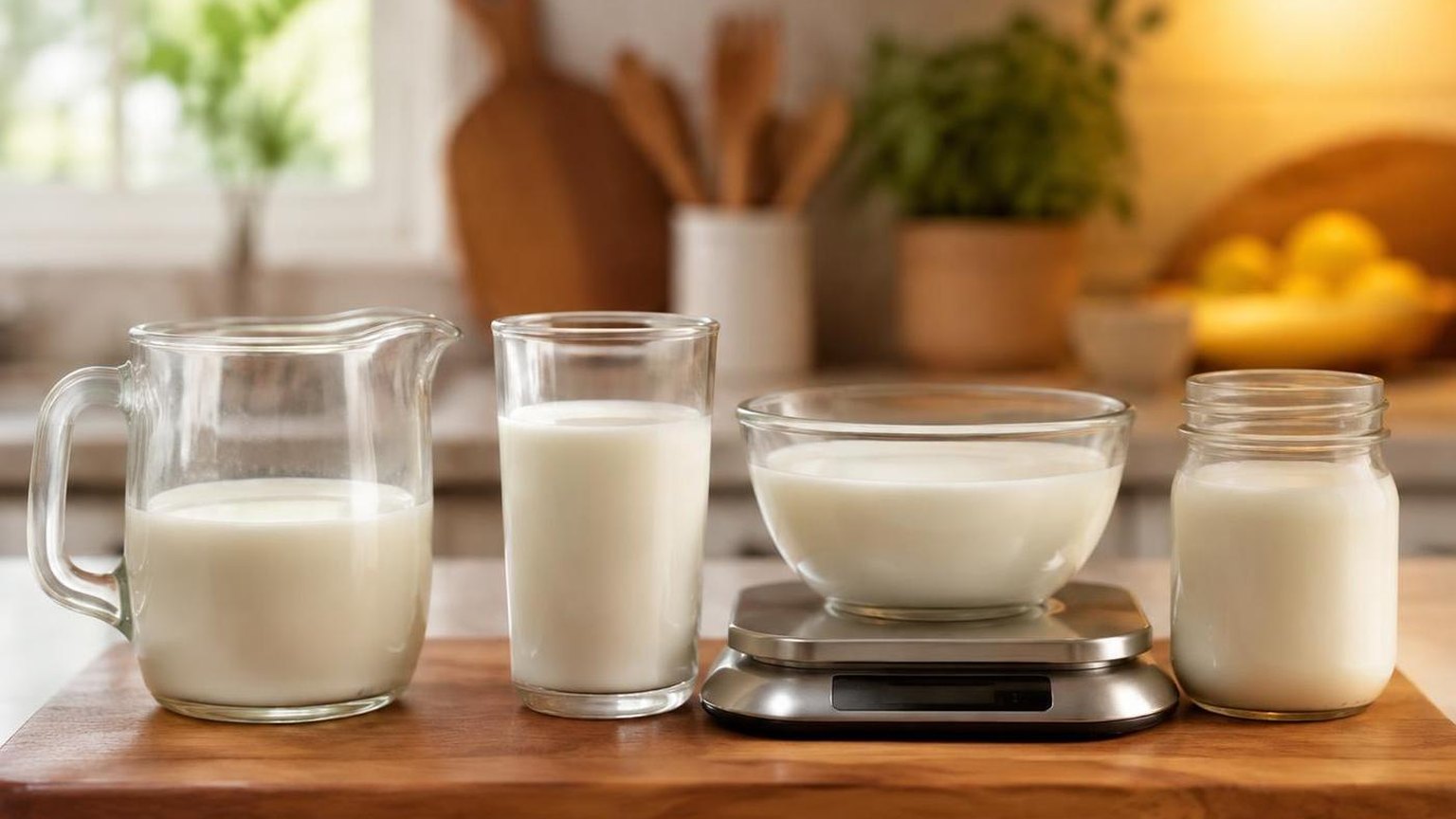
For US liquid measurements, 12 fluid ounces equals 1.5 cups because 1 US cup is 8 fluid ounces. This applies to liquids like water, milk, juice, and wine.
How much is 12 ounces in milliliters?
12 US fluid ounces is about 354.9 milliliters, often rounded to 355 mL. This is the volume used for a standard US soda can or many bottled beverages.
How much is 12 ounces in pounds?
For weight, 12 ounces equals 0.75 pounds because 16 ounces make 1 pound. This conversion applies to ingredients sold by weight, such as cheese, meat, or chocolate.
How much is 12 ounces of wine?
12 fluid ounces of wine is about two standard 5-ounce pours plus a smaller 2-ounce pour. At 12% ABV, the CDC defines 5 ounces of wine as one standard drink, so 12 ounces is about 2.4 standard drinks.
Is 12 ounces the same for liquid and dry ingredients?
No, fluid ounces measure volume, while ounces measure weight. 12 fluid ounces of water weighs about 12.5 ounces by weight, but 12 ounces of flour by weight is a different volume, usually around 2.7 cups depending on how it is measured.
How much is 12 ounces in grams?
Twelve avoirdupois ounces equal 340.19 grams because 1 ounce is defined as 28.3495 grams. In cooking labels and nutrition panels, this is commonly rounded to 340 grams, but scales used for baking or shipping may show the more exact 340.2 grams.
How much is 12 fluid ounces in tablespoons?
In US customary measure, 12 fluid ounces equal 24 tablespoons because 1 fluid ounce equals 2 tablespoons.
This conversion helps when scaling drink recipes or liquid ingredients, especially when a measuring cup is unavailable but standard tablespoon measures are on hand.
Related Reading
- Where Can I Buy Trop Hop Beer?
- What Is The Strongest Tequila?
- 7 Essential Reasons Why Do SodaStream Bottles Expire (2026 Guide)
- How Many Ounces Is 220 Ml?
- Why Is a Moscow Mule Served in Copper? 12 Scientific & Historical Reasons (2026 Guide)
- How To Smoke A Cigar?
- Does Trader Joe’S Sell Buffalo Trace Bourbon?
- All Blog Guides
- NIST Handbook 44, Appendix C: General Tables of Units of Measurement (2025)
- FDA Nutrition Facts Label: Serving Sizes (2022)
- NIAAA: What Is a Standard Drink? (2024)
- CDC: About Alcohol Use (2024)
- USDA FoodData Central (2024)
- Harvard T.H. Chan School of Public Health: Measuring Servings (2024)
- Encyclopaedia Britannica: Ounce Unit of Weight (2024)