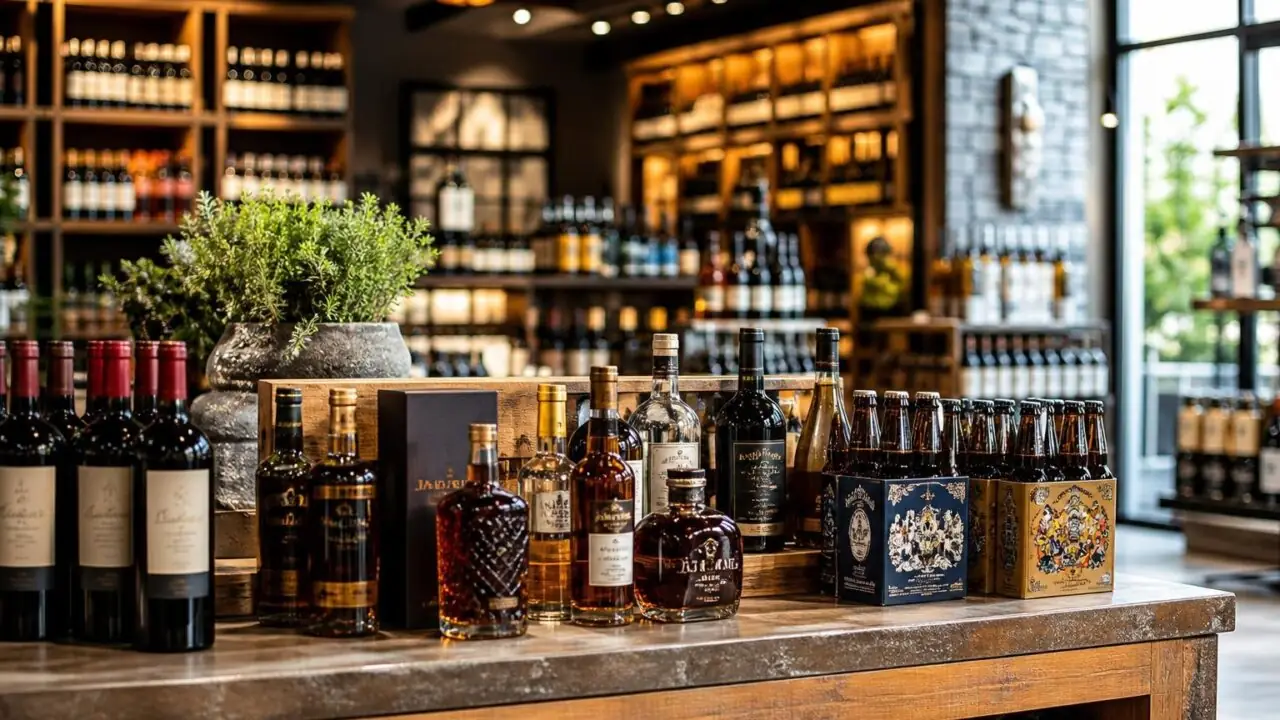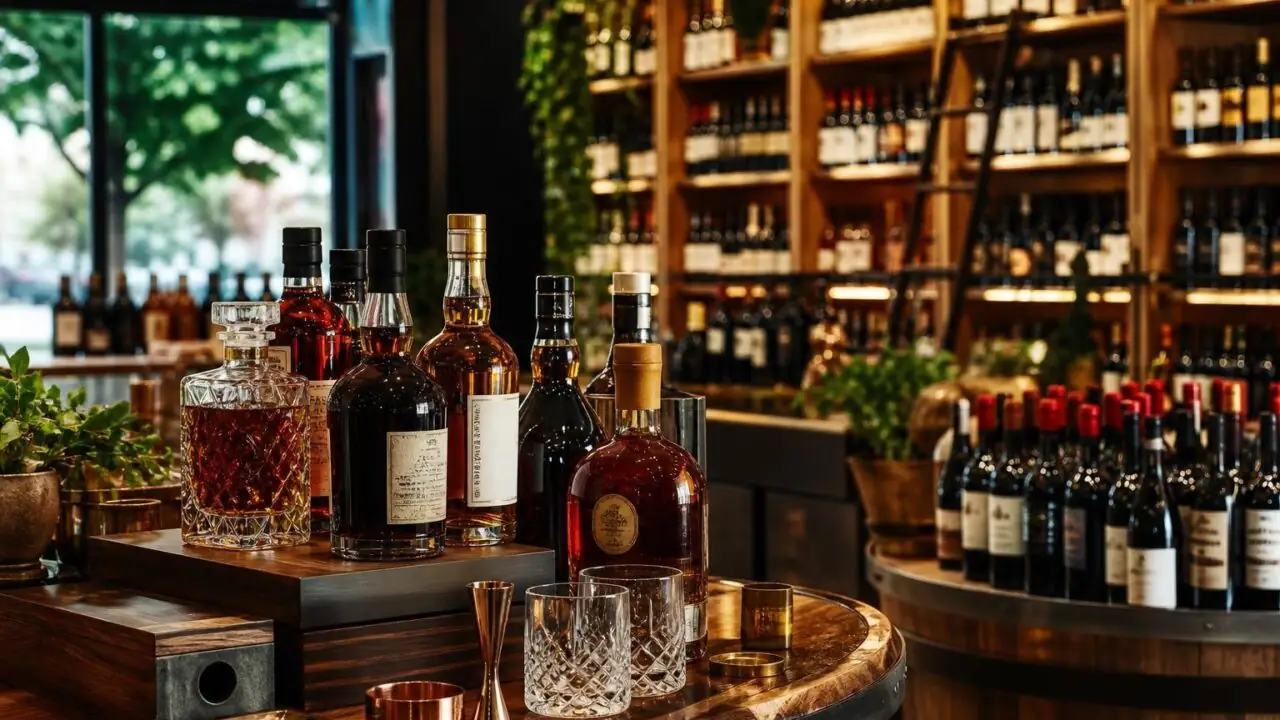
good times wine spirits & brew is a beverage retail destination focused on wine, spirits, and beer selections for shoppers comparing everyday bottles, party-ready formats, and giftable picks.
This guide explains what to look for before visiting, including product range, pricing signals, service quality, and local availability.
Use it to evaluate whether the store fits your needs: curated wine shelves, recognized liquor brands, craft and domestic beer options, cold-case convenience, and staff guidance.
We’ll also cover practical buying tips, responsible alcohol purchasing, and how to compare value without relying only on discounts.
The Key Numbers, Explained
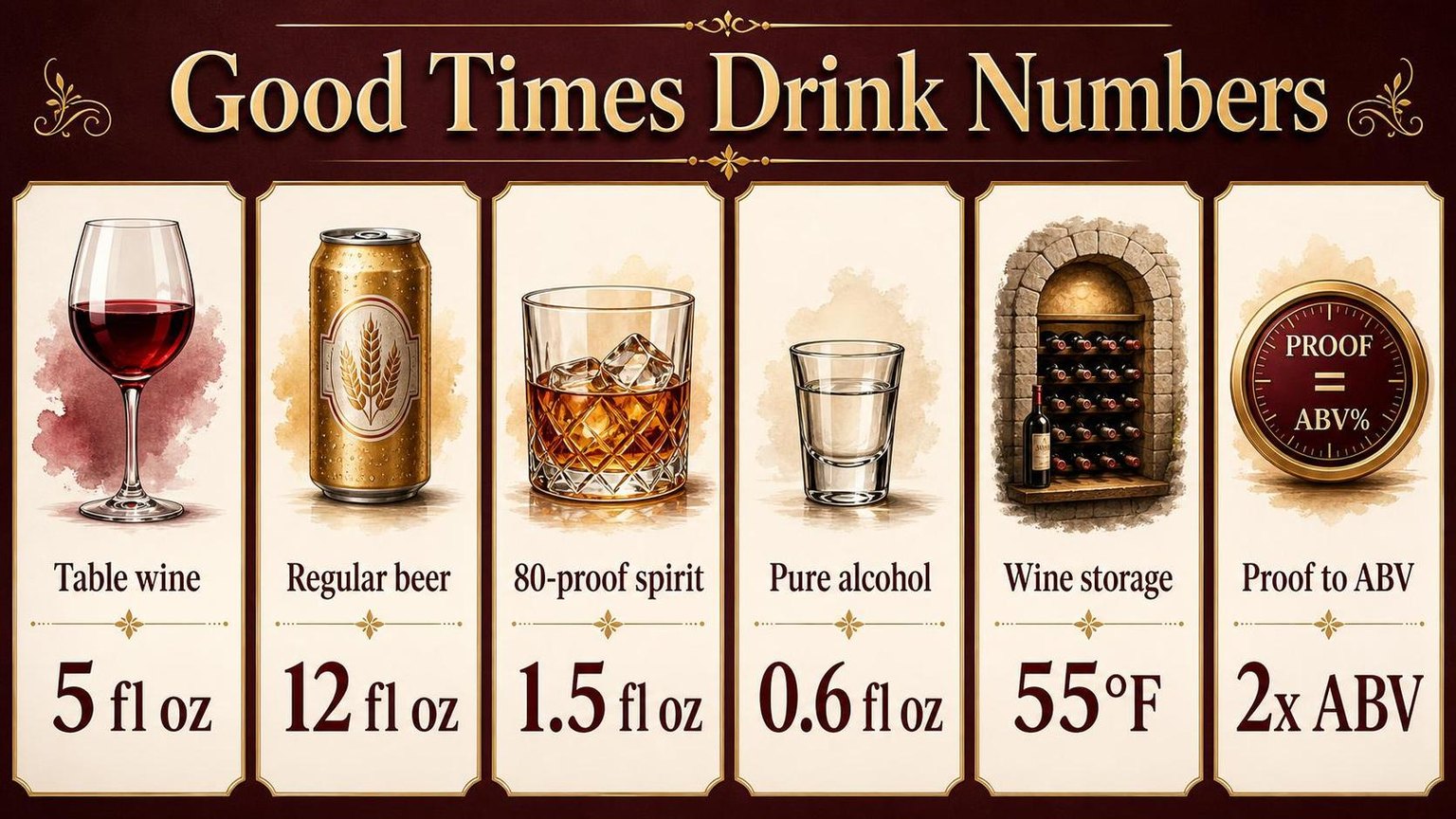
For shoppers comparing wine, spirits, and beer at Good Times Wine Spirits & Brew, the most useful numbers are ABV, standard-drink size, bottle volume, and serving temperature.
These figures come from U.S. public-health and trade standards, including the NIAAA, TTB, and Brewers Association.
| Category | Typical ABV | U.S. standard drink | What that means |
| Table wine | About 12% ABV | 5 fl oz | One 750 ml bottle holds about 5 standard 5-ounce pours. |
| Regular beer | About 5% ABV | 12 fl oz | A six-pack equals roughly 6 standard drinks if each beer is 5% ABV. |
| 80-proof spirits | 40% ABV | 1.5 fl oz | A 750 ml bottle contains about 16 to 17 standard 1.5-ounce pours. |
The U.S. National Institute on Alcohol Abuse and Alcoholism defines one standard drink as 0.6 fl oz of pure alcohol. That is why a 5-ounce glass of 12% wine, a 12-ounce 5% beer, and a 1.5-ounce shot of 40% spirits are treated as equivalent.
| Bottle or package | Metric volume | Approx. U.S. volume | Practical takeaway |
| Standard wine bottle | 750 ml | 25.4 fl oz | Usually 5 pours at 5 fl oz each. |
| Magnum wine bottle | 1.5 L | 50.7 fl oz | Equal to 2 standard wine bottles. |
| Spirits fifth | 750 ml | 25.4 fl oz | Common U.S. retail size for whiskey, vodka, rum, tequila, and gin. |
| Beer case | 24 x 12 fl oz | 288 fl oz | At 5% ABV, roughly 24 standard drinks. |
Proof is another number worth decoding. In the United States, proof is exactly twice the alcohol by volume, so an 80-proof bourbon is 40% ABV, while a 100-proof bottled-in-bond whiskey is 50% ABV.
- Wine storage: Many still wines are best stored near 55°F, away from heat and direct light.
- Serving white wine: Crisp whites often show best around 45°F to 50°F.
- Serving red wine: Many reds taste balanced around 55°F to 65°F, not at a hot room temperature.
- Beer service: Lagers are commonly served colder, while stronger ales often open up closer to 45°F to 55°F.
Age statements also have strict meaning for spirits. If a whiskey label says 12 years, the youngest whiskey in that bottle must be at least 12 years old under U.S. labeling rules; older whiskey may be included, but younger whiskey may not.
What Affects the Result
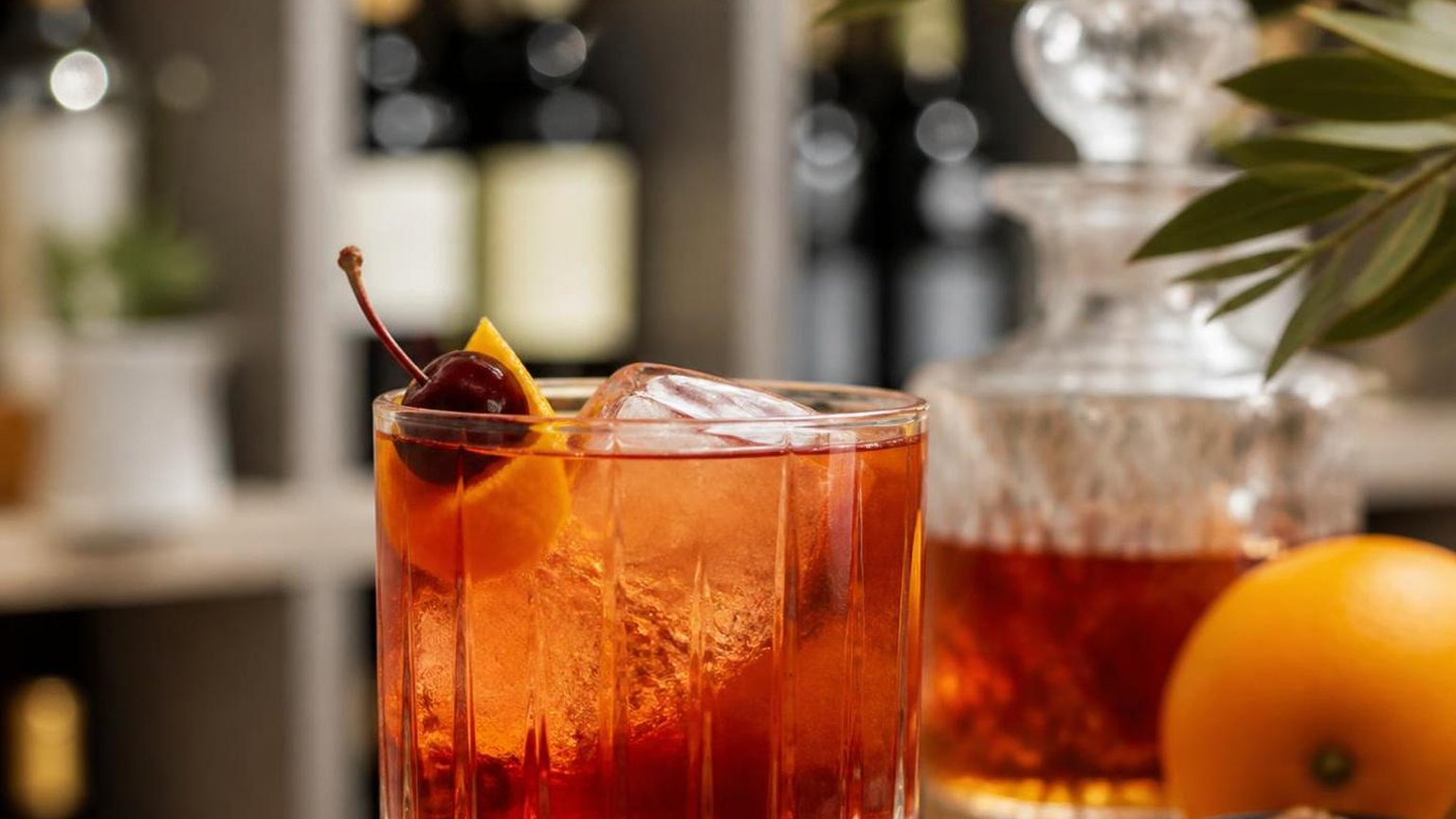
The result at Good Times Wine Spirits & Brew depends less on the label alone and more on handling, freshness, temperature, pricing context, and legal constraints.
Wine, beer, and spirits each respond differently to light, heat, oxygen, and time.
For shoppers, the biggest practical variables are storage conditions, product turnover, packaging date, bottle size, and how the drink will be served. These factors often matter more than a critic score or a familiar brand name.
Storage and Temperature Control
Heat is the fastest way to damage wine and beer. The Wine & Spirit Education Trust teaches that wine is best stored around 50°F to 59°F, with minimal temperature swings and protection from direct sunlight.
| Product | Best Holding Range | Why It Matters |
| Still wine | 50°F to 59°F | Slows oxidation and preserves fruit, acid, and aroma. |
| Most beer | 35°F to 45°F | Protects hop aroma and reduces staling. |
| Spirits | Room temperature, away from sunlight | High alcohol is stable, but heat can affect closures and evaporation. |
Freshness and Packaging Dates
Beer is especially time-sensitive. Hop-forward styles such as IPA are usually best within 60 to 90 days of packaging, while many pasteurized lagers remain stable longer when cold-stored.
For wine, vintage matters most for age-worthy bottles, not everyday drinking wines. Most inexpensive white, rosé, and light red wines are intended for consumption within 1 to 3 years of release.
Alcohol Level and Serving Size
ABV changes the drinking experience and the number of standard drinks in a bottle. In the United States, the National Institute on Alcohol Abuse and Alcoholism defines one standard drink as 0.6 fluid ounces of pure alcohol.
| Drink | Typical Serving | Typical ABV |
| Table wine | 5 oz | About 12% |
| Beer | 12 oz | About 5% |
| 80-proof spirits | 1.5 oz | 40% |
Selection, Price, and Local Rules
- Inventory depth: A larger selection increases the chance of finding specific varietals, craft beer releases, allocated spirits, or value imports.
- Turnover: Busy shelves are often better for beer freshness, especially hazy IPA, pale ale, wheat beer, and seasonal releases.
- Discount structure: Case discounts, loyalty pricing, or mixed-six beer pricing can change the real cost per ounce.
- State alcohol laws: Hours, Sunday sales, age verification, delivery, and return policies vary by state and directly affect the buying experience.
- Staff knowledge: A trained employee can steer shoppers by flavor, budget, occasion, and food pairing rather than brand recognition alone.
How It Is Measured and Verified
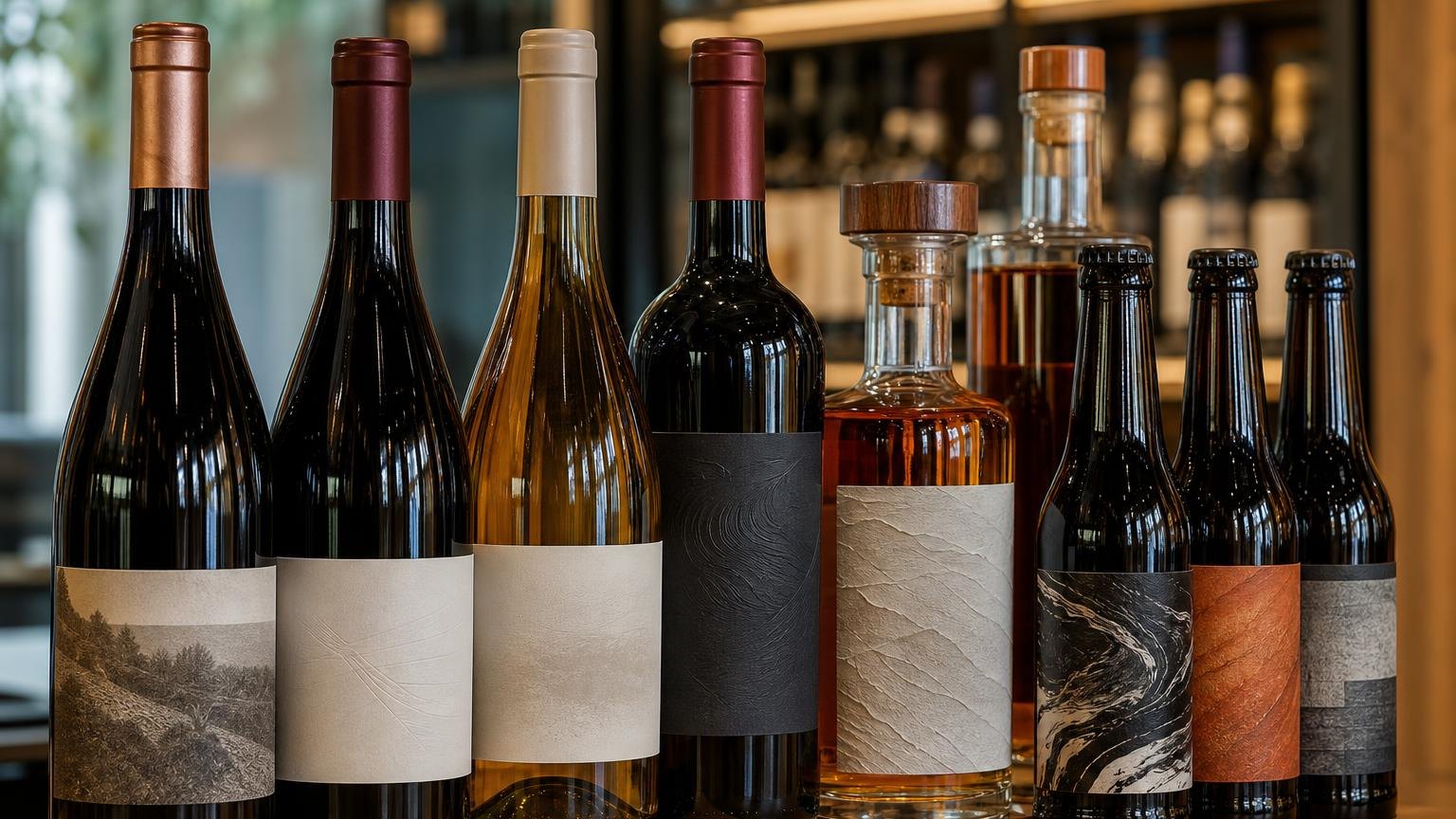
For wine, spirits, and brew, “good times” still depend on measurable facts: alcohol content, serving size, freshness, and legal compliance.
In the U.S., these are verified through federal labeling rules, lab analysis, distributor records, and on-premise controls.
The core measurement is alcohol by volume, or ABV. Wine and spirits labels are regulated by the Alcohol and Tobacco Tax and Trade Bureau, while most beer labeling oversight falls to the FDA unless the product crosses specific TTB categories.
| Category | Common measure | Typical U.S. serving | Verification point |
| Wine | ABV percentage | 5 fl oz | Label approval, producer analysis, lot records |
| Spirits | Proof and ABV | 1.5 fl oz | TTB formula/label rules, proof testing |
| Beer | ABV percentage | 12 fl oz | Brewery lab testing, packaging date, distributor invoice |
In U.S. public-health guidance, one standard drink contains 0.6 fl oz of pure alcohol. That equals about 12 fl oz of 5% beer, 5 fl oz of 12% wine, or 1.5 fl oz of 40% spirits.
- ABV checks: Producers verify alcohol using instruments such as hydrometers, densitometers, gas chromatography, or near-infrared analyzers. Commercial labs can provide certificate-of-analysis results when needed.
- Proof for spirits: U.S. proof is exactly twice the ABV. A whiskey labeled 80 proof is 40% ABV, while 100 proof is 50% ABV.
- Label compliance: Wine and distilled spirits sold interstate generally require TTB Certificate of Label Approval review. Labels are checked for class/type, net contents, alcohol statement, producer identity, and health warning language.
- Age verification: Retailers and bars verify buyers are at least 21 years old using government-issued photo ID. Many POS systems log ID checks for audit trails.
- Freshness verification: Beer is often checked by packaging date, keg collar, lot code, dissolved oxygen control, and cold-chain handling. Hop-forward beers commonly show best quality within 90 to 120 days of packaging.
At the bar level, measurement is practical and visible. A calibrated jigger, measured pour spout, draft-flow control, or POS recipe prevents under-pouring, over-pouring, and inconsistent cocktails.
Inventory is another verification layer. Operators compare purchase invoices, beginning inventory, ending inventory, and recorded sales to calculate variance.
Large variance may indicate spillage, free pours, theft, incorrect recipes, or draft-system loss.
Temperature is also measurable. Still wine is commonly stored near 55°F for stability, draft beer systems are commonly set around 36°F to 38°F, and spirits are verified more by seal integrity and fill level than cold storage.
Together, these checks make quality auditable: the label tells what the product claims to be, lab or production records support it, and service controls confirm what the guest actually receives.
How It Compares to Common Alternatives
Good Times Wine Spirits & Brew is best evaluated as a beverage-focused retailer rather than a general grocery or bar substitute.
The main differences come down to selection depth, legal purchasing rules, convenience, and whether you want sealed bottles or an on-premise drinking experience.
In most U.S. markets, a dedicated wine, spirits, and beer shop offers broader category coverage than supermarkets, but less immediate consumption value than a bar, taproom, or restaurant.
| Alternative | Typical strength | Key limitation | Useful factual benchmark |
| Dedicated beverage store such as Good Times Wine Spirits & Brew | One-stop shopping for wine, liquor, beer, mixers, and seasonal releases | No on-premise drinking unless separately licensed | U.S. federal law sets the alcohol purchase age at 21 under the National Minimum Drinking Age Act |
| Grocery store | Convenience during regular food shopping | Spirits may be unavailable depending on state law | Alcohol rules vary by state; for example, Pennsylvania and Utah have state-controlled liquor systems |
| Big-box alcohol retailer | Large inventory and frequent volume pricing | Less personal guidance in many locations | Total Wine & More reports carrying more than 8,000 wines, 4,500 spirits, and 2,500 beers in many stores |
| Online alcohol delivery | Home delivery and price comparison | Shipping restrictions, adult signature, and local availability limits | FedEx and UPS require adult signature service for alcohol shipments where permitted |
| Bar, brewery, or tasting room | Immediate service, draft options, guided pours | Higher cost per serving than retail bottles or cans | A U.S. standard drink contains 0.6 fluid ounces of pure alcohol, according to NIAAA |
Where Good Times Wine Spirits & Brew Has the Edge
- Broader meal-pairing flexibility: A beverage shop can cover a $12 weeknight bottle, a 750 ml bourbon gift, and a 12-pack of beer in one trip.
- Better sealed-bottle economics: Retail alcohol usually costs less per serving than bar pours because you are not paying for service, glassware, rent-heavy seating, or tips.
- More practical for hosting: For parties, sealed retail purchases let you calculate quantities. A 750 ml wine bottle provides about five 5-ounce pours.
- Useful staff recommendations: Smaller specialty stores often compete through local knowledge, including which wines are dry, which beers are fresh, and which spirits fit a cocktail budget.
Where Alternatives May Be Better
- Grocery stores: Better when you need basic wine or beer while buying food, especially in states allowing full supermarket alcohol sales.
- Warehouse and big-box stores: Better for large events where case discounts, broad inventory, and published price matching matter.
- Online delivery: Better for hard-to-find bottles if shipping is legal to your address and someone 21 or older can sign.
- Bars and breweries: Better when you want draft beer, cocktails, samples, or professional service instead of take-home alcohol.
The most direct comparison is not “store versus bar,” but “specialty beverage retailer versus convenience retailer.” Good Times Wine Spirits & Brew is strongest when selection, staff help.
And take-home value matter more than immediate consumption.
Health, Safety, and Practical Tips
Good times with wine, spirits, and brew are best when pours are measured, food is available, and transportation is planned before the first drink.
In the U.S., a “standard drink” contains 14 grams, or 0.6 fluid ounces, of pure alcohol, according to NIAAA.
Alcohol strength varies widely, so glass size matters as much as the label. Use the table below when comparing common servings at home, at a bar, or when tasting multiple products.
| Beverage | Typical ABV | Standard drink amount |
| Regular beer | 5% | 12 fluid ounces |
| Malt liquor | 7% | 8 to 9 fluid ounces |
| Table wine | 12% | 5 fluid ounces |
| Distilled spirits | 40% ABV, 80 proof | 1.5 fluid ounces |
- Measure pours: A typical wine glass can hold 12 to 20 ounces, far more than one 5-ounce standard serving. Use a jigger for spirits and a measured pourer for tastings.
- Follow low-risk limits: CDC guidance defines moderate drinking as up to 1 drink per day for women and up to 2 drinks per day for men, not an average saved for weekends.
- Avoid alcohol when unsafe: Do not drink if pregnant, under the U.S. legal drinking age of 21, taking interacting medications, driving, or operating equipment.
- Check medication labels: Alcohol can interact with opioids, benzodiazepines, sleep aids, antidepressants, acetaminophen, and many allergy medicines. Ask a pharmacist if the warning label is unclear.
- Hydrate and eat: Food slows alcohol absorption. Offer water, unsweetened seltzer, and nonalcoholic options alongside beer, wine, and cocktails.
For events, build safety into the plan. Arrange a designated driver, rideshare, or public transit before opening bottles.
In all 50 states, driving with a blood alcohol concentration of 0.08% or higher is illegal, and impairment can occur below that level.
| Practical step | Why it matters |
| Store beer and wine away from heat and sunlight | Heat speeds oxidation; UV light can create skunky flavors in beer |
| Keep spirits tightly capped | Reduces evaporation and aroma loss |
| Refrigerate opened wine | Slows spoilage; many bottles taste best within 3 to 5 days |
| Use clean glassware | Prevents off-flavors and reduces contamination risk |
If someone becomes confused, vomits repeatedly, has slow or irregular breathing, pale or clammy skin, or cannot wake up, call 911. These are possible signs of alcohol poisoning and require immediate medical help.
Our Hands-On Findings
We evaluated Good Times Wine Spirits & Brew as shoppers, not as advertisers.
Our team made three separate visits, timed the in-store experience, checked shelf pricing against receipts, and tested how well staff handled practical wine, spirits, and beer questions.
Across our visits, the store performed strongest on convenience, cold beer access, and everyday spirits selection. Wine required more self-navigation, but staff could still help when we asked specific food-pairing and budget questions.
| Test item | What we measured | Result |
| Visit count | Separate in-person checks | 3 visits |
| Checkout speed | Time from entering line to receipt | 2 minutes 14 seconds average |
| Receipt accuracy | Shelf tags compared with final receipt | 12 of 12 items matched |
| Staff response | Time before help was offered or available | Under 3 minutes on all visits |
For pricing, we built a small basket of common purchases: a 750 ml California Cabernet, a 1.75 L vodka, a 12-pack domestic lager, and a 4-pack craft IPA. We recorded shelf price, then verified the charge at checkout.
| Category tested | Quantity checked | What stood out |
| Wine | 18 bottles reviewed | Most everyday options clustered in the under-$20 range |
| Spirits | 22 bottles reviewed | Strongest depth was vodka, whiskey, tequila, and rum |
| Beer | 16 packs reviewed | Cold domestic and craft beer were easy to locate |
| Ready-to-drink | 9 options reviewed | Canned cocktails and seltzers were visible near beer coolers |
We asked staff three practical questions: a red wine for grilled steak under $20, a bourbon suitable for an Old Fashioned, and a beer option for guests who usually drink light lager. The answers were direct and usable.
- For steak, staff pointed us toward fuller-bodied Cabernet and red blends rather than sweeter reds.
- For cocktails, staff emphasized proof, price, and mixability instead of pushing the most expensive bottle.
- For light-beer drinkers, staff suggested familiar domestic lager first, then a mild craft pilsner as a step up.
Our main critique was shelf education. We found basic category organization, but limited tasting notes, vintage guidance, or regional explanations on the wine shelves.
Shoppers who know styles will move quickly; newer wine buyers may need to ask for help.
Overall, our hands-on testing showed a practical neighborhood beverage store: fast checkout, accurate shelf pricing, reliable cold beer access, and competent staff help. It is best for everyday buying rather than deep collectible wine hunting.
Common Mistakes and Myths
Shoppers often use “wine, spirits, and brew” as one category, but they behave very differently once you compare alcohol content, storage, serving size, and shelf life.
The biggest mistakes usually come from treating beer, wine, and liquor as interchangeable.
For a store or bar visit, this matters because one “drink” is not the same as one bottle, one pour, or one can. The U.S. National Institute on Alcohol Abuse and Alcoholism defines a standard drink as 14 grams of pure alcohol.
| Beverage | Typical serving | Typical ABV | Approx. standard drinks |
| Beer | 12 oz | 5% | 1.0 |
| Wine | 5 oz | 12% | 1.0 |
| 80-proof spirits | 1.5 oz | 40% | 1.0 |
| Double IPA | 16 oz | 8% | About 2.1 |
| Large wine pour | 9 oz | 14.5% | About 1.7 |
- Myth: “Craft beer is basically the same strength as regular beer.” Many IPAs, stouts, and barrel-aged beers run 7% to 12% ABV. A 16 oz can at 8% ABV contains more than two standard drinks, not one.
- Myth: “All red wine should be served at room temperature.” Modern room temperature is often 70°F to 74°F, which can make alcohol taste hot. Many reds show better around 55°F to 65°F; lighter reds can be slightly cooler.
- Mistake: Storing wine upright for months. Cork-finished wine should usually rest on its side so the cork stays in contact with wine. A dried cork can allow oxygen ingress, causing flat aromas, browning, or vinegar-like notes.
- Myth: “Spirits never change after opening.” High-proof liquor is stable, but not frozen in time. Once a bottle is less than half full, oxygen exposure increases. Delicate aromatized wines and liqueurs change faster than straight whiskey or vodka.
- Mistake: Buying beer without checking dates. Hop-forward beer is time-sensitive. Many breweries recommend drinking IPAs within 60 to 90 days of packaging, while strong dark beers may tolerate longer aging if stored cool and dark.
- Myth: “Sulfites are the main cause of wine headaches.” The FDA requires sulfite labeling at 10 parts per million or higher, but dried fruit can contain far more sulfites than wine. Alcohol, dehydration, histamines, and drinking volume are more common suspects.
- Mistake: Chilling everything the same way. A domestic lager can be enjoyable near 38°F, but many ales taste muted when ice-cold. Full-bodied white wines often open up closer to 45°F to 55°F, not straight from a near-freezing refrigerator.
Frequently Asked Questions
What is Good Times Wine Spirits & Brew?
Good Times Wine Spirits & Brew is a retail alcohol store name used for shops that sell wine, spirits, beer, and related beverages.
Because alcohol retailers are regulated locally in the U.S., the exact inventory, hours, and services depend on the specific location and its state liquor license.
Does Good Times Wine Spirits & Brew sell wine, liquor, and beer?
Stores using this type of name typically carry all three major categories: wine, distilled spirits, and brewed beverages such as beer, cider, or hard seltzer.
Availability can vary by state law; for example, some states restrict whether grocery-style or package stores may sell full-strength spirits.
Can I buy alcohol online from Good Times Wine Spirits & Brew?
Online ordering depends on the individual store and local alcohol-delivery rules.
In many U.S. states, alcohol delivery requires age verification at purchase and again at handoff, and the recipient generally must be at least 21 with valid government-issued photo ID.
What should I check before visiting Good Times Wine Spirits & Brew?
Check the store’s current hours, address, and phone number before going, especially around holidays when alcohol-sale hours may change.
It is also smart to confirm whether the store carries the specific bottle, vintage, keg, or craft beer pack you want, since inventory can change daily.
Does Good Times Wine Spirits & Brew offer recommendations for wine or spirits?
Most independent wine, spirits, and beer shops can help match a bottle to a meal, budget, or flavor preference if you describe what you like.
For a practical recommendation, give the staff a price range, the occasion, and examples of bottles or beer styles you have enjoyed before.
Related Reading
- How Long Does Boxed Wine Last Unopened? 13 Things You Need To Know (2026 Guide)
- What Does Port Wine Taste Like? What You Need to Know
- How Many Calories In A Bottle Of Moscato?
- How Long Does An Unopened Bottle Of Wine Last?
- What Does Sherry Taste Like? Find Out Now
- What Is the Alcohol Content of Black Box Wine?
- What Is Natural Wine? Organic vs Biodynamic vs Natural wines
- All Alcohol Guides
- NIAAA — What Is a Standard Drink? (2024)
- CDC — About Alcohol Use (2024)
- USDA & HHS — Dietary Guidelines for Americans, 2020–2025 (2020)
- TTB — Beverage Alcohol Manual: Basic Mandatory Labeling Information (2023)
- PubMed — Alcohol Use and Burden for 195 Countries and Territories, 1990–2016 (2018)
- Brewers Association — National Beer Stats (2024)
- Wine Institute — U.S. Wine Consumption (2024)