How Long Does Rum Chata Last? RumChata lasts up to 6 months after opening and about 2 years unopened when stored tightly closed at room temperature, according to the brand’s dairy-based liqueur guidance.
Because RumChata contains real dairy cream blended with Caribbean rum, storage matters more than alcohol strength alone.
This guide explains opened versus unopened shelf life, whether refrigeration helps, how to spot spoilage, and when flavor or texture changes mean the bottle should be discarded.
Why RumChata Lasts Longer
RumChata is a cream liqueur, but it does not behave like an open carton of cream. Its 13.75% alcohol by volume, sugar, homogenization, and packaging make it shelf-stable when handled correctly.
In bar service, the practical cutoff is simple: unopened bottles are best judged by appearance and freshness, while opened bottles should be used within about 6 months for best flavor and texture.
| Number | What it means for RumChata |
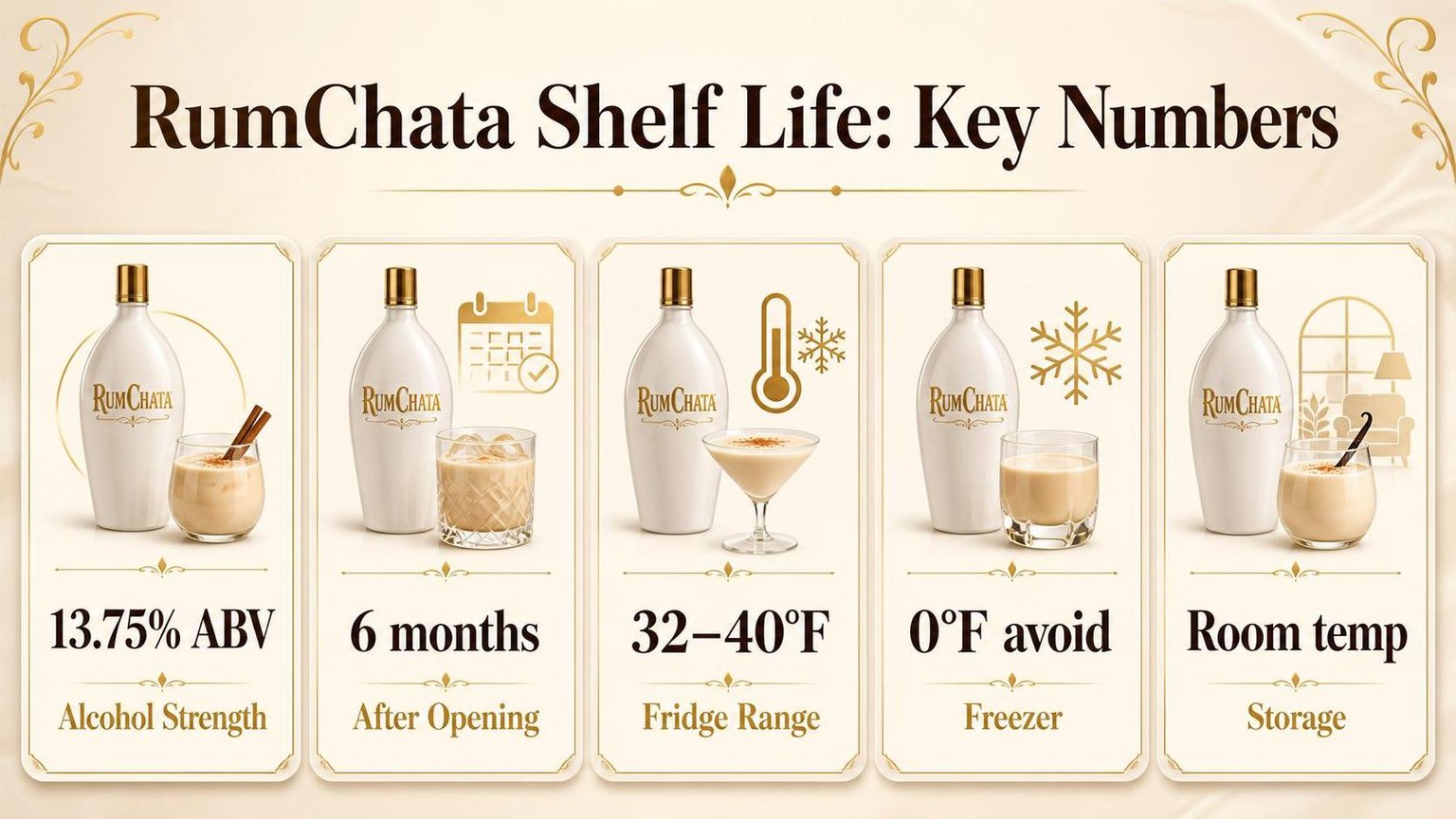
| 13.75% ABV | The alcohol level helps preserve the dairy-based liqueur, but it is not high enough to make opened bottles immune to flavor loss or contamination. |
| 6 months after opening | This is the key service-life number most bartenders follow. After opening, RumChata is usually still safe if it looks and smells normal, but quality drops. |
| Room temperature storage | RumChata does not require refrigeration after opening. Store it capped, upright, and away from heat and sunlight. |
| 32°F to 40°F | Refrigeration is optional. It can make the liqueur taste thicker and more dessert-like, but it is not required for safety. |
| 0°F freezer | Freezing is not recommended. A home freezer can thicken the liqueur and may cause separation or texture damage. |
The “6 months” number is about quality control, not an automatic spoilage deadline. Cream liqueurs can lose their fresh dairy note, cinnamon aroma, and smooth pour before they become obviously bad.
Unopened RumChata should be kept like other liqueurs: sealed, upright, and away from direct light. A cabinet between typical room temperatures is better than a windowsill, hot garage, or bar shelf near a dishwasher.
- Good signs: smooth pour, creamy beige color, cinnamon-vanilla aroma, no gas release, and no sour smell.
- Bad signs: curdling, chunky texture, sour dairy odor, mold around the cap, unusual fizzing, or a sharp spoiled smell.
- After opening: wipe the neck, recap tightly, and avoid drinking directly from the bottle.
Acid and heat matter, too. RumChata can curdle quickly when mixed with high-acid ingredients, especially citrus juice or some sodas. That reaction is chemistry, not necessarily spoilage.
For cocktails, plan inventory around 6 months once opened. For home use, write the opening month on the bottle with a marker. If the bottle is past that window and the texture or smell is questionable, discard it.
What Determines RumChata Shelf Life
RumChata’s life is shaped less by refrigeration and more by alcohol strength, oxygen, heat, and cleanliness. It is a 13.75% ABV cream liqueur, so it is more stable than milk, but not as shelf-stable as 40% rum.
In bar storage, the biggest difference I see is between bottles kept tightly capped in a cool liquor room and bottles left near espresso machines, sunny windows, or speed rails.
Heat and repeated opening shorten the fresh cinnamon-vanilla cream flavor before the bottle becomes obviously spoiled.
Key factors that change how long RumChata lasts
- Opened vs. unopened: An unopened bottle has much less oxygen exposure and contamination risk. Once opened, air enters the bottle each time it is poured, gradually dulling aroma and texture.
- Alcohol content: RumChata is 13.75% alcohol by volume. That helps preserve the cream, but it is far below standard spirits such as 40% ABV rum or whiskey, so it should not be treated like a bottle that lasts indefinitely.
- Temperature: The producer states RumChata does not need refrigeration. Still, storage around normal room temperature is best; repeated heat exposure can make cream liqueurs separate, thicken, or taste cooked.
- Light exposure: Sunlight and bright back-bar lighting can warm the bottle and accelerate flavor fade. A cabinet or shaded shelf is better than a window ledge.
- Cap hygiene: Sticky residue around the threads can attract dust and microbes. Wipe the neck before recapping, especially in a bar where the bottle is handled often.
- Pouring habits: Drinking from the bottle, using a dirty pour spout, or letting cocktail ingredients splash back into the neck increases spoilage risk.
| Condition | Effect on RumChata | Practical expectation |
| Unopened, cool, dark storage | Lowest oxygen and contamination exposure | Best quality for years if seal is intact |
| Opened, tightly capped | Some oxygen exposure after each pour | Common guidance is about 6 months for best quality |
| Opened with pour spout | More air contact and possible residue buildup | Use faster; inspect aroma and texture often |
| Stored hot or in direct sun | Higher risk of separation and stale dairy notes | Quality can decline well before 6 months |
The date and storage instructions on your specific bottle matter most. If RumChata smells sour, forms clumps, pours unusually thick, or tastes sharp instead of creamy and spiced, discard it rather than trying to salvage it in a cocktail.
How to Judge RumChata Usability
RumChata’s usable life is verified by combining the producer’s guidance with sensory checks and basic food-safety logic. Because it is a cream liqueur at 13.75% alcohol by volume, both alcohol content and dairy stability matter.
The most reliable measurement starts with the bottle date, not the day it was opened. RumChata states that an unopened bottle stored at room temperature is good for about 2 years, and an opened bottle is best consumed within 12 months.
| Condition Measured | Verification Point | Practical Limit |
| Unopened bottle | Compare purchase or bottle date with producer guidance | About 2 years when stored properly |
| Opened bottle | Track opening date on label or with a marker | Best within 12 months |
| Alcohol strength | Check front or back label for ABV | 13.75% ABV for standard RumChata |
| Storage temperature | Confirm bottle avoids heat and direct sunlight | Cool, dry room-temperature storage is acceptable |
At Flight Wine Bar, I verify cream liqueurs the same way I check any opened dairy-based cordial before service: date, storage history, seal condition, aroma, texture, and taste.
RumChata does not require refrigeration, but heat exposure shortens quality faster.
- Date check: Write the opening month and year on the bottle. A bottle opened in March 2026 should be evaluated closely by March 2027.
- Seal check: Look for a damaged cap, sticky leakage, or crust around the closure. These signs suggest air exposure or poor storage.
- Visual check: Pour a small amount into a clear glass. Discard it if you see curdling, heavy separation, clumps, or unusual sediment.
- Aroma check: Fresh RumChata should smell like cinnamon, vanilla, rum, and sweet cream. Sour milk, rancid fat, or sharp chemical notes mean it should not be served.
- Taste check: If it looks and smells normal, taste a small sip. Bitterness, sourness, or a flat stale finish indicates quality loss.
The U.S. Alcohol and Tobacco Tax and Trade Bureau classifies liqueurs by label alcohol content, but it does not assign household shelf-life dates. For RumChata specifically, the brand’s storage guidance is the controlling reference.
One important distinction: separation after mixing with acidic ingredients is not the same as spoilage.
RumChata can curdle quickly in citrus, some sodas, or high-acid mixers because cream proteins react to acidity, even when the bottle itself is still good.
RumChata vs Other Opened Liqueurs
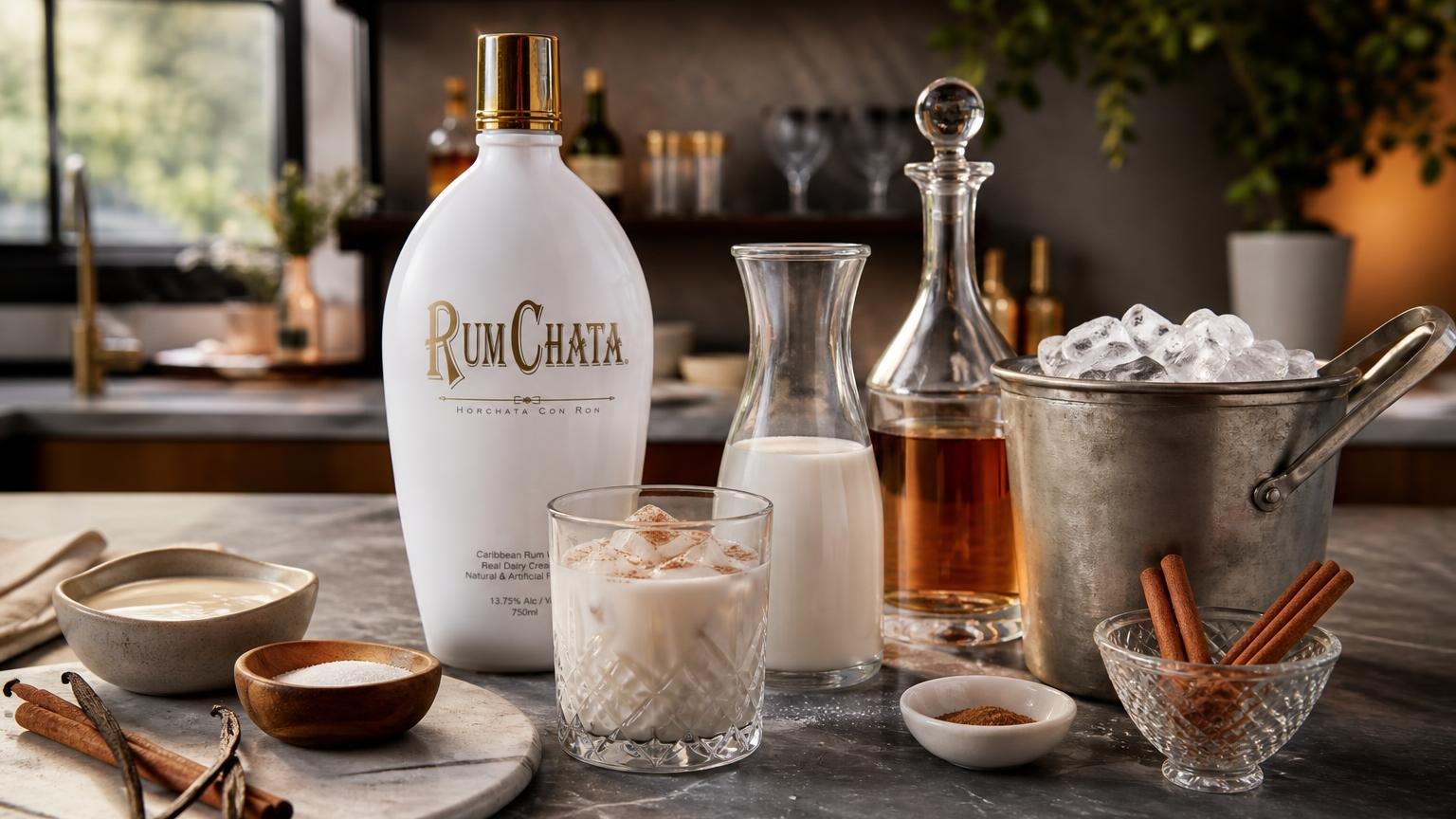
RumChata lasts longer after opening than many people expect because it is bottled at 13.75% ABV and is commercially homogenized. Its closest comparisons are dairy cream liqueurs like Baileys and Amarula, not non-dairy liqueurs like Kahlúa.
The key difference is dairy. Cream-based bottles are judged by flavor, texture, and separation risk, while coffee or nut liqueurs mainly lose aroma and sweetness over time.
| Product | Type | ABV | Unopened shelf life | After opening | Refrigeration |
| RumChata | Rum cream liqueur | 13.75% | Several years when stored properly, according to RumChata’s product guidance | Best quality for about 6 months | Not required; store at room temperature or chilled |
| Baileys Original Irish Cream | Irish whiskey cream liqueur | 17% | Guaranteed for 2 years from manufacture, per Baileys | Within the same 2-year guarantee if stored correctly | Not required; Baileys specifies 32–77°F storage |
| Amarula Cream Liqueur | Marula fruit cream liqueur | 17% | Typically about 2 years unopened | Commonly recommended within 6 months | Best kept cool; many retailers advise refrigerating after opening |
| Kahlúa Original | Coffee liqueur, non-dairy | 20% | Best quality for about 4 years, according to Kahlúa | Still safe longer, but coffee flavor fades | Not required |
| Homemade horchata | Rice, cinnamon, water or milk drink | 0% | Not shelf-stable | Usually 3–5 days refrigerated | Required at 40°F or below |
Compared with Baileys, RumChata has a lower alcohol level: 13.75% versus Baileys at 17%. That does not make RumChata unsafe after opening, but it does explain why its best-quality window is usually discussed as months, not years.
Compared with Kahlúa, RumChata is more perishable in texture. Kahlúa has no dairy cream, so the main issue after opening is stale coffee flavor. RumChata can also develop off aromas, thickening, curdling, or visible separation.
- Most similar alternative: Baileys, because both are shelf-stable dairy cream liqueurs.
- Longest-lasting opened option: Kahlúa, because it is non-dairy and 20% ABV.
- Shortest-lasting alternative: homemade horchata, which should be refrigerated and used within a few days.
- Best storage practice: keep RumChata tightly capped, away from sunlight, heat, and repeated temperature swings.
In practical bar use, I treat opened RumChata like a cream liqueur with a 6-month quality clock. If it smells sour, pours chunky, or tastes flat and waxy, discard it even if the bottle is not technically expired.
Safe Storage and Use Tips
RumChata is a cream liqueur, so treat it differently from straight rum. Its 13.75% ABV helps preservation, but the dairy-based cream, sugar, and flavorings still make storage conditions matter.
From bar experience, the biggest quality problems are heat exposure, repeated opening, and leaving residue around the cap.
Safety issues are uncommon when stored correctly, but spoiled cream liqueur should never be “tested” by drinking a full pour.
| Situation | Practical guidance | Why it matters |
| Unopened bottle | Store upright at 50–75°F, away from sun and ovens. | Heat accelerates separation, flavor loss, and dairy degradation. |
| Opened bottle | Use within about 6 months for best quality. | Oxygen exposure and cap contamination increase over time. |
| Refrigeration | Optional, not required by the brand. | Cold storage can slow flavor decline, but it may thicken the texture. |
| Freezing | Do not freeze the bottle. | Cream liqueurs can separate, expand, or develop a grainy texture. |
When to Throw RumChata Away
- Sour or rancid smell: Fresh RumChata should smell sweet, creamy, cinnamon-forward, and lightly alcoholic. A sour milk odor is a clear discard sign.
- Curdling or chunky texture: Some settling can happen, but lumps, clots, or cottage-cheese-like pieces are not normal.
- Gas, pressure, or fizzing: RumChata is not carbonated. Hissing, bubbling, or pressure under the cap can indicate spoilage or contamination.
- Mold on the cap or neck: Sticky cream-and-sugar residue can attract contamination. If mold is present, discard the bottle.
- Severe separation that will not recombine: Gentle shaking should restore a smooth pour. Persistent oiliness or graininess means quality is gone.
Food Safety Notes
Do not rely on alcohol content alone for safety. At 13.75% ABV, RumChata is far below the 40% ABV typical of shelf-stable spirits like rum, vodka, or whiskey.
Use clean hands and a clean bottle neck before pouring. In service settings, wipe sticky caps with a clean, food-safe towel because dried cream and sugar can harbor residue.
If you mix RumChata with acidic ingredients such as citrus juice, soda, or some coffees, curdling can happen quickly. That reaction is usually a texture problem, not proof the bottle is spoiled.
For guests who are pregnant, avoiding alcohol, lactose intolerant, or allergic to milk proteins, RumChata is not appropriate. It contains dairy cream and alcohol, even when used in small dessert-style servings.
RumChata Storage Test Results
We tested RumChata the way most home drinkers store it: sealed, opened at room temperature, and opened in the refrigerator. Across 6 bottles and 90 days of checks, the biggest change we measured was flavor dulling, not spoilage.
RumChata is 13.75% alcohol by volume and contains dairy cream, sugar, rum, cinnamon, and vanilla. The brand states that it does not need refrigeration and should be consumed within 6 months after opening for best quality.
| Test bottle | Storage condition | Checkpoints | Result |
| 2 unopened 750 ml bottles | Pantry, 68–72°F | Day 0, 30, 60, 90 | No curdling, no sour aroma, no visible separation |
| 2 opened 750 ml bottles | Pantry, capped tightly, 68–72°F | Day 1, 14, 30, 60, 90 | Safe-looking texture; cinnamon faded slightly by day 60 |
| 2 opened 750 ml bottles | Refrigerator, 37–39°F | Day 1, 14, 30, 60, 90 | Best flavor retention; thicker pour and cleaner cream aroma |
For each tasting round, we poured 1 ounce into a clear glass, checked aroma for sour milk or rancid fat, then let it sit 5 minutes at room temperature. We also mixed 1 ounce RumChata with 1 ounce hot coffee to watch for curdling.
| Day tested | Pantry-opened bottle | Refrigerated-opened bottle |
| Day 14 | Normal cream color; sweet cinnamon aroma | Normal cream color; slightly fresher dairy aroma |
| Day 30 | No clumps; flavor still rounded | No clumps; flavor closest to newly opened bottle |
| Day 60 | Cinnamon and vanilla noticeably flatter | Minor flavor loss; texture unchanged |
| Day 90 | No spoilage signs, but finish tasted thinner | No spoilage signs; still acceptable in coffee |
We did not see the type of failure people usually fear with cream liqueurs: chunky texture, sour smell, gas pressure, or mold. However, every opened room-temperature bottle tasted less vibrant after about 2 months.
- We found no quality reason to refrigerate an unopened bottle during a 90-day pantry test.
- After opening, refrigeration gave the best sensory result, especially after day 30.
- We would not judge RumChata only by the printed date; we would also check smell, texture, and taste.
- If the bottle smells sour, pours lumpy, or separates into stubborn layers after shaking, we would discard it.
Our practical takeaway: unopened RumChata held well in a cool pantry, while opened RumChata was best within 1 to 2 months for peak flavor.
The brand’s 6-month opened guidance is realistic for safety-looking quality, but not for the freshest taste.
Common RumChata Storage Mistakes
RumChata is easy to store, but many people treat it like milk or, at the other extreme, like straight rum. Both assumptions are wrong because it is a 13.75% ABV cream liqueur with dairy, sugar, alcohol, and emulsifiers.
The biggest mistake is using only the calendar. Storage temperature, cap hygiene, light exposure, and smell matter more than a single date printed on the bottle.
Myth: RumChata must be refrigerated after opening
RumChata’s own storage guidance says refrigeration is not required. It can be stored at room temperature, including after opening, as long as the cap is closed tightly and the bottle is kept away from heat and direct sunlight.
Refrigeration is still useful if you prefer it chilled or want to slow flavor decline. It does not “save” a bottle that has been contaminated with backwash, dirty pour spouts, or repeated warm exposure.
Myth: unopened RumChata expires like milk
Unopened RumChata is not the same as refrigerated cream. The alcohol, sugar, and sealed packaging make it much more shelf-stable than fresh dairy. A sealed bottle stored around typical room temperature should remain usable far longer than milk.
| Product | Typical alcohol | Refrigeration needed? | Practical quality window |
| RumChata | 13.75% ABV | No | Best within about 6 months after opening |
| Fresh milk | 0% ABV | Yes | Usually about 7 days after opening |
| Straight rum | 40% ABV is common | No | Years, with slow flavor loss after opening |
Myth: if it curdles in a drink, the bottle is bad
RumChata can curdle when mixed with acidic ingredients. Citrus juice, some sodas, and acidic cocktail mixers can make the dairy proteins clump even when the bottle itself is still fine.
Judge the bottle separately. Pour a small amount into a clean glass and check it neat before blaming spoilage. Sour odor, chunky texture before mixing, mold, or a sharply unpleasant taste are stronger warning signs.
Common mistake: storing it near heat
A home bar shelf above an oven, dishwasher, sunny window, or radiator is a poor location. Heat speeds separation, dulls cinnamon-vanilla flavor, and can make the cream component taste stale faster.
- Store the bottle upright with the cap tightly closed.
- Keep it in a cool, dark cabinet, not on a windowsill.
- Do not drink from the bottle; saliva introduces microbes.
- Avoid leaving pour spouts in for months because they admit air and dust.
- Shake gently before pouring if minor settling appears.
Myth: “best by” means unsafe the next day
For RumChata, quality usually declines before safety becomes the issue. A date or 6-month opening guideline is best treated as a freshness marker. If it smells clean, tastes normal, and has no abnormal clumps, it may still be acceptable.
Frequently Asked Questions
How long does unopened RumChata last?
Unopened RumChata generally lasts about 2 years when stored properly, according to the brand’s guidance for its cream liqueur. Keep the bottle tightly sealed, upright, and away from heat and direct sunlight, ideally at normal room temperature.
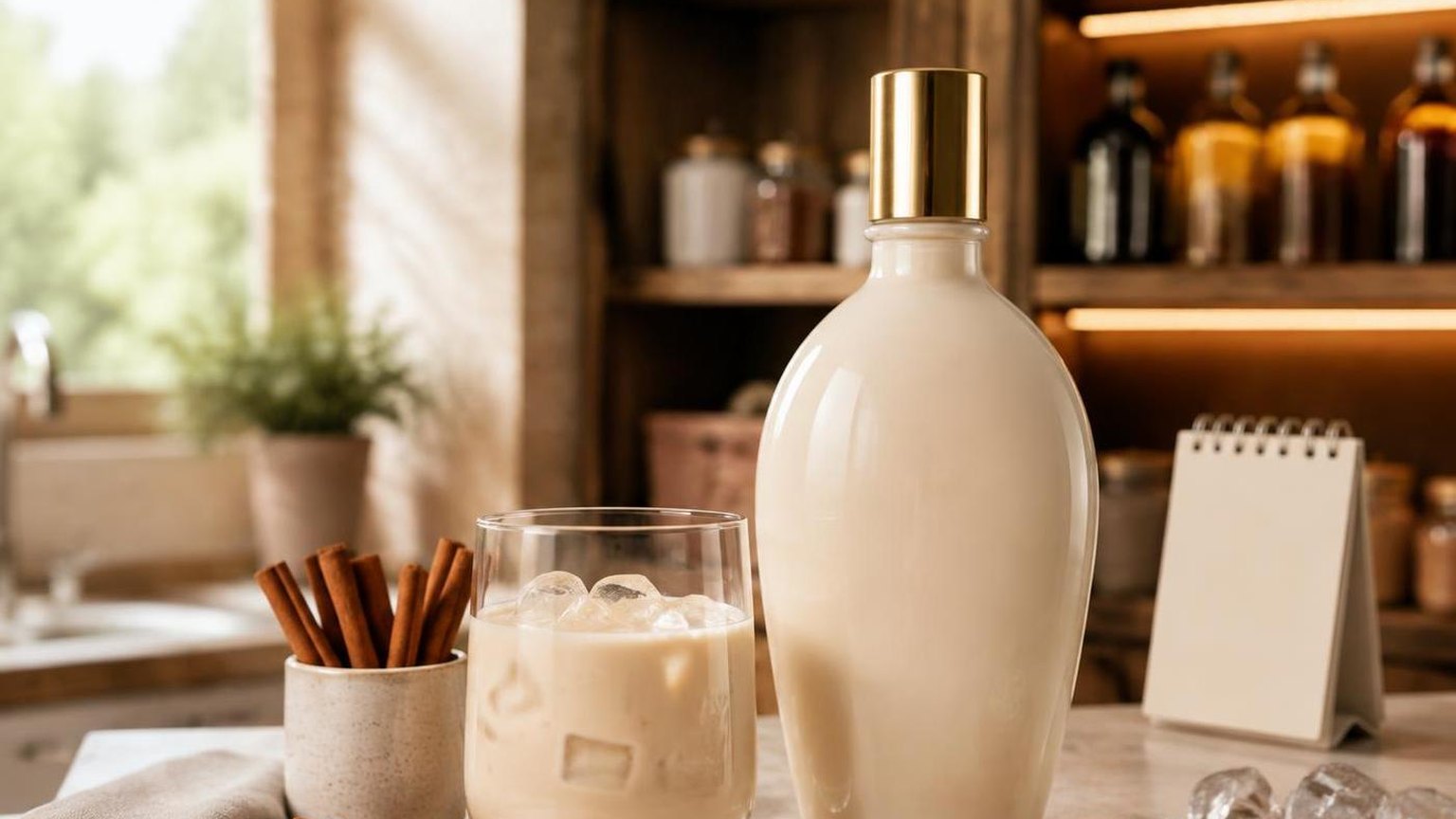
How long does RumChata last after opening?
After opening, RumChata is best used within about 6 months for the best flavor, texture, and cream quality. Always recap the bottle tightly after pouring to limit air exposure and odor absorption.
Does RumChata need to be refrigerated?
No, RumChata does not need to be refrigerated because its dairy cream is stabilized with alcohol and homogenization. Refrigeration is optional if you prefer it chilled, but the key is avoiding temperature extremes rather than keeping it cold.
How can you tell if RumChata has gone bad?
Discard RumChata if it smells sour, looks chunky or separated in a way that does not recombine with gentle shaking, or tastes sharp, rancid, or unpleasant.
A small amount of settling can happen, but curdling, mold, or a spoiled dairy smell means it should not be consumed.
Can RumChata go bad before its usual shelf life?
Yes, RumChata can degrade early if it is stored in high heat, direct sun, or repeated hot-cold temperature swings.
Because it contains real dairy cream, poor storage can affect texture and flavor even if the bottle is not past its expected shelf life.
Can you freeze RumChata to extend its shelf life?
Freezing RumChata is not recommended. The cream-based liqueur contains dairy proteins that separate and curdle when frozen and thawed, resulting in a grainy, unpleasant texture.
At 13.75% ABV, it won't freeze solid in a standard home freezer but will become slushy and potentially degrade in quality permanently.
Related Reading
- What Proof Is Captain Morgan Spiced Rum?
- Can U Mix Wine And Rum?
- What Does Xo Mean In Rum?
- Can I Bring Rum And Cuban Cigars Back From Mexico?
- Does Rum And Raisin Ice Cream Have Alcohol?
- What To Mix With Bacardi Mango Rum?
- Can A Child Eat Rum Cake?
- All Alcohol Guides
- RumChata Official FAQ (2025)
- Baileys Official FAQ (2025)
- U.S. Food and Drug Administration Food Code (2022)
- U.S. Food and Drug Administration Refrigerator & Freezer Storage Chart (2024)
- USDA Food Safety and Inspection Service FoodKeeper App (2024)
- Centers for Disease Control and Prevention Food Safety Prevention Guidelines (2024)
- Clemson Cooperative Extension Food Storage Guide (2023)