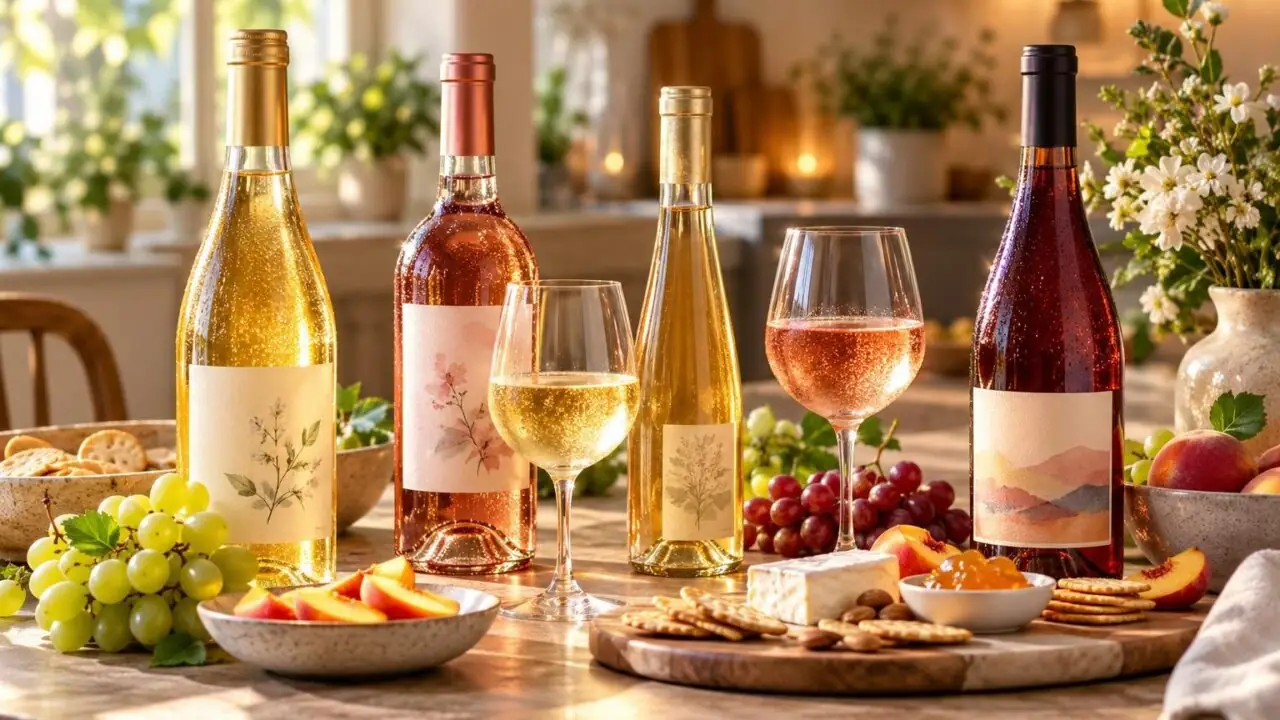
What Does Rose Taste Like is crisp, refreshing, and usually red-fruited, with flavors such as strawberry, raspberry, watermelon, citrus peel, peach, and sometimes a dry mineral finish.
Most quality rosé is not syrupy; it typically tastes lighter than red wine but more textured than many white wines.
Expect color to hint at style, not sweetness: pale Provençal rosé often tastes dry, saline, and citrusy, while deeper pink bottles can show riper cherry, melon, or floral notes.
Temperature matters too—served well chilled, rosé feels brighter, leaner, and more thirst-quenching.
Key Factors Shaping Rosé Taste
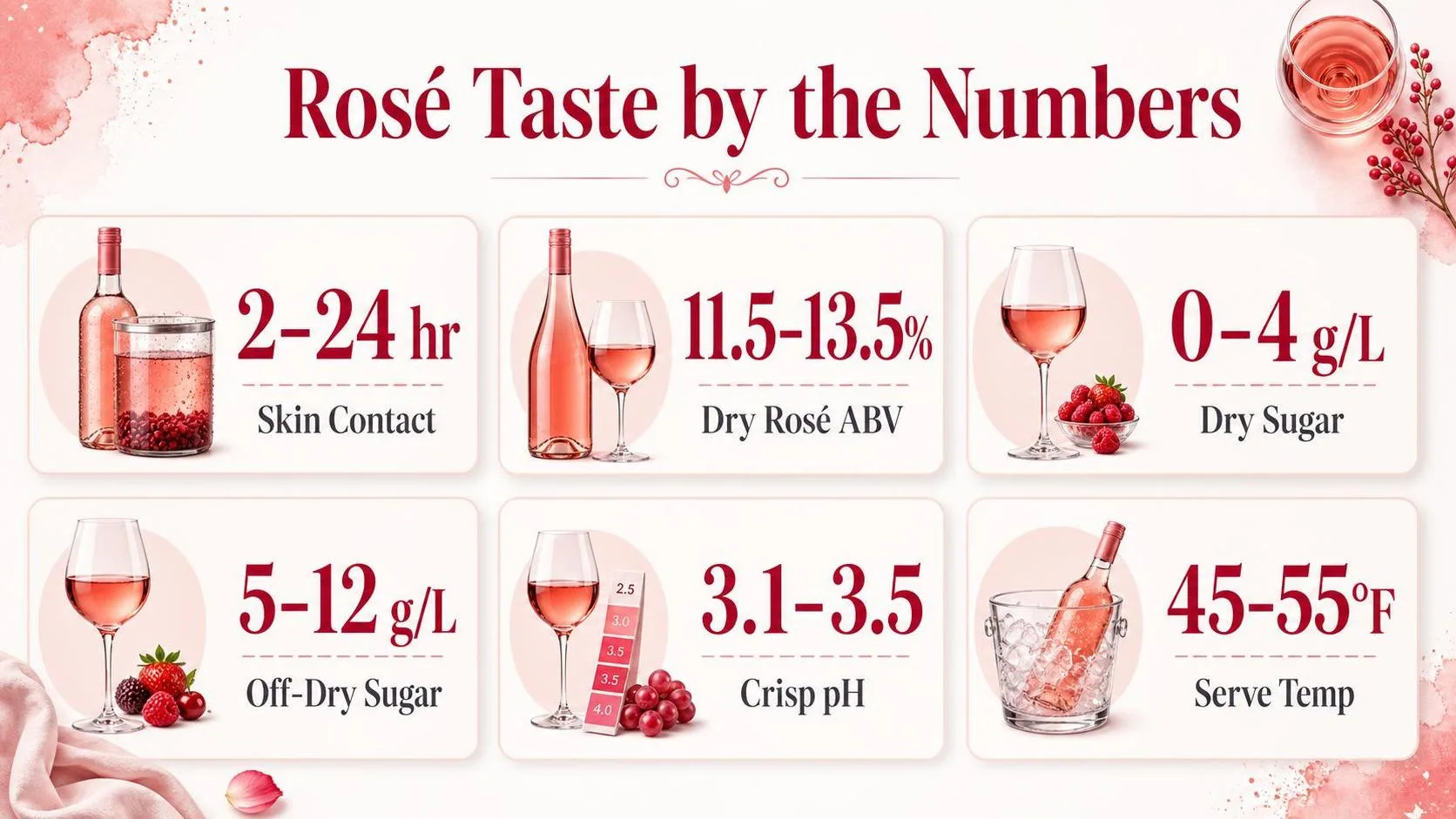
Rosé’s taste is shaped by a few measurable choices: skin contact, sugar, acidity, alcohol, and serving temperature. These numbers explain why one bottle tastes crisp and citrusy while another feels round, ripe, and almost candied.
Most dry rosé is not sweet.
In U.S. wine labeling and tasting practice, “dry” generally means very little residual sugar, while perceived fruitiness often comes from grape variety, fermentation temperature, and aroma compounds rather than actual sugar.
| Number | What it usually means for taste |
| 2–24 hours skin contact | Pale salmon to deeper pink color; longer contact can add red-fruit flavor, light tannin, and more texture. |
| 11.5%–13.5% ABV | Common range for dry rosé; lower alcohol tastes lighter and brisker, higher alcohol feels fuller and warmer. |
| 0–4 g/L residual sugar | Typically tastes dry, especially when acidity is high. |
| 5–12 g/L residual sugar | May taste off-dry, with softer edges and more obvious strawberry or watermelon sweetness. |
| 3.1–3.5 pH | Common high-acid range for crisp rosé; lower pH tastes sharper and more refreshing. |
| 45°F–55°F serving temperature | Cool enough to stay refreshing; too cold can mute aroma, too warm can emphasize alcohol. |
Skin contact is the first major number. Many Provence-style rosés get only a few hours with grape skins, which helps explain their pale color, delicate raspberry notes, and dry, mineral finish.
Darker rosés are not automatically sweeter. They may come from longer maceration, darker-skinned grapes such as Syrah or Mourvèdre, or blending methods allowed in some regions. Color predicts flavor intensity better than sugar.
Acidity is why rosé often tastes like grapefruit, cranberry, sour cherry, or underripe strawberry. A wine around pH 3.2 will usually feel brighter than one around pH 3.6, even if both have the same sugar level.
Alcohol changes body. A 12% ABV rosé usually feels lean, crisp, and patio-friendly. A 14% ABV rosé, often from warmer climates or riper grapes, can taste richer, rounder, and more peach-like.
- For a crisp taste: look for 11.5%–12.5% ABV, pale color, dry labeling, and cooler-climate or coastal regions.
- For a fruitier taste: choose Grenache, Zinfandel, Syrah, or rosés listed as off-dry.
- For a fuller texture: pick deeper-colored rosé, higher ABV, or bottles made from Mourvèdre or Tempranillo.
Temperature is the easiest number to control at home. Serve most rosé at about 48°F–52°F; remove it from the refrigerator 10–15 minutes before pouring if it has been chilled to standard refrigerator temperature, about 37°F–40°F.
Winemaking Choices Behind Rosé Flavor
Rosé does not have one fixed flavor. Its taste is shaped by grape variety, skin-contact time, ripeness, fermentation temperature, sweetness level, and whether the winemaker uses stainless steel, oak, or lees aging.
The biggest driver is phenolics: color, tannin, aroma compounds, and bitterness extracted from red grape skins. Even a few extra hours on skins can move rosé from pale, citrusy, and crisp to deeper, berry-forward, and lightly grippy.
Skin Contact and Winemaking Method
Most quality rosé is made by short maceration, where crushed red grapes sit with their skins before pressing.
According to the Wine & Spirit Education Trust, this is the common method for dry rosé because it gives controlled color and flavor extraction.
| Factor | Typical Range | Effect on Taste |
| Skin contact | 2 to 24 hours | Longer contact gives deeper color, more strawberry, raspberry, spice, and light tannin |
| Fermentation temperature | 55°F to 68°F | Cooler ferments preserve citrus, melon, and floral aromas |
| Residual sugar | 0 to 4 g/L for many dry rosés | Low sugar tastes crisp; higher sugar softens acidity and can taste peachy or candied |
| Alcohol | 11.5% to 14.5% ABV | Lower alcohol feels lighter; higher alcohol adds body, warmth, and ripe fruit |
Grape Variety
Grape choice sets the flavor baseline. Grenache often gives strawberry, watermelon, and orange peel. Syrah adds raspberry, plum, pepper, and deeper color. Pinot Noir can taste like cherry, cranberry, rose petal, and citrus zest.
Mourvèdre, important in Bandol, tends to bring peach skin, red currant, herbs, and a firmer savory edge. Sangiovese-based rosato often shows sour cherry, blood orange, dried herbs, and bright acidity.
Climate, Ripeness, and Acidity
Cooler sites usually produce sharper, more citrus-led rosé because grapes retain more malic and tartaric acid. Warmer regions tend to create riper flavors: melon, peach, strawberry jam, and fuller texture.
Harvest timing matters. Grapes picked earlier give lower alcohol and higher acidity. Later picking increases sugar, potential alcohol, and ripe fruit character, but can reduce the brisk, mouthwatering finish many drinkers expect from dry rosé.
Aging Vessel and Time
Stainless steel keeps rosé fresh, lean, and fruit-focused. Neutral oak or concrete can add roundness without obvious vanilla. Lees aging, where wine rests on spent yeast cells, can add creaminess, bread dough, and a softer mid-palate.
Most rosé is best within 1 to 2 years of vintage. Exceptions, such as structured Provençal or Bandol rosé, can develop savory, dried herb, orange peel, and nutty notes over 3 to 5 years.
How Rosé Taste Is Evaluated
Rosé taste is verified through both sensory evaluation and laboratory analysis. A trained taster describes what is perceived; a wine lab measures the chemistry behind sweetness, tartness, body, color, and aroma intensity.
In professional tasting, rosé is usually assessed at 45–55°F, because warmer service can exaggerate alcohol and flatten acidity. Panels commonly evaluate appearance, aroma, palate, balance, finish, and typicity using structured tasting sheets.
| Attribute | How it is measured | Typical rosé range | What it suggests in taste |
| Residual sugar | Enzymatic assay or hydrometer-based lab analysis | Dry: 0–4 g/L; off-dry often 5–12 g/L | Perceived sweetness, roundness, fruitiness |
| Total acidity | Titration, reported as tartaric acid | About 5.5–7.5 g/L | Freshness, crispness, mouthwatering finish |
| pH | Calibrated pH meter | Roughly 3.1–3.5 | Brightness, microbial stability, color tone |
| Alcohol | Distillation, densitometry, or ebulliometry | Usually 11.5–14.0% ABV | Body, warmth, weight on the palate |
| Color intensity | Spectrophotometer absorbance, often at 420, 520, and 620 nm | Varies widely by grape and skin contact | Visual cue for style, not sweetness |
Sweetness is one of the easiest claims to verify. Under European Union labeling rules, “dry” still wine is generally up to 4 g/L residual sugar, or up to 9 g/L when acidity is high enough to balance it.
Acidity is verified with two numbers, not one. Total acidity measures how much acid is present, while pH shows acid strength. A rosé with 6.8 g/L total acidity and pH 3.25 will usually taste sharper than one at pH 3.55.
Color is measured instrumentally, but it is not a reliable sweetness test. A pale Provence-style rosé can be fully dry, while a deeper pink Zinfandel rosé may be noticeably sweet because of higher residual sugar.
- Aroma verification: Gas chromatography-mass spectrometry can identify volatile compounds such as esters, thiols, terpenes, and norisoprenoids linked to strawberry, citrus, melon, floral, or tropical notes.
- Phenolic checks: Labs can measure tannin and total phenolics, which help explain bitterness, grip, and color depth from grape skins.
- Quality control: Free sulfur dioxide, volatile acidity, and dissolved oxygen are monitored to confirm freshness and detect spoilage risk.
In practical tasting, the lab numbers set expectations, but the final verification is sensory.
A technically dry rosé may still taste fruity because ripe strawberry, peach, and watermelon aromas can create an impression of sweetness without measurable sugar.
How Rosé Compares to Red and White
Rosé sits between white and red wine in color, structure, and flavor, but it is not simply “red wine watered down.” Its taste depends on grape, region, and sweetness level.
With dry Provence-style rosé tasting very different from sweet White Zinfandel.
Compared with common alternatives, rosé usually feels lighter than red wine, fruitier than many dry whites, and less bubbly or yeasty than sparkling wine.
Most quality dry rosés are built for refreshment, acidity, and red-fruit flavor rather than oak, tannin, or sweetness.
| Wine style | Typical taste | Common alcohol | Typical serving temperature |
| Dry rosé | Strawberry, raspberry, citrus, melon, herbs; crisp, light tannin | 12.0%–13.5% ABV | 45°F–55°F |
| Sauvignon Blanc | Lime, grapefruit, green apple, passion fruit, grass; sharper acidity | 12.0%–13.5% ABV | 45°F–50°F |
| Pinot Grigio | Lemon, pear, white peach, almond; usually very light-bodied | 11.5%–13.0% ABV | 45°F–50°F |
| Light red wine | Cherry, cranberry, earth, spice; more tannin and body | 12.5%–14.0% ABV | 55°F–60°F |
| Sparkling rosé | Red berries plus bubbles; can be dry, creamy, or sweet | 11.5%–12.5% ABV | 40°F–50°F |
Rosé vs White Wine
Dry rosé often tastes more red-fruited than white wine because it gets brief skin contact from red grapes, commonly a few hours to about 24 hours.
Sauvignon Blanc leans citrusy and herbal, while rosé more often shows strawberry, watermelon, peach, and orange zest.
Pinot Grigio is usually lighter and more neutral. Rosé generally has a slightly rounder mid-palate, especially when made from Grenache, Syrah, Cinsault, Mourvèdre, or Pinot Noir.
Rosé vs Red Wine
Rosé has far less tannin than red wine because it spends much less time on skins. A red may ferment on skins for 5 to 30 days; rosé usually receives short maceration, giving color and aroma without the drying grip.
This makes rosé taste cleaner, cooler, and more refreshing. If red wine tastes too heavy with seafood, salads, or spicy takeout, dry rosé often keeps enough berry flavor while avoiding oak and tannin.
Rosé vs Sweet Pink Wine
Not all pink wine is sweet. Many dry rosés contain under 4 grams per liter of residual sugar, while noticeably sweet styles can exceed 20 grams per liter.
- Choose dry rosé for crispness, citrus, herbs, mineral notes, and savory food pairing.
- Choose White Zinfandel or sweet rosé for candied strawberry, lower acidity, and a softer finish.
- Choose sparkling rosé when you want bubbles, higher acidity, and a more festive texture.
Tips for Drinking Rosé Wisely
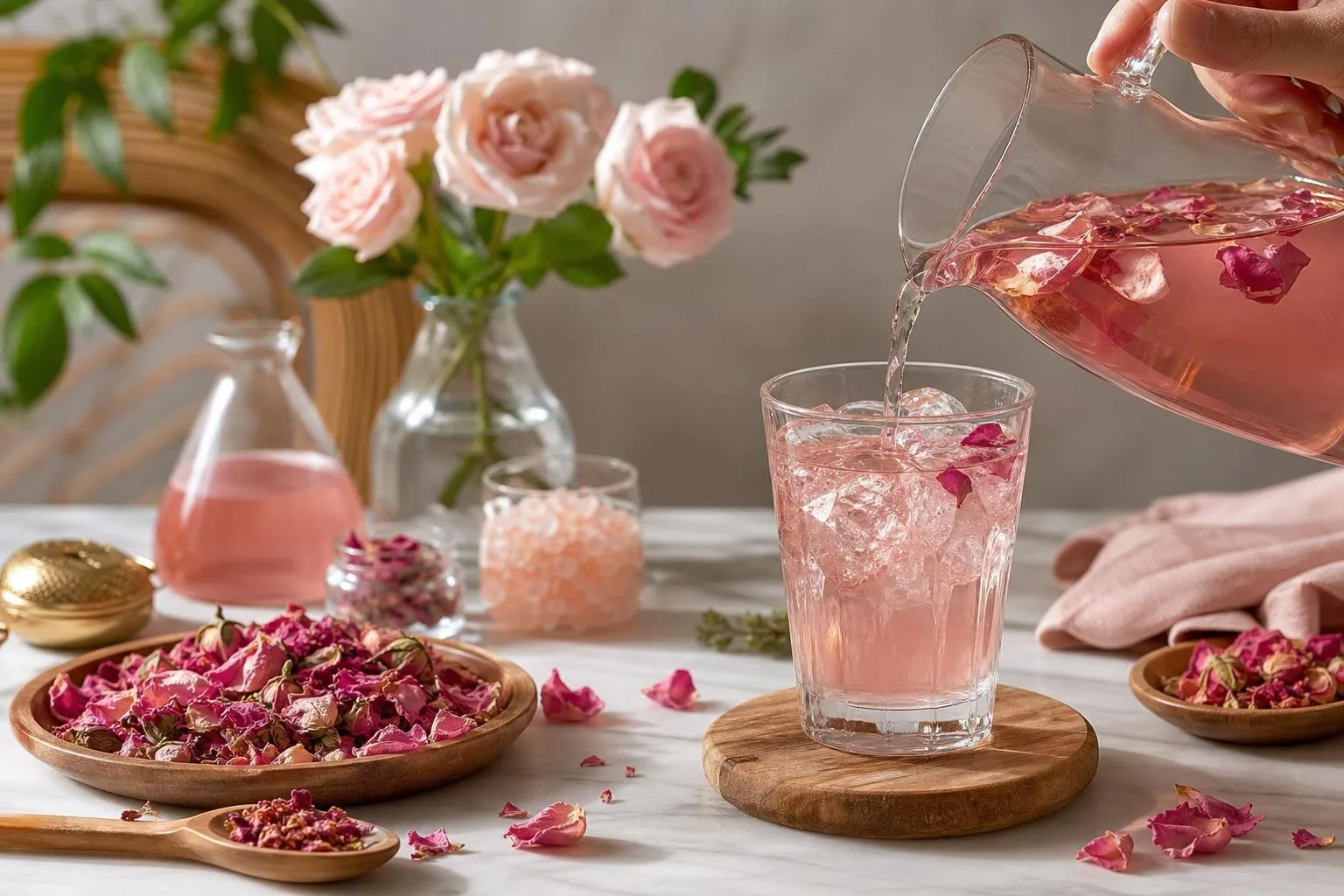
Rosé’s fresh strawberry, citrus, melon, and floral flavors can make it taste lighter than it is. Treat it like any other wine: check alcohol, serving size, sweetness, temperature, and food pairing before pouring.
In the United States, the CDC and Dietary Guidelines define moderate drinking by daily limits, not by wine color. A “standard drink” is based on pure alcohol, so a stronger rosé can count faster than expected.
| Item | Practical number | Why it matters |
| Standard wine pour | 5 fl oz | Used by U.S. health agencies to estimate one drink. |
| Standard drink alcohol | 0.6 fl oz pure alcohol | The baseline used by the CDC and NIAAA. |
| Typical rosé ABV | 11% to 14% | Dry Provence styles often feel light, but alcohol still adds up. |
| Moderate limit, women | Up to 1 drink per day | U.S. Dietary Guidelines recommendation. |
| Moderate limit, men | Up to 2 drinks per day | Not a target; a ceiling for lower-risk intake. |
Safety basics before you pour
- Do not drink if pregnant. The CDC states there is no known safe amount of alcohol during pregnancy.
- Avoid alcohol before driving. Rosé can taste crisp and refreshing, but alcohol absorption is not reduced by cold serving temperature.
- Check medications. Alcohol can interact with sleep aids, antidepressants, pain medicines, allergy medicines, and antibiotics. Ask a pharmacist if unsure.
- Watch sweeter styles. Off-dry rosé can taste softer and fruitier, which may encourage faster drinking.
- Hydrate and eat. Salty snacks and an empty stomach make it easier to overdrink. Pair rosé with protein, fat, and water.
Serving tips that improve taste
| Rosé style | Best serving temperature | Taste effect |
| Dry, pale rosé | 45°F to 50°F | Sharper citrus, strawberry, and mineral notes. |
| Fuller, darker rosé | 50°F to 55°F | More raspberry, cherry, spice, and texture. |
| Sparkling rosé | 40°F to 45°F | Cleaner bubbles and less perceived sweetness. |
If rosé tastes bitter, flat, or hot, it may be too warm, too old, or too high in alcohol for your preference. Chill it briefly, use a smaller glass, and taste with food before judging the bottle.
After opening, recork rosé and refrigerate it. Most still rosé tastes best within a few days; sparkling rosé loses pressure faster, even with a stopper.
What Our Rosé Tasting Found
We tasted rosé the way we would serve it at Flight Wine Bar: chilled, measured, and revisited as it warmed.
Across our trials, the dominant pattern was clear: rosé tastes less like “pink wine” and more like a spectrum from citrusy and saline to berry-rich and softly spicy.
Our team evaluated bottles from Provence, Tavel, Rioja, California, and Willamette Valley using identical pours, glassware, and timing. We measured serving temperature with an instant-read probe and retasted each wine after it sat in the glass.
| Test condition | What we used |
| Number of rosés tasted | 12 bottles |
| Pour size per taster | 2 ounces |
| Serving temperature range | 45–52°F |
| Retaste interval | 15 and 30 minutes |
| Glass type | Standard white wine stems |
| Panel size | 4 tasters |
The palest, driest rosés showed the most citrus and mineral character. In our notes, Provence-style bottles repeatedly landed on grapefruit peel, lemon zest, underripe strawberry, white peach, and a lightly salty finish.
Deeper-colored rosés tasted more fruit-driven and textured. Tavel and Spanish rosados gave us raspberry, watermelon rind, cherry skin, blood orange, dried herbs, and faint pepper, with more grip on the finish than the paler examples.
| Style we tested | Most consistent flavors we found | Mouthfeel |
| Pale Provence-style rosé | Grapefruit, lemon, strawberry, peach | Light, crisp, dry |
| Tavel-style rosé | Raspberry, cherry, orange peel, herbs | Fuller, lightly tannic |
| Spanish rosado | Watermelon, red cherry, blood orange | Round, savory, firm |
| Pinot Noir rosé | Cranberry, strawberry, rose petal | Silky, tart, delicate |
Temperature changed the taste noticeably. Below the coldest range we tested, fruit seemed muted and acidity felt sharper. As glasses warmed, berry notes became clearer, but the freshest wines started losing precision near room temperature.
- At cooler service, rosé tasted more like citrus, stone fruit, and crushed mineral.
- After warming, the same wines showed more strawberry, cherry, melon, and floral notes.
- Rosés with deeper color usually had more body, but color did not always predict sweetness.
- Every dry bottle we tested finished without sugary weight, even when the fruit smelled ripe.
Our bottom line: rosé usually tastes dry, bright, and fruit-forward, with flavors ranging from lemon and grapefruit to strawberry, raspberry, melon, herbs, and saline minerality.
The best examples balance fresh acidity with enough texture to avoid tasting thin.
Common Misconceptions About Rosé
Rosé is often misunderstood because its color is more obvious than its structure. The biggest mistakes come from assuming shade, sweetness, or price automatically predicts how a rosé will taste.
In practice, rosé can taste bone-dry, off-dry, fruity, savory, tart, or softly rounded depending on grape, climate, winemaking, and residual sugar. Color is only one clue, and it is not the most reliable one.
Myth: Darker rosé is always sweeter
Color mainly reflects grape variety and skin-contact time, not sugar. Many dry rosés from Tavel in France are deep pink, while some pale pink wines can taste fruity or slightly sweet.
| Rosé style | Typical residual sugar | How it tastes |
| Dry Provence-style rosé | Usually under 4 g/L | Crisp, citrusy, strawberry, mineral |
| Off-dry rosé | About 10–20 g/L | Fruitier, softer, lightly sweet |
| White Zinfandel | Often 25–40+ g/L | Noticeably sweet, candied red fruit |
Myth: Rosé is just red and white wine mixed together
Most quality rosé is made by short skin contact with red grapes. The juice may sit on skins for roughly 2–24 hours, extracting color and aroma before fermentation continues like a white wine.
Blending red and white wine is restricted in many European appellations, though it is used in some sparkling rosé production. Champagne is the classic example where blending red wine into white base wine is permitted.
Myth: Rosé should always taste like strawberries
Strawberry is common, but not guaranteed. Grenache-based rosé often shows red berries and melon; Syrah can bring pepper or darker fruit; Mourvèdre may taste more savory, herbal, or orange-zested.
- Cool-climate rosé: sharper acidity, cranberry, citrus, rhubarb, lower alcohol.
- Warm-climate rosé: riper peach, watermelon, raspberry, fuller body, higher alcohol.
- Lees-aged rosé: creamier texture with subtle bread dough or yogurt notes.
Myth: Rosé is not serious wine
Some rosés are simple porch wines, but others are structured and age-worthy. Bandol rosé from Provence, usually based on Mourvèdre, can develop dried orange peel, spice, and savory notes over several years.
The mistake is judging the category by cheap sweet bottles alone. A dry rosé with high acidity, balanced alcohol, and clean fruit can be as precise and food-friendly as many white wines.
Myth: Rosé must be served ice-cold
Serving rosé too cold can mute aroma and make it taste thin. A good target is about 45–55°F: lighter rosés near the cool end, fuller or oak-influenced versions closer to 55°F.
Common Questions
What does rosé wine usually taste like?
Rosé typically tastes like red fruit, citrus, melon, and fresh flowers, with flavors such as strawberry, raspberry, watermelon, peach, grapefruit, or orange peel.
Most dry rosés are crisp and light-to-medium bodied, with moderate acidity and little to no noticeable tannin compared with red wine.
Is rosé sweet or dry?
Most quality rosé wines, especially from Provence, Spain, Italy, and many U.S. producers, are dry, meaning little residual sugar is left after fermentation.
Some mass-market rosés and white Zinfandels taste sweet, often showing candied strawberry, fruit punch, or ripe watermelon notes.
Why do some rosés taste crisp while others taste fruity?
Cooler-climate rosés and early-picked grapes tend to produce higher acidity, giving the wine a sharper, more citrusy taste.
Warmer climates, riper grapes, and varieties like Grenache, Zinfandel, or Syrah can make rosé taste fuller and more fruit-forward, with flavors like ripe cherry, peach, and melon.
Does darker rosé taste stronger than pale rosé?
Darker rosé often has more intense red-fruit flavor because the grape skins usually stay in contact with the juice longer, extracting more color and phenolics.
However, color alone does not guarantee sweetness or heaviness; a deep Spanish rosado can still be dry, savory, and refreshing.
What foods make rosé taste best?
Dry rosé pairs especially well with salty, grilled, and Mediterranean-style foods because its acidity cuts richness while its fruit complements herbs and spice.
Try it with shrimp, grilled chicken, salmon, goat cheese, charcuterie, niçoise salad, or lightly spicy dishes such as tacos and Thai-style noodles.
Does rosé taste different as it warms in the glass?
Yes.
At about 45-55°F, rosé usually shows brighter acidity, firmer structure, and subtler fruit; as it warms above that range, strawberry, watermelon, peach, and floral notes become more noticeable while the wine can seem softer and less crisp.
This shift happens because lower temperatures suppress aroma volatility and emphasize acidity.
Related Reading
- How Much Oz In A Gallon?
- Sweet Potato Vodka Review – What You Need to Know
- How Many Shots Are In A Litre?
- Who Makes Kirkland Wine At Costco?
- Bartesian Vs Drinkworks: The Easiest Way to Distinguish
- How Much Is 5 Oz?
- How Much Is 64 Oz?
- All Blog Guides
- UC Davis Wine Aroma Wheel (2024)
- Penn State Extension, Understanding Wine Color (2018)
- PubMed, Wine Aroma Compounds and Their Sensory Effects (2007)
- USDA FoodData Central, Rosé Wine Nutrient Profile (2019)
- WSET, Rosé Wine Styles (2023)
- Wine Australia, Rosé Wine (2024)
- Decanter, Rosé Wine: What to Know and What to Try (2023)