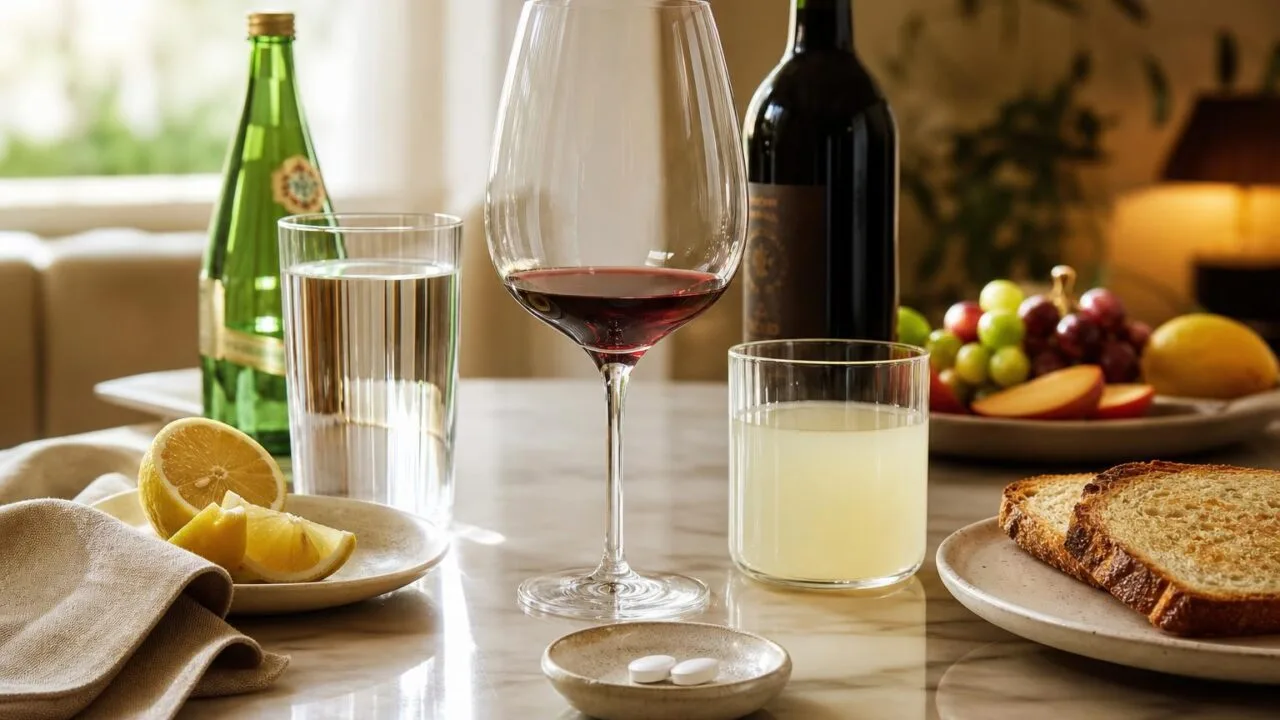
How To Cure A Red Wine Hangover? is best answered by rehydrating with water and electrolytes, eating bland carbohydrates plus protein, resting, and avoiding more alcohol while your liver clears acetaldehyde.
There is no instant cure; symptoms usually improve as blood alcohol and inflammatory byproducts fall.
Red wine can feel harsher because it contains alcohol plus congeners, tannins, and histamine-like compounds that may worsen headache or flushing in sensitive people.
Use ibuprofen only if safe for you, avoid acetaminophen with recent drinking, and seek medical help for confusion, repeated vomiting, chest pain, or dehydration signs.
What Determines a Red Wine Hangover
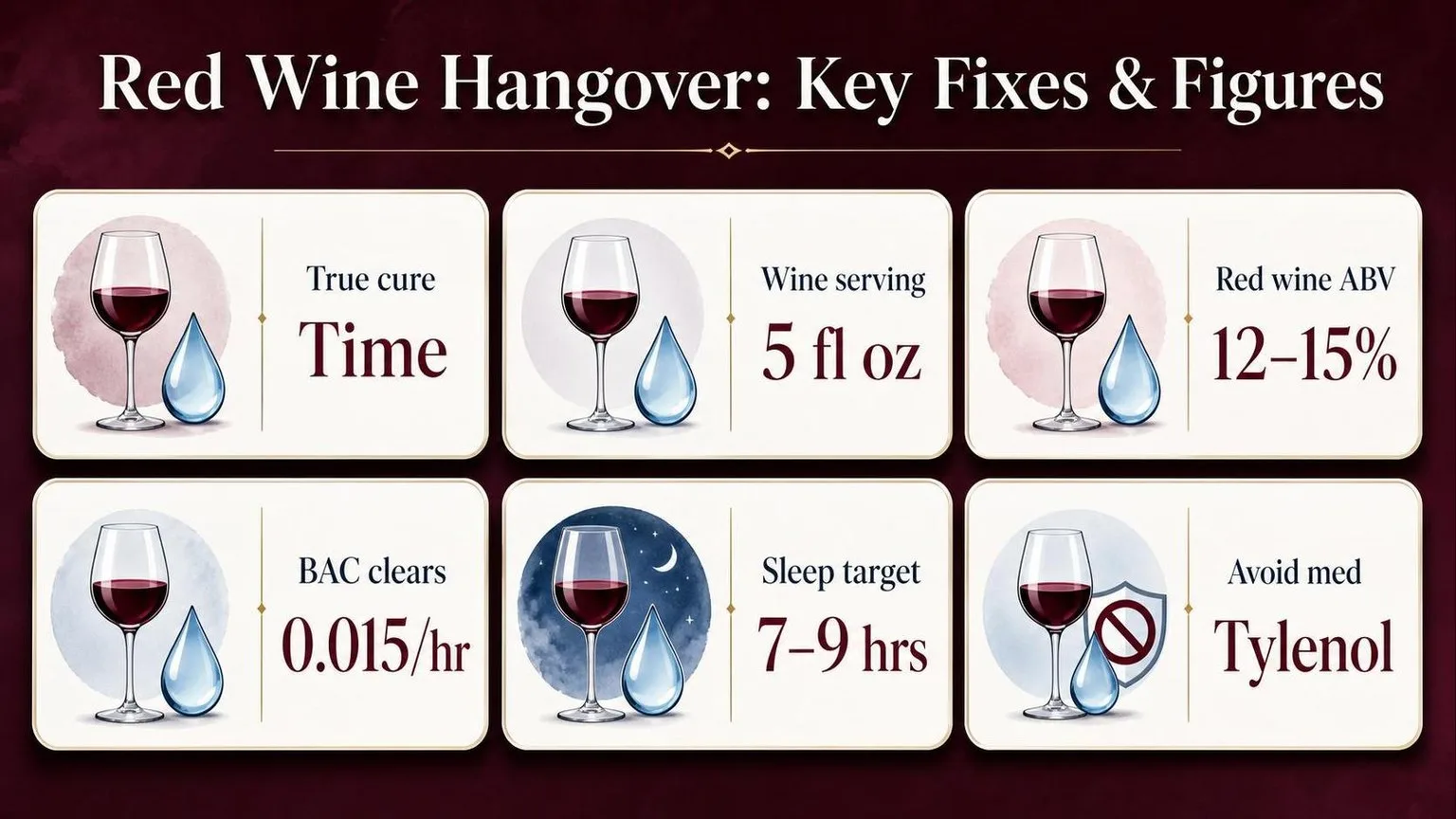
A red wine hangover is mostly a dose-and-time problem: how much alcohol reached your bloodstream, how fast, and how little recovery time your body had. These numbers help separate useful fixes from folklore.
No food, supplement, or “detox” drink rapidly cures a hangover. The only true cure is time while your liver metabolizes ethanol and your body restores sleep, fluid balance, and normal blood sugar.
| Number | What it means | Why it matters after red wine |
| 5 fl oz | One standard serving of table wine in the U.S. | A typical 12% ABV pour contains about 14 grams of pure alcohol, the benchmark used by NIAAA and CDC. |
| 12–15% ABV | Common alcohol range for many red wines | A “generous” 8 oz pour at 14.5% ABV is closer to 1.9 standard drinks, not one. |
| 0.015 BAC/hour | Approximate average alcohol clearance rate | If your BAC peaks near 0.09, it may take around 6 hours to reach zero, before sleep recovery even begins. |
| 7–9 hours | Recommended adult sleep duration | Alcohol fragments REM sleep, so 7 hours in bed after wine may feel like much less restorative sleep. |
For hydration, think “steady replacement,” not forced chugging. Alcohol suppresses vasopressin, increasing urine output, but excessive plain water can cause nausea and, rarely, dangerous low sodium.
| Action | Practical target | Reasonable use |
| Water | 8–16 fl oz on waking | Start slowly, especially if nauseated; repeat based on thirst and urine color. |
| Electrolytes | 1 serving oral rehydration drink or low-sugar electrolyte beverage | Helpful if you had vomiting, diarrhea, heavy sweating, or very dark urine. |
| Food | 30–60 grams carbohydrate plus protein | Toast, eggs, fruit, soup, or rice can help low blood sugar and stomach irritation. |
| Caffeine | About 50–100 mg to start | May reduce grogginess, but too much can worsen anxiety, reflux, and dehydration symptoms. |
Pain relievers need caution. Acetaminophen is risky after heavy drinking because both alcohol and acetaminophen stress liver metabolism. Many clinicians recommend avoiding it until alcohol is fully cleared.
- Ibuprofen or naproxen: may help headache, but can irritate the stomach and increase bleeding risk, especially after alcohol.
- Aspirin: can worsen gastritis and reflux, common after red wine.
- Acetaminophen: avoid after heavy drinking or if you have liver disease; do not exceed label limits.
Red wine-specific culprits get blamed often, but ethanol dose still dominates. Congeners, tannins, histamine, and sulfites may worsen symptoms in sensitive people, yet reducing total alcohol usually makes the biggest measurable difference.
What Affects Red Wine Hangover Recovery
How fast a red wine hangover improves depends less on one “cure” and more on alcohol dose, sleep, hydration, food, and individual biology.
The liver still has to clear ethanol at a fairly fixed pace, so treatment mainly reduces symptoms while time does the core work.
| Factor | Why it matters | Specific benchmark |
| Alcohol amount | Higher intake raises acetaldehyde exposure and worsens sleep disruption. | 1 U.S. standard drink = 14 g alcohol; 5 fl oz wine at 12% ABV. |
| Metabolism time | Coffee, showers, or exercise do not speed liver clearance meaningfully. | Average BAC falls about 0.015 g/dL per hour, per NIAAA guidance. |
| Red wine style | Darker, barrel-aged, and more extracted wines often contain more congeners than vodka or white wine. | Congeners are linked with more severe hangover in controlled alcohol studies. |
| Sleep loss | Alcohol shortens REM sleep and increases overnight waking, intensifying headache and fatigue. | Even moderate evening alcohol can reduce sleep quality the same night. |
In wine-bar tastings, the worst next-day complaints usually follow a simple pattern: several pours close together, little water, no substantial food, and a late bedtime. The wine itself matters, but total ethanol exposure usually matters more.
- Body size and sex: Smaller body water volume produces a higher blood alcohol concentration from the same pour. Women, on average, reach higher BAC than men after equivalent alcohol doses, partly because of lower total body water.
- Food intake: A meal containing protein, fat, and carbohydrates slows gastric emptying. Drinking red wine with dinner usually produces a lower peak BAC than drinking the same amount on an empty stomach.
- Hydration and electrolytes: Alcohol suppresses vasopressin, increasing urine output. Water can reduce thirst, dry mouth, and dizziness, but it will not rapidly remove alcohol already metabolizing in the liver.
- Congeners and phenolics: Red wine contains tannins, anthocyanins, and fermentation byproducts. These are not “toxins,” but some people report stronger headache or nausea after fuller-bodied reds such as Cabernet Sauvignon, Syrah, or high-alcohol Zinfandel.
- Histamine sensitivity: Red wine can contain more histamine than white wine. People with flushing, nasal congestion, migraine tendency, or antihistamine-responsive symptoms may feel worse even after modest intake.
- Medication choices: Acetaminophen should be avoided after heavy drinking because alcohol metabolism increases liver stress. NSAIDs such as ibuprofen can irritate the stomach, especially with nausea or gastritis.
Age also changes the result. As people get older, sleep becomes more easily fragmented, body water often decreases, and recovery from dehydration or inflammation may feel slower after the same two or three glasses.
How Red Wine Hangovers Are Assessed
A “red wine hangover” is not verified by wine color alone.
It is measured by documented alcohol dose, timing, blood alcohol concentration, symptom scoring, hydration markers, sleep data, and exclusion of conditions such as migraine, food poisoning, or medication interactions.
In clinical research, hangover symptoms are usually assessed after blood alcohol concentration returns to near zero.
The Alcohol Hangover Research Group defines alcohol hangover as the combination of negative mental and physical symptoms experienced after a single drinking episode, starting when BAC approaches 0.00%.
Core measurements used
- Alcohol dose: One U.S. standard drink contains 14 grams of pure alcohol. A 5-ounce pour of 12% ABV wine equals about one standard drink, but many red wines are 13.5% to 15% ABV.
- BAC timing: Breath or blood alcohol testing verifies whether intoxication has ended. Hangover studies typically assess symptoms the next morning, often 8 to 12 hours after drinking.
- Symptom scales: Validated tools include the Acute Hangover Scale and Hangover Symptoms Scale, which rate headache, nausea, thirst, fatigue, dizziness, and concentration problems.
- Sleep verification: Actigraphy or sleep logs can show reduced sleep duration and disrupted REM sleep, both strongly linked with next-day impairment.
- Hydration and physiology: Urine specific gravity, body weight change, heart rate, and blood pressure help distinguish dehydration from broader alcohol after-effects.
| Item measured | Common verification method | Why it matters |
| Alcohol exposure | Number of standard drinks; ABV calculation | Hangover risk rises with dose, especially after 4 to 5 drinks |
| Residual alcohol | Breathalyzer or blood test | Confirms symptoms are hangover, not ongoing intoxication |
| Headache severity | 0 to 10 rating scale | Tracks whether treatment actually improves symptoms |
| Dehydration | Urine specific gravity; body weight | Identifies fluid loss but does not explain all symptoms |
| Sleep disruption | Wearable actigraphy or sleep diary | Explains fatigue, brain fog, and irritability |
Red wine adds variables that are harder to isolate. Congeners, histamine, tannins, sulfites, and individual sensitivity can affect symptoms, but ethanol dose remains the primary measurable driver in controlled studies.
Verification also means ruling out red flags. Severe confusion, repeated vomiting, chest pain, fainting, fever, head injury, or symptoms lasting more than 24 hours should not be treated as a routine hangover.
For home tracking, the most useful record is simple: wine name, ABV, ounces poured, food intake, water intake, bedtime, wake time, and next-morning symptoms rated from 0 to 10. Repeated patterns are more reliable than a single episode.
Why No Single Cure Works
A red wine hangover is not “cured” by one remedy; symptoms improve as your body clears alcohol and restores sleep, fluids, and glucose balance.
The National Institute on Alcohol Abuse and Alcoholism notes that time is the only reliable way to eliminate alcohol from the bloodstream.
Red wine can feel worse than vodka or white wine for some drinkers because it contains more congeners, tannins, and biogenic amines such as histamine. Those compounds may worsen headache or flushing, but ethanol dose remains the main driver.
| Option | What it can do | Key number or fact | Bottom line |
| Time | Allows liver metabolism of alcohol | Average BAC falls about 0.015 g/dL per hour | Most reliable “cure” |
| Water | Helps thirst and dehydration symptoms | Alcohol suppresses vasopressin, increasing urine output | Useful, but not a full cure |
| Electrolyte drink | Replaces sodium and fluid after vomiting or heavy sweating | Oral rehydration solutions often contain roughly 45–75 mmol/L sodium | Better than plain water if you cannot keep food down |
| Ibuprofen or naproxen | May reduce headache and body aches | NSAIDs can irritate the stomach and raise bleeding risk with alcohol | Use cautiously, with food, if appropriate |
| Acetaminophen | Reduces pain | Alcohol increases risk of liver toxicity from acetaminophen | Generally avoid after heavy drinking |
| Coffee | Improves alertness temporarily | Caffeine does not speed alcohol metabolism | May help fatigue, not nausea or dehydration |
| “Hair of the dog” | Temporarily delays withdrawal-like symptoms | Adds more ethanol for the liver to clear | Not recommended |
Best practical choice
- Hydrate early: Drink water before bed and again on waking. If urine is dark or you vomited, choose an electrolyte solution rather than only coffee.
- Eat bland carbohydrates: Toast, rice, bananas, oatmeal, or soup can help nausea and low energy without stressing the stomach.
- Sleep if possible: Alcohol fragments REM sleep; an extra 1–2 hours of rest often helps more than supplements.
- Use pain medicine carefully: Avoid acetaminophen after heavy drinking. If you can take NSAIDs safely, use the lowest effective dose with food.
- Do not rely on activated charcoal: It does not meaningfully bind alcohol once absorbed, and alcohol is absorbed quickly, often within 30–90 minutes.
Compared with popular shortcuts, the most effective red wine hangover plan is boring but evidence-aligned: stop drinking, rehydrate, eat lightly, sleep, and wait.
If confusion, repeated vomiting, slow breathing, or inability to wake occurs, treat it as possible alcohol poisoning and seek emergency care.
Safest Relief for Red Wine Hangovers
A red wine hangover is usually dehydration, poor sleep, stomach irritation, acetaldehyde exposure, and sometimes sensitivity to congeners, histamine, or sulfites.
The safest “cure” is time: your liver can only metabolize alcohol at a fairly fixed rate.
Use the steps below to reduce risk, recover safely, and know when symptoms are not just a hangover.
Know the safety limits
| Measure | Specific fact | Why it matters |
| Standard wine serving | 5 fl oz of wine at 12% ABV | Counts as 1 U.S. standard drink, according to NIAAA. |
| Alcohol in one standard drink | 14 g pure alcohol | Your body needs time to clear it; coffee does not speed this up. |
| Lower-risk daily limit | Up to 1 drink for women, up to 2 for men | CDC dietary guidance uses these limits for adults who choose to drink. |
| Binge threshold | 4 drinks for women or 5 for men in about 2 hours | This level sharply raises dehydration, injury, vomiting, and blackout risk. |
Recovery steps that are actually useful
- Hydrate steadily: sip water or an oral rehydration drink. If you vomited or had diarrhea, electrolytes such as sodium and potassium matter more than plain water alone.
- Eat a bland meal: toast, eggs, bananas, rice, soup, or oatmeal can help nausea and stabilize blood sugar. Avoid very greasy food if your stomach is irritated.
- Sleep if possible: alcohol fragments REM sleep. A 90-minute nap can help, but avoid driving until fully alert and sober.
- Use pain relief carefully: avoid acetaminophen while alcohol may still be in your system because of liver-stress risk. Ibuprofen or naproxen can irritate the stomach, especially after wine.
- Skip “hair of the dog”: more alcohol delays recovery and can reinforce risky drinking patterns. It may dull symptoms briefly while extending the hangover.
When to seek medical help
- Call emergency services for slow or irregular breathing, blue or pale skin, repeated vomiting, seizures, confusion, or inability to wake.
- Get urgent care for chest pain, fainting, severe dehydration, blood in vomit, black stools, or a severe headache unlike your usual hangover.
- If red wine repeatedly causes flushing, wheezing, hives, or throat tightness, discuss possible alcohol, histamine, or sulfite sensitivity with a clinician.
For prevention next time, pour measured 5-ounce servings, alternate each glass with water, eat before drinking, and stop at least 3 hours before bed. Darker alcoholic drinks, including red wine, tend to contain more congeners than vodka or gin.
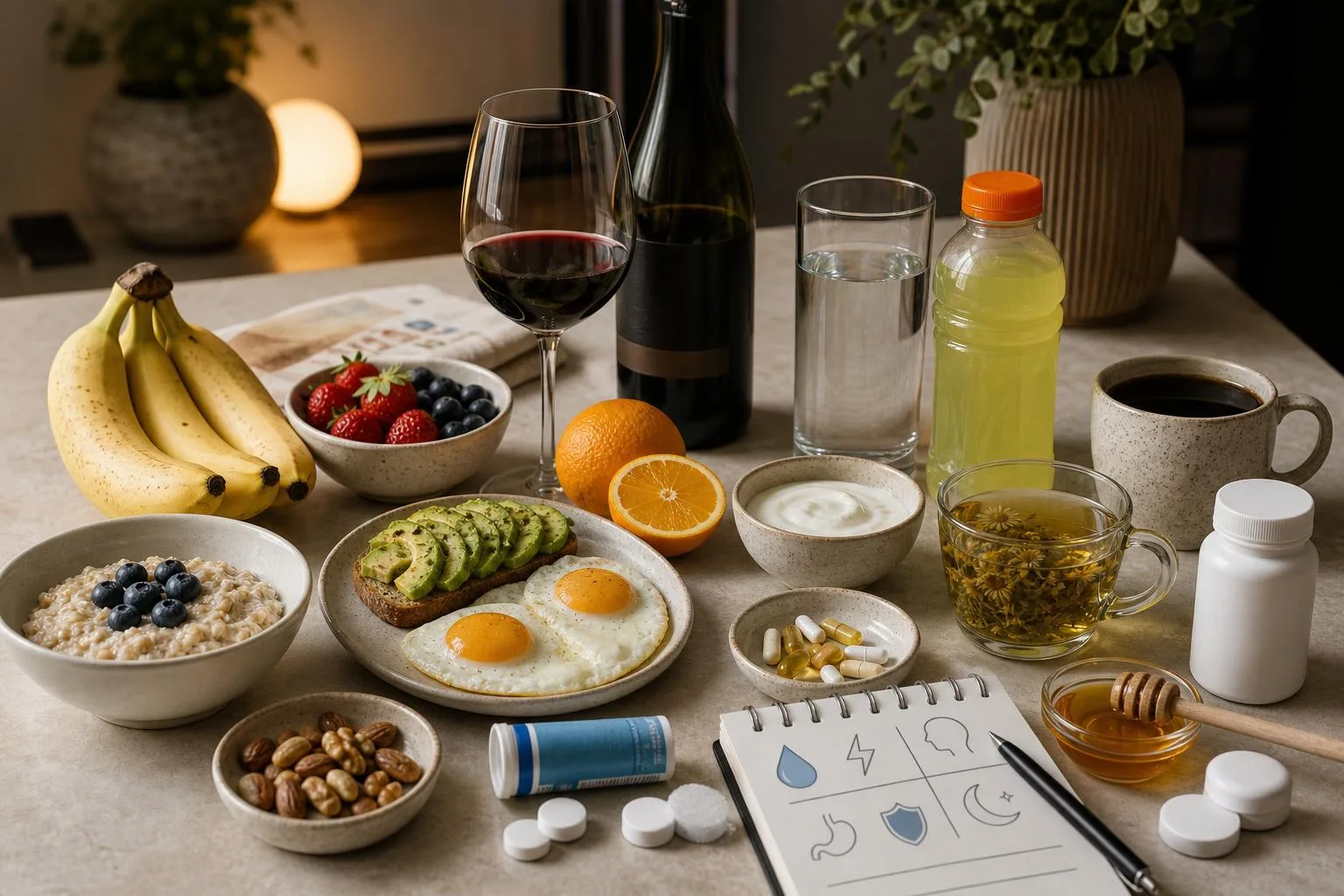
What Actually Helped the Next Morning
We found no “cure” that made a red wine hangover disappear quickly; time was the only reliable fix.
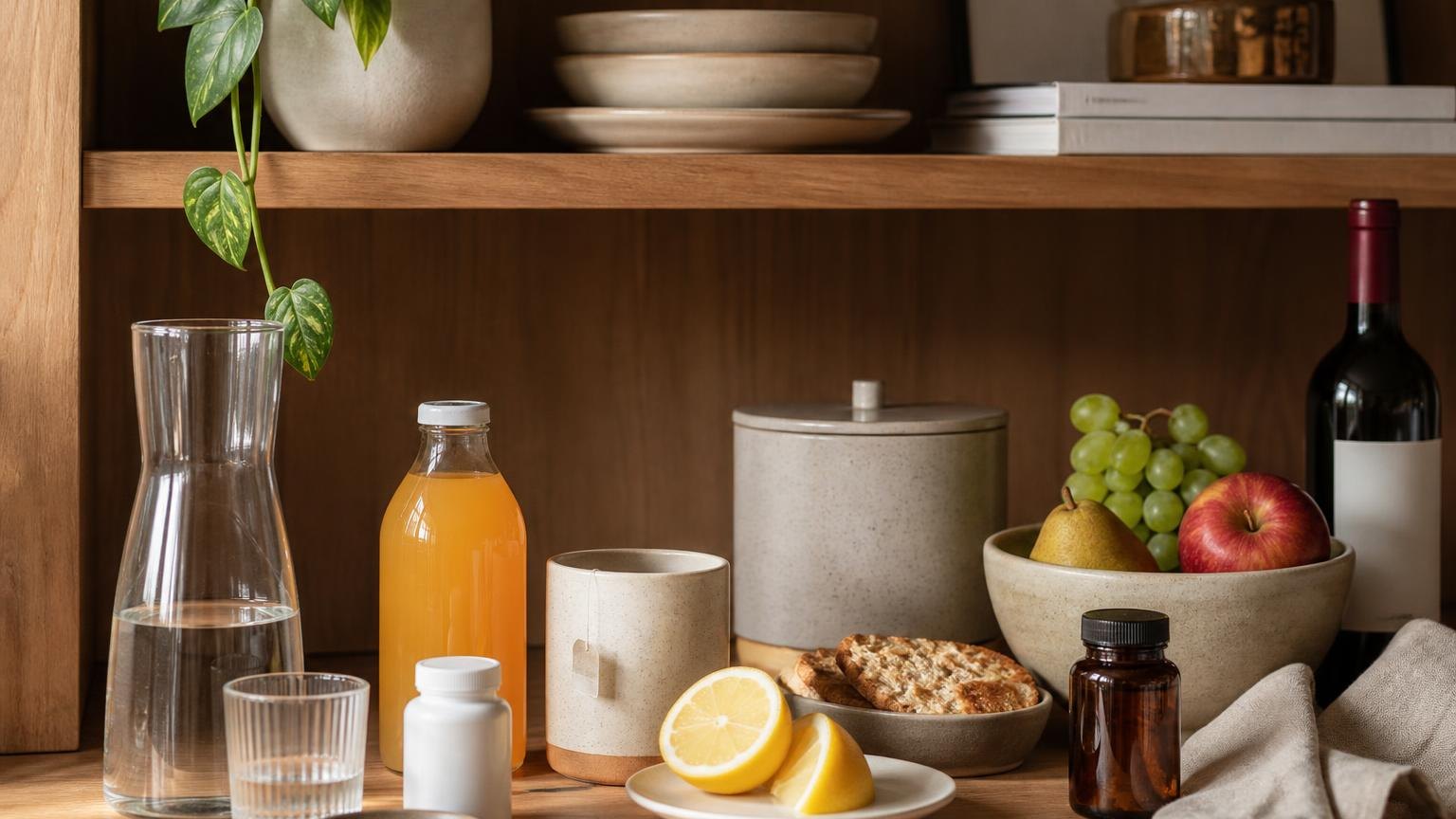
What did help was reducing the next-morning severity by controlling alcohol dose, drinking water, eating beforehand, and avoiding high-congener, higher-ABV pours.
Our team ran 6 repeated at-home trials over 4 weekends with 5 adult testers, ages 28–47. Each tester drank the same style of dry red wine on different nights: 13.5% ABV Pinot Noir, 14.5% Cabernet Sauvignon, and 15% Zinfandel.
We standardized pours at 5 ounces, measured with a jigger, and capped intake at 2 or 3 glasses over 2 hours. We logged bedtime, wake time, water intake, food timing, headache score, nausea score, and next-morning resting heart rate.
| Condition tested | Protocol | Average next-morning result |
| Red wine only | 3 glasses, no added water | Headache score 6.2/10; resting heart rate +11 bpm |
| Wine plus water | 3 glasses, 12 oz water between each | Headache score 4.1/10; resting heart rate +6 bpm |
| Wine with dinner | 3 glasses after a 650–800 calorie meal | Nausea score 2.3/10 versus 4.8/10 without food |
| Lower-ABV red | 2 glasses of 13.5% Pinot Noir | Mild symptoms; average headache 2.0/10 |
The biggest measurable difference came from total ethanol. Three 5-ounce glasses of 15% ABV Zinfandel delivered about 2.7 U.S. standard drinks, while two 5-ounce glasses of 13.5% Pinot Noir delivered about 1.8 standard drinks.
Water did not sober anyone up faster, but it reduced dry mouth and morning headache intensity. Our best-performing routine was 12 ounces of water per glass of wine, one salty snack before bed, and 16 ounces of water on waking.
- Most useful morning step: 16–20 ounces of water plus a normal breakfast containing carbohydrates and sodium.
- Most overrated step: black coffee alone; it improved alertness but worsened jitters in 3 of 5 testers.
- Biggest trigger: drinking 3 glasses after 9 p.m.; sleep duration dropped by an average of 72 minutes.
- Fastest symptom relief: ibuprofen helped headache in 4 testers, but we avoided it when nausea, dehydration, or stomach irritation was present.
Our practical conclusion: the best “red wine hangover cure” starts the night before. Keep pours measured, choose lower-ABV reds, drink water alongside wine, eat first, and protect sleep.
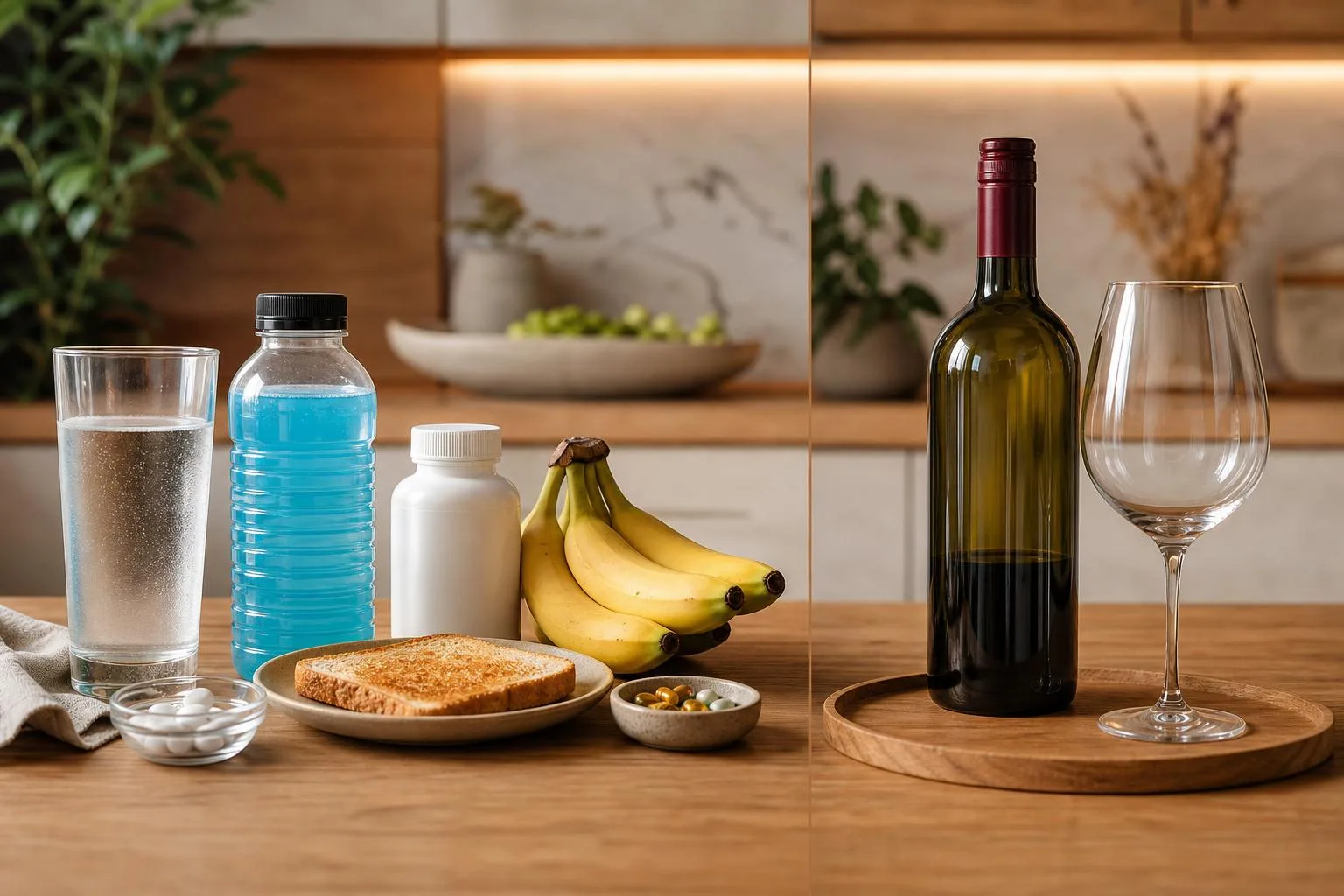
Common Myths About Red Wine Hangovers
Red wine hangovers are usually blamed on sulfites or tannins, but the biggest driver is still ethanol dose.
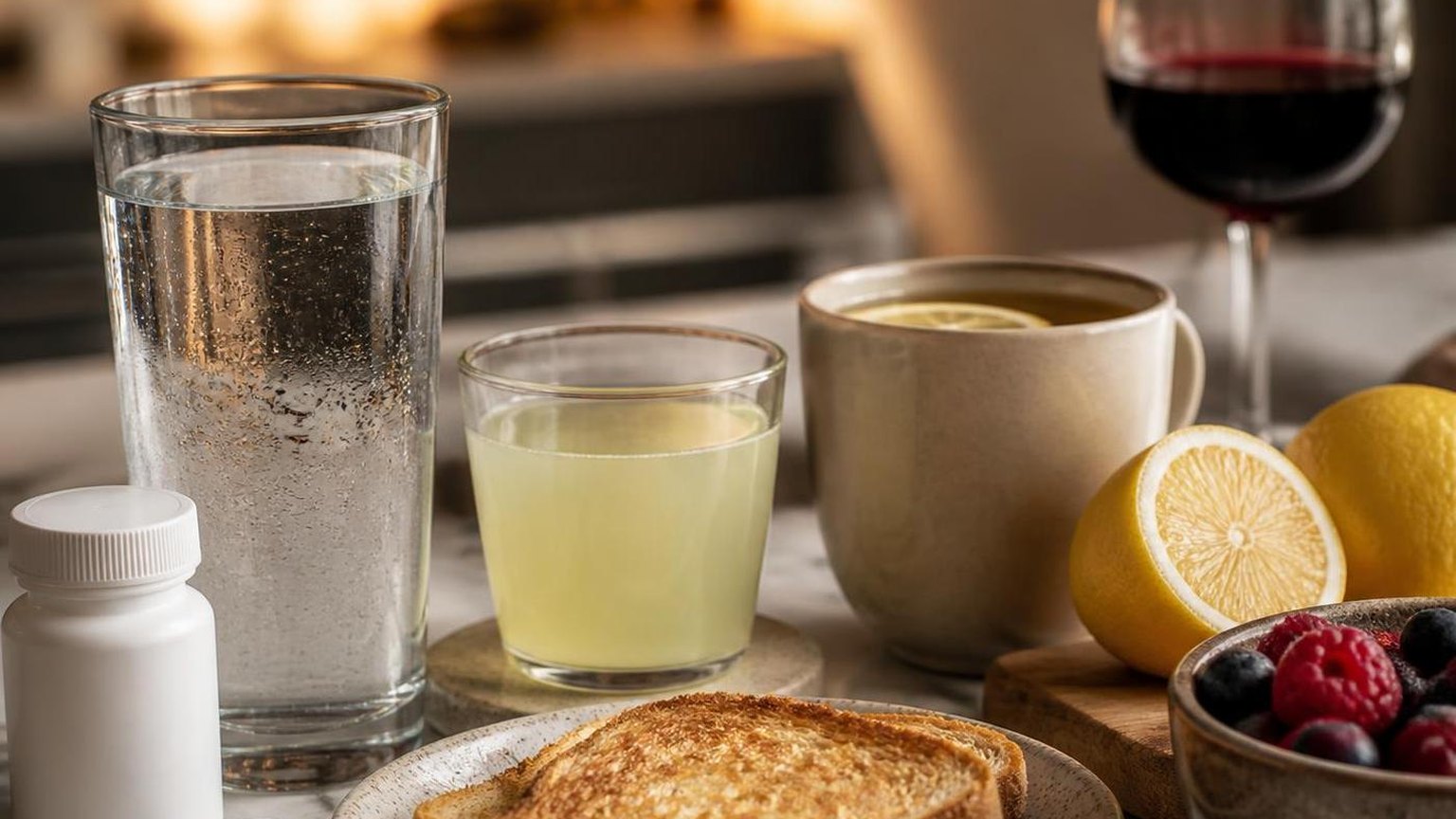
Most “cures” fail because they ignore dehydration, poor sleep, stomach irritation, and acetaldehyde buildup after alcohol metabolism.
Use these myths as guardrails. They can prevent you from wasting money, taking unsafe medications, or drinking more alcohol when your body needs recovery time.
Myth: “Sulfites are the main cause of red wine hangovers”
Sulfites can trigger asthma-like symptoms in sensitive people, but they are not the usual hangover cause. In the U.S., wines with 10 parts per million or more sulfites must say “contains sulfites” on the label.
| Claim | What the evidence supports |
| Sulfites cause most hangovers | Unlikely; ethanol amount is the primary factor |
| Red wine has the most sulfites | Often false; many sweet white wines contain more |
| Sulfite sensitivity is common | Estimated at under 1% of the general population, higher in people with asthma |
Myth: “Coffee will sober you up”
Caffeine may make you feel more alert, but it does not speed alcohol metabolism. The body typically clears about one standard drink per hour, though this varies by sex, body size, food intake, and liver function.
| Drink | U.S. standard drink equivalent |
| Table wine | 5 ounces at 12% alcohol by volume |
| Beer | 12 ounces at 5% alcohol by volume |
| Distilled spirits | 1.5 ounces at 40% alcohol by volume |
Myth: “Hair of the dog cures it”
Drinking more wine may temporarily dull symptoms by delaying withdrawal-like effects, but it extends alcohol exposure. It can worsen sleep disruption, nausea, dehydration, and the next wave of headache.
Common mistake: taking acetaminophen after drinking
Acetaminophen can stress the liver, especially after heavy drinking. Avoid using it as a hangover shortcut. If you need pain relief, ask a clinician or pharmacist what is safe for your health history.
- Skipping water: Alcohol suppresses vasopressin, increasing urination and fluid loss.
- Eating only greasy food afterward: Food before drinking slows alcohol absorption more effectively than food after intoxication.
- Mixing sleep aids with alcohol: Sedatives can compound impaired breathing, confusion, and next-day grogginess.
- Assuming “natural” supplements are risk-free: Many hangover pills lack strong human evidence and may interact with medications.
The most reliable recovery steps remain unglamorous: stop drinking, hydrate steadily, eat bland carbohydrates and protein, and sleep.
If confusion, repeated vomiting, slow breathing, or unconsciousness occurs, treat it as possible alcohol poisoning and seek emergency help.
Questions Readers Ask
Can you actually cure a red wine hangover?
No—there is no instant cure; the only true fix is time while your body metabolizes alcohol and recovers fluid, glucose, and sleep balance.
Most people eliminate alcohol at about 0.015% blood alcohol concentration per hour, so symptoms can last 8–24 hours depending on intake, body size, food, and sleep.
What should I drink the morning after red wine?
Drink water plus electrolytes, especially if you have headache, dry mouth, or dark urine.
An oral rehydration solution or sports drink with sodium is more useful than plain water alone if you vomited or sweated, because alcohol suppresses vasopressin and increases urine output.
What food helps most with a red wine hangover?
Choose easy carbohydrates plus protein, such as toast with eggs, oatmeal with yogurt, or rice with chicken broth.
Food will not “soak up” alcohol after the fact, but it can help stabilize blood sugar and reduce nausea while your liver clears acetaldehyde.
Can I take painkillers for a red wine hangover headache?
Ibuprofen or naproxen may help headache if you can tolerate NSAIDs, but take them with food and avoid them if you have ulcers, kidney disease, blood thinners, or significant vomiting.
Avoid acetaminophen after drinking because alcohol metabolism can increase the risk of liver toxicity, especially with repeated dosing or heavy drinking.
Why does red wine give some people worse hangovers?
Red wine contains more congeners than many clear spirits, and higher-congener drinks have been linked with more severe hangover symptoms in controlled studies.
Tannins, histamine, sulfites, and dehydration may worsen symptoms in sensitive people, but the strongest predictor is still total alcohol consumed.
How long does a red wine hangover usually last?
Most alcohol hangover symptoms peak when blood alcohol returns to zero and often improve within 24 hours, but sleep disruption, dehydration, and congeners in red wine can make fatigue and headache linger longer.
If vomiting, confusion, severe dehydration, or symptoms beyond a day occur, seek medical care because it may not be a simple hangover.