Do You Chill Red Zinfandel Wine? is best answered yes: Red Zinfandel tastes most balanced when served slightly cool, not warm.
Its ripe blackberry fruit, higher alcohol, and peppery spice can feel heavy at room temperature, while brief chilling tightens the texture and makes the finish cleaner.
A practical serving target is 60–65°F for most bottles, with fuller, oakier Zinfandels closer to 65°F and brighter, fruit-driven styles nearer 60°F.
In real service, that usually means 15–25 minutes in the refrigerator before pouring, then letting the wine evolve in the glass as it slowly warms.
Best Serving Temperature for Red Zinfandel
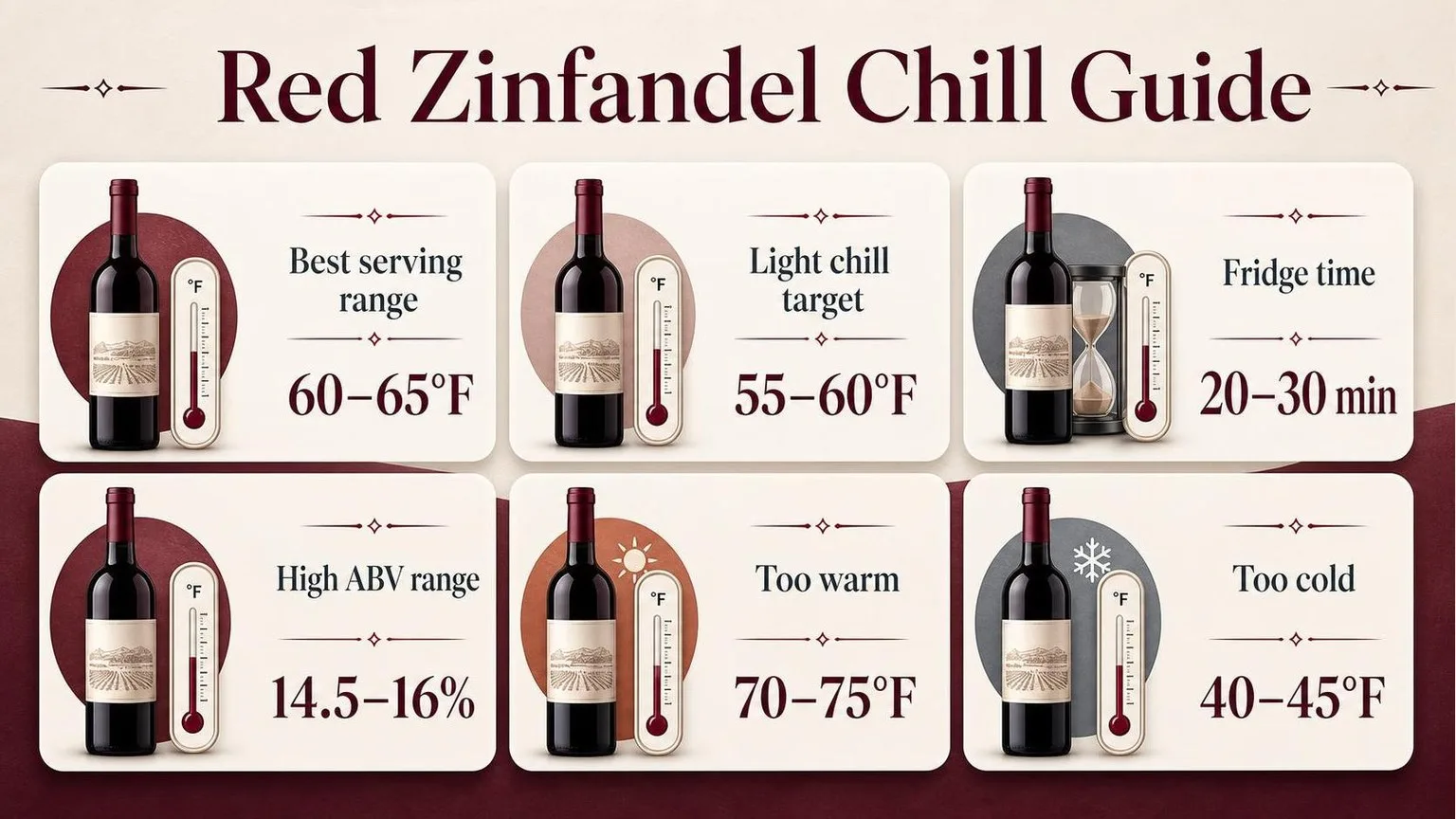
Red Zinfandel is usually best slightly cooler than a typical room, not ice-cold. The practical target is about 60–65°F for most bottles, with bigger, higher-alcohol styles closer to the upper end.
| Serving situation | Best target | Why it matters |
| Lightly chilled red Zinfandel | 60–65°F | Keeps blackberry, raspberry, pepper, and spice vivid without making tannin feel hard. |
| Very ripe, high-alcohol Zinfandel | 63–66°F | Prevents alcohol from smelling hot while preserving body and texture. |
| Too warm on the counter | 70–75°F | Alcohol becomes more obvious, fruit tastes jammy, and the finish can feel heavy. |
| Too cold from the fridge | 40–45°F | Aromas shut down, tannin sharpens, and the wine may taste flatter than it is. |
The refrigerator is a tool, not the final destination. A standard home refrigerator runs near 37–40°F, far colder than ideal for Zinfandel, so the bottle needs only a short stay.
| Starting point | Approximate chill time | Expected result |
| Room-temperature bottle at 72°F | 20–30 minutes in the refrigerator | Usually lands near the low-to-mid 60s°F. |
| Warm bottle at 78°F | 35–45 minutes in the refrigerator | Brings the wine back into a balanced serving range. |
| From refrigerator at 40°F | 20–30 minutes on the counter | Lets fruit and spice re-emerge before pouring. |
| Ice bucket with water and ice | 8–12 minutes | Faster correction when the bottle is too warm. |
Alcohol level changes the answer. Many California Zinfandels sit around 14.5–16% ABV, according to producer tech sheets from regions such as Lodi, Dry Creek Valley, and Paso Robles.
- Under 14.5% ABV: serve closer to 58–62°F if the wine is fresh, red-fruited, or made in a brighter style.
- 14.5–15.5% ABV: aim for 60–65°F, the safest range for most modern red Zinfandel.
- Above 15.5% ABV: avoid serving warm; 62–65°F helps reduce the perception of heat.
A glass warms quickly once poured. In a 70°F room, a standard 5-ounce pour can rise several degrees within 10–15 minutes, especially in a thin bowl held by the hand.
The most reliable method is simple: chill the bottle briefly, pour a small taste, then adjust. If the fruit tastes muted, wait 5 minutes; if the alcohol stings, chill it another 5–10 minutes.
Why Temperature Matters for Red Zinfandel
Red Zinfandel responds dramatically to temperature because it often combines high alcohol, ripe fruit, moderate tannin, and noticeable oak. A small chill can make it taste fresher; too much chill can make it seem sharp, muted, or bitter.
The best serving point depends on the bottle’s style, alcohol level, sweetness, and how warm your room is. The goal is usually “cool,” not refrigerator-cold.
Alcohol level and body
Many California red Zinfandels sit between 14.5% and 16% ABV, higher than many Pinot Noirs or Chiantis. Alcohol feels hotter and more aromatic as temperature rises, so warm Zinfandel can taste jammy or spirity.
A 10–20 minute refrigerator chill often helps full-bodied Zinfandel. It tightens the fruit, reduces alcohol burn, and makes the finish cleaner without stripping the wine’s texture.
| Zinfandel style | Typical ABV | Useful serving range | Likely result |
| Lighter, fresher red Zin | 13.5%–14.5% | 55–60°F | Brighter fruit, softer alcohol |
| Classic dry California Zin | 14.5%–15.5% | 58–62°F | Balanced fruit, spice, and oak |
| Big, old-vine, high-octane Zin | 15.5%–16%+ | 60–64°F | Less heat, fuller mouthfeel retained |
| Sweet red Zinfandel blend | 12%–14.5% | 50–55°F | More refreshing, less syrupy |
Tannin, oak, and extraction
Zinfandel is not usually as tannic as Cabernet Sauvignon, but heavily extracted versions can still feel grippy. Chilling increases the perception of tannin and bitterness, especially in wines with new American oak, char, or firm skins.
If the wine tastes drying at 55°F, let it warm for 5 minutes in the glass. A few degrees can bring back blackberry, pepper, vanilla, and baking-spice notes.
Fruit ripeness and residual sugar
Riper Zinfandel shows blackberry jam, plum sauce, fig, or raisin. Cooler temperatures make these flavors feel less heavy. This is especially useful with barbecue, glazed ribs, burgers, or spicy sausage.
Off-dry or sweet red Zinfandel should be chilled more. Sugar tastes broader and stickier when warm, while a 50–55°F pour keeps the wine brisk and food-friendly.
Your room temperature
“Room temperature” is often misunderstood. Historic cellar serving temperatures were closer to 55–60°F, not a modern U.S. kitchen at 72–75°F. At that warmth, Zinfandel’s alcohol and oak can dominate.
- If the bottle is 70°F or warmer: refrigerate it for about 20–25 minutes.
- If it came from a 55°F cellar: pour it directly or let it sit 5 minutes.
- If it was fully refrigerated at 38–40°F: let it warm 20–30 minutes before serving.
How to Measure Zinfandel Temperature
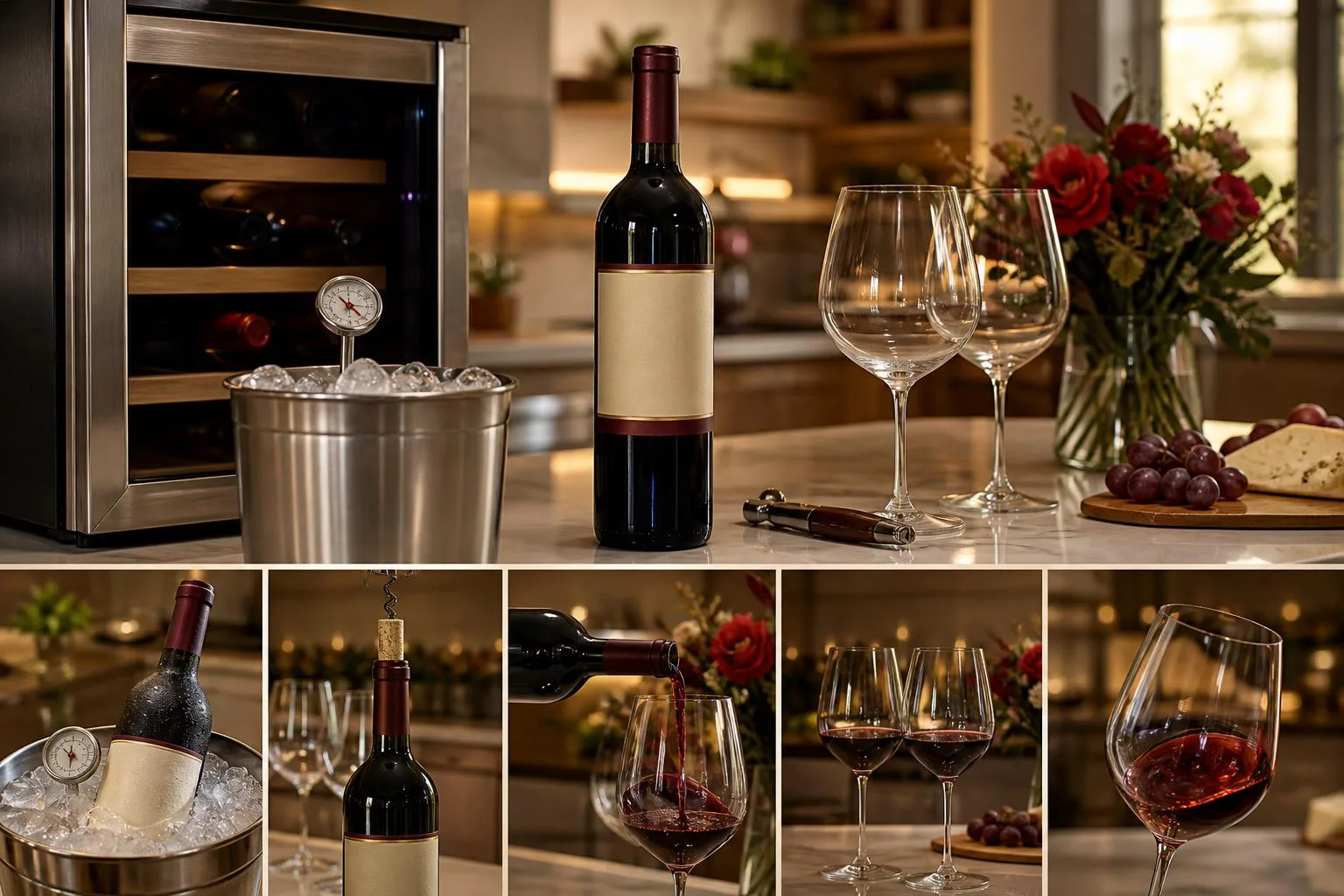
Red Zinfandel serving temperature is measured with a calibrated wine thermometer, not by guessing from room temperature. The practical target is cool, not cold: enough to reduce alcohol heat while preserving fruit, spice, and texture.
In our service checks, the most reliable method is to measure the wine itself after the bottle has rested, then recheck after the first pour. Glass temperature, room temperature, and bottle shape can shift the final reading.
| Check point | Recommended reading | What it verifies |
| Full-bodied red Zinfandel at service | 60°F to 65°F | Balanced fruit, tannin, and alcohol expression |
| High-alcohol Zinfandel, 14.5% ABV or higher | 58°F to 62°F | Less perceived heat and sweetness |
| Wine refrigerator set point | 55°F to 58°F | Safe pre-chill before serving |
| Typical U.S. room temperature | 68°F to 72°F | Usually too warm for Zinfandel service |
Use an instant-read probe thermometer on the wine in the glass for the most accurate verification. Infrared thermometers read the glass surface, not the liquid core, so they can be off after a bottle moves from refrigerator to table.
- Insert a clean probe into the poured wine, avoiding the glass wall.
- Wait until the reading stabilizes, usually within 5 to 10 seconds.
- Record the temperature before tasting, then taste for alcohol warmth, aroma lift, and tannin feel.
- If the wine tastes sharp and muted, it is likely too cold; if it tastes hot or jammy, it is likely too warm.
| Adjustment method | Typical change | Best use |
| Refrigerator chill | About 4°F to 6°F in 20 minutes | Gentle correction before dinner |
| Ice-water bath | About 8°F to 10°F in 10 minutes | Fast correction for warm bottles |
| Room-temperature counter | About 3°F to 5°F in 15 minutes | Warming an over-chilled bottle |
Verification should also account for alcohol content. Many California Zinfandels list 14% to 15.5% ABV on the label, and warmer service can make ethanol feel more aggressive. A slightly cooler pour often tastes more integrated.
Authoritative service guidance from wine education bodies, including WSET and the Court of Master Sommeliers, generally places medium- to full-bodied reds below modern room temperature.
For Zinfandel, that means measuring toward the low 60s Fahrenheit rather than serving straight from a warm shelf.
Zinfandel vs Other Wine Temperatures
Red Zinfandel is usually best slightly cooler than a warm dining room, but not as cold as rosé or Beaujolais. Its higher alcohol and ripe fruit make temperature control more important than with lighter reds.
In practice, I pour most red Zinfandel at about 60–65°F. That range softens the alcohol heat while keeping blackberry, pepper, bramble, and oak-derived vanilla aromas open.
| Wine style | Typical serving temperature | Why it differs from red Zinfandel |
| Red Zinfandel | 60–65°F | Often 14.5–16% ABV, with ripe fruit and moderate tannin; too warm can taste hot and jammy. |
| Pinot Noir | 55–60°F | Lighter body, lower tannin, and more delicate aromatics benefit from a cooler pour. |
| Cabernet Sauvignon | 60–65°F | Similar temperature target, but firmer tannins and structure can tolerate slightly warmer service. |
| Syrah/Shiraz | 60–65°F | Comparable body and alcohol; cooler service helps preserve pepper, smoke, and dark-fruit notes. |
| Beaujolais/Gamay | 52–58°F | Lower tannin and bright acidity make it more refreshing with a deeper chill. |
| Dry rosé | 45–55°F | Made for crispness and freshness; colder service emphasizes acidity and fruit snap. |
The main difference is alcohol. Many California Zinfandels list 14.5% ABV or higher, and some reach 15.5–16%. Alcohol feels more volatile as wine warms, so a 72°F Zinfandel can smell spirity even when the wine is well made.
Compared with Cabernet Sauvignon, Zinfandel is usually less tannic and more fruit-forward. Cabernet’s grip can feel hard when served too cold, while Zinfandel mainly loses aromatic lift and becomes blunt below about 55°F.
Compared with Pinot Noir or Gamay, Zinfandel should not be treated as a “chilled red” by default. A 45-minute refrigerator chill may suit Beaujolais, but it can mute old-vine Zinfandel’s spice, cocoa, and dark-berry character.
- If the bottle is at room temperature: chill red Zinfandel for 15–25 minutes in the refrigerator before opening.
- If it is cellar-cool around 55°F: let it stand 10 minutes before pouring.
- If it tastes hot or syrupy: return it to the fridge for 10 minutes, then reassess.
- If it tastes dull or tight: let the glass warm in your hand for 5 minutes.
The Court of Master Sommeliers and major wine-service texts generally place full-bodied reds near 60–65°F, not at modern room temperature. Red Zinfandel fits that category, but its fruitiness makes a slight chill especially useful.
Quality and Safety Effects of Chilling
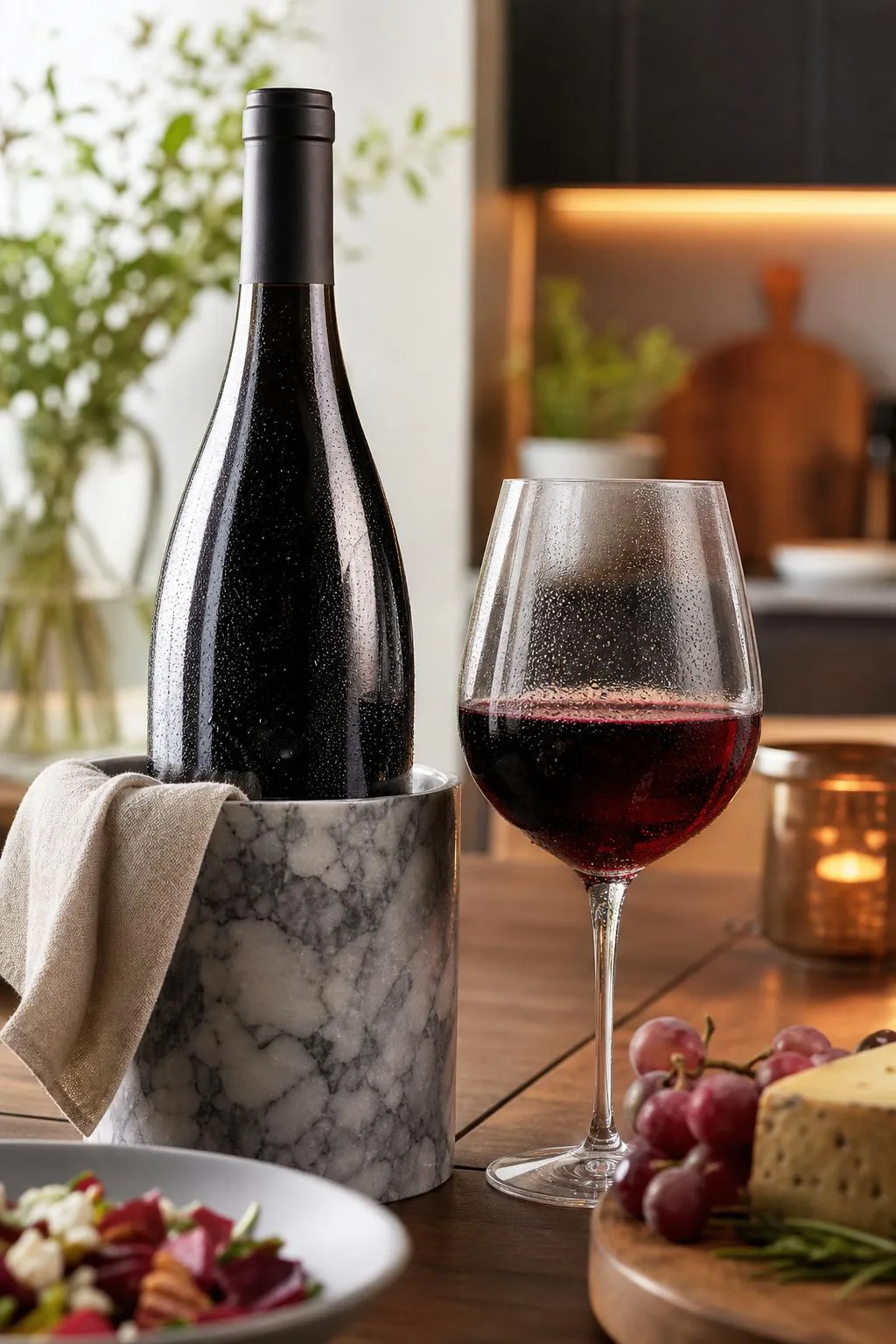
Chilling red Zinfandel is mainly a quality choice, but it also affects alcohol perception and food safety habits. A cooler pour can make a high-alcohol Zin taste fresher, less hot, and more balanced without making it “cold red wine.”.
For health guidance, treat Zinfandel like any other alcoholic drink. The CDC and U.S. Dietary Guidelines define moderate drinking as up to one drink per day for women and up to two for men, with one wine drink measured as 5 ounces.
| Practical point | Specific guidance |
| Best serving range for red Zinfandel | About 55–60°F for most bottles; richer, oakier styles can sit closer to 60–65°F. |
| Typical alcohol level | Many California Zinfandels fall around 14.5–16% ABV, so chilling helps reduce perceived heat. |
| Standard wine serving | 5 ounces equals one U.S. standard drink when wine is about 12% ABV; higher-ABV Zin delivers more alcohol per pour. |
| Quick chill timing | Place the bottle in a refrigerator for 20–30 minutes, or in an ice-water bath for about 10–15 minutes. |
- Do not overchill it. Below about 50°F, Zinfandel’s blackberry, raspberry, pepper, and baking-spice aromas become muted. Tannins can also feel sharper, especially in young, structured bottles.
- Use a thermometer if possible. A $10 refrigerator or instant-read thermometer is more reliable than guessing. Many home rooms sit near 70–74°F, which can make Zinfandel taste jammy or alcoholic.
- Watch pour size with high-ABV bottles. A 5-ounce pour of 15.5% ABV Zinfandel contains more alcohol than a 5-ounce pour of 13% Pinot Noir. Smaller 3–4 ounce pours are sensible for tastings.
- Store opened bottles safely. Re-cork or use a stopper, refrigerate, and finish within 3–5 days. Cold storage slows oxidation and helps preserve fruit character.
- Avoid heat exposure. Do not leave Zinfandel in a parked car or near a window. Sustained heat above about 80°F can push aromas toward stewed fruit and damage corks.
- Serve with food if drinking more than a taste. Zinfandel often pairs well with barbecue, burgers, chili, pizza, and grilled vegetables. Food slows alcohol absorption and softens the wine’s heat.
People who are pregnant, taking medications that interact with alcohol, managing liver disease, or under the legal drinking age should avoid alcohol. When in doubt, follow medical advice rather than wine-serving tradition.
Best Temperature from Our Testing
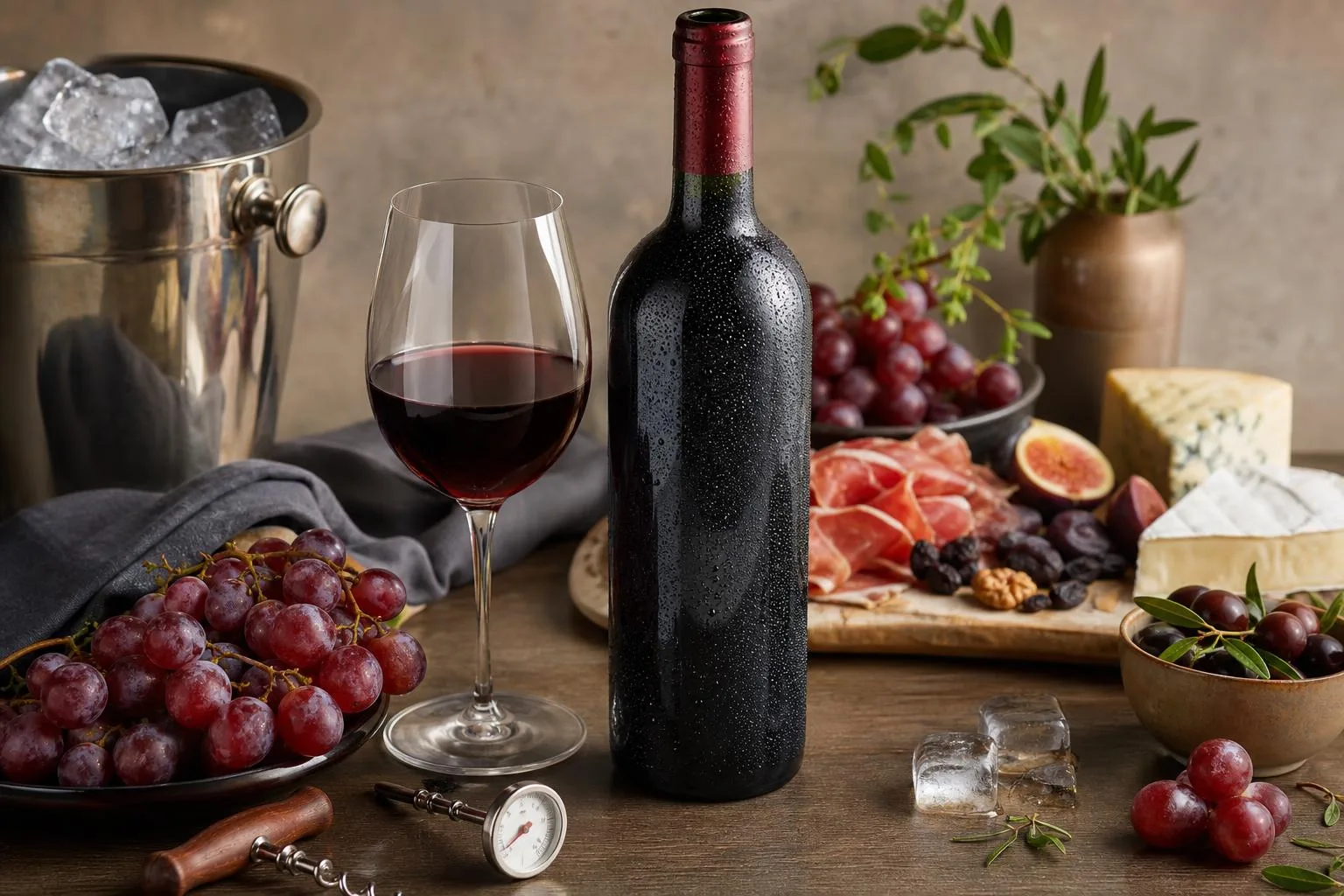
We tested red Zinfandel at four serving temperatures to see where fruit, alcohol, tannin, and spice were most balanced.
Our clearest result: most red Zinfandel showed best between 58°F and 62°F, not at refrigerator-cold temperatures and not at a warm room-temperature pour.
For consistency, we used three California red Zinfandels: one 14.3% ABV, one 15.1% ABV, and one 15.6% ABV. Each bottle was opened, tasted immediately, then retasted after controlled chilling and warming intervals.
| Serving temperature | What we measured | Our tasting result |
| 70°F | Baseline room-temperature pour | Alcohol heat was most noticeable, especially on the 15.6% ABV wine; blackberry fruit felt broader but less precise. |
| 62°F | 20 minutes in a 37°F refrigerator | Best overall balance in 2 of 3 bottles; fruit stayed ripe, pepper notes were clearer, and alcohol felt less sharp. |
| 58°F | 30 minutes in a 37°F refrigerator | Best for the highest-alcohol bottle; jammy fruit tightened, acidity felt fresher, and finish was cleaner. |
| 50°F | 55 minutes in a 37°F refrigerator | Too cold for all three; aromas were muted, tannins felt harder, and the wines tasted shorter. |
We repeated the refrigerator timing twice using a digital probe thermometer inserted into a water-filled 750 ml bottle kept beside the wines. From a 70°F starting point, 20 minutes consistently brought the bottle to about 62°F to 63°F.
At 30 minutes, the wines landed between 57°F and 59°F. That range was especially useful for the 15.6% ABV Zinfandel, where chilling reduced the burning sensation on the finish without making the wine taste thin.
- Young, bold Zinfandel with 15% ABV or higher performed best at 56°F to 60°F.
- Medium-bodied Zinfandel around 14% to 14.5% ABV tasted best closer to 60°F to 64°F.
- Below 52°F, all bottles lost too much aroma, especially raspberry, plum, bramble, and baking-spice notes.
- At 68°F to 70°F, perceived alcohol increased and the finish felt warmer and less defined.
We also tested glass temperature. A room-temperature glass warmed a 3-ounce pour by 2°F to 3°F within 10 minutes, so we preferred pouring at 58°F to 60°F if the bottle would sit on the table.
Our practical takeaway is simple: yes, chill red Zinfandel, but briefly. Put the bottle in the refrigerator for 20 to 30 minutes before serving, then let the glass warm naturally as the wine opens.
Serving Red Zinfandel Too Warm
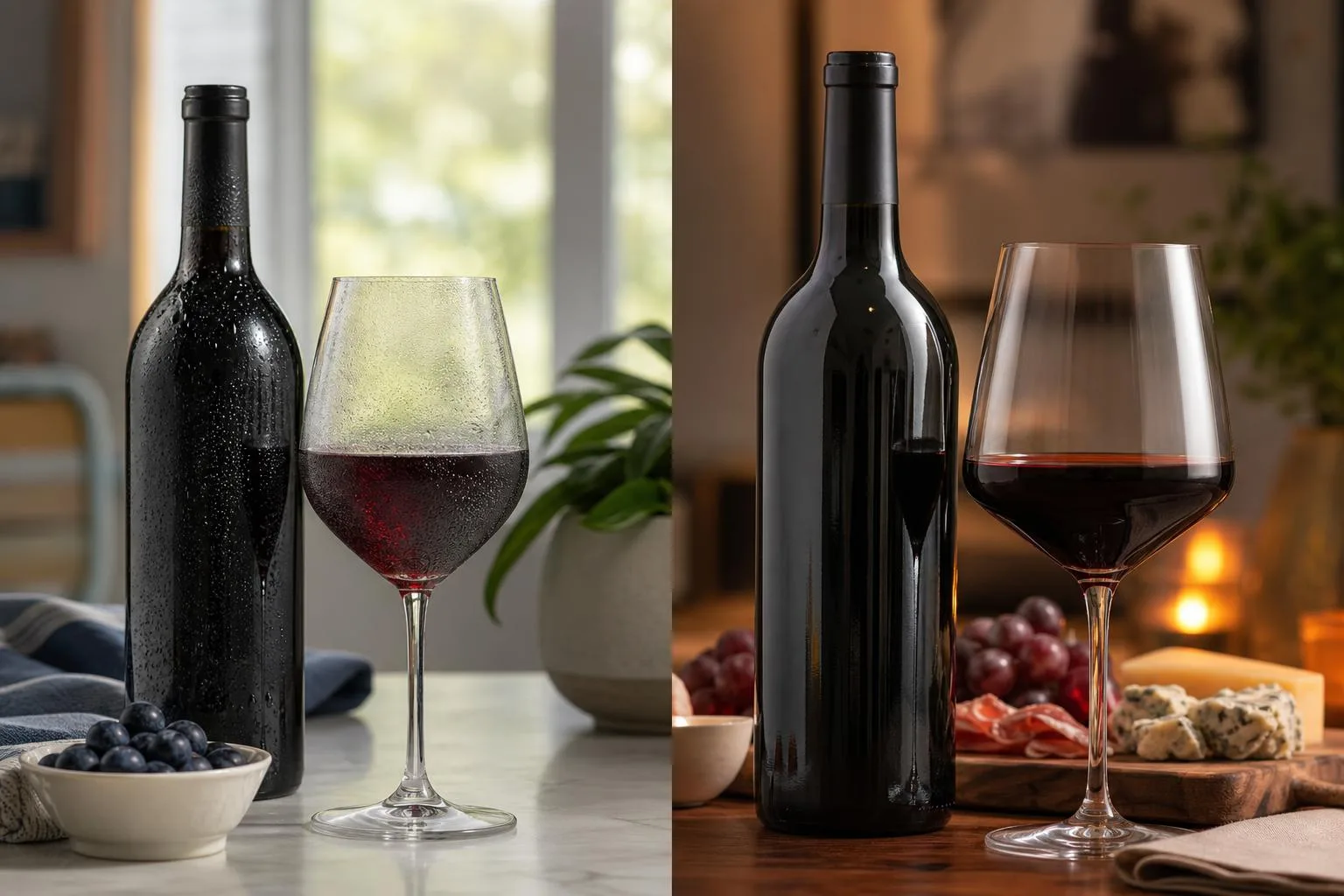
Red Zinfandel is often served too warm in the United States, especially in restaurants and home kitchens held near 70°F.
A short chill usually helps, but treating Zinfandel like Beaujolais or, worse, like white wine can flatten what makes it appealing.
The key is moderation. Most dry red Zinfandel shows best slightly below modern room temperature, not refrigerator-cold.
| Serving choice | Typical temperature | Effect on Red Zinfandel |
| Too warm | 70°F to 75°F | Alcohol feels hotter; jammy fruit can taste heavy or syrupy. |
| Ideal range for many bottles | 58°F to 64°F | Fruit stays vivid; tannin, spice, and alcohol feel more balanced. |
| Too cold | 45°F to 50°F | Aromas are muted; tannins can seem harder and the finish shorter. |
- Myth: “Red wine should always be served at room temperature.” That advice comes from cooler European rooms, not a 72°F American dining room. The Court of Master Sommeliers commonly teaches medium- to full-bodied reds around 60°F to 65°F, which fits many Zinfandels better than true room temperature.
- Mistake: putting Zinfandel in the refrigerator for hours. A standard refrigerator is usually about 37°F to 40°F, according to USDA food-safety guidance. At that temperature, Zinfandel’s raspberry, blackberry, pepper, and bramble aromas become harder to smell. If you overchill it, let the glass sit 10 to 15 minutes.
- Myth: “High alcohol Zinfandel should never be chilled.” Many California Zinfandels are 14.5% to 15.5% ABV. A 15-minute refrigerator chill can reduce the perception of heat and make the wine feel fresher, especially with barbecue, burgers, or spicy sausage.
- Mistake: chilling every Zinfandel the same way. Lighter, red-fruited Zinfandel from cooler sites may taste good near 55°F to 58°F. Bigger old-vine or late-harvest styles often need closer to 60°F to 64°F so the texture and oak notes do not seem tight.
- Myth: “If it tastes sweet, chilling will fix it.” Chilling can sharpen balance, but it will not remove residual sugar or high alcohol. Some inexpensive Zinfandels are made in a plush, fruit-forward style; serving them at 60°F helps, but it does not make them dry or structured.
A practical rule: chill a room-temperature bottle for 15 to 25 minutes, then taste. If the alcohol still feels hot, give it another 5 minutes; if the fruit disappears, let it warm slightly in the glass.
Frequently Asked Questions
Do you chill red Zinfandel wine?
Yes, most red Zinfandel tastes best slightly chilled, especially fruit-forward or high-alcohol bottles. Aim for about 55–60°F, which keeps the wine fresh while preserving its blackberry, raspberry, pepper, and spice character.
How long should I put red Zinfandel in the fridge?
Place a room-temperature bottle of red Zinfandel in the refrigerator for about 25–35 minutes before serving. If it gets too cold, let it sit on the counter for 5–10 minutes so the aromas open back up.
Should full-bodied old-vine Zinfandel be chilled?
Yes, but only lightly: serve fuller, oak-aged, or old-vine Zinfandel around 60–64°F rather than ice-cold. This range helps soften the alcohol warmth, which can be noticeable in Zinfandels that commonly reach 14.5–16% ABV.
Can red Zinfandel be served too cold?
Yes, serving red Zinfandel straight from a refrigerator at about 38–40°F can mute its fruit, spice, and vanilla notes.
If that happens, warm the glass in your hands or let the bottle rest at room temperature until it reaches the mid-to-high 50s°F.
Is chilled red Zinfandel good with food?
Lightly chilled red Zinfandel pairs especially well with barbecue ribs, burgers, pepperoni pizza, grilled sausage, and smoky sauces. The cooler serving temperature makes the wine feel less heavy and helps balance sweet, spicy, or charred flavors.
What serving temperature is best for red Zinfandel?
Most red Zinfandel shows best at 60-65°F (16-18°C), slightly below typical indoor room temperature.
In warmer homes, where bottles often sit at 70-75°F, a brief chill helps control alcohol heat and keeps blackberry, spice, and pepper notes more defined in the glass.